
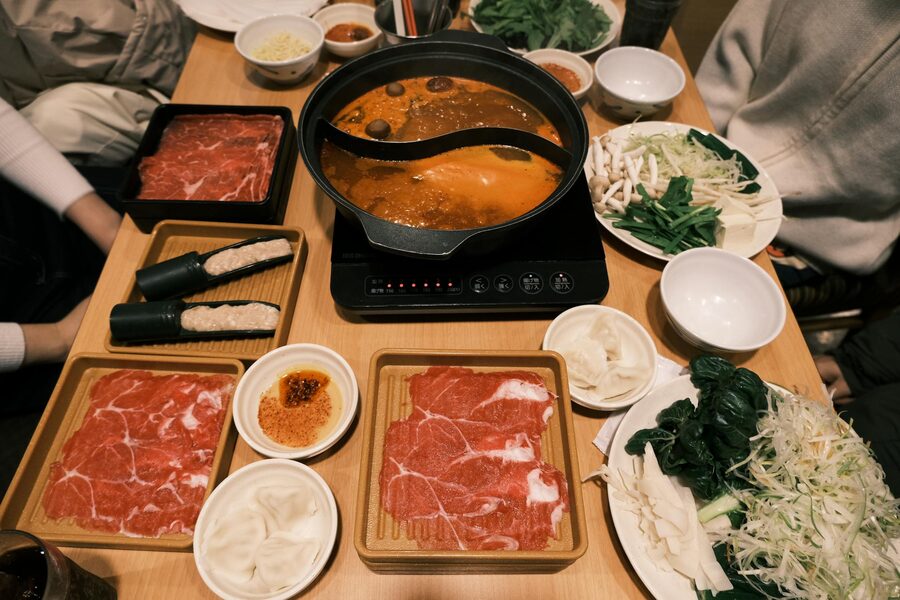
The boat was smaller than I expected. Not in a bad way — in a “this is someone’s living room that happens to float” way. Low tables on tatami mats, sliding paper screens, a ceiling lantern swaying gently with the current. I kicked off my shoes at the entrance and sat cross-legged on a cushion while the Sumida River slid past the window. Within ten minutes someone placed a bubbling pot of sukiyaki in front of me and a bottle of Asahi appeared from nowhere. That’s a yakatabune.
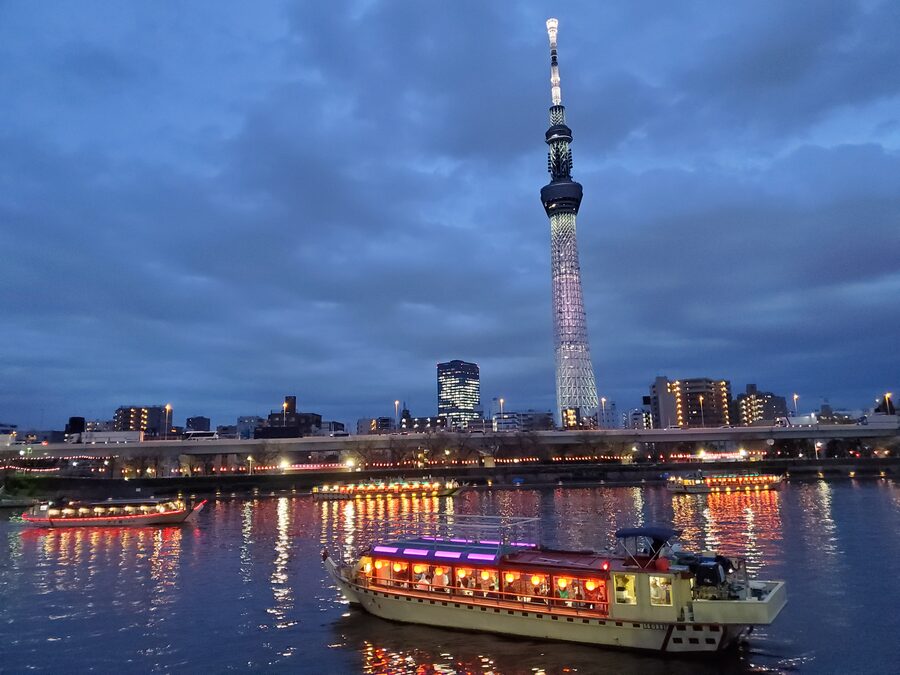
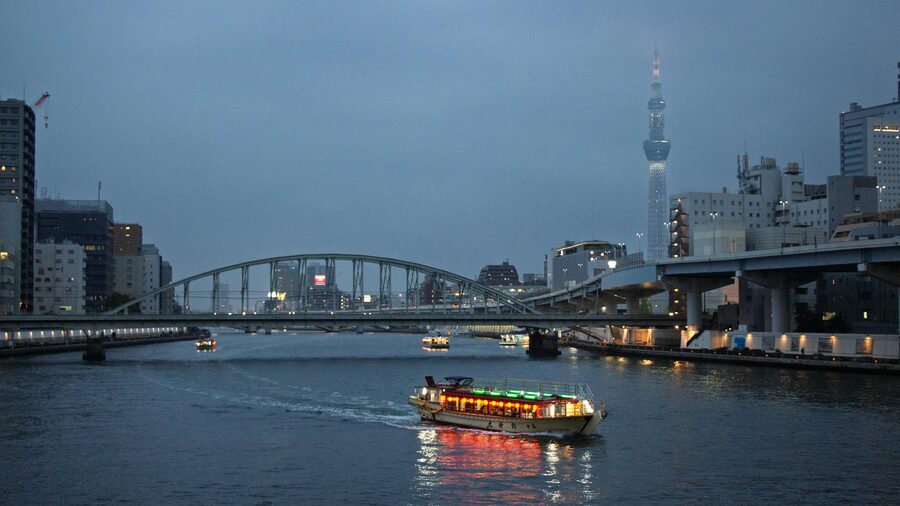
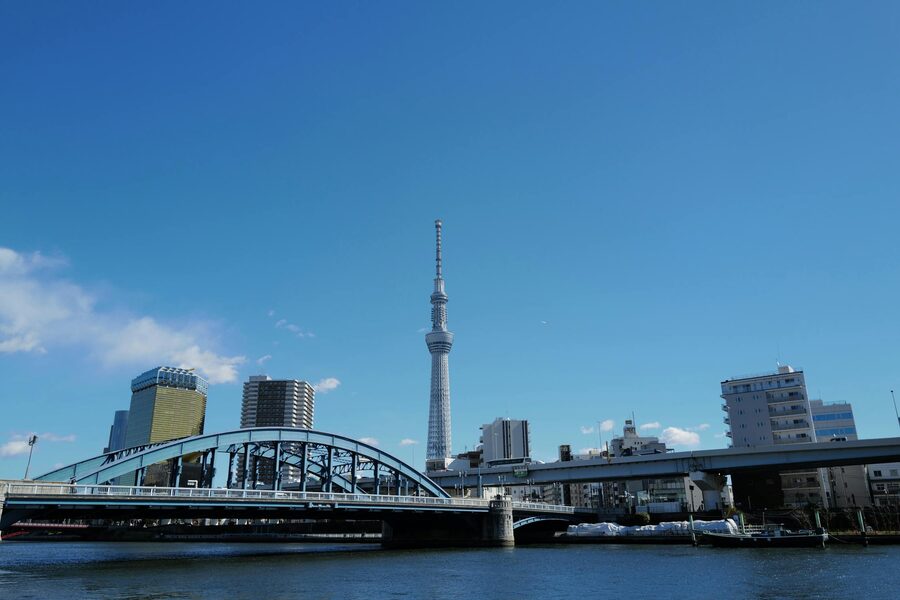
Most travelers in Tokyo don’t know yakatabune exist. They book the big cruise ships or the tourist boats from Odaiba. But the yakatabune — traditional wooden houseboats with tatami-mat dining rooms, Japanese food cooked on board, and views of Tokyo’s skyline from water level — is one of the most genuinely Japanese experiences you can have in the city. It’s what locals do for work parties, celebrations, and dates. And it’s surprisingly easy to book as a tourist.
Short on time? Here are my top picks:
Best value with a show: Tokyo Bay Cruise with Japan Show & Sukiyaki — $63. 100 minutes, includes sukiyaki dinner and traditional Japanese performance. Most booked option.
Most authentic yakatabune: Sumida River Yakatabune Dinner Cruise — $103. 2.5 hours on a traditional boat with a full kaiseki-style meal and all-you-can-drink.
Premium dinner & show: Yakatabune Dinner Cruise & Traditional Japanese Show — $104. Similar format with added cultural performance.
- What Exactly Is a Yakatabune
- The Route — What You’ll See
- Which Cruise to Book
- 1. Tokyo Bay Cruise with Japan Show & Sukiyaki —
- 2. Sumida River Yakatabune Dinner Cruise — 3
- 3. Yakatabune Dinner Cruise & Traditional Japanese Show — 4
- Practical Tips for Booking
- Yakatabune Through the Ages — 1,000 Years of Floating Dinner Parties
- Other Evening Activities in Tokyo
- Comparing Yakatabune to Other Tokyo Cruises
What Exactly Is a Yakatabune
Yakatabune literally means “roof boat” — yaka (roof/house) and fune (boat). They’re traditional pleasure boats that date back to the Heian period (794-1185), though the version you’ll ride today is based on the Edo period design that became popular with Tokyo’s merchant class in the 1600s.
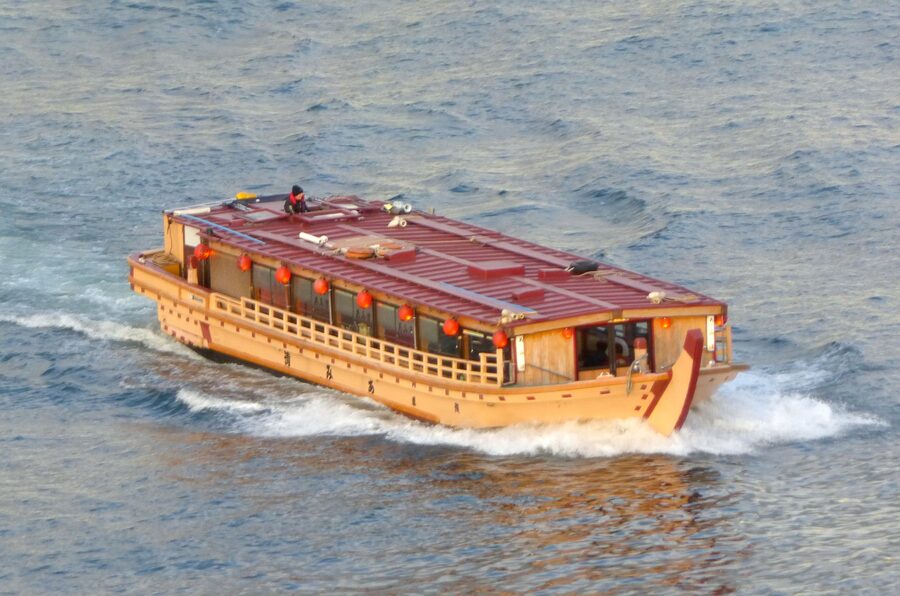
The boats are typically 20-30 metres long with a single open dining room running the length of the vessel. Tatami mat floors, low tables, and sliding wooden screens that open to let in the breeze. Some modern yakatabune have added air conditioning and glass windows, but the traditional ones keep the open-air design. The kitchen is at one end — most boats cook tempura and other dishes fresh on board.
Think of it as a floating izakaya. Except the izakaya has 360-degree views of Tokyo’s waterfront and you can hear the water lapping against the hull while you eat.
The Route — What You’ll See
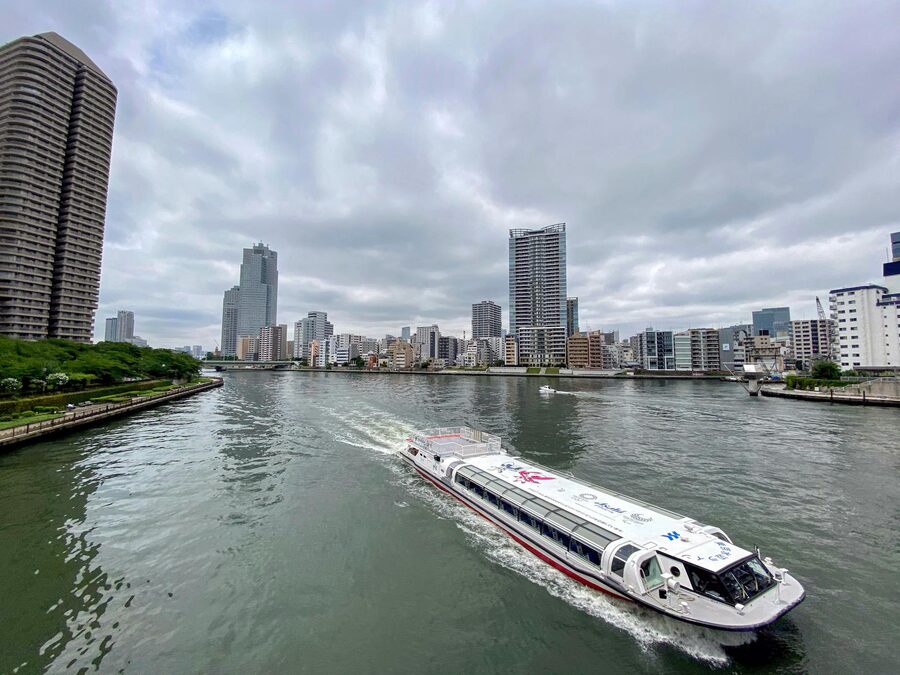
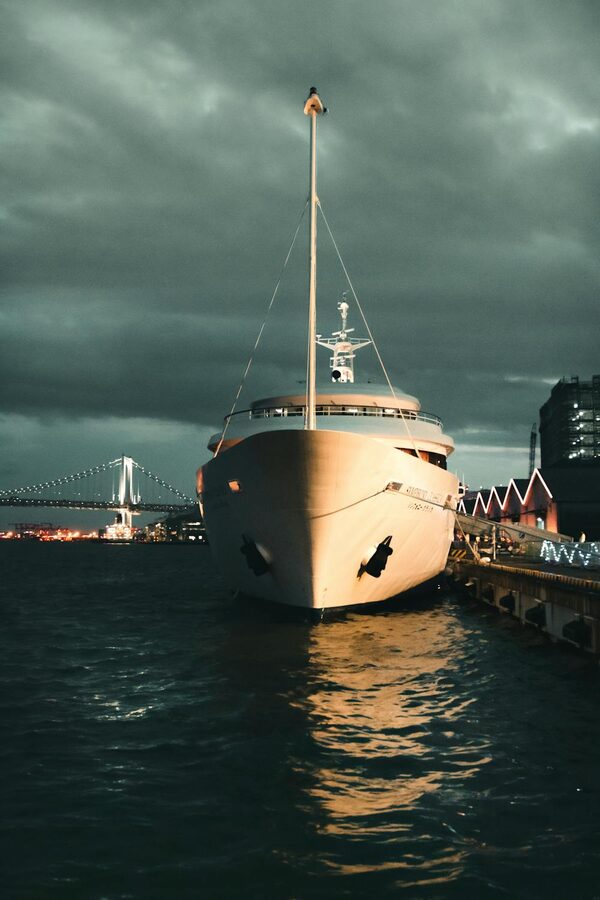
Most yakatabune cruises follow a similar route: departing from docks near Asakusa or Shinagawa, heading down the Sumida River and out into Tokyo Bay, looping around past Rainbow Bridge, and returning.
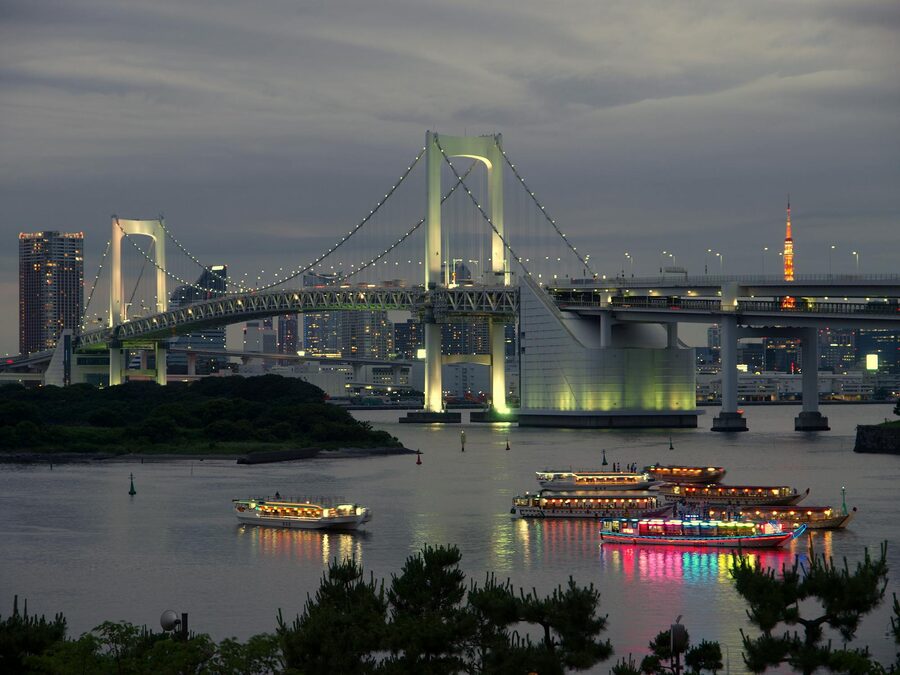
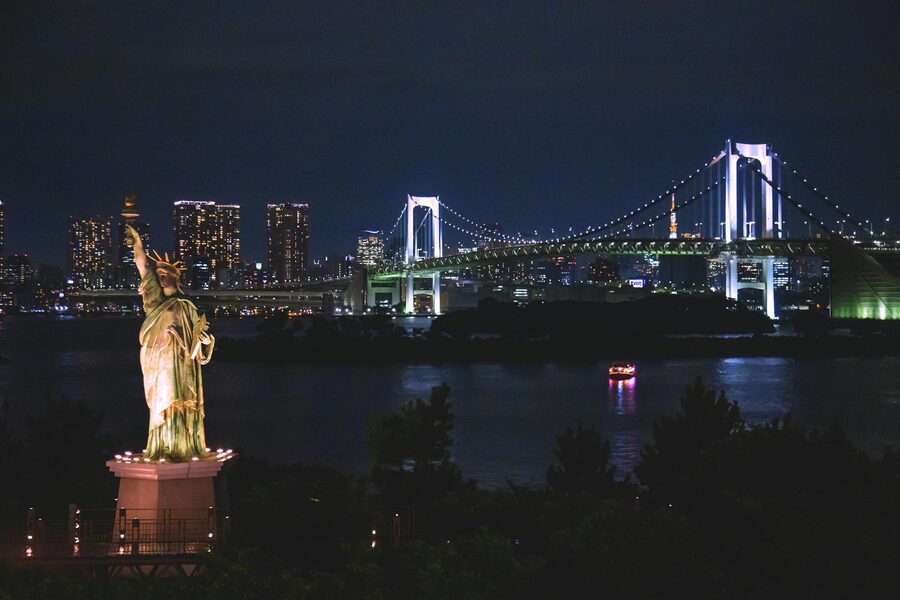
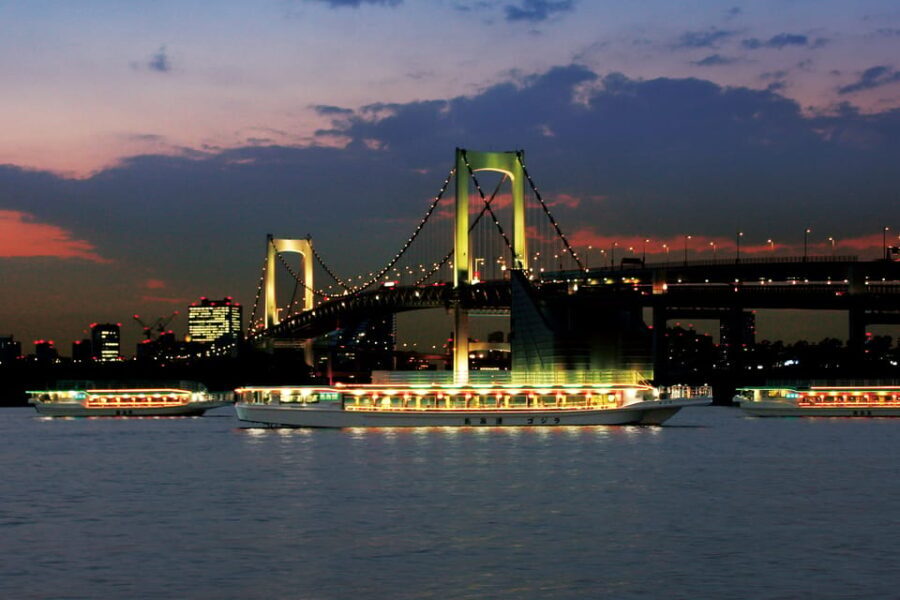
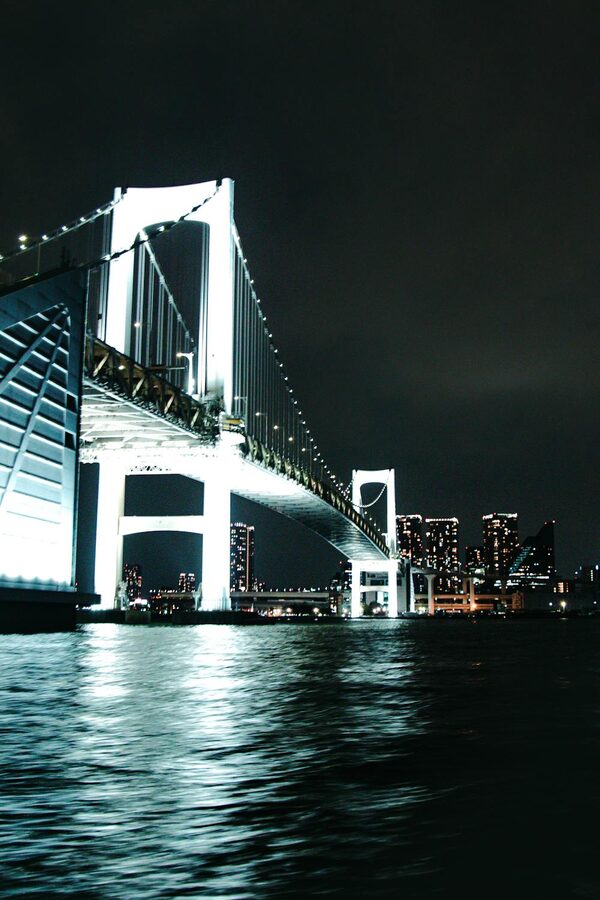
The highlight for most passengers is passing under and around Rainbow Bridge — the suspension bridge connecting central Tokyo to the Odaiba waterfront district. At night, the bridge is illuminated in changing colours and you’re close enough to see the individual cables. Beyond Rainbow Bridge, the route opens into Tokyo Bay, where the skyline stretches across the horizon.
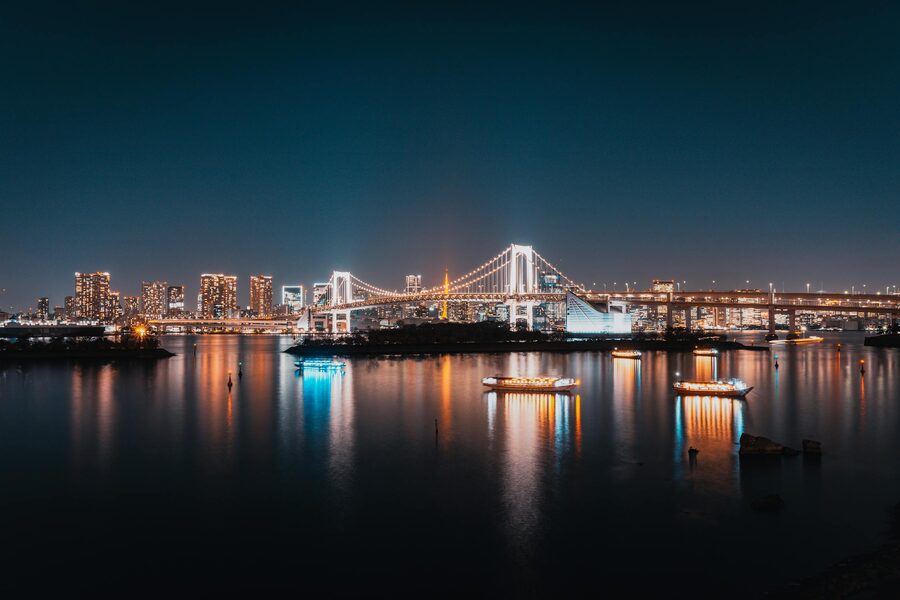
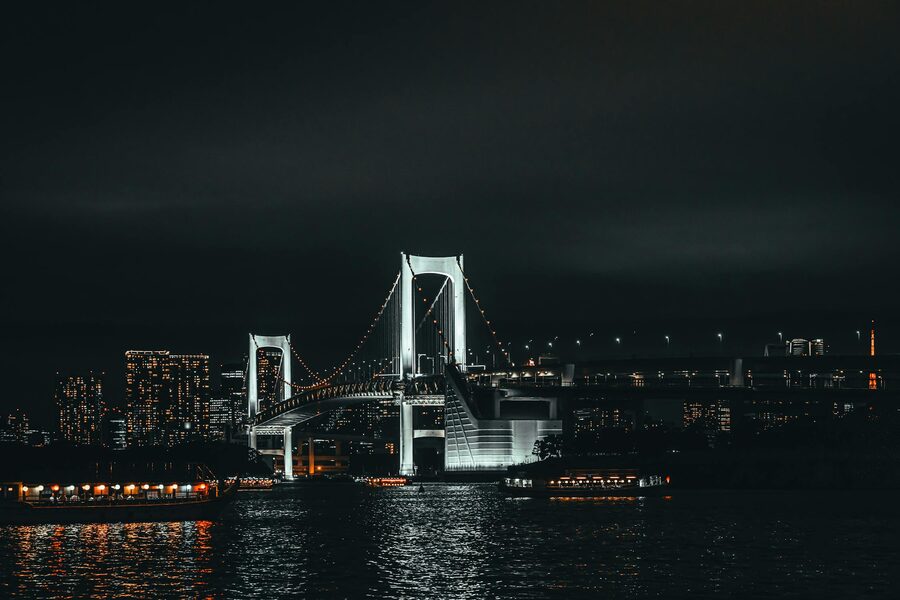
On clear evenings you can see Tokyo Tower glowing orange on one side and the neon jumble of Odaiba on the other. In summer (late July to August), some cruises time their route to coincide with the Sumida River fireworks festival — those dates sell out months in advance.
Which Cruise to Book
Three main options dominate the booking platforms, each with a slightly different angle.
1. Tokyo Bay Cruise with Japan Show & Sukiyaki — $63
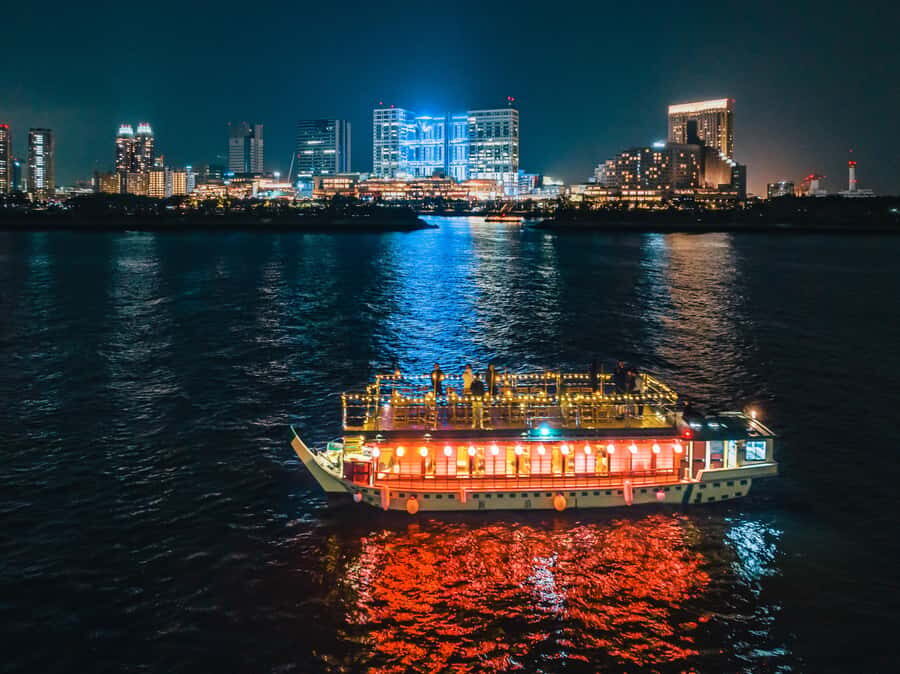
This is the most booked yakatabune experience on the market and the value is obvious: $63 per person for a 100-minute cruise that includes a sukiyaki dinner and a traditional Japanese music and dance performance. The boat departs from near Hamamatsucho station, which is convenient if you’re coming from central Tokyo.
The show is the differentiator — a live shamisen (three-stringed instrument) performance with traditional dance that runs while you eat. It adds genuine atmosphere that the other cruises don’t have. The food is good, not exceptional — standard sukiyaki hotpot with rice, miso soup, and pickled vegetables. Beer and drinks are available for an extra charge. Our full review covers the boarding process and what the show actually involves.
One guide named Shelia gets mentioned repeatedly — she apparently makes the whole experience feel personal rather than touristy. The 100-minute duration is shorter than the traditional yakatabune cruises but feels right. Any longer and you’d be sitting on tatami mats wishing for a chair.
2. Sumida River Yakatabune Dinner Cruise — $103
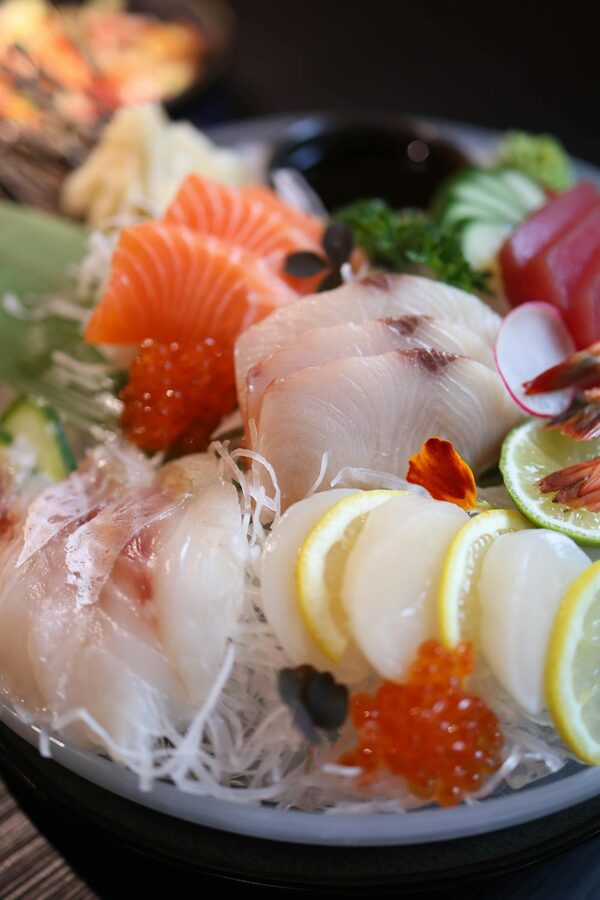
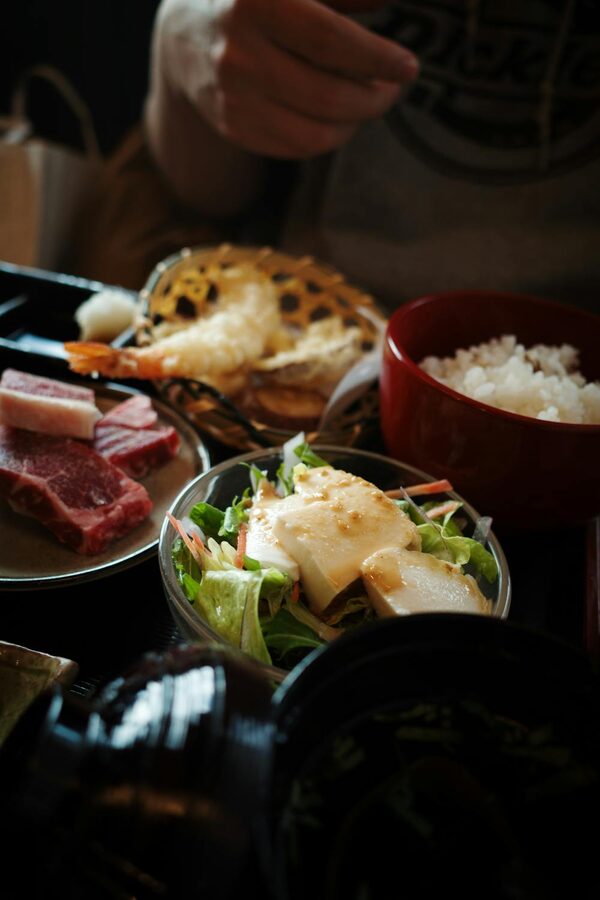
This is the purist’s choice. At $103 per person for 2.5 hours, you get a longer cruise, a more elaborate multi-course meal (tempura cooked fresh on board, sashimi, rice, soup, and seasonal sides), and all-you-can-drink beer, sake, and soft drinks included in the price. The boat is a traditional-style yakatabune — tatami mats, low tables, sliding screens.
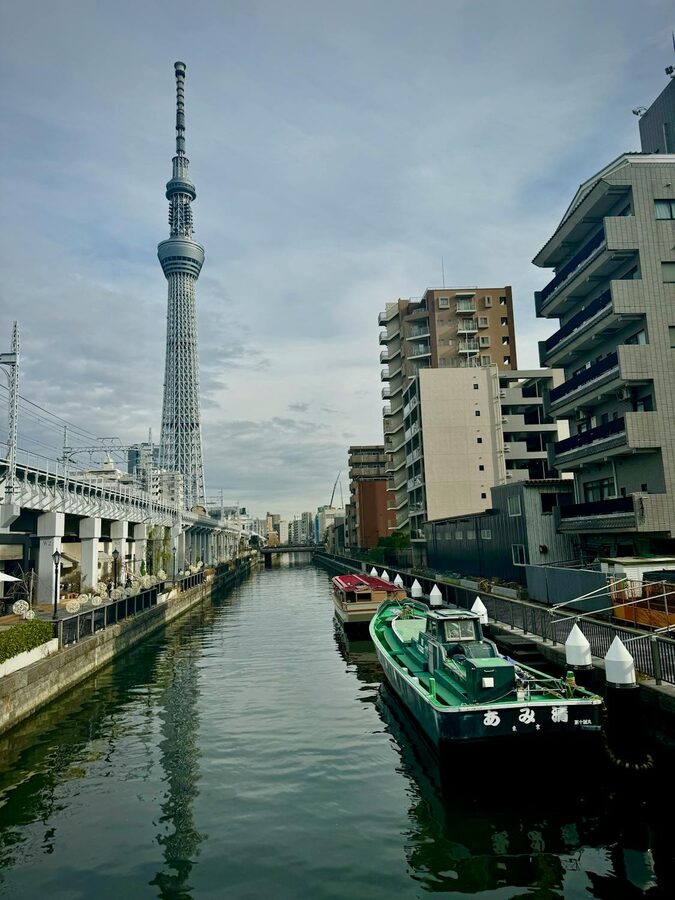
The route follows the Sumida River before heading into Tokyo Bay, giving you the full river-to-bay transition with bridges, Skytree views, and the Rainbow Bridge finale. At 150 minutes, it’s 50 minutes longer than Tour 1 — enough time to actually relax into the experience rather than rushing between courses. Our review breaks down the full meal and drink menu.
The extra $40 over Tour 1 gets you: 50 more minutes, better food, and unlimited drinks. If you were going to buy two or three beers on Tour 1 anyway (at 500-800 yen each), the price gap shrinks to almost nothing.
3. Yakatabune Dinner Cruise & Traditional Japanese Show — $104
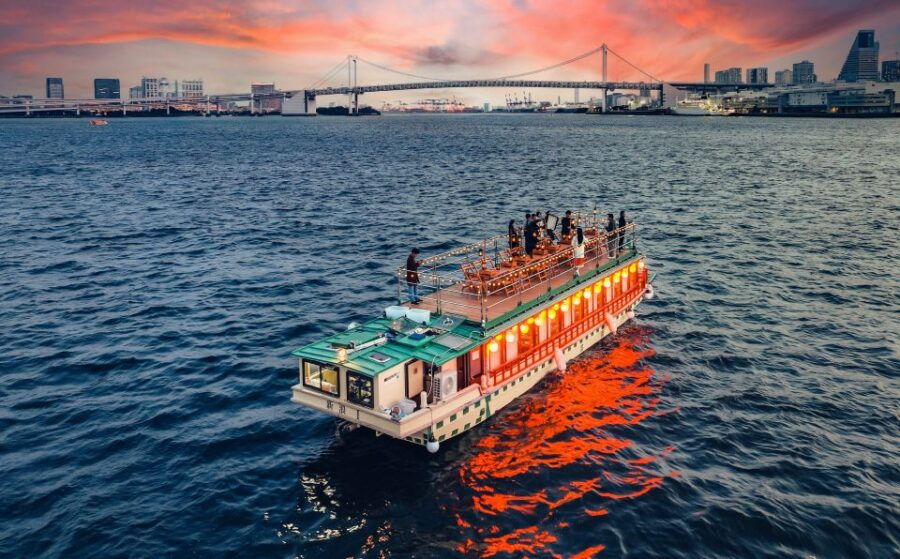
At $104 per person, this sits right next to Tour 2 in price but adds a traditional performance element similar to Tour 1. You get the dinner, the cruise, and a cultural show — essentially combining the best of both options at a slight premium over Tour 1.
The difference between this and Tour 1 is primarily the food quality and duration. The difference between this and Tour 2 is the show vs the extra cruise time. If you want everything — good food, a show, and decent time on the water — this is the all-in-one option. If you’d rather have a longer, quieter cruise with better food and free-flowing drinks, Tour 2 is the smarter pick.
Practical Tips for Booking
Evening cruises are better than daytime. The yakatabune experience is built around nighttime — the lanterns on the boat, the city lights reflecting on the water, Rainbow Bridge illuminated. Daytime cruises exist but you lose 80% of the atmosphere. Book the 6pm or 7pm departure if you can.
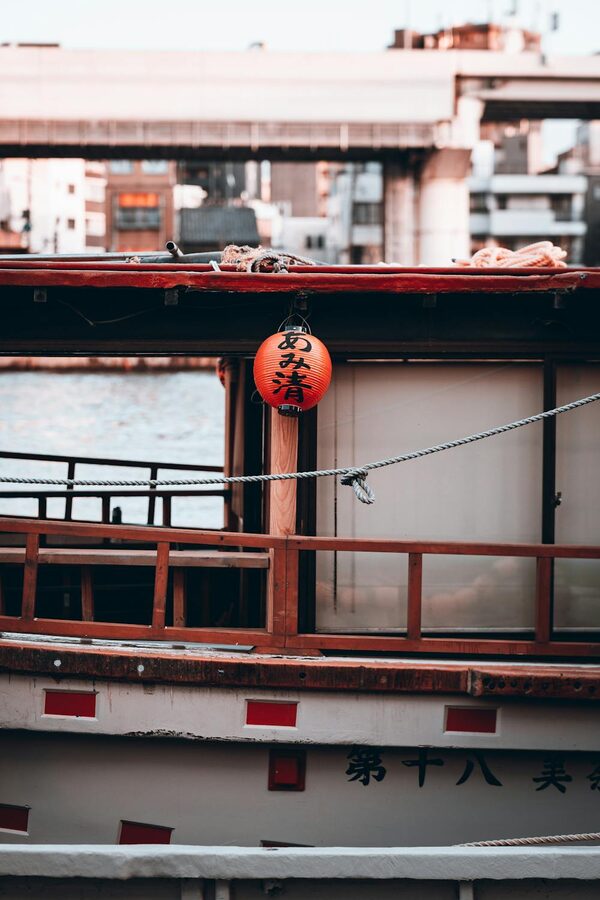
Expect to sit on the floor. Yakatabune have tatami mat floors and low tables. If you have knee problems or can’t sit cross-legged comfortably for 90-150 minutes, this is important to know upfront. Some boats have sunken floor sections under the tables (called horigotatsu) where you can dangle your legs — ask when booking. But the traditional style is sitting on cushions.
The boats rock. Not dramatically, but enough that if you’re prone to seasickness, take precautions. The Sumida River section is calm. Once you hit Tokyo Bay, there’s more movement depending on wind and tide. The food helps — a full stomach is usually better than an empty one for motion sickness.
Book at least a few days ahead. These boats have limited capacity (20-80 passengers depending on the vessel) and weekend evening slots fill up fast. During cherry blossom season (late March to mid April) and fireworks season (late July to early August), book at least a week in advance.
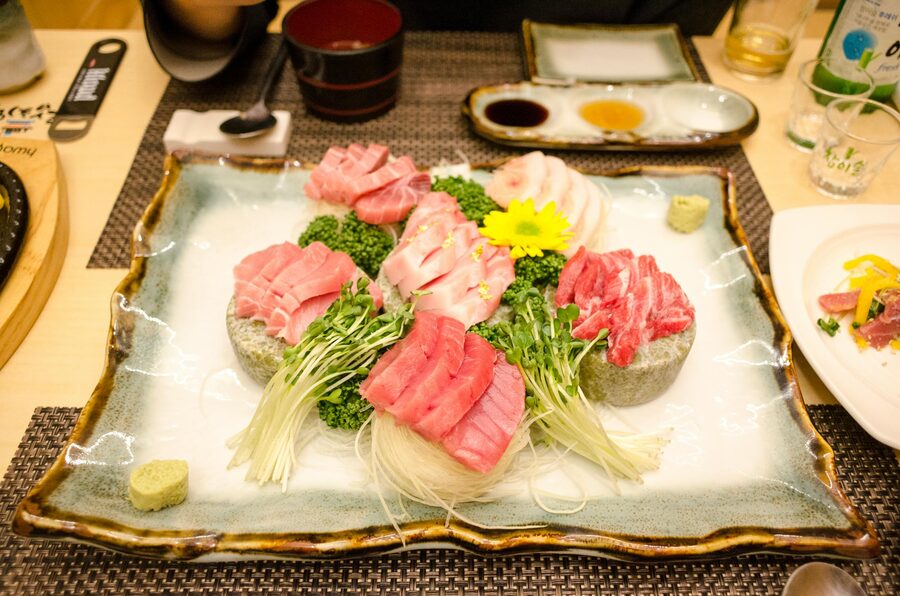
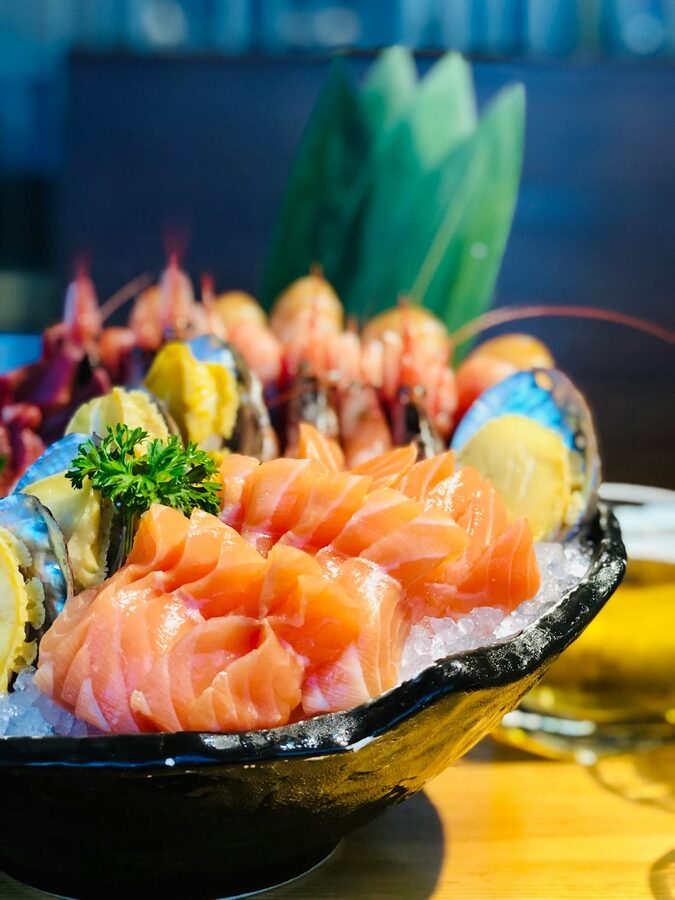
Dietary restrictions are tricky. The menus are largely fixed — sukiyaki, tempura, sashimi. Vegetarian or halal options are limited on most boats. If you have dietary needs, contact the operator before booking rather than hoping they can accommodate you on the night.
Dress code is casual but smart. You’re sitting on the floor eating hotpot on a boat — this is not fine dining. But you’ll be taking photos, so wear something you’re happy to be photographed in. Skip the fancy shoes since you’ll be taking them off at the entrance.
Yakatabune Through the Ages — 1,000 Years of Floating Dinner Parties
The yakatabune is not a modern invention dressed up as tradition. People have been eating dinner on boats in Tokyo’s waterways for over a thousand years, and the evidence is spectacular.
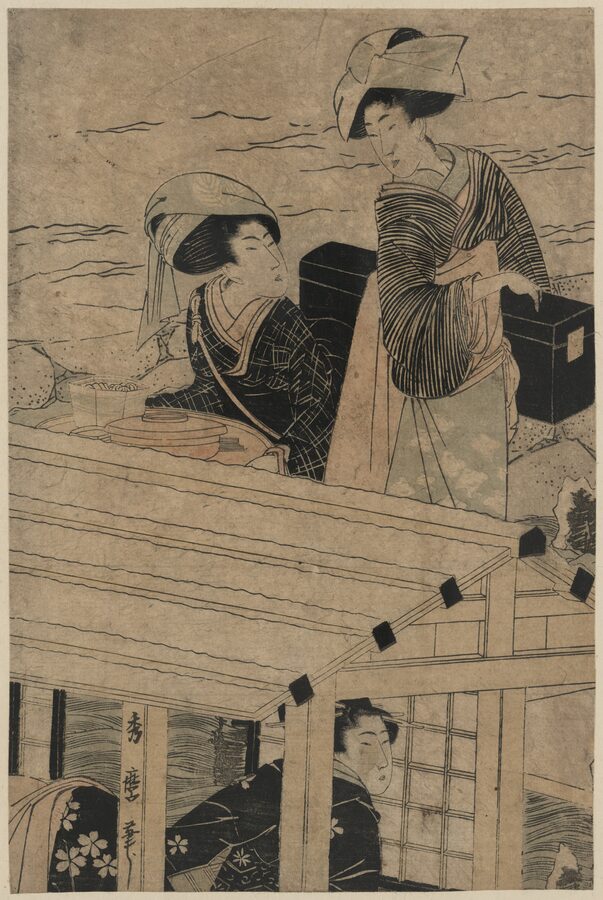
It started in the Heian period (794-1185) when Kyoto aristocrats held moon-viewing parties on decorated boats — less about food, more about writing poetry and looking sophisticated while floating. By the time the capital moved to Edo (now Tokyo) in the 1600s, the merchant class had taken the concept and made it more fun. Less poetry, more sake. Less gazing at the moon, more eating tempura. The merchants hired yakatabune for business deals, celebrations, and — if we are being honest — elaborate drinking sessions that happened to take place on water.
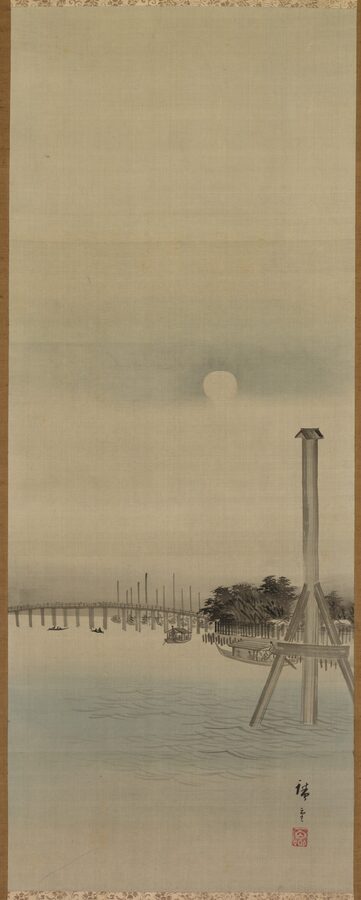
The Sumida River was the centre of Edo’s nightlife. On summer evenings the river would be packed with yakatabune of all sizes — some carrying 4-5 guests on a private outing, others holding 30-40 people for a company party. The boats had their own kitchens, their own cooks, and their own supply of sake. A whole industry existed around keeping these floating parties fed, watered, and moving.
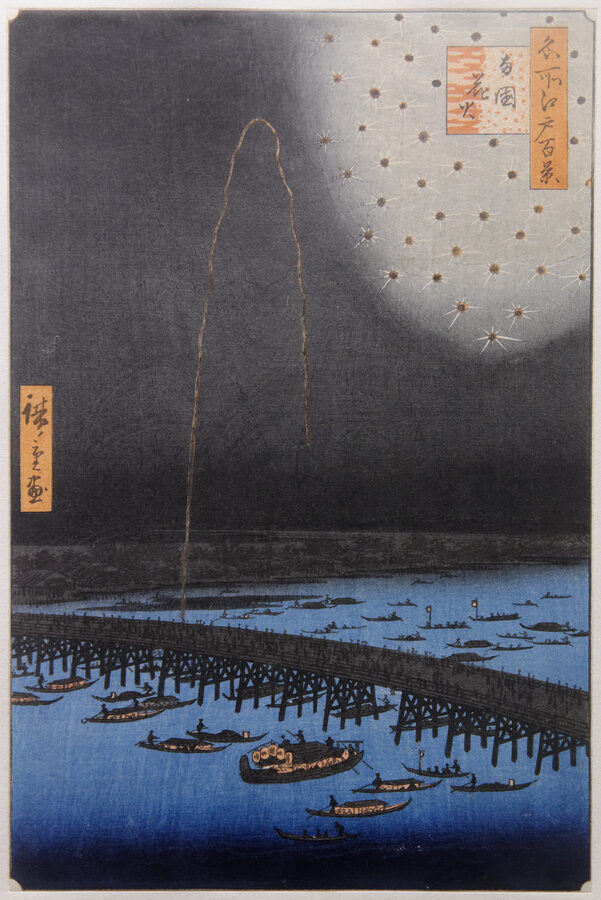
The tradition nearly died out during the Meiji era (1868-1912) as Western-style entertainment took over. Restaurants, theatres, and hotels replaced the floating parties. But a handful of boat operators on the Sumida River kept going — stubborn families who believed the yakatabune was worth preserving. They were right.
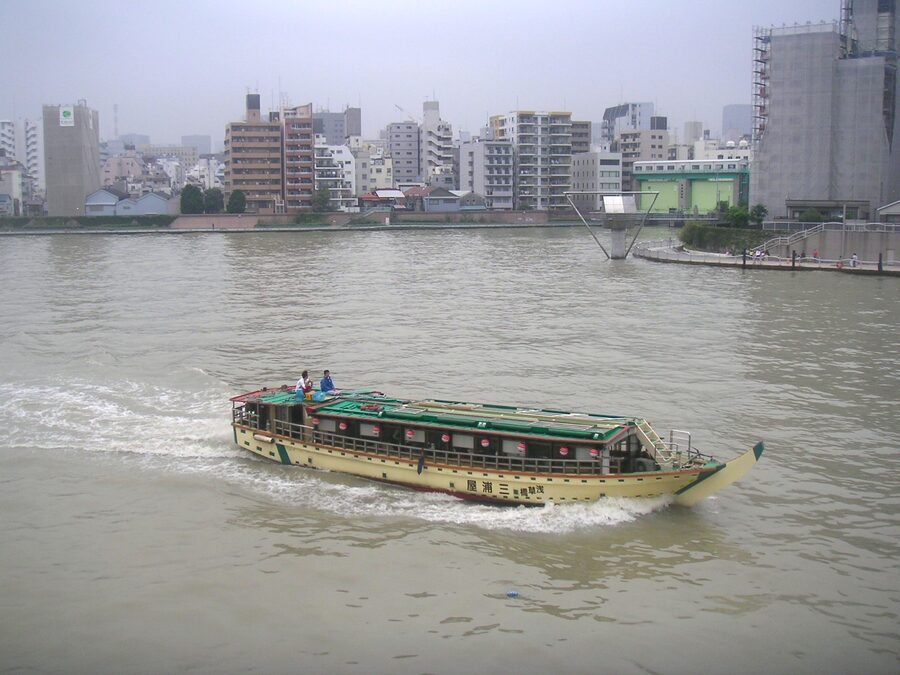
Today there are about 35 licensed yakatabune operators in Tokyo, most of them family businesses passed down through generations. The boats are still built by hand using traditional woodworking techniques — a new yakatabune takes about a year to construct and costs roughly 100 million yen (around $700,000). Some of the boats in operation today are 30-40 years old and have been repaired, refinished, and maintained with the same care as a temple.
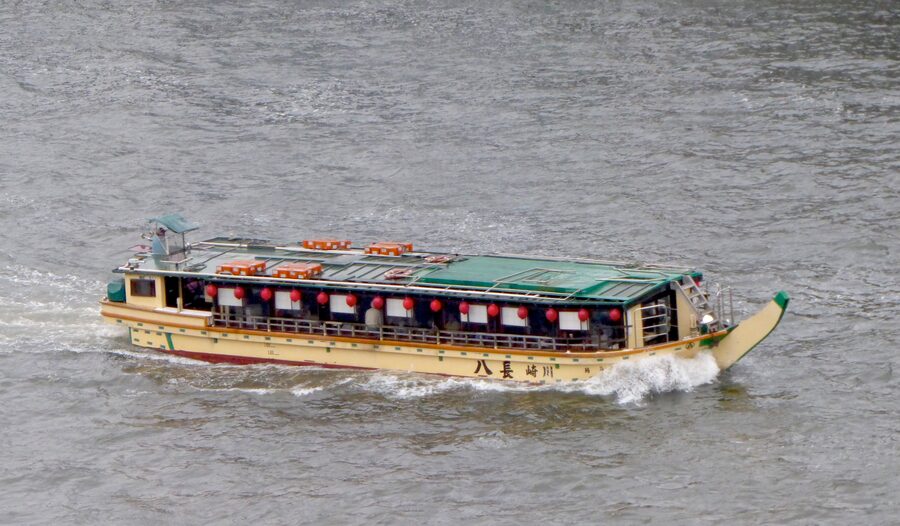
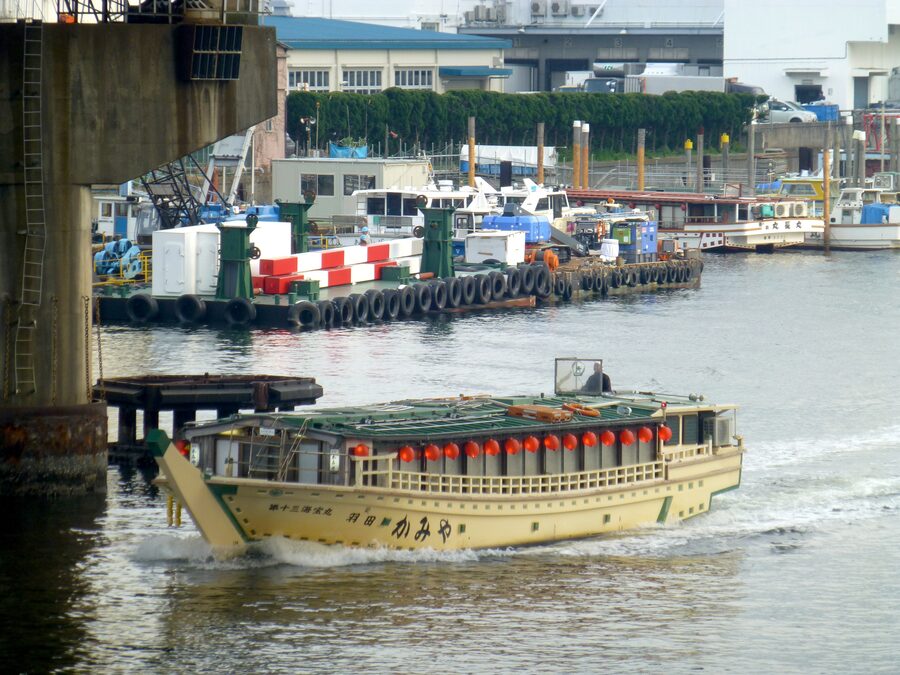
What you are doing on a modern yakatabune dinner cruise is essentially the same thing a Tokyo merchant would have done 300 years ago: sitting on tatami mats, eating seasonal food, watching the city slide by from water level, and drinking way too much sake. Kitagawa Hidemaro would recognise it immediately. Some traditions survive because they are genuinely good ideas.
Other Evening Activities in Tokyo
If a dinner cruise isn’t your thing but you want to experience Tokyo at night, we’ve got guides for bar hopping tours in Shinjuku (tiny standing bars in backstreet alleys), Shinjuku food tours (street-level eating through the neon maze), and the Tokyo Drift JDM car experience (riding in GT-Rs through the city at night — a very different kind of evening).
For daytime Tokyo, our full-day sightseeing bus tour covers the major landmarks, and the Tsukiji Fish Market food tours are a great morning pairing — eat sushi for lunch, then dinner on a boat. The sumo experience also makes a good afternoon-into-evening combination since most sessions end by 5-6pm, leaving you time to get to the yakatabune dock.
Comparing Yakatabune to Other Tokyo Cruises
Tokyo has several types of water-based evening activities, and it is worth understanding what makes yakatabune different before you book.
The large sightseeing cruises — the ones you see advertised at Odaiba and Takeshiba terminal — carry hundreds of passengers on multi-deck ships with buffet dining. They are cheaper (some start at 3,000 yen) but the experience is closer to a floating cafeteria than a cultural event. The views are similar since the route overlaps, but there is no intimacy.
Restaurant boats (often called “dinner cruises” in English) are mid-range options with Western-style table seating and set course meals. These are comfortable and the food tends to be French or Italian-influenced. Good for a date night, but not particularly Japanese.
The yakatabune sits in its own category entirely. The tatami seating, the on-board cooking, the traditional design, and the small group size create something that feels more like being invited to a private party than taking a tour. The price reflects this — yakatabune cost more than the big cruise ships but less than most high-end restaurant boats. For the cultural experience alone, there is nothing else like it in Tokyo.
If you have already done a yakatabune and want something different on the water, the hop-on hop-off bus tour includes a river bus section that covers some of the same Sumida River route during daytime — a good complement to an evening yakatabune.