
It’s about 4 in the afternoon, the bus is rolling north toward Paris, and you’ve just had your second glass of Touraine sauvignon for the day. Your phone is full of Chambord and Chenonceau, your legs are tired in the good way, and you finally understand why “the Loire is worth the day” is the line every Paris guidebook writes. That afternoon, on the way back, is the payoff. Everything before it is the work — and this guide is how you do the work cleanly so the payoff actually lands.
In a Hurry? My Top 3 Picks
- Loire Valley Castles Day Trip from Paris with Wine Tasting — from $149 — Chambord, Chenonceau, free time for lunch in the valley, plus a Touraine wine tasting on the way back. The most-booked Paris-departure option for a reason. Book the Viator day trip
- From Paris: Loire Valley Castles Day Trip with Wine Tasting — from $104 — same two flagship castles, GetYourGuide pickup near central Paris, slightly cheaper, slightly tighter timing. The price-conscious pick. Book on GetYourGuide
- From Paris: Full-Day Loire Valley Chateaux Tour (3 castles) — from $127 — Chambord, Chenonceau, and Cheverny in one day. The ambitious option if you want the dogs of Cheverny too and don’t mind a brisk pace. Book the 3-castle tour
- In a Hurry? My Top 3 Picks
- Should You Even Do This as a Day Trip?
- Bus from Paris vs Train + Taxi vs Rental Car
- Which Castles Should You Actually See?
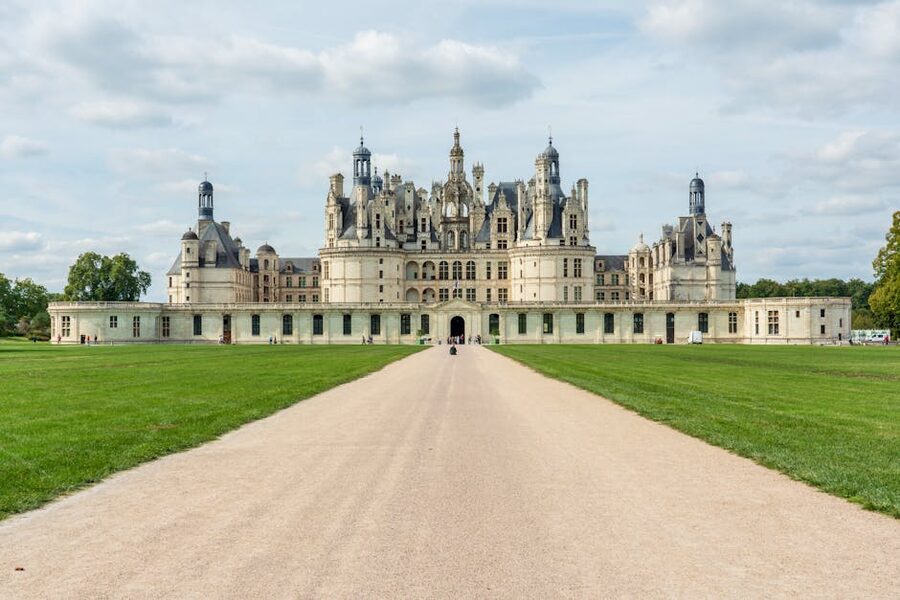
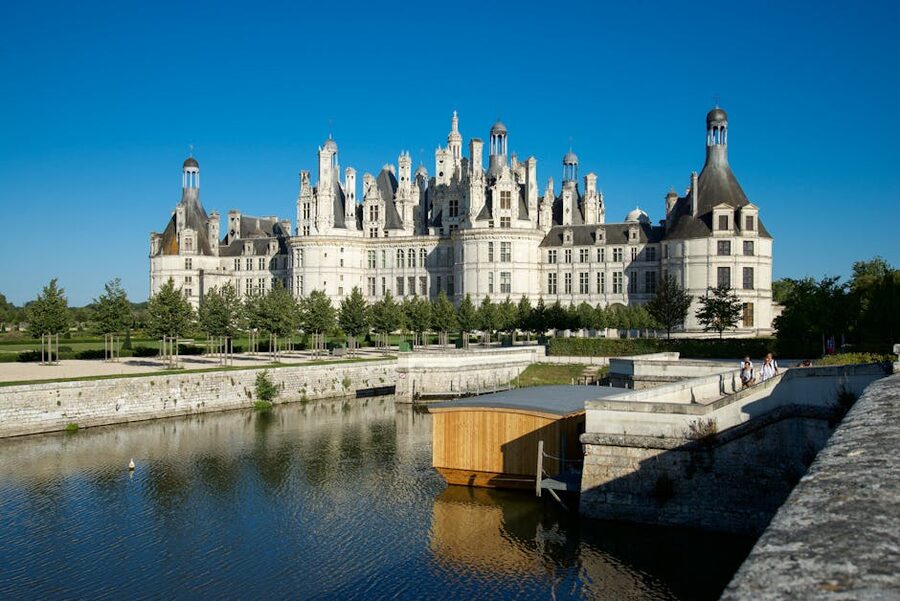
- Chambord — the Big One
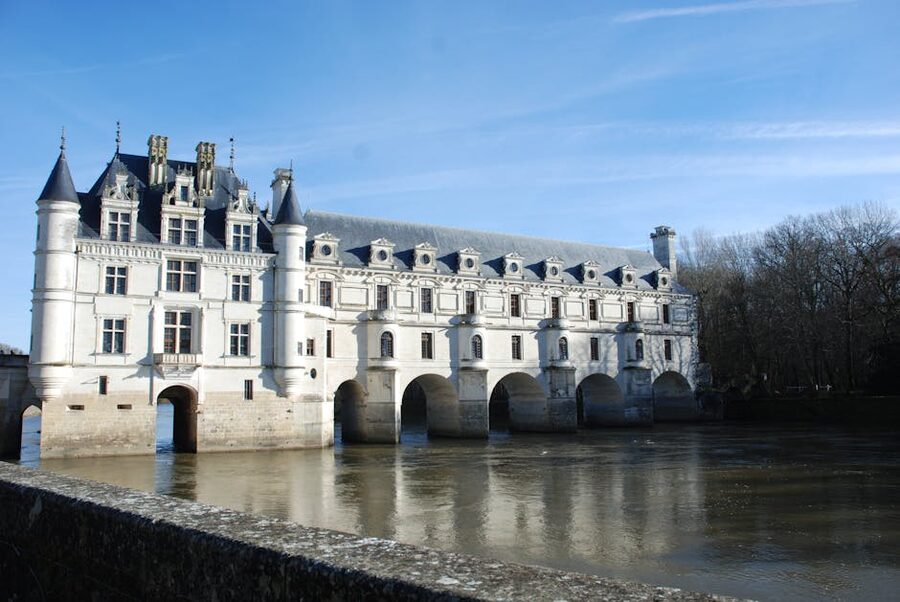
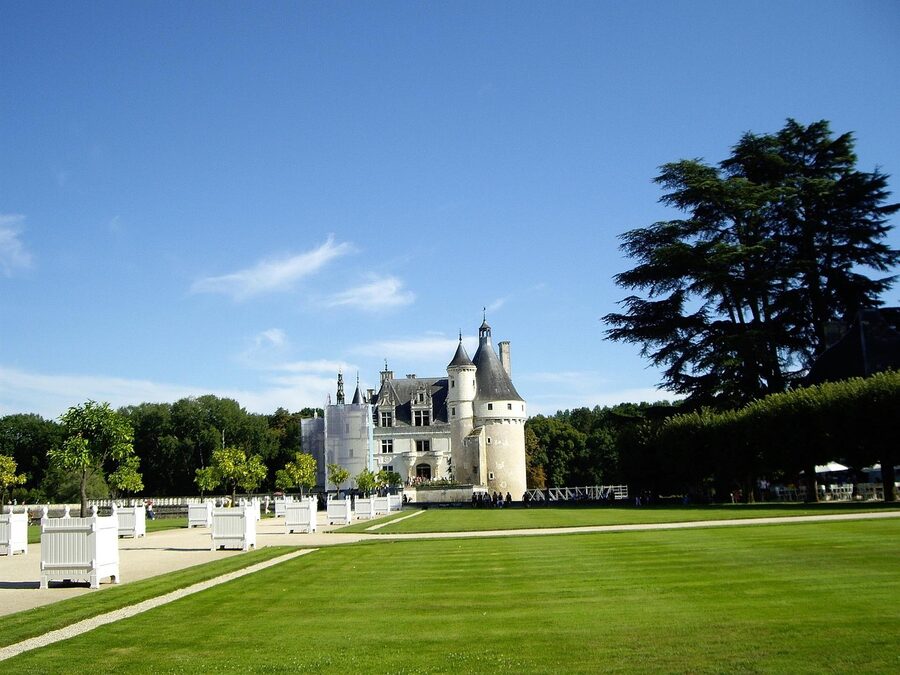
- Chenonceau — the Beautiful One
- Cheverny — the Tintin One
- Amboise and Clos Lucé — the Da Vinci One
- Blois, Chaumont, Sully-sur-Loire and the rest
- Three Tours from Paris I’d Actually Book
- 1. Loire Valley Castles Day Trip from Paris with Wine Tasting — from 9.95
- 2. From Paris: Loire Valley Castles Day Trip with Wine Tasting — from 4
- 3. From Paris: Full-Day Loire Valley Chateaux Tour (3 castles) — from 7
- What to Eat (and Drink)
- Best Time of Year to Go
- What’s Actually Worth Paying for vs Skipping
- Should You Skip Paris Day Trip and Stay Overnight?
- Booking Logistics, the Quick Version
- Day-Trip-Day Practical Checklist
- How This Pairs with the Rest of Your Paris Trip
- The One Thing Most Paris Day-Trippers Wish They’d Known
Should You Even Do This as a Day Trip?
The truthful answer first: a day trip from Paris to the Loire is genuinely long. You’re looking at 6:30 or 7am pickup, two driving legs of about 2 hours each, and a return that gets you back to central Paris between 8:30 and 10pm depending on traffic. If you only have three days in Paris, skip it. The Loire deserves a night, ideally two.
But if you have five or more days in the city and you’ve already done the big anchors — the Louvre, Eiffel Tower, a Seine cruise, and ideally Versailles — the Loire is the trip that takes you out of Haussmann Paris and into the actual French countryside. It’s a different country, almost. Hedgerows, vineyards, slate roofs, sleepy market towns. The châteaux are the headline, but the in-between bits are part of why people remember it.
One more filter worth saying out loud. If you’re doing this with kids under six, I’d think twice. Two long bus legs plus three to four hours of “stand here while we look at this” tests adult patience, let alone a four-year-old’s. Above six, with snacks, kids do better than you’d expect — Chambord especially has enough open lawn space to burn off the bus restlessness. The other thing it fits well next to: a quiet Paris museum day. The Musée d’Orsay on the morning before is a gentle warm-up; an Orangerie hour with the water lilies the day after is the right kind of low-energy comedown.
Bus from Paris vs Train + Taxi vs Rental Car
There are three ways to do this and most blogs will tell you they’re roughly equivalent. They aren’t.
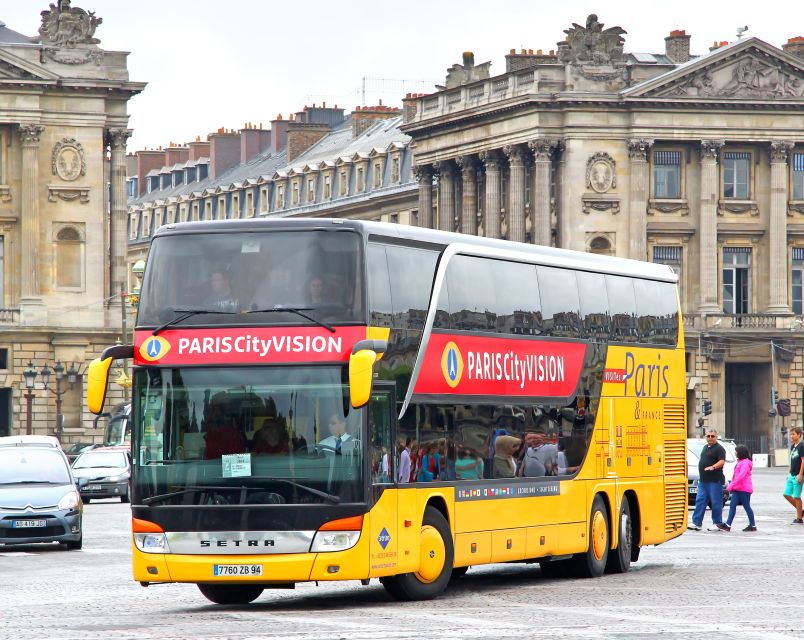
Coach tour from Paris. The default. Pickup near the Opera or Louvre area between 6:30 and 7am, two driving legs to and from the valley, lunch break in or near a château town, two or three castle visits with skip-the-line entry already arranged, optional wine tasting on the way back, drop-off in central Paris around 8:30-10pm. You don’t think, you don’t navigate, you don’t park. Around $104-$150 per person depending on operator and which castles. This is what most first-time visitors should book.
TGV train + taxi/Uber from Tours or Blois. Faster than the coach, but more logistics. The TGV from Paris Montparnasse to Tours runs about 1 hour 5 minutes. The TER (regional train) from Paris Austerlitz to Blois-Chambord runs about 1 hour 35. From either station you taxi or rent a car for the day. This works if you want to set your own pace, you’re confident with French logistics, and you want to spend more time inside fewer castles. It also works for one castle a day if you’re staying overnight. Expect to spend €60-90 per person on the rail leg alone, plus taxis or car rental, plus the entry tickets.
Rental car from Paris. The slowest option, the most flexible, and almost never the cheapest. Run the numbers and you’re at about €100 a day for the car plus €50 fuel, €40 tolls, and €5 parking at Chambord, before you’ve bought a single ticket. With a coach tour the parking and entries are already in the price. Self-driving makes sense if you’re staying multiple nights, want to chase the smaller villages between castles, and are comfortable on French motorways. For a single Paris-day-trip, it isn’t worth the hassle.
Which Castles Should You Actually See?
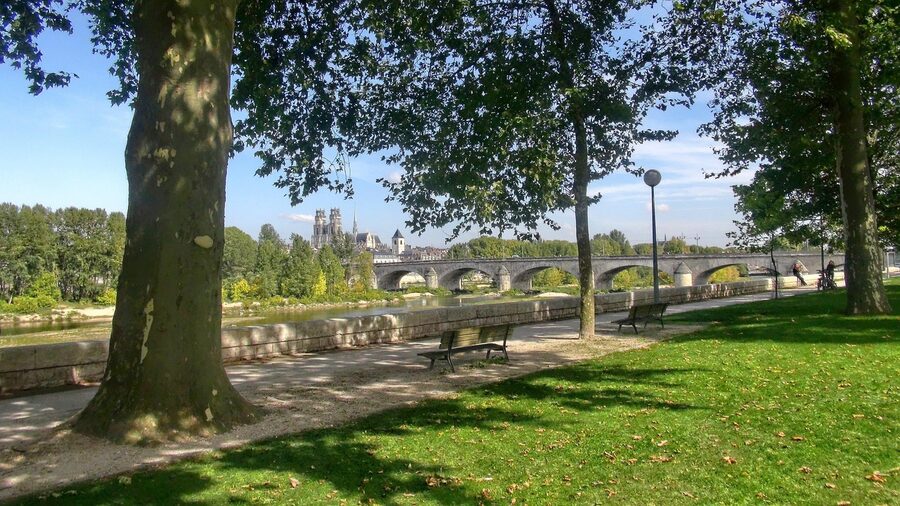
There are over a thousand châteaux in the Loire. You will not see them all. You probably shouldn’t try to see more than two on a day trip, three if you’re willing to move fast and skip most of the gardens. Here’s how I’d think about each of the main ones — what you get out of an hour or two inside, and which combinations make sense from Paris.
Chambord — the Big One
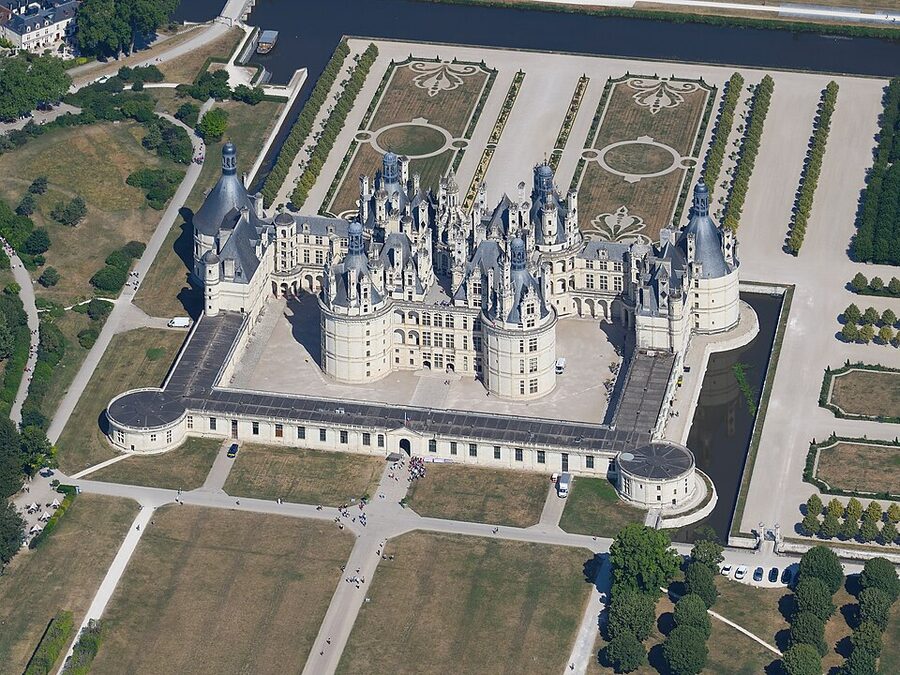
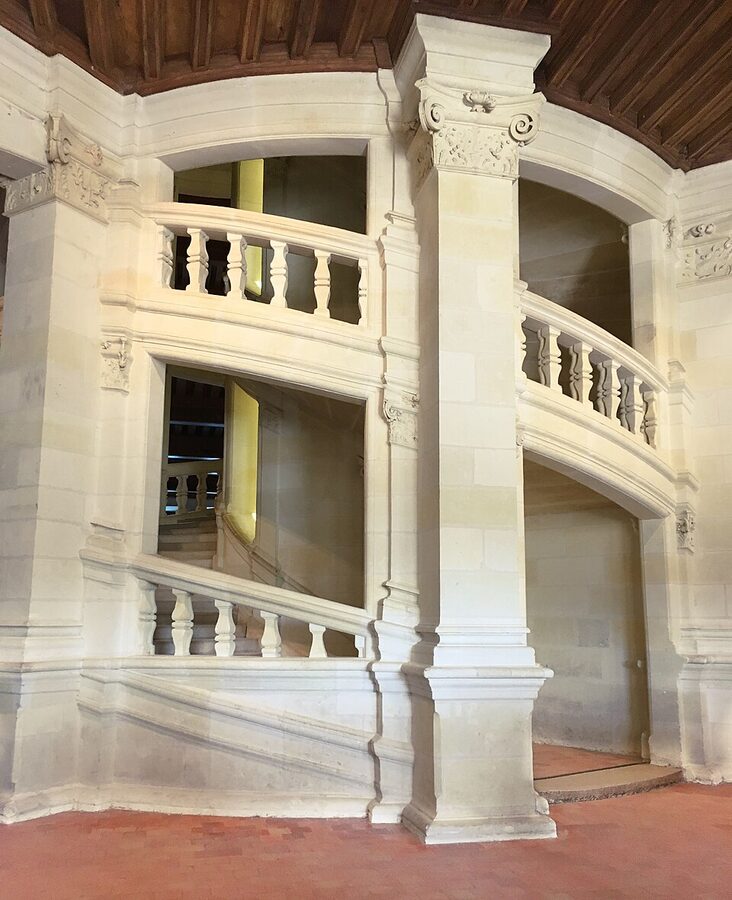
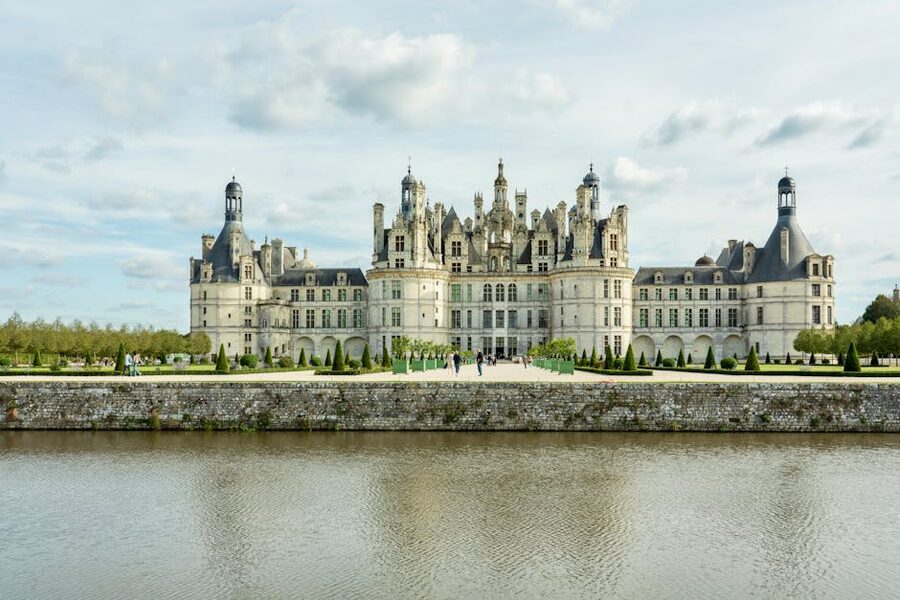
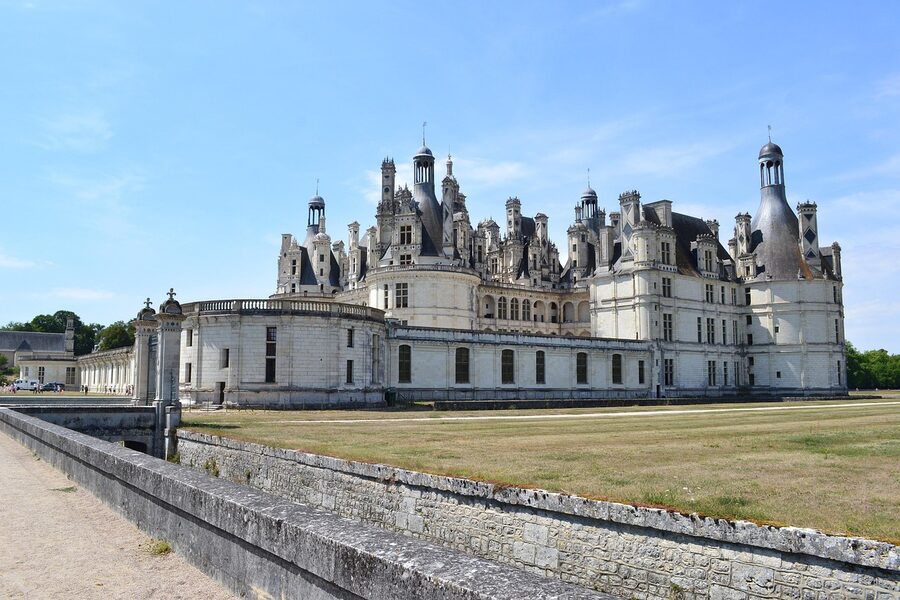
If you only see one Loire château in your life, see this. It’s the largest, the most architecturally insane, and the one with the famous double-helix staircase often attributed to Leonardo da Vinci (he was living nearby at Clos Lucé when François I built it; the connection isn’t proven but it’s plausible). The roofline is the headline — over 80 staircases, 365 fireplaces, the whole thing crusted with chimneys and turrets that look like a medieval skyline got lifted out of a fantasy novel.
Inside, the staircase is the obvious must-see. Walk up one of the spirals slowly. Look across — the other side of the helix is going up at the same time, but you’ll never meet the person on it because the two flights wind around each other in parallel. Kids love this. So do most adults, once they realize what they’re looking at.
If you’re self-driving and have a half-day, book the standalone Chambord entry ticket — it includes the audio guide and you can take all the time you want on the rooftops. Coach tours typically give you 90 minutes to 2 hours here, which is enough for the building but not enough for the gardens or the equestrian show. The horse and falconry show that runs in the courtyard between May and September is genuinely good if you can fit it; it’s not included in the basic ticket but worth the small upcharge if you have time.
Chenonceau — the Beautiful One
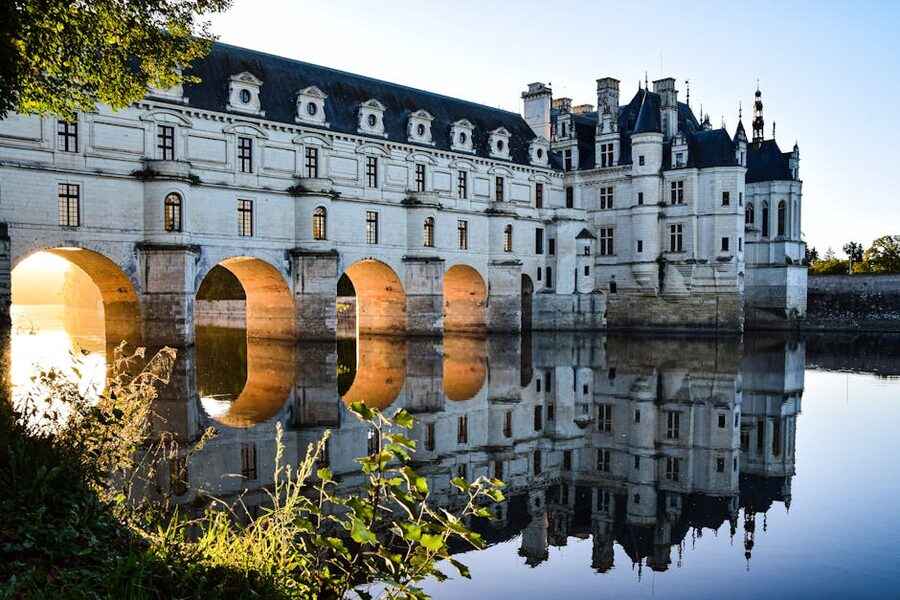
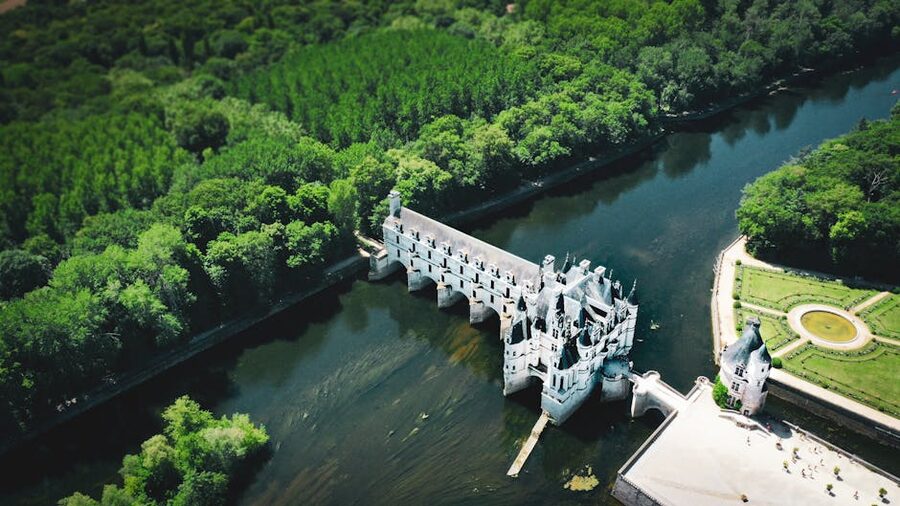
Chambord impresses you. Chenonceau seduces you. It’s the one that spans the Cher river on five arches, with the long gallery built right over the water — and the view from the riverbank approach is the postcard you’ve already seen a thousand times. In real life it’s better. The proportions are smaller than Chambord, the rooms more lived-in, the gardens immaculate, and there’s an actual story: this was the “ladies’ château,” held in succession by Diane de Poitiers (Henri II’s mistress), Catherine de Medici (his queen, who took it back), and a chain of strong women through to the 20th century.
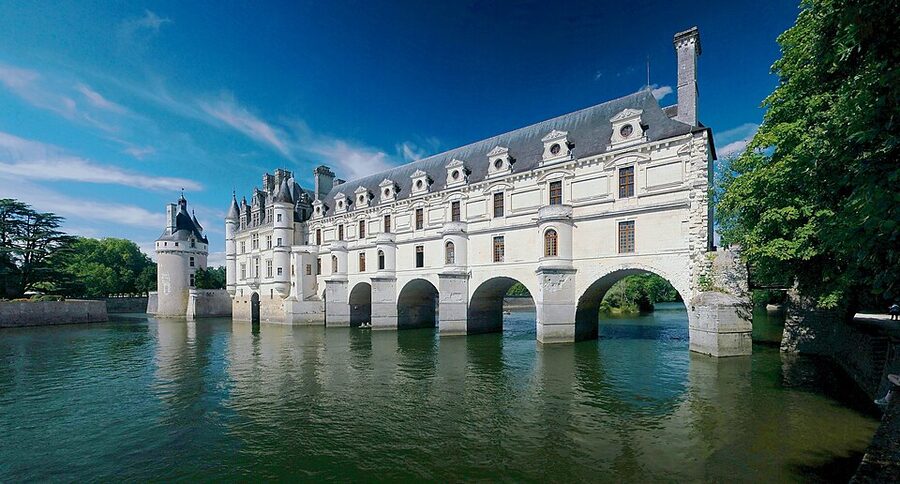
The gallery over the water is the one room you have to spend time in. Catherine de Medici hosted court parties here; during World War One the family converted it into a hospital ward; during World War Two, the Cher river marked the boundary between Vichy France and the occupied zone, so the gallery was literally a checkpoint between two halves of the country. Read the small panel by the window before you walk through — it changes how you see the rest of the building.
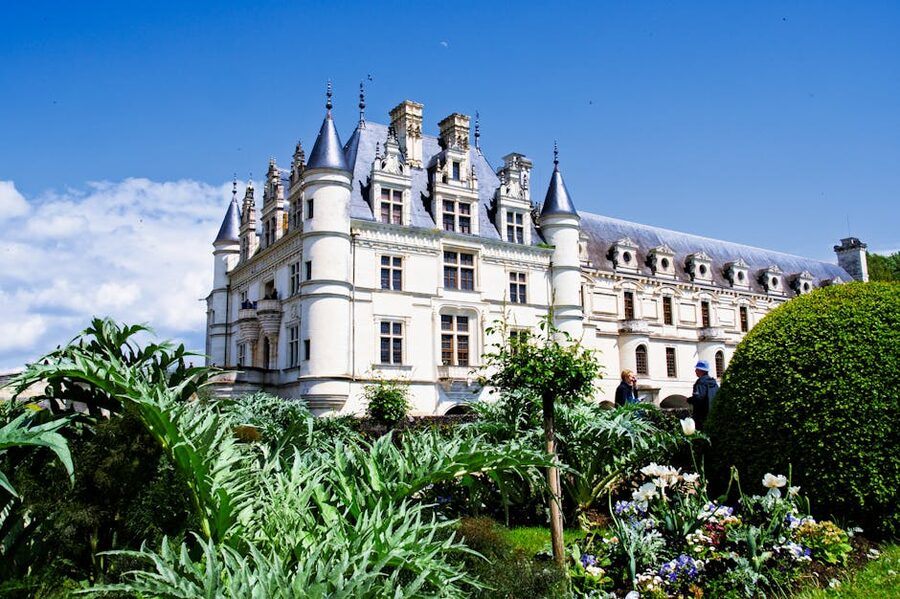
If you’re standalone-ticketing this, the Chenonceau admission ticket includes the gardens and the maze — give yourself two hours minimum. On a coach tour you’ll have 90 minutes to 2 hours, enough for the château and one of the two main gardens. Skip the wax museum on the property — it’s optional and not great. Walk the gardens instead.
Cheverny — the Tintin One
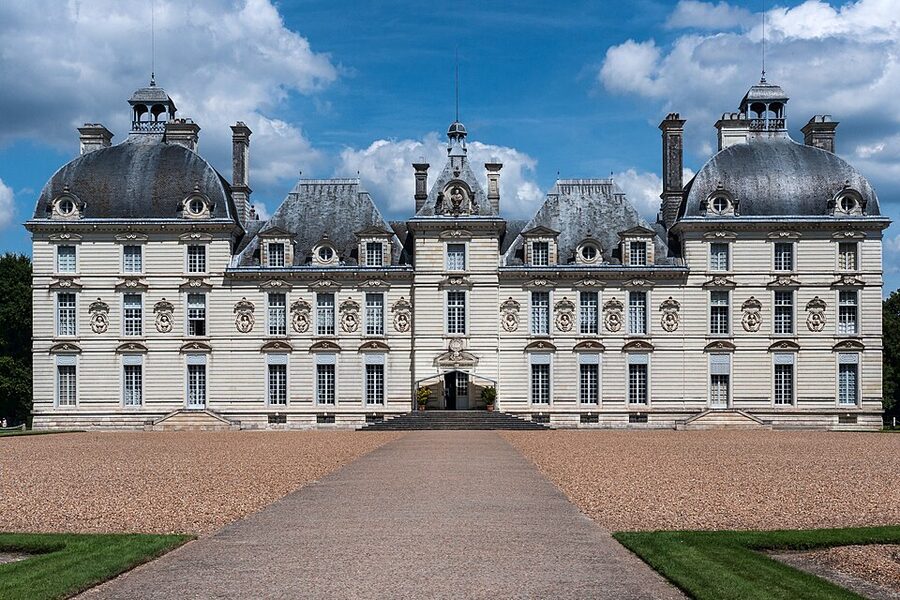
The third castle most Paris coach tours optionally include. Cheverny is smaller, more intimate, and still privately owned by the Hurault family — they’ve held it since the 14th century. It’s also the model Hergé used for Marlinspike Hall in the Tintin books, which the family has leaned into hard with a permanent Tintin exhibit on site. If your kids know Tintin, this is the castle they’ll remember.
The other reason to come here: the dogs. Cheverny keeps a working pack of about 100 Anglo-French hounds in heated kennels on the grounds. They’re trained for hunting and they’re enormous, friendly, and fed twice a day in a coordinated ritual called the “soupe des chiens.” It used to be open visitor feeding, now it’s behind a fence — but the dogs eat all together at a single signal, and even from outside the kennel rail it’s a strange and excellent thing to watch. Check the schedule before you book.

If your tour includes Cheverny as a third stop, you’ll have less time at Chambord and Chenonceau. Worth it for kids and Tintin fans, less essential for everyone else. The two-castle Chambord+Chenonceau combo is the version most Paris-day-trippers should book.
Amboise and Clos Lucé — the Da Vinci One
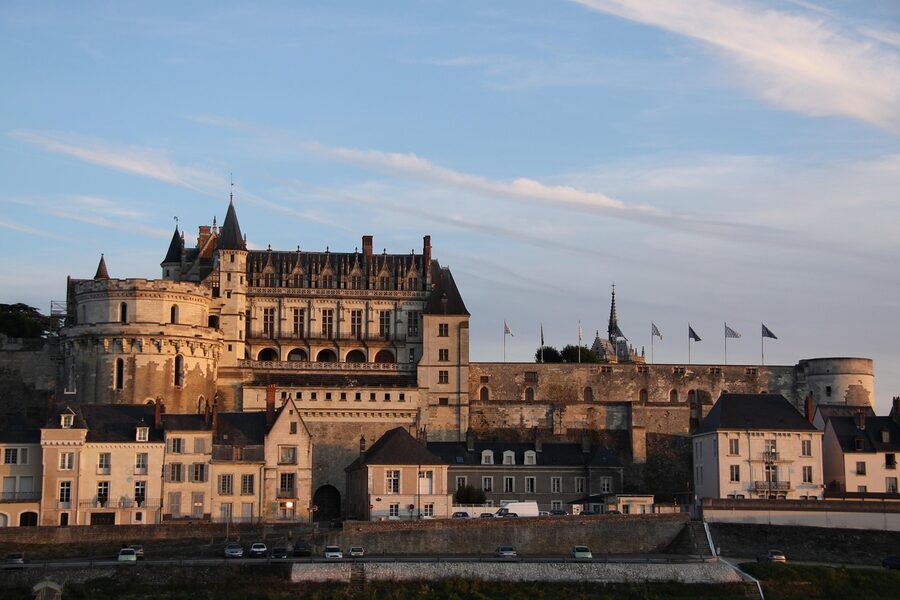
Amboise is the underrated stop. Most coach tours skip it because they’re aiming for Chambord and Chenonceau. But Amboise is where Leonardo da Vinci lived the last three years of his life, where he died, and where he’s buried. Clos Lucé, his actual residence, sits at the bottom of a sloping garden five minutes’ walk from the royal Château d’Amboise — connected to the king’s residence by a short underground passage that François I supposedly used to visit Leonardo for late-night chats.
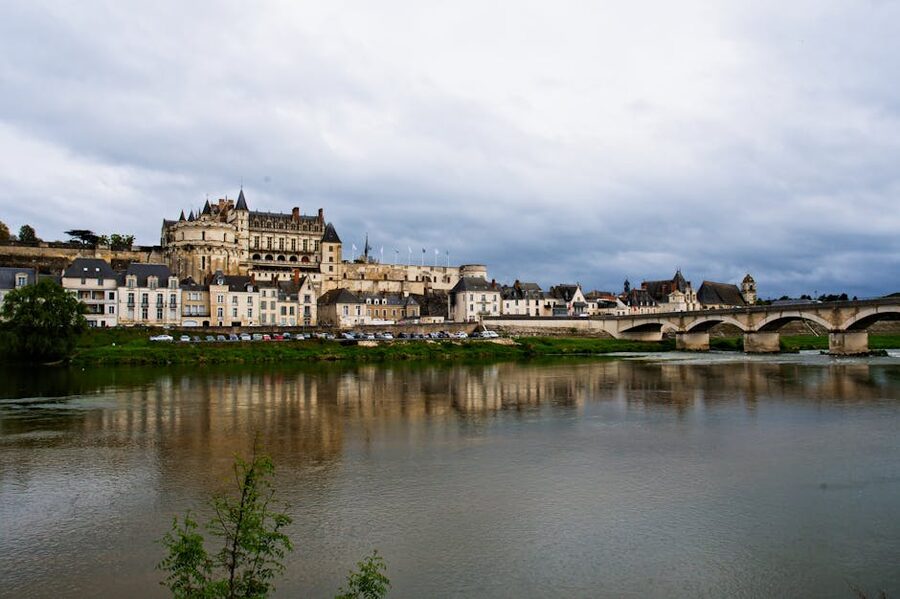
If you self-drive or come by train and you have time, do both. The Royal Château of Amboise ticket covers the king’s apartments and the chapel where Leonardo is buried (Saint-Hubert chapel, on the ramparts — small, easy to miss, find it). The Clos Lucé combined ticket covers Leonardo’s house plus the modern park with full-size models of his inventions in working condition. Kids who don’t care about castles tend to love the Clos Lucé park because the inventions are all hands-on.
Blois, Chaumont, Sully-sur-Loire and the rest
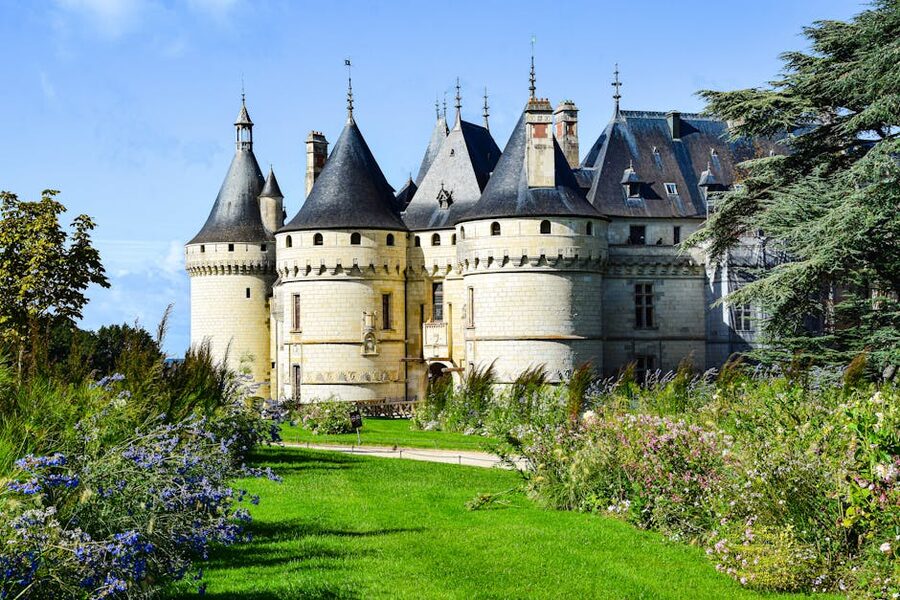
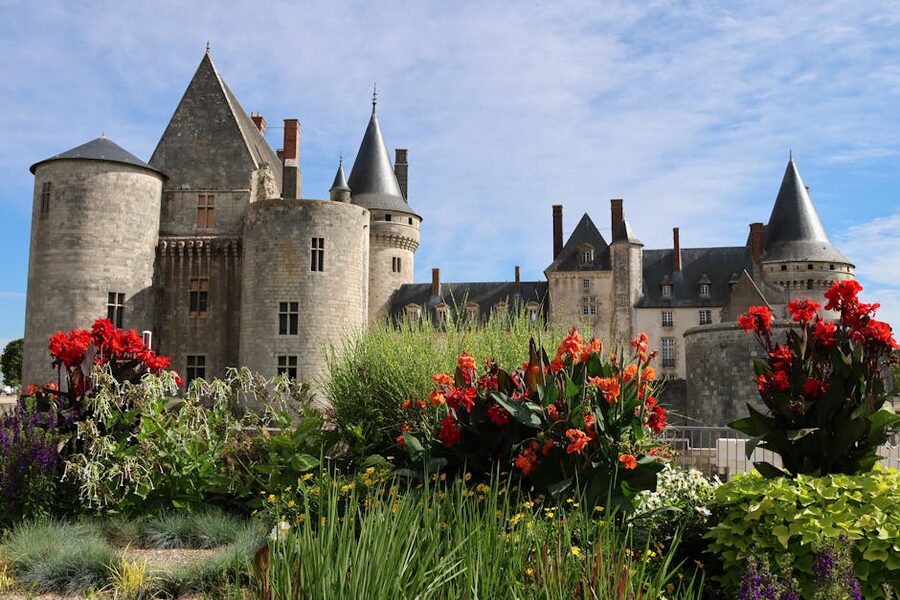
If you’re staying overnight or doing a multi-day trip, the second tier is worth knowing about. Blois has three centuries of architecture stacked into one building — Gothic, Renaissance, and classical wings around a single courtyard, with a sound-and-light show in summer evenings that’s much better than the marketing makes it sound. Chaumont’s annual international garden festival (April through November) is the design pilgrimage every garden person eventually makes. Sully-sur-Loire has the medieval moat-and-keep silhouette that the Renaissance ones don’t.
None of these are realistic on a single day from Paris unless you skip Chambord and Chenonceau, which would be bizarre. Save them for trip two.
Three Tours from Paris I’d Actually Book
I’ve narrowed this from the thirty-plus operators that run Loire day trips to the three I’d genuinely consider. The pool that survives the cull all share four things: skip-the-line tickets to Chambord and Chenonceau, a reasonable lunch break, an air-conditioned coach (this matters in July), and English-speaking guides who actually know the buildings.
1. Loire Valley Castles Day Trip from Paris with Wine Tasting — from $149.95
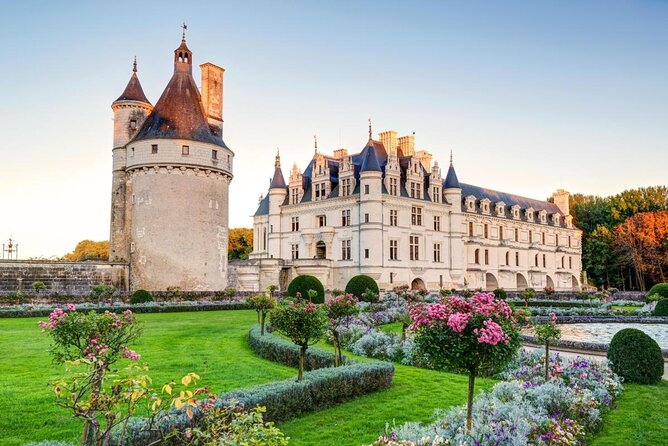
This is what I’d book if I had one day and I wanted everything done for me. It’s the highest-rated and most-reserved option — my full review of this tour covers the exact pickup logistics, what’s included in the lunch break (it’s a free hour, you bring your own picnic or buy on-site at the château café), and how the wine tasting is structured. The advantage over the cheaper alternatives is the timing — they get you to Chambord just before the worst of the midday crowds, and the wine stop on the return is a real Touraine producer, not a tourist staging post.
2. From Paris: Loire Valley Castles Day Trip with Wine Tasting — from $104
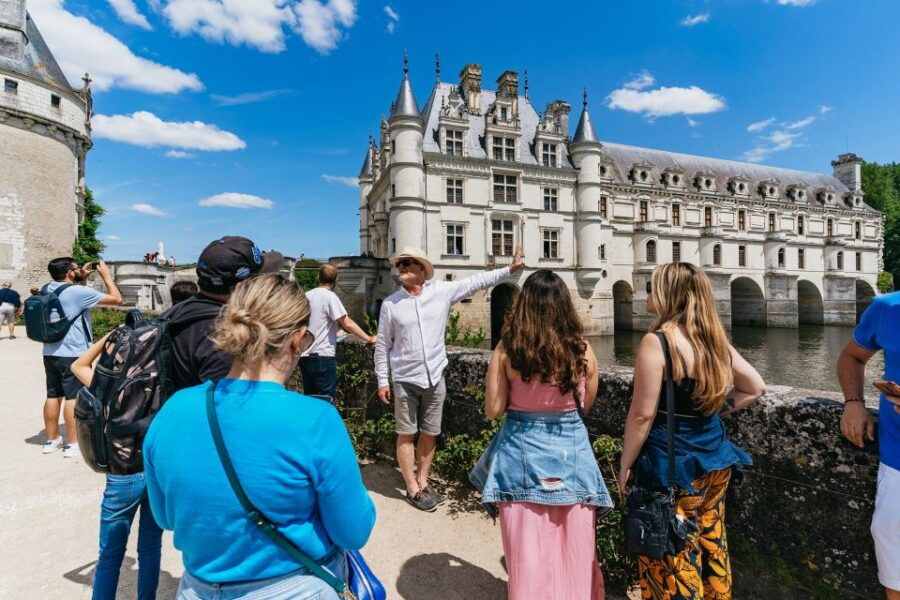
The price-conscious pick. About $45 cheaper than option 1, runs the same Chambord + Chenonceau itinerary with a wine tasting included. The review I wrote on this tour notes that the bus is a touch older and the lunch break is shorter — about 60 minutes versus 90 — but the guides are good and the entries are skip-the-line. If you’re on a budget or you’re a confident traveler who doesn’t need extras, this is a fine choice.
3. From Paris: Full-Day Loire Valley Chateaux Tour (3 castles) — from $127
The three-castle option. You trade some time inside Chambord and Chenonceau for adding Cheverny — about 30 minutes shaved off each of the big two, plus the Cheverny dogs and Tintin exhibit. The full review here walks through whether the trade is worth it for your group. My take: do this if you have kids old enough to recognize a Tintin reference, or if you’re a completist who’d resent leaving Cheverny out. Otherwise the two-castle versions are better paced.
What to Eat (and Drink)
Lunch logistics on a Paris day trip are simpler than they sound. Most tours give you 60-90 minutes of free time near one of the castle towns — usually Blois or a stop near Chambord. Bring a picnic from a Paris bakery before you board if you want to eat efficiently. There’s almost always a small café at the château itself for sandwiches, but the lines are slow and the food is fine, not great.
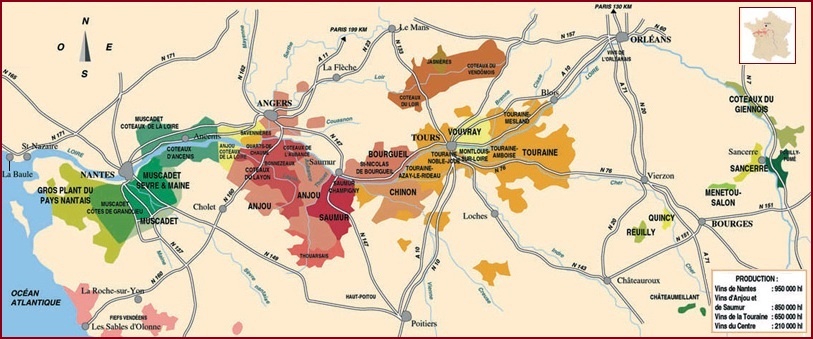
The wine matters here. The Loire is the third-largest French wine region by area and produces almost every style — bone-dry Muscadet from the Atlantic end, sparkling Crémant de Loire from Saumur, the classic Sauvignon Blancs of Touraine and Sancerre, the Chenin-based whites and rosés of Vouvray, and the surprisingly good Cabernet Franc reds of Chinon and Bourgueil. If your tour stops at a producer for tasting, they’ll typically pour three to five wines: a sauvignon white, a chenin off-dry, a rosé, and a Cabernet Franc red. None of it is heavy.

If you self-drive and you want a more serious wine experience, the half-day Vouvray and Montlouis wine tour from Tours visits real producers, not just one stage-managed tasting room — that’s the upgrade if you have a second day in the area. Caves Ambacia in Amboise is the other one I’d flag for self-drivers; it’s a tuffeau-rock cave winery with an in-cave tasting that beats any tour-bus stop on atmosphere alone.
Best Time of Year to Go
Late April through mid-June, then mid-September through October, are the sweet spots. The châteaux are open, the gardens are in some form of bloom, the bus rides aren’t sweltering, and the crowds thin compared to peak summer.
July and August work but you’ll feel the load. Tour buses pack the Chambord car park by 10am, the staircase becomes a slow shuffle, and the air conditioning on coach tours is the only reason you survive the back leg. If you’re locked into summer, push for a tour with a 6:30am pickup rather than 7:30 — that extra hour lets you reach Chambord ahead of the worst rush.
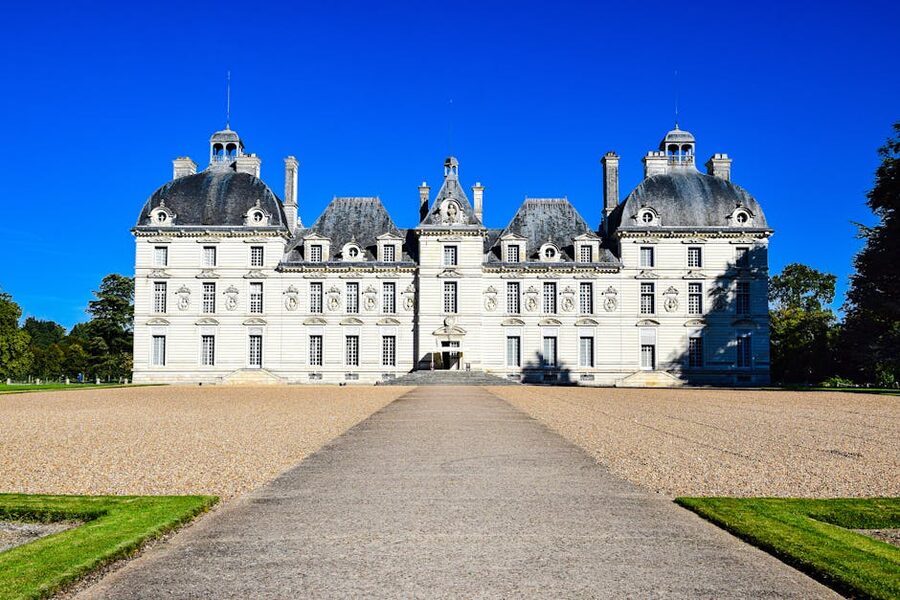
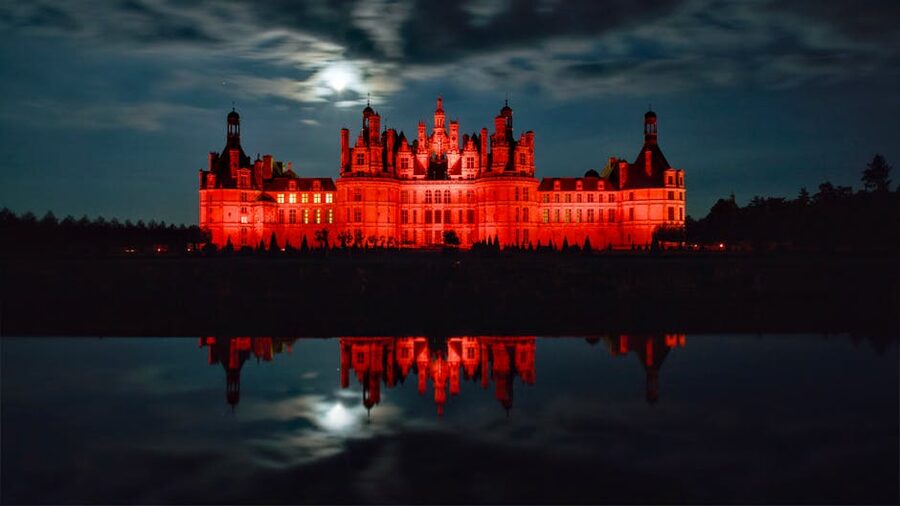
November through March is the contrarian’s window. Several castles run reduced winter hours, Chambord has its evening light shows in December, and you’ll have some rooms genuinely to yourself. Bring layers — the unheated stone galleries are colder inside than outside in January. I went in late October once and the autumn forest around Chambord had me stopping to take pictures every fifteen minutes. The trees on the river path had turned and the whole valley felt like a private location shoot.
What’s Actually Worth Paying for vs Skipping
Pay for: the wine tasting add-on, the audio guide at every château that offers one (the gallery panels alone don’t cut it), and the small upcharge for a small-group tour if you’re going in summer — the difference between a 50-person coach and a 16-person minibus is the difference between a pleasant day and a school field trip.
Skip: the wax museum at Chenonceau, the gift-shop cassoulets at the château cafés (they’re fine, but a Paris bakery picnic is cheaper and tastier), and any tour that promises four castles in a day. Four castles in a Paris day trip means 30-40 minutes per castle, which is barely the lobby.
One thing worth slotting in if you’re combining the Loire with a “scale of French ambition” theme — the Invalides with Napoleon’s tomb sits weirdly well next to a Loire trip. Both sites are about ambition, scale, and royal-imperial story-telling, and seeing them in the same week makes both stronger.
Should You Skip Paris Day Trip and Stay Overnight?
Yes — if you can. The genuine advice nobody on a coach tour wants to hear: the Loire Valley is best as a two-night trip from Paris, not as a long day. Stay one night in Amboise or Tours, do Chambord on day one and Chenonceau on day two with the morning to yourself, and you’ll have a fundamentally different trip. The châteaux at 9am, before the day-trip buses arrive, are nearly empty. The châteaux at 4:30pm, after the buses have left, are nearly empty again. The two-hour middle window is the chaos, and that’s exactly when day-trippers are inside.
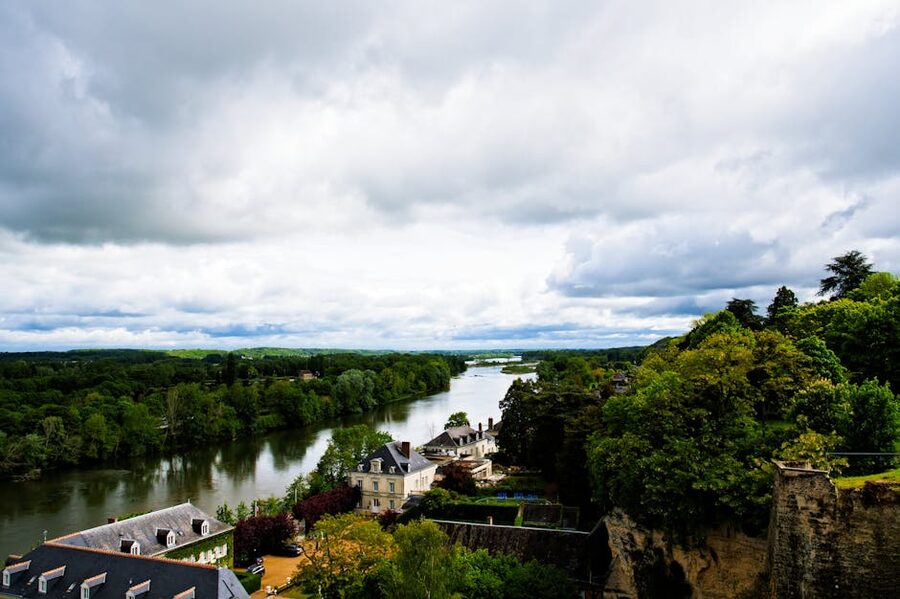
If you do overnight, base in Amboise rather than Tours — Tours is a bigger city with more food options, but Amboise is on the Loire itself, walkable in 20 minutes end to end, and within 25 minutes’ drive of both Chambord and Chenonceau. Smaller hotels, riverside walks at sunset, the kind of slow French evening that Paris isn’t quite designed for.
For something different on the second day, the hot-air balloon ride over the Loire Valley launches at sunrise from near Amboise or Chenonceau and floats over the vineyards and a couple of the smaller châteaux — it’s the splurge that several people I know who’ve done it count as their best French memory. Or the small-group day tour from Tours with lunch at a family château gives you the meal-with-the-owners experience the coach tours can’t match.
Booking Logistics, the Quick Version
Book the Paris day trip 2-4 weeks ahead in shoulder season, 4-6 weeks ahead in July and August. The Chambord + Chenonceau two-castle tour sells out earliest because it’s the version most people want. Small-group versions like the From Paris small-group full-day tour have less inventory than the big-coach options, so book those first if you prefer 16-person minibuses.
Cancellation policies vary. The Viator versions with 24-hour free cancellation are worth a few dollars more if your Paris itinerary is fluid. GetYourGuide tours are usually 48-hour cancellation. Read the fine print before you book — bad weather refund clauses are rare, and a rainy day trip to Chambord is still a fine day trip to Chambord (the buildings are mostly indoors, and the views are arguably better with low cloud).
A small Paris-side tip — if you’ve got a Paris pass debate going, the Paris Museum Pass doesn’t cover the Loire châteaux (different region, separate management), so don’t try to combine. Same goes for the Paris hop-on hop-off bus network — it stops at the city limits.
Day-Trip-Day Practical Checklist
Things I’d genuinely have on me on the morning of the trip, in pocket order. Phone fully charged with the booking confirmation saved offline (cell signal in the valley is patchy). One credit card and €40-60 in cash for café and wine-tasting tips. A reusable water bottle — you’ll empty it twice. A light jacket even in summer, because the unheated stone interiors are 6-8°C colder than outside. Comfortable closed-toe shoes — the gravel courtyards eat sandals. A small day pack for a picnic, water, jacket. Sunglasses for the bus and the gardens.
What you don’t need: a printed ticket (every operator I’ve tested accepts mobile vouchers), a guidebook (the audio guides at the châteaux are better and they’re in English), or formal clothes. This is jeans-and-a-shirt territory.
How This Pairs with the Rest of Your Paris Trip
The Loire works best as a “deep day” in the middle or end of a longer Paris stay. Day three or four works well — early enough that you’ve adapted to the time zone, late enough that you’ve already done the central Paris highlights and you’re ready to leave the city for a beat.
If you’re already booking Mont-Saint-Michel from Paris or a Normandy D-Day tour from Paris, don’t try to stack all three on consecutive days — you’ll have three identical 6:30am wake-ups and three exhausted evenings. Space them out, with a slow Paris day in between each. The Mont-Saint-Michel run is the longest of the three in driving hours; the Normandy day is the most emotionally heavy; the Loire is the most leisurely. If you’re doing the full Paris-day-trip trio, I’d order them: Loire first (it’s the gentlest), Normandy second (you’ve adjusted), Mont-Saint-Michel last (you’ll be tired but the payoff is enormous).
On the days bookended around the Loire, lean into something gentle. A Seine evening cruise with music on the night you get back is the right kind of low-effort indulgence — let someone else drive while you sit with a glass and watch the bridges go past.
The One Thing Most Paris Day-Trippers Wish They’d Known
Pace the day. Don’t try to “do” each castle. The two-castle Paris day trip is a tasting menu, not a buffet. Walk slowly through Chambord’s roof, sit on a bench in Chenonceau’s gallery for five minutes, eat your sandwich at the river path instead of in the bus, taste the wine slowly, and accept that you’re seeing 5% of what’s here. The 5% is the headline 5%, and that’s enough for one day.
And then the bus rolls north, the sun starts to lower over the wheat fields, your phone is hot in your hand from photos, and you’ll find yourself — about an hour into the return leg — quietly deciding when you’ll come back. Two days, three days, with a hire car next time, in October instead of August. That’s the real moment the day trip earns its keep. The Loire isn’t a place you finish; it’s a place you start. The first day from Paris is just the first chapter.