
Do you actually need a hop-on hop-off bus in Athens? It’s a fair question. The Athens metro is excellent, the historic centre is walkable, and a single ticket costs about €1.40. So before you spend €20 on a HOHO ticket, it’s worth thinking through what you’d actually use it for.
Short answer: yes, if you’ve got mobility issues, two days or fewer in town, a cruise day in Piraeus, or you want the coastline and Riviera that the metro doesn’t reach. Otherwise, the metro plus your own two feet covers the historic core just fine. This guide walks through how the three operators stack up, what the routes actually cover, and where the bus genuinely beats the alternative.
- In a Hurry? Three Picks Before You Read On
- The Three Operators Side by Side
- What the Route Actually Covers
- Syntagma Square
- National Garden and Panathenaic Stadium
- Acropolis and the Plaka Loop
- HOHO vs Athens Metro: The Real Comparison
- Three Tickets I’d Actually Buy
- 1. Blue Route Athens, Piraeus and Coastline:
- 2. City Sightseeing Athens 24h or 48h:
- 3. Big Bus Athens Open-Top:
- The Piraeus Extension and Why Cruise Passengers Care
- The Riviera and Why It’s the Hidden Reason to Pay
- Combined City Pass Option
- Audio Guide Quality, Tested
- What 24 Hours vs 48 Hours Actually Means
- Weather and the Open-Top Question
- Where to Buy and Avoiding Touts
- Pairing the HOHO With Day Trips
- How Athens HOHO Compares to Other European Cities
- Practical Notes Worth Knowing
- Riding Athens This Way
- Beyond the Bus, Around Greece
In a Hurry? Three Picks Before You Read On
- Best value for cruise passengers and Riviera fans (around $14): the Blue Route by Athens Open Tour covers the city plus Piraeus plus the coastline on one ticket.
- Most polished city loop (around $25): City Sightseeing Athens 24h or 48h sticks to the historic centre with the cleanest audio.
- Open-top fans on a multi-day stop (around $27): Big Bus Athens runs three lines and a 48hr ticket.
The Three Operators Side by Side
Athens has three companies running the loop, and they don’t run the same route. That trips a lot of people up. You can’t switch between operators with one ticket, and the buses don’t all stop at the same places. Here’s what each one is actually good at.
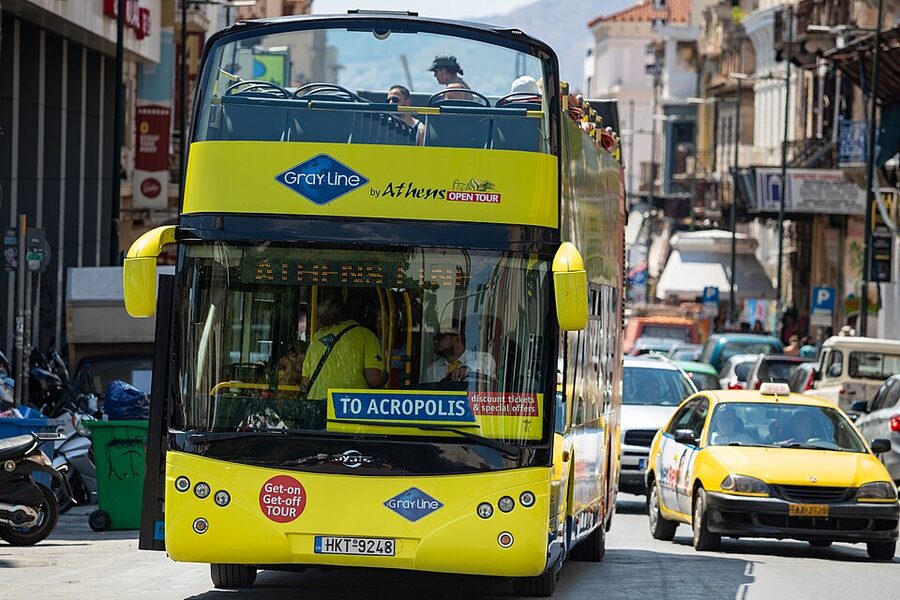
The Blue Route, run by Athens Open Tour, is the broadest. It links the city centre with Piraeus and runs down the Riviera as far as Glyfada and the beaches. If you’re getting off a cruise ship at Piraeus, or you actually want to see the coast, this is the one. The Blue Route ticket is also the cheapest, partly because the audio is a bit dated and the buses themselves are workhorse rather than glamorous. That’s fine. You’re paying for coverage, not a spa experience.
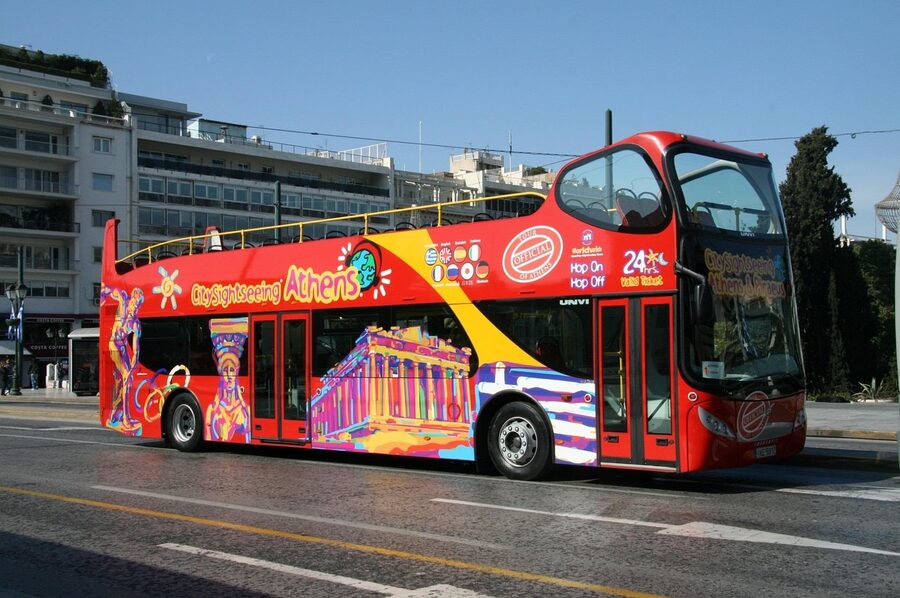
City Sightseeing runs the most polished city-centre experience. Newer fleet, sharper audio, friendlier ground staff. The City Sightseeing Athens loop sticks to the historic core: Acropolis, Plaka, Monastiraki, Syntagma, Panathenaic Stadium, the National Archaeological Museum. They sell 24-hour and 48-hour tickets, and you’ll notice the buses run more frequently in summer than the others. If you only have one day and want to see central Athens cleanly, this is my pick.
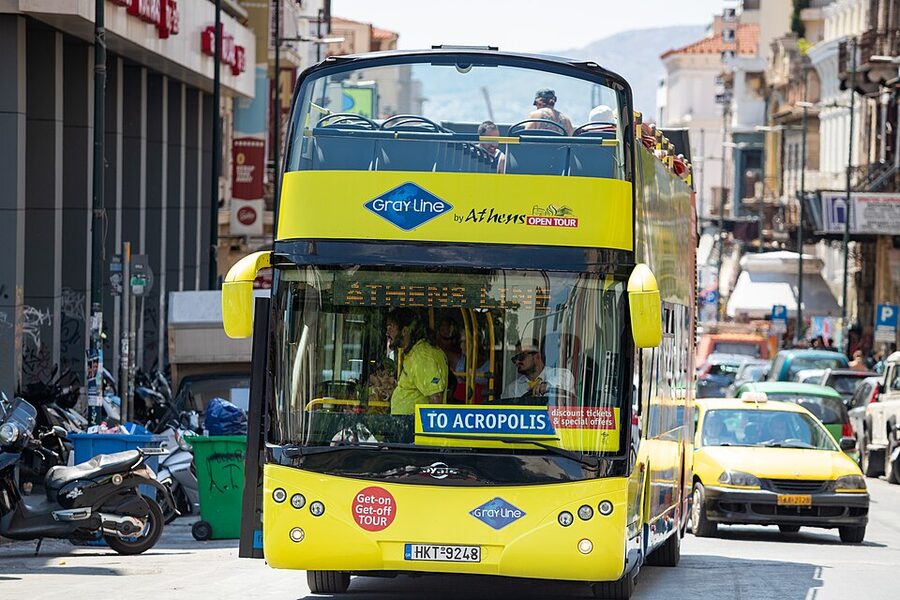
Big Bus is the global brand most travellers recognise from London or Rome, and they run three lines in Athens: a city loop, a port loop, and a Riviera line. The Big Bus open-top tour is the prettiest if you care about the photos, with proper open-top seating that the others sometimes substitute for closed buses in winter. That said, you’ll pay a premium and the city loop overlaps almost entirely with City Sightseeing’s route. There’s also a Big Bus sightseeing variant for shorter trips if 48 hours feels excessive.
What the Route Actually Covers
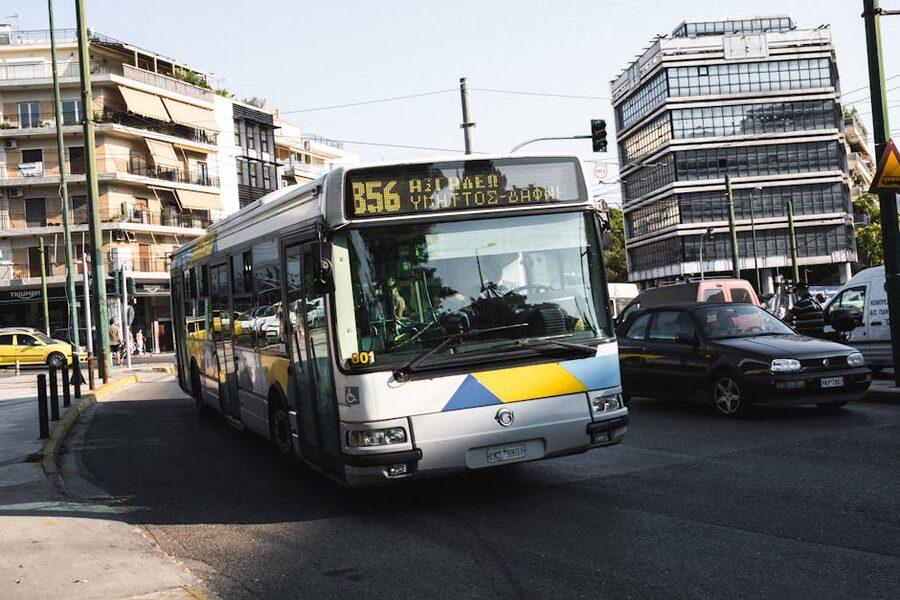
This is the bit you probably care about. Whichever operator you pick, the city loop covers the same roughly oval shape: Syntagma to Acropolis to Plaka to Monastiraki to the National Garden and back. About 90 minutes start to finish if you don’t get off, and the buses run every 15-30 minutes depending on season.

Syntagma Square
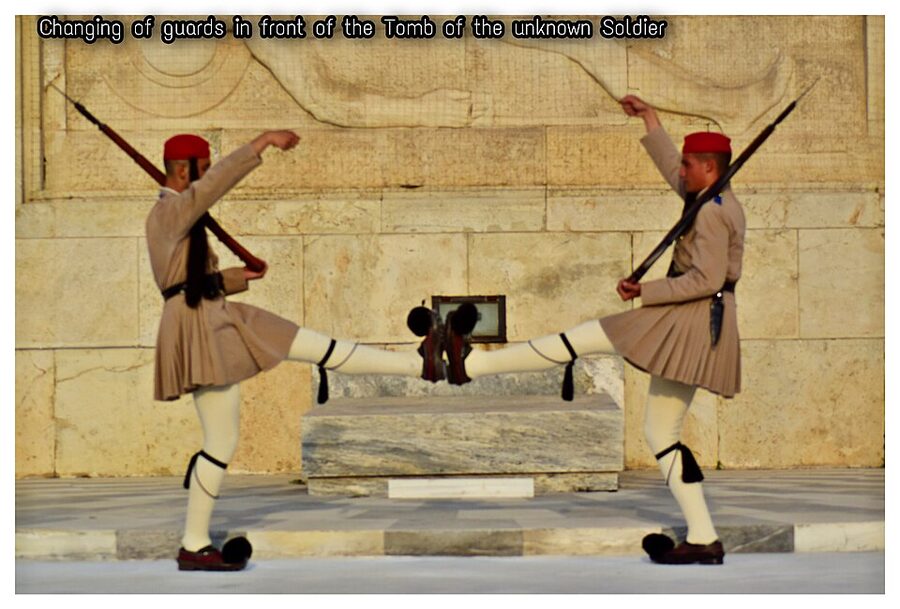
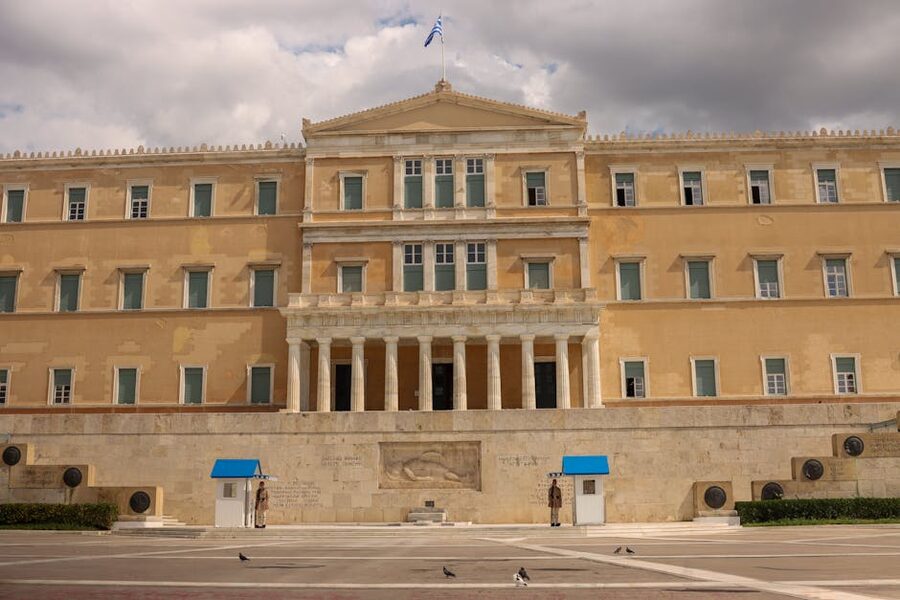
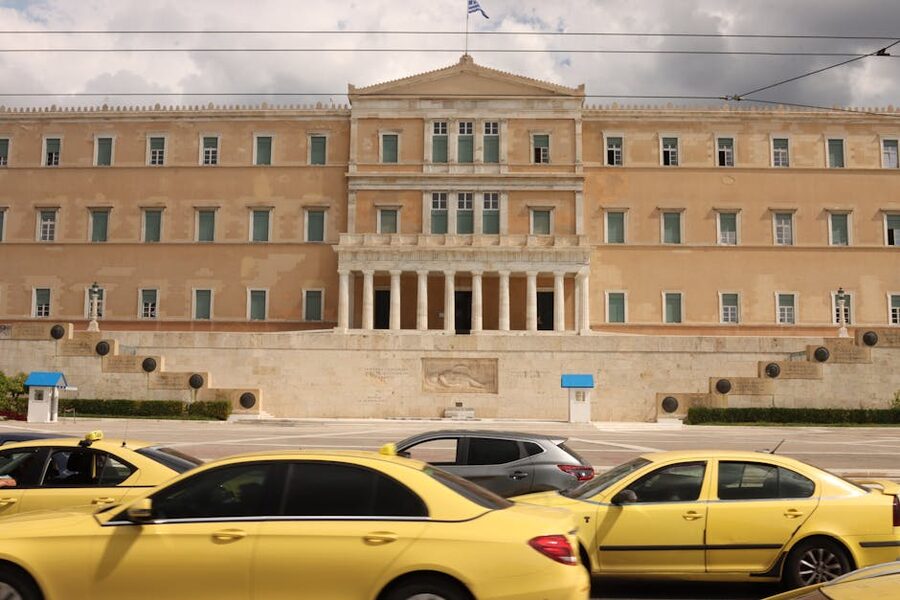
Most loops start here. Syntagma is the central square in front of the Greek Parliament, and it’s also where the Evzones do the changing of the guard. Every hour on the hour, two soldiers in pleated kilts and pom-pom shoes do an extremely slow ceremonial routine at the Tomb of the Unknown Soldier. It’s worth seeing once. The big version happens on Sundays at 11am with a full marching band and dozens of guards.
National Garden and Panathenaic Stadium
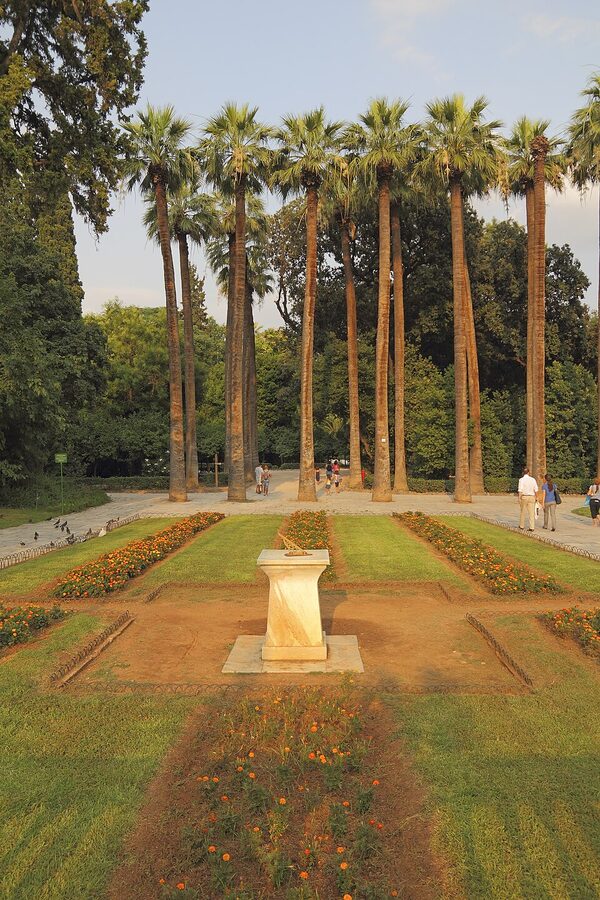
From Syntagma the bus turns south through the National Garden, a 38-acre park with shaded paths, a small zoo, and a duck pond. You can get off and walk through it for free. It’s especially good in July when the city is roasting and you want shade.
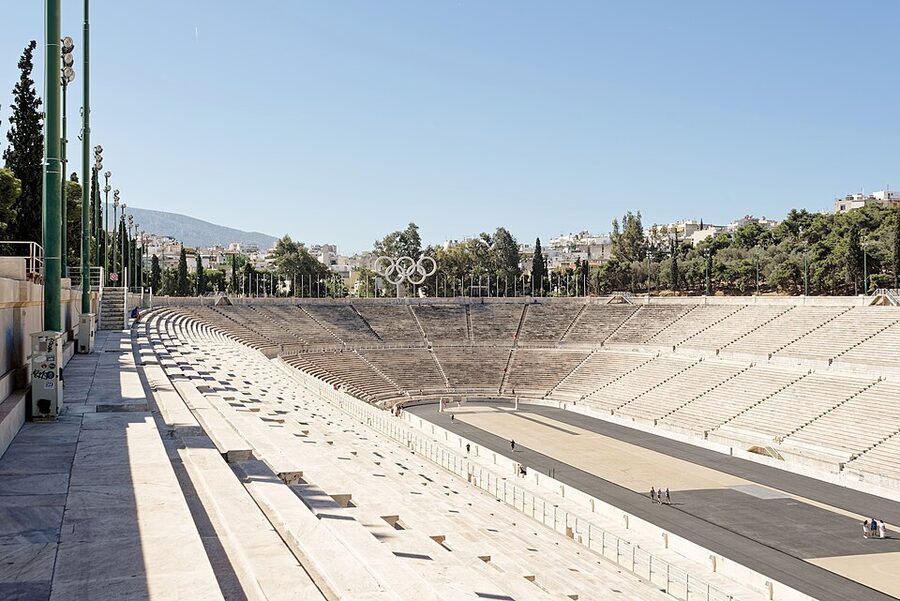
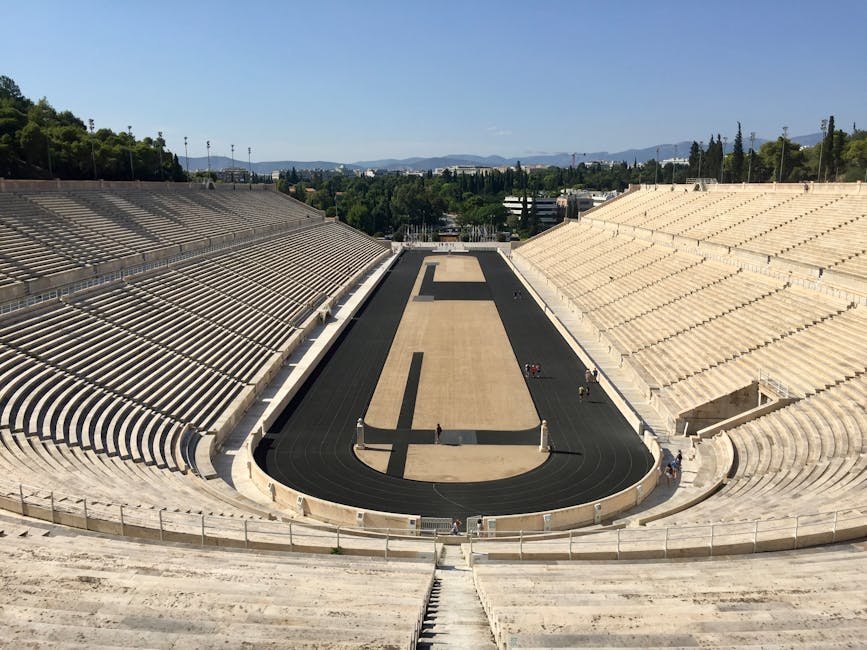
The next stop is the Panathenaic Stadium, the only stadium in the world built entirely of marble. It hosted the first modern Olympics in 1896 and you can walk inside for around €10. The bus stops right outside the entrance, which is genuinely useful because it’s a 25-minute walk from any metro station.
Acropolis and the Plaka Loop
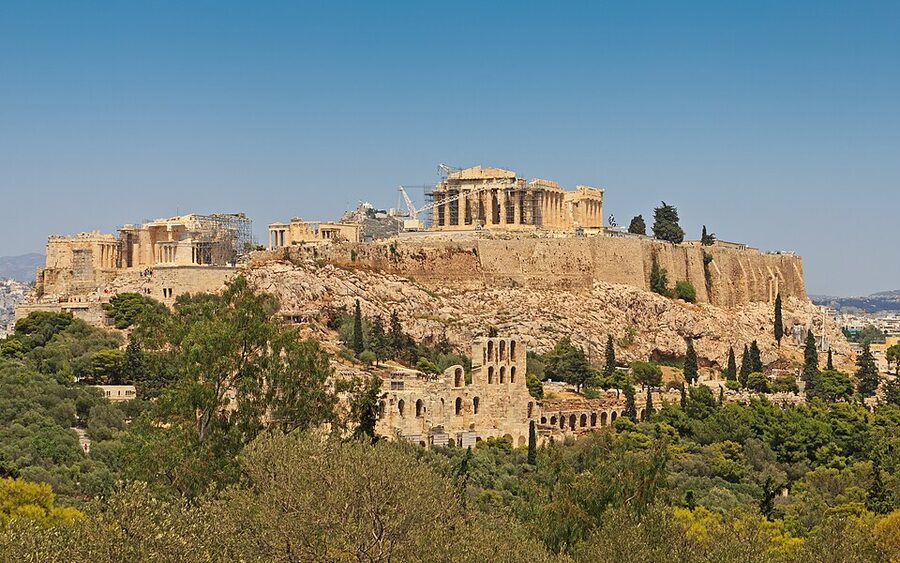
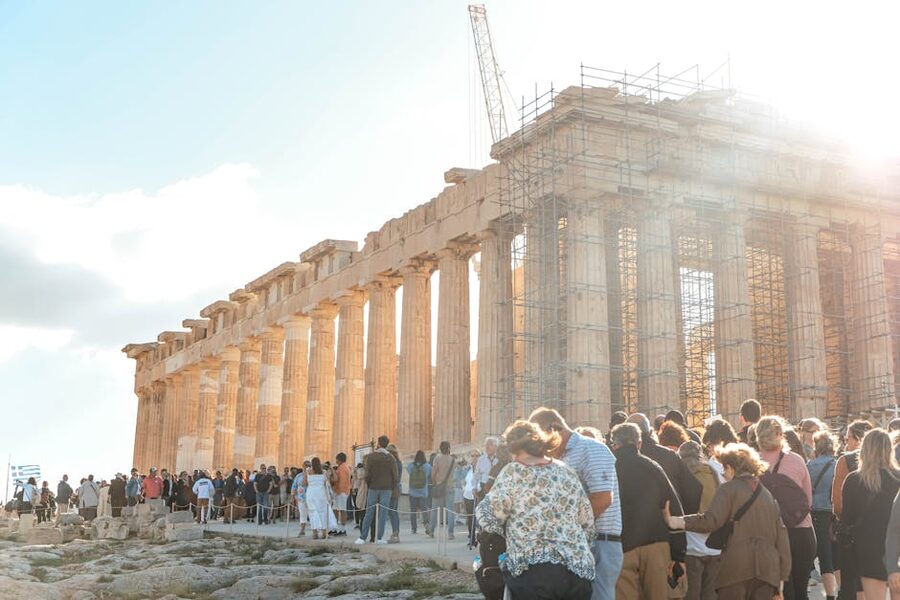
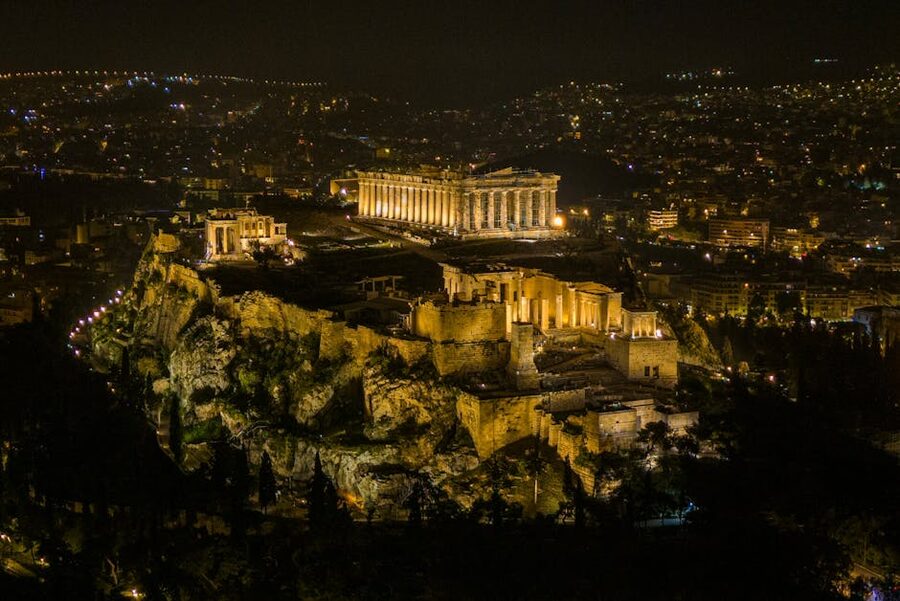
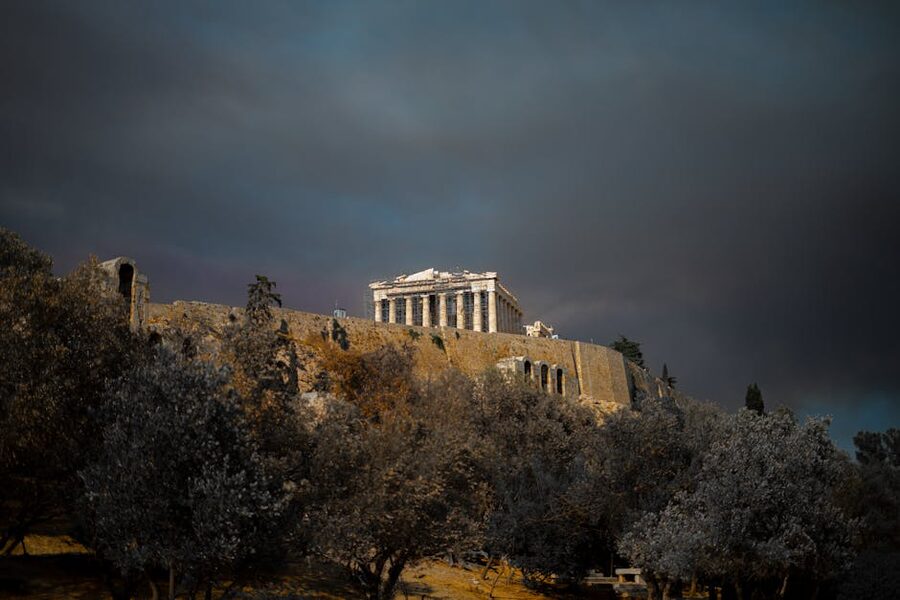
This is where you’ll get off. Every operator stops at the south slope of the Acropolis, which is a 5-minute uphill walk to the main entrance. If you’ve already got an Acropolis ticket, you can use the bus to save your legs after touring the site. Mine were destroyed by the time I came down. The Acropolis walking tour guide covers the ticket logistics in detail, and the combo ticket is what most people end up buying.
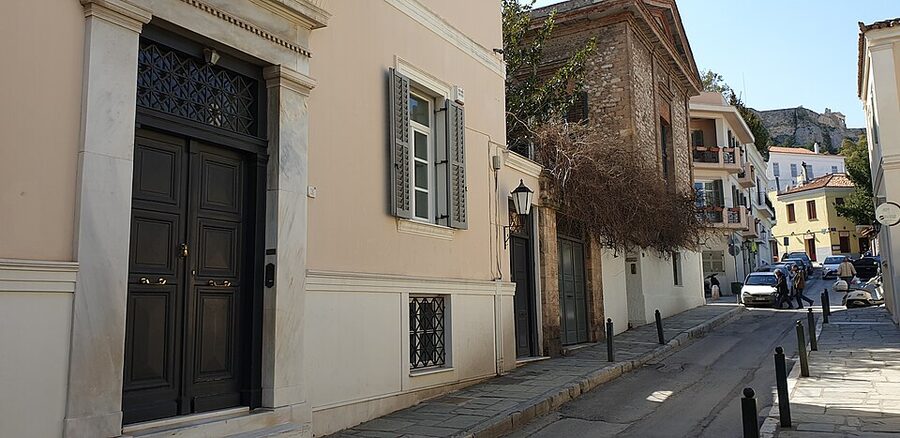
From the Acropolis the route swings through Plaka, the old quarter at the foot of the rock. The bus doesn’t actually drive through Plaka, it skirts the edge, because the streets are too narrow. Plan to get off at Monastiraki and walk in.
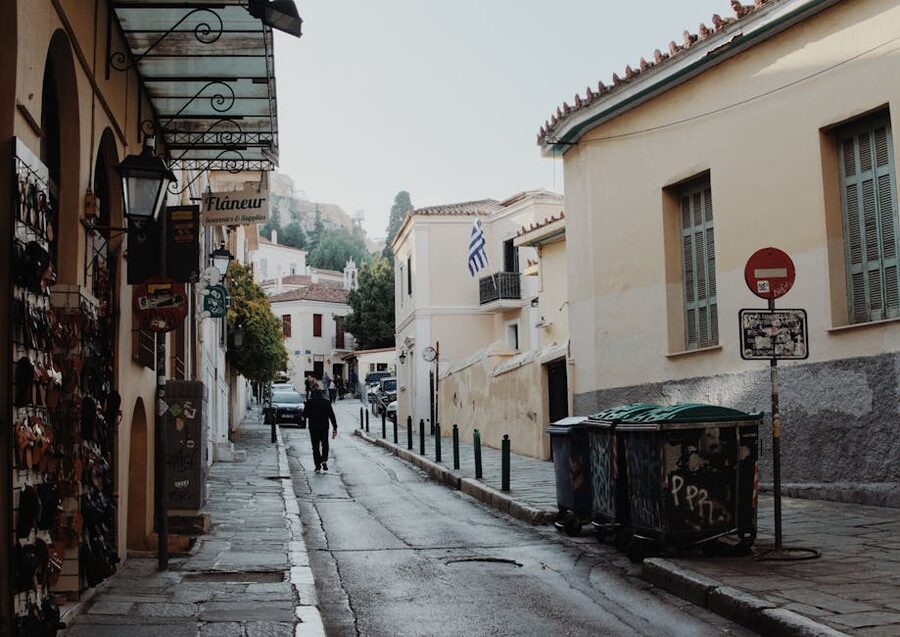
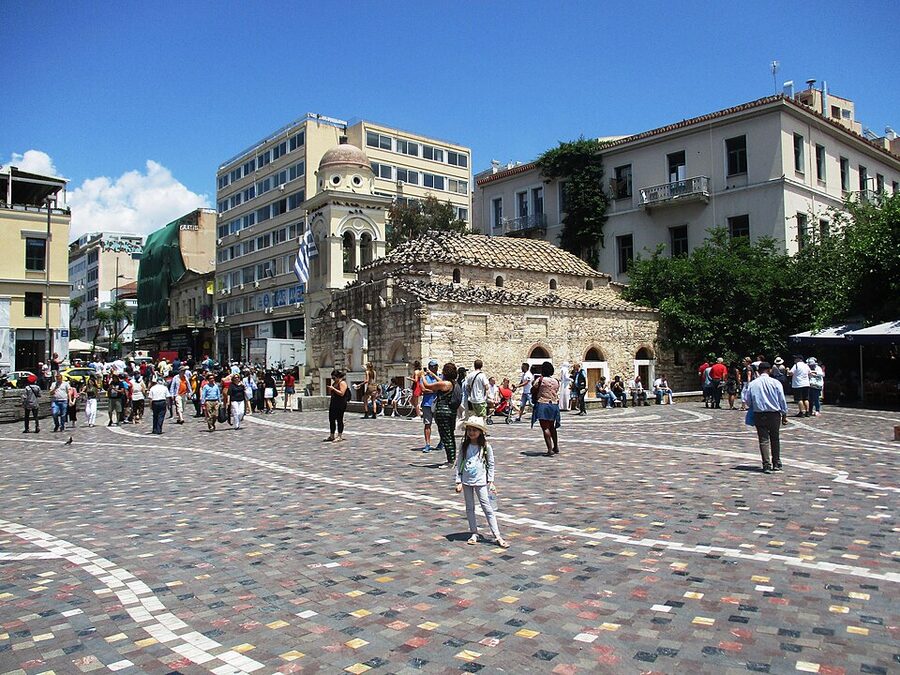
Monastiraki is the other end of Plaka, with the flea market and the Sunday vintage market. The bus stops at the square right next to Pantanassa Church.
HOHO vs Athens Metro: The Real Comparison
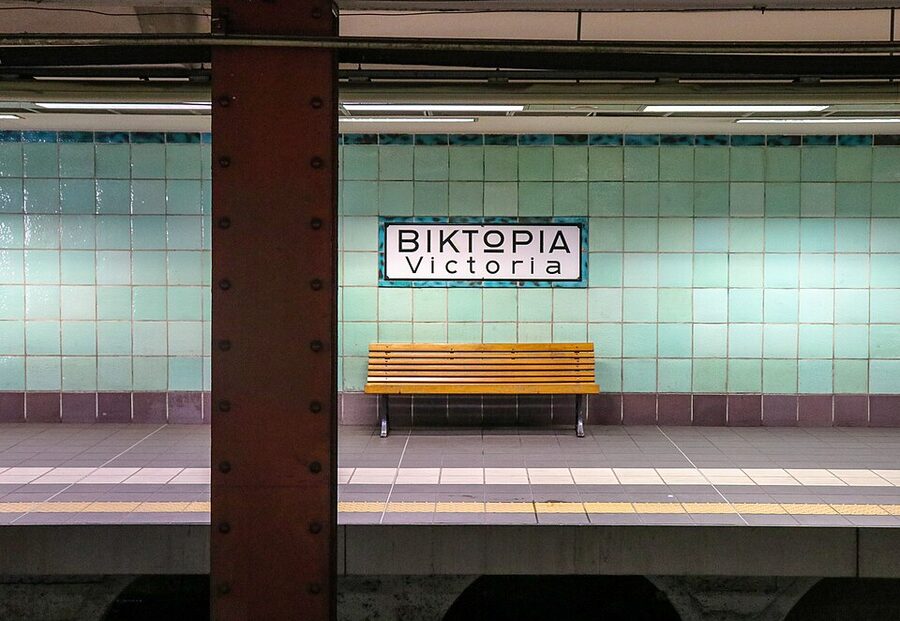
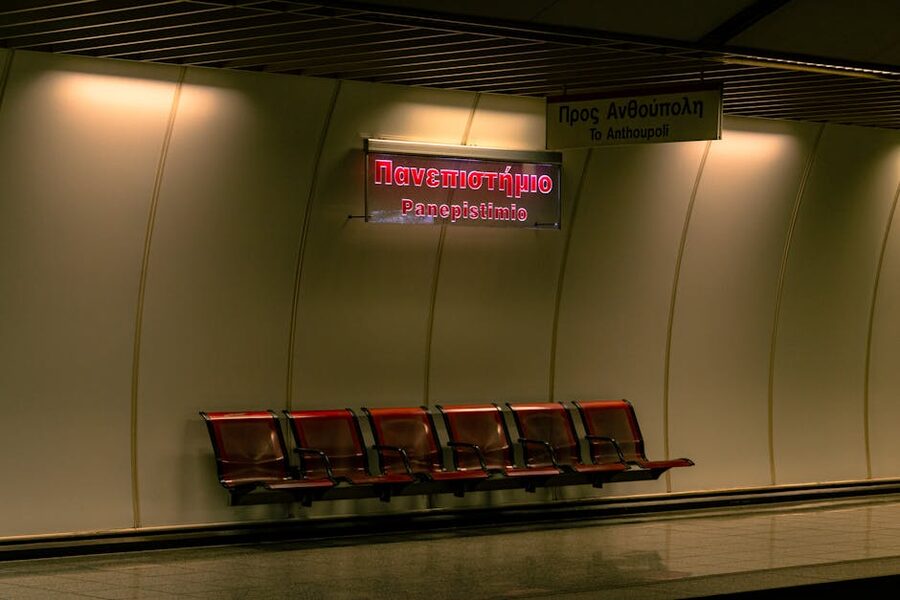
This is the part nobody else writes properly. The Athens metro is excellent. It runs from 5:30am to about midnight (1am Friday and Saturday), three lines that meet at Syntagma, and a single ticket is €1.40. A 24-hour pass is €4.50. A five-day tourist ticket including the airport is €9.
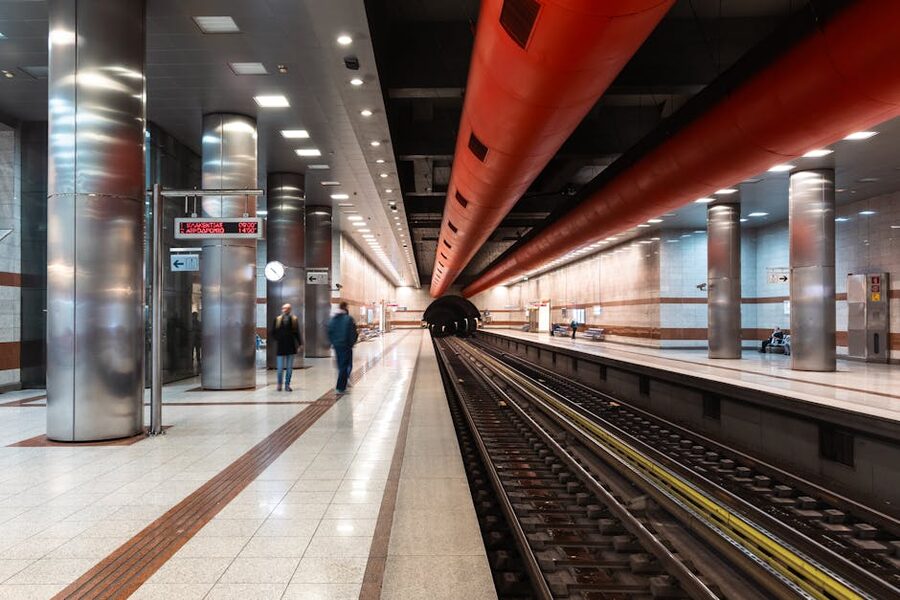
If you’re young, fit, and you’ve got three days or more in town, the metro plus walking covers the historic centre comfortably. Acropolis station drops you at the south slope. Monastiraki and Syntagma each open onto major sights. You’ll walk past more good food and cafes between metro stops than the bus will ever show you.
So when does the bus actually win? A few cases. If you’ve got mobility issues, knee trouble, or you’re travelling with kids who’ll fold after two hours of walking, the bus saves you. If you’re on a cruise day stop in Piraeus, the Blue Route is faster than figuring out the metro from scratch. If you want the coast, the metro doesn’t reach Glyfada or Vouliagmeni, and the Blue Route does. If it’s your first afternoon in town and you’re jet-lagged and want to orient yourself without thinking, an hour on top of an open bus is genuinely useful.
If none of those apply, save the €25 and get a metro day pass. Spend the difference on a real meal in Plaka.
Three Tickets I’d Actually Buy
Three picks based on the kind of trip you’re planning. Each one solves a specific problem.
1. Blue Route Athens, Piraeus and Coastline: $14
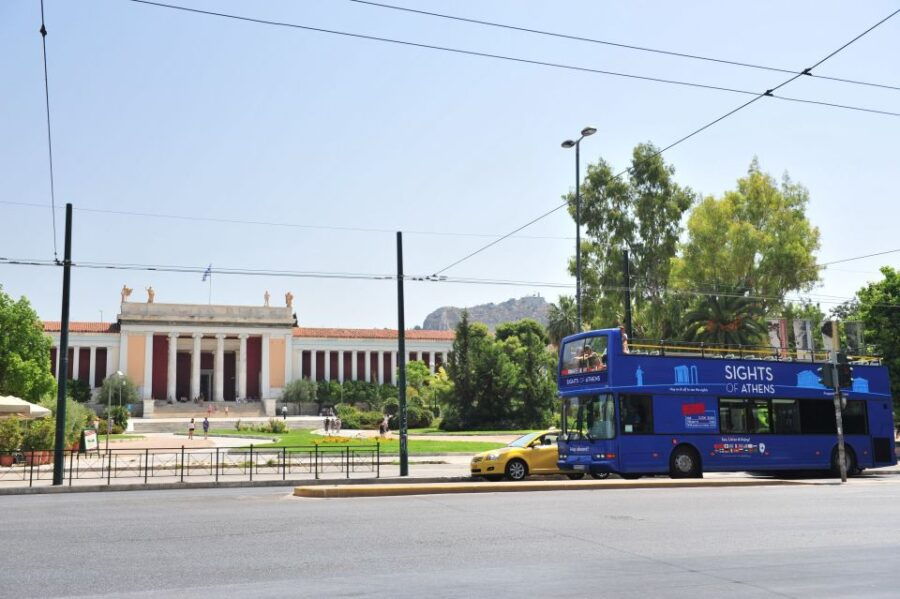
This is the one to buy if you’re a cruise passenger or you want the coast. Three lines, including the Athenian Riviera as far as Vouliagmeni, on a 48-hour ticket for the price most operators charge for 24. Our Blue Route review covers the audio quirks and where it falls short. The audio isn’t as polished as City Sightseeing, but the route coverage is unmatched at this price.
2. City Sightseeing Athens 24h or 48h: $25
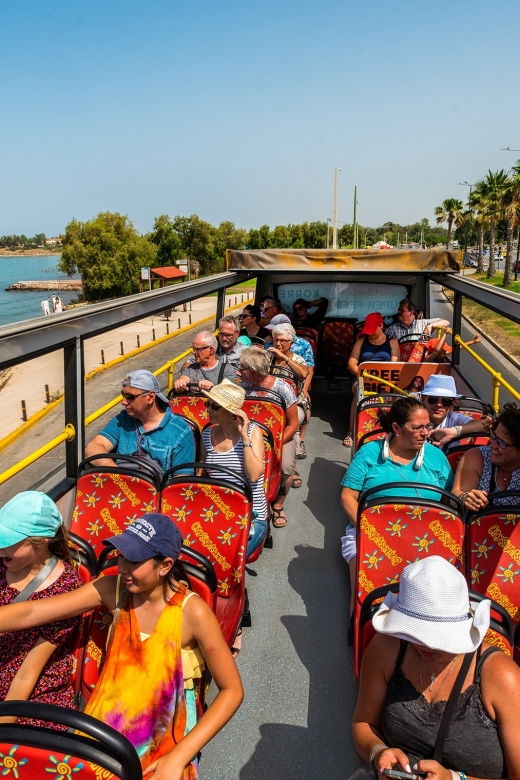
If you only have one day and you want a tidy city loop with good audio, this is the pick. Our City Sightseeing review covers the stops in order. They run every 15 minutes in summer, slower in winter, and the buses are the newest of the three operators.
3. Big Bus Athens Open-Top: $27
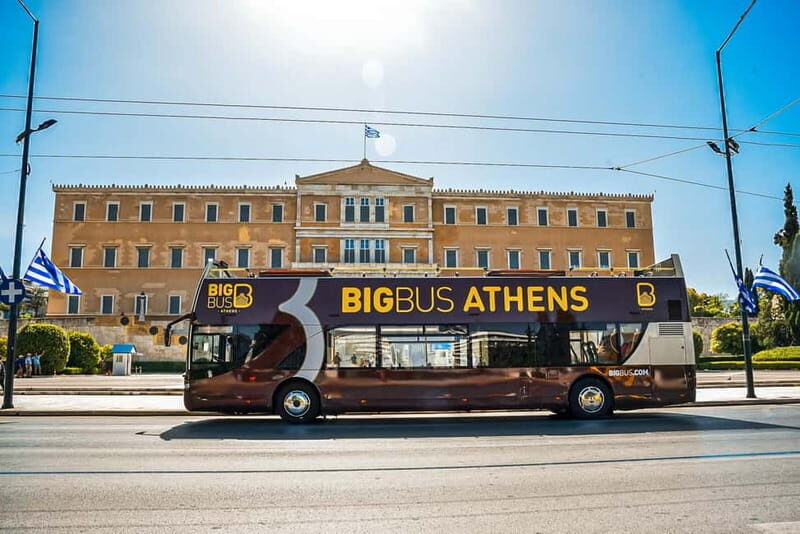
Big Bus is the option for travellers who already trust the brand from London or Rome and want the open-top experience. Our Big Bus review covers the route differences. They run three lines, sell up to 72-hour tickets, and the seats up top genuinely are bigger than the others.
The Piraeus Extension and Why Cruise Passengers Care
If you’re docking at Piraeus for a single day, this section is the one that matters. Piraeus is about 9km southwest of central Athens. The metro line 1 (the green one) connects Piraeus to Monastiraki in 25 minutes for €1.40. So you don’t need a HOHO at all for the Acropolis run.
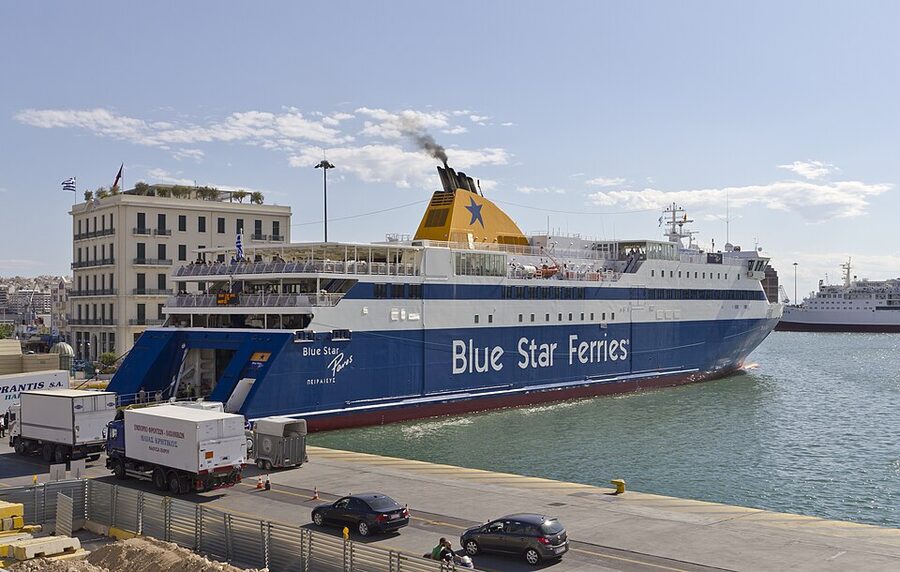
What the bus solves is everything else. If you want to see Athens, Piraeus, AND the coastline in eight hours before re-boarding, the Blue Route is faster than juggling metro and tram and bus separately. The Piraeus and Glyfada line is a sub-route some operators sell separately, focused entirely on the coastal stretch from the port down through Faliro to Glyfada.

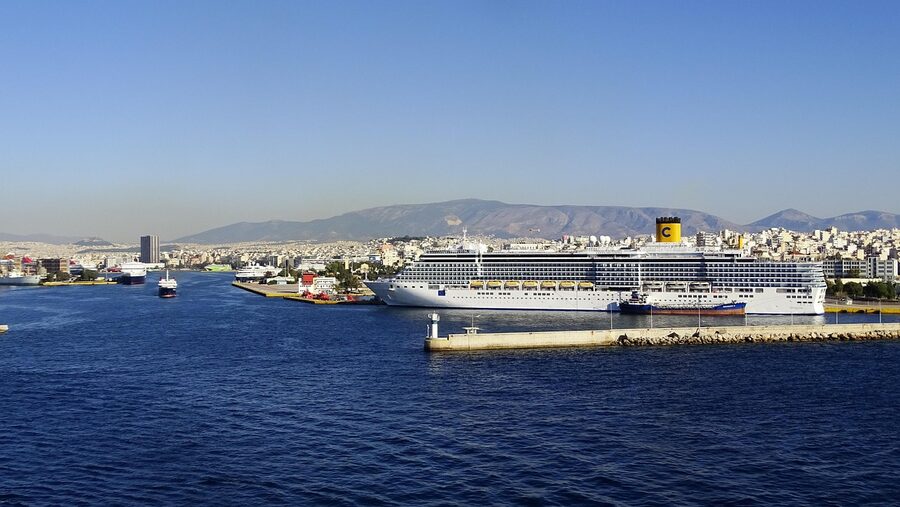
One more thing for cruise people: the Blue Route runs less frequently than the city loops, every 30-45 minutes. Don’t cut your timing too fine on the way back to the ship. If you’re worried about timing, the Saronic Islands day cruise guide we publish has a similar timing discussion for ferries.
The Riviera and Why It’s the Hidden Reason to Pay
Most travellers focus on the Acropolis loop and forget there’s a coast. The Athenian Riviera runs south from Piraeus through Faliro, Alimos, Glyfada, Voula, and Vouliagmeni. The Blue Route reaches as far as Voula and Vouliagmeni in summer, and this is genuinely the part the metro can’t replicate. Tram service runs partway, but coverage is patchy past Glyfada.
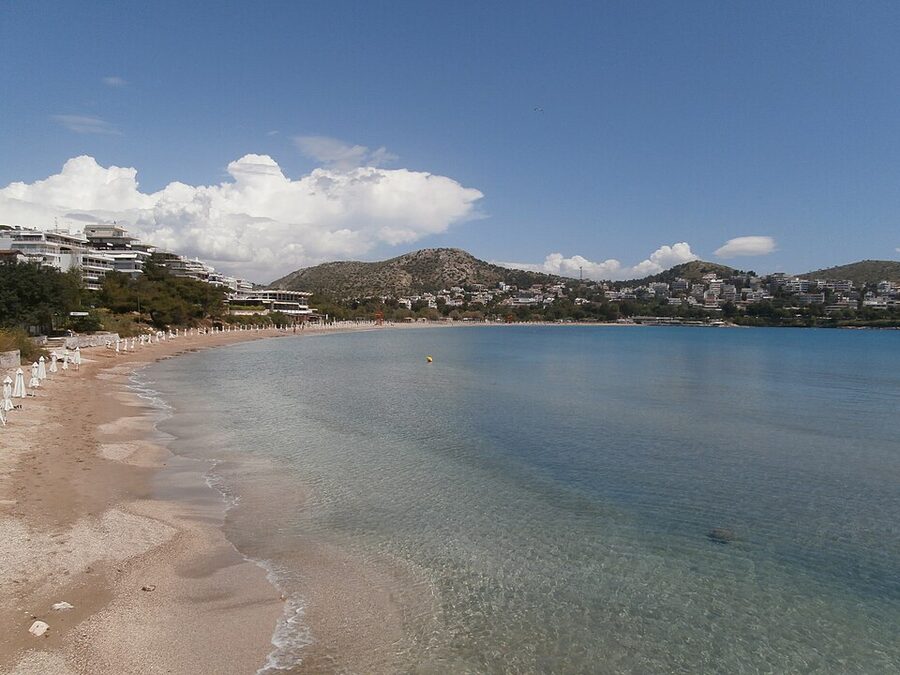
If you’re staying for three or four days and want a beach afternoon, the bus takes the planning out of it. You don’t need a car. You don’t need to know which tram stop to get off at. Sit on top of the bus and the Riviera scrolls past until you see the beach you want.
Combined City Pass Option
One product I’d flag is the Athens City Pass, which bundles a HOHO ticket with Acropolis entry and museum admissions. The Athens City Pass with HOHO can save you queuing time at the Acropolis ticket booths, which in summer is its own argument. Whether the maths works depends on how many of the included museums you’d actually visit. If it’s two or more, the pass usually wins. If you’re only doing the Acropolis and one museum, buy them separately.
Audio Guide Quality, Tested
I rode all three operators within a four-day stretch. Here’s what I noticed.
City Sightseeing has the cleanest narration. It’s a recorded multi-language commentary triggered by GPS, so it lines up with what you’re seeing. Decent headphones provided. Good background music between commentary stretches. About 10 languages.
Big Bus is similar quality, slightly more chatty in tone. Their commentary leans heavier on history. Same multi-language setup. Headphones good.
The Blue Route is where it gets dated. Audio is older, the GPS triggers occasionally fall behind, and the headphones are noticeably cheaper. You can still follow it, but if audio matters to you, factor that in. Bring your own earbuds and you’ll thank me.

What 24 Hours vs 48 Hours Actually Means
Read the fine print on this one. A “24-hour ticket” usually means 24 hours from first boarding, not the calendar day. Some operators use 24 hours from validation, some use the day plus next morning, and the Big Bus rules are different again. If you’re planning to use the bus afternoon-then-morning, the 24-hour rolling clock works in your favour. If you board on day 1 evening, a 48-hour ticket gives you all of day 2 and most of day 3.
If you only have a single afternoon, don’t buy a 48-hour ticket. The marginal cost is small (around €5) but you won’t use the second day. Get the 24-hour and put the difference toward dinner.
Weather and the Open-Top Question
July and August in Athens routinely hit 35-40C. The “open-top experience” sounds glamorous in spring catalogues. In practice, sitting on the top deck for 90 minutes at 38C with no shade is brutal. The buses do have a partial canopy but you’ll still bake. Bring a hat. Bring water. Or, more sensibly, ride the bus in the morning before 11am or after 5pm.
Spring and autumn (March-May, October) are the sweet spot. Comfortable temperatures, clear skies, light crowds. Winter (November-February) is fine but the open-top novelty disappears in rain, and you’ll often find operators substituting closed buses anyway. Check before you board.
Where to Buy and Avoiding Touts
You can buy any of the three operators’ tickets in three places: directly from the bus driver, at booths around Syntagma and Monastiraki, or online in advance. Online is usually 5-10% cheaper and skips the booth queue.
What to avoid: the men in lanyards near the Acropolis south slope who’ll approach you offering “the official combined ticket.” They’re commission resellers. The price they quote is usually the same as buying at the booth, but you’ve now bought it from a middleman and you’ll have less recourse if something goes wrong. Buy direct or buy online.

Pairing the HOHO With Day Trips
Most travellers use the HOHO as a day-one orientation tool, then graduate to longer day trips. That’s a sensible pattern for a 4-5 day Athens trip. The Meteora day trip covers the rock monasteries up north, which is the most popular long day from Athens. The Cape Sounion sunset trip works well as a second-day half-day. And the Delphi day trip is the one most regret skipping; the museum alone is worth the drive.

If your interests run more towards food and walking than archaeology, the Greek food walking tour is the city’s best value for an evening. The Saronic Islands cruise works well for a weather-perfect summer day if you want to escape the heat.
How Athens HOHO Compares to Other European Cities
I’ve ridden HOHO in most of the big European cities. Athens sits in the middle of the pack. Better than London (where the metro destroys it on every metric), worse than Barcelona (where the route covers more genuinely useful ground because the city is geographically larger).
If you’ve used HOHO elsewhere, the comparison matters. The Barcelona HOHO is genuinely useful because Barcelona spreads out and the metro doesn’t reach key sights like Park Guell directly. Seville’s HOHO is more skippable, the historic centre is small enough to walk. Valencia’s HOHO covers the City of Arts and Sciences, which is harder to reach without one.
Athens is closer to Seville than Barcelona in this regard. The historic core is tight. The Acropolis, Plaka, Syntagma, and Monastiraki are all within a 20-minute walk of each other. The Palma de Mallorca HOHO has a similar profile, useful mainly to reach the Bellver Castle that you can’t easily walk to. And on the no-HOHO end of the spectrum, Madrid uses a panoramic city tour instead, since their metro covers everything you’d otherwise need a sightseeing bus for.
Practical Notes Worth Knowing
Buses run roughly 8:30am to 6:30pm in winter, extended to 8pm in summer for some operators. First and last bus times vary by operator and stop, check the schedule on the day. Buses skip stops in heavy traffic, so a 90-minute loop can become 2 hours during the Sunday changing of the guard. Plan your Acropolis timing around that.
Children under 5 ride free. Ages 5-15 get the child rate, usually about half. Wheelchair access is available on most newer fleets but not all stops, ask before you book.

Strollers fold and store in the rear luggage racks. Large bags up to carry-on size are fine, anything bigger should go in your hotel before you board. Don’t expect to bring a suitcase.
Bathrooms are not on the buses. Plan stops near the Acropolis or Syntagma if you need one. There’s a public restroom in the Hadrian’s Library complex near Monastiraki.
Riding Athens This Way
If you’re in Athens for one or two days, do the HOHO once and walk the rest. If you’re staying longer or you don’t have any of the cruise/mobility/Riviera reasons, skip the HOHO and ride the metro. The €1.40 ticket genuinely covers the historic core. Save the HOHO money for a long lunch in Plaka instead.
And if you do buy a HOHO ticket, do it on day one. You’ll use it less than you think after that, and the orientation it gives is most valuable when you’re fresh off the plane.
Beyond the Bus, Around Greece
Once you’ve covered the Athens core, the country opens up. The Meteora monasteries sit four hours north and make a long but worthwhile day. Closer to home, the Cape Sounion temple works as a sunset half-day, and the Saronic Islands cruise hits Aegina, Poros, and Hydra in eight hours from the Piraeus marina. If your timing works, the Greek food walking tour through Psyrri is the evening I’d plan first.