
Do you actually need a hop-on hop-off bus in Palma, or is the city compact enough to skip it? That is the real question, and the answer depends almost entirely on if your single must-see is Bellver Castle. Skip ahead if it isn’t. If it is, the bus suddenly makes a lot of sense.

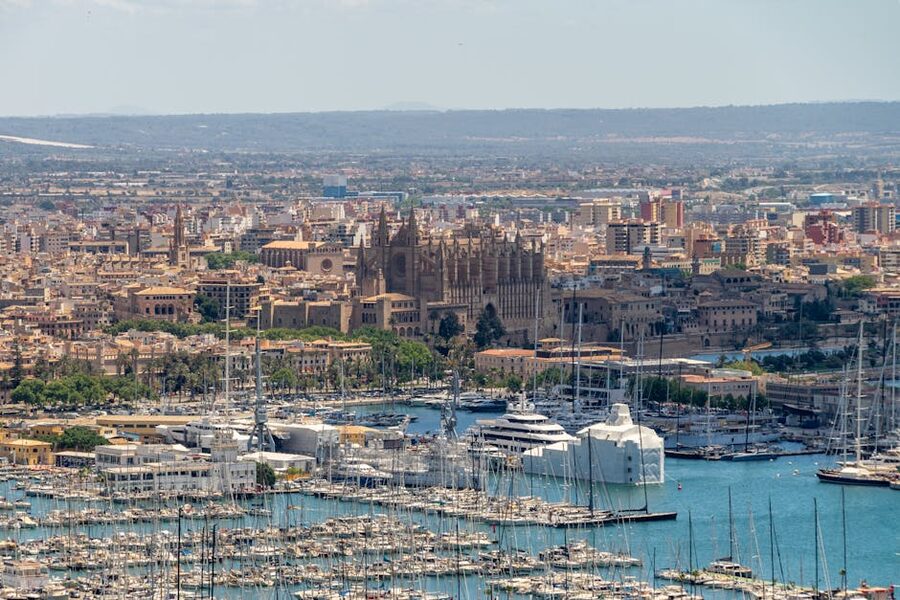
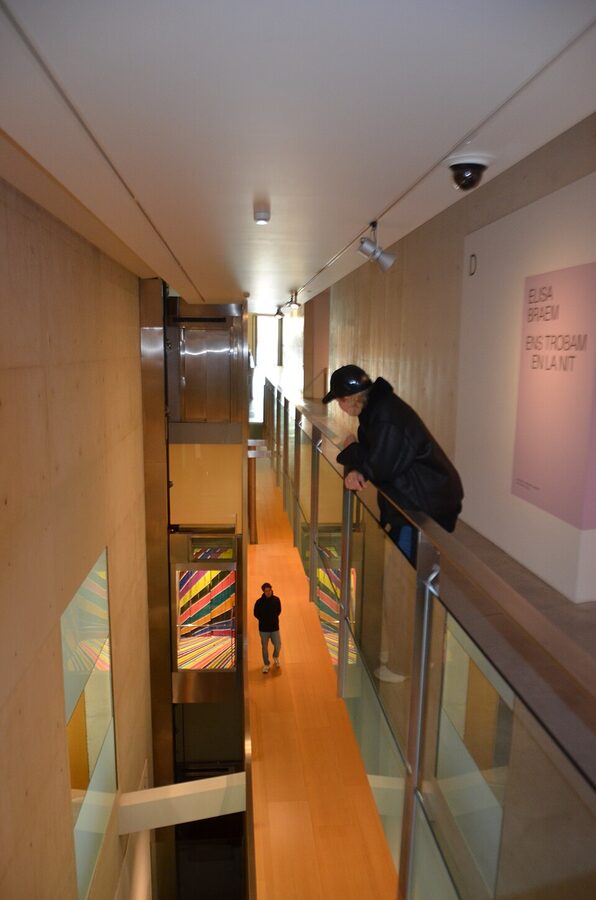
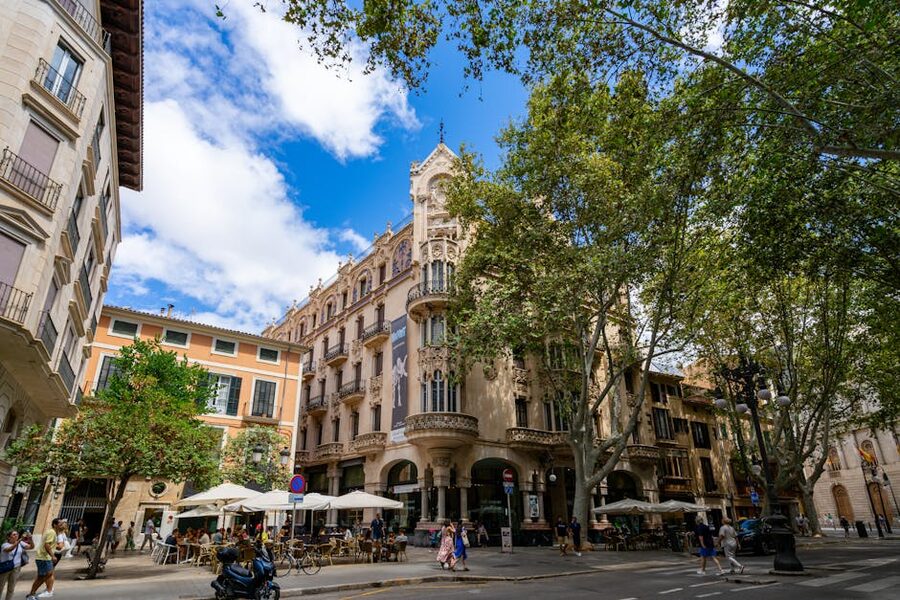
Palma’s old town is one of the most walkable centres in Spain. The Cathedral, the Almudaina, Plaça Major, the seafront promenade and the Es Baluard contemporary art museum are all stitched together in a 25-minute loop on foot. The bus loop adds Bellver Castle and Poble Espanyol, both of which sit a meaningful uphill walk away. That single fact is what the whole decision turns on.
This guide is the version I wish I’d had on my first trip. I’ll tell you when the HOHO actually earns the ticket, when a guided bike or segway tour does the same job better, and which length of pass to actually buy if you decide the red bus is right.
- In a Hurry? My Top Picks
- Is It Actually Worth It?
- The Route, Stop by Stop
- 24-Hour vs 48-Hour: Don’t Overpay
- Audio Guide: Quality Check
- The Walking and Bike Alternative
- Segway: The Underrated Third Option
- How to Actually Buy the Ticket
- My Top Bus Pick (And Two Better Alternatives)
- 1. Palma de Mallorca 24-Hour Hop-On Hop-Off Bus Tour:
- 2. Palma Old Town Guided Bike Tour:
- 3. Palma Sightseeing Segway Tour with Local Guide:
- How Palma Compares to Other HOHO Cities
- What to Pair With the HOHO
- Practical Things Most Guides Skip
- Where Palma Fits in a Wider Trip
- More Spain Guides Worth Reading
In a Hurry? My Top Picks
- Palma de Mallorca 24-Hour Hop-On Hop-Off Bus Tour: from $32. The flagship City Sightseeing red-bus pass. Covers Bellver Castle, the Cathedral, Es Baluard and the seafront on a single loop with multilingual audio. Check availability.
- Palma Old Town Guided Bike Tour: from $58. Three hours through cobblestone streets the bus is too wide to enter, with a local guide. Better than the HOHO if you actually want to see the old town up close. Check availability.
- Palma Sightseeing Segway Tour with Local Guide: from $42. One hour, small groups, glides along the seafront and around Parc de la Mar. Best if you want a quick orientation lap and a different angle on the city. Check availability.
Is It Actually Worth It?
If you have one day in Palma and you don’t care about Bellver Castle, the HOHO is hard to justify. The historic centre is small, the streets are mostly pedestrianised, and you’ll see the Cathedral, Almudaina and Es Baluard in a single morning on foot. A guided old town bike tour covers the same ground in three hours with a local explaining what you’re looking at, which the bus’s audio guide cannot do at the same level of detail.
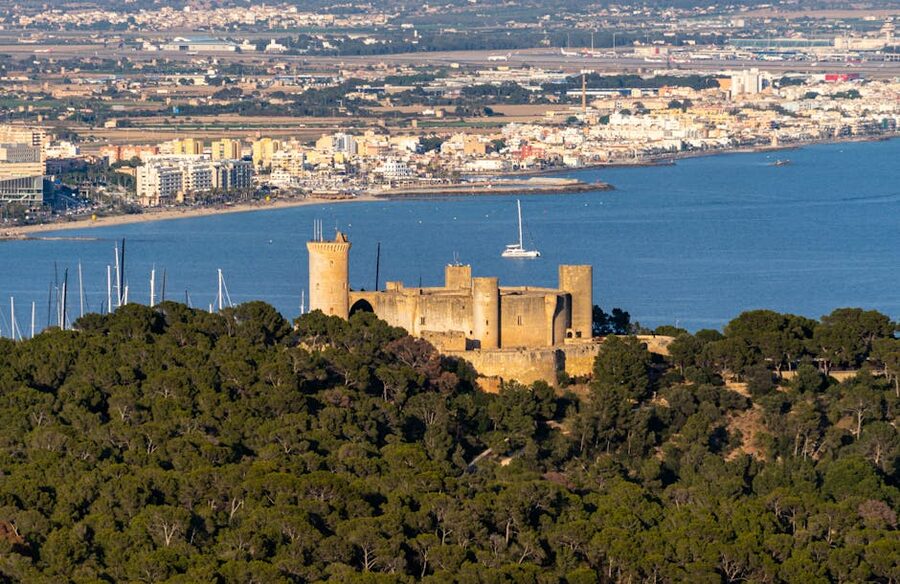
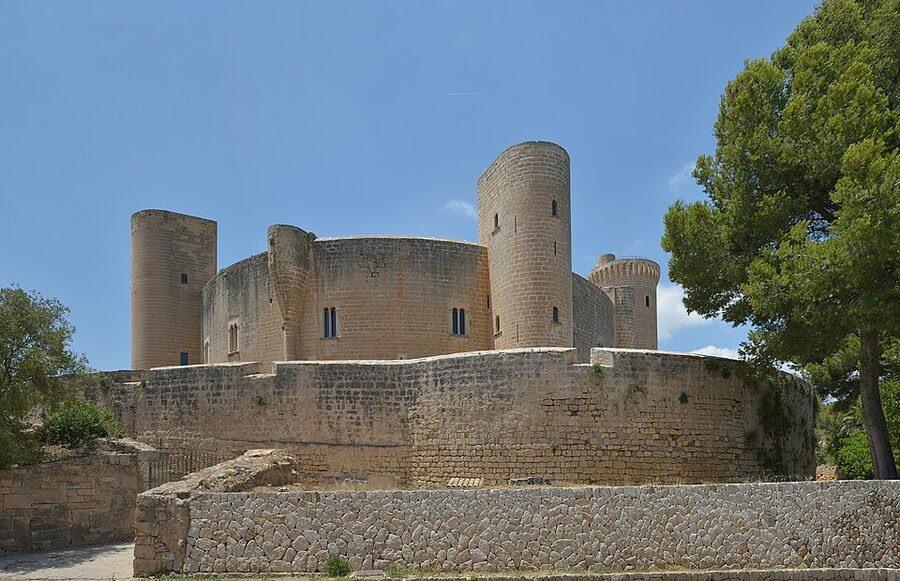
If Bellver Castle is on your list, the maths flips. The walk up is 3km uphill, partly along a road without pavement, in heat that hits the high 20s for most of the season. The bus puts you at the gate in about ten minutes from Plaça d’Espanya. That alone is the case for the ticket.
The other genuine use case is cruise passengers. If you’re docking at Palma for the day, the HOHO bus stops at the cruise terminal and gives you a self-paced loop through everything you’d otherwise need a taxi or shore excursion to see. For a six to eight hour port day it’s the most efficient option I’ve found, and cheaper than most of the operator excursions.
The Route, Stop by Stop
The City Sightseeing loop has 16 stops and runs roughly every 20 minutes from about 9:30 to 19:30 in summer. Frequencies drop to every 30 to 40 minutes outside high season, and the last departure can be as early as 18:00 in winter. That last detail trips up plenty of travellers, so check the day’s last bus at the first stop and don’t rely on Google estimates.
The headline stops people actually use are these.
Cathedral and Almudaina (Stops 1, 16). This is where most riders board. You can chain the bus with a Palma Cathedral ticket in either direction, but I’d buy the cathedral ticket separately because the HOHO doesn’t include any entries. The cathedral skip-the-line option is worth its own line item, especially in cruise season.
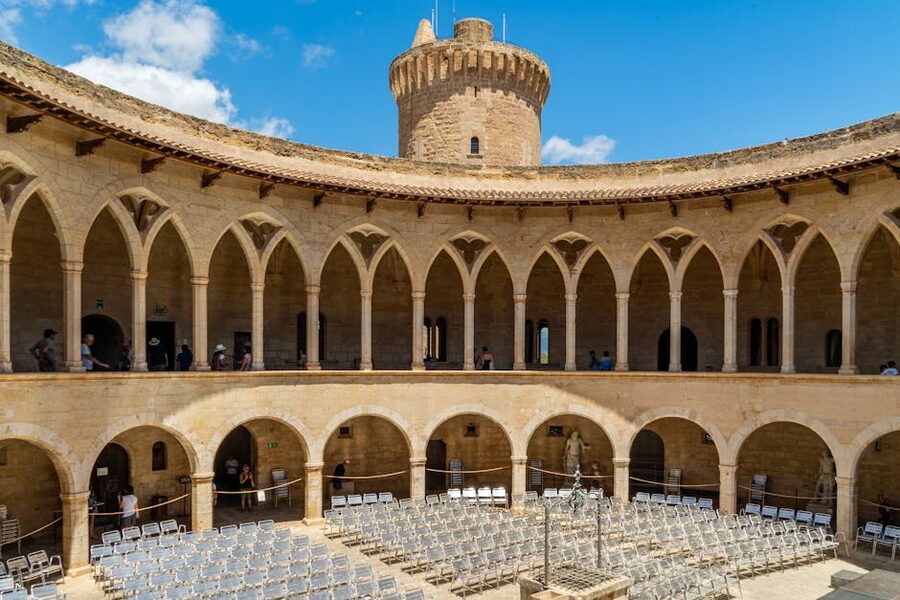
Bellver Castle (Stop 6). The whole reason the bus exists for many travellers. The stop is at the base of the hill and there’s a final short walk up to the gate. Castle entry is a separate ticket bought at the door. Allow 90 minutes for the visit if you want to walk the ramparts properly.
Poble Espanyol (Stop 7). An open-air architectural park with replicas of buildings from across Spain. It’s a niche stop, useful if you want a fast tour of Spanish architectural styles in one afternoon, easy to skip if you don’t.
Porto Pi and the western marina (Stops 9, 10). These are the modern marina and shopping mall area. Useful if you want lunch by the water away from the cruise crowd, otherwise skippable.
Plaça d’Espanya (Stop 14). The transport hub. If you’re arriving from the airport on the EMT bus 1 or planning to take the Sóller train on a separate day, this is where you’ll start and end any island day trips.
The other stops (around the Passeig Marítim, Plaça de la Reina, the bullring) function as connector points more than destinations. Treat the loop as a tool to get to Bellver and back, plus optional cathedral and seafront drop-offs, and you’ll get the most out of the ticket.
24-Hour vs 48-Hour: Don’t Overpay
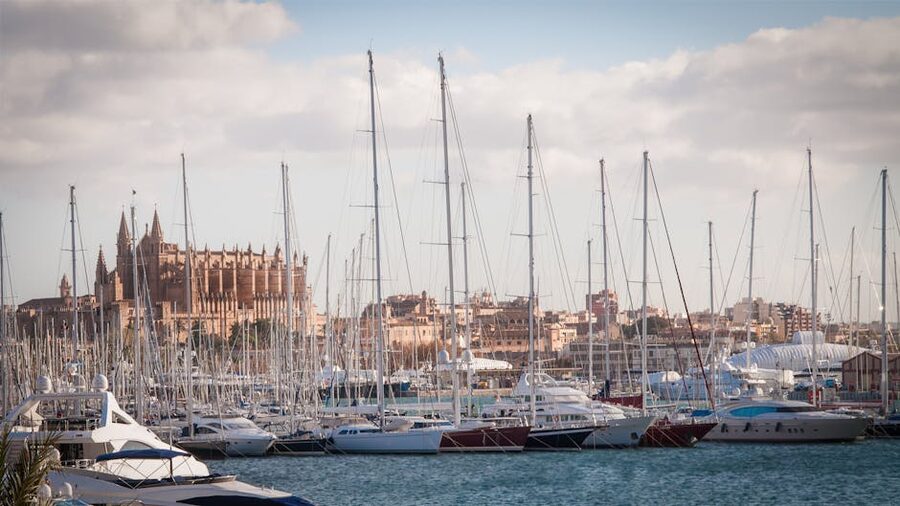
The 48-hour pass exists, and operators push it because the per-day price looks like a discount. In Palma, it almost never is. The full loop is roughly 80 minutes if you ride straight through without hopping. Even with three or four genuine stops (Cathedral, Bellver, Poble Espanyol, Plaça d’Espanya) you’re looking at four to five hours total. That fits inside a single afternoon.
The 24-hour ticket is the right default. Buy it in the morning, ride the loop once for orientation, get off at Bellver and the cathedral, and you’ve used it well. Day two of a 48-hour pass usually goes unused because by then you’ve worked out that the old town is faster to walk.
The exceptions are narrow. Cruise passengers stopping for a single port day should obviously buy 24-hour. Travellers staying a full week who want a cheap ride to and from Bellver on two separate days might justify the 48-hour. For a typical two to four day Palma trip, the cheaper ticket wins.
Audio Guide: Quality Check
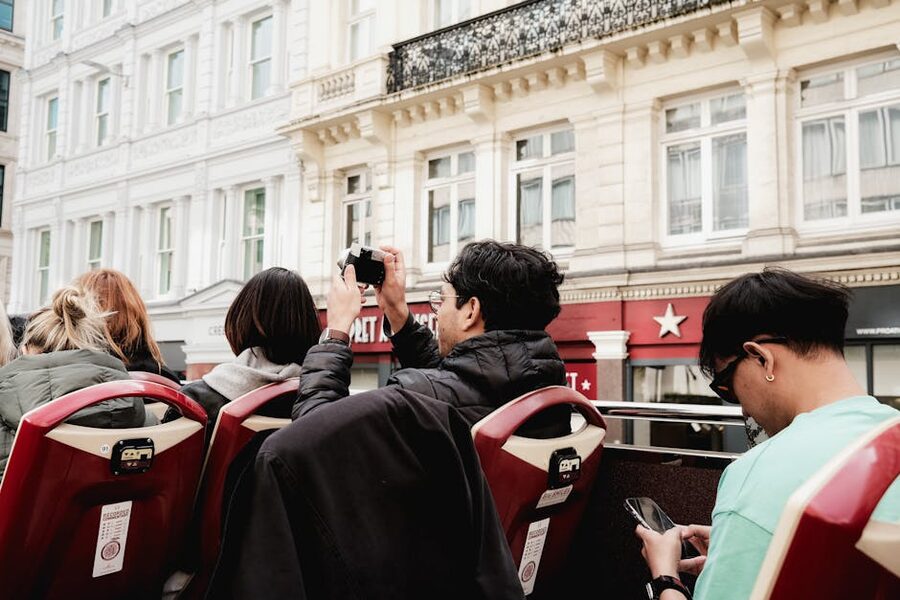
The audio commentary on the City Sightseeing Palma route runs in roughly eight languages, English included. The English script is decent but generic. It tells you the year the cathedral was started (1229) and that Gaudí worked on the renovations, but it doesn’t go into the detail you’d get from a walking guide.
If audio quality is a deal-breaker, the variant Palma 24-Hour HOHO with Audio Commentary ticket is sometimes sold separately. The branding emphasis is the audio guide, but in practice the standard ticket already includes it. There’s also a cheaper City Sightseeing Palma alternative that runs the same core route at a slightly lower price point, useful if you find a better deal on a particular date. I wouldn’t pay extra for a “premium audio” upgrade if one is offered, the difference is marginal.
For real depth on Palma’s history (the Gothic cathedral, the 14th-century Jewish quarter, the Arab baths) a proper walking tour or the bike tour with a local guide does what the audio simply cannot. The bus is a transport solution with commentary, not a substitute for a guide.
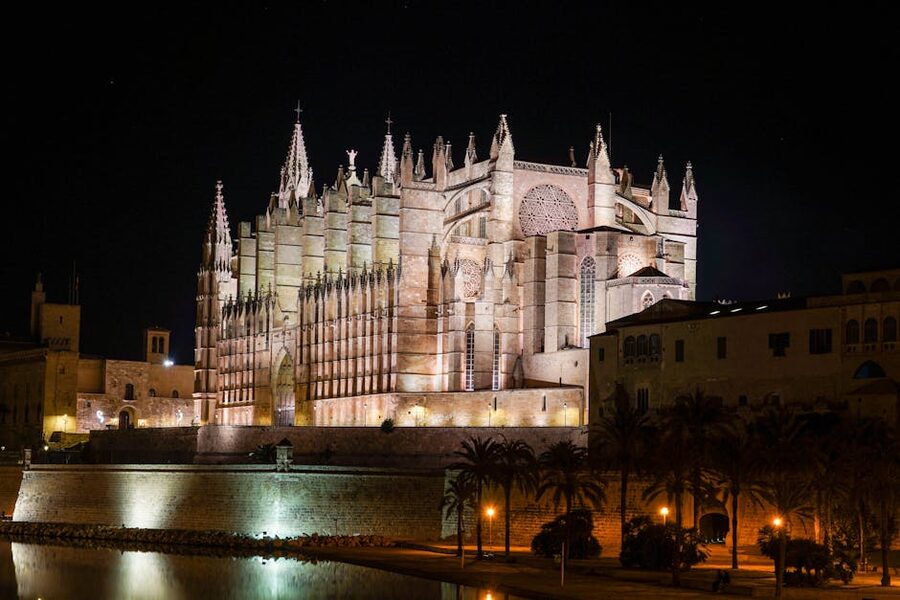
The Walking and Bike Alternative
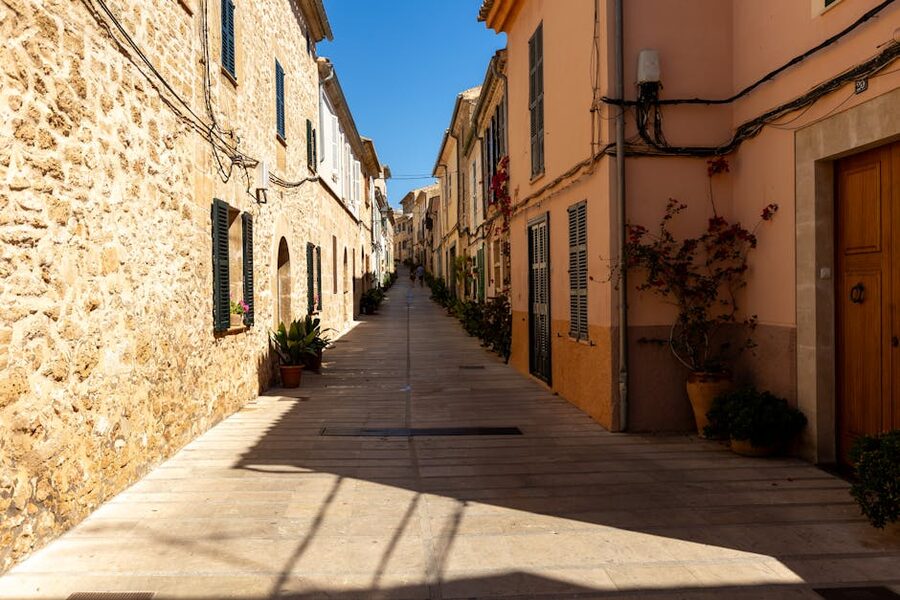
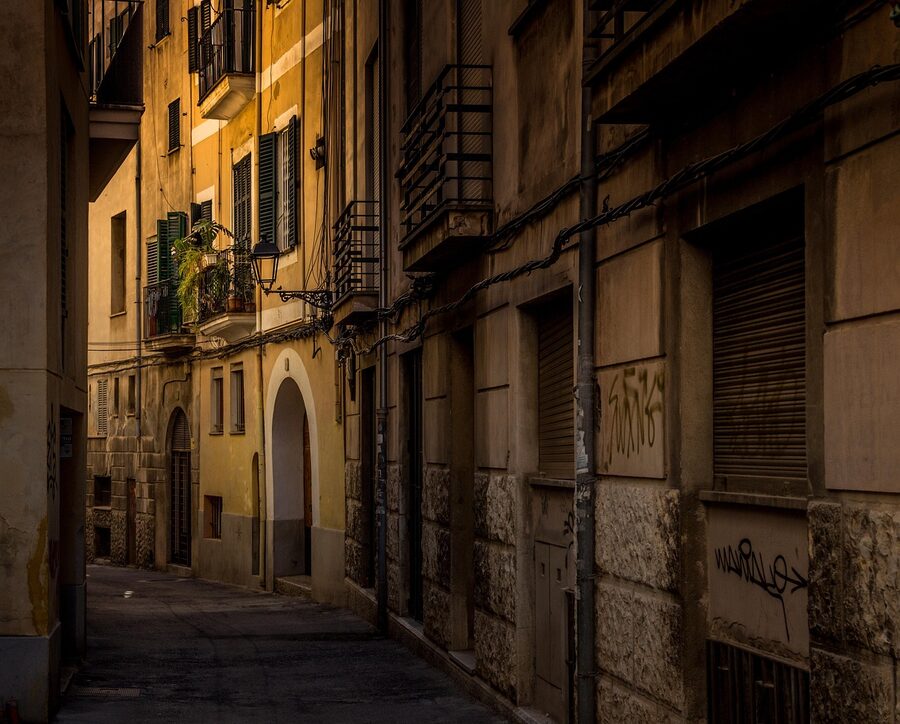
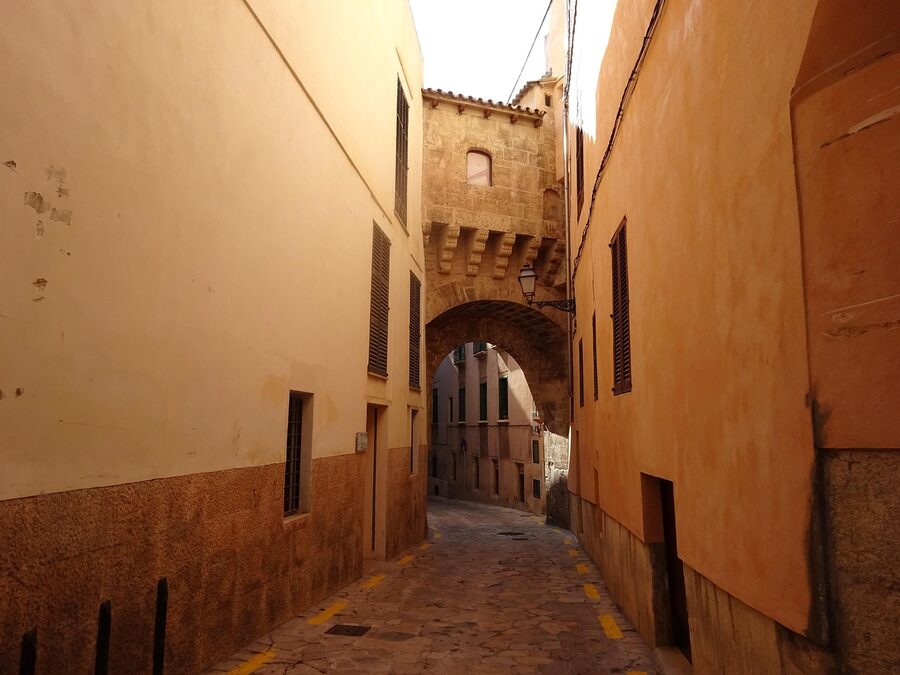
Here’s the part most HOHO articles skip. The historic core of Palma is dense, mostly pedestrianised, and built around medieval streets too narrow for a double-decker. The bus has to swing around the old town on the wide boulevards. Walking is genuinely faster from the cathedral to Plaça Major, the Arab baths, San Francisco basilica, and most of what people travel here to see.
A guided bike tour of the old town threads through those streets in a way the bus cannot. The easy Palma bike tour is a softer option for travellers who want the same coverage at a slower pace, and the price is lower than most full-day bus passes once you factor in what you actually use.
The trade-off is real. Bike tours are guided experiences with set start times, not on-demand transport. If you want to be at the cathedral at 11, then Bellver at 14, then back at the seafront for sunset, the HOHO does that better. If you want depth and old-town texture, take the bike or walk.
Segway: The Underrated Third Option
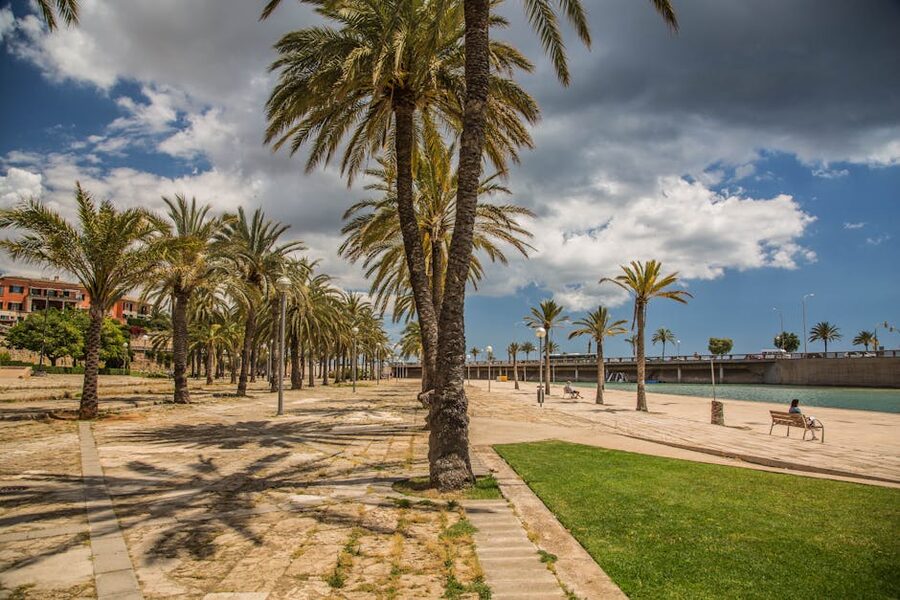
I avoided segways for years on principle and I’ll admit I was wrong about Palma. The seafront is flat, the promenade has space, and a one-hour guided segway tour covers a chunk of the bus loop’s most scenic stretch (the seafront, Parc de la Mar, the cathedral exterior) without you having to hop on and off anything.
It’s a good answer for travellers who want a quick orientation but don’t want to commit a half-day. The price is similar to a HOHO ticket, the small group means you get actual local commentary, and you’re done in 60 to 75 minutes. For a cruise day or a half-afternoon, it’s a better fit than a 24-hour bus pass.
Two caveats. The segway requires basic balance and confidence on two wheels (operators run a 10-minute training before you set off, so most people manage). And it doesn’t go to Bellver Castle. So this is a centre-and-seafront option, not a complete city tour.
How to Actually Buy the Ticket
Booking online through GetYourGuide or directly on City Sightseeing’s site usually saves a few euros versus paying on the bus. The voucher is on your phone, you scan it at boarding, and you can hop on at any of the 16 stops. There’s no need to print anything.
The validity window starts when you first board, not when you book. So if you buy a 24-hour ticket on Tuesday and don’t board until Wednesday morning, the clock starts Wednesday. That’s worth knowing if you’re booking before your flight or transfer.
One quirk worth flagging from a recent rider: the first stop near the bus station can have a longer wait than other stops. If you’re not particular about where you board, walk to stop 2 or 3 (closer to the cathedral) and you’ll catch the same bus with less queueing. Operators don’t advertise this, but it’s borne out by passenger feedback over the last year or so.
My Top Bus Pick (And Two Better Alternatives)
I’ve put three options below. The first is the standard HOHO bus, which I’d still recommend for cruise passengers and Bellver-bound travellers. The second is the bike tour, which I’d take instead for anyone serious about the old town. The third is the segway, which I’d pick for a fast city orientation lap when a half-day is all you have.
1. Palma de Mallorca 24-Hour Hop-On Hop-Off Bus Tour: $32
This is the ticket I’d book if you want one tool that handles cruise day, Bellver Castle and a self-paced cathedral visit. The route is well-run, the buses leave at predictable intervals, and our full review walks through every stop with timing notes. Skip the 48-hour upgrade unless you have a clear two-day plan.
2. Palma Old Town Guided Bike Tour: $58
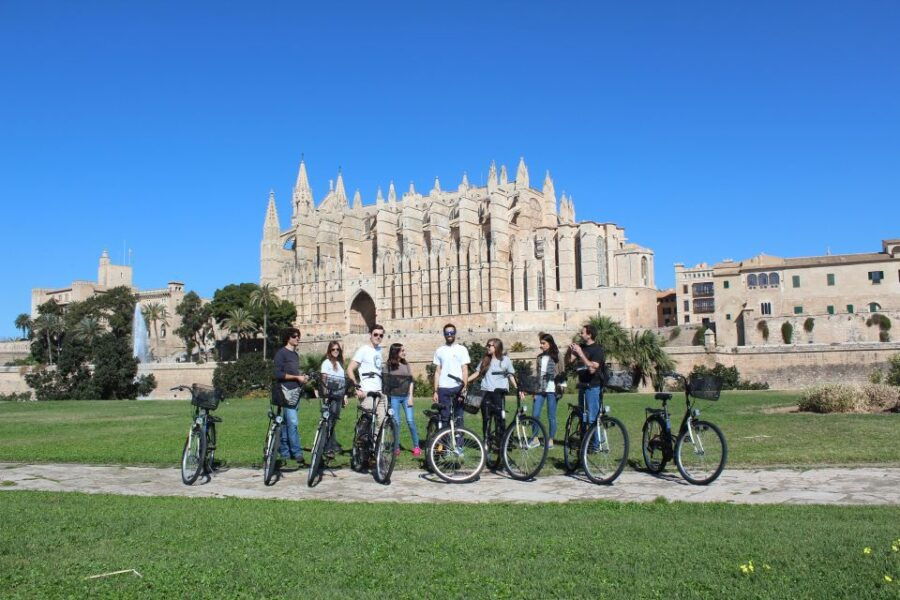
The strongest single argument for the bike option is that it goes where the bus can’t, namely the actual cobbled lanes of the old town and the seafront promenade at human pace. The guide explains what you’re looking at in real time, which the audio guide can’t match. My full review covers what to expect on the route and how the cycling level compares to a flat city tour.
3. Palma Sightseeing Segway Tour with Local Guide: $42
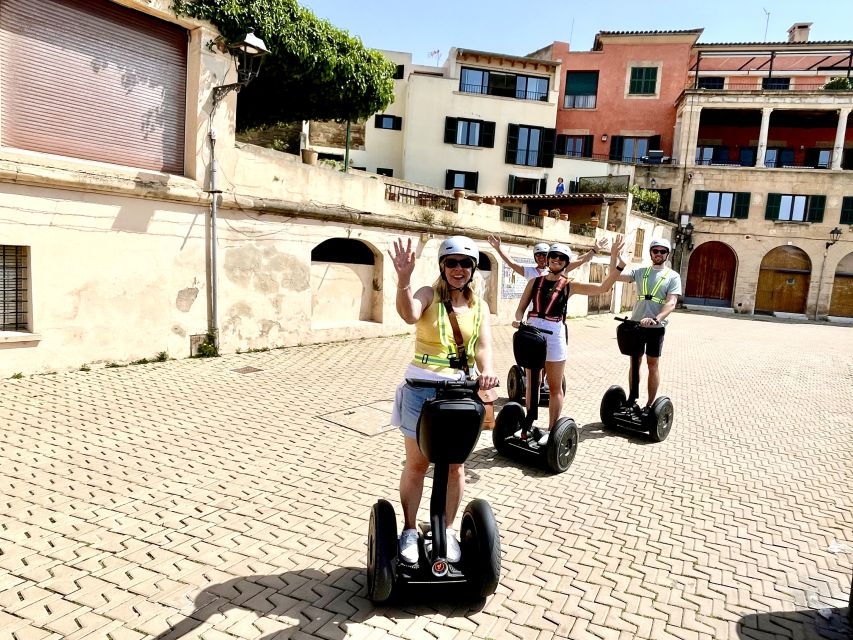
This is my recommendation for travellers who want a guided lap without giving up the day. The segway covers the seafront, Parc de la Mar and the cathedral exterior in about an hour, with a local guide narrating in person. Our review goes deeper on the route and the training, which most beginners pick up in the first few minutes.
How Palma Compares to Other HOHO Cities
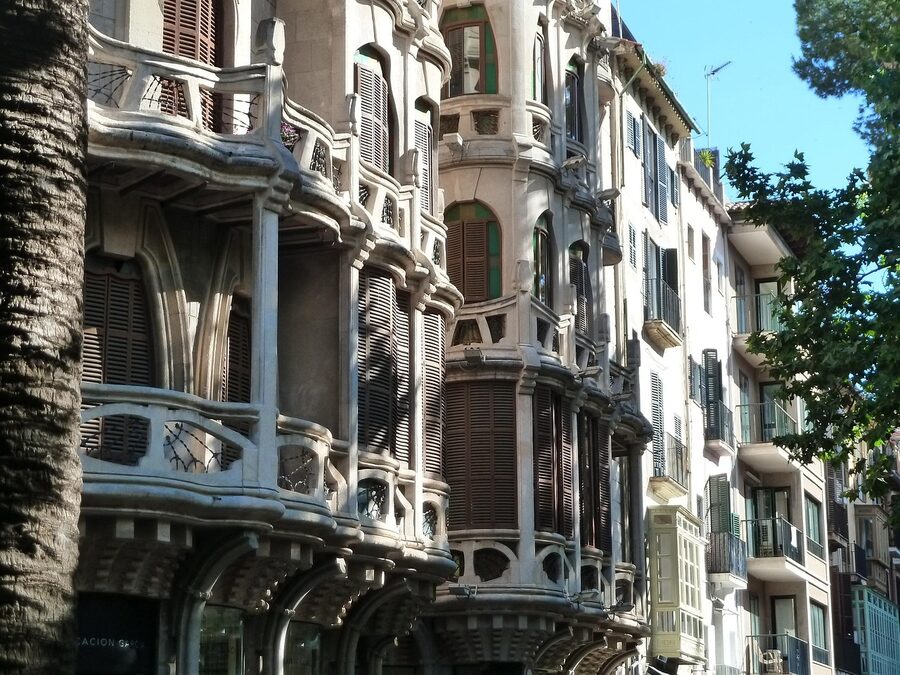
I’ve ridden the HOHO bus in Barcelona, Madrid and Seville too, plus a few non-Spanish cities, and the geometry of each place changes the answer. In Barcelona the headline sights run from the Sagrada Família in the north-east to Camp Nou in the west to Park Güell on a hill, and the bus genuinely earns the 48-hour upgrade. Seville sits at the other extreme, the medieval centre is so compact that the bus has to detour wide and the value drops sharply.
Madrid sits in the middle. The Madrid panoramic city tour is a one-shot version that suits the city better than a full HOHO pass for most travellers, because Madrid’s centre is also walkable.
Palma is closer to Seville than Barcelona on this scale. The old town is small, the streets are mostly pedestrianised, and the bus’s biggest single value is getting you to the one out-of-town sight (Bellver Castle) that you can’t realistically walk to. If you arrived expecting a Barcelona-style HOHO experience, recalibrate. Different city, different geometry.
What to Pair With the HOHO
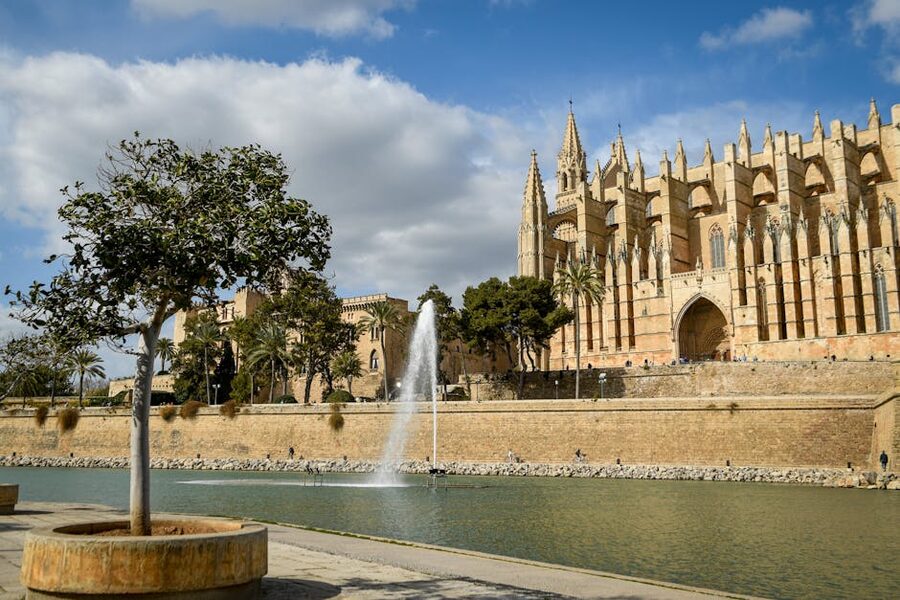
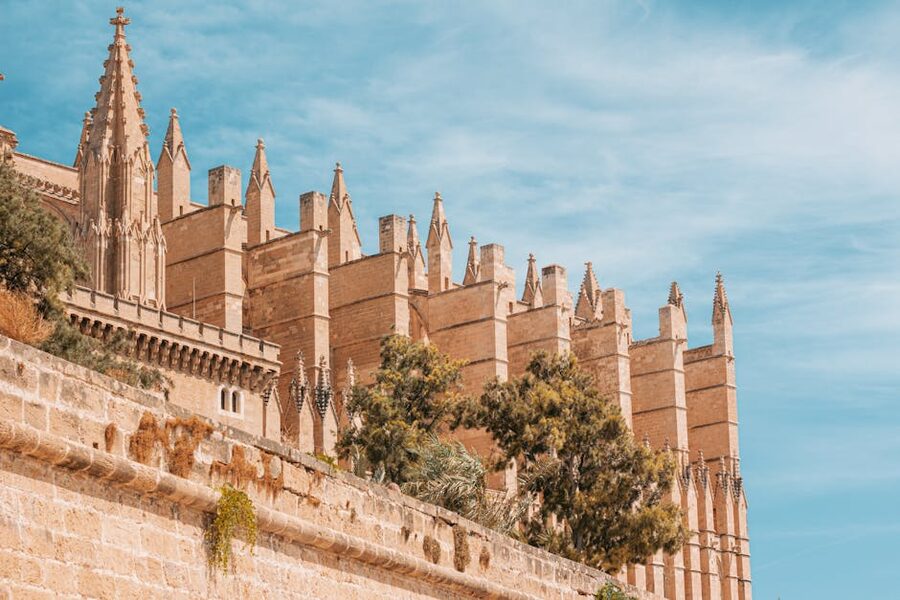
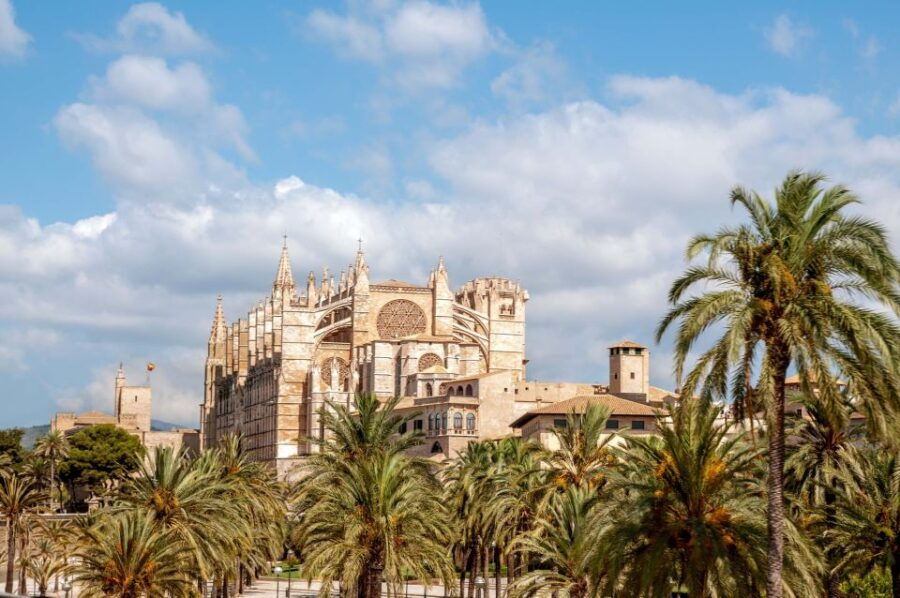
The cathedral is the natural anchor. Buy a Palma Cathedral ticket separately because the HOHO doesn’t include any entries, and time it so you arrive at La Seu in the late morning when the rose-window light is at its strongest. The cathedral interior takes 45 to 60 minutes properly, and the tip is to head to the right side of the nave first to see the Miquel Barceló ceramic chapel before the tour groups crowd in.
For an afternoon at sea, the city pairs naturally with a Palma catamaran cruise. The ports are a short walk from the cathedral end of the bus loop. You can ride the HOHO loop in the morning, do the cathedral, then board the 5-hour catamaran with lunch and swim in the early afternoon. It’s the cleanest one-day Palma plan I know.
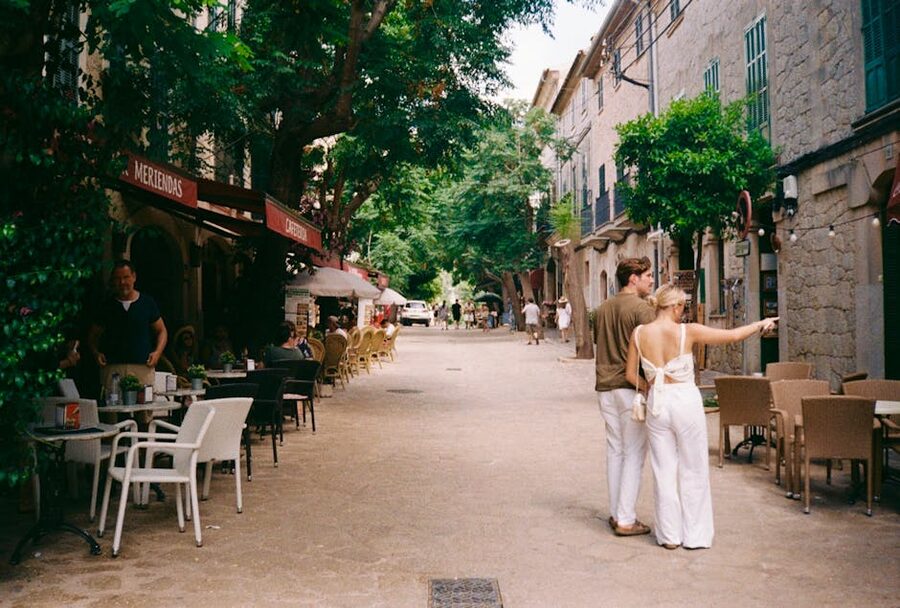
For a full day off the island map, the Mallorca island tour by boat, tram and train uses the 1912 Sóller wooden train and the 1913 Sóller-to-Port-de-Sóller tram, plus a Sa Calobra boat segment. It’s a separate day trip rather than a HOHO add-on, and worth its own slot in a longer Mallorca itinerary.
Practical Things Most Guides Skip
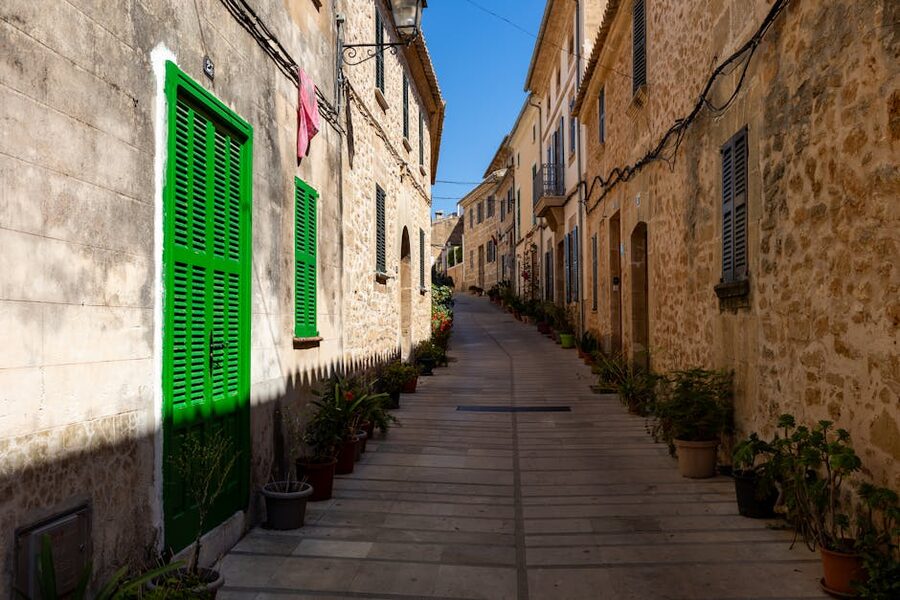
A few small things that change the experience.
Sun and shade. The upper deck has no roof. In July and August, that means sun cream, a hat and a water bottle. The lower deck is air-conditioned and a perfectly acceptable fallback if the heat is brutal, you just lose the views. I rode the loop once in late August on the upper deck without water and learned my lesson.
Loop direction. The bus runs one way around the city. If your stop is just past where you boarded, you’ll do a full lap to get back. Plan accordingly, especially around lunch when you’re more likely to misjudge timing.
Wheelchair access. The lower deck is accessible. The upper deck is stairs only. If you’re travelling with a wheelchair user or a stroller, you can still ride, but you sacrifice the open-top experience that’s the main reason for the ticket in the first place.
Strollers and kids. Most operators allow folded strollers in the luggage area. Kids under five usually ride free, but the policy varies between operators, so check the small print of the specific ticket you book.
Where Palma Fits in a Wider Trip
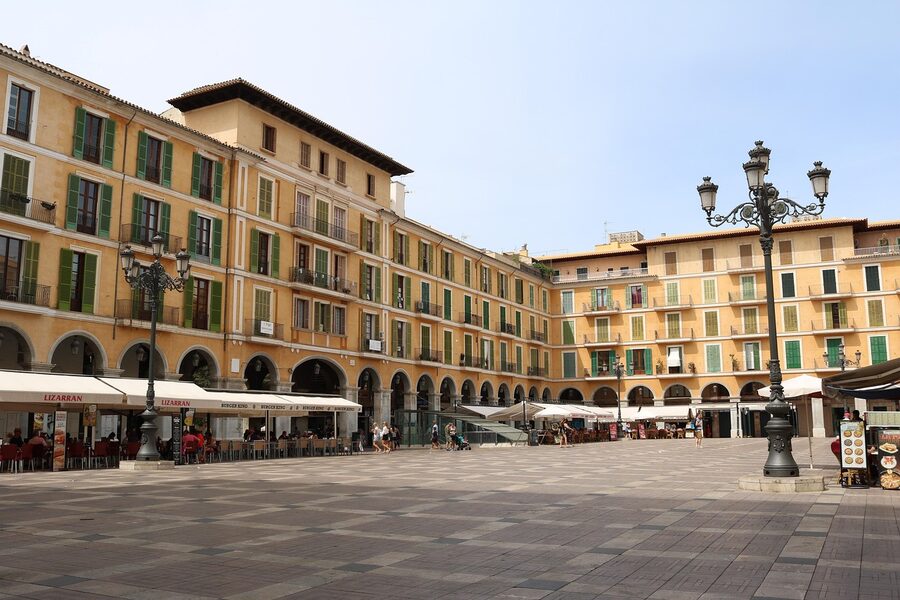
If you’ve got a few days on the island, plan the HOHO as a half-day on arrival, the cathedral and old town as a half-day on foot, a catamaran cruise for a full afternoon at sea, and the Sóller train day trip as a full day. That’s four distinct experiences across three or four days and it’s how I’d structure a first Mallorca trip.
For travellers chaining Palma with the Spanish mainland, the natural extensions are Barcelona for Gaudí and Park Güell, then Madrid or Andalusia. Palma is a different beast from any of those, smaller, slower, more island-paced. Don’t try to compress the rest of Spain into the same rhythm.
More Spain Guides Worth Reading
If you’re chaining Palma with the mainland, our Barcelona hop-on hop-off guide covers the city where the HOHO genuinely earns its keep, and the Seville equivalent is the closest in spirit to Palma’s compactness debate. For a Madrid contrast, the Madrid panoramic city tour is the version I’d book for a one-shot orientation. And once you’re back on Mallorca, the Sóller train and Sa Calobra boat day trip is the natural follow-up to a Palma-centric itinerary.