
The mistake almost everyone makes with the Seville hop-on hop-off bus is buying a 48-hour ticket. You pay double, you barely use it, and on day two you realise the city you came to see is mostly stitched together by streets the bus is too big to drive down. I bought the long ticket on my second visit and I still haven’t lived it down.
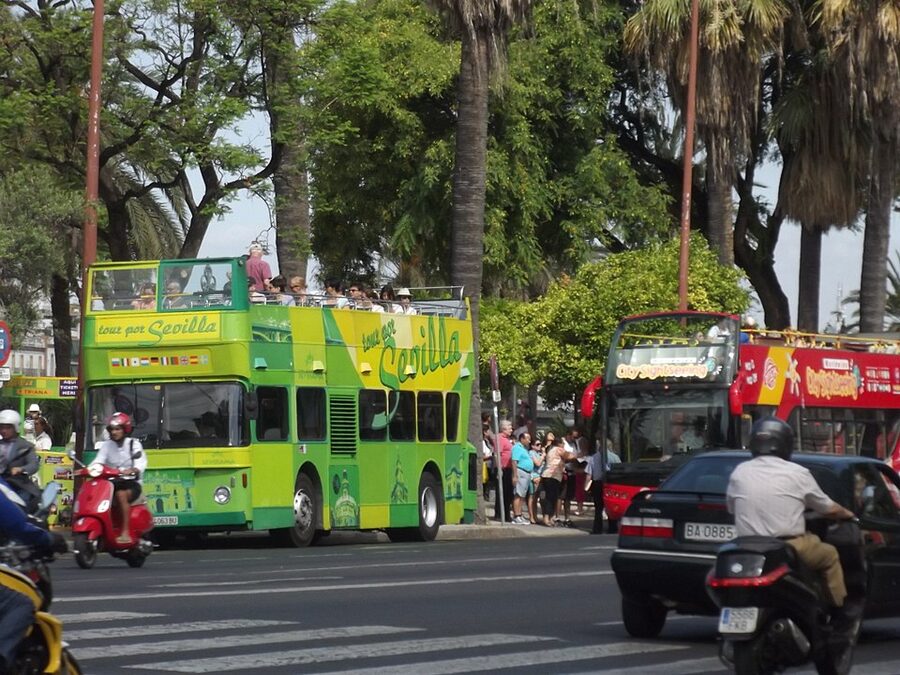
Seville is small. That fact alone reframes the whole hop-on hop-off question, because the bus is built for cities like Barcelona where the headline sights are 7km apart. Here the Cathedral, the Alcázar, Plaza de España and the river all sit within a 25-minute walk of each other, and the bus loop has to swing wide around the old town because the streets are too narrow for a double-decker.
This guide is the honest version of the question. I’ll tell you when the HOHO actually earns its keep, when a bike tour or a tuk-tuk does the same job better, and which ticket length to actually buy if you decide the bus is right.
- In a Hurry? My Top Picks
- The Mistake to Avoid
- How the HOHO Actually Works in Seville
- What the bus actually shows you
- Tickets, prices and where to buy
- HOHO vs Bike Tour vs Tuk-Tuk
- The bus is right when
- A bike tour is better when
- A tuk-tuk is better when
- What about the segway?
- Quick decision matrix
- Tour Recommendations: My Three Picks
- 1. Seville Hop-On Hop-Off City Sightseeing Bus:
- 2. Seville Highlights City Bike or E-Bike Tour:
- 3. Seville Private Eco Tuk-Tuk City Tour:
- How Seville Compares to Other HOHO Cities
- Practical Tips From Two Trips
- Where to Get Off (And Why)
- Combining the HOHO With Other Seville Bookings
- Booking, Refunds and What to Watch Out For
- Final Word: Should You Book It?
- More Around Seville
In a Hurry? My Top Picks
- Seville Hop-On Hop-Off City Sightseeing Bus: from $33. The 24-hour ticket on the official red City Sightseeing route, 14 stops including Plaza de España and Torre del Oro. Check availability.
- Seville Highlights City Bike or E-Bike Tour: from $38. Three hours, multilingual guide, covers the same headline sights with the streets and back lanes the bus can’t reach. Check availability.
- Seville Private Eco Tuk-Tuk City Tour: from $33. One to two hours, fits down streets the bus can’t, ideal if you want a pure orientation lap without the day-pass commitment. Check availability.
The Mistake to Avoid
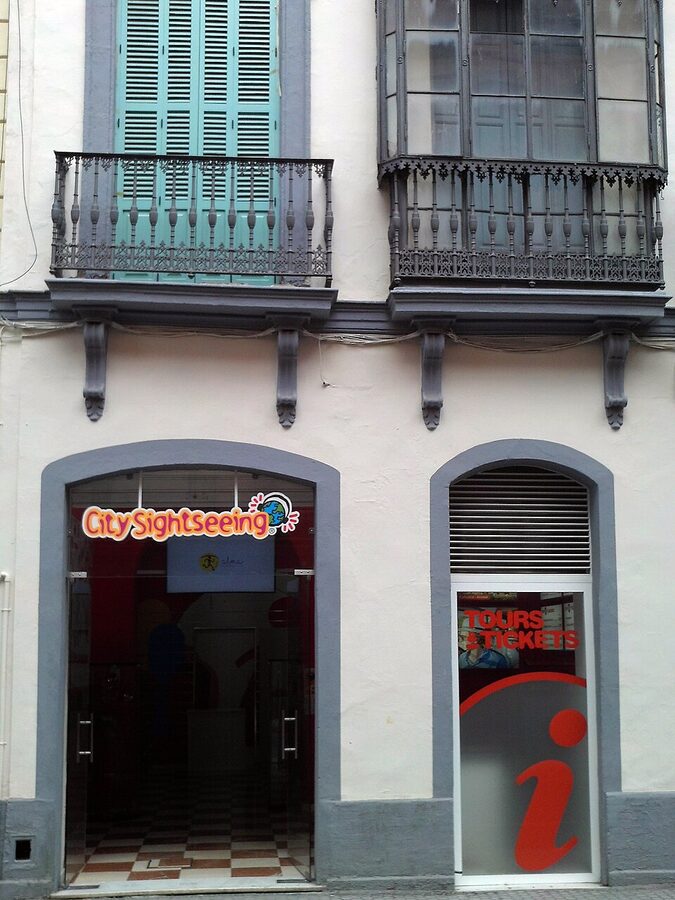
There are three classic mistakes I’ve watched people make with this ticket, and I’ve made all three myself.
One: buying the 48-hour pass when you only need 24. The full city loop is about an hour and ten minutes. You can ride it once for the orientation lap, get off at the three or four stops you actually care about, and be done by mid-afternoon. The 48-hour pass mostly buys you a bus you forget to use on day two because by then you’re walking like a local. The cheaper 24-hour ticket is the right default unless you have a specific multi-day plan.
Two: not realising the bus loop is the long way around. The loop has to detour wide around the historic centre because the medieval streets are too narrow for a double-decker. Walking from the Cathedral to the Alcázar is a five-minute stroll. Doing the same trip via the bus means leaving the centre, looping out past the bullring, and coming back in. The bus is great for distance stops like Isla Mágica or Plaza de Armas. It is genuinely slower than walking for anything in the historic core.
Three: missing the last loop of the day. The final bus on the route runs around 21:00 in summer and earlier in winter. People assume it runs late like a city bus and end up at a stop watching nothing show up. If you’re chaining the bus with sunset at the river or a flamenco show, build in a buffer or plan to walk back.
How the HOHO Actually Works in Seville
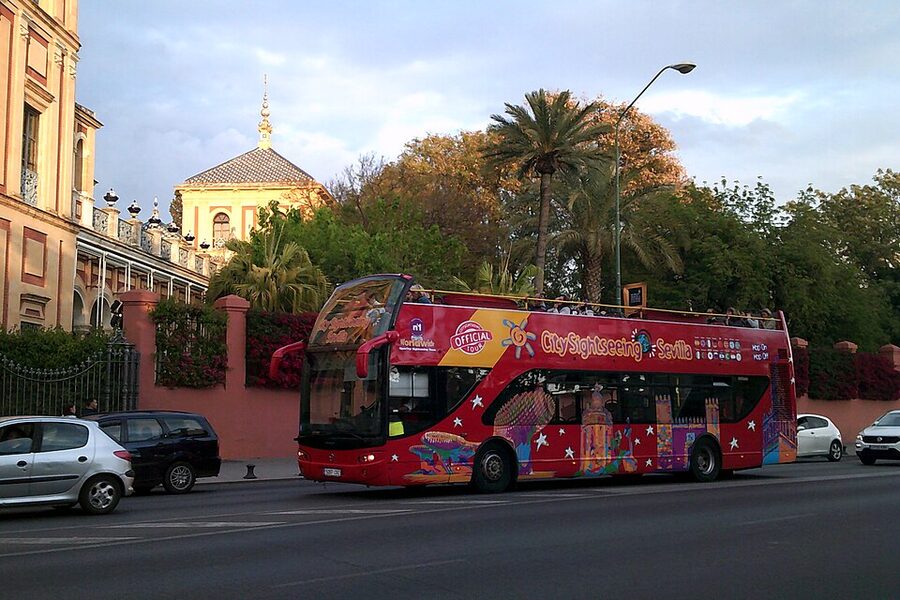
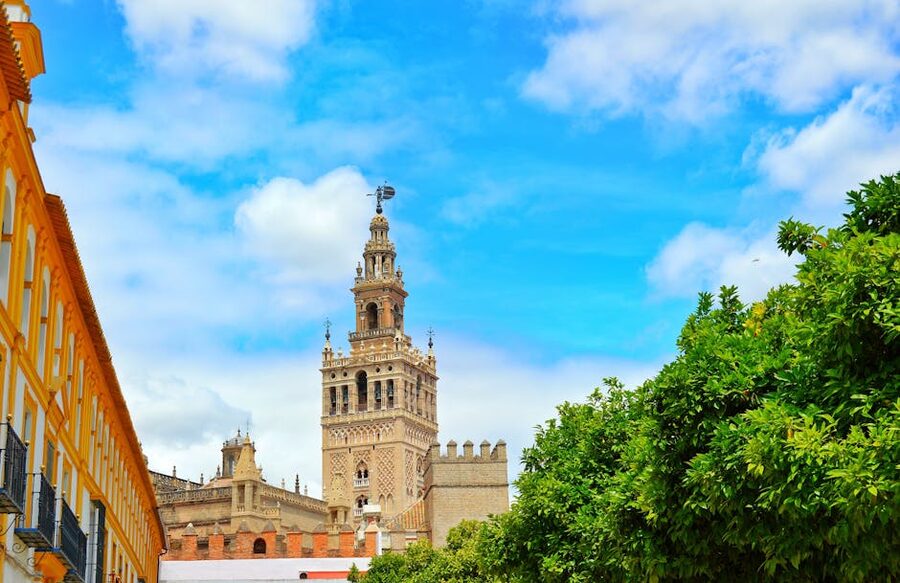
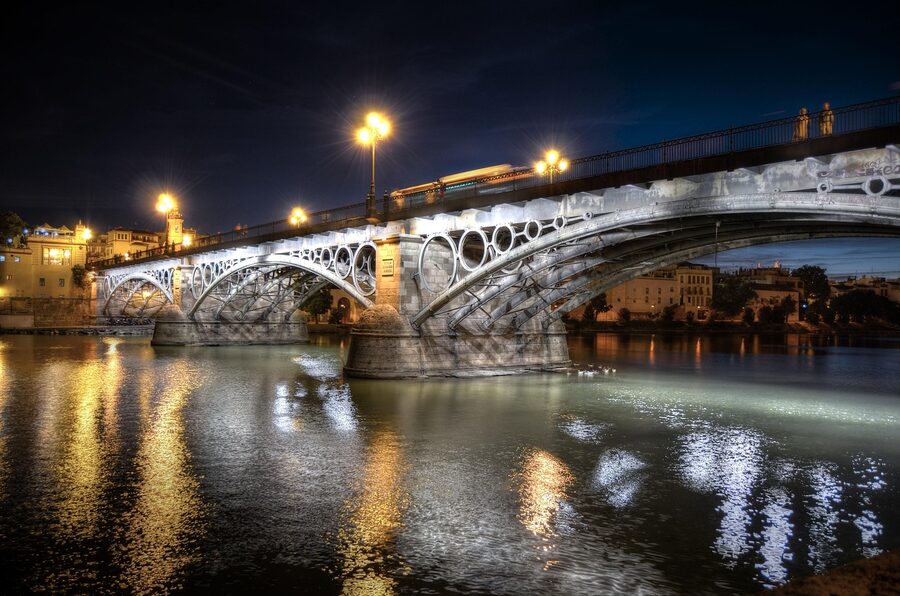
The City Sightseeing red bus runs one circular route with 14 stops. The big landmarks on the loop are the Cathedral and Giralda, the Alcázar of Seville, Plaza de España, the Torre del Oro on the riverfront, the bullring, the Triana bridge, Isla Mágica amusement park, and the Cartuja Monastery (also called the CAAC).
One full circuit takes around 70 minutes if you stay on the bus the whole time. The audio guide runs in about a dozen languages through earbuds at your seat, including English, Spanish, French, German, Italian, Portuguese, Dutch, Russian, Japanese and Chinese. It’s clean, factual, and a bit dry. Don’t expect the BBC documentary version of the city.
The ticket includes free guided walking tours that depart from designated stops at fixed times, usually a Barrio de Santa Cruz tour mid-morning, a Plaza de España walk near midday, a riverside route in the early afternoon, and a Triana neighbourhood walk in the late afternoon. Whether the timings match your jet lag is the gamble. They’re a genuine extra if you can hit one.
What the bus actually shows you
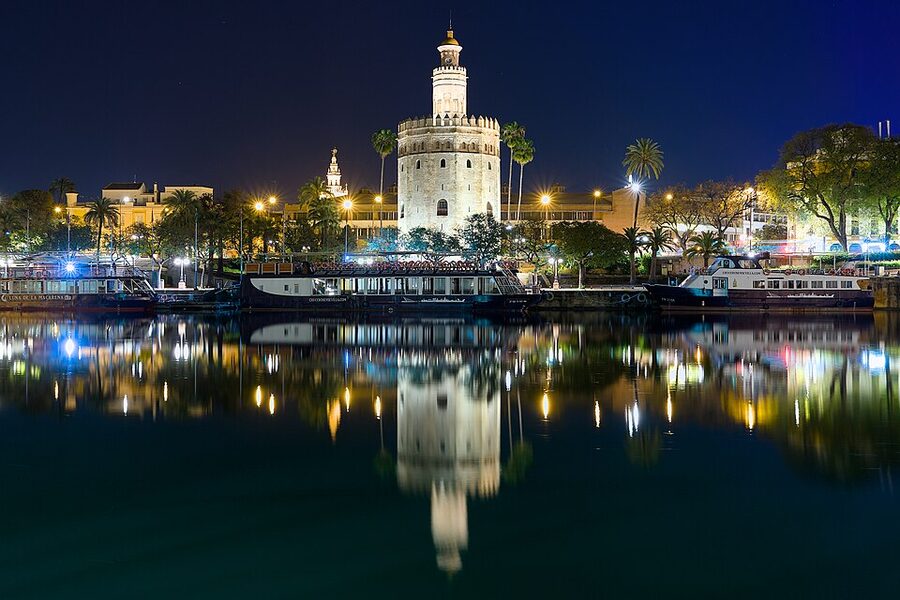
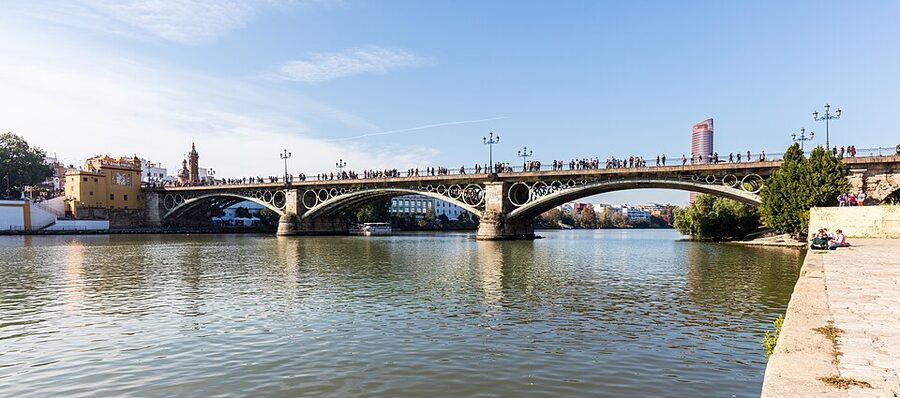
From the upper deck you get the wide-angle Seville. The river opening up at the Torre del Oro stop, the bullring’s white facade, the dome of Plaza de España rising over the trees of Maria Luisa Park, and the sweep of the Triana bridge with the old ceramic-tiled neighbourhood on the far bank. The Cathedral and the Giralda are at the start of the loop, but the bus only sees them from a distance. To actually look up at the Giralda you have to get off and walk five minutes.
What the bus doesn’t show you is the part of Seville people fall in love with. The narrow alleys of Santa Cruz with the orange trees and the tilework. The plant-covered courtyards. The bar where the camarero is shouting prices at the wall. The bus is on the ring road for those areas, not in them. Keep that expectation set right and you’ll enjoy the ride.
Tickets, prices and where to buy
The 24-hour ticket starts at around $33 per adult. The 48-hour version sits closer to $40. Children get steep discounts and under-fives are usually free. Buy online and you get a QR code on your phone that you scan onboard. Buy at the stop and you get a printed paper ticket. Same price either way.
The 24-hour clock starts when you scan, not when you book. So if you’re arriving in town at 4pm, scan the next morning so you don’t burn half the ticket on the day you arrive jet-lagged. The 2-day ticket follows the same rule, just with a 48-hour window.
HOHO vs Bike Tour vs Tuk-Tuk
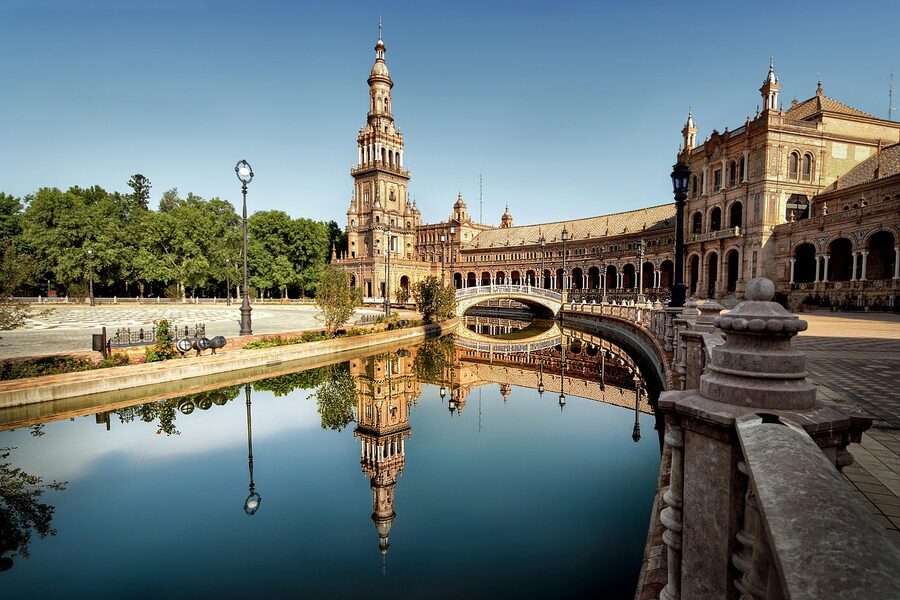
This is the bit most articles skip. The hop-on hop-off bus is one option for getting your bearings in Seville. It’s not always the best one. Here’s how I think about it.
The bus is right when
You have one short day in Seville and you want a passive overview from the top deck before you fly out. You’re travelling with a parent who can’t walk far. It’s pouring rain. You actively want to visit Isla Mágica or the Cartuja Monastery, both genuinely far from the centre on the bus loop. You don’t speak Spanish and want a no-fuss intro with the audio guide doing the talking. In any of these scenarios the HOHO does its job and the 24-hour pass is good value.
A bike tour is better when
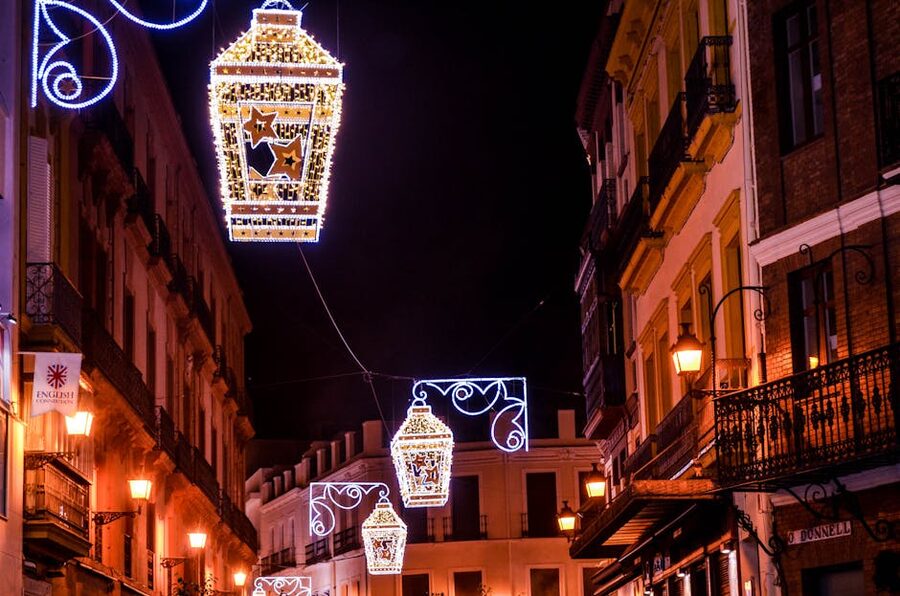
Most first-time visitors who are physically fine should consider a bike tour over the bus. Seville is genuinely flat. It has more dedicated bike lanes than any other Spanish city I’ve ridden in. The Highlights City Bike or E-Bike Tour takes three hours and covers the same headline sights as the HOHO loop, but it actually goes through Santa Cruz, along the river, and across the Triana bridge into the old neighbourhood. You see the streets the bus skips.
If you want something slower-paced, the Relaxing City Bike Tour is the same idea at a gentler tempo, and the Local Culture Bike Tour leans more into the neighbourhood stories than the monuments. There’s also a small-group e-bike tour if you want to keep the group size down. Three hours on a bike will give you a sharper sense of Seville than two days on a bus, full stop.
A tuk-tuk is better when
You only want a one-hour orientation lap, you want to get into the streets the bus can’t enter, and you want a guide who’s actually pointing things out in real time rather than narrating through earbuds. The private eco tuk-tuk runs around the same price point as the HOHO 24-hour ticket but the experience is completely different. It’s private (you and your group only), it goes door-to-door from your hotel area, and it threads through the medieval centre rather than looping around it. The trade-off is no day-pass flexibility. You take the lap, you get dropped off, you’re done.
What about the segway?
Seville also has a segway tour that some people swear by. I’m not the right person to recommend it because I find segways awkward to ride, but the streets here genuinely suit them, and a 1- or 2-hour version is a reasonable middle ground between a bike (active) and a tuk-tuk (passive). If you’ve used a segway in another city and liked it, you’ll like it here.
Quick decision matrix
Here’s the rough rule. Walking distance, no rain, no mobility issue, half a day spare: do the bike tour. Walking distance, mobility issue or rain: do the bus 24-hour pass. One hour, sharp orientation lap with private guide: tuk-tuk. Two days plus, want unlimited transport plus the included walking tours: 2-day HOHO can earn its keep, just barely. If you’ve already done the bus version of this in another city and were lukewarm on it, learn from that. Seville is the city where the bus is least obviously the answer.
Tour Recommendations: My Three Picks
Three options across three formats. The HOHO if you want classic, the bike tour for the better-value alternative, and the tuk-tuk for the short private orientation. All three book through standard providers with free cancellation up to 24 hours before.
1. Seville Hop-On Hop-Off City Sightseeing Bus: $33
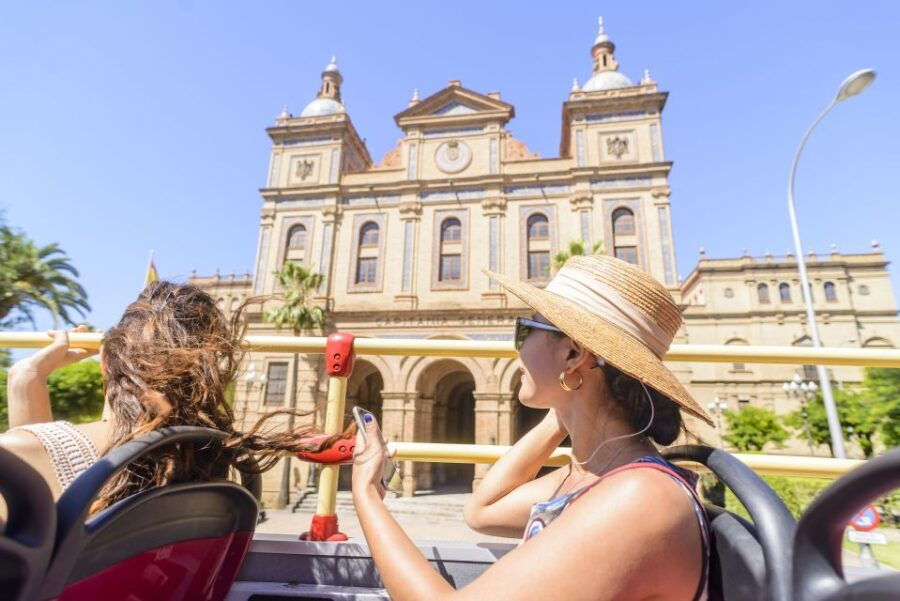
The 24-hour pass is what most travellers should book if they decide the bus is right for them. The audio guide is solid in English, the route hits the headline sights, and our full review walks through the route stop by stop with timing notes. Skip the 48-hour upgrade unless you really mean to ride it twice.
2. Seville Highlights City Bike or E-Bike Tour: $38
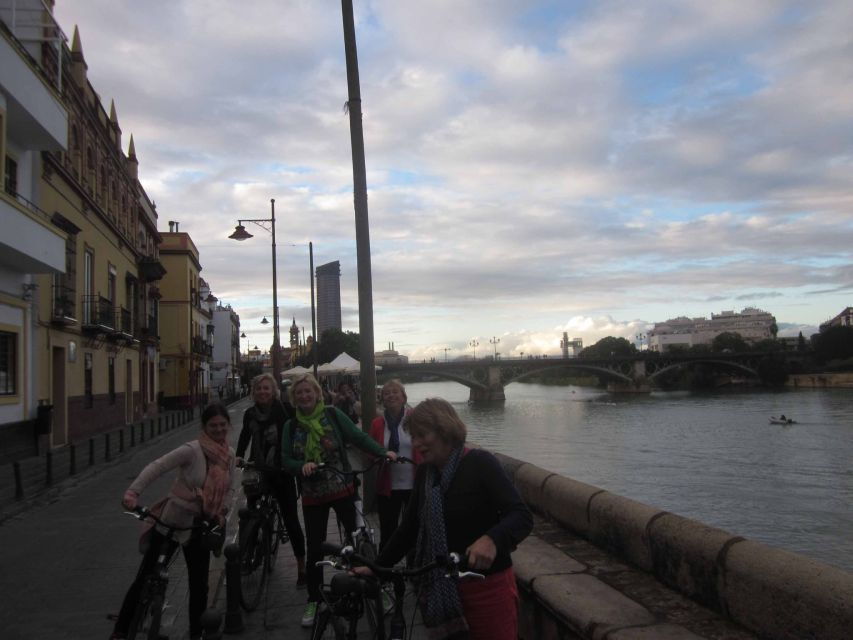
The strongest single argument for the bike option is that it goes where the bus can’t, namely the actual streets of Santa Cruz and Triana. Multilingual guide, small group, e-bike option for an extra few euros. My full review covers what to expect from the route and how the e-bike upgrade compares to a regular bike on the cobbles.
3. Seville Private Eco Tuk-Tuk City Tour: $33
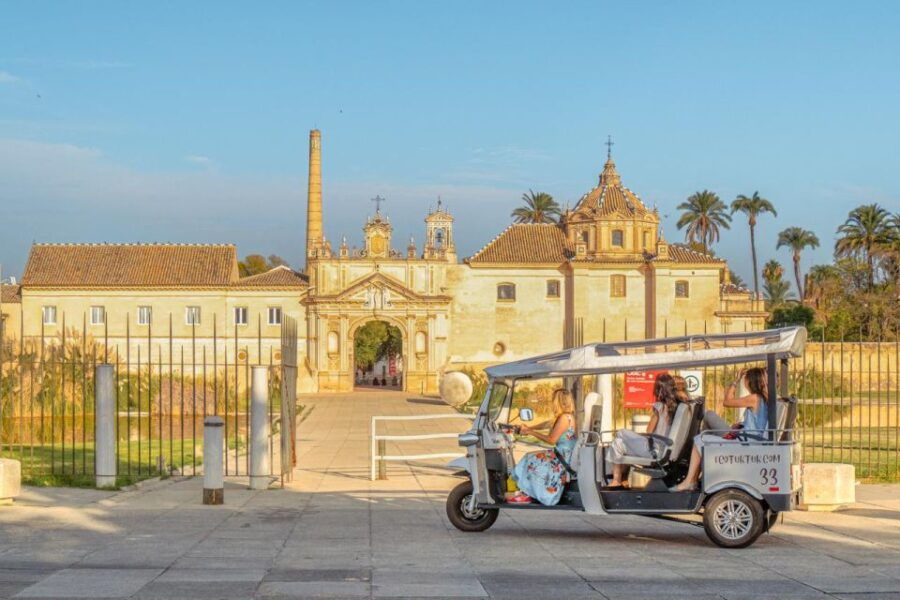
This is my recommendation for travellers who want a guided overview without committing the whole afternoon. The electric tuk-tuk is private, slips through narrow streets, and the duration is short by design. Our review goes deeper on the route and how it compares to walking tours at the same price.
How Seville Compares to Other HOHO Cities
I’ve done the hop-on hop-off bus in Barcelona, Madrid and Lisbon as well as here. Seville sits at one end of that spectrum and Barcelona sits at the other. In Barcelona the sights are spread from the Sagrada Família in the north to Camp Nou in the west to Park Güell on a hill, and the bus genuinely saves you hours and blisters. The 48-hour pass is reasonable there. The two operators (Bus Turistic and City Sightseeing) make the choice slightly more complex but both work.
Madrid sits in the middle. The Madrid panoramic city tour is a one-shot version that suits the city better than a full HOHO pass for most travellers, because Madrid’s centre is also walkable.
Seville is the smallest of the four. The HOHO works, the loop is well-run, but the city’s compactness means the value-per-euro of a day pass is the lowest of the major Spanish HOHO destinations. If you’re trying to decide whether to book it for Seville based on a good experience in Barcelona, recalibrate. Different city, different geometry.
Practical Tips From Two Trips
Sit upstairs. The lower deck is air-conditioned but you might as well be on a public bus. The whole point of paying for a tour bus is the open top. Bring sunglasses and a hat in summer, the sun is brutal on the upper deck.
Start at Torre del Oro. Most travellers stay near the Cathedral. The Torre del Oro stop is a 10-minute walk away and the bus arrives less crowded there because most riders board at the Cathedral hub. Easier to get a top-deck seat.
Plan around the heat. July and August in Seville hit 40°C regularly. The open top is brutal at 2pm. Either ride your loop early (first bus is around 09:30) or wait until 18:00 onwards when the angle drops. The buses run later than that, but the audio guide and walking tours wind down.
Combine with the river. A Guadalquivir river cruise pairs naturally with the bus because the Torre del Oro stop is also where the river boats leave. Bus the morning, cruise the late afternoon, dinner in Triana. That’s a clean day-one in Seville.
Use the included walking tours. They are honestly the best part of the ticket and most riders never bother with them. Show up five minutes before the listed time at the meeting point and you get an actual human guide for free. The Santa Cruz one is the strongest.
Cash for the audio earbuds is unnecessary. They’re included in the ticket. If a driver asks for extra, you’ve boarded a different operator. Walk away.
Where to Get Off (And Why)
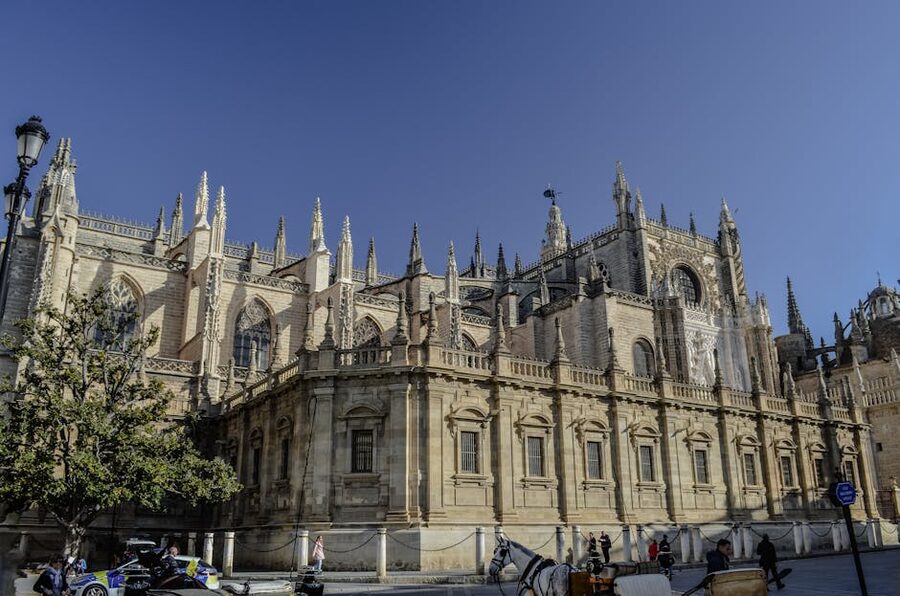
Not every stop is worth getting off at. Here’s the honest read on the main ones, in route order.
Cathedral / Giralda: Get off. This is the historical heart of the city. The Cathedral and Giralda are non-negotiable on a first visit. Pre-book entry separately because the line snakes around the building most afternoons.
Alcázar: Get off. The Alcázar needs at least 90 minutes inside. Same advice on tickets, pre-book.
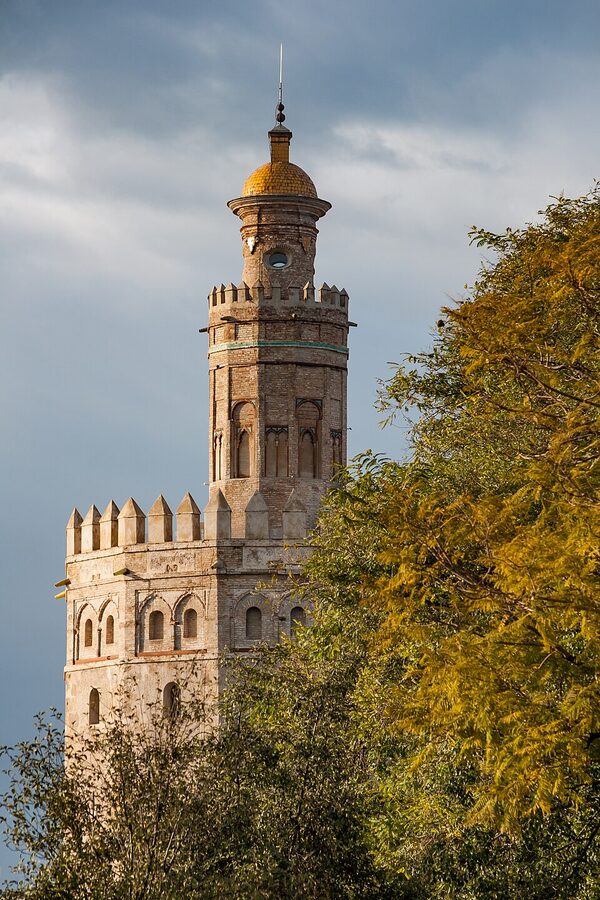
Torre del Oro: Get off. Even if you don’t go inside the tower, the riverfront walk towards the bullring is one of the prettiest stretches in the city.
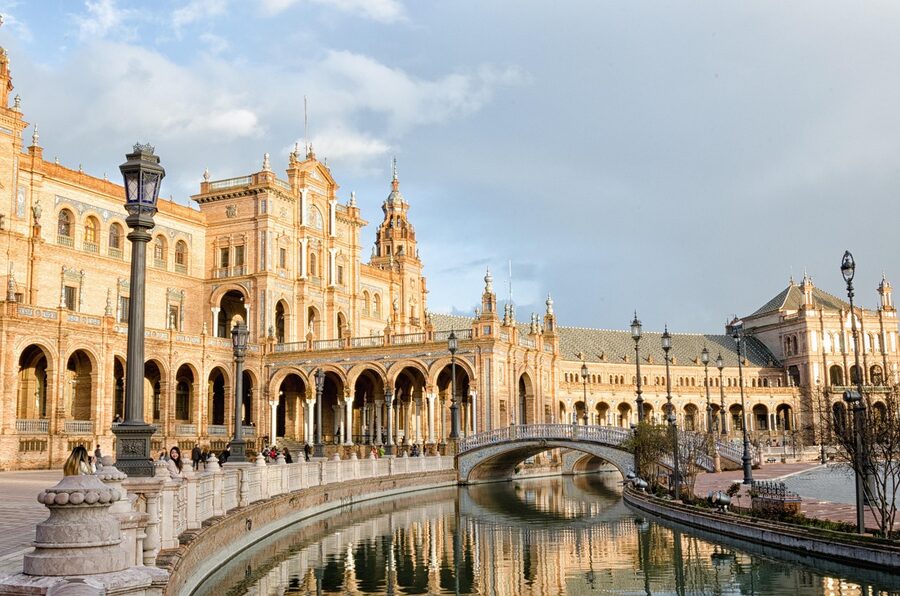
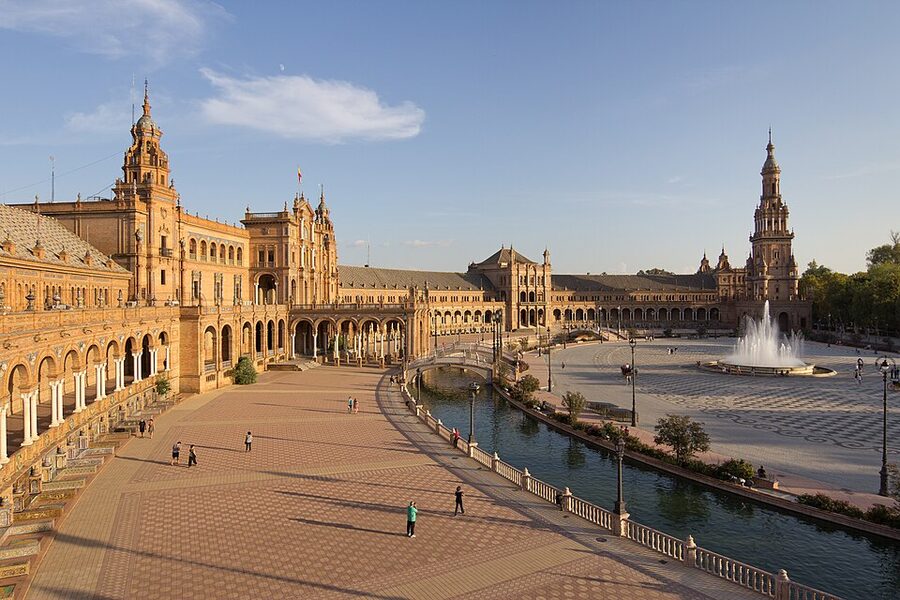
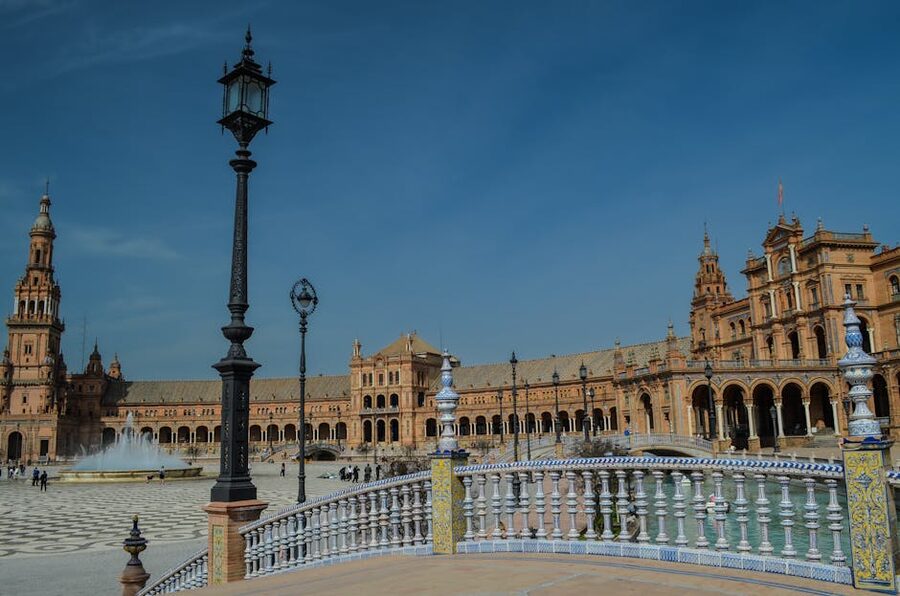
Plaza de España: Get off. The plaza is the most photogenic single building in Seville and you cannot photograph it usefully from the upper deck of a moving bus. The bus stops a five-minute walk away. Plan an hour minimum to walk the colonnade and the canal.
Triana bridge: Get off if you have time. The bridge itself is fine, but Triana on the far side is where the working-class flamenco bars are and the ceramics shops, and it’s worth a wander on day two.
Isla Mágica: Get off only if you want the amusement park. Otherwise it’s a long detour you don’t need.
Cartuja / CAAC: Skip unless you’re a contemporary art person. The Andalusian Centre of Contemporary Art is housed in a former monastery and it’s a niche pull.
Combining the HOHO With Other Seville Bookings
Most travellers building a 2-3 day Seville plan combine the HOHO with two or three booked experiences. Here’s how I sequence them.
Day one (arrival day or full first day): Bus loop in the morning to orient yourself. Get off at the Cathedral, use that ticket. Walk to the Alcázar. Lunch in Santa Cruz. Bus or walk back to the river, do a Guadalquivir river cruise at golden hour. Dinner. Flamenco show if you have the energy.
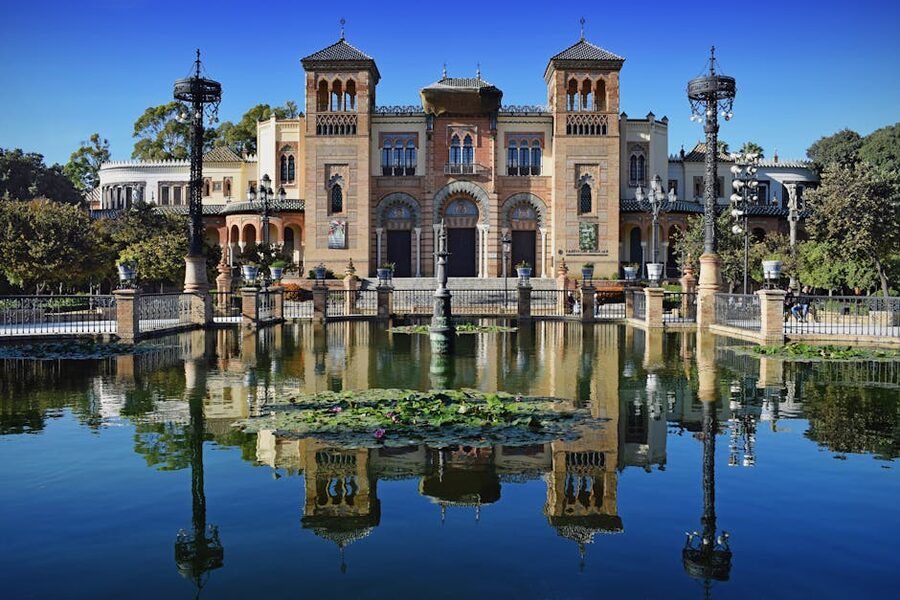
Day two: No bus today. Walk to Plaza de España in the morning, then walk through Maria Luisa Park, lunch in Triana. Afternoon up to the rooftop walkway at Las Setas for the city view. Tapas crawl in the evening.
Day three (if you have it): Day trip to Cordoba or Cadiz, or a deeper wander through Triana with a flamenco workshop. The bus ticket has expired by now and you don’t miss it.
The pattern works because the bus does its real job (orientation) in three to four hours of day one, and after that you walk. Trying to use the HOHO as your daily transport is the trap. It’s not designed for that.
Booking, Refunds and What to Watch Out For
All major HOHO tickets are sold through standard online platforms with the same rough terms: free cancellation up to 24 hours before, mobile QR ticket, multilingual support. Buying in advance saves you queueing at the stop, especially in peak season (April Feria, Holy Week, October weekends).
Watch out for two things. First, ticket scalpers near the Cathedral stop selling marked-up tickets to confused tourists. The official kiosk is at the Cathedral stop itself, but online booking is genuinely the same price and gets you a QR code straight to your phone. Second, the season affects frequency. Off-season buses can stretch to 30-minute waits. Plan accordingly.
Refunds work as advertised on the platforms I’ve used, including same-day cancellation for genuine illness with documentation, though the line is the platform’s not the operator’s. Keep your QR until the trip is fully done.
Final Word: Should You Book It?
If this is your first ever European HOHO and you want the experience, book the 24-hour ticket and treat it as a single morning’s activity. If you’ve done one before and were lukewarm on the format, your instincts are right for Seville. The bike tour is the better orientation for a fit traveller, and the tuk-tuk is the better short option for anyone who wants a guided lap without committing the whole day.
The 48-hour ticket is rarely the right call here. The 24-hour version is. And honestly, the cheapest mistake you can make is to skip the bus entirely and walk the city, because Seville rewards that approach more than almost any other in Spain.
More Around Seville
If you’re building out the rest of your Seville plan, the Cathedral and Giralda and the Alcázar are the two paid entries you should pre-book first. Everything else can slot in flexibly around your bus or bike day. A Guadalquivir river cruise at sunset and a flamenco show in the evening are the two add-ons I’d anchor a Seville plan around, and they both sit within walking distance of the central HOHO stops.