
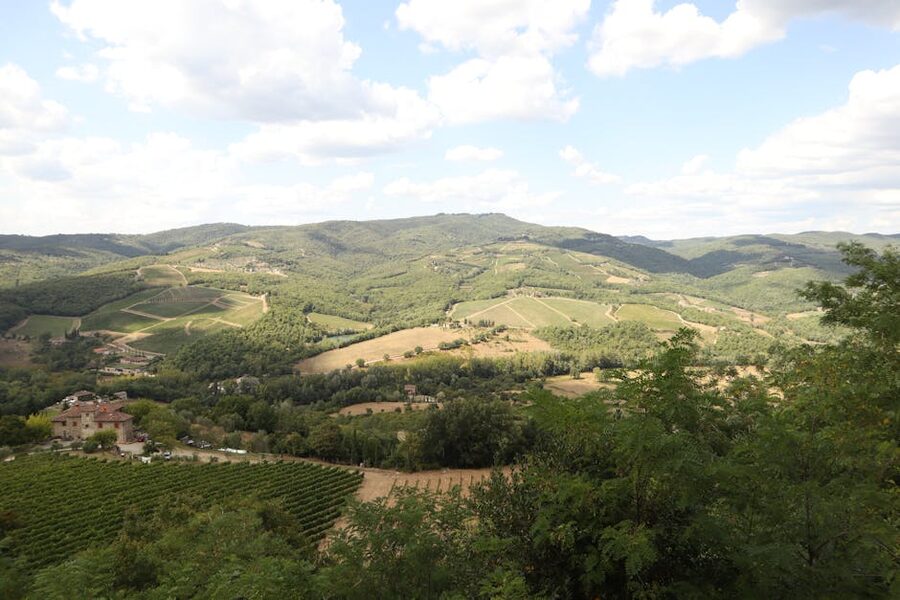
The first thing that hits you on a Chianti tour from Florence is the smell. You step out of the minivan at the first winery and the air is all warm soil, fennel, oak smoke from the kitchen, and that faint vinegar tang of fermenting must drifting out of an open cellar door. After two hours of motorway and twisting back roads, that smell tells you you’ve arrived somewhere that earns its reputation.
I’ve done this trip more times than I can count, and the surprising thing is how little the formula has changed. Most days look like this: leave Florence mid-morning, drive an hour into the Chianti Classico hills, visit two family wineries with proper tastings at each, eat lunch with the second one, and roll back into Florence by late afternoon. The hard part is picking the right tour from a list of about forty that all sound nearly the same.
In a hurry? My three picks
- Half-Day Chianti Wineries with Wine Tasting ($41): Two wineries, five hours, the standard small-group bus tour. Best value if you only have an afternoon.
- Chianti Wineries with Food and Wine Tasting ($56): Same two-winery format with a proper lunch baked in. Pick this if you don’t want to arrive back in Florence starving.
- Tuscany Day Trip with Chianti Winery Lunch ($112): The full-day combo. Siena, San Gimignano, Pisa, plus lunch at a Chianti winery. Long day, lots of bus time, but you cover four headline stops.
- In a hurry? My three picks
- What you actually get on a Chianti tour
- Half-day vs full-day: which one suits you
- What “Chianti” actually means on the bottle
- Where the tours actually go
- Tours worth your money
- 1. Florence: Chianti Wineries Tour with Wine Tasting:
- 2. Florence: Chianti Wineries Tour with Food and Wine Tasting:
- 3. From Florence: Tuscany Day Trip with Lunch at Chianti Winery: 2
- What it actually costs
- Booking and timing tips
- What to wear and bring
- What about driving yourself?
- Pairing Chianti with the rest of your Florence trip
- The food at a Chianti winery
- A few things tours rarely tell you upfront
- Should you book one at all?
- If you’re still planning your Tuscany days
What you actually get on a Chianti tour
The standard format is two wineries. That number is not arbitrary. One winery alone feels stingy, and three is too many for a half-day window once you factor in driving between estates, walking the vineyards, descending into cellars, and sitting down to taste five or six wines at each stop. Two is the sweet spot, and almost every tour you’ll book follows it.
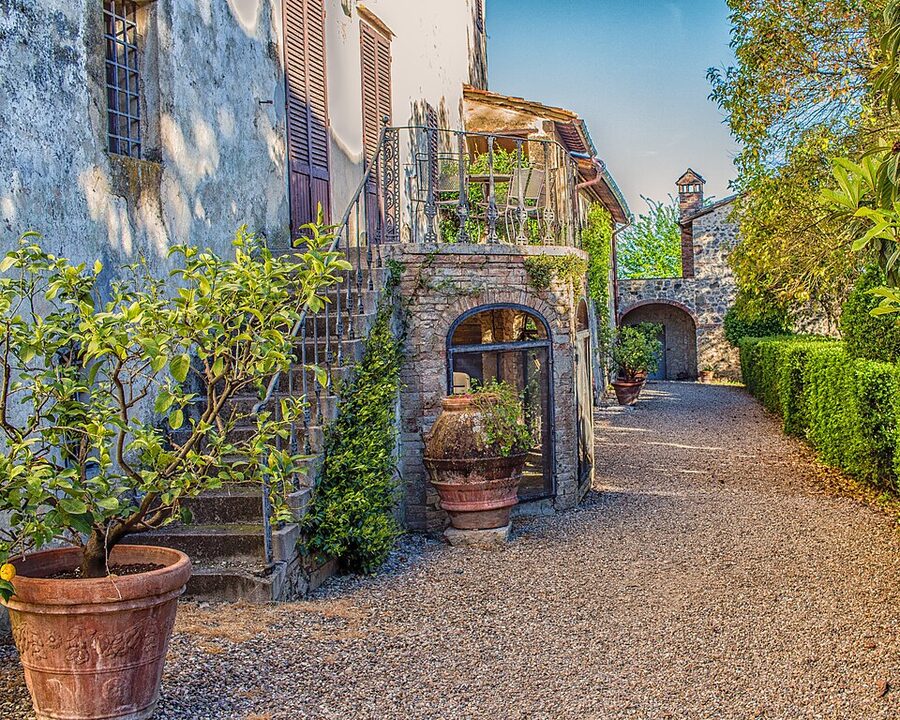
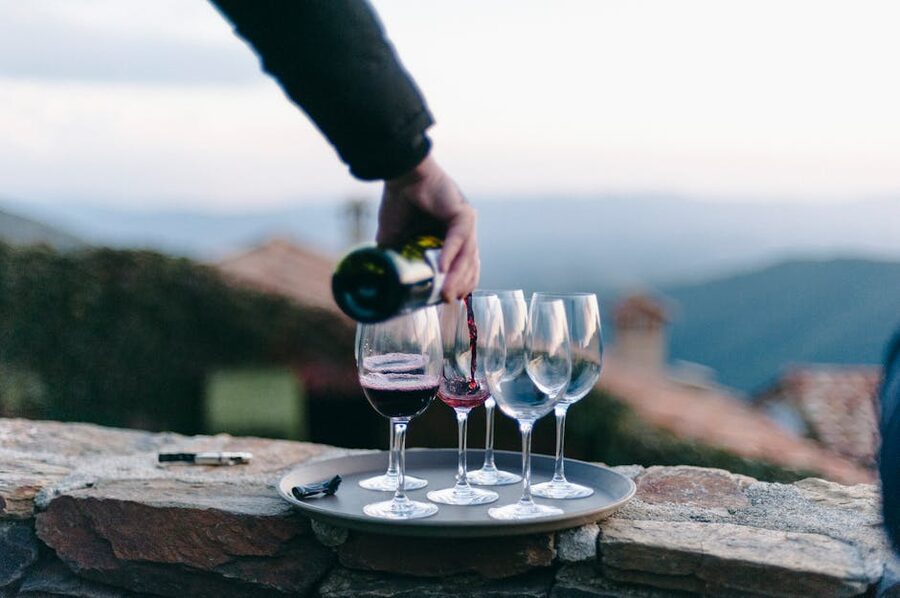
The first stop is usually the smaller, family-run estate. Think a few hectares of vines, a cellar tucked under a stone farmhouse, and someone’s grandmother bringing out plates of pecorino, salami, and bruschetta dripping with their own olive oil. The wines pour generously and the host wants to talk about their grapes. This is the part most people remember.
The second stop is usually a larger producer. Bigger cellar, more polished tasting room, sometimes barrel rooms you can actually walk through. The wines tend to be a step up in quality, and you’ll often taste a Chianti Classico Riserva or a Gran Selezione here. The food can be more structured too, especially on tours with lunch built in. Pasta course, meat course, dessert, a glass of Vin Santo at the end.
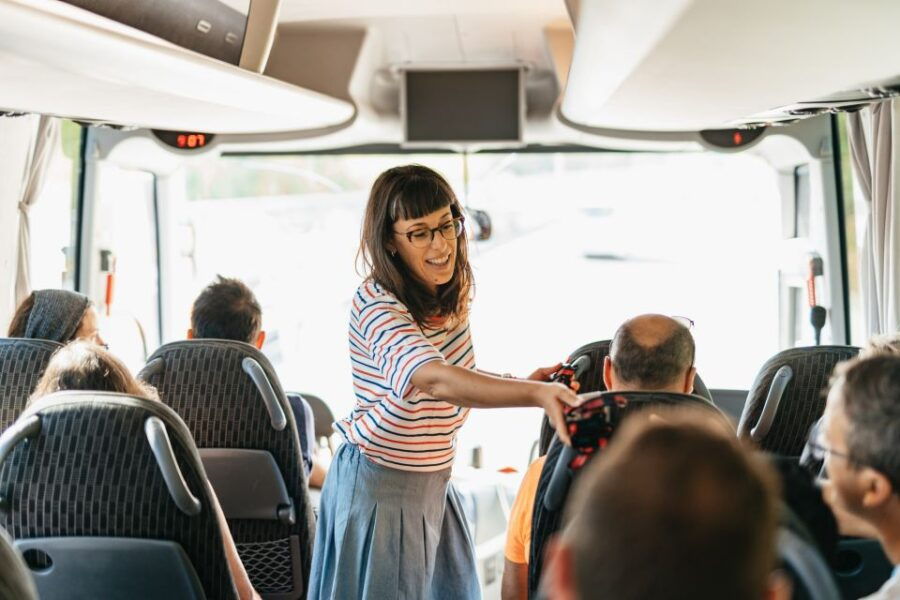
Most tours include three to six wines per stop, so you’ll taste eight to twelve wines across the day. They’re full pours, not the thimble-size pours you get in some American tasting rooms. By the time you’re back on the bus to Florence, you will not be sober, which is the whole point of taking a tour instead of driving yourself. The flagship half-day is the standard reference point for this format, and most cheaper tours follow it almost beat for beat.
Half-day vs full-day: which one suits you
The split breaks down cleanly. Half-day tours are five to six hours start to finish, depart Florence around 2pm, return around 7pm or 8pm, and visit two wineries with snacks at each. Full-day tours are ten to twelve hours, leave Florence around 8am, and either pack in more wineries or fold in a stop in Siena, San Gimignano, or Pisa on top of the wine.
If this is your first time in Florence, the half-day is probably the right call. You keep a morning free for the Uffizi or David at the Accademia, and you don’t lose a whole day on a wine bus. If you’ve been to Florence before and you’re hunting for a deeper Tuscany day, go full-day with the Siena combo. Our Tuscany day trip guide covers those multi-stop combos in more detail.
One trap to avoid: tours that bill themselves as “Chianti and Siena” or “Chianti and San Gimignano” half-day. A half-day cannot fit two wineries and a meaningful walk through a hilltown. You’ll end up with a fifteen-minute photo stop in San Gimignano while your guide herds you back to the bus. Pick a lane.
What “Chianti” actually means on the bottle
This trips up a lot of first-timers. Chianti is a wine zone, not a single appellation, and there are five or six overlapping designations on the labels you’ll see. The hierarchy, simplified:
- Chianti DOCG: The broad zone. Can be made anywhere across central Tuscany. Cheap, decent table wine.
- Chianti Classico DOCG: The historic core, between Florence and Siena. Black rooster on the neck. This is what most tours visit.
- Chianti Classico Riserva: Aged at least two years, three months in bottle. Bigger, more structured.
- Chianti Classico Gran Selezione: The top tier. Aged thirty months minimum, made only from estate fruit. Expect to pay double a regular Classico.
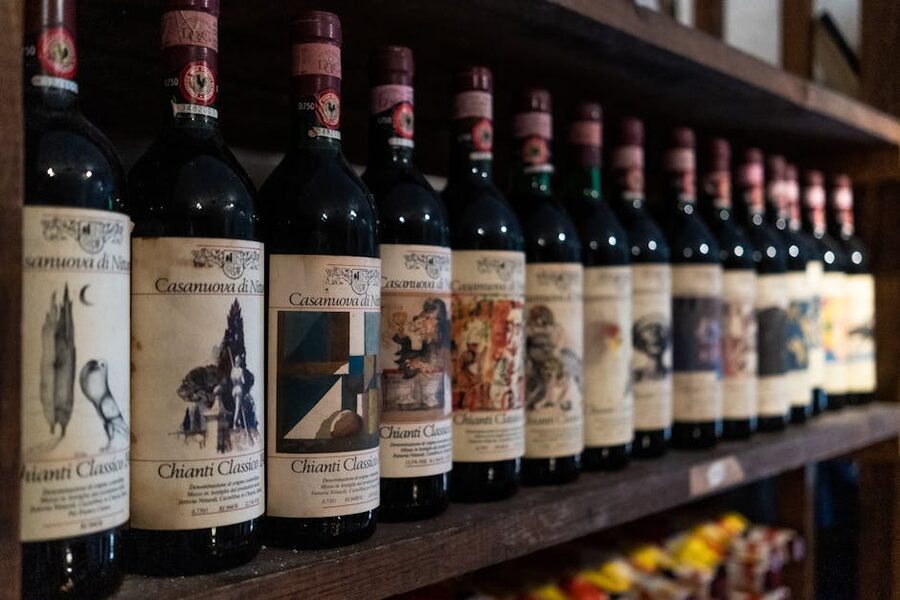
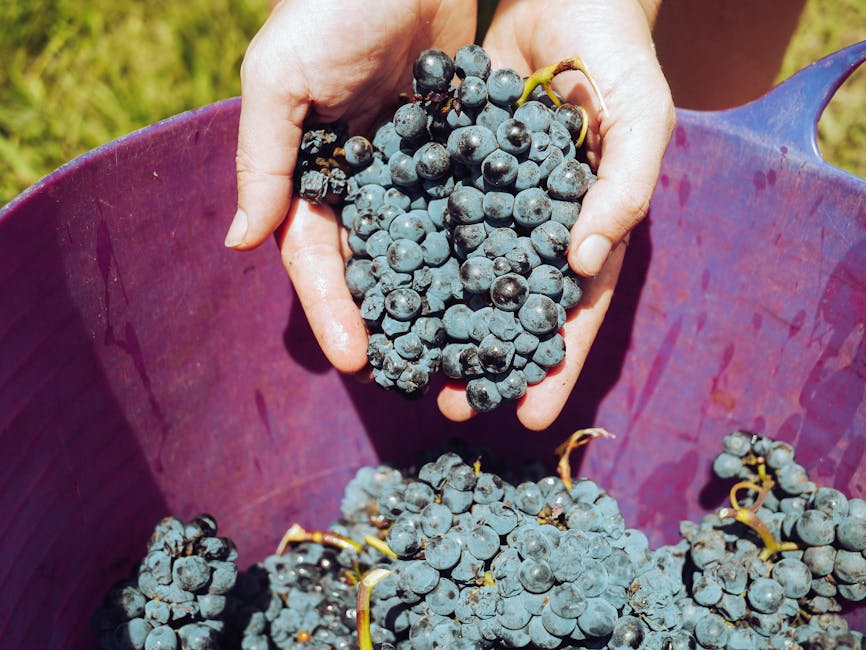
The grape is Sangiovese, almost always at least 80% of the blend. Chianti Classico can include up to 20% other red grapes, which used to mean Canaiolo and Colorino but now often means Cabernet Sauvignon or Merlot. The black rooster on the neck is the seal of the Consorzio Chianti Classico. If your bottle doesn’t have it, you’re not drinking Classico.
Why this matters on a tour: when the host pours you what they call “our Chianti,” ask whether it’s Classico or just Chianti. The price gap on the shelf is significant, and so is the wine in the glass.
Where the tours actually go
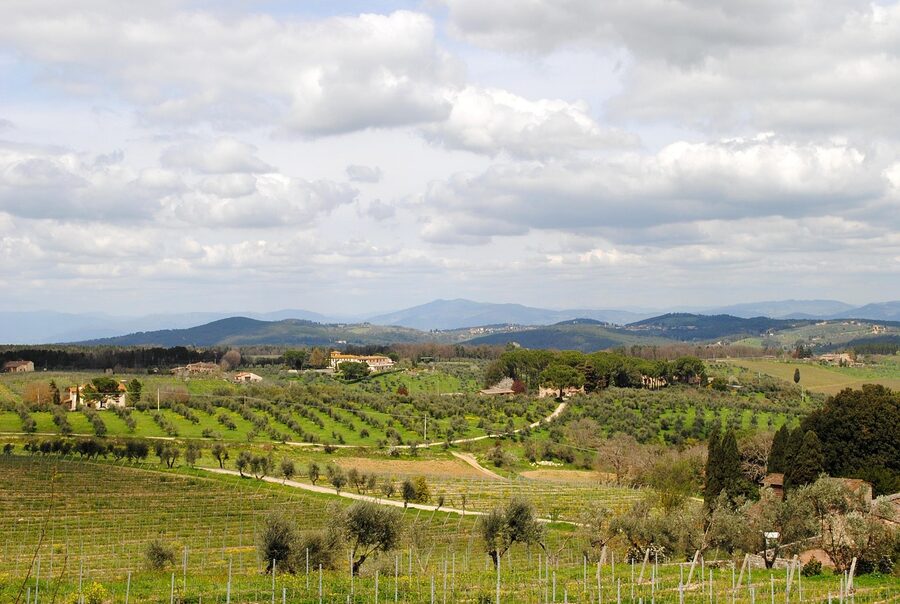
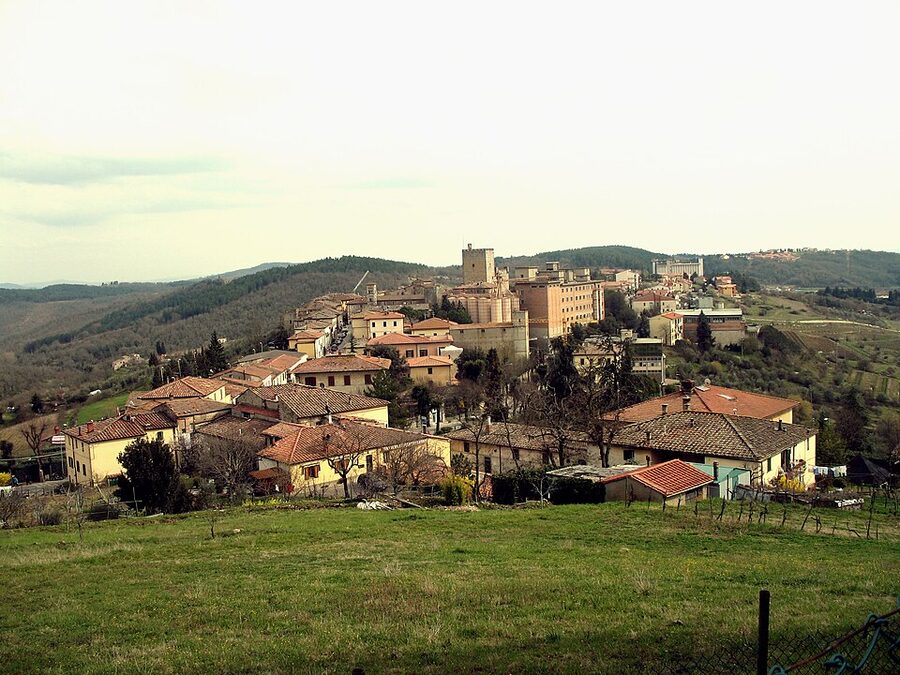
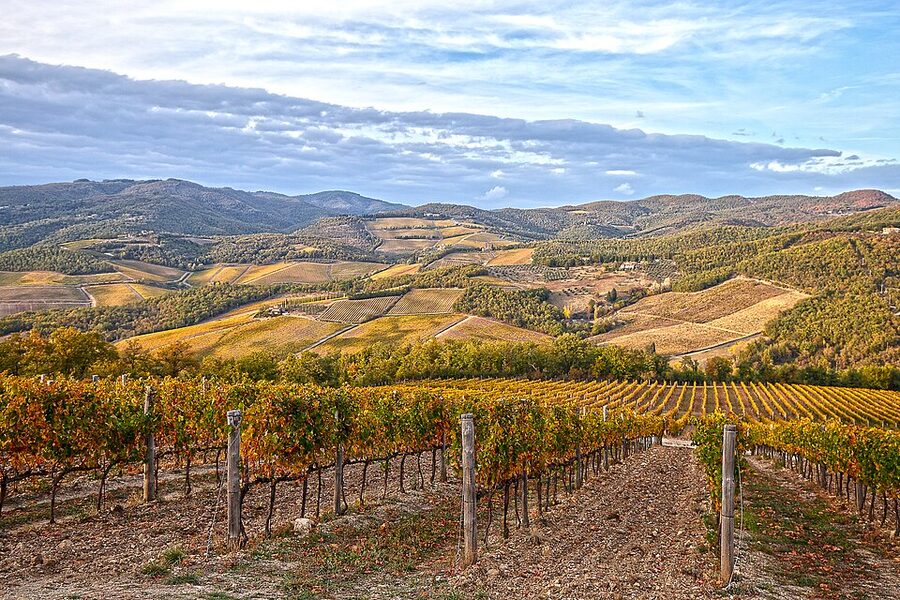
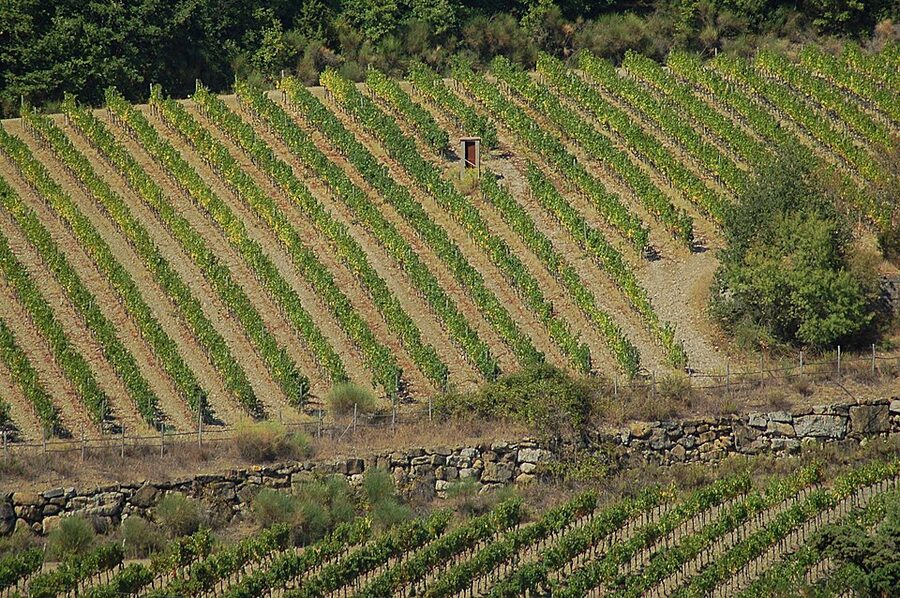
The Chianti Classico zone is roughly the triangle between Florence, Siena, and Arezzo, but most tours stick to the northern half closer to Florence. The villages you’ll hear named are Greve in Chianti, Panzano, Castellina, Radda, and Gaiole. They run roughly south along the SS222, the road locals call the Chiantigiana.
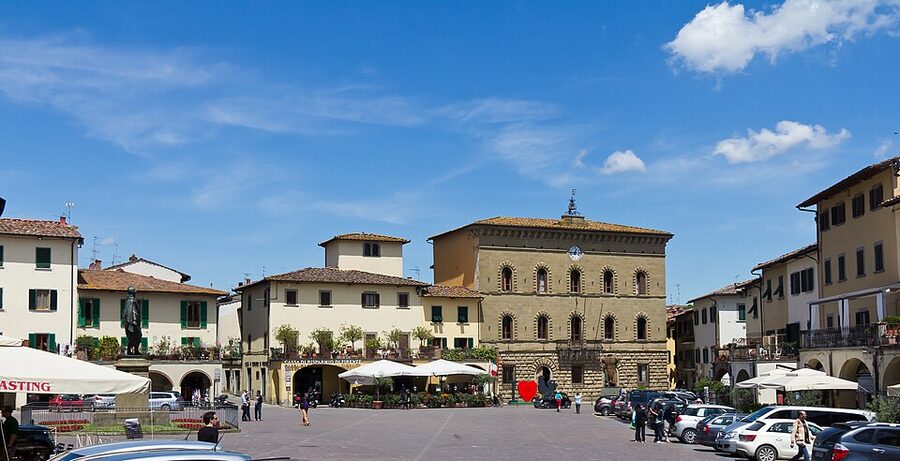
Greve is the unofficial capital. The town square has a butcher shop (Antica Macelleria Falorni) that’s been there since the 1700s, and most tours either stop here for fifteen minutes of free time or drive through it without stopping. If your tour skips Greve entirely, that’s fine. The wineries are the point.
Panzano is south of Greve and sits on a ridge with views in every direction. The famous Solaria estate and Dario Cecchini’s butcher are both here, but tour wineries tend to be smaller estates around the village rather than the headline names.
Castellina, Radda, and Gaiole form the southern triangle, deeper into the zone. Tours that head this far south are usually full-day. The wineries here include some of the historic names (Brolio, Badia a Coltibuono, Castello di Ama), but you’ll rarely visit them on a budget bus tour. Those are private-tour territory, and they tend to overlap with the broader Florence-to-Tuscany day trips that combine wine with Siena or San Gimignano.
Tours worth your money
I’ve put about three dozen Chianti tours through our review process over the years. These are the ones that consistently show up at the top of my recommendations.
1. Florence: Chianti Wineries Tour with Wine Tasting: $41
This is the workhorse half-day. Around five hours, two wineries, snacks at each, and a price tag that’s basically half what most full-day tours cost. Our full review notes the contrast between a small family estate and a larger commercial cellar, which I think is actually a feature rather than a bug. Book this if your only requirement is wine and a view.
2. Florence: Chianti Wineries Tour with Food and Wine Tasting: $56
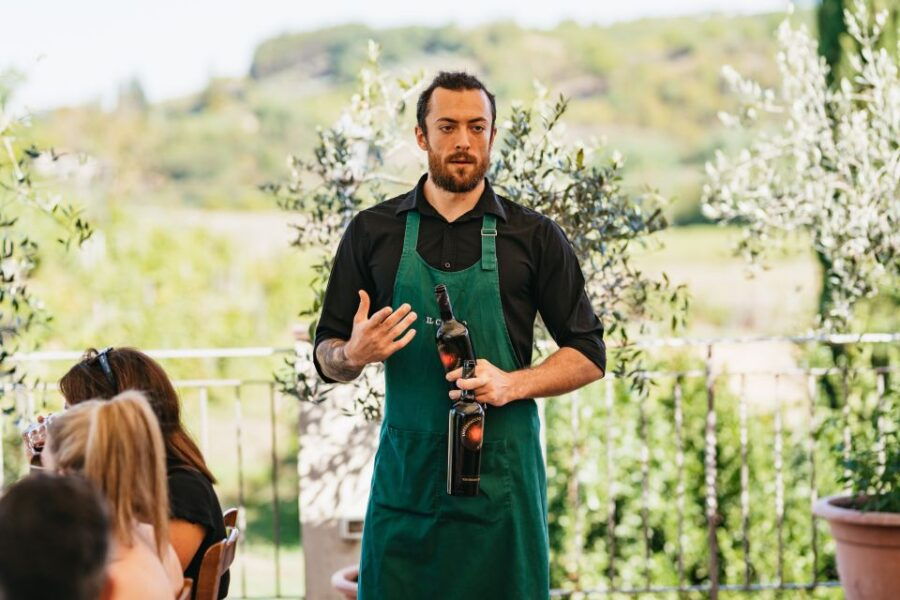
Same skeleton as the cheaper one but with food added at the second stop. Our review calls out how organised the host is on this tour, which matters more than you’d think when groups get to twenty people. Pick this over the bare half-day if you don’t want to be hunting for dinner the moment you get back to Florence.
3. From Florence: Tuscany Day Trip with Lunch at Chianti Winery: $112
Twelve hours, three hilltowns, plus lunch at a Chianti winery. The full review flags that there’s a fair amount of walking and Pisa often hits at sunset, which is actually when the Leaning Tower looks best. Pick this if Chianti is one item on a longer Tuscany wishlist rather than the main event.
What it actually costs
Chianti tours from Florence land in three rough price bands. Here’s what to expect at each.
Budget ($40-60): The big bus tours. 18-25 people on a coach, two wineries, decent wine, generic snacks or a basic lunch. The flagship I listed first sits at the top of this band. Quality isn’t bad, but it’s a volume operation.
Mid-tier ($80-130): Small-group minivan tours, 6-8 people, often with better wineries and a sit-down lunch. The full-day Tuscany combo and most of the food-and-wine focused half-days fall here. Best value-per-experience for most travellers.
Premium ($200-400+ per person): Private tours, sometimes with biodynamic or boutique producers, custom itineraries, professional drivers, and meals paired by sommeliers. Out of the Box and a few similar local outfits operate here. Worth it for a special occasion or a small group splitting the cost.
One thing the listings don’t always make clear: the cheapest tours sometimes charge separately for lunch on the day, so the $41 ticket can become $60 once you eat. Read the inclusions before you book. There’s also a slightly cheaper alt half-day from a different operator that runs the same five-hour, two-winery format, which is worth checking if your preferred dates on the flagship are sold out.
Booking and timing tips
The peak season for Chianti tours is May to early October, with August being the absolute worst time to go. Heat reaches 35°C, the vines are dormant from harvest stress, the lunches feel heavier than they should, and Italian holidays empty out the smaller wineries. Book April, May, late September, or October if you can choose.
Book at least a week ahead in shoulder season and two to three weeks ahead between June and August. Most tours allow free cancellation up to 24 hours before, so there’s no real downside to locking in a slot early. The half-day at $41 sells out the fastest because of the price.
Pickup is almost always from a central spot in Florence. The standard meeting point is near Piazza Santa Maria Novella or just outside the train station, sometimes at the central bus park on Piazza Adua. Tours leave on time. If you’re not there five minutes early, you can lose your spot.
If you’re staying outside the historic centre, factor in the walk to your meeting point. Florence is small but the cobbles are slow. Allow twenty minutes for what Google Maps says will take ten.
What to wear and bring
Most tours involve two short walks through vineyards on uneven gravel paths. Sneakers or low boots are fine. Avoid heels, even kitten heels. The cellars are cool, around 14-16°C year-round, so a light jacket helps even in July.
Cash is useful. Plenty of small wineries take cards now, but if you want to buy a bottle to take back, having euros saves time at checkout. Most estates ship internationally, by the way, but the shipping fee usually runs €40-60 per case so it’s only worth it if you’re buying serious wine.
Skip breakfast at your hotel if your tour includes lunch. The portions at a Chianti winery lunch are generous and you’ll pace yourself better on an empty stomach. If your tour is purely wine, eat a real breakfast first. Drinking eight glasses of red on an empty stomach in 30°C heat is a mistake I’ve watched a lot of people make. The food-and-wine half-day handles this for you because the second stop is a proper sit-down lunch.
What about driving yourself?
You can. There’s a train from Florence to Castellina-Monteriggioni that takes about an hour and dumps you in the middle of the zone. From there you’d need a car or a taxi to reach the wineries, because they’re all on country roads off the Chiantigiana.
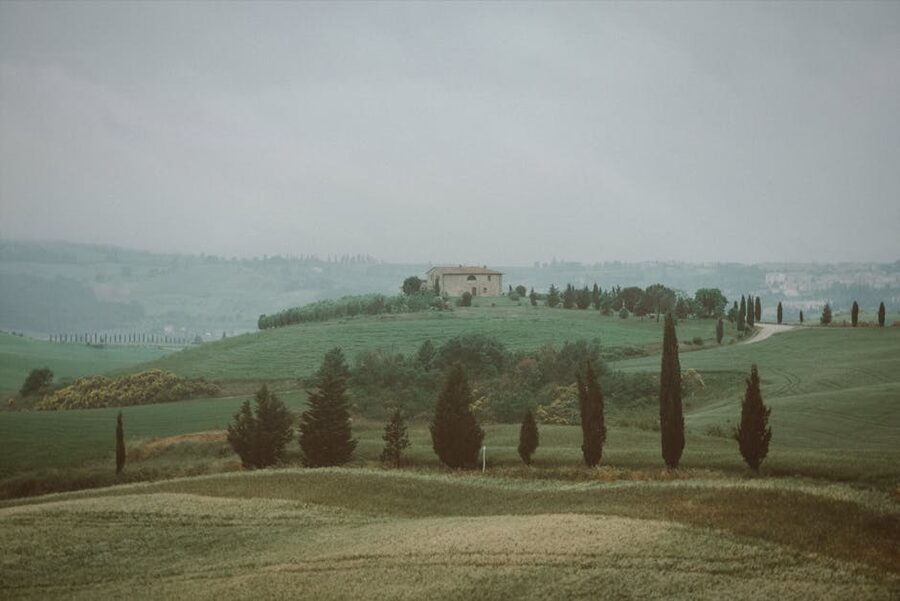
The bigger problem is the driving itself. Wineries pour generously and Italy’s drink-drive limit is 0.5g/L, which most people will exceed after two glasses. If you’ve got a designated driver who’s happy to spit and skip, fine. If not, the maths works out almost identical to a tour once you add a rental car, fuel, and the parking fee at each estate.
I’ve done the rental-car version twice and the tour version probably ten times. The tour wins on convenience every time. The rental car wins if you specifically want to visit one or two named producers that the bus tours don’t reach, like Castello di Ama or Querciabella. Otherwise, book a tour.
Pairing Chianti with the rest of your Florence trip
If you have three full days in Florence, the most efficient layout is one day for the historic centre (Duomo, Uffizi, Ponte Vecchio), one day for a Chianti tour, and one day flexible for either a deeper food experience or a second day-trip. My Uffizi guide covers how to time the morning around your tour pickup.
If you’re doing the half-day Chianti, mornings are free. A 9am slot at the Accademia to see David, breakfast, lunch in town, and you’re back at the meeting point for a 1:30pm pickup. Easy day.
If you’re doing a full-day Tuscany combo with Pisa and Siena, then your Florence days need to be packed efficiently on either side. Climbing the Duomo dome is best done early morning before the heat, and the Pitti Palace is a good rainy-day option that pairs with the Boboli Gardens.
One tip people miss: a Chianti winery tour pairs naturally with a Florence pasta-making class the day before. Both run a few hours, both leave the rest of your day free, and you’ll come home with a much richer sense of how Tuscany actually eats.
The food at a Chianti winery
People underestimate the food. The wine is the main draw, but the meals at Tuscan wineries are some of the best food-pairing experiences you’ll get in Italy outside of a proper restaurant.
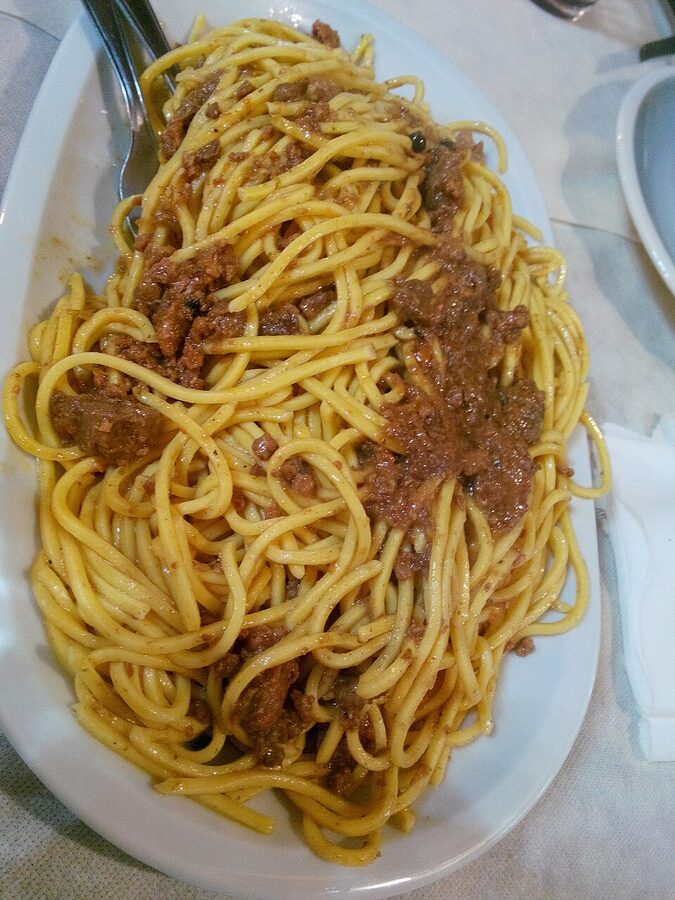
Standard lunch format: two or three pasta courses (often pici, the hand-rolled local thick spaghetti, with wild boar ragù), a meat course (Chianina beef or roasted pork), local cheeses including pecorino Toscano aged different ways, the estate’s own olive oil, and dessert. Wine flows throughout.
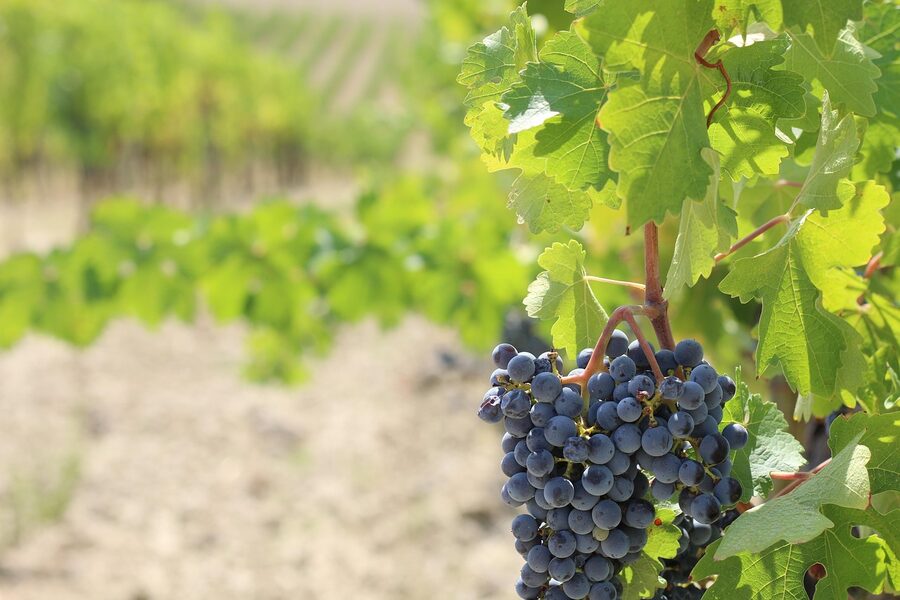
If you have dietary restrictions, flag them when you book. Most tours can accommodate vegetarians and gluten-free diners, but you need to give 48-72 hours notice. Vegan is harder. The cheese course is central to the experience and a vegan substitute won’t always be available.
Don’t expect a salad. Tuscan tradition does not really do leafy salads as a course. You get cured meats, cheese, bread, pasta, meat. If you want greens, eat them in Florence the night before.
A few things tours rarely tell you upfront
The bus rides between wineries are short, ten to twenty minutes between stops within the zone, but the trip from Florence to the first winery is about an hour each way. That’s two hours of bus time on a half-day tour. If you get carsick on winding roads, take something before pickup. Some operators run a near-identical food-and-wine variant with the same itinerary on a different start time, which can be useful if you’re trying to dovetail your tour with an evening reservation back in Florence.
The “two wineries” you visit are sometimes the same two wineries every day, no matter which tour operator you book through. There’s a small handful of estates that have the infrastructure to host bus groups, and most operators rotate through them. This means a $41 tour and an $80 tour might end up at the same first winery, just with a different second stop and different lunch arrangement.
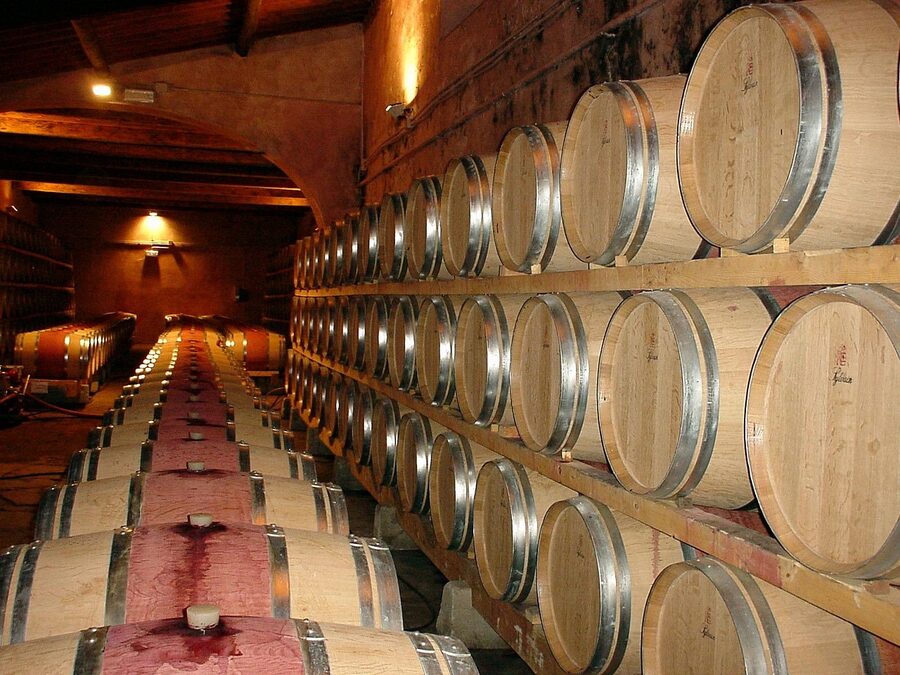
Premium and private tours are the exception. They build relationships with smaller estates that don’t take group tours, which is the actual reason to pay double or triple. If you’re comparing a $130 small-group tour to a $50 bus tour, the wineries probably aren’t all that different. If you’re comparing a $300 private tour to a $50 bus tour, the wineries are completely different worlds.
Also: the “free time” your itinerary mentions in Greve or Panzano is rarely more than fifteen minutes. Don’t plan on browsing the butcher or the wine shops in any depth. If you want to actually shop in a Chianti village, you need a private tour or a self-drive day.
Should you book one at all?
If wine matters to you even a little, yes. The combination of price, scenery, food, and the fact that someone else drives makes a Chianti tour one of the highest-value day trips you can do from Florence. The bar to a great experience is genuinely low, and most of the listed tours clear it easily.
If wine bores you, skip it. There’s nothing worse than spending five hours on a tour focused on something you don’t care about. A Vespa tour through the same hills covers similar scenery without the wine, and a sunset walking tour in the city itself is a better fit if you’re after atmosphere rather than tasting notes.
If you’re still planning your Tuscany days
A Chianti tour rarely sits alone in a Florence trip. Most people stack it with the city’s headline museums and at least one other day trip. The classic Florence-Siena-San-Gimignano-Pisa loop is the obvious second day-trip if you’ve got time, and visiting Pisa on its own works if you’d rather slow down. Inside the city, a hop-on hop-off bus is the easiest way to cover the major sights on a flexible morning, and a Medici walking tour ties the wine and the art history together better than you’d expect.