
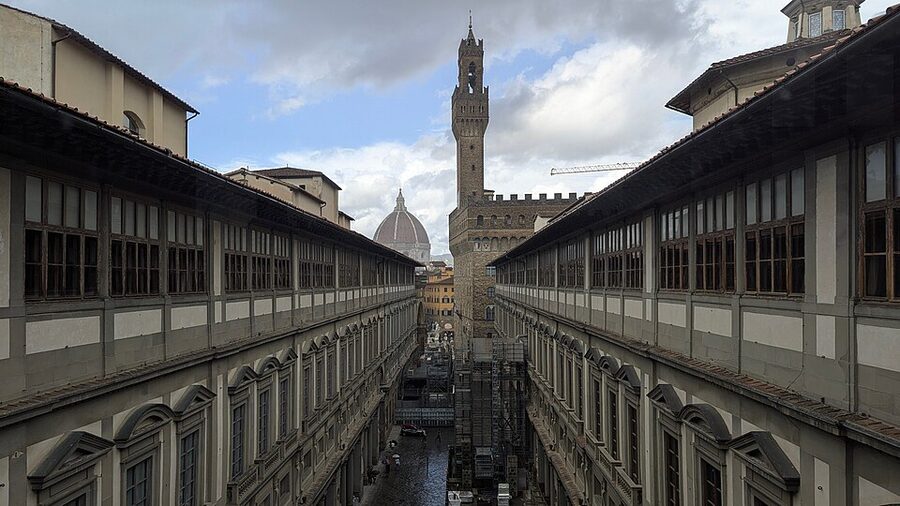
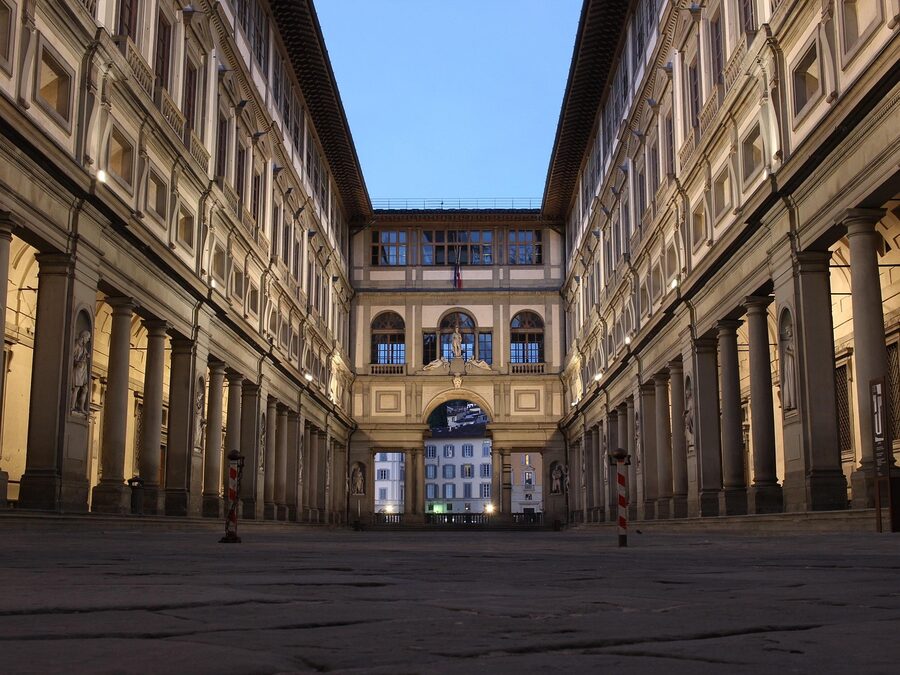
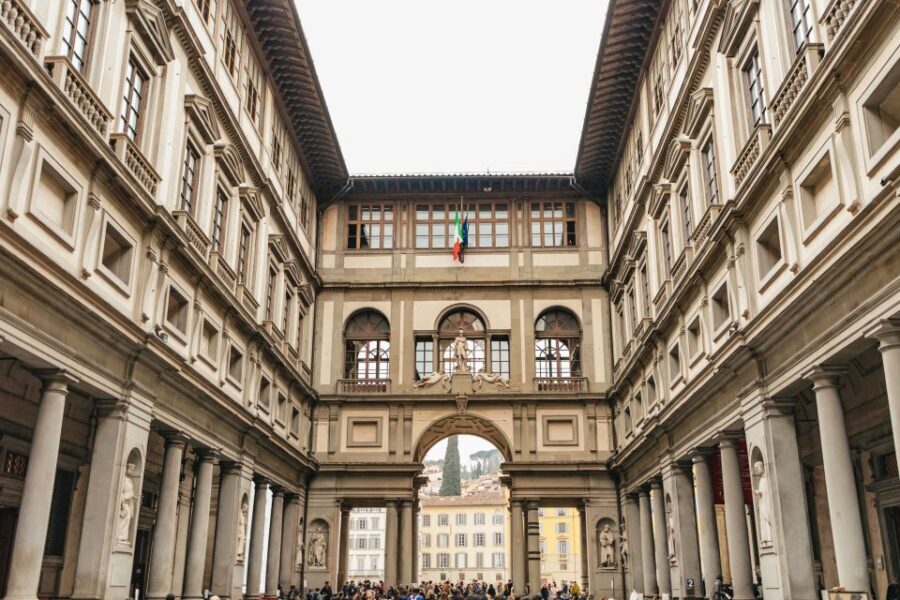
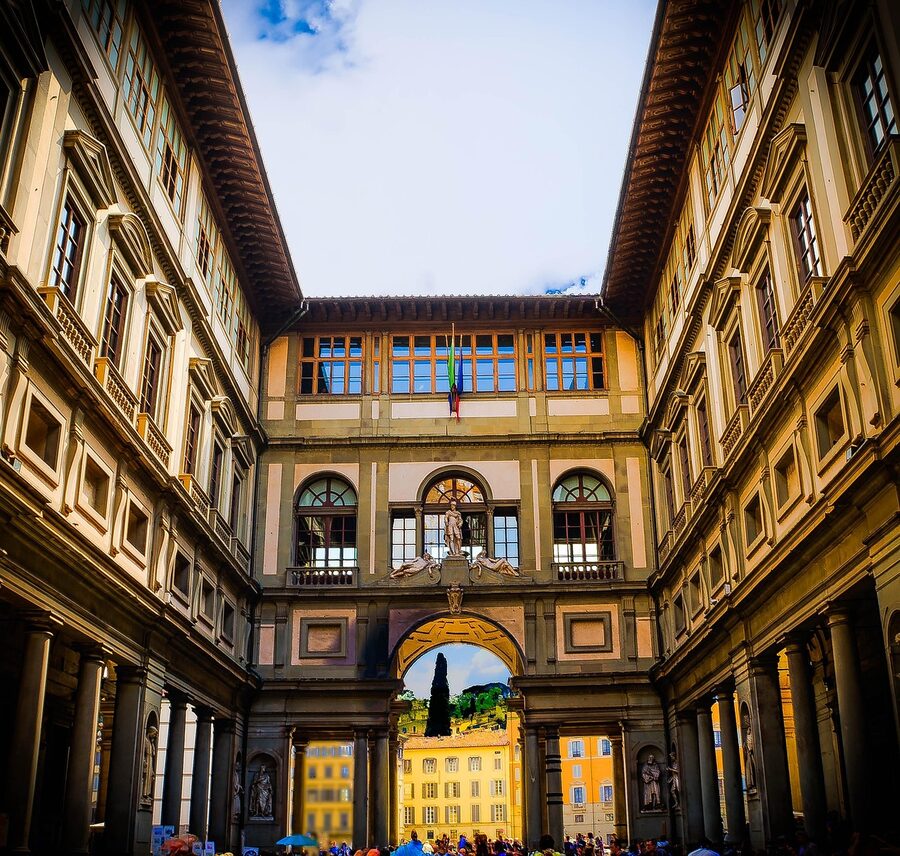
The Uffizi was never meant to be a museum. Cosimo I de’ Medici commissioned it in 1560 as administrative offices, “uffizi” being the old Tuscan word for offices, and it only opened to the public in 1769. That makes it one of the oldest galleries in the world, and the building itself is half the experience.
You can absolutely book Uffizi tickets cleanly if you know the trick. Below are the booking routes that actually work, the tours I’d put my own money on, and the practical stuff competitors keep glossing over.
In a Hurry? Top Picks
- Skip-the-Line Timed Entrance Ticket: $30. The default option for most visitors. Check availability
- Priority Ticket + Masterpieces Audio App: $31. One extra dollar gets you a self-guided narration. Check availability
- Renaissance Masterpieces Guided Tour: $88. Live guide, 90 minutes, the smart pick if it’s your first visit. Check availability
- In a Hurry? Top Picks
- How Uffizi Tickets Actually Work
- What the ticket includes (and what it doesn’t)
- The Three Tours I’d Actually Book
- 1. Skip-The-Line Uffizi Gallery Timed Entrance Ticket:
- 2. Uffizi Priority Ticket + Masterpieces Audio App:
- 3. Renaissance Masterpieces Guided Tour:
- The Five Most Famous Pieces (And Where to Find Them)
- The “I’m here for the building too” route
- The Vasari Corridor (Newly Reopened)
- When to Visit (Hour by Hour)
- Months and Seasons
- Audio Guide vs Live Guide vs Going Solo
- What to Skip, What to Slow Down For
- Eating, Resting, and the Rooftop
- Combining the Uffizi With the Rest of Florence
- Practical Stuff Most Guides Skip
- Last Thoughts on Picking Your Ticket
- Pairing the Uffizi With the Rest of Italy
How Uffizi Tickets Actually Work
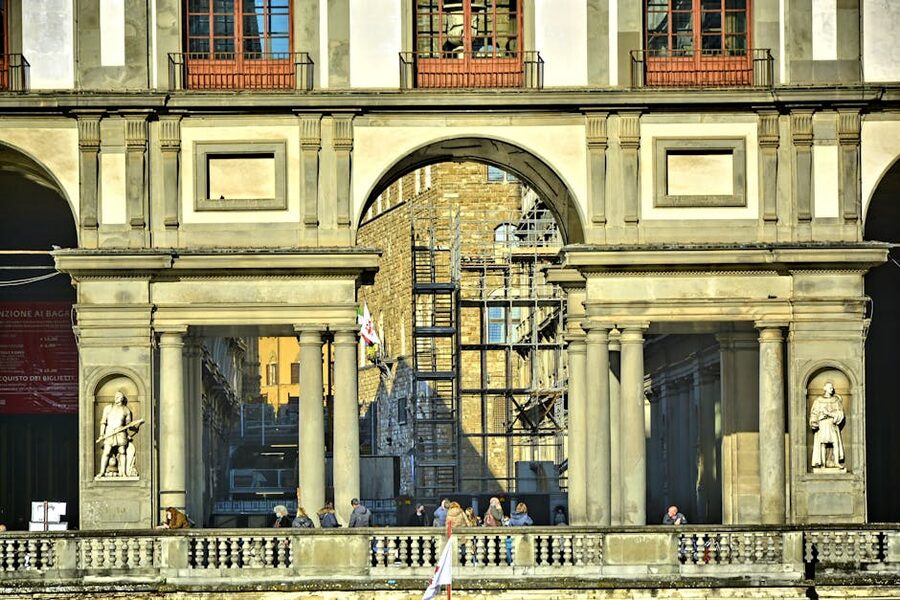
The Uffizi runs entirely on timed-entry tickets. There is no walk-up line worth standing in. People do try, and they wait three hours, sometimes more in summer. Don’t be those people.
You have four real ways to get in:
- The official Uffizi site (b-ticket.com). Cheapest. Adult ticket is €25 plus a €4 booking fee. Cleanest if you only want admission.
- GetYourGuide / Viator skip-the-line tickets. Slightly higher price, much smoother interface, English support, and the voucher is on your phone. Most readers prefer this.
- A guided tour. Tickets bundled in. You meet the guide outside, walk in together, skip the queue.
- The Firenze Card. A €85 city pass covering 60+ museums for 72 hours. Worth it only if you’re hitting four or more museums. Florence’s pass logic is similar to the Roma Pass we cover in our Roma Pass guide: most travellers don’t actually clear the break-even threshold.
One thing the official site won’t tell you clearly: tickets are released about 30 days in advance, and weekend afternoons sell out first. If you want a Saturday slot in May or October, book at least three weeks ahead. Less popular slots (a Tuesday at 4pm in February) you can usually grab a few days out.
What the ticket includes (and what it doesn’t)
A standard Uffizi ticket covers the main gallery, the Vasari Corridor (which reopened to the public in late 2024 after years of closure), and admission to the National Archaeological Museum and the Museum of the Opificio delle Pietre Dure. It does NOT include the Pitti Palace or Boboli Gardens. Those are separate, even though they’re all under the “Le Gallerie degli Uffizi” umbrella.
If you want everything (Uffizi, Pitti, Boboli) look at the PassePartout 5-day pass. It’s €55 and lets you in once to each. For most people it’s overkill, but for a multi-day Florence trip with kids who get museum-tired, the flexibility helps.
The Three Tours I’d Actually Book
I sift through tour data on this museum constantly. There are dozens of options and most are variations on the same theme: skip-the-line ticket plus something extra. The three below are the ones with both the volume of bookings and the consistent feedback to back them up.
1. Skip-The-Line Uffizi Gallery Timed Entrance Ticket: $30
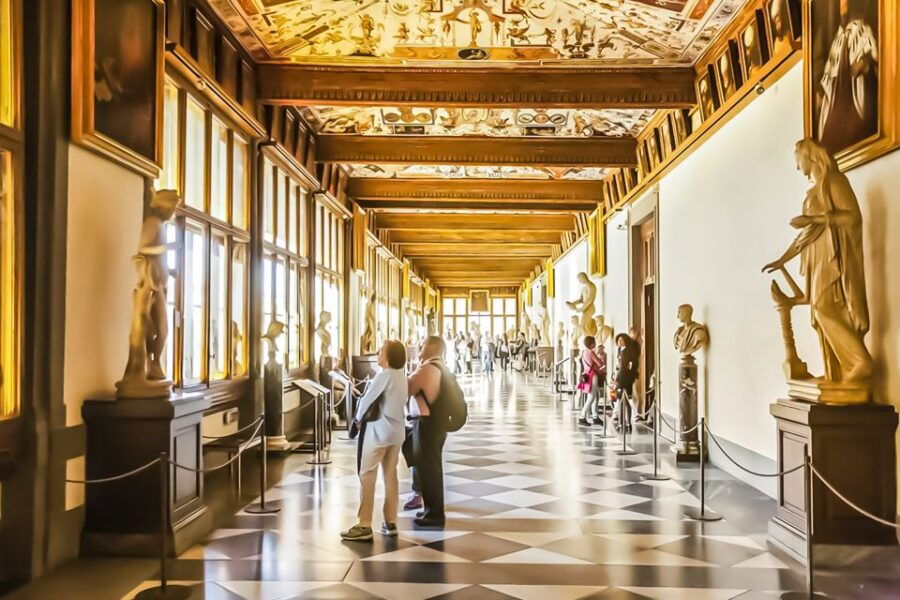
This is the workhorse. If you’ve already done your reading or you’re confident wandering on instinct, our full review of the Skip-the-Line Timed Entrance ticket walks through what to expect at the door. It’s the most-booked Uffizi ticket on the market by a wide margin, and the only real catch is that you need to arrive within 15 minutes of your slot or you forfeit entry.
2. Uffizi Priority Ticket + Masterpieces Audio App: $31
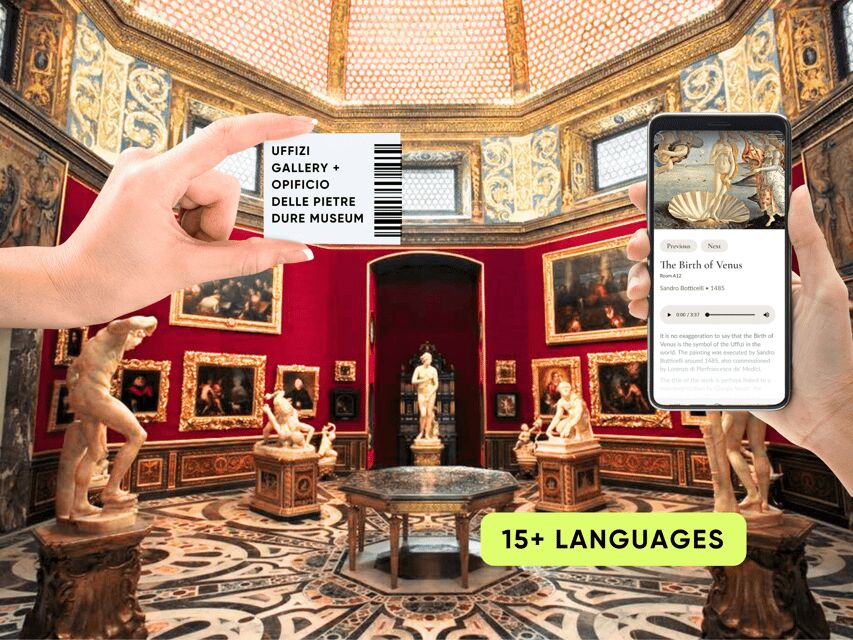
For one extra dollar you get a self-paced audio tour built by art historians, which is a genuine steal. As I cover in our review of the Priority Ticket and Audio App, the recordings focus on roughly thirty key works rather than trying to cover everything. That’s a feature, not a bug. The Uffizi has 1,500+ pieces on display and trying to “do” all of it is a fast track to a headache.
3. Renaissance Masterpieces Guided Tour: $88
If it’s your first visit and you have any interest in the art rather than just seeing the building, take the guided option. Our review of the Renaissance Masterpieces guided tour explains why a 90-minute walk-through with someone who knows what they’re looking at beats two and a half hours of solo confusion. I’ve done both. The guided version is the one I’d repeat.
If those don’t quite fit, the small-group Uffizi tour is a halfway option (cheaper than private, more intimate than 25-person groups), and there’s also an alternative small-group option with a guide that runs slightly different times. Either is solid. For a combined ticket that pairs the Uffizi with the Accademia, the Uffizi + Accademia hidden highlights walking tour is the one I’d point you to. Half-day, both museums, one ticket. Saves a booking headache.
The Five Most Famous Pieces (And Where to Find Them)
The Uffizi is genuinely huge and you will not see everything. I’d stop trying. Pick the works you actually want to stand in front of, walk straight to them, then wander on instinct from there.
The five that almost everyone wants to see:
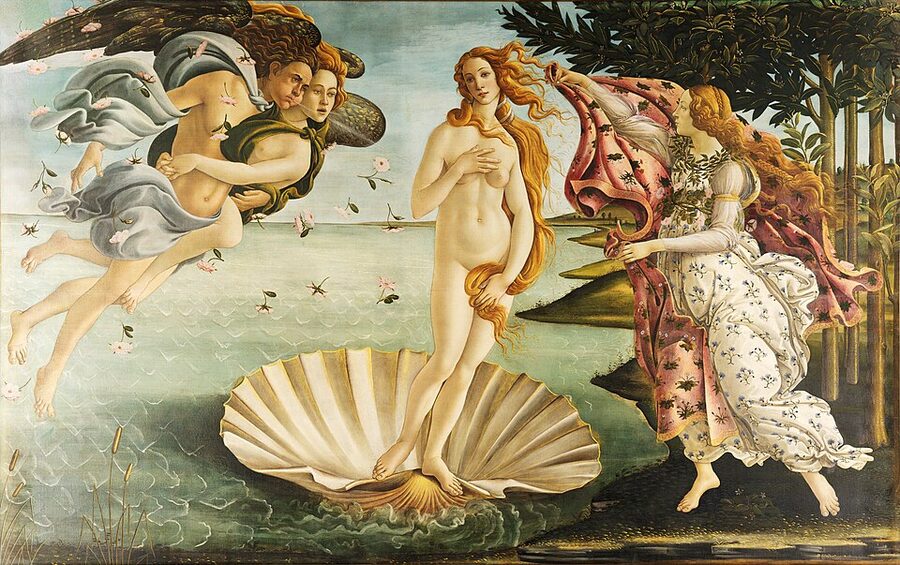
- The Birth of Venus, Botticelli (Room 10-14). Bigger than people expect. About 1.7 by 2.8 metres. Stand back to take it in properly.
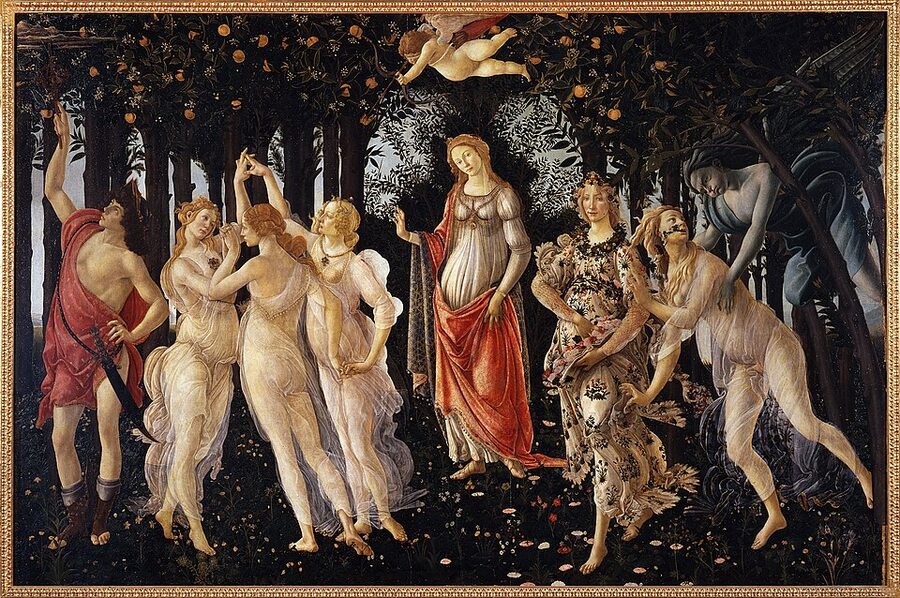
- Primavera, Botticelli (also Room 10-14). Often overlooked because it’s next to Venus. Don’t make that mistake. The Three Graces alone are worth the visit.
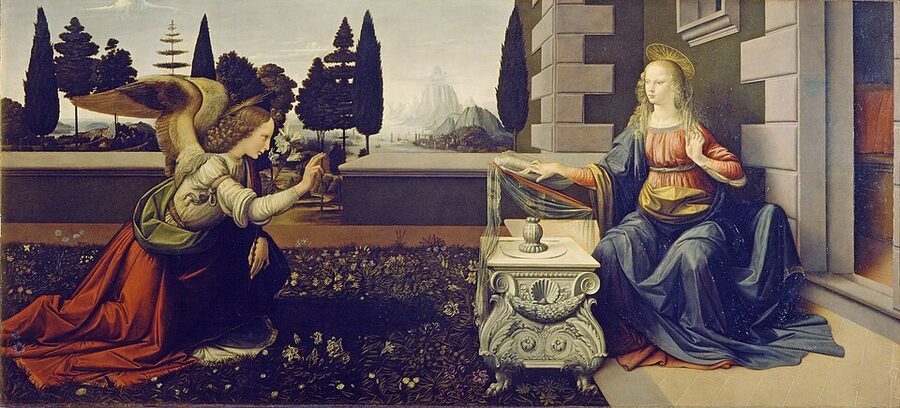
- The Annunciation, Leonardo da Vinci (Room 35). Painted when he was around twenty. The depth perspective on the angel’s wings is the giveaway that you’re looking at someone who would later paint the Mona Lisa.
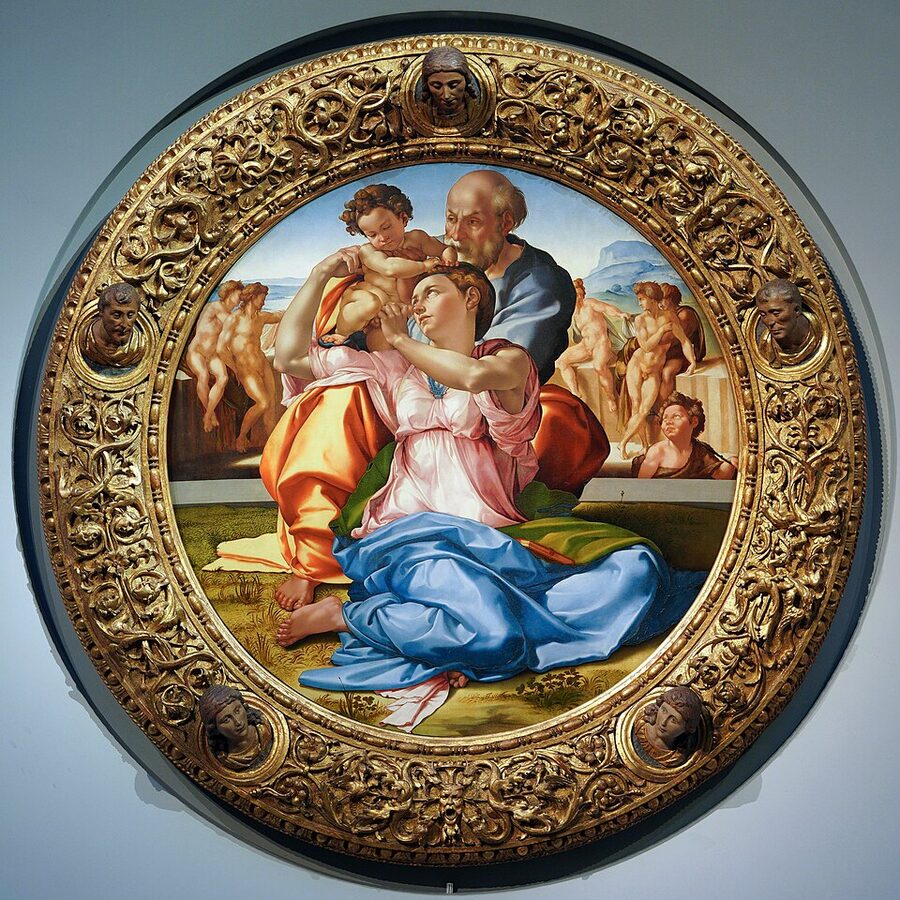
- Doni Tondo, Michelangelo (Room 41). The only finished panel painting Michelangelo ever did. The frame is original and arguably as impressive as the painting.
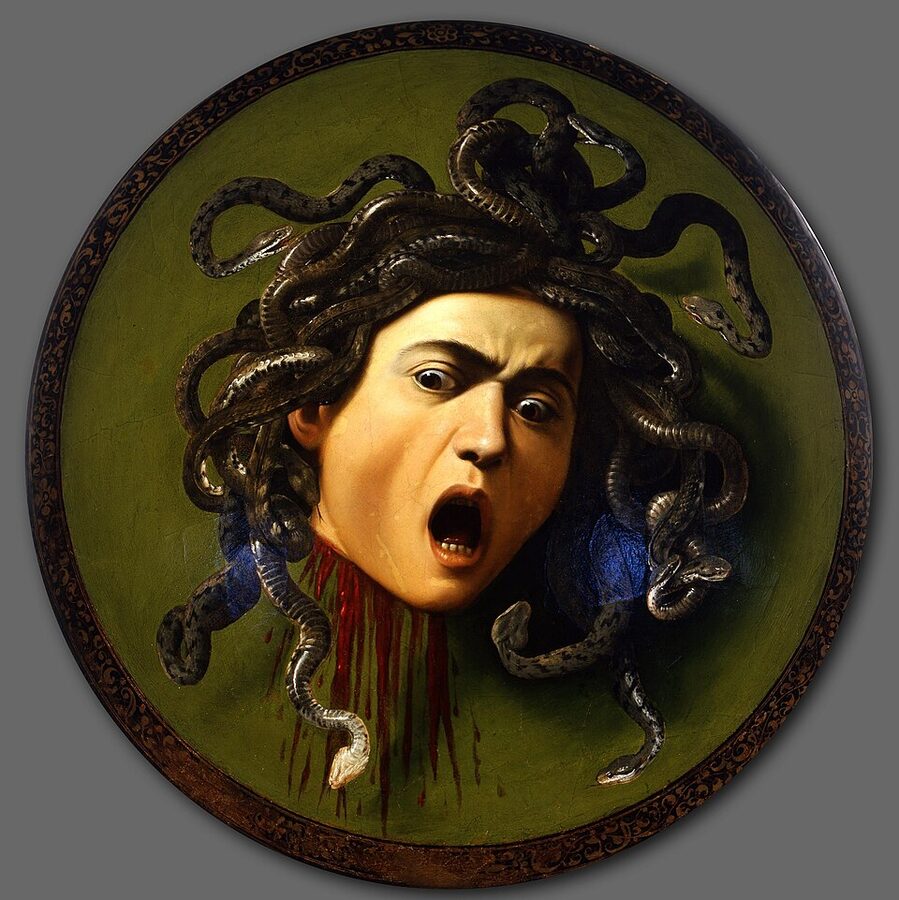
- The Medusa, Caravaggio (Room 90). Painted on a circular shield. Smaller than expected, but the way the light hits the snakes is haunting in person.
The “I’m here for the building too” route
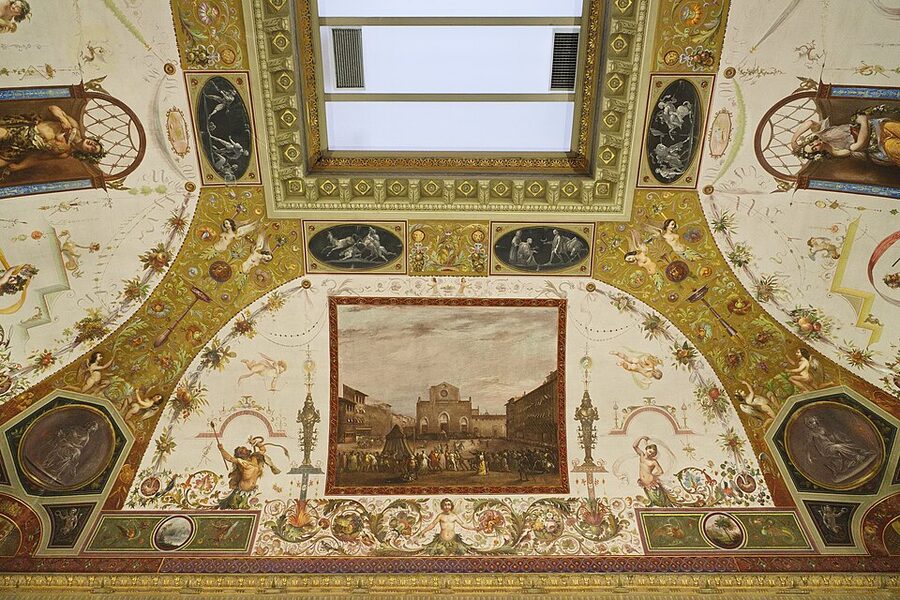
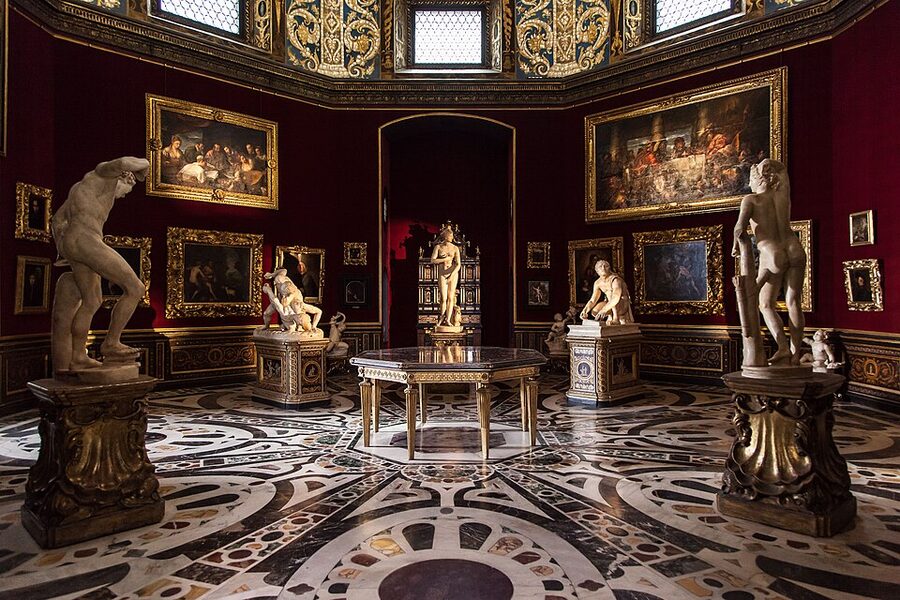
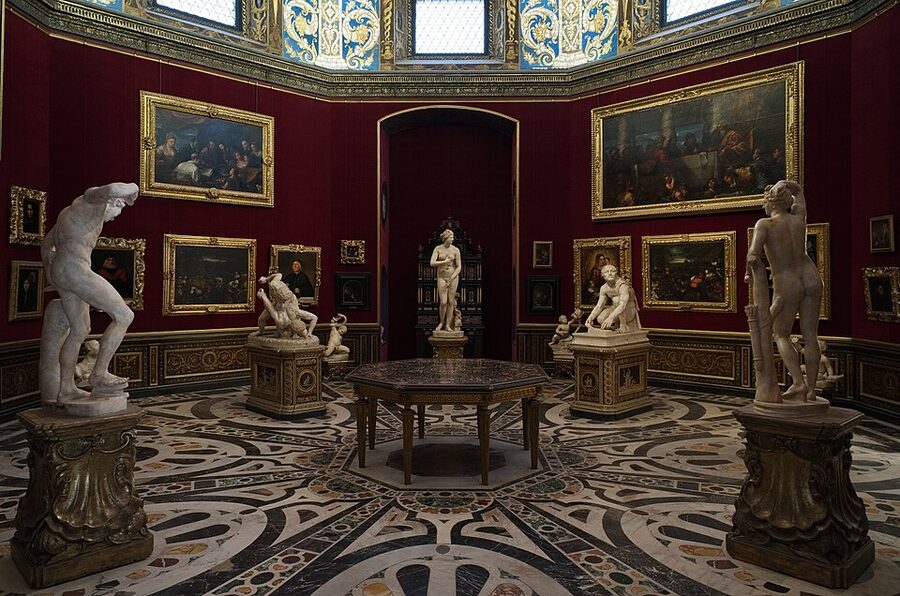
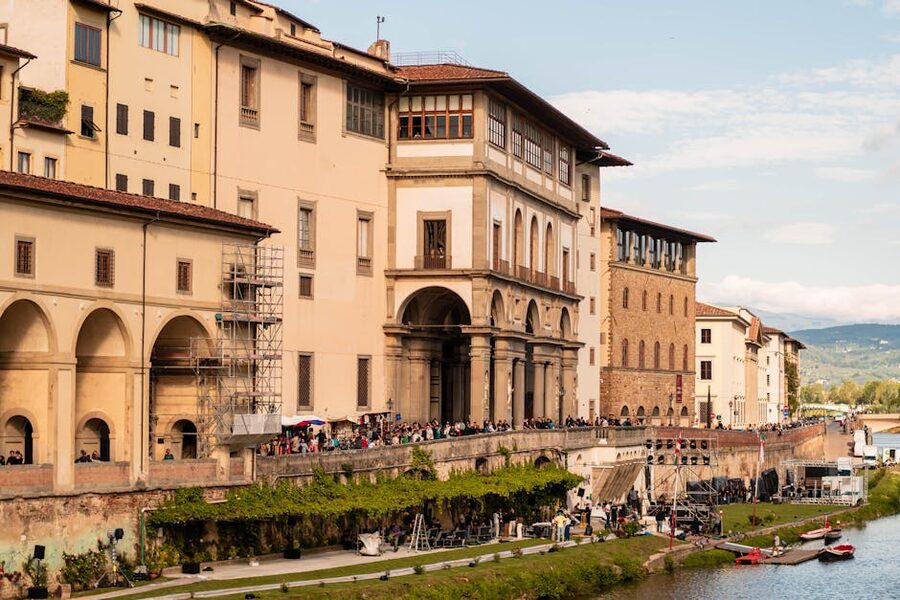
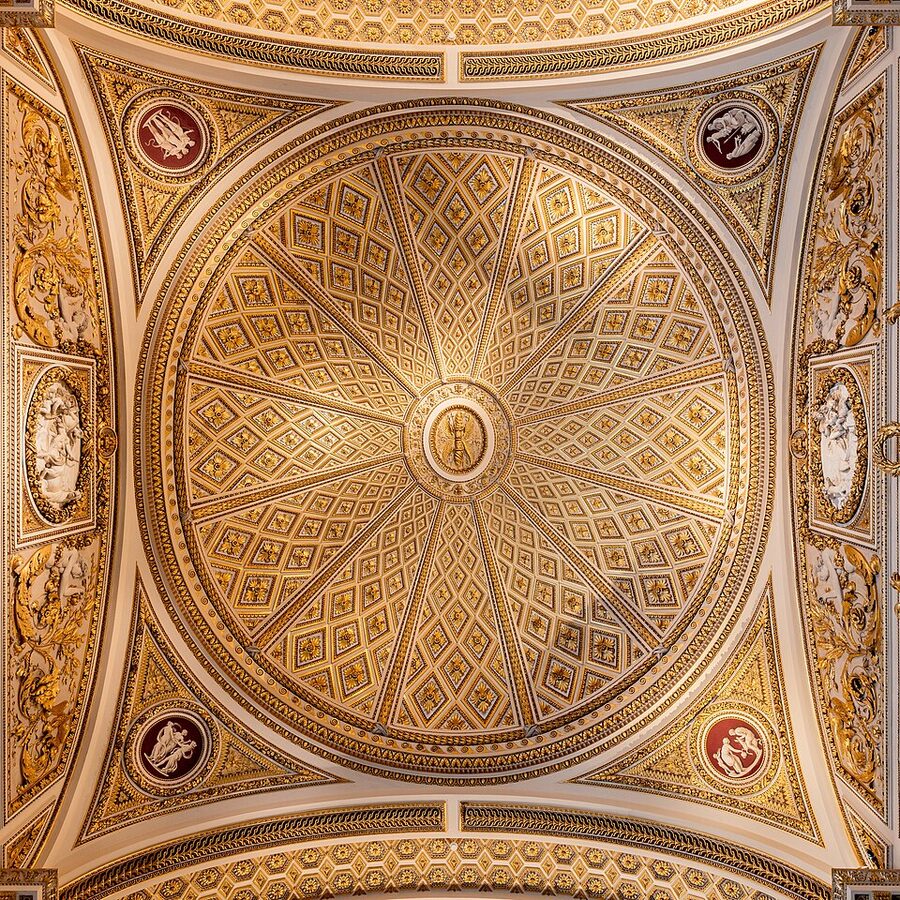
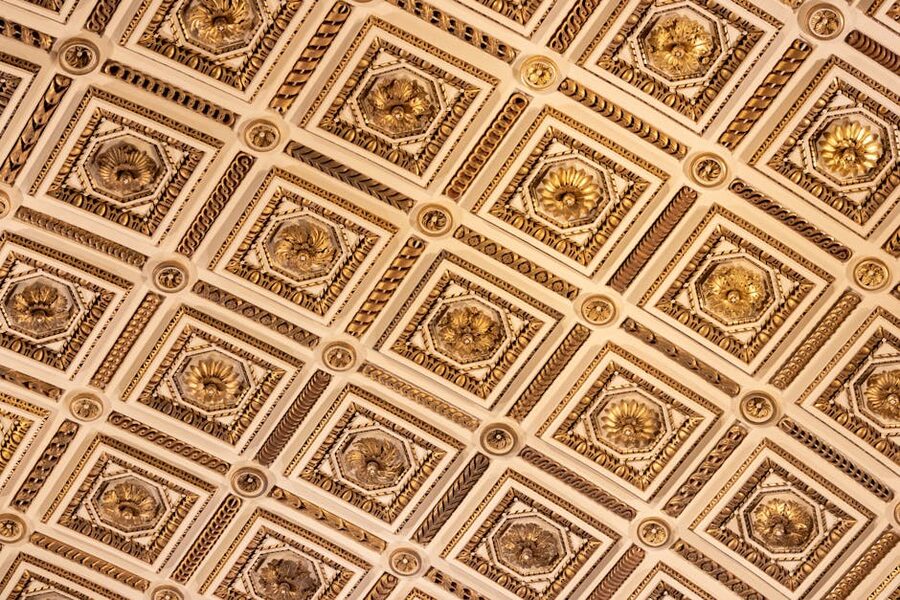
Most visitors stare at paintings the whole way through. The architecture is a separate, equally good show. The grotesque-style ceiling decorations along the long corridor were painted between 1581 and 1588. The Tribuna, the octagonal jewel-box room with the red velvet walls, is a complete masterwork on its own. Cosimo I built it to display the Medici’s most prized smaller works, and the inlaid floor cost roughly the same as the artworks displayed in it.
The Vasari Corridor (Newly Reopened)
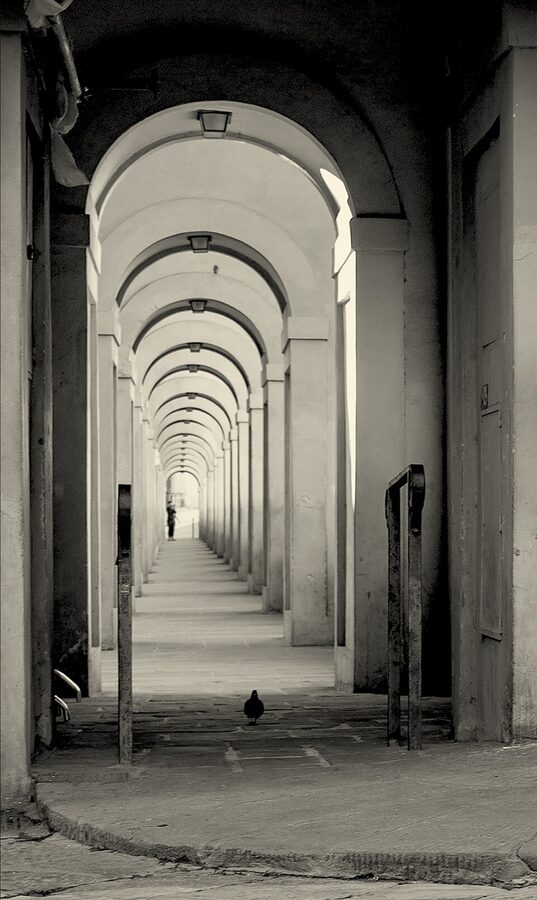
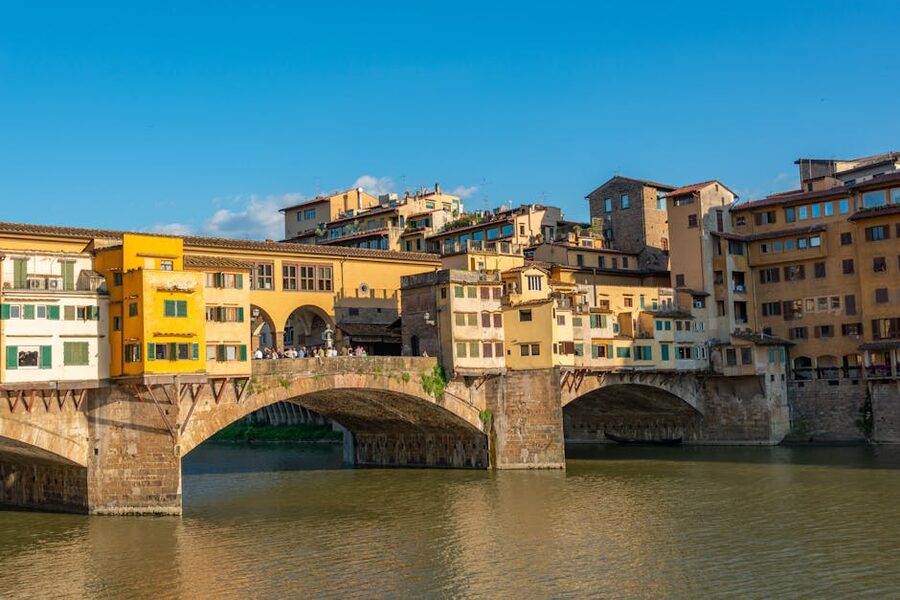
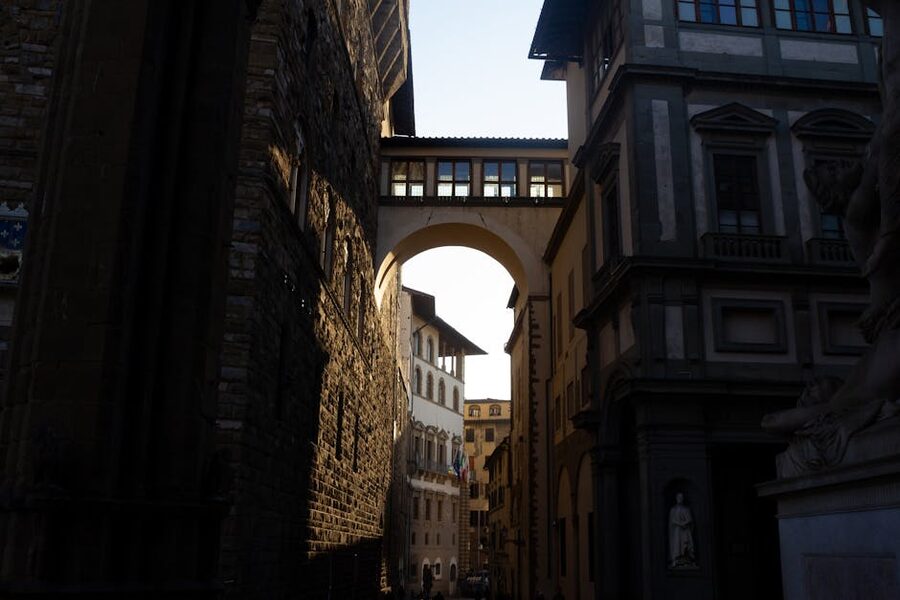
This is genuinely new news. The Vasari Corridor reopened to the public in December 2024 after eight years closed for restoration. Vasari built it in 1565 in five months flat as a private raised walkway so the Medici could move from the Uffizi to the Pitti Palace without ever stepping into the street. It runs about a kilometre, crosses the Arno on top of the Ponte Vecchio, and gives you views nobody else gets.
The corridor is included in the upgraded Uffizi ticket (€58 instead of €25), but capacity is tight. Numbers are limited per slot and you have to book a specific corridor entry time when you book your gallery ticket. As of writing, English-language slots fill out about a month ahead in summer.
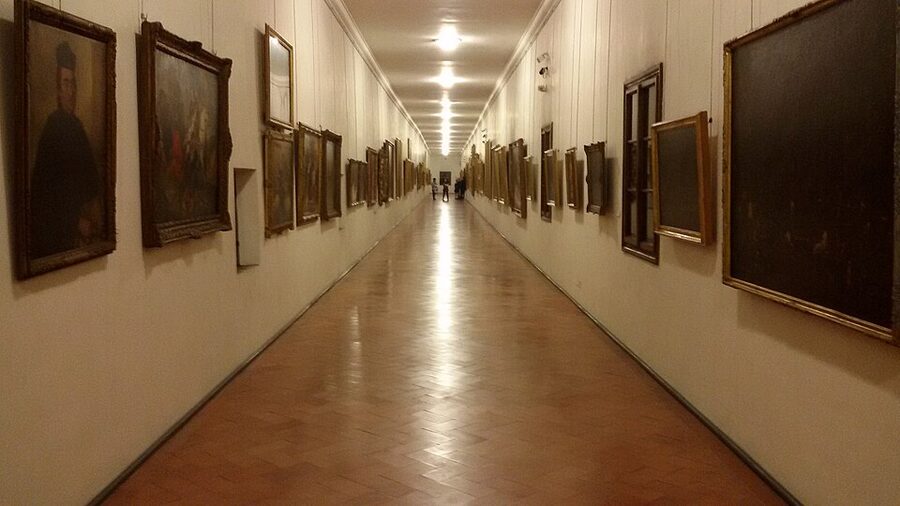
Worth knowing: the artwork that used to line the corridor (the famous self-portrait collection) has been moved out for conservation. What you walk through now is largely empty white walls. People expecting a second gallery have been disappointed. People who go in expecting a Renaissance secret passageway with bird’s-eye views of Florence are quietly delighted. Manage expectations and you’ll love it.
Vasari was the same architect responsible for laying out the Uffizi itself, and the corridor is technically part of the same building complex. If the dome-climb side of Florence’s architecture is also on your list, our Duomo and dome climb guide covers Brunelleschi’s dome, which dominates the view from the corridor’s western windows.
When to Visit (Hour by Hour)
The Uffizi opens at 8:15am Tuesday through Sunday. Closed Mondays. Last entry is 6:05pm and the gallery closes at 6:30pm.
Time of day matters more than time of year. Here’s what I’ve actually observed:
- 8:15-9:30am. The golden window. Group tours don’t start until around 9:30. The Botticelli rooms are calm. You can stand in front of Venus without elbowing.
- 9:30-11:30am. The first wave. Group tours, day-trippers from Rome and Pisa, school groups. Avoid if you have any choice.
- 11:30am-2pm. Surprisingly fine. Most groups have moved on to lunch.
- 2-4pm. Wave two. Cruise excursions hit around now.
- 4-6pm. The second-best window. Tour groups are leaving, the light through the corridor windows is glorious, and you can actually breathe in the Tribuna.
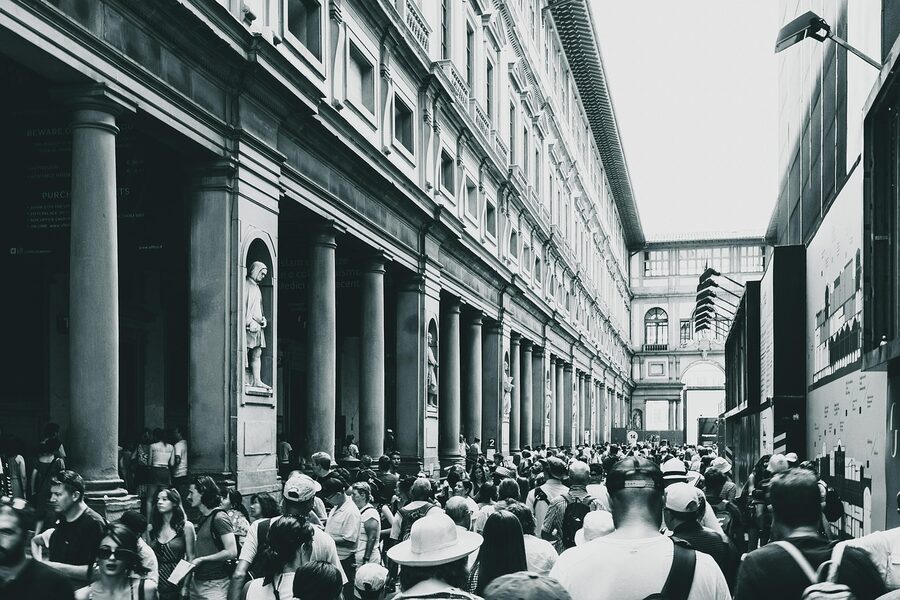
If you’re squeezing the Uffizi into a one-day Florence visit alongside the Duomo and Accademia, our guide to booking Michelangelo’s David at the Accademia covers timing the two together. They’re a 10-minute walk apart. Most people do David first (it’s smaller, faster) then walk over to the Uffizi for a longer afternoon stretch.
Months and Seasons
April through October is high season and weekends sell out. Christmas through mid-March is genuinely quieter, though Florence in January can be cold and grey. May and September are my picks. Warm enough to enjoy walking from the Duomo down to the Arno, not so warm that the gallery turns into a sweat box (it’s not particularly air-conditioned, by Italian standards).
Free admission days exist on the first Sunday of each month from October through March. Skip them. The crowds are unbearable, you can’t pre-book, and the lines start before 7am. Save €25 in winter and lose half a day. Not a fair trade.
Audio Guide vs Live Guide vs Going Solo
This is the question that comes up most. The real answer depends on whether you actually like art, or you’re going because everyone says you should.
If you genuinely care about Renaissance art: Live guide, every time. The 90-minute small-group tour is the format I’d pick. You’ll come out understanding the Florentine school, why Botticelli matters, and what you’re looking at when you see a Mannerist piece. €70-80 for that education is a bargain.
If you’re “doing” the Uffizi as part of a Florence trip and want some context: The Masterpieces Audio App is plenty. Self-paced, built around about thirty key works, runs on your phone. You skip what bores you, linger on what doesn’t. There’s a slightly different digital audio guide version if you want the same idea at a slightly lower price.
If you’ve already studied this stuff and arrive prepared: Solo with a printed list. The Uffizi’s official site has the room layouts. Print before you go, draw your own circuit, and don’t bother with audio. You’ll be the most relaxed person in the building.
One option I’d avoid: the “rented audio guide” headset you can pick up at the door. It’s €7, the script is dry, and the device adds time at both ends because you have to queue to collect and queue to return. The free Uffizi app on your own phone is better for the same money saved.
What to Skip, What to Slow Down For
The Uffizi has a hundred-something rooms. You will hit a wall around the seventy-fifth one. Plan accordingly.
What I’d slow down for:
- Rooms 10-14 (Botticelli). Self-explanatory.
- Room 35 (Leonardo). Three works including the Annunciation. Stay long enough to spot the gradient on the wings.
- Room 41 (Michelangelo’s Doni Tondo and the Raphaels). The Holy Family and Pope Leo X share a room. Easy to miss because everyone’s already tired by here.
- Room 65-66 (Raphael’s later works). Quieter, less photographed, often half-empty.
- Room 90 (Caravaggio). The Medusa and Bacchus. Even people who claim not to like religious art tend to slow down here.
What I’d happily skim:
- The early Florentine 14th-century rooms unless you’ve prepared for them. Beautiful but heavy on gold-leaf altarpieces that blur together.
- The German Renaissance rooms unless you’re a Dürer person.
- The 17th and 18th-century rooms in the new wing. Genuinely interesting but the museum-fatigue threshold has usually hit by then.
Eating, Resting, and the Rooftop
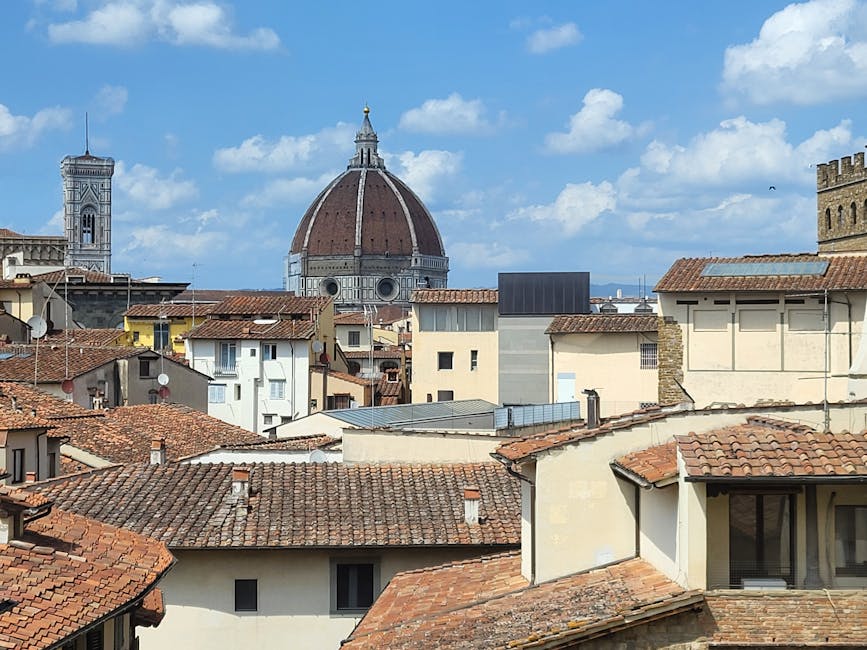
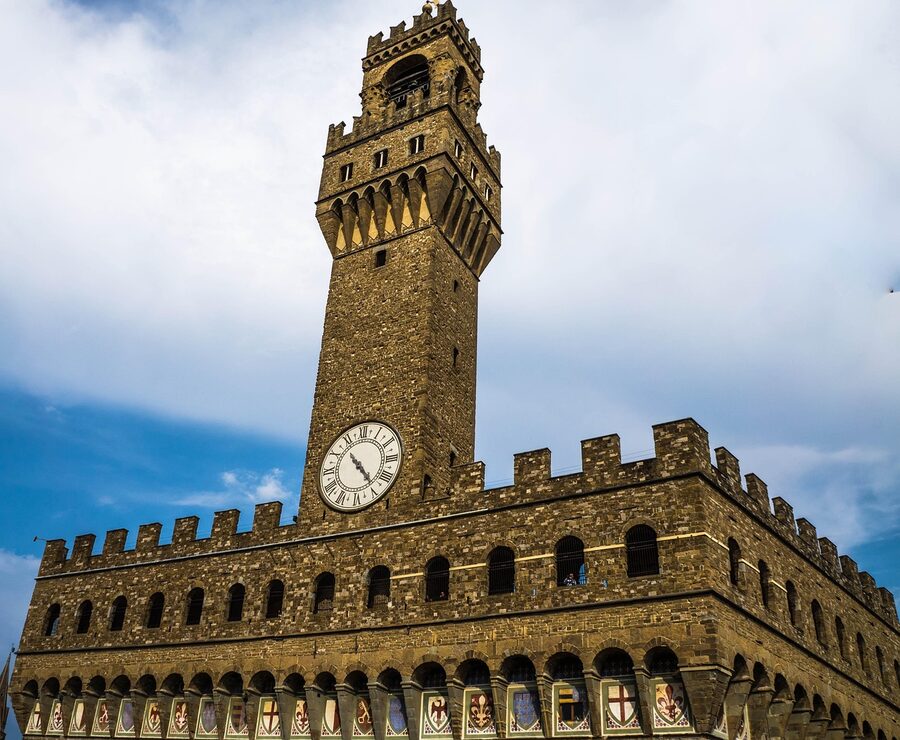
There’s a café on the rooftop terrace, third floor, signed in the latter part of the gallery. Reachable without leaving the building. Coffee is overpriced (€4.50 espresso, €7 cappuccino), the views over the Duomo and Palazzo Vecchio rooftops are not. Use it as a 20-minute reset halfway through your visit and you’ll last another hour easily.
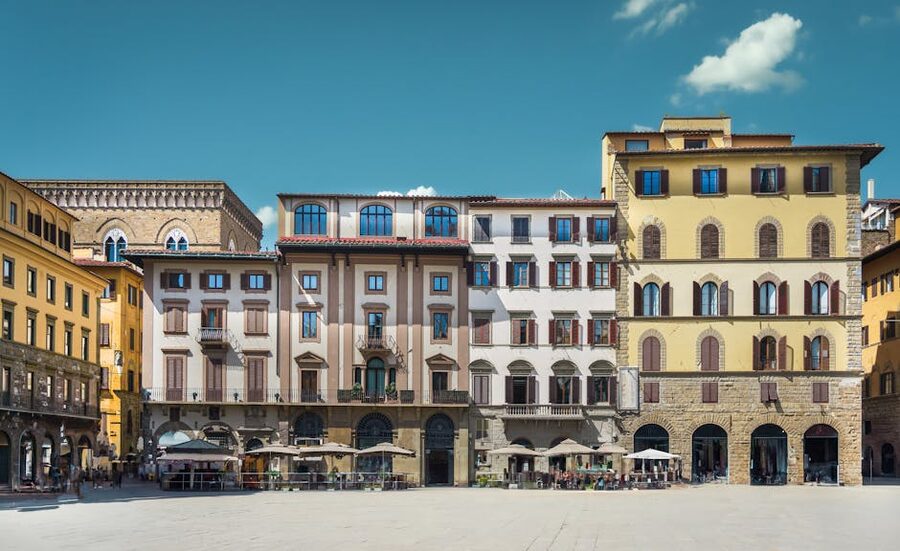
For lunch outside the gallery, the Mercato Centrale food hall is a 12-minute walk north. Fresh pasta, panini, gelato. Reasonable prices. Most of the restaurants directly around Piazza della Signoria are tourist traps with €18 carbonara that arrives lukewarm. Walk three blocks in any direction first.
If your Florence day is the back end of a Rome trip and you’re already weighing private versus group tour formats, our Rome private tour booking guide walks through the price structure for that style. The same logic applies to Florence private guides if you want one for the Uffizi: the per-person cost only makes sense above three or four travellers.
Combining the Uffizi With the Rest of Florence
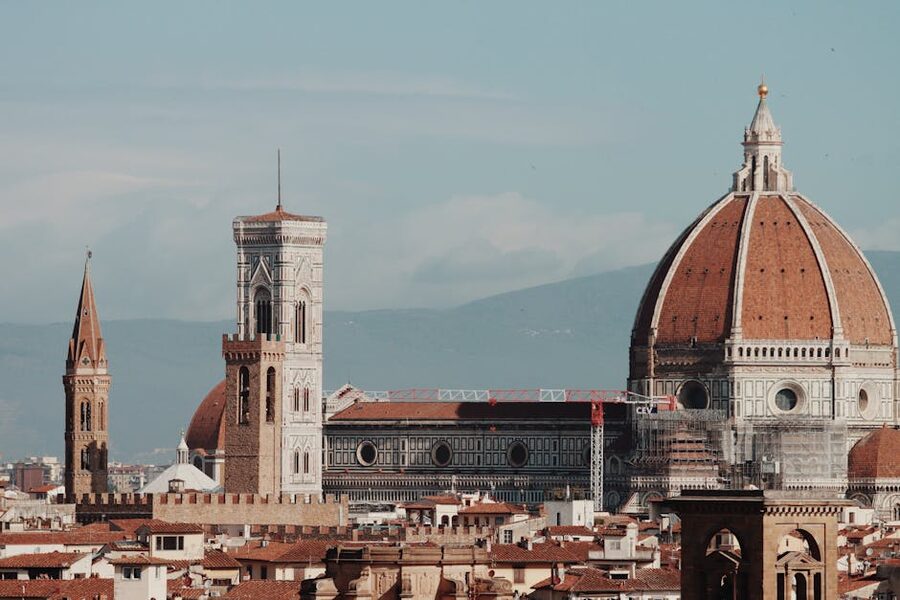
Most people try to fit too much into a Florence day. The Uffizi takes 2 to 3 hours done well, the Accademia for David takes 30-60 minutes, the Duomo cluster takes 2-3 hours, and you cannot do all three thoroughly in a single day. You can do two.
If you have one full day in Florence and the Uffizi is the priority, my pairing would be:
- Morning: Uffizi at the 8:15am opening slot. Out by 11.
- Lunch: Walk to Mercato Centrale or grab something around San Lorenzo.
- Afternoon: Either the Accademia for David (book a 2pm slot ahead of time) or the Duomo cluster, depending on your interests. Our Duomo and dome climb guide has the timing for that route.
If you have two days, split the cluster: Uffizi + Vasari Corridor on day one, Accademia plus the Duomo cluster on day two. That’s a much more humane pace and you’ll actually remember what you saw.
Practical Stuff Most Guides Skip
Bag policy. Backpacks larger than a small daypack go in the cloakroom. Free, mandatory, and the cloakroom queue can add 15 minutes if you arrive at peak. Travel light or arrive with just a small shoulder bag.
Photos. Allowed without flash and without a tripod. You will see selfie sticks despite the rules; the wardens generally let it slide unless you’re being a nuisance.
Tickets on a phone. Yes, your e-ticket on screen is fine. Print only if your battery anxiety is high.
Children. Free under 18 with ID, but they need their own ticket, even if it’s free. Don’t show up without booking the kids’ tickets too. Strollers are allowed; restrictive on the upper-floor narrow corridors but workable.
Accessibility. Lifts go to all floors. Wheelchair access is good throughout the main gallery. The Vasari Corridor is partially accessible but has steps in the older sections; check ahead if this matters.
Cancellation. Official tickets are non-refundable. GetYourGuide tickets are usually fully refundable up to 24 hours before. If your trip is uncertain, the small price premium for a flexible third-party ticket is worth paying.
Last Thoughts on Picking Your Ticket
If you’re doing this trip on a budget and you’ve read up on Renaissance art, the timed-entrance ticket is plenty. Add the audio app for an extra dollar; it’s the easy upgrade.
If you’re going in cold and you only get one shot at Florence, take the guided tour. The 90-minute version with a small group is the sweet spot. You skip the entry queue, you have someone explaining what you’re seeing, and the time pressure stops you over-fatiguing in the early rooms and missing the highlights in the later ones.
If you’re trying to do Uffizi + Pitti + Boboli over a longer Florence stay, the PassePartout pass is your friend. For a single museum visit it’s overkill.
And if you can swing the Vasari Corridor add-on, do it. It’s the rarest experience the Uffizi offers right now, and the novelty alone justifies the price difference. The Medici walked it for two centuries and it sat closed to the public for almost a decade. That kind of access doesn’t always last.
Pairing the Uffizi With the Rest of Italy
Most readers I hear from are slotting the Uffizi into a longer Italy trip with Rome on the front end. If that’s you, the Vatican Museums and Sistine Chapel guide and the Colosseum and Roman Forum guide are the two I’d read next. They cover Rome’s two big ticket headaches the same way this guide handles the Uffizi’s. For Florence itself, your full Renaissance trio comes together when you pair this with Michelangelo’s David at the Accademia.