
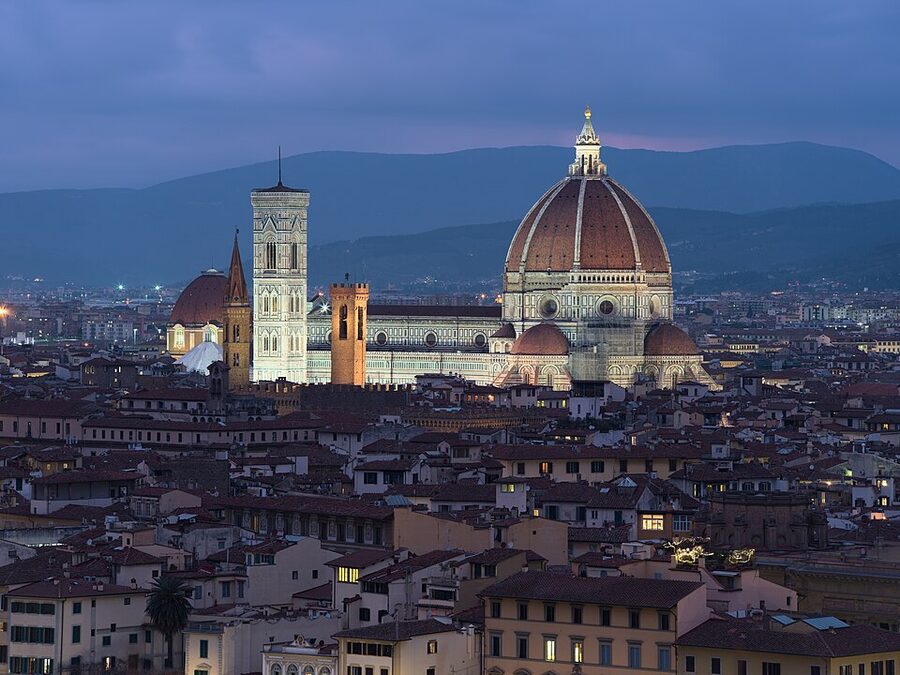
Four hundred and sixty-three steps. A narrow stone passage between two domes that gets tighter the higher you go. Then you push through the last doorway and the whole of Florence opens up below: terracotta rooftops, the Arno snaking through the city, the Tuscan hills at the edge of everything. That’s the payoff for climbing Brunelleschi’s dome, and it is genuinely worth the burn in your calves.
The Florence Duomo isn’t one ticket. It’s a complex of five monuments around Piazza del Duomo, and figuring out which combination you actually need is half the battle. This guide walks through what’s worth booking, what to skip, and how to time your visit so you don’t waste the better part of a day waiting in line.
In a Hurry? My Top Picks
- Best overall, the full pass: Cathedral & Brunelleschi’s Dome Ticket with Audio App ($70). The 3-day pass that covers everything, plus a reserved Dome climb slot.
- Just want to climb the dome: Brunelleschi’s Dome Climb Entry Ticket ($53). Skip-the-line dome access plus the rest of the complex over 3 days.
- Cheap, guided, no climbing: Duomo Guided Tour ($25). Best value if you want context without the steps.
- In a Hurry? My Top Picks
- What’s Actually Inside the Duomo Complex
- Tickets and How to Buy Them
- Where to Click for Each Monument
- Climbing Brunelleschi’s Dome: What It’s Actually Like
- Practical Climb Tips
- The Best Florence Duomo Tickets and Tours to Book
- 1. Cathedral & Brunelleschi’s Dome Ticket with Audio App:
- 2. Brunelleschi’s Dome Climb Entry Ticket & Duomo:
- 3. Florence Duomo Guided Tour with Optional Dome Climb:
- Giotto’s Bell Tower vs The Dome: Which Climb to Pick
- The Baptistery and the Gates of Paradise
- A Quick History You Might Actually Want to Know
- How Long to Spend at the Duomo Complex
- Best Time of Day and Year to Visit
- What to Eat Before or After
- Combining the Duomo with Other Florence Sights
- Common Mistakes to Avoid
- Getting to Piazza del Duomo
- If You’re Building a Wider Italy Trip
- Florence Without the Climb
- More Italy Guides Worth Reading Next
What’s Actually Inside the Duomo Complex
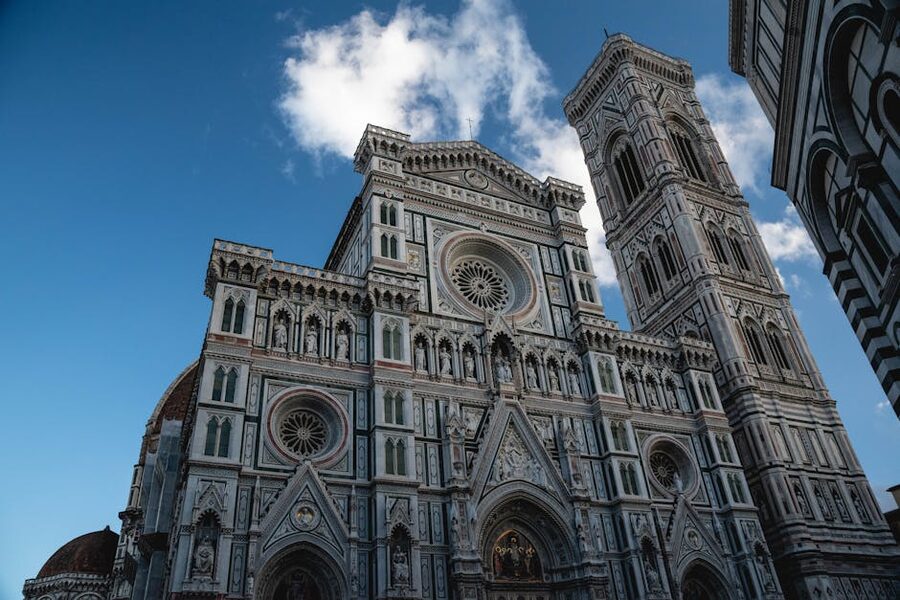
Five monuments, one square. The cathedral itself, Brunelleschi’s dome, Giotto’s bell tower, the Baptistery of San Giovanni, and the Opera del Duomo museum. They each have their own entrance, their own queue, and their own ticket combination. The cathedral nave is the only free part. Everything else needs a pass.
The complex sells three official passes through the Opera del Duomo website: the Ghiberti Pass, the Giotto Pass, and the Brunelleschi Pass. Each one is valid for three days from your first entry, which is generous. The names are confusing on purpose, I think. Here’s what each actually includes:
- Ghiberti Pass: Cathedral, Baptistery, Opera del Duomo museum, Santa Reparata crypt. No climbing of any tower or dome. Cheapest option.
- Giotto Pass: Everything in the Ghiberti, plus the Giotto bell tower climb (414 steps, no reservation needed within your 3 days).
- Brunelleschi Pass: Everything above, plus the dome climb. This is the one most travellers want because the dome is the headline attraction, but it’s also the one that books out first.
The dome climb is the only part of the complex that requires a specific timed entry slot, even if you have the pass. You pick your time when you book. Skip that step and you’ll show up holding a ticket you can’t actually use that day.
Tickets and How to Buy Them
Two ways to buy: through the official Opera del Duomo site, or via a third-party reseller like GetYourGuide. The official site is sometimes cheaper by a euro or two and gives you direct access to all three passes. Resellers bundle in extras like an audio app or a guided tour for a small markup, and they’re usually faster to book on mobile.
Either way, do not turn up without a ticket. The cathedral is technically free to enter but the queue snakes around the piazza for an hour or more in summer. The dome climb without a reserved slot is impossible, full stop. There is no walk-up door for that one.
Standard Brunelleschi Pass pricing is around 30 EUR through the official site for the bare ticket. The bundled tickets I’m recommending below add an audio guide, sometimes a guided cathedral tour, and the convenience of one booking confirmation that covers everything. For a first visit those are worth the small markup. Repeat visitors who already know the cathedral might be better off with a stripped-down dome-only ticket from Opera del Duomo.
Where to Click for Each Monument
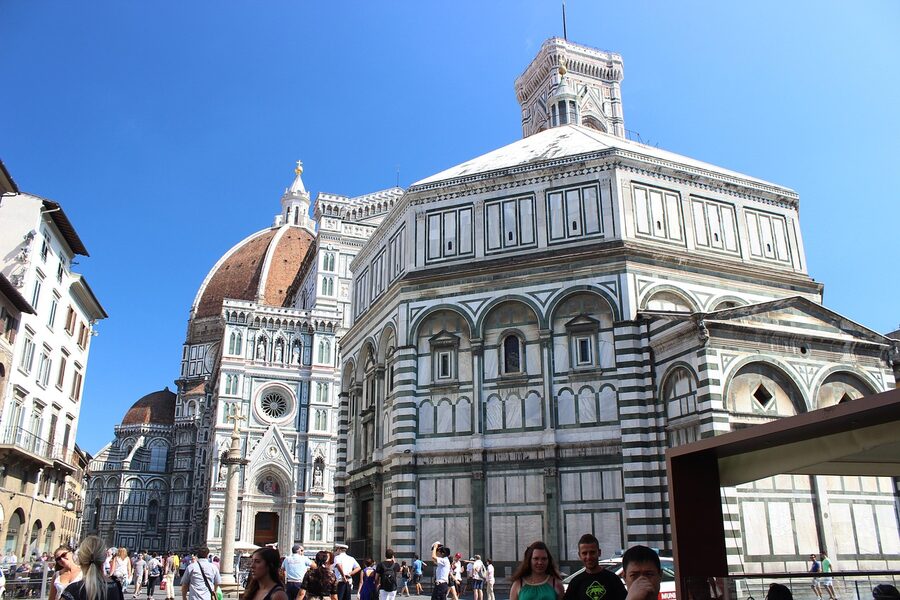
This is the part most guides skim over. The dome and the bell tower share Piazza del Duomo but have different entry points. The dome entrance is on the north side of the cathedral (Porta della Mandorla). The bell tower entrance is at the western base of the campanile, facing the cathedral facade. The Baptistery is the octagonal building directly across from the cathedral’s main door, and you queue from the north side near the Gates of Paradise. The Opera del Duomo museum is two minutes’ walk east, on Piazza del Duomo 9.
Knowing the exact doors saves about 20 minutes of confusion. I’ve watched groups walk laps of the piazza looking for the wrong entrance more than once.
Climbing Brunelleschi’s Dome: What It’s Actually Like
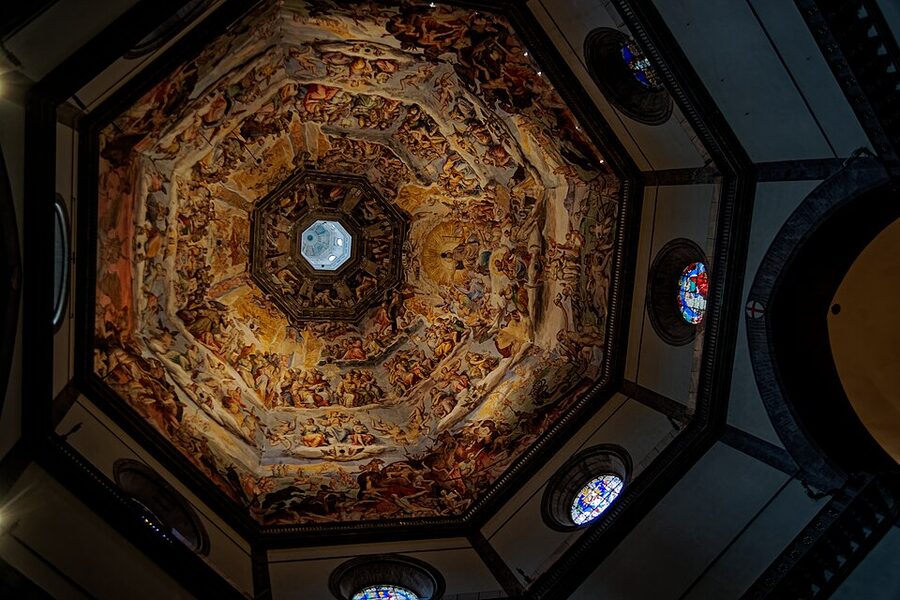
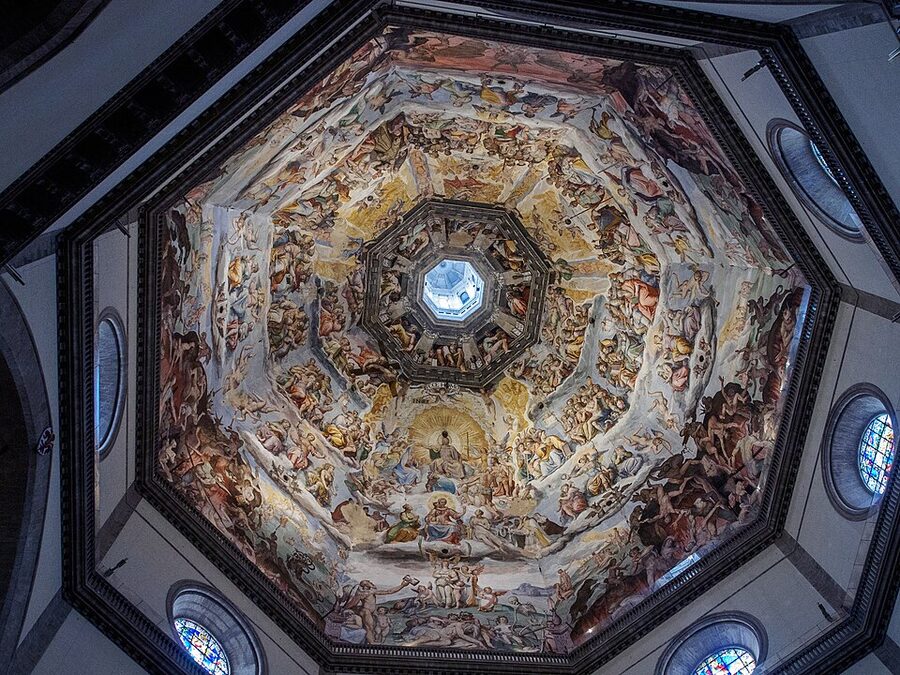
The climb is 463 steps, no lift, no rest stops. The first stretch is fairly normal stairs. Then you enter the gap between the inner and outer dome shells, and the path tilts inward as the dome curves. About halfway up, the route opens onto a circular walkway that runs around the base of the lantern. From there you look down at the cathedral floor 50 metres below, and up at the frescoes maybe 10 metres overhead. Most people stop and stare for a few minutes here. There’s a railing but the drop is honest, and if you don’t like heights this is where you’ll feel it.
From the walkway up is the squeeze. The path narrows to about shoulder-width and follows the curve between the two domes. You’ll be leaning sideways for the last 100 steps. People with claustrophobia will want to know this in advance. It’s not a long stretch but it is genuinely tight, and you cannot turn around because the route is one-way at busier times.
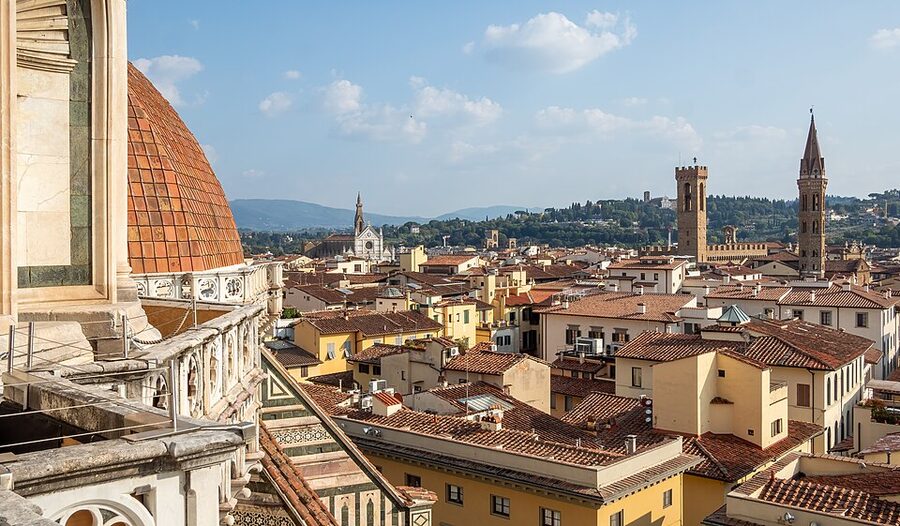
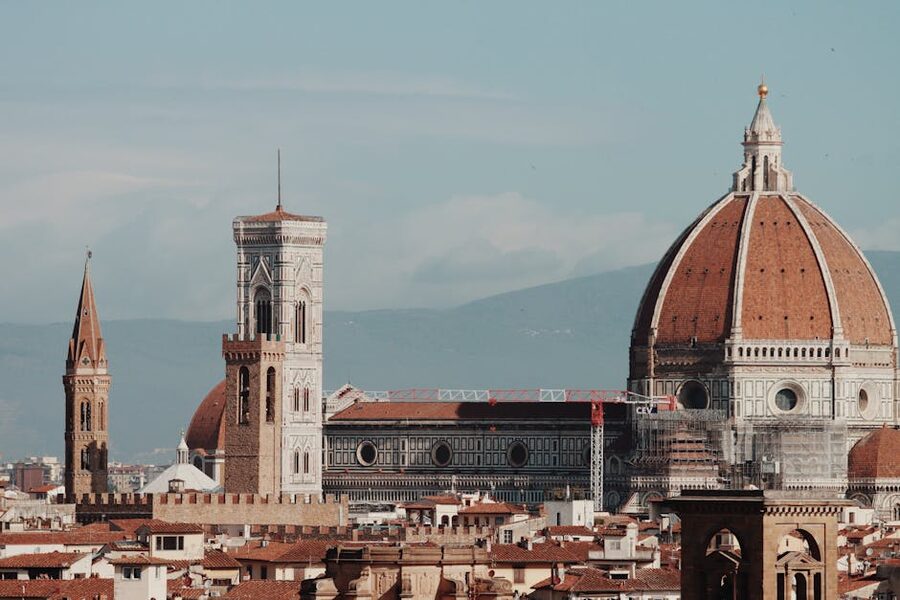
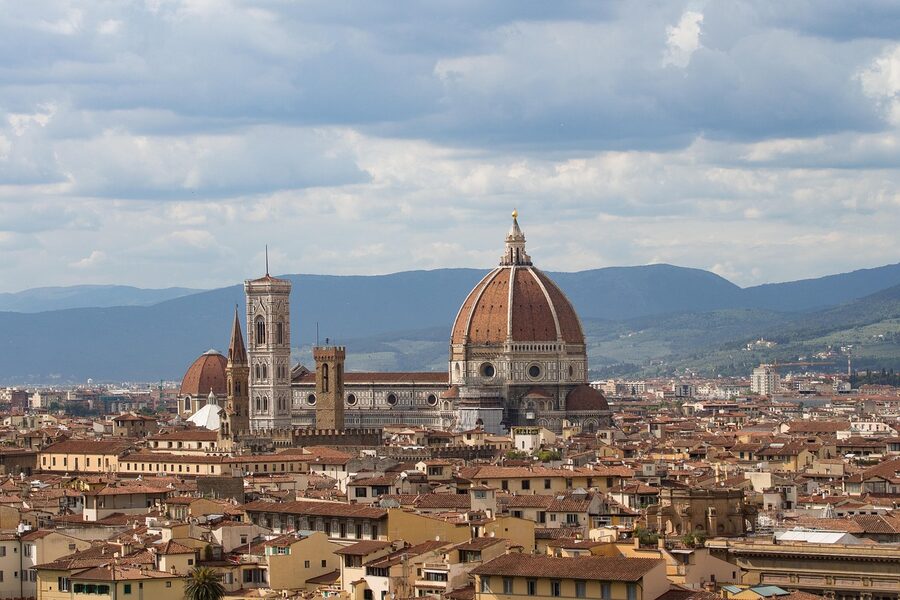
The lantern at the top opens onto a small viewing platform with chest-high stone walls. Florence stretches out below: the Arno, Santa Croce in one direction, the Boboli Gardens and Pitti Palace across the river, the Tuscan hills behind. On a clear day you can see Fiesole and the villa-dotted slopes north of the city. Most people stay 10 to 15 minutes. The platform isn’t huge so it gets crowded at peak times, but it isn’t a turnstile.
Practical Climb Tips
A few things I wish I’d known before my first climb:
- Book the earliest morning slot. 8:15am or 8:30am if you can get it. The light is better, the cathedral is empty, and you’ll have the lantern to yourself for a few minutes.
- Trainers, not sandals. The stone is worn smooth and slick after centuries of feet, and there’s one stretch of metal grille you definitely don’t want sandals for.
- No big bags. They’ll make you check anything bigger than a small daypack at the dome entrance, and the locker queue can add 15 minutes.
- Don’t climb the bell tower the same day. The combined ascent is 877 steps. Your knees will not forgive you. Spread it across two days within your 3-day pass.
- Skip the climb in July and August if you can. The space between the domes acts like an oven and gets brutal by mid-morning. Spring and autumn are the sweet spot.
The Best Florence Duomo Tickets and Tours to Book
Three picks across the price range, all from our reviewed tour database. The first is the bundle most first-time visitors want. The second is the dome-focused option for people who already plan a longer Florence trip. The third is the budget guided pick if you want a real human walking you through the cathedral but don’t care about climbing.
1. Cathedral & Brunelleschi’s Dome Ticket with Audio App: $70
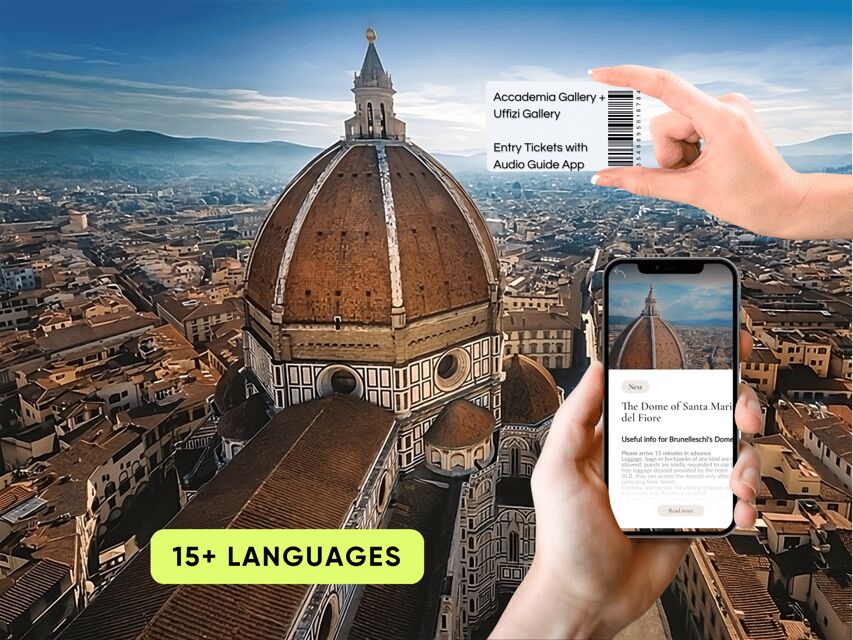
This is the option I’d pick if I had a friend asking me what to book. It’s the full Brunelleschi Pass with skip-the-line entry to the cathedral, a reserved dome climb slot, and an audio app you load on your phone before the visit. Our full review goes into the audio guide quality and what the 3-day window actually means in practice. The price is fair for what you get: priority access plus context, no extra booking steps.
2. Brunelleschi’s Dome Climb Entry Ticket & Duomo: $53
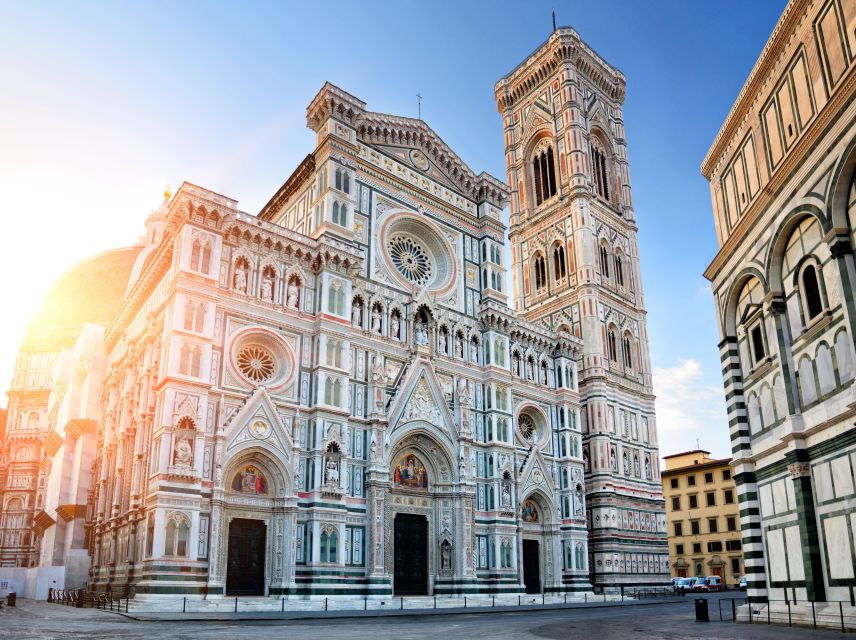
If you’re flying into Florence already knowing your art history, this is the better-value pick. Our review of this dome climb ticket covers the timing logistics and how the rest of the complex slots in. Same access to the dome, same 3-day flexibility, just without the audio app and the higher markup that comes with it.
3. Florence Duomo Guided Tour with Optional Dome Climb: $25
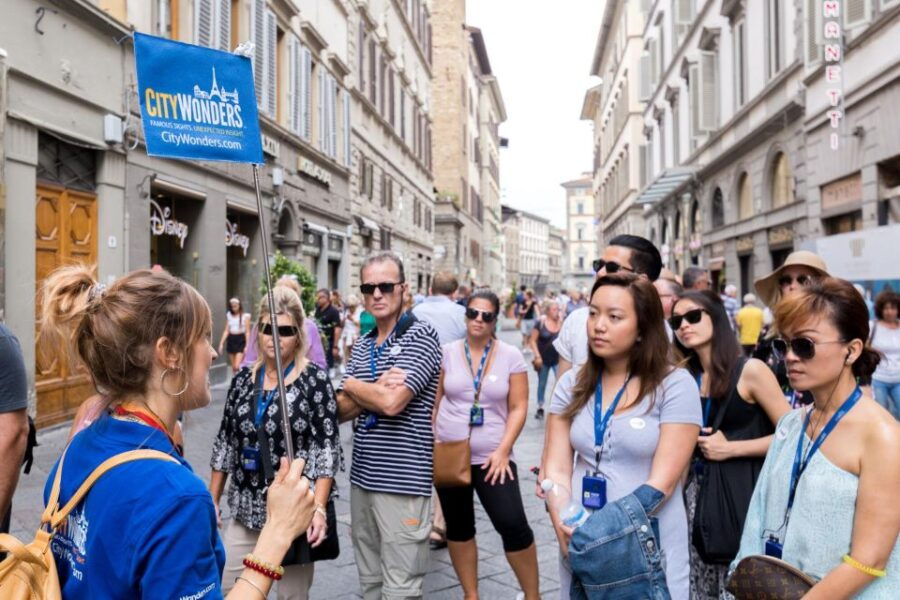
The budget pick. A 30 to 60 minute guided cathedral tour at a price that undercuts most independent tickets. Our take on this guided tour is that it’s good for travellers who care about the stories more than the climb. You get a person who can explain who Filippo Brunelleschi actually was and why his dome was a 15th-century miracle.
Giotto’s Bell Tower vs The Dome: Which Climb to Pick
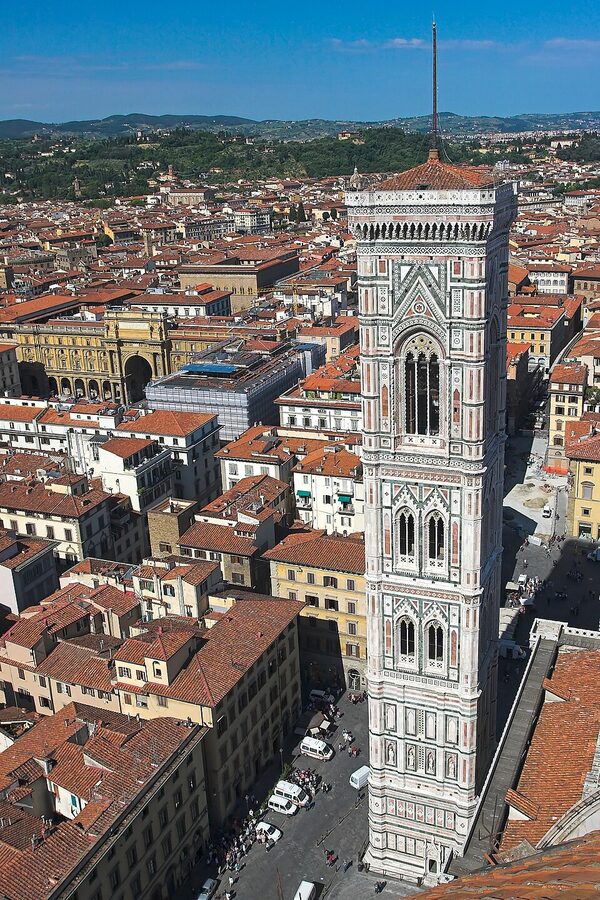
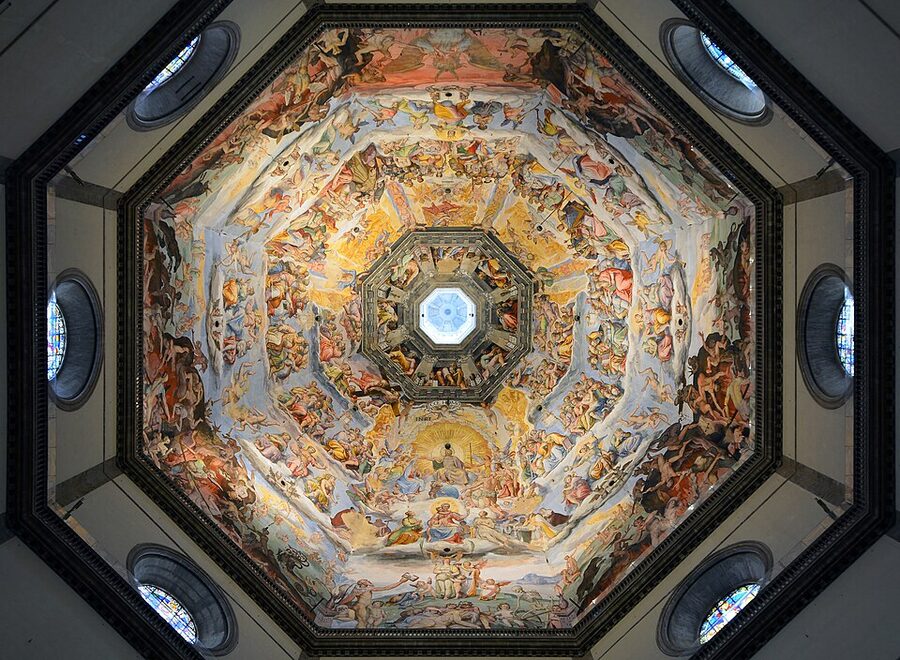
Most people pick the dome and skip the bell tower. I’d argue you should do both if you have the time and the legs, because they give different views of Florence and the climbs feel completely different. The dome takes you up through the inside of the church, between the two shells, with the Last Judgement frescoes inches from your face. The bell tower is more straightforward: open balconies at three levels, regular stone stairs, more breathing room.
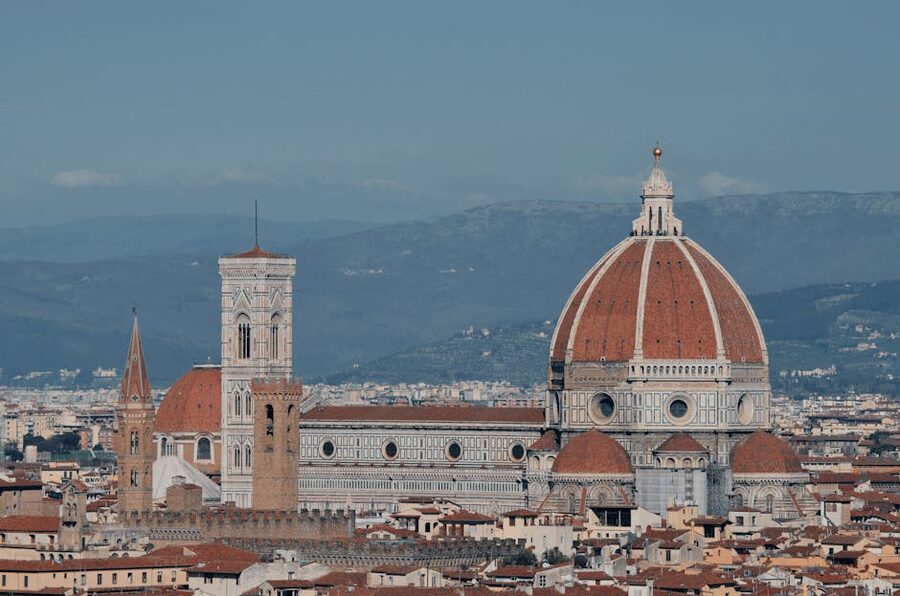
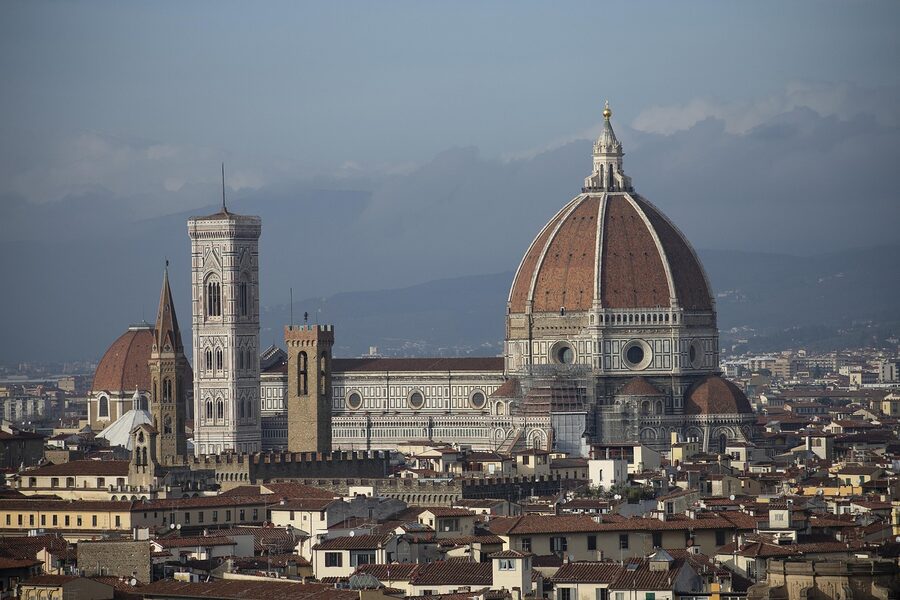
The bell tower also gives you the only photograph that includes Brunelleschi’s dome itself. From inside the cathedral, you’re under the dome and can’t see its profile. From the bell tower, the dome is right there in the foreground, with the rest of Florence behind it. If you only have time for one climb and you care about photos of the dome, pick the bell tower.
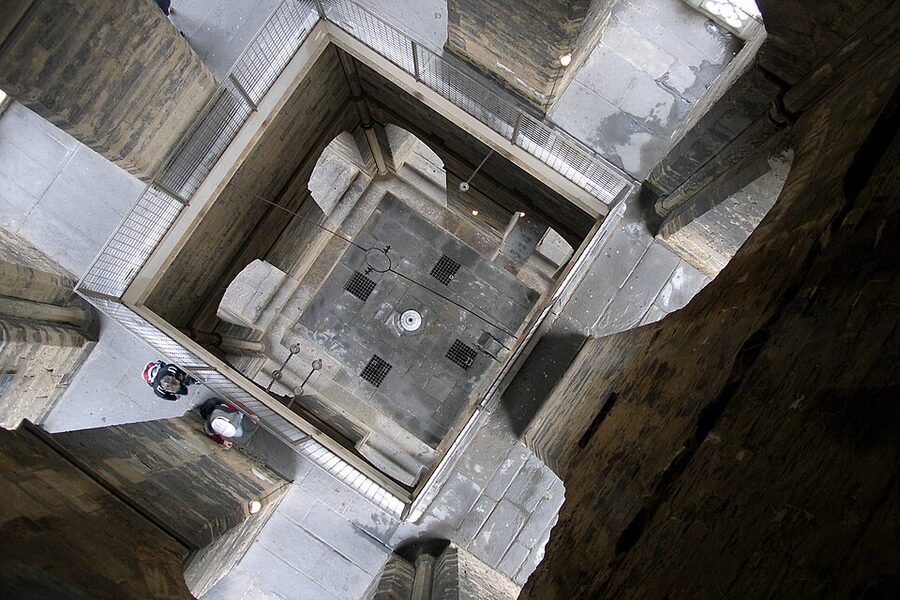
Quick comparison:
- Dome (463 steps): Frescoes, drama, tighter passages, single timed entry. Best photo from the lantern at the top is the city.
- Bell tower (414 steps): Open balconies, more comfortable, no time slot needed. Best photo is the dome itself.
- Both in one day? 877 steps total. Doable but not pleasant. I’d split them across two mornings.
The bell tower doesn’t need a reserved slot once you have the pass. You just turn up and queue at the western base. Wait time is usually under 15 minutes, even at peak.
The Baptistery and the Gates of Paradise
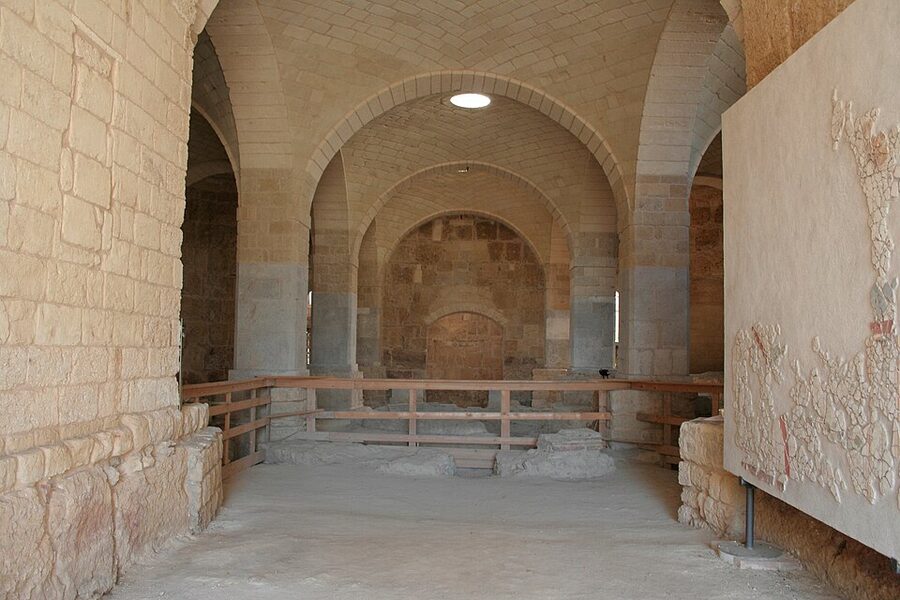
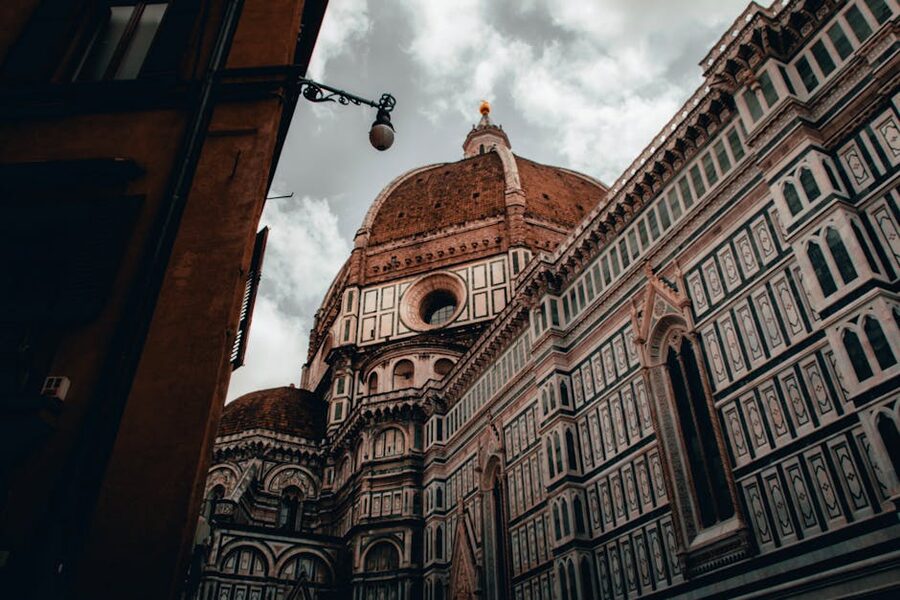
The Baptistery doesn’t get the attention the dome does, and that’s a mistake. The interior ceiling is covered in 13th-century mosaics, including a giant Christ in Majesty looking down at you. The acoustics are unusual because the dome inside is unbroken stone, so any voice carries.
The famous Gates of Paradise are not actually on the Baptistery anymore. The bronze panels you see on the exterior are replicas, very good ones, but copies. The originals are in the Opera del Duomo museum, which is included in all three passes and is one of the most underrated art museums in Florence.
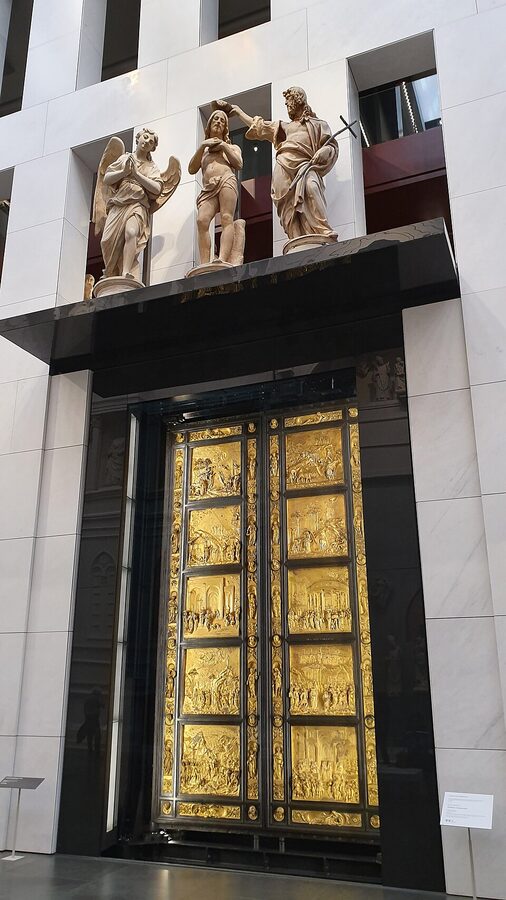
The museum also holds Donatello’s wooden Mary Magdalene, Michelangelo’s late Pieta (the one with the artist’s own face on Nicodemus), and a 1:1 model of the original cathedral facade as it looked before it was demolished in the 1580s. The museum is included in your pass and is climate controlled, which makes it a useful break in the middle of a long Duomo day.
A Quick History You Might Actually Want to Know
Construction began in 1296. Arnolfo di Cambio was the first architect, and he died before seeing much of it finished. Work crawled on for over a century. By 1418 the church was almost complete except for one impossible detail: nobody knew how to build the dome that the original plans called for. The opening was 45 metres across, which was far wider than any masonry dome attempted since Roman times.
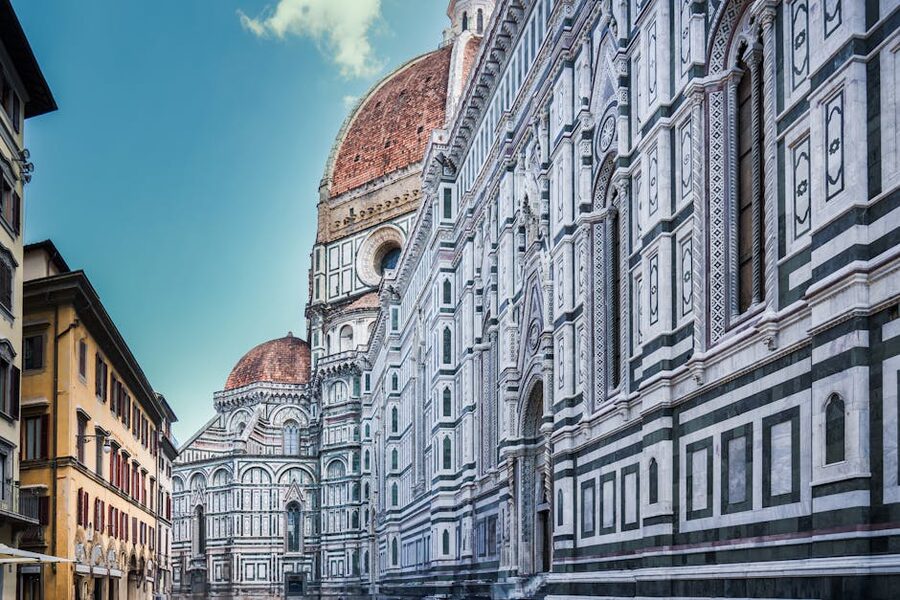
The Opera del Duomo, the body that ran the project, held a competition in 1418. Filippo Brunelleschi, a goldsmith with no formal architecture training, won by refusing to explain his method until the contract was signed. He’d studied Roman ruins for years, working out how the Pantheon stayed up. His solution for Florence was a double-shell dome, with an inner shell carrying the load and an outer shell forming the visible profile. The two shells are connected by stone ribs and a series of stone-and-brick rings that act like a corset, pulling everything inward.
Brunelleschi also invented or refined most of the equipment needed to build it: a hoist powered by oxen, brick courses laid in herringbone patterns to lock without scaffolding, even an early kind of revolving crane. The dome was finished in 1436, 16 years after construction started. Brunelleschi died ten years after that and is buried in the crypt below the cathedral, an honour usually reserved for clergy at the time.
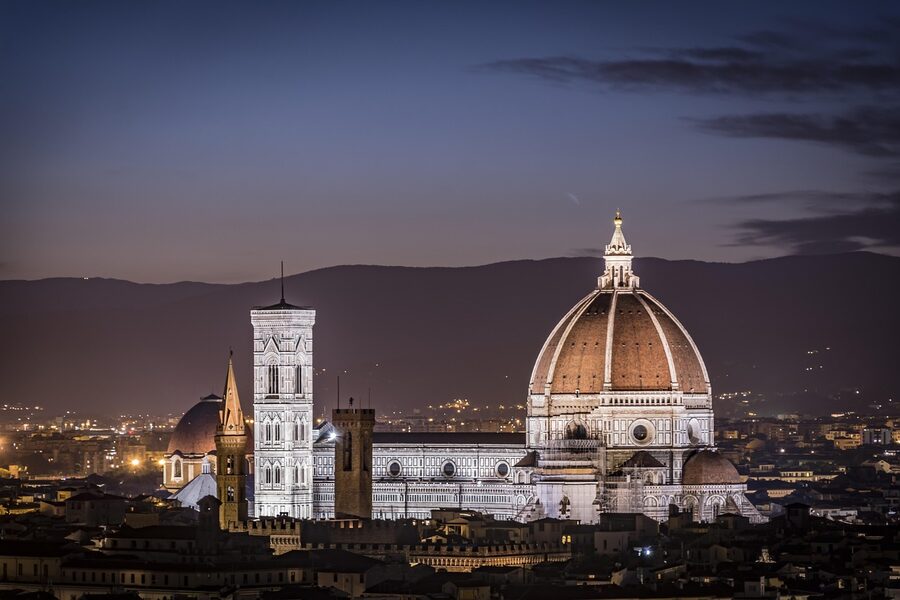
The interior frescoes inside the dome came later. Vasari started them in 1572, Federico Zuccari finished them in 1579. They cover 3,600 square metres. For 400 years they were dirty and barely visible, until a major restoration in the 1990s scrubbed them back to the original colours. What you see today is essentially a new painting compared to what travellers saw in the 19th century.
How Long to Spend at the Duomo Complex
Three days flexibility on the pass sounds generous but the actual visit time is shorter than people expect. Here’s a realistic breakdown:
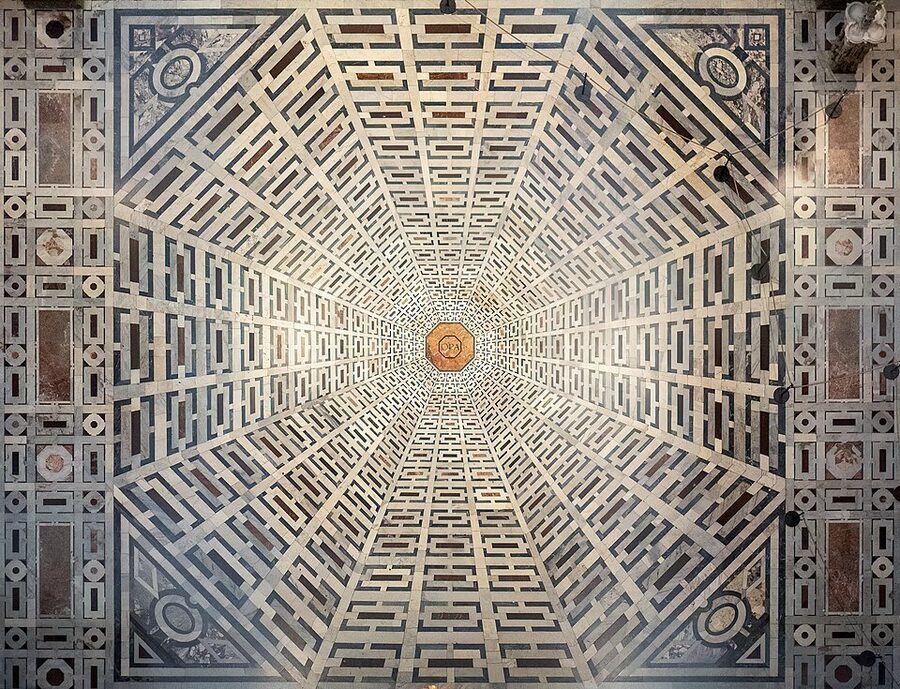
- Cathedral interior: 30 to 45 minutes. It’s surprisingly bare inside compared to other Italian churches because most of the art was moved to the museum. The frescoes and the marble floor are the main draws.
- Dome climb: 60 to 90 minutes including the climb up, time at the top, and the climb down. Add another 15 minutes for queueing if you didn’t book the earliest slot.
- Bell tower: 45 to 60 minutes total.
- Baptistery: 20 to 30 minutes. Look up, walk a circle, look up again.
- Opera del Duomo museum: 90 minutes minimum if you care about the art. Easy to spend 2 hours.
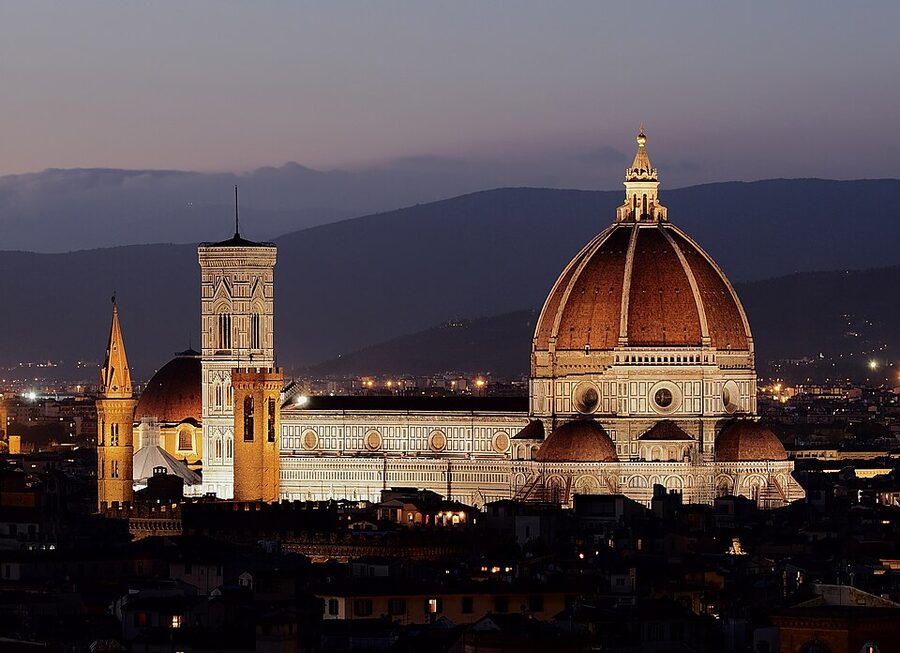
Total inside the complex: about 5 hours of pure visit time, spread across two or three days. If you’re trying to do all of it in one morning you’ll be exhausted and you won’t actually see anything. Most travellers I’ve talked to about this end up doing the dome and cathedral one day, the bell tower and museum on another, and squeezing the Baptistery in whenever they’re crossing the piazza.
If you’re already booking other Florence experiences, this fits naturally with our Uffizi Gallery booking guide and the Michelangelo’s David tickets guide. Most people overlap their Duomo day with Uffizi morning or David afternoon, since all three are within a 10-minute walk of each other.
Best Time of Day and Year to Visit
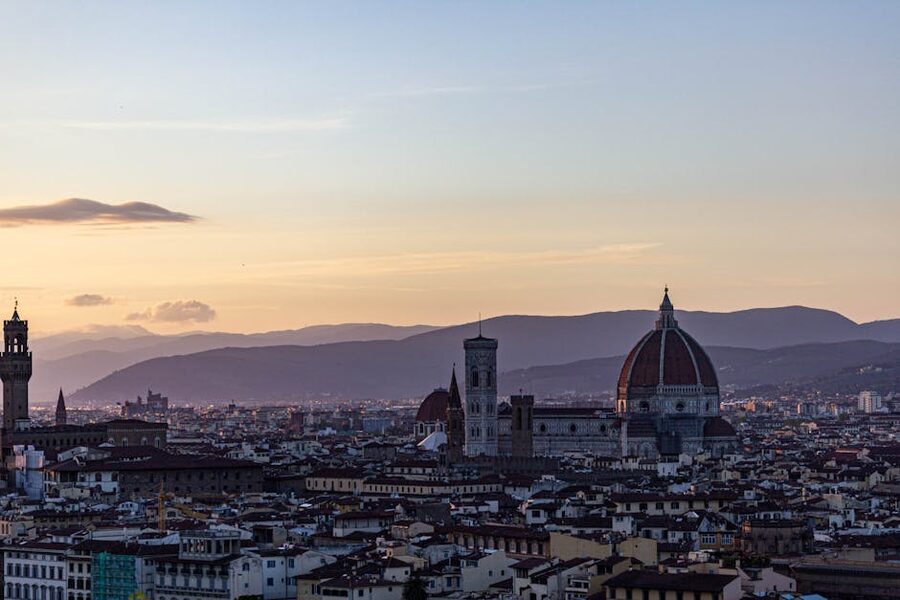
Florence in summer is hot and crowded in a way that’s hard to overstate. July afternoons in Piazza del Duomo are pushing 35 degrees with reflected heat off the marble, no shade, and the queue moves slowly. The dome climb between the two shells turns into a sauna by 10am.
If you can pick when you go, aim for late March to mid-May, or late September through the second week of October. The light is good, the air is comfortable, and the dome climb is bearable. November and February work too if you don’t mind shorter days. December and January are the quietest months but several smaller monuments cut their hours.
Within a single day, the order goes: dome at 8:15am, breakfast somewhere quiet near Piazza Santa Croce, bell tower or Baptistery mid-morning when the crowds are still bunched at the cathedral, museum after lunch when you want air conditioning. The cathedral nave itself is the easiest to time around because it’s free and the interior is the least essential part of the complex.
What to Eat Before or After
The streets within 200 metres of the cathedral are tourist food. Pizza by weight, gelato chains, English-only menus. Walk five minutes east toward Santa Croce or south toward the Arno and you’re back in normal Florence. A few specifics that won’t waste your money:
- Trattoria Mario on Via Rosina, 5-minute walk north. Lunch only, lines start at noon, pasta around 9 EUR. Family-run since 1953. Cash only.
- All’Antico Vinaio on Via dei Neri. Famous schiacciata sandwiches. The queue is real but moves fast and the sandwich is genuinely good.
- Vivoli for gelato, near Santa Croce. Operating since 1932. The pistachio is the move.
For something more structured, food walks make sense as the second half of a Duomo day. Our Rome food tour guide covers the format if you’re doing both cities. Florence-specific food tours run small and fill quickly, especially the dinner ones.
Combining the Duomo with Other Florence Sights
Florence is small enough that everything’s walkable. Piazza del Duomo to the Uffizi is 5 minutes. To Ponte Vecchio, 8 minutes. To the Accademia where Michelangelo’s David lives, 10 minutes north. Most travellers are surprised at how compact the centre is.
If you have two full days in Florence, the rough outline that works:
- Day 1 morning: Dome climb at 8:15am, cathedral nave after, Baptistery before lunch.
- Day 1 afternoon: Uffizi Gallery (book the earliest afternoon slot you can find).
- Day 2 morning: Accademia for David, then walk back via the bell tower for the second climb.
- Day 2 afternoon: Opera del Duomo museum, then over the Ponte Vecchio for sunset at Piazzale Michelangelo.
The full Italy itinerary picture, if you’re connecting Florence to Rome, is in our Colosseum and Roman Forum guide and the wider Vatican Museums guide. Trains from Roma Termini to Firenze SMN are 1 hour 30 minutes and book ahead at around 30 EUR for the cheapest fares.
Common Mistakes to Avoid
A handful of things travellers get wrong about the Duomo, in rough order of how often I see them:
- Thinking the cathedral entrance is free, so any ticket queue is for that. Most queues are for the dome, the bell tower, or the Baptistery. The cathedral nave queue is separate and unticketed but huge in summer because everyone wants to look inside.
- Buying a Brunelleschi Pass without booking the dome slot. The pass only gives you access. The slot is a separate step. Without it, you cannot climb.
- Wearing a tank top or shorts above the knee. The cathedral has a strict dress code. Shoulders covered, knees covered. They will turn you away at the door and a scarf doesn’t always do it.
- Assuming the bell tower needs a reservation. It doesn’t. Show up with your pass and queue. Worst case 20 minutes’ wait.
- Skipping the Opera del Duomo museum. It’s included in every pass and holds half the cathedral’s actual art. Donatello, Michelangelo, the original Gates of Paradise. People walk past it because they don’t realise it’s there.
Getting to Piazza del Duomo
The cathedral is in the centre of the centre. Most accommodation in Florence is within 15 minutes’ walk. Specifically:
- From Santa Maria Novella station (the main rail station): 8 minutes walking, straight east on Via Cerretani.
- From Ponte Vecchio: 8 to 10 minutes north on Via Calzaiuoli.
- From Piazzale Michelangelo: About 20 to 25 minutes back across the river.
- By taxi: Cars can’t enter the ZTL (limited traffic zone) without a permit. Taxis can drop close but not at the cathedral itself. From the airport, a taxi runs around 22 EUR fixed fare to the centre.
There’s no subway in Florence. Buses exist but the historic centre is so small and so full of pedestrian streets that walking is almost always faster. A few of the smaller streets near the cathedral are properly medieval-narrow, with no clear sidewalks. Watch for delivery vans early in the morning.
If You’re Building a Wider Italy Trip
The Duomo fits naturally into a larger Italy itinerary, especially if you’re moving between Rome and Venice via Florence. Most travellers I’ve talked to do at least 3 nights in Florence to cover the Duomo, the Uffizi, the Accademia, and one day-trip out to Siena or San Gimignano. If you’ve got the Colosseum already booked in Rome, the same logic applies in Florence: book the timed-entry tickets first, build the rest of the day around them.
For Rome side of things our Rome Pantheon guide covers another dome that’s worth comparing. The Pantheon dome and Brunelleschi’s are the two largest unreinforced concrete and masonry domes ever built, separated by 1,300 years. Reading them back to back tells you a lot about why Brunelleschi was such a leap. If you want a contrast in the other direction, the St Peter’s Basilica guide covers Michelangelo’s dome, which used Brunelleschi’s design as its starting point. Florence to Rome and Vatican to Florence, the architecture is one connected conversation.
Florence Without the Climb
If your knees aren’t up to the dome or the bell tower, you don’t have to skip the Duomo. The cathedral itself is free, the Baptistery is included in the cheapest Ghiberti Pass, and the Opera del Duomo museum is climate-controlled and full of art. The cheap guided tour above is built specifically for people who want context without 877 stairs.
For older travellers or anyone with mobility limits, the museum holds the cathedral’s actual art collection in a flat, accessible building. It’s the visit I’d recommend most strongly to people skipping the climbs. The original Gates of Paradise, Donatello’s wooden Magdalene, Michelangelo’s late Pieta. None of it is bolted to the side of a 90-metre dome.
More Italy Guides Worth Reading Next
Florence and Rome connect easily by train, and both cities reward booking in advance. If you’re heading to Rome, the Colosseum underground guide walks through the equivalent timed-entry mess for the Hypogeum, and our Rome pasta class guide covers a fun half-day option after a morning of monuments. Closer to the Duomo, the Uffizi Gallery guide handles the other major Florence pre-booking and the David at the Accademia guide closes out the Florence flagship trio. None of these guides assume you’ve read the others, but they share the same logic: book early, time it carefully, and the day works.