
The first thing you notice is the smell of warm flour and butter in melted sage, and the soft thud of someone’s palm hitting dough on a wooden bench across the room. The second thing you notice is the wine glass, already half full, sitting next to your apron. A pasta-making class in Florence is less a lesson than a controlled, slightly chaotic dinner party where you happen to make the food.
This guide walks through what booking a Florence pasta class actually looks like in 2026: which classes are worth the money, what you’ll cook, where they happen, and how to pick between a quick city centre lesson and a full day in the Tuscan hills.
Short on time? Book one of these.
- Best value (about $21): Pasta cooking class with unlimited wine in a medieval tower, three hours, three pasta shapes.
- Pasta + dessert (about $56): Pasta and tiramisù class. Same time slot, plus you walk out knowing how to layer tiramisù properly.
- Full day in the country (about $145): Tuscan farm pizza, pasta and gelato class with minivan transfer.
- Short on time? Book one of these.
- What Actually Happens at a Florence Pasta Class
- The Three Tours I’d Actually Book
- 1. Pasta Cooking Class with Unlimited Wine: about
- 2. Pasta and Tiramisù Cooking Class with Unlimited Wine: about
- 3. Tuscan Farm Pizza, Pasta and Gelato: about 5
- City Centre Class or Tuscan Farmhouse?
- What You Cook: A Quick Italian Pasta Vocabulary
- Class Formats: A Practical Breakdown
- Standard 3-hour class
- Pasta plus dessert (3-3.5 hours)
- Half-day with market tour (4-5 hours)
- Full-day farmhouse (5-7 hours)
- Private classes (2-4 hours)
- How Much It Should Actually Cost
- Where the Best Classes Are Located
- When to Book and How Far Ahead
- Dietary Restrictions: How Flexible Are They?
- What to Wear, What to Bring
- How a Florence Class Compares to Other Italian Cooking Classes
- Pairing the Class With a Florence Food Day
- A Short History: Why Pasta Means So Much in Tuscany
- Common Mistakes (Mine and Other People’s)
- What You Get to Take Home
- Other Florence Experiences Worth Pairing
What Actually Happens at a Florence Pasta Class
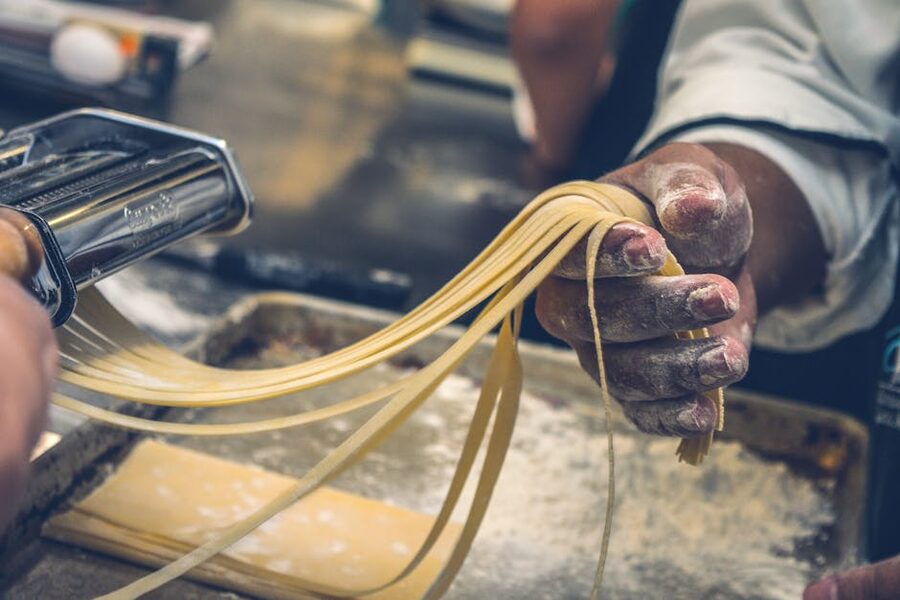
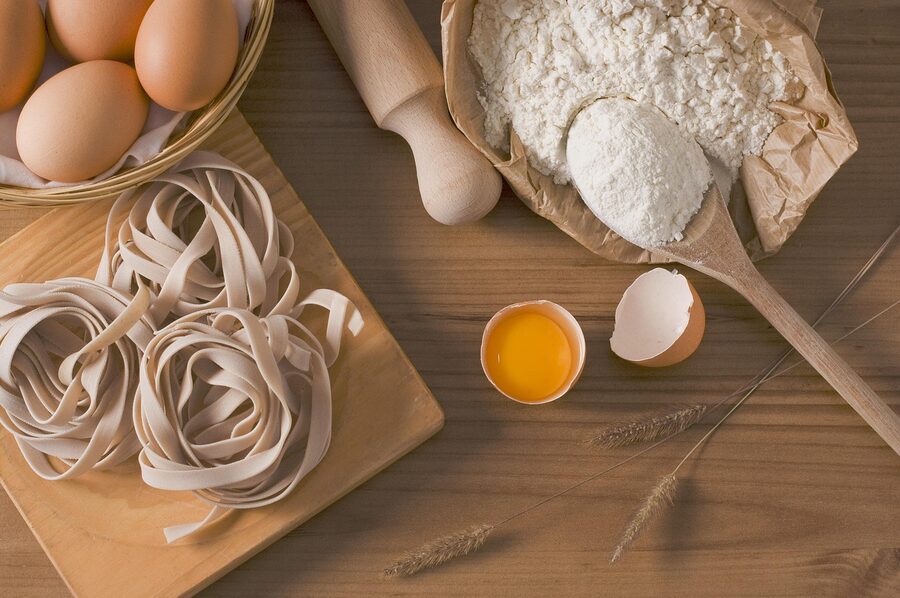
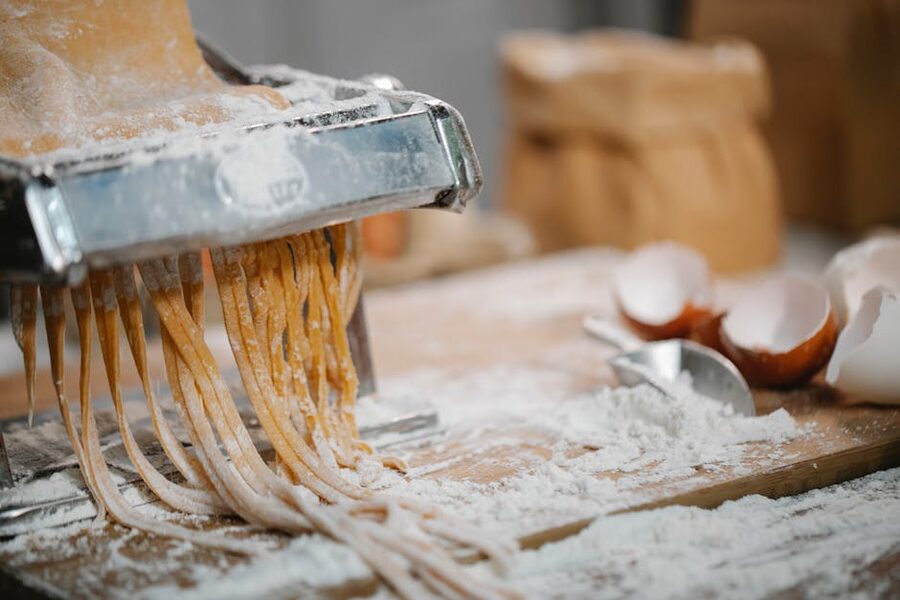
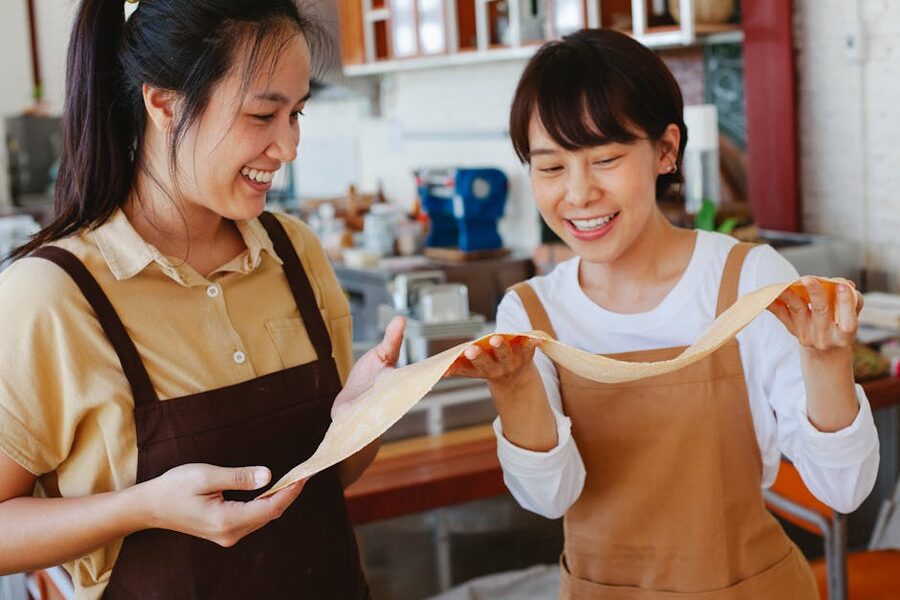
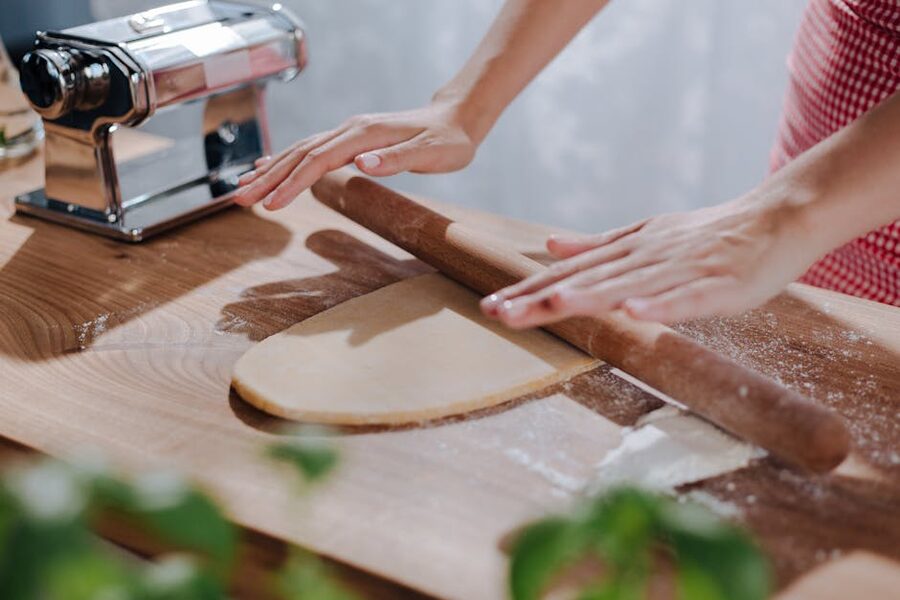
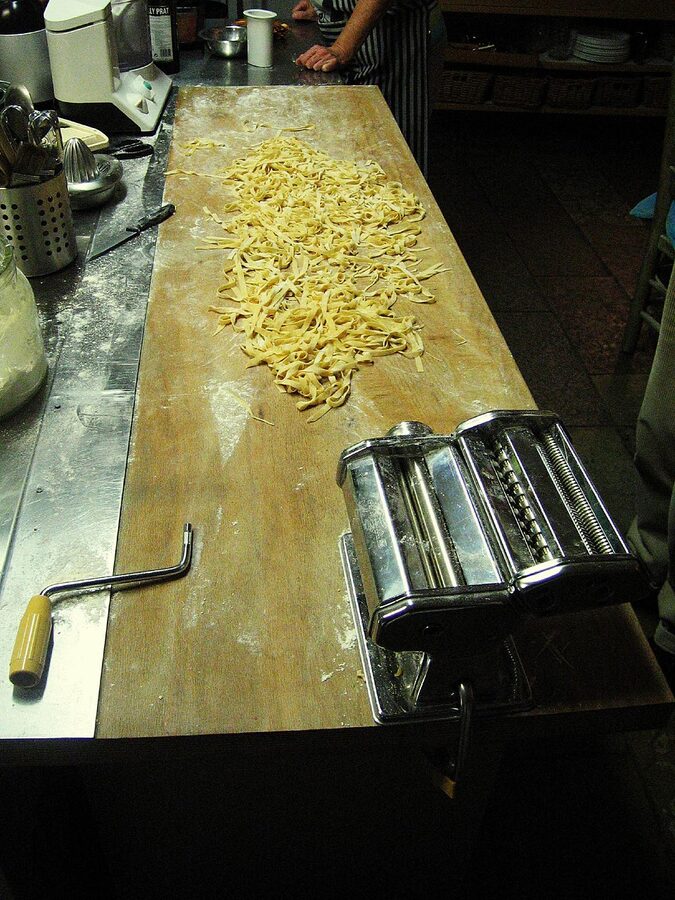
Most Florence pasta classes follow the same rough shape. You arrive, get an apron and a glass of wine. The chef walks you through making the dough by hand: a mound of “00” flour on the bench, a well in the middle, eggs cracked in, you mix the eggs with a fork until the flour collapses inward. Then you knead. About ten minutes if you’re doing it right, longer if the chef has to keep coming over and showing you what “smooth and elastic” actually means.
From there it depends on the class. The standard Florence menu is three pasta shapes from the same dough: tagliatelle (long flat ribbons), ravioli (filled with ricotta and spinach, usually), and tortelli or pici. Some classes throw in tiramisù or panna cotta at the end. Some add a starter like bruschetta or a meat dish like meatballs in tomato. Most of them feed you what you cooked. All of them pour a lot of wine.
Class size matters more than people expect. Small group classes top out at 10-12 people, which is the sweet spot. You get individual feedback and the chef can actually see your dough. Anything bigger and it starts feeling like a demo. The cheapest classes sometimes run with 16-20 people; you still get the experience, but you’re competing for the chef’s attention.
The Three Tours I’d Actually Book
Florence has dozens of cooking schools, and the quality drops off fast outside the top tier. These are the three that have the volume of repeat reviews to back up the price, ordered by review count rather than how shiny the website looks. The flagship below has more than ten thousand reviews on its own. That’s not marketing; that’s how many people have actually walked through the door.
1. Pasta Cooking Class with Unlimited Wine: about $21
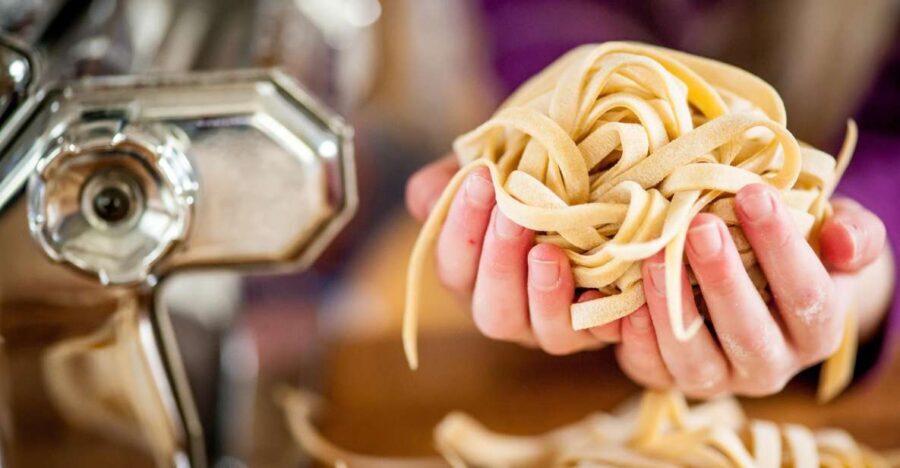
This is the one most people end up booking, and the reason is brutally simple: it’s three hours, three pasta shapes, all the wine you can drink, and the price is about a quarter of what the farmhouse classes charge. Our full review of the unlimited-wine class goes into how the medieval tower actually feels (warm, slightly cramped, very loud once the wine kicks in) and which chef nights are best.
2. Pasta and Tiramisù Cooking Class with Unlimited Wine: about $56
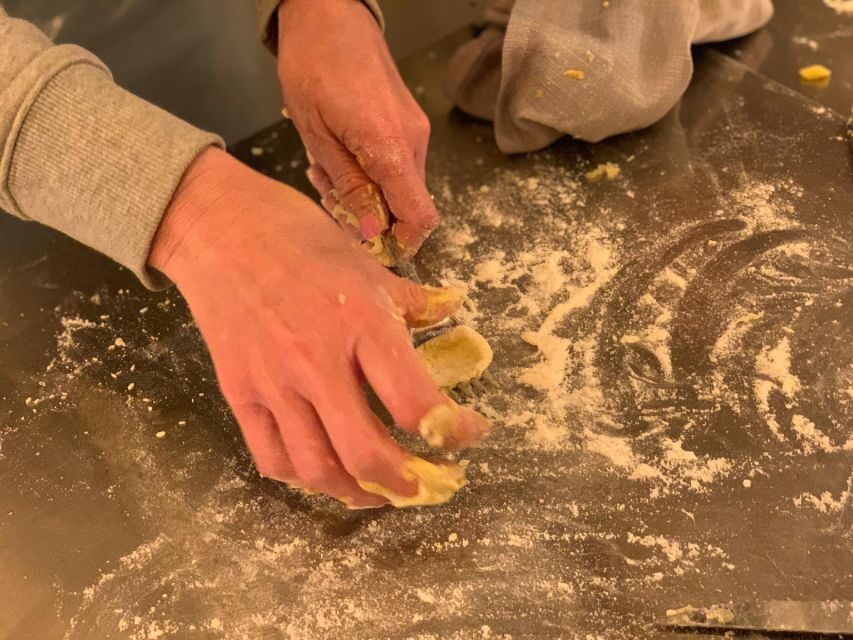
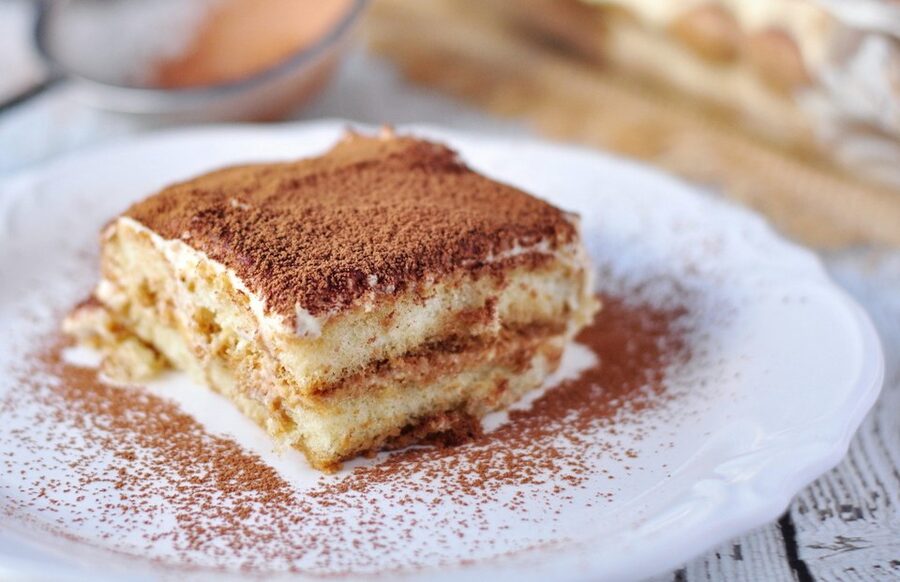
If pasta alone feels thin, add the tiramisù class. You learn to whip mascarpone properly, soak savoiardi without turning them to mush, and layer the cocoa. Our pasta and tiramisù write-up covers what to expect from chef Alexandrea, who runs most of the evening sessions and gets singled out by name in basically every review.
3. Tuscan Farm Pizza, Pasta and Gelato: about $145
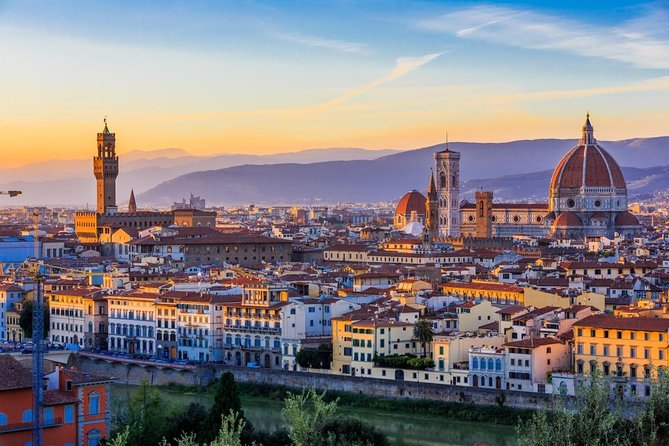
Pick this one when the city walls are starting to feel small. You get bussed out to a farmhouse in the Chianti hills, you make pizza, pasta and gelato, and you eat lunch with wine on a terrace looking at vineyards. Our full review of the Tuscan farm class compares it head-on with the in-town options and explains when the cost actually makes sense.
City Centre Class or Tuscan Farmhouse?
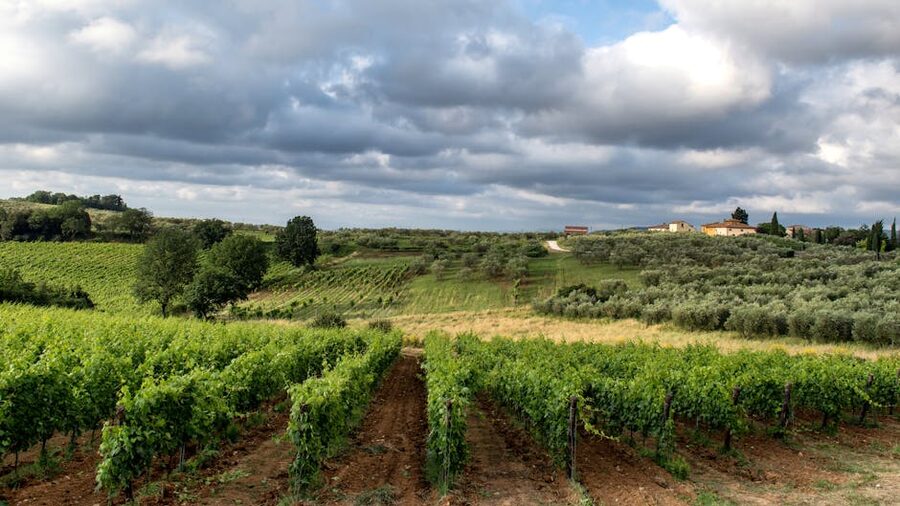
The big decision splits like this. Three-hour city centre classes live in the Oltrarno or near San Lorenzo, you walk there, you cook, you go back to your hotel with a full stomach. Five to seven hour farmhouse classes include transport out into the Chianti or Mugello hills, a market tour or a vineyard visit, and a longer sit-down meal at the end.
Pick city centre if you only have one free day, if you want a meal-sized lesson rather than a half-day commitment, or if your hotel is closer to the centre than the highway. Pick farmhouse if you’ve already done the obvious Florence stuff (a morning at the Uffizi for the Botticellis, an afternoon staring up at Michelangelo’s David at the Accademia) and the city is starting to feel busy.
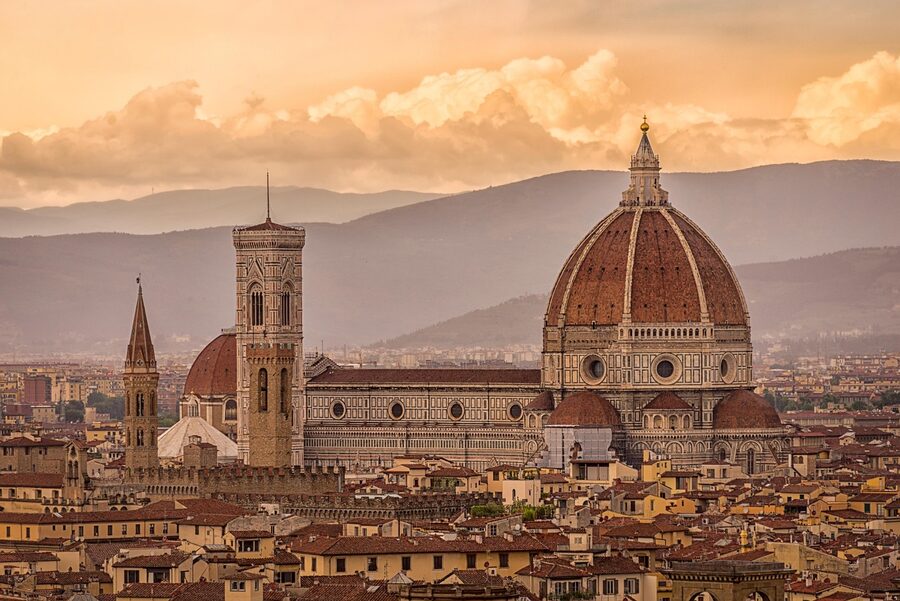
If you can stomach two cooking classes, do one of each. The city centre class teaches the technique and the farmhouse class shows you the setting the technique came from. Two completely different memories from the same trip.
What You Cook: A Quick Italian Pasta Vocabulary
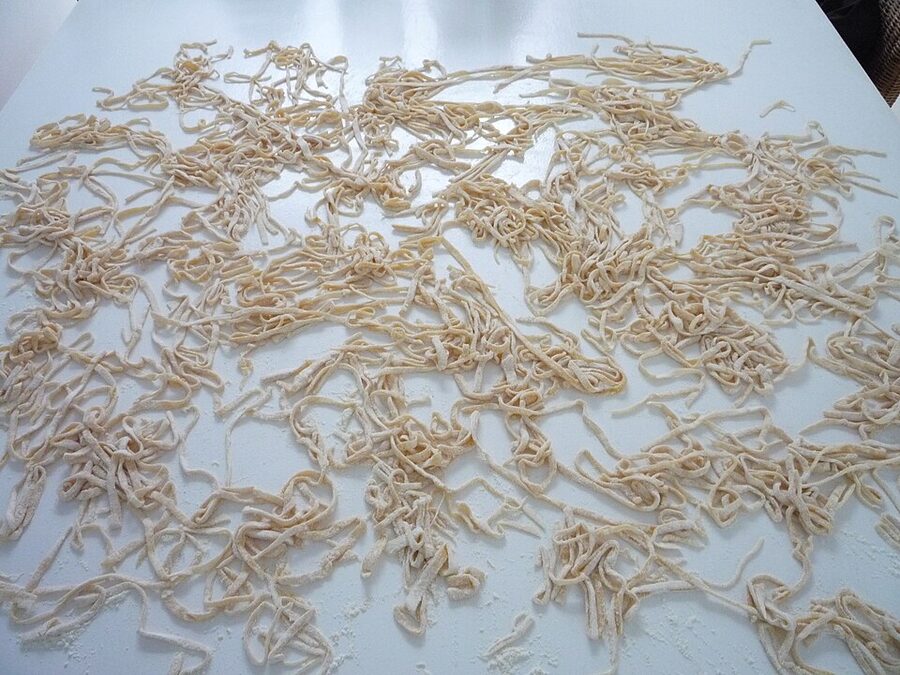
The class will throw Italian words at you. Most chefs assume you know none of them and translate as they go. A short cheat sheet:
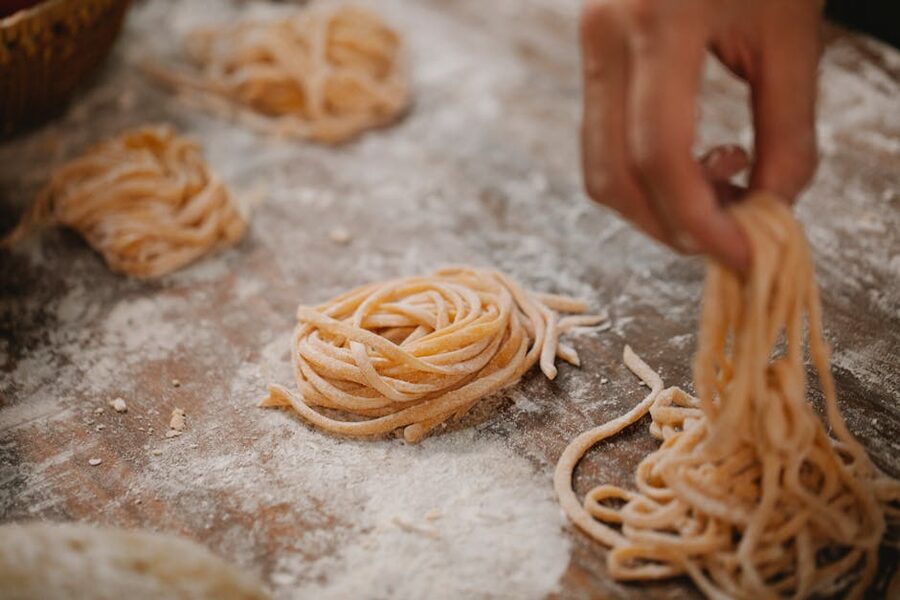
- Tagliatelle: long, flat, about 6mm wide. Egg dough, rolled and cut by hand or run through a machine. Usually served with ragù.
- Pappardelle: tagliatelle’s wider cousin, about 2cm. Famously the carrier for wild boar (cinghiale) ragù in Tuscany.
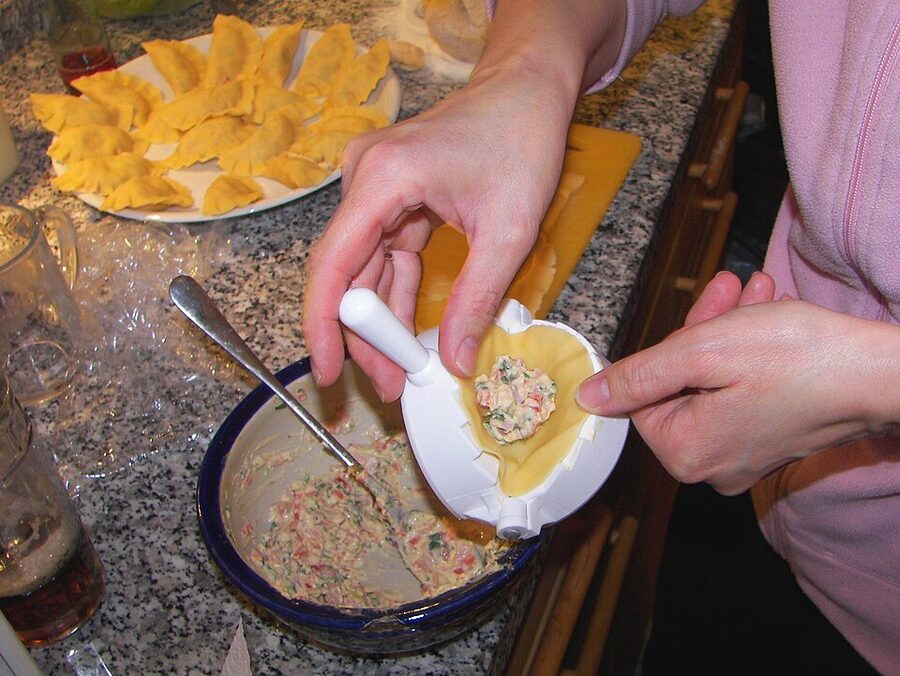
- Ravioli: stuffed pasta squares. The classic Florence filling is ricotta and spinach, dressed with butter and sage. Sometimes you’ll fill them yourself with a piping bag, sometimes with a teaspoon.
- Tortelli: a bigger ravioli, often with a sweeter filling like pumpkin or potato.
- Pici: a Tuscan specialty. Hand-rolled fat spaghetti, about as thick as a pencil, slightly uneven on purpose.
- Gnocchi: potato dumplings, not pasta technically but lumped in by most schools. Soft, pillowy, and harder to get right than they look.
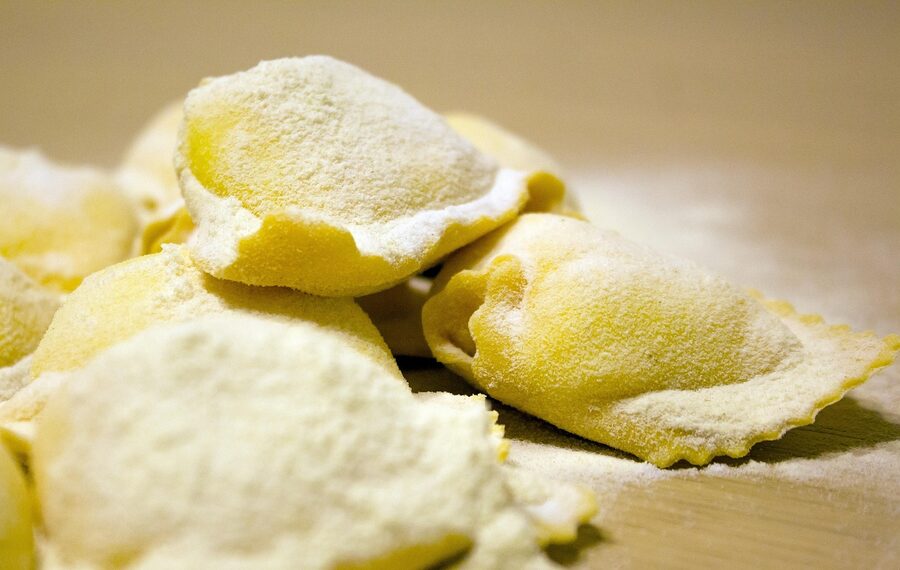
The standard three-shape Florence class teaches tagliatelle, ravioli, and one of pici or tortelli. You leave with the recipes printed on a card or emailed to you afterwards. About half of them remember to actually send it; the rest you’ll have to email and ask.
Class Formats: A Practical Breakdown
The format options sound similar in the booking listing but they play out very differently in person.
Standard 3-hour class
The default. You arrive at 5pm or 6pm depending on the season, cook for about two hours, eat for about an hour, and leave just before the kitchen closes. Three pasta shapes is standard. Wine is included. Dinner ends up being the meal. Most useful if you’re trying to do something on a free evening rather than a full day.
Pasta plus dessert (3-3.5 hours)
Same shape as the standard class but with tiramisù or panna cotta added. Schedule-wise it’s barely longer because the dessert sets while you’re cooking. Worth the extra money if dessert is a priority for you. Skip it if you don’t really care.
Half-day with market tour (4-5 hours)
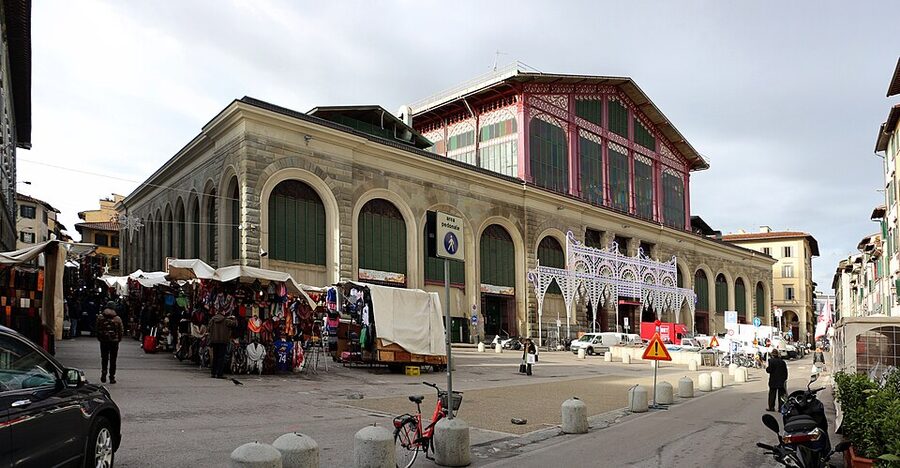
Starts at the Mercato Centrale in San Lorenzo around 9am or 10am. The chef walks you through the market, points out which stalls have the best ricotta, picks ingredients with you, then takes you back to the kitchen to cook. The morning slot ends with lunch instead of dinner. Best for people who actually want the food shopping experience and not just the pasta.
Full-day farmhouse (5-7 hours)
Pickup at a meeting point in central Florence, minivan ride out to the Chianti hills (about 45 minutes), four to six hours at the farm including the cooking and the meal, then minivan back. You’ll learn pizza and pasta together, sometimes gelato. The setting carries the experience as much as the food does.
Private classes (2-4 hours)
Booked directly with a chef in their home kitchen or a small private school. More expensive per person, but you get total control over the menu (gluten-free, vegan, kids-only, whatever you want). Worth it for couples or small groups who don’t want to share a kitchen with strangers.
How Much It Should Actually Cost
Florence pricing splits into three rough bands.
- Budget (around $20-30 per person): Three-hour class, group of 12-18 people, includes one pasta course and unlimited wine. The flagship at the medieval tower is the best-known example. You’re not getting personalised feedback, but the price is hard to argue with.
- Mid-range ($50-90 per person): Smaller group (8-12), often pasta plus tiramisù, sometimes a starter. Better tools, better wine, more chef attention. This is where most travellers should land.
- Premium ($120-200+ per person): Farmhouse with transport, private classes with a named chef, longer formats, four or five courses, or specialty stuff like gluten-free or vegan menus. Worth it for the people it’s worth it for.
The cheap classes are usually GetYourGuide listings under a single brand. The mid-range and premium classes tend to live on Viator or with the school directly. None of these prices include service tips, but tipping isn’t expected at a cooking class the way it would be at a restaurant. A round of applause at the end is enough.
Where the Best Classes Are Located
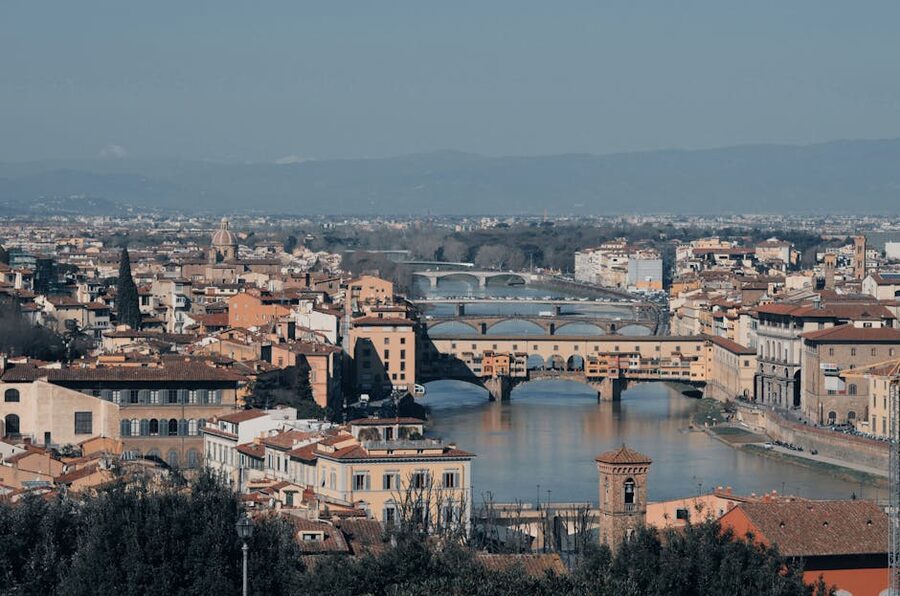
Florence is small. You can walk between any two cooking schools in the historic centre in twenty minutes, sometimes less. The clusters worth knowing:
- San Lorenzo and around the Mercato Centrale: Closest to the Duomo. Most market-tour classes start here. Easy walking distance from the train station, useful if you’re day-tripping in.
- Oltrarno (south of the river, near Pitti Palace): Quieter, more residential. The smaller, more interesting private classes tend to live here. After class you can walk to the river for the sunset light.
- Santa Croce area: A handful of well-rated classes east of the Duomo. Less foot traffic, slightly cheaper.
- Chianti countryside (drive out from Florence): Where the farm classes are. Forty minutes by minivan, mostly south of the city around Greve and Panzano.
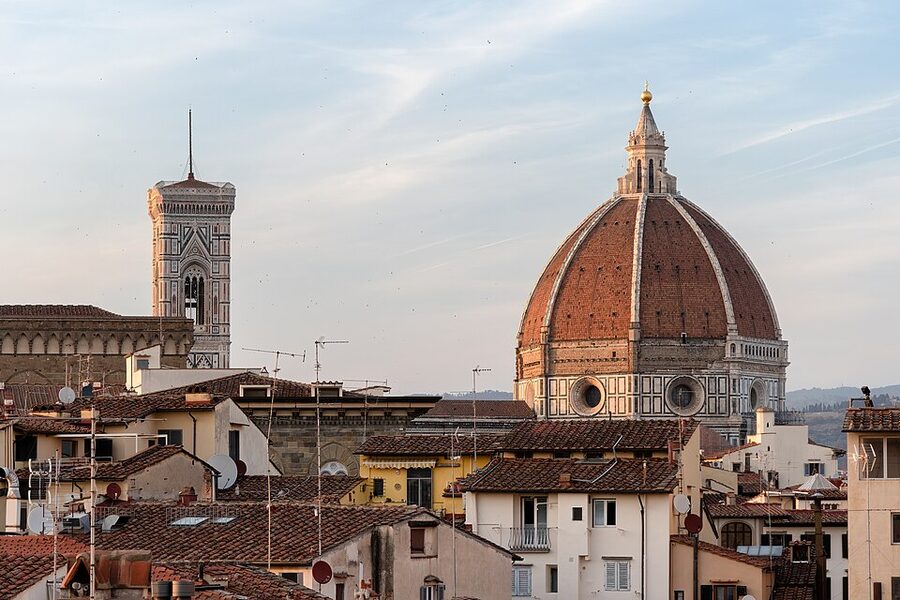
If you’re already visiting the Pitti Palace during the day, an Oltrarno class slots in nicely afterwards because you don’t have to cross the river. If you’re climbing the Duomo in the morning, pick something near San Lorenzo and you can walk straight from one to the other.
When to Book and How Far Ahead
The popular classes book out 1-2 weeks ahead in shoulder season (April-May, September-October), longer if you want a Friday or Saturday evening slot. July and August are easier because Florence empties out and the heat puts off some travellers. Winter (November-March) is the easiest of all; you can usually book the next day.
Free cancellation up to 24 hours before is standard on GetYourGuide and Viator. Use it. If your morning at the Uffizi runs longer than expected and you want to swap a 6pm pasta class for the next evening, you can. Just rebook through the same platform.
If you’re combining the class with a busy day of sightseeing, an evening slot is more forgiving than a morning one because you have all afternoon to recover from whatever ran late. The exception is the half-day market-tour class, which only runs in the morning by definition.
Dietary Restrictions: How Flexible Are They?
Most Florence classes are surprisingly accommodating, but you have to flag it when you book, not when you arrive.
- Vegetarian: Easy. The default ricotta-spinach ravioli is already vegetarian. Some classes do a meat ragù or meatballs that they’ll swap to a tomato-based sauce or aubergine.
- Vegan: Possible but you must request it at booking. The standard egg-pasta dough has to be replaced with a semolina-and-water dough (which is fine, just different texture). Tiramisù is harder. Some chefs do a vegan version with cashew cream; many don’t.
- Gluten-free: Tricky. Pasta dough without gluten is a different beast. A few specialised schools (especially in the Oltrarno) run gluten-free classes; the budget group classes generally can’t accommodate it because they share workbenches.
- Lactose-free: Mostly fine. Standard egg pasta has no dairy. The cheese in ravioli filling can be left out or substituted.
- Nut allergies: Standard Florentine pasta menu doesn’t use nuts. Tiramisù sometimes does in the savoiardi; check ingredients.
Email the school after booking if your restriction is serious. Don’t rely on the dropdown box on the booking platform; chefs sometimes don’t see those notes until the morning of the class.
What to Wear, What to Bring
The class will give you an apron. You don’t need to bring anything. But three quick notes:
- Wear something you don’t mind getting flour on. Black is a bad call.
- Closed-toe shoes are sensible. Hot water and dropped knives both happen.
- Tie hair back. The chef will ask if you don’t.
If the class includes a market tour, bring a small bag and some cash. The Mercato Centrale stalls don’t all take cards and you may want to grab cheese or olive oil for the trip home.
How a Florence Class Compares to Other Italian Cooking Classes
People often pair a Florence cooking class with one in Rome, then wonder if the second one is redundant. It usually isn’t. The Florence dough class is heavier on technique (kneading, rolling, hand-shaping). The Rome equivalent leans into specific shapes (cavatelli, fettuccine) and into ragù-making. If you’re doing both cities, take the Florence class for the dough and book a Rome pasta class for the sauces.
Florence and Bologna are closer in style; both are egg-pasta heavy and both lean Tuscan-Emilian in their fillings. If you have to pick one, Florence wins on logistics (more classes, easier to book, smaller distances to walk) and Bologna wins on depth (it’s the actual home of tagliatelle and tortellini, so the focus is laser-tight).
Pairing the Class With a Florence Food Day
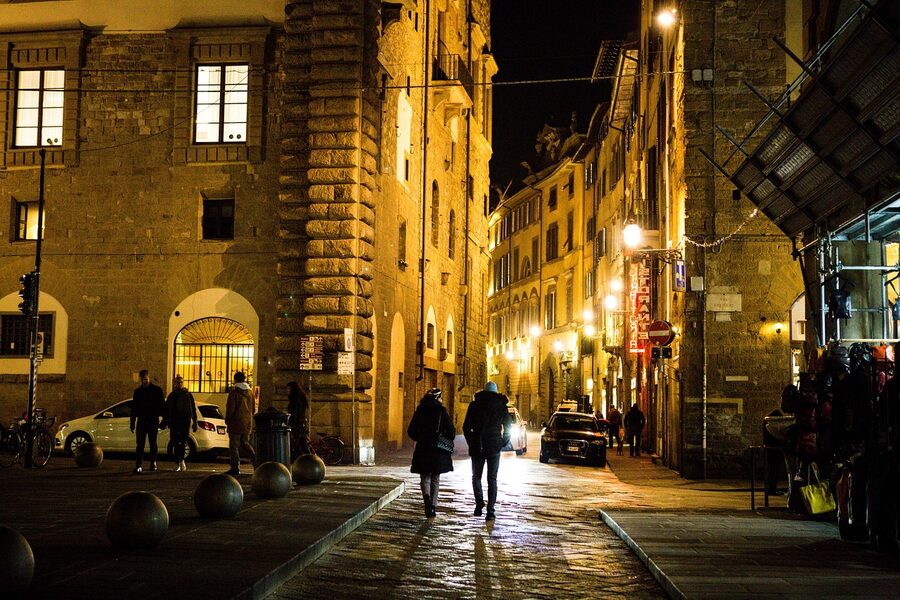
If you want to make a full day of it, here’s an order that works.
Start at the Mercato Centrale around 9am, before the food hall fills up. Get a coffee, buy a porchetta sandwich at Da Nerbone if it’s open. Mid-morning, walk to the Uffizi for a 10am-noon timed entry; you can book a skip-the-line ticket the night before. After the Uffizi, grab a quick light lunch (panini, not pasta) in the Oltrarno, leave your stomach mostly empty for class. Walk it off at the Boboli Gardens behind Pitti Palace in the late afternoon. Cooking class at 5pm or 6pm.
The lighter the lunch, the better the class. You’ll be eating three pasta courses around 7-8pm.
A Short History: Why Pasta Means So Much in Tuscany
Tuscan pasta isn’t a Renaissance flex. It’s farmhouse food. The classics, pici, ribollita (which isn’t pasta but lives in the same vocabulary), pappardelle al cinghiale, were peasant cooking. Wheat, eggs, butter, herbs. No money for fancy proteins, no truffles unless you found one in the woods.
That’s why the Florence class is mostly about technique rather than ingredients. The ingredient list barely changes. What changes is what you do with it. The dough is the same; the shape determines the dish. Tagliatelle gets ragù. Pappardelle gets cinghiale. Pici gets a simple cacio e pepe or a spicy aglione tomato sauce. Ravioli gets butter and sage. The class teaches you to read the dough first and the shape second.
Common Mistakes (Mine and Other People’s)
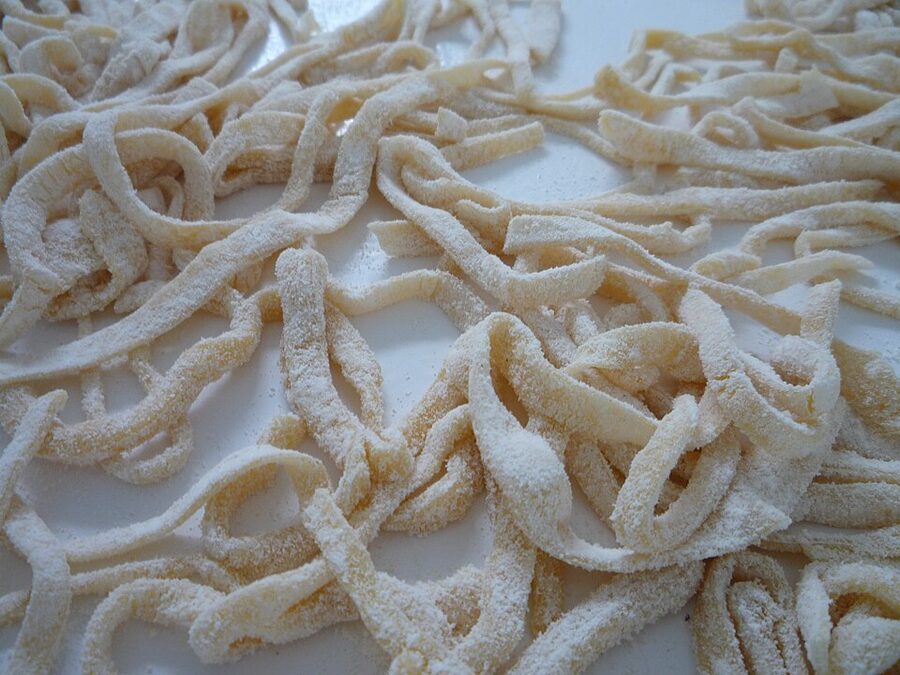
A short list of things people get wrong (or that I got wrong the first time).
- Adding water to the dough. Don’t. The eggs are the liquid. If the dough is too dry, it just needs more kneading; the gluten relaxes and the moisture redistributes.
- Cutting tagliatelle right after rolling. Let the sheet rest five minutes first. It’s easier to cut and the strips don’t stick.
- Overstuffing the ravioli. Less filling than you think. The pasta should be the star; the filling is the seasoning. A heaped teaspoon, not a tablespoon.
- Cooking the pasta too long. Fresh pasta is done in 90 seconds, sometimes less. Dried pasta times don’t apply. The chef will yell across the kitchen when it’s time to drain.
- Rolling too thick. Thinner than you think. You should be able to almost see your hand through the sheet.
- Drinking too much before the cooking part. The unlimited wine is real and it’s tempting. Pace yourself until at least the second pasta shape.
What You Get to Take Home
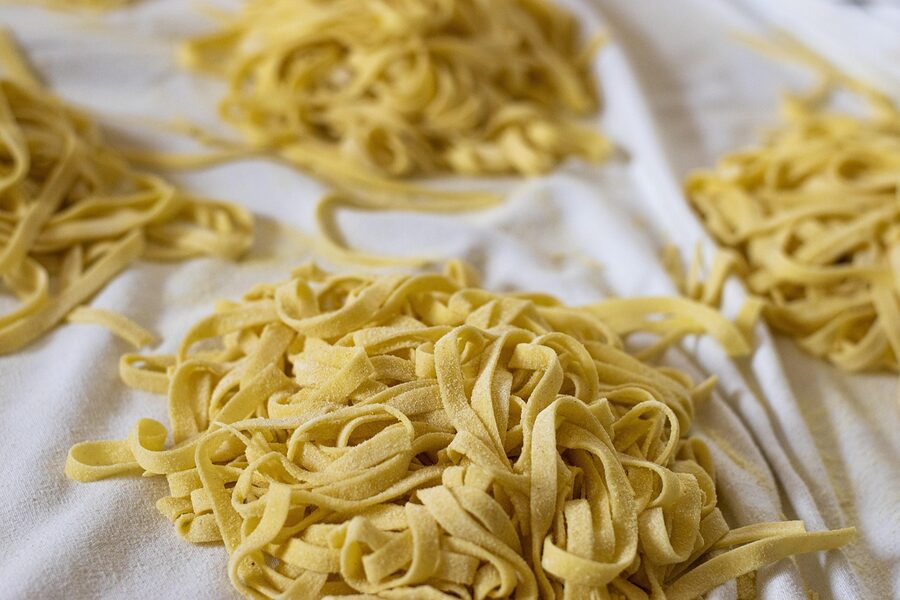
Most schools send you home with at least one of three things: a printed recipe card, an emailed PDF with the recipes, or a “diploma” that’s mostly for the photos. A few of the better schools throw in a small bag of “00” flour or a tiny bottle of olive oil.
What you actually take home that matters is the technique. The ratio (one egg per 100g of flour, pinch of salt, no water) you’ll never forget. The kneading rhythm sticks. After about a month of practice at home, you’ll be making fresh pasta on Sunday afternoons without thinking about it.
Other Florence Experiences Worth Pairing
If you’ve blocked out a few evenings in Florence, the pasta class plays well with a few other adventures in the same city. A Vespa tour through the Tuscan hills the day before makes the farmhouse class feel like a return visit, you’ll already know the road. A sunset walking tour with food and wine tasting is a useful palette-setter the day before pasta night, because you’ll have already met crostini, schiacciata and Chianti by name. And the Medici storyteller tour works well as a daytime contrast: heavier on Renaissance gossip than on dinner. Between any two of those and the cooking class, you’ve got a properly Florentine three-day stretch.
This article is part of our wider Florence guide cluster: pair the cooking class with the museums, the gardens, and the rooftops, and you’ve got a full week without leaving the historic centre.