
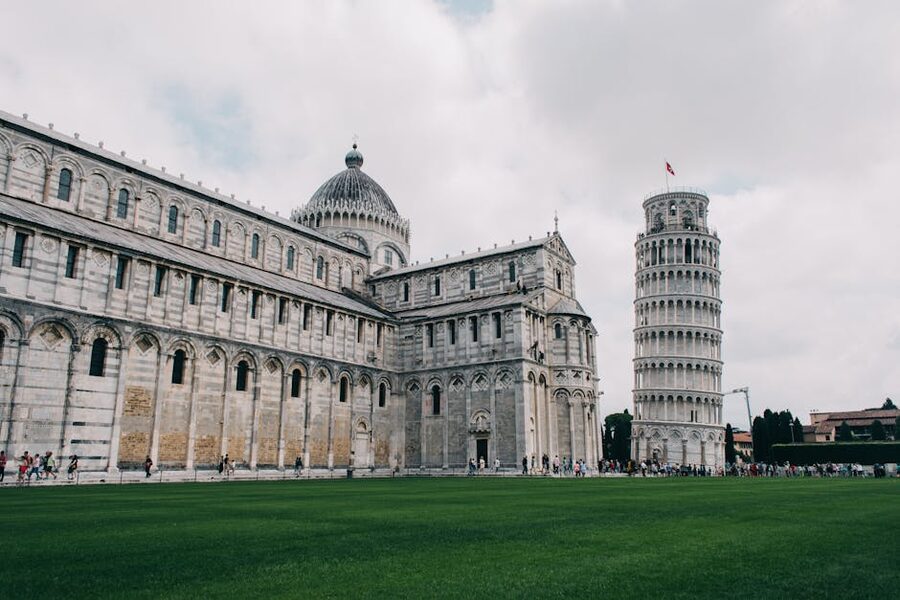
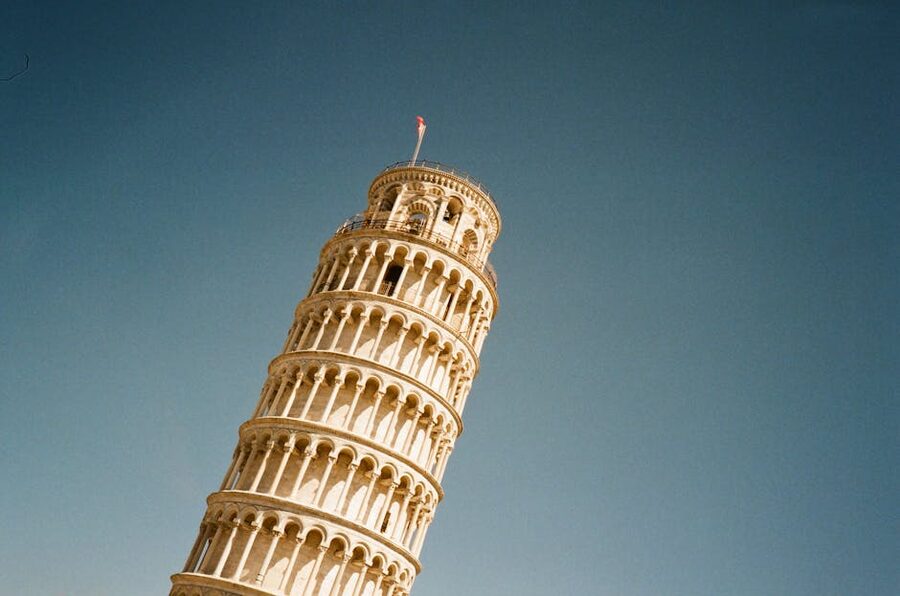
The Leaning Tower of Pisa took almost 200 years to finish, and it started leaning before the third floor went up. The medieval builders kept going anyway, curving the upper levels back toward vertical to compensate. That stubborn flaw is the entire reason you’re here.
Most people see the tower in under two hours and head back to Florence. That’s enough time if you plan it right.
In a Hurry? Here Are My Top Picks
- Tower + Cathedral entrance ticket, around $28. The most-booked option for good reason. Check Availability
- Reserved entrance with Cathedral access, around $28. Same price, different supplier, often has slots when the first one sells out. Check Availability
- Timed-entry ticket with Cathedral, around $35. Locks in a precise climb time, useful if you’re tight on a connection back to Florence. Check Availability
- In a Hurry? Here Are My Top Picks
- What You’re Actually Buying
- The Three Tickets I’d Actually Book
- 1. Pisa: Entrance Ticket to Leaning Tower & Cathedral:
- 2. Reserved Entrance to Leaning Tower of Pisa & Cathedral:
- 3. Pisa: Leaning Tower & Cathedral Tickets with Timed Entry:
- Climbing the Tower: What It’s Actually Like
- The Bag Locker Catch
- What You See From the Top
- Getting to Pisa from Florence
- From Cinque Terre or La Spezia
- From a Livorno Cruise Stop
- The Best Time to Go
- What Else Is on the Square of Miracles
- The Story Behind the Lean
- Practical Things That Tripped Me Up
- Worth It Or Skip It?
- If You’re Building a Bigger Trip
What You’re Actually Buying
The Leaning Tower is a campanile. It’s the bell tower for the cathedral next door, not a standalone monument. That matters because every standard ticket bundles the tower climb with cathedral entry, and the cathedral is genuinely worth the 15 minutes you’ll spend inside.
Climb tickets cost €20 from the official ticket office. Online resellers charge a small markup for the convenience and the timed-entry guarantee. If you’re traveling in summer or on a weekend, that markup is the cheapest insurance you’ll buy all trip. The most popular tower-and-cathedral ticket on the major booking platforms shifts thousands of slots a month, and during peak weeks the official site routinely shows zero availability for the day-of.
What you don’t get with a standard tower ticket: the Baptistery, the Camposanto cemetery, the two museums on the square. Those need a separate combined ticket. Most visitors skip them and that’s fine. If you have three hours and you’re a history person, the combined ticket is €27 and gives you the lot.
The Three Tickets I’d Actually Book
I’ve sorted these by what gets booked most. The price sits in the same range across all three, so the differences come down to entry style and how strict your schedule is.
1. Pisa: Entrance Ticket to Leaning Tower & Cathedral: $28
This is the busiest tower ticket on the market and the one I’d start with. You get a fixed climb slot plus cathedral entry, and our full review covers the bag-locker workflow that catches a lot of first-timers off-guard. Show up 10 minutes before your slot, not earlier.
2. Reserved Entrance to Leaning Tower of Pisa & Cathedral: $28
Identical structure to pick one but routed through a different supplier, which is exactly why it’s worth knowing about. When summer slots vanish on the main listing, this one usually still has openings. The full breakdown is in our review, including the bit about no handrails on the spiral staircase.
3. Pisa: Leaning Tower & Cathedral Tickets with Timed Entry: $35
Pay a few extra dollars for a sharper time window. I’d pick this one for short visits where you’ve got a train to catch, a Cinque Terre connection waiting, or a cruise tender deadline. Our review notes the duration is roughly 1.5 hours, which lines up neatly with a half-day plan from Florence.
Climbing the Tower: What It’s Actually Like
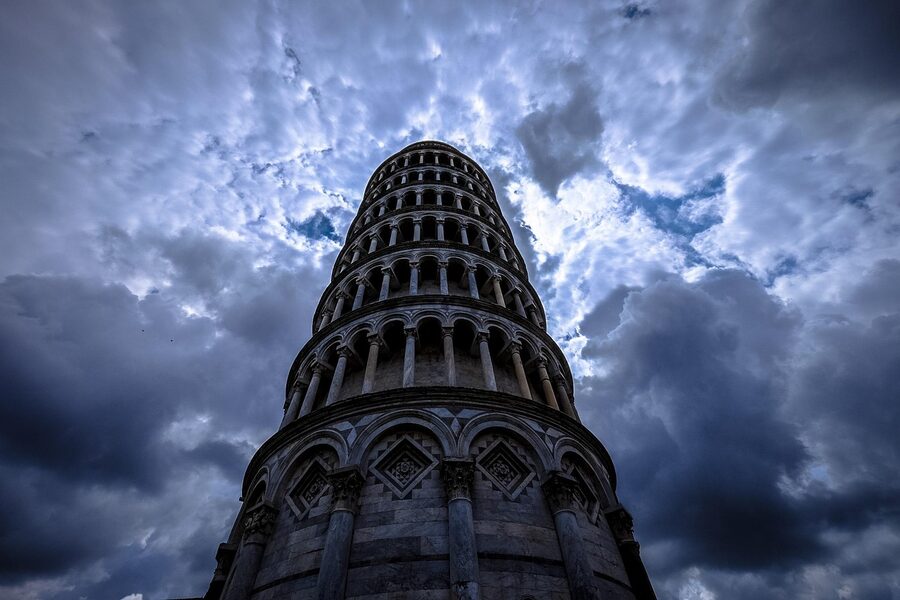
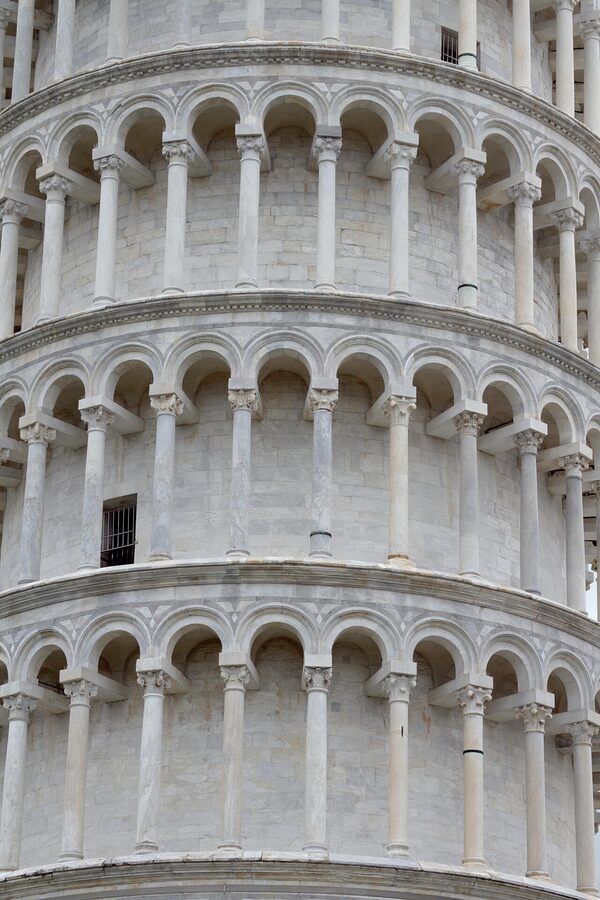
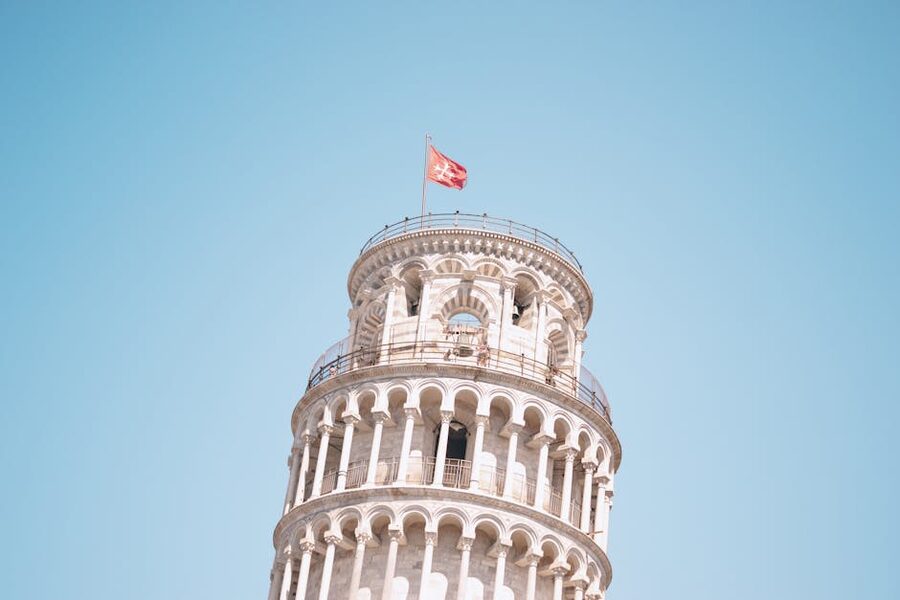
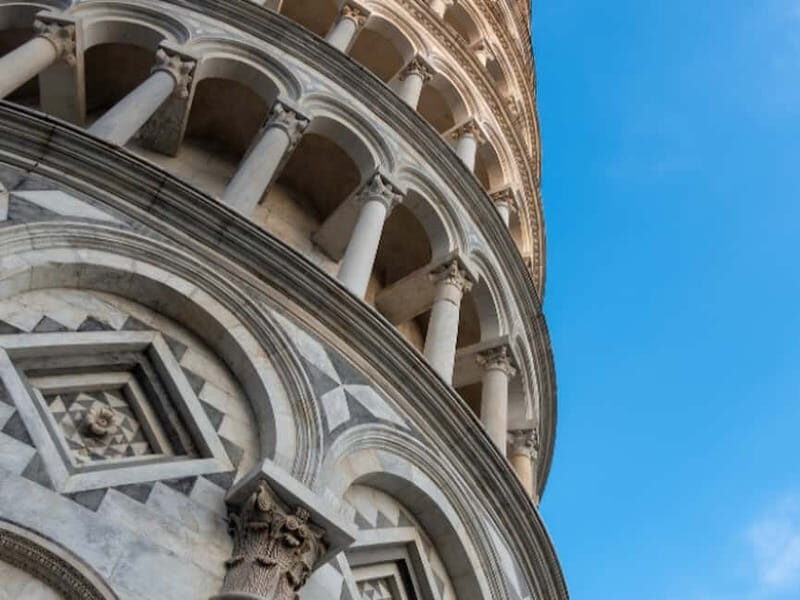
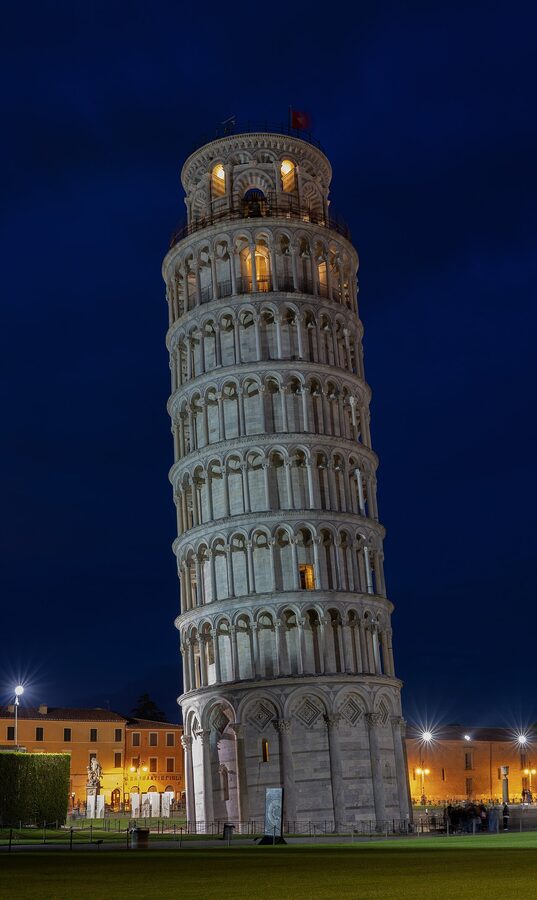
251 steps. One spiral staircase. No central column, no handrails on the inner side, and you’ll meet people coming down while you’re going up. The stones have been worn smooth by eight hundred years of feet, and the lean throws your balance off in a way photos cannot prepare you for.
It takes about 30 minutes from the start of your climb slot. Allow another 20 minutes either side for the security check, the bag locker walk, and getting back down. Plan an hour from arrival at the gate to walking out.
Children under eight are not allowed up at all. From eight to twelve they need to climb with an adult. Anyone with serious vertigo, knee issues, or claustrophobia should think hard before booking. The staircase is tight and the slope keeps shifting on you.
The Bag Locker Catch
You cannot take any bag into the tower. No handbag, no day-pack, no fanny pack, not even a small camera bag. Phones and cameras are fine in your hands, water bottles are fine. Anything bigger goes in the free locker building about 60 metres back from the entrance.
People miss this all the time. They show up 10 minutes early, get told to drop their bag, walk to the locker, find the locker queue, and miss their slot. If you’re carrying anything beyond a phone and your wallet, plan to be at the locker 20 minutes before your climb time, not five.
What You See From the Top
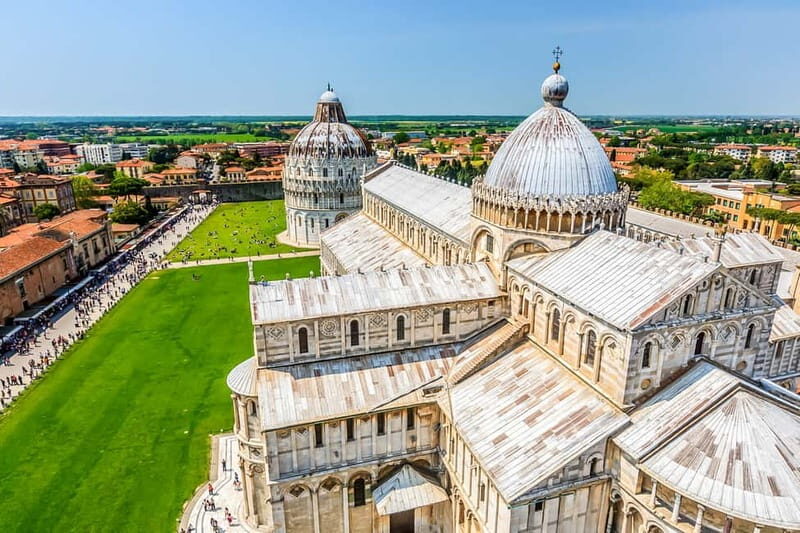
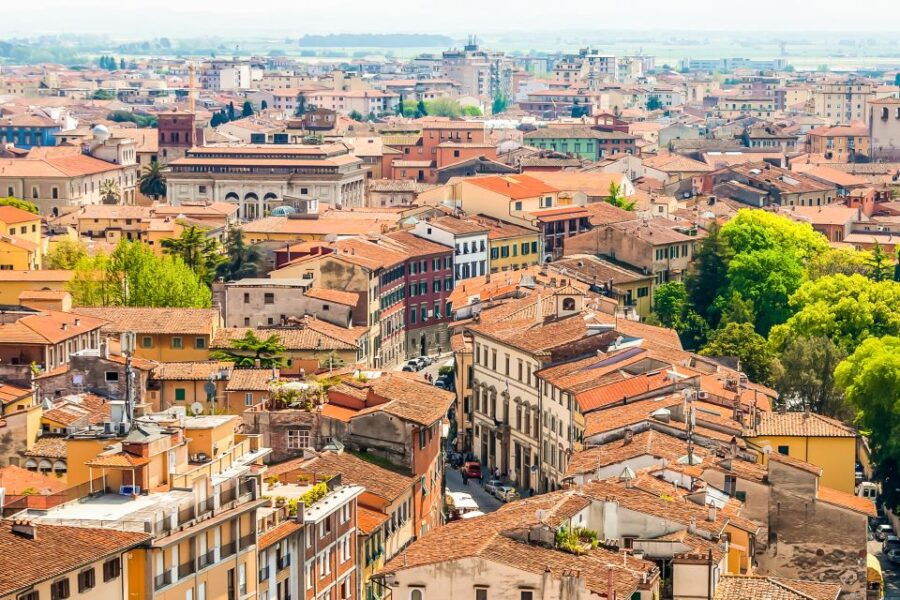
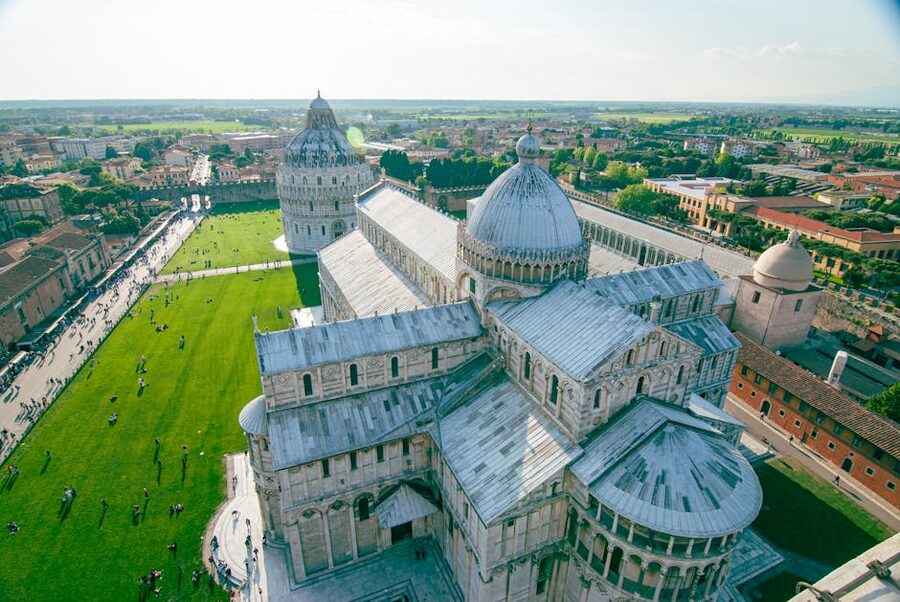
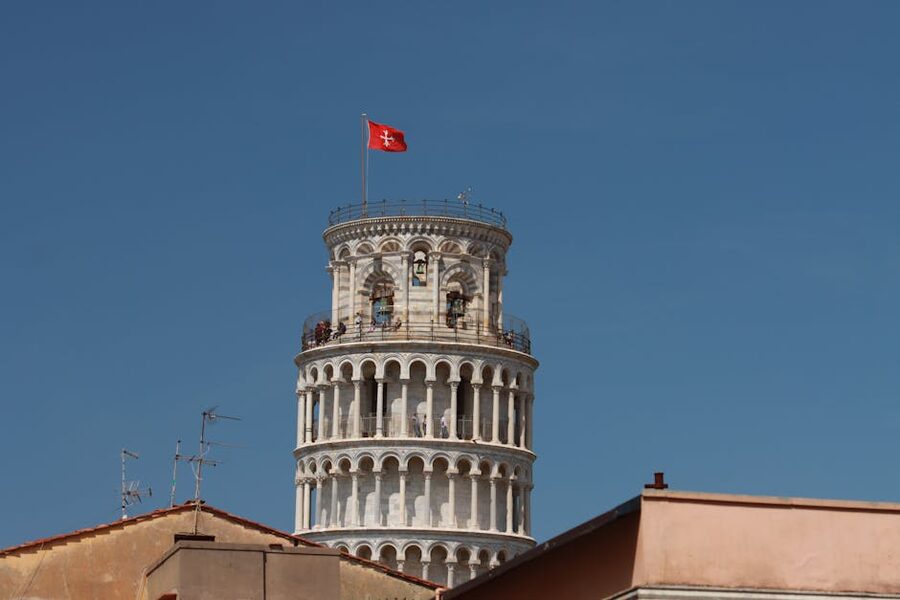
The view across the Piazza dei Miracoli, with the cathedral roof and the Baptistery dome below you, is genuinely unlike any other Italian rooftop view. To the south you can see across Pisa’s terracotta roofs to the Arno. On a clear day the Apuan Alps rise to the north. The bell chamber at the top is where you finish the climb and where most people linger longest.
Getting to Pisa from Florence
Pisa is the easiest day trip from Florence. Direct trains from Firenze Santa Maria Novella to Pisa Centrale run every 20 to 30 minutes and take between 50 minutes and 1 hour 11 minutes depending on whether you catch a Regionale or a faster Frecciabianca. The Regionale tickets are €9.50 each way and you can buy them at the machines on the platform, no advance booking needed.
The fast trains cost €18 to €25 and save you about 15 minutes. Not worth the premium for a day trip. Stick with the Regionale.
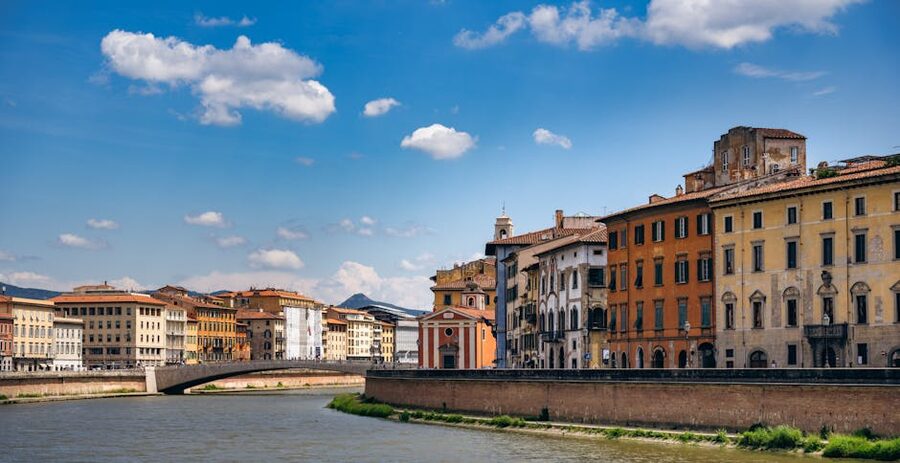
From Pisa Centrale to the Piazza dei Miracoli is a 20 to 25 minute walk, all flat. You’ll pass through the historic centre and over the Arno on the way. A taxi from the rank outside the station costs about €10 and saves you 15 minutes if you’re tight on time. There’s also the LAM Rossa bus line from outside the station, €1.70 if you buy from the tabacchi inside, €2 from the driver. It runs every 10 minutes and drops you a five-minute walk from the tower.
This is also one of the standard half-day stops on a longer Tuscany loop. If you’ve got two days in the region rather than one tight afternoon, our guide to the full Tuscany day trip from Florence covers the Pisa-Siena-San Gimignano combo, and the Chianti wineries route is what I’d pair Pisa with on a relaxed second day.
From Cinque Terre or La Spezia
If you’re already heading to the Cinque Terre, Pisa is genuinely on the way. Trains between Florence and La Spezia stop at Pisa Centrale, so you can break the journey for two hours, see the tower, and continue to the coast on the next train. The luggage deposit (deposito bagagli) inside Pisa Centrale handles bags so you’re not dragging them through town.
From a Livorno Cruise Stop
Livorno port is 20 km from Pisa. If you’re tendering off a cruise ship and only have half a day on shore, a private transfer or shore-excursion tour is the safer bet. The trains from Livorno Centrale work but the connections aren’t as clean, and you don’t want to be the one missing the all-aboard.
The Best Time to Go
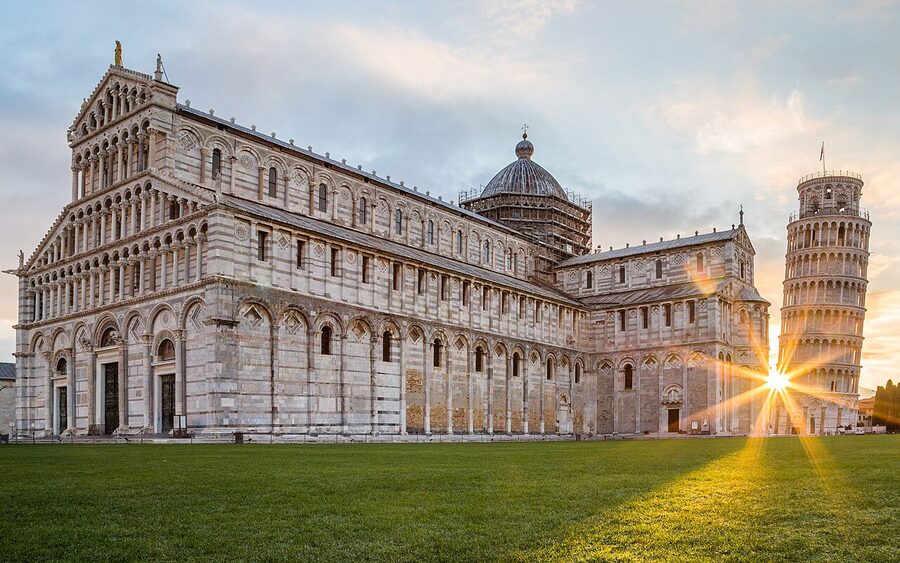
The first climb slot of the day is 9am. Aim for that one. The piazza is quiet, the light on the marble is soft, and the queue at the bag locker is essentially nonexistent. By 11am the place is heaving and you’ll wait everywhere.
If you can’t make 9am, the late afternoon slots from 5pm onward are the second-best window. Most day-trippers have already left for their evening trains by then. In summer the tower stays open until 10pm and the night-lit version is a different experience entirely.
Months matter too. April, May, late September, and early October are the sweet spot. July and August are hot, the marble blasts heat back at you, and the climb is genuinely uncomfortable in afternoon sun. November to February is quiet and cheap, but you’ll trade good weather for that.
What Else Is on the Square of Miracles
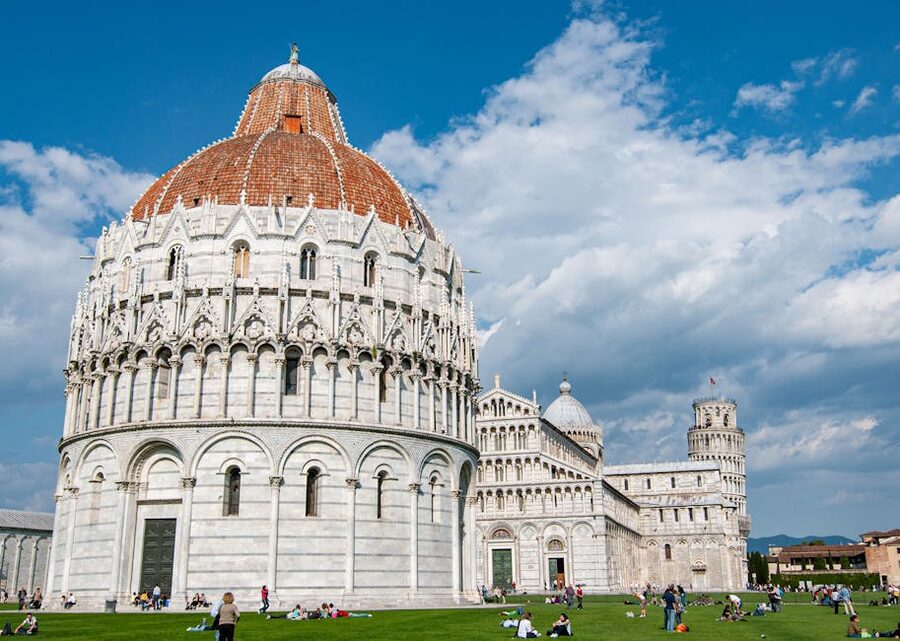
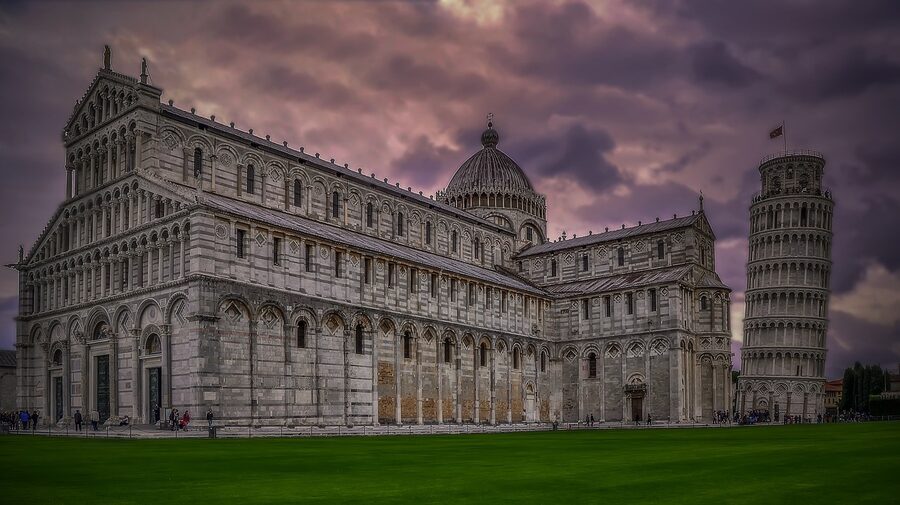
Most people walk in, see the tower, climb it, leave. They miss the rest of the square, which is the part I’d actually push you to slow down for if you have an extra hour.
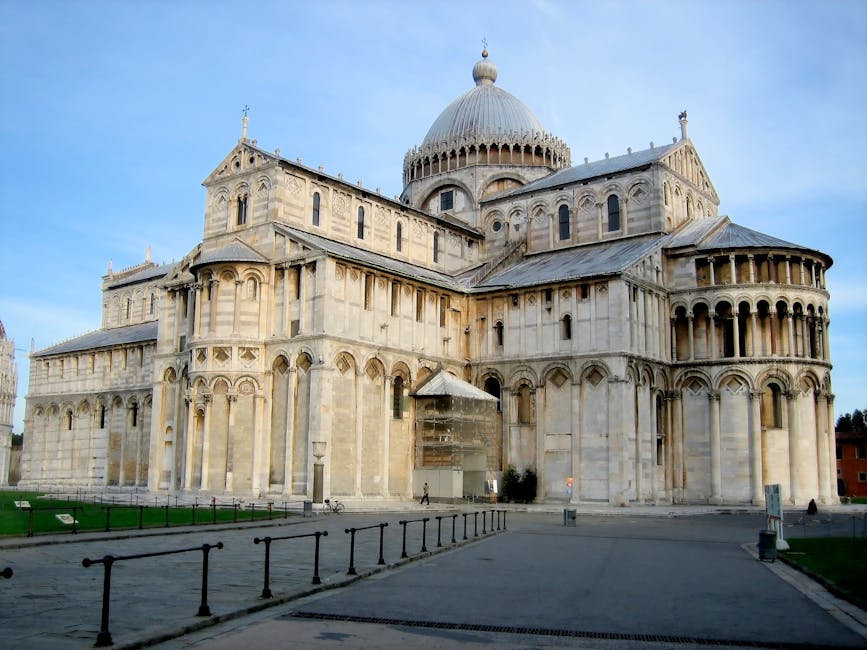
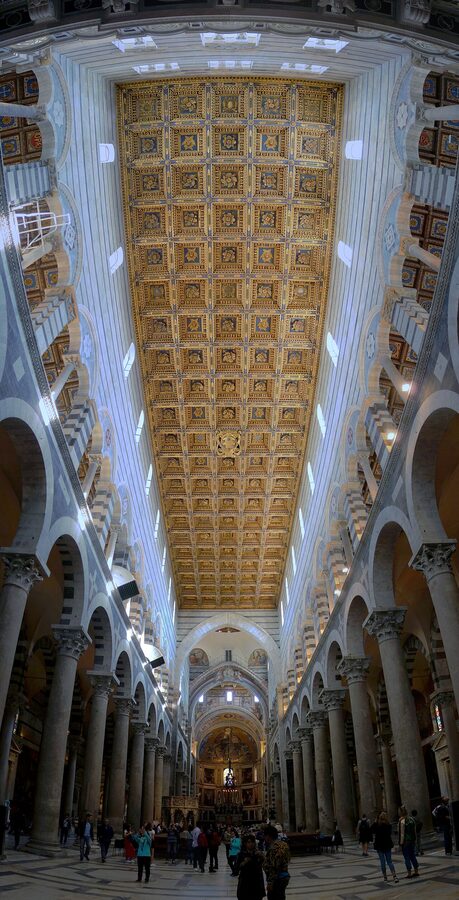
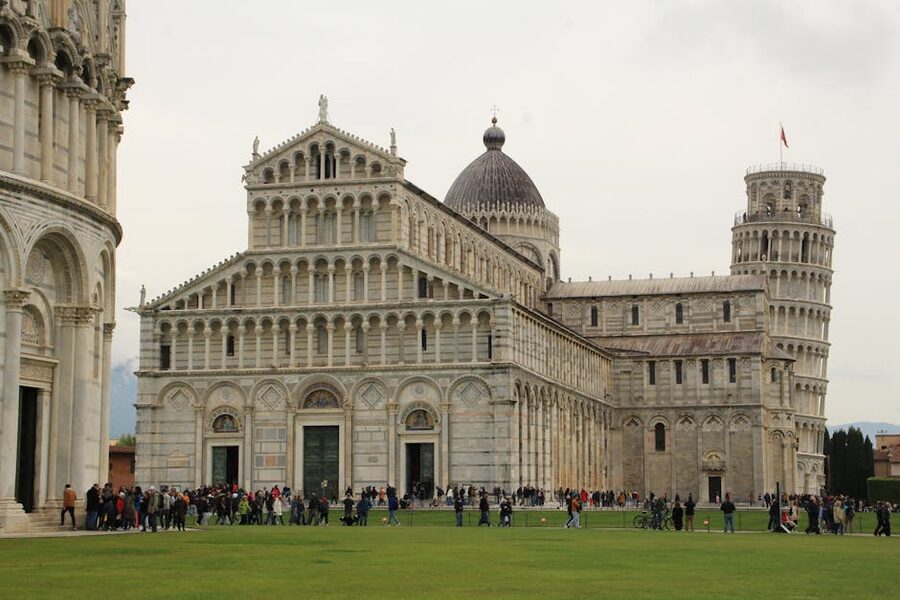
The Cathedral. Free with any tower ticket. The carved bronze doors at the south transept entrance are by Bonanno Pisano, the same architect blamed for the lean of the tower. The pulpit by Giovanni Pisano is the highlight inside, look for the 1310 carving date on the base.
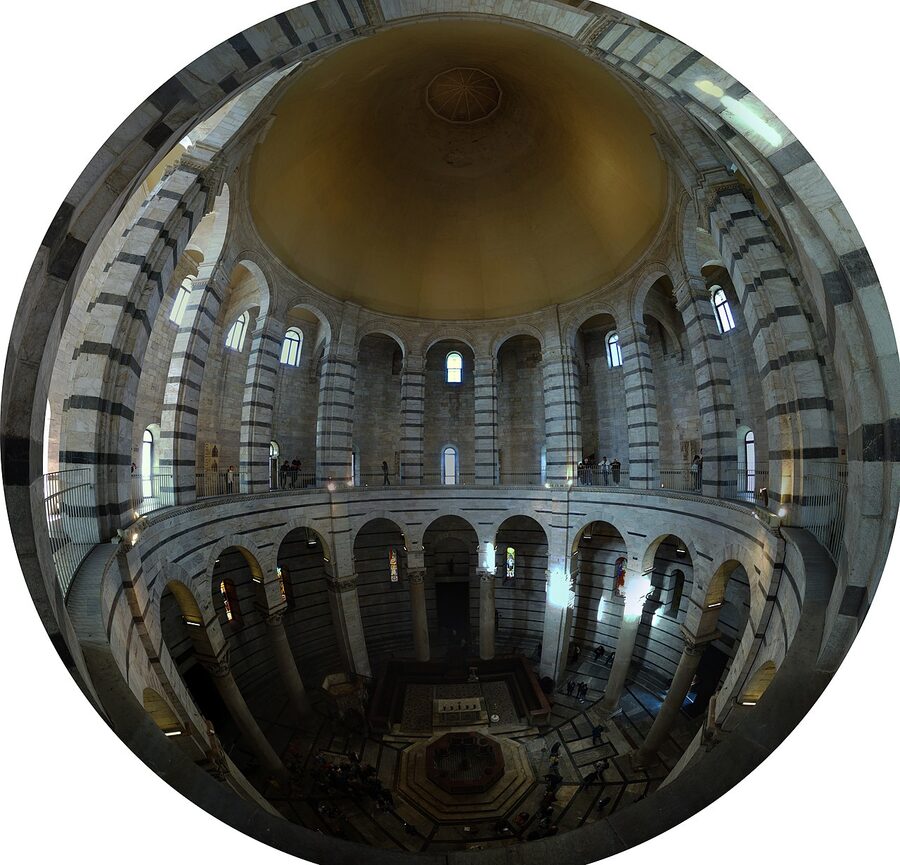
The Baptistery. The largest in Italy and the building most people skip. The acoustic demo alone is worth the €7 supplement. A staff member sings a few notes every 30 minutes or so, and the dome catches and stacks the sound for nearly 12 seconds.
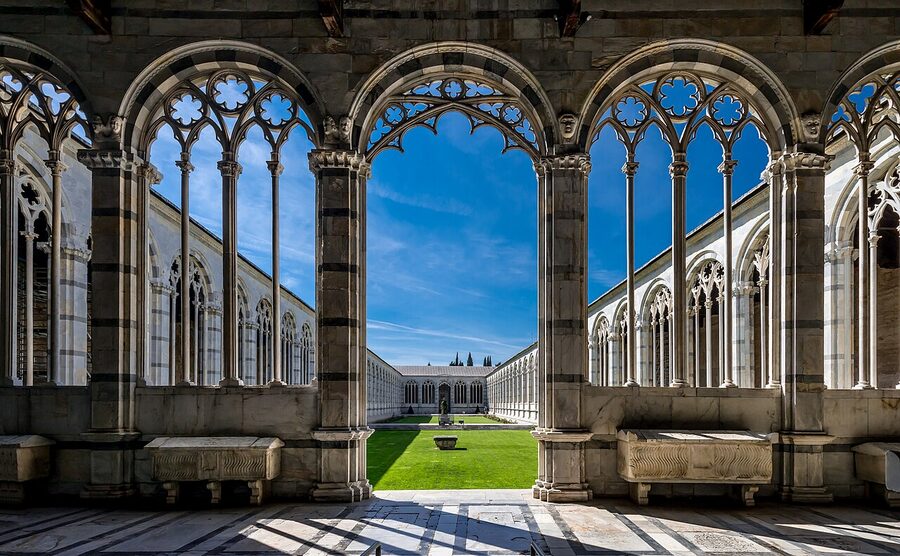
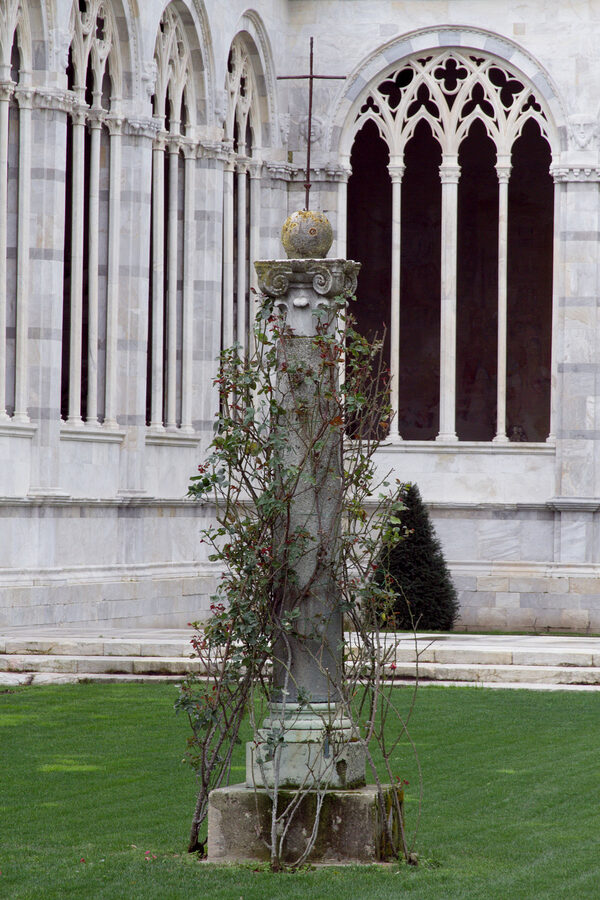
The Camposanto. A walled cemetery on the northern edge of the square. The frescoes inside are extraordinary, especially the Triumph of Death panel, partially destroyed by an Allied bomb in 1944 and painstakingly restored. Quiet, shaded, and almost empty even at midday.
The Sinopie Museum and Opera del Duomo Museum. Skip both unless you’re a serious art history person. They’re interesting but they’ll eat an hour you could spend on Pisa’s actual streets, which most visitors never see.
The Story Behind the Lean
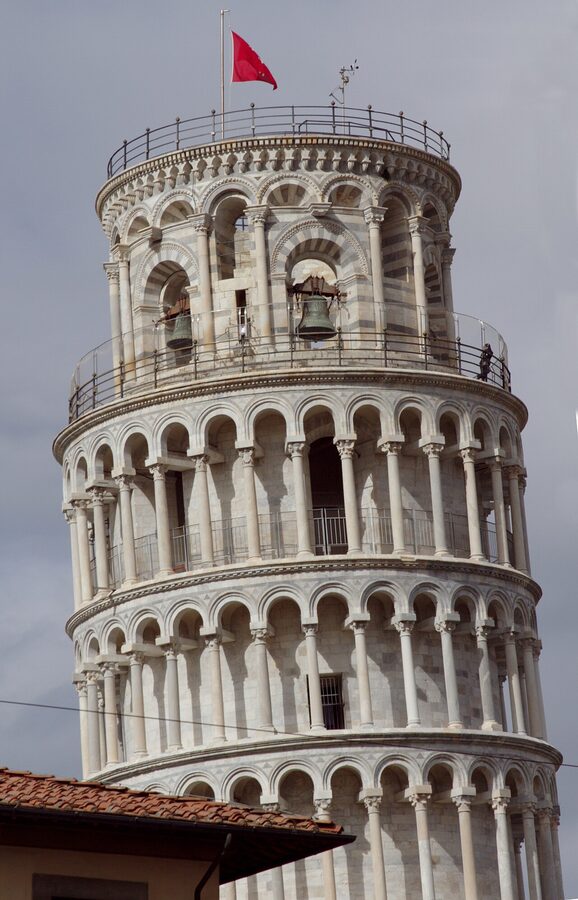
Construction started in 1173. The ground beneath the south side was soft clay and silt, and the foundation was just three metres deep. By the time the third storey went up around 1178, the tower was already tilting. Pisa was at war with neighbouring Genoa and Lucca, building paused for almost a hundred years, and that gap accidentally saved the tower. The clay had time to compress and the foundation stabilised before more weight went on.
When work resumed in 1272, the masons built the upper floors on a slight curve, angled the opposite way to the lean. The strategy partially worked. The tower kept tilting but slower. The bell chamber on top was added in 1372, almost 200 years after the foundation went down.
The lean reached its modern peak of about 5.5 degrees by the 1990s. Engineers worried it was about to fall. Between 1993 and 2001 a major stabilisation removed about 70 cubic metres of soil from under the higher side of the foundation, allowing the tower to settle back by about 45 centimetres. It’s now leaning at roughly 3.97 degrees and engineers say it’s stable for at least the next 200 years.
The tower is one of the most studied buildings on Earth. Sensors monitor it constantly. The fact that it’s still standing at all is a quiet miracle of medieval mistake and modern engineering.
Practical Things That Tripped Me Up
The food on the Piazza dei Miracoli is overpriced and mediocre. Walk five minutes south to Via San Frediano or the streets around Piazza dei Cavalieri and you’ll find proper Pisa restaurants for half the price. Trattoria Sant’Omobono near Piazza dei Cavalieri does Tuscan classics for around €15 a primo.
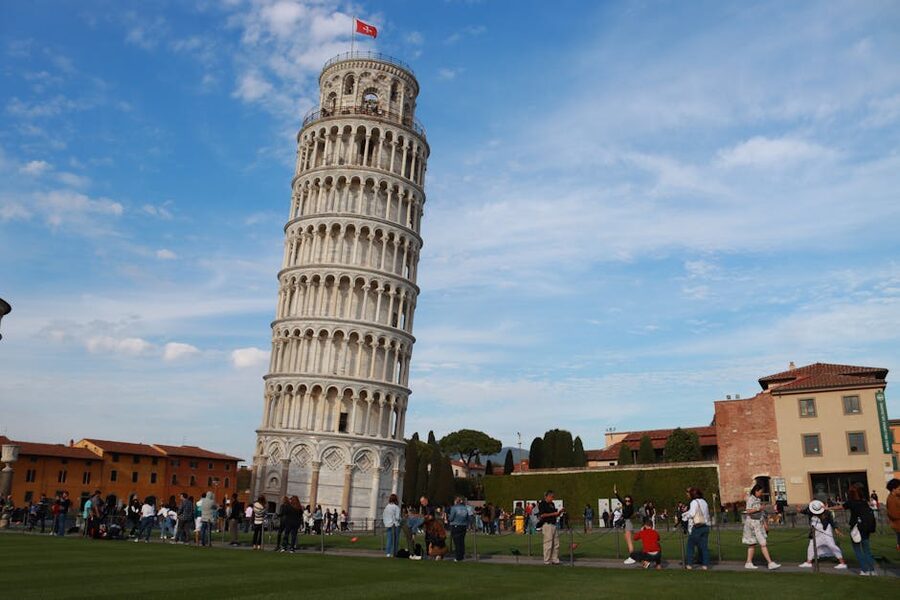
Pickpockets work the lawn area, especially around the silly-photo crowd. People putting bags down to pose lose them. Wear a cross-body bag and don’t set anything down.
The toilets at the entrance to the tower complex cost €1. Use the ones at Pisa Centrale before you leave the station, those are free.
If you’re meeting friends at the tower, don’t say “by the tower”. The piazza is huge. Pick a specific spot, like the door at the south end of the cathedral or the gate at Porta Santa Maria.
Worth It Or Skip It?
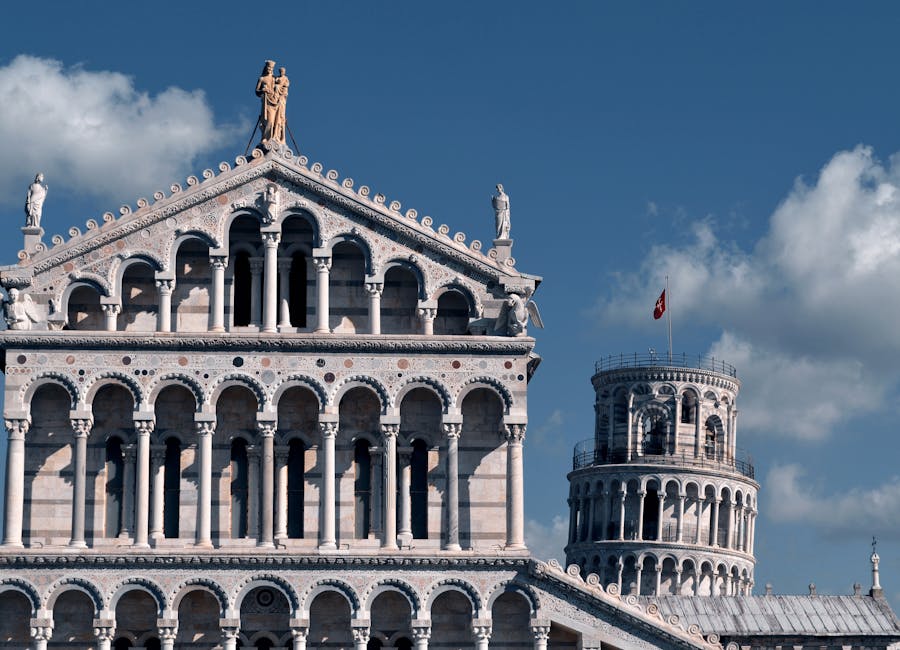
The cliché take is that Pisa is a tourist trap and the tower is a 15-minute photo op. There’s truth in that if you do it the lazy way: hop off the bus, take the silly shot, hop back on. But that’s a choice, not the only option.
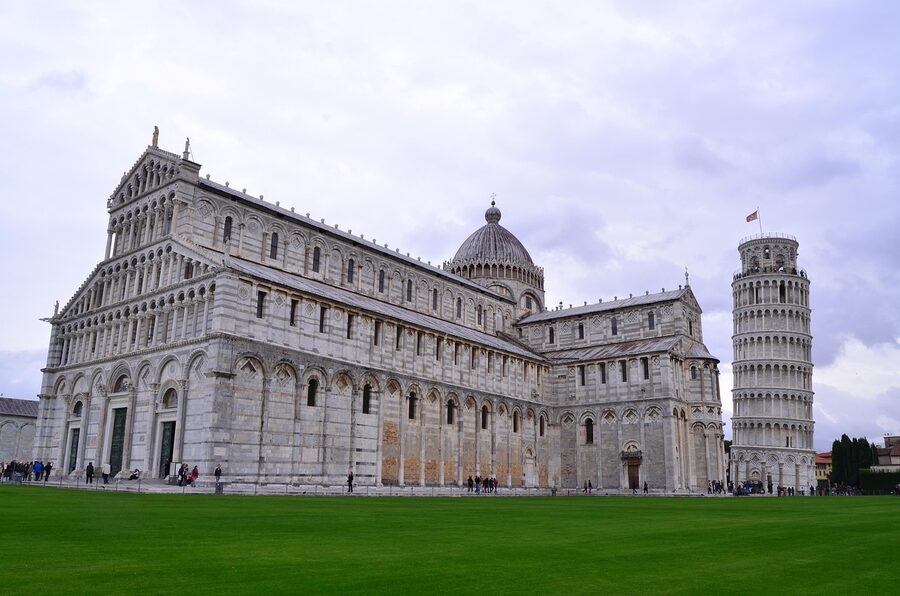
If you climb the tower, slow-walk the cathedral, and step inside the Baptistery to hear the acoustics, you’ve spent two hours on something genuinely strange and beautiful that you can’t see anywhere else. The lean is more dramatic in person than any photo prepares you for. The marble inlays on the cathedral facade are extraordinary up close. The Baptistery acoustic demo is one of the most surprising things in Italy.
Skip it if you’re seriously short on time and you’ve already seen Florence, Rome, and the Cinque Terre on this trip. Don’t skip it if it’s your first Italy trip or if you have kids old enough to climb. The tower is recognisable to seven-year-olds for a reason.
If You’re Building a Bigger Trip
Pisa pairs well with almost everything in this corner of Italy, which is half the reason it’s so easy to fold into a longer trip. If you’re already day-tripping out of Florence and want company on the train, the multi-stop Tuscany loop with Siena and San Gimignano is the obvious counterpart, and the slower Chianti wineries route is what I’d pair Pisa with on a relaxed second day. Inside Florence itself, the Uffizi and David at the Accademia are the two I’d line up first if you haven’t done them yet. Save the hop-on hop-off bus for an extra half-day when your feet have already had enough.