
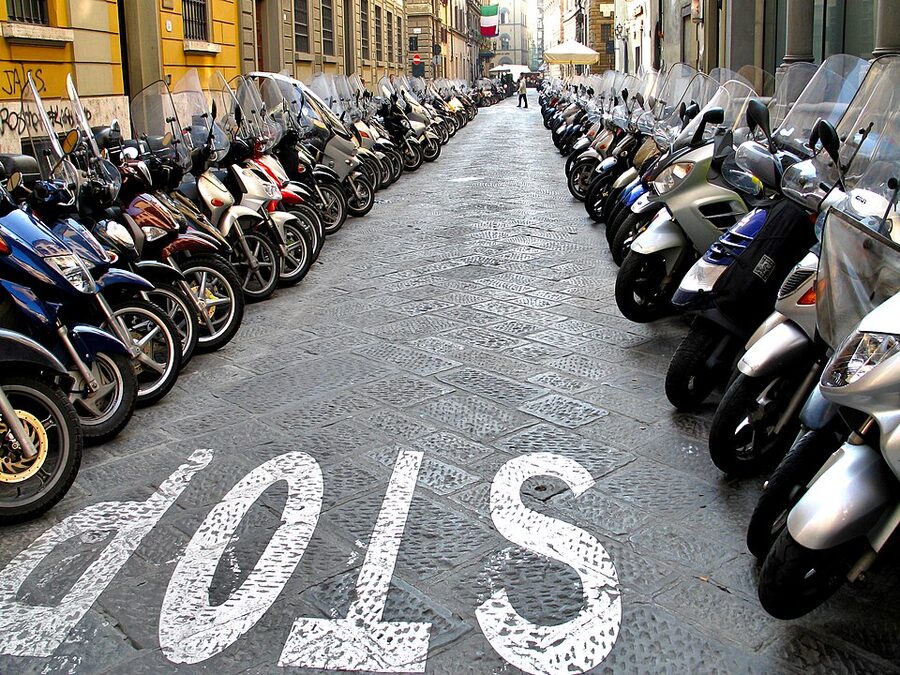
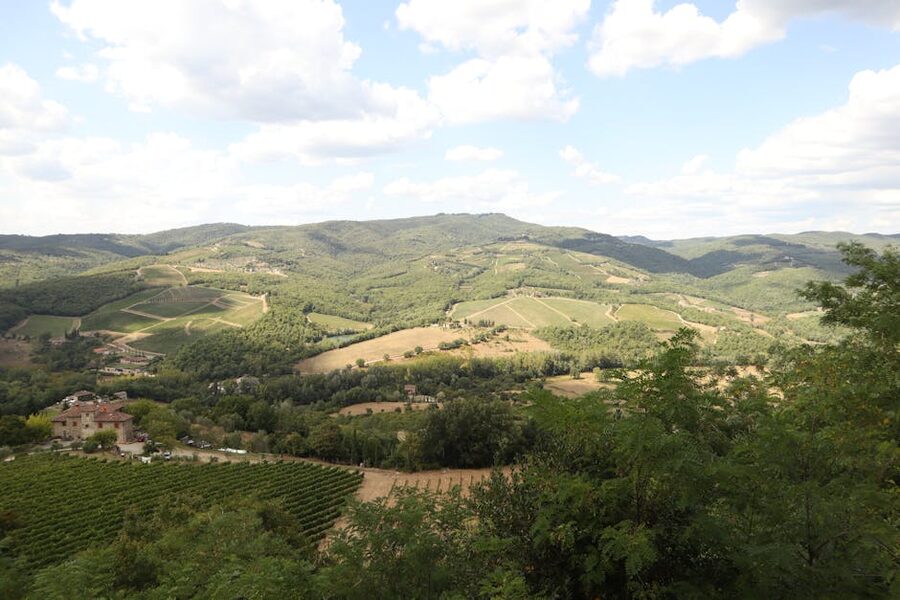
Third gear, second cypress avenue of the morning, and the road tips downhill toward a stone farmhouse you absolutely cannot read on a map. The guide ahead taps her brakes. The radio in your helmet crackles. So you slow, take the bend wide, and the whole Chianti valley opens up below you like someone pulled back a curtain.
That’s why a Vespa tour from Florence works. You leave the museum queues behind by 9am and ride into the part of Tuscany you actually came for.
- In a Hurry? Three Tours Worth Booking
- How a Florence Vespa Tour Actually Works
- What You Need (and What You Don’t)
- Where the Tours Actually Go
- Best Florence Vespa Tours to Book
- 1. Florence Vespa Tour: Tuscan Hills and Italian Cuisine, .60
- 2. From Florence: Tuscan Countryside Tour on a Vintage Vespa, 6
- 3. Tuscany Vespa Tour, 8.62
- Pricing: What You’re Actually Paying For
- Best Time of Year to Ride
- Cancellation Policies and Weather
- What Else to Book Around the Vespa Day
- Common Mistakes
- Two Riders, One License
- Booking Direct vs. via Viator/GetYourGuide
- A Quick Note on Self-Drive Vespa Rentals
- More Florence Tours Worth Pairing
In a Hurry? Three Tours Worth Booking
- Florence Vespa Tour: Tuscan Hills and Italian Cuisine ($78.60). The most-booked option. Six hours, vintage Vespas, lunch on a terrace, runs daily.
- From Florence: Tuscan Countryside Tour on a Vintage Vespa ($176). Smaller groups, prosciutto and Chianti tasting on a private terrace, five hours.
- Tuscany Vespa Tour ($228.62). Pricier but the route through the wine country is the best one. Requires prior motorbike experience.
How a Florence Vespa Tour Actually Works
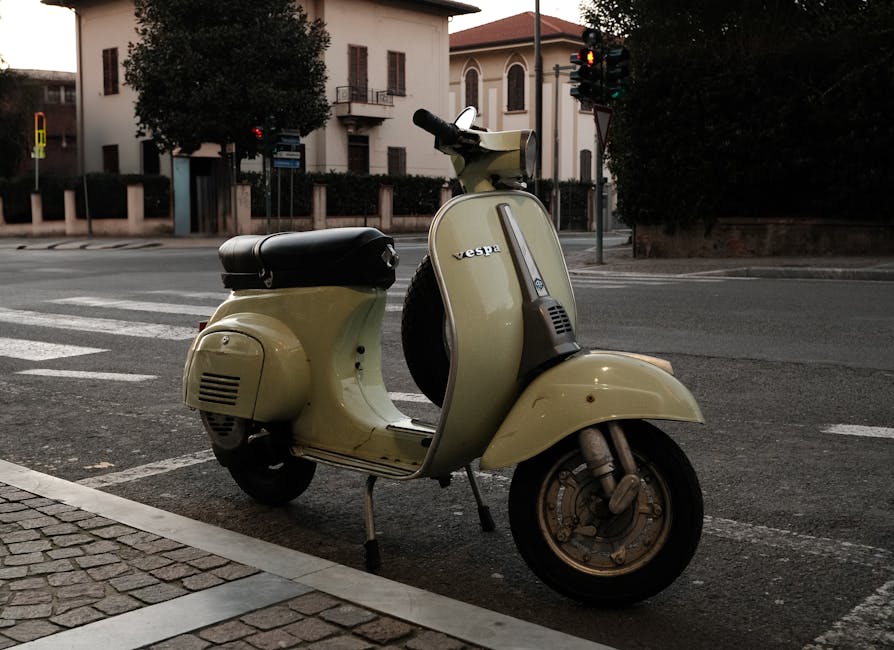
You meet at a garage or depot, usually on the outskirts of Florence. Somewhere around Porta Romana, Campo di Marte, or up near Piazzale Michelangelo depending on the operator. Pickup from your hotel is sometimes included, sometimes not. Read the booking page line by line before you hit confirm.
At the depot you get a quick safety briefing. Helmet on. Two-way radio on. A short practice ride in a traffic-free yard or quiet side street. Then you follow the lead guide out in single file.
The radio is the part most people don’t expect. Your guide narrates the ride. Where to slow, where the road tightens, what you’re looking at when the view opens up. It also means they can hear you if you have a problem. That’s how the day stays low-stress even if you’ve never ridden before.
What You Need (and What You Don’t)
You need a valid car driving license. EU, UK, US, Australian, all fine. An International Driving Permit is recommended for non-EU licenses but rarely checked. Bring the physical license, not a photo.
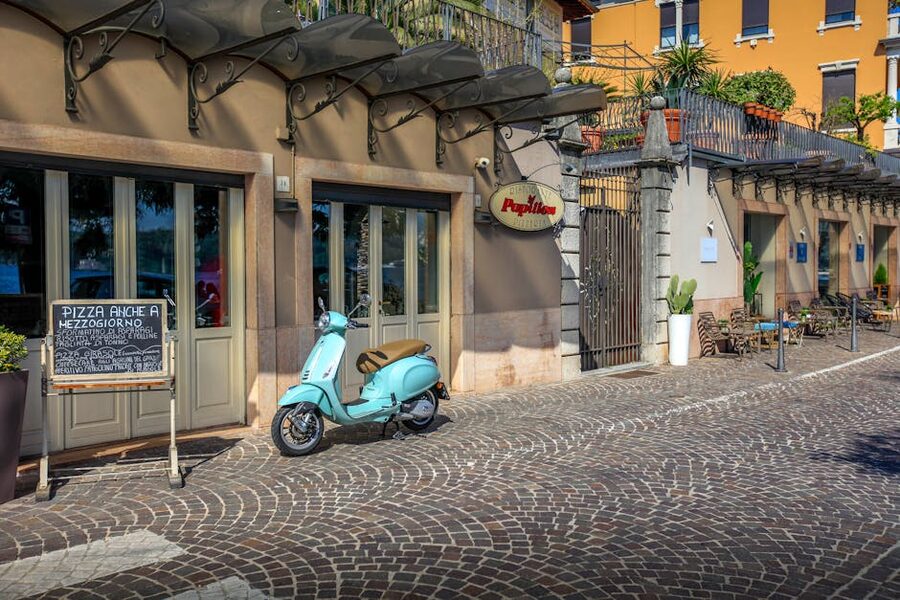
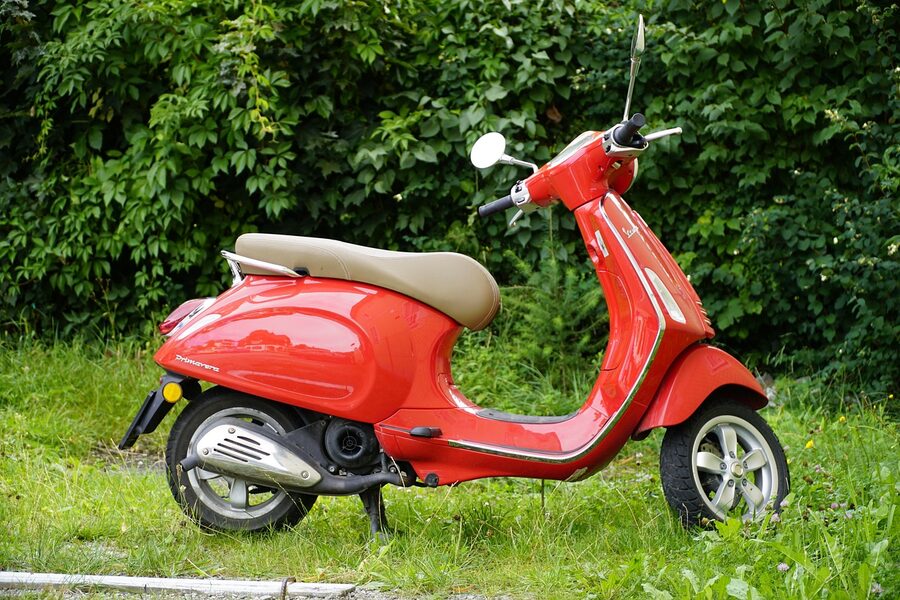
You don’t need motorbike experience for the modern automatic Vespas. You point the throttle, you brake, you go. If you can ride a bicycle, you can ride one of these on a country lane.
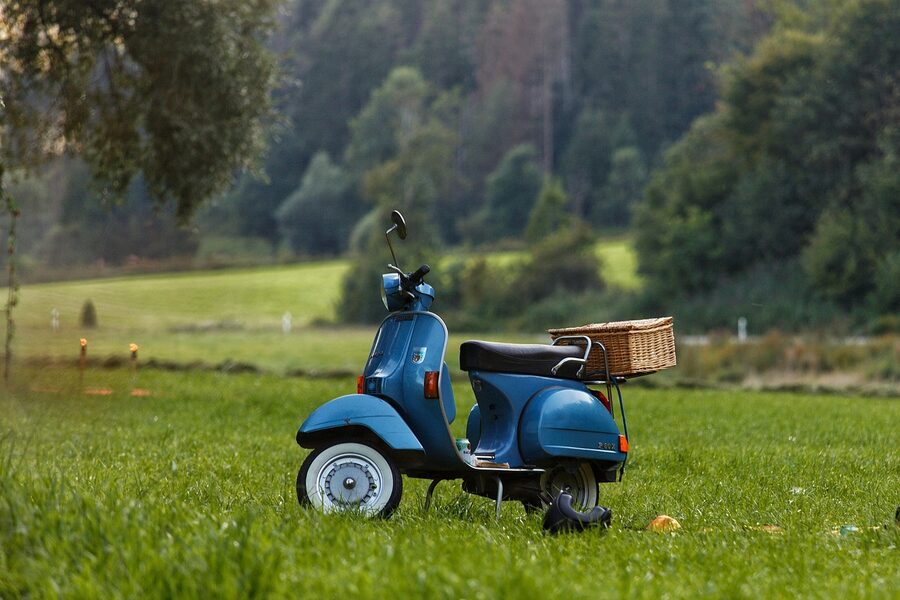
You DO need motorbike experience for the vintage 1970s manual-shift tours. The Tuscany Vespa Tour states this in their booking conditions, and so do most of the high-end operators. Don’t fudge it. Stalling a vintage Vespa on a hill in front of a tour group is character-building in the wrong way.
What to wear: closed-toe shoes (no flip-flops, they’re not negotiable), long trousers if you can stand the heat, a light jacket for the morning ride out. Sunglasses help against bugs more than glare. The helmet is provided.
What to leave at the hotel: anything in a tote bag, anything heavy, anything you’d cry about if it bounced out of a Vespa basket. Most riders go with a small backpack and a phone strap.
Where the Tours Actually Go
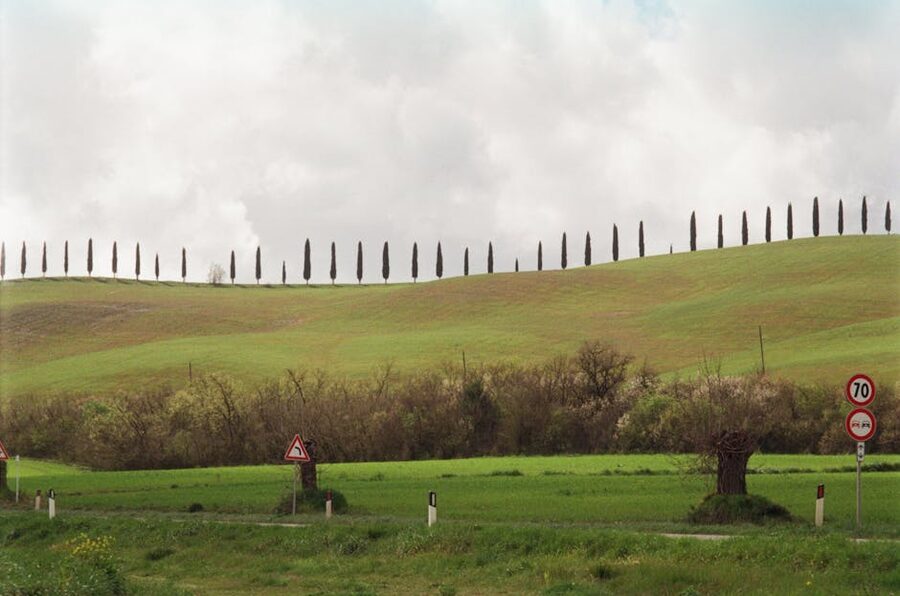
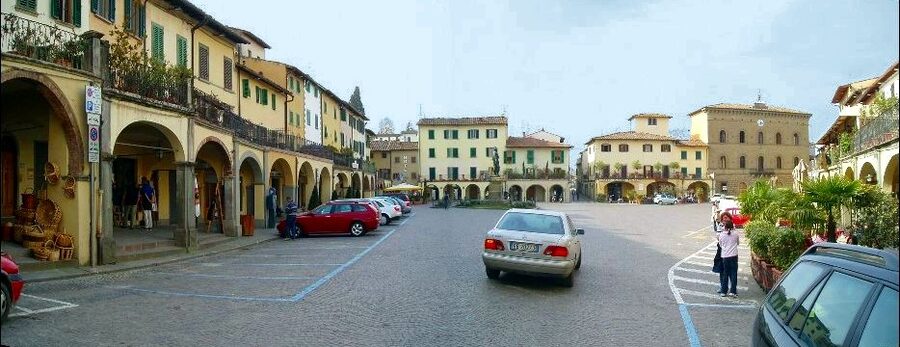
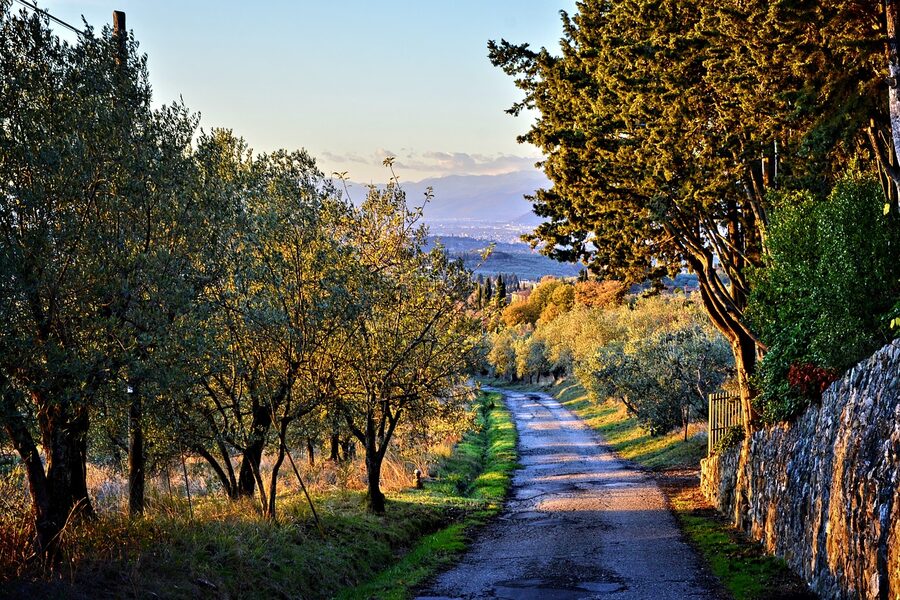
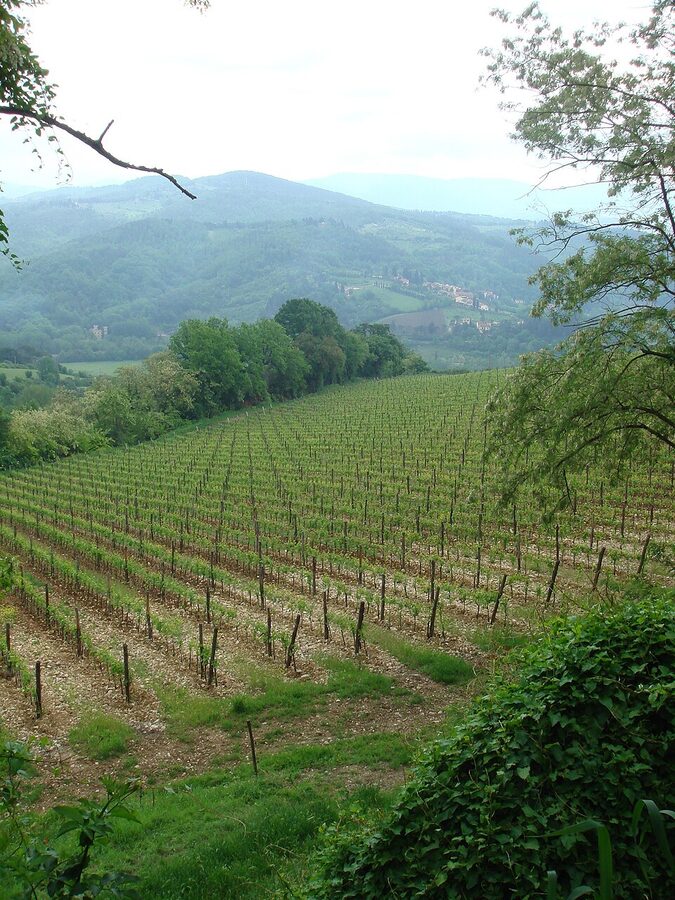
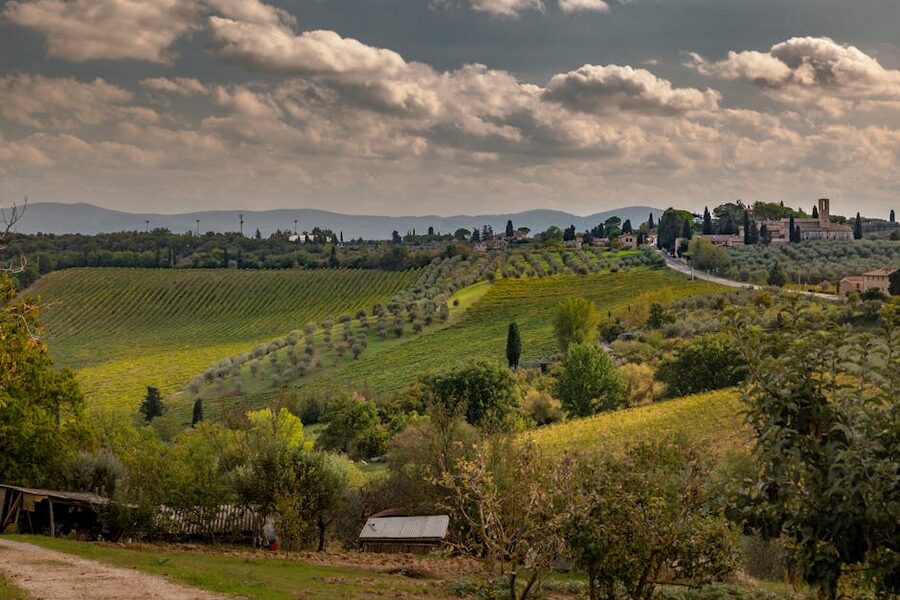
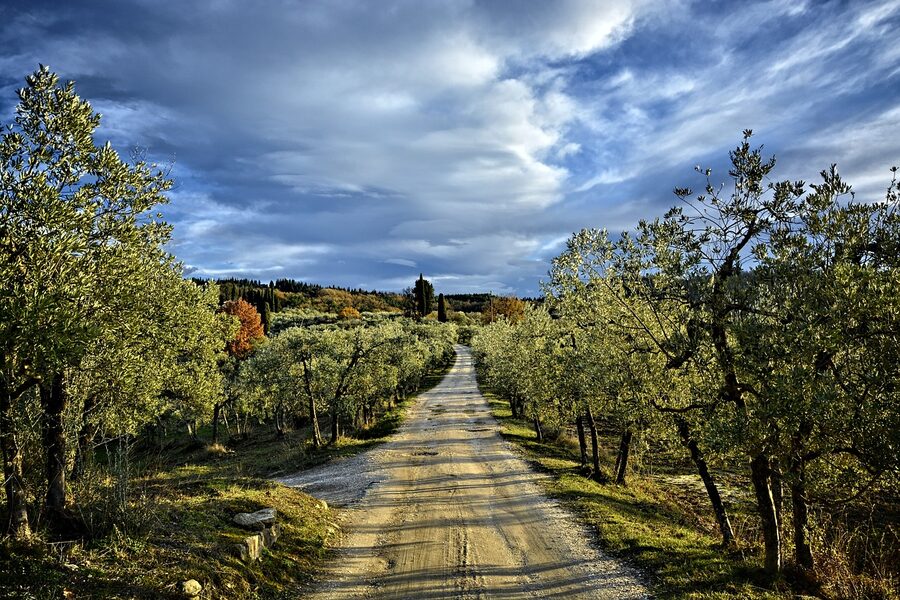
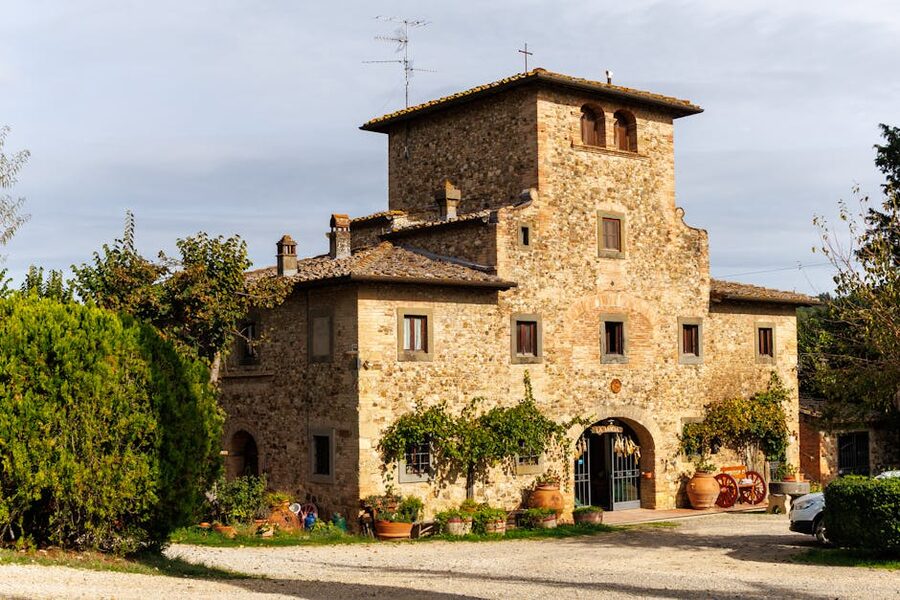
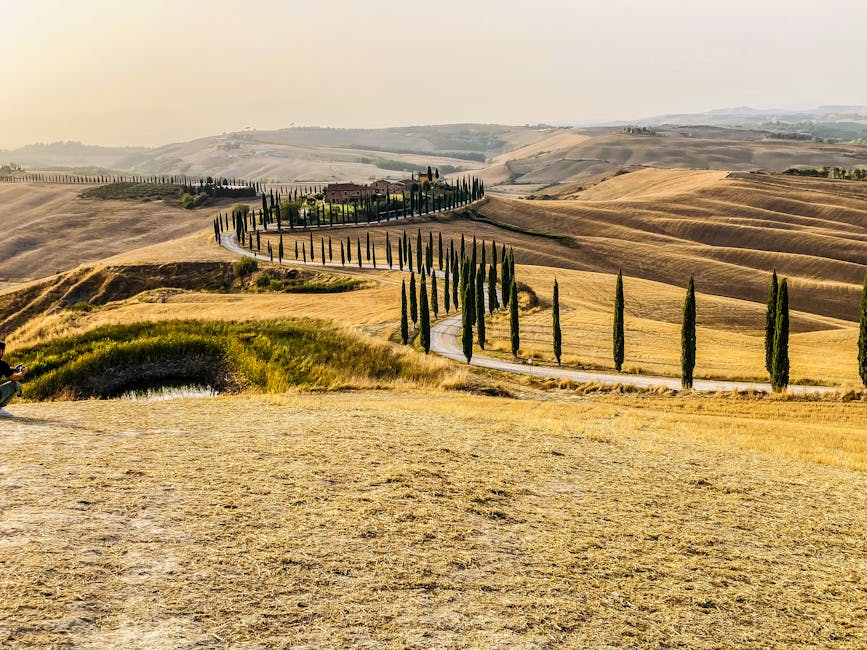
Most full-day Florence Vespa tours head south into Chianti. That’s the wine country between Florence and Siena. Cypress avenues, hilltop villages, vineyard lunches. The classic Tuscany you’ve seen on every Italian travel poster.
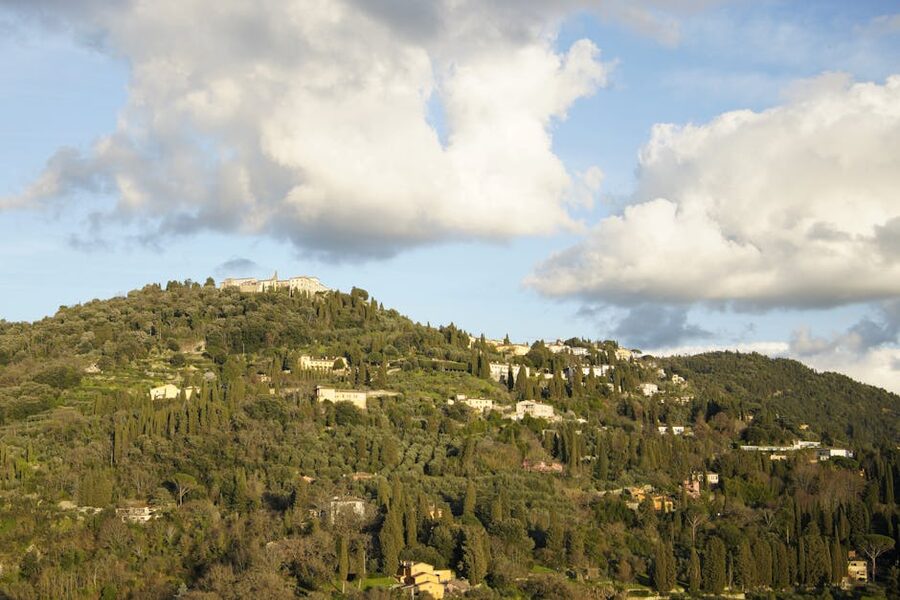
A handful of tours head north instead, up toward Fiesole and the hills above Florence. Shorter, less wine-heavy, better if you want a half-day with a city view rather than a full vineyard immersion. You can pair these with a sunset walking tour back in town the same evening without feeling rushed.
A few specialist routes go further. Out toward San Gimignano, or up into the Mugello hills northeast of the city. These are full-day rides with longer transfer legs. Better for confident riders who want road time over photo stops.
Best Florence Vespa Tours to Book
I picked these three based on review volume, what you actually get for the money, and how much hassle the operator saves you on the booking side. They’re the ones I’d send a friend to without hedging.
1. Florence Vespa Tour: Tuscan Hills and Italian Cuisine, $78.60

This is the most-booked Florence Vespa tour on the market and it’s not close. Our full review of the Tuscan Hills tour goes through the lunch stop and the radio setup. Six hours is the right length: long enough to ride, short enough you’re not exhausted at dinner.
2. From Florence: Tuscan Countryside Tour on a Vintage Vespa, $176
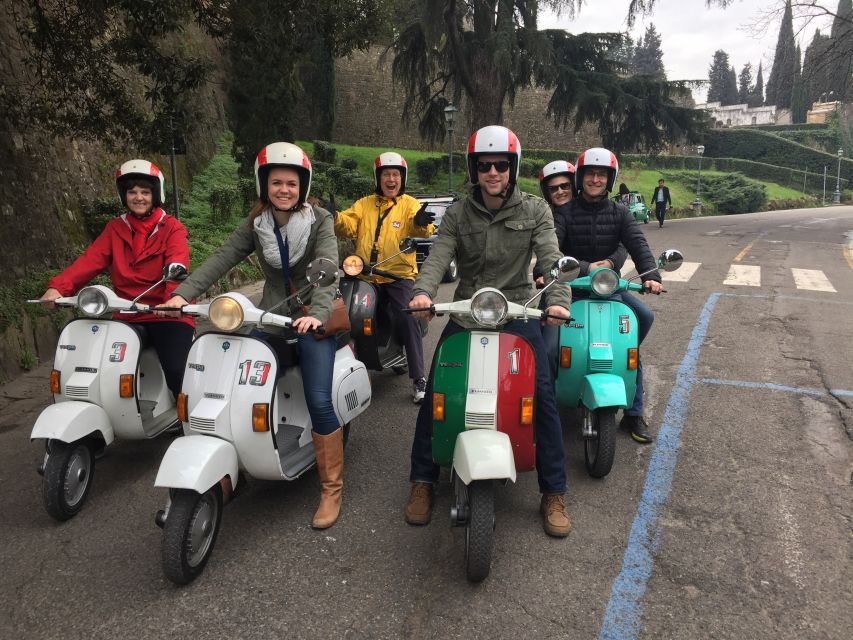
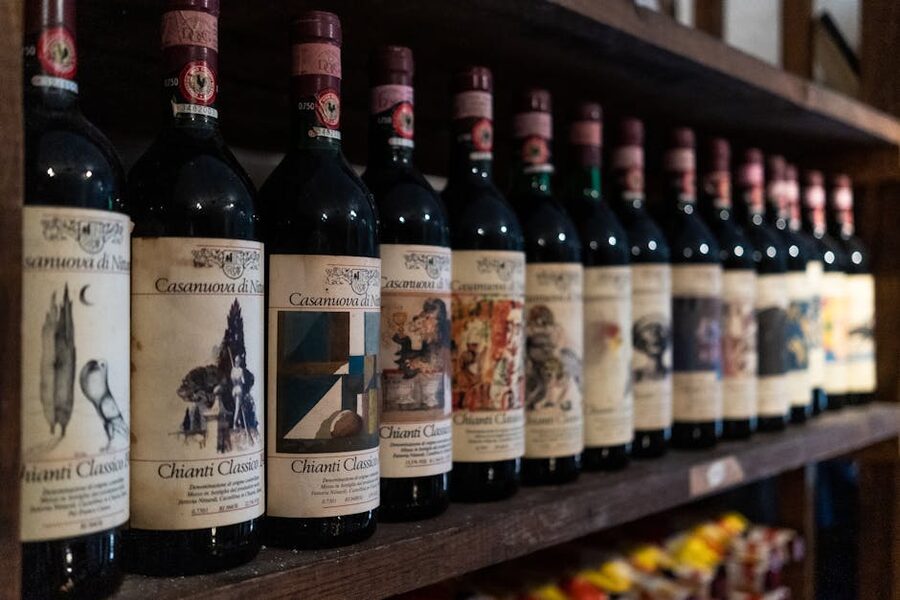
Pick this one if you want a tighter group and a better food stop. The prosciutto and Chianti pairing on a private terrace is the differentiator, and our review of the vintage Vespa countryside ride walks through the route and the church visit. Five hours, slightly shorter than the flagship.
3. Tuscany Vespa Tour, $228.62
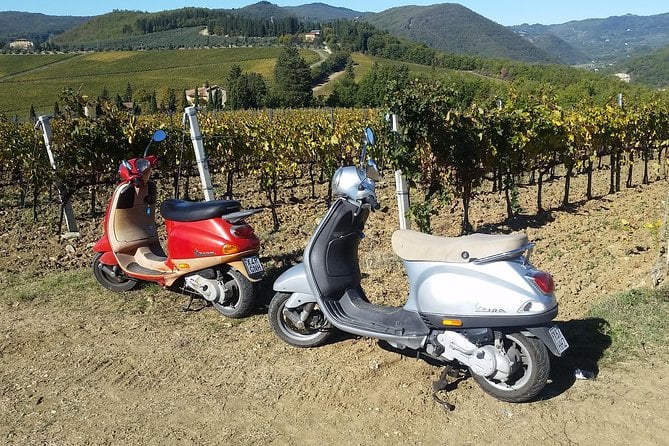
This is the one you book if you’ve ridden before and you want road time over photo time. Prior motorbike experience is required, no exceptions. The route through the wine country is the best of the three, and our take on the Tuscany Vespa Tour covers the lunch and the wine pairing. Five hours, leaves Florence early.
Pricing: What You’re Actually Paying For
Florence Vespa tours sit in three rough price bands. Around $80 gets you the flagship six-hour group tour with lunch. Around $175 gets you a smaller group with a more curated food stop. Around $230 buys a half-private feel and a better route, with the prerequisite that you can already ride.
What’s almost always included: Vespa rental, fuel, helmet, two-way radio, guide, lunch. Sometimes wine pairing.
What’s almost never included: hotel pickup outside a small Florence radius (Tuscany Chianti requires a mini-van transfer for some operators), tip for the guide, anything you buy at the food stops beyond what’s served.
If you compare prices to a Rome pasta class or a Florence pasta-making class, a Vespa tour costs more for a reason. The vehicle, the fuel, the insurance, and the longer day all add up. It’s not bad value, it’s just not a $50 walking tour.
Best Time of Year to Ride
April through June is the sweet spot. Vines are in leaf, hills are still green, the crowds haven’t fully arrived. Mornings can be cold for the first 30 minutes, so pack a light jacket.
September and early October give you the harvest. Vines turning gold, less heat than summer, the lunch stops smell of fresh grape pressing. Many regulars say it’s the best month if you can pick.
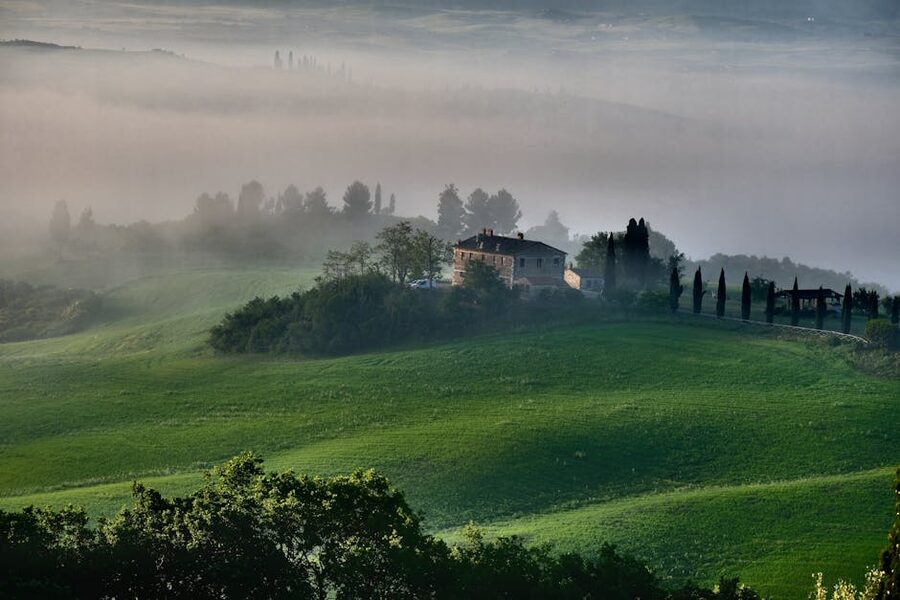
July and August work but it’s hot. Riding in 35°C with a helmet on is its own thing. If you’re going then, book the earliest morning slot you can and cover up rather than stripping down. Sunburn at 50km/h is fast.
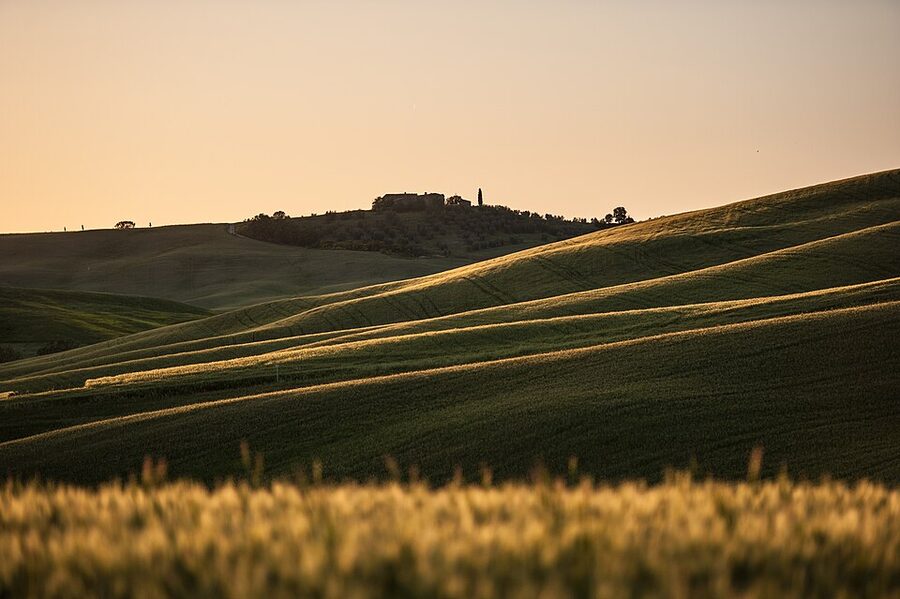
November through March is risk weather. Chianti gets cold rain, the cypress avenues turn slippery, and a lot of operators pause Vespa tours from late November to mid-March. Always check the booking page for season dates before you fly.
Cancellation Policies and Weather
Most Florence Vespa tours run on Viator or GetYourGuide with 24-hour free cancellation. Read the small print though: some vintage Vespa operators want 48 or 72 hours’ notice because they have to confirm with the garage.
If it’s raining on tour morning, the operator usually decides by 7am. They’ll either swap you to a covered car-and-driver alternative, reschedule, or refund. Light rain rarely cancels a tour. Heavy rain or thunderstorms always do.
Pro tip: book the second day of your Florence stay, not the first. That way if it’s wet on day one, you can swap days without losing the booking.
What Else to Book Around the Vespa Day
A Vespa tour eats the middle of one day, roughly 9am to 3pm. That leaves morning coffee and dinner free, plus the entire surrounding days. Make them count.
If you’re already paying for the countryside experience, slot in a hands-on cooking session. The Florence pasta-making class works the day before or after. So does the Medici storyteller tour if you want a city-side counterpoint. Different texture entirely, but the same Florence-as-stage feel.
The other thing I’d plan is the city anchors. Uffizi on a separate day, the David at the Accademia on its own slot, the Duomo dome climb in the morning while you’re fresh. None of these mix well with a six-hour Vespa day in the same 24 hours.
Common Mistakes
The most common booking mistake: people book a vintage Vespa tour without realising the bikes have manual gears. Then they show up, can’t ride, and have to switch to the back seat or refund. Read the bike type on the booking page. If it says “vintage” or mentions years like 1970s, assume manual unless it explicitly says automatic.
The second most common: skipping breakfast. You’re on a Vespa for 90 minutes before the first food stop. Coffee and a cornetto at the hotel will save you.
The third: turning up in flip-flops. Most operators won’t let you ride. They’ll lend you a helmet but not shoes.
The fourth: assuming the tour ends back at your hotel. It usually doesn’t. It ends at the depot, sometimes a 15-minute walk from the centro storico. Plan a taxi if you’re tired.
Two Riders, One License
If you’re traveling with a partner who doesn’t drive, you can still both go. Most Florence operators put non-riders on the back seat of the lead guide’s Vespa, sometimes for free, sometimes for a small fee. Confirm this BEFORE you book if it matters.
Two-person Vespas exist but they’re heavier to handle and most operators don’t rent them out for tour use. The “couple share one bike” image is mostly Vespa marketing, not how Italian tour operators run it.
Booking Direct vs. via Viator/GetYourGuide
You can book most tours direct on the operator’s own website (florencetown.com, walkabouttours.com, tuscany-vespatours.com, etc.). Sometimes it’s a few euros cheaper. The downside is no central cancellation policy, no pooled reviews, and weaker recourse if something goes wrong.
Through Viator or GetYourGuide you pay maybe 5 to 10 percent more, but you get 24-hour free cancellation, instant confirmation, and one place to handle any issue. For a one-off tour, that’s worth the difference.
The exception is if you’re bundling a Vespa day with several other things from the same operator. Then a direct booking with package pricing can pay off. Check both.
A Quick Note on Self-Drive Vespa Rentals
If you’d rather skip the group, you can rent a Vespa solo from a Florence shop and ride into Chianti yourself. Cost is around €60 to €90 a day plus fuel. You need a valid license, a credit card for the deposit, and ideally some prior experience because Florence’s traffic is real, the ZTL zones are active, and the road signage outside the city assumes you know where you’re going.
I’d only do self-drive if you’ve ridden in Italy before. Otherwise the guided tour is genuinely better value once you factor in the navigation, the lunch arrangement, and the radio.
More Florence Tours Worth Pairing
If the Vespa day is the centerpiece of your trip, build the rest of the time around it carefully. The Florence pasta-making class is the obvious food complement, and a good rainy-day backup if your Vespa morning gets cancelled. The sunset walking tour with wine and food tasting is the easy way to fill the evening of your ride day without overdoing it. And the Medici storyteller tour is the one I’d pair if you’re staying three or more nights and want the historical context that a Vespa ride doesn’t really give you.