
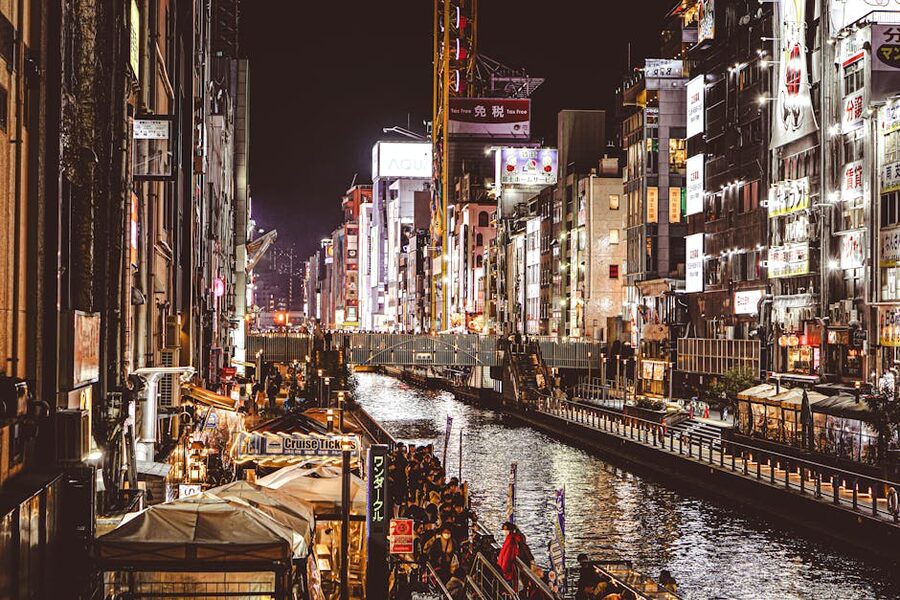
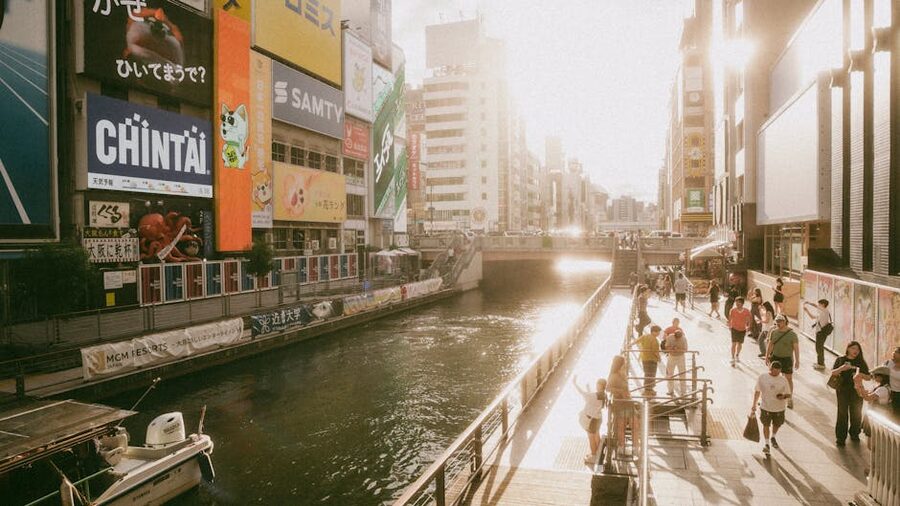
Stand at the Ebisubashi bend in Dotonbori on a humid evening and the canal throws three things at you at once. First the smell — takoyaki oil and soy-browned octopus drifting up from the street carts, cut with the chlorine tang off the water. Then the sound — that metronomic thump of the running Glico man’s billboard cycling through animations, under the lower thrum of a thousand conversations compressed into the canyon of signs. And finally the light — a wall of red, yellow and blue LED from the crab, the pufferfish, the dumpling, the Don Quijote Ferris wheel, all of it doubled in the black water below.
That is the corner every Osaka walking tour either starts at or passes through. Knowing what you are looking at — and where to go next — is the real reason to book one instead of winging it.
- In a Hurry? My Top 3 Osaka Walking Tour Picks
- Why Book a Walking Tour in Osaka Instead of Winging It
- How Booking an Osaka Walking Tour Actually Works
- The Three Best Osaka Walking Tours to Book
- 1. Osaka: Hotspots and Hidden Gems Guided Walking Tour —
- 2. Osaka: Deep Backstreets Walking Tour with Dinner Option —
- 3. Ultimate Osaka Walking Tour (Castle, Shinsekai, Dotonbori) —
- What a Typical Osaka Walking Tour Actually Covers
- Dotonbori and the Ebisubashi Canal
- Hozenji Yokocho — the Mossy Alley
- Shinsekai and Tsutenkaku
- Osaka Castle Grounds (on the full-day options)
- Self-Guided vs Guided — When to Skip the Tour
- When to Go — Time of Day, Season, Day of the Week
- How Much Should You Spend on an Osaka Walking Tour?
- What to Wear and Bring
- Common Questions About Booking Osaka Walking Tours
- Do I need to book in advance?
- Are Osaka walking tours in English?
- Can kids go on an Osaka walking tour?
- Are walking tours wheelchair accessible?
- What if it rains?
- Should I do a walking tour in Osaka or save it for Kyoto or Tokyo?
- Pairing Your Walking Tour with the Rest of Osaka
In a Hurry? My Top 3 Osaka Walking Tour Picks
1. Osaka: Hotspots and Hidden Gems Guided Walking Tour — $33. The flagship. Three to four hours, small group, covers Dotonbori plus two or three backstreet stops you would never find on your own. Best value on the market.
2. Osaka: Deep Backstreets Walking Tour with Dinner Option — $40. Skips the big landmarks, goes straight into Shinsekai and the adjacent residential streets. Pick this one if you have already done Dotonbori.
3. Ultimate Osaka Walking Tour (Castle, Shinsekai, Dotonbori) — $73. Private, longer, full sweep from the castle grounds down to the canal. Pay the extra if you want the castle included and zero group pacing.

Why Book a Walking Tour in Osaka Instead of Winging It
You can absolutely walk Osaka on your own. The JR and subway signs are bilingual, the big sights are easy to find, and Google Maps has never let me down here. The question is not whether you can do it solo. The question is whether solo gets you the real city.
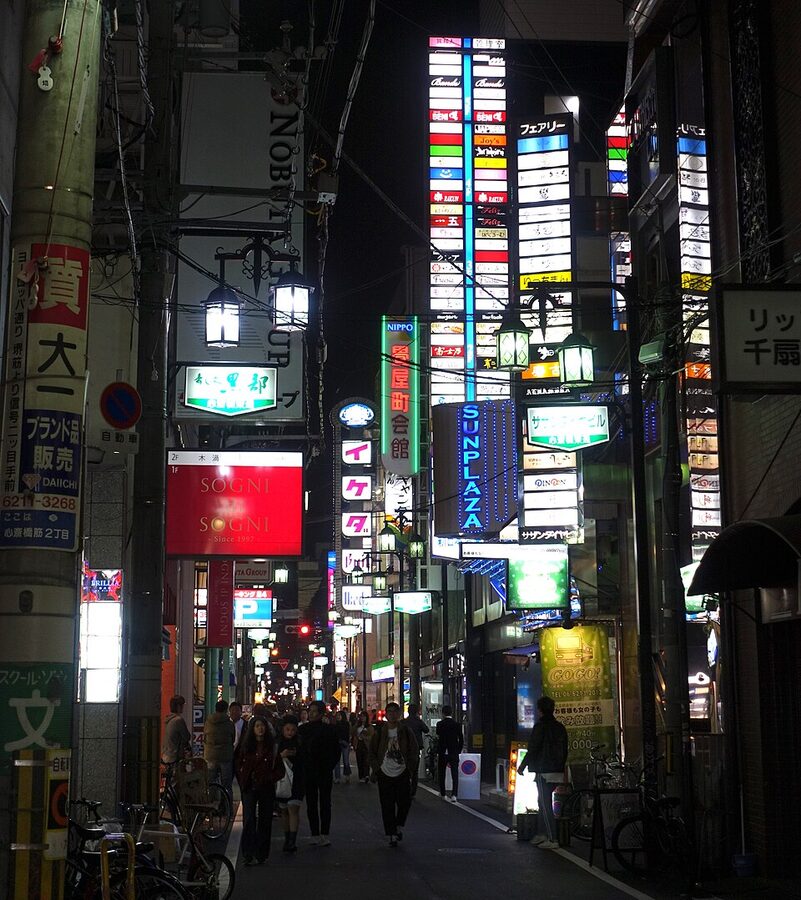
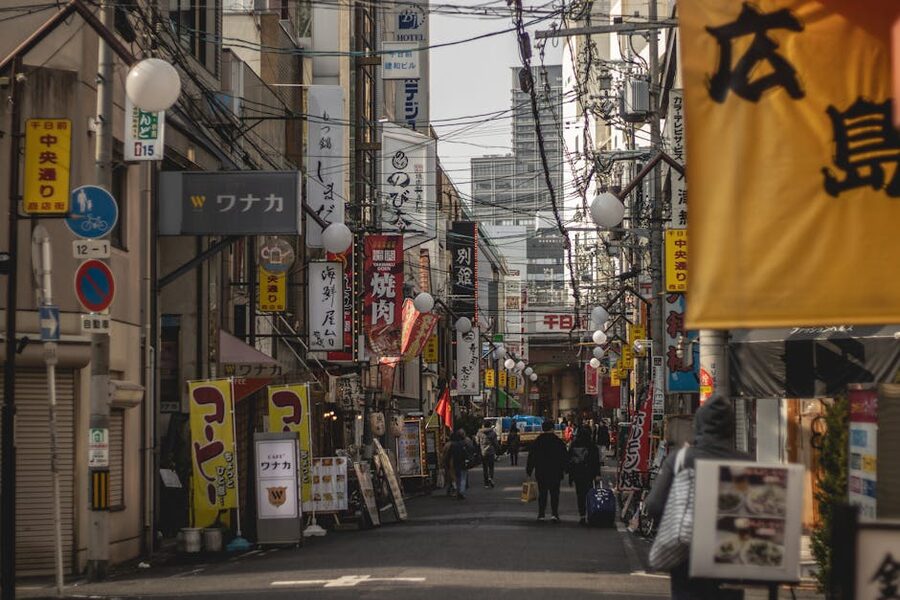
Osaka hides its best stuff. Unlike Kyoto where the good parts are basically marked on a visitor map, Osaka’s personality lives in the second-floor izakaya with no English sign, the standing bar tucked between a pachinko parlour and a laundromat, the shotengai arcades that have not been renovated since 1985. These places are not on the map. They are not even visible from the street. A local guide skips the algorithm and walks you straight in.
The other thing worth saying up front: Osaka is spread out. The canal, the castle, Shinsekai, Kuromon market — they are all in different neighbourhoods connected by subway. Without a route, a first-time visitor ends up spending half their day in transit. A three to four hour walking tour threads two or three of these areas into one continuous walk and explains what you are looking at as you go.
How Booking an Osaka Walking Tour Actually Works
Every walking tour worth booking runs through GetYourGuide or Viator. Both hold the slot the moment you confirm. Both let you cancel for a full refund up to 24 hours before the meeting time. You pay in full at booking — no deposit-plus-balance split — and the price you see is what you pay.
Most Osaka walking tours meet near Namba or Shinsaibashi station. A few start at Osaka Castle Park. The meeting point is always a specific landmark (a statue, a station exit, a cafe storefront) — not just “Namba station”, which has 30 exits. Pin the exact meeting point in your maps app the night before. I once wasted 20 minutes at the wrong Namba exit and nearly missed my own tour.
Tour sizes are small by Japanese standards — 8 to 12 people max, often fewer. Private options exist and add about $30 to $50 per person depending on group size. If you are already travelling as a couple or small group, the private upgrade is often the same total as two small-group spots and you set the pace. Worth it if you have a specific interest (food, photography, jazz bars, anything niche).
Guide tips are not expected in Japan. A cash tip of ¥1,000 to ¥2,000 at the end is fine if you loved your guide, but nobody is offended if you do not tip at all. Do not feel awkward skipping it — it is not the norm here.
The Three Best Osaka Walking Tours to Book
I have done three different Osaka walking tours over two visits. These are the three worth your money, ranked by review volume and what they actually deliver. If the pool of Osaka walking options on GetYourGuide and Viator feels overwhelming — there are something like forty listed — these three cover every use case a first-time visitor has.
1. Osaka: Hotspots and Hidden Gems Guided Walking Tour — $33
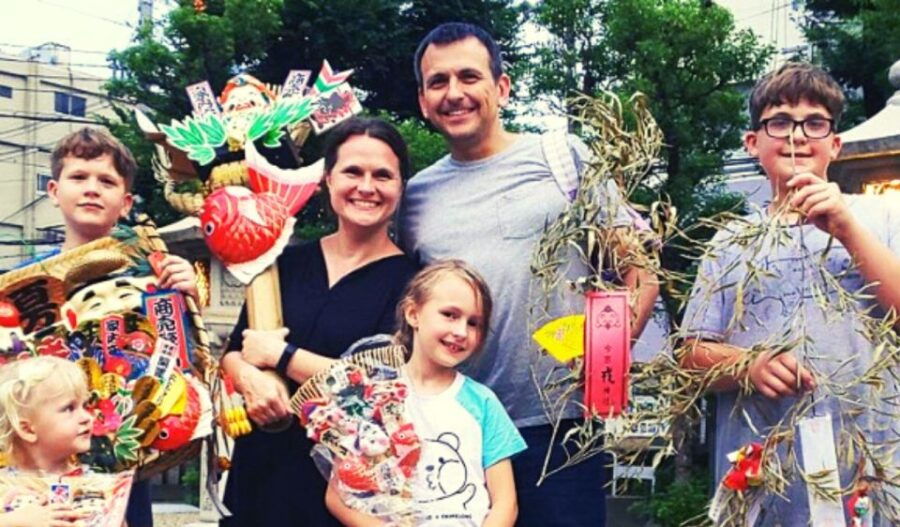
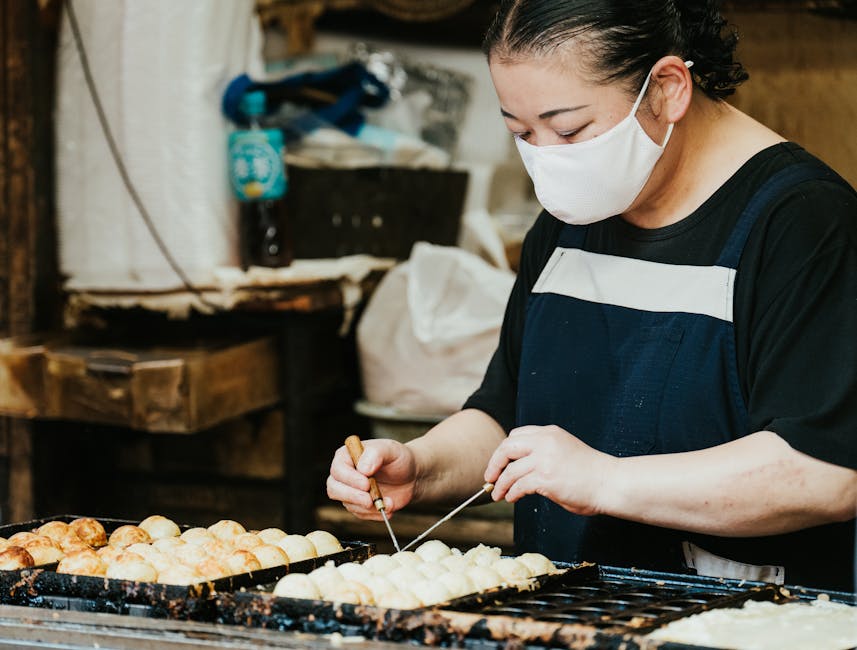
This is the one I tell first-time visitors to book. Three to four hours, small group, and the guide threads the famous Dotonbori and Shinsaibashi strip into a route that also drops you into a backstreet seafood market, a quiet alley with one 40-year-old takoyaki stand, and a tiny shrine squeezed between two department stores. Our full review of this tour breaks down the exact stops and why the food recommendations at the end are worth following up on. At $33 it is frankly underpriced for what you get.
2. Osaka: Deep Backstreets Walking Tour with Dinner Option — $40
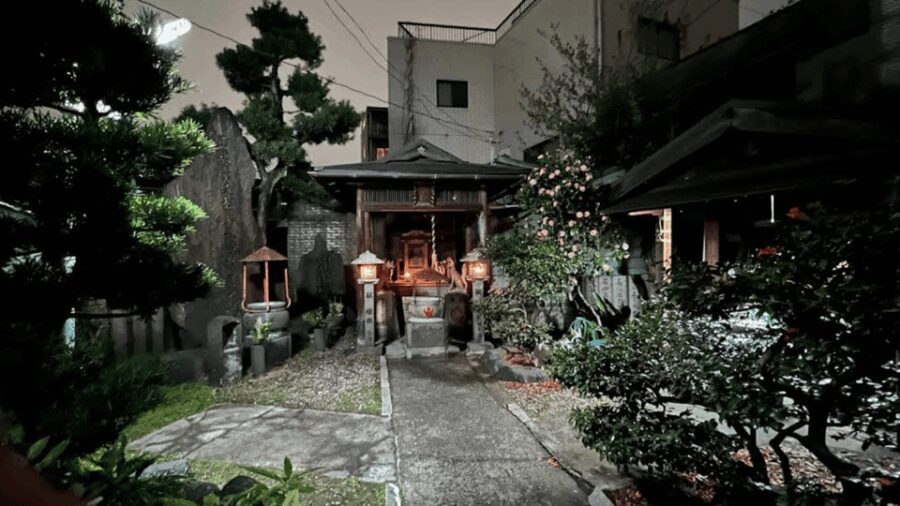
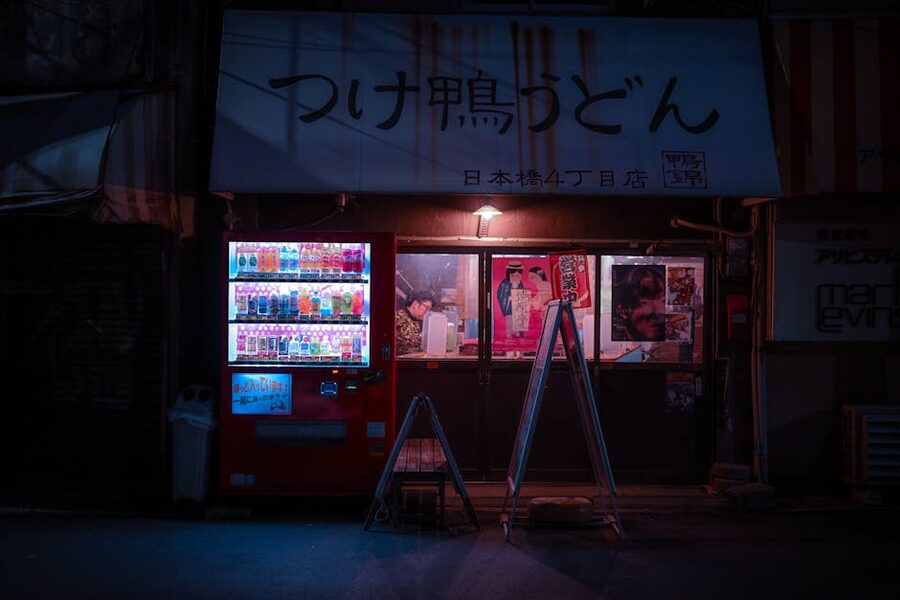
Pick this one if you have done the Dotonbori thing before, or if you want to see an Osaka nobody Instagrams. The route walks through preserved Taisho-era alleys around Shinsekai and into residential streets most visitors never enter, with the optional dinner add-on landing you at a hole-in-the-wall kushikatsu counter. Our detailed take on this tour covers who it is (and is not) for — the walking is longer than the flagship tour and the areas can feel raw, not polished. That is the point. Knox, one of the guides, has a reputation for being a natural storyteller, which is half the reason this tour ends up on so many Osaka must-book lists.
3. Ultimate Osaka Walking Tour (Castle, Shinsekai, Dotonbori) — $73

A private Viator tour that rolls the three headline Osaka sights — castle, Shinsekai, Dotonbori — into one long day with beverages and street food included. Our review of this tour walks through the route and how the guides handle pacing when you are doing all three areas in one push. Pay the extra if you want flexibility and the castle built in. Skip it if you prefer the small-group social energy of the $33 tour above. Either option is defensible — it is a question of whether you want depth at one area or breadth across all three.
What a Typical Osaka Walking Tour Actually Covers
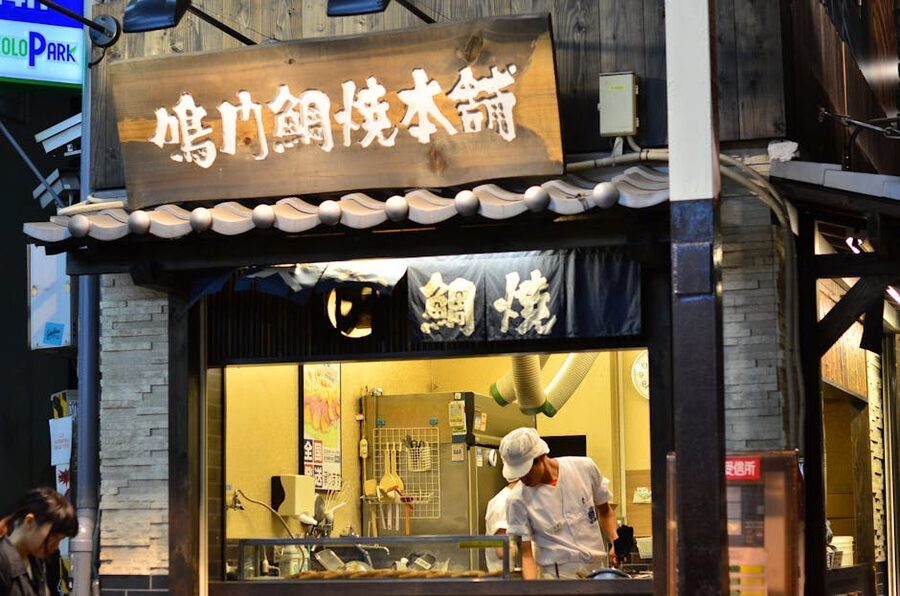
The route depends on the tour but most “hotspots and hidden gems” formats stick to a rough template — one famous landmark area, one market or food stop, and one backstreet section you could not find on your own. Here is what each section tends to look like in practice.
Dotonbori and the Ebisubashi Canal
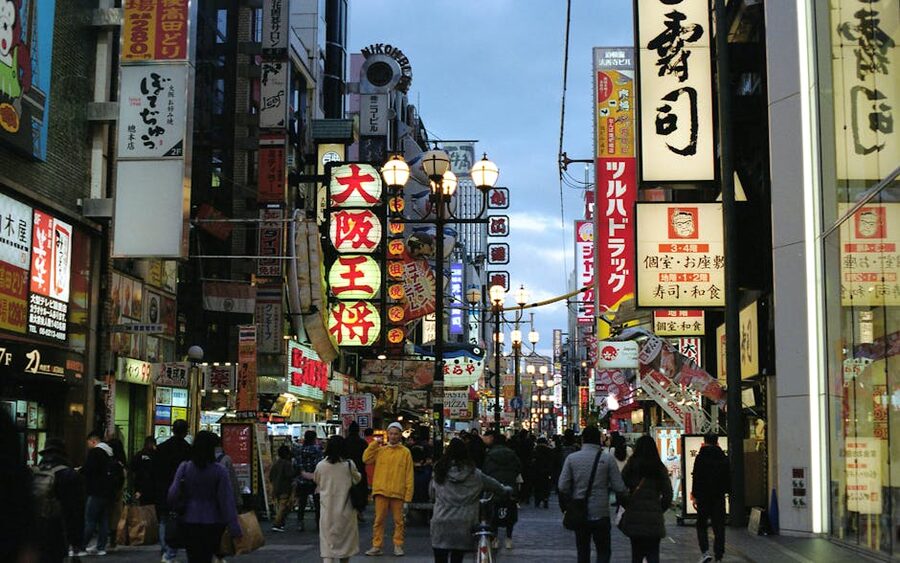
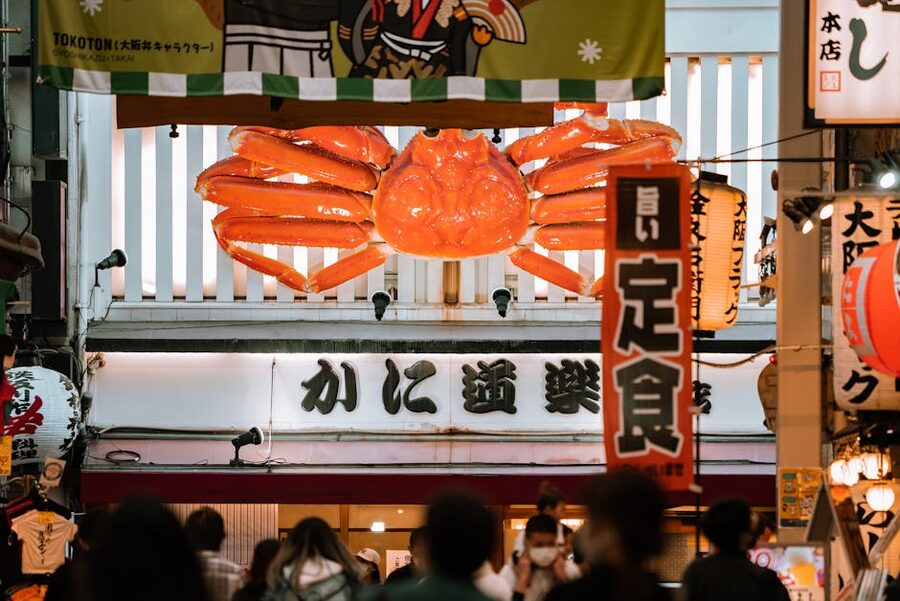
Almost every walking tour hits Dotonbori. It is the most photographed strip in western Japan and you will not escape it even if you want to. The good guides do not just stand you in front of the Glico sign — they walk you to the running man billboard from three different angles, explain the pufferfish lantern and why a crab needs to be eight metres wide on a wall, and then point out the side streets most visitors ignore.
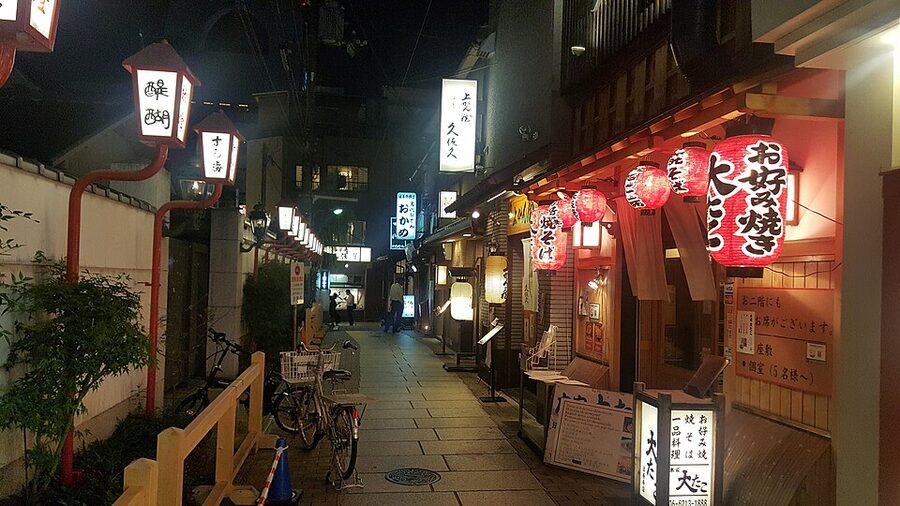
Hozenji Yokocho — the Mossy Alley
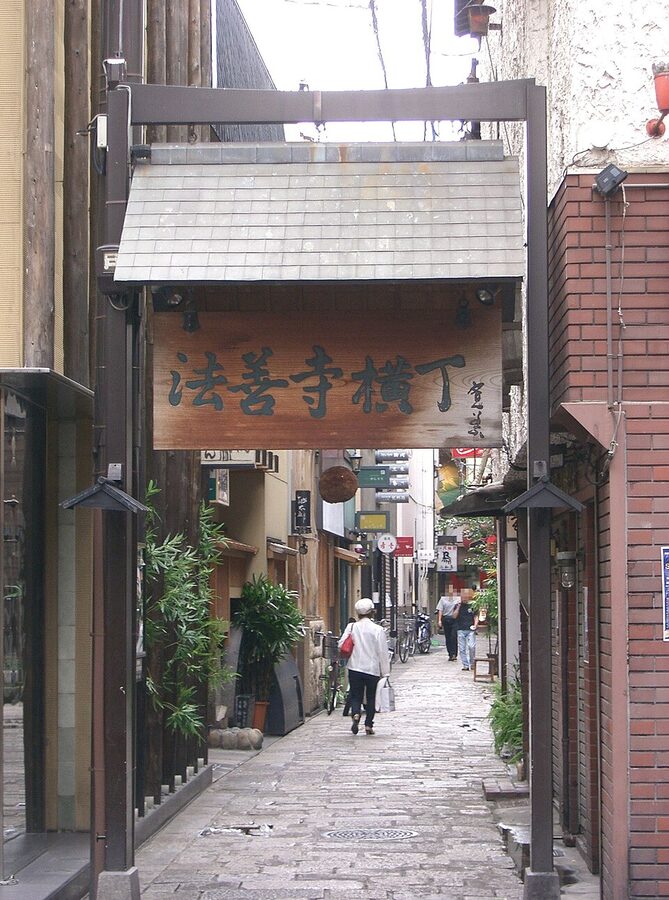
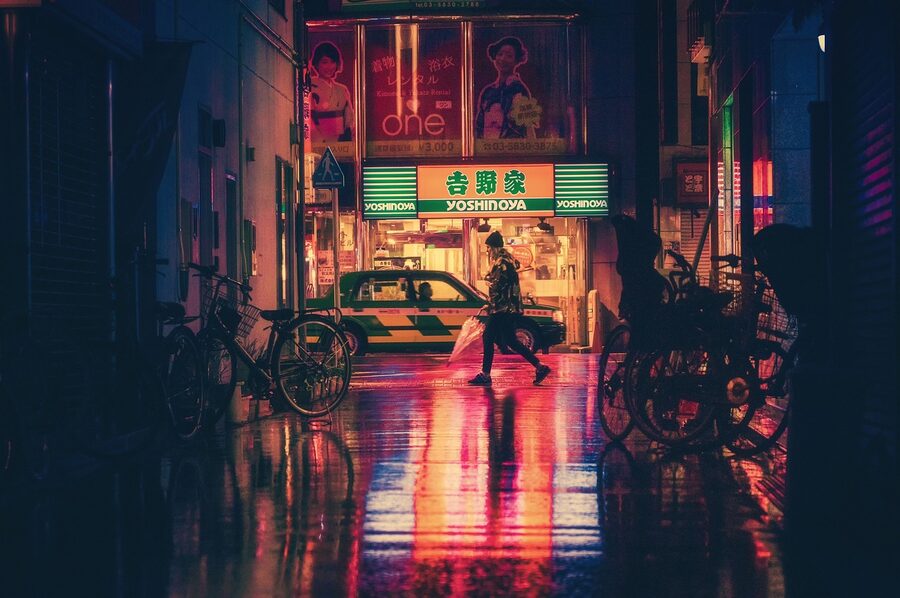
Two blocks south of Dotonbori, a stone-paved lane called Hozenji Yokocho runs for about 80 metres between two parallel streets. The entire alley is maybe three metres wide. Halfway down there is a small temple with a Jizo statue covered entirely in green moss — visitors have been throwing water on it for decades as a prayer, and the moss has grown over every surface of the stone. The tiny izakaya and tempura bars that line the alley were rebuilt after a 2002 fire but the layout is identical to the 1940s original. This is the first place a good guide takes you after the Dotonbori circuit, and it is the single most atmospheric stretch of night-time Osaka that fits in a walking tour.
Shinsekai and Tsutenkaku
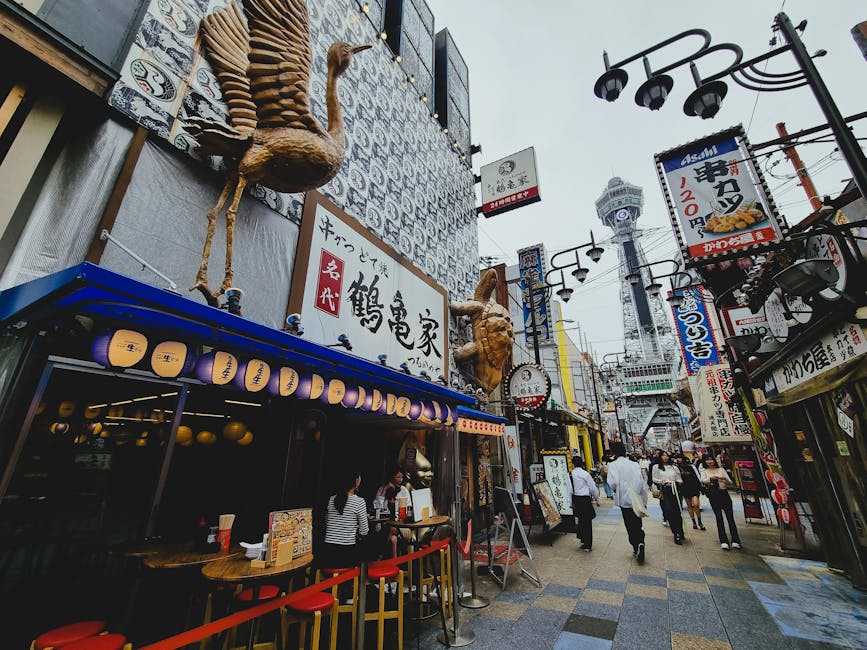
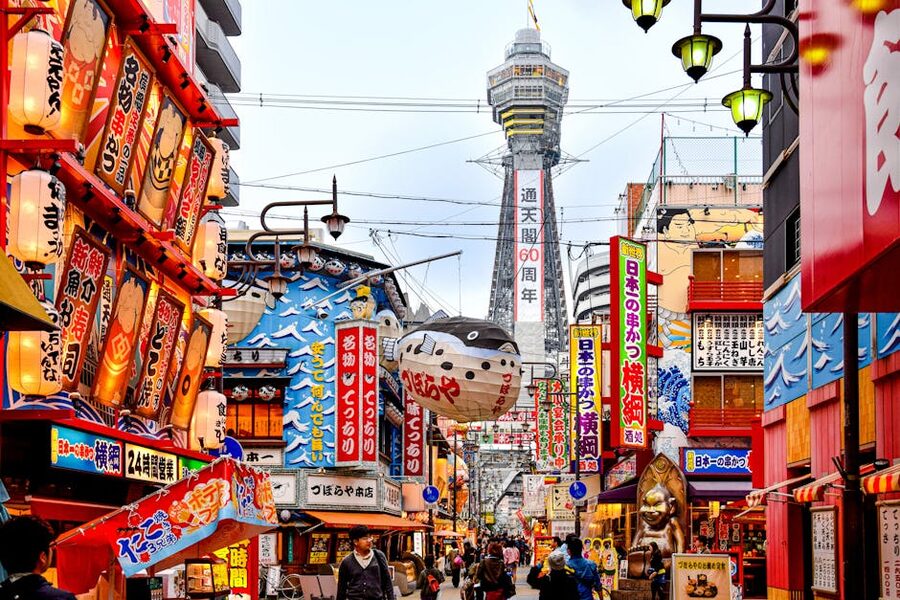
Shinsekai — literally “new world” — was built in 1912 with the front half modelled on Paris and the back half on Coney Island. A fire took most of it out in 1943 and the area became a rough postwar district for decades. That is why the streets still look like 1950s Japan: the rebuild happened cheaply and nobody has bothered to gentrify since. It is the best preserved retro district in any big Japanese city. Tsutenkaku Tower is the 103-metre observation tower in the middle and the unofficial mascot of the neighbourhood.
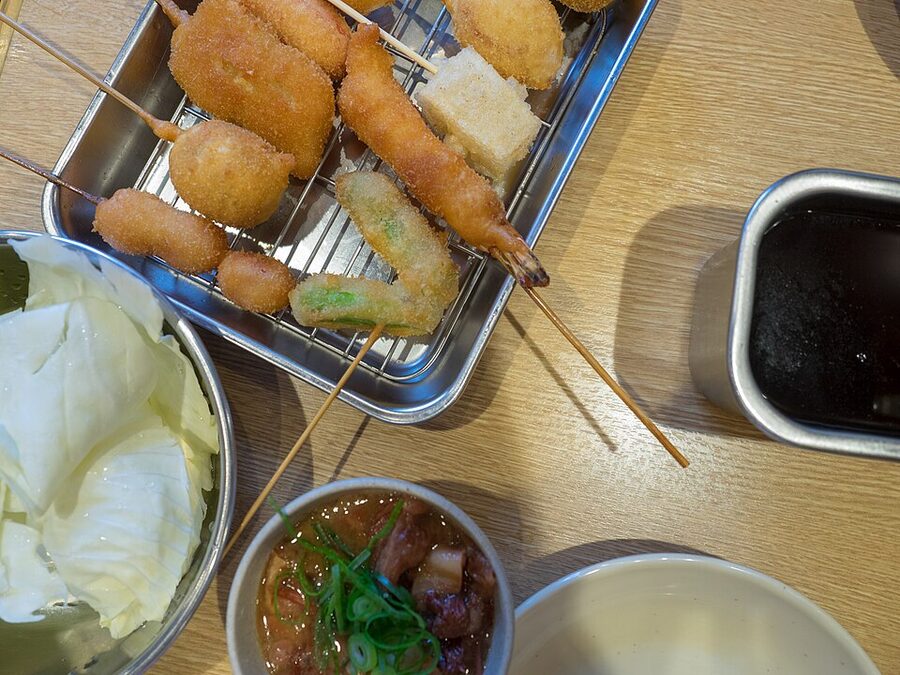
Walking tours that include Shinsekai usually build in a kushikatsu stop — deep-fried skewers on sticks, the local specialty — and a walk through the Janjan Yokocho arcade. If food is a priority, the dedicated Shinsekai food tour goes deeper into the food angle than the general walking tours can.
Osaka Castle Grounds (on the full-day options)
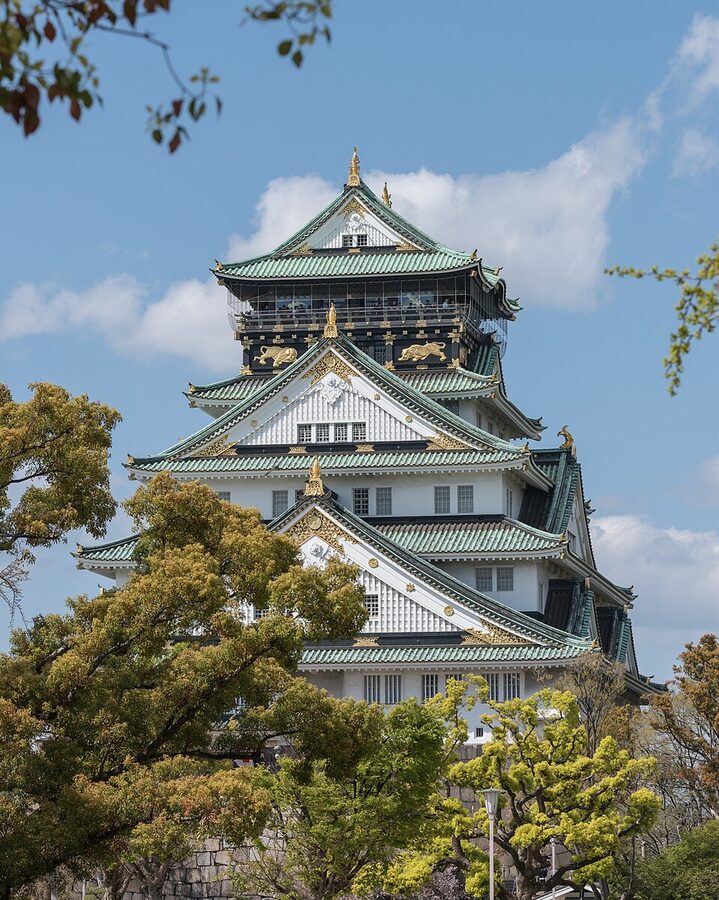
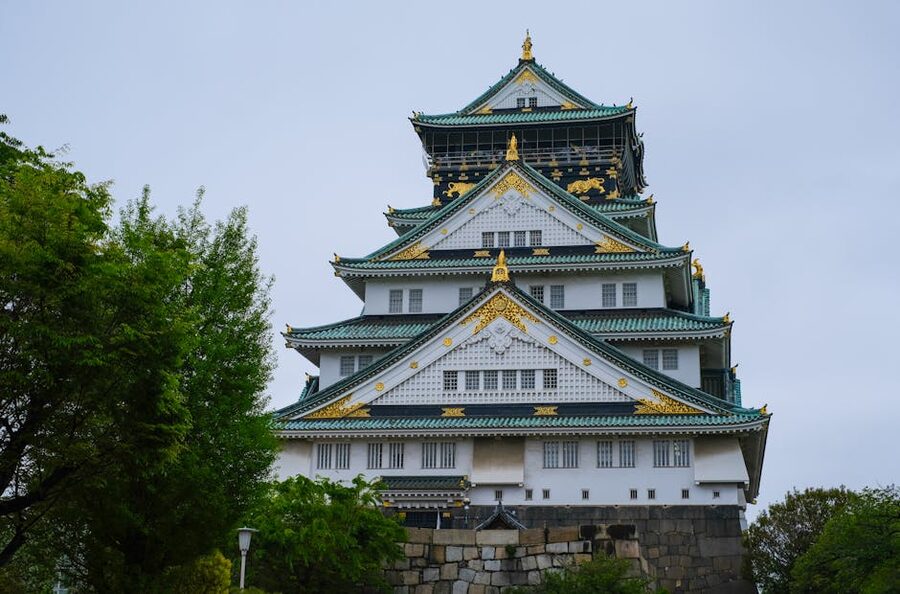
The castle only appears on the premium walking tours that stretch beyond four hours. It is a 20-minute subway ride from the Dotonbori area, which is why the $33 flagship tour skips it — the castle plus castle park plus keep would eat an hour and a half that the tour does not have. If you specifically want the castle included, book the Ultimate Osaka Walking Tour above, or handle it separately as its own half-day. We break down castle ticket options and timing on our Osaka Castle booking guide.
Self-Guided vs Guided — When to Skip the Tour
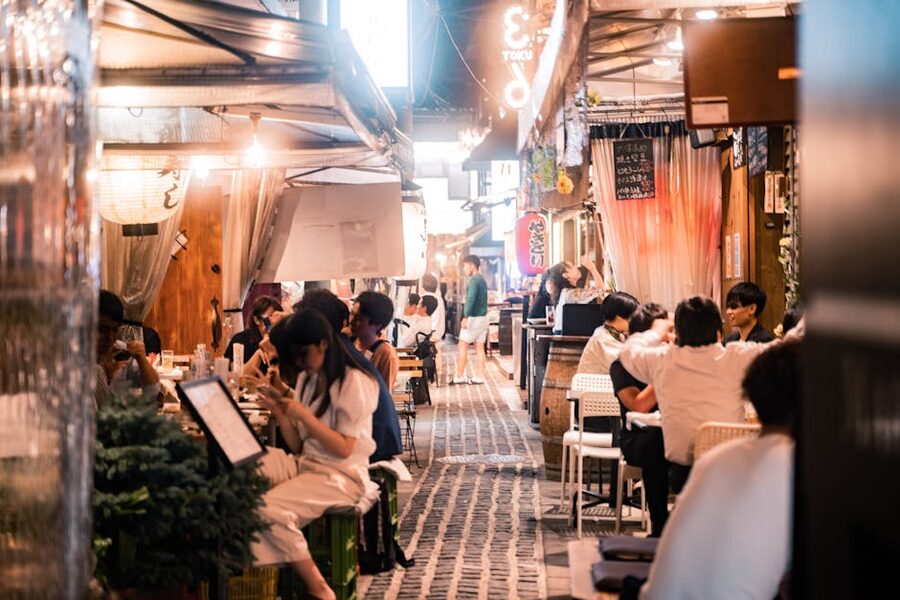
My straight take: you do not need a walking tour for Dotonbori alone. The canal, the signs, the Ebisubashi bridge — a map and an hour in the evening is enough. If you have limited time in Osaka and already know what Dotonbori looks like from the thousand photos online, save the tour budget for something else.
Where a guide earns the money is everything else. The backstreets south of Namba, the transition from Namba to Shinsekai, the food stalls inside Kuromon market, the Taisho-era alleys nobody photographs because they look unremarkable from the street — these are the parts of Osaka that reward a local’s context. Without a guide you will walk past them. With one, they are the memory you take home.
The pattern I recommend for first-timers: book a three to four hour walking tour on your first afternoon or evening, use it to orient yourself, then spend the rest of the trip exploring on your own with the guide’s recommendations in your pocket. That is how I have used every Osaka walking tour I have booked and it consistently pays off more than treating the tour as the entire experience.
When to Go — Time of Day, Season, Day of the Week
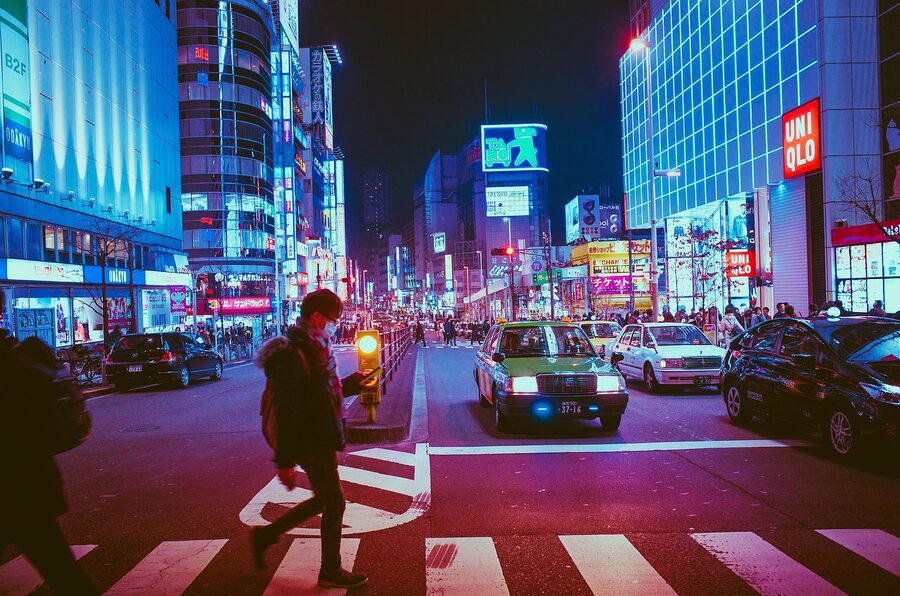
Most Osaka walking tours run afternoon and evening slots — typically 1pm, 3pm, 5pm, 6pm starts. The 5pm and 6pm slots are best because they catch the transition from day into night, which is the whole point of doing Dotonbori on foot. The 1pm slot works if you are on a tight itinerary but the neon payoff is weaker.
Weekday tours are noticeably less crowded than weekend ones. Friday and Saturday evenings in Dotonbori are genuinely rammed — walking speed drops to a shuffle between 7pm and 10pm. If you can book a Tuesday or Wednesday, do it.
Summer walking tours (July-August) are brutal. Osaka hits 35°C with high humidity and the tours still walk for three hours. Bring water, a hat, and a towel. Winter is comfortable and dry — jacket weather, not coat weather. Autumn is the best season overall, with mild evenings and slightly shorter visitor queues. Spring is fine but cherry blossom crowds tighten the popular stops.
If you are already doing a backstreet night tour or one of the Kuromon market food tours, do not book those on the same day as a general walking tour. You will tap out around hour five of walking and the second tour suffers for it.
How Much Should You Spend on an Osaka Walking Tour?
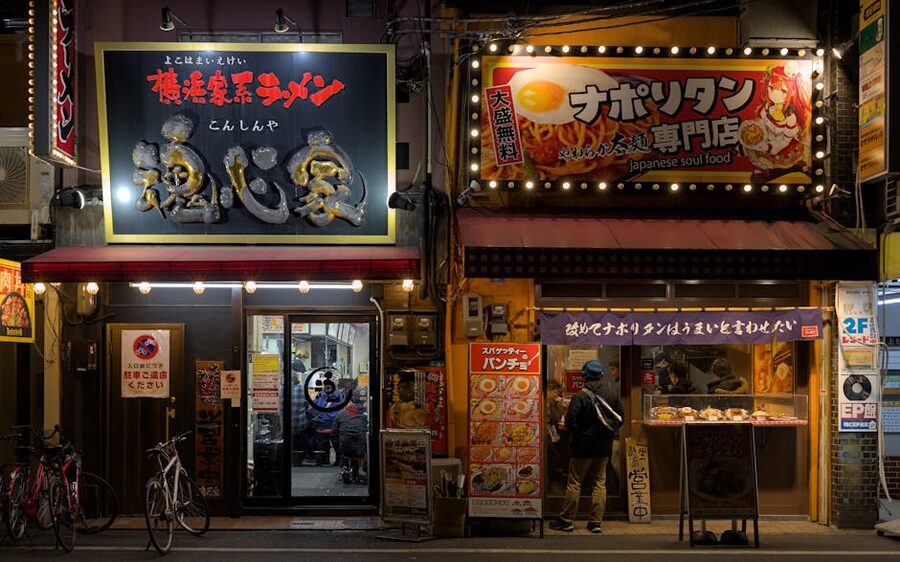
The sweet spot is $30 to $50 for a small-group three to four hour tour. That bracket covers the flagship Hotspots and Hidden Gems tour and the Deep Backstreets tour, both of which deliver real value.
Above $75 you are usually paying for a private guide, a longer route, or food and drink included. That tier can be worth it — the Ultimate Osaka Walking Tour at $73 is a defensible splurge — but do not assume more expensive means better. The $33 flagship has more reviews and a higher average rating than most premium options.
Below $25 is a red flag. The cheapest walking tours tend to be free walking tours that operate on tips, and the quality variance is enormous. I have done one excellent free tour in my life (it was in Budapest) and a dozen mediocre ones. The $33 paid tour solves the variance problem — you know what you are getting.
What to Wear and Bring
Walking tours in Osaka are three to four hours on pavement. Shoes that can handle that are the single biggest comfort decision — not fashion sneakers, actual walking shoes. I have seen more than one visitor finish an Osaka tour with a limp.
A small backpack or crossbody bag for water, sunscreen (summer only), and a portable battery for your phone. Tours stop for bathroom breaks twice in four hours so do not panic about that. Cash is still useful in Osaka — a lot of the backstreet food stops do not take cards, so ¥3,000 to ¥5,000 in notes is worth having if the tour includes food.
No special clothing is required. Casual travel wear is fine. Osaka is less uptight than Tokyo about appearance and you will see visitors in every possible outfit.
Common Questions About Booking Osaka Walking Tours
Do I need to book in advance?
For weekday tours, 24 to 48 hours is usually fine. For Friday and Saturday evening tours, book at least a week ahead. The top-rated tours during cherry blossom season (late March to early April) and autumn foliage weeks sell out two to three weeks in advance.
Are Osaka walking tours in English?
Yes, by default. GetYourGuide and Viator filter for English-language tours automatically. Japanese-language tours exist but are mostly aimed at domestic travellers. Most guides on international-facing tours are either native English speakers who live in Osaka or bilingual Japanese nationals. Quality is high across the board.
Can kids go on an Osaka walking tour?
Most tours accept kids 8+ without issue. The three to four hour format is long for younger children and the evening tours run past normal bedtime for anyone under 10. The Ultimate Osaka Walking Tour is private, which means you can set the pace — that works better for families than a group format.
Are walking tours wheelchair accessible?
Partly. Dotonbori and Shinsaibashi are step-free and wheelchair-friendly. Hozenji Yokocho is stone-paved but passable. Shinsekai is mostly flat. Some of the backstreet tours go into older arcade areas with cobbled surfaces — ask the operator before booking if mobility is a concern.
What if it rains?
Tours run rain or shine. Dotonbori has covered arcades on both sides — Shinsaibashi-suji on the north and Namba-Namba on the south — so half the route is sheltered. Bring an umbrella or a waterproof jacket. Tours only cancel for typhoon-level weather, in which case you get a full refund automatically.
Should I do a walking tour in Osaka or save it for Kyoto or Tokyo?
Do both. Osaka rewards walking tours differently from Kyoto or Tokyo because the good stuff is genuinely hidden. Kyoto’s beauty is on the surface — you can find the temples yourself. Tokyo is so big that a walking tour only scratches one neighbourhood. Osaka is the middle case: compact enough that a three hour tour covers real ground, cryptic enough that you need a guide to decode it. If you are planning a multi-city trip, our guides on Tokyo hop-on hop-off buses, Shinjuku bar hopping, Tokyo full-day coach tours, and the Kyoto UNESCO bus tour cover the equivalent options in the other two cities.
Pairing Your Walking Tour with the Rest of Osaka
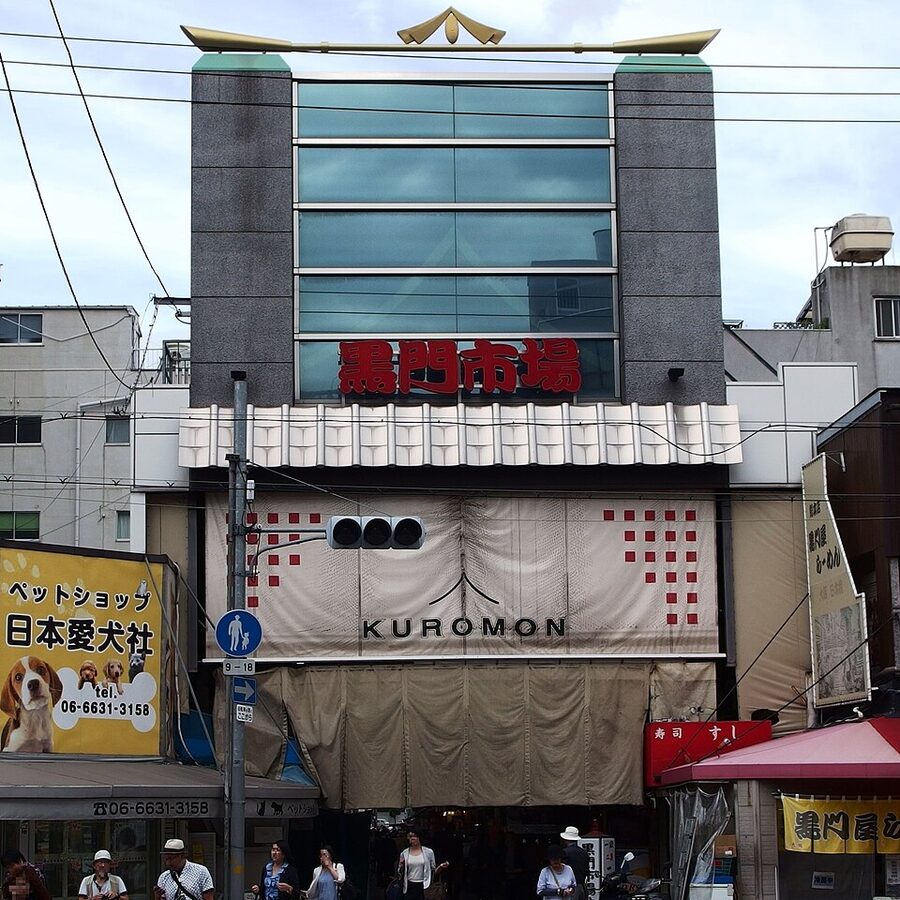
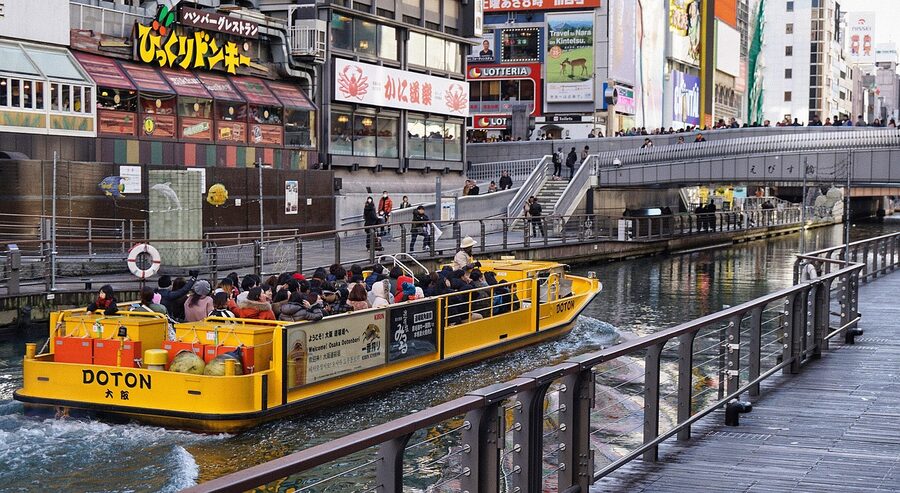
A walking tour is the best way to start your Osaka trip but it should not be the whole thing. After you have done Dotonbori on foot, the canal cruise shows you the same strip from water level and takes 25 minutes — worth doing the next morning if you want a different angle on the neon. For food specifically, a dedicated Kuromon market tour goes deep into one arcade in a way that a general walking tour cannot, and the Osaka tea ceremony is the right counterweight if the neon and the noise start to feel like too much. The castle deserves its own half-day if your walking tour does not include it. Put those in the right order and four days in Osaka starts to make sense — one afternoon walking tour on arrival, one cruise, one food focus, one cultural breather, and a day to go off-script with whatever the walking guide told you to try.