
The most efficient way to eat ramen in Tokyo isn’t to eat a whole bowl.
Tokyo has an estimated 5,000+ ramen shops — each one a subtly different take on the dish. Some do tonkotsu. Some do tsukemen (dipping noodles). Some specialise in one regional style from Fukuoka or Sapporo. Some Michelin-rated. Most open for just a few hours at lunch and shut the shutter when they run out of broth. Eating one full bowl commits your entire lunch to one style, which is fine if you live here. If you’re visiting, it’s a missed opportunity.
This is the problem the ramen tasting tour is designed to solve. Instead of one full bowl, you visit 3-6 shops across an afternoon and eat small portions at each — enough to actually taste the difference between tonkotsu and shio and miso broths in a way that reading about them can’t teach you.
Three Tokyo options at different price points. All walk you between shops in specific neighbourhoods; all include English commentary explaining what you’re eating; all end with you full of ramen and surprisingly educated.
Short on time? Here are my top picks:
Best overall: Tokyo: Ramen Tasting Tour With 6 Mini Bowls of Ramen — six half-portion bowls across six different ramen shops. The most-booked option in Tokyo for good reason.
Best budget: Taste and Compare Multiple Mini Ramen! Shibuya Tour — less-known Shibuya version at about 40% of the price. Fewer bowls but the same compare-and-contrast format.
Best for dietary needs: Tokyo: 2-Hour Vegan and Vegetarian Ramen Walking Tour — the only Tokyo ramen tour designed for plant-based travellers. Real ramen, no pork broth tricks.
- What a Ramen Tasting Tour Actually Is
- The 3 Best Tokyo Ramen Tasting Tours
- 1. Tokyo: Ramen Tasting Tour With 6 Mini Bowls of Ramen — 2
- 2. Taste and Compare Multiple Mini Ramen! Tokyo Shibuya Tour —
- 3. Tokyo: 2-Hour Vegan and Vegetarian Ramen Walking Tour —
- The Four Main Styles You’ll Taste
- Tsukemen — The Sixth Bowl You Won’t Expect
- Tokyo’s Ramen Neighbourhoods, Ranked
- How the Tasting Tour Actually Saves You Time
- The Ticket Vending Machines (And Why They Exist)
- A Short History of Ramen in Tokyo
- What You Won’t Eat on the Tour (and Should Seek Out)
- Late-Night Ramen Culture
- Practical Tips
- More Tokyo and Japan Experiences
What a Ramen Tasting Tour Actually Is
A Tokyo ramen tasting tour is structured as a walk-and-eat event across a specific neighbourhood. The guide picks 3-6 shops, each known for a different style of ramen, and arranges “mini” portions (about 1/3 the size of a regular bowl) so you can taste all of them without needing a third lunch.
At each shop the guide explains:
- What the broth is made of (pork bones, chicken, fish, kombu — different shops use different bases)
- What noodle type works with this broth (thicker/thinner, straighter/curlier)
- What regional tradition the shop draws from
- What makes this specific shop different from competitors
Between bowls, you walk. Tokyo ramen neighbourhoods are compact — Shinjuku’s ramen cluster fits in about 6 blocks. The walking gives your stomach time to reset between tastings and gives the guide time for backstory.
Tour length: 2-3 hours. Number of shops: 3-6. Total ramen consumed: roughly one full bowl’s worth split across multiple styles. You leave full, but not uncomfortable.
The 3 Best Tokyo Ramen Tasting Tours
1. Tokyo: Ramen Tasting Tour With 6 Mini Bowls of Ramen — $122

The headline option. Three hours, six half-portion bowls, six different ramen shops across Shinjuku or Shibuya (depends on the version you book). The guide handles ordering — you walk in, the staff has been warned you’re coming, a small bowl appears in front of you. No queue, no language barrier, no deciding. You taste tonkotsu, shoyu, shio, miso, tsukemen (dipping), and usually one wildcard style. English-speaking guide throughout. Small group (usually 6-10 people). Worth booking 3-4 days ahead. Our full review covers the exact shops and what to expect.
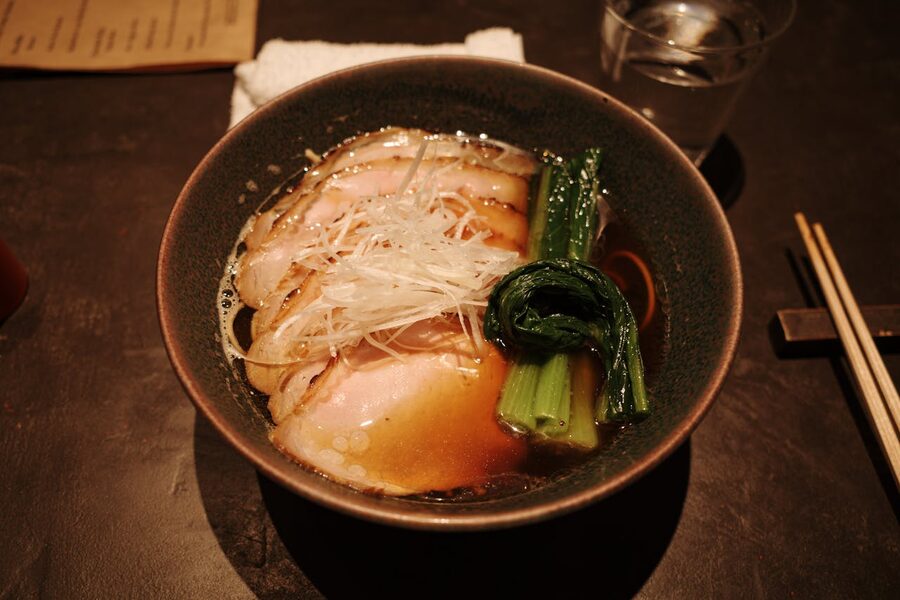
2. Taste and Compare Multiple Mini Ramen! Tokyo Shibuya Tour — $50
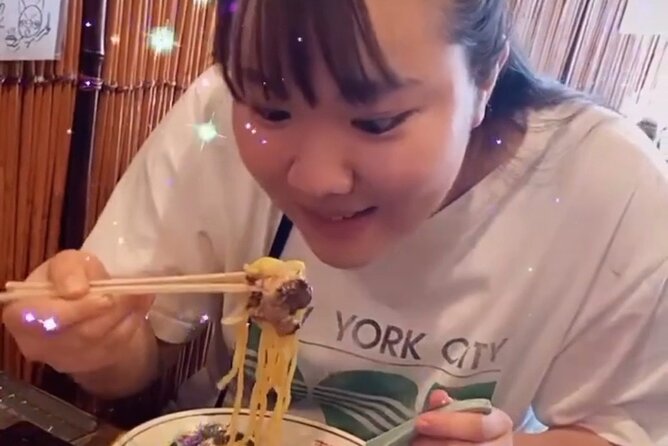
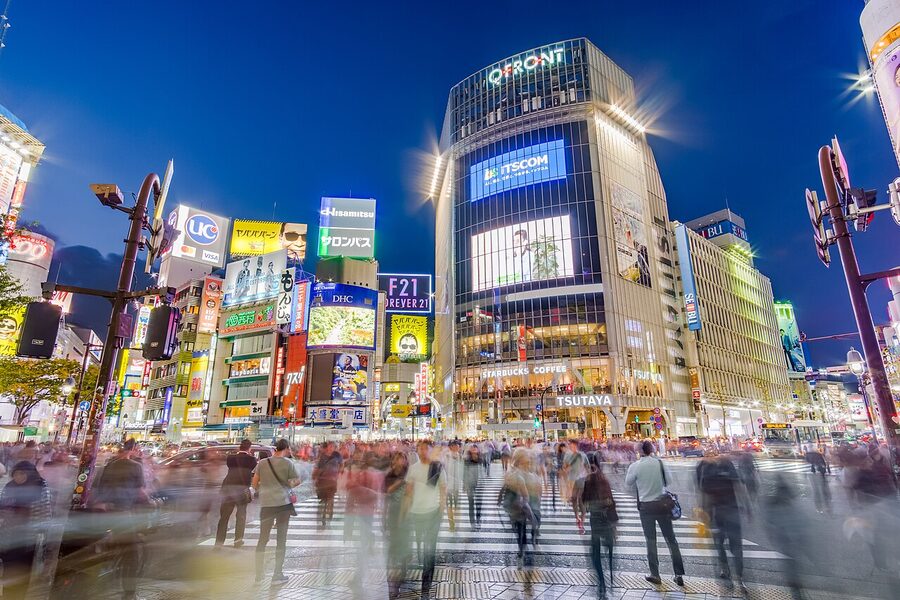
Less than half the price of the main tour and run in Shibuya specifically. You’ll hit 3-4 shops instead of 6, but the compare-and-contrast format works. The guide is experienced and the shops are genuinely good — this isn’t a watered-down version so much as a focused one. Book this if you’re doing multiple Tokyo food tours and need to save money on one, or if you specifically want Shibuya over Shinjuku. Our review compares it to the main 6-bowl tour.
3. Tokyo: 2-Hour Vegan and Vegetarian Ramen Walking Tour — $96
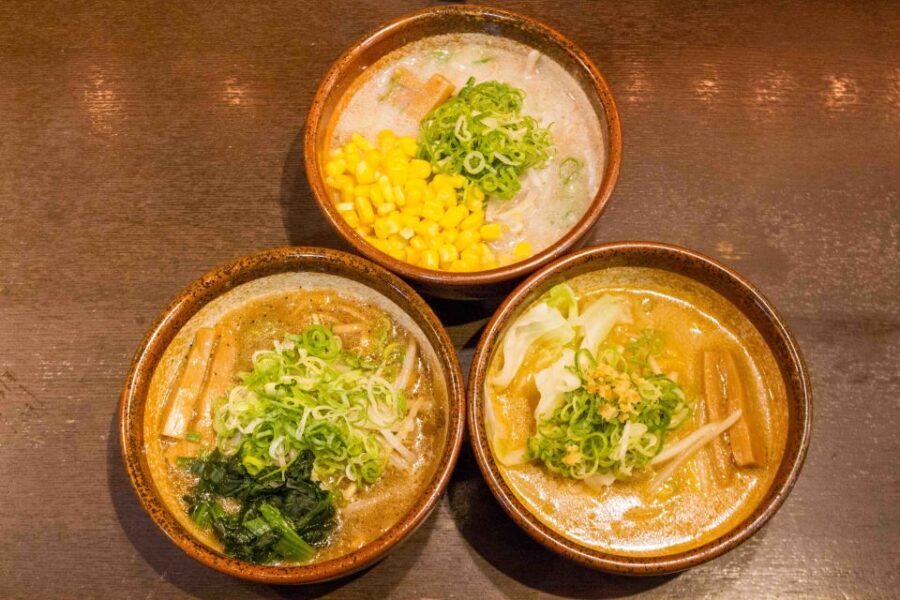
Ramen is traditionally meat-heavy — tonkotsu broth is literally pork bones boiled for 12 hours, and even “vegetable” broths in regular shops often include fish or chicken. Tokyo’s vegan ramen scene has grown dramatically since about 2015 as both domestic and international demand increased, and there are now specialist shops producing genuinely excellent plant-based bowls. This tour takes you to 3-4 of them, all with proper vegan protocols (no stock contamination, separate equipment). Useful for vegans, vegetarians, and travellers with religious dietary restrictions (halal, jain). Book 5-7 days ahead; the vegan tour runs less frequently than the regular one. Our review covers the shops and dietary specifics.
The Four Main Styles You’ll Taste
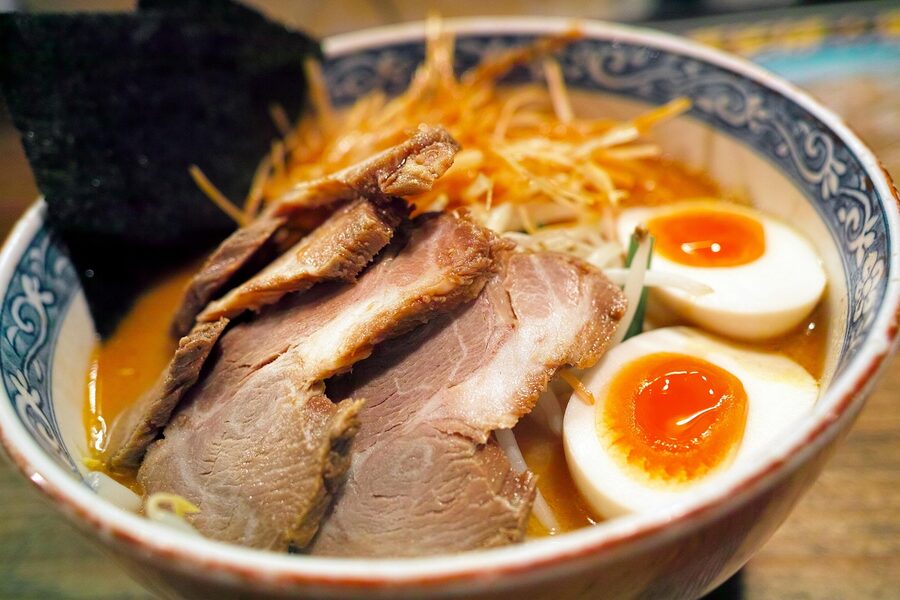
Every Tokyo ramen tasting tour is organised around the four regional broth styles. Knowing them in advance makes the tour much more educational.
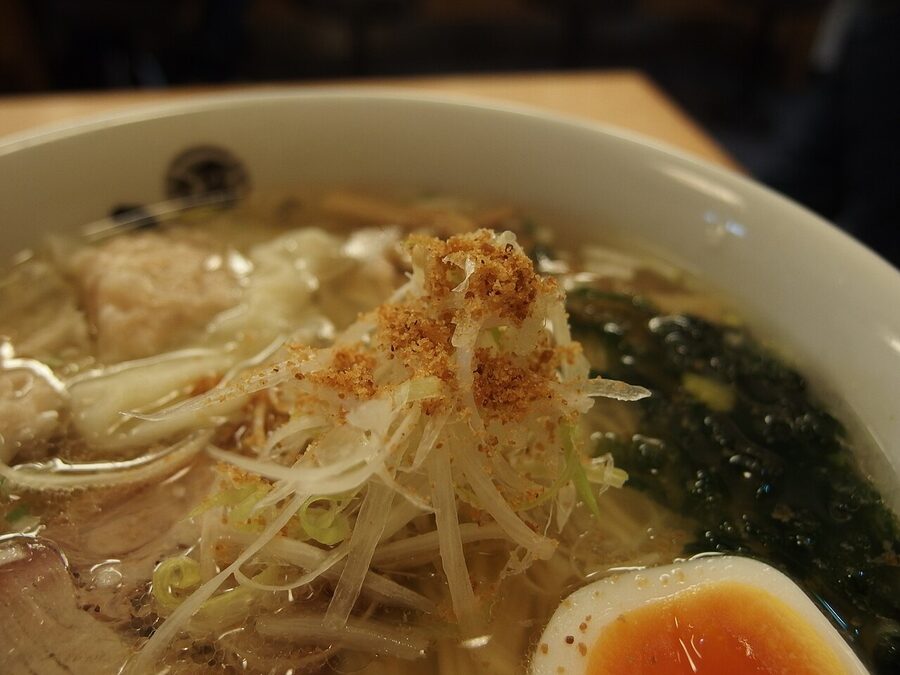
Shoyu (soy sauce): Tokyo’s own style. Clear brown broth with a soy-savoury backbone. The oldest documented ramen style in Japan. Noodles are usually thin and curly. Accompaniments: nori, menma (bamboo), slice of chashu pork, soft-boiled egg.
Shio (salt): Lightest of the four. Clear chicken or seafood broth with sea salt seasoning. Subtle. A good shio is harder to make than a good tonkotsu because there’s nothing rich hiding the mistakes. Hakodate (Hokkaido) is the traditional region.
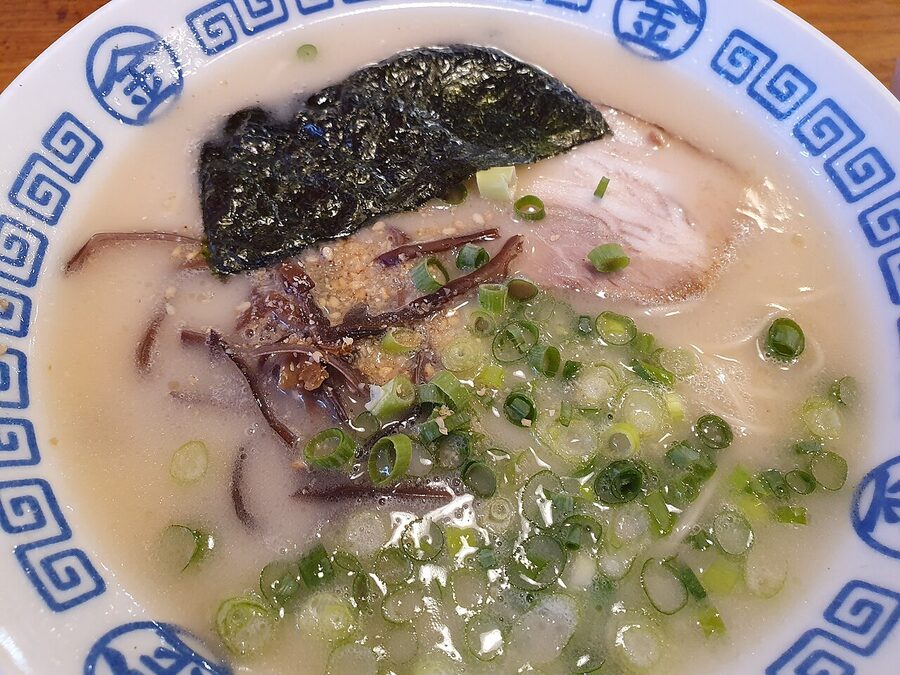
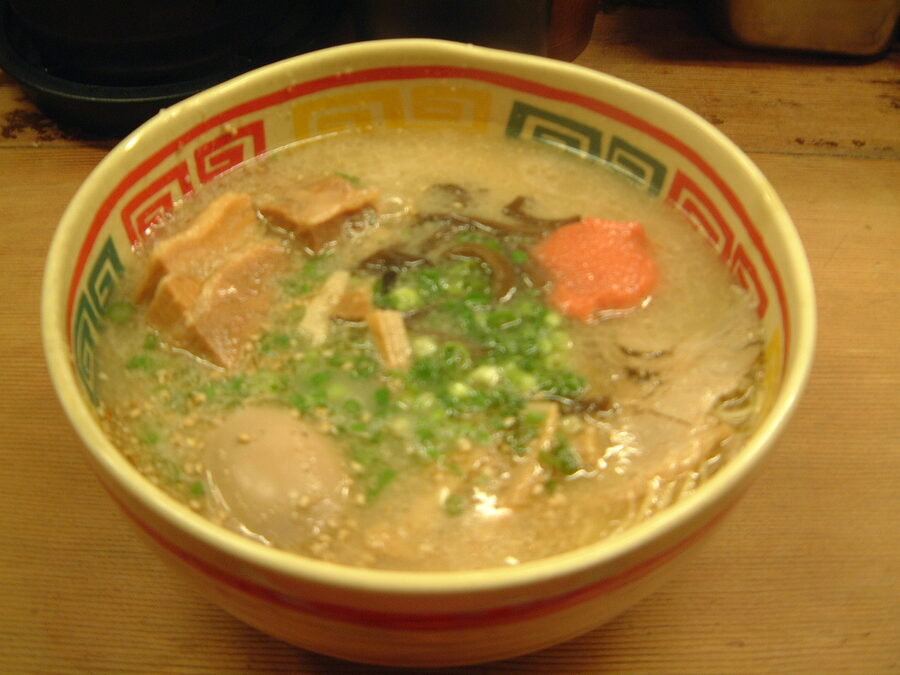
Tonkotsu (pork bone): Opaque white broth boiled from pork bones for 12-18 hours. Rich, fatty, slightly pork-sweet. Fukuoka/Kyushu is the traditional region. Most contagious to foreigners — you taste it once and order it at every shop thereafter.
Miso: Opaque brown-red broth with miso paste. Nutty, earthy, assertive. Sapporo’s signature. Often topped with corn, butter, and bean sprouts in Sapporo-style shops. Works well in cold weather.
A good tour teaches you to distinguish these by sight before you eat them — the colour, the thickness of the broth on the spoon, the noodle pairing. By the end you’ll be able to look at a ramen shop menu and make educated guesses about what to order.
Tsukemen — The Sixth Bowl You Won’t Expect
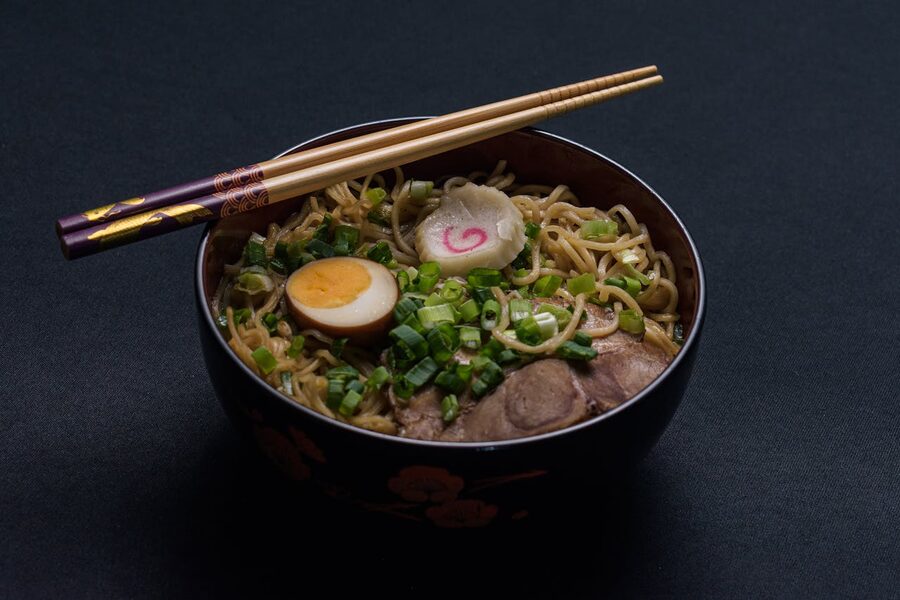
The 6-bowl tour often includes tsukemen — Japanese dipping noodles. Instead of noodles IN broth, you get noodles in one bowl and a separate, much thicker dipping sauce in a smaller bowl. You pick up noodles, dip them in the sauce, slurp, repeat.
Tsukemen was invented in Tokyo in the 1960s (a guy named Kazuo Yamagishi at a shop called Higashi-Ikebukuro Taishoken usually gets credit). The innovation is that the sauce stays hotter and more concentrated than a traditional broth, and the noodles stay firmer because they aren’t sitting in hot liquid. Many ramen connoisseurs consider tsukemen superior for the noodle experience specifically.
First-time tasters usually have opinions. “Oh no, this isn’t ramen” is the common first reaction. “Wait, this is excellent” is the second. By the end of the tour, most people are planning to try a full tsukemen bowl on their own the next day.
Tokyo’s Ramen Neighbourhoods, Ranked

Knowing where to go even after the tour is half the value. The top ramen neighbourhoods in Tokyo:
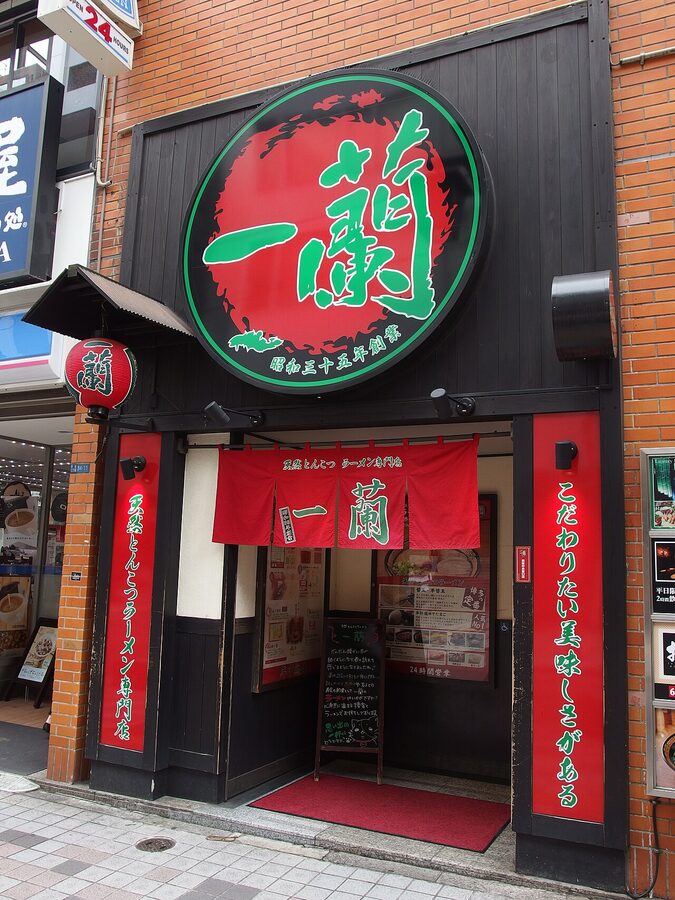
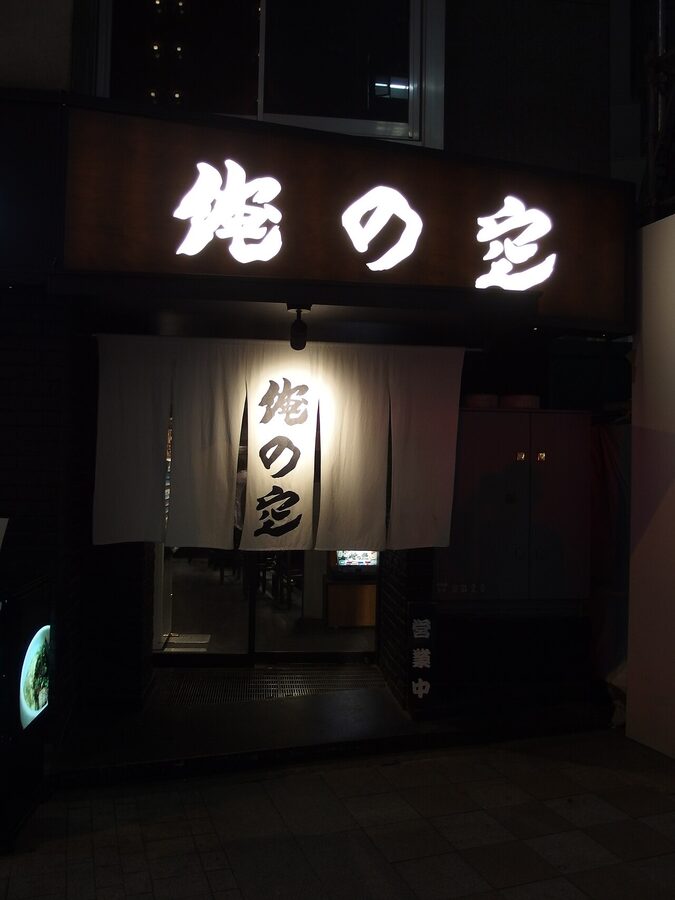
Shinjuku: The densest ramen concentration in the city. Fuunji, Mentsudan, Ore no Sora, Ichiran — many of the most famous shops. The 6-bowl tour usually runs here. Best for first-timers.
Shibuya: Younger, more experimental shops. Afuri (yuzu-scented shio), Kinryu-en (tsukemen), Gogyo (charred miso). Good for visitors already into ramen who want newer shops. The budget tour runs here.
Ikebukuro: Tsukemen’s birthplace. Higashi-Ikebukuro Taishoken still operates and still has a 2-hour queue. Serious ramen nerds go here.
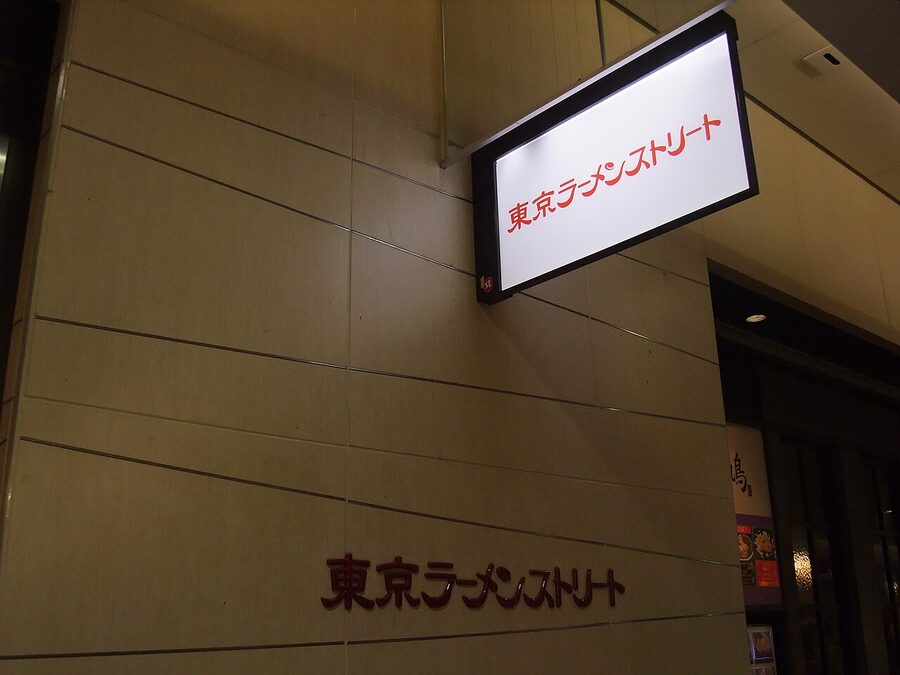
Tokyo Station: Tokyo Ramen Street in the First Avenue basement — eight of Tokyo’s best shops operating branches in one alley. Convenient if you’re changing trains. Not on any tour but worth a solo visit.
Asakusa: Older, more traditional style. Less famous nationally but excellent for shoyu. Off-the-tourist-track.
How the Tasting Tour Actually Saves You Time
Doing the ramen tour solo would take a full day minimum. Here’s the math:
Queueing at each famous Tokyo ramen shop adds 20-45 minutes per visit. Six shops = 2-4 hours of queueing. Ordering through the Japanese-only vending machine at each shop adds 2-5 minutes of confusion. Working out what broth each shop is famous for adds reading time. A full bowl at each shop would mean either eating five full bowls (impossible) or leaving food behind (wasteful, locally frowned upon).
The tour guide handles all of it. Pre-arranged half-portions, no queue (the shops slot you in), English explanation while you eat. What would be a full exhausting day becomes three hours of eating and walking.
The Ticket Vending Machines (And Why They Exist)
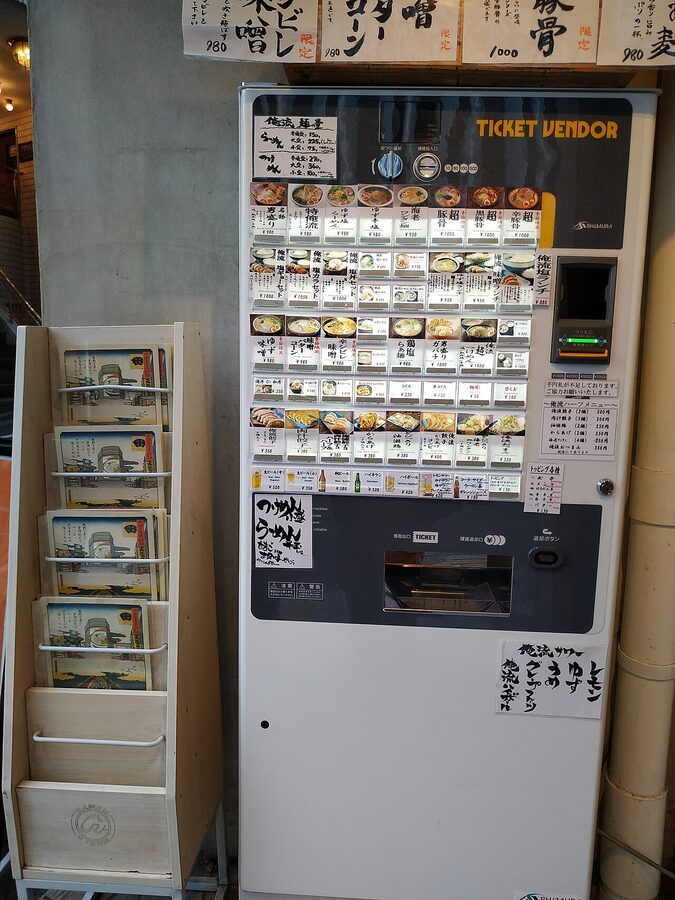
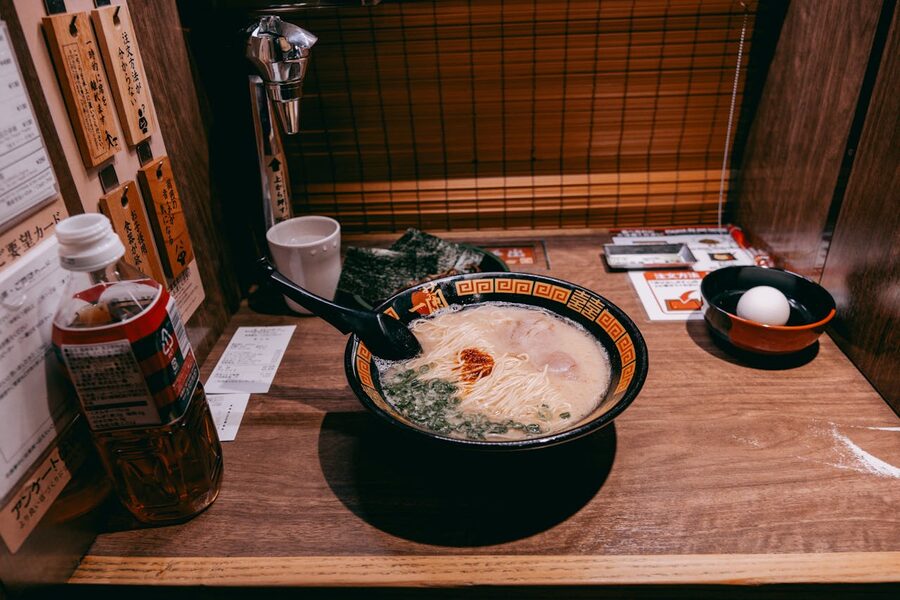
About 60% of Tokyo ramen shops use a shokkenki — a vending machine at the entrance where you order and pay before sitting down. Here’s why:
Japanese ramen shops are typically very small (10-15 seats) and ultra-fast (you eat and leave in 15-20 minutes). The vending machine eliminates the cashier role — one person can run the whole kitchen. It also keeps the chef’s hands clean, since they never handle money.
For visitors, the machines can be intimidating — menus are usually Japanese-only, and pictures on the buttons aren’t always clear. The tasting tours skip this problem by having the guide order for you. Outside the tour, most shops will have one English button or a laminated translation card. Point to what you want.
Pro tip: the top row of buttons is usually the flagship dishes. If you’re lost, point to the top-left button and you’ll get something the shop is proud of.
A Short History of Ramen in Tokyo
Ramen is a 20th-century Japanese dish with Chinese roots. Noodle shops serving chuka-soba (Chinese-style noodles in pork broth) appeared in Yokohama’s Chinatown in the late 1800s and gradually spread to Tokyo. The modern form crystallised around 1910 with a shop called Rairaiken in Asakusa, typically credited as the first “Tokyo ramen” restaurant.
Post-WWII, US wheat aid flooded Japan with cheap flour. Ramen became a national staple for rebuilding workers — fast, filling, warming, cheap. The instant ramen era started in 1958 when Momofuku Ando invented Chicken Ramen in Osaka; a decade later, instant noodles were one of Japan’s biggest export categories.
Tokyo’s ramen scene evolved into its current density over the 1980s and 1990s, with specialist shops breaking off by region and style. By 2000, ramen had become a documented craft — TV shows about ramen chefs, critics rating shops on thousand-point scales, shops training apprentices for 10+ years before opening their own. The current scene has more ramen shops per capita than any city in history.
What You Won’t Eat on the Tour (and Should Seek Out)
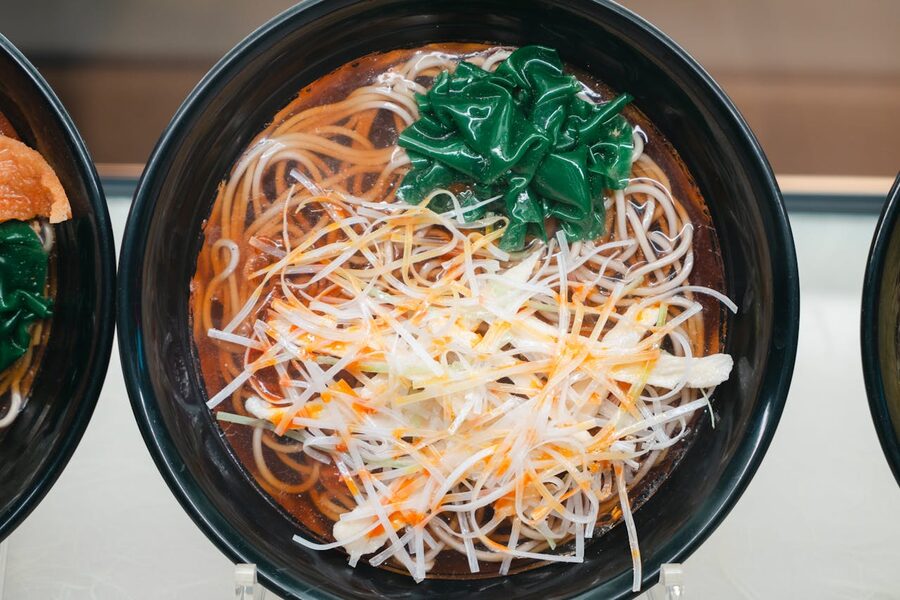
The 6-bowl tour hits the classics: tonkotsu, shoyu, shio, miso, tsukemen, one wildcard. But Tokyo has ramen styles that don’t fit neatly into that framework, and once the tour has educated your palate, you’ll want to chase them.
Jiro-style: Ultra-heavy pork-bone broth, mountainous toppings (bean sprouts, garlic, pork slabs, thick noodles), designed to defeat you. Ramen Jiro’s original Mita shop still operates. Most visitors find it overwhelming on first try. Some return daily for a week.
Ie-kei (house-style): Yokohama-origin pork-and-soy fusion broth with thick straight noodles. More filling than Tokyo-style shoyu. The 6-bowl tour sometimes includes this.
Mazesoba: “Mixed noodles” — no broth at all. Thick noodles tossed with minced pork, green onion, garlic, yolk, and oil. You stir everything together and eat. Nagoya-origin but now widely available in Tokyo.
Abura soba: “Oil noodles.” Similar concept to mazesoba but simpler — noodles, a small pool of flavoured oil, and a raw egg you mix in at the table. Student-food prices at most shops.
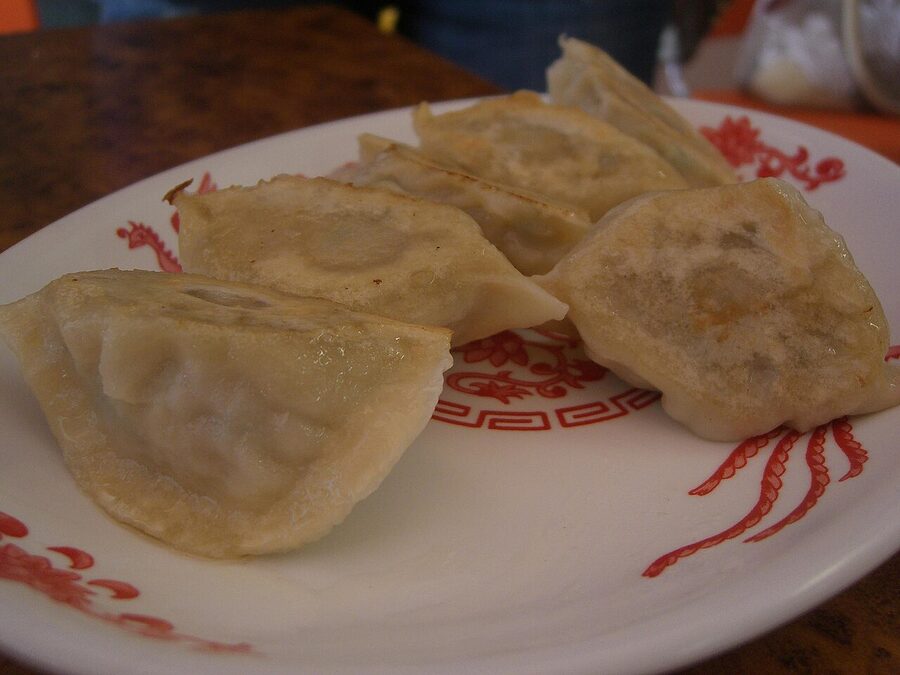
A full-sized single ramen plus a half-order of gyoza is one of the most common lunch orders in Tokyo. It runs 1,200-1,500 yen total, and eating it makes you briefly feel like a local.
Late-Night Ramen Culture
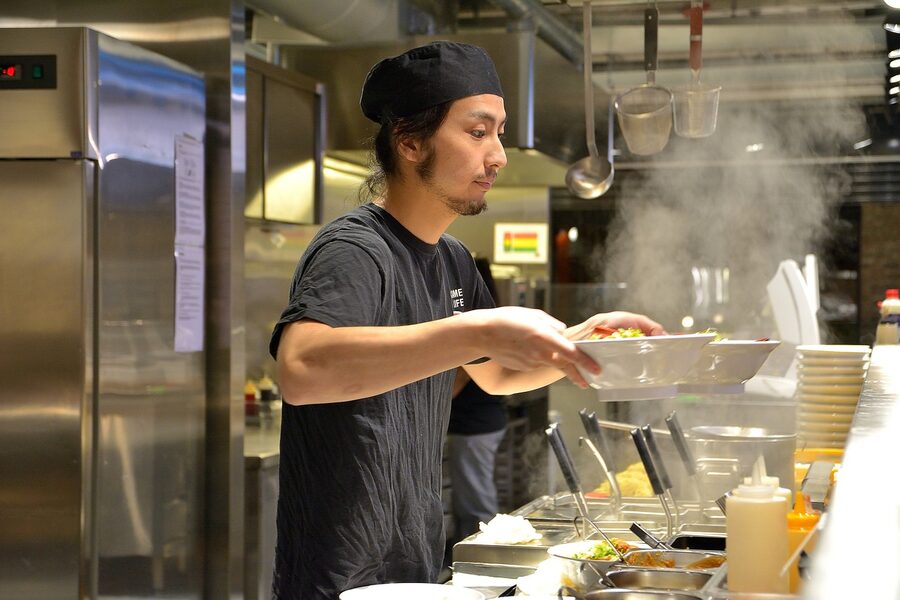
Many of Tokyo’s best ramen shops are open overnight rather than during the day. This is because ramen serves a specific post-drinking function — the hot broth, salt, and carbs reset a half-drunk stomach before bed.
A late-night ramen crawl is its own kind of Tokyo experience, though none of the tours cover it (they run afternoons). If you want to try, head to Shinjuku Golden Gai or the alleys around Ebisu Station after 11pm. The shops that stay open past 2am are often marked with a little lantern outside and a handwritten time sign on the door.
Practical Tips
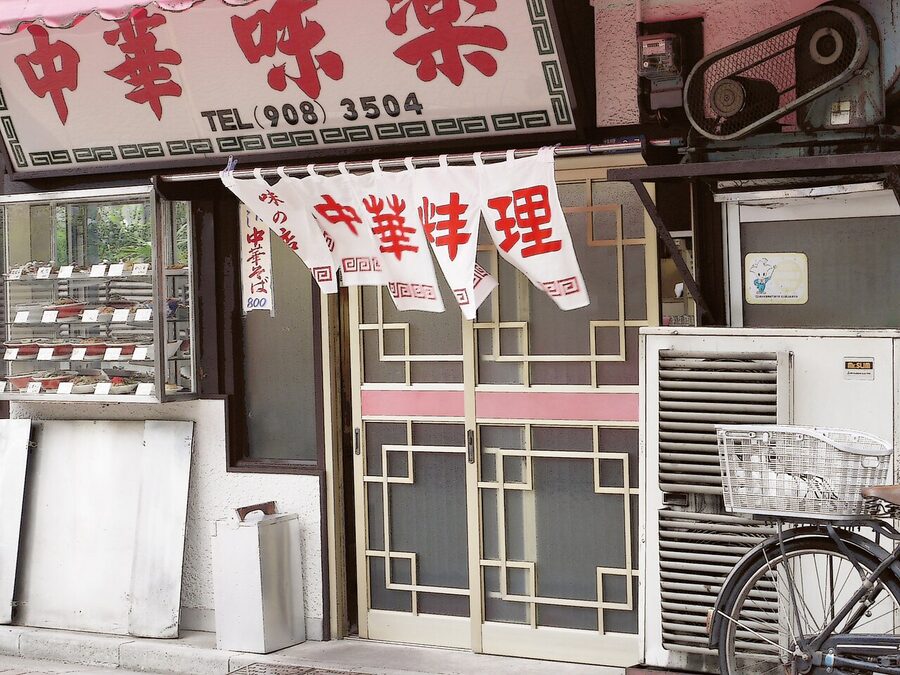
Slurp. Loudly. It’s not rude — in Japan, slurping noodles is polite and practical. The slurp cools the hot noodles on the way in and adds air that supposedly brings out flavour. Chefs notice.
Eat fast. Ramen is meant to be eaten in 15-20 minutes maximum. The noodles keep cooking in the broth; by minute 25 they’re mush. This is not a meal to linger over.
Drink the broth. At least some of it. Leaving the broth entirely is considered slightly wasteful in Japan. You don’t need to finish it, but tilt the bowl and take a few sips toward the end.
Don’t add soy sauce or chili oil unless you’ve tasted the broth first. The chef seasoned it deliberately. Taste before adjusting. Most Tokyo ramen is already balanced.
Water: self-serve. Most shops have a water jug at each counter or self-serve from a machine at the entrance. Nobody will refill it for you.
Tipping: Not expected in Japan. Don’t leave a tip.
When to book the tour: 3-5 days ahead for the main 6-bowl tour, 5-7 days for the vegan tour (less frequent).
Arrive hungry: The 6-bowl tour totals roughly a full ramen bowl’s worth of food. Skip lunch; do a light breakfast.
More Tokyo and Japan Experiences
If ramen is becoming a theme of your Japan trip, our Osaka ramen & gyoza cooking class is the natural next step — you’ve tasted the variations, now make one yourself. For the opposite-end-of-Tokyo food experience, our Shibuya walking & food tour covers the broader Tokyo food scene. Our Kyoto Nishiki Market food tour is the Kyoto equivalent — market tastings rather than single-dish tastings. For evening Tokyo eating, the Tokyo pub crawl covers the izakaya side of the scene. If you prefer your Tokyo food with more neon context, the Akihabara anime & gaming tour usually includes at least one themed café stop. Our Osaka Kuromon Market and Dotonbori river cruise cover the Osaka food district. And for complete contrast, our Tokyo zen meditation guide is the non-food, non-shopping, quiet-your-mind option. Ramen tasting works best as a mid-trip lunchtime activity — about day 3 or 4 of Tokyo, when you’ve already eaten a few regular ramen bowls and are ready to compare.