
If you’ve ever owned a Nintendo console, loved a Studio Ghibli film, or bought anime merch from your local comic shop, Akihabara is the neighbourhood that built the culture behind all of it.
It’s also the one Tokyo district where visitors regularly get lost in a good way. Six-storey buildings filled with nothing but vintage arcade games. Capsule-toy machines stacked four deep along the sidewalks. Manga shops with basement floors you didn’t know existed. Maid cafés that range from wholesome to aggressively weird. It’s all packed into about eight blocks.
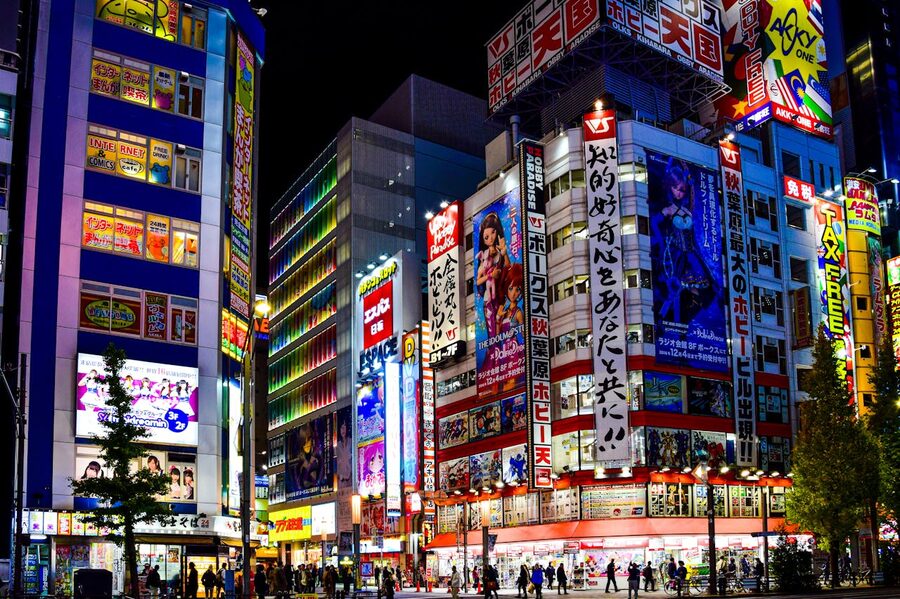
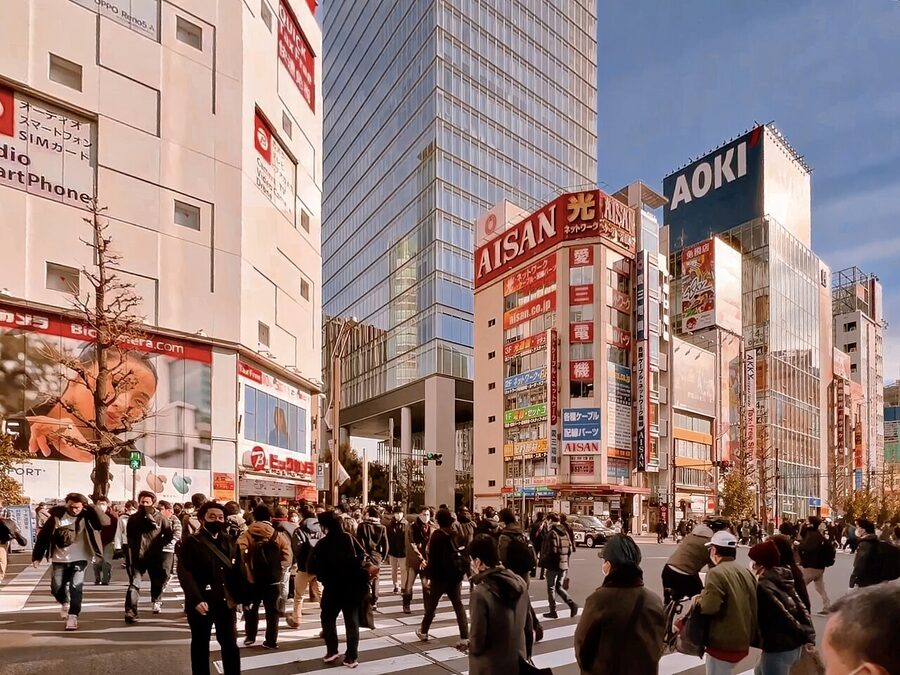
Doing Akihabara without a guide gets 70% of the district. A good guided tour gets you to 90% — the stairs to the fifth-floor vintage game vault, the basement model-kit shop that doesn’t have an English sign, the right order to visit things in so you don’t get lost. Three tours stand out at different price points and formats.
Short on time? Here are my top picks:
Best walking tour: Akihabara Anime & Gaming Adventure Walking Tour — the most-booked option. Group tour, 3 hours, covers the essential shops with commentary. Best general introduction to the district.
Best hands-on: Gameboy Mod Workshop at Akihabara — build a custom modded Gameboy console from scratch. 4 hours, take it home. Niche but beloved — the highest-rated Akihabara experience for anyone who grew up on Nintendo.
Best for manga fans: Manga Drawing Workshop with a Pro — learn manga techniques from a working artist. 2-3 hours, take your drawing home. A different kind of Akihabara experience that goes deeper than shopping.
- What’s Actually in Akihabara
- The 3 Best Akihabara Tours
- 1. Akihabara Anime & Gaming Adventure Walking Tour —
- 2. Gameboy Mod Workshop at Akihabara — 0
- 3. Tokyo: Manga Drawing Workshop Guided by Pro Manga Artist — 9
- The Maid Café Question
- Otaku Culture — A Short Primer
- A Short History: From Radio Parts to Global Pop Culture
- Practical Tips
- A Note on Budget
- More Tokyo and Japan Experiences
What’s Actually in Akihabara
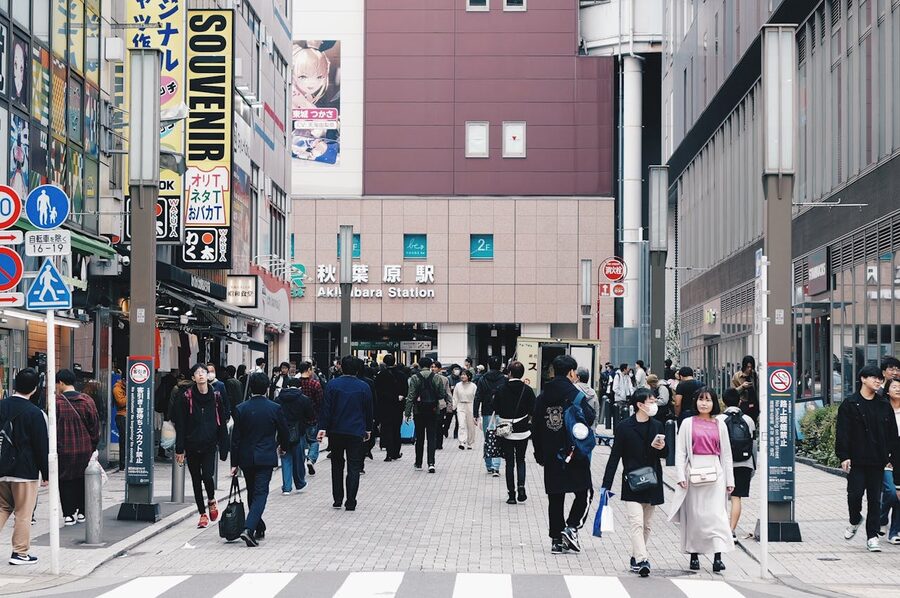
Akihabara — nicknamed “Electric Town” or “Akiba” — is a Tokyo neighbourhood centered on the JR Yamanote Line’s Akihabara Station. Historically it was the post-WWII electronics district where engineers bought radio parts on the cheap. It evolved into Japan’s gaming and anime centre in the 1980s and hasn’t looked back since.
What you’ll find today, block by block:
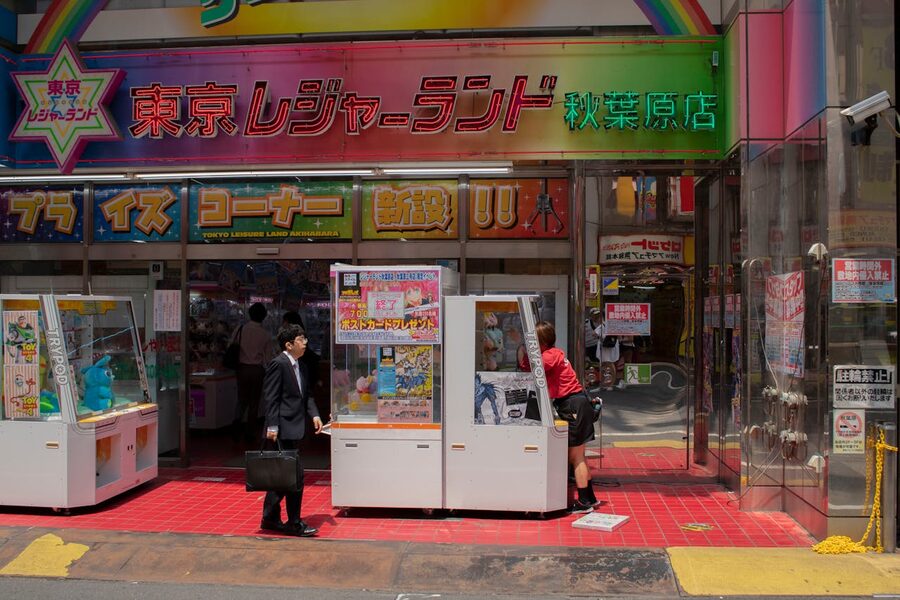
Arcades: Five or six big ones and several smaller ones. Taito Station and Tokyo Leisure Land are the two most famous — seven-storey gaming halls with a different genre on each floor. UFO catcher claw games in the basement, fighting games on floor 2, rhythm games (Taiko no Tatsujin, Dance Dance Revolution) on 3, retro cabinets on 5-6. Admission is free; you pay 100 yen per play.
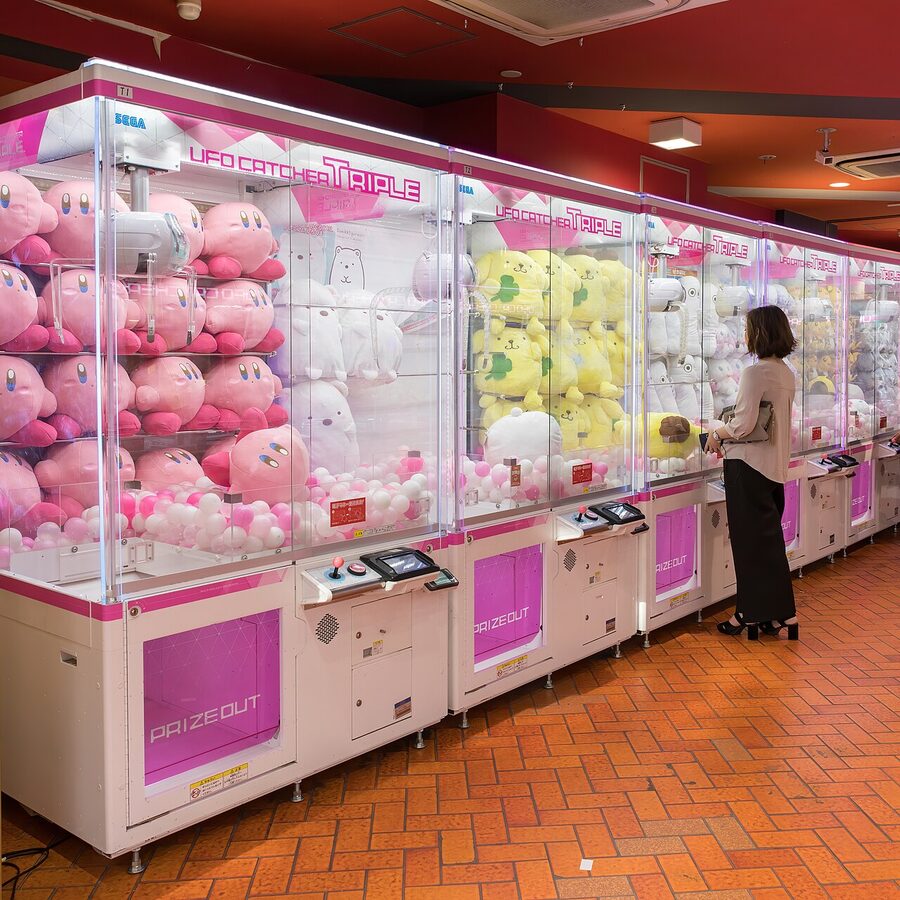
Gaming shops: Retro game stores stacked vertically. Super Potato (three floors of 80s/90s console nostalgia) is the famous one. Beep is the connoisseur’s choice — Japanese computer history, obscure PC-98 games, hardware you haven’t seen since childhood. Nearly everything is used, priced in yen, and negotiable on the larger items.
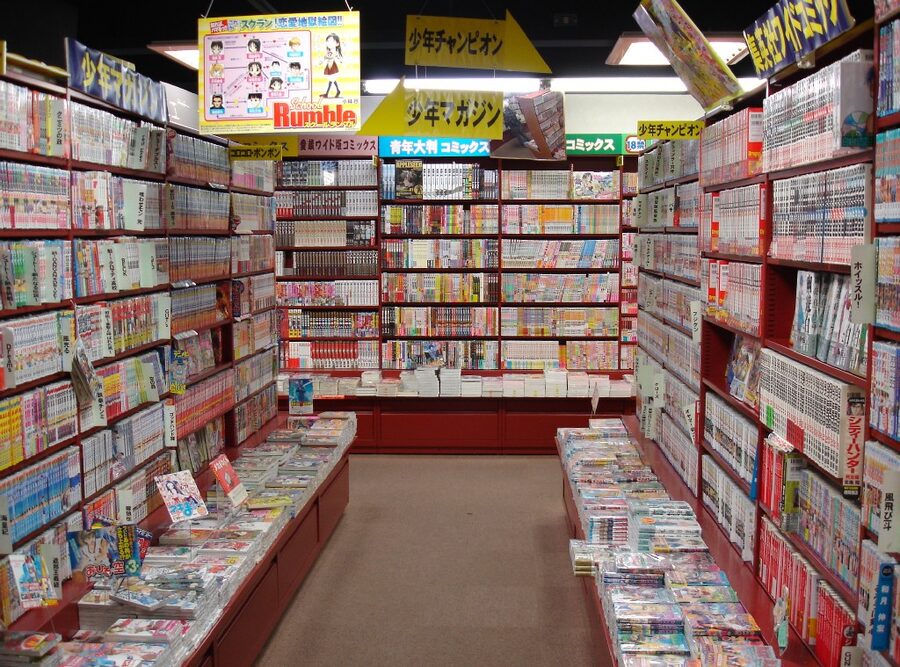
Manga and anime stores: Animate’s Akihabara flagship is the go-to. Seven floors of manga, anime DVDs, soundtracks, and goods. MANDARAKE Complex is the second must-visit — a department-store-scale resale shop with everything from 1970s manga to figurines that cost more than your flight.
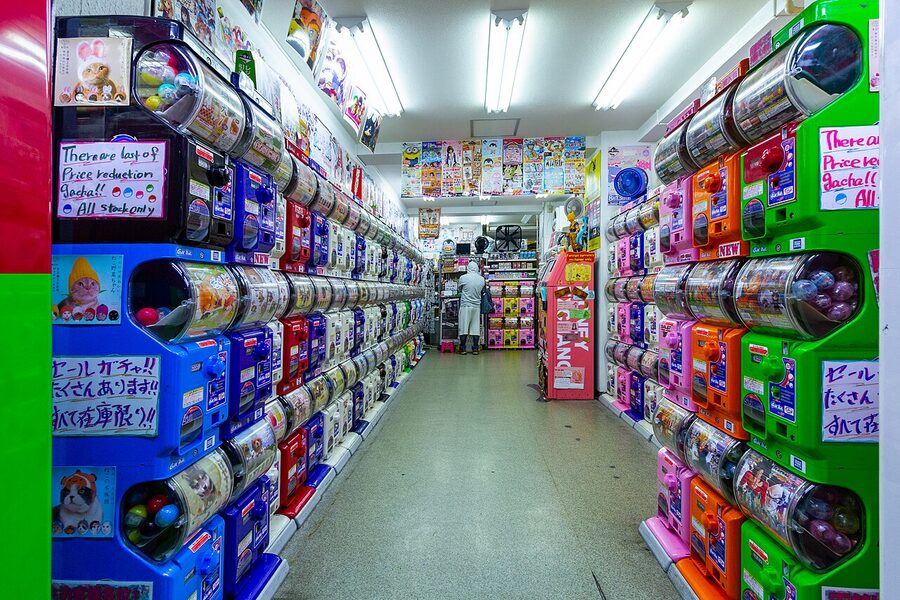
Capsule-toy (gachapon) shops: Dedicated gachapon halls with 500+ machines in a single room. You put 300-500 yen in, turn the knob, get a random toy. Anime characters, novelty food replicas, and increasingly weird concept toys. Come with 2,000 yen in coins.
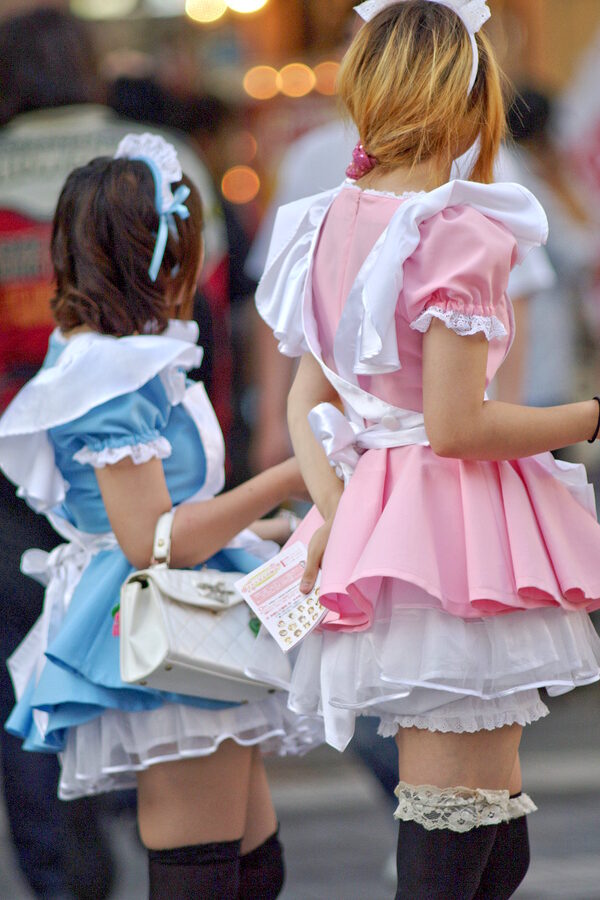
Maid cafés: The distinctly Akihabara phenomenon. Young women dressed as French maids serve you food and drinks in themed cafés where they draw pictures on your omelette rice and dance routines happen between orders. @Home Café is the most tourist-friendly. Maidreamin is slightly more over-the-top. Both are safer than their reputation suggests — the vibe is more kid-birthday-party than adult-entertainment.
The 3 Best Akihabara Tours
1. Akihabara Anime & Gaming Adventure Walking Tour — $91

Three hours, English guide, small group (usually 6-10 people). You’ll visit Super Potato (retro games), one of the big manga stores, a gachapon hall, a model-kit specialist, and usually one arcade. The guide explains the anime/gaming cultural context — why Japan developed this distinct subculture, what the different shop types sell, how to spot authentic retro versus reproductions. No actual purchases are required, but you’ll probably buy something. Good for first-time Akihabara visitors. Our full review covers the exact route and shops.
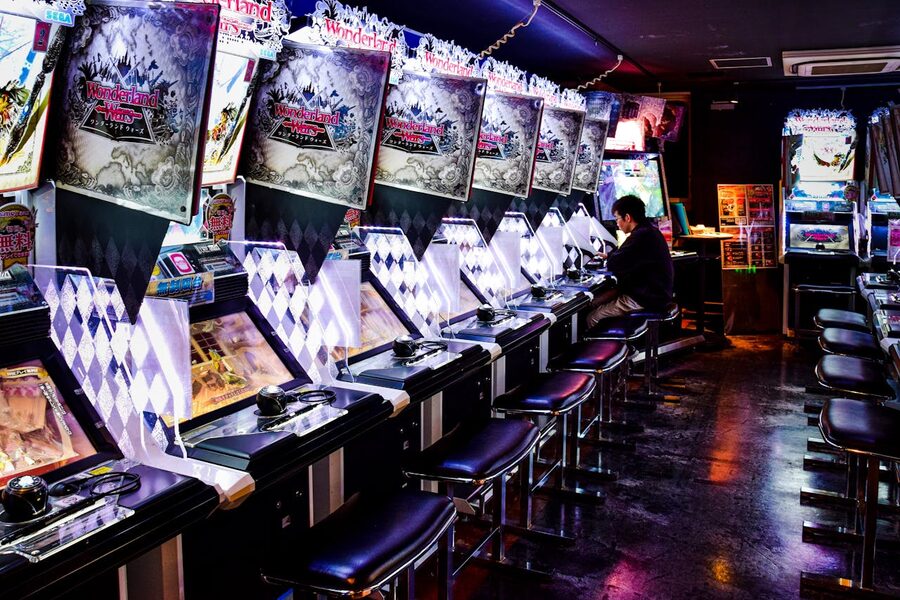
2. Gameboy Mod Workshop at Akihabara — $360
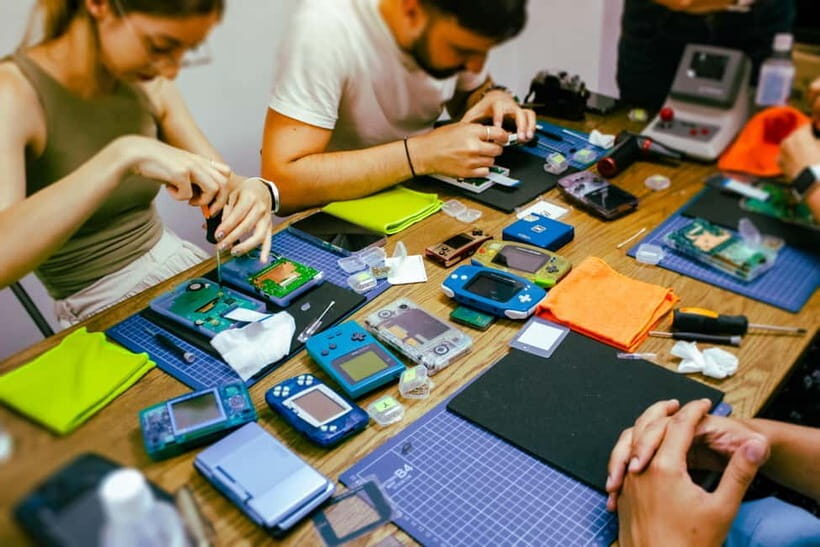
Four hours, two people max per session, one working technician teaching you. You start with a donor Gameboy, swap the screen for a modern backlit display, change the buttons and case colours, and install new battery hardware. The mod actually improves the console — the original Gameboy’s screen was famously awful, and an IPS swap makes old Pokemon cartridges readable for the first time. You take the finished console home. $360 is a lot, but what you leave with is worth about $300 retail as a modded unit. Book 2-3 weeks ahead; slots sell out fast. Our review covers the mod options and what the workshop includes.
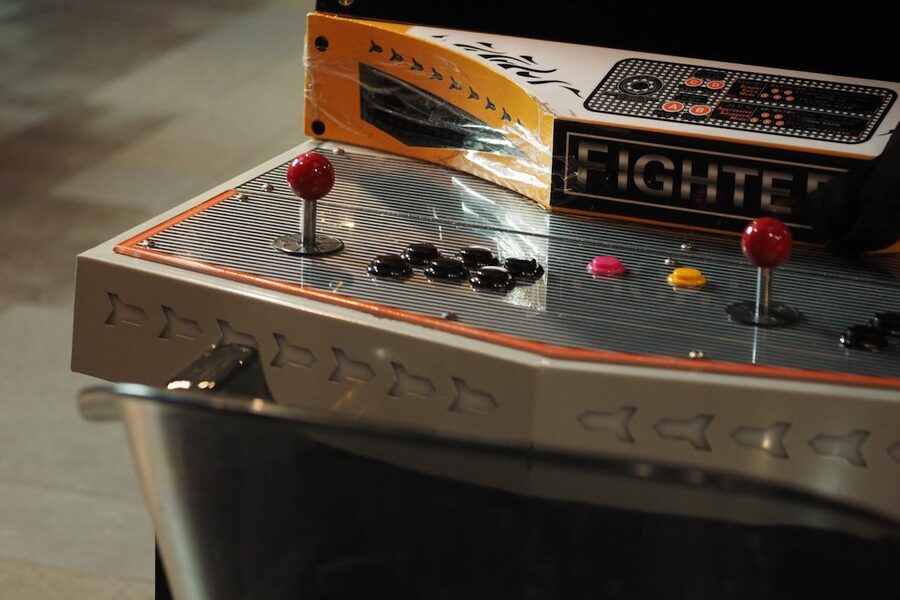
3. Tokyo: Manga Drawing Workshop Guided by Pro Manga Artist — $129
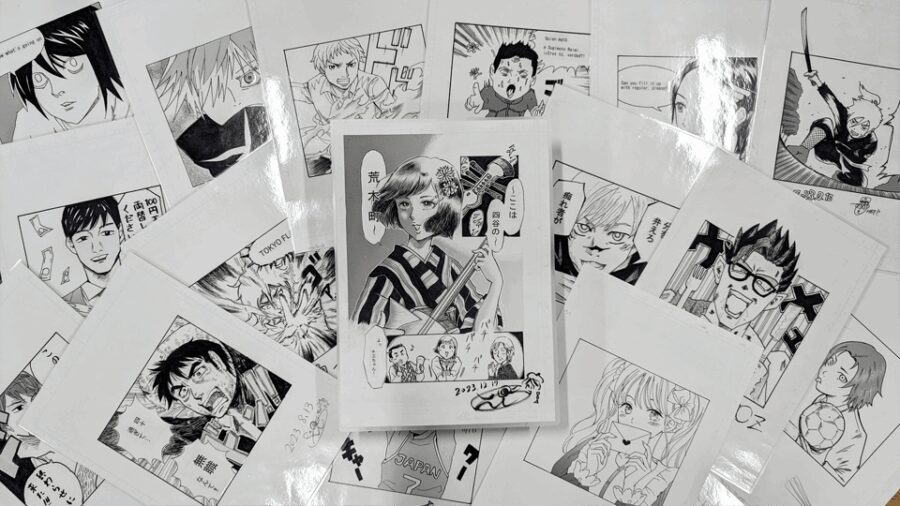
This is the Akihabara experience that goes beyond shopping. A working manga artist (all are published; you can check credits) teaches you the basic techniques: drawing character faces in chibi and realistic styles, composing panels, inking with a nib pen instead of a digital stylus. You work with professional art supplies in a small studio. The final piece you make is entirely yours — a single-page manga or character spread you take home. Skill level accommodates total beginners; the teacher adjusts to what you bring. Good for travellers who want a cultural-learning experience rather than another walking tour. Our review covers the technique breakdown and what to expect.
The Maid Café Question
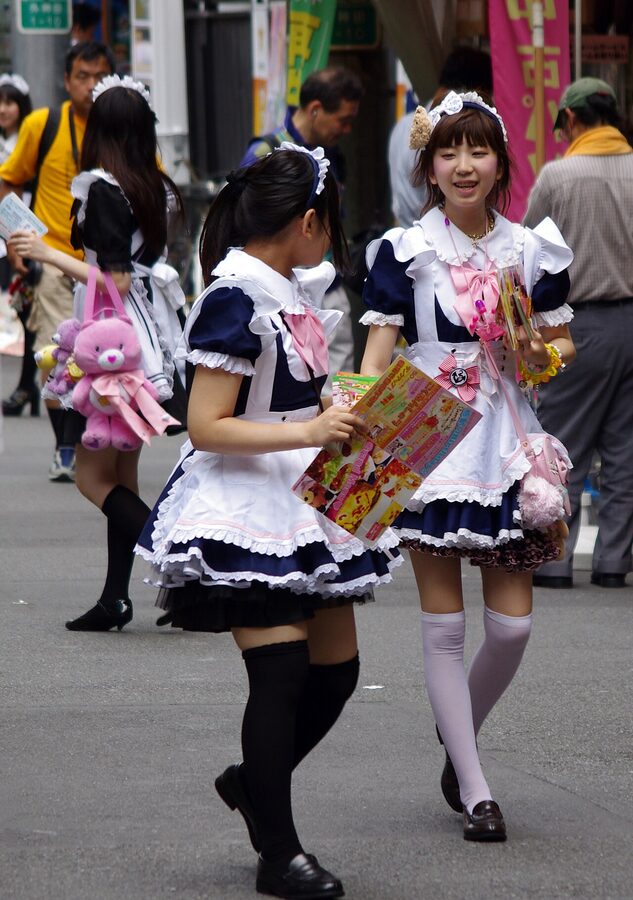
The question every first-time Akihabara visitor asks: are maid cafés worth it?
Short answer: one visit, yes — as a cultural experience. More than one, no.
The vibe is theatrical. You’re greeted with “Okaeri nasai, goshujin-sama!” (“Welcome home, master!”) and called that for the duration. The maids chat, draw cute faces on your omelette rice, and lead a short song-and-dance routine once or twice during the meal. Some cafés have strict no-photos policies; others charge for photos. Cover charges run 500-1500 yen on top of food and drinks. Set meals are 2,500-4,000 yen total.
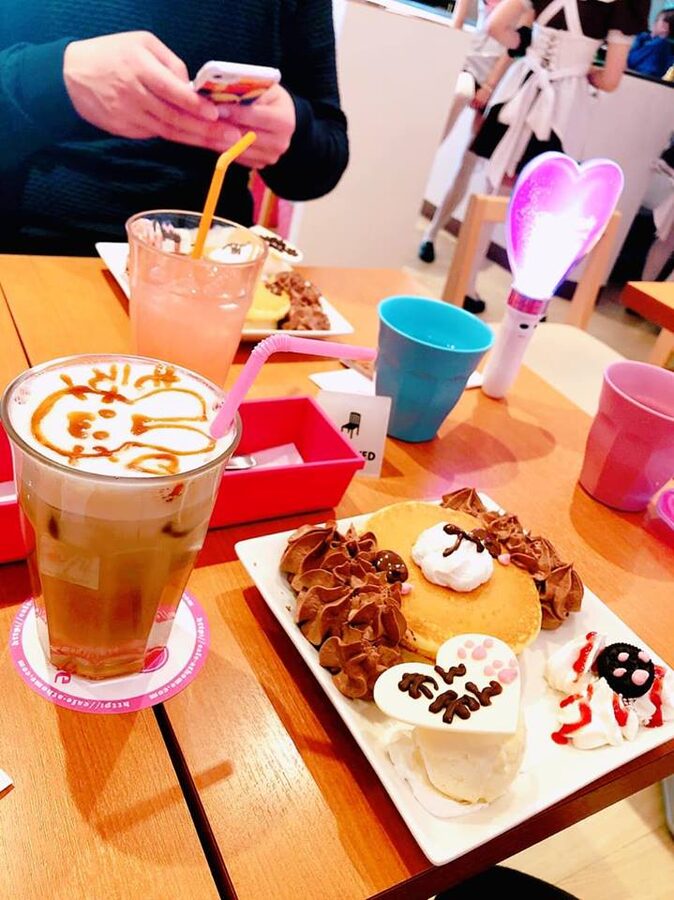
If you’re visiting with a partner or friends, the experience is much easier to enjoy — it’s weird enough that sharing the weirdness is half the point. Solo travellers report mixed feelings: some find it charming, others overly curated.
The walking tour (option #1) sometimes includes a short stop at a maid café for context; check when booking. If it doesn’t, @Home Café in Don Quijote’s Akihabara building is the most tourist-tested option to try independently.
Otaku Culture — A Short Primer
“Otaku” translates loosely to “geek” or “obsessive fan,” and Akihabara is the world’s unofficial otaku capital. But otaku isn’t one thing — it’s a family of subcultures. A bit of vocabulary helps you navigate the district:
Anime otaku: Anime and manga fans. The most visible subculture in Akihabara. Shops cater to specific series — there’s a Gundam specialist, multiple Pokemon shops, an entire Evangelion store.
Gaming otaku: Video game fans, especially retro and arcade. Super Potato and the retro floors of Taito Station are their temples.
Idol otaku (idol wota): Fans of Japanese idol groups. They attend live shows with coordinated chants and light-stick routines. AKB48, the pop group based in Akihabara, built a theatre here specifically for this fandom.
Figure otaku: Collectors of anime/game figures. The serious ones spend thousands on a single sculpture. MANDARAKE is their used-market hub.
Train otaku (tetsudo-wota): Fans of trains. Akihabara has specialist stores for model trains and rail memorabilia.
The walking tour briefly covers each subculture so you know what you’re looking at. The manga workshop goes deeper on drawing. The Gameboy mod is squarely gaming otaku territory.
A Short History: From Radio Parts to Global Pop Culture
Akihabara’s name comes from a 1869 Shinto shrine called Akiba-dai Shrine (since moved). The district got its electronics focus after WWII when surplus military radio parts flooded the area and engineers set up open-air stalls to sell them. Through the 1950s-60s, Akihabara became Japan’s go-to for TVs, washing machines, and audio equipment — the “Electric Town” nickname dates from this era.
The shift to gaming and anime happened in the 1980s and 1990s. As big-box electronics stores moved to the suburbs, Akihabara’s specialty shops pivoted to serving otaku. By 2000, maid cafés had arrived. By 2010, AKB48’s theatre opened and the district was as much about cosplayers on the street as it was about consumer electronics. The 2007 rebuild of Akihabara Station and the 2006 launch of the Tsukuba Express line made the area a major transit hub, which accelerated the transformation.
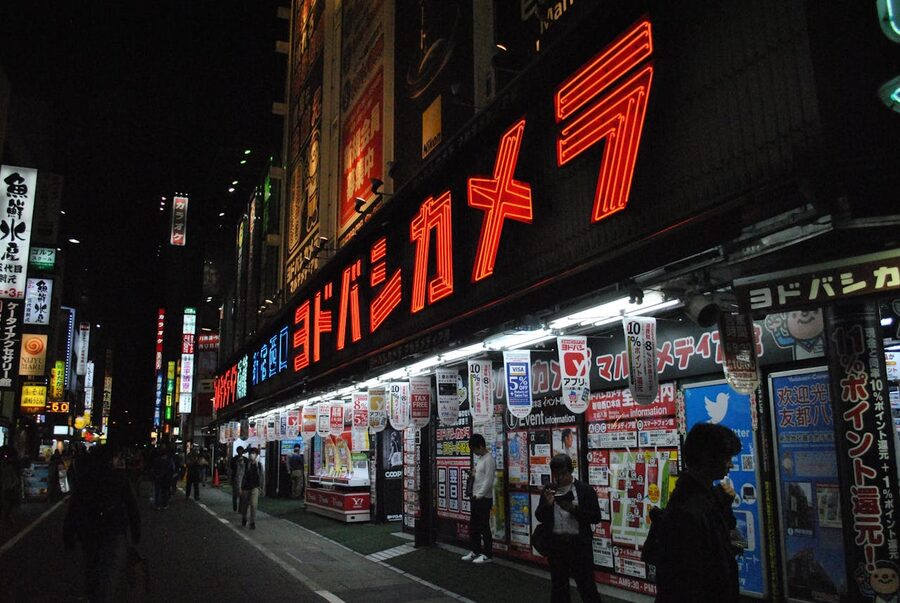
Today the electronics side still exists — the famous Yodobashi Akiba camera-and-electronics mega-store is right next to Akihabara Station — but it’s no longer the defining identity. Akihabara now exports culture more than it imports parts.
Practical Tips
When to visit: Sunday afternoon (12pm-6pm) for the Walker’s Paradise pedestrian zone. Tuesday is the day when many retro shops get new stock. Friday/Saturday evenings are the most crowded.
What to bring: Cash. A lot of Akihabara still runs on cash for small purchases, especially at independent stores. ATMs at the 7-Eleven and Post Office handle foreign cards.
Time budget: 4-6 hours for the walking tour + a solo wander. Full day if you’re serious about shopping.
Photography: Street photos are fine. Inside stores — ask first. At maid cafés — no, unless explicitly allowed. At gachapon machines, always fine.
Shipping home: Figures and merchandise can be heavy. Most big shops (Animate, MANDARAKE) offer international shipping. Worth it if you’re buying more than about 2kg of stuff.
Getting there: JR Yamanote Line to Akihabara Station (Electric Town exit). Also served by Hibiya Line (Tokyo Metro) and Tsukuba Express.
Eating: Lots of themed cafés beyond maid cafés — a Square Enix Final Fantasy-themed café, a Gundam-themed café, and Kira Kira Nihon (idol-themed). If you don’t want themed eating, the regular ramen/donburi shops in the side streets are cheaper and just as good.
A Note on Budget
Akihabara has a reputation for being expensive. That’s only half true.
The walking tour (option #1) covers a whole afternoon for $91. The arcades take about 100-500 yen per play; most visitors spend 1,000-2,000 yen across an arcade visit and walk out happy. Capsule machines are 300-500 yen per try — two or three tries gives you the experience and a few take-homes. A meal at a regular ramen shop is 1,000-1,500 yen.
Where it gets expensive is collecting. A mint-condition vintage game cartridge runs 10,000-50,000 yen. A serious anime figure costs similar. The Gameboy mod workshop is $360. If you arrive intending to buy one of those serious things, budget for it separately; don’t let it consume your general spending money.
Rough budget for a standard Akihabara half-day: walking tour ($91) + arcade (1,500 yen) + capsule machines (1,500 yen) + ramen (1,200 yen) + one small souvenir (2,000 yen) = about $130 per person. Add $360 if you do the Gameboy mod.
More Tokyo and Japan Experiences
Akihabara is one slice of Tokyo’s weirder side. For more Tokyo cultural contrasts, our Asakusa Sensoji walking tour covers old Tokyo, and our Yanaka old quarter guide covers pre-war Tokyo atmosphere that most visitors miss. For other hands-on Tokyo craft experiences, the kintsugi workshop is the traditional-craft counterpart to the Gameboy mod, both in the 2-4 hour hands-on category. Our Tokyo samurai sword & archery class is the martial-arts contrast. For quieter Tokyo, our zen meditation guide is the opposite of Akihabara’s neon chaos. And Shibuya walking & food tours gives you the evening-crawl version of Tokyo that Akihabara’s pop-culture focus leaves out. Our Tokyo pub crawl is the natural after-Akihabara plan for many visitors. If the Gameboy mod excites you, our Tokyo Drift JDM car experience is the mechanical-obsession sibling — both are “Tokyo lets you actually do the thing you grew up wanting to do.” Plan Akihabara for a weekend afternoon; leave the evening open for another district.