
Tokyo has about 2,800 Buddhist temples. Only a few dozen will let you meditate in them.
That’s not a gatekeeping problem — most Tokyo temples are active places of worship with monks who practice zazen as part of their own daily routine, not a visitor activity. The handful that do open their meditation halls to foreigners are mostly small Zen temples in residential districts, tucked between houses and train stations, running quiet 90-minute sessions with a monk who will correct your posture in polite English and then go back to ignoring you for the next 30 minutes of silent sitting.
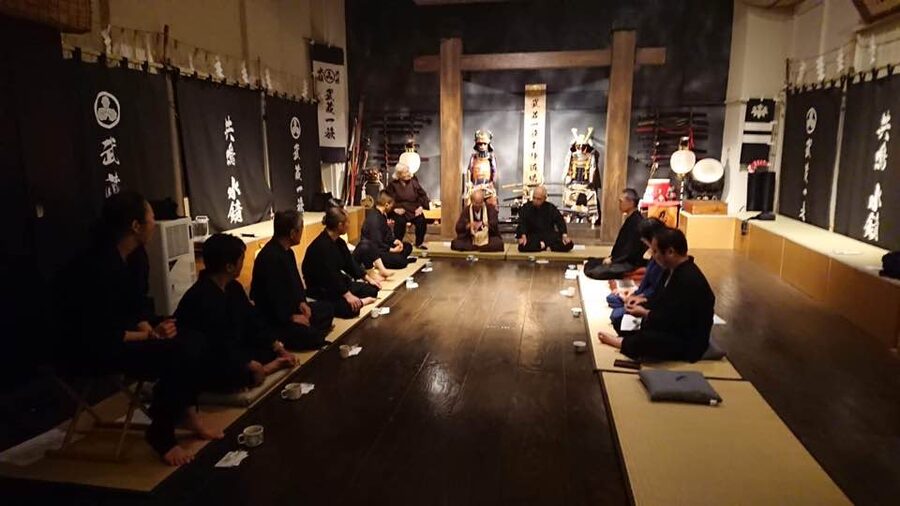
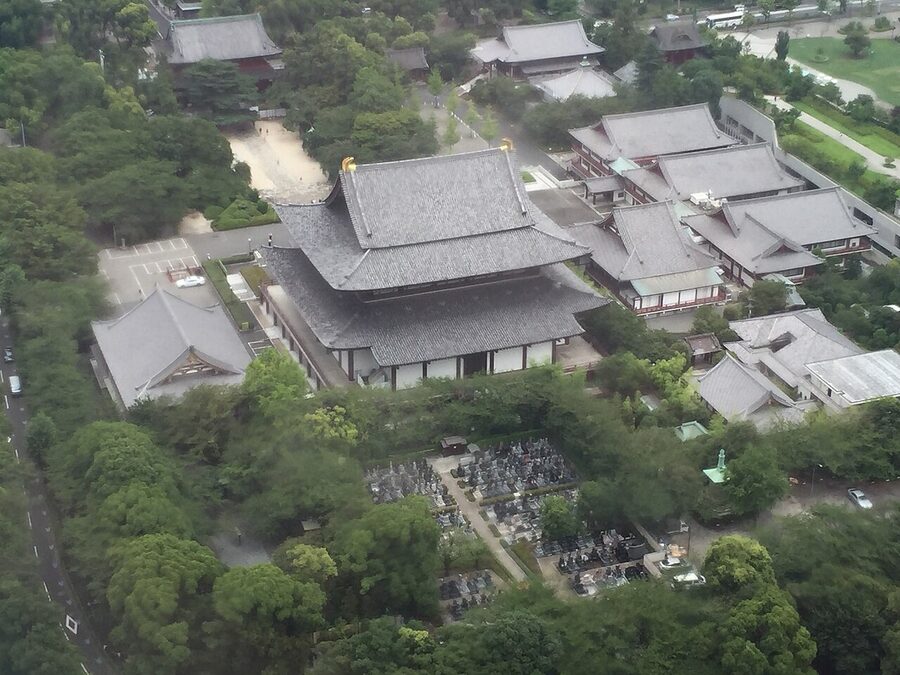
If you’ve already done the Kyoto zen circuit, Tokyo’s version feels different. The temples are smaller. The sessions are shorter. The monks are often younger and more used to explaining the practice to foreigners. And there’s an option that doesn’t exist in Kyoto to the same degree: combining zen with other Japanese arts — calligraphy, tea ceremony, sometimes both — in a single 2-hour class.
Three solid Tokyo options cover the spectrum from “pure zazen” to “zen-plus-everything.”
Short on time? Here are my top picks:
Best pure zazen: Tokyo: Zen Meditation at a Private Temple with a Monk — just the meditation, in a working temple, led by a real monk. The most booked option in Tokyo.
Best zen + tea combo: Tokyo: Practicing Zen With a Japanese Tea Ceremony — 30 minutes of zazen followed by a proper tea ceremony. If you only have one cultural-experience slot in Tokyo, pack two into one.
Best full trio: Tokyo: Zen Meditation, Calligraphy, and Tea Experience — the full sampler. Meditation, shodo calligraphy, matcha tea — all three in one 2-hour class. Cheapest of the three.
- Zazen, Briefly — What You’re Actually Doing
- The 3 Best Tokyo Zen Classes
- 1. Tokyo: Zen Meditation at a Private Temple with a Monk —
- 2. Tokyo: Practicing Zen With a Japanese Tea Ceremony —
- 3. Tokyo: Zen Meditation, Calligraphy, and Tea Experience —
- What Happens in a 90-Minute Class
- Rinzai vs Soto — The Two Branches of Japanese Zen
- Tokyo Zen vs Kyoto Zen: Which One Should You Do?
- A Short History of Zen in Tokyo
- Shodo — The Calligraphy Add-on Explained
- Practical Tips
- Best Time of Day to Book
- After Class: Things to Do With a Quiet Mind
- Other Tokyo Cultural Experiences to Pair With Zen
- More Japan Experiences
Zazen, Briefly — What You’re Actually Doing
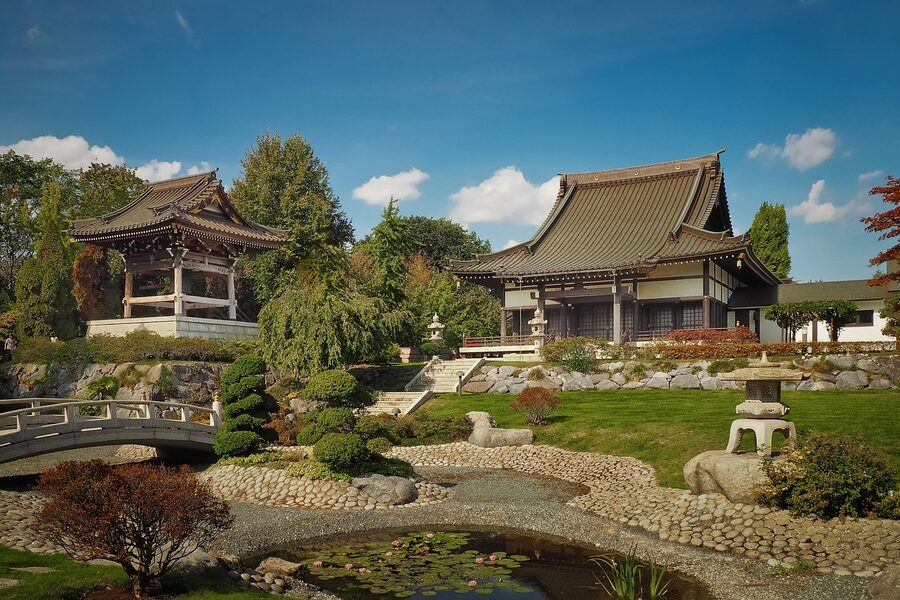
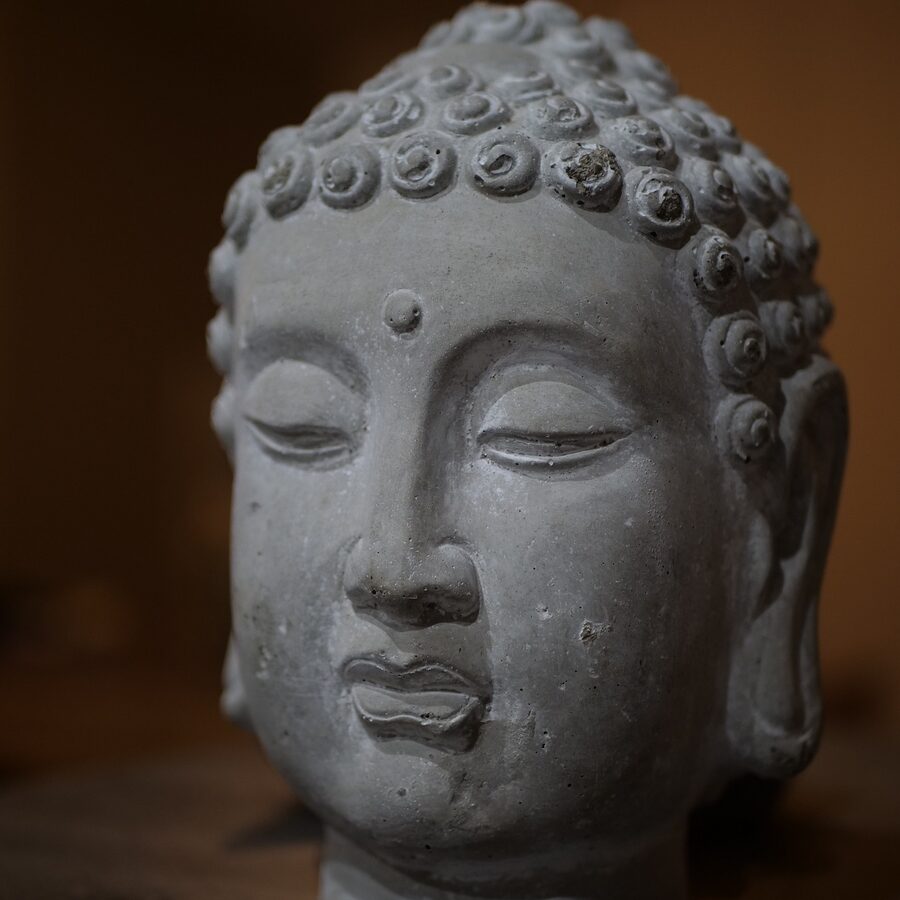
Zazen means “seated meditation.” It’s the core practice of Zen Buddhism — the thing monks do multiple times every day, often for decades. In a visitor class you’ll do a compressed, beginner-friendly version.
You sit cross-legged or in seiza (kneeling on your heels) on a small round cushion called a zafu, placed on a flat mat called a zabuton. Your hands rest in your lap in a specific mudra — left hand on top of right, palms up, thumbs touching to form a small oval. Your eyes are half-open, looking at a point on the floor a metre in front of you. Your back is straight but not tense.
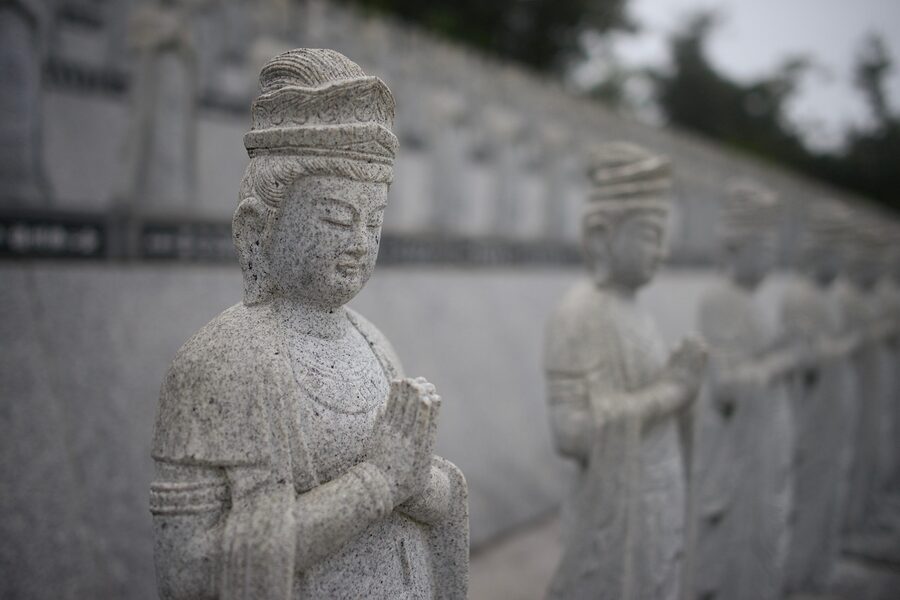
Then you breathe. The typical instruction for beginners is to count — inhale “one,” exhale “two,” all the way to ten, then start over. When your mind wanders (it will, constantly), you notice the wandering and return to the count. That’s the whole exercise. That’s zazen.
The monk may walk behind you during the session carrying a flat wooden stick called a kyosaku. In full practice, sitters who feel drowsy or have slouching posture bow and request a light tap on the shoulders with the stick — a reset. Most Tokyo visitor classes skip the kyosaku or only use it on request. Ask when you book if the idea of being tapped with a stick is interesting or terrifying.
The 3 Best Tokyo Zen Classes
1. Tokyo: Zen Meditation at a Private Temple with a Monk — $55
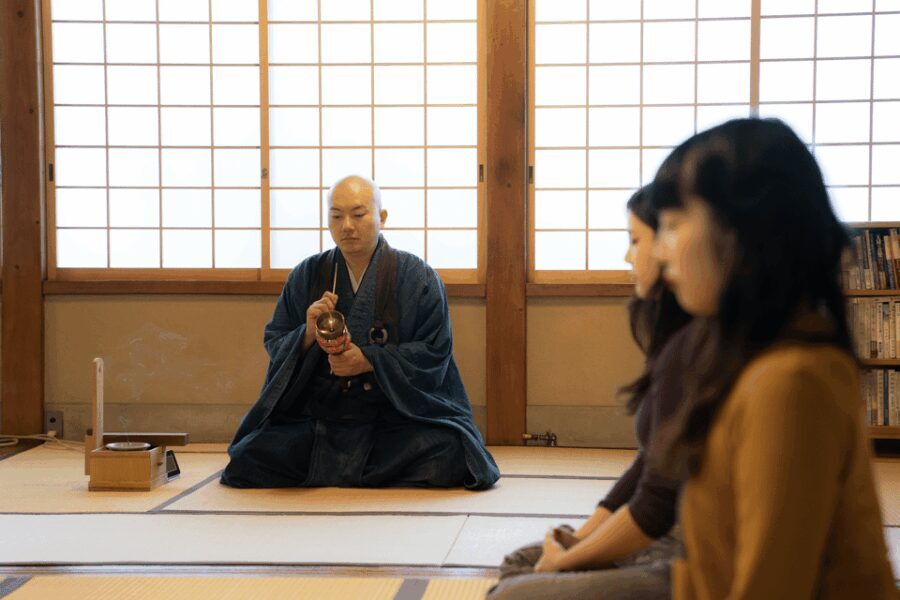
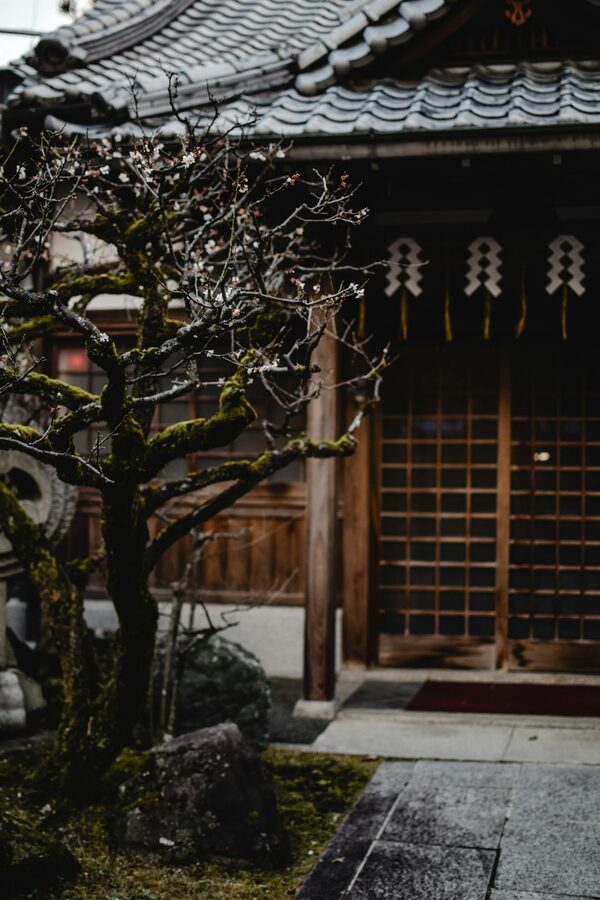
This is the pure-zazen option. About 90 minutes total: 15-20 minutes of orientation and instruction, two 20-minute sitting sessions split by a short walking meditation (kinhin), and a Q&A with the monk at the end. The temple is a small working Zen temple in a residential Tokyo neighbourhood — you show up, leave your shoes at the door, and get handed a cushion. No photos during the sitting. Quiet is the point. Pick this if Kyoto-style zen interests you and you want the minimum-viable authentic Tokyo version. Our full review covers the neighbourhood and what to wear.
2. Tokyo: Practicing Zen With a Japanese Tea Ceremony — $63
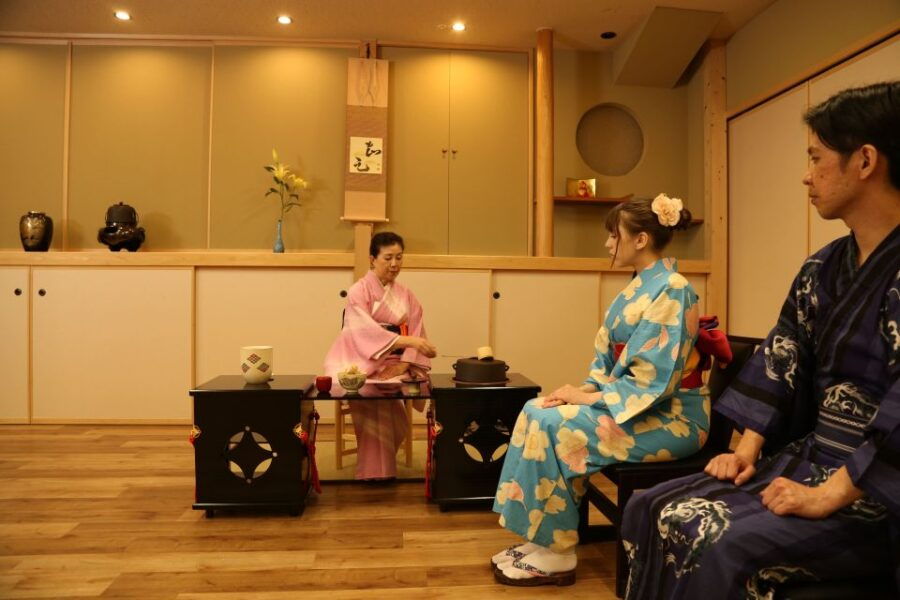
Eight dollars more than the pure zazen class and you get a proper tea ceremony tacked on at the end. The session runs about 2 hours total: short zazen, discussion, tea ceremony with the same host. The cultural logic works — tea ceremony is arguably the most developed expression of zen aesthetic in Japanese culture, and sitting still for zazen first puts you in the right headspace for the deliberate slowness of making and drinking tea. Good for culturally-curious travellers who don’t want to book two separate half-days. Our review covers how the two parts fit together.
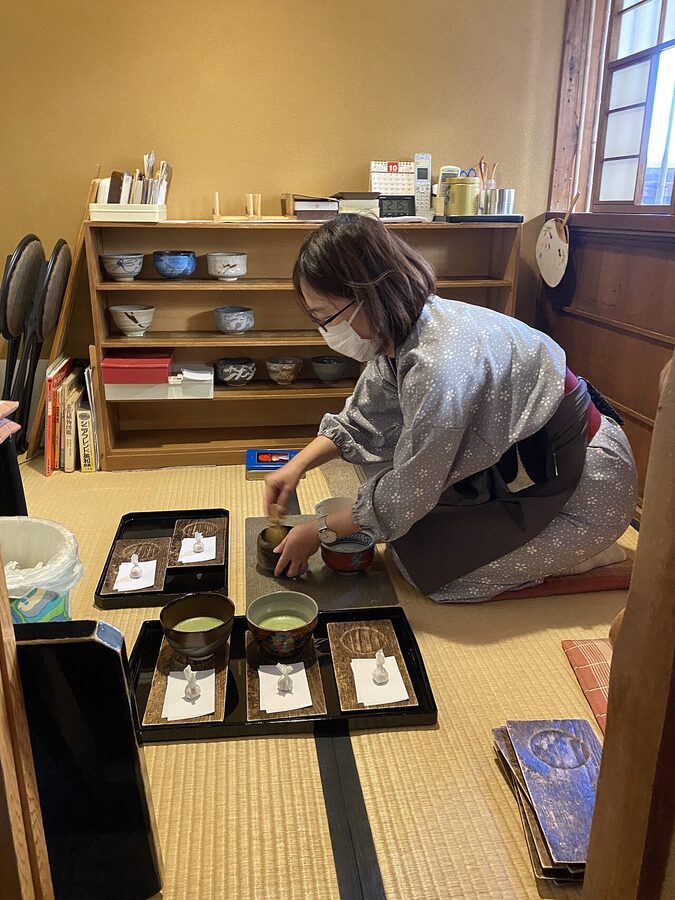
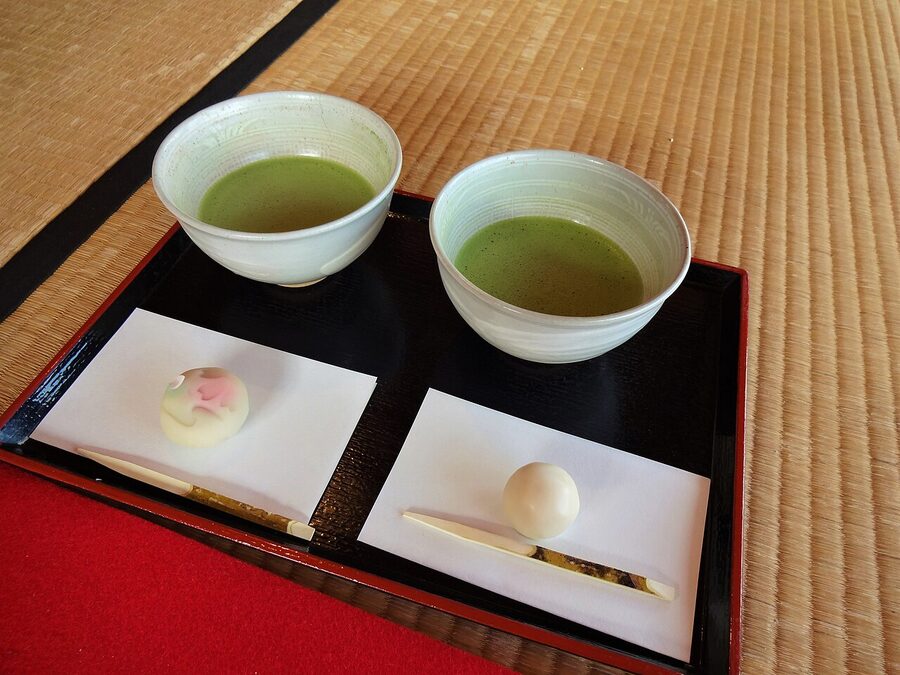
3. Tokyo: Zen Meditation, Calligraphy, and Tea Experience — $48

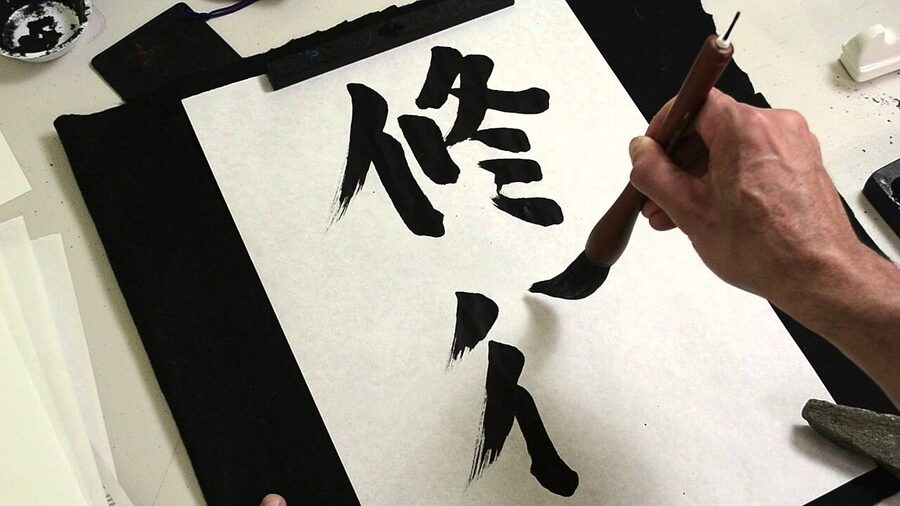
The best-value option if the variety-pack format appeals. Seven dollars less than the pure zazen class and you get three distinct practices: short zazen meditation, shodo calligraphy (painting a single kanji with a brush on washi paper), and a tea ceremony. The calligraphy is the sneaky highlight — holding a brush and writing a single character like “mu” (emptiness) or “wa” (harmony) at full concentration is surprisingly zen-like. You take home the calligraphy piece you make. Book this if you’re deciding between a cultural-experience afternoon and have zero idea which one to pick. Our review breaks down the three-part schedule.
What Happens in a 90-Minute Class
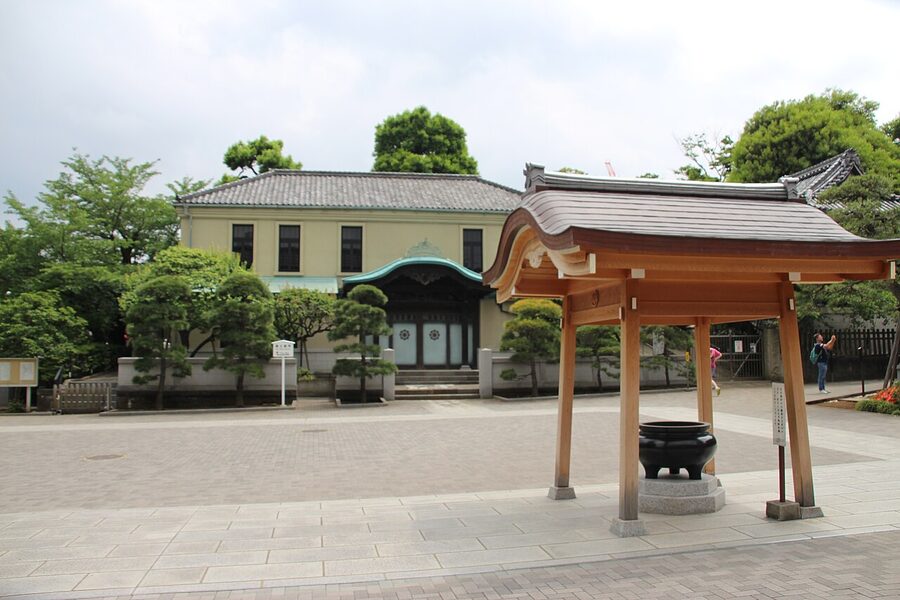
Arrival (10 minutes): You enter the temple, remove your shoes, and are shown to the meditation hall. The monk introduces himself. You sit on your zafu. There’s a brief etiquette note — which direction to bow, how to receive a kyosaku tap, what to do if your foot goes to sleep.
Instruction (10-15 minutes): The monk explains the basic posture, the breath count, and what to do with a wandering mind. This is usually in clear English; the monks who teach visitor classes have done this many times. Ask questions now — during the sitting portion, nobody talks.
First sit (20 minutes): Silent meditation. You count your breath from 1 to 10 and repeat. Your legs will go numb. Your back will try to sag. The monk walks slowly around the room; if you need correction, he’ll give it without speaking.
Kinhin — walking meditation (5-10 minutes): Between sitting sessions, you walk very slowly in a line around the meditation hall. Half-step forward on each exhale. The goal is to move so slowly that the walking itself becomes meditation. It looks ridiculous. It works.
Second sit (15-20 minutes): Another silent session, slightly shorter than the first. Most people find this one easier — the mental distractions have already burned out.
Discussion / Q&A (10-15 minutes): The monk invites questions. This is when the class really happens for most people. Questions about the philosophy, about daily practice, about what the monk actually believes. Take the time; it’s the part you’ll remember weeks later.
Closing (5 minutes): A short chant or bow, some classes share a cup of tea, and you’re back out on the Tokyo street — which, oddly, will feel quieter than it did when you went in.
Rinzai vs Soto — The Two Branches of Japanese Zen
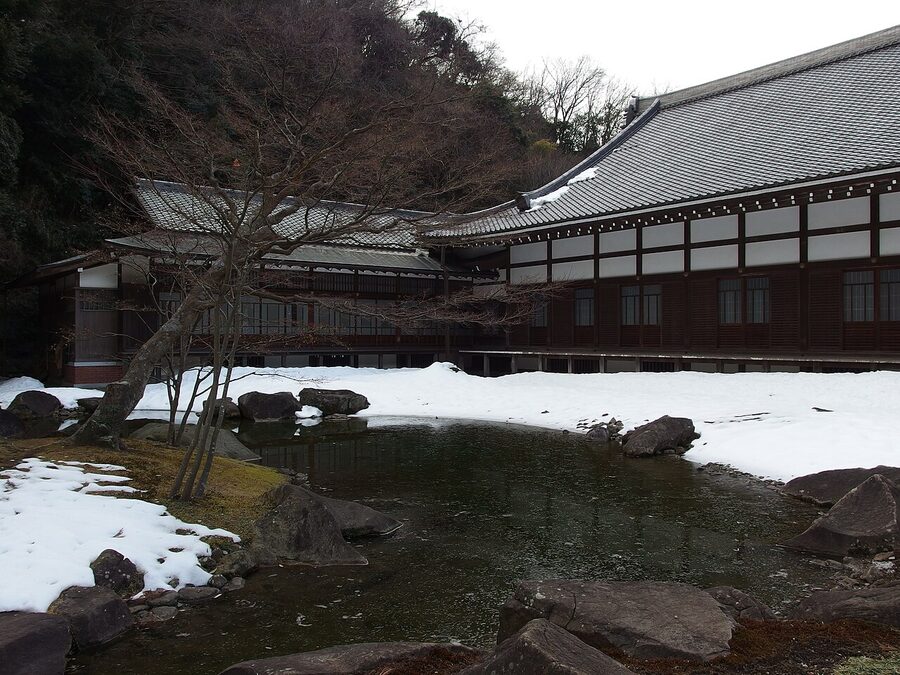
Japanese Zen is actually two distinct schools, and the sensei in a Tokyo class usually belongs to one or the other.
Rinzai is the older school (arrived in Japan 1191). It emphasises koans — paradoxical questions or stories that can’t be solved logically (“What is the sound of one hand clapping?”). The teacher assigns a koan, the student sits with it for weeks or months, and breakthrough (kensho) comes when the logical mind gives up. Rinzai is often described as the faster, more intense path to insight. Kamakura’s Engakuji is Rinzai’s head temple near Tokyo.
Soto is the newer school (1227) but much larger numerically. It focuses on shikantaza — “just sitting” — without a specific object of meditation. No koans. No goals. You sit, and the sitting itself is the practice. Soto is often described as the slower, quieter path. Most Tokyo visitor classes teach Soto-style shikantaza because it’s more accessible to beginners.
Ask your monk which school the temple belongs to. If he says Rinzai, you might hear a koan during the discussion. If Soto, the teaching will lean more on posture and breath.
Tokyo Zen vs Kyoto Zen: Which One Should You Do?
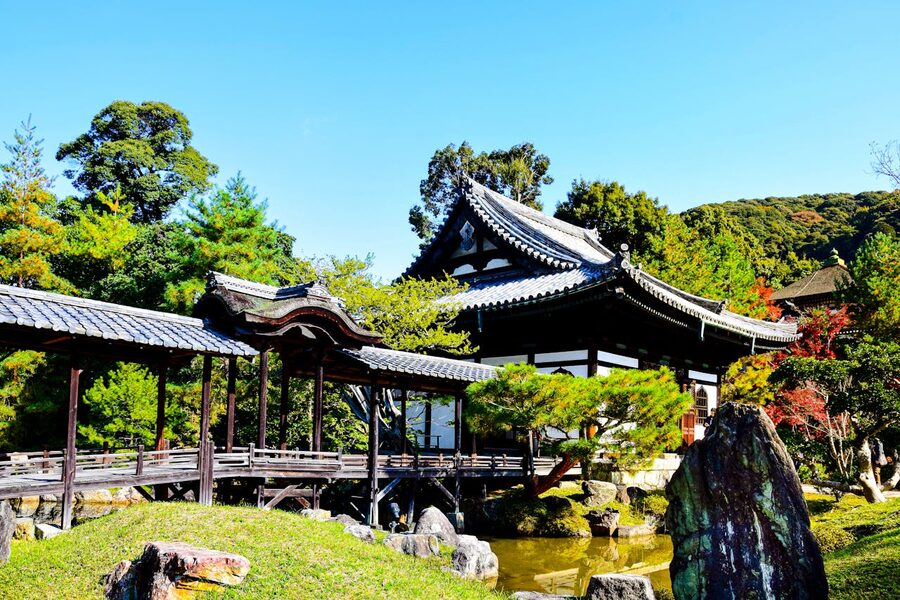
If you’re only doing Japan once and can only do one zen session, the honest answer is: Kyoto. The Kyoto temples are older, the atmosphere is denser, and the surrounding gardens feed into the experience. If you want the most postcard-authentic zazen, go there.
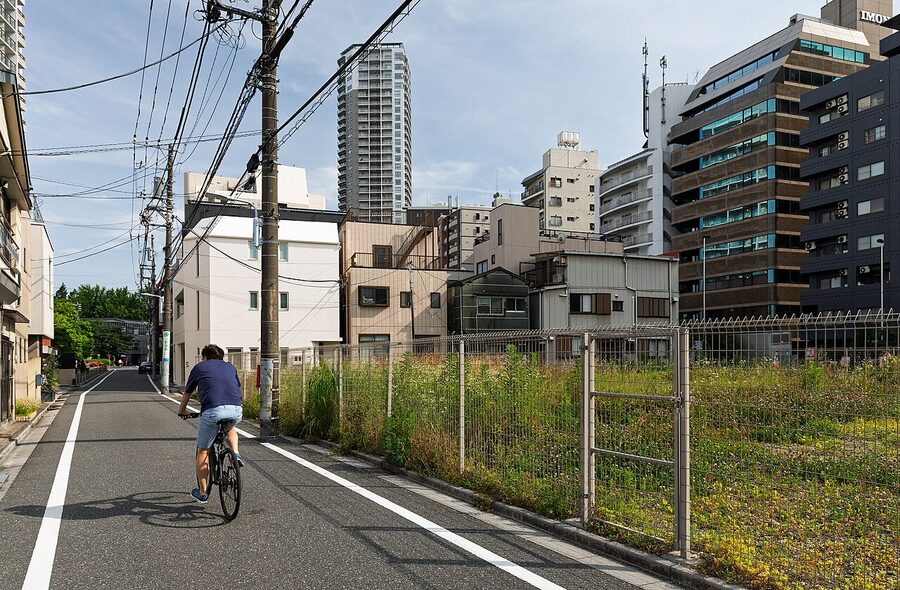
But Tokyo has its own case. The Tokyo monks are generally younger and speak better English. The classes are shorter and pack more into the format (especially the tea + calligraphy options, which don’t really exist in Kyoto at this price point). And the temples are embedded in residential neighbourhoods rather than tourist zones — walking to the class, sitting for 90 minutes, and walking back through a Tokyo suburb is its own kind of experience. Weirdly meditative on the way home.
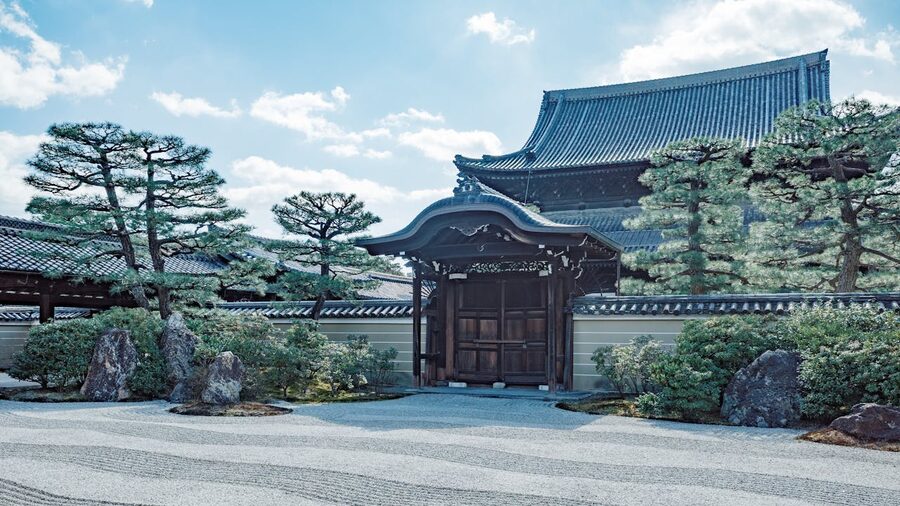
Our Kyoto zen meditation guide covers the Kyoto options. If you’re visiting both cities, doing zazen in each is actually worth it — they’re different experiences of the same practice, and the contrast teaches you something about both.
A Short History of Zen in Tokyo
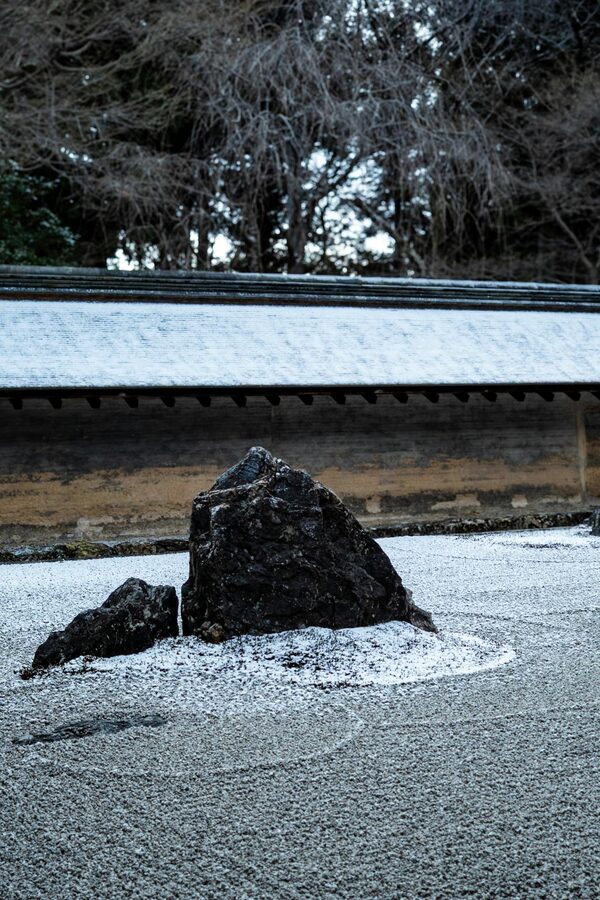
Zen Buddhism came to Japan from China in two main waves. The Rinzai school arrived in 1191 with the monk Eisai. The Soto school arrived in 1227 with the monk Dogen. Both schools established their headquarters in Kyoto, which is why Kyoto is still considered the centre of Japanese zen.
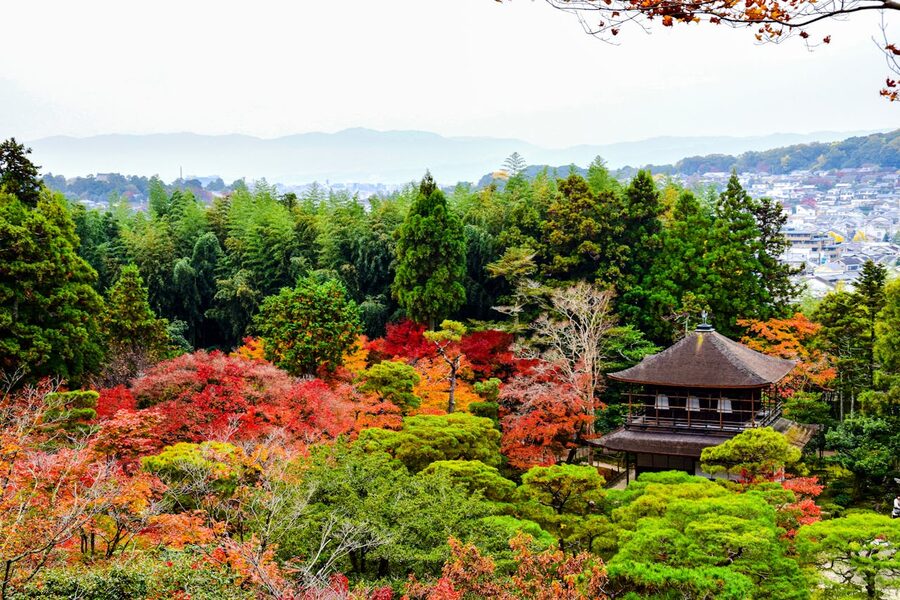
Tokyo’s zen presence is newer but substantial. When the Tokugawa shogunate moved the political capital to Edo (now Tokyo) in 1603, Zen temples followed — some funded directly by the shogunate. Sengakuji in Tokyo, founded in 1612, became famous as the burial place of the 47 Ronin. Shōrin-ji, another Tokyo temple, trained Zen students for centuries. The city has less zen gravitas than Kyoto, but it has its own 400-year-old Zen tradition that’s genuinely interesting on its own terms.
The Zen master D.T. Suzuki, who introduced Zen to the West in the 20th century, did most of his public lectures in Tokyo. Much of the zen aesthetic that Westerners absorbed through the mid-century — minimalism, wabi-sabi, tea-ceremony influence on design — came out of Tokyo-based teaching, not Kyoto. The cultural exchange shaped everything from Steve Jobs’s design philosophy to the modern mindfulness movement.
Shodo — The Calligraphy Add-on Explained
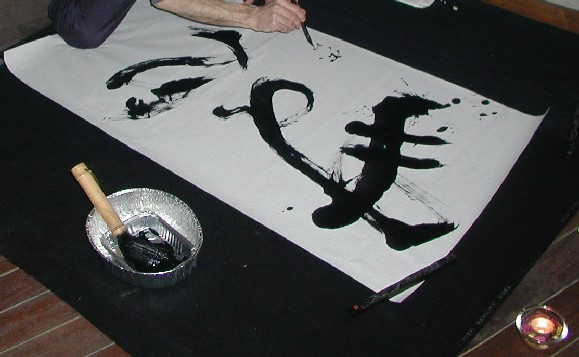
Shodo (書道) translates to “the way of writing.” It’s the Japanese adaptation of Chinese calligraphy, practiced with a brush, sumi ink, and washi paper. In Tokyo’s combined zen classes (option #3 above), you typically paint one of a few preset characters — commonly 無 (mu, “nothing/emptiness”), 和 (wa, “harmony”), or 心 (kokoro, “heart/mind”).
The class gives you an ink stone, a brush, maybe three sheets of paper (two practice, one final). The monk demonstrates the character in front of you. Stroke order matters: each character has a specific sequence of strokes that must be drawn in a specific direction. Get it wrong and the character looks wrong even if all the lines are in roughly the right place.
Most first-timers need three attempts to produce a passable result. The combined-class format gives you enough time for that. You leave with your final piece rolled up in a paper tube.
Practical Tips
Clothes: Loose, modest, neutral colours. Avoid shorts that ride up when seated. Socks are mandatory (you’ll remove shoes at the door). Bring a light cardigan — meditation halls can be cool.
Physical requirements: You need to sit on the floor for 20 minutes at a time. If you have knee or hip issues that prevent cross-legged or kneeling positions, mention at booking — some temples offer chairs, others don’t.
Eat before you go: Sitting through zazen with a grumbling stomach is harder than it should be. A light meal 60-90 minutes beforehand works well. Avoid heavy meals or caffeine spikes.
Phones: Silent mode or completely off. Leave it in your bag. The classes are genuinely phone-free zones.
When to book: Weekend morning slots (9-10am) are the most popular. Book 5-7 days ahead. Weekday afternoon slots are usually available same-week.
What to expect on the way home: Most participants report feeling oddly calm for about 2-3 hours after the session. Tokyo traffic noise sounds different. Food tastes sharper. These effects wear off, but they’re real.
Best Time of Day to Book
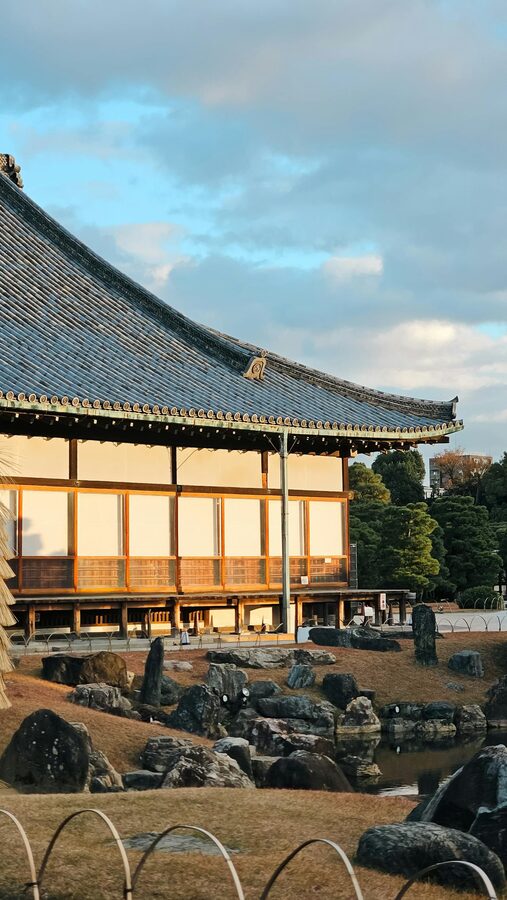
Most Tokyo zen classes run 9am, 2pm, and 5pm slots on weekdays, with weekend mornings booking out first.
Early morning (8-9am): Quietest. The temple is still cool. Your own mind is usually less cluttered. If you’re serious about the meditation, this is the slot to book.
Afternoon (2-3pm): Busiest. More international visitors. Warmer rooms. Good for travellers who don’t do mornings.
Late afternoon (5pm): The wind-down slot. Feels slightly rushed because the monks often have evening services after. Skip if you can.
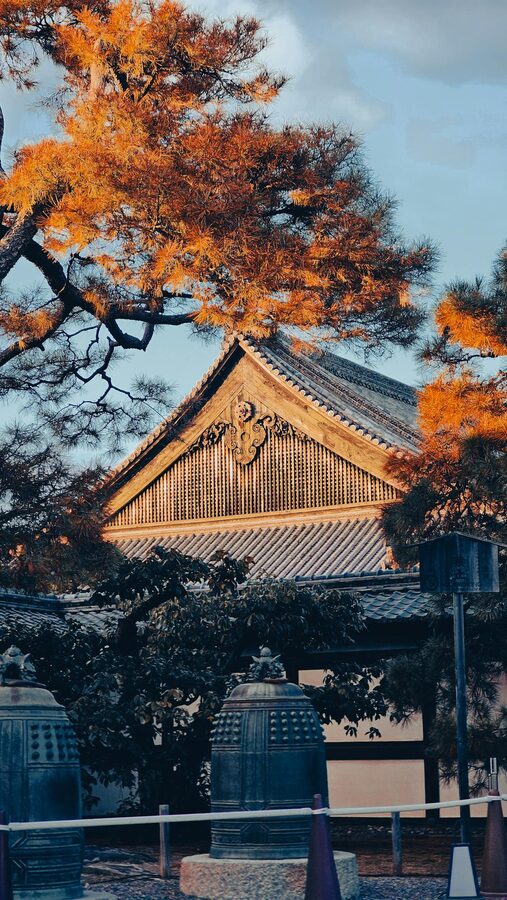
After Class: Things to Do With a Quiet Mind
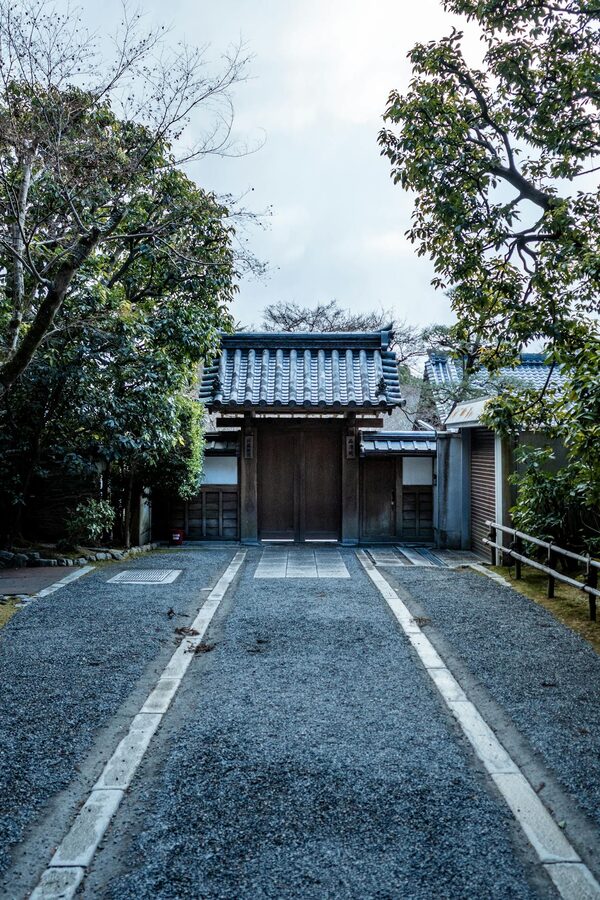
The 2-3 hour window after a zazen class is when the practice is most clearly working. Choose your next activity thoughtfully — you’ll remember whichever one pairs with that calm more than the activity itself.
Good pairings: A slow walk through Meiji Shrine grounds. Solo lunch at a quiet kaiseki or soba counter. An hour in the Nezu Museum (the garden alone is worth it). A bookshop visit.
Bad pairings: Shibuya scramble. A loud pub. Shopping in Takeshita Street. Doing a second activity that requires your own mental energy.
Bad timing: Don’t book zazen the evening of your arrival day. Jet lag disrupts the meditation. Book it for day 3 or 4 of your trip when you’ve settled into Tokyo time.
Other Tokyo Cultural Experiences to Pair With Zen
Half the point of a zen class is how it changes what comes next. A few things that pair especially well:
A temple walk: Do Sensoji Temple or Meiji Shrine in the afternoon after a morning zazen class. The spaces will land differently.
A kintsugi workshop: Our Tokyo kintsugi guide covers the gold-pottery-repair class. Same “traditional Japanese craft, 2 hours” format; both use the same attention-quieting muscles.
A samurai or kendo class: Opposite energy but same underlying mental framework. Our Tokyo samurai sword & archery class guide and Osaka kendo training both touch on zen mentality.
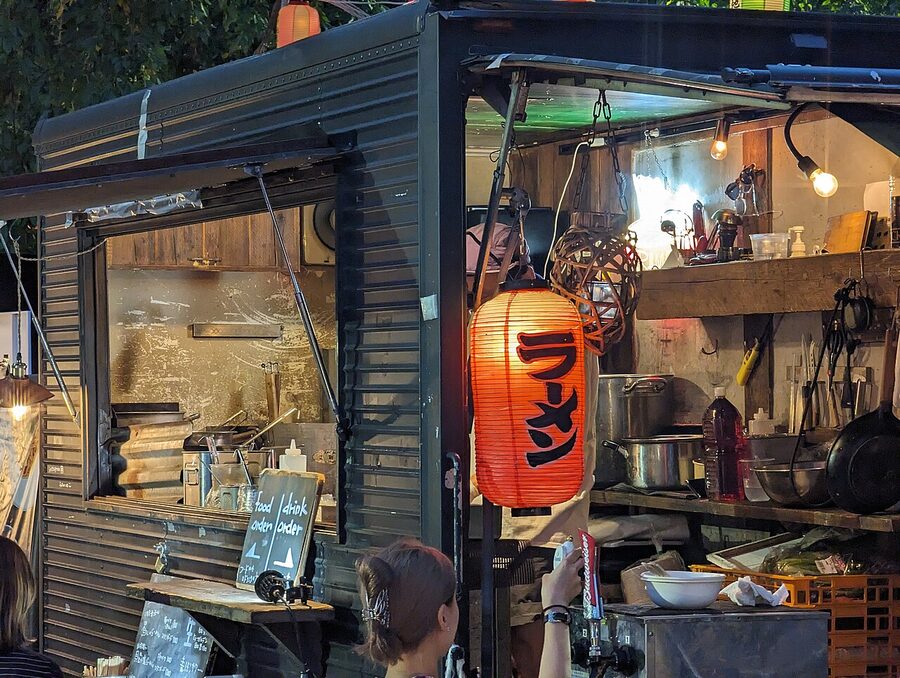
Dinner alone: Counterintuitively, a solo dinner after a zen class can be the most memorable meal of a Japan trip. Choose something quiet — a kaiseki counter, a small ramen shop — and eat without conversation. The session is still working.
More Japan Experiences
Zen meditation in Tokyo is one of those experiences that most visitors never try — which is exactly why it’s worth doing. Our Kyoto zen meditation guide is the companion piece if you’re visiting both cities. For the tea-ceremony side, our Kyoto matcha tea museum and Kanazawa tea ceremony cover tea-focused experiences. Our kintsugi workshop is the craft equivalent. For martial arts, the Tokyo samurai sword & archery and Osaka kendo classes are the active-body counterpart to zazen’s still-body. The Asakusa Sensoji walking tour and Yanaka old quarter walk cover old Tokyo; both feel different after a zen session. For a complete contrast, the Tokyo pub crawl is the everything-zen-isn’t option. And our Takachiho Gorge guide covers a remote Kyushu alternative if you want the mythological origin of Japanese religion alongside the silent-sitting side. Zen in Tokyo is best as a mid-trip reset — about a week in, when the city has started to feel overwhelming. Book the pure zazen option for that purpose; book the trio for a more structured cultural introduction.