
I was standing outside Meiji Shrine at 8:45 in the morning, watching a tour bus pull up to the curb, and I realized something that should have been obvious: Tokyo is too big to do on foot in one day. I mean, I had tried. I spent my first three days in the city walking 25,000 steps a day and still felt like I was barely scratching the surface.
A full-day bus tour fixes that problem entirely. You hit the major landmarks, someone else handles the logistics, and you actually get to sit down between stops. After testing several options, here is everything you need to know about booking the right one.
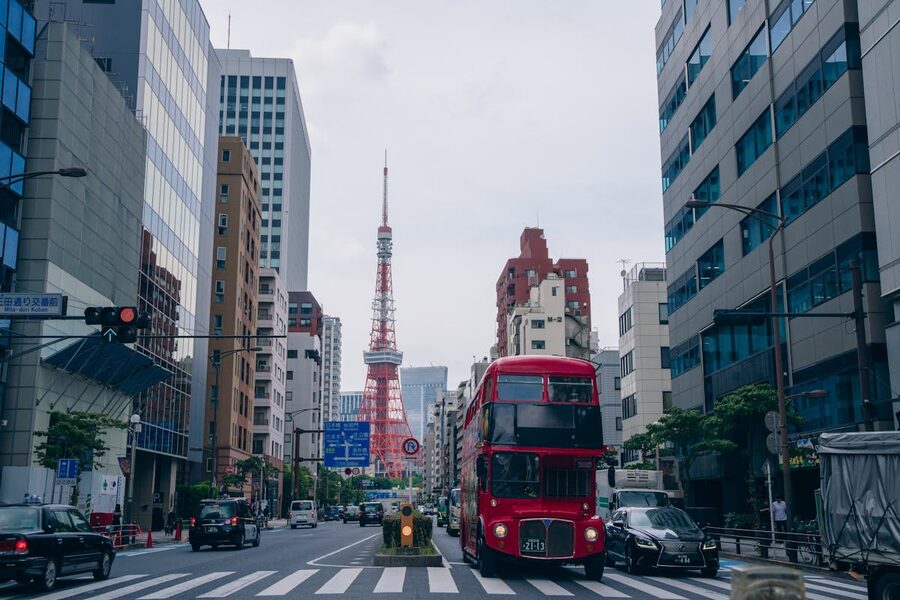
The typical full-day itinerary covers Meiji Shrine, the Imperial Palace, Senso-ji Temple in Asakusa, a Sumida River cruise, and views of Tokyo Skytree. Some tours add Shibuya Crossing, Harajuku, and Hama Rikyu Gardens. Lunch is usually included or available as an add-on. The whole thing runs roughly 8 to 10 hours, and by the end you will have a solid mental map of how the city fits together.
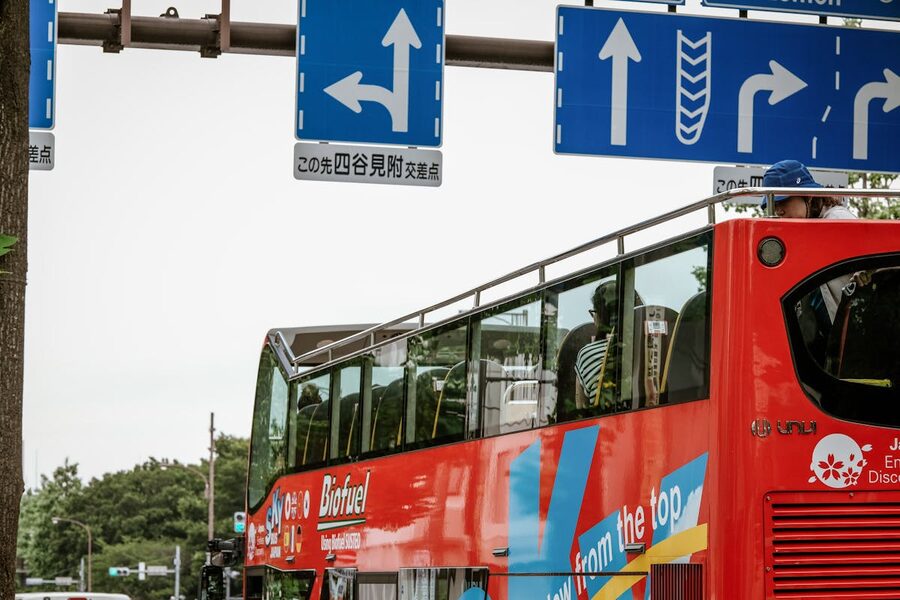
Short on time? Here are my top picks:
Best overall: Tokyo Full-Day Sightseeing Tour by Coach — $129. The original Hato Bus-style tour with English guide, lunch option, and river cruise included. Hits every major landmark.
Best value: Tokyo Full-Day Sightseeing Bus Tour — $122. Same route, slightly lower price, and excellent guides. Hard to beat for the money.
Best premium: Tokyo Full-Day Private Tour With Licensed Guide — $156. Private guide, flexible itinerary, and you set the pace. Worth it for families or small groups.
- How Tokyo Full-Day Bus Tours Work
- Booking Directly vs. Using a Tour Platform
- The Best Tokyo Full-Day Bus Tours to Book
- 1. Tokyo Full-Day Sightseeing Tour by Coach — 9
- 2. Tokyo: Full-Day Sightseeing Bus Tour — 2
- 3. Tokyo Full-Day Private Tour With Licensed Guide — 6
- 4. Experience Tokyo Like a Local: Full Day Personalized Tour — 6
- When to Take a Tokyo Bus Tour
- How to Get to the Pickup Point
- Tips That Will Save You Time and Money
- What You Will Actually See on the Tour
- Group Bus Tour vs. Private Tour: Which Should You Pick?
- Combining a Bus Tour With Other Tokyo Experiences
- After the Bus Tour
How Tokyo Full-Day Bus Tours Work
Most full-day sightseeing bus tours in Tokyo follow a similar pattern. You board in the morning from a central pickup point, usually near Shinjuku Station or Tokyo Station, and spend the next 8-10 hours visiting a loop of the city’s top attractions with a certified English-speaking guide.
The standard itinerary typically includes:
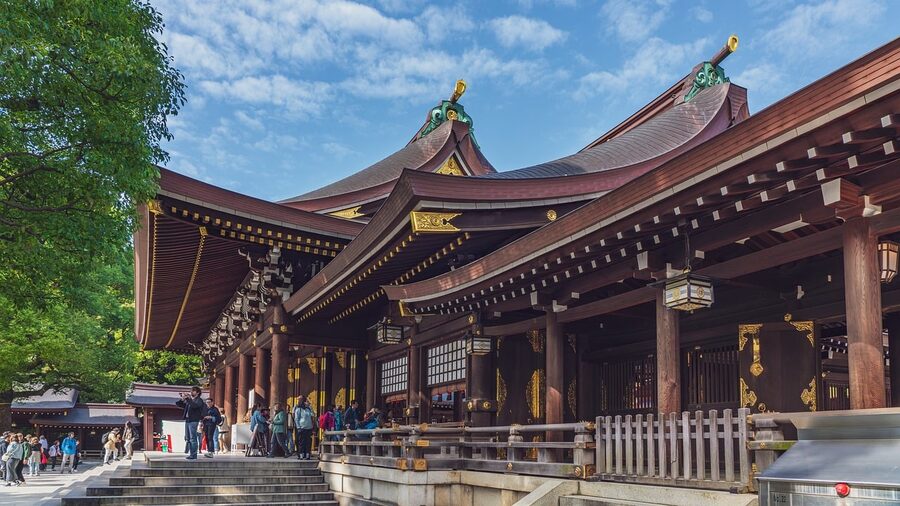
- Meiji Shrine — A peaceful Shinto shrine set in 170 acres of forest, right next to Harajuku. Most tours start here because it opens early and is less crowded in the morning.
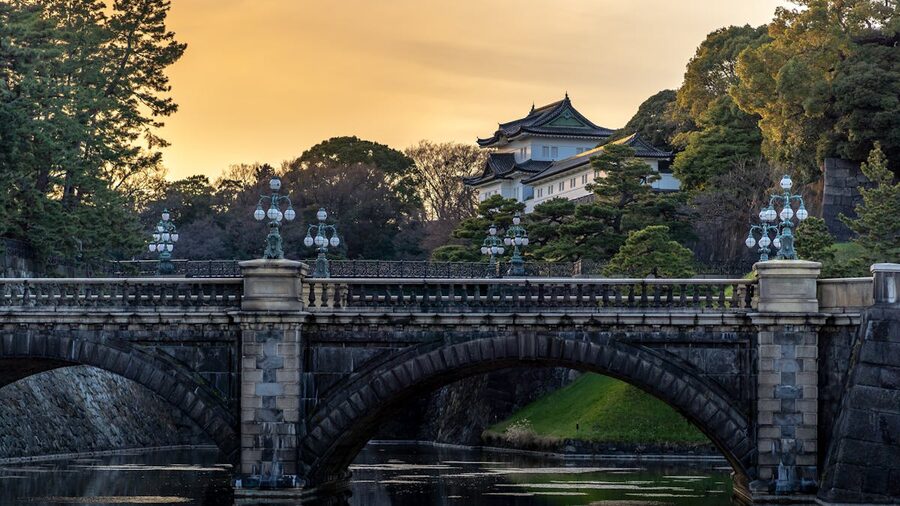
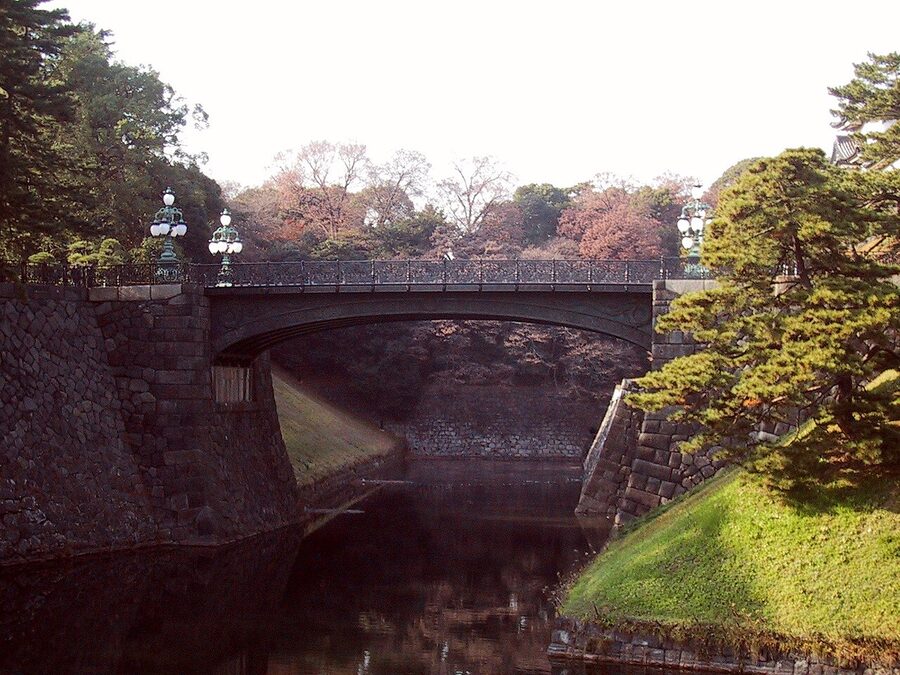
- Imperial Palace — You will stop at the famous Nijubashi double bridge for photos. The inner grounds are only open on the Emperor’s birthday and January 2nd, but the East Gardens are sometimes included.
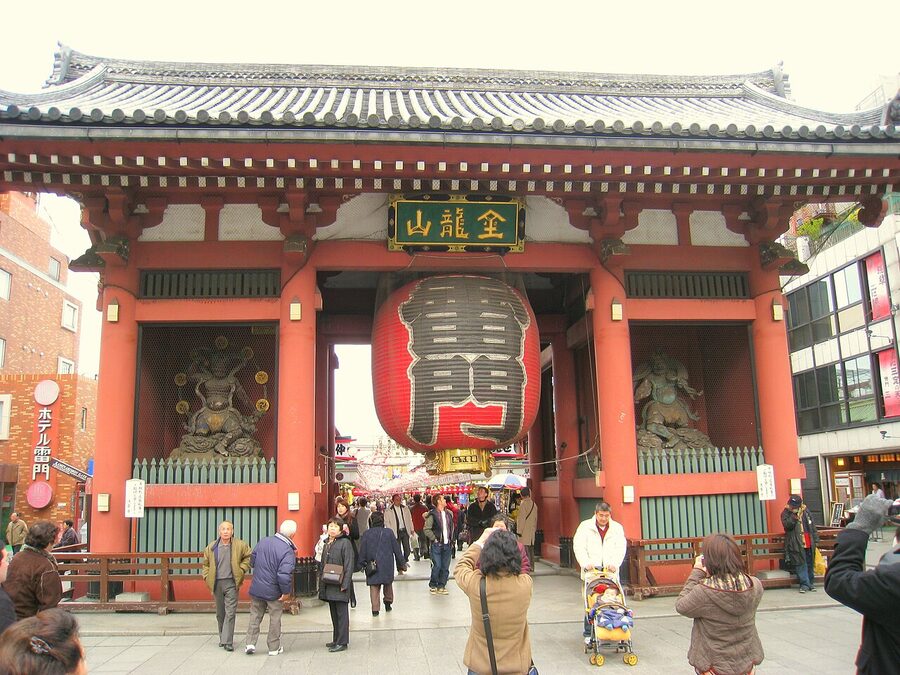
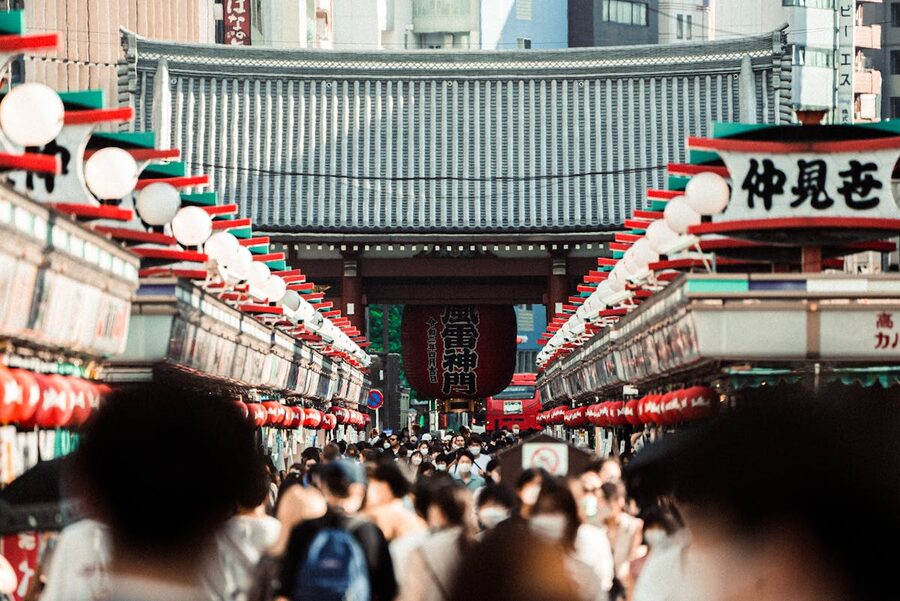
- Senso-ji Temple (Asakusa) — Tokyo’s oldest temple with the massive Kaminarimon gate and Nakamise shopping street. This is usually the longest stop, around 45-60 minutes.
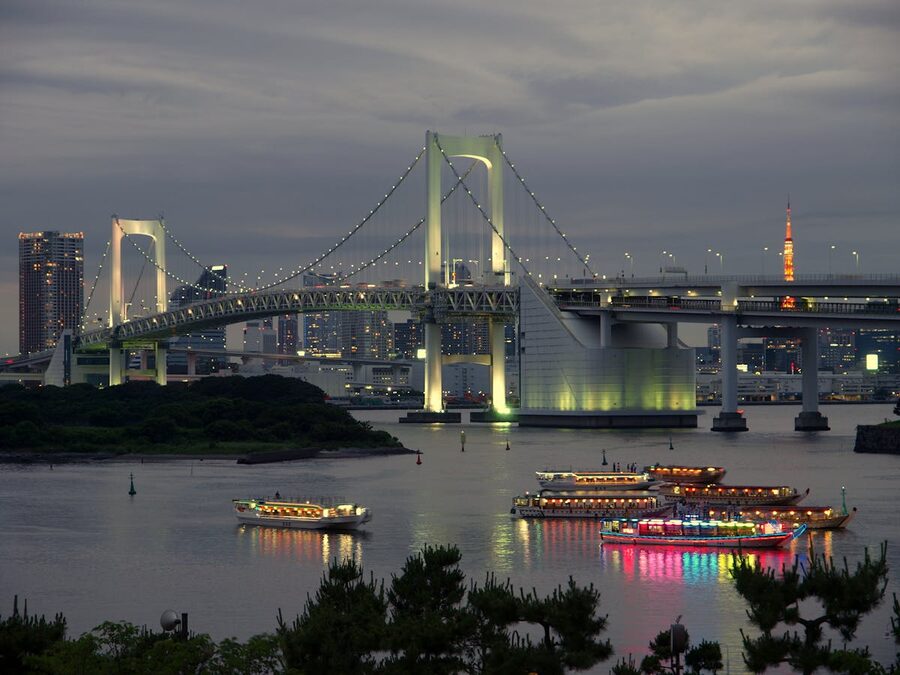
- Sumida River Cruise — A boat ride from Asakusa toward Hama Rikyu Gardens, passing under several bridges with views of the Tokyo skyline. This is a highlight that you would not normally do on your own.
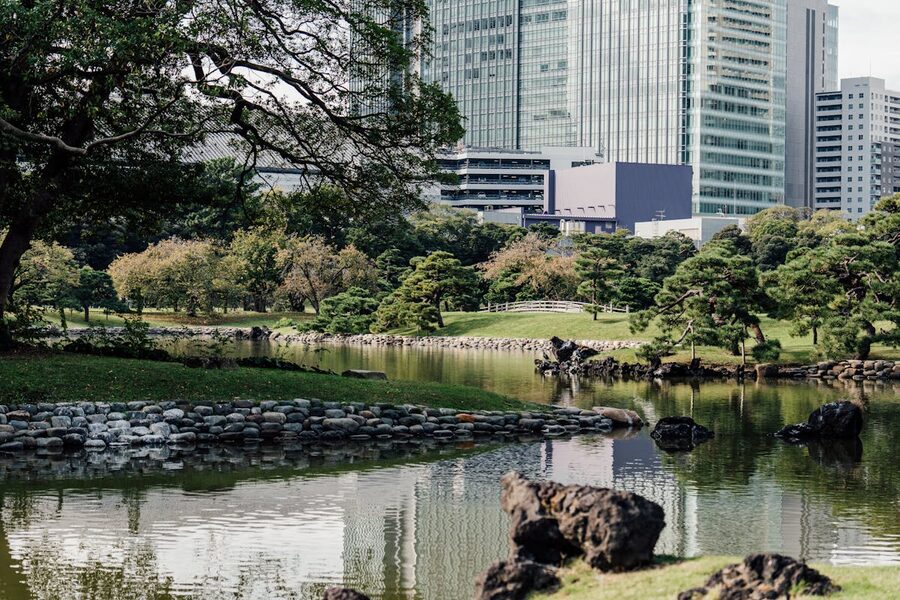
- Hama Rikyu Gardens — A 300-year-old garden surrounded by skyscrapers where you can have matcha tea in a traditional teahouse.
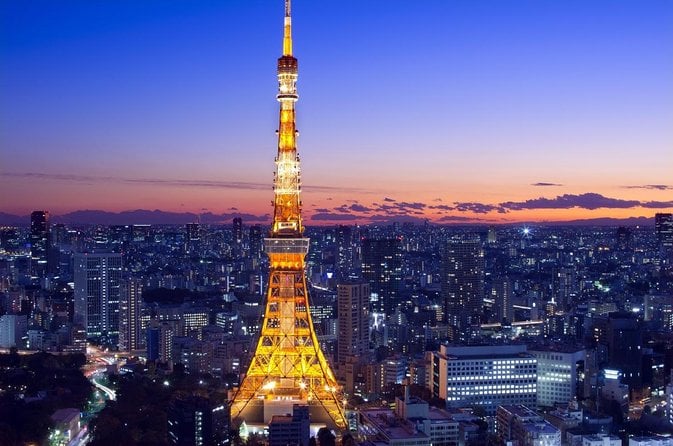
- Tokyo Tower or Skytree — Depending on the tour, you will get views from one of these observation points.
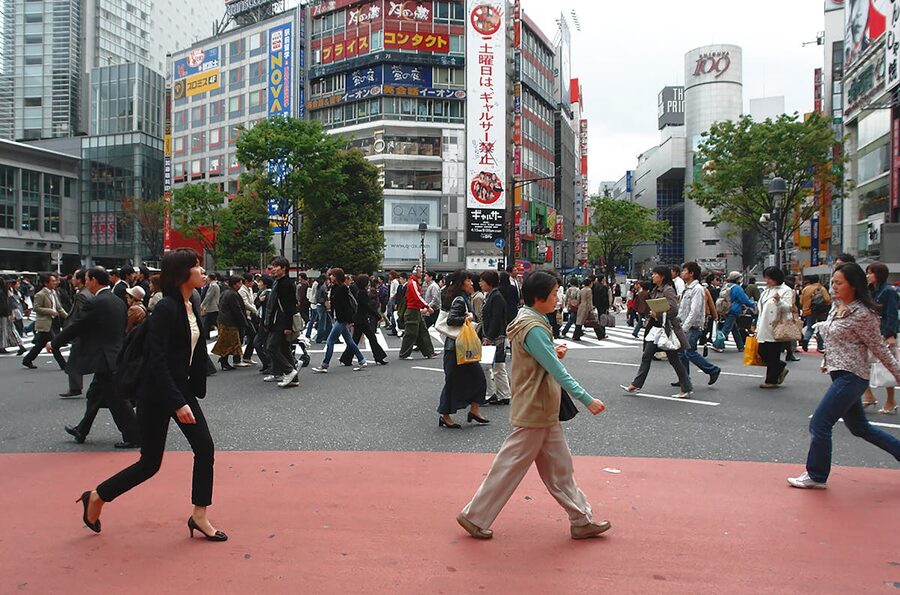
Some tours also drive through Shibuya and Harajuku, though these are usually quick drive-by stops rather than extended walking time. If Shibuya Crossing is high on your list, you might want to come back on your own afterward.
Booking Directly vs. Using a Tour Platform
You have two main options for booking a Tokyo full-day bus tour: go directly through the operator (like Hato Bus or Gray Line Japan), or book through a platform like Viator or GetYourGuide.
Booking directly sometimes saves a few dollars and gives you access to Japanese-language tours that platforms do not list. Hato Bus has been running Tokyo tours since 1948 and their English-language full-day option is well-established. The downside is that their website can be clunky, cancellation policies vary, and you lose the consumer protections that platforms provide.
Booking through a platform means free cancellation up to 24 hours in advance (on most listings), reviews from real travellers, and a customer service team if something goes wrong. The prices are usually identical or within a few dollars of the direct rate. For a first-time visitor to Tokyo, I would go with a platform every time.
The Best Tokyo Full-Day Bus Tours to Book
I have gone through the available options and narrowed it down to four worth considering. Each covers the major landmarks, but they differ in group size, flexibility, and what is included. Here is how they compare, starting with the one I think works best for most people.
1. Tokyo Full-Day Sightseeing Tour by Coach — $129
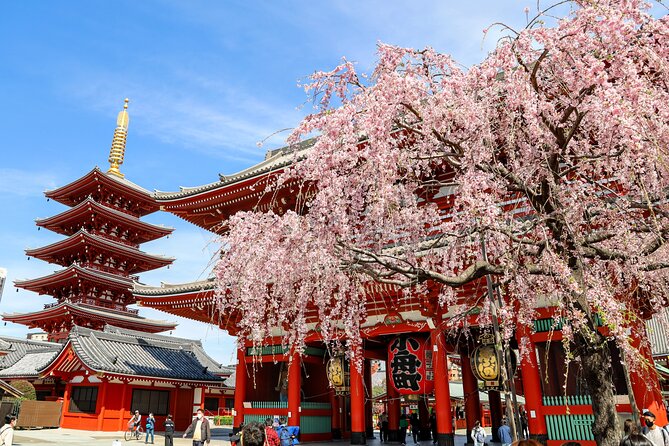
This is the flagship Tokyo bus tour, and it has earned that status for good reason. Run by Japan Panoramic Tours (the same operator behind many Hato Bus routes), it covers Meiji Shrine, the Imperial Palace, Senso-ji, a Sumida River cruise, Hama Rikyu Gardens, and Tokyo Tower in a single well-paced day.
The $129 price includes a certified English-speaking guide and the river cruise. Lunch is available as an add-on. What sets this apart from the cheaper group tours is the guide quality. The guides on this route are government-licensed, which in Japan means they have passed a seriously difficult exam. They do not just read from a script.
This is the most popular full-day bus tour in Tokyo, and it consistently receives top marks from travellers. If you only have one full day and want to see everything without making any decisions, this is the one. Read our full review for detailed visitor feedback.
2. Tokyo: Full-Day Sightseeing Bus Tour — $122
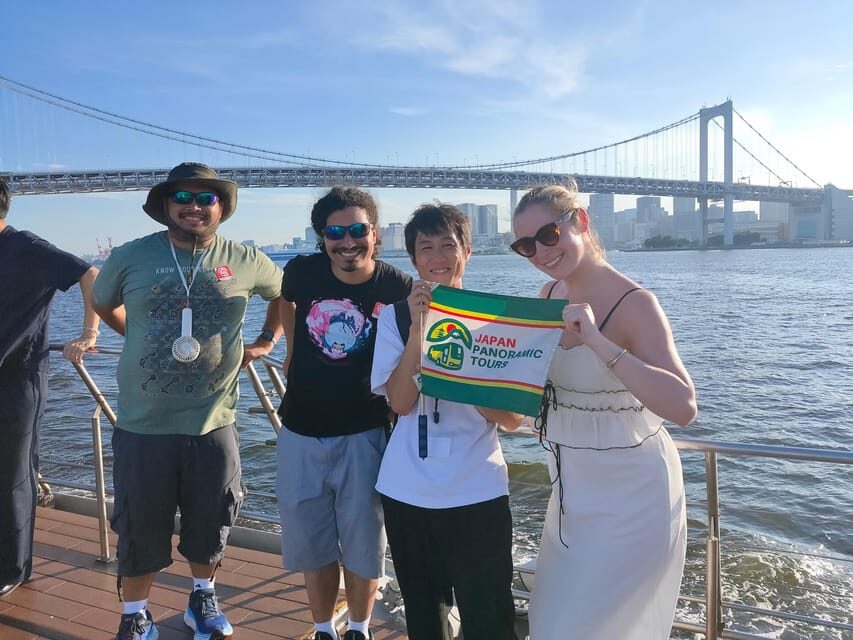
This is essentially the same tour as the one above, listed on GetYourGuide instead of Viator. The operator is the same (Japan Panoramic Tours), the itinerary is nearly identical, and the guide quality matches. The price comes in $7 cheaper at $122, which is not a huge difference but it adds up if you are booking for a family.
The route includes Meiji Shrine, Asakusa with Senso-ji, a river cruise, and views of Tokyo Skytree. At 10 hours, it is one of the longer options, so you get more time at each stop rather than being rushed through. Recent travellers have praised the guides, particularly for their local knowledge and willingness to answer questions beyond the standard script.
If you already have a GetYourGuide account or prefer their cancellation policy, this is the smarter booking. The experience itself is virtually the same.
3. Tokyo Full-Day Private Tour With Licensed Guide — $156
This is the step up for anyone who does not want to share a bus with 40 strangers. At $156 per person, you get a private government-licensed guide who builds the day around your interests. Want to skip the Imperial Palace and spend more time in Asakusa? Done. Want to add a stop in Akihabara for electronics or anime? Just ask.
The guide quality here is exceptional. These are nationally certified professionals who know Tokyo inside and out, and several past visitors have described the experience as feeling more like exploring with a knowledgeable friend than following a tour itinerary. Transportation is typically by public transit (train and subway), which honestly gives you a more authentic Tokyo experience than sitting on a coach.
The per-person price looks steep, but for couples or small groups of 3-4, the math works out to roughly the same as two standard bus tour tickets with a far more personalized experience. This is my top recommendation for second-time visitors or anyone with specific interests.
4. Experience Tokyo Like a Local: Full Day Personalized Tour — $146
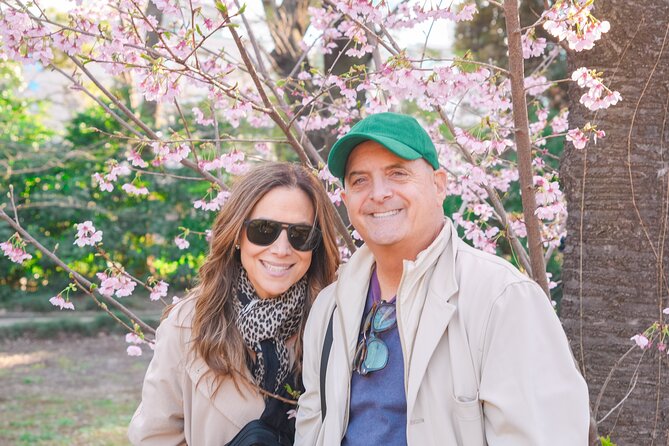
This one takes a different approach entirely. Instead of a bus or even a structured walking route, you get matched with a local Tokyo resident who plans a full day based on your interests. The $146 price covers a full day of guided exploration, and the itinerary is built from scratch after a pre-trip questionnaire.
Run by Goen Japan, a small outfit that focuses on matching visitors with the right guide personality, this feels less like a tour and more like hanging out with a friend who happens to know every back street in the city. Past visitors have highlighted how natural and relaxed the whole day feels, with guides adjusting on the fly based on what catches your attention.
If you have already done the major landmarks on a previous trip, or if you are the kind of traveler who prefers local coffee shops over observation decks, this is probably your best fit. Just know that it is a walking and public transit tour, not a bus tour, so comfortable shoes are non-negotiable.
When to Take a Tokyo Bus Tour
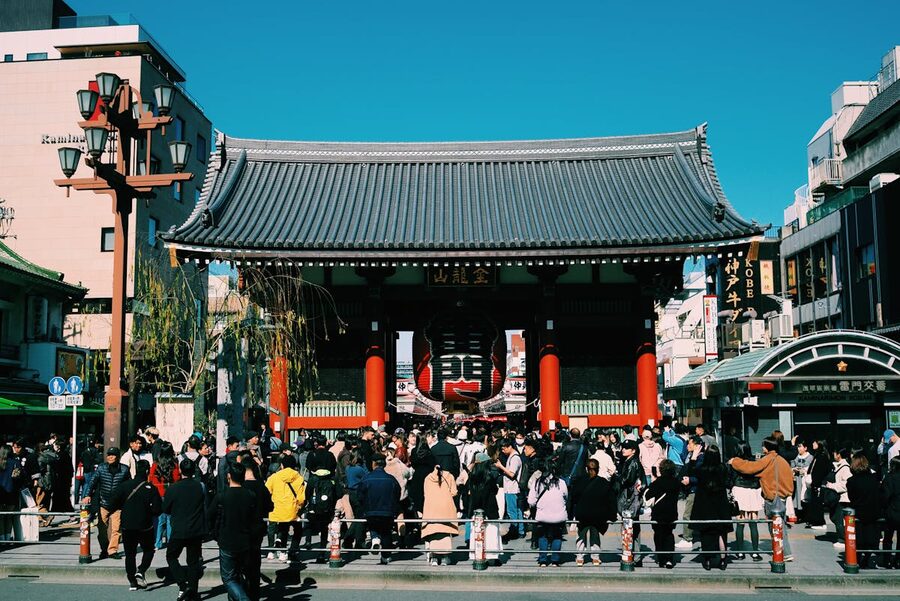
Best months: March to May (cherry blossom season into spring) and October to November (autumn colors with mild weather). These are also the busiest periods, so book at least a week in advance.
Avoid: Late June through mid-July is rainy season. August is brutal, with temperatures above 35 degrees Celsius and humidity that makes outdoor walking genuinely unpleasant. I did a bus tour in August once and spent half the Meiji Shrine stop looking for shade.
Best day of the week: Weekdays are noticeably quieter at every stop. Saturdays are the most crowded, especially at Senso-ji and around Shibuya. If you can do a Tuesday or Wednesday tour, you will have a much better experience at every stop.
Time of year for the best photos: Late November through early December, when the autumn leaves are at their peak around Meiji Shrine and the Imperial Palace gardens. Cherry blossom season (late March to early April) is the other prime window, though the crowds are intense.
How to Get to the Pickup Point
Most bus tours depart from either Shinjuku Station (west exit) or Tokyo Station (Marunouchi side). Both are major JR and metro hubs, so getting there is straightforward from virtually anywhere in the city.
From Shinjuku: Most hotels in the Shinjuku, Shibuya, or western Tokyo area are within walking distance or one train stop. Head for the west exit of Shinjuku Station and look for the bus boarding area. Allow 15 minutes to navigate the station if it is your first time. Shinjuku Station handles 3.5 million passengers a day and the signage, while good, can be overwhelming.
From Tokyo Station: If you are staying in the Ginza, Nihonbashi, or eastern Tokyo area, Tokyo Station is more convenient. Exit via the Marunouchi Central exit and the pickup point is usually within a 5-minute walk.
Tip: Most tour confirmation emails include a Google Maps pin for the exact pickup location. Screenshot it the night before. Cell service works everywhere in Tokyo, but having the map cached means you are not fumbling at 8am trying to load a page.
Tips That Will Save You Time and Money
Charge your phone the night before. You will be taking photos all day, using maps during free time at each stop, and probably looking up restaurants for dinner afterward (a Shinjuku food tour handles that decision for you). A dead phone at 3pm is miserable. Bring a portable charger.
Wear shoes you can slip on and off. You will be removing your shoes at Meiji Shrine and possibly at other temples. Lace-up boots are a bad idea. Slip-on sneakers or comfortable walking shoes with pull tabs save you time and embarrassment at every shoe-removal point.
Bring cash. While Tokyo is increasingly card-friendly, the smaller shops along Nakamise Street in Asakusa and the matcha teahouse at Hama Rikyu are cash-only. Carry at least 3,000 to 5,000 yen in small bills.
Sit on the left side of the bus. On most routes, the left side gives you better views of Tokyo Tower during the drive and the skyline during the river cruise section.
Skip the lunch add-on if you are picky. The included or optional lunches are decent but predictable (usually a bento box or set menu at a tourist-oriented restaurant). If you would rather eat somewhere you choose, use the Asakusa stop to grab street food from the stalls near Senso-ji instead.
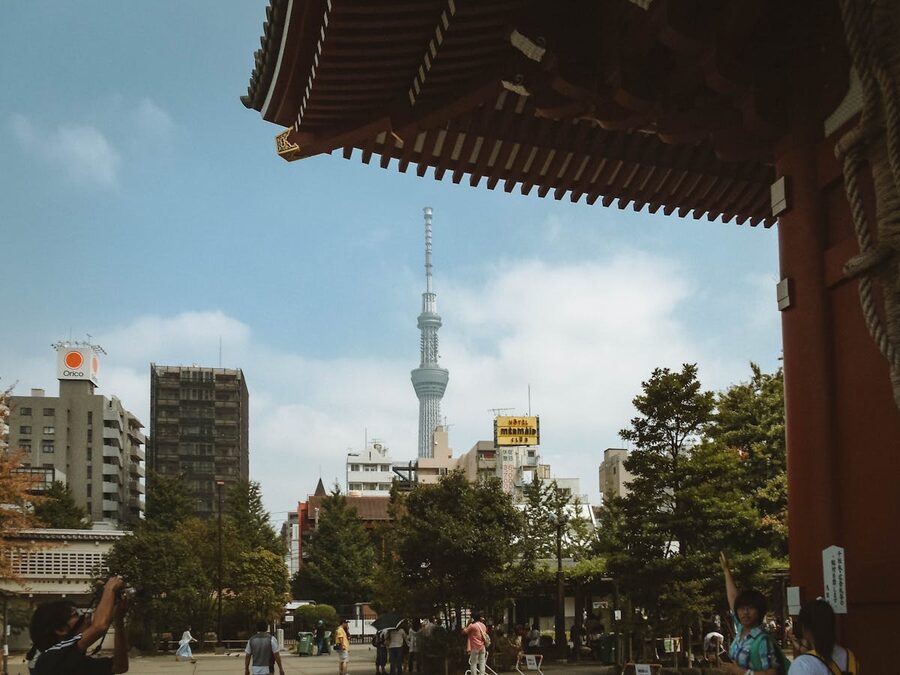
Use the river cruise wisely. The Sumida River cruise section is one of the best parts of the tour. Get a spot on the open deck if available. The views of the Tokyo skyline from water level, with bridges framing Skytree in the distance, are genuinely stunning and different from anything you see at street level.
Arrive 10 minutes early. The buses leave on time. Japanese tour operators are famously punctual, and they will not wait for stragglers. Plan to be at the pickup point 10-15 minutes before departure.
What You Will Actually See on the Tour
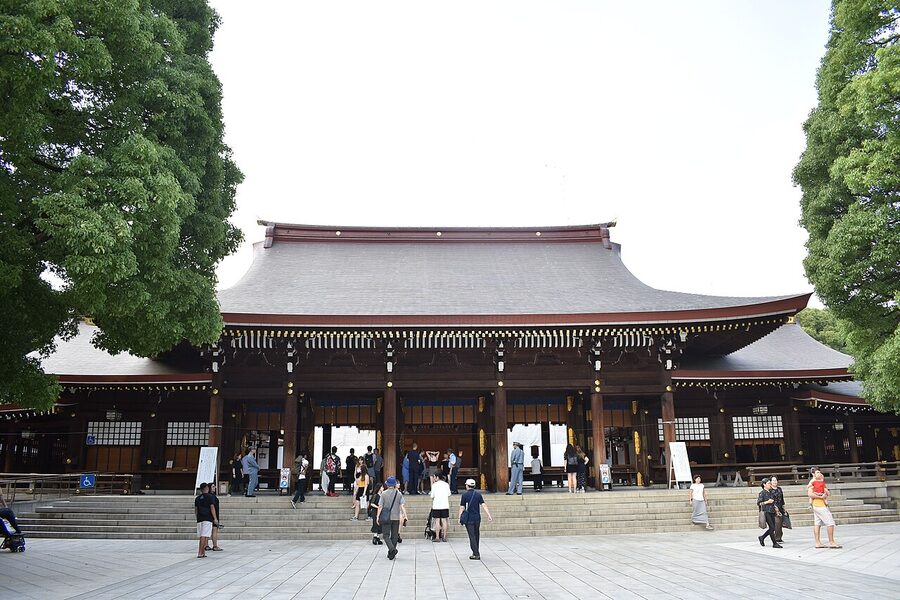
Meiji Shrine is dedicated to Emperor Meiji and Empress Shoken, who oversaw Japan’s transformation from feudal isolation to modern nation in the late 1800s. The shrine sits in a 170-acre forest that was planted with trees donated from every prefecture in Japan. Walking through the towering torii gate and along the gravel path, you genuinely forget you are in the middle of a city of 14 million people.
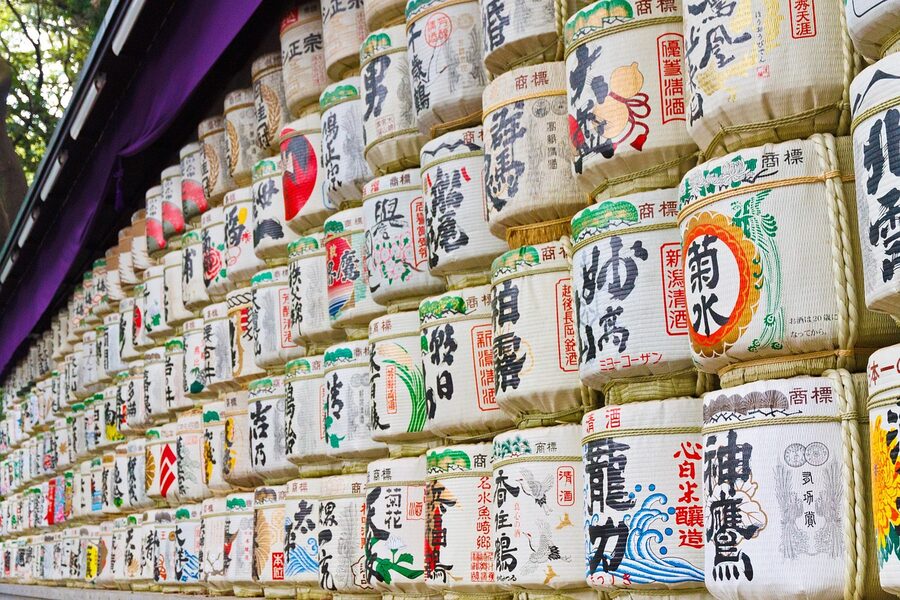
The guides usually give you 30-40 minutes here, which is enough to see the main hall, the sake barrel display, and write a wish on an ema plaque.
The Imperial Palace is the residence of the Japanese Emperor, sitting on the grounds of the old Edo Castle. You cannot enter the main palace (it is a working residence), but the outer gardens and the iconic Nijubashi bridge are where the bus stops for photos. The stone walls and moats are remnants of the Edo period, and the contrast between 400-year-old fortifications and the glass skyscrapers of Marunouchi behind them is pure Tokyo.
Senso-ji Temple in Asakusa is Tokyo’s oldest Buddhist temple, founded in 645 AD. The approach through Kaminarimon gate and along Nakamise Street is one of the most photographed walks in Japan.
The temple itself is impressive, but the real charm is the surrounding Asakusa neighborhood — worth exploring further on a rickshaw tour — which retains more of old Tokyo’s character than almost anywhere else in the city. This is usually where you get the most free time, and it is well spent browsing the shops and trying street food.
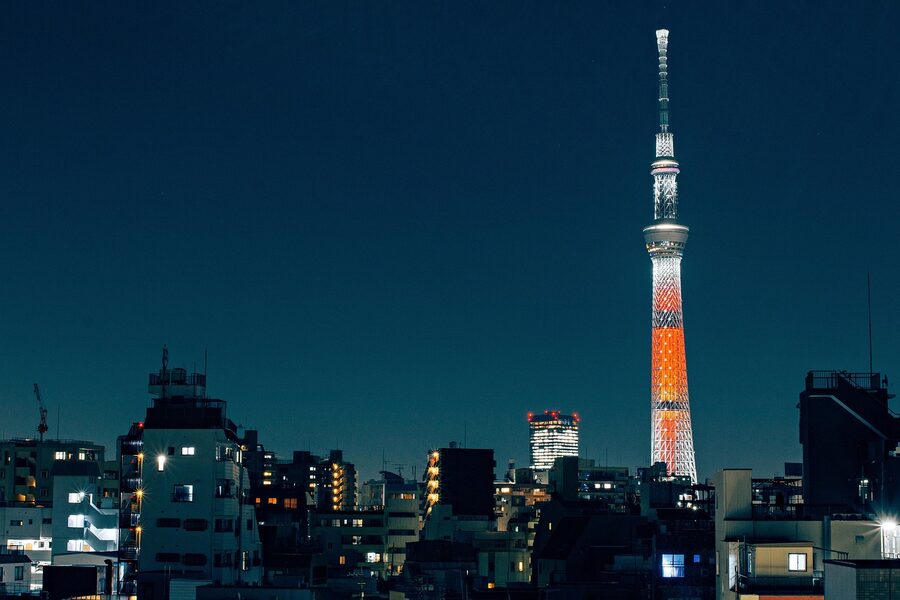
The Sumida River Cruise is the surprise highlight for most people. The river runs through the heart of Tokyo, and seeing the city from water level gives you a completely different perspective. You pass under several architecturally interesting bridges, with Skytree growing taller in the frame as you cruise downstream. The commentary during this section is usually some of the guide’s best material.
Hama Rikyu Gardens are where the cruise usually ends, and the transition from boat to garden is seamless. This is a former imperial detached garden dating back to the 1600s, and the matcha teahouse on the central pond is one of the most peaceful 15 minutes you will have in Tokyo. The garden is ringed by modern high-rises, which creates that jarring Tokyo contrast that never gets old.
Group Bus Tour vs. Private Tour: Which Should You Pick?
This depends entirely on your travel style and who you are traveling with.
Choose the group bus tour if:
- You are a first-time visitor who wants a rundown
- You are traveling solo and want to meet other travellers
- You prefer a fixed itinerary where all decisions are made for you
- Budget matters, as the group tours run $122-$129 per person
Choose a private tour if:
- You are traveling with young children who need flexibility and bathroom breaks
- You have specific interests (food, architecture, anime, photography) that a generic tour will not cover
- You have already done the major landmarks and want deeper exploration
- You are a group of 3-4 where the per-person premium becomes marginal
For most first-time visitors, the group bus tour is the right call. You see all the essential landmarks, the guide handles navigation, and you end the day with a solid understanding of Tokyo’s geography. Save the private tour for your second visit, when you know what you want to explore in depth.
Combining a Bus Tour With Other Tokyo Experiences
A full-day bus tour typically finishes between 4pm and 6pm, which leaves your evening wide open. Here are a few ideas for making the most of it:
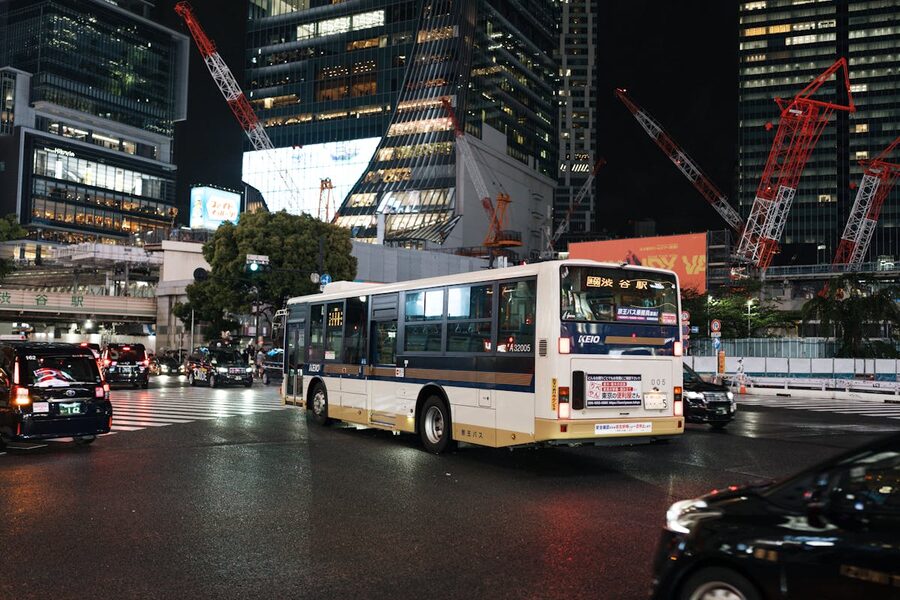
After the tour: Head to Tokyo Skytree for sunset views from the observation deck. The evening timing works perfectly, and the city looks completely different lit up at night. Alternatively, go back to Shibuya Crossing after dark when the neon transforms the whole intersection.
If you are spending multiple days in Tokyo, pair the bus tour with a Shinjuku food tour on another evening for a deep explore Tokyo’s food scene. The full-day bus tour gives you the landmarks, and the food tour gives you the flavor.
For day trips from Tokyo, consider booking a Mount Fuji and Hakone day trip on a separate day. It is a completely different experience from the city tour, taking you into the countryside with views of Japan’s most iconic mountain, hot springs, and lake cruises.
If you are into unique experiences, a go-kart tour through the streets of Tokyo is about as far from a traditional bus tour as you can get. You will dress up in costumes and drive go-karts on actual Tokyo streets. It is ridiculous, it is fun, and it pairs well with the more cultural bus tour on a different day.
For something completely immersive and different, teamLab Planets is a digital art museum in Toyosu where you walk barefoot through knee-deep water and light installations. It is extraordinary and nothing like a bus tour, which makes it the perfect complement on an adjacent day.
And if you want to explore beyond Tokyo, the Kyoto full-day bus tour follows a similar format but takes you through Japan’s ancient capital. The bullet train gets you there in about two hours, and the bus tour in Kyoto covers temples and shrines that are a world apart from Tokyo’s urban energy. A Hiroshima and Miyajima day trip is another powerful option if you have the time.
After the Bus Tour
A full-day bus tour is the best way to get your bearings in Tokyo, but the city has so much more beyond the standard sightseeing loop. The hop-on hop-off bus offers a more flexible way to explore at your own pace over multiple days.
For a truly memorable evening, catching a sumo show is something you can only do in Japan, and the bar hopping tours through Golden Gai and Kabukicho are a perfect way to end a long sightseeing day. The Tsukiji fish market food tours are ideal for mornings if you want to eat your way through the market before your bus departs, and teamLab Planets is unlike anything else in the world.
This article contains affiliate links. If you book a tour through one of the links above, we may earn a small commission at no extra cost to you. This helps us keep creating free travel guides.