
I almost didn’t go up. I’d been in Tokyo three days, done Shibuya, wandered through Asakusa, eaten my bodyweight in ramen, and honestly I thought Tokyo Skytree was going to be one of those tourist-trap towers where you pay too much to squint through smudged glass at a bunch of buildings.
I was wrong. Completely wrong.
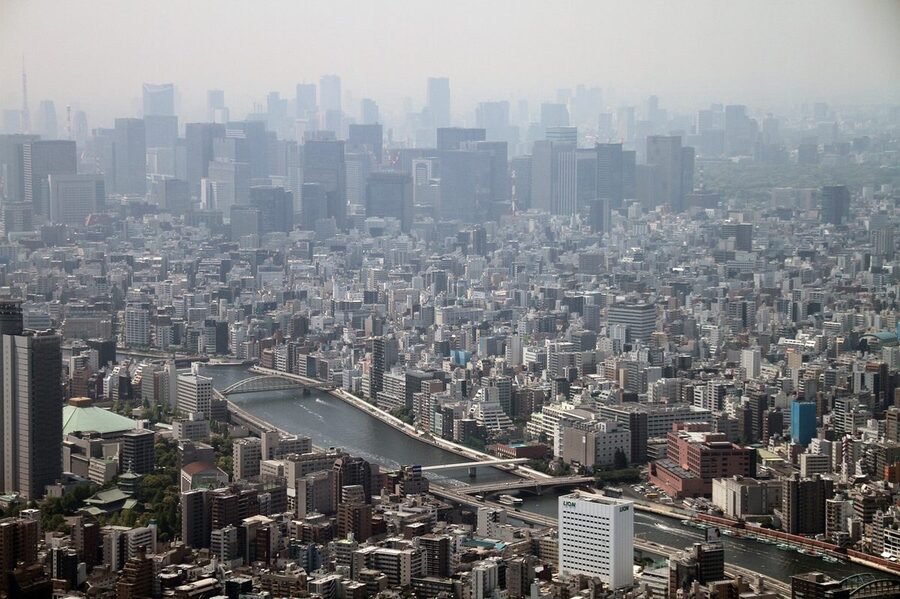
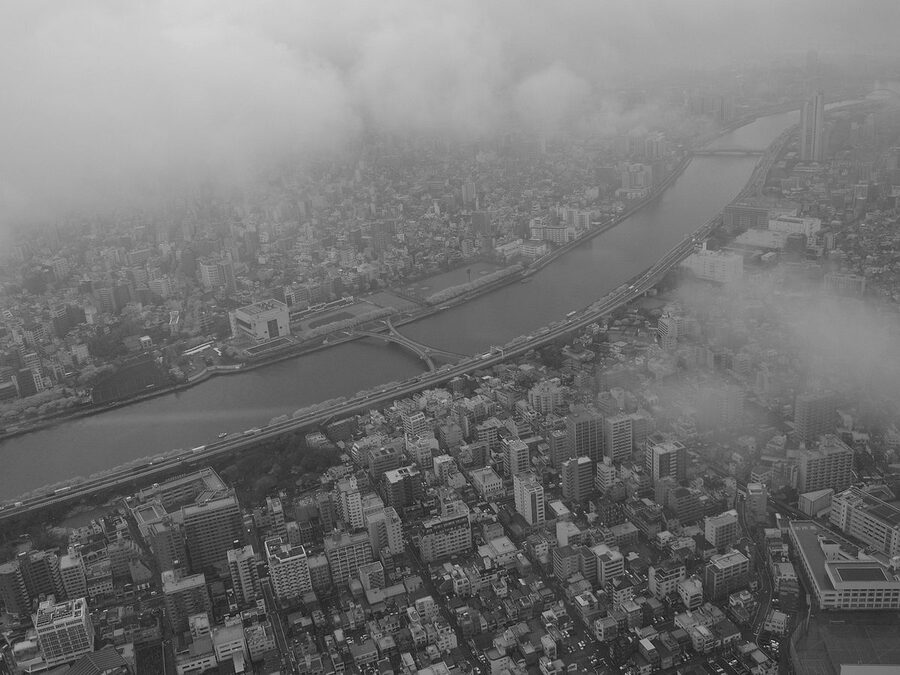
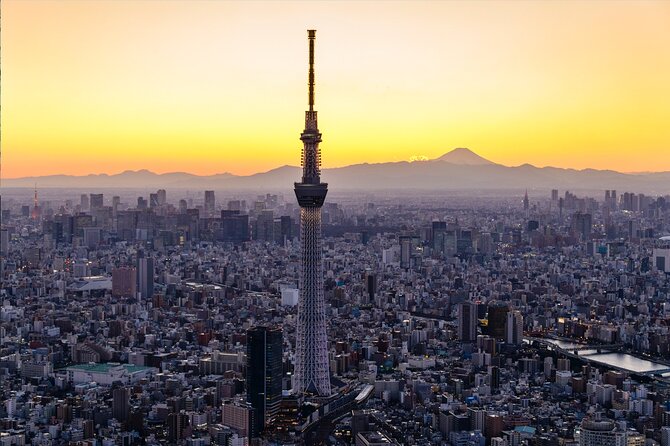
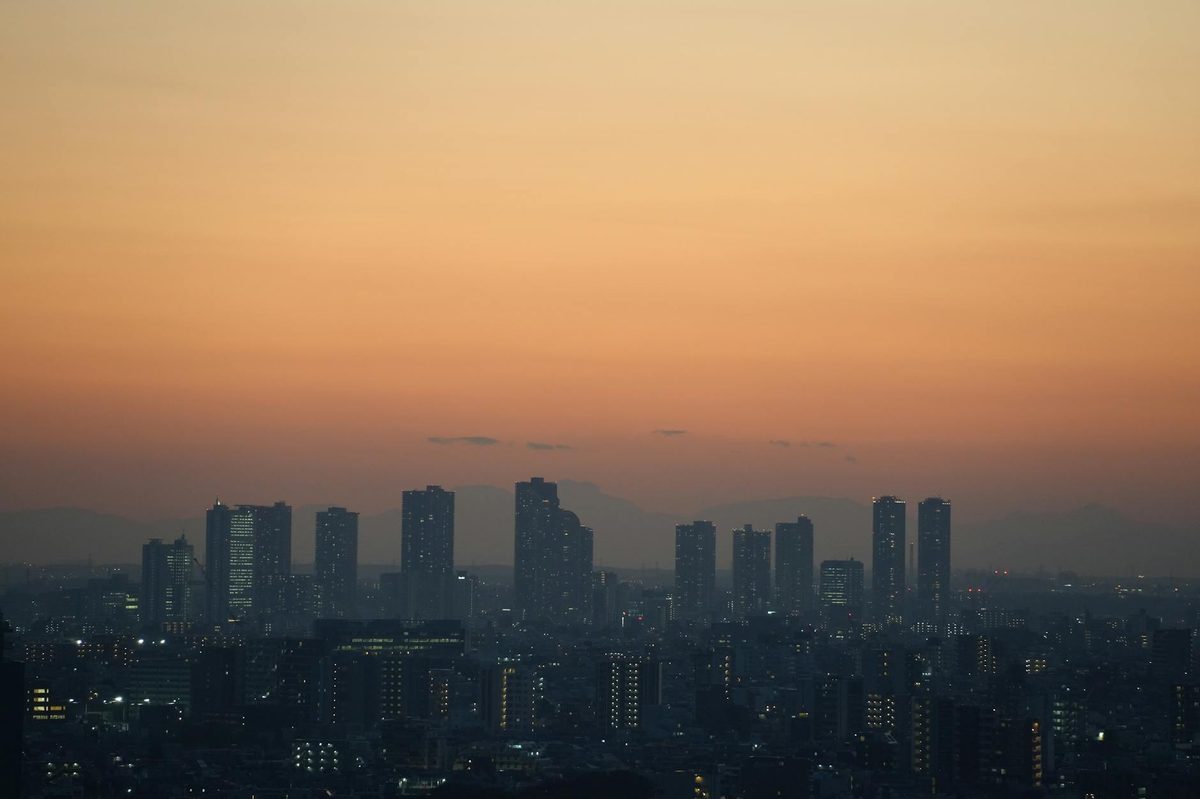
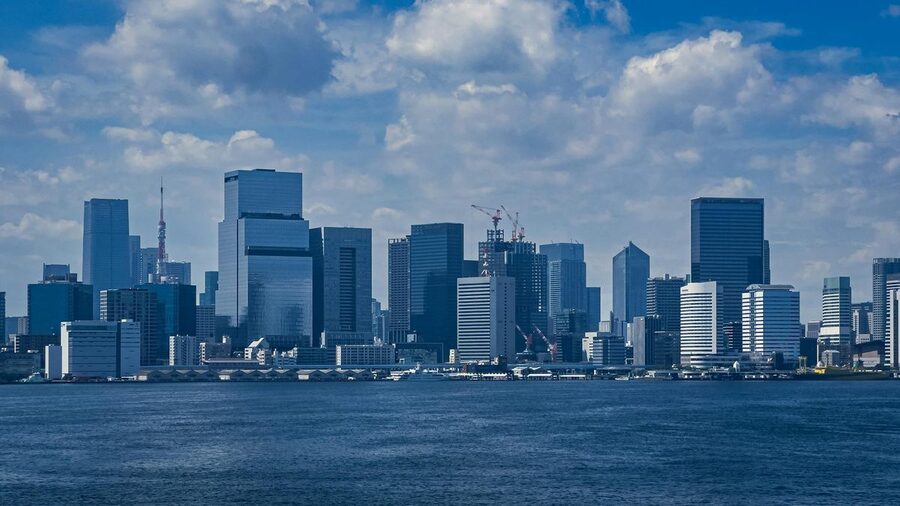
The moment the elevator doors opened at 350 meters, I actually laughed out loud. Not because anything was funny — because the scale of Tokyo from up there is so absurd it short-circuits your brain. Buildings that looked massive from the street become matchboxes. The Sumida River looks like a blue ribbon someone dropped. And on a clear day, Mt. Fuji just sits there on the horizon like a postcard someone pasted onto real life.
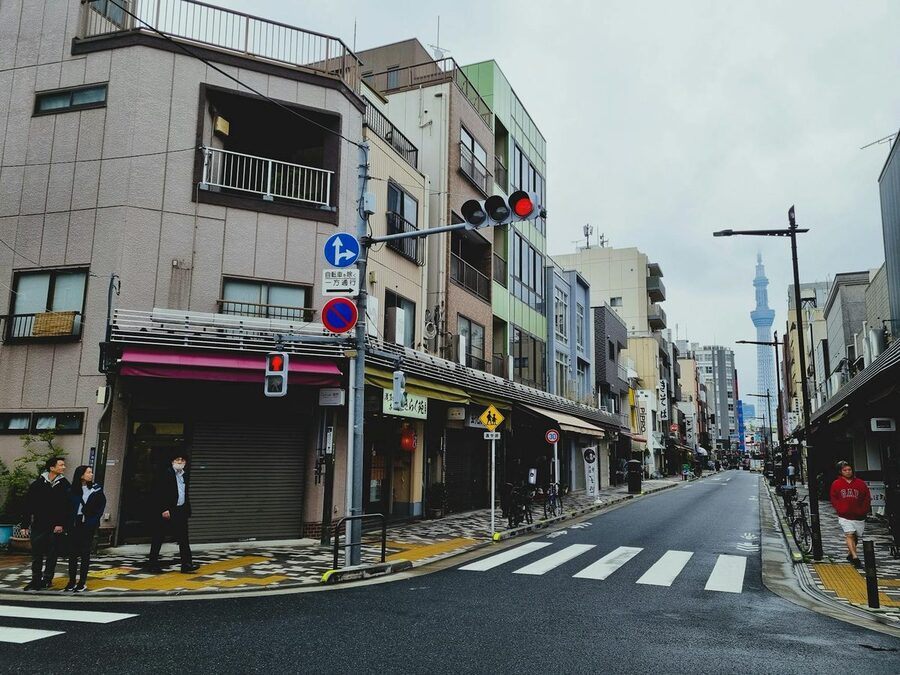
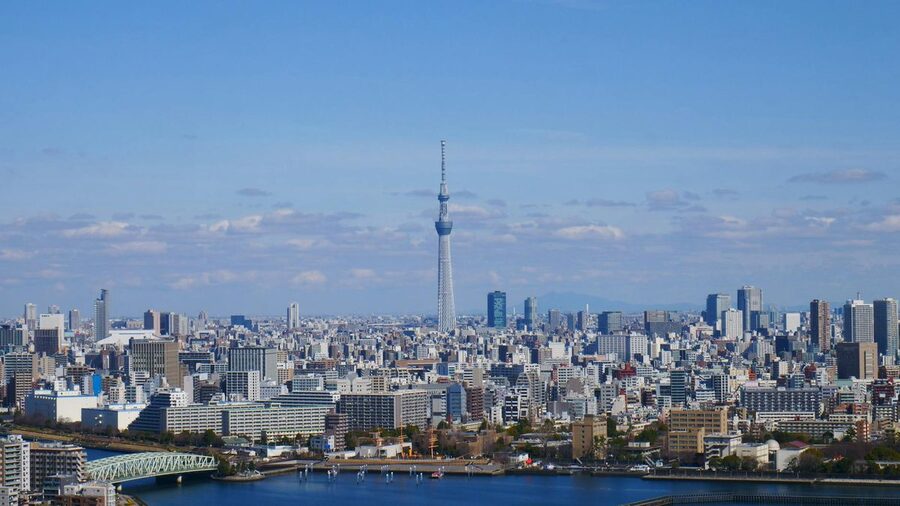
But here’s the thing nobody tells you: the ticket situation is confusing. There are same-day counters, online bookings, tourist windows, combo deals with the Tembo Galleria, and third-party options at completely different prices. I spent way too long figuring it all out, so this guide exists so you don’t have to.
Short on time? Here are my top picks:
Best overall: Skytree Admission Ticket (GYG) — $13. Skip-the-line entry to the Tembo Deck at 350m. The one most people should book.
Best for the full experience: Floor 350 + 450 Combo (Viator) — $16.42. Gets you both observation levels including the vertiginous Tembo Galleria.
Best combo experience: Asakusa & Skytree Go-Kart Tour — $96. Drive go-karts through Tokyo streets with Skytree views. Completely different vibe.
- How the Ticket System Works
- Free and Discounted Entry
- Official Tickets vs Third-Party Platforms
- The Best Tokyo Skytree Tickets to Book
- 1. Tokyo Skytree Admission Ticket —
- 2. Tokyo Skytree Floor 350 + 450 Combo — .42
- 3. Asakusa & Skytree Go-Kart Tour —
- When to Visit Tokyo Skytree
- How to Get There
- Tips That Will Save You Time
- What You’ll Actually See Inside
- Is Tokyo Skytree Worth It?
- The Skytree Area — What Else to Do Nearby
- What Else to Do in Tokyo
How the Ticket System Works
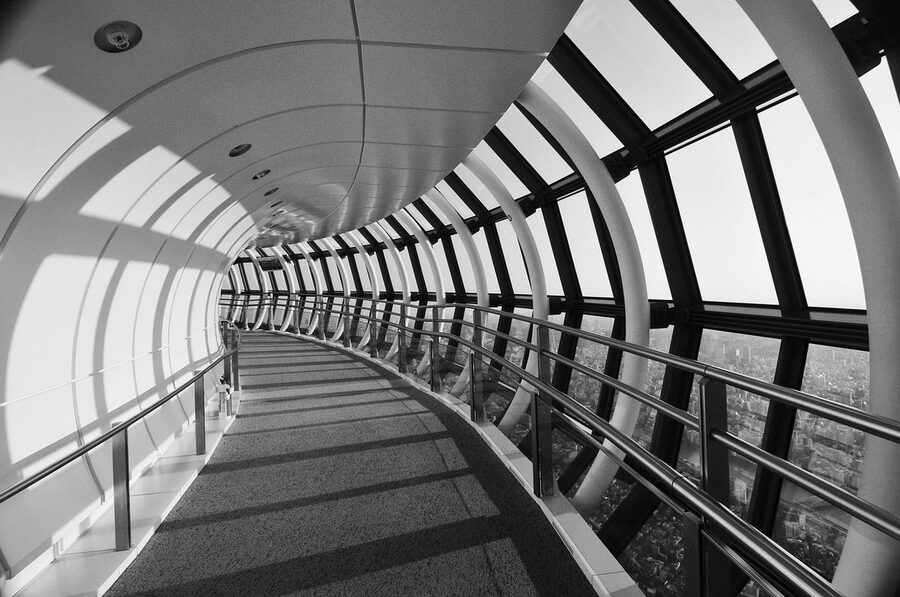
Tokyo Skytree has two observation levels. The Tembo Deck sits at 350 meters with floor-to-ceiling glass panels, a cafe, and the famous glass floor panel. The Tembo Galleria is 100 meters higher at 450 meters — a tube-shaped corridor that spirals upward with even more dramatic views.
You’ve got three ways to get tickets:
1. Buy online in advance (recommended). Adult tickets for the Tembo Deck cost around JPY 2,600 (~$17 USD) when booked through the official Skytree website. Adding the Tembo Galleria bumps it to about JPY 3,600 (~$24). The big advantage? You skip the same-day ticket queue entirely, which can be brutal on weekends and holidays. Your ticket is valid within 29 days of your chosen date, which gives you flexibility if weather doesn’t cooperate.
2. Buy same-day tickets at the counter. Same-day prices are actually a bit cheaper — JPY 2,060 for the Tembo Deck — but the trade-off is the queue. On a Saturday afternoon, you could be standing in line for 30-60 minutes. There’s a separate international tourist counter at the back of the building with shorter lines, but it charges a premium: JPY 3,000 for 350m and JPY 4,000 for both decks. You’ll need your passport.
3. Book through a third-party platform. GetYourGuide and Viator both sell Skytree tickets, often with skip-the-line benefits and easier cancellation policies. Prices vary, but the GYG option at $13 is actually cheaper than the official rate.
Free and Discounted Entry
Children aged 5 and under get in free. Ages 6-11 and 12-17 have reduced rates (roughly JPY 930 and JPY 1,540 respectively for the Tembo Deck). There’s no senior discount. Disability holders get a reduced rate when purchasing at the on-site counter with documentation.
Official Tickets vs Third-Party Platforms
This is the question everyone asks, and the honest answer depends on what you value most.
Official website gives you the widest time slot selection and direct support if something goes wrong. You book a specific date and 30-minute entry window. The downside: the booking system is a bit clunky, payment sometimes rejects non-Japanese cards, and the cancellation policy is strict.
GetYourGuide / Viator are usually smoother to book, especially if you already have an account. Cancellation is typically free up to 24 hours before. Prices can be lower (the GYG basic ticket undercuts the official price). The trade-off: you might have slightly fewer time slot options, and your ticket is technically a voucher that you exchange on arrival.
My take: book through GYG or Viator unless you need a very specific time slot. The price is better, the booking experience is cleaner, and the free cancellation gives you flexibility that the official site doesn’t.
The Best Tokyo Skytree Tickets to Book
1. Tokyo Skytree Admission Ticket — $13
This is the one I’d tell most people to book. At $13, it’s cheaper than buying tickets at the door, and it gets you straight up to the Tembo Deck at 350 meters with skip-the-line access. The deck itself is massive — three floors connected by escalators, with 360-degree views through floor-to-ceiling glass.
The full review from visitors confirms what I found: the views are genuinely spectacular, especially in late afternoon when the light is golden and the shadows stretch across the city. One visitor described going at 4:30pm to catch the sunset transition, which is exactly what I’d recommend.
It’s the most popular Skytree ticket on the market for a reason — simple, affordable, and you get the full experience without overcomplicating things.
2. Tokyo Skytree Floor 350 + 450 Combo — $16.42
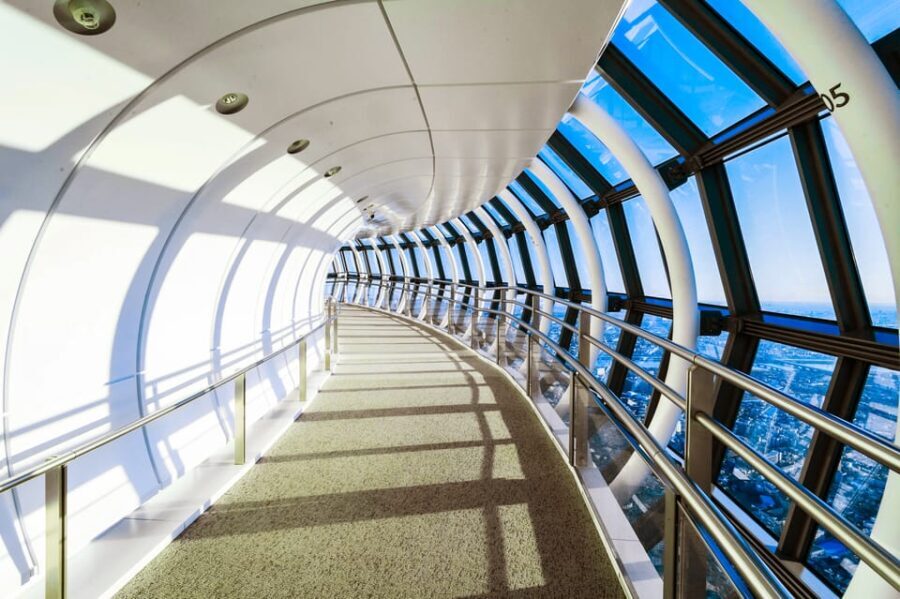
For just $3 more than the basic ticket, you get access to both levels — the Tembo Deck at 350 meters AND the Tembo Galleria at 450 meters. The Galleria is a sloped glass corridor that winds upward, and honestly, the sensation of being at 450 meters is noticeably different from 350. Everything looks smaller, the curvature of the horizon feels more apparent, and if you’re even slightly afraid of heights, your legs will remind you.
The glass floor on the 340th level is included with this ticket too. Looking straight down 340 meters through a glass panel is one of those experiences that your rational brain says is safe while your survival instincts strongly disagree. Visitors on the combo ticket consistently rate the Galleria as worth the upgrade, especially at night when the city lights stretch to the horizon.
If you’re only visiting the Skytree once — and most people only do — spend the extra few dollars and do both levels. You’ll regret it if you don’t.
3. Asakusa & Skytree Go-Kart Tour — $96
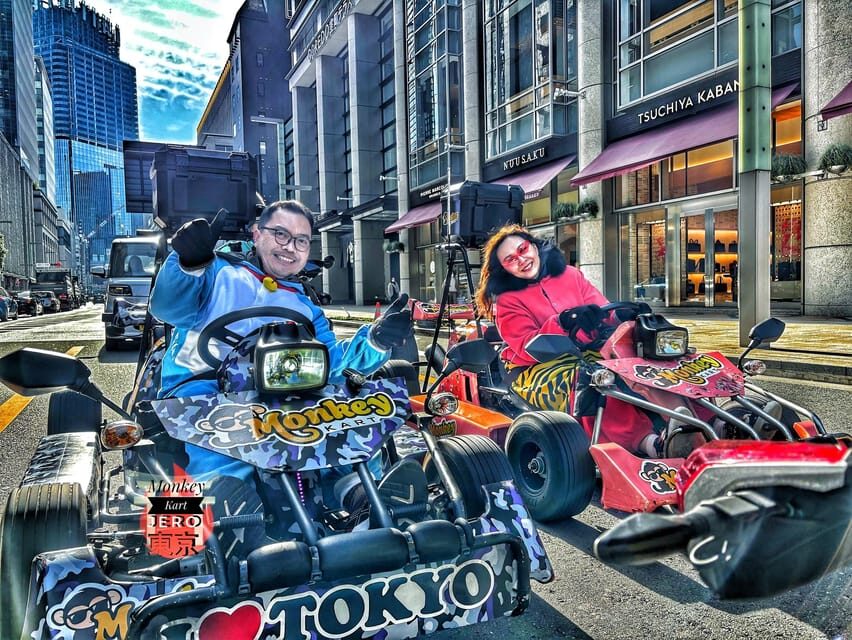
This one is completely different from the other two, and I’m including it because it’s one of the most memorable things you can do in the Skytree area. Instead of going up the tower, you drive go-karts through the streets of Asakusa, past Senso-ji temple, under the shadow of Tokyo Skytree, and through Akihabara’s electric town. The route takes about 70 minutes and you’re driving on actual roads alongside actual Tokyo traffic.
At $96, it’s significantly more expensive than a Skytree ticket, but it’s a totally different experience. The guides — who are universally praised for being fun and making sure everyone’s safe — take photos and videos of you along the route. The full review from participants consistently mentions watching the city transition from day to night during evening tours as a highlight.
Not for everyone. But if you want something more adventurous than standing behind glass, this is the move. Pair it with a Skytree ticket earlier in the day for the ultimate Sumida area combo.
When to Visit Tokyo Skytree
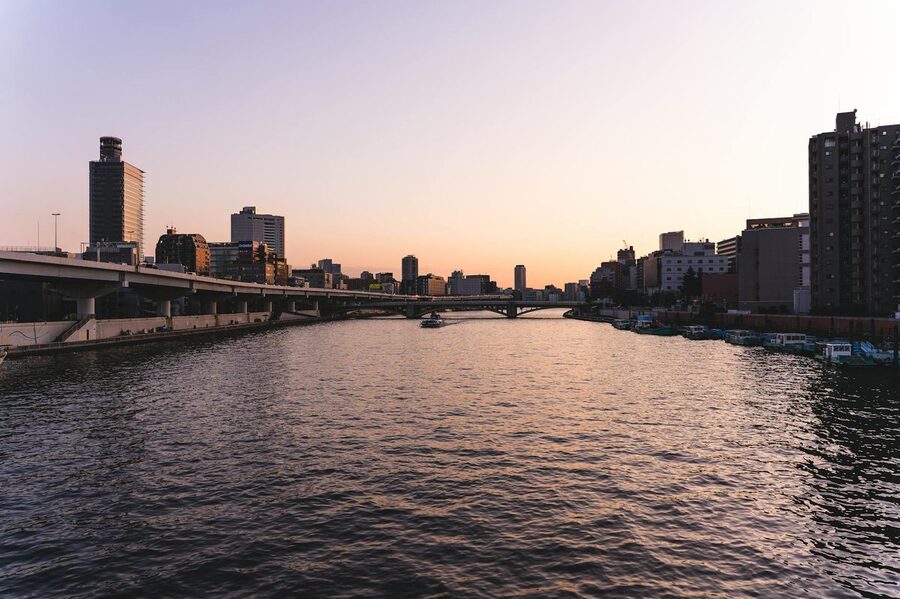
Tokyo Skytree is open daily from 10:00 AM to 9:00 PM (last entry at 8:00 PM). But timing your visit well makes a huge difference in what you’ll experience.
Best time: 4:00-5:00 PM entry. This gives you daylight city views, the sunset transition, and the beginning of the night skyline all in one visit. The color shift as Tokyo lights up section by section is genuinely beautiful and something you’ll miss entirely with a midday visit.
Worst time: 11:00 AM – 2:00 PM on weekends. Peak crowds, harsh midday light, and haze. If it’s overcast or smoggy, the view is significantly less impressive. Tokyo’s air quality varies a lot by day — a clear winter afternoon will give you views all the way to Mt. Fuji, while a humid summer midday might cut visibility to a few kilometers.
Best days: Weekdays are calmer. Tuesday through Thursday tends to be the quietest. If you’re visiting on a weekend or holiday, book for the first slot of the day (10:00 AM) or the late afternoon slot.
Best season: Winter (December-February) has the clearest skies and the best chance of seeing Mt. Fuji. The air is drier and visibility stretches for miles. Spring is nice for the cherry blossom season but tends to be hazier. Summer evenings can be good, but humidity kills daytime visibility.
How to Get There
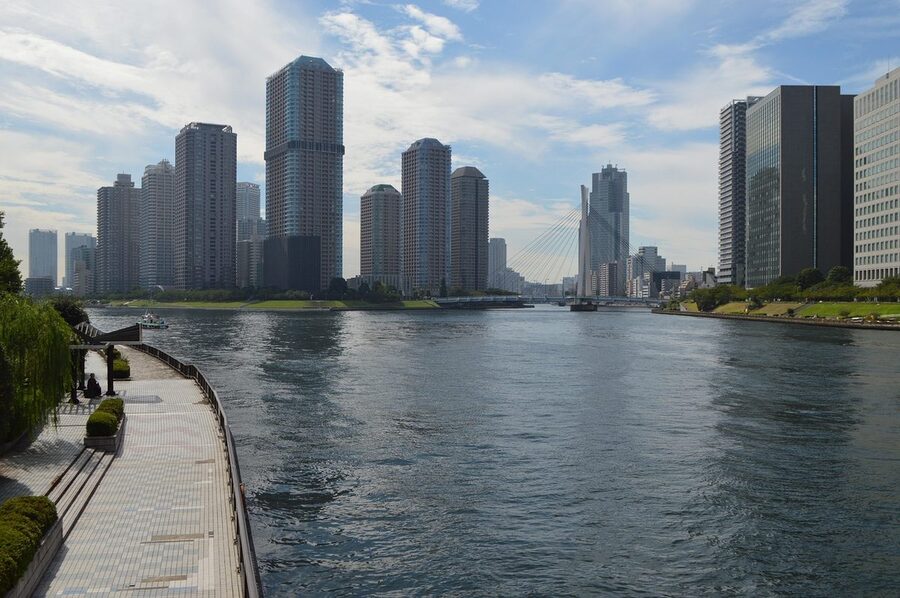
Tokyo Skytree sits in Sumida ward, directly connected to Oshiage Station (also labeled “Tokyo Skytree Station” on some maps). The station is served by four lines:
From most places in central Tokyo: Take the Hanzomon Line (purple) directly to Oshiage. From Shibuya, it’s a straight shot — about 30 minutes, no transfers. From Tokyo Station, take the Marunouchi Line one stop to Otemachi, then transfer to the Hanzomon Line bound for Oshiage (~15 minutes total).
From Asakusa: It’s a 15-20 minute walk along the Sumida River — actually a really nice walk, especially in cherry blossom season. Or take the Tobu Skytree Line one stop from Asakusa Station.
From Shinjuku: Take the Oedo Line to Kuramae, then walk 10 minutes. Or take the JR Sobu Line to Kinshicho and transfer to the Hanzomon Line.
Once you’re at Oshiage, follow the signs to Tokyo Skytree Town. The entrance to the tower is on the 4th floor of the Solamachi shopping complex at the base. You can’t miss it — the tower literally rises from the middle of the building.
Tips That Will Save You Time
Book online, always. Even if you’re the spontaneous type. The same-day queue can eat 30-60 minutes of your trip, and the online price is often cheaper anyway. Third-party platforms like GYG offer free cancellation up to 24 hours before, so there’s literally no downside to booking early.
Go on a clear day. This sounds obvious, but check the weather forecast specifically for visibility, not just rain. A dry but hazy day gives you disappointing views. The Japanese weather service reports visibility data. Winter afternoons after a cold front passes are your best bet for Mt. Fuji visibility.
Wear dark clothing. The glass panels at the Tembo Galleria are floor-to-ceiling, and wearing white or bright colors creates reflections that ruin your photos. Dark clothes basically make you invisible in the glass.
Don’t skip the Tembo Galleria. The price difference between 350m-only and the combo ticket is tiny. The extra 100 meters of altitude changes the perspective noticeably, and the sloped glass corridor of the Galleria is a genuinely different experience from the flat Tembo Deck. I’ve talked to people who skipped it to save a few dollars and regretted it.
Budget 60-90 minutes total. The Tembo Deck alone takes 20-30 minutes if you’re doing a quick loop, but add the Galleria, some time at the glass floor, maybe a coffee at the Skytree Cafe (around JPY 450 for a coffee, but you drink it overlooking all of Tokyo), and you’ll want at least an hour.
Combine with Asakusa. Senso-ji temple, Nakamise shopping street, and the Sumida River walk are all within 15-20 minutes on foot. Do Asakusa in the morning, grab lunch, then head to Skytree for the afternoon/sunset. It’s a perfect half-day plan.
Tripod? Leave it at the hotel. Tripods aren’t allowed on the observation decks. If you want steady evening shots, bring a small tabletop stand or just brace your phone against the glass. The windows have thick frames every few meters that work as decent phone rests.
Solamachi is worth browsing. The shopping complex at the Skytree base has over 300 stores. It’s not all tourist kitsch — the food hall in the basement is genuinely good, and there are several Japanese craft shops that sell things you won’t find in Shibuya or Shinjuku. If you’re early for your ticket time slot, wander the ground floor.
What You’ll Actually See Inside
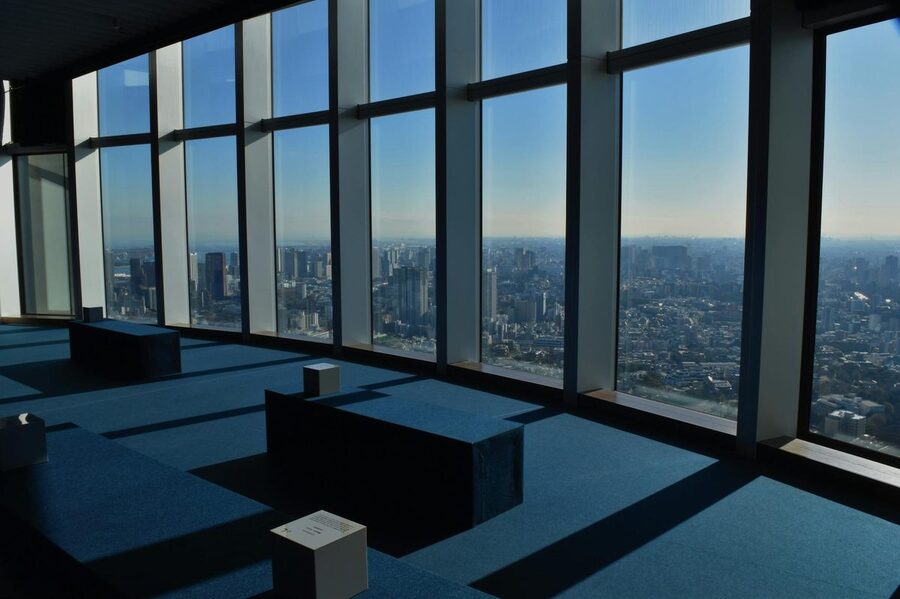
Tokyo Skytree isn’t just a viewing platform. It’s a 634-meter broadcast tower — the tallest structure in Japan and the tallest tower in the world (the Burj Khalifa is taller overall, but it’s a building, not a tower, which is a distinction engineers apparently care about a lot).
The Tembo Deck occupies floors 340, 345, and 350. Floor 350 is the main viewing area with the full panoramic experience. Floor 345 has a restaurant and the Skytree Cafe. Floor 340 has the glass floor panel — a 2m x 3m sheet of tempered glass that lets you look straight down 340 meters to the street below. Kids love it. Adults pretend they love it while their knees buckle.
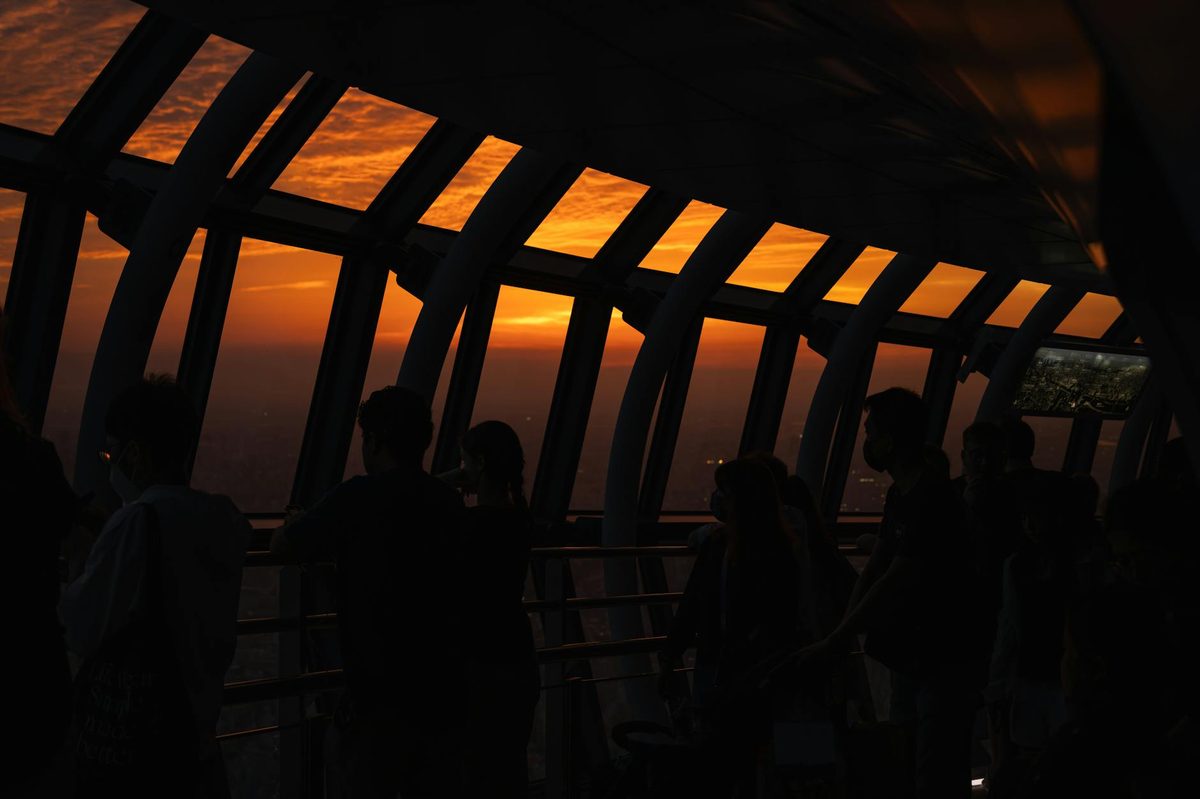
The Tembo Galleria (450m) is architecturally different. Instead of a flat floor, it’s a gently sloping tube-shaped corridor that spirals upward. There’s something about the combination of the slope and the height that makes this level feel more dramatic than the lower deck. You’re walking uphill through glass with nothing below you — it’s the closest thing to walking in the sky that most people will ever experience.
On the way back down, you’ll pass through the Solamachi shopping complex at the base of the tower. It’s massive — over 300 shops and restaurants spread across multiple floors. The food court on B3 is decent and reasonably priced if you need lunch. There’s also a Sumida Aquarium on the 5th floor if you’re traveling with kids who’ve hit their limit on panoramic city views.
One detail that catches people off guard: the elevator ride itself. The Tembo Deck elevators reach 350 meters in about 50 seconds, which means you’re traveling at roughly 600 meters per minute. The doors have decorative panels that light up during the ascent — cherry blossoms in spring, fireworks in summer — and while it’s a small touch, the speed alone is enough to make your ears pop. Swallow hard halfway up.
The north-facing windows are the ones you want for Mt. Fuji. Most people naturally drift to the south and east sides first (toward Tokyo Bay and the city center), but the Fuji view is to the west-northwest. Floor staff can point you in the right direction. On a really clear day, the mountain appears deceptively close — like you could walk to it, even though it’s roughly 100 kilometers away.
Is Tokyo Skytree Worth It?
Yes. With one caveat: go on a clear day.
A hazy summer midday at the Skytree is fine but forgettable. A clear winter afternoon where you can see Mt. Fuji is an experience you’ll remember for years. The difference between a good Skytree visit and a great one comes down entirely to weather and timing.
At $13-16 for a third-party ticket, it’s also one of the cheaper major attractions in Tokyo. Compare that to teamLab ($30+), Disney ($75+), or even a fancy sushi dinner, and the Skytree is solid value. The teamLab Planets experience is a completely different kind of Tokyo attraction, but if you’re choosing between them, I’d say do both — they’re complementary rather than competing.
The one group I’d warn is people who are genuinely afraid of heights. The glass floor and the Tembo Galleria’s sloped glass walls can trigger real vertigo. You can skip those specific areas and still enjoy the Tembo Deck, but know that the marketing leans heavily into the “look down from 450 meters” angle.
The Skytree Area — What Else to Do Nearby
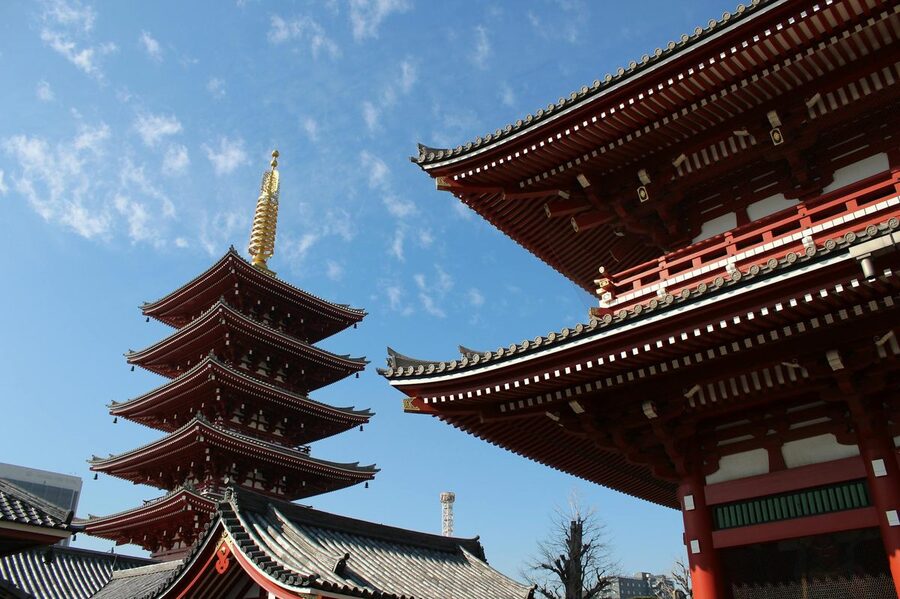
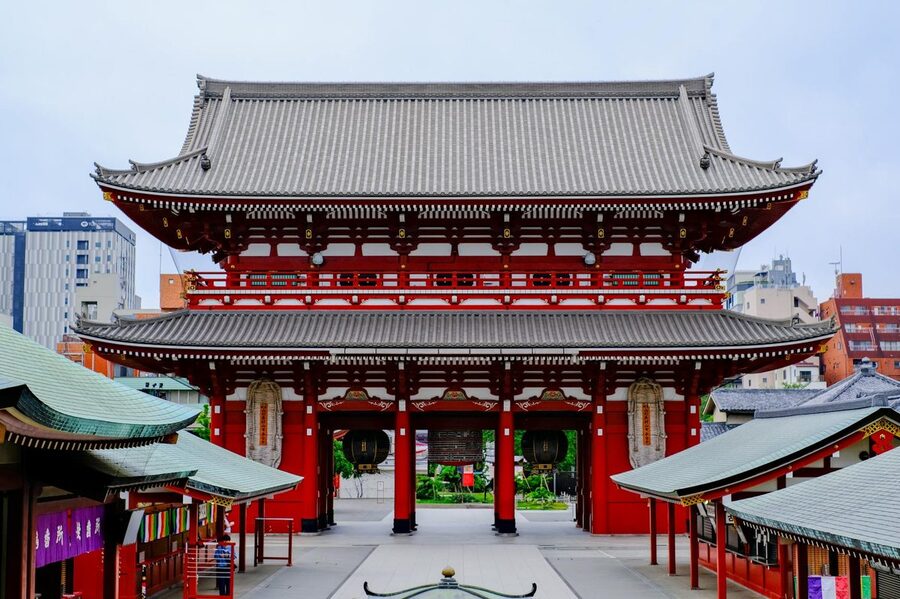
The Sumida ward area around the Skytree is worth exploring beyond just the tower itself. Asakusa is the obvious pairing — Senso-ji temple is Tokyo’s oldest Buddhist temple, and the Nakamise shopping street leading up to it has traditional snacks, souvenirs, and a photo-friendly red lantern gate (Kaminarimon) that you’ve definitely seen in guidebooks.
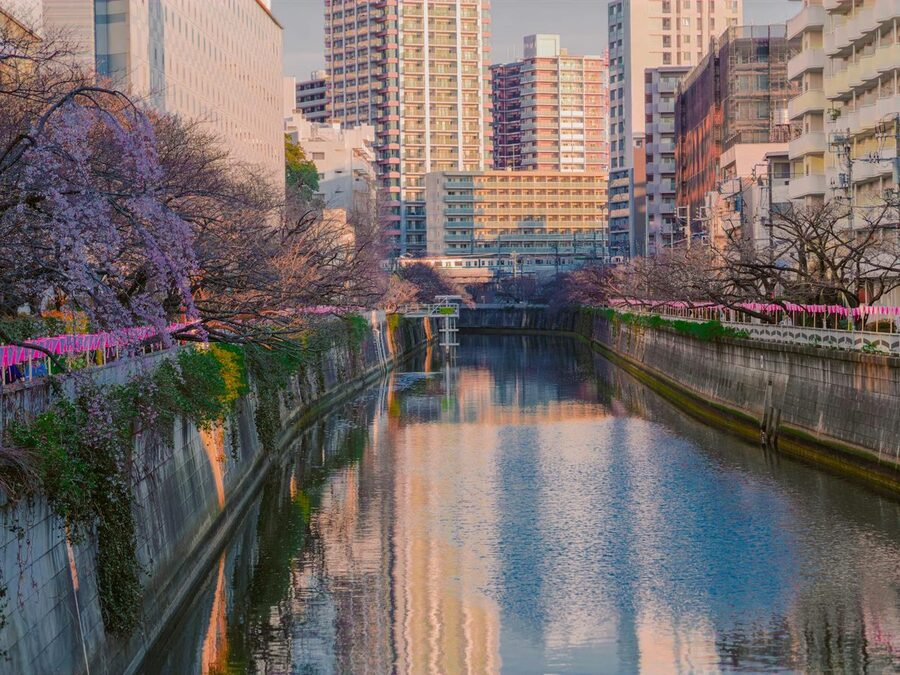
The Sumida River walk from Asakusa to the Skytree takes about 15 minutes and passes along a wide riverside promenade. In cherry blossom season (late March-early April), this stretch is lined with sakura trees. Even outside of spring, the walk gives you constantly improving views of the Skytree as you approach — it’s better than taking the train one stop.
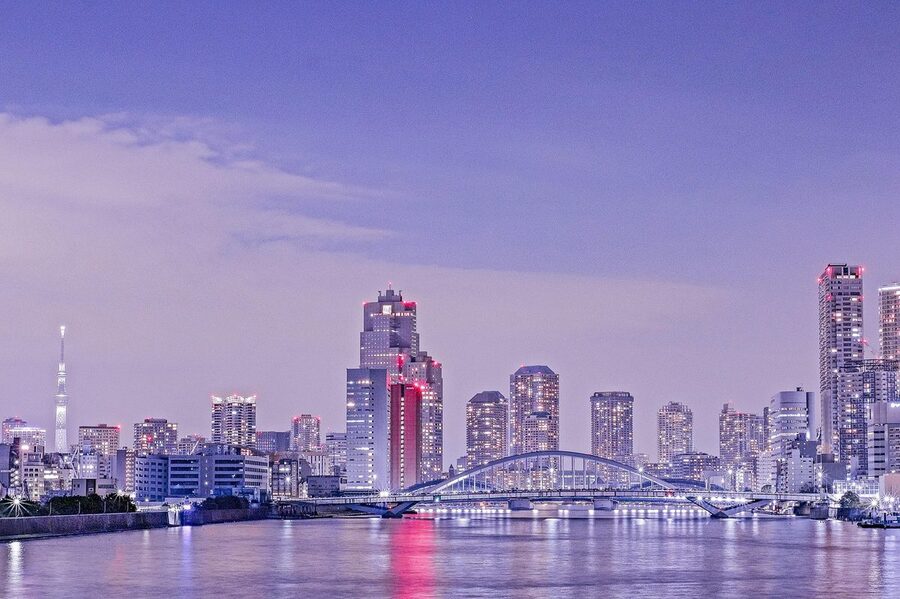
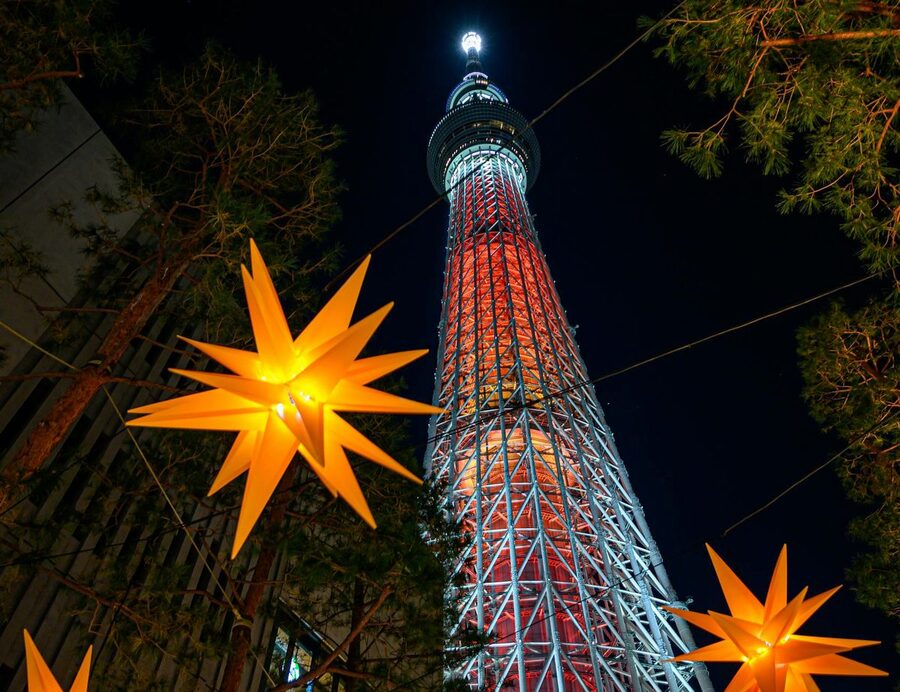
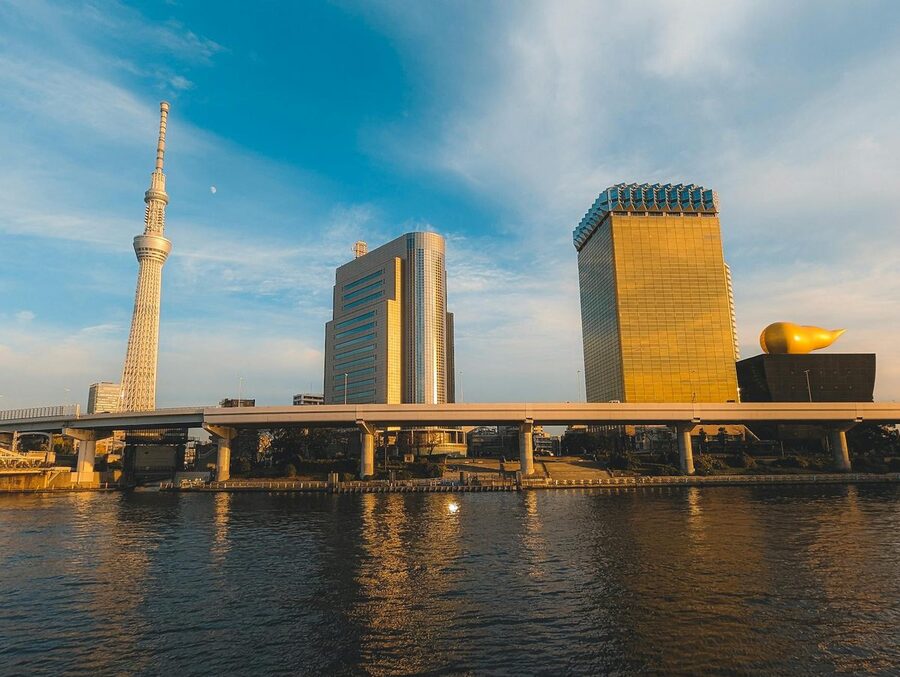
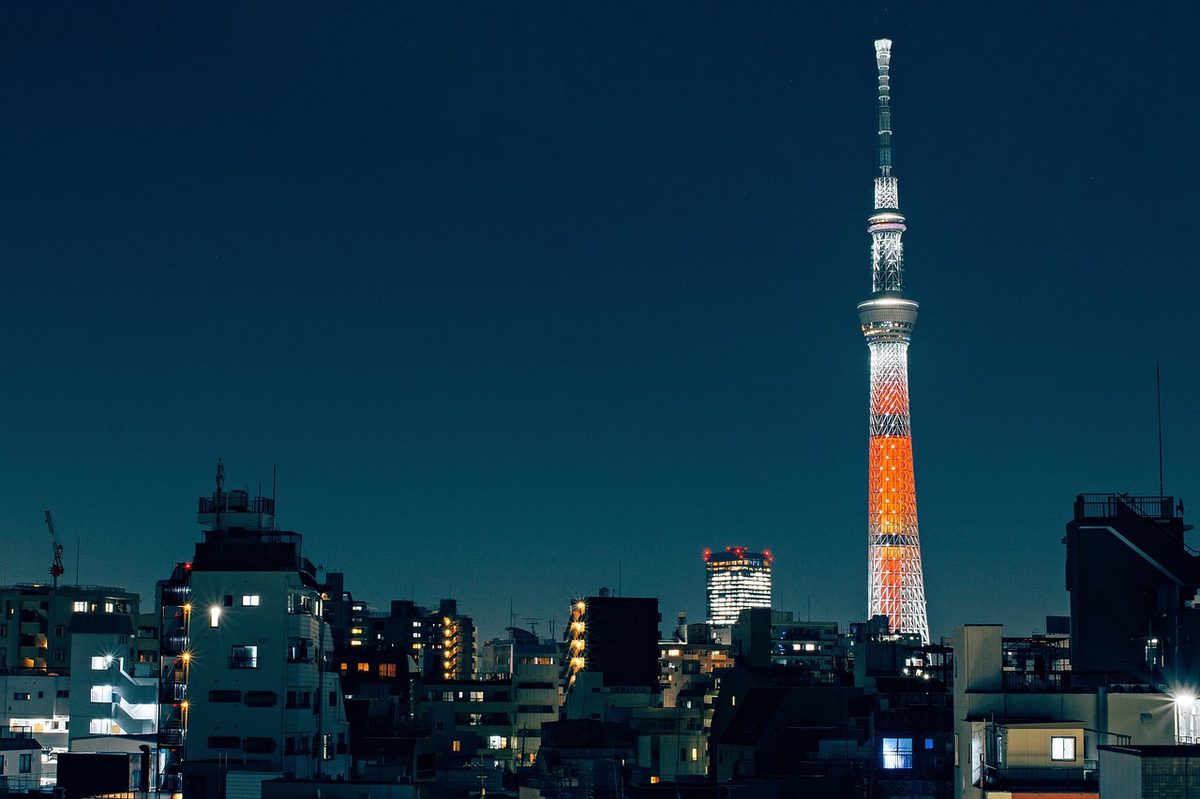
For evening plans, the area transforms after dark. The Skytree’s illumination (it alternates between blue “Iki” and purple “Miyabi” patterns on different nights) reflects off the river, and there are several izakayas along the Sumida riverbank where you can grab a beer and watch the tower change colors.
What Else to Do in Tokyo
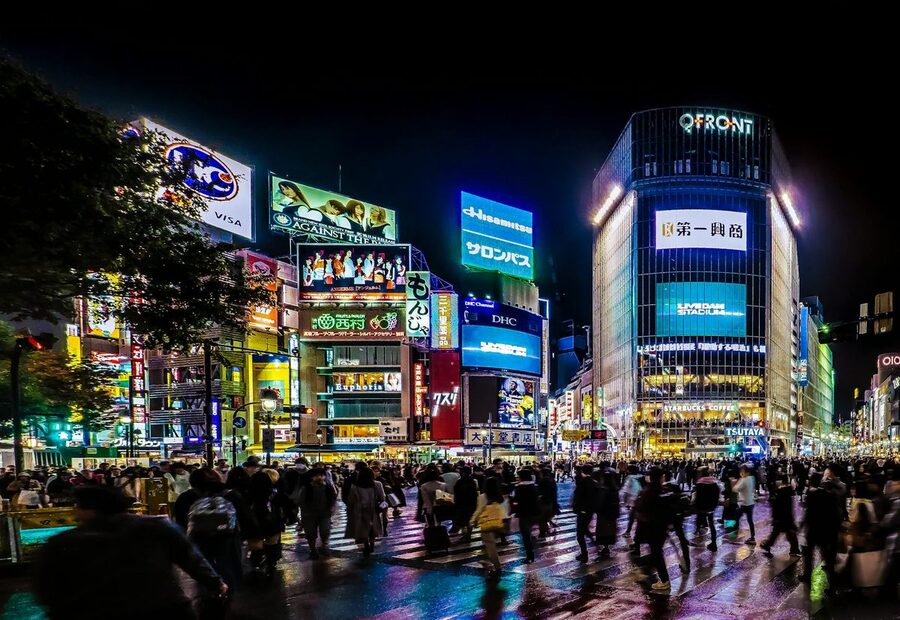
If you’re spending a few days in Tokyo, the Skytree pairs well with a half-day in Asakusa, but there’s plenty more to plan. The sumo experience is one of those uniquely Tokyo things that most travellers skip — our guide covers how to actually get tickets, which is trickier than you’d expect.
For something completely different, the street go-kart tours let you drive through Shibuya and Akihabara in costume (yes, really). And if you want to escape the city for a day, the Mt. Fuji and Hakone day trip is the most popular day trip from Tokyo for good reason — you’ll see that same mountain from ground level that you spotted from the Skytree observation deck.
If you are spending a few days in Tokyo, the Skytree pairs well with a half-day in Asakusa — a rickshaw tour through the old temple district is a great way to see it. After dark, the bar hopping tours through Shinjuku and Shibuya make a good contrast to the panoramic calm of the observation deck.
The sumo experience is one of those uniquely Tokyo things most travellers skip, and the street go-kart tours let you drive through Shibuya in costume. If you are hungry after the Skytree, the Tsukiji fish market food tours run in the morning and the Shinjuku food tours cover the evening scene. For a day outside the city, the Mt.
Fuji and Hakone day trip lets you see that same mountain from ground level that you spotted from 450 meters up.
This article contains affiliate links. If you book through our links, we may earn a small commission at no extra cost to you. This helps us keep writing these guides.