
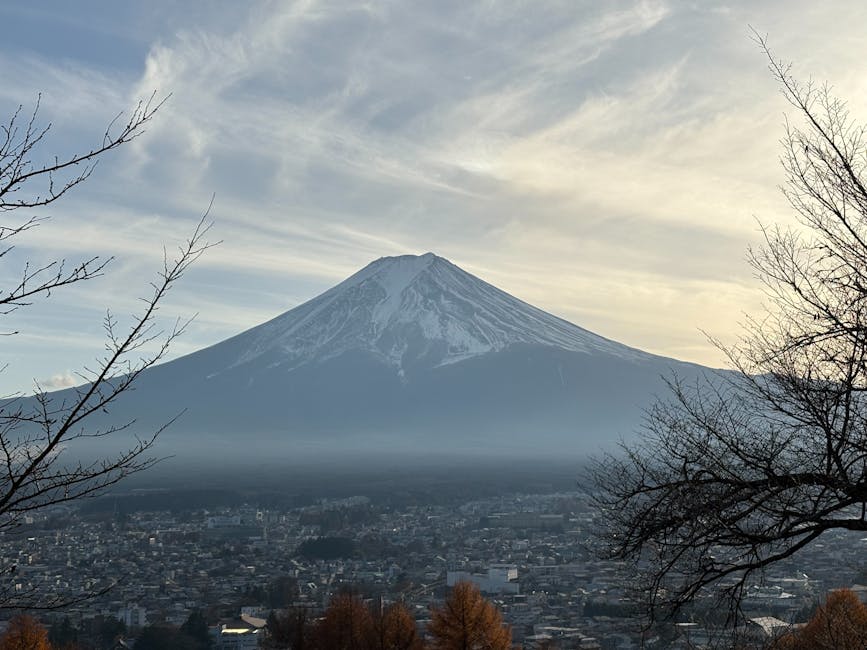
Mount Fuji is only visible about 80 days per year. I did not know this before I booked my day trip, and I suspect you don’t know it either.
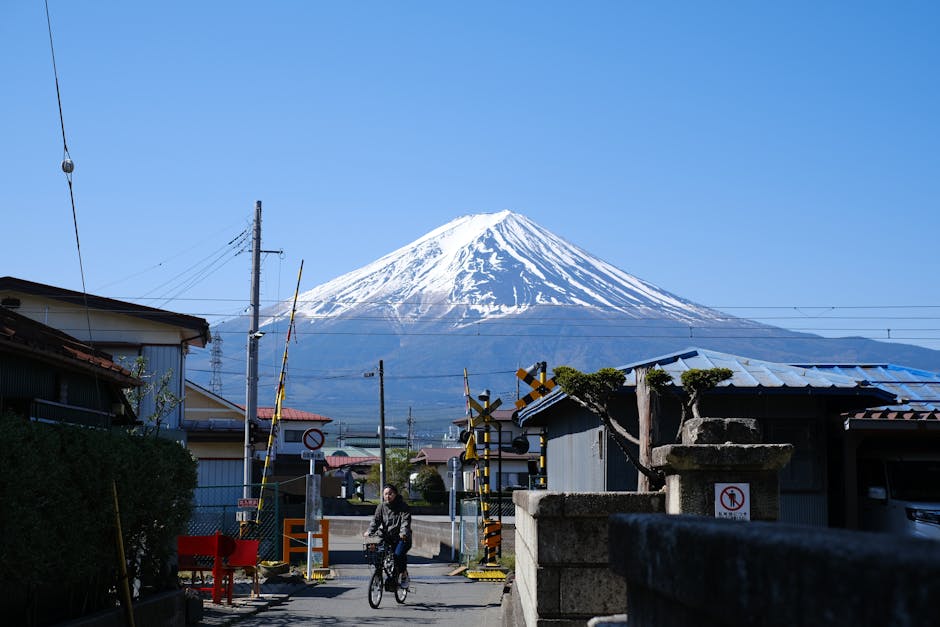
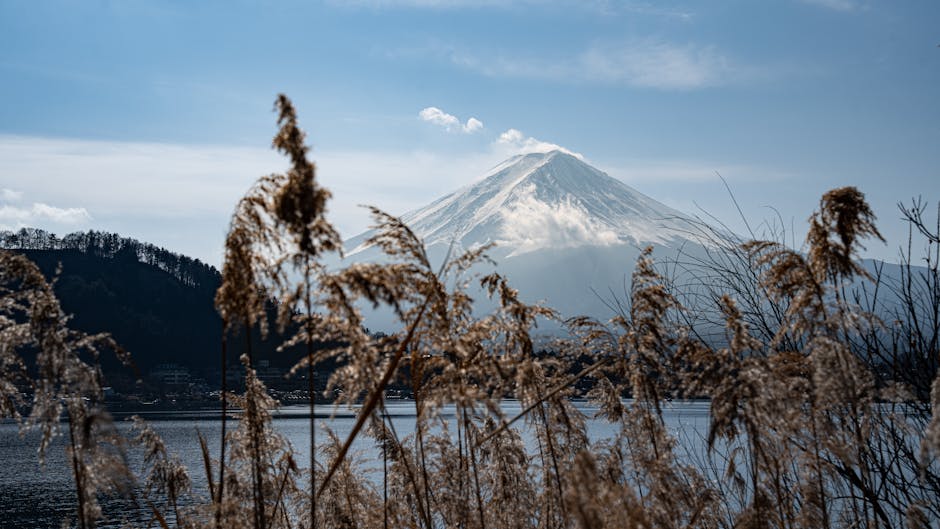
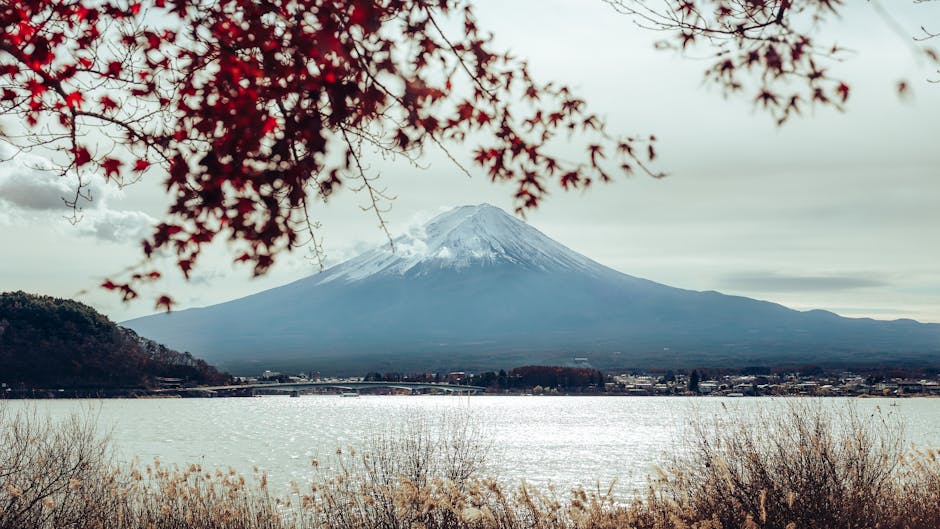
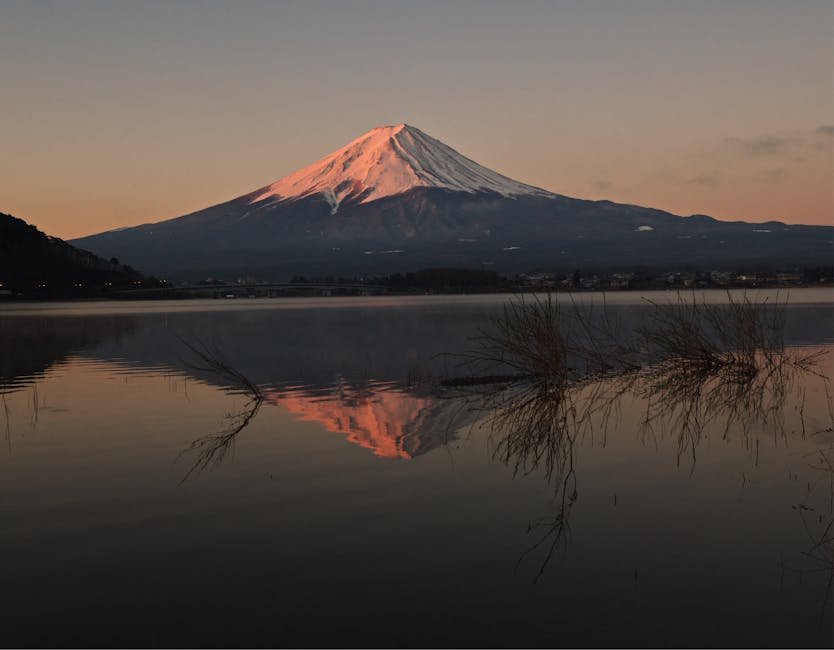
The Japanese call it the “shy mountain.” Clouds wrap around the summit most mornings, humidity swallows it whole in summer, and even in peak season you might spend an entire day in the Fuji Five Lakes area without seeing more than a grey silhouette. I got lucky on my trip — a cold, crisp November morning with zero clouds and air so dry you could see every ridge on the snowcap from Lake Kawaguchiko. But I’ve talked to plenty of people who weren’t so lucky.
That’s the gamble with Mount Fuji day trips. And it’s also why picking the right tour matters more here than almost anywhere else in Japan.
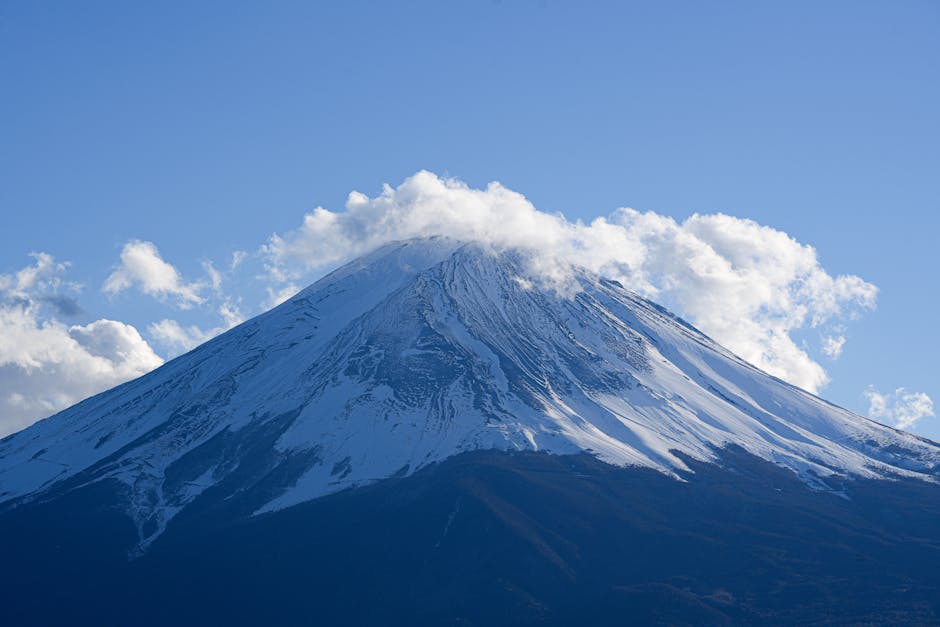
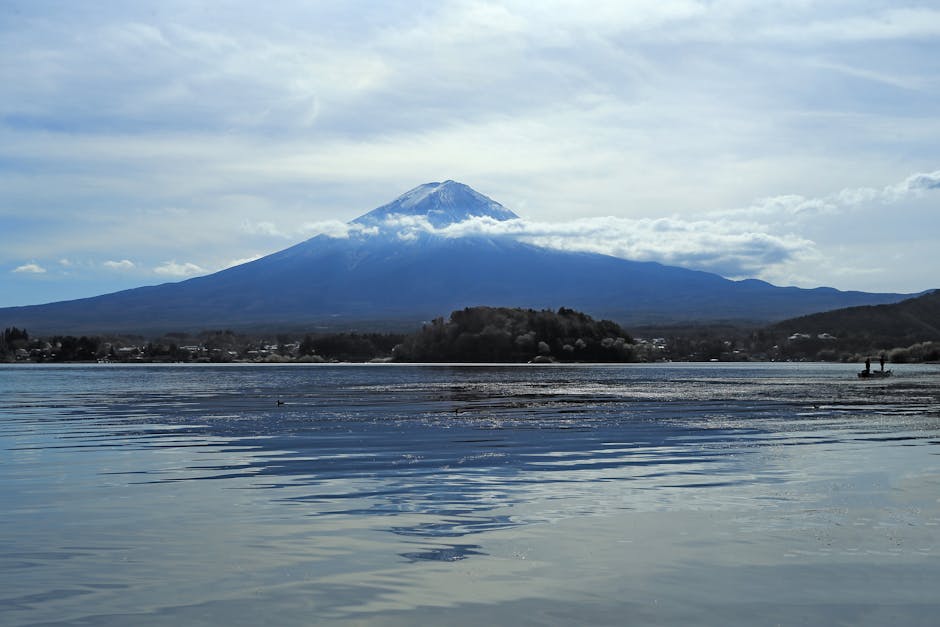
This guide covers everything about booking Mount Fuji and Hakone day trips from Tokyo — which tours are actually worth the money, how the DIY route works, the best time of year to go, and the transport options that most guides gloss over.
Short on time? Here are my top picks:
Best overall: Mt. Fuji, Hakone Ropeway, Owakudani & Lake Ashi — $54. Covers both Fuji and Hakone in one packed day. Hard to beat at this price.
Best with bullet train return: Mt Fuji & Hakone 1-Day Bus Tour with Shinkansen — $163. The Shinkansen ride home alone makes this worth it if you’ve never been on one.
Best for private groups: Private Full Day Mt Fuji & Hakone Tour — $497 for up to 5 people. Skip the bus crowds entirely. Flexible itinerary.
- How to Plan a Mount Fuji Day Trip from Tokyo
- Guided Tour vs Going on Your Own
- The Best Mount Fuji and Hakone Tours to Book
- 1. Mt. Fuji, Hakone Ropeway, Owakudani & Lake Ashi —
- 2. Mt Fuji and Hakone 1-Day Bus Tour with Shinkansen Return — 3
- 3. Mt. Fuji Full-Day Sightseeing Trip —
- 4. Mt Fuji, Hakone, Lake Ashi Cruise & Bullet Train — 0
- 5. Private Full Day Mt Fuji and Hakone Guide — 7 per group
- When to Go
- How to Get There
- Tips That Will Save You Time
- What You’ll Actually See
- More Things to Do from Tokyo
How to Plan a Mount Fuji Day Trip from Tokyo
There are really two day trips wrapped into one here, and most first-timers don’t realise that until they start researching. Mount Fuji and Hakone are in the same general direction from Tokyo, but they’re actually separate destinations about an hour apart by road.
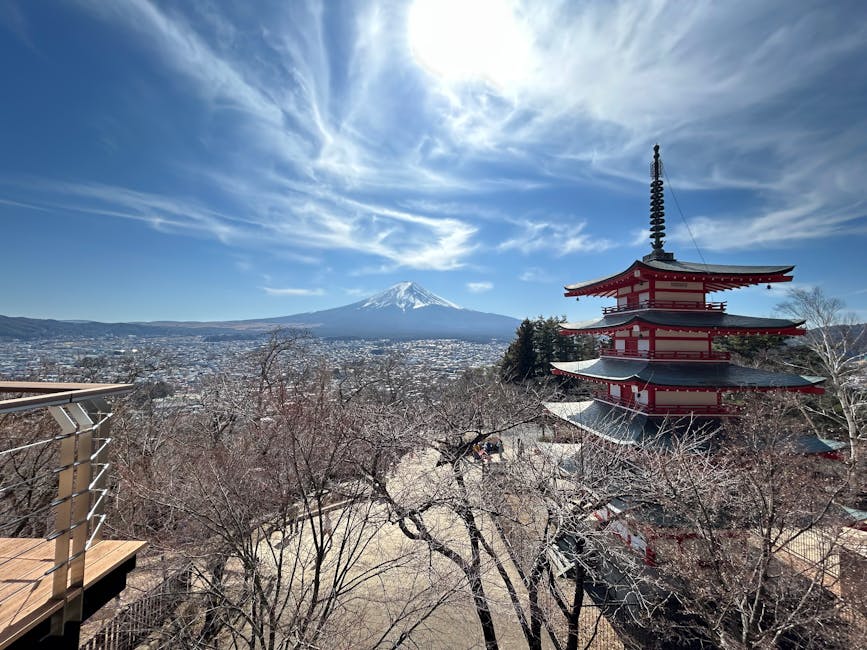
The Fuji side means Lake Kawaguchiko, the Fuji Five Lakes area, Chureito Pagoda, and the 5th Station (the halfway point up the mountain, reachable by bus). This is where you go for mountain views, lakeside walks, and that famous pagoda photo.
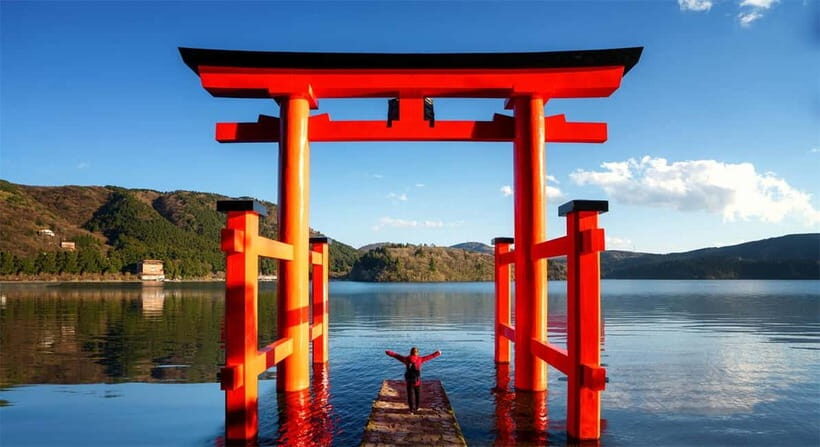
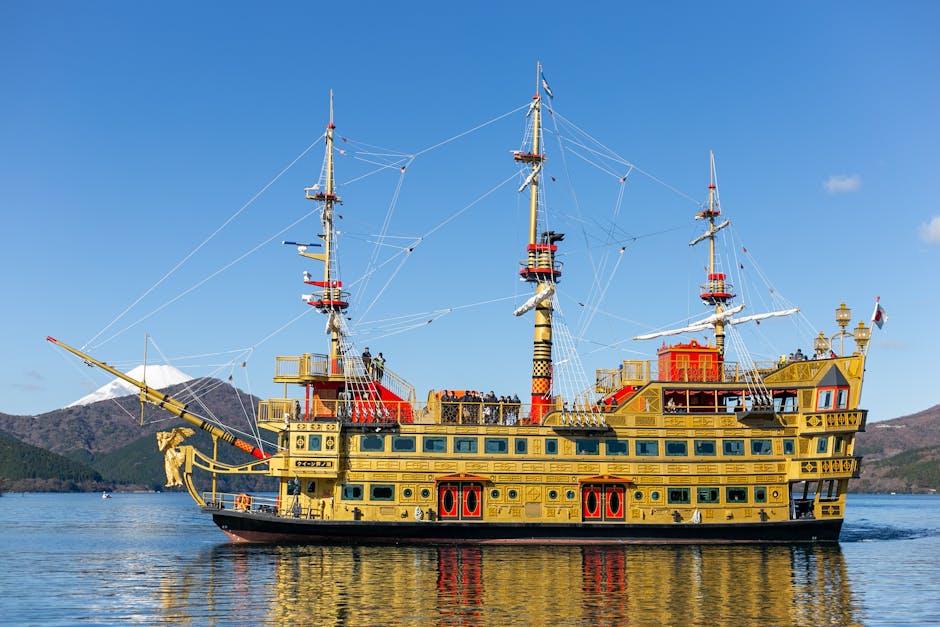
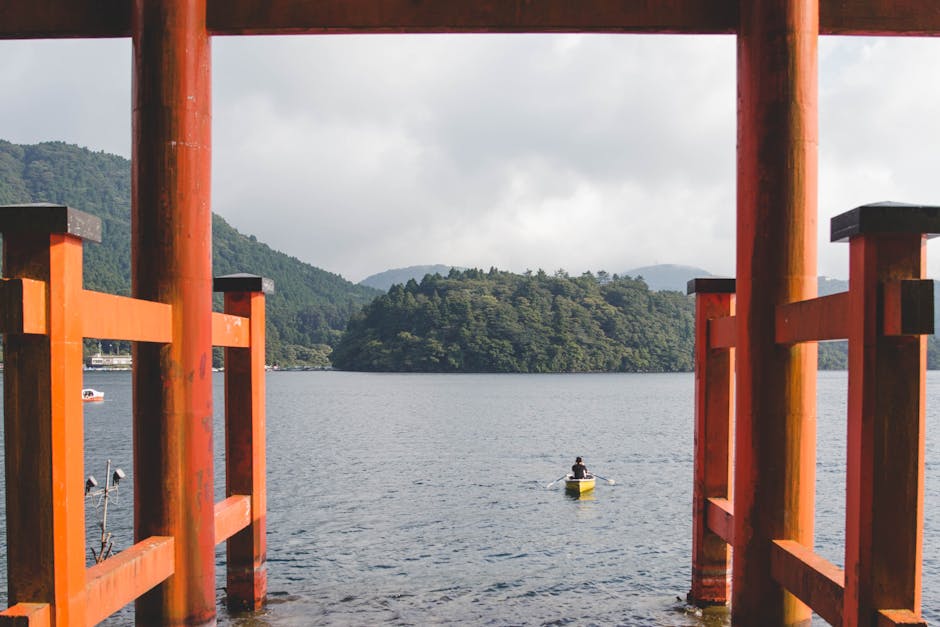
The Hakone side means Lake Ashi, the Hakone Ropeway, Owakudani volcanic valley, and Hakone Shrine. This is where you get the pirate ship cruise, sulphur-smelling black eggs, and the floating torii gate.
Most guided tours combine both. Some focus on just one. If you’re going independently, you’ll need to pick — doing both in one day without a car is technically possible but exhausting and requires near-perfect timing with buses.
The good news is that whether you go the tour route or the DIY route, the day starts and ends in Tokyo. Most tours depart from Shinjuku Station between 7:00 and 8:30am and return by 7:00-8:00pm, leaving you the evening free for a Shinjuku food tour or bar hopping night tour.
Guided Tour vs Going on Your Own
I’ll be straightforward: for a Fuji+Hakone combined day trip, I’d recommend a guided tour for most people. Here’s why.
The case for a guided tour:
Going independently between Fuji and Hakone requires changing buses 2-3 times, each with its own schedule that doesn’t always connect well. Miss one bus in the Fuji Five Lakes area and you might wait 40-60 minutes for the next one. A guided bus tour handles all that logistics, plus you get commentary on what you’re actually looking at. The price difference is smaller than you’d think once you add up individual train tickets, bus passes, and the ropeway/cruise tickets.
The case for going solo:
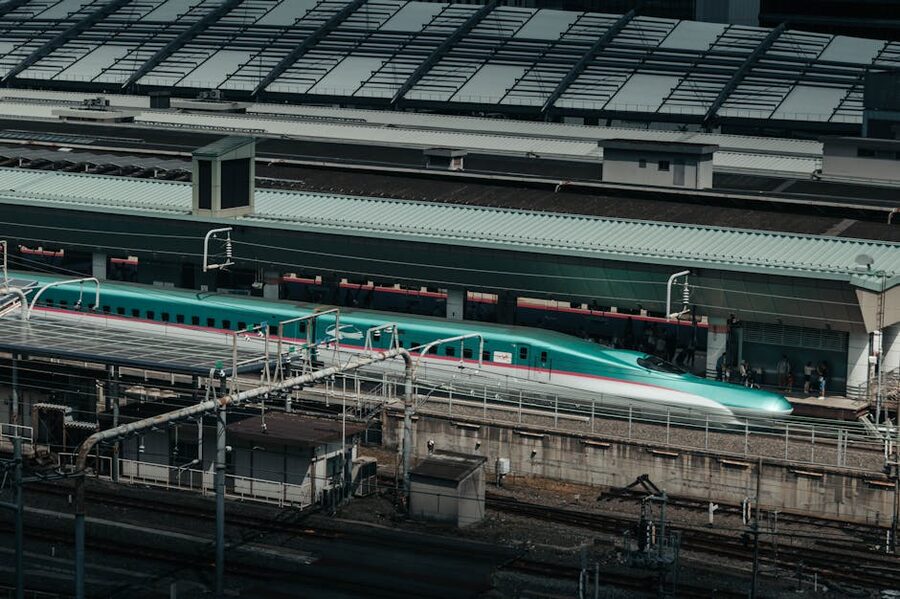
If you only care about one side (just Fuji OR just Hakone, not both), independent travel is easier and cheaper. The Fuji Excursion limited express train from Shinjuku to Kawaguchiko runs in about 2 hours and costs around 4,500 yen (~$31) one way. It’s comfortable and scenic — on a clear day you’ll see Fuji from the train window for the last 30 minutes. For Hakone, the Odakyu line from Shinjuku to Hakone-Yumoto takes 85 minutes and the Hakone Free Pass (around 6,100 yen / ~$42) covers most transport within the area including the ropeway, pirate ship, and buses.
The catch with the Fuji train: tickets sell out fast, sometimes within minutes of release. You can pre-book through Klook’s reservation system, which queues you automatically when seats open. But during peak periods (spring cherry blossom and autumn leaves), even that system fails. If that happens, check the JR East website directly — Klook’s allocation sells out first, not the total train capacity.
The honest assessment: Tour buses aren’t glamorous. You’ll spend chunks of the day sitting on a bus. But the alternative is spending those same chunks standing at bus stops wondering if you’re at the right one. For a single-day trip where timing is everything, the trade-off usually makes sense.
The Best Mount Fuji and Hakone Tours to Book
I’ve gone through the major tours available and narrowed it down to five that cover different budgets and styles. These are ranked by overall value — factoring in what you actually get for the price, not just the star rating.
1. Mt. Fuji, Hakone Ropeway, Owakudani & Lake Ashi — $54
This is my top pick for a reason. At $54 per person for a full 10-hour day covering both Mount Fuji and Hakone, the value is genuinely hard to beat. The itinerary hits the Fuji 5th Station, the Hakone Ropeway, Owakudani volcanic valley, and a Lake Ashi cruise — that’s basically the full greatest hits in one day.
The tour runs through GetYourGuide with operator TAIHOU CO, and the guides consistently get praised for being well-organized and clear with timing. This is one of the most-booked options on the market. The February 2026 reviews specifically call out the guide Wanting for keeping everything running on time, which is exactly what you need on a packed day like this.
The only downside: the return is by bus, not bullet train. That adds about 90 minutes to your evening compared to the Shinkansen-return tours. But you’re saving over $100 per person, so for most people that trade-off is an easy yes.
2. Mt Fuji and Hakone 1-Day Bus Tour with Shinkansen Return — $163
This is the most popular Fuji-Hakone tour on the market, and it holds a perfect rating with a massive number of verified bookings, it’s clearly doing something right. Operated by Japan Panoramic Tours, the itinerary covers Mount Fuji’s 5th Station, Lake Ashi, and Hakone, but the real selling point is the return leg: you come back to Tokyo on the Shinkansen bullet train.
If you’ve never ridden the Shinkansen, that alone might justify the higher price tag. It cuts the return trip to about 35 minutes (vs 2+ hours by bus) and the experience of watching the Japanese countryside blur past at 280 km/h is something you remember. At $163 per person, you’re paying roughly $100 more than the budget option above — but a standalone Shinkansen ticket from Odawara to Tokyo costs about $40, so the real premium is more like $60.
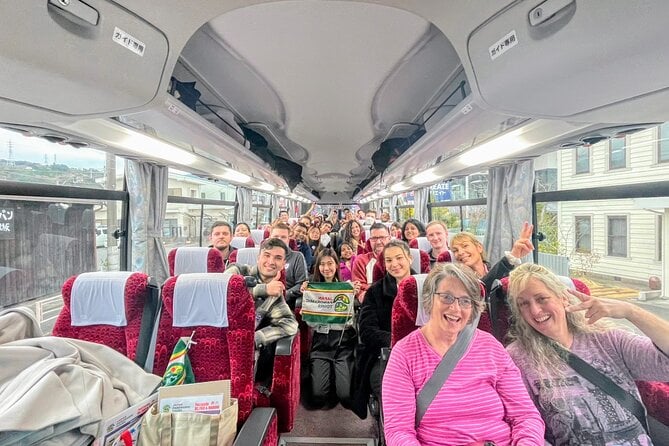
The tour consistently gets perfect scores for guide quality. One thing to know: it’s a big bus tour, meaning 40+ people. If that bothers you, look at the private option below. But the guides manage the large groups well, and the tight schedule means you’re always moving.
3. Mt. Fuji Full-Day Sightseeing Trip — $68
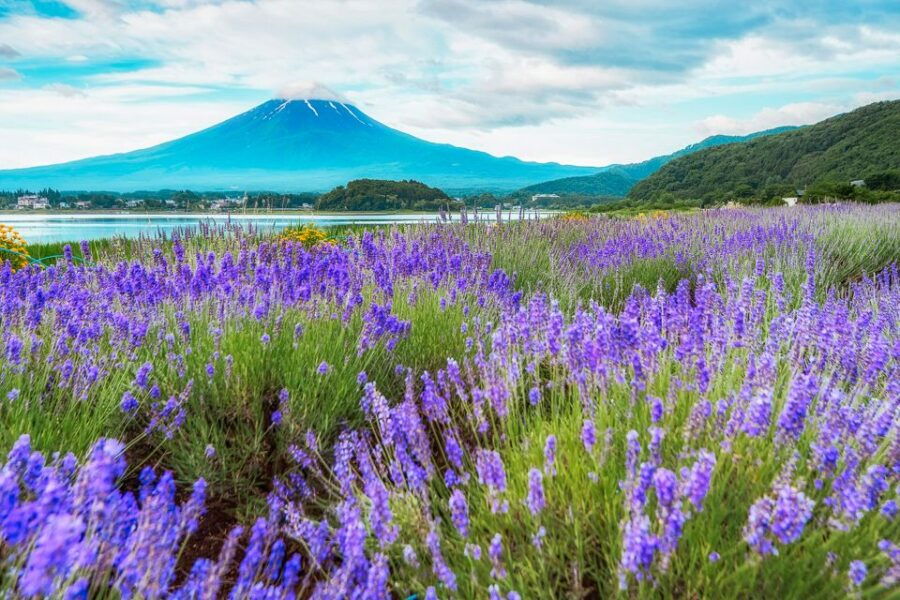
This is the best option if you want to focus entirely on Mount Fuji without the Hakone add-on. At $68 per person for a 10-hour day, you get more time at Fuji-area stops including Lake Kawaguchiko, the 5th Station, and Gotemba Premium Outlets (a factory outlet mall at the base of Fuji, which is either a bonus or a waste of time depending on how you feel about discounted North Face jackets).
The tour from GORYO TRAVEL through GetYourGuide is well-established. The half-star deduction from the top ratings seems to come from two recurring complaints: meeting point confusion (Shinjuku Station is huge and the instructions could be clearer) and weather cancellations at the 5th Station, which is out of anyone’s control.
This tour does not include Hakone, the ropeway, or Lake Ashi. If those are on your list, go with option #1 or #2 instead. But if you’d rather spend more time around the actual mountain and lakes without rushing between two separate areas, this gives you breathing room that the combined tours don’t.
4. Mt Fuji, Hakone, Lake Ashi Cruise & Bullet Train — $150

On paper, this looks almost identical to the #2 option — both include Fuji, Hakone, Lake Ashi, and a Shinkansen return. The difference is the operator (JTB, one of Japan’s largest travel companies) and the price is $13 cheaper at $150. With 7,400+ reviews and a 4.0 rating, it’s clearly popular but the lower rating compared to the Japan Panoramic Tours version tells a story.
The most common complaint in the detailed reviews is about the meeting point — JTB’s instructions for the Hamamatsucho meeting location seem to confuse a lot of people. One reviewer mentioned being seated alone on the bus and eating lunch solo, which suggests the group management could be tighter. That said, the actual itinerary and logistics run fine once you’re on the bus.
I’d go with this one over #2 if: you’ve already ridden the Shinkansen and don’t need the novelty factor, you want to save a few dollars, and you’re comfortable navigating a slightly less polished group tour experience. Otherwise, the extra $13 for the higher-rated option is money well spent.
5. Private Full Day Mt Fuji and Hakone Guide — $497 per group
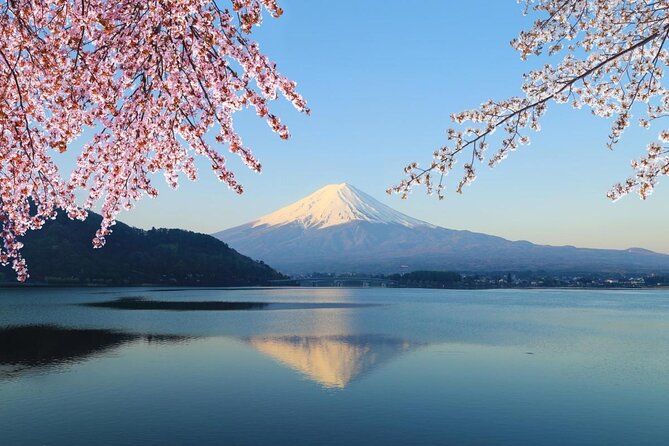
The only private tour on this list, and it changes the experience completely. At $497 for up to 5 people, the per-person cost can actually be reasonable for families or small groups. You get a dedicated guide, a flexible itinerary (want to skip Gotemba Outlets and spend more time at Lake Ashi? Just say so), and no waiting for 40 strangers to get back on the bus.
Operated by Live Nippon through Viator, it has a perfect rating and a long track record, which is remarkable for a tour with that much flexibility. The reviewer feedback consistently mentions guides adapting the route based on weather — if Fuji isn’t visible from one angle, they know alternative viewpoints that might work better. That kind of local knowledge is something you simply don’t get on a 45-person bus tour.
The main thing to know: this is a guide service only. Transport (typically a private car or van) may or may not be included depending on the package — confirm this before booking. Some configurations use public transport with the guide, which is fine but different from a private vehicle experience. Entry fees, meals, and ropeway tickets are also separate.
When to Go
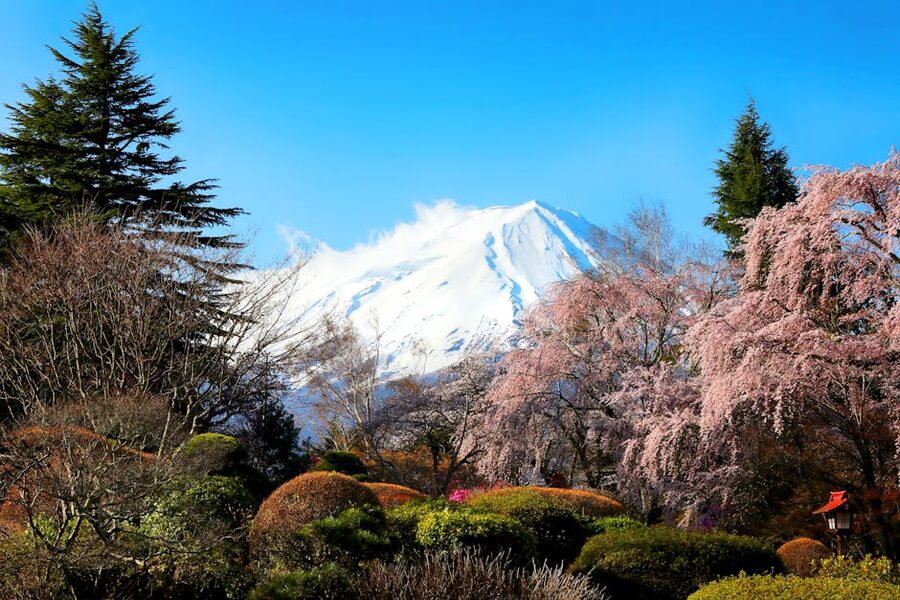
This is where most guides get it wrong. They’ll tell you summer is best because it’s the official climbing season. But for day trips where you want to see Mount Fuji (not climb it), summer is actually the worst time.
Best months: November through February. Cold, dry air gives you the best visibility. The mountain has its full snow cap, and crowds thin out dramatically after the autumn leaf season ends in mid-November. January and February are the quietest — and often the clearest. You will need a warm coat, gloves, and layers. Temperatures around the lakes hover near freezing, and the Fuji 5th Station is well below.
Second best: Late March through mid-April (cherry blossom season). This is the iconic time to visit — Fuji with cherry blossoms at Chureito Pagoda is one of Japan’s most photographed scenes. But the visibility is less reliable than winter, accommodation prices spike, and Chureito Pagoda gets absurdly crowded. If you’re set on this timing, book your tour at least 2-3 weeks in advance.
Autumn (late October to mid-November) is underrated. The autumn colours around the Fuji Five Lakes are spectacular, visibility starts improving as the air dries out, and hotel prices haven’t peaked yet.
Avoid: June through September. The rainy season (tsuyu) runs from early June through mid-July, and even after it ends, summer humidity makes Fuji invisible more often than not. This is climbing season, so if you want to hike to the summit, summer is when to do it. But for day-trip sightseeing? Skip it.
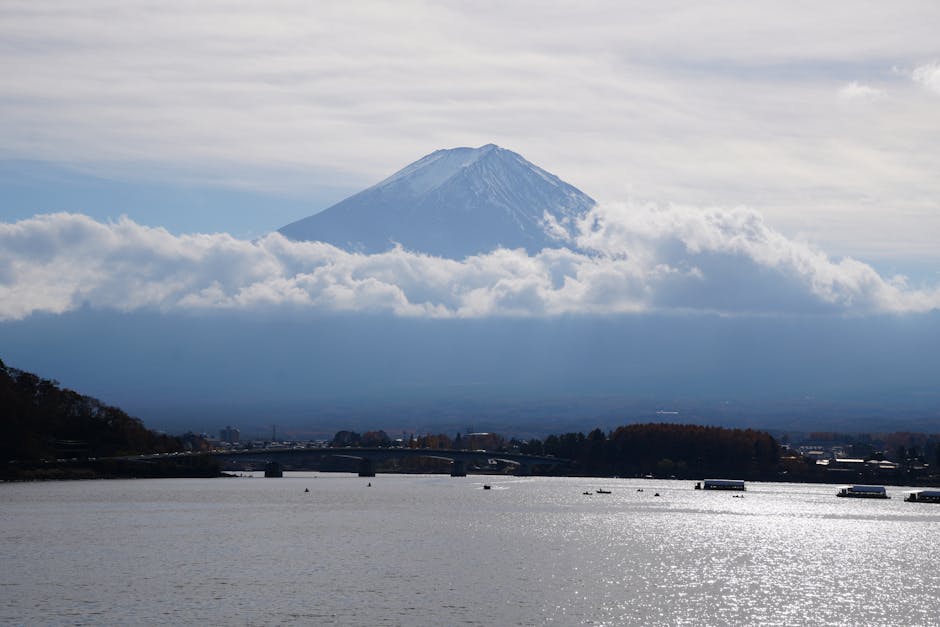
One more thing: even in the best months, there is no guarantee you’ll see Fuji. I’ve seen December visitors get socked in by clouds for three straight days. Check the webcam feeds and weather forecast the night before your trip. If it’s looking cloudy, most tour operators allow cancellation up to 24 hours in advance — take advantage of that flexibility rather than hoping for the best.
How to Get There
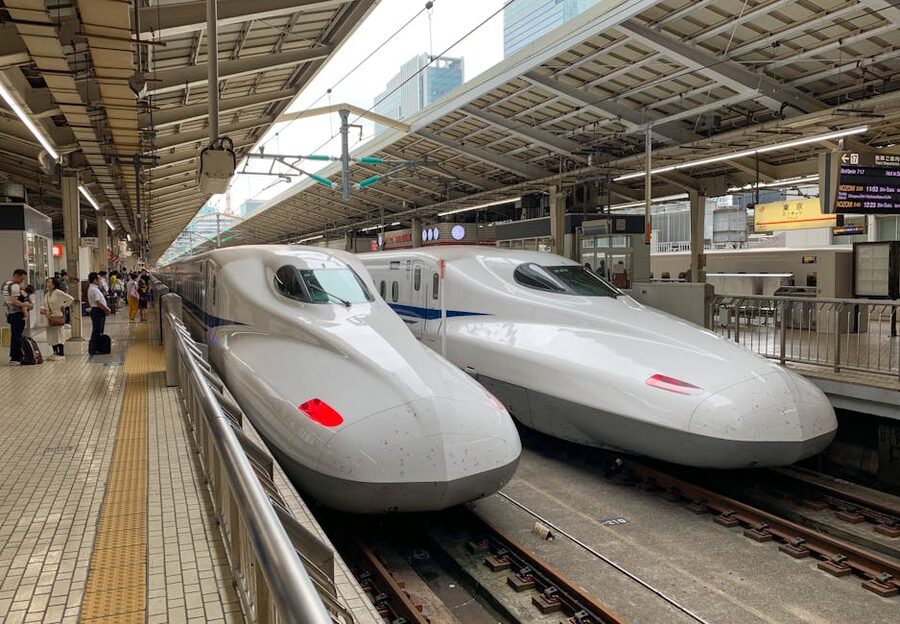
If you’re on a guided tour, this is handled for you — most depart from Shinjuku Station’s west exit or Hamamatsucho Bus Terminal. Just show up at the meeting point on time.
For independent travellers, here are your options:
To the Fuji side (Kawaguchiko):
The Fuji Excursion limited express train from Shinjuku runs in about 2 hours and costs around 4,500 yen (~$31) one way. It’s comfortable and scenic — on a clear day you’ll see Fuji from the train window for the last 30 minutes. The problem is tickets. They release about a month in advance on JR East, and popular dates sell out within minutes. Book through Klook for the best chance at snagging a seat, or use the JR East website (eki-net.com) directly.
Alternative: Highway buses from Shinjuku Expressway Bus Terminal (Busta Shinjuku) run every 30-60 minutes and cost about 2,200 yen (~$15). Takes about 2 hours but no seat reservation drama.
To the Hakone side:
The Odakyu Romancecar from Shinjuku to Hakone-Yumoto takes 85 minutes and costs about 2,330 yen (~$16). Once in Hakone, the Hakone Free Pass (around 6,100 yen / ~$42 from Shinjuku, or 5,000 yen / ~$34 from Odawara) covers the loop route: bus, ropeway, pirate ship cruise, and cable car. It’s valid for 2-3 days, so if you end up wanting to stay overnight, it still works.
Between Fuji and Hakone (independent):
This is the tricky part. There’s no direct train. You’ll need to take a bus from Kawaguchiko to Gotemba (about 50 minutes, 1,510 yen), then another bus from Gotemba to Hakone (about 30 minutes, 740 yen). Schedules don’t always connect well, especially outside peak season. This is honestly the biggest argument for just taking a tour if you want both.
Tips That Will Save You Time
Bring cash. Vending machines and some smaller shops around the Fuji Five Lakes area are cash-only. The ATM in the 7-Eleven near Kawaguchiko Station works with international cards. The one at the post office doesn’t always.
Eat before you leave Tokyo or pack food. Lunch options around the 5th Station are overpriced tourist-grade curry and noodles. The towns around the lakes have better options — houtou (flat noodle hot pot) is the local specialty in Kawaguchiko and it’s actually good. But most tour groups eat at set restaurants along the route, and the quality varies.
Layer aggressively. The temperature difference between Tokyo at 8am and the Fuji 5th Station at noon can be 10-15 degrees Celsius. I’ve seen travellers in t-shirts shivering at 2,300m altitude while the gift shop sells emergency fleeces for 5,000 yen. Don’t be that person.
Sit on the left side of the bus. On the highway from Tokyo, the left side gives you the first Fuji views as you approach. Guides usually mention this, but by then the good seats are taken.
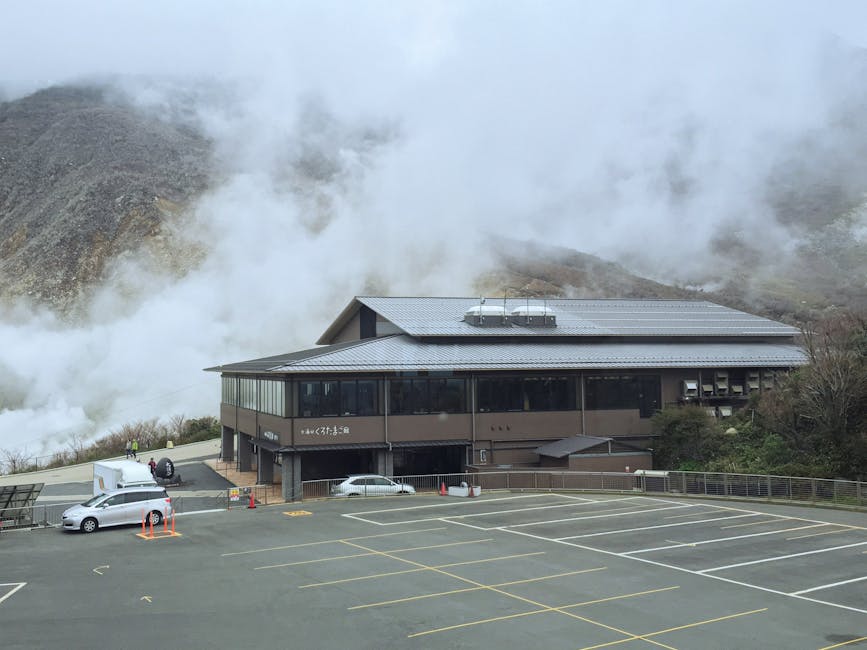
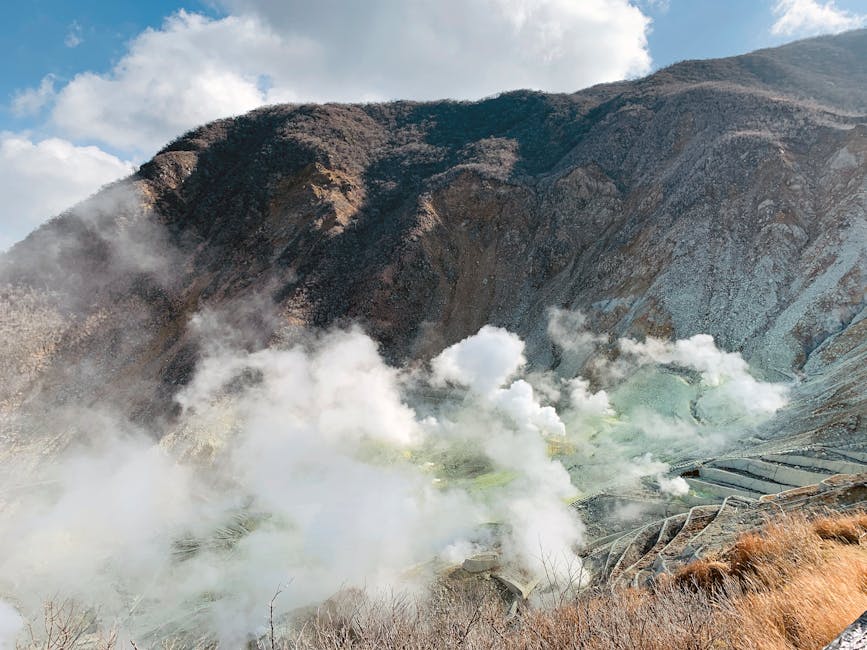
Check volcanic alerts for Owakudani. The Hakone Ropeway passes directly over Owakudani’s volcanic vents. When activity spikes (which happens periodically), they close the ropeway and sometimes the whole valley. Check the Hakone Ropeway website and the Japan Meteorological Agency’s volcanic alert page before booking a Hakone-specific tour.
Don’t waste time at Gotemba Outlets. Several tours include a stop at Gotemba Premium Outlets (a discount mall). It’s fine if you’re into outlet shopping, but it eats 60-90 minutes of daylight that could be spent at a lake or viewpoint. If your chosen tour includes it and you’d rather not, ask the guide if you can stay on the bus or walk to a nearby viewpoint instead. Some tours let you.
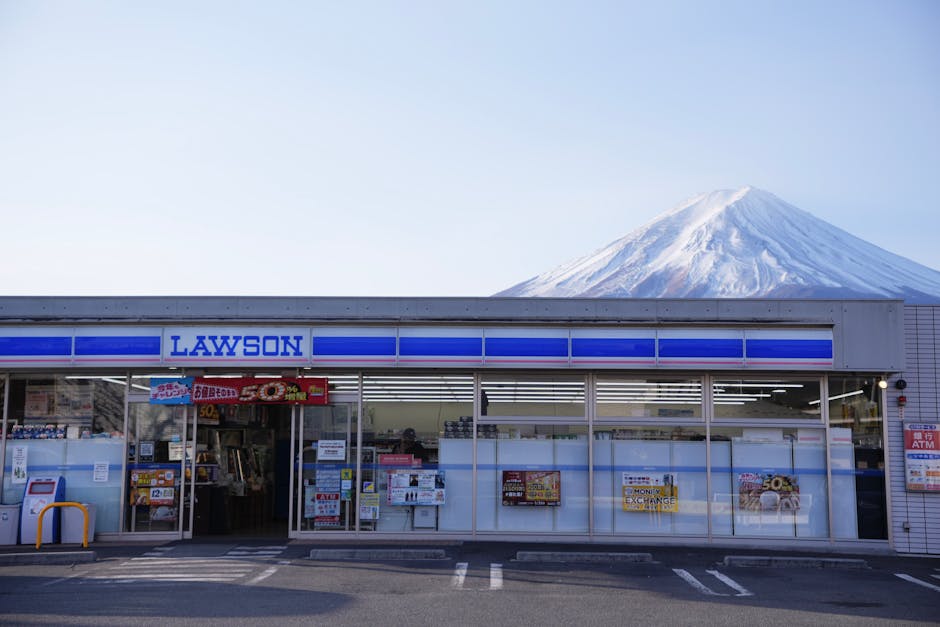
The Lawson photo spot has a barrier now. That famous Lawson convenience store with Fuji in the background (in Fujikawaguchiko) got so popular that authorities installed a black screen to block the view from the road. You can still get the shot from other angles, but the original viral spot is gone. Don’t plan your trip around it.
What You’ll Actually See
Mount Fuji 5th Station (2,305m) — This is the main stop on the Fuji side. You’re about halfway up the mountain, above the tree line, looking out over clouds if the weather cooperates. There’s a gift shop, a small shrine (Komitake Shrine), and some food stalls. On clear days, the views are staggering. On cloudy days, you’re basically standing in a cold car park in fog. The stop is usually 40-60 minutes, which is enough.
Lake Kawaguchiko — The largest and most accessible of the Fuji Five Lakes. The northern shore has the best Fuji views (the mountain is to the south, so you face it head-on). The Kawaguchiko Music Forest and natural hot spring foot baths along the shore are nice if you have free time. Most tours pass through but don’t always stop here — check your specific itinerary.
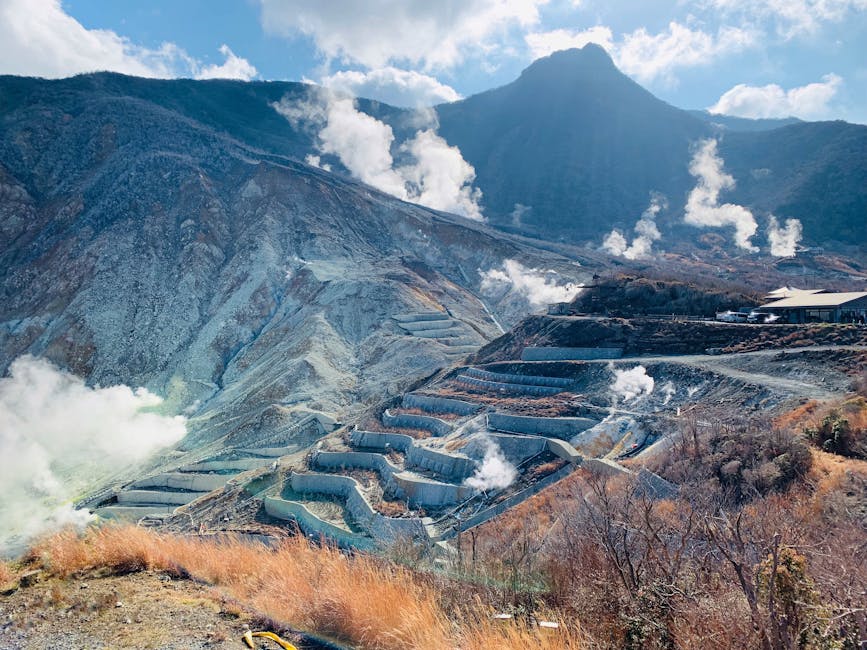
Owakudani Volcanic Valley — An active volcanic zone with fumaroles, sulfur vents, and the famous kuro-tamago (black eggs). The eggs are regular eggs boiled in volcanic hot spring water at 80 degrees Celsius — the shell turns black from the sulfur and iron. They taste like normal hard-boiled eggs. The legend says each one extends your life by 7 years, which is a fun marketing gimmick. Bags of 5 cost 500 yen. The valley itself is genuinely impressive — steaming vents, yellow sulfur deposits, and that unmistakable rotten-egg smell.
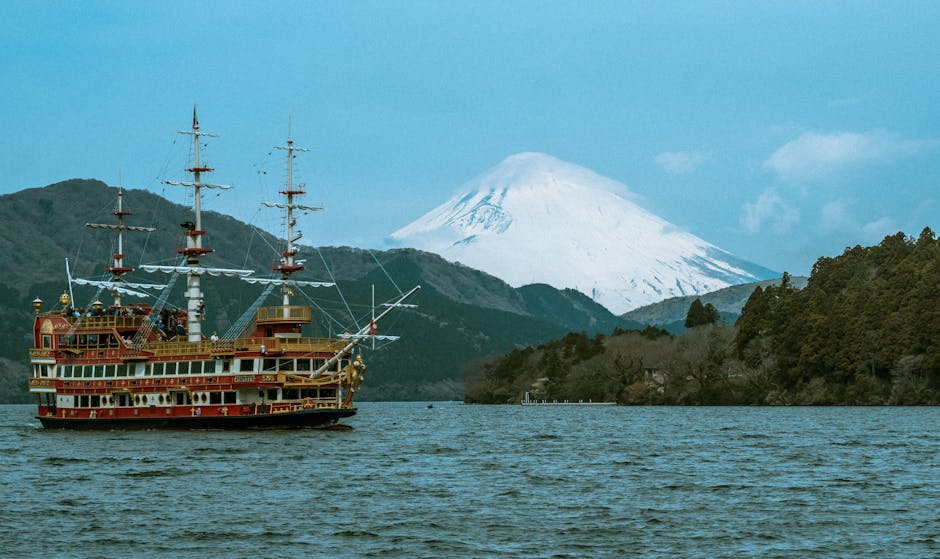
Lake Ashi Cruise — The pirate ship cruise is absurdly touristy and genuinely fun. The 30-minute ride crosses Lake Ashi with views of Hakone Shrine’s torii gate and, on clear days, Mount Fuji in the distance. The boats look like something out of a theme park, which is either charming or ridiculous depending on your mood. Either way, the views from the upper deck are excellent.
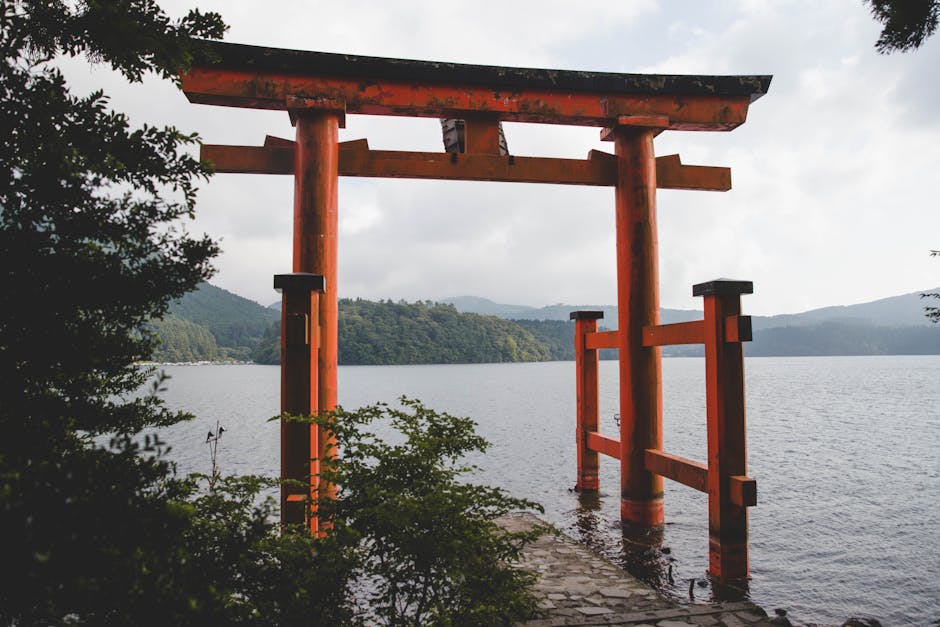
Hakone Shrine — A Shinto shrine tucked into cedar forest on the shore of Lake Ashi. The famous lakeside torii gate is the main photo spot. Get there early if you’re on your own — by mid-morning the queue for photos at the torii stretches back up the stone steps. Most tours include a 15-20 minute stop.
Hakone Ropeway — An aerial tramway (gondola) that runs from Sounzan to Togendai, passing directly over Owakudani. The views from the gondola are spectacular on clear days — you can see the volcanic vents below and Fuji in the distance. The ride takes about 30 minutes total with a change at Owakudani station.
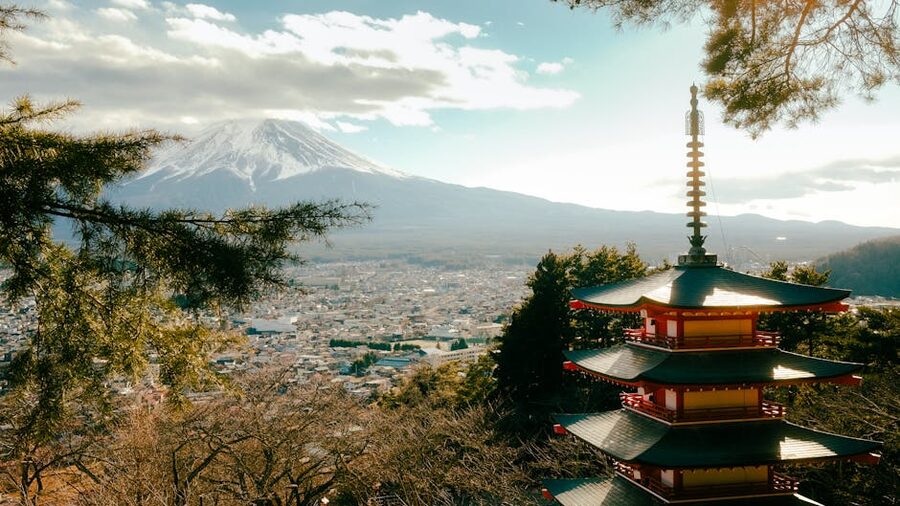
Chureito Pagoda — Not all tours include this (it’s on the Fuji side, near Shimoyoshida Station), but if yours does, it’s worth the 398 steps up. The five-story pagoda with Fuji behind it is one of the most iconic views in Japan. The best time is early morning or late afternoon for light. During cherry blossom season (late March-April) and autumn (November), the colours around the pagoda are unreal.
More Things to Do from Tokyo
If the Fuji-Hakone combination has you thinking about other day trips, Kamakura is reachable in a day and worth the time for the Great Buddha and coastal atmosphere, while Nikko has the insanely ornate Toshogu Shrine complex buried in cedar forest. Back in Tokyo, the street go-kart tours through Shibuya and Akihabara are the most ridiculous and fun thing I have done in Japan.
The teamLab Planets museum in Toyosu is worth a half-day, the Skytree observation deck gives you views you will never forget, and catching a live sumo show in the evening is something you genuinely cannot get anywhere else. For food, the Tsukiji fish market food tours run in the morning and make a great start to a Fuji day trip.
This article contains affiliate links to tours on GetYourGuide and Viator. If you book through these links, we earn a small commission at no extra cost to you. Tour prices, ratings, and availability are accurate at the time of writing and may change. We recommend checking current prices and reviews before booking.