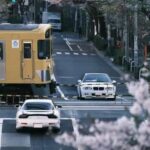
Tokyo after dark has its own soundtrack: turbo flutter, a VTEC engine climbing the revs, and tuned cars rolling through neon-lit tunnels. On this three- to four-hour ride-along, you take the passenger seat in a high-performance JDM car, then head to Daikoku PA to see what has gathered.
I like two things here: the chance to hear and feel a performance car from inside, and the stop at Daikoku, where the cars on show change from night to night. The trade-off is that the engine, car meet and driving conditions vary, so the exact spectacle cannot be guaranteed. This is a passenger experience, not a chance to drive.
- Engine sound, up close: The car may feature a 1JZ, RB25, EJ20, VTEC, VQ35, Lexus 2UR V8 or another setup, depending on the night and vehicle.
- Daikoku PA, in person: Spend about an hour at the famous parking area, where the meet’s size and mix of cars can change with weather and police activity.
- A-PIT Super Autobacs: Browse Japan’s well-known auto-parts shop for about 30 minutes. Shopping is optional and at your own expense.
- Tokyo night roads: The drive can include the Shuto Expressway and Bayshore Route, with tunnels and bridges along the way.
- Photo stop at Tokyo Tower: The itinerary allows about 10 minutes here. Digital photos are included, though the number and delivery details are not specified.
- A shared ride is possible: You may share the car with other passengers. Ask in advance if you want to arrange a private tour.
- A JDM ride, not a driving lesson
- The engine is part of the sightseeing
- A-PIT Super Autobacs: the warm-up stop
- Daikoku PA: the night’s main event
- Tunnels, bridges and Tokyo Tower
- Guides, cars and the feel of the group
- What gets you
- Practical details before you book
- Should you book the Tokyo Drift JDM tour?
- FAQ
- Do I need a driver’s license?
- How long does the tour last?
- What are the pickup locations?
- Where does the tour stop?
- How long do you spend at each stop?
- Is a specific car guaranteed?
- Is Daikoku PA guaranteed to be busy?
- Are fuel and expressway tolls included?
- What should I bring, and what should I leave behind?
- The Best Of Tokyo!
- More Tours in Tokyo
- More Tour Reviews in Tokyo
- Not for you? Here's more nearby things to do in Tokyo we have reviewed
A JDM ride, not a driving lesson
The central pleasure is being in the car as it works. You feel gear changes, acceleration and turbo spool from the passenger seat, while the driver takes you through Tokyo’s night roads. You do not need a driver’s license, and the guide is also your driver.
The advertised engine range is broad: 1JZ, RB25 and EJ20 turbo engines; VTEC; VQ35; Lexus 2UR V8; and even Mpower. That list describes the kinds of machines and sounds associated with the tour, not a promise that your particular car will feature every engine. The actual vehicle can vary. Past rides have included Nissan Skyline R33s and Toyota Crowns, so if you have your heart set on a specific model, ask before booking.
This distinction matters. The tour is best understood as a guided night cruise in a performance car, with engine sounds and car culture as the focus. It is not a track session, and no fixed speed or performance demonstration is guaranteed. Some drivers may take livelier stretches of road, but your comfort and the conditions on the night shape the ride.
You can check availability for your dates here: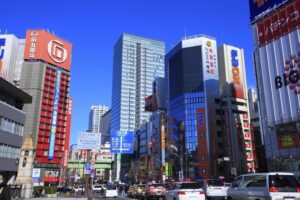
👉 See our pick of the 25 Best Guided Tours In Tokyo
The engine is part of the sightseeing
A regular city tour points out buildings and views. This one also asks you to listen. A turbocharged engine can flutter as pressure changes; VTEC has its own change in note as the engine revs; a tuned V8 brings a different, deeper sound. The guide may explain how engine design and tuning affect what you hear, though the amount of technical detail can vary.
The tunnels are a natural highlight. Their enclosed acoustics make intake and exhaust sounds more noticeable than they would be on an open road. You also get a sense of the car’s movement through acceleration and gear changes, not just a view of it parked at a meet.
Keep expectations sensible if engine mechanics are your main reason for booking. Some guides, including Asahi, are described as explaining the car and Tokyo’s tuning scene, while the depth of technical commentary can differ. If you want a detailed discussion of a particular engine, ask the guide when you meet rather than assuming the whole tour is a workshop.
You can also read our reviews of more tours and experiences in Tokyo.
A-PIT Super Autobacs: the warm-up stop
The first planned stop is A-PIT Super Autobacs, a Japanese car-parts and accessories shop. You have about 30 minutes to look around. It gives you a useful introduction to the products and add-ons that support the tuning culture you will see later at Daikoku.
You can browse without being a serious mechanic. The shop is also a good place to see how broad the car hobby can be, from practical accessories to performance-oriented parts. If you enjoy looking at specialist auto shops, this is more than a quick restroom break; if you are not interested in cars, it may feel like the least essential stop.
Purchases are not included in the $96 price. There is no need to budget for shopping unless something catches your eye. The stop is short enough that you should treat it as a look around, not a long browse.
Daikoku PA: the night’s main event
Daikoku Parking Area is the tour’s key destination. You spend about an hour there, with time to walk around and see the cars that have gathered. It is a working parking area as well as a meeting place for car enthusiasts, so the draw is its changing mix of vehicles rather than a staged display.
That unpredictability is part of the appeal. On a busy evening, you may find a broad selection of modified cars and recognizable JDM models. On a quieter night, there may be fewer cars. Weather and police activity can affect the meet, and weekday visits may have a different feel from weekends. Some people specifically recommend Saturday for a fuller scene, but no day guarantees a particular turnout.
A local guide can help make sense of what you are seeing, from older tuning styles to newer performance builds. You may also find yourself identifying cars by their sound as much as by their badges. For anyone with an interest in Skylines, modified Japanese cars or tuning culture, this stop gives the tour its strongest connection to the local scene.
Daikoku is not a museum with a fixed collection or set interpretation. Go for the chance to see what is there that night, and you will be better prepared for the variability. If the lot is quiet, the night drive and car itself still form a substantial part of the outing.
Tunnels, bridges and Tokyo Tower
The drive between stops is not filler. You travel on major Tokyo routes, including the Shuto Expressway and Bayshore Route, and the city’s tunnels and bridges provide a striking setting for the car. The exact route and traffic conditions can vary, but the ride is a central part of the activity rather than a shuttle between attractions.
The driving style is one factor to consider. Some people enjoy a spirited run through certain stretches; others may prefer a calmer ride. The driver is a professional local guide, and several descriptions of the tour emphasize feeling safe and comfortable, but you are still in a performance car on public roads. If you are sensitive to motion, speed or acceleration, this may not be the right night out.
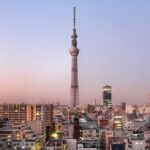
The final planned stop is Tokyo Tower, with about 10 minutes for photos. It is a brief pause, not a tower visit or a long sightseeing stop. Digital photos are included in the package, but the precise number, format and delivery timing are not specified. Bring your own camera if you want to take pictures throughout the evening.
Guides, cars and the feel of the group
The experience is led by local drivers who know the cars and the routes. Asahi, Jojo, Tom, Tommy and Elba are among the guides associated with tours, but you should not assume you can choose a particular person unless the operator confirms it. Guides may speak Chinese, English, Japanese, Korean, Mongolian or Traditional Chinese; check the available language for your departure.
Guide enthusiasm can shape the night. Asahi is often singled out for explaining the cars and tuning culture, while Jojo has been praised for friendly service and tailoring small touches to the group. One guide used an electronic translator to communicate. These examples suggest an approachable, personal outing, though your guide and style of commentary may differ.
Small groups are available, but you may share a vehicle with other passengers. One useful touch is that passengers may get a turn in the front passenger seat, though that is not stated as a guaranteed arrangement. If private space matters, ask about a private tour before you book.

What $96 gets you
At $96 per person, the price covers more than a ride. Fuel, expressway tolls, an English-speaking guide and driver, transportation in a high-performance JDM car, and digital photos are included. The central Tokyo drop-off can also be convenient, with Shibuya and Shinjuku among the areas named.
The value depends on how much you care about the car itself. If you are a JDM fan, the combination of a performance-car ride, the A-PIT stop and an hour at Daikoku gives you several different angles on the culture for a relatively compact evening. If you mainly want Tokyo landmarks, you can see Tokyo Tower more slowly and cheaply on your own, but you will miss the ride and the car meet.
Food is not included, and heavy meals or open drinks are not allowed in the vehicle. Shopping at A-PIT is extra, as are any optional paid attractions. The tour runs about three to four hours, so plan it as a substantial evening activity rather than a quick excursion.
Practical details before you book
Choose between pickup at the Weird Vending Machine Corner or Via Inn Akihabara, subject to availability. Drop-off options include those locations, and central Tokyo drop-offs such as Shibuya and Shinjuku may be available. Confirm the exact pickup and drop-off details for your booking.
Arrive 15 minutes early. The group cannot wait beyond 15 minutes for late arrivals, since the timing is planned around the car meet. Bring a camera, but leave luggage and large bags behind. Pets are not allowed, and no heavy meals or open drinks can be taken into the car.
The activity is not suitable for children under 10, pregnant women, or people with back problems, heart problems or motion sickness. Free cancellation is available up to 24 hours in advance, and you can reserve now and pay later. Check the starting times and language options when choosing a date.
Should you book the Tokyo Drift JDM tour?
Book it if the idea of hearing a tuned engine from the passenger seat sounds as appealing as seeing the cars at Daikoku. The best version of this night combines an engaged guide, a car you like, lively roads and a healthy meet. It is especially suited to JDM fans, car enthusiasts, and anyone who wants an unusual Tokyo evening with a strong local subculture at its center.
Think twice if you want a guaranteed lineup, a particular car, a long stop at Tokyo Tower, or a deep technical lesson. Daikoku is an organic meet, and the vehicle and commentary can vary. If you are comfortable with those limits, $96 buys a memorable mix of ride, car culture and nighttime city views. Before booking, confirm the car preference, private-tour options and photo details if any of those would make or break the experience for you.
Tokyo Drift: JDM Tour, Car Meet & Engine Sound Experience
FAQ
Do I need a driver’s license?
No. This is a ride-along experience, and a professional local guide drives the car.
How long does the tour last?
Plan on three to four hours. Starting times vary, so check availability for your chosen date.
What are the pickup locations?
The two listed pickup options are the Weird Vending Machine Corner and Via Inn Akihabara. Check the available details for your booking.
Where does the tour stop?
The planned stops are A-PIT Super Autobacs, Daikoku Parking Area and Tokyo Tower.
How long do you spend at each stop?
The planned visits are about 30 minutes at A-PIT Super Autobacs, one hour at Daikoku PA and 10 minutes at Tokyo Tower.
Is a specific car guaranteed?
No specific model is guaranteed in the provided tour details. The car and engine can vary, so ask the provider if you have a particular preference.
Is Daikoku PA guaranteed to be busy?
No. The number and variety of cars can change with the weather and police activity.
Are fuel and expressway tolls included?
Yes. Fuel and expressway tolls for routes including the Shuto Expressway and Bayshore Route are included.
What should I bring, and what should I leave behind?
Bring a camera. Pets, luggage and large bags are not allowed, and heavy meals or open drinks are not allowed inside the vehicles.
You can check availability for your dates here: