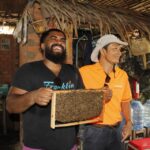
Vietnamese coffee is more than a strong pour with condensed milk. At this small workshop in a Ho Chi Minh City home, you learn the phin filter method and make five styles, from Hanoi egg coffee to Hue salted cream coffee. I like that you do the brewing yourself, and that host Van, also called Joseph, shares the setting with his family rather than moving the lesson to a tourist café.
I also like the recipe gift: it gives you a practical way to recreate the drinks after your trip, when the memory of that first sweet, slow-dripped cup starts calling. The main consideration is that the advertised duration varies from 45 minutes to about two hours, and the exact number of coffees you prepare may vary by session. Check the current time and format when booking.
- The best reasons to go
- Starting at Van’s home on Nguyễn Đình Chiểu
- Learning the phin, one slow drip at a time
- Five cups, five different personalities
- Stories that make the tasting more useful
- What the two-hour visit looks like
- Is good value?
- Who will enjoy the workshop most
- A few practical details before you book
- Should you book it?
- FAQ
- Where does the workshop meet?
- How long does the workshop last?
- How many coffees are included?
- Do I get to make the coffee myself?
- Are ingredients and equipment included?
- What language is the instruction in?
- Is transportation included?
- Are snacks or a meal included?
- Is the workshop suitable for young children?
- Can I cancel for a refund?
- The Best Of Ho Chi Minh City!
- More City Tours in Ho Chi Minh City
- More Tours in Ho Chi Minh City
- More Tour Reviews in Ho Chi Minh City
- Not for you? Here's more nearby things to do in Ho Chi Minh City we have reviewed
The best reasons to go
- Five regional styles: Explore egg coffee, coconut coffee, salted coffee, black coffee, and milk coffee.
- Hands-on phin brewing: Make coffee yourself with step-by-step help, rather than just watching a demonstration.
- A family home setting: Meet Van and his family in a residential neighborhood, in a small, informal group.
- Coffee with context: Learn about beans, brewing, and the stories attached to different styles.
- Recipes to take home: Bring back instructions for making the drinks again.
- A low-cost tasting class: At $6 per person, the price is modest for a guided activity with ingredients and five tastings included.

👉 See our pick of the 25 Best Shopping Tours In Ho Chi Minh City
Starting at Van’s home on Nguyễn Đình Chiểu
The meeting point is 416 Nguyễn Đình Chiểu in the Bàn Cờ area of Ho Chi Minh City, at Vườn Chuối Home. You meet your host there and return to the same address after the workshop, so the activity does not include a city tour or transport between stops. You will need to arrange your own ride to and from the home.
This is a residential neighborhood, not a café-lined tourist stop. That changes the feel of the visit: you are welcomed into a family space and seated for a small-group lesson, rather than joining a large class at a commercial venue. The home setting is a central part of the experience, but it also means you should arrive ready to follow the host’s directions and treat the space as someone’s home.
Van is called Joseph or Joseph Van by some participants, so you may see either name. The consistent impression is of a warm, attentive host who explains the process in English and gives people time to ask questions. His wife also helps with the workshop. Some sessions are especially small, even just one or two participants, though the exact group size can vary.
You can also read our reviews of more city tours in Ho Chi Minh City


Learning the phin, one slow drip at a time
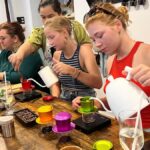
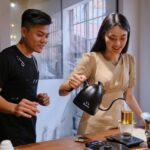
The traditional phin is a compact metal filter that sits over a cup. The method is simple to understand, but the details matter: you need to prepare the grounds, add hot water, and give the coffee time to drip. Van guides you through the process and explains what you are doing as you go.
That hands-on approach is useful well beyond the class. Instead of leaving with only a tasting memory, you learn a repeatable way to make Vietnamese coffee at home. The workshop includes the coffee ingredients and brewing setup, so you do not need to bring equipment or prior experience.
Expect the pace to be relaxed. Coffee does not hurry through a phin, and the waiting is part of the ritual. It leaves room to talk about the beans, compare the drinks, and ask about how coffee fits into everyday life in Vietnam. If you are used to an espresso machine and a quick takeaway, this slower method is a pleasant change of tempo.
Five cups, five different personalities
The workshop is built around five well-known Vietnamese coffee styles. You are introduced to what distinguishes each one, then brew and taste them with guidance. The drinks are not simply five versions of the same sweet coffee: their ingredients and regional associations give each a different character.
Cà Phê Trứng, or egg coffee, is associated here with Hanoi. It pairs coffee with an egg-based topping, making it one of the workshop’s more distinctive cups. If you have never tried it, this is a good place to meet the style with someone there to explain how it is prepared.
Cà Phê Dừa, coconut coffee, is linked with the Mekong region. Coconut gives this drink a different profile from the classic coffee-and-milk combination. Cà Phê Muối, salted cream coffee, is associated with Hue, where the salty topping brings contrast to the coffee. These regional labels give you a useful map of Vietnamese coffee styles without turning the session into a lecture.
The other two are Cà Phê Đen, strong black coffee, and Cà Phê Sữa, the familiar coffee with milk. They provide a helpful comparison: one lets you focus on the coffee itself, while the other shows the sweet, creamy style many people first connect with Vietnam.
The activity is presented as a five-coffee experience, but accounts of individual sessions describe making different numbers of drinks. If you are keen to prepare all five yourself, confirm what your booked session includes. Either way, the point is to learn the methods and taste the styles, not to race through a fixed flight of cups.
Stories that make the tasting more useful
A good coffee class should do more than hand you a recipe. Here, Van talks about coffee in Vietnam, the beans used, and the histories and traditions attached to the drinks. Some sessions include an introduction to Arabica and Robusta, which helps explain why the beans and preparations can produce different results.
The cultural context is practical rather than abstract. You can ask about the coffee you are making while you make it, and you are in a home where conversation can carry on naturally. That makes the workshop a good fit if you enjoy learning through questions and small details, such as how a particular drink is assembled or why a regional style has its own name.
The setting can also make the experience feel personal. People have described chatting with the host and family, getting local suggestions, and sometimes sharing extra time together. These moments are not a guaranteed part of the schedule, so treat them as a possible bonus, not something you are paying for by the minute. The core activity is the guided coffee lesson.
More Great Tours NearbyWhat the two-hour visit looks like
The listed itinerary is straightforward: meet at 416 Nguyễn Đình Chiểu, take part in the coffee workshop at Vườn Chuối Home, then return to the same address. The workshop itself is listed as about two hours, although available durations range from 45 minutes to two hours. Check the specific time slot so you can plan around meals, onward transport, or another activity.
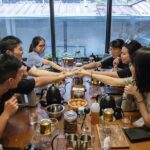
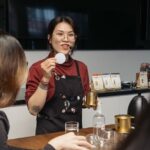
At the home, the host introduces the session and sets out the coffee ingredients and equipment. You learn about the styles and brewing method, then make and taste coffee with help along the way. The small-group format gives you a better chance to ask questions or get guidance than a large demonstration would.
Local snacks appear in the activity description, but the included items specifically listed are the coffee ingredients, phin experience, host guidance, cultural explanations, and small-group instruction. Food or drinks not listed are not included. If snacks matter to you, ask what is planned for your session rather than assuming they are part of every booking.
There is no separate sightseeing stop or transfer. That is a strength if you want a focused activity, but a limitation if you are hoping to combine coffee tasting with a walking tour of the city. You can build the workshop into a day of your own, but make your own transport arrangements.
You can also read our reviews of more tours and experiences in Ho Chi Minh City


Is $6 good value?
At $6 per person, this is an unusually inexpensive way to spend time with a local host and learn a practical skill. The price covers five coffee tastings, the ingredients, the brewing experience, and instruction in a small-group setting. You also receive the five recipes, which give the activity value after you leave Vietnam.
The value is strongest if you enjoy coffee or local food traditions and want to take part rather than simply observe. You come away with a better sense of how the drinks differ, how the phin works, and what to try when you order coffee elsewhere in the country. It can also be a welcome pause from the city’s busy streets: the workshop is seated, contained, and conversational.
It is less compelling if you want a café crawl, a professional barista certification, or a long list of city sights. The activity is a home-based introduction, not an advanced technical course or a full meal. You are paying for the host’s time, tastings, and a personal setting, not transport or an all-day program.
Who will enjoy the workshop most
This experience suits coffee fans who want to understand Vietnamese preparations instead of just sampling them. It is also a good option if you are curious about daily life and prefer a small group to a polished, large-scale attraction. You do not need to be an expert: the host guides you through the steps, and the variety gives newcomers plenty to compare.
Even people who do not usually drink coffee may find something to enjoy. The different styles offer more than one route into the tasting, and one participant who was not a regular coffee drinker found the preparations appealing. Still, the focus is coffee, so it is not the right choice if you dislike tasting it or have no interest in brewing.
The activity is not suitable for children under five or people over 95, according to its stated restrictions. The instruction is in English, and a small group is available. If English is not your first language, the practical demonstrations may help, though one participant found a translation app useful when conversation became difficult.
A few practical details before you book
The meeting point is 416 Nguyễn Đình Chiểu, Bàn Cờ, Ho Chi Minh City. Transportation to and from the address is not included, and personal expenses or unlisted food and drinks are extra. Allow time to get there, since the workshop begins at the home rather than at a central tour office.
The stated duration ranges from 45 minutes to two hours, while the full workshop is described as about two hours. Starting times depend on availability. If you have a tight schedule, check the actual duration and time before confirming. You can cancel up to 24 hours in advance for a full refund, and the reserve-now, pay-later option lets you hold a place without paying immediately.
The host’s welcoming manner and clear instruction are among the strongest reasons to choose this activity. The family home, the chance to make the drinks yourself, and the included recipes all help distinguish it from a quick tasting at a café. Just keep your expectations grounded: the exact flow can vary, and this is a small local class, not a standardized production.
Should you book it?
I would book this workshop if you want a personal, low-cost introduction to Vietnamese coffee and enjoy learning by doing. The phin lesson, five styles, and home setting make it a worthwhile counterpoint to sightseeing, while the recipe gift gives you something useful to take home.
Skip it if you want a café tour, transport included, or a guaranteed long class with a fixed number of hands-on preparations. For most curious coffee drinkers, though, this is an easy way to spend a couple of hours well. Confirm the duration and the number of coffees you will prepare, then arrive ready to slow down and let the filter do its work.
Ho Chi Minh City: Vietnamese Coffee Workshop in a Local Home
FAQ
Where does the workshop meet?
It starts at 416 Nguyễn Đình Chiểu, Bàn Cờ, Ho Chi Minh City, at Vườn Chuối Home. You return to the same address at the end.
How long does the workshop last?
The stated duration ranges from 45 minutes to two hours. The workshop is also described as lasting about two hours, so check the time shown for your session.
How many coffees are included?
The workshop is described as including five iconic Vietnamese coffees: egg, coconut, salted cream, black, and milk coffee. The number you prepare yourself can vary by session, so confirm the format if that matters to you.
Do I get to make the coffee myself?
Yes. You learn the traditional phin filter method and prepare coffee with step-by-step guidance from the host.
Are ingredients and equipment included?
The coffee ingredients for the tastings and the traditional phin filter brewing experience are included.
What language is the instruction in?
The instructor speaks English, and English is the listed workshop language.
Is transportation included?
No. You arrange your own transportation to and from the meeting point.
Are snacks or a meal included?
Local snacks are mentioned in the activity details, but the included items list does not specify food beyond the coffee ingredients. Food or drinks not listed are not included, so ask the host what is planned.
Is the workshop suitable for young children?
It is listed as not suitable for children under five.
Can I cancel for a refund?
Yes. You can cancel up to 24 hours in advance for a full refund.
You can check availability for your dates here: