SHIBUYA SKY gives you a 360-degree look at Tokyo from 229 meters above one of the city’s most recognizable crossings. On a clear day, the view reaches from Shinjuku and Yoyogi Park to Tokyo Bay, Tokyo Skytree, and Mount Fuji.
I like two things in particular: the route takes you through three distinct spaces, not just to a viewing platform, and the open-air rooftop makes the city feel close and immediate. The Sky Edge photo spot and Cloud Hammock add a little fun without distracting from the view.
The main catch is that the best-known sunset time slots sell out early, and the rooftop can close in poor weather. Crowds, wind, and cold can also affect how long you want to stay outside.
- Three zones, one visit: Ride through Sky Gate, explore the indoor Sky Gallery, then head up to the open-air Sky Stage.
- A high-up view of Shibuya: Look down toward Shibuya Crossing and out to major Tokyo sights from 229 meters.
- Sunset slots are popular: Book early if you want to watch the city shift from daylight to evening lights.
- Rooftop rules are strict: Bags, hats, food, drinks, tripods, selfie sticks, and headphones cannot go onto Sky Stage.
- Weather changes the plan: Strong winds, heat, or other bad conditions can close the rooftop while the indoor corridor stays open.
- A modest extra with your ticket: Admission includes a 10% discount on food or drinks at Paradise Lounge.
- A city view with Shibuya at your feet
- Sky Gate makes the ascent part of the visit
- Sky Gallery adds an indoor option
- Sky Stage is the main event
- Choose your time for the view you want
- What the ticket costs, and what it covers
- Getting there and practical details
- Who will get the most from SHIBUYA SKY
- Should you book SHIBUYA SKY?
- FAQ
- How long should I allow for SHIBUYA SKY?
- What are the opening hours?
- How do I get to the entrance?
- When should I book for sunset?
- What should I bring to enter?
- Can I bring a bag or selfie stick onto the rooftop?
- What happens if bad weather closes the rooftop?
- Can I change my ticket date or time?
- The Best Of Tokyo!
- More Tickets in Tokyo
- More Tours in Tokyo
- More Tour Reviews in Tokyo
- Not for you? Here's more nearby things to do in Tokyo we have reviewed
A city view with Shibuya at your feet
 1 / 6
 2 / 6
 3 / 6
 4 / 6
 5 / 6
 6 / 6
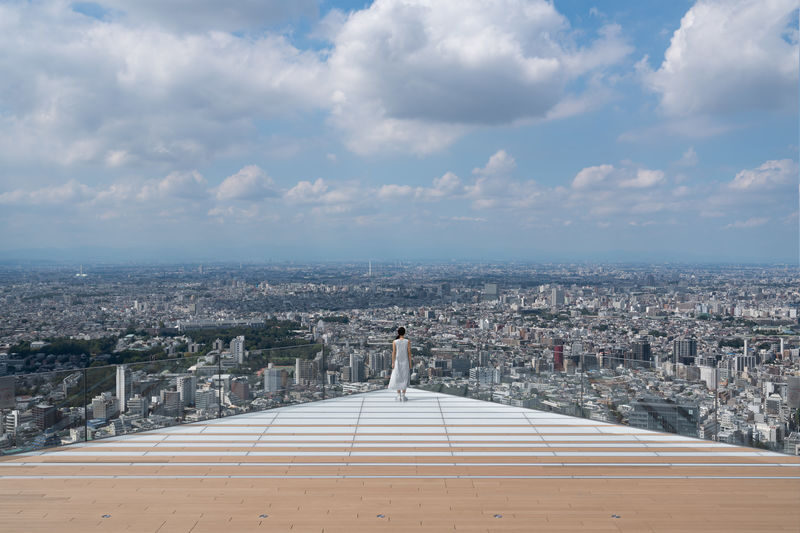
From above, Shibuya is more than a famous crossing. The streets, rail lines, and dense blocks around the station become part of a much wider picture of Tokyo. SHIBUYA SKY is on top of Shibuya Scramble Square, directly connected to Shibuya Station, so you can step from the city’s transport hub into an elevated viewpoint without making a separate trip across town.
At 229 meters, the observatory offers a broad view rather than a close-up of one landmark. You can pick out the Shinjuku skyline, Yoyogi Park, Tokyo Bay, and Tokyo Skytree. If the air is clear, Mount Fuji may appear in the distance. That last view is never guaranteed, so treat it as a welcome bonus, not the whole reason to book.
For a first visit to Tokyo, I like the way this vantage point helps you get a sense of the city’s scale and layout. You can see how the compact blocks around Shibuya sit within a much larger urban spread. If you already know Tokyo well, the appeal is different: familiar places take on a new shape from above.

👉 See our pick of the 25 Best Guided Tours In Tokyo
Sky Gate makes the ascent part of the visit
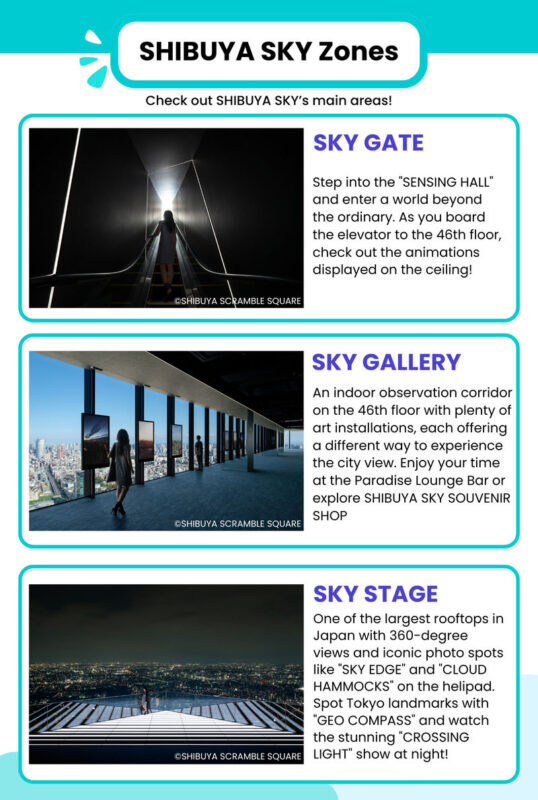
The experience begins on the way up. Sky Gate is the route through the building to the observatory, including the Sensing Hall and its moving escalator experience. It is not just a lift ride to a platform; lighting and digital art help mark the transition from street level to the sky.
This opening stretch sets up the three-part visit. You pass through Sky Gate, enter Sky Gallery, and then continue to Sky Stage if conditions allow. The sequence gives you a reason to look around before you reach the main view, though anyone coming solely for the rooftop may see the interior displays as a brief prelude.
The entrance is on the 14th floor of Shibuya Scramble Square. Follow the signs from Shibuya Station and allow time to find your way through a busy, connected station and building. Arrive within 20 minutes of your booked entry time. Entry outside the assigned window may not be allowed, and one visitor reported being charged extra after arriving late, so don’t cut it close.
You can also read our reviews of more tours and experiences in Tokyo


Sky Gallery adds an indoor option
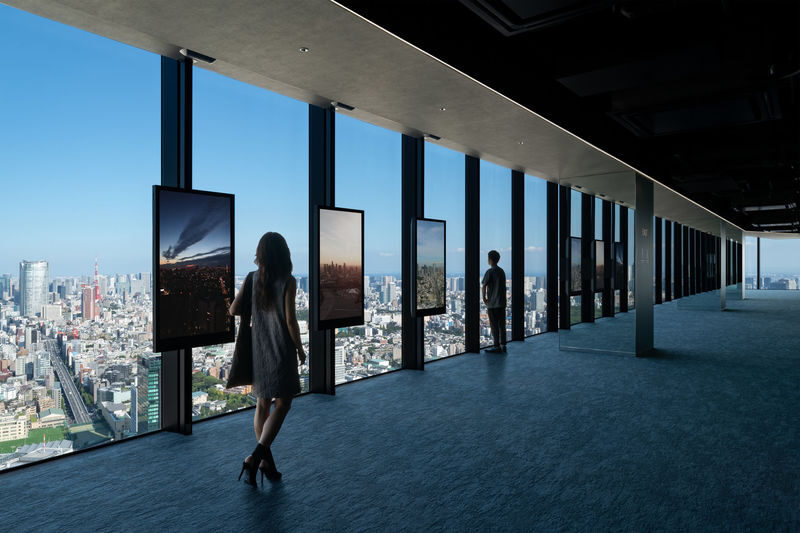
Sky Gallery is the indoor observatory area on the 46th floor. Its installations include Time River, Parallel Windows, and Data Scape, along with a Geo Compass to help identify sights around you. At night, the Crossing Light show adds a display of light to the visit.
The indoor space matters for more than its art. It gives you a place to pause if the roof is chilly or windy, and the views remain part of the experience even when weather makes the outdoor deck uncomfortable. If the roof closes because of conditions, the indoor corridor on the 46th floor remains open.
There is a trade-off: reflections on glass can make photographs tricky. If taking pictures is important to you, try different angles and be patient rather than assuming every view through a window will make a clean shot. The rooftop is the better place for an unobstructed-feeling outdoor perspective, when it is open.
Sky Stage is the main event
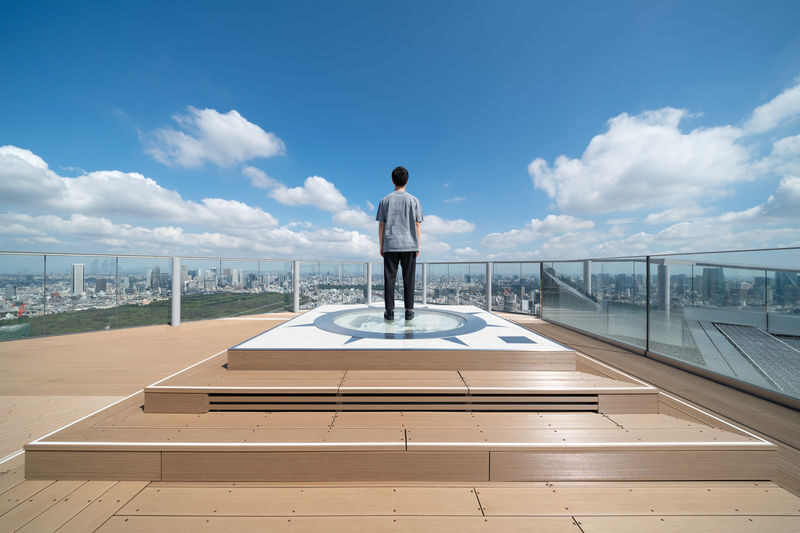
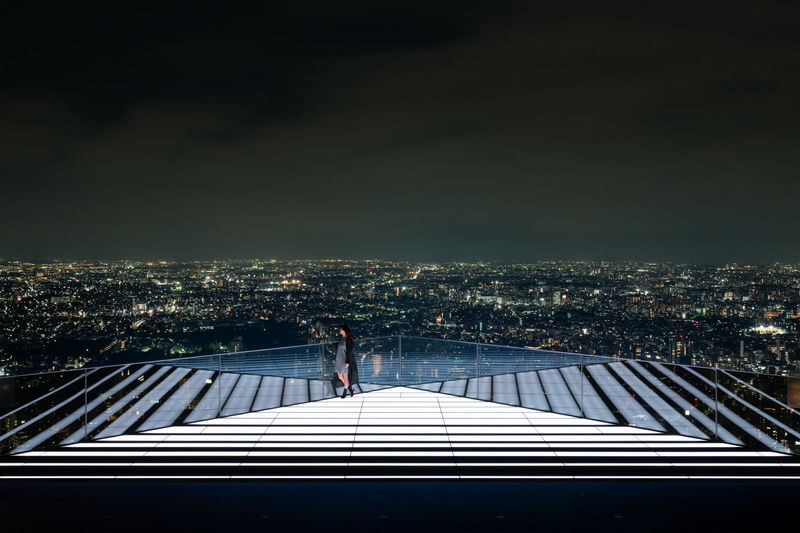
Sky Stage is the open-air rooftop, and it is the reason many people choose SHIBUYA SKY. The view spreads in every direction, with Shibuya Crossing below and Tokyo’s skyline stretching out beyond it. On a clear day, you have the best chance of spotting distant landmarks, including Mount Fuji.
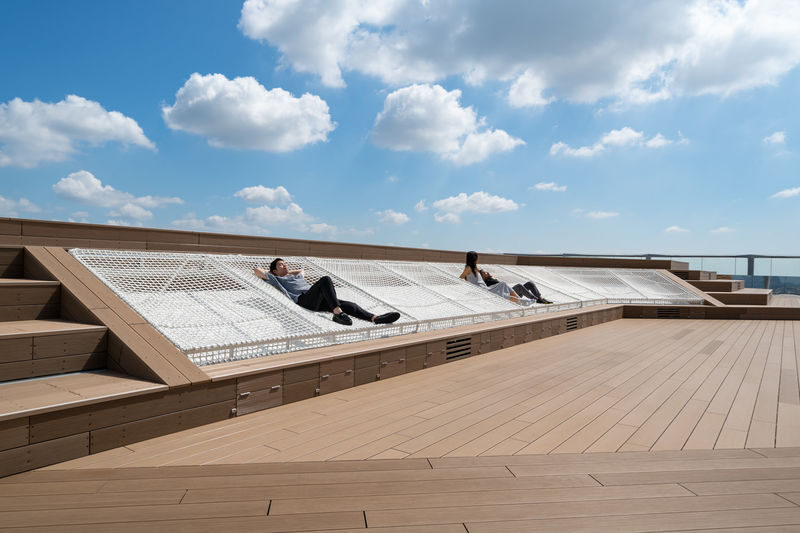
Sky Edge is a signature photo stop, while Cloud Hammock offers a place to pause and look up at the sky. These features make the rooftop more than a perimeter walk, but they also draw people to particular spots. At popular times, expect others to be waiting for photos and give them room to take their turn.
The open-air setting has a real cost in comfort. Strong wind can make the roof feel cold, even when the city below seems mild. Hats, caps, knit hats, headphones, earphones, bags, food, drinks, tripods, monopods, and selfie sticks are among the items not allowed on the rooftop. Secure loose belongings before going up, and use the venue’s storage options if needed. Staff can advise on storage availability and rates.
Choose your time for the view you want
Sunset is the most sought-after time because you can watch Tokyo change from daylight to dusk and then to a field of city lights. A useful strategy is to book roughly an hour before sunset, leaving time to see the skyline in more than one light. Sunset shifts with the season, from around 4:30 p.m. in December to close to 7 p.m. in June and July.
That strategy has a downside: the popular late-afternoon slots can sell out quickly. Tickets are released from midnight Japan time two weeks before the visit date, and advance booking is sensible if sunset matters to you. The venue also sells tickets at the counter, but walk-up availability is limited and a preferred time may be gone.
If you cannot get a sunset slot, don’t assume the visit is a poor substitute. A night visit gives you the illuminated city and a striking look at Shibuya after dark. Daytime is a good choice if you want to identify distant features or prefer brighter, clearer views. In every case, weather matters more than the clock. Clouds and rain can hide the skyline, while wind or heat can close the rooftop.
Plan on about one to two hours, though you can spend longer if you want to stay through sunset and nightfall. One visitor booked a mid-afternoon entry and stayed until after sunset, which shows the value of an earlier slot when you want both views. Check the day’s opening hours and rooftop status before setting out.
What the ticket costs, and what it covers
Admission starts at $17.09, with the exact price depending on the date and ticket availability. For a central Tokyo attraction that combines indoor displays, an outdoor rooftop, and a wide city view, that is a reasonable use of your sightseeing budget if the weather cooperates and you value the view.
The ticket covers admission to the observatory deck, not transport, meals, drinks, or personal expenses. It also includes a 10% discount on food or drinks at Paradise Lounge. That helps with a refreshment stop, but it is not a meal package, and the discount is a modest extra rather than a reason on its own to book.
A confirmed ticket is time-specific and valid only for the selected date and time. You can present the mobile voucher and may be asked for your passport. Make sure the name on the booking matches your passport; identity checks may be conducted, and a mismatch can mean denied entry without a refund. Changes to date or time are not allowed directly. You would need to cancel and rebook, subject to availability and the applicable terms.
There is a limited weather-related refund rule. If Sky Stage closes unexpectedly during your entry time and all tickets in the booking are unused, contact Klook Customer Service by 11:59 p.m. Japan time that day to request a full refund. The indoor corridor may remain open, so decide whether you still want to enter before using any ticket.





Getting there and practical details
SHIBUYA SKY is directly connected to Shibuya Station. From the station, use the underground exit B6 or follow the connections from the JR and Tokyo Metro lines, then take the SHIBUYA SKY elevator to the 14th-floor entrance. The station and building are large, so leave a little extra time to navigate.
The venue is open daily from 10 a.m. to 10:30 p.m., with last entry at 9:20 p.m. Hours can vary, the observatory closes on New Year’s Day, and temporary weather closures are possible. Check the official schedule and rooftop status on the day you visit.
Staff carry out baggage checks. Storage areas are available, and you can ask staff about rates. The venue has stairs and escalators; visitors who need a priority elevator, including wheelchair users and people with baby carriages, can ask a staff member for help. The activity is listed as wheelchair- and stroller-accessible, but strollers cannot go onto the rooftop.
Children aged zero to five enter free, including six-year-olds who have not yet started elementary school. Tickets for children aged six to eleven, including elementary-school students who are twelve, are sold only at the ticket counter on the 14th floor and require a paying adult. A student ID or passport is required for that purchase. Visitors with disabilities and one companion can buy an adult ticket in advance, then present the original disability certificate at entry for a partial refund.
Who will get the most from SHIBUYA SKY
This is a strong choice if you want a memorable view near the center of Tokyo, especially if you are visiting for the first time and want a broad sense of the city. The rooftop makes it feel different from looking through a window in a tall building, and the indoor displays give you something to explore before and after heading outside.
It is less ideal if you dislike crowds around photo spots, prefer a quiet observatory, or are mainly looking for a guaranteed clear view. The best sunset slots are busy, and weather can blunt the main attraction. If the sky is cloudy, the indoor gallery and light displays still offer something to see, but they cannot replace a distant skyline.
Should you book SHIBUYA SKY?
I’d book it if the forecast looks promising and you can secure a time that suits your plans. Aim for roughly an hour before sunset if you want the full change from daylight to city lights, or choose a night slot if the illuminated view is your priority. Reserve early, arrive on time, and leave rooftop-restricted items in storage.
Skip it if you are unwilling to pay for a view that weather might obscure, or if crowds and photo stops would spoil the experience for you. For most first-time visits, though, the combination of Shibuya below, Tokyo in every direction, and an open-air rooftop makes this a worthwhile stop.
SHIBUYA SKY Ticket
“Purchasing Shibuya Sky ticket on Klook has been a smooth and easy experience! Worth purchasing online.”
FAQ
How long should I allow for SHIBUYA SKY?
Plan on one to two hours. You can stay longer if you want to see the view change from day to night.
What are the opening hours?
The listed hours are 10 a.m. to 10:30 p.m., with last entry at 9:20 p.m. Hours can vary, and the observatory is closed on New Year’s Day, so check the official schedule before visiting.
How do I get to the entrance?
SHIBUYA SKY is directly connected to Shibuya Station. Use underground exit B6 or follow the station connections, then take the SHIBUYA SKY elevator to the 14th-floor entrance.
When should I book for sunset?
Book roughly an hour before sunset if you want time to see daylight, dusk, and the city lights. Sunset times vary by season, and these slots are popular, so book early.
What should I bring to enter?
Present your mobile voucher and passport. Your booking name should match your passport, as you may be asked to show identification.
Can I bring a bag or selfie stick onto the rooftop?
No. Bags, tripods, monopods, selfie sticks, headphones, hats, food, and drinks are among the items not allowed on Sky Stage. Storage areas are available at the venue; ask staff about rates.
What happens if bad weather closes the rooftop?
The rooftop can close because of strong winds, high temperatures, or other adverse conditions. The indoor corridor on the 46th floor remains open. If the rooftop closes during your entry time and every ticket in your booking is unused, contact Klook Customer Service by 11:59 p.m. Japan time that day to request a full refund.
Can I change my ticket date or time?
No direct changes are allowed. You need to cancel the original booking and make a new one, subject to availability and the applicable cancellation terms.