Making chopsticks by hand is a welcome change from Tokyo’s usual shopping and sightseeing routine. In this one-hour Shinjuku workshop, you choose wood, shape it with hand tools, sand it smooth, and oil the grain. The result is a useful souvenir you made yourself, not one pulled from a shop shelf.
I like two things in particular: you do the real hands-on work, with staff guiding rather than taking over, and the choice of woods lets you make a pair that feels personal. The friendly English-speaking instructors, including guides named Abrar, Rin, Eily, and Nonoka, also make the process easy to follow.
One thing to budget for: the advertised price starts at $6, but premium wood and name engraving cost extra. The studio can also be busy and noisy when several groups are working at once, so this is not the quietest craft class in town.
- What makes this Shinjuku workshop worth an hour
- A craft workshop in the middle of Shinjuku
- Choosing wood: the first decision
- Shaping and sanding your chopsticks
- Oiling the wood and adding Kanji
- The souvenir you take home
- Who will enjoy the class most
- A few practical points before you book
- Should you book the Shinjuku chopstick workshop?
- FAQ
- How long does the chopstick-making workshop last?
- What does the basic workshop include?
- Is premium wood included in the price?
- Does the price include Kanji engraving?
- Can I take my chopsticks home the same day?
- Do I need experience making things by hand?
- What languages do the instructors speak?
- Is the workshop suitable for families and groups?
- The Best Of Tokyo!
- More Workshops & Classes in Tokyo
- More Tours in Tokyo
- More Tour Reviews in Tokyo
- Not for you? Here's more nearby things to do in Tokyo we have reviewed
What makes this Shinjuku workshop worth an hour
- Choose wood for its character: More than 10 types are available, with different colors, grains, textures, and weights. The basic price may cover a smaller selection, so check the upgrade options before choosing.
- Make the chopsticks yourself: You shape, sand, and oil the wood with staff guidance. You do not need prior craft experience.
- Add a personal touch: Optional Kanji engraving can turn your name into Japanese characters using the studio’s Kanji dictionary.
- Take home a same-day souvenir: Your finished chopsticks are ready to bring with you, rather than being shipped later.
- Enjoy a practical break in Shinjuku: The studio offers views of the area, and the one-hour session gives you a chance to sit down between sightseeing stops.
- Bring the family or a group: Children, teenagers, couples, and solo participants can take part. The studio accepts group bookings for up to 60 people.

👉 See our pick of the 25 Best Guided Tours In Tokyo
A craft workshop in the middle of Shinjuku
Shinjuku is often a place to shop, eat, or change trains. This class offers a more tactile way to spend time there. For an hour, you trade screens and store displays for wood, hand tools, and a small project you can use at home.
The setting is part of the appeal. You work in a welcoming studio with views over Shinjuku, and English-speaking staff explain the process as you go. The venue is wheelchair accessible, and instruction is available in English and Japanese.
The class works well as a planned pause in a busy day. One participant described it as a comfortable place to sit after spending hours on their feet, with air conditioning and a calm studio atmosphere. That calm can depend on the session, though: when several groups are in the room, the space may feel noisy.
You can also read our reviews of more tours and experiences in Tokyo

Choosing wood: the first decision
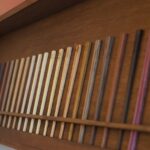
The activity starts with a look at the available woods. There are more than 10 types in the studio’s broader selection, each with its own color, grain, texture, weight, and feel. Staff can explain the differences and help you choose, but the choice is yours.
This first step is more than picking a color. Wood affects how the finished chopsticks look and feel in your hand, so take a moment to compare the options. A participant particularly liked padauk for its appearance, while others were pleased with the sets they made from the standard choices.
Keep the pricing distinction in mind. The basic workshop includes standard wood, but premium woods are optional upgrades. One participant found the upgrade prices of around 4,000 to 7,000 yen substantial, while another noted that the standard package offered three wood choices. Since the available basic selection and add-on prices can shape the final cost, ask what is included before you commit to an upgrade.
Shaping and sanding your chopsticks
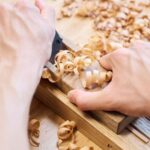
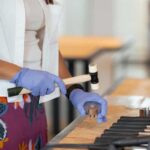
Once you have chosen your wood, you begin shaping it step by step. The work includes using a hand plane, sanding the surface, and smoothing the chopsticks into a usable pair. Staff demonstrate the techniques and help you along the way.
This is the heart of the class. You are not simply watching a craftsperson make something for you. You do the work with your own hands, while an instructor keeps the steps clear and manageable for beginners. That balance makes the session suitable even if you have never worked with wood.
Allow yourself to work at a comfortable pace. Participants have described the guidance as clear and unhurried, including during busy sessions. If you are visiting with children or teenagers, the hands-on format gives everyone a task, though the instructor is there to guide the process rather than turn it into a free-for-all with tools.
Oiling the wood and adding Kanji
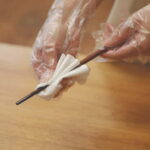
After shaping and sanding, you apply oil to bring out the wood’s natural color and grain. It is a small step, but it helps the finished pair look polished and feel smooth. The transformation is satisfying: the wood’s character becomes more visible as the surface takes on its sheen.
You can also add custom name engraving, an optional service with an additional fee. The studio uses its own Kanji dictionary to help represent your name in Japanese characters. You can watch the engraving, which makes the personalization part of the visit rather than a detail handled out of sight.
If engraving matters to you, confirm its cost before booking or choosing your wood. The basic workshop includes the chopsticks, tools, materials, and staff guidance, but engraving is not included in the base price. You can still leave with a personal souvenir without it; the handmade pair already carries the mark of your choices and effort.
More Great Tours NearbyThe souvenir you take home
Your chopsticks are ready to take home the same day. That makes this a useful choice if you want a craft activity without waiting for a finished item to arrive later. You can use them during the rest of your trip, then bring them home as a reminder of time spent in Tokyo.
I like that the souvenir is practical. It is not a fragile ornament that needs careful packing or another object to dust. You will know which wood you chose and how the shape came together, which gives the finished pair a story beyond its appearance.
The standard price includes the handmade chopsticks, and you can choose to spend more on premium wood or engraving. At the listed starting price of $6, the base experience appears to be strong value for a guided, hands-on hour. Just treat that figure as an entry point, not a promise that every wood and personalization option is included.






Who will enjoy the class most
This is a good fit if you want a short cultural activity that does not require previous skill or a full day out. Solo visitors can focus on their own project, while couples and friends can compare wood choices and make matching or personalized pairs. Families with children can share the activity, and participants have brought children as young as eight.
It also suits anyone looking for an indoor option on a rainy day. The studio is close to a station, and one family found it convenient to combine chopstick making with other activities in the same building. Kintsugi and Japanese calligraphy are also offered there, though those are separate activities.
Large parties are possible, with group bookings for up to 60 people. That capacity is useful for organized groups, but a large session may feel less quiet than a small class. If you prefer a calm, intimate workshop, consider asking about the group size at your preferred time.
A few practical points before you book
The session lasts about one hour, with starting times depending on availability. That makes it easy to fit between other Shinjuku plans, but allow a little flexibility if you want time to compare woods or add engraving.
The workshop is taught in English and Japanese. English-speaking instructors named in the class include Abrar, Rin, Eily, Nonoka, Sunny, and Rafa. The particular instructor varies, but the activity is set up for people who are new to the craft.
Booking is flexible: you can reserve now and pay later, and cancellation up to 24 hours in advance qualifies for a full refund. The activity is wheelchair accessible. Check the wood and engraving costs before you arrive if you have a firm budget, and remember that the studio also sells Japanese souvenirs if you want to browse.
Should you book the Shinjuku chopstick workshop?
Book it if you want an approachable, hands-on activity and a souvenir you can use. The strongest reasons to go are the genuine making process, the choice of wood, and the chance to personalize your work. Staff guidance makes it accessible to beginners, and the short duration is a practical fit for a packed Tokyo itinerary.
Skip it if you are mainly seeking a quiet, in-depth woodworking course or expect every add-on to be included in the starting price. The room can get noisy when several groups share it, and premium wood and engraving raise the cost. For most visitors who want a memorable hour in Shinjuku, though, the basic workshop offers a pleasing mix of craft, culture, and a keepsake made by your own hands.
Tokyo: Shinjuku Chopstick Making Workshop
FAQ
How long does the chopstick-making workshop last?
The workshop lasts about one hour.
What does the basic workshop include?
It includes the chopstick-making workshop, standard wood, tools and materials, staff guidance, and the handmade chopsticks to take home.
Is premium wood included in the price?
No. Premium wood is an optional upgrade and costs extra. More than 10 wood types are available in the studio’s broader selection.
Does the price include Kanji engraving?
No. Engraving is optional and costs extra. The studio uses a Kanji dictionary to help turn your name into Japanese characters.
Can I take my chopsticks home the same day?
Yes. Your finished chopsticks are ready to take home at the end of the workshop.
Do I need experience making things by hand?
No previous crafting experience is required. Staff guide you through shaping, sanding, and oiling the wood.
What languages do the instructors speak?
Instruction is available in English and Japanese.
Is the workshop suitable for families and groups?
Yes. The activity is suitable for families, couples, friends, and solo participants, and group bookings are accepted for up to 60 people.
You can check availability for your dates here: