Zanzibar’s spice story makes the best introduction to this full-day outing: you see cloves, cinnamon, turmeric, and other crops growing, then use your nose and taste buds to understand why the island earned its Spice Island name. I like that the farm visit is hands-on, and that the itinerary connects it with both Prison Island and Stone Town rather than treating each place as a separate trip.
I also like the contrast between the stops: a working farm, an island nature trail, and the narrow streets and markets of Zanzibar’s old capital. One practical caution: lunch is not included in the price, despite the description of a traditional farm meal, and snorkeling equipment may not be available as promised. Bring snacks and confirm the gear before you go.
- The spice farm is a sensory visit: See, smell, touch, and taste crops such as clove, lemongrass, vanilla, and black pepper.
- Prison Island has more than tortoises: A boat ride brings you to a nature trail, peacocks, and the Aldabra giant tortoise sanctuary.
- Stone Town rounds out the day: Expect historic sites, former slave-market areas, daily markets, narrow lanes, and time for shopping.
- The tour starts at 9:30: Hotel pickup and drop-off, a guide, boat ride, and entry fee are included.
- Plan for food and snorkeling: Lunch is not included, and the availability of snorkeling gear should be checked ahead of time.
- Begin with Zanzibar’s spice-growing traditions
- Taste the farm, but bring something to eat
- Take the boat to Prison Island
- Walk Stone Town’s lanes and markets
- Is 0 a fair price for the day?
- Who should book this Zanzibar day tour?
- FAQ
- What time does the tour start?
- Is lunch included in the 0 price?
- Is snorkeling equipment provided?
- What is included in the price?
- Which languages are available?
- Will I see giant tortoises on Prison Island?
- Can I reserve now and pay later?
- The Best Of Zanzibar City!
- More Tours in Zanzibar City
- More Tour Reviews in Zanzibar City
- Not for you? Here's more nearby things to do in Zanzibar City we have reviewed
Begin with Zanzibar’s spice-growing traditions
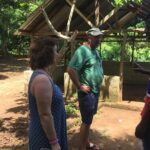
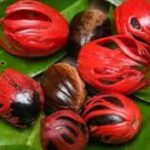
The day starts with hotel pickup at 9:30 a.m. and a drive to an organic spice farm. This is a walking visit, not a look at neatly labeled jars in a shop. You see how spices, herbs, and fruit grow, and your guide explains how the crops are cultivated and used.
Zanzibar became one of the world’s major producers of cloves, nutmeg, and cinnamon. Portuguese traders introduced spices and herbs to the island in the 16th century, bringing them from colonies in South America and India. That background gives the farm visit useful context: the plants are not just pleasant aromas, they help explain the island’s place in regional and global trade.
Expect to encounter a broad range of crops, depending on what is growing at the time of your visit. The tour names clove, lemongrass, nutmeg, cinnamon, turmeric, vanilla, chili, black pepper, cardamom, and cassava, along with coconuts, papaya, jackfruit, and oranges. Seasonal fruit tasting makes the visit more than a lesson in spice names. You can compare scents, tastes, and uses while the plants are in front of you.
I like this part for its simple, direct way of teaching. A guide can point out a plant, let you handle or smell it, and explain how it is used. That makes the details easier to remember than a string of facts delivered indoors. It is also a good stop if you want to understand why Zanzibar’s identity is so closely tied to spices.
Hussein is a guide associated with this route, and the tour is offered in English, Spanish, Italian, German, and French. A guide’s ability to answer questions and adjust the time spent at each stop can shape the day, especially at the farm, where you may want to linger over particular plants. Guide assignments can vary, so do not assume Hussein will lead your departure.
You can check availability for your dates here: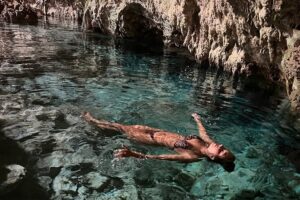
👉 See our pick of the 25 Best Tours In Zanzibar City
Taste the farm, but bring something to eat
A traditional Swahili lunch at the farm is described as part of the day’s experience, with dishes showing ways spices are used. However, lunch is listed as not included in the $100 price. That distinction matters: you should not count on a meal being covered, or assume that a meal described in the itinerary will be served without an extra charge.
There is also a practical warning from someone who found the day long without a proper meal break. I would pack snacks and water, then ask the operator before departure whether lunch is available, what it costs, and when there will be time to eat. This is especially useful if you have dietary needs, since no meal options are specified.
The farm itself is a natural place to pause, but the tour moves on to an island visit and a city walk afterward. A small snack can help you stay comfortable through those later stops without relying on an uncertain meal arrangement.
You can also read our reviews of more tours and experiences in Zanzibar City.


Take the boat to Prison Island
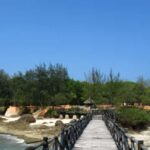
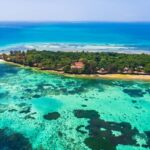
From the farm, the tour heads by boat to Prison Island, also known as Changuu Island. The island visit combines a nature trail with time to see the Aldabra giant tortoises. They are not native to Zanzibar, but they have become one of the island’s main attractions. Some are more than 100 years old, and the oldest is said to be 200.
These are very large animals, with an average weight of about 200 kilograms. Seeing them at close range gives the stop its main appeal, particularly if you are interested in wildlife or traveling with children. Peacocks are also among the animals named on the island, and the tortoises can be found resting around the beach shrubs.
The island’s former residents and its past give the visit a historical element as well as a natural one. The tour includes a nature trail, though the exact length of time on the island is not specified. If you are expecting a long, detailed history talk, ask your guide what the visit will cover. The available information focuses more on the island’s past and wildlife than on a precise account of its former use.
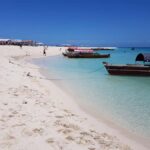
Snorkeling is presented as a possible activity in the clear water, with coral reefs as the draw. The tour lists a mask, flippers, and life jacket as included gear. Yet availability has not always matched that promise, so check with the operator before setting your expectations. If the gear is missing, you may still be able to swim, but you should not count on snorkeling unless the equipment is confirmed.
The boat ride and entry fee are included in the price. That makes the island portion easier to budget for, but it does not mean every optional activity or piece of equipment is assured on the day. A quick confirmation about snorkeling gear is sensible, especially if seeing the reefs is a major reason you are booking.
Walk Stone Town’s lanes and markets
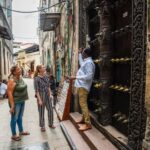
After Prison Island, the route returns to Stone Town for a city tour. Zanzibar’s historic capital is a UNESCO World Heritage Site, designated in 2000, and its architecture and culture reflect Arabian, Indian, Persian, and European influences. The tour is a chance to connect those broad historical currents with the streets and sites around you.
Expect to see historic places, former slave-market areas, daily markets, and narrow streets, with time for shopping later in the visit. Stone Town is not just a backdrop for photographs. Its lanes and market life show how the old city still functions, and the walk can help you notice the mix of cultural influences in its buildings and public spaces.
The city tour is described broadly, rather than as a fixed list of monuments. That gives the guide room to respond to the group, but it also means you should not assume that a particular museum, market stall, or historic building is guaranteed. If there is a specific site you most want to see, tell your guide early and ask whether it fits the route.
Stone Town is a fitting final stop after the farm and island. The farm explains the crops that helped shape Zanzibar’s trade; the city gives you a sense of the people and cultures that shaped its urban life. You can finish with a little shopping, but keep in mind that the day already includes several distinct stops and a fair amount of walking.
Is $100 a fair price for the day?
At $100 per person, this is a broad sampler rather than a specialist tour. The price includes hotel pickup and drop-off, a guide, the boat ride, an entry fee, and snorkeling equipment as listed. It links three of Zanzibar’s best-known experiences in one day, which can be good value if you want a guided overview and do not have time to arrange separate trips.
The value depends partly on what happens with lunch and snorkeling. Lunch is explicitly excluded from the price, so allow for extra food costs. The snorkeling equipment is listed as included, but because availability can be uncertain, verify it before booking if that activity is important to you.
There is no stated group size or total duration, so I would not assume a private tour or a particular end time. The 9:30 pickup is useful for planning your morning, but ask the operator how long the day usually runs and how much time is allotted to each stop. A guide who can adjust the pace may make the experience more satisfying, especially if you want extra time at the farm or in Stone Town.
This tour makes the most sense if you want variety in a single outing: plants and fruit in the morning, tortoises and island scenery next, then a walk through the old city. It is less suitable if your main aim is a long snorkeling session, an unhurried exploration of Stone Town, or a meal-inclusive day. Each stop is an introduction, not an in-depth visit.
More Great Tours NearbyWho should book this Zanzibar day tour?
Book it if you want a practical first look at several sides of Zanzibar and value having transport, a guide, and the boat ride arranged together. The spice farm is likely to be the most memorable stop for anyone who enjoys food, plants, or local agriculture. Prison Island adds wildlife, while Stone Town provides a historical and cultural close to the day.
Families and first-time visitors may appreciate the variety, though the amount of walking and the lack of a confirmed lunch plan are worth considering. If you have a particular interest in history or snorkeling, ask what time and attention those parts receive before booking. The 24-hour cancellation option and reserve-now, pay-later arrangement offer some flexibility, but they do not resolve the practical questions about meals or equipment.
My call: this is a good choice for a full-day overview, provided you bring snacks and check the snorkeling arrangements. If you want depth at just one site, you may be happier booking a focused farm, island, or Stone Town visit instead.


Zanzibar: Spice Tour, Prison Island and Stone Town Tour
FAQ
What time does the tour start?
Hotel pickup is scheduled for 9:30 a.m., after breakfast.
Is lunch included in the $100 price?
No. Lunch is listed as not included, even though a traditional Swahili meal at the farm is described as part of the experience. Confirm the meal arrangements before you go.
Is snorkeling equipment provided?
A mask, flippers, and life jacket are listed as included. Equipment may not always be available, so confirm with the operator if snorkeling is important to you.
What is included in the price?
Hotel pickup and drop-off, a tour guide, a boat ride, an entry fee, and snorkeling gear are listed as included.
Which languages are available?
The tour is offered in English, Spanish, Italian, German, and French.
Will I see giant tortoises on Prison Island?
The Aldabra giant tortoise sanctuary is a main attraction on Prison Island. The tortoises are not native to Zanzibar, and some are more than 100 years old.
Can I reserve now and pay later?
Yes. The tour offers a reserve-now, pay-later option, and cancellation up to 24 hours in advance is listed as eligible for a full refund.
You can check availability for your dates here: