
Where in Japan can you row a boat into a canyon where the sun goddess is said to have once hidden, eat lunch near a still-active volcano, and ride a vintage rail-cart through rice fields on the same day?
One place. Takachiho. It’s in the interior of Kyushu — Japan’s southwesternmost main island — and it’s the kind of day trip most Tokyo itineraries never include, simply because it’s far from the usual route. The tour buses out of Fukuoka have been quietly running for years. The boat ride through Takachiho Gorge sells out on weekends by 10am.
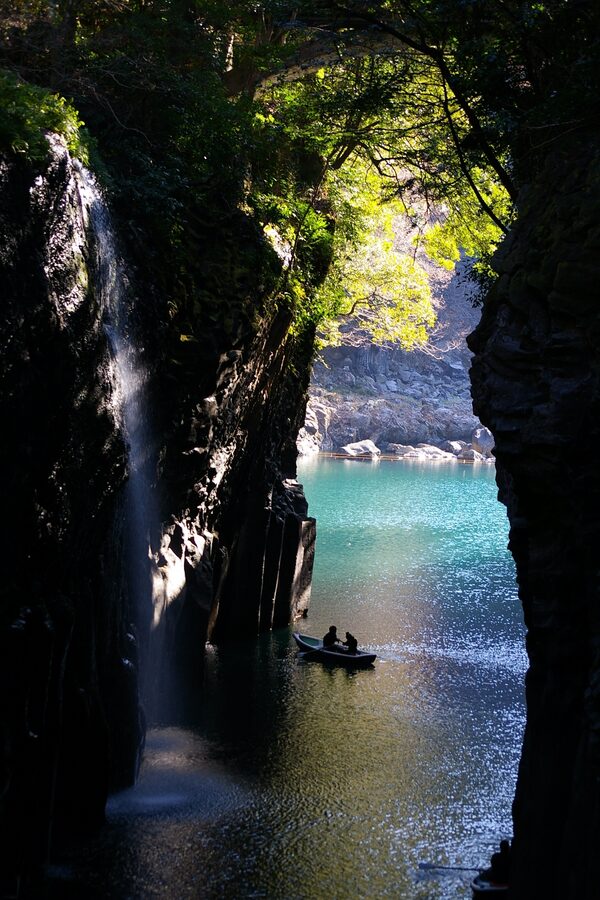
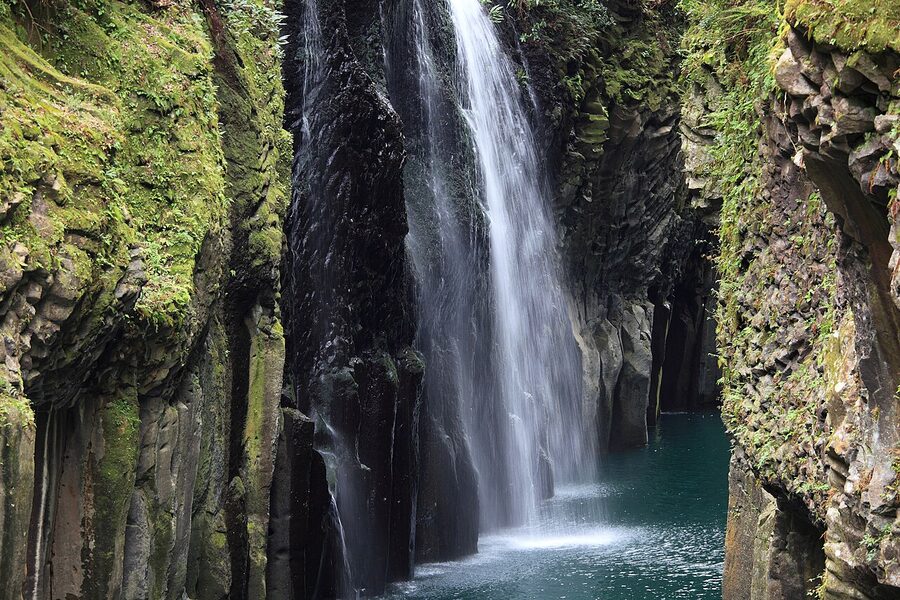
The full-day tours from Fukuoka do Takachiho Gorge, Amano Iwato Shrine (the supposed cave of the sun goddess), optional boat rides, and sometimes a pit stop at Mt. Aso or Miyazaki. It’s about 3 hours each way by bus. Long day. Worth every kilometre.
Short on time? Here are my top picks:
Best all-rounder: From Fukuoka: Takachiho Gorge & Railway Tour with Boat — the most-booked Takachiho day trip. Covers the gorge, optional boat, and the Amaterasu open-air rail-cart experience.
Best shrines + scenery combo: From Fukuoka: Miyazaki, Takachiho Gorge and Shrines — adds Miyazaki coastal sights + sacred Shinto shrines to the standard gorge itinerary. More driving but more cultural depth.
Best for volcano lovers: Mt. Aso & Takachiho Gorge Tour with Optional Boat Ride — swaps one of the shrine stops for Mt. Aso’s active caldera. Geology vs mythology; pick the one that excites you.
- What Is Takachiho, Actually?
- The 3 Best Fukuoka-Based Takachiho Tours
- 1. From Fukuoka: Takachiho Gorge & Railway Tour with Boat —
- 2. From Fukuoka: Miyazaki, Takachiho Gorge and Shrines —
- 3. Mt. Aso & Takachiho Gorge Tour with Optional Boat Ride —
- The Boat Ride — What Actually Happens
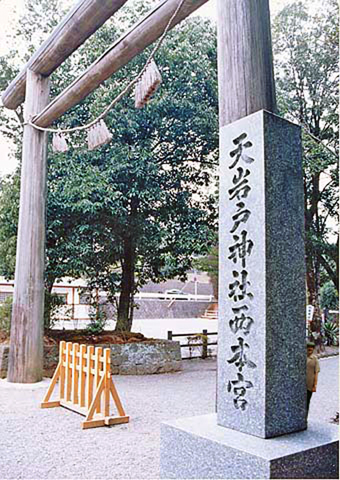
- Amano Iwato Shrine — The Cave of the Sun Goddess
- Yokagura — If You Stay for the Night Dance
- The Amaterasu Railway — A Train That Isn’t a Train
- Getting There: Fukuoka Is the Hub
- Mt. Aso — The Volcano Behind the Scenery
- What to Pack, What to Expect
- Best Time to Visit
- More Japan Experiences
What Is Takachiho, Actually?
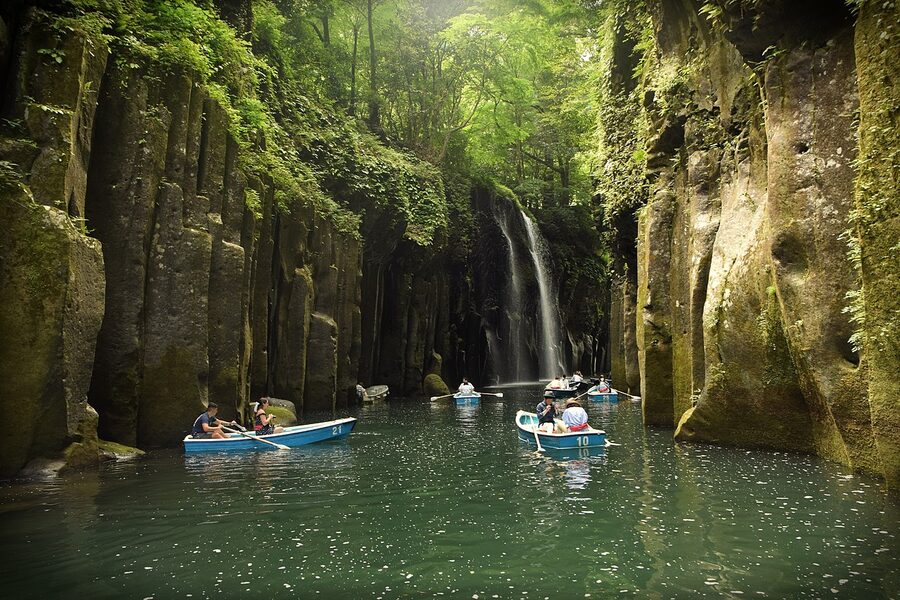
Takachiho is a small town in Miyazaki Prefecture, tucked into the mountains of central Kyushu. Population about 11,000. The town’s entire tourism economy rests on two things: a spectacular volcanic gorge carved by the Gokase River, and its role in Japanese creation mythology.
The geology came first. About 100,000 years ago, Mt. Aso — the massive active volcano 30km to the north — erupted so violently that pyroclastic flows reached this area. The basalt rock cooled into columns. The river eventually carved through it. The result is a canyon about 7 kilometres long, with walls 80-100 metres high in sections, narrow enough in places that you can almost touch both cliffs from a rowboat.
The mythology came later. Shinto belief holds that Ninigi-no-Mikoto — grandson of the sun goddess Amaterasu — descended from the heavens to Takachiho Peak to found the Japanese imperial line. This makes Takachiho, literally, the birthplace of Japan as Shinto understands it. Two of the town’s major shrines mark the mythological sites. Whether you take the myth seriously or treat it as a fascinating cultural layer, the shrines themselves are worth the visit.
The 3 Best Fukuoka-Based Takachiho Tours
1. From Fukuoka: Takachiho Gorge & Railway Tour with Boat — $45
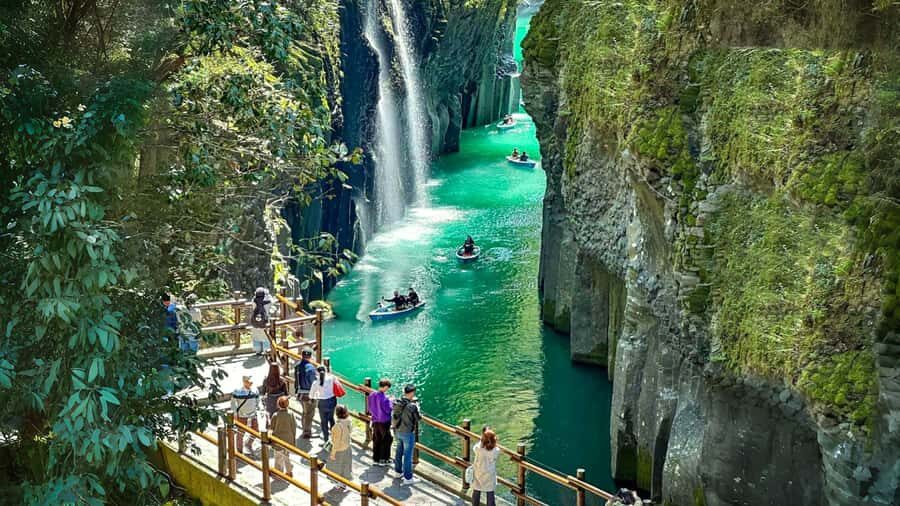
This is the standard Takachiho day and the reason it’s the top booked option is density — you get the three most memorable Takachiho experiences stacked into one day. The boat ride through the gorge (about 30 minutes on water) is the star; bookings fill fast and are sometimes wind-dependent. The Amaterasu open-air rail-cart is a mini “tourist train” that runs along an abandoned JR line through fields and rice terraces. Lunch is usually a simple bento or local chicken dish. Bus is air-conditioned with a guide who speaks English. Long day — 6am departure, back around 9pm. Our full review covers the schedule and boat logistics.
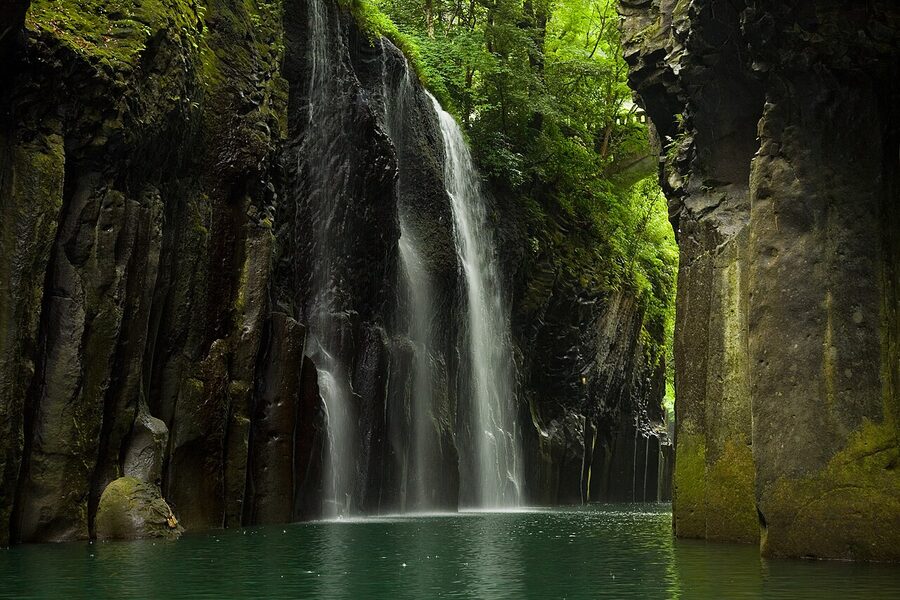
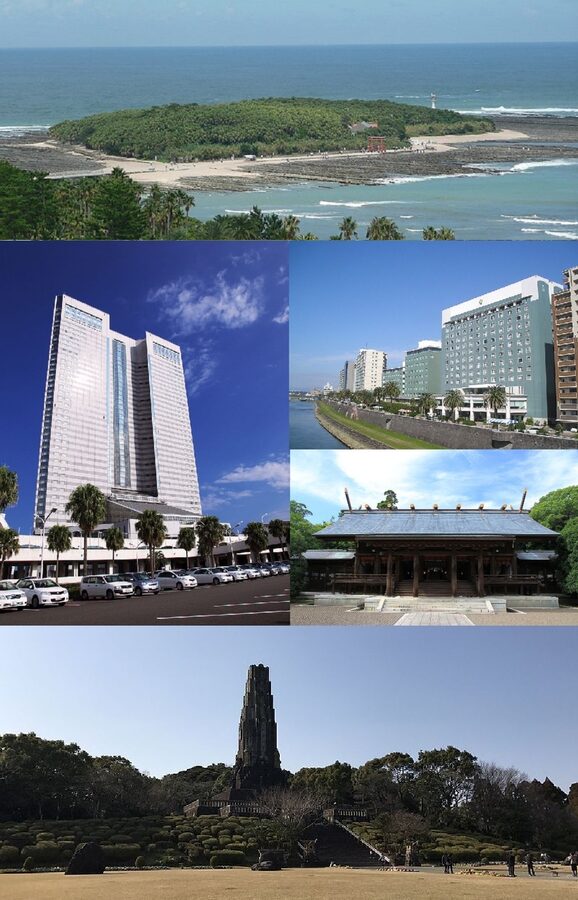
2. From Fukuoka: Miyazaki, Takachiho Gorge and Shrines — $50
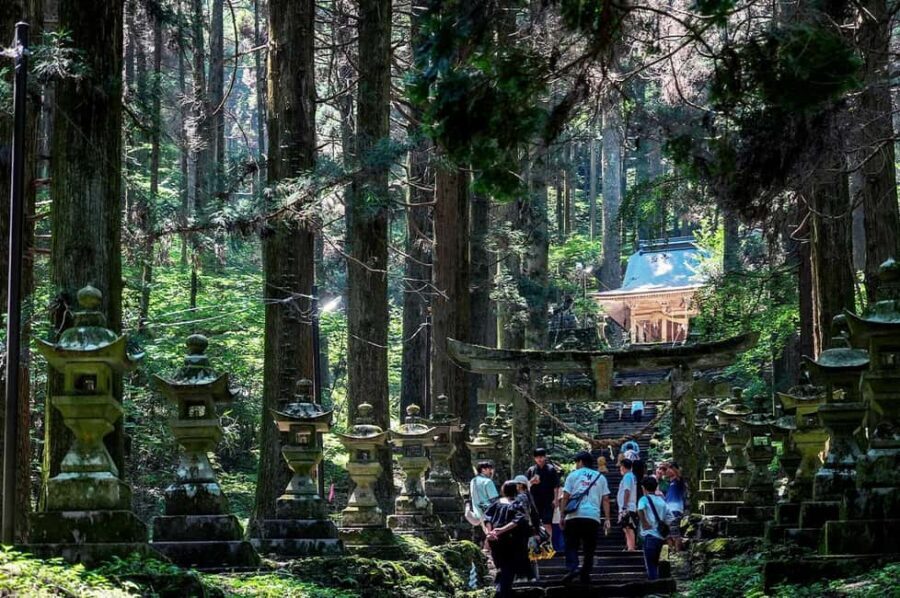
Five dollars more than the railway tour but trades the Amaterasu rail-cart for Ama-no-Iwato Shrine (the supposed cave where Amaterasu hid from the world) plus a Miyazaki coastal stop. Pick this one if the mythology interests you — the guide will explain the Shinto origin story as you walk the shrine grounds, and it lands differently when you’re standing in the actual place. Less action, more reverence. Same gorge, same optional boat. Our review covers the shrine additions and cultural context.
3. Mt. Aso & Takachiho Gorge Tour with Optional Boat Ride — $45
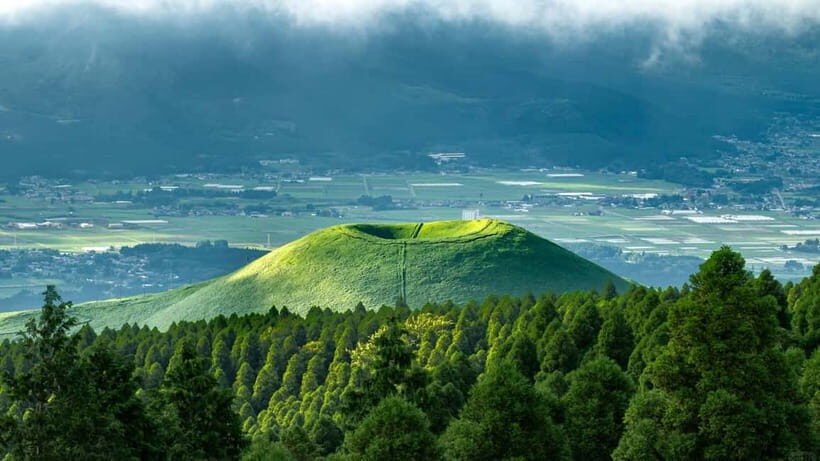
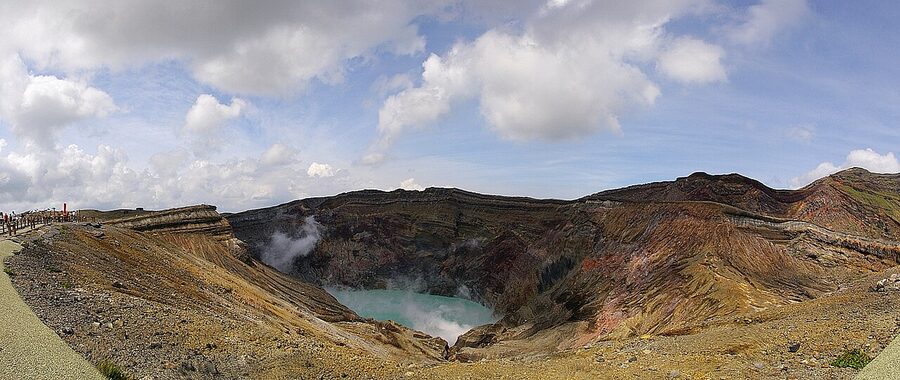
The wildcard tour. Same Fukuoka start, same gorge middle, but the morning is spent at Mt. Aso — an active volcano with a crater you can (sometimes) peer into. This is the best tour if you want to understand why Takachiho looks the way it does: Mt. Aso’s ancient eruption created the rock that the Gokase River later carved. Geology tour first, gorge tour second, and the connection between them clicks in a way it doesn’t on the other itineraries. Note: Mt. Aso access is sometimes restricted when the crater is actively steaming; the guide will swap in an alternative viewpoint. Our review covers what happens when the volcano is “closed”.
The Boat Ride — What Actually Happens
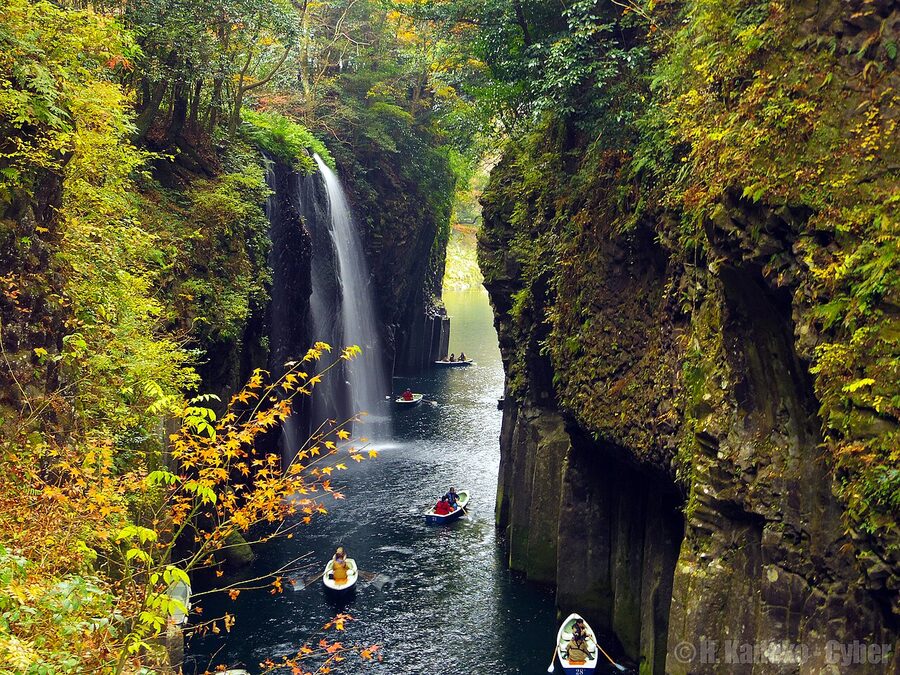
The boat is a small wooden rowboat. Three people per boat. You do the rowing yourself. That’s worth knowing in advance — nobody warns first-time visitors. If you’ve never rowed a boat, expect to bump into the cliff wall once or twice. It’s fine. The current is slow.
The route takes you about 100 metres into the narrow part of the gorge, past Manai Waterfall (you go within a few metres of it; expect spray), and back. Total time: 25-35 minutes, depending on how busy the queue is. Cost is around 3,000 yen ($30) on top of the tour price, paid in cash at the boat dock.
Book early. On weekends and summer weekdays, boats sell out by 10am and the afternoon is walk-only. The tour will include a walking path along the clifftop as a backup — still gorgeous, but not the same. If the boat is specifically important to you, check your tour’s timing: morning departures give you a better chance.
If it’s windy or the water is high after rain, boat access closes. This happens maybe 15-20 days per year. Tours proceed regardless, just without the boat portion.
Amano Iwato Shrine — The Cave of the Sun Goddess
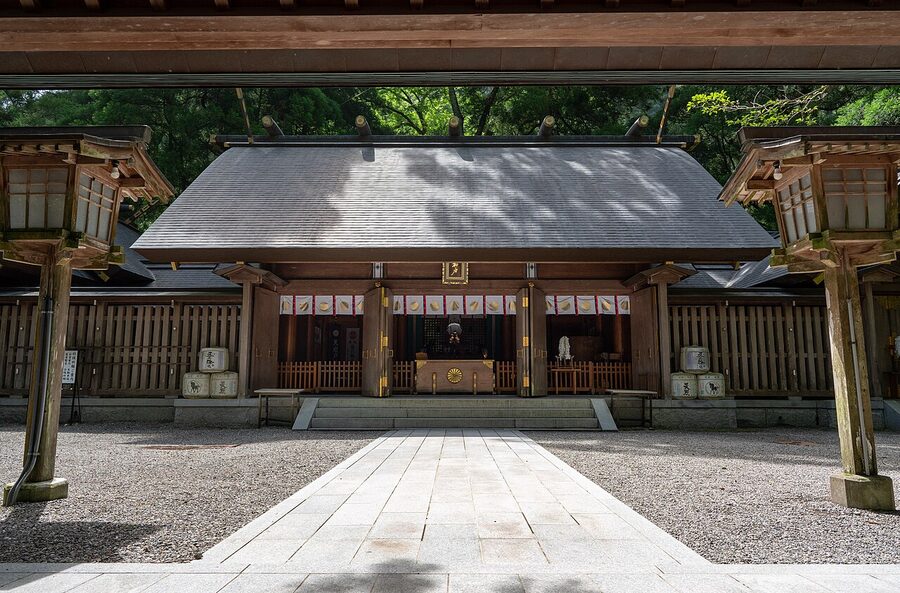
Ama-no-Iwato literally means “Heavenly Rock Cave Door.” In Shinto creation myth, Amaterasu — the sun goddess and the most important deity in the Japanese pantheon — retreated into this cave after a quarrel with her brother, plunging the world into darkness. The other gods tried everything to lure her out. Eventually a goddess named Ame-no-Uzume performed a ribald dance that made the assembled deities laugh so hard that Amaterasu peeked out to see what was happening. They yanked her out and sealed the cave. The sun came back.
That myth matters because every Japanese emperor traces their descent directly to Amaterasu, making this shrine — in a small mountain town — effectively the origin point of the imperial line. Shinto priests take visitors to view the cave site from across the river (you can’t enter it). The viewing is silent. No photos at the final viewpoint. It’s a genuinely unusual moment in Japanese tourism — one of the few places where the cultural weight of a site is taken so seriously that cameras come down.
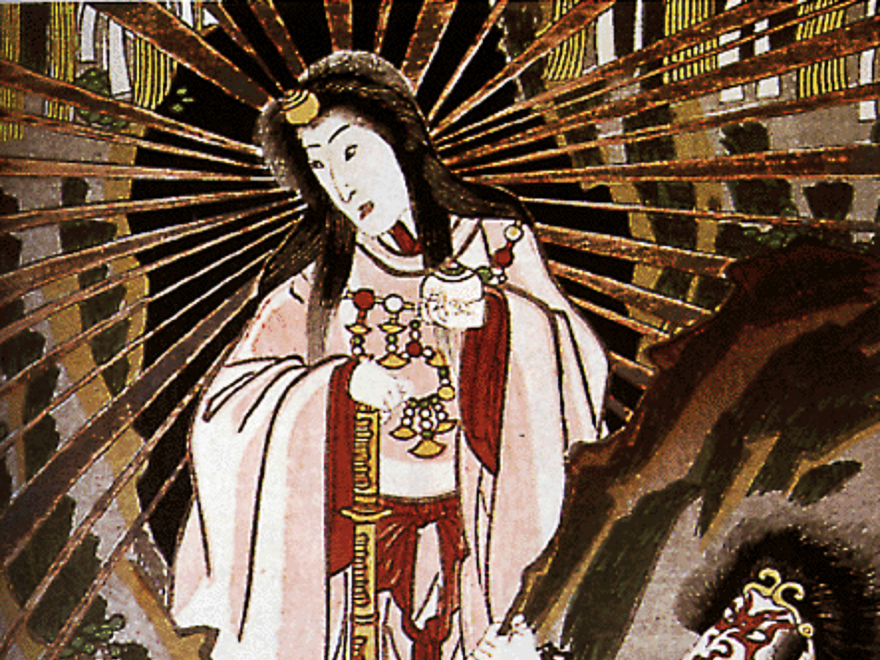
Tours that include Ama-no-Iwato are the #2 option above. Plan for about an hour at the shrine complex, including the walk to the cave viewpoint and a small detour to Ama-no-Yasukawara — a cave where the gods are said to have conspired to lure Amaterasu out, decorated with stacks of small stone prayer towers left by visitors.
Yokagura — If You Stay for the Night Dance
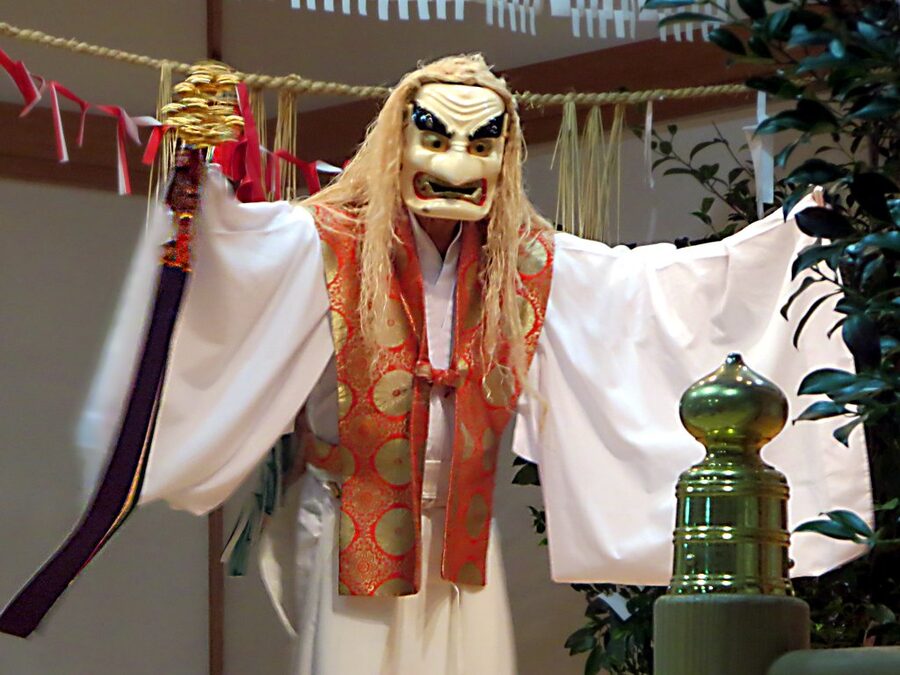
If you stay overnight in Takachiho town (which most day tours don’t), the main reason to do so is yokagura. Takachiho has its own tradition of sacred Shinto dance called Takachiho Kagura, performed nightly for visitors in an abridged 1-hour version at the main shrine. In full winter form (November through February), the dances run literally all night — from 7pm to 7am — and re-enact the Amaterasu myth in 33 consecutive scenes. Local families have performed these dances for generations.
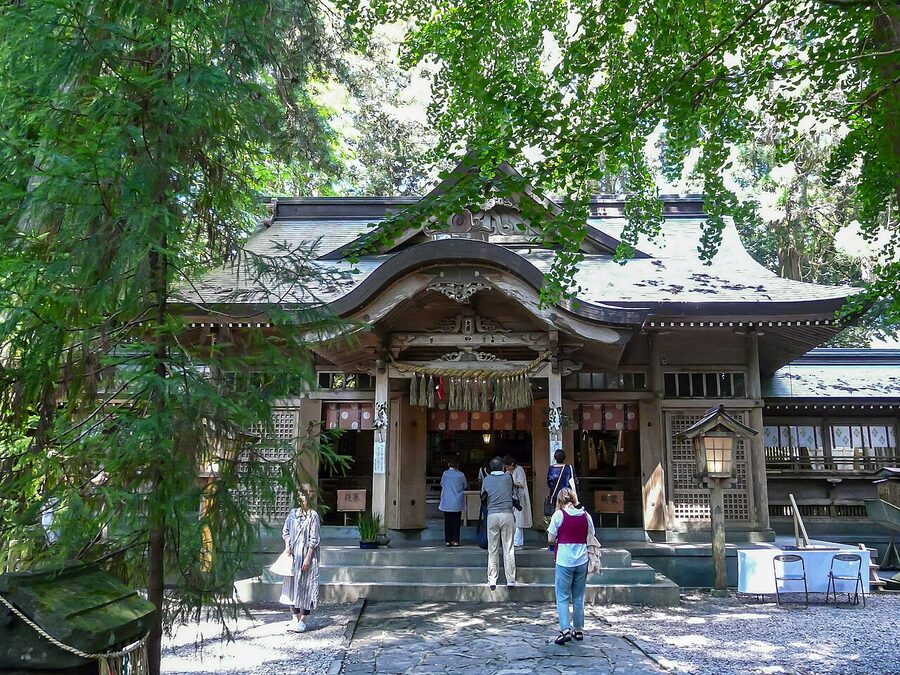
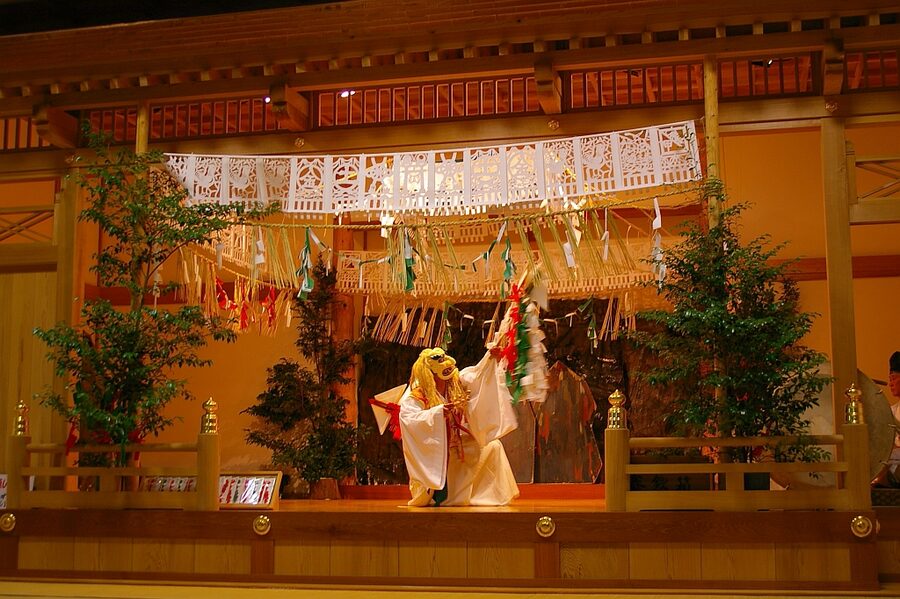
The day tours from Fukuoka don’t include this — they’re back in Fukuoka before 8pm. If kagura interests you, the alternative is to book a 2-day trip with a minshuku (small family-run inn) overnight in Takachiho. Costs about $100-150 more total but transforms the experience from “long day trip” to “proper immersion.”
The Amaterasu Railway — A Train That Isn’t a Train
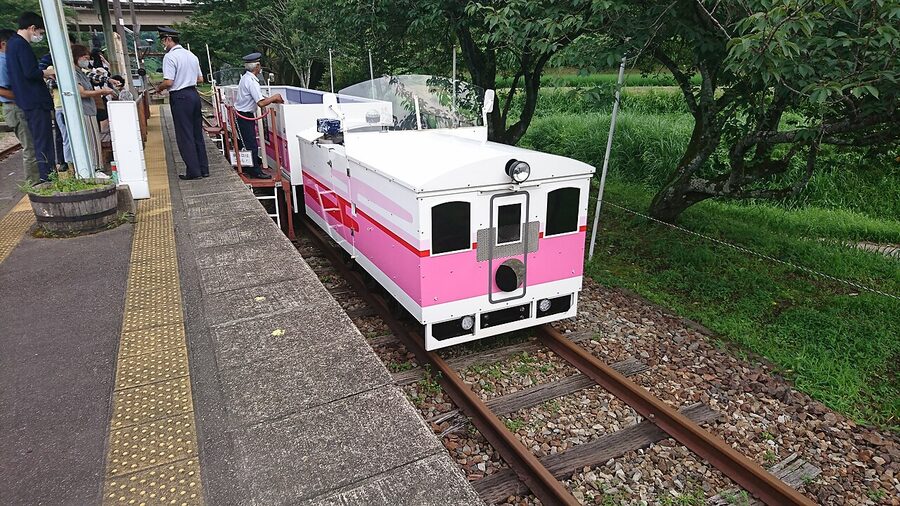
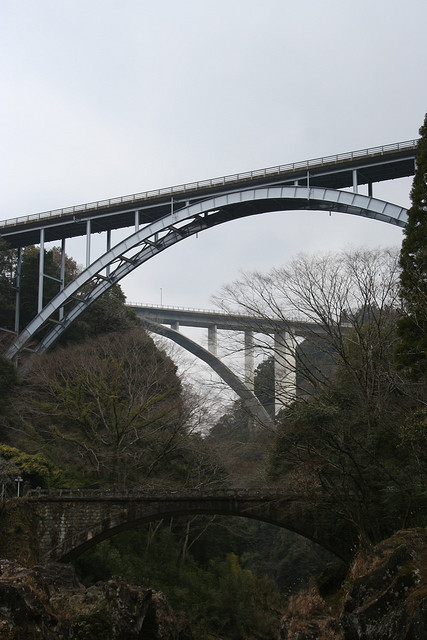
The “railway” part of tour #1 is a local tourist attraction that took over an abandoned JR train line in 2008. It’s not a real train — it’s an open-air converted trolley cart powered by small engines, with bench seating and no walls. You ride it for about 30 minutes along a scenic section of the old line, including a 100-metre-high iron bridge over a valley that will genuinely take your breath away if you’re afraid of heights.
The experience is oddly charming. Locals wave at you from fields. The guide plays old Japanese music through a speaker. There’s a stop halfway where you can buy ice cream. It’s the kind of small-town Japanese tourism experience that doesn’t exist in Tokyo or Osaka — a reminder that most of the country runs at a much gentler pace than the cities.
Getting There: Fukuoka Is the Hub
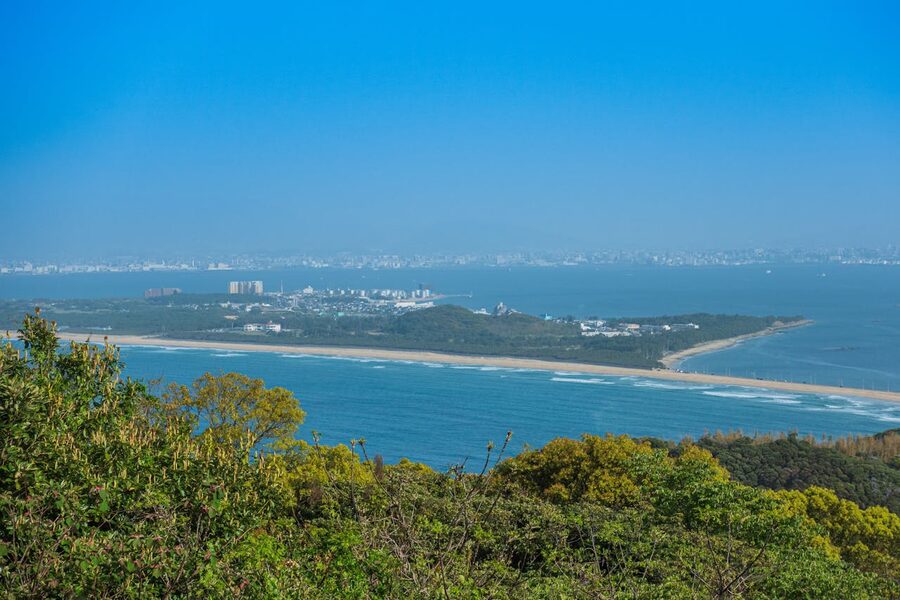
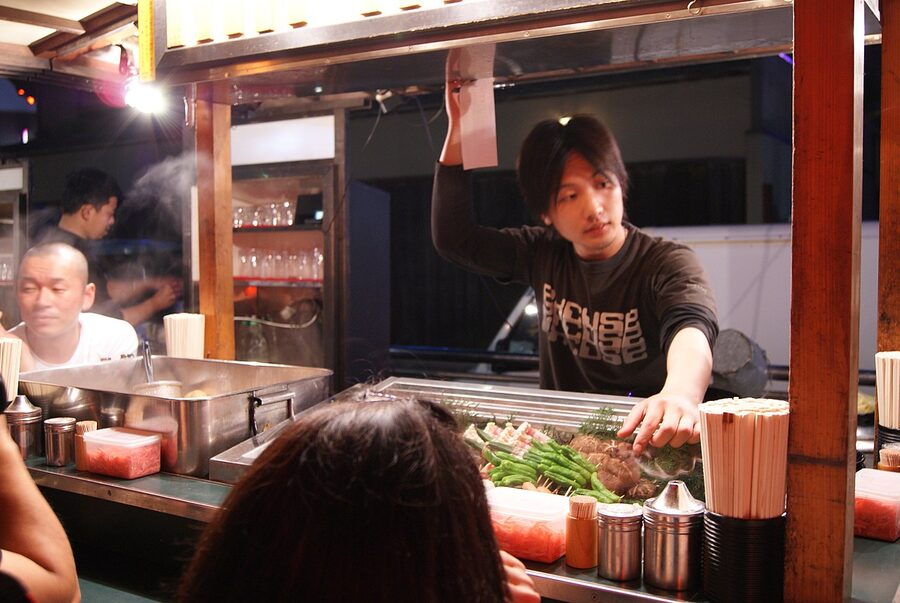
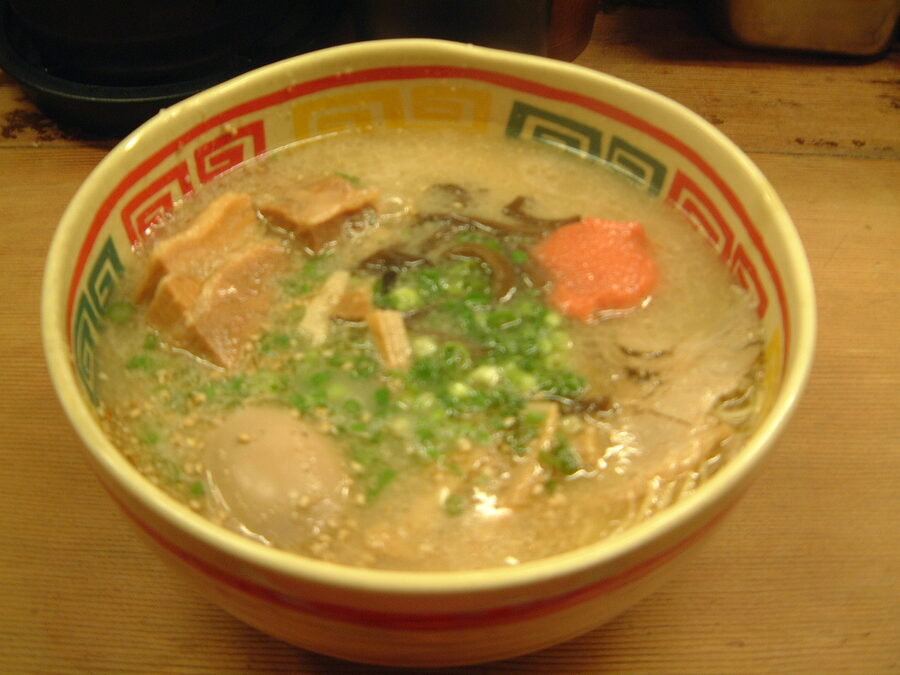
Fukuoka is the logical base for Takachiho. It’s Kyushu’s biggest city, has direct shinkansen connections to Tokyo (5 hours) and Osaka (2.5 hours), and is where all the major Takachiho day tours depart. The city itself is worth at least one extra day — it’s famous for Hakata ramen, Yatai street food stalls along the Naka River, and a laid-back atmosphere that contrasts with the frantic pace of central Tokyo.
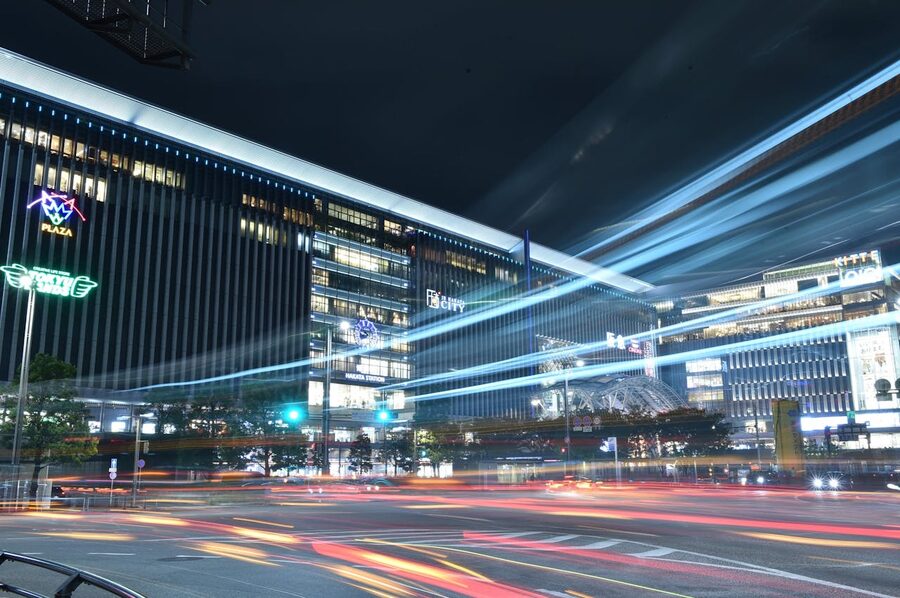
From Fukuoka, Takachiho is about 3 hours by tour bus via the Kyushu Expressway. Self-drive adds flexibility but the rural roads can be tricky and English road signs thin out quickly. Most visitors take the tour.
Tour timing: Early departure (6:00-6:30am from central Fukuoka), return around 8:30-9:30pm. It’s a full day. Don’t plan anything for that evening.
Mt. Aso — The Volcano Behind the Scenery
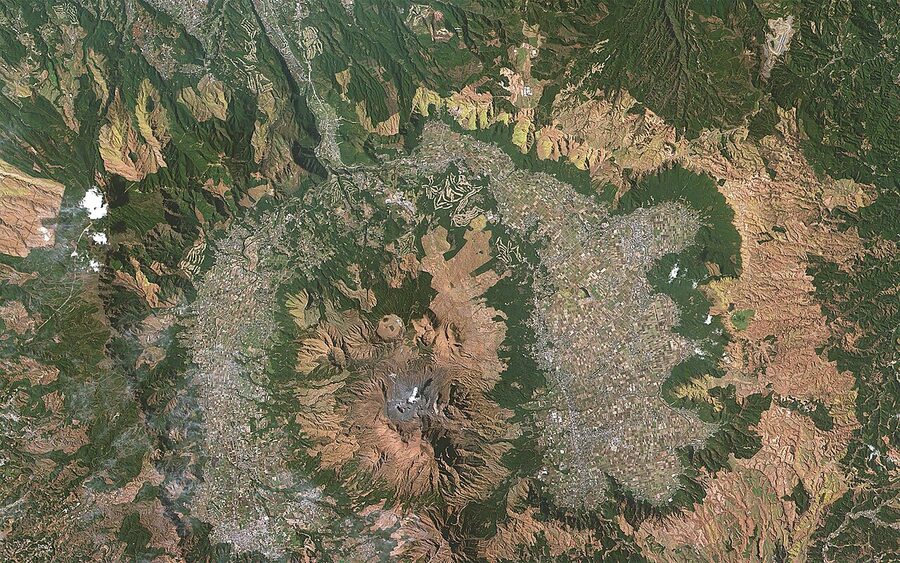
If your tour includes Mt. Aso, you’ll understand Takachiho Gorge on the drive in — the landscape between the two sites is a volcanic lowland, patterned with rice terraces, dotted with small shrines at obvious geological oddities. This is Kyushu at its most characteristic: working farmland layered over geological violence, with shrines marking the places where the violence shaped something memorable.
Mt. Aso’s main crater — Nakadake — alternates between being accessible and being closed. When open, visitors can drive or ride a cable car up to the crater rim, where sulphurous steam rises from a pool at the bottom. When closed, the tour substitutes a nearby viewpoint. Check the status of the crater when booking; some tours include a weather-dependent clause in their refund policy.
What to Pack, What to Expect
Shoes: Comfortable walking shoes. The gorge trail is paved but uneven. The shrine paths have steps.
Warm layer: Kyushu interior gets colder than coastal Fukuoka, especially at Mt. Aso elevation. A light jacket even in summer.
Rain jacket: Takachiho gets rain 150+ days a year. Check the forecast; if rain is likely, the boat may be cancelled.
Cash: The boat rental (~3,000 yen), small shrine offerings (100 yen), and any souvenir purchases are cash-only. ATMs in town are limited.
Camera: The gorge is made for wide-angle lenses. A phone works fine for most shots. At the shrine, respect the no-photography zones.
Food: Most tours include a simple lunch. The local specialty is takachiho gyu (Takachiho beef) — some premium tours include a beef lunch for an extra $15-20.
Motion sickness: The mountain roads have switchbacks. If you’re prone, bring tablets for the bus ride.
Language: All three recommended tours have English-speaking guides. The shrine priests at Ama-no-Iwato speak Japanese only but tour guides translate the explanations.
Best Time to Visit
Peak (late October to mid-November): Autumn foliage in the gorge. The single best window. Weekends get busy so book 2-3 weeks ahead.
Spring (April): Cherry blossoms around the shrines and Mt. Aso wildflowers. Weather is mild. Boat access reliable.
Summer (June-August): Lush green but humid. Rainy season in June can cancel boat days. July-August are hot; the gorge itself stays cool.
Winter (December-February): Quieter, crisper air, occasional snow dustings on Mt. Aso. The boat still operates when not frozen over. Some tours reduce frequency.
More Japan Experiences
Takachiho is usually the most remote part of a Japan itinerary — which is exactly why it’s worth the detour. Before or after, our Osaka ramen & gyoza cooking class is a natural pairing, since the shinkansen between Osaka and Fukuoka passes through Kyushu. Heading to Tokyo? Our Tokyo samurai sword & archery class and Osaka kendo training cover the urban martial arts side. For traditional culture, the Kyoto geisha show and Kanazawa tea ceremony guide cover the refined arts side. The Kyoto zen meditation guide is another temple-based experience in a similarly remote register. If you want another Japan day trip that reaches UNESCO-level scenery by coach, our Nagoya to Takayama and Shirakawa-go day trip guide is the Honshu equivalent — remote mountain village, thatched farmhouses, same “tour bus gets you somewhere you couldn’t easily reach yourself” format. Our Asakusa Sensoji walking tour covers old Tokyo for contrast. Fuji-Q Highland is the opposite energy — roller coasters at the base of Mt. Fuji. And for a different scenic canyon experience, Osaka’s Dotonbori river cruise is urban-neon where Takachiho is natural-green. Takachiho works best as a centerpiece for a 5-7 day Kyushu extension of a main Honshu trip — fly into Fukuoka, do Takachiho on day 2, add Kumamoto Castle or Nagasaki, fly out from Fukuoka. Reward yourself with tonkotsu ramen each evening.