The roller coaster was already moving before I finished screaming from the drop.
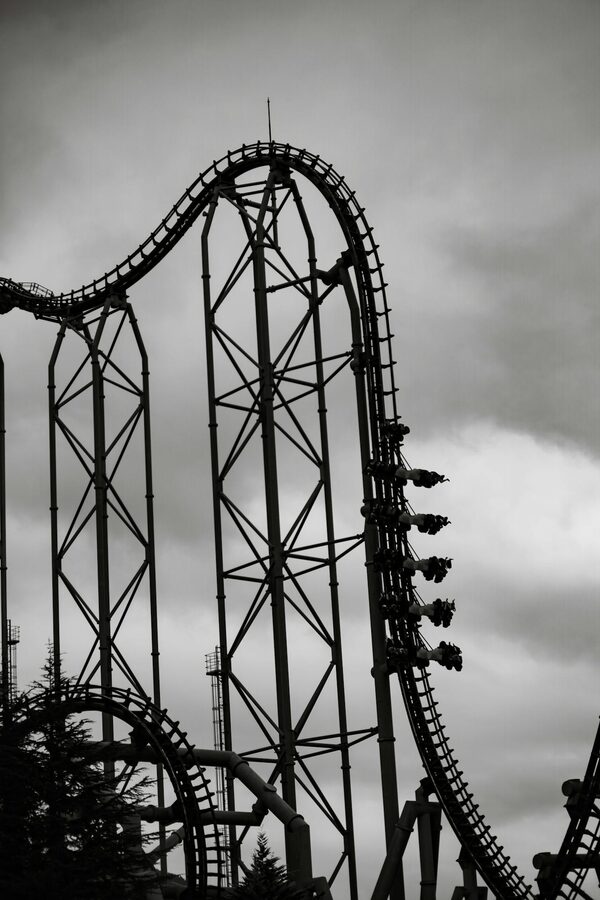
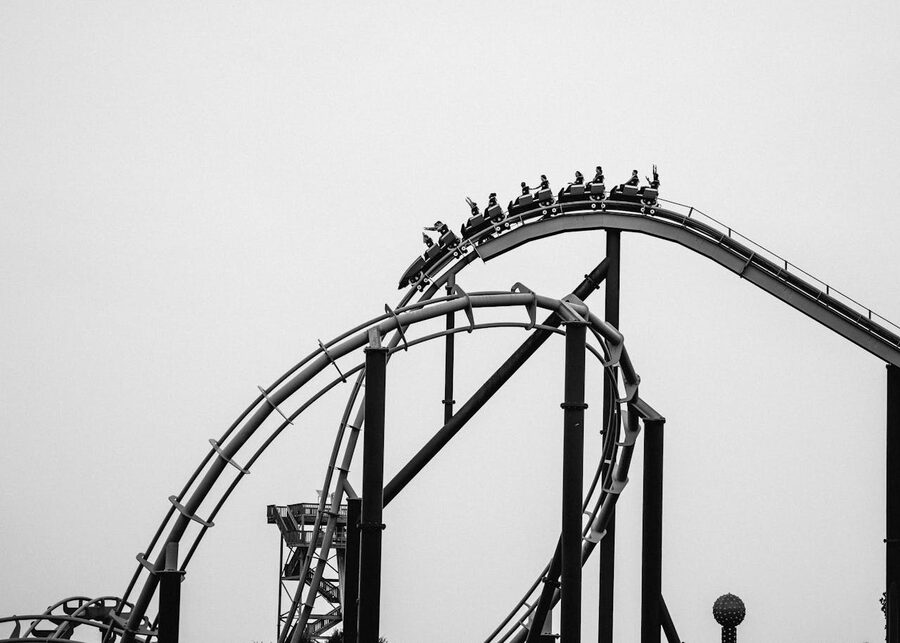
This was Fujiyama, the “King of Coasters” at Fuji-Q Highland. When it opened in 1996, it was the tallest and fastest roller coaster in the world: 79 metres high, 130 km/h, and a first drop that takes your stomach with it. It’s been surpassed since then, obviously. But nobody told Fujiyama that. The thing still feels like it wants to kill you.
I was gripping the lap bar so hard my knuckles turned white. My friend next to me was laughing. I was making sounds that weren’t words.
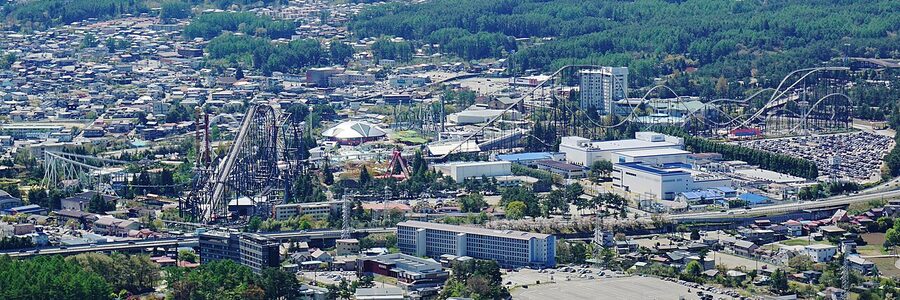
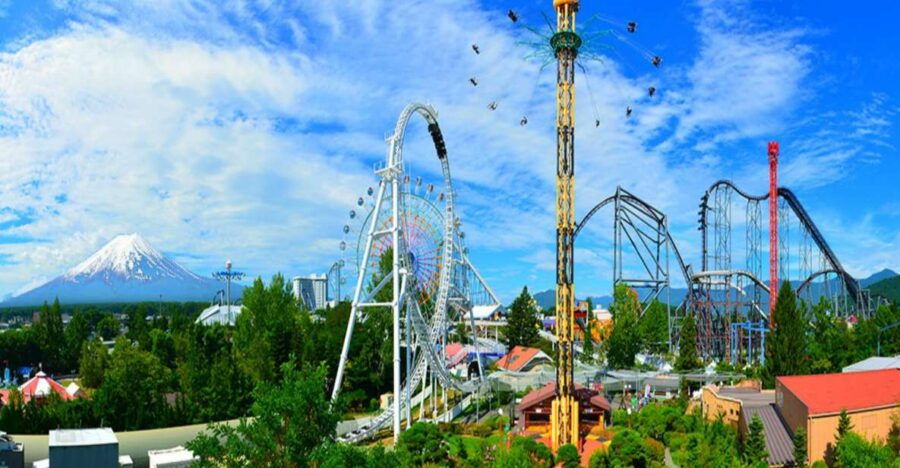
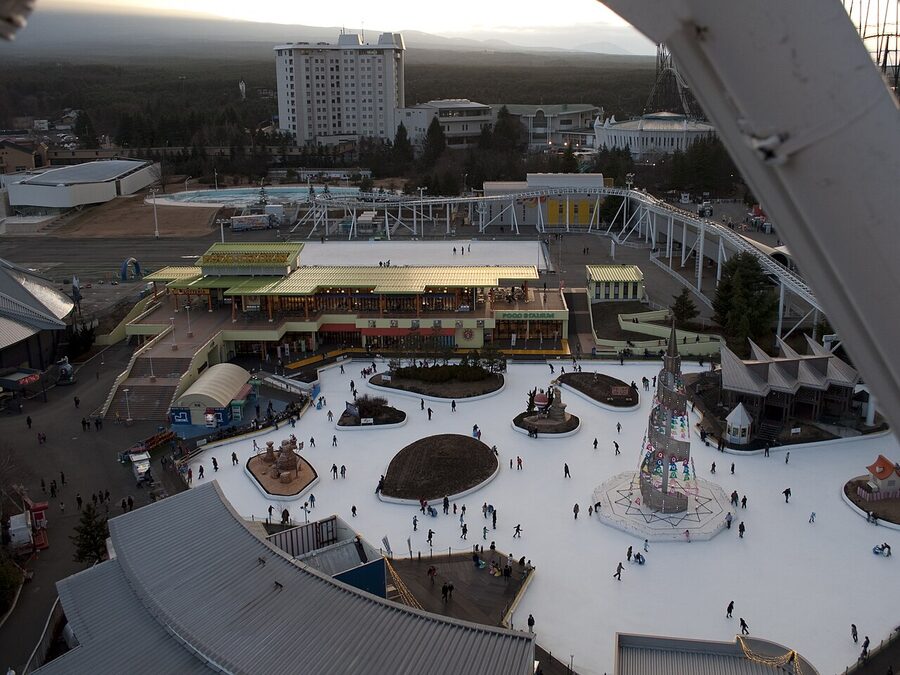
Fuji-Q Highland is an amusement park in Fujiyoshida city, Yamanashi Prefecture, right at the base of Mount Fuji. It has a reputation for two things: record-breaking roller coasters and one of the scariest haunted houses in the world. The Fuji backdrop makes it the most scenic amusement park in Japan by a mile.
It’s not Disneyland. It doesn’t try to be. Fuji-Q is for people who want to be terrified while staring at one of the most recognisable mountains on the planet. And it is very, very good at that.
Short on time? Here are my top picks:
Best value: Fuji-Q Highland One-Day Pass (Non-Japanese) — full one-day pass for all rides. Non-Japanese citizens get a slight discount. Book online to skip the ticket window.
Alternative pass: Fuji-Q Highland One-Day Pass Ticket — same park, slightly different pricing. Compare both and book whichever is cheaper on your dates.
- The Rides — From Record-Breaking to Family-Friendly
- Super Scary Labyrinth of Fear (The Haunted Hospital)
- The 2 Best Fuji-Q Highland Ticket Options
- 1. Fuji-Q Highland One-Day Pass (Non-Japanese Citizens) —
- 2. Fuji-Q Highland Amusement Park One-Day Pass Ticket —
- Thomas Land and Lisa & Gaspard Town
- Mount Fuji — The Backdrop
- Fuji Five Lakes — The Area Around the Park
- History of Fuji-Q Highland
- Best Time to Visit Fuji-Q Highland
- Getting to Fuji-Q Highland
- Practical Tips
- More Japan Experiences
The Rides — From Record-Breaking to Family-Friendly
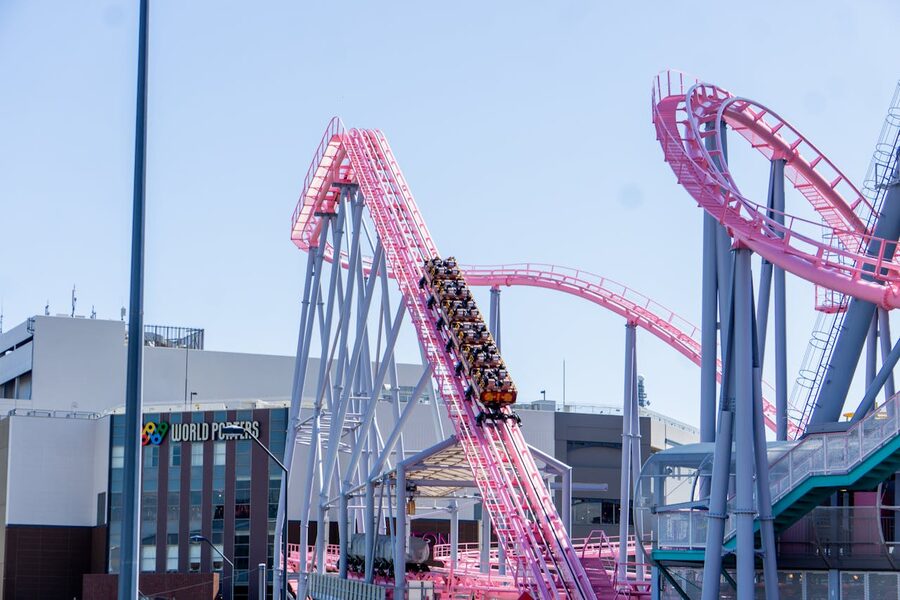
Fuji-Q has four signature coasters, each holding (or having held) a world record:
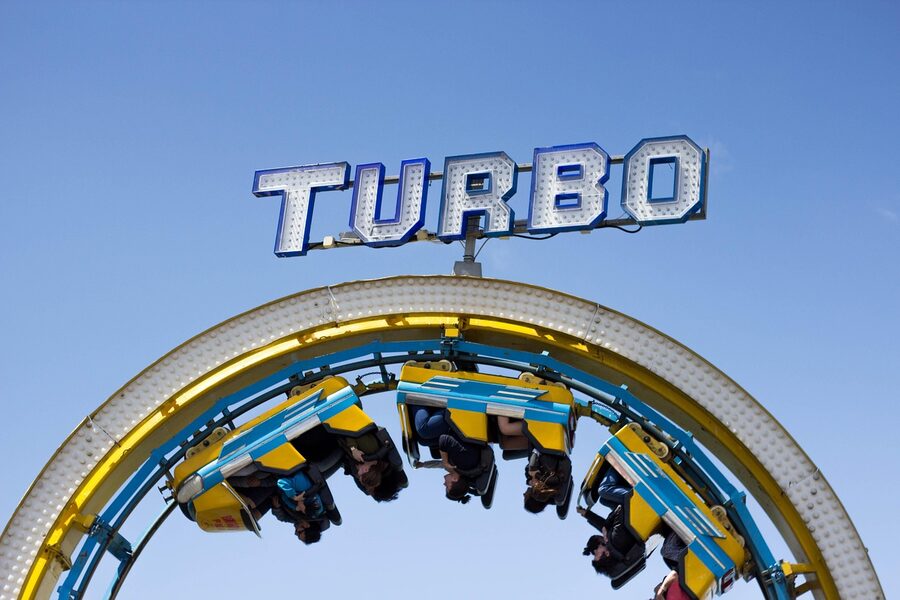
Fujiyama (1996): The King of Coasters. 79 metres tall, top speed 130 km/h, 3 minutes 36 seconds of track. When it opened, it was the world’s tallest and fastest. The first drop is 70 metres — about 23 storeys — and happens immediately. No slow climb. You’re up and then you’re down. Your lunch may not come back the same way it went in.
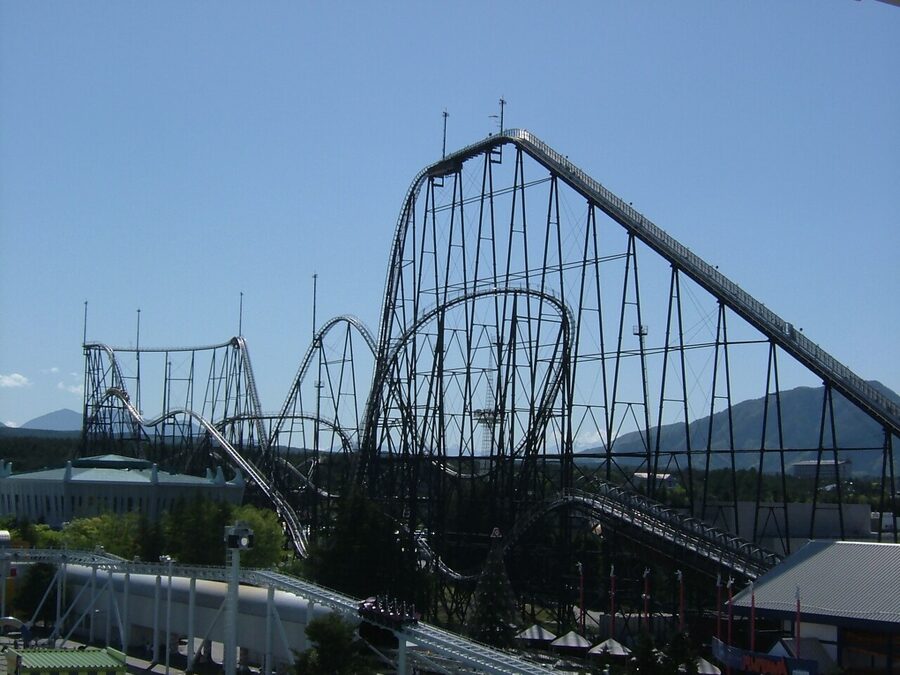
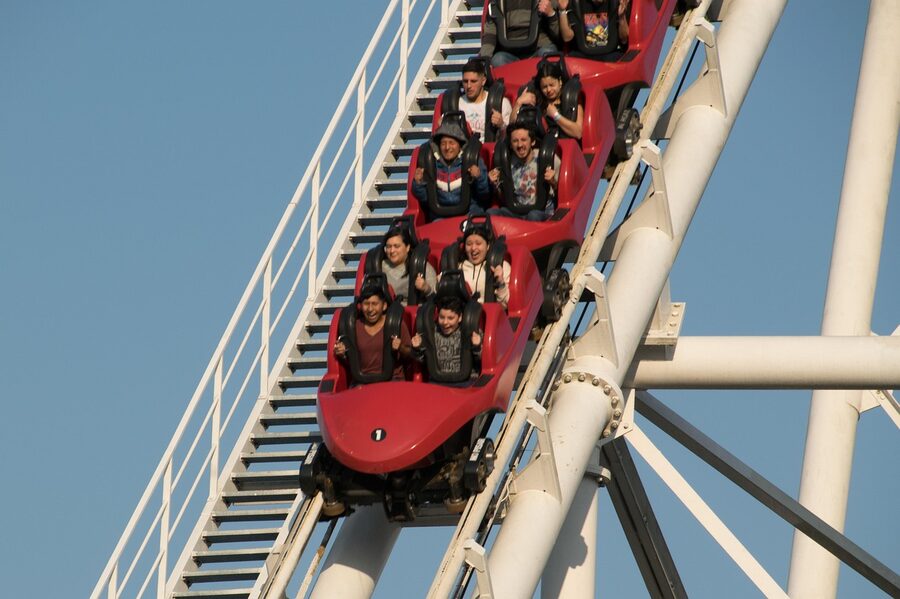
Do-Dodonpa (2001, rebuilt 2017): The speed record holder. Accelerates from 0 to 180 km/h in 1.56 seconds using compressed air. That’s faster than most Formula 1 cars. The launch is so violent your face literally changes shape from the G-force. It also has the world’s largest loop — 39.7 metres in diameter. Note: Do-Dodonpa was temporarily closed for safety checks in 2021 after reports of rider injuries. Check the park website for current operating status before visiting.
Eejanaika (2006): A 4D coaster where the seats rotate independently as you ride. Your legs dangle, your seat flips, and you have absolutely no idea which way is up at any given moment. World record for most inversions (14). This is the ride where people cry. Not from fear — from confusion.
Takabisha (2011): Holds the record for steepest drop — 121 degrees beyond vertical. You go past vertical. Your body tips forward, your harness is the only thing holding you, and then you drop. It’s objectively insane. The whole ride only lasts about 100 seconds but it’s the kind of 100 seconds you think about for weeks.
Super Scary Labyrinth of Fear (The Haunted Hospital)
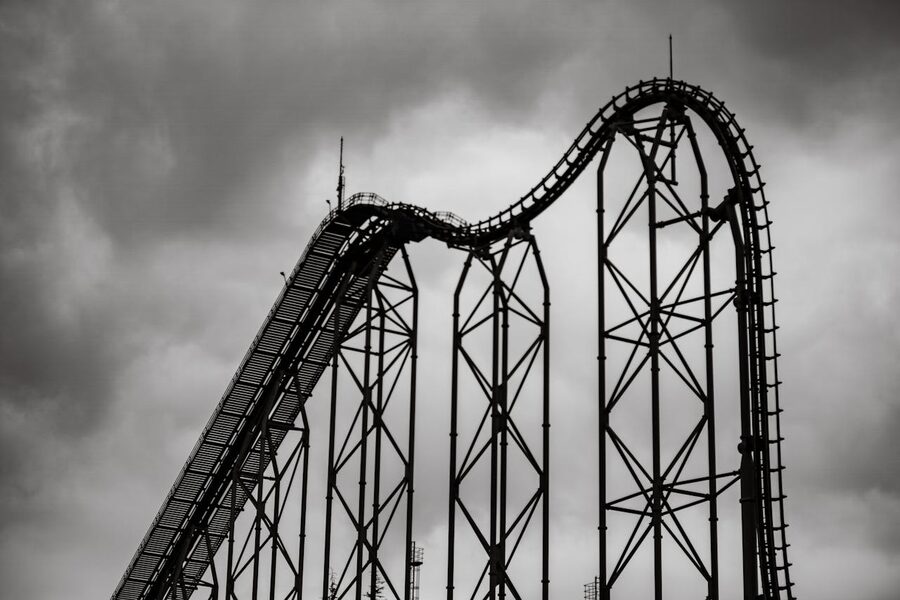
Fuji-Q’s haunted house is legendary. The “Super Scary Labyrinth of Fear” is set in a decommissioned hospital and takes 50+ minutes to walk through. It’s not a ride. It’s a walk-through horror experience with live actors, realistic medical equipment, and enough darkness to make your eyes useless.
The backstory: the hospital was supposedly abandoned after mysterious patient deaths. The entire building is set-dressed as a decaying medical facility. You walk through wards, operating rooms, morgues, and corridors that seem to go on forever. Actors jump out. Things grab your ankles. The sound design makes you question whether that dripping sound is part of the show or an actual pipe.
Many people quit partway through. There are emergency exits throughout the labyrinth for exactly this reason. No shame in using them. Seriously.
The haunted house costs extra (about 2,000 yen) on top of your day pass. Groups of 2-4 people enter at a time. Worth it if you like horror. Actively traumatising if you don’t.
The 2 Best Fuji-Q Highland Ticket Options
1. Fuji-Q Highland One-Day Pass (Non-Japanese Citizens) — $44
This is the main pass most international visitors buy. It covers all rides (roller coasters, themed areas, Thomas Land) for one full day. You show your foreign passport at the gate. The online booking means you skip the ticket window and go straight to the park entrance scanner. The price fluctuates by day — weekdays are typically cheaper. Our review explains the full ticket breakdown and what’s included.
2. Fuji-Q Highland Amusement Park One-Day Pass Ticket — $48
This is an alternative pass listing with slightly different pricing. The coverage is essentially the same — all major rides and attractions for one day. Some visitors have noted smoother redemption with this ticket. Compare both options on your travel dates and book whichever is cheaper. Our review compares the two ticket options.
Thomas Land and Lisa & Gaspard Town
Fuji-Q isn’t all terror. Thomas Land is an entire themed area based on Thomas the Tank Engine — rides, a real Thomas train, character shows, and a restaurant where kids can eat themed food. It’s one of the largest Thomas-themed areas in the world and the reason many Japanese families visit.
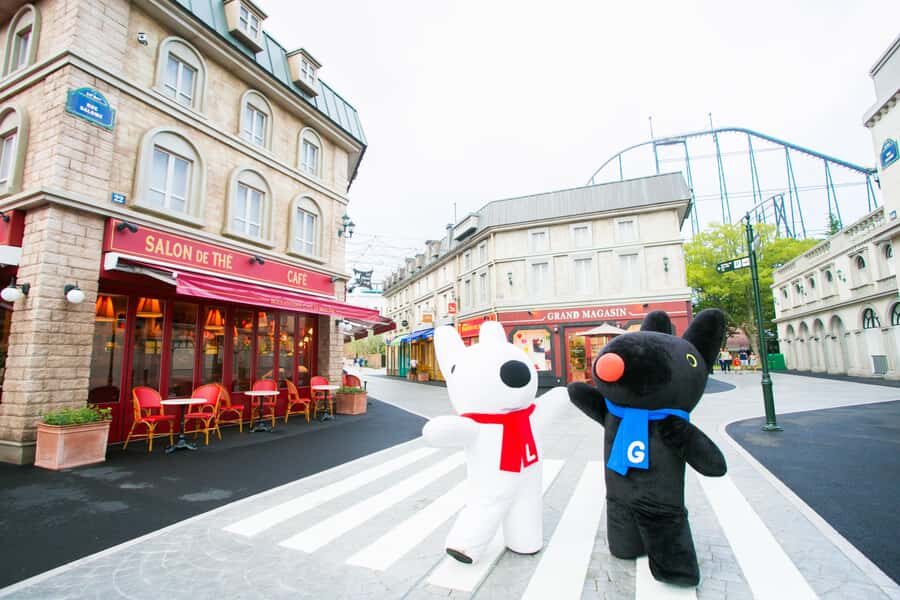
Lisa & Gaspard Town is based on the French picture book characters. It’s designed like a small Parisian village with shops, cafes, and gentle rides. The Eiffel Tower replica here is one of the park’s most photographed structures (after Fuji itself).
Both areas are included in the day pass. If you’re visiting with kids under 10, these zones alone can fill half a day.
Mount Fuji — The Backdrop
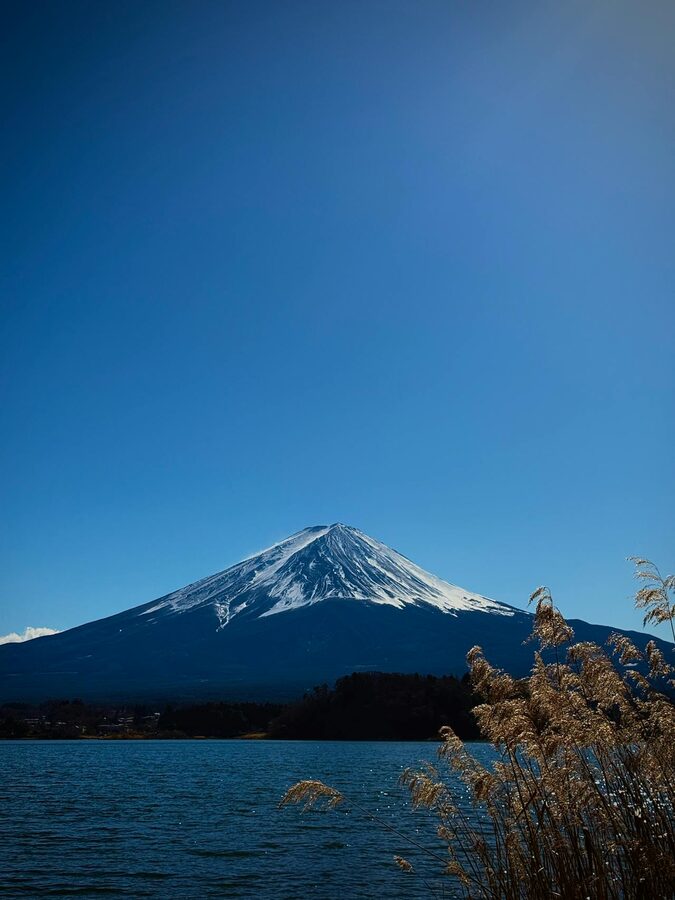
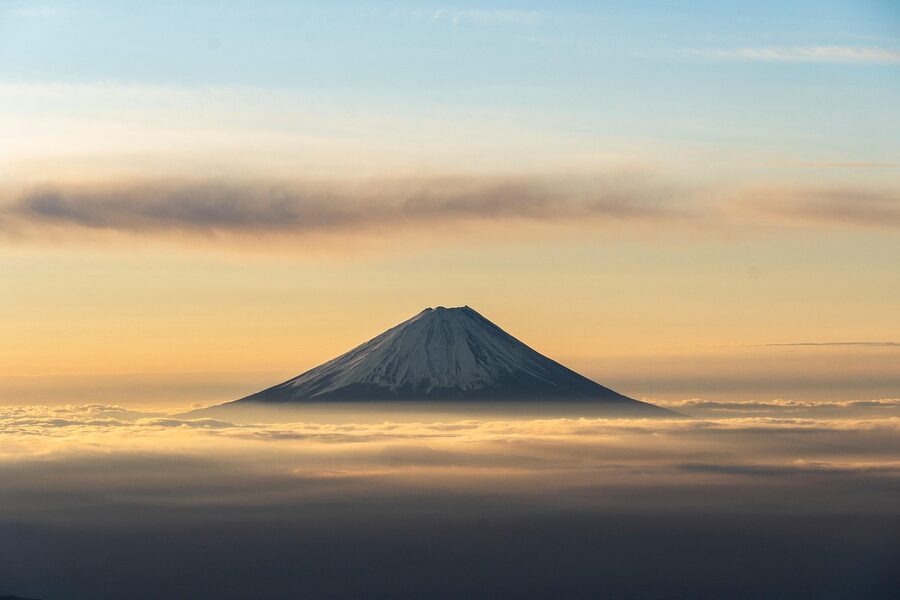
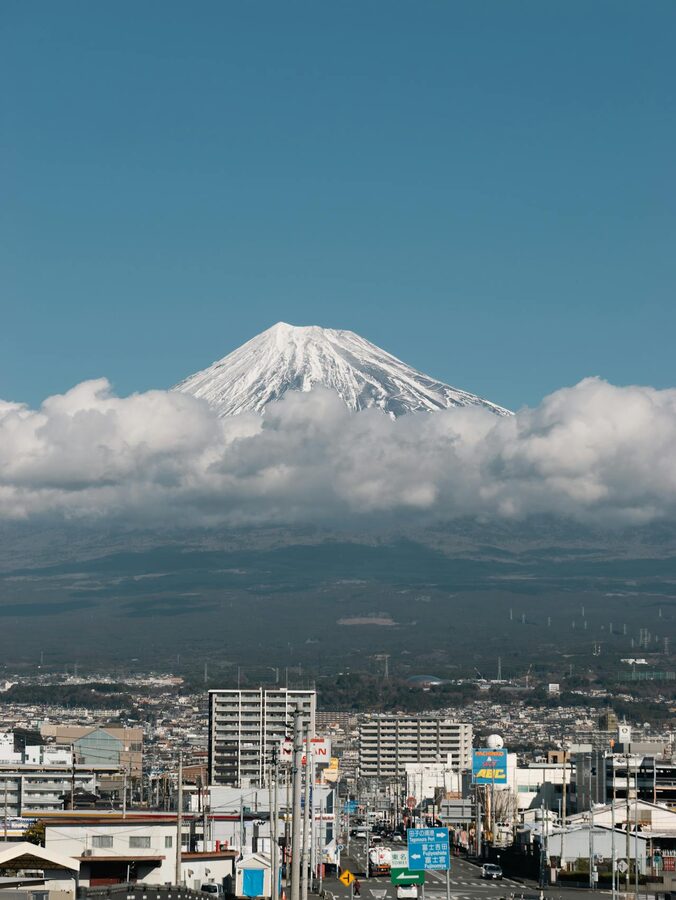
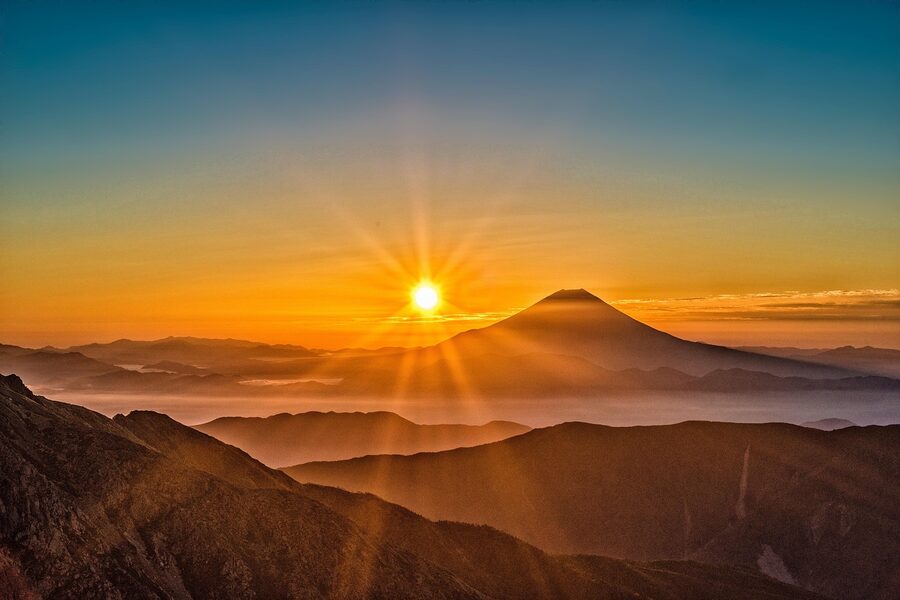
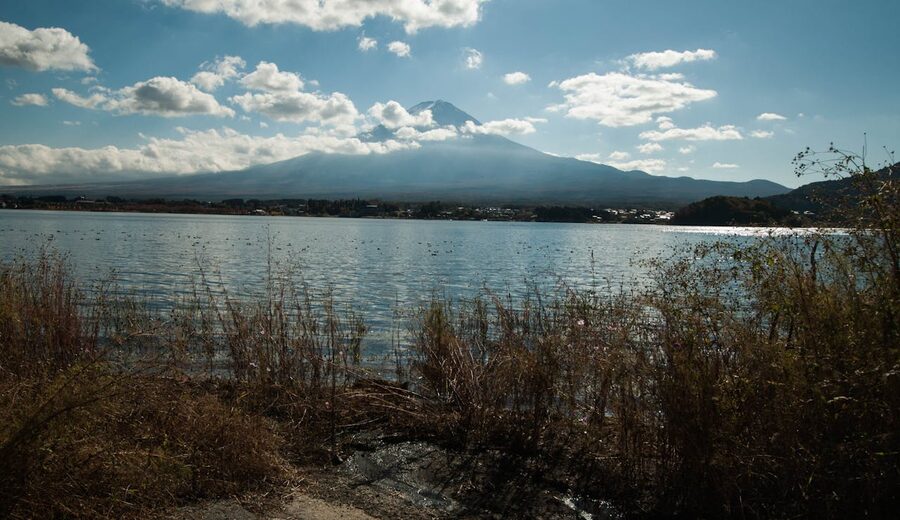
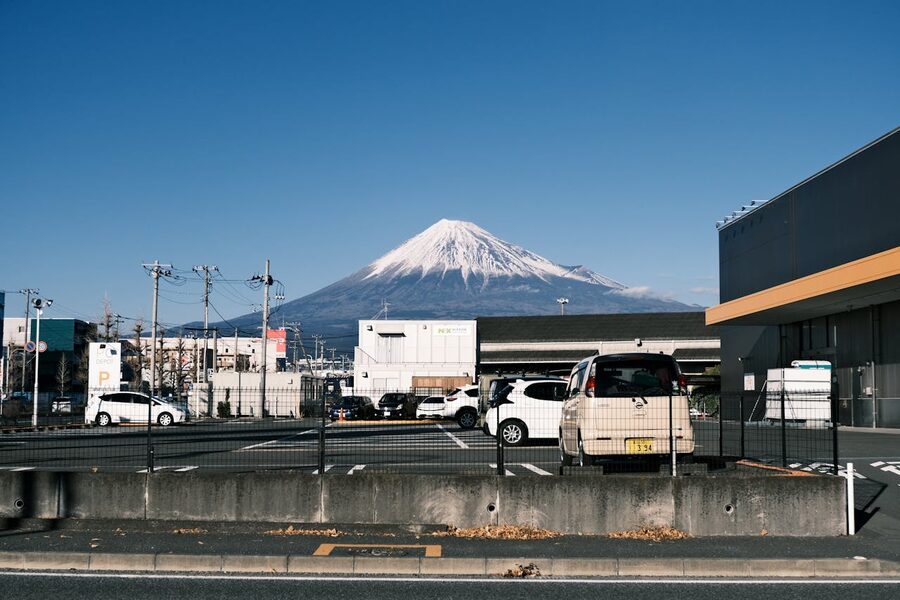
Mount Fuji is the reason Fuji-Q Highland exists where it does. The park is in Fujiyoshida city, on the northern side of the mountain, at about 1,000 metres elevation. On a clear day, Fuji fills the sky behind the roller coasters. It’s the most photogenic amusement park setting in Japan — possibly the world.
Fuji visibility depends heavily on the season and time of day. The mountain is most visible in autumn and winter (October-February) when the air is dry and clear. In summer, Fuji hides behind clouds most afternoons. Mornings are generally better than afternoons year-round.

If you want the classic “roller coaster with Fuji behind it” photo, position yourself at the Fujiyama viewing platform or near the main entrance during the morning. The mountain is to the south, so the northern side of the park (where you enter) gives the best views.
Fuji Five Lakes — The Area Around the Park
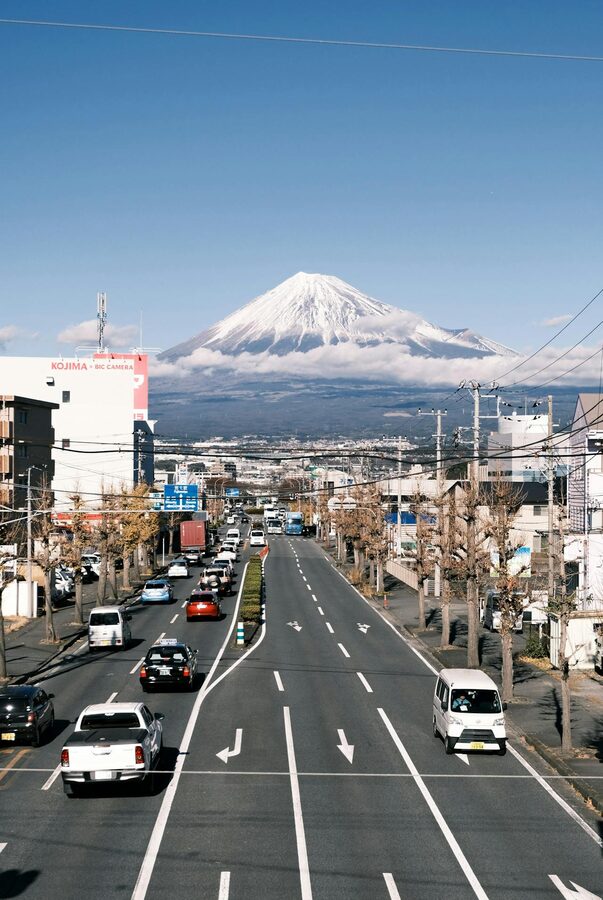
Fuji-Q Highland is in the Fuji Five Lakes (Fujigoko) region — a popular day-trip area about 2 hours from Tokyo. The five lakes sit on the northern side of Mount Fuji and each has a different character.
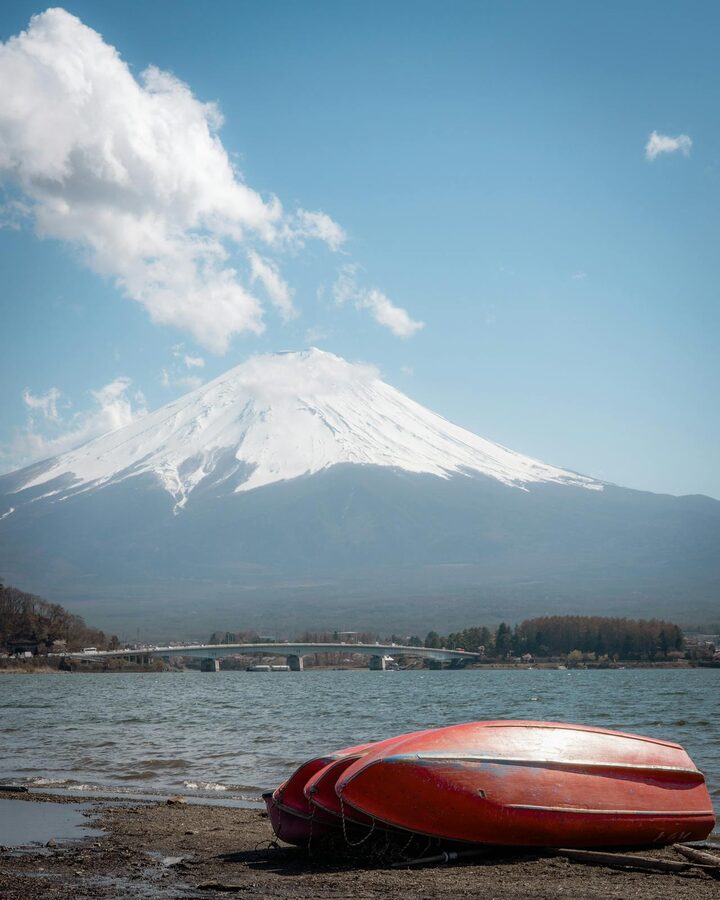
Lake Kawaguchiko: The most accessible and developed. Hotels, restaurants, and the Kawaguchiko Music Forest (a kitschy but fun music box museum). The lake has a famous reflection of Fuji in still morning water.
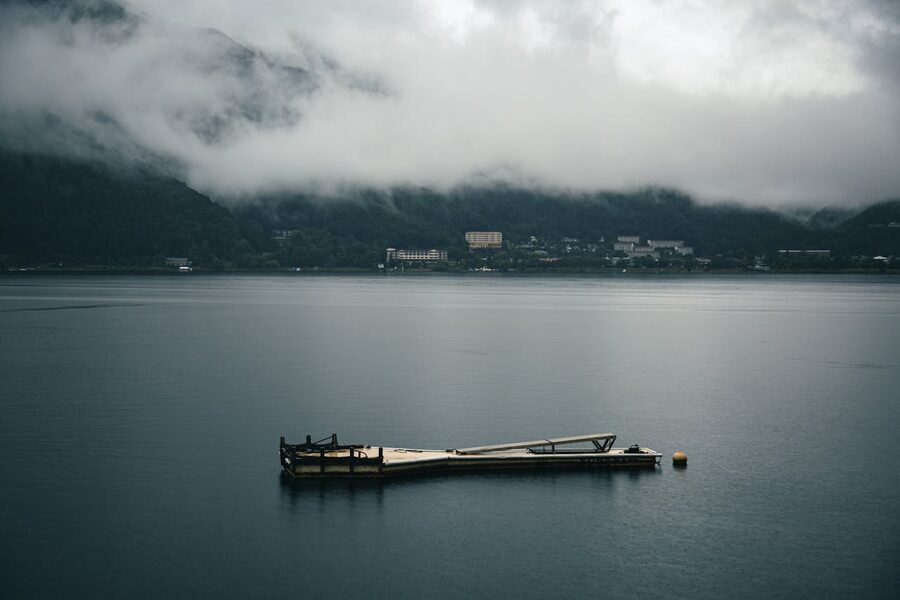
Lake Yamanakako: The largest of the five. Popular for water sports in summer. More Japanese families than international visitors.
Lake Saiko: The quietest. Surrounded by forest. Good for walking and kayaking. Near the famous Aokigahara forest (stick to the marked trails).
Lake Shojiko: The smallest. Feels completely remote. A photographic favourite for Fuji reflections.
Lake Motosuko: The deepest and clearest. The view of Fuji from here is the one printed on the 1,000-yen note. Bring the note and take the comparison photo.
History of Fuji-Q Highland
Fuji-Q Highland opened in 1968 as a modest amusement park trading on its Fuji views. For decades, it was a regional attraction. Then in the 1990s, the park’s management made a strategic decision to chase world records.
Fujiyama arrived in 1996 and immediately put Fuji-Q on the global coaster map. Do-Dodonpa followed in 2001 with its compressed-air launch. Eejanaika (2006) and Takabisha (2011) continued the arms race. Each ride was designed to hold a specific world record — tallest, fastest, most inversions, steepest drop.
The strategy worked. Fuji-Q went from a regional park to an internationally recognised destination for coaster fans. Today it draws about 1.5 million visitors per year, including a significant number of international thrill-seekers who specifically fly to Japan for the rides.
The “fear factor” approach also led to the Super Scary Labyrinth of Fear, which opened in 2011 and has been expanded multiple times since. It consistently ranks as one of the scariest haunted attractions in the world. The combination of record-breaking coasters, a legendary haunted house, and that Mount Fuji backdrop has given Fuji-Q a unique identity that no other park can replicate.
Best Time to Visit Fuji-Q Highland
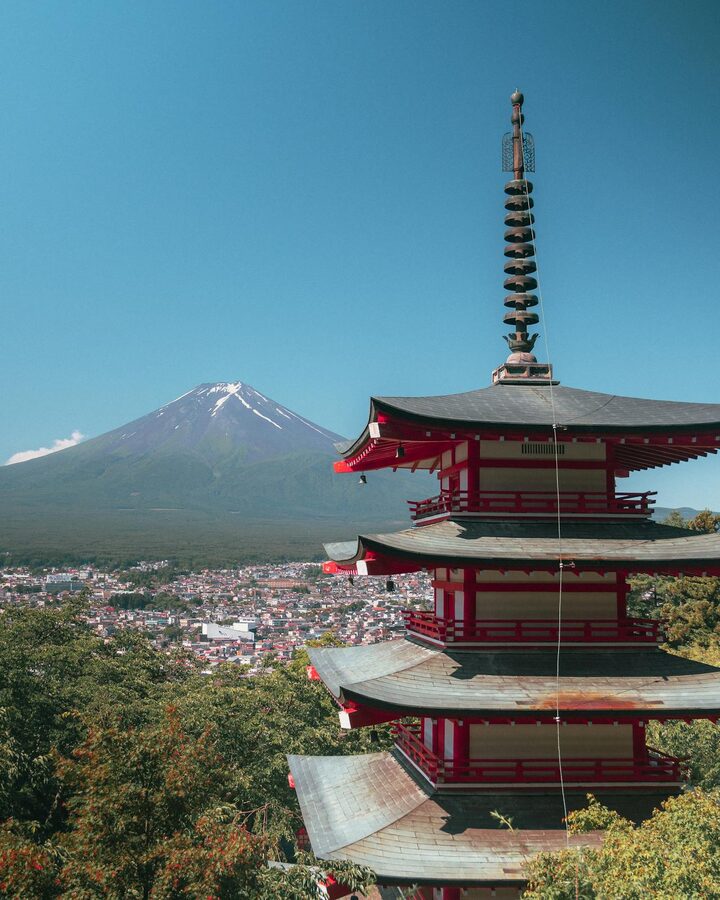
Best time (October-November): Clear skies, comfortable temperatures (10-18°C), and the autumn foliage around the Five Lakes region is spectacular. Fuji is visible most mornings. Crowds are moderate.
Cherry blossom season (mid-April): Pink blossoms + Fuji + coasters. The Chureito Pagoda viewpoint (15 minutes away) is one of the most famous cherry blossom spots in Japan. The park is busy but the photos are unbeatable.
Summer (July-August): The busiest season. Expect long wait times (60-120 minutes for major coasters). Fuji is often hidden by clouds in the afternoon. It’s hot. The park compensates with extended hours and special events.
Winter (December-February): The best Fuji visibility but the coldest. Riding coasters at 130 km/h when it’s 5°C outside is genuinely unpleasant. Some rides close for maintenance. The haunted house operates year-round.
Weekdays vs. weekends: Weekdays are dramatically less crowded. If you can visit on a Tuesday or Wednesday, you’ll walk onto rides that would have 90-minute waits on Saturday.
Getting to Fuji-Q Highland
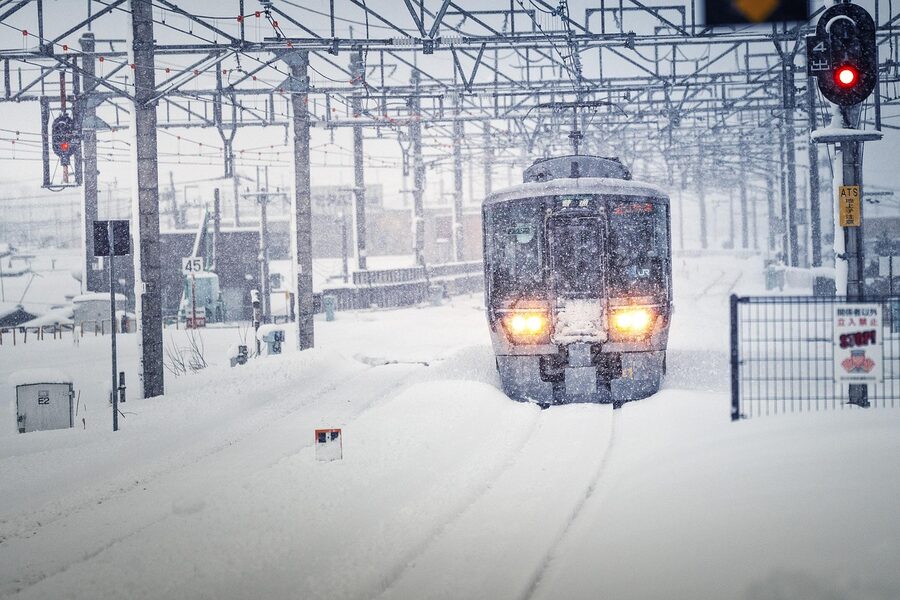
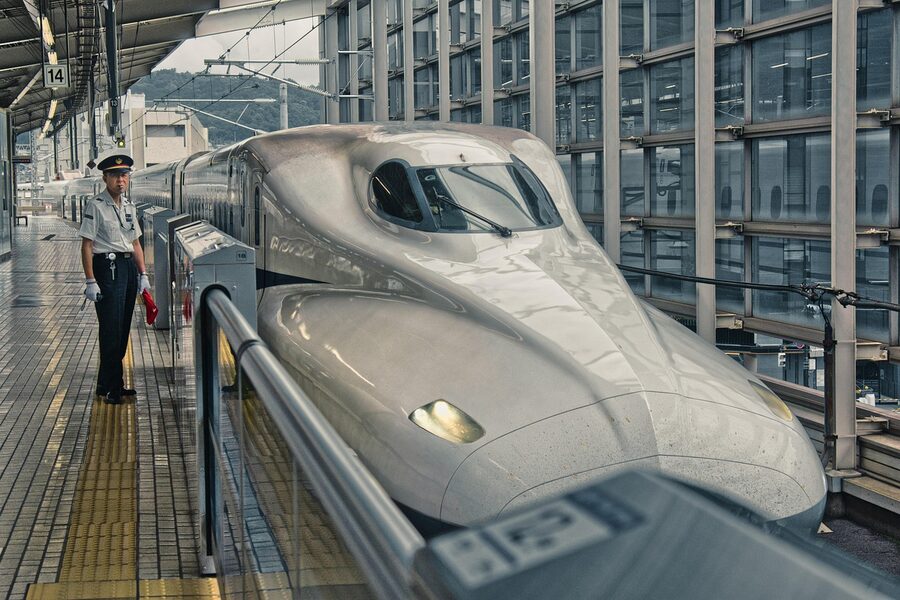
From Tokyo (Shinjuku) by bus: Direct highway buses from Shinjuku Expressway Bus Terminal to Fuji-Q Highland. About 1 hour 45 minutes. Around 2,000 yen one way. The most popular option — buses run multiple times daily.
From Tokyo by train: Take the JR Chuo Line from Shinjuku to Otsuki station (about 60 minutes), then transfer to the Fujikyu Railway line to Fuji-Q Highland station (about 50 minutes). Total about 2 hours. The Fujikyu Railway runs right alongside Mount Fuji on clear days.
By car: About 90 minutes from central Tokyo via the Chuo Expressway. Fuji-Q has a large parking lot (1,500 yen/day). Driving gives you flexibility to explore the Five Lakes area after the park.
The park entrance: Fuji-Q Highland station (train) is directly connected to the park entrance. Bus stops are a 2-minute walk. You literally step off the transport and into the park.
Practical Tips
Opening hours: Typically 9:00-18:00 on weekdays, extended to 20:00 on weekends and holidays. Check the official Fuji-Q website for your specific date — hours change seasonally.
Ride closures: Individual rides close for weather (wind is the main issue for tall coasters) and maintenance. Check the “Scheduled Ride Closures” page on the official site before visiting. Nothing worse than making the trip for Fujiyama and finding it closed for inspection.
Smart Skip Pass: Fuji-Q offers priority queue passes (Smart Skip Pass) for major rides — about 1,000-2,000 yen per ride. On busy days, this is worth it for Fujiyama and Eejanaika. Buy through the official Fuji-Q app.
The official app (Q-chan): Download it before you go. It shows real-time wait times for every ride, route maps, and lets you buy priority passes. Essential for planning your day efficiently.
What to wear: Comfortable clothing that won’t fly off. Secured footwear (no flip-flops on major coasters). A light jacket — the park is at 1,000m elevation, so it’s 3-5°C colder than Tokyo.
Food: Multiple restaurants inside the park. Thomas Land has themed food for kids. The park-adjacent area has convenience stores if you want to save money.
More Japan Experiences
Fuji-Q Highland is one of those places that works as a day trip from Tokyo or the centrepiece of a longer Fuji Five Lakes visit. If you’re heading back to Tokyo after the park, our Asakusa Sensoji walking tour covers the old-Tokyo end of the spectrum. For evening fun back in the city, the Tokyo pub crawl is the opposite of a roller coaster — no G-forces, just cold beer. Our Shibuya walking and food tour covers the modern side of Tokyo. If you want another uniquely Japanese thrill, the Tokyo Drift JDM car experience puts you in a GT-R at Daikoku — different adrenaline, same country. The samurai ninja museum swaps speed for swords. And if you’re heading west after Fuji, our Kyoto Nijo Castle guide and Osaka Dotonbori cruise are the perfect next stops. For pure Fuji views without the screaming, check the Umeda Sky Building in Osaka — it won’t make you sick but the height still gets your attention. Fuji-Q Highland is best paired with a day or two exploring the Five Lakes — then back to Tokyo for everything else.