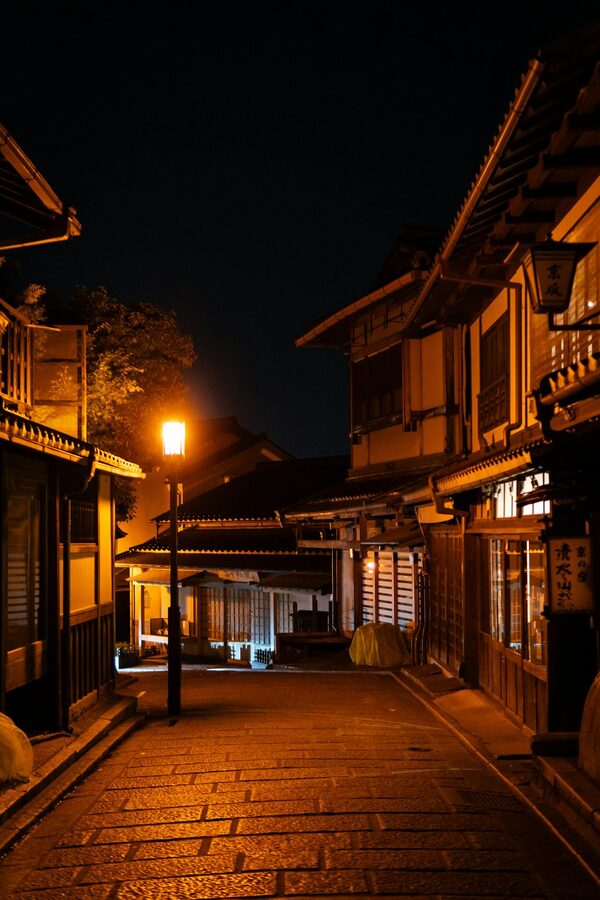
She walked past our table and I forgot what I was eating.
We were at a restaurant in Gion, Kyoto’s geisha district, and a woman had just entered the room in full white makeup, a deep red lip, and a silk kimono that probably cost more than everything I owned. She knelt at the far end of the tatami room, produced a fan from her sleeve, and began a conversation with the table’s host that was so quietly charming the entire room went silent.
That was my first encounter with a geiko — Kyoto’s word for a fully-trained geisha. It lasted maybe 45 seconds before she turned her attention to her clients. But I’ll remember it for a very long time.
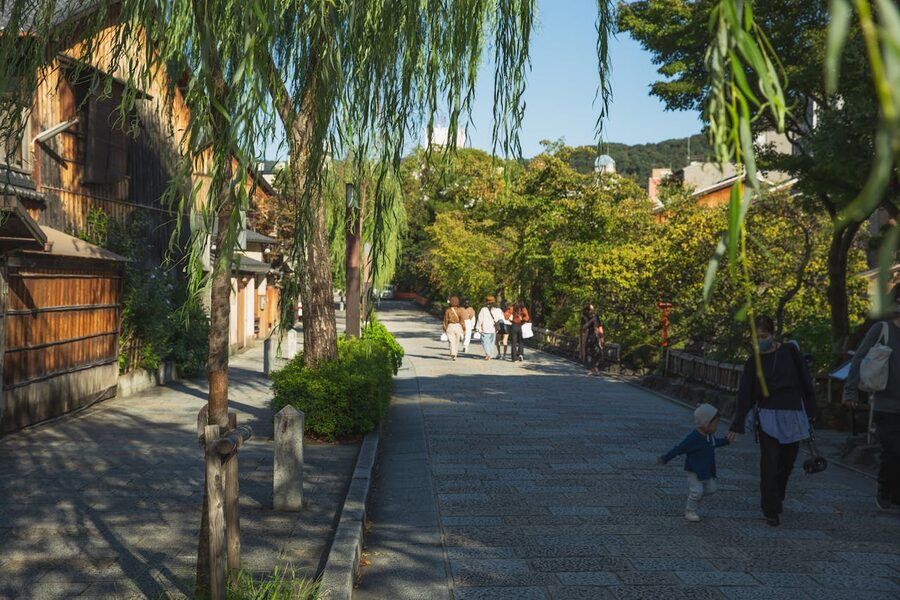
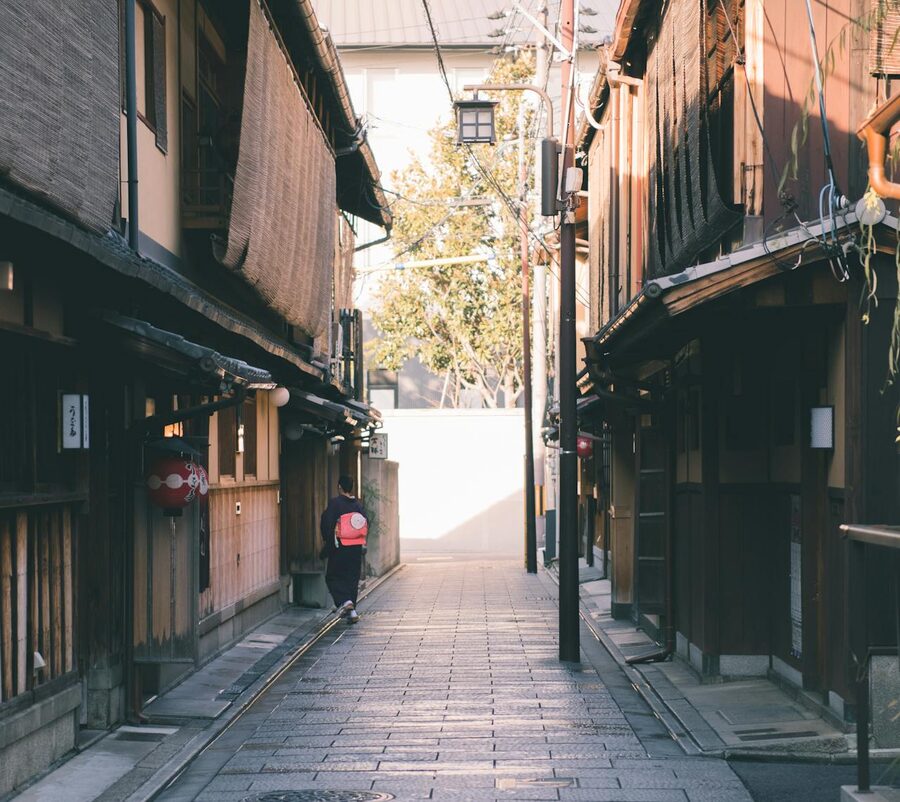
For most visitors, seeing a real geisha in Kyoto is near the top of the wishlist. The problem is that the traditional geisha world is almost entirely closed to outsiders. You can’t just walk into a teahouse in Gion and book a geisha for dinner. That system requires personal introductions and existing relationships that go back years.
The good news: there are now several excellent shows and cultural experiences that give you genuine access to geisha and maiko performances — without needing a Japanese patron or spending $1,000 on a private dinner.
Short on time? Here are my top picks:
Best cultural walk + show: Gion Cultural Walk & Geisha Show with Dining — walk through Gion with a guide, then watch a private geisha show over dinner. The full package.
Best deep dive: Explore Gion and Discover Arts of Geisha — a 3-hour immersive experience covering Gion’s history, tea ceremony, and a live performance. Smaller groups.
Best budget option: 1 Hour Geisha Show in Kyoto — one focused hour of traditional dance, music, and games. No dinner, just the performance.
- Geisha, Geiko, Maiko — What’s the Difference?
- How Many Geisha Are Left?
- The 3 Best Geisha Shows and Experiences
- 1. Gion Cultural Walk & Geisha Show with Dining — 8
- 2. Explore Gion and Discover the Arts of Geisha — 1
- 3. 1 Hour Geisha Show in Kyoto —
- What Happens at a Geisha Show
- The Gion Corner Option
- The Geiko Maiko Museum Experience
- Spotting Real Geisha in Gion (And Not Being That Person)
- Kimono Renters vs. Real Geisha — How to Tell
- The History (And Why It Matters When You Visit)
- The Seasonal Calendar
- What to Wear, What to Bring
- Practical Tips
- More Kyoto and Japan Experiences
Geisha, Geiko, Maiko — What’s the Difference?
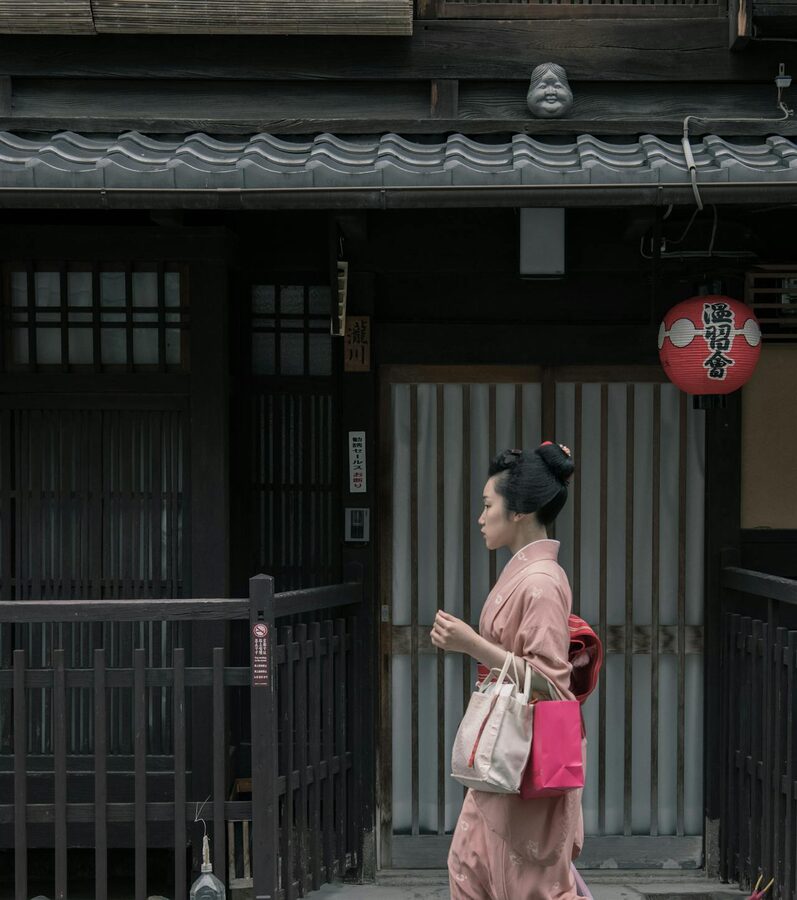
First, let’s sort out the terminology. It confuses everyone.
Geisha is the word most foreigners know. It literally means “arts person” in Japanese. In Tokyo and most of Japan, this is the standard term.
Geiko (pronounced “gay-ko”) is the Kyoto term for a fully trained geisha. Kyoto people will politely correct you if you say “geisha.” Same person, different name.
Maiko (pronounced “my-ko”) is an apprentice. Young women — usually between 15 and 20 — train for five years under a senior geiko before graduating. Maiko are the ones you’re most likely to spot in Gion because their outfits are more colourful and eye-catching.
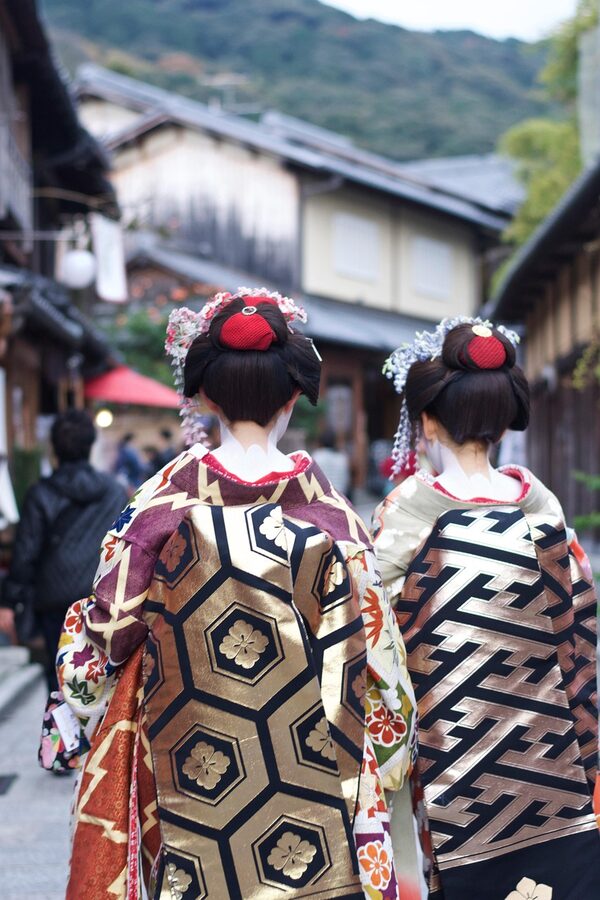
Here’s what they actually do: geiko and maiko are trained in traditional Japanese arts — dance, music (shamisen, flute, drums), singing, tea ceremony, flower arrangement, calligraphy, and the art of conversation. They perform at private dinners, parties, and special events. They are professional entertainers in the oldest sense of the word.
They are NOT what certain movies and books have implied. They are artists. The training is rigorous. The profession is respected. Leave whatever weird ideas you picked up from Hollywood at the airport.
How Many Geisha Are Left?
Kyoto has roughly 100 geiko and 100 maiko as of 2024. That’s down from several thousand in the 1920s, when Gion had over 80,000 residents connected to the entertainment quarters.
The five hanamachi (flower towns / geisha districts) in Kyoto are: Gion Kobu (the most famous), Pontocho, Kamishichiken, Miyagawa-cho, and Gion Higashi. Each operates as a separate community with its own traditions, management, and calendar of events.
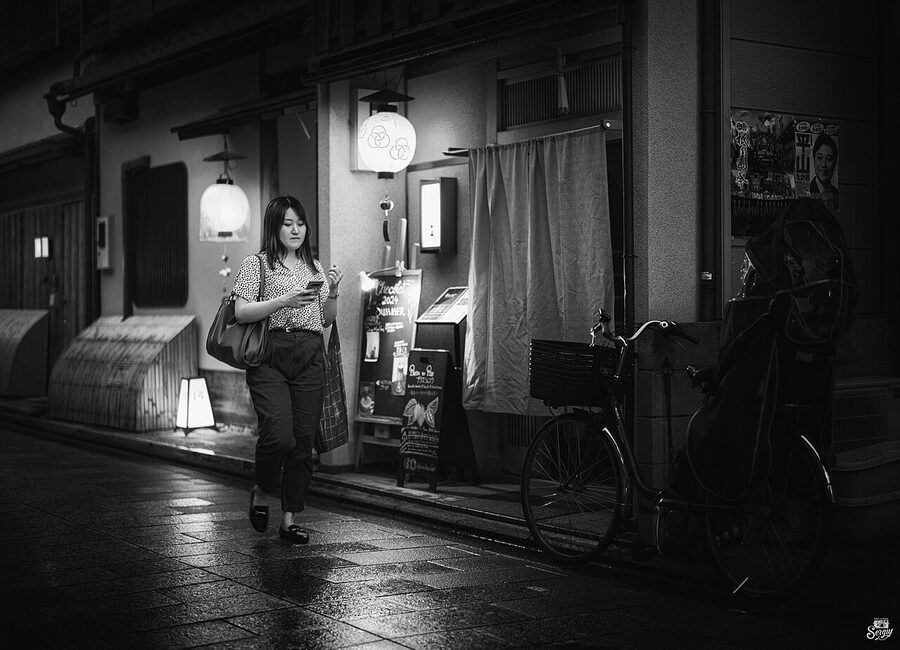
The reason there are so few left is simple: the lifestyle demands everything. A maiko lives in her okiya (geisha house) during training, can’t have a smartphone, can’t date, can’t travel freely. After five years, some graduate and continue as geiko. Many quit. It’s an extreme career choice in modern Japan, and fewer young women are signing up each decade.
The 3 Best Geisha Shows and Experiences
1. Gion Cultural Walk & Geisha Show with Dining — $108
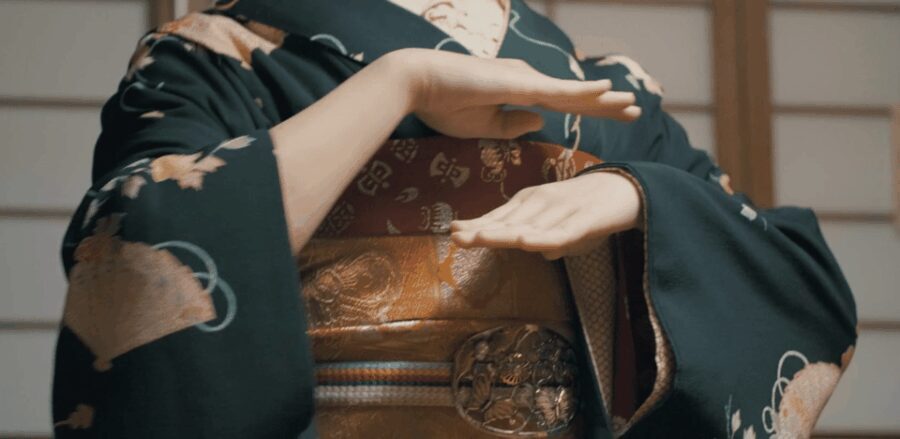
This is the full package — you start with a guided walk through Gion’s historic streets (your guide explains the teahouse system, points out the different hanamachi districts, and teaches you geisha etiquette), then sit down for a traditional dinner while a maiko or geiko performs classical dance and plays the shamisen. Some versions include a Q&A where you can ask the performer questions through a translator. The dining options range from bento boxes to multi-course kaiseki. Our full review covers the evening’s schedule and what to expect.
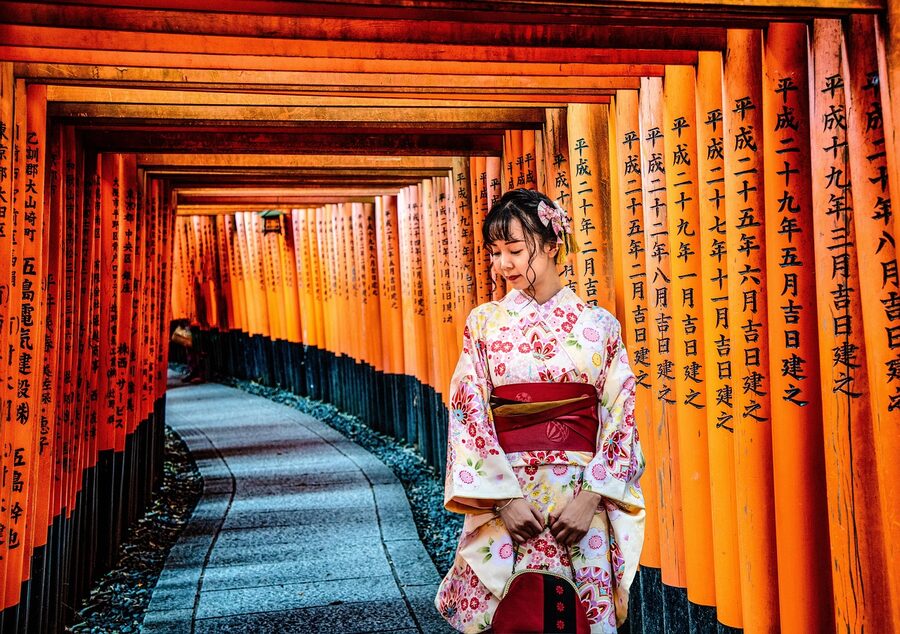
2. Explore Gion and Discover the Arts of Geisha — $121
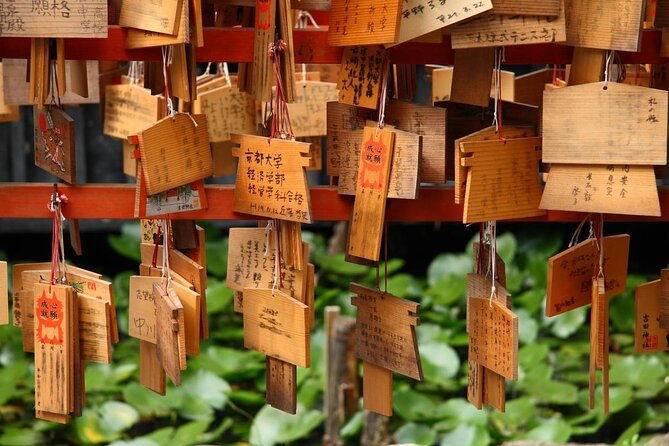
This is the more immersive option — 3 hours that go beyond watching a performance. You walk through Gion with a specialist guide who explains the history and social structure of the hanamachi system, participate in a tea ceremony, learn about the different arts a geiko must master, and then watch a live performance. Groups are smaller than the dining tour, which means more face time with the performer. Good for people who want to understand geisha culture, not just see it. Our review breaks down the full 3-hour experience.
3. 1 Hour Geisha Show in Kyoto — $80
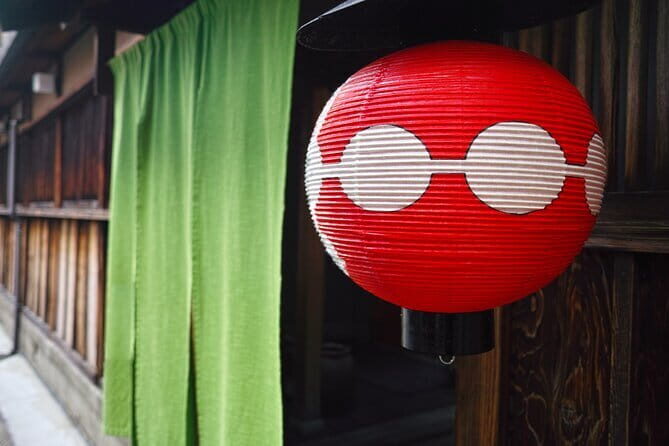
If you just want the show — no dinner, no walking tour, no extras — this is the one. One hour in a traditional room with a maiko or geiko who performs several dances, plays the shamisen, and leads traditional games (ozashiki asobi) with the audience. The games are surprisingly fun — they involve drinking, dice, and a lot of laughing at how bad foreigners are at Japanese party games. The performance venue is in central Gion. Our review explains the games and how the hour breaks down.
What Happens at a Geisha Show
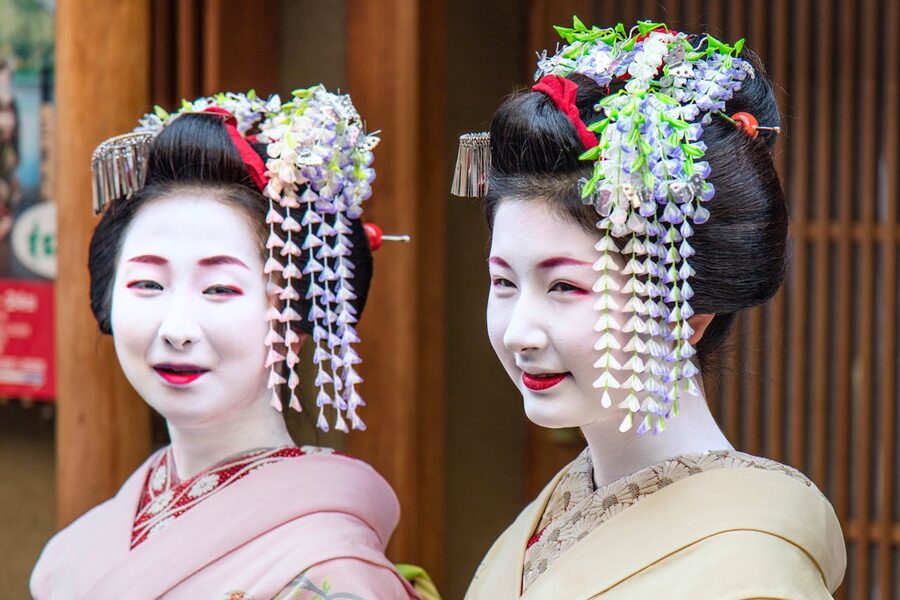
If you’ve never been to one, here’s what a typical show looks like:
The entrance: The geiko or maiko enters the room in full regalia. She kneels, bows, and introduces herself. If there’s a translator, they’ll explain who she is and how long she’s been performing.
The dance: One or more traditional dances — usually with a fan, sometimes with props. The dances are stylised, graceful, and deeply specific. Each hand movement means something. Each step follows a choreography that’s been passed down for generations. Don’t expect acrobatics — the beauty is in the precision and restraint.

The music: Shamisen (three-stringed instrument), sometimes accompanied by singing. The sound is distinctive — a kind of rhythmic twanging that’s equal parts hypnotic and surprising. Some shows also include fue (flute) and taiko (drums).
The games (ozashiki asobi): This is the part nobody expects to enjoy this much. Traditional drinking games played between the geiko and the guests. The most common is Konpira Fune Fune — a hand-clapping speed game where you have to touch a bowl or your hand at the right moment. It sounds simple. It’s not. You will lose. The geiko will laugh (politely). Everyone will drink.
The conversation: In more intimate shows, there’s time for Q&A. You can ask about her training, her daily life, her arts. Most performers are happy to share — they know that foreign visitors are curious and usually respectful.
The Gion Corner Option
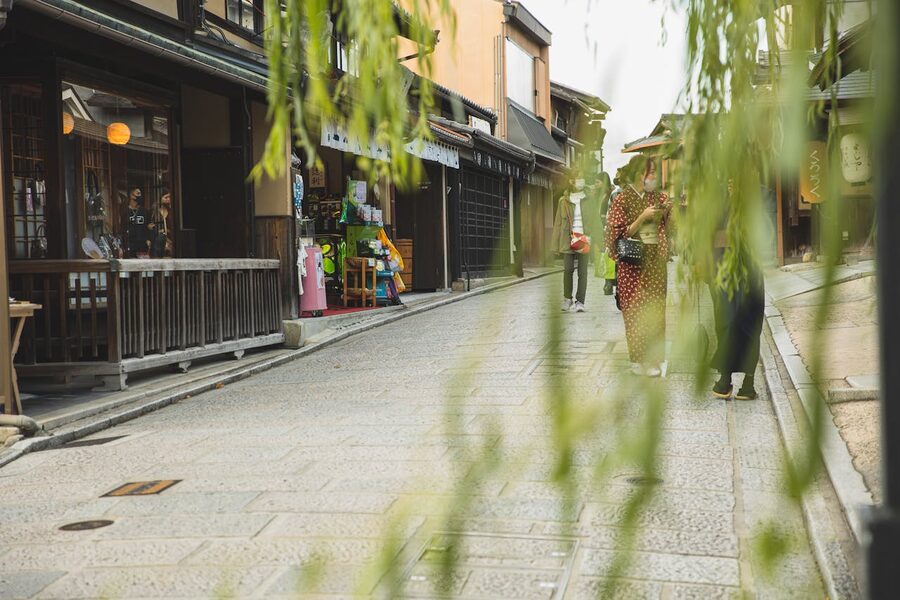
Gion Corner is a small theatre on Hanamikoji Street that runs nightly shows (March-November) showcasing seven traditional arts: tea ceremony, flower arrangement, court music, Bunraku puppet theatre, gagaku dance, kyo-mai dance (the Kyoto style performed by geiko), and comedy.
The show is about an hour. Tickets are around 4,000 yen ($27). It’s touristy and the performances are abridged versions of the real thing. But if you’re in Kyoto for one evening and want a sampler of traditional arts, it works. The geisha dance segment is short but genuine.
The dedicated tour experiences listed above are much more personal and in-depth. Gion Corner is the “tasting menu” version — fine for orientation, but not a substitute for the real thing.
The Geiko Maiko Museum Experience
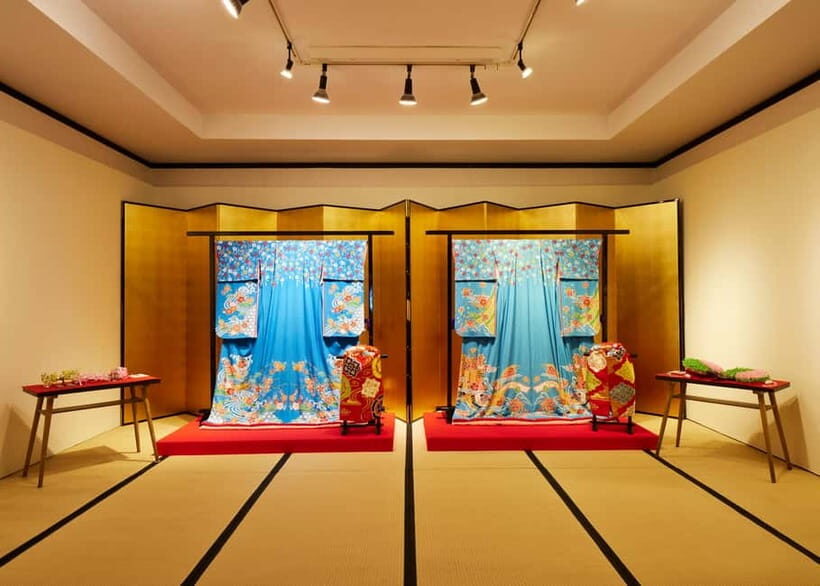
The Geiko Maiko Dance of Kyoto & Gion Museum (ID:6020814, $25) is worth a mention as the cheapest legitimate geisha experience in Kyoto. You get museum exhibits about the hanamachi system, the training process, and the arts — followed by a live maiko dance performance. It’s shorter and less interactive than the full show experiences, but at $25 it’s hard to argue with the value. Our review covers what the museum includes.
Spotting Real Geisha in Gion (And Not Being That Person)
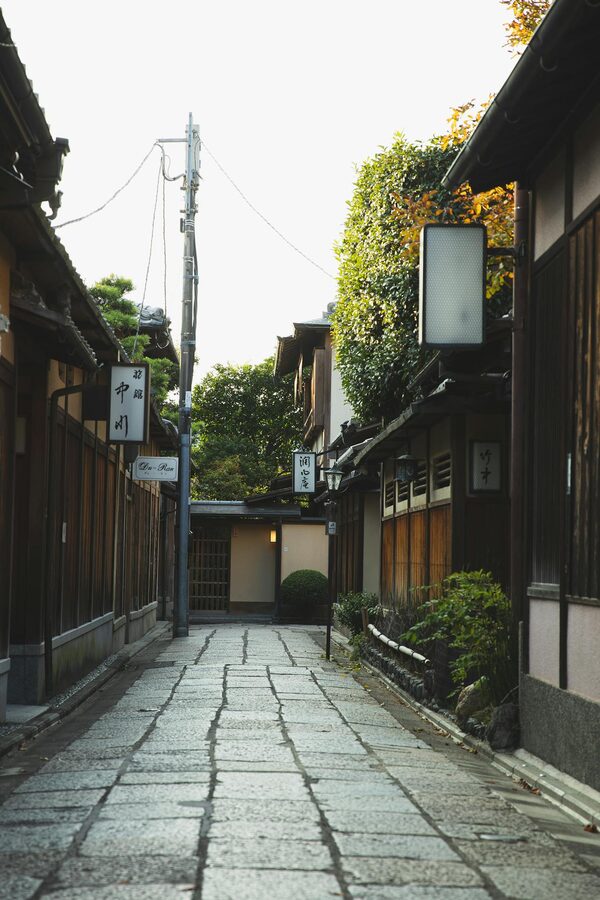
Here’s the situation: you’re walking through Gion in the early evening and you spot a maiko heading to an appointment. She’s in full kimono, white makeup, elaborate hair. Your camera hand twitches.
Don’t be that person.
Kyoto implemented strict photography rules in Gion starting in 2019. You cannot take photos in the private alleys of the hanamachi. You cannot chase, block, or touch a maiko or geiko (yes, people have done all of these things). The neighbourhood now has signs and sometimes patrol volunteers enforcing the rules.
If you want photos with a geisha, book one of the shows — they all include photo opportunities at the end. The performers pose with guests willingly and it’s part of the experience. That’s the respectful way to do it.
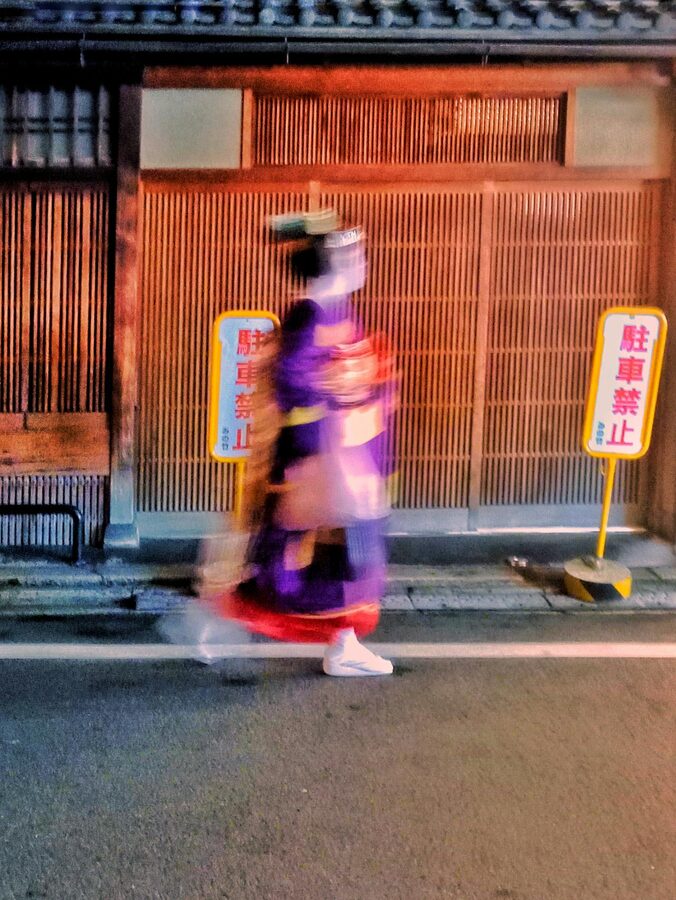
The best times to spot geiko and maiko in transit are 5-7pm along Hanamikoji Street and the small streets branching off it. Stand to the side, bow if they notice you, and enjoy the 10-second glimpse of another era walking past.
Kimono Renters vs. Real Geisha — How to Tell
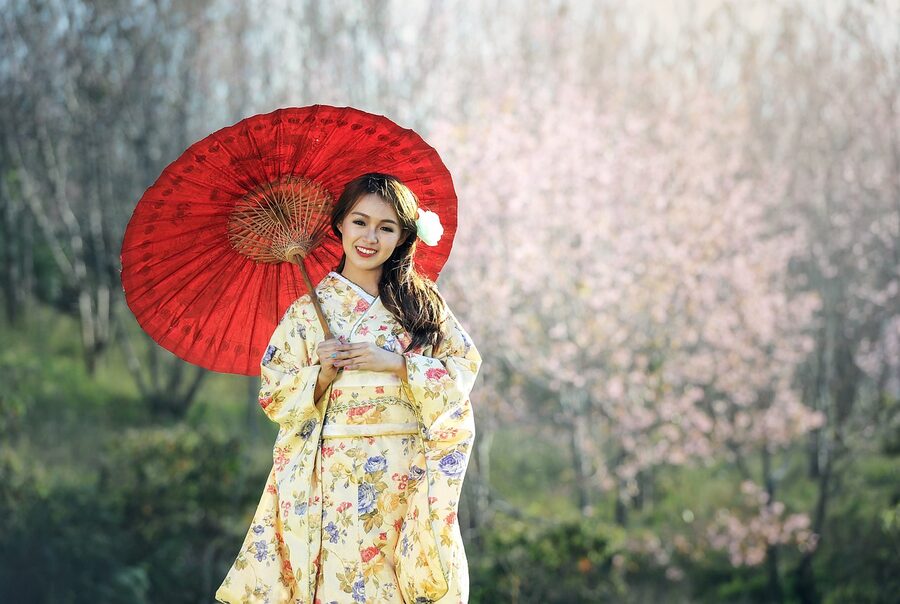
Kyoto has a huge kimono rental industry. Thousands of visitors rent kimono each day and walk around Gion looking spectacular. Some rental shops offer full “maiko makeover” packages with white makeup and elaborate hair.
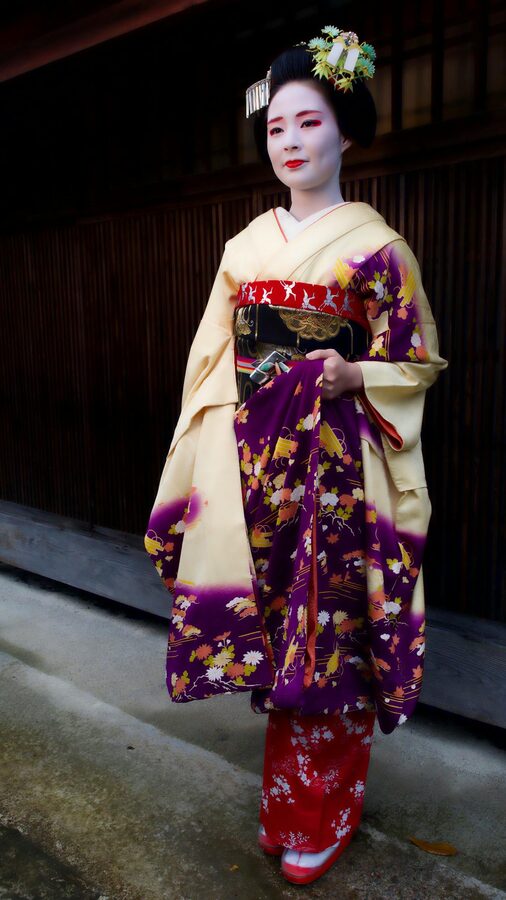
This creates confusion. That person in the white makeup posing for photos on the bridge? Probably a rental customer, not a real maiko.
How to tell the difference: real maiko move differently. They walk with tiny steps (the kimono and sandals force it). They don’t pose for selfies. They’re heading somewhere with purpose. Their kimono is heavier, more expensive-looking, and their hair ornaments are seasonal (a real maiko’s kanzashi changes every month). Rental customers wear lighter kimono, move freely, and are clearly having fun posing. Both are fine. Just know which is which.
The History (And Why It Matters When You Visit)
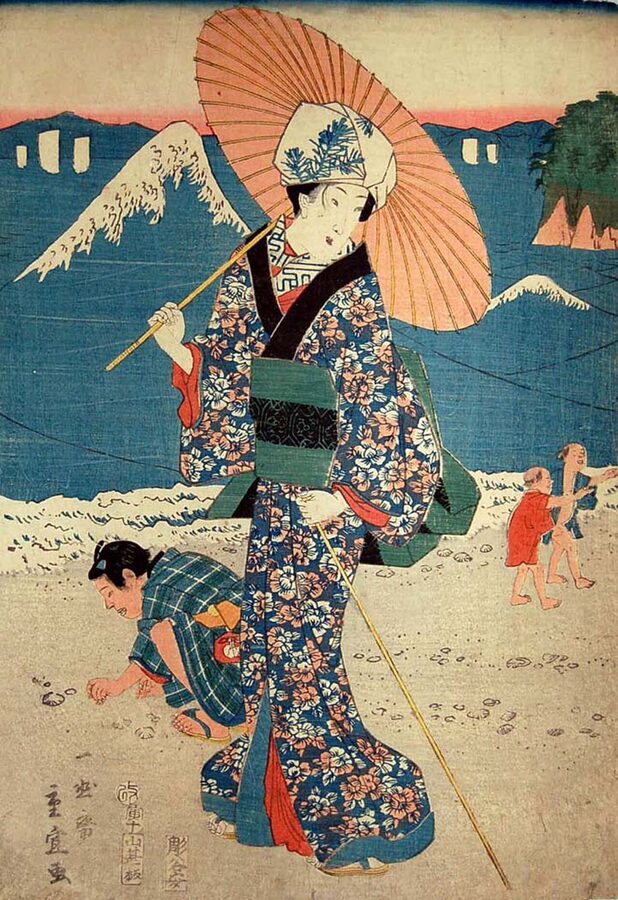
The geisha tradition started in the 1700s in Kyoto. The first geisha were actually men — entertainers who performed at gatherings. Female geisha appeared around 1750 and quickly became the dominant form. By the late 1700s, the hanamachi system was established, with formal training, ranking, and regulation.
During the Edo period (1603-1868), geisha were rock stars. The most famous ones appeared in woodblock prints that circulated across Japan. Their fashion choices set trends. Their opinions on poetry, music, and art carried weight. The teahouses where they performed were the equivalent of exclusive clubs.
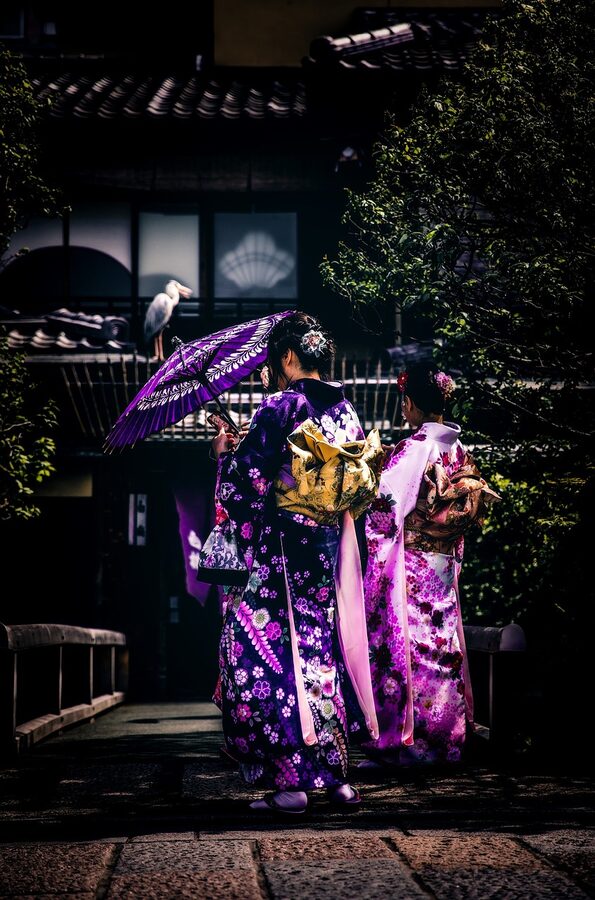
When you sit in a tatami room watching a maiko perform a fan dance to shamisen music, you’re watching the exact same art form that Edo-period merchants paid fortunes to see. The choreography has been passed from teacher to student for over 250 years. The music is played on instruments made the same way. Even the jokes in the drinking games are centuries old.
That continuity is the point. A geisha show isn’t a re-enactment or a museum piece. It’s a living tradition performed by people who’ve dedicated their lives to it. The woman dancing in front of you spent five years learning that exact sequence of movements. That’s what you’re paying $80-$120 for — not a performance, but access to a tradition that almost nobody gets to see up close.
The Seasonal Calendar
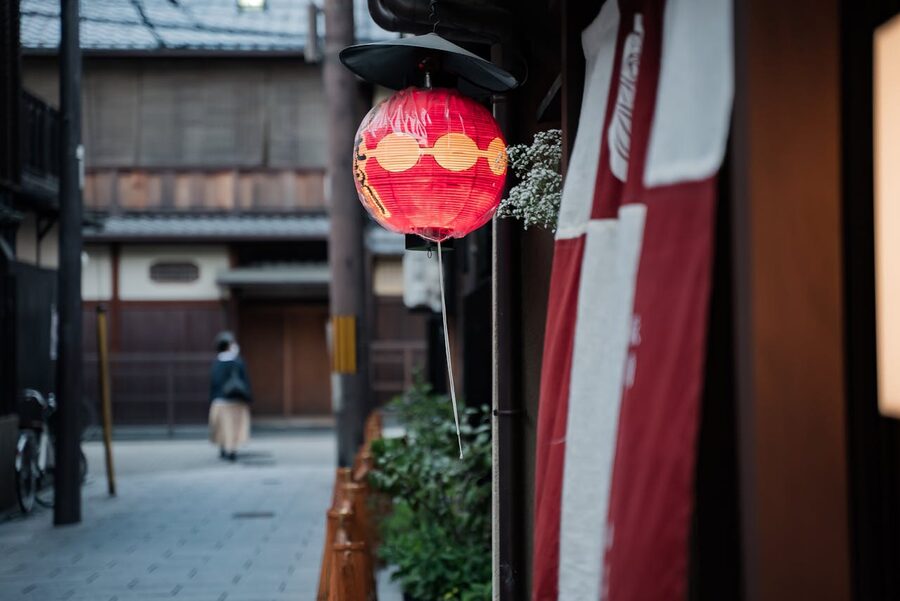
If you can time your visit, the annual dance festivals are the most accessible way to see geisha perform publicly.
Miyako Odori (April): Gion Kobu’s spring dance, held for the entire month of April at the Gion Kobu Kaburenjo theatre. Dozens of geiko and maiko perform together. Tickets sell out fast but are available to anyone. This is the biggest public geisha performance of the year.
Kamogawa Odori (May): Pontocho’s spring dance, held at the Pontocho Kaburenjo theatre for two weeks in May. Smaller than Miyako Odori but equally beautiful.
Gion Odori (November): Gion Higashi’s autumn dance. One week in November. The most intimate of the major dance festivals.
Kitano Odori (March-April): Kamishichiken’s spring dance. This district is the oldest hanamachi in Kyoto and the performances have a particularly traditional feel.
What to Wear, What to Bring
Dress: Smart casual at minimum. You’re entering a traditional space with people in formal attire. Shorts and flip-flops are technically allowed but you’ll feel out of place. A collared shirt or a nice dress goes a long way.
Shoes: You’ll be removing them to sit on tatami. Wear socks. Clean ones. No holes.
Camera: Most shows allow photos at specific moments (usually after the performance). Ask before shooting during the dance. Flash photography is almost always prohibited.
Gifts: Not expected for tour experiences. If you’re at a private dinner, small gifts (something from your home country) are appreciated but not required.
Alcohol: The ozashiki asobi (drinking games) involve sake or beer. You can decline politely. Nobody will pressure you. But the games are more fun if you play along.
Practical Tips
When to book: Weekend shows fill first, especially during cherry blossom season (late March/early April) and autumn foliage (November). Book 5-7 days ahead. The Miyako Odori in April should be booked weeks in advance.
Language: All three recommended tours have English-speaking guides or translators. The geiko and maiko speak Japanese, but the guides translate everything. Some performers know basic English greetings.
Getting there: Gion is walkable from Kyoto Station (about 25 minutes) or a quick bus ride (buses 100 and 206). Keihan Railway’s Gion-Shijo station drops you right at the district entrance.
Duration: Plan 2-3 hours for the full experiences (tours 1 and 2), or 1.5 hours for just the show (tour 3). Add time for wandering Gion before or after — the district is worth at least an hour of exploration on its own.
Tipping: Not expected in Japan. Don’t leave a tip. It can cause confusion.
More Kyoto and Japan Experiences
A geisha show pairs perfectly with Kyoto’s other evening experiences. Our Kyoto bar hopping guide covers Pontocho — the narrow alley of bars and restaurants that runs parallel to the Kamogawa River, just steps from Gion. If the geisha show sparks your interest in traditional arts, check our samurai kenbu sword dance for the martial side of Edo-period performance. For morning Kyoto, the early morning tours hit the temples before the crowds. If you want to try dressing the part yourself, our Kyoto kimono rental guide covers the best shops. Our matcha tea museum guide takes the tea ceremony element deeper. The Kyoto night food tour is the edible version of a Gion evening, and our dedicated Kyoto Gion food tour guide is the deep-dive for sit-down meals at the historic Gion restaurants you’ll walk past on the way to the show. And if you’re heading to Gion at night anyway, our Kyoto ghost night tour covers the area’s spookier side. For a completely different Kyoto vibe, try the Nishiki Market food tour during the day or the Nijo Castle tour for samurai history. Even Kyoto ninja lessons make a fun contrast — from the refined world of geisha to the shadowy world of shinobi in one afternoon.