
Did you know the little green bottle isn’t really the point? Real Korean soju — the stuff people sipped for 900 years before the mass-market brands took over — lives inside small distilleries where a copper still sits in the corner like a household shrine. A soju tasting in Seoul is how you find that out in a single sitting.
This guide is for anyone booking their first Korean alcohol tasting. I’ll walk through how a proper tasting actually works, what Samhae and the craft makgeolli world taste like back-to-back, and three specific bookings I’d send a friend to before they ever step on the plane.
Short on time? Book one of these.
- Soju Tasting at Distillery — Story of 3 Pigs — $43.83. The Samhae Soju distillery experience near Hongdae. Seven pours, 80 minutes, run in English by a host everyone calls Sam. Check availability.
- Traditional Soju Class and Makgeolli Tasting in Seoul — $66.97. A proper small-group class (max 7) that covers both soju and makgeolli in one evening. Check availability.
- Learn and Make Your Very Own Craft Makgeolli — $70.70. Hands-on rice-wine brewing at Baekusaeng. You leave with a bottle of your own batch. Check availability.
- Short on time? Book one of these.
- What a Korean Soju Tasting Actually Is
- Why This Is the Smartest Booking You’ll Make in Seoul
- The Three Tastings Worth Booking
- 1. Soju Tasting at Distillery — Story of 3 Pigs — .83
- 2. Traditional Soju Class and Makgeolli Tasting in Seoul — .97
- 3. Learn and Make Your Very Own Craft Makgeolli — .70
- What You’ll Taste — The Drinks Guide
- Mass-market soju (16–25% ABV)
- Traditional premium soju (40–53% ABV)
- Makgeolli (6–9% ABV)
- Fruit and flavoured soju (12–14% ABV)
- How a Distillery Tasting Flows
- Booking Logistics
- When to book
- Time slots
- Cost
- Payment and cancellation
- Language
- What to Eat Between Pours
- A Short History of Korean Soju
- Etiquette — The Five Rules Worth Knowing
- Soju Tastings Outside Seoul
- Andong
- Busan
- Jeju
- What Not to Book
- Pairing Your Tasting With the Rest of a Seoul Trip
- Packing and Practical Notes
- What to wear
- Eat beforehand
- Cash vs card
- Transport
- Getting home
- Can Non-Drinkers Go?
- How a Tasting Compares to Other Seoul Evenings
- Keep Exploring Korea
What a Korean Soju Tasting Actually Is
Here’s the thing nobody tells you before they book. “Soju tasting” in Seoul splits into two very different experiences, and they taste almost nothing alike.
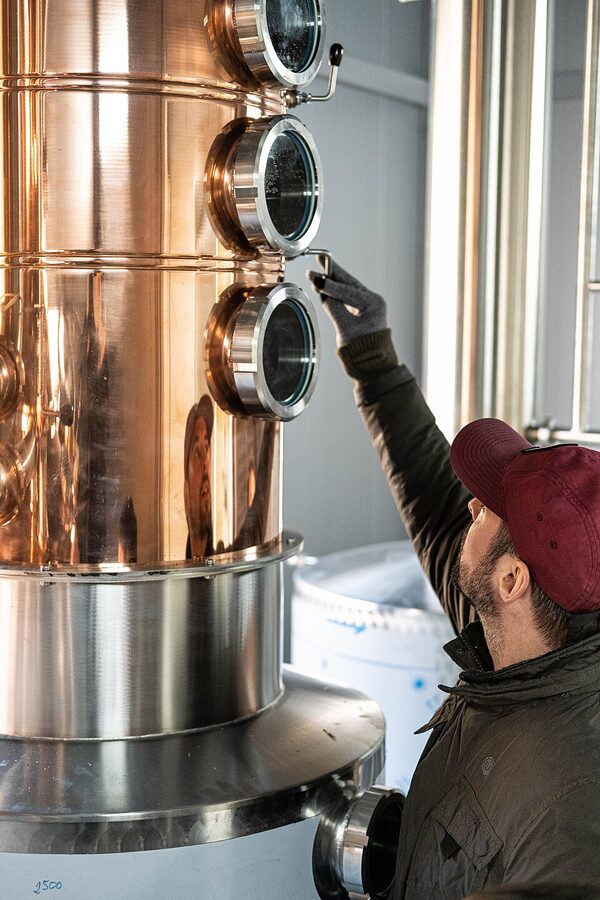
The first kind is a craft distillery tasting. You sit down at a small counter at a working micro-distillery — usually in a Hongdae side street or a Jongno alley — and the master pours you five to eight pours. Some are clear soju at 45–50% ABV, some are infused variations, some are older brewery-aged bottles you can’t buy in a supermarket. The host walks you through history, grain type, fermentation method, what to eat between sips. It feels like a cross between a whisky tasting and a quiet storytelling session.
The second kind is a traditional alcohol class. This is closer to a lecture with drinks. You learn where soju and makgeolli fit in Korean culture, why one drink is for formal gatherings and the other for farmers, how to pour for your elders without looking rude. Then you taste. Classes usually span both soju and makgeolli so you leave with a full picture of Korean “sool” — the umbrella word for traditional drinking culture.
Both kinds run for 80 minutes to two hours. Both are almost always booked for small groups of 7–10 people max. Both are in English. And both start in the late afternoon or early evening — typically a 5:30 PM or 6:30 PM slot so you can go straight to dinner after.
Why This Is the Smartest Booking You’ll Make in Seoul
I came into Korea thinking soju was what you see on TV — green bottle, foil cap, everyone takes shots until someone falls asleep on a table. After a single distillery session at Samhae, I came out understanding that the green bottle is basically the canned-beer equivalent. It’s fine. It’s cheap. It’s everywhere. But it’s not what Koreans drink when they actually care.
Real soju — the craft kind — is closer to an unaged Japanese shochu or a clean mezcal. Rice and yeast and nuruk (the traditional Korean fermentation starter), distilled, rested, bottled. Some brands have been making it the same way since the Joseon dynasty. The flavours sit somewhere between vodka and a mild grain whisky. Faint sweetness at the start, warmth through the middle, a dry finish that asks for another bite of food.
If you take the tasting early in your trip — day two or three — you’ll spend the rest of your Seoul week ordering smarter. You’ll know the difference between soju and andong soju when you see it on a menu. You’ll know why the bartender is slow-pouring from a ceramic bottle instead of cracking a green one. It’s the same logic as booking a Korean cooking class on day one instead of day ten. You want the learning curve done before dinner on night two, not on your last evening.
The Three Tastings Worth Booking
Below are the three I’d actually send a friend to. I’ve picked one hardcore distillery experience, one broad class-plus-tasting combo, and one hands-on makgeolli brewery that sits right next to the soju world. These are the clusters with the most traction on Viator and where the quality bar is highest.
1. Soju Tasting at Distillery — Story of 3 Pigs — $43.83
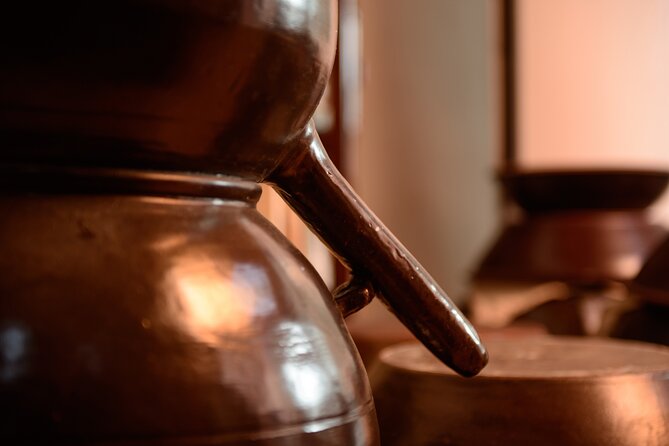
This is the one everybody ends up recommending. It runs at the Samhae Soju distillery near Hongik University station, hosted by a rice-wine expert who most guests just call Sam. Seven pours, mostly 45% ABV, with the odd wildcard at 18 or 50%. Our full review gets into the noble-class Joseon history Sam weaves through the session — it’s the story layer that makes the 80 minutes stick in your memory long after the flight home.
2. Traditional Soju Class and Makgeolli Tasting in Seoul — $66.97

Pick this if you want the cultural context as much as the drinks. The class covers the history and production of both soju and makgeolli, then walks you through tastings of each. Our full review breaks down the pour order — they start with the milky makgeolli to warm your palate, then build up to the sharper premium sojus toward the end. Small group, max seven, so you can actually ask questions.
3. Learn and Make Your Very Own Craft Makgeolli — $70.70
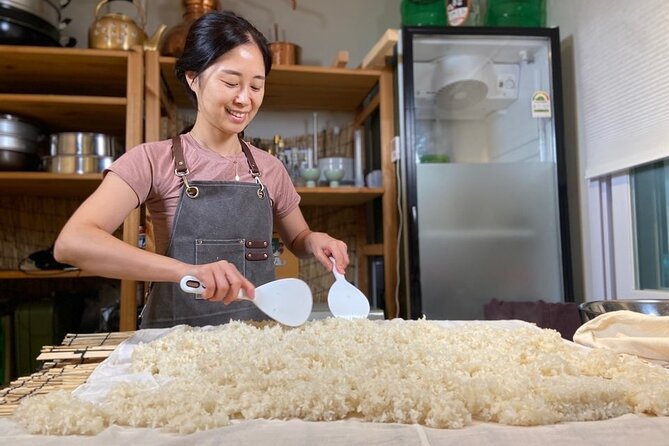
This one sits next to the soju world rather than inside it, but it’s the hands-on version you can’t get from a pure tasting session. At Baekusaeng Makgeolli the instructors put rice, nuruk and water in front of you and you build your own batch from scratch. Our full review explains which seasonal variations they offer — summer’s version leans drier, winter’s batch is sweeter and cloudier. You walk out with your bottle and a schedule for when to taste.
What You’ll Taste — The Drinks Guide
You’ll run into four categories of Korean alcohol on almost every tasting. Knowing them in advance helps you steer the session toward what you actually want more of.
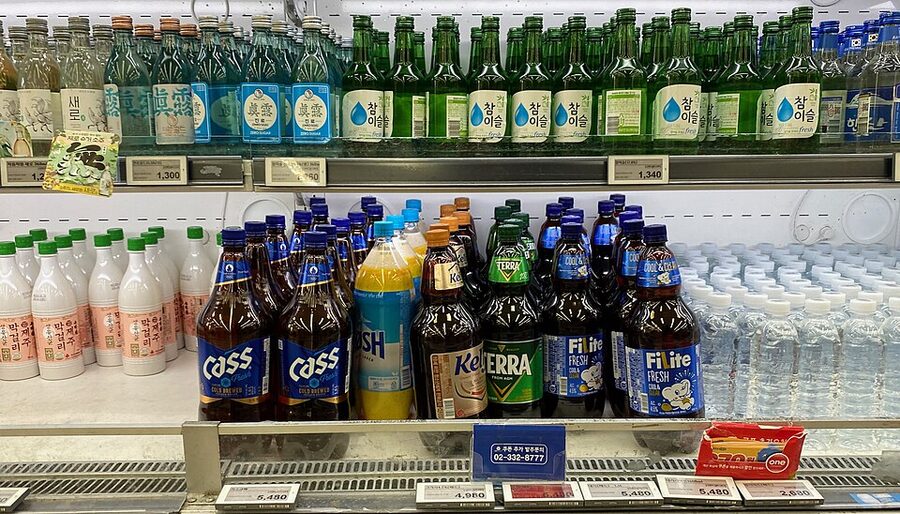
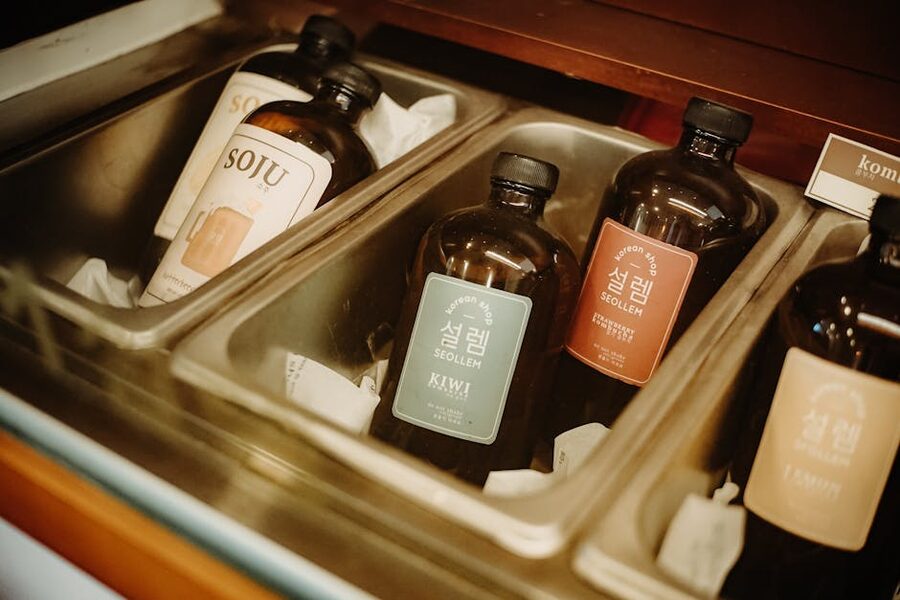
Mass-market soju (16–25% ABV)
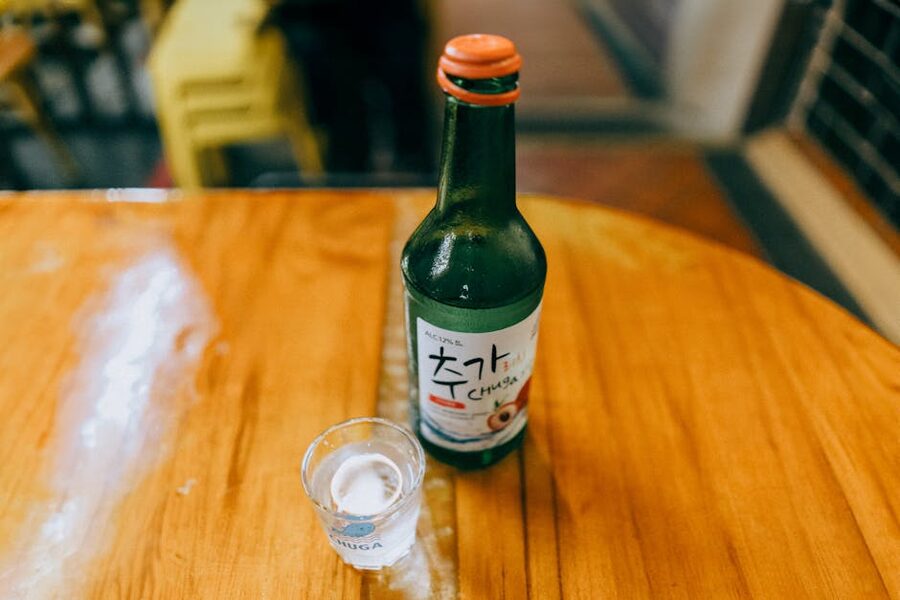
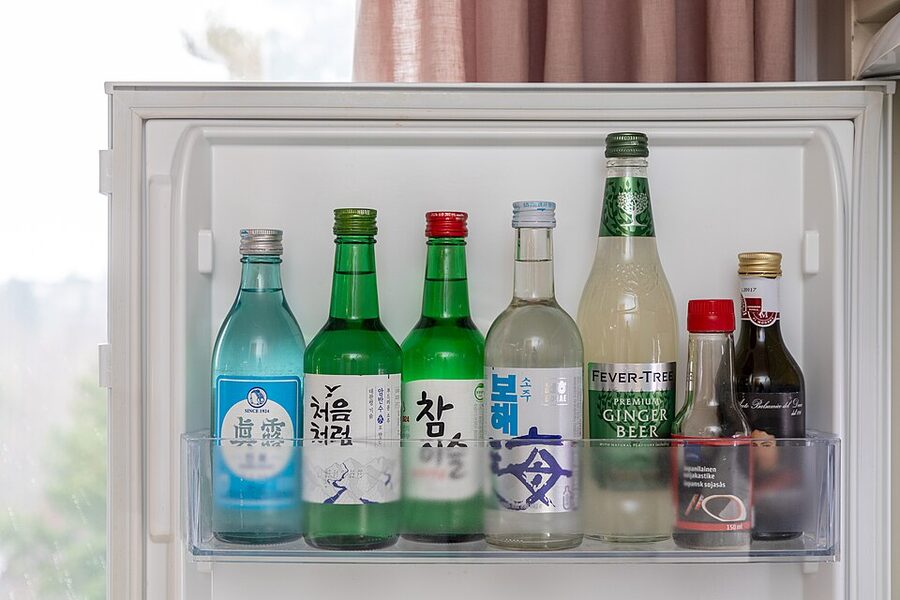
The green-bottle stuff. Jinro, Chamisul, Cheoeum cheoleom. Cheap, clean, a little sweet from added sweeteners, used as a mixer or a sociable shot. You won’t get this on a proper tasting — you’re meant to have tried it already at a Korean BBQ joint the night before. If you haven’t, do that on night one and then book the tasting for night two.
Traditional premium soju (40–53% ABV)
Craft soju, distilled the old way. Brands like Samhae, Andong Soju, Hwayo and Tokki sit here. Smooth, dry, warming — closer to Japanese shochu or a clean blanco tequila than vodka. This is the heart of a proper distillery tasting. Sip it. Never shot it.
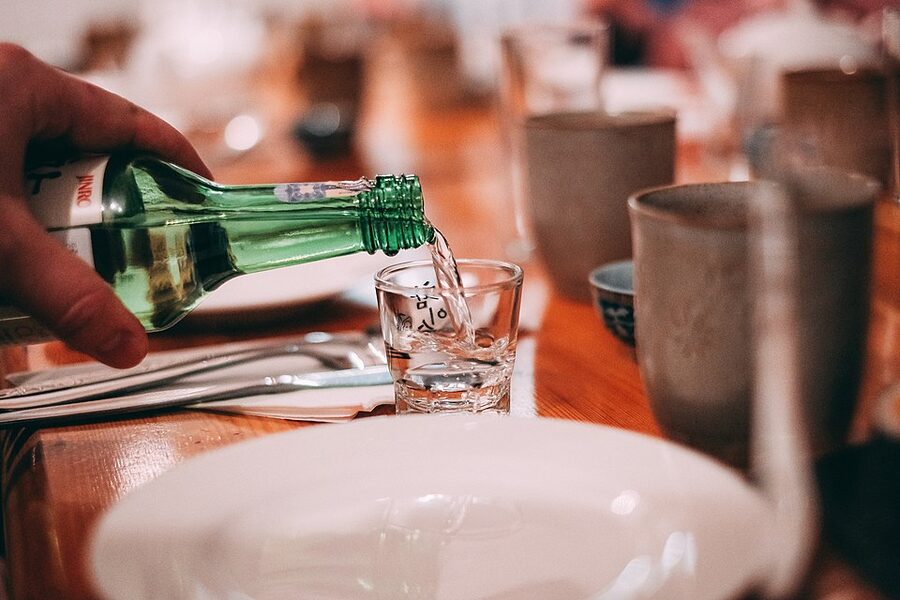
Makgeolli (6–9% ABV)
Milky, cloudy, slightly sweet rice wine. The one you drink out of a shallow brass bowl. Most Koreans will tell you this is a farmer’s drink — it was historically served after a day of field work, usually with a savoury pancake called pajeon. On a tasting you’ll get anywhere from two to five different makgeollis, ranging from young and fizzy to aged and funky.
Fruit and flavoured soju (12–14% ABV)
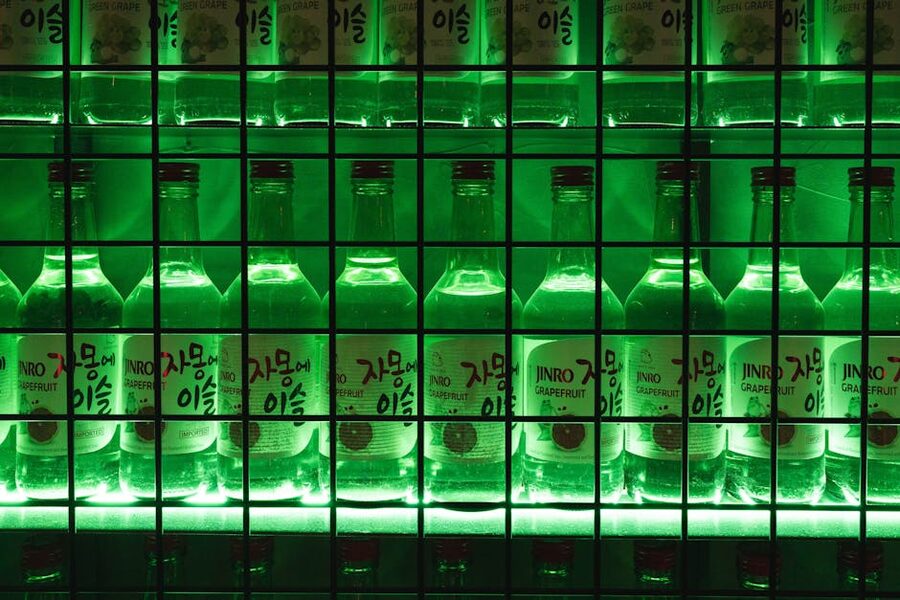
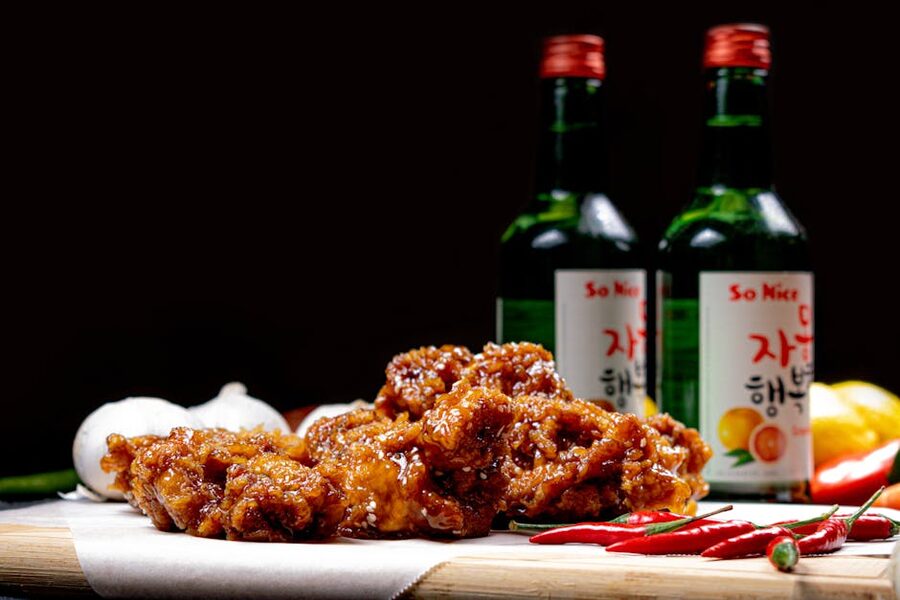
The pastel-bottle stuff — peach, grapefruit, green grape. Low ABV, designed to be chuggable. You won’t find it at a craft tasting but a class instructor might pour one as a curiosity so you can taste the difference between traditional soju and what gets exported to the West.
How a Distillery Tasting Flows
If you pick the Samhae-style distillery session, here’s roughly what the 80 minutes looks like.
First 15 minutes. You arrive and get seated at the counter. The host explains what the distillery makes and introduces the family of bottles you’ll be tasting. No drinks yet. A plate of plain rice crackers appears — you’ll come back to these.
Minutes 15–25. First pour. Usually the lowest ABV on the board so your palate isn’t ambushed. You’re taught to inhale once, sip, hold, swallow, then eat a cracker. The host asks what you noticed.
Minutes 25–55. The working middle of the session. Four or five more pours, each with a small story — how the grain changed during the Joseon dynasty, why the North stopped making soju this way, why one brand ferments in clay and another in steel. This is where the knowledge really lands.
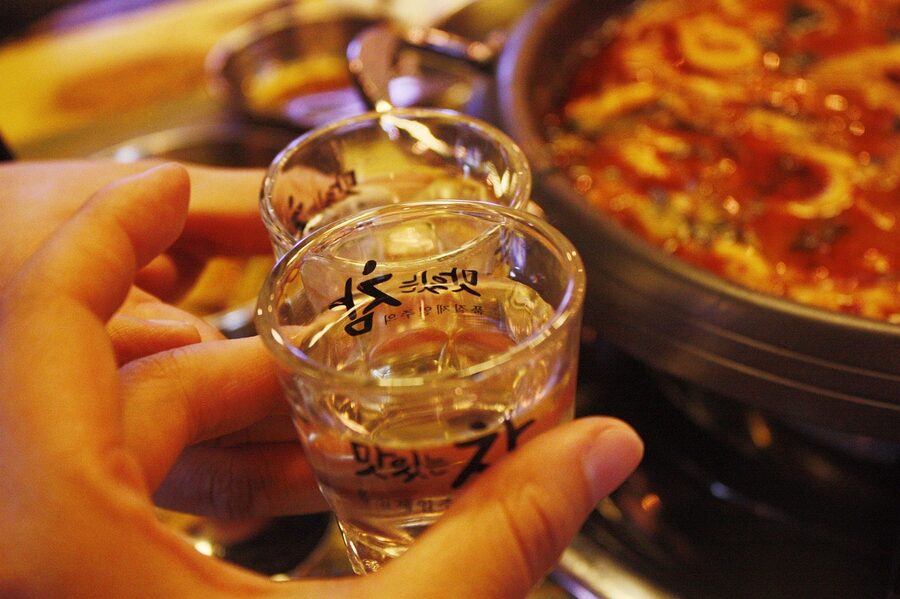
Minutes 55–80. The finale pour is usually the highest ABV on the board — sometimes 50% or more. The host will usually produce a small dish of something rich (pork belly, kimchi jjigae, a fish pancake) so you have something substantial to chase the strongest pour with. This is also where questions get deepest. Ask about what’s not for sale outside the distillery. Most places will pour you a sip from a bottle you genuinely can’t buy.
Booking Logistics
When to book
Spots are small — 7 to 10 people per session — and every operator I’ve used sells out a week or two out in peak season (April/May and October). If you know your dates, lock a tasting in at the same time you book your hotel. You can always move the slot later, but getting a walk-in on a Friday evening in May is not a plan.
Time slots
Most Seoul tastings run at 5:30 PM or 6:30 PM. I’d take the earlier slot if you can — you finish by 7 PM and have time for a proper dinner after, which a session of spirits tasting genuinely needs. A 6:30 start puts you out the door at 8, which in a food city like Seoul is a bit late for a table at somewhere popular without a reservation.
Cost
Budget $43 to $75 per head for the tasting itself. Most sessions include all the pours, palate cleansers and a small snack. They do not include dinner, transport, or any full bottles you want to take home. A bottle of premium soju from the distillery shop usually starts around $35.
Payment and cancellation
Viator and GetYourGuide charge in full at booking. Most distillery tastings are non-refundable once you’re inside a few days of the slot — the brewers block time for you specifically and can’t resell a seat at short notice. Read the cancellation policy on the actual booking page before you hit pay. If your itinerary is still fluid, pick an operator that offers free 24-hour cancellation.
Language
Every tasting in this guide is in English. Korean alcohol names stay in Korean (you’ll hear makgeolli, soju, takju, cheongju, nuruk), but the explanations are all in English. You don’t need to prep.
What to Eat Between Pours
Korean drinking culture treats food and alcohol as inseparable. Every proper tasting will put something in front of you to eat with the drinks. You’ll usually get three categories.
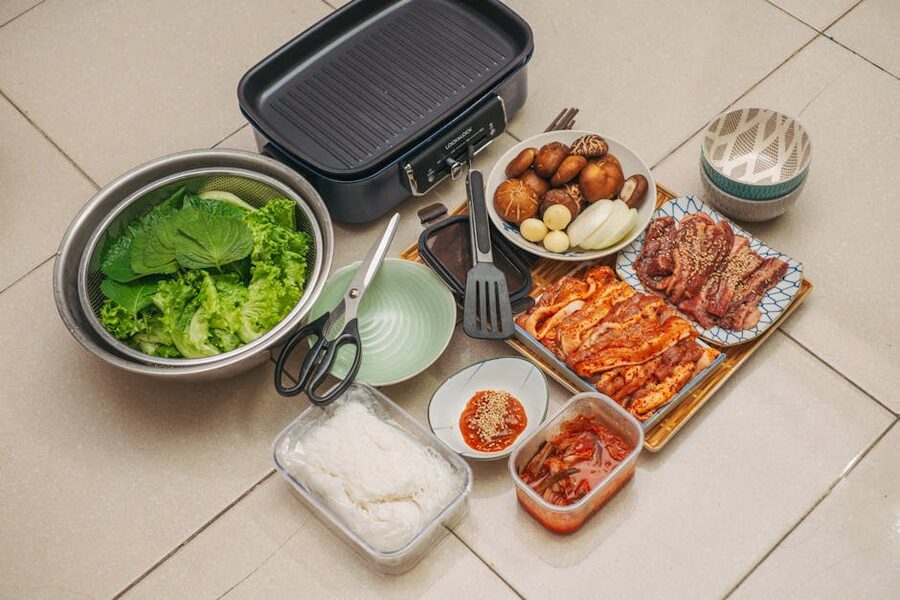
Palate cleansers. Plain rice crackers or unsalted biscuits, served between each pour. They reset your taste buds faster than water and don’t fight the alcohol. Use them. Don’t skip to the next drink without a cracker in between.
Banchan-style side dishes. Small bowls of kimchi, fish cake, boiled egg, peanuts. These appear about halfway through. The idea is to give your stomach something to work on before the stronger pours arrive. Salt and fermentation both pair incredibly well with craft soju.
A finishing dish. Some distilleries add a small hot dish at the end — a kimchi stew, pork belly, a fish pancake. This is the one to ask about when you book. The Samhae session includes crackers and a small kimchi dish; others add a full pajeon pancake for makgeolli pairings.
A Short History of Korean Soju
Soju showed up in Korea during the late 13th century, brought over by the Mongol Yuan dynasty after they invaded from the north. The Mongols had learned distillation from Persian traders, and Korean monks and merchants picked it up from them. Andong, in the southeast, became the original distillery city — it still is.
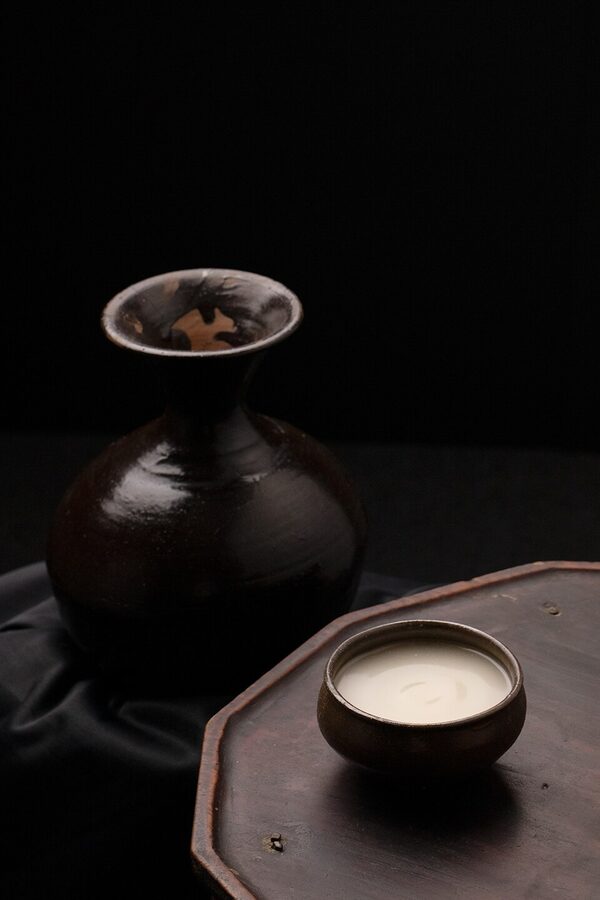
Through the Joseon dynasty (1392–1897), traditional soju was the drink of the yangban — the noble class. The method used a rice base, wooden fermentation, and clay pot distillation. Alcohol by volume sat comfortably above 40%. This is the style Samhae and the other craft distilleries are trying to bring back.
The green-bottle version most travellers know came out of a very specific crisis. In 1965, the Park Chung-hee government banned rice-based alcohol production to stabilise the national rice supply after the war. Distillers switched to cheap tapioca starch and ethanol blending, water was added to bring the ABV down to around 20%, and the industrial green-bottle soju was born. The ban was eventually lifted in 1999, which is why craft rice-based soju is technically a revival industry, not a continuous tradition.
A distillery tasting picks up that thread. Every pour you sample at Samhae is a reconstruction of the Joseon-era method. That’s also why the host’s story — not just the taste — does so much of the work.
Etiquette — The Five Rules Worth Knowing
Korean drinking culture has real rules, and they come up even on a tourist tasting. None of them are hard. All of them make you look less like a clueless foreigner.
1. Never pour your own glass. Someone else pours for you, and you pour for them. If your host pours you a drink, fill theirs next.
2. Use two hands. Always when receiving, usually when pouring. Right hand holds the glass or bottle, left hand supports the right elbow or wrist. This is a respect signal.
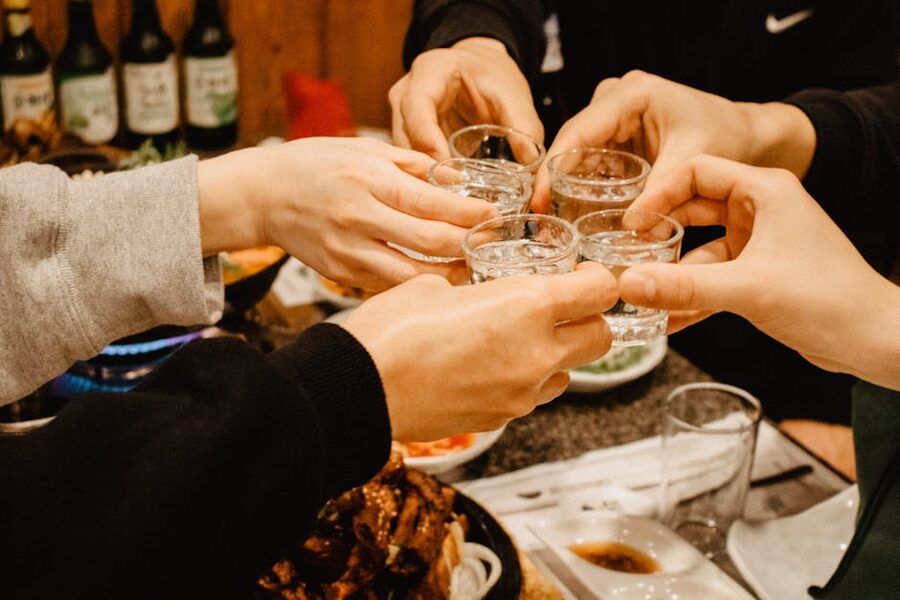
3. Wait for the oldest person to start. Seniority sets the pace. On a tasting your host plays this role. Don’t pick up your glass until they raise theirs.
4. Turn your head away when you sip. A small gesture of respect when drinking in front of someone older. It’s called gopo and most hosts will smile when you actually do it.
5. Empty the glass on the first round. The opening pour of a round is traditionally drunk in one. Later pours can be sipped. If the host raises a glass and says geonbae, that’s your cue.
Soju Tastings Outside Seoul
Seoul has the biggest concentration of English-language tastings, but the country’s spiritual home of traditional alcohol is somewhere else entirely.
Andong
Two and a half hours from Seoul by KTX. The original soju city. Andong Soju is its own intangible cultural heritage category — the museum attached to the Andong Soju Museum does tastings that are worth the train ride if you’re already heading to the Hahoe folk village.
Busan
The south coast has its own makgeolli culture, including several hiking-plus-brewing tours that combine a mountain walk with a rice-wine tasting afterwards. Different vibe, more informal, more outdoorsy. Pairs well with a Bukhansan hiking tour mindset if you’re the kind of traveller who wants to earn the drink first.
Jeju
Jeju makes its own version of soju using island rice and volcanic water. A few of the Jeju-based tour operators bundle a tasting into their day trips. The Jeju style is noticeably smoother than mainland soju — the mineral content does something to the mouthfeel that’s hard to describe until you taste it.
What Not to Book
A few things I’d steer friends away from, based on experience.
Pure pub crawls labelled as tastings. You’ll see “soju tasting” listings that are actually three-hour bar crawls with one shot at each stop. You’ll end up drunk, not educated. If the listing is under $25 and runs after 9 PM, it’s probably a pub crawl with branding. A proper Seoul pub crawl can be fun — just book it as its own thing, not as a tasting.
Unlimited tasting packages. “50+ tastings” sounds great and is a bad way to learn anything. A craft session is about paying attention. Six to eight pours is the right number. More than that and your palate is shot by pour five.
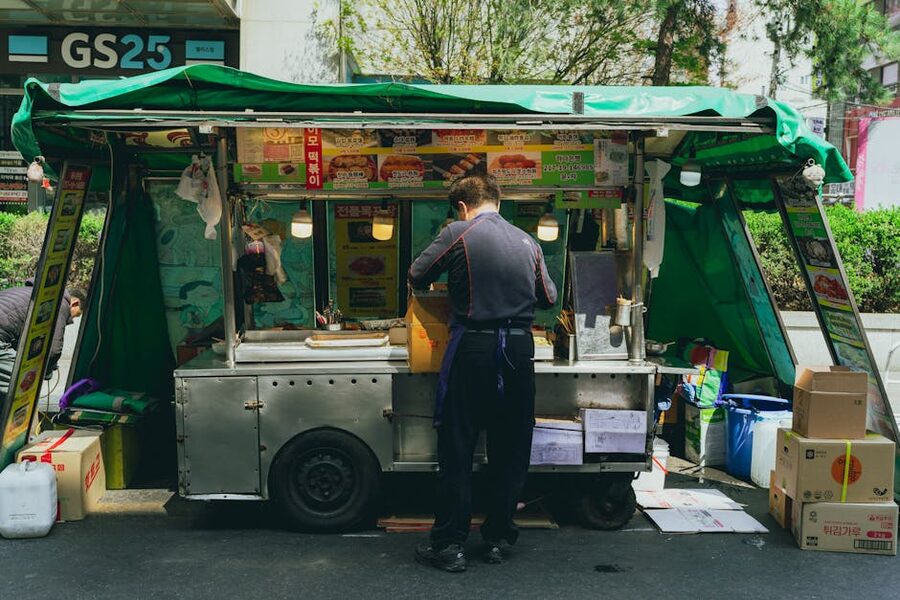
Convenience store “tours.” Some operators sell a guided GS25 or CU walkthrough as a soju tasting. Skip. You can walk into any convenience store yourself and buy a four-bottle flight for under $15. That’s shopping, not tasting.
Pairing Your Tasting With the Rest of a Seoul Trip
A tasting slots naturally into a two-to-three-hour evening window, which leaves the rest of the day open for sightseeing and food. My preferred shape of a Seoul day:
Late morning: palace or neighbourhood walk. Start at Gyeongbokgung or a guided city sightseeing session that covers the royal palaces and Bukchon. Done by lunchtime.
Afternoon: a food-related booking. A cooking class, a kimchi-making class, or a market walk. This primes your palate.
Early evening: the soju or makgeolli tasting. 5:30 PM start, done by 7.
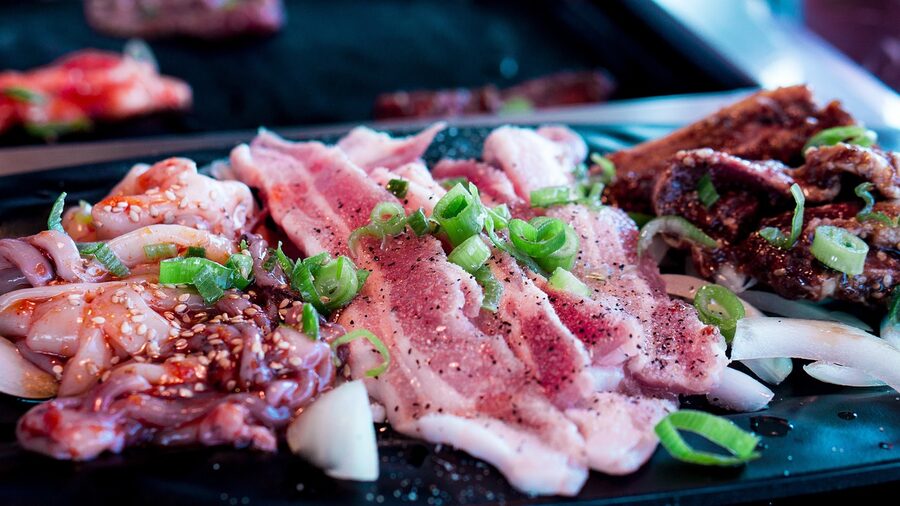
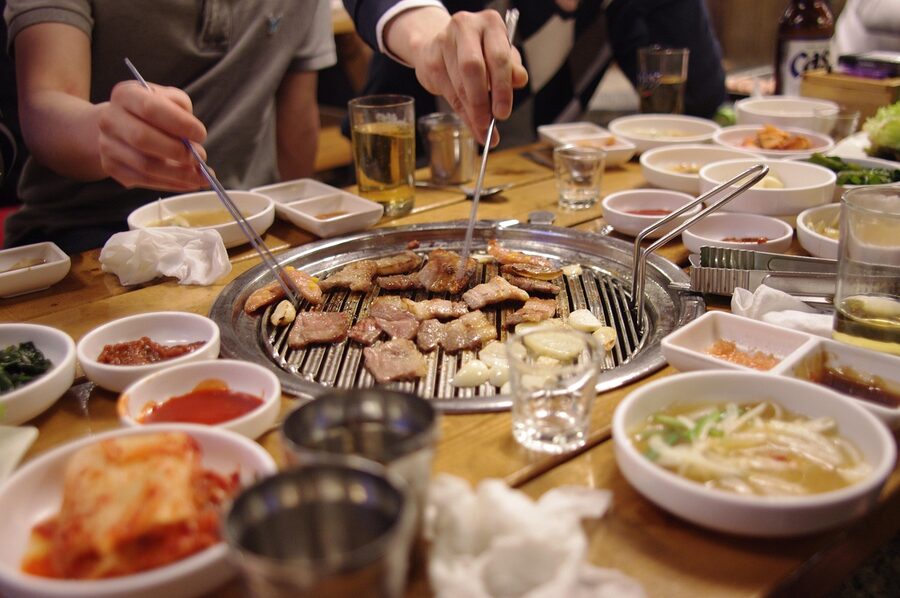
Late evening: dinner at a Korean BBQ spot or a night market food tour. You’ll now drink soju with new eyes. Knowing the craft world makes even the green bottles at dinner hit differently — you’ll notice the sweetness, the burn, the lack of finish.
Skip a sightseeing booking earlier in the week if you have to. A tasting plus a good meal after is three hours well spent.
Packing and Practical Notes
What to wear
Smart-casual. Most tastings are in small shops with counter seating — no dress code, but jeans and a decent shirt fit the vibe better than shorts and flip flops. You’re sitting next to the host the whole time.
Eat beforehand
Eat a real meal two hours before the tasting, not a snack. 45% ABV on an empty stomach is rough. A bowl of bibimbap or a pork-cutlet lunch around 3 PM sets you up perfectly for a 5:30 start.
Cash vs card
All the tasting operators take card online. Inside the distillery, most accept Visa/Mastercard for bottle purchases. Carry a small amount of won anyway — some smaller makgeolli breweries only take cash for cash-only bottle takeaways.
Transport
Every tasting in this guide is reachable on the Seoul subway. Samhae Soju is a 6-minute walk from Hongik University station (exit 7). Baekusaeng Makgeolli is near Hyehwa station in the north of the city. You don’t need a taxi — the subway runs until midnight.
Getting home
The last subway trains leave central Seoul stations around 11:30 PM to midnight. A 6:30 PM tasting finishes at 8, which gives you loads of time for dinner and a slow walk back to a subway. If you run late, taxis are metered and cheap by European standards — figure $8–15 across most of central Seoul.
Can Non-Drinkers Go?
Yes — with a warning. The craft distillery sessions really are centred on the alcohol and you won’t get the cultural context without at least sniffing each pour. But the traditional class format and the makgeolli brewing class both work perfectly well for someone who only wants to taste in tiny sips. You can also ask operators about a designated-driver rate — most don’t advertise one but will offer a discount if you email ahead and explain.
If you’re travelling as a pair and one of you doesn’t drink, the makgeolli brewing option is the kindest choice. The brewing is interactive for both people, the tasting is optional, and you both leave with a bottle at the end.
How a Tasting Compares to Other Seoul Evenings
Worth thinking about what you’re choosing instead of. A soju tasting costs about the same as a hanbok rental session or a Seoul night walking tour. Compared to those, the tasting is much smaller and much more specific. You’re in a room with 6–9 people for 90 minutes, not walking two kilometres through markets. With only one free evening, the decision is between a broad city snapshot (a night walking tour) or a deep knowledge lane (a tasting).
My personal bias: two evenings in Seoul, I’d do one of each. A sightseeing tour or hanbok walk on night one, a tasting on night two. By night three you’ve got enough pattern to wander alone and still find the good stuff.
Keep Exploring Korea
If you leave Seoul with a taste for Korean food and alcohol culture, the next steps basically write themselves. A kimchi-making class gives you the fermentation half of the picture that a soju tasting only hints at — the same nuruk logic applies, just with cabbage instead of rice. A Bukhansan hiking tour gives you the Busan-style earn-your-drink experience on Seoul’s back doorstep, with the post-hike makgeolli tradition intact. And a Seoul cooking class ties it all together — same market, same banchan logic, same drinking rules. Book the tasting first if you can. The rest of Korea’s food world opens up in a different way once you know what’s in the glass.