
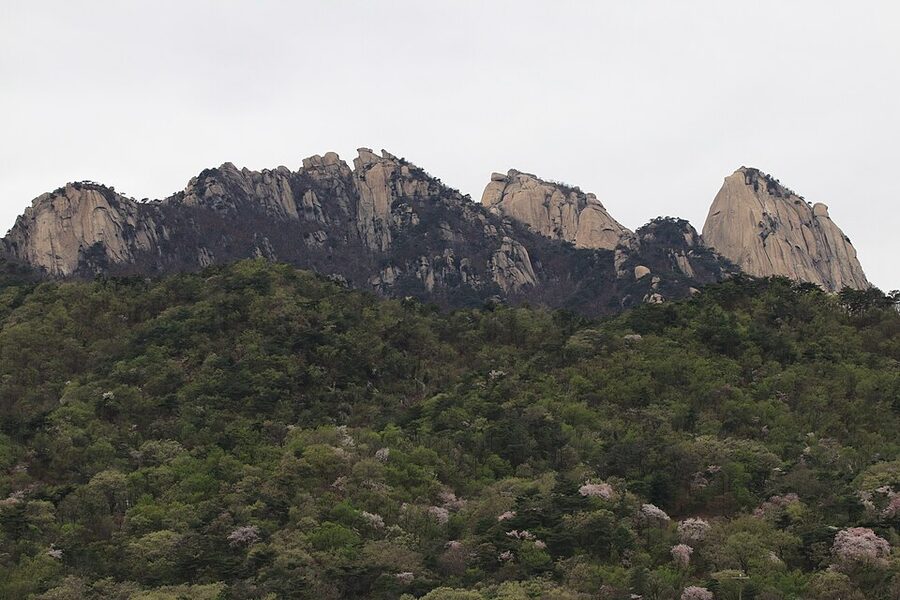
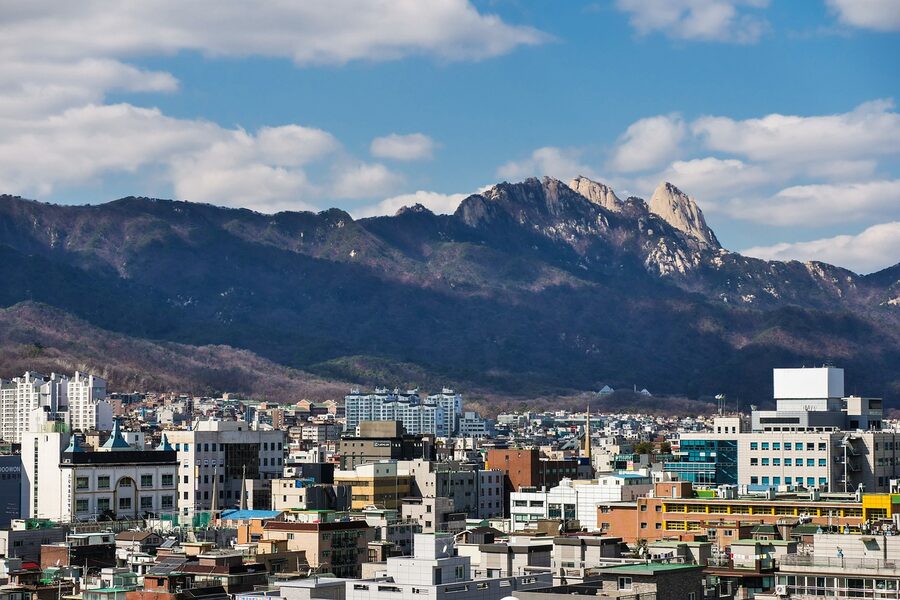
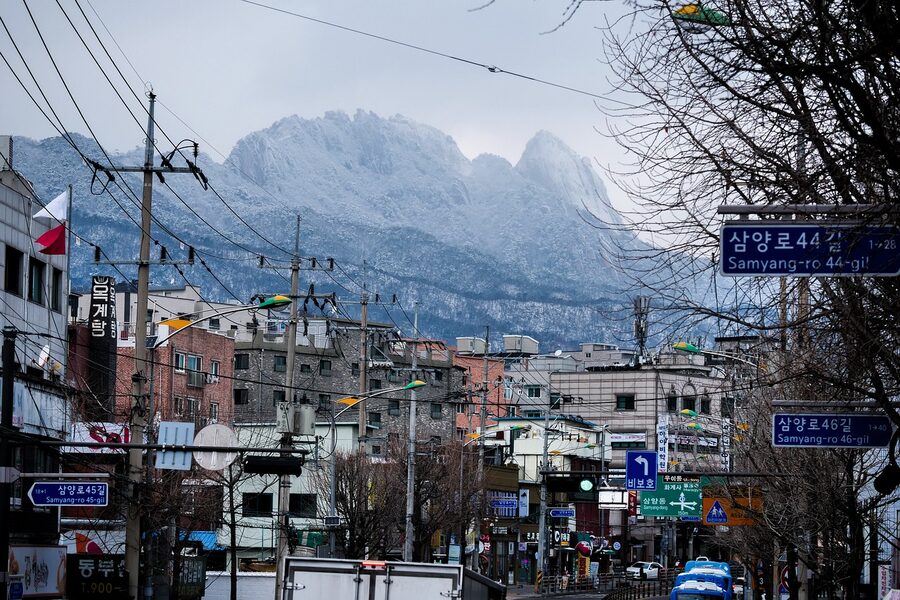
Most guides open with “Seoul is a megacity.” That’s true from the subway, and very false once you’re twenty minutes north of Jongno with a granite wall at your back and a view that makes the skyscrapers look like Lego. Bukhansan is the city and it is not the city — I wasn’t ready for how fast that flips.
Short on time? Three tours I’d book
- Private Hiking to Bukhansan Peak with Mountain Expert — from $168. My top pick for a first-timer who wants the summit without the guesswork. Book on Viator.
- Bukhansan National Park: The Summit Course — from $64.89. The budget option. Small-group, 8am meet at Bukhansan Ui station. Book on Viator.
- Private Hike + Korean Spa with Lunch — from $182. Hike in the morning, jjimjilbang in the afternoon. The legs-recover-fast option. Book on Viator.
- Short on time? Three tours I’d book
- Why book a tour instead of winging it
- Which peak the tours actually climb
- The tours I’d actually book
- 1. Private Hiking Tour to Baegundae (836.5m) with Mountain Expert — 8
- 2. Bukhansan National Park: The Summit Course — .89
- 3. Private Hike + Korean-Style Spa with Lunch — 2
- What the hike actually feels like
- Getting to the trailhead
- What to wear and pack
- Seasons and when to go
- The fortress wall nobody mentions
- The spa add-on — worth it or upsell?
- Food and what to expect for lunch
- Common questions I get
- The view that makes it worth it
- Planning the day before and after
- More Seoul guides worth your time
Why book a tour instead of winging it
You can absolutely DIY Bukhansan. Take line 4 to Suyu or the Ui light rail to Bukhansan Ui, walk fifteen minutes, and you’re on the trail. Thousands of Koreans do this every weekend.
But here’s the thing I wish someone had told me before my first attempt. Bukhansan has dozens of named trailheads, and the signposts switch to Korean the moment you leave the main junctions. I took a wrong turn at Doseonsa Temple and spent an extra hour on a trail that dead-ends at a rock climbing spot — not the summit. A guide knows which split to take at Yaksuam, which fork at Baegundae Shelter, and how to pace you so you aren’t destroyed on the steel-cable descent.
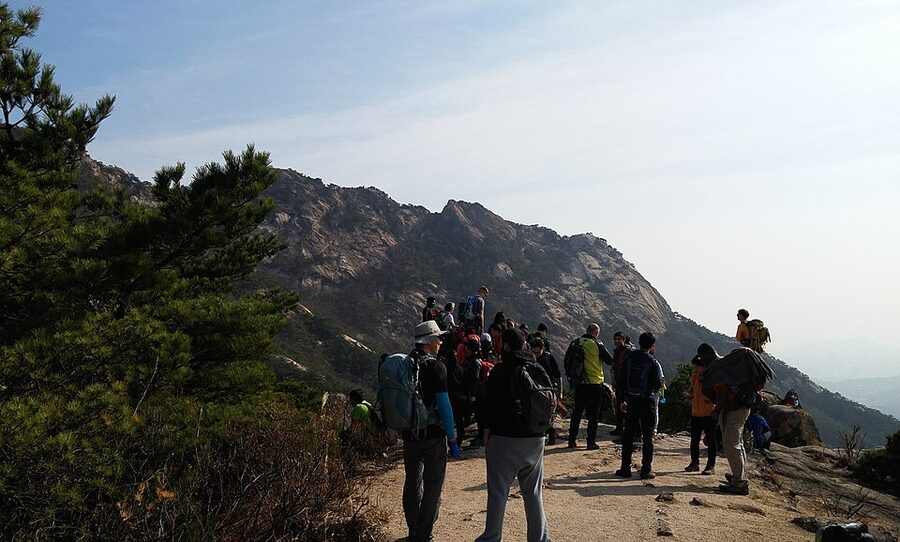
The other thing a tour buys you is hotel pickup. The first subway doesn’t leave central Seoul until about 5:30am. If you want to be at the trailhead by 7am to beat the crowds on Baegundae’s steel cables, a hotel pickup van leaves Myeongdong around 6:00 and you can sleep for the ride. That’s the single biggest quality-of-life upgrade over going independent.
Price-wise, a group tour starts around $65 and a private guided hike sits around $168-$185. Korean-style spa add-ons push it to about $260. For comparison, a full day with a taxi to the trailhead and back plus jjimjilbang entry runs $80-$90 solo — so you’re paying roughly $80 for the guide on top of that. Worth it for me, because the alternative is Papago Translate and luck.
Which peak the tours actually climb
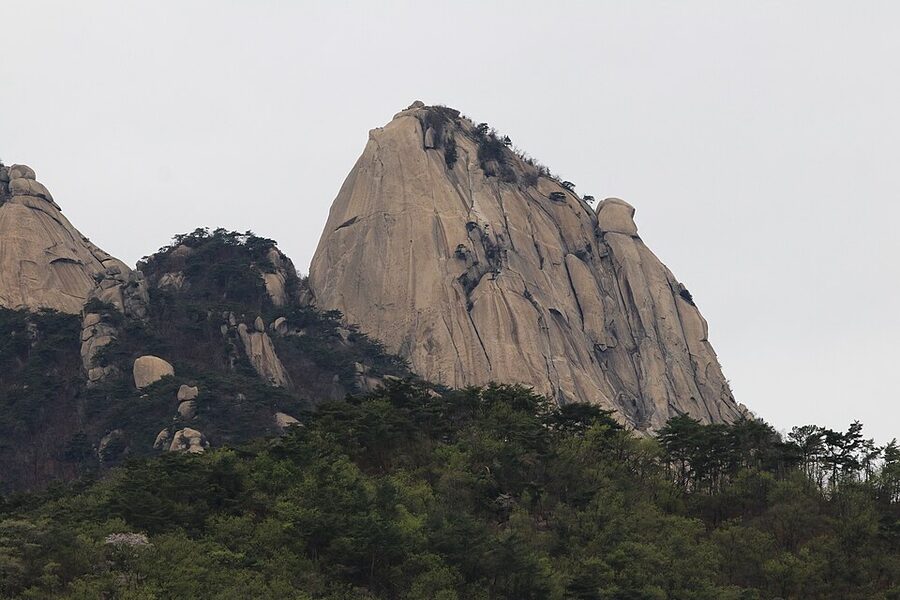
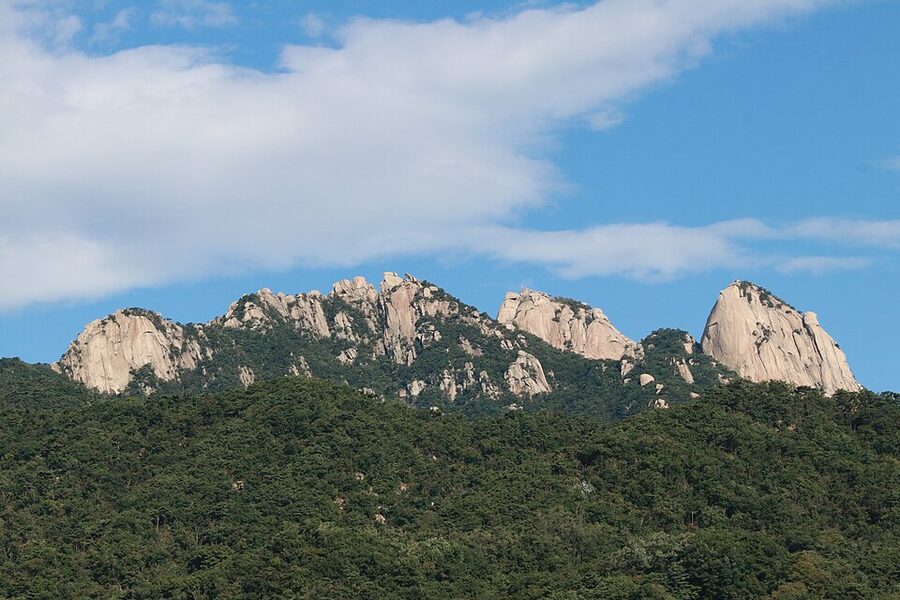
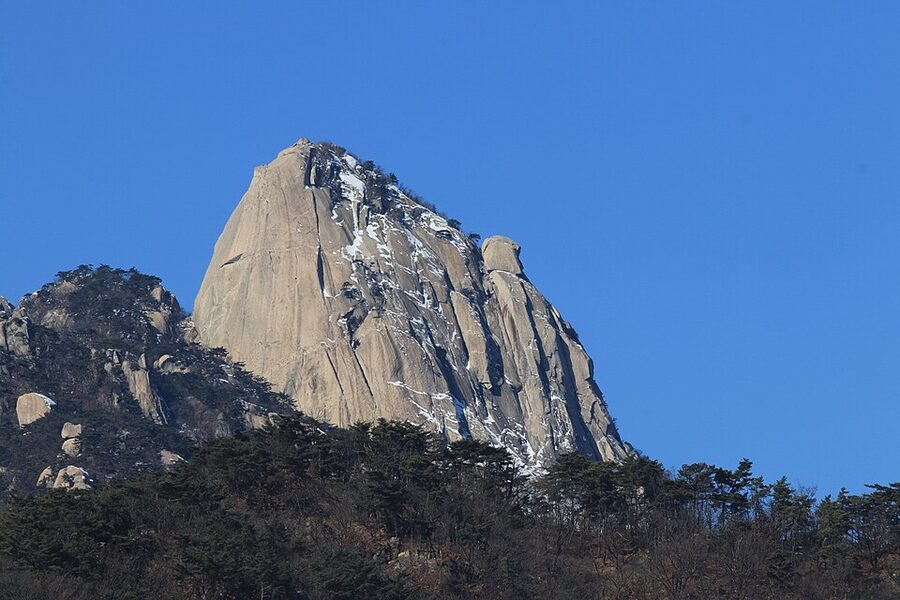
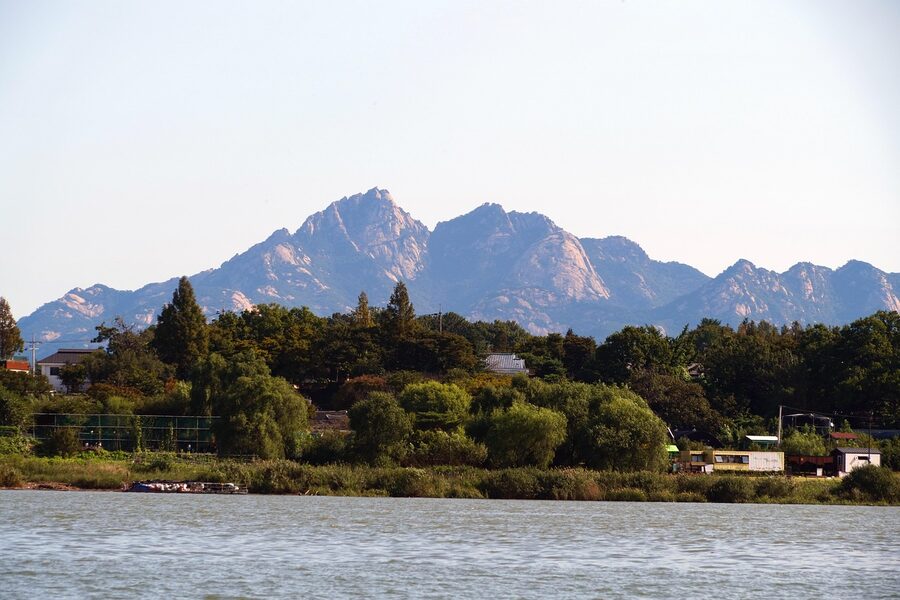
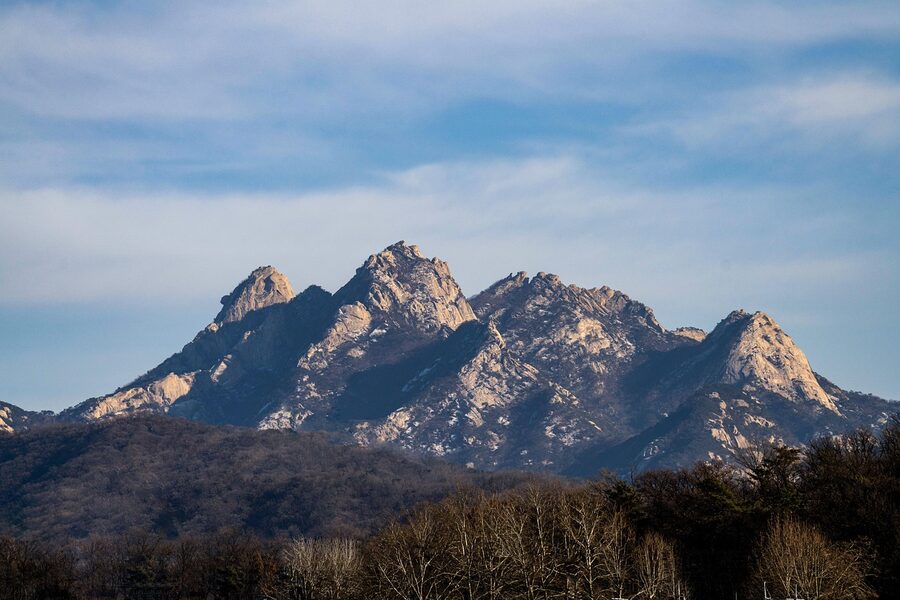
Bukhansan has three main peaks. Baegundae is the tallest at 836.5m and the one every tour takes you to. Insubong (810m) is a rock climbing peak — you don’t hike up it, you need ropes and a partner. Mangyeongdae (799m) is the third, and some guides detour there on the way down for a quieter view.
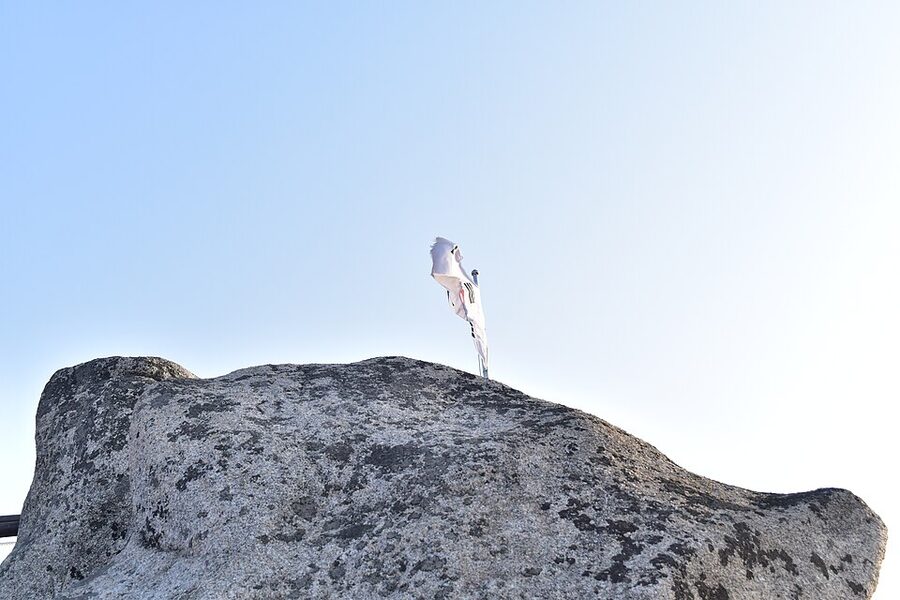
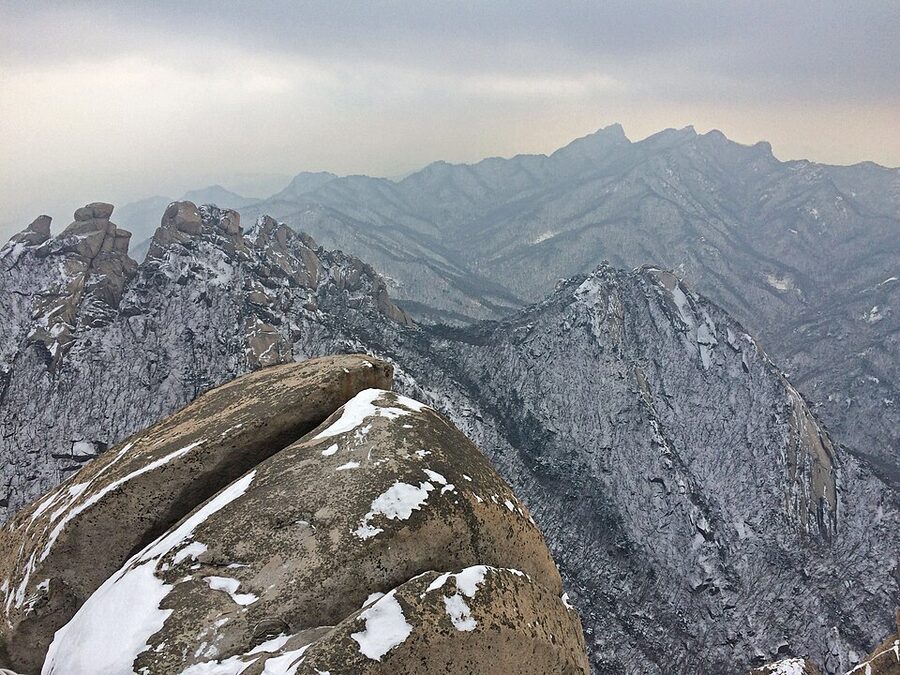
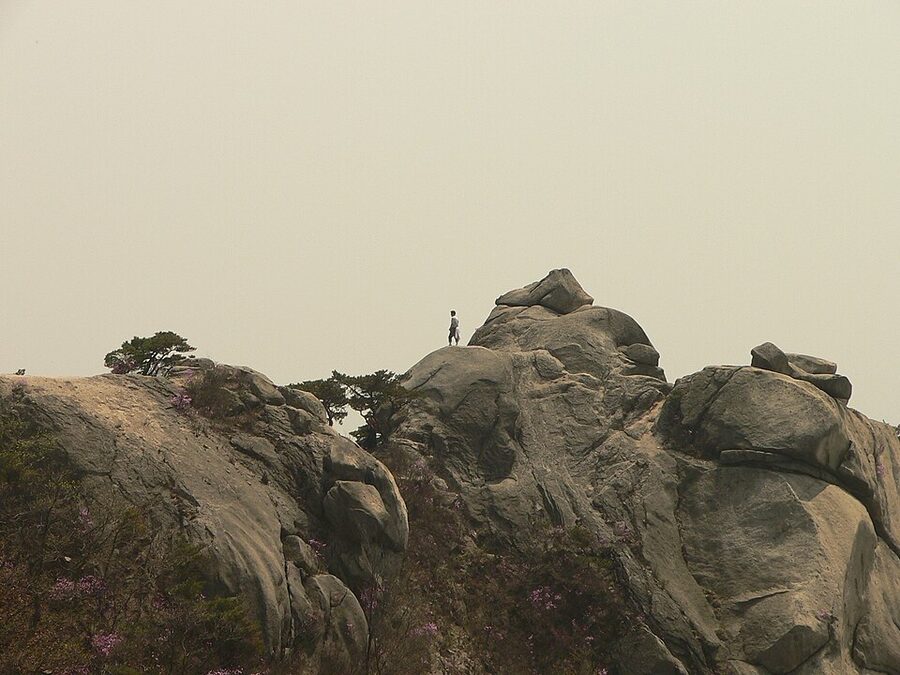
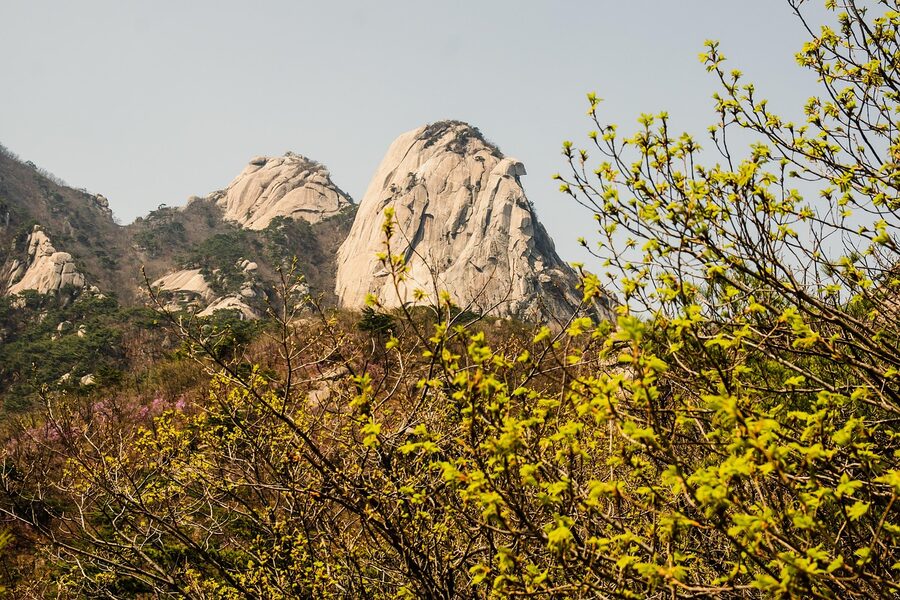
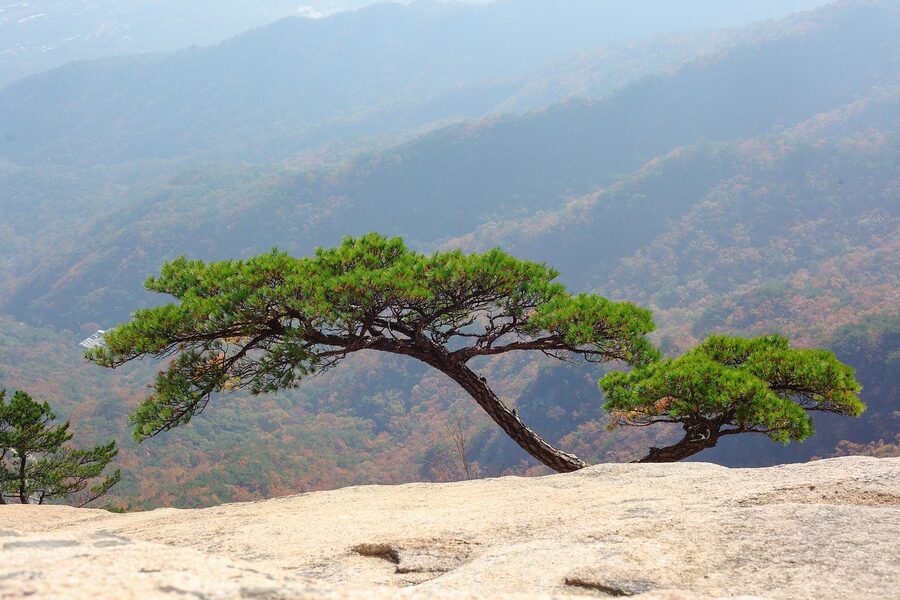
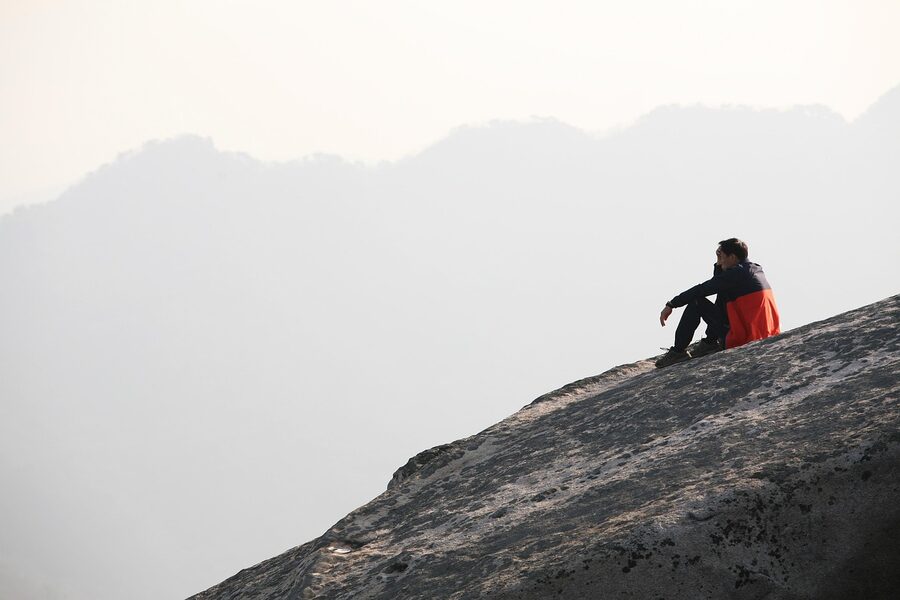
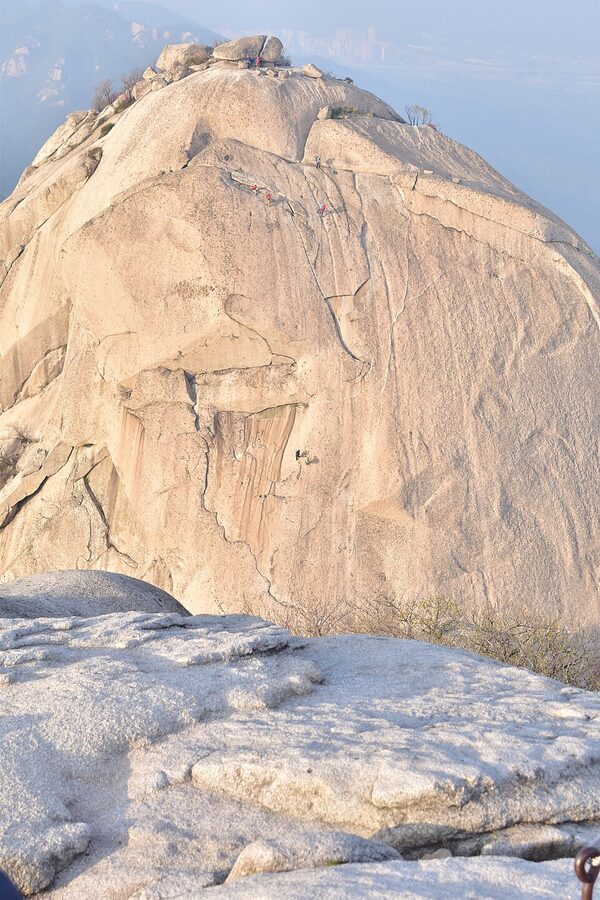
Baegundae is why you came. The summit is a bare granite dome the size of a small car park, marked by a Korean flag planted in the rock. On a clear day you can see the Han River, Namsan Tower, Incheon, and — on really clear days — the DMZ ridgeline to the north. That’s the view the Insta photos don’t capture: Seoul to the south, nothing but mountains to the north, and you standing in the middle with a sore knee.
The tours I’d actually book
These are the three Bukhansan tours on Viator I recommend to friends. I’ve ranked them by what suits the most common traveller — first-timer from Seoul who wants to summit Baegundae and not stress the logistics.
1. Private Hiking Tour to Baegundae (836.5m) with Mountain Expert — $168
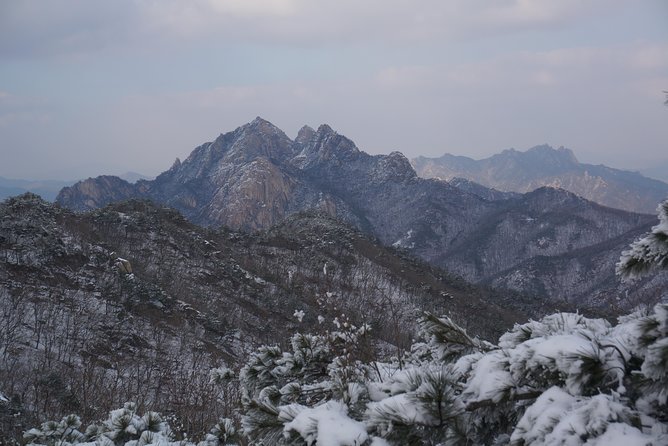
This is the one I’d book for a first visit. It’s private, so the pace matches you, and Outdoors Korea’s guides actually know the rescue routes off the ridge if weather turns. Our full review covers the hotel pickup coverage and why the lunch-box-on-the-mountain thing is actually good.
2. Bukhansan National Park: The Summit Course — $64.89

Pick this if budget matters. It runs Tuesdays and Saturdays, meets at the station (no hotel pickup), and the 20-person cap means you’re moving with a pack — slower but social. Our review explains who this works for and who should pay for the private option instead.
3. Private Hike + Korean-Style Spa with Lunch — $182
Book this if you’re doing one big day in Seoul and want it to count. The spa at the end is not optional luxury — it’s how your legs still work tomorrow. Our full review walks through what a Korean-style spa actually involves for first-timers (brief version: you get naked, it’s fine).
What the hike actually feels like
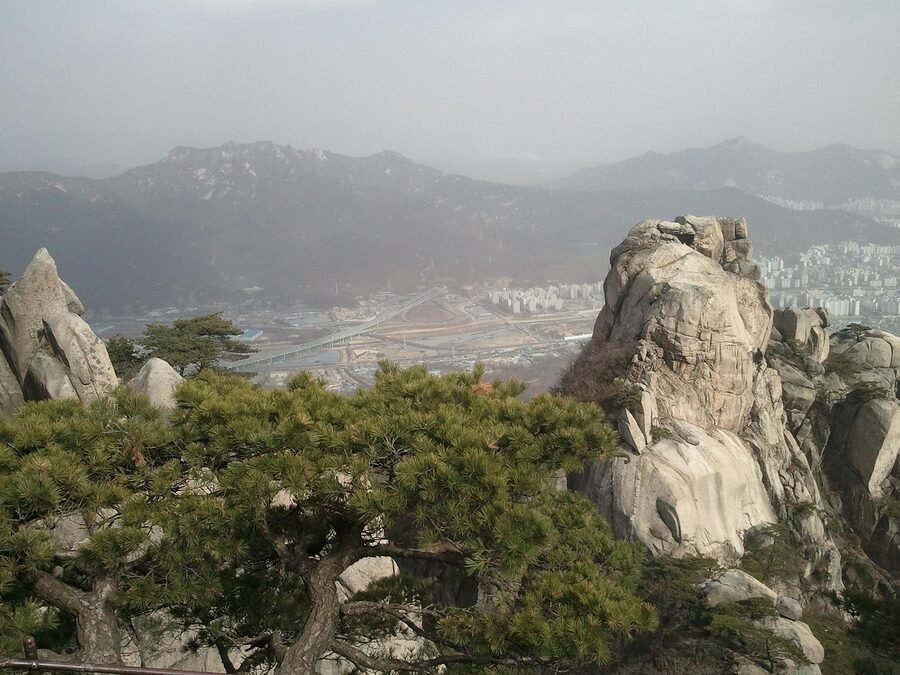
Tour operators describe Bukhansan as “mid-high difficulty.” That’s honest. The first two hours are walking — dirt trail, stone steps, the occasional stream crossing. You’ll break a sweat but you won’t be scared.
Then you hit the steel-cable section. It’s roughly 400 metres of near-vertical granite with fixed ropes and chains bolted into the rock. You’re not climbing with gear — you’re hauling yourself up a fixed line with your arms. On a weekend there’s a queue, and people pass each other on the cable like a one-way bridge. If you’re scared of heights, this is the bit that will get you. If you’re not, it’s the best part.
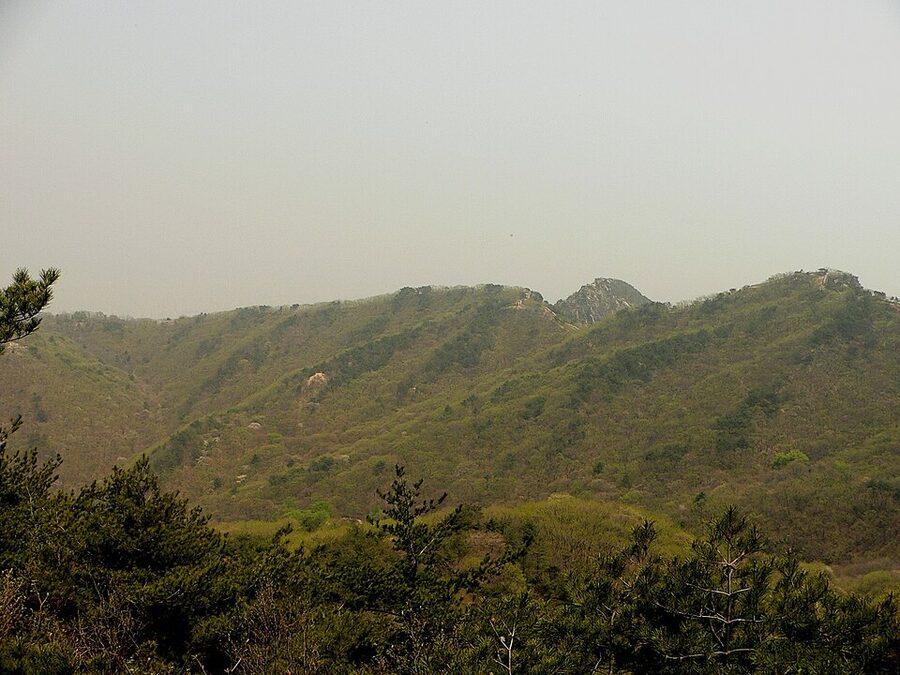
Round-trip time is five to six hours including a stop at the top. Guides allow seven if the group is slow. My personal pace with photo stops came to 5 hours 40 minutes, and I consider myself moderately fit — not a trail runner, but I walk a lot.
Calorie burn is real. I came down at 2pm starving in a way I haven’t been in years. The lunch-inclusive tours aren’t a gimmick. Eat the lunch.
Getting to the trailhead
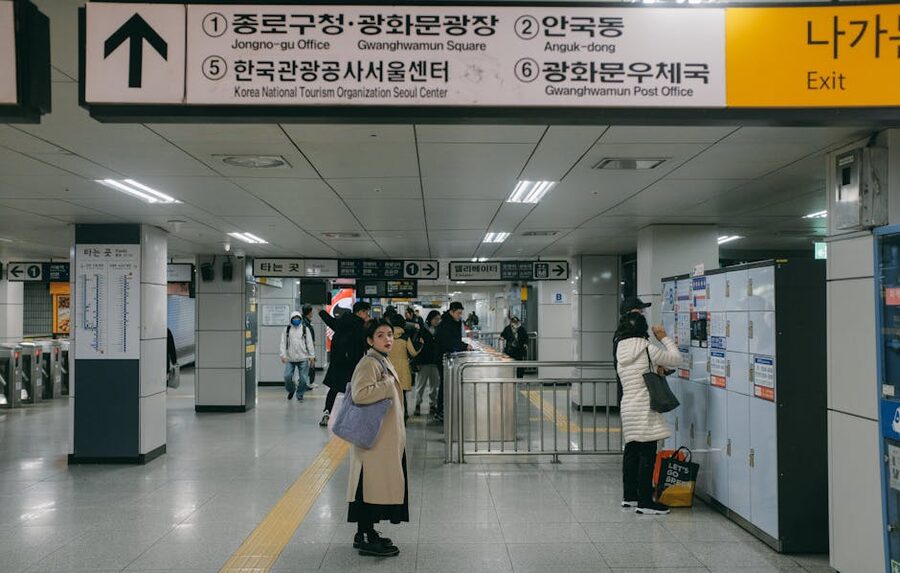
There are four main trailheads for Baegundae. Tours almost always use one of the first two.
Bukhansan Ui station (Ui–Sinseol light rail, Exit 2) is the most popular starting point. It puts you on the Doseonsa trail, which hits the summit via the cable section. This is where The Summit Course group tour meets.
Suyu station (Line 4, Exit 3) plus a local bus to Bukhansan Mountain House is the second common start. Slightly longer approach, fewer crowds on weekends.
Bukhansanseong Fortress (Bus 704 from Gupabal station, Line 3) is the west-side route and much quieter. Guides use this for custom days when clients want to see the old fortress wall and skip the Baegundae summit queue.
Jeongneungsa Temple (Gireum station, Line 4, plus a taxi) is the lesser-known route. Beautiful, but some guides won’t start here because the trail network on this side has more forks to get lost on.
If you book a tour, ignore all of the above. The van will know.
What to wear and pack
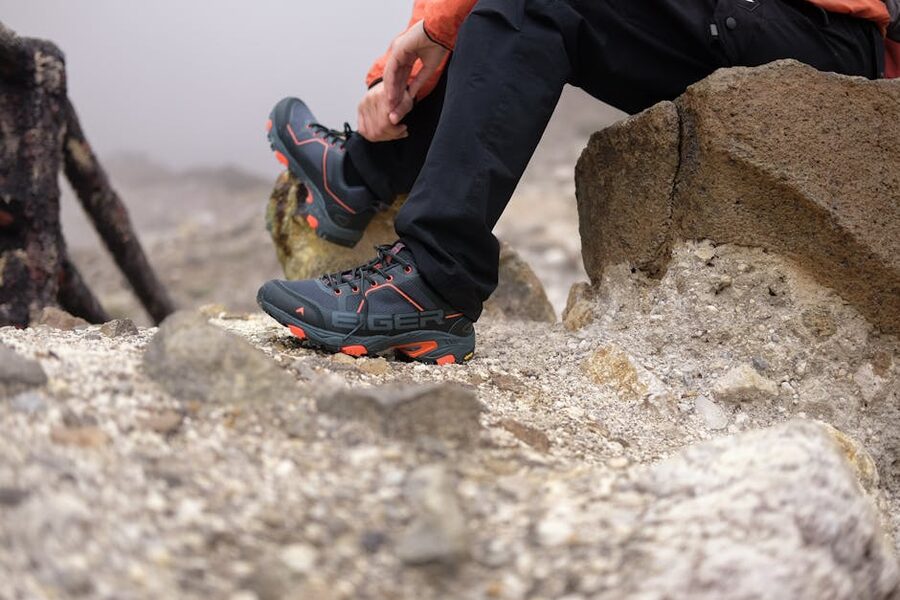
I’ve watched tourists attempt Bukhansan in canvas sneakers, sandals, and one memorable pair of dress shoes. Don’t. The granite is slick when it’s even slightly damp, and the cable descent transfers your weight onto the soles of your feet. You want real grip.
Footwear: trail runners or light hiking boots. Not leather. Not new — break them in first.
Clothes: moisture-wicking base layer, a light fleece or windbreaker for the top (it’s ten degrees colder at the summit on windy days), and quick-dry trousers. Avoid jeans.
Water: 1.5 to 2 litres per person in summer, 1 litre in cooler months. There are no fountains on the trail above the temple. A few shelters sell water but not reliably.
Gloves: the guide will usually provide simple cotton work gloves at the base of the cables. Bring your own if you’d rather have better grip — the cables are rough on bare hands.
Sun: sunscreen and a cap. Above the tree line there is zero shade for the last hour.
Snacks: lunch-inclusive tours cover the big meal but bring a chocolate bar for the summit. Your blood sugar will thank you.
Seasons and when to go
I’ve done Bukhansan in late April and in early November. Both were spectacular. Here’s the honest season-by-season.
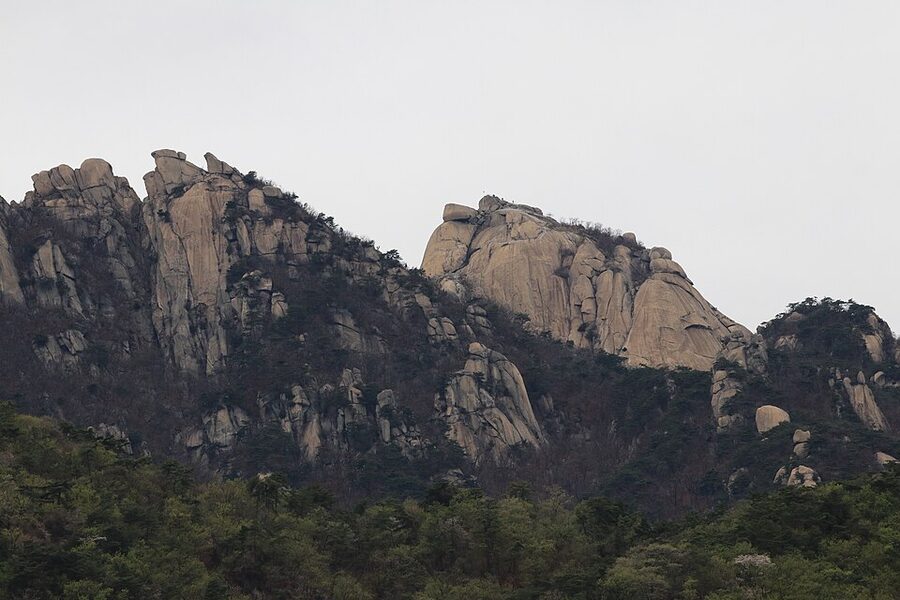
Spring (April–May): my top pick. Azaleas bloom along the Baegundae terrace in late April, and the temperatures sit around 10-18 degrees C. Yellow dust from China is the only real downside — check the air quality forecast the night before. If it’s above 150, skip.
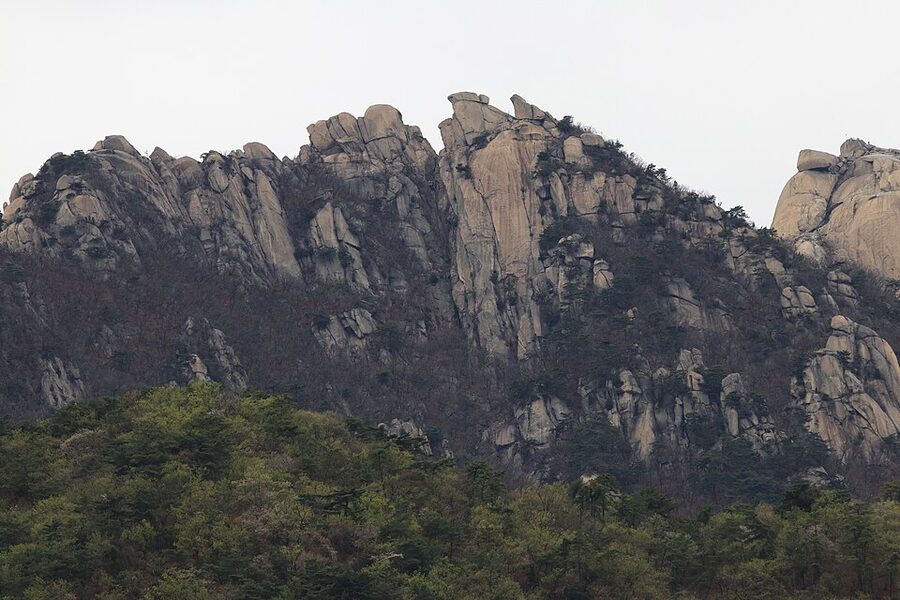
Summer (June–August): hot, humid, sweaty. Dawn starts only. The monsoon from late June to mid-July makes the granite dangerous when wet and guides will cancel trips. If you’re in Seoul in August and determined, book the private 5:30am pickup and be off the mountain by 11am.
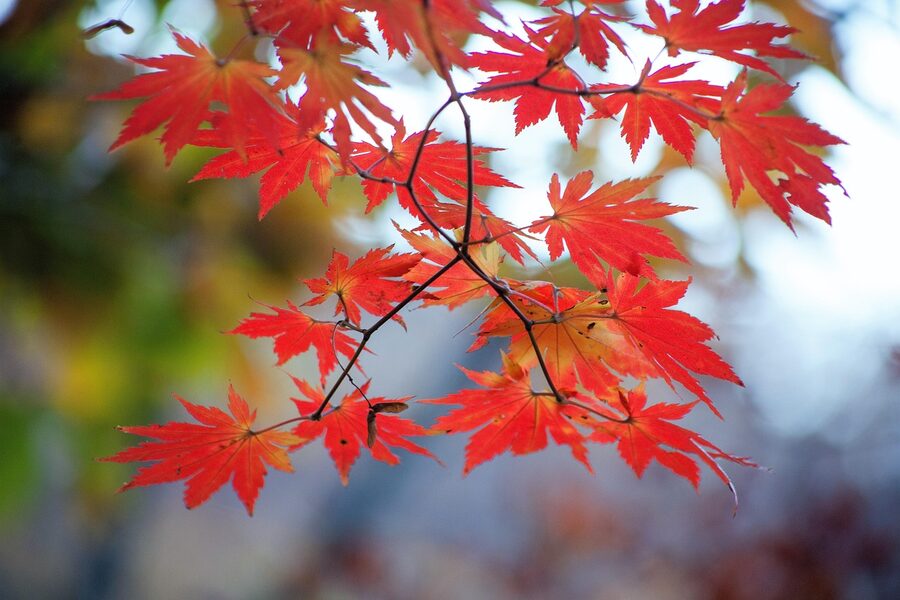
Autumn (late October–early November): the Instagram season. Maples turn red, the light is sharp, and the crowds are worst. Book two weeks out. Weekday tours only — Saturdays at the cable section turn into a twenty-minute queue.
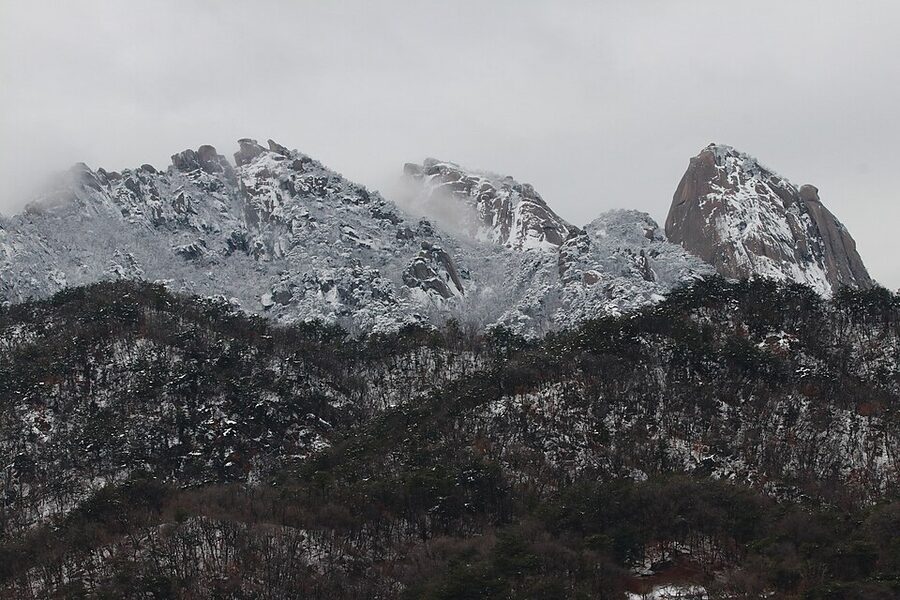
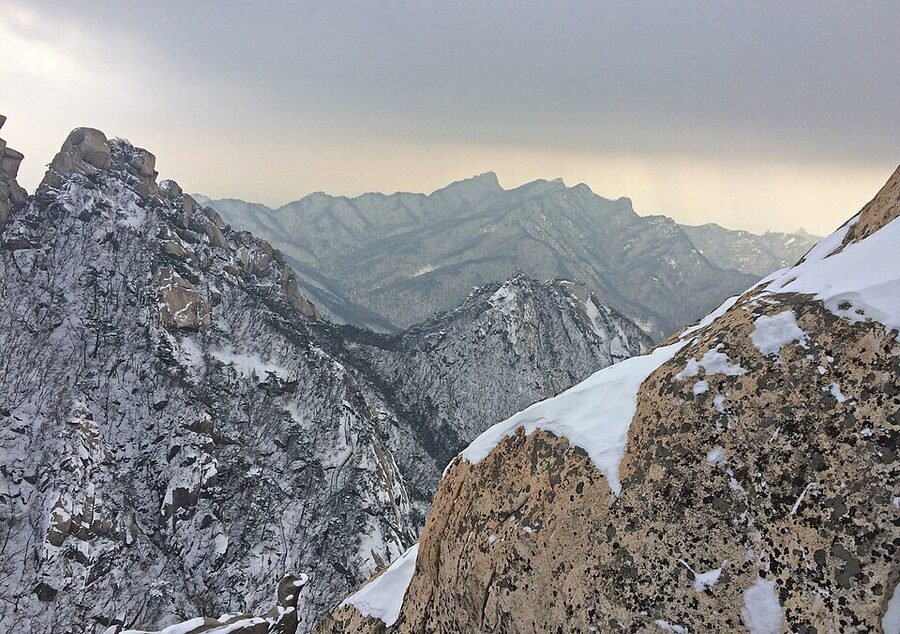
Winter (December–February): beautiful and underrated if you’re experienced. The granite gets icy, crampons are required, and most commercial tours don’t run. If you find one that does, it’ll be a small private guide and you’ll have the mountain almost to yourselves. Book the spa add-on for sure — the jjimjilbang after a winter summit is genuinely one of the best experiences I’ve had in Korea.
The fortress wall nobody mentions
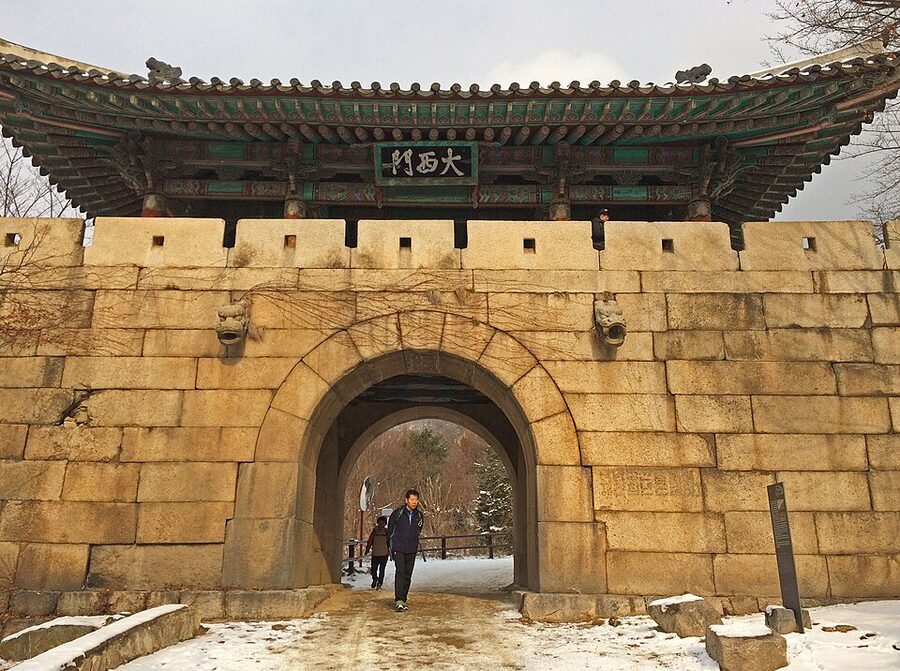
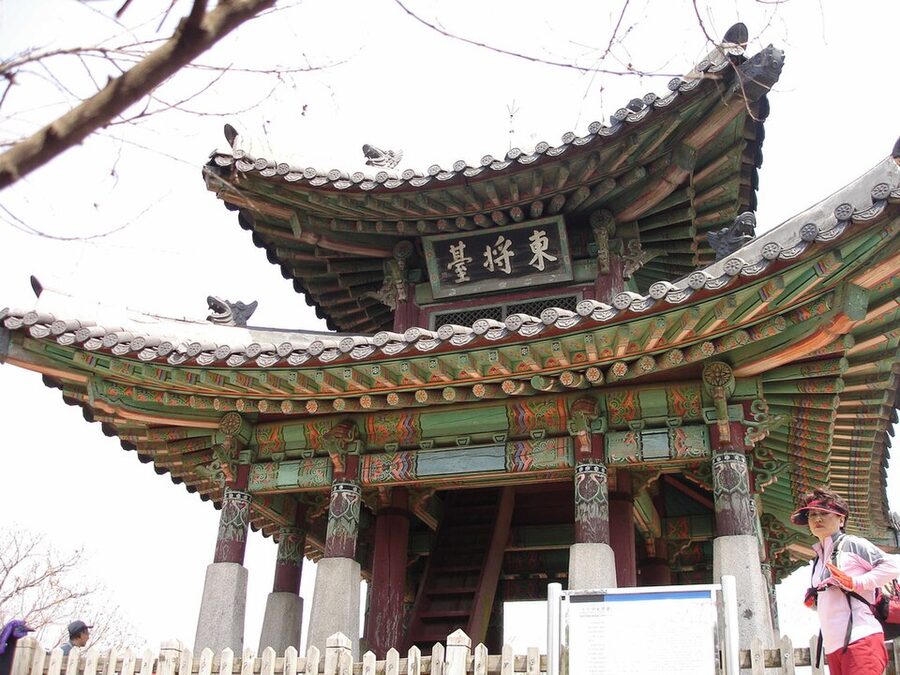
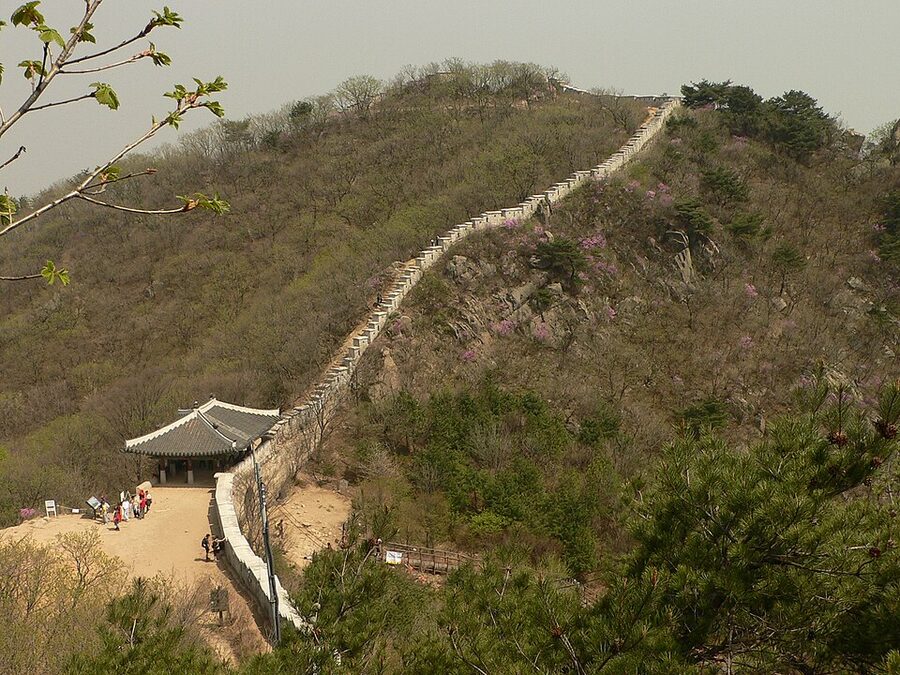
Bukhansanseong is an 11.6km stone fortress wall that runs along the ridge. It was built in 1711 under King Sukjong, designed as a fallback capital if Seoul fell to northern invaders. The wall has fourteen gates, a palace site, and stretches the length of the ridge you’re hiking.
Most tours don’t detour for the wall because it adds an hour and they’d rather get you to Baegundae. But if you book private and ask specifically, good guides will take the western route via Daeseomun and Daenammun gates. The gates are restored sections and they are genuinely impressive — cut granite blocks, arched openings, and views down into the valley where the fortress garrison once patrolled.
There’s also a Silla-era monument on one of the summits — the Jinheungwang Sunsubi, from the 6th century, marking the kingdom’s northern boundary. That’s 1,400 years of Korea on this mountain, and almost nobody books the tour to see it. If you’re a history person, tell the guide when you book.
The spa add-on — worth it or upsell?
I was sceptical the first time. It sounds like a gimmick — “hike a mountain then pay extra for a spa.” Two trips in, I now book the spa add-on every time.
Korean jjimjilbangs are not Western spas. You pay about 15,000 won ($11), get handed a pair of shorts and a t-shirt, and use the place as long as you want. There are hot pools, cold pools, various sauna rooms at different temperatures (the 70 degrees C one feels aggressive until you stop caring), and a big common floor where people sleep for hours.
After six hours on granite, two hours in a jjimjilbang is the difference between “my legs are sore tomorrow” and “my legs are fine tomorrow.” That’s not an exaggeration — it’s muscle physiology. Hot water plus cold plunge plus flat rest equals recovery. I’m a cheap person and I still book the spa add-on.
The tours that include it usually go to Dragon Hill Spa or Siloam Sauna, both large 24-hour jjimjilbangs with English-friendly reception desks. If your tour is Korean-speaking only, the guide will walk you through the locker system before they leave.
Food and what to expect for lunch
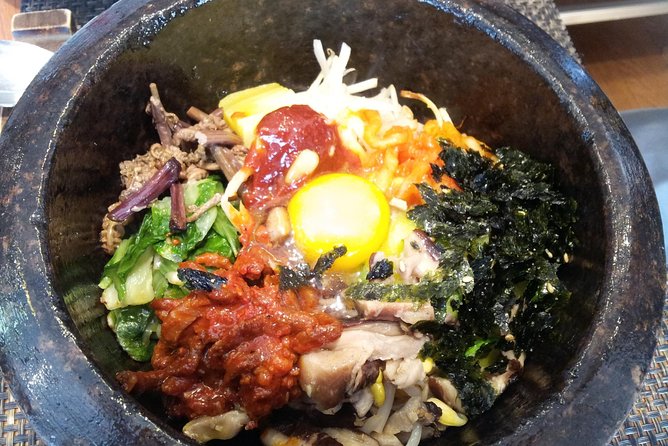
Most lunch-inclusive tours serve a boxed lunch (dosirak) on the mountain itself — around the Baegundae Terrace, 20 minutes below the summit. Typical contents: rice, spicy tofu, pickled vegetables, some kind of marinated meat, and fruit. It’s not remarkable food, it’s just exactly what you need halfway through a six-hour hike.
The spa tours often include a post-hike Korean BBQ in the Gangbuk area. That’s when the food gets good — grilled pork belly (samgyeopsal) with soju, which I’ll say feels earned after the day you’ve had.
If you want to take the drinking side of Korean culture seriously, a proper soju tasting is worth doing separately on a rest day. It’s a different mountain.
Common questions I get
Is Bukhansan safe for solo travellers? Yes, and I’ve done it solo. The trail is well-trafficked during daylight. That said, the cable section is where accidents happen — if you’re solo and nervous about heights, book a tour. A guide behind you on the rope is peace of mind you won’t regret paying for.
How old is too old? I’ve seen fit 70-year-olds on the summit and struggling 30-year-olds. It’s about aerobic fitness and knees, not age. If you can walk five hours on flat ground, you can do Bukhansan.
Can kids do it? Children over 10 who hike regularly — yes. Younger or less experienced — no, the cable section is not appropriate for small kids. Tours have a minimum age, usually 12.
What if weather turns? Operators cancel and refund. Rain plus granite equals close the mountain. Don’t try to insist on going.
Do I need Korean? No. English-language tours are the default on Viator/GYG/Klook. The guides are Korean and speak functional-to-excellent English. Koreans on the trail won’t harass you either way — the etiquette is to nod and keep walking.
The view that makes it worth it
Planning the day before and after
The classic rest day after Bukhansan is a light Seoul day — palace walk, some food, no stairs. I’d pair the hike with a hands-on Korean cooking class the next morning, which sits you down in a chair for two hours and feeds you well. Then swing by Namdaemun or Gwangjang Market in the afternoon for a proper walk-around-and-graze dinner. If you’re feeling restless, a small-batch soju tasting is low on your legs and high on your mood — perfect recovery night.
If you’re in Seoul for a week and want a bigger mountain next, Seoraksan on the east coast is the obvious upgrade — granite peaks on the scale of a real alpine range, and an easier day-trip than you’d expect. My Seoraksan day trip guide walks through the bus-vs-tour decision. For a day that splits the difference between hike and city sightseeing, Suwon’s Hwaseong fortress is a 5.7km wall walk with a steady climb but no cables — gentler on tired legs.
Don’t plan another hike the next day. Your quads will disagree.
More Seoul guides worth your time
If you’re building a Seoul itinerary around this, the three things I’d add are my kimchi class guide (for the food-obsessed), my soju tasting write-up (for the drinks-obsessed), and a hanbok rental morning at Gyeongbokgung if you want the slow-pace cultural counterweight to the mountain. Travellers who don’t want to build their own plan often book a private Seoul day with a guide and knit the whole rest week together — I’ve done that on repeat visits when I’m tired of map apps. A Nanta or Painters HERO show in the evening wraps up the low-impact day nicely. Bukhansan is the big-ticket outdoor day. The rest of Seoul is worth slowing down for — eat well, walk the palace alleys, sit in a jjimjilbang that isn’t attached to a hiking tour. The city rewards people who don’t try to see everything.