
The first thing you notice at the top of the Boboli amphitheatre is the cicadas. After a morning packed into the Uffizi or the Pitti’s painted rooms, you push through a doorway, climb a few steps, and the noise level drops to gravel underfoot, distant water, and that papery insect hum coming off the cypress slope. The Florentine summer smells like warm stone and box hedge up here. That’s why people queue.
This isn’t a quick spin. Boboli is 45,000 square metres of formal Italian garden behind Pitti Palace, and the smart way to handle it is to know your entrance, your ticket, and roughly how high up the hill you want to push.
In a Hurry? Top Picks
- Reserved Entry Ticket + Audio App: about $13. The default option for most visitors. Check availability
- Reserved Entry Ticket (no app): about $13. Same priority entry, no narration, slightly older listing. Check availability
- Uffizi + Pitti + Boboli 5-Day Combined Pass: about $81. The smart pick if Florence is your main stop and you want all three big sites. Check availability
- In a Hurry? Top Picks
- What Boboli Actually Is, and Why That Matters For Your Visit
- Tickets: How They Actually Work
- Buying On The Day Versus Booking Ahead
- Picking Your Entrance
- The Three Tickets I’d Actually Book
- 1. Florence Boboli Gardens Reserved Entry Ticket + Audio App: about
- 2. Florence Reserved Entry Ticket to the Boboli Gardens: about
- 3. Florence Uffizi, Pitti Palace and Boboli 5-Day Combined Pass: about
- What You Actually See: A Walking Order That Works
- The Buontalenti Grotto, Specifically
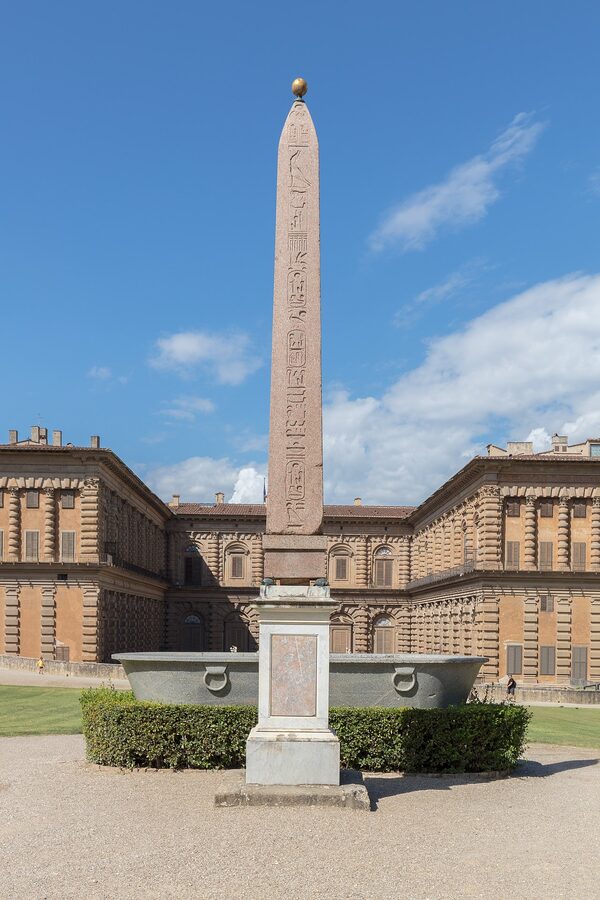
- The Amphitheatre and the Obelisk
- Fountain of Neptune
- The Isolotto and the Viottolone
- The Kaffeehaus
- Opening Hours, Seasons and Closing Days
- Best Time of Day to Be Inside
- Seasonal Choices
- Combining Boboli With the Rest of Florence
- Forte Belvedere and the Bardini Add-On
- Practical Stuff Most Guides Skip
- Food Around the Garden
- One Last Thing on Picking Your Ticket
- Pairing Boboli With the Rest of Italy
What Boboli Actually Is, and Why That Matters For Your Visit
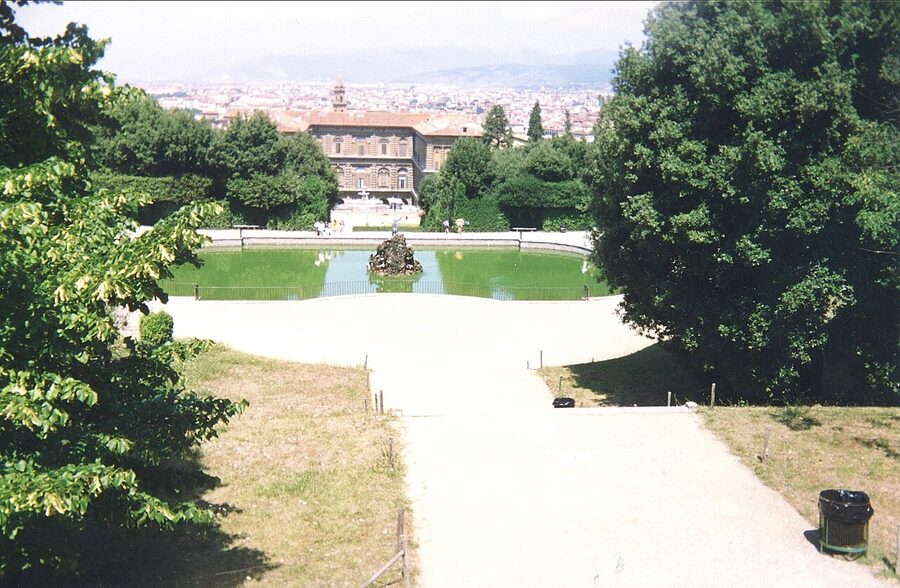
Boboli is not a park you wander through on a casual Sunday. It’s an open-air sculpture museum and one of the world’s earliest examples of the Italian formal garden, designed in the 16th century after Cosimo I de’ Medici bought Pitti Palace for his wife Eleonora di Toledo in 1549. The man who started the layout was il Tribolo. He died before he saw it finished. Generations of Medici dukes and architects extended it across the next two centuries, and the layout you walk today is largely faithful to the original 1550s plan.
That matters because the garden has its own logic. Two main axes climb the hill. The first runs from the back of Pitti Palace up through the amphitheatre and on to the Fountain of Neptune and the Knight’s Garden at the top. The second cuts off at a right angle along the Viottolone, the cypress avenue, down to the Isolotto fountain and the Porta Romana exit. If you ignore those axes you’ll just wander in loops and get tired.
One practical consequence: it’s hilly. Properly hilly. From Pitti Palace level up to Forte Belvedere is about a 70-metre vertical climb across uneven gravel and stone steps. If you have mobility issues, plan for the lower terraces only. If you don’t, expect to cover three to five kilometres of walking by the time you’ve seen the highlights, gone back down, and taken a wrong turn or two.
Tickets: How They Actually Work
Boboli is part of a larger family called Le Gallerie degli Uffizi, which also covers the Uffizi Gallery, Pitti Palace, the Vasari Corridor, and the National Archaeological Museum. The same parent organisation, four separate ticket products. This is the bit that confuses everyone.
You have four real ways to enter Boboli:
- Boboli-only ticket. Around 10 euro in high season (March to October), 6 euro in low season (November to February). This gets you Boboli, the Bardini Gardens, the Costume Museum, and the Porcelain Museum. Buy on the official Uffizi site or via the third-party platforms.
- GetYourGuide reserved entry. About $13. A small premium over the official site, but the booking is on your phone, English support, and refundable up to 24 hours before. Most readers find this less stressful.
- Pitti + Boboli combo. Useful if you want to see the Palatine Gallery and Royal Apartments inside Pitti Palace as well, then walk straight out into the garden. Saves you backtracking. The same pass is detailed in our Pitti entrance ticket review if you want the indoor side first.
- The PassePartout 5-day pass. 55 euro from the official site, around $81 via GetYourGuide. Covers Uffizi, Pitti, Boboli, and the Archaeological Museum, one entry each across five days. Worth it for a multi-day Florence trip.
One thing the official site doesn’t make obvious: tickets are date-and-time-stamped for the morning slot you pick, but for Boboli that mainly affects the entry queue. Once you’re in, you can stay until closing. It’s not like the Uffizi where you have a hard exit time on a guided route.
If you only want a stretch of green space and a bit of fresh air, buy the Boboli-only ticket and don’t bother with the combos. If you actually want to understand what you’re looking at, the combo with Pitti Palace makes sense. The art collections inside Pitti and the gardens outside are the same Medici project, separated by a wall.
Buying On The Day Versus Booking Ahead
You can buy at the Pitti Palace ticket office on the day. In low season it’s a five-minute affair. In June, July, and August, the queue can run 30 to 45 minutes in the sun, and that’s before you’ve started walking up the hill. Book ahead.
The other catch: tickets can only be purchased at the Pitti Palace entrance. You can’t buy them at the Annalena gate, the Forte Belvedere gate, or Porta Romana. So if you’ve come up from the Oltrarno or down from Forte Belvedere assuming you’ll just walk in, you won’t. Book online or come round to Pitti.
Picking Your Entrance
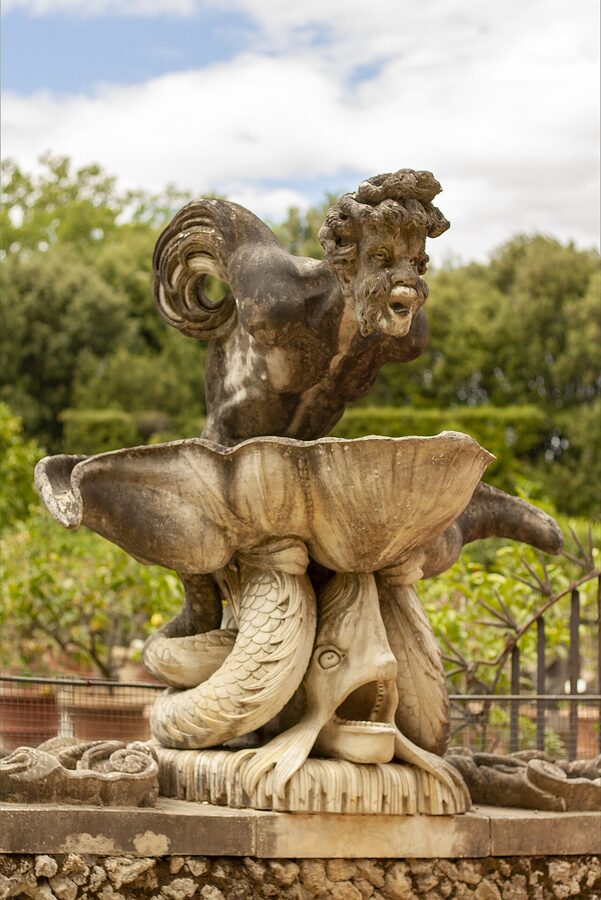
There are four entry/exit gates. Knowing which one you want makes a big difference to how much hill you climb.
Pitti Palace (Piazza Pitti). The main entrance, and the only one that sells tickets. You arrive at the bottom of the garden. From here, your walk is mostly uphill. This is where most people enter, and it’s the one that pairs naturally with a Pitti Palace visit.
Annalena gate (Via Romana). The side entrance closest to the Lemon House. Useful if you’re staying in the Oltrarno and want to skip the Pitti crowds. You still need a ticket bought elsewhere.
Porta Romana. The southern gate, marking the line of the medieval city wall. If you’re coming from the Porta Romana neighbourhood or Bardini Gardens, this is your gate. From here, your walk is mostly downhill toward Pitti, which a lot of people prefer for tired knees.
Forte Belvedere. Up at the top of the hill, near the fortress. Open seasonally and only when Forte Belvedere itself is hosting an exhibition. Worth checking before you plan around it.
The contrarian move is to enter at Porta Romana and exit at Pitti. You’re walking downhill the whole way, you finish at the most dramatic view, and you pop out next to the museum and lunch options. The catch is that Pitti is the only place that sells tickets, so you need to buy online first.
The Three Tickets I’d Actually Book
I’ve been through the volume on this museum’s tour data and most of the listings are versions of the same idea: skip-the-line entry, sometimes with a small extra. The three below are the ones with both the booking volume and the consistent feedback to back them up.
1. Florence Boboli Gardens Reserved Entry Ticket + Audio App: about $13
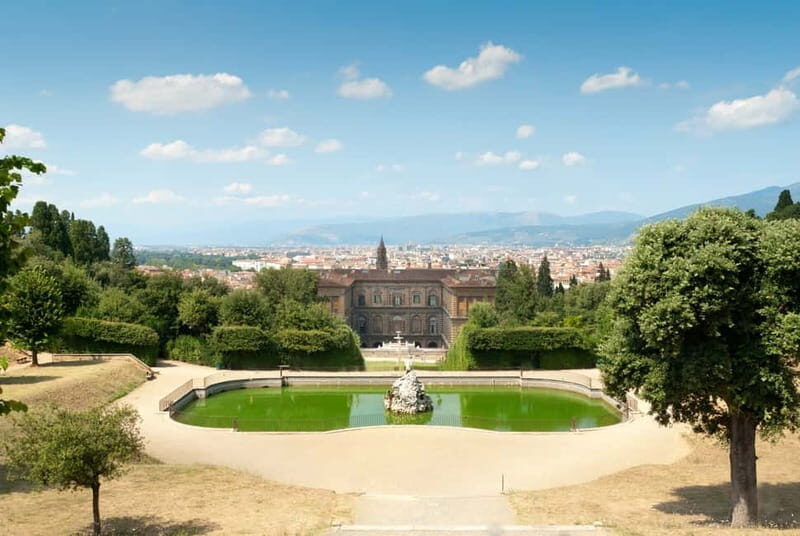
This is the workhorse and the most-booked Boboli ticket on the market by a wide margin. The audio app is a self-paced narration you download to your phone before arrival. Our full review of the Reserved Entry + Audio App ticket covers what’s actually on the audio guide and where it loses signal in the upper terraces. The catch is the same as every Florence timed-entry: arrive within 15 minutes of your slot or you forfeit.
2. Florence Reserved Entry Ticket to the Boboli Gardens: about $13
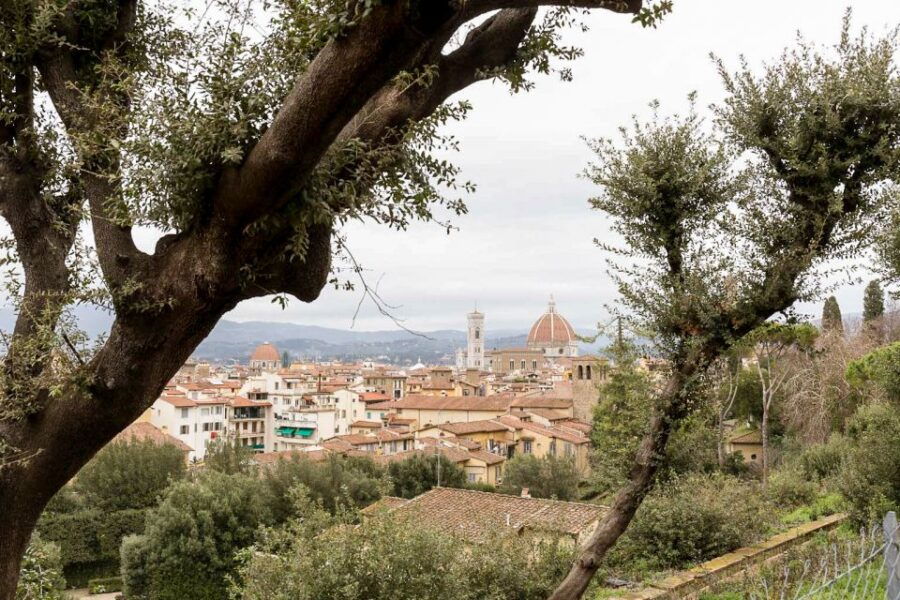
The exact same priority entry, just without the audio narration. Pick this one if you’d rather wander on instinct or you’ve already loaded a podcast or guide of your own. The reserved entry on its own is a strong move; our review of the standard reserved entry ticket goes through the cancellation policy in detail, which matters if your Florence dates are still loose. Same deal: 15-minute window or you lose your slot.
3. Florence Uffizi, Pitti Palace and Boboli 5-Day Combined Pass: about $81
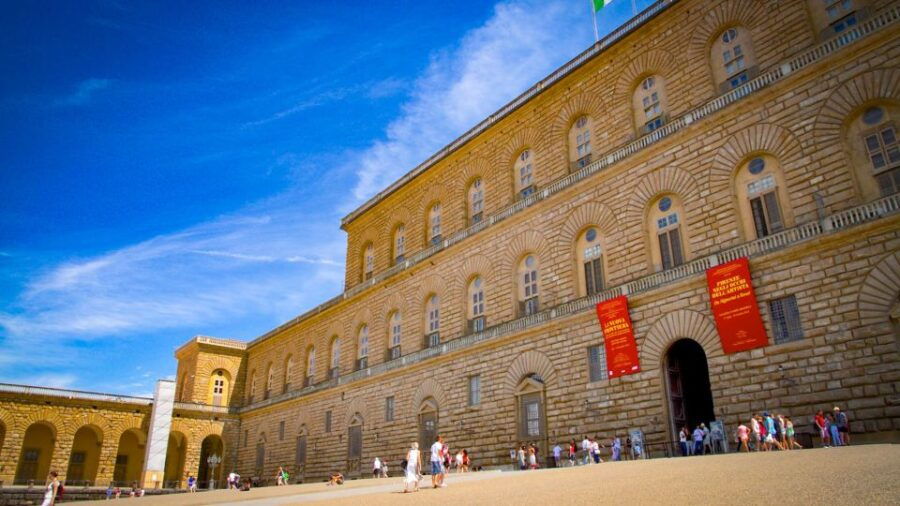
The smart pick if Florence is your main stop. Five days, four sites (Uffizi, Pitti, Boboli, the National Archaeological Museum), one entry to each. You can split your visits across non-consecutive days, which is a sanity-saver. The price is roughly equivalent to buying the three big tickets separately, so the convenience is essentially free. Our full breakdown of the 5-day combined pass walks through which days to schedule which museum if you want to avoid the worst of the crowds.
What You Actually See: A Walking Order That Works
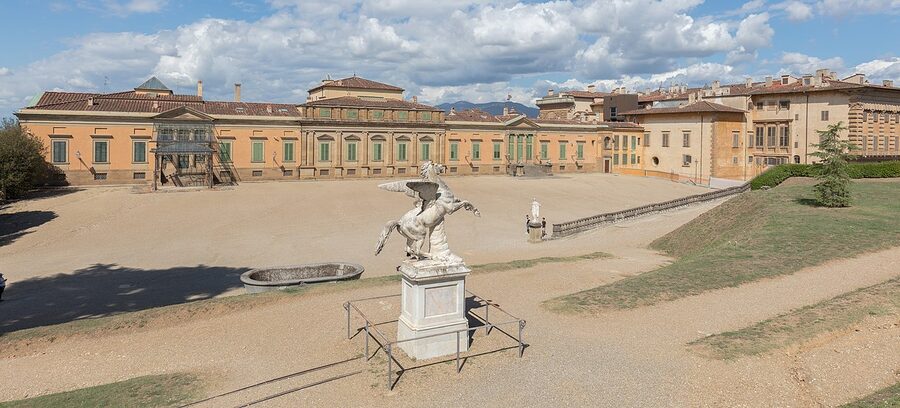
If you want a walking order that hits the highlights and doesn’t double-back, this is the one I’d give a friend with three hours.
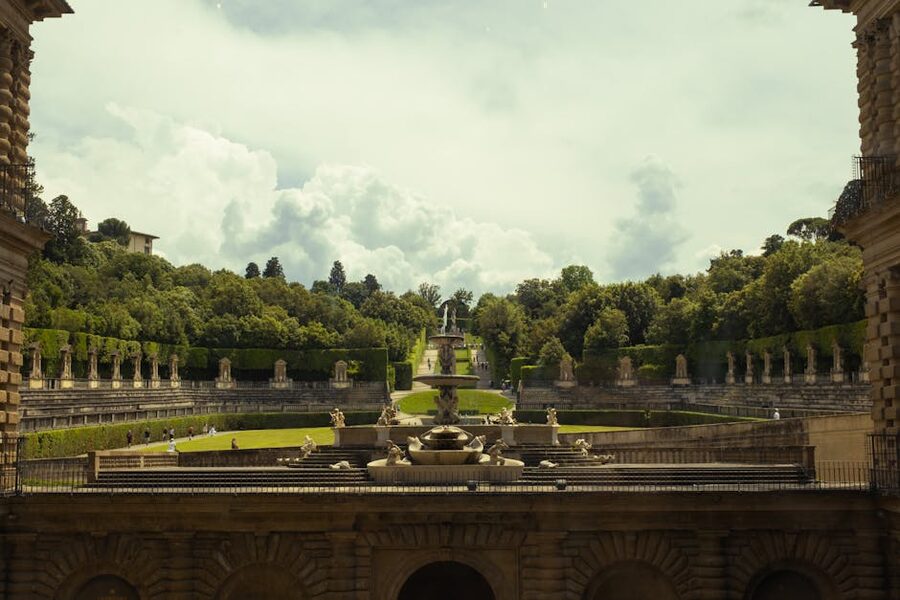
Enter at Pitti. Walk straight up the lawn behind the palace until you reach the Buontalenti Grotto on your right. Don’t skip it; people walk past, glance through the entrance, and miss the actual show. From there, climb the steps to the amphitheatre and pause at the obelisk. Then keep climbing past the Fountain of Neptune toward the Knight’s Garden and the Porcelain Museum.
From the top, drop south down the Viottolone, the cypress avenue, all the way to the Isolotto. The Viottolone is over 400 metres long, planted with cypresses that have been here since 1612. Statues line the route at three intersections. It’s the closest thing to a religious experience an atheist will have on a Tuscan afternoon.
From the Isolotto, you can either exit at Porta Romana (handy if you’ve finished what you wanted to see) or loop back along the lower paths to Pitti. The loop adds about 30 minutes.
The Buontalenti Grotto, Specifically
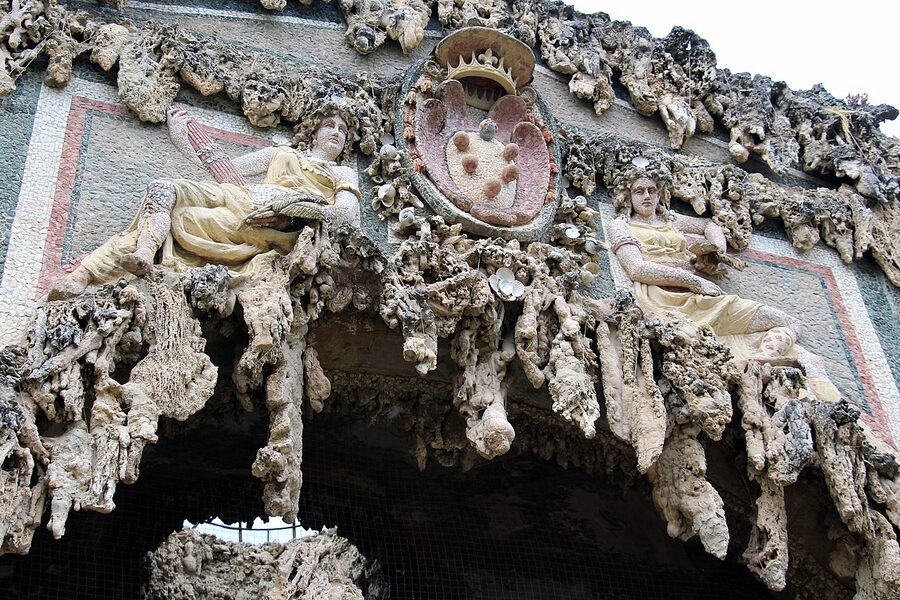
This thing is an essay in 16th-century weirdness. Buontalenti, a Medici court architect, was commissioned to build what was effectively a fashionable artificial cave for Grand Duke Ferdinando I. The result is three connected chambers stuffed with shells, fake stalactites, painted shepherds and animals, and Michelangelo’s unfinished Prisoners crammed into the corners. The Prisoners are now replicas. The originals moved to the Accademia in 1908 and you can see them on the way to Michelangelo’s David.
The interior is open in 15-minute supervised slots during the day. You don’t always realise it’s accessible. Look for the staff member at the entrance and ask. Free with your Boboli ticket. This is the single most undersold feature of the entire garden.
The Amphitheatre and the Obelisk
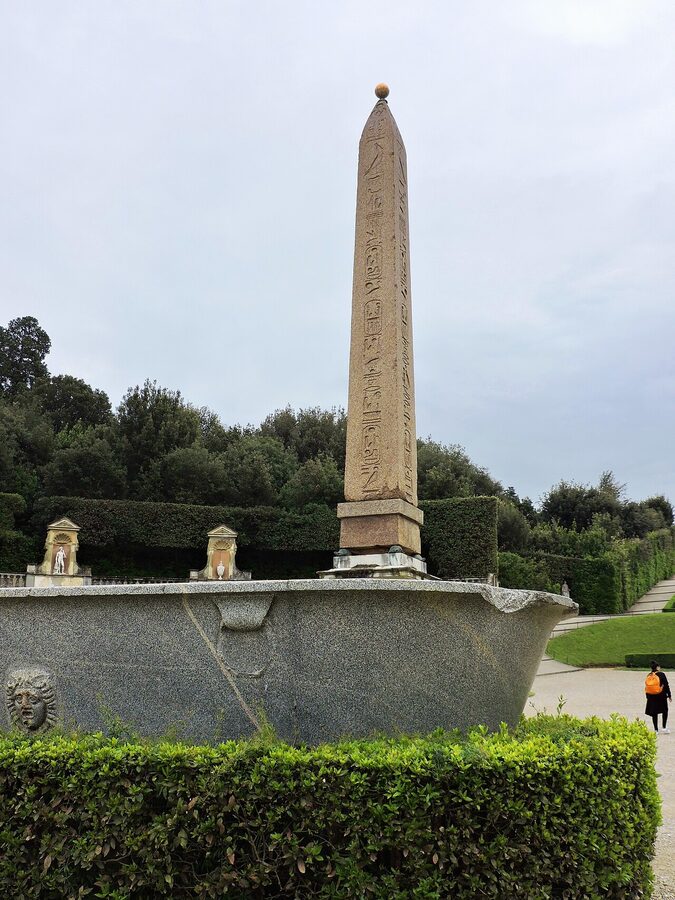
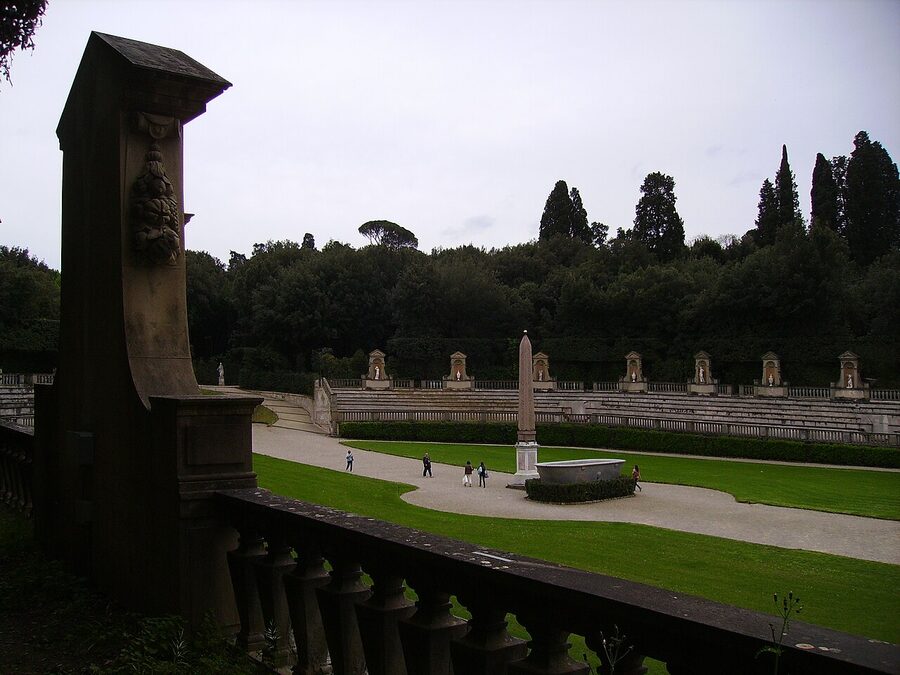
The amphitheatre was carved out of the hillside in the late 16th century and used for grand-ducal weddings, opera premieres, and Florentine elite parties. The 24 niches around the curve hold Roman-era statues that have been here for centuries. In summer the amphitheatre still hosts classical concerts, which is the best possible way to experience this part of the garden if your dates line up.
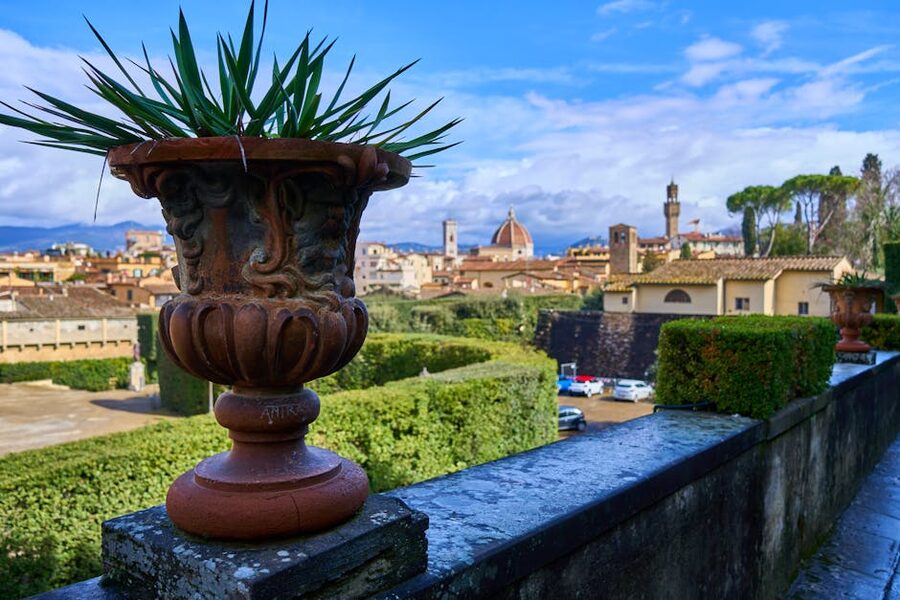
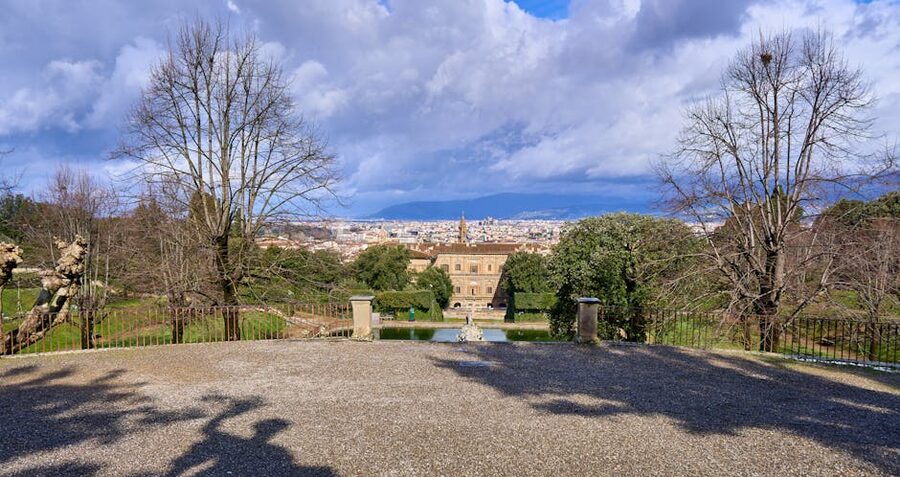
Sit on the steps for ten minutes. The view back toward the palace and over the city is genuinely the moment most visitors take a breath and remember why they’re here.
Fountain of Neptune
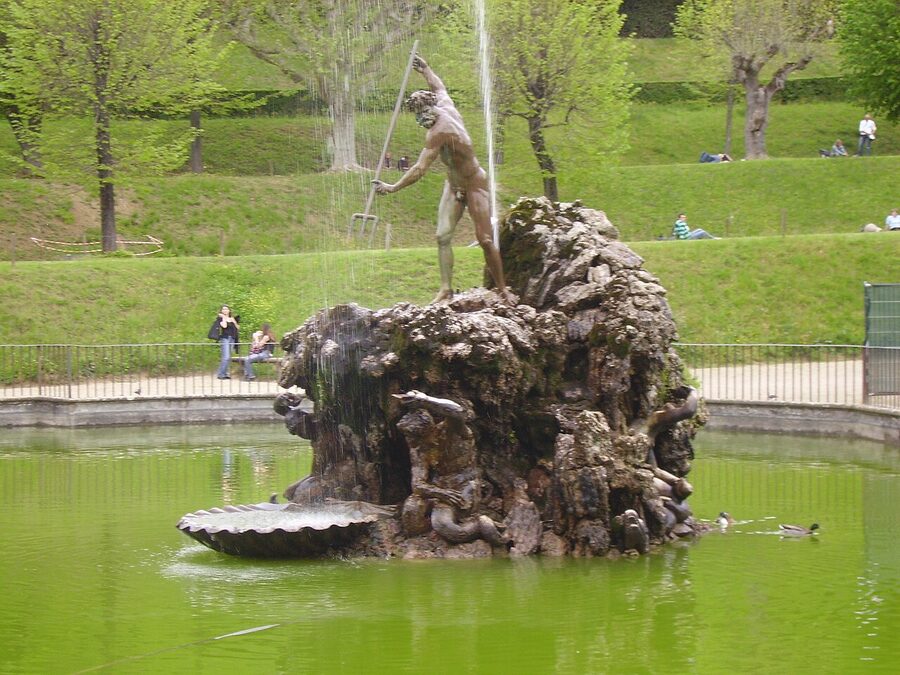
The fountain sits above the amphitheatre on the next terrace up. Neptune is older than the basin he stands in. The statue dates from 1565, the basin from the 1700s when this section was redesigned to collect water for irrigating the garden below. On a hot day the basin acts as an unofficial echo chamber, and you can sit on the bench next to it and not hear anyone else for ten minutes at a time.
The Isolotto and the Viottolone
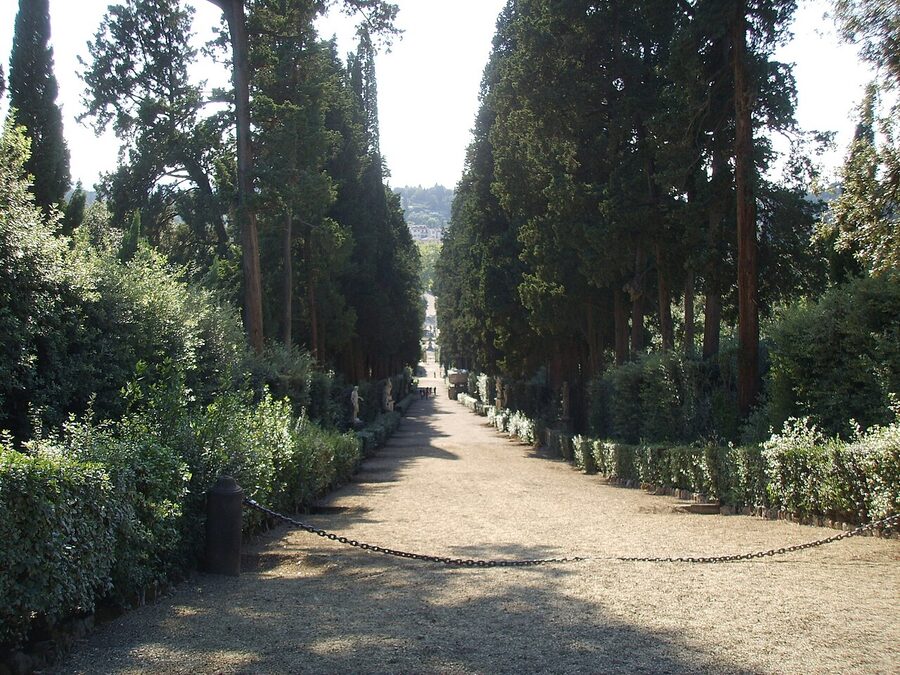
The Viottolone slopes gently downhill from the upper terraces toward the Isolotto, which sits at the southern end of the garden. It’s the longest single sightline in Boboli, and the cypresses date from the early 17th century. Three intersections along the way break the avenue with cross-paths and statue groupings. Take it slowly; this is the part most rushed visitors blur through, and they shouldn’t.
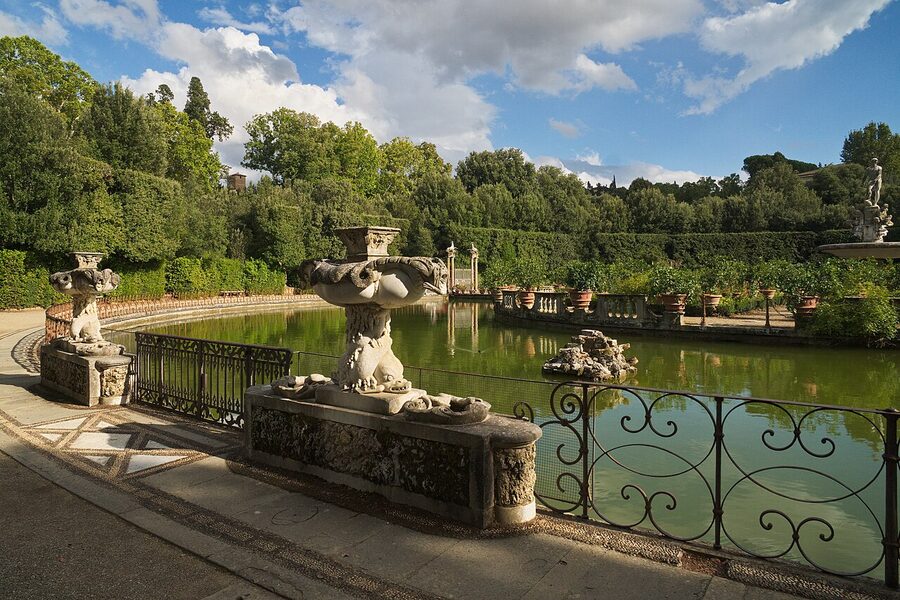
The Isolotto is a small island in a circular pool. Marble statues line the perimeter, and Giambologna’s Fontana dell’Oceano stands at the centre. In late spring there are potted lemon trees from the Lemon House placed around the basin, which is when this part of the garden looks the most photographed. By August the citrus is heavy and the water surface is half-covered in petals.
The Kaffeehaus
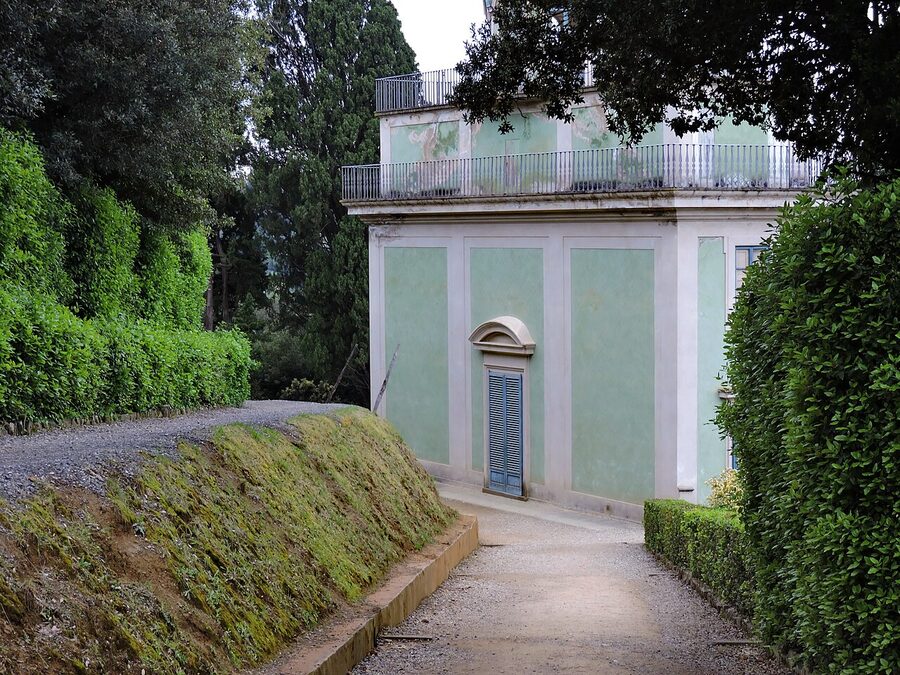
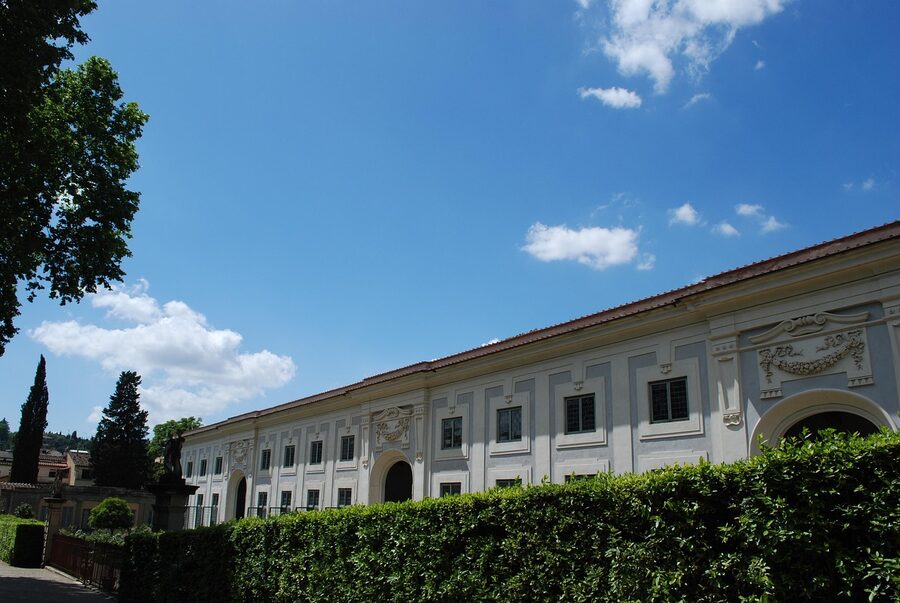
One of the few buildings inside the garden, the Kaffeehaus was built in 1766 in rococo style at a point when European courts thought it was sophisticated to drink coffee in dedicated buildings. It’s named in German because the fashion came from Vienna and the trend was hard to translate. From the terrace you get a clean view across the rooftops to the Duomo, and on a clear day you can see all the way to the Tuscan hills.
The cafe inside is rarely open and when it is, prices are roughly what you’d pay at a tourist cafe near the Uffizi. So treat the building as a viewpoint, not a meal stop.
Opening Hours, Seasons and Closing Days
The garden opens daily at 8:15am. Closing time changes by season and this trips up a lot of visitors who arrive at 5pm in November expecting golden hour and find the gates already locked.
- November to February: closes 4:30pm
- March and October: 5:30pm or 6:30pm depending on Daylight Savings
- April, May, September: 6:30pm
- June to August: 7:10pm
Last admission is always one hour before the listed closing time. The garden is closed on the first and last Monday of each month, plus 1 January and 25 December. The Monday closures are the gotcha. People assume Italian museums are closed on Mondays as a rule, but Boboli only closes the first and last Monday, so the middle Mondays are actually a good time to visit because most travellers don’t realise it’s open.
Best Time of Day to Be Inside
If you want photos without people in them, get the 8:15am opening slot. The first 45 minutes are eerily quiet because most tour buses and cruise excursions don’t drop until 10am. By 11 the upper terraces are busy, and by 1pm in summer the heat radiating off the gravel makes the climb genuinely unpleasant.
The other smart slot is the last 90 minutes before close. The light is softer, the temperature drops, and most of the day-trip crowd has already gone for an aperitivo. You won’t have time to do everything but you’ll get the highlights and the Isolotto in evening light, which is worth the trade.
Seasonal Choices
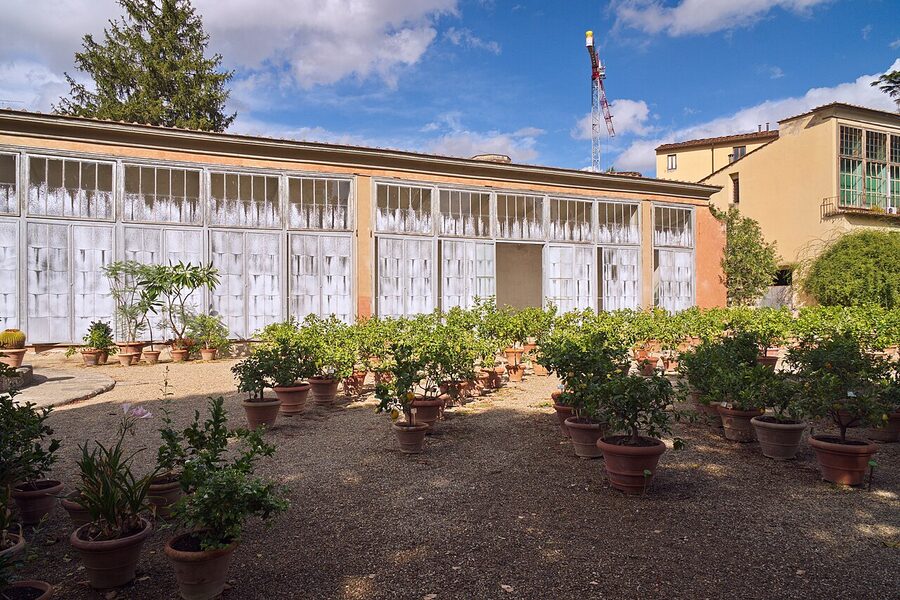
Spring (April to early June). The peak window. Wisteria, citrus, and the Lemon House plants come back into the open garden. Temperatures are kind. The catch is that this is also peak Florence season and the Pitti ticket office gets ugly.
Summer (June to August). Hot. Genuinely hot. The garden has shade in pockets but the climb is exposed. If you’re coming in July, do the 8:15am slot or accept that you’ll be sweating through your shirt by 11. The amphitheatre concerts in summer evenings are a redeeming feature.
Autumn (September to October). The best season most travellers don’t think about. Light is golden, temperatures drop into the low 20s, and the crowds thin out after the school holidays end. My pick if you have flexibility.
Winter (November to February). The garden looks bare in the strict sense. There are no flowers, no leaves on the deciduous trees, the lemons are inside the Lemon House. But the cypresses and box hedges keep the structure intact, and you can have entire terraces to yourself. Tickets drop to 6 euro. Not for everyone, but quietly the most contemplative way to see Boboli.
Combining Boboli With the Rest of Florence
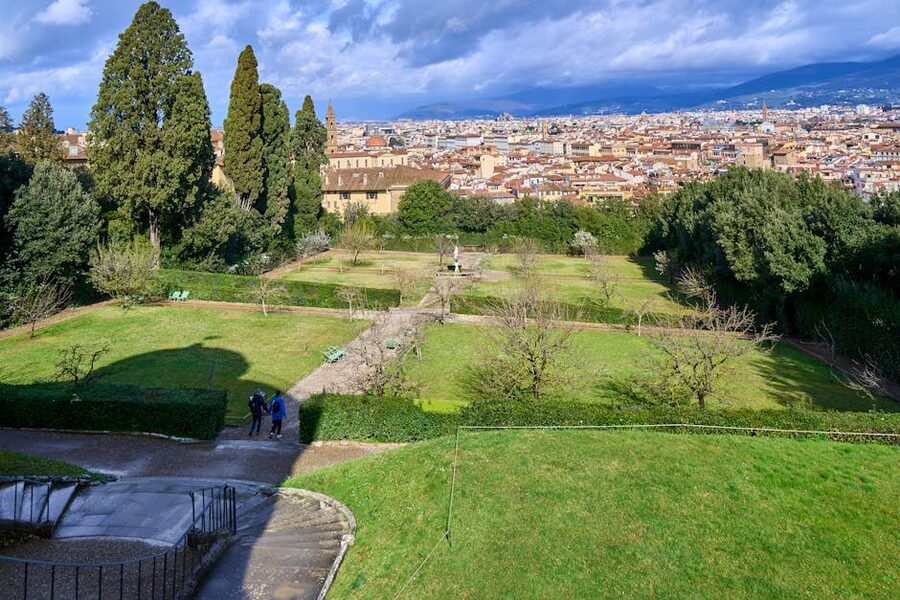
The smart Boboli day is paired with Pitti Palace. They share a wall, your ticket can cover both, and you’ll already be on the Oltrarno side of the river. Hit Pitti first thing in the morning, break for lunch on Via Maggio or somewhere near Santo Spirito, and use the afternoon for the gardens. That’s a clean, civilised day.
If you’ve also booked into the Pitti Palace ticket and tour route, the Palatine Gallery and Royal Apartments inside Pitti will absolutely fill three hours by themselves. Don’t try to do Pitti, Boboli, and Uffizi in a single day. You can do Pitti and Boboli together. You can do Uffizi as a separate morning.
For travellers fitting Boboli into a longer Florence stay, the natural pair is the Uffizi Gallery on a different morning and the Palazzo Vecchio if you want a third Renaissance-era civic building to round out the Medici story. Boboli is the green half of a story that the painted ceilings of Pitti and the political theatre of Palazzo Vecchio tell from inside.
If your trip starts in Rome, the same logic that drives the Roma Pass calculation applies here: passes only beat individual tickets if you genuinely visit four or more sites. For most Florence visitors, the PassePartout breaks even at three.
Forte Belvedere and the Bardini Add-On
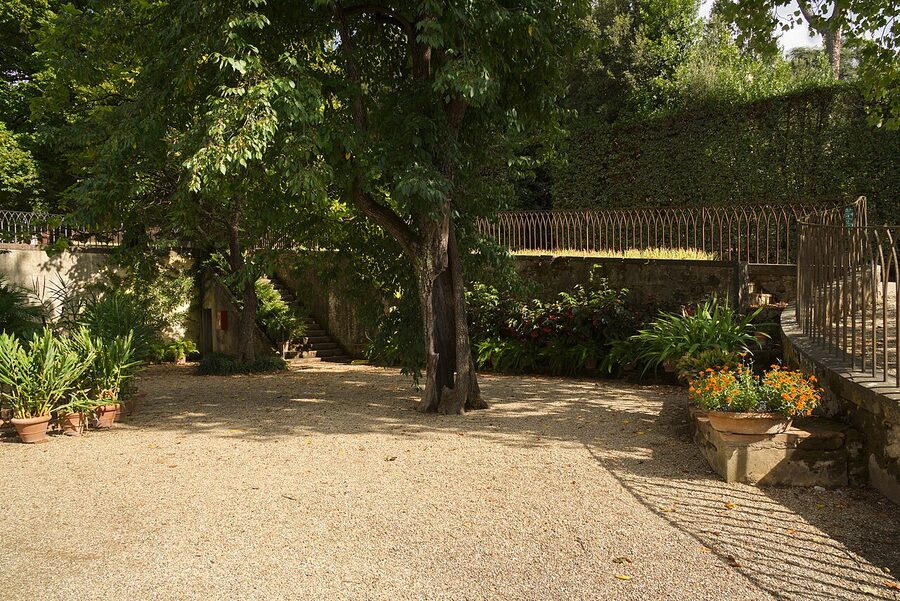
Two extras inside or adjacent to the Boboli ticket are worth knowing about.
Bardini Gardens. Included in your standard Boboli ticket and connected via a path through the Belvedere area. Smaller than Boboli, much more vertical, with a wisteria pergola in late April that is the single most photographed three weeks in any Florentine garden year. The Bardini is the move if you want a quick second-garden hit without buying a second ticket.
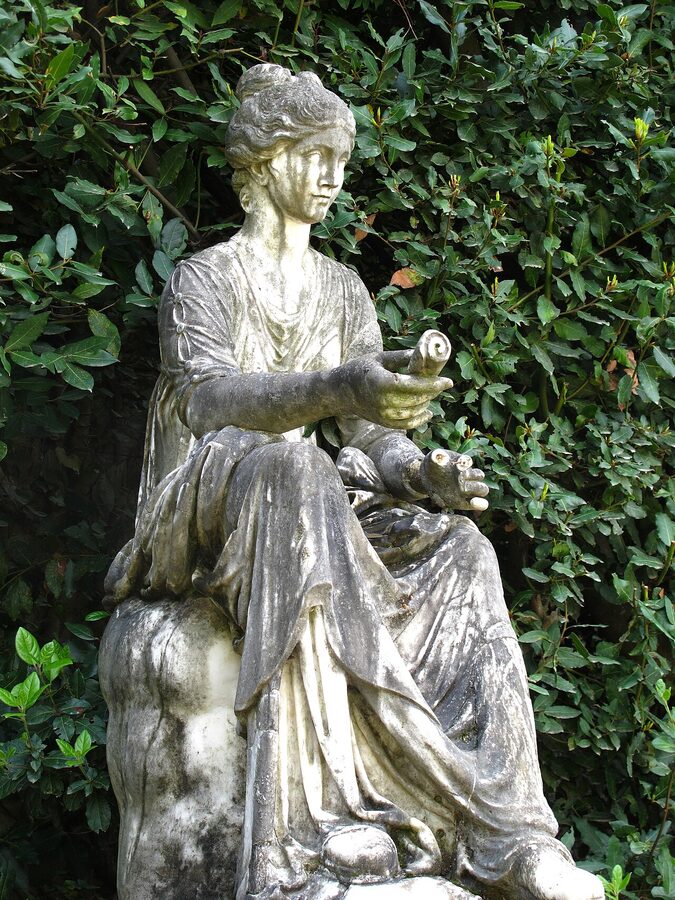
Forte Belvedere. A separate building at the highest point above Boboli. Built between 1590 and 1595, originally as a defensive fortress. Open seasonally with rotating contemporary art exhibitions. Not part of your Boboli ticket; you’ll need a separate entry, often free during exhibitions. The roof terrace gives you the best 360-degree panorama of Florence anywhere in the city, including a view back over Boboli and Pitti.
Practical Stuff Most Guides Skip
Toilets. Two main blocks, one near the Pitti Palace entrance, one near the Lemon House. There is no toilet at the top of the hill. Plan accordingly.
Water fountains. Several drinking fountains throughout the garden with safe potable water. The one at the Knight’s Garden is particularly cold even in August. Bring a bottle and refill.
Picnics. Officially you’re not supposed to picnic, but plenty of locals quietly eat sandwiches on the lawns near the Lemon House. The wardens are flexible if you’re tidy. Don’t bring full meals; do bring a sandwich and a bottle of water.
Pushchairs and wheelchairs. The lower terraces near Pitti are accessible. The upper hill has gravel, steps, and steep sections. Wheelchair users can do roughly the bottom third without much trouble; the top is genuinely difficult.
Bag size. No formal bag check at most entrances, but anything backpack-sized gets a glance. A small daypack is fine. Don’t try to bring a full hiking pack; you’ll be asked to leave it at the Pitti cloakroom and that’s a 15-minute round trip.
Photography. Allowed everywhere, no flash, no tripods. Drones are forbidden and the no-drone rule is enforced. Selfie sticks are tolerated.
Dogs. Allowed on a leash. There’s no specific dog area; just keep them on the paths and pick up after them.
Closed sections. The Porcelain Museum has been closed for refurbishment for some time now, and at any given visit you’ll find one or two minor sections roped off for restoration. Check the official site the day before for live closures, especially if a specific feature is the reason for your visit.
Food Around the Garden
There’s no proper restaurant inside Boboli. The Kaffeehaus serves coffee occasionally in summer and that’s about it. For a real meal, walk out at Pitti or Porta Romana and head into the Oltrarno.
Near Pitti: Trattoria Sabatino on Via Pisana for a low-key Florentine lunch (cash only, closed Sundays). Cafe Fiorita on Sdrucciolo de’ Pitti for a quicker stop. Avoid the cluster directly on Piazza Pitti unless you’re happy with overpriced carbonara delivered lukewarm.
Near Porta Romana: Trattoria Cammillo on Borgo San Jacopo for a more upscale meal, or one of the wine bars on Via dei Serragli. The Oltrarno side of Florence has stayed less touristy than the Duomo side, and that’s where the better food generally is. If you want to fold in a hands-on cooking experience after the garden, the Rome pasta class guide on this site walks through the same kind of small-group format that works well in Florence too.
One Last Thing on Picking Your Ticket
If you only have half a day in Florence and Boboli is part of it, the basic reserved entry ticket is plenty. You walk in, you walk up, you walk down, you leave with calm in your legs.
If you want to actually understand what the Medici were doing for two centuries, get the audio app version. The narration is decent, and you’ll appreciate the layered chronology of the garden in a way you wouldn’t from a guidebook bullet list.
And if you’re staying in Florence three or more days and Pitti and Uffizi are also on your list, the PassePartout 5-day pass is the only sensible move. The maths works out, the convenience is real, and you get to use Boboli as a recovery space between the more intense indoor museum days.
The garden has been here for nearly five hundred years. It survived the Lorraine successors of the Medici, Italian unification, two world wars, and a few centuries of wear. It will probably survive your visit too. Take your time on the way up.
Pairing Boboli With the Rest of Italy
Most of the readers I hear from are slotting Boboli into a longer Italy trip. If Florence is your second city after Rome, the Michelangelo’s David at the Accademia guide is the natural pair, since the Buontalenti Grotto’s original Prisoners now live at the Accademia. For the rest of Florence, the Duomo and dome climb covers Brunelleschi’s other half of the Florentine skyline. On the Florence palaces side specifically, the Palazzo Vecchio and the Leonardo Interactive Museum guides round out the cluster, and the alternative Pitti entrance ticket review is worth a glance if you’re choosing between the audio-app and standard versions.