
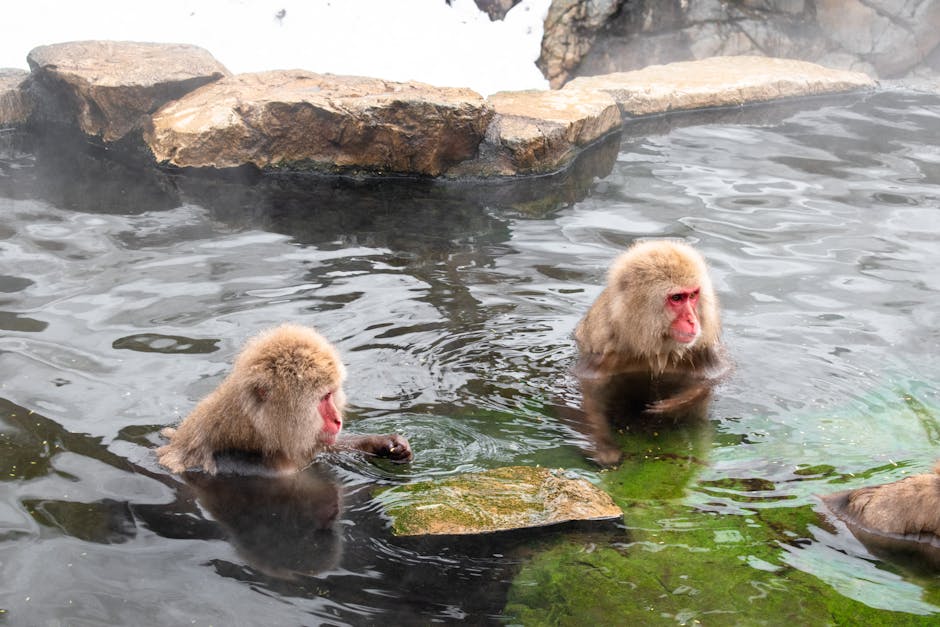
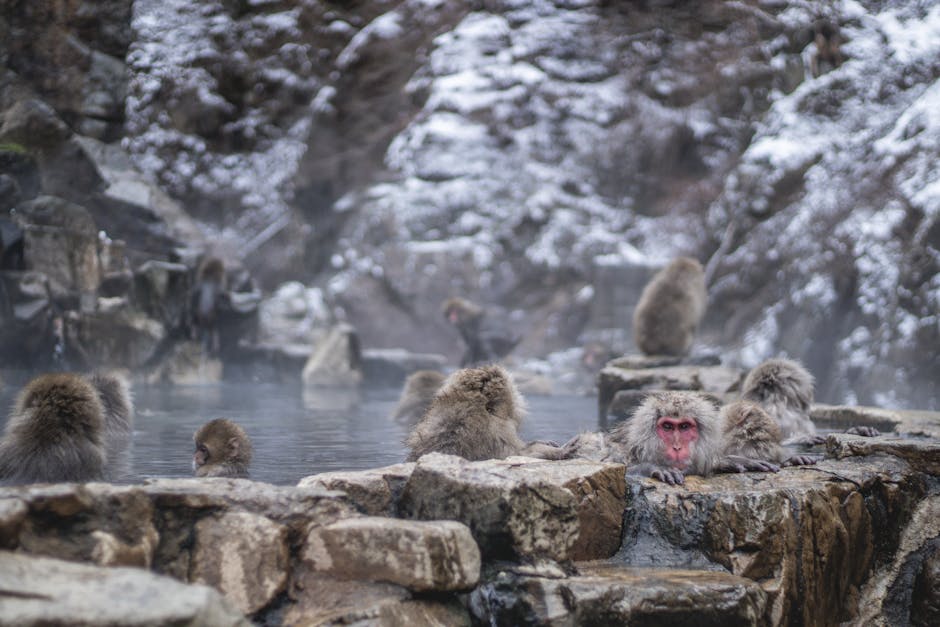
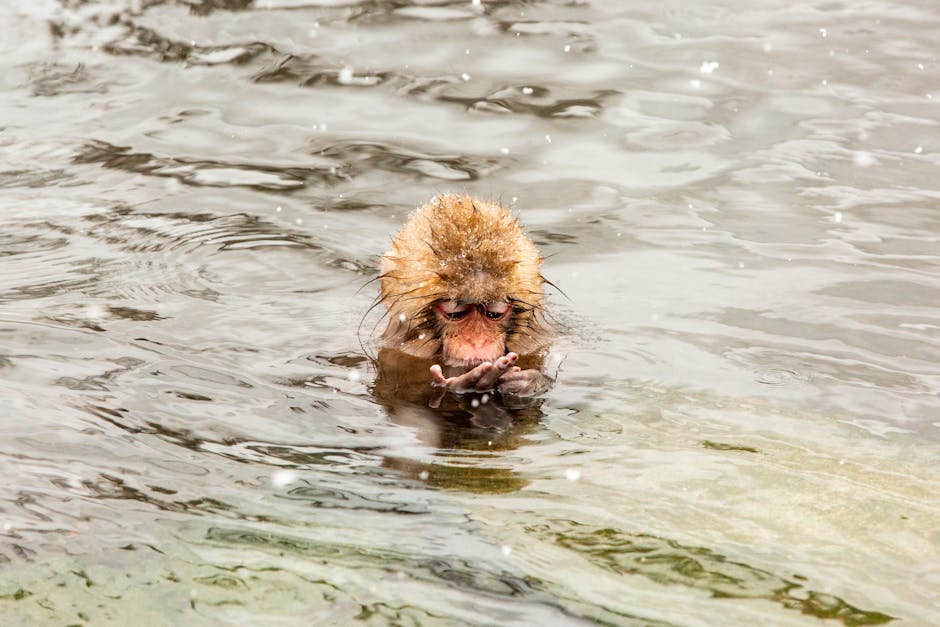
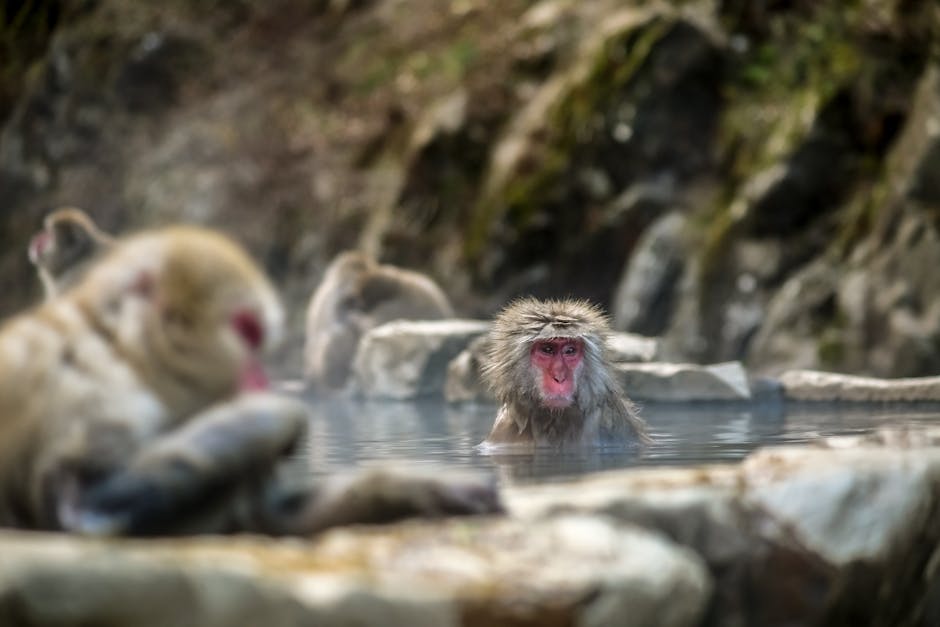
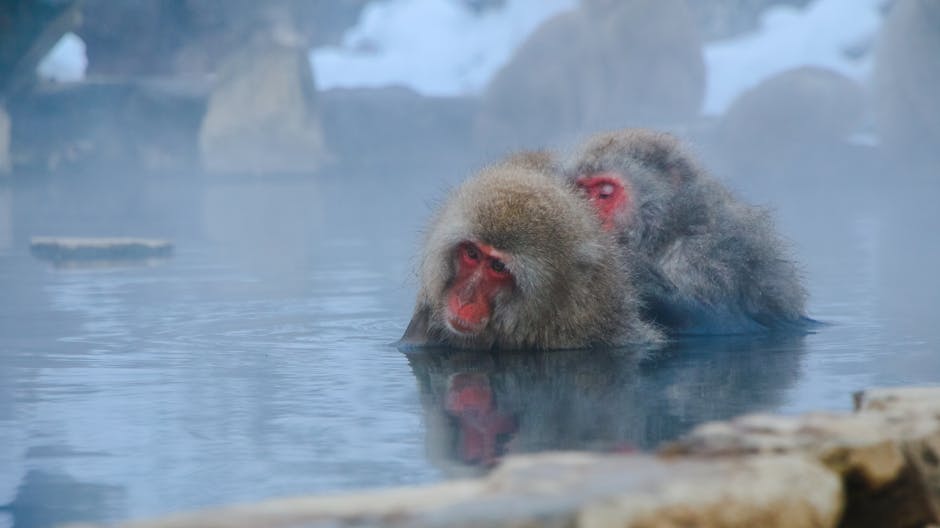
Steam curls off the water in slow spirals. A macaque — fur soaked, eyes half-closed — sinks deeper into the pool while snowflakes land on her head and melt instantly. Two younger monkeys wrestle on the rocks behind her, completely ignoring the forty humans standing three meters away with cameras. This is Jigokudani Monkey Park in Nagano, and it is exactly as surreal as the photos suggest.
Booking a day trip that combines the snow monkeys with Zenko-ji Temple and a sake tasting is the smartest way to do it. You get the logistics sorted, the driving handled, and three of Nagano’s best experiences stacked into a single day.
Short on time? Here are my top picks:
Best overall: 1-Day Snow Monkeys, Zenko-ji & Sake Tour — $151.88. The original combo tour with over 1,000 reviews and a perfect 5.0 rating. Includes temple, monkeys, and sake brewery.
Best value: Nagano Snow Monkeys & Zenko-ji Day Trip — $135. Same itinerary, slightly lower price, equally well-reviewed at 4.9 stars.
- How the Official Ticket System Works
- Going Independent vs Booking a Guided Tour
- The Best Snow Monkey Day Tours to Book
- 1. 1-Day Snow Monkeys, Zenko-ji Temple & Sake in Nagano Tour — 1.88
- 2. Nagano Snow Monkeys, Zenko-ji Temple & Sake Day Trip — 5
- When to Visit
- How to Get There
- Tips That Will Save You Time
- What You Will Actually See
- More Japan Day Trips Worth Booking
How the Official Ticket System Works
Jigokudani Monkey Park is run independently, not through a national park system. You buy tickets at the gate — there is no online reservation required and no timed entry. Adults pay 800 yen (roughly $5-6 USD), children 5-15 pay 400 yen, and kids under 5 are free.
The park is open year-round, though the monkeys are only reliably in the hot spring pool from roughly November through March. Summer visits are a gamble — the monkeys are still around but they have no reason to sit in hot water when it is warm out.
Opening hours shift by season. In winter (November to March), the park opens at 9:00 AM and closes at 4:00 PM. Summer hours run 8:30 AM to 5:00 PM. They do not close for weather — even during heavy snowfall, the park stays open.
Getting there independently is the tricky part. From Nagano Station, you take a local bus to Kanbayashi Onsen (about 40 minutes), then walk 25-30 minutes through a forest trail to reach the park. The trail is flat but can be icy in winter. Waterproof boots with grip are not optional — I have seen people in sneakers turn back halfway.
Zenko-ji Temple is a separate attraction in Nagano City with its own admission. The main hall entry costs 600 yen, and the inner sanctuary (which includes the famous dark corridor where you search for the key to paradise) is an additional fee. The temple grounds themselves are free to walk through.
Going Independent vs Booking a Guided Tour
You can do everything independently. Take the shinkansen from Tokyo to Nagano (80 minutes, around 8,000 yen each way), bus to the monkey park, walk in, bus back, visit Zenko-ji, find a sake brewery. It is doable. But it takes serious planning and most of your day goes to transit logistics.
The guided tour advantage is simple: a driver picks you up in Nagano, takes you to all three stops in the right order, waits while you explore, and handles every transfer. The sake brewery stop is at a place most independent travellers would never find — small local operations that do not advertise to travellers. The guide also provides context at Zenko-ji that you would miss without one.
The math works out too. Once you factor in bus fares, admission fees, and the time cost of figuring out connections, the tour price is genuinely reasonable. And you avoid the stress of watching the clock at the monkey park because your bus leaves in 12 minutes.
If you are traveling with kids or in a group, the tour is a no-brainer. Solo travellers who like improvising can do it independently — just check the bus timetable the night before, because they only run every hour or so.
The Best Snow Monkey Day Tours to Book
1. 1-Day Snow Monkeys, Zenko-ji Temple & Sake in Nagano Tour — $151.88
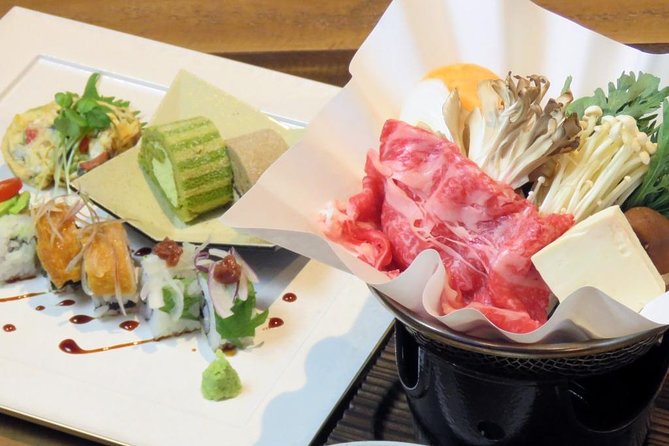
This is the one that started it all. Over 1,020 reviews with a perfect 5.0 rating, which is genuinely unusual for a full-day tour. The itinerary hits Zenko-ji Temple first thing in the morning, then heads to the monkey park in the early afternoon (smart timing — the monkeys tend to be most active around lunchtime), and wraps up with a sake tasting at a local brewery.
At $151.88 it is the pricier of the two main options, but the consistency of the reviews is hard to argue with. A thousand people all agreeing that something is perfect does not happen by accident. The guide makes or breaks these trips, and this tour has clearly figured out their staffing.
One thing I appreciate is that the sake stop is not a tourist trap — it is an actual working brewery where the tasting feels like a real experience rather than a gift shop with samples. If you are planning multiple day trips from Tokyo, Nagano works well as a shinkansen day trip from the capital.
2. Nagano Snow Monkeys, Zenko-ji Temple & Sake Day Trip — $135

Same concept, very similar execution, $135 instead of $151. This tour runs through GetYourGuide and has 833 reviews at 4.9 stars. The itinerary mirrors the Viator option — Zenko-ji, monkey park, sake brewery — with the same full-day format running 8-12 hours depending on the season.
The $16 savings might not sound like much, but for a family of four that adds up. The 4.9 vs 5.0 rating difference is statistically meaningless at this volume of reviews. Both tours are excellent. If you are price-sensitive, this is the one. If you want the marginally longer track record, go with option one.
What both tours share is the key advantage over doing it yourself: door-to-door transport from Nagano Station. You step off the shinkansen, meet your guide, and do not think about logistics again until you are back at the station eight hours later. For anyone coming from Tokyo on a day trip schedule, that efficiency matters.
When to Visit
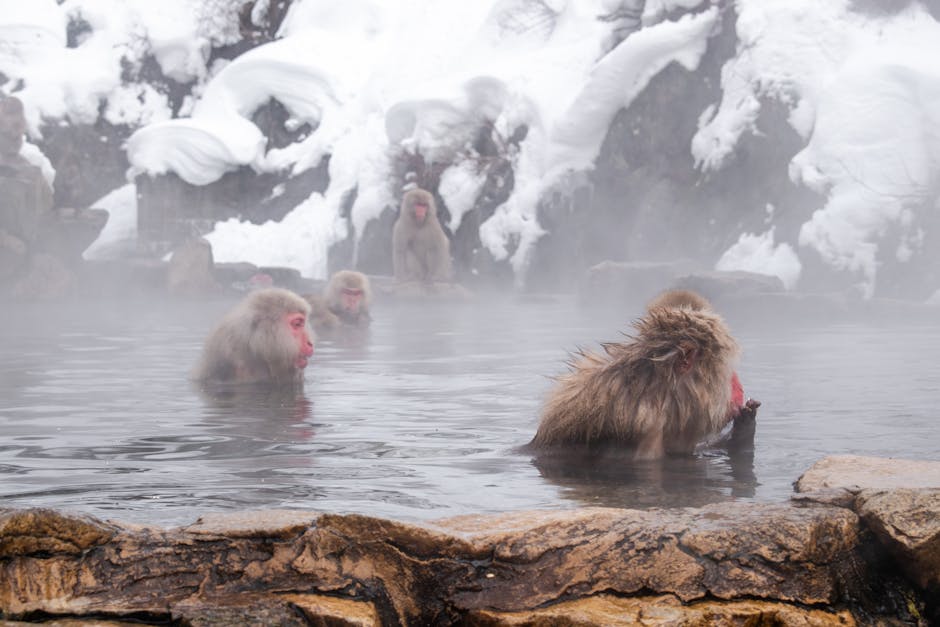
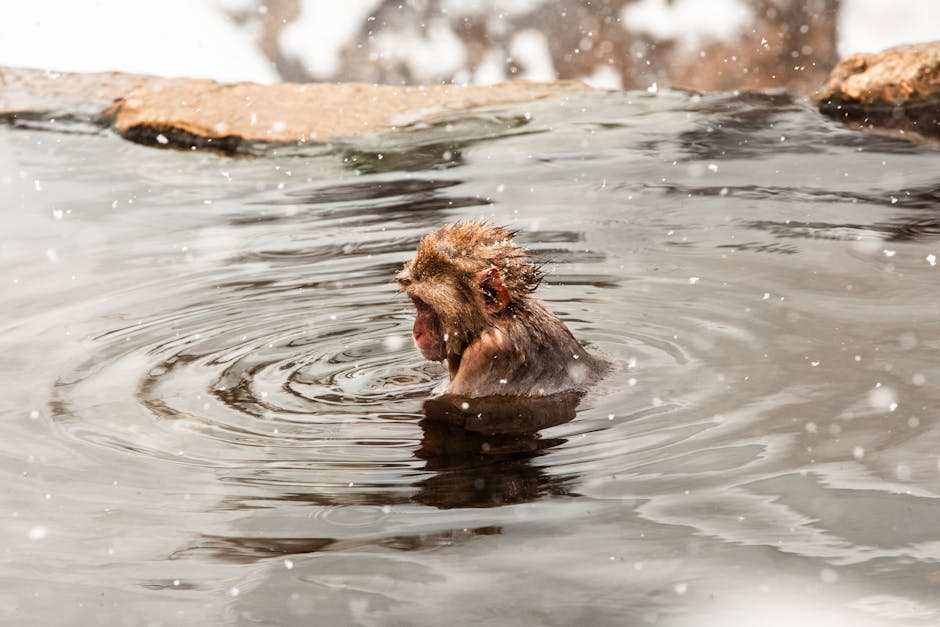
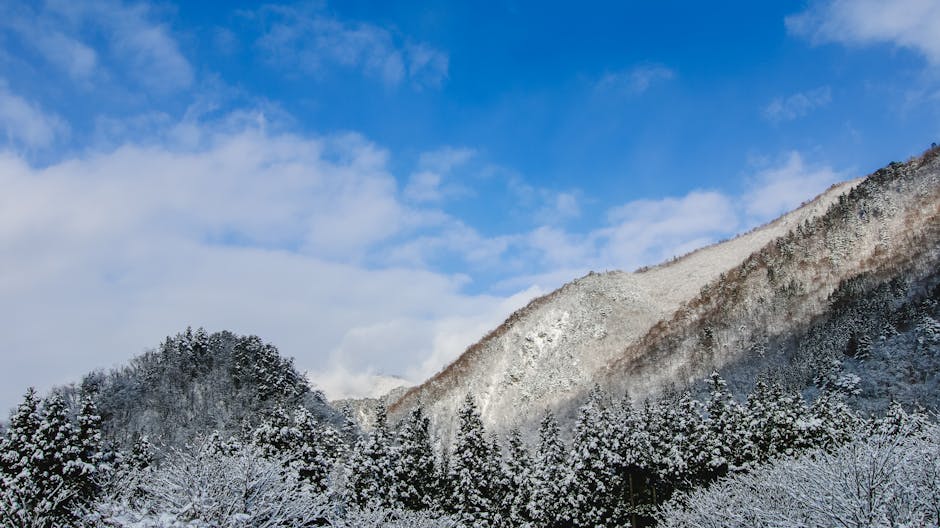
January and February are the prime months. The snow is deepest, the monkeys are in the water most reliably, and the steam rising off the pool against a backdrop of white creates the iconic photos you have seen everywhere. Temperatures regularly drop to -10 degrees Celsius, so dress accordingly.
December and March are shoulder months that still deliver good monkey-bathing action with slightly smaller crowds. March can be hit-or-miss as temperatures warm up — some days the monkeys are in the pool, some days they skip it.
April through October is off-season for the hot spring experience specifically. The monkeys live in the park year-round and you can still see them, but they scatter through the forest rather than concentrating around the pool. If the hot spring scene is what you are after, do not come in summer.
Time of day matters too. Early morning (park opening at 9:00 AM) tends to have the best monkey activity and the smallest crowds. By noon, tour buses have arrived and the viewing area around the pool gets packed. The tours handle this well — most depart early specifically to beat the midday rush.
Zenko-ji Temple is worth visiting any time of year, though the autumn colors in October-November make the grounds particularly photogenic. The temple opens at 6:00 AM (earlier in summer) and closes around 4:30 PM in winter.
How to Get There
Most visitors start from Tokyo Station. The Hokuriku Shinkansen (Kagayaki or Hakutaka services) runs to Nagano Station in about 80 minutes. A one-way ticket costs around 8,200 yen ($55 USD). If you have a Japan Rail Pass, the shinkansen is fully covered.
From Nagano Station, the monkey park is about 50 minutes northeast by car. If you are on a tour, your guide picks you up right at the station east exit. Independent travellers take the Nagaden Express Bus from stop number 1 at the east exit to Kanbayashi Onsen (41 minutes, 1,500 yen one way).
From Kanbayashi Onsen bus stop, it is a 25-30 minute walk along a maintained forest trail to the park entrance. The trail is mostly flat but narrow in places, and in winter it is compacted snow — not plowed pavement. Yaktrax or similar traction devices are highly recommended if you are visiting in peak snow season.
Zenko-ji Temple is much easier to reach — it is a 20-minute walk from Nagano Station or a quick bus ride. Most tours visit the temple first since it is closer before driving to the monkey park.
Tips That Will Save You Time
- Wear layers, not one heavy coat. The walk to the park heats you up, then standing still at the viewing area cools you down fast. Being able to adjust is key.
- Bring a zoom lens or use your phone telephoto. You can get within 3-4 meters of the monkeys, but closer shots require optical zoom. Do not use flash.
- Do NOT make direct eye contact with the monkeys. In macaque body language, prolonged eye contact is a threat. Look through your camera instead.
- Do not bring food into the park. Seriously. The monkeys will notice, and they are faster than you think. All bags should be zipped shut.
- Cash only at the park entrance. There are no ATMs on the trail. The closest convenience store is in Kanbayashi Onsen village.
- Book the morning departure if you have a choice. Afternoon tours exist but you miss the best monkey activity and fight bigger crowds.
- The trail has one steep section near the start. It is only about 100 meters but it catches people off guard, especially when icy. Take it slow.
What You Will Actually See
Jigokudani means “Hell Valley” — named for the volcanic steam vents and hot springs that dot the narrow gorge. The monkey park was established in 1964 when researchers began studying the troop of wild Japanese macaques that had discovered the natural hot springs.
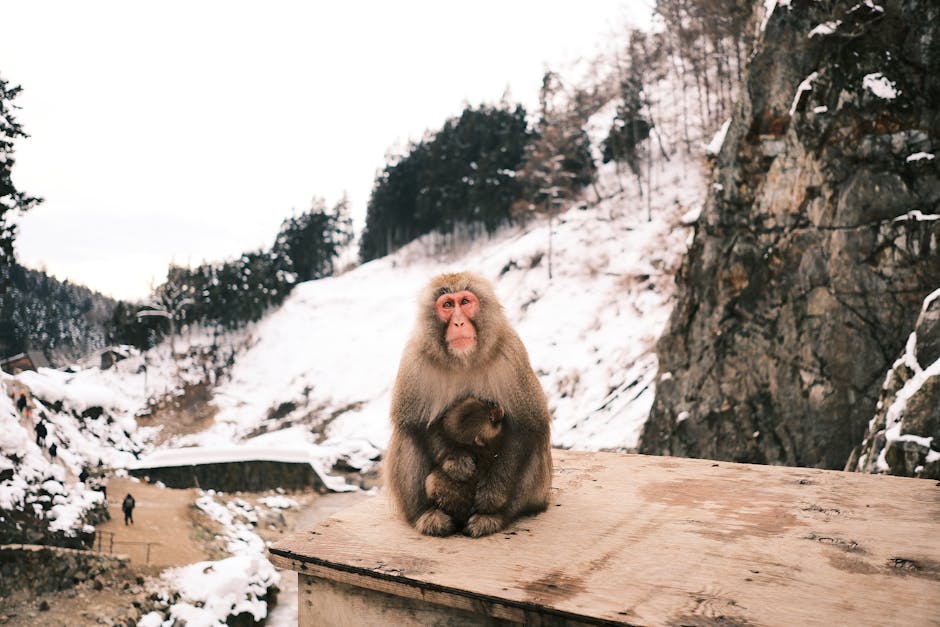
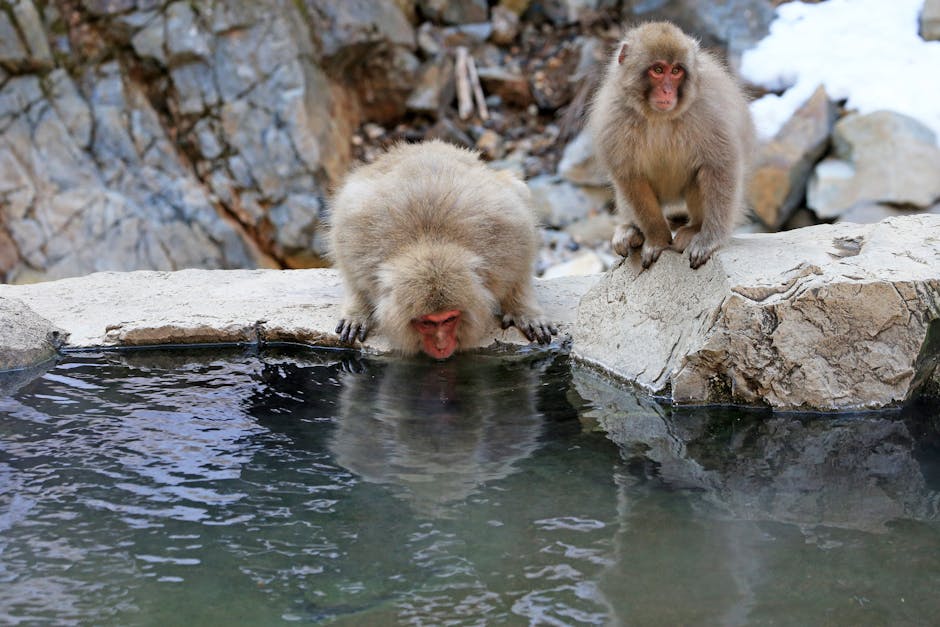
Today, around 160 macaques live in the park area. They are wild — not captive, not trained, not fed by the park (they are given a small amount of food to keep them returning to the pool area, but they forage naturally too). The main hot spring pool is the star attraction, a roughly 10-meter natural basin where the monkeys soak, groom, and occasionally dunk their heads underwater.
You will see mothers carrying babies, juveniles chasing each other across the rocks, and older males sitting at the pool edge looking deeply philosophical. The social dynamics are fascinating even if you are not a wildlife nerd. And yes — they really do close their eyes and lean back in the water like tiny elderly people at a spa.
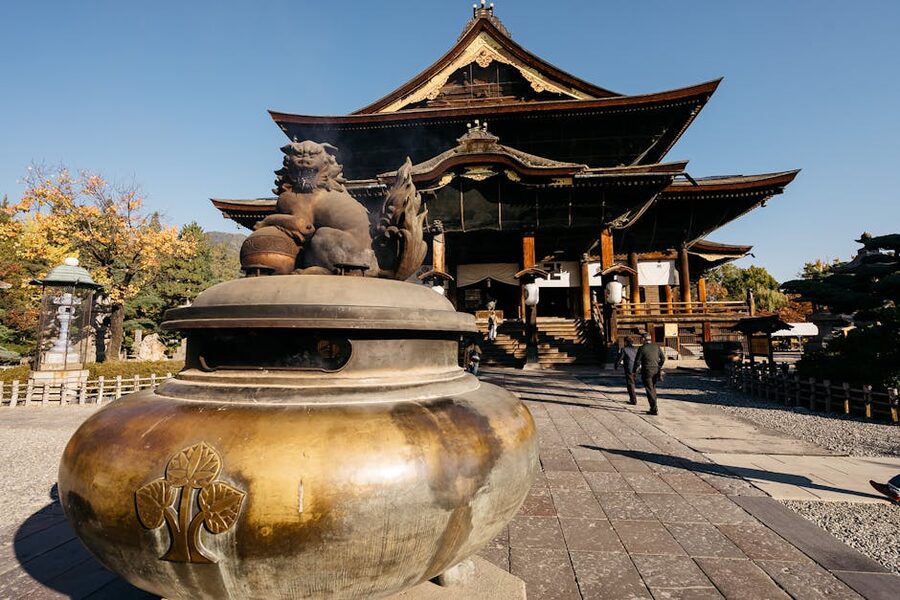
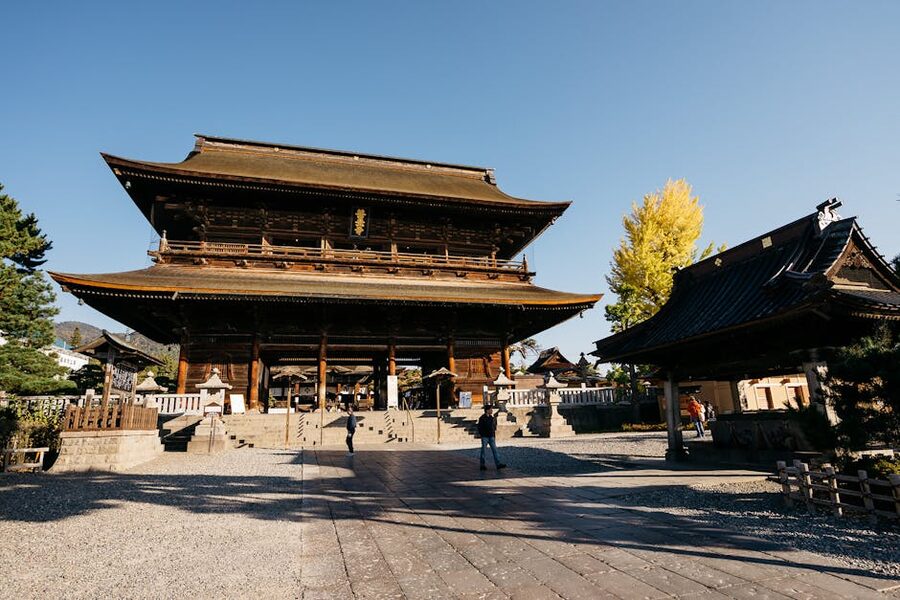
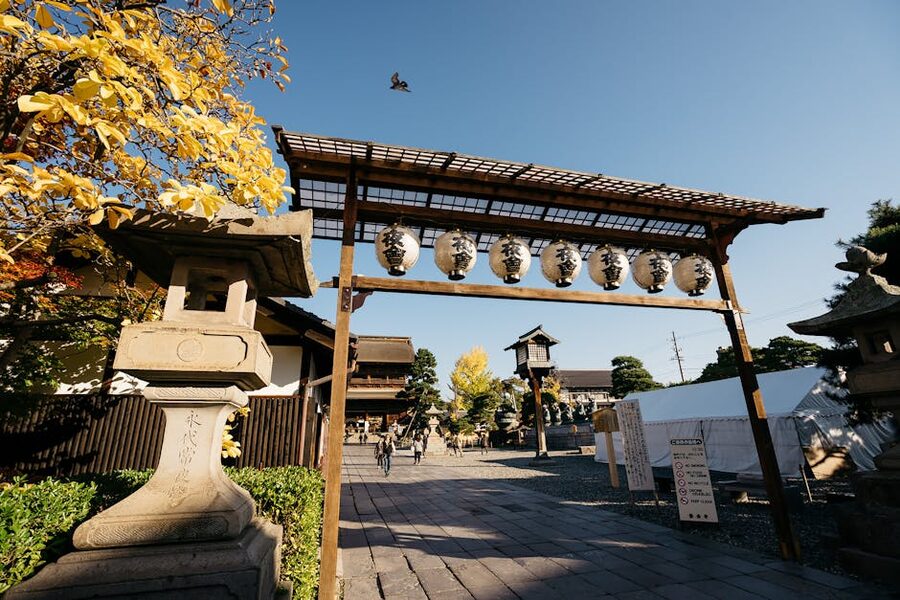
Zenko-ji Temple is one of the last remaining non-denominational Buddhist temples in Japan — it predates the split between different Buddhist sects. The current main hall dates to 1707 and is the third-largest wooden building in Japan. The main draw is the Kaidan Meguri, a pitch-black corridor beneath the main altar where you feel along the walls searching for a metal key.
Finding it is said to guarantee you entry to the afterlife. It is darker than you expect — genuinely, completely dark — and the experience is oddly moving even if you are not religious.
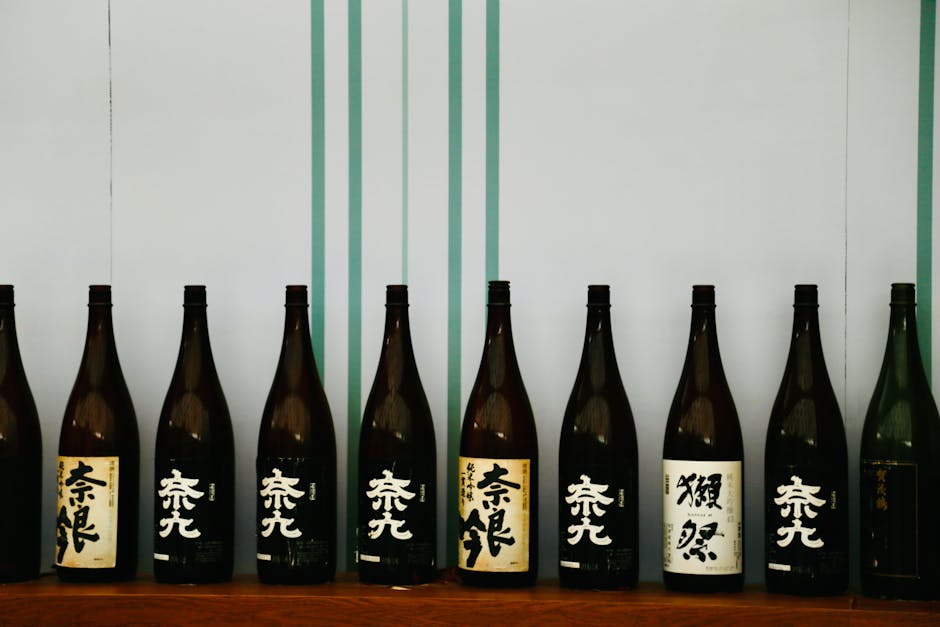
The sake tasting is the part of the day trip that surprises most people. Nagano Prefecture produces some of Japan’s best sake thanks to cold mountain water and high-quality rice. The breweries on tour itineraries are typically small family operations — not industrial-scale factories. You will try 3-5 varieties and learn enough about the brewing process to sound dangerously knowledgeable at dinner.
Non-drinkers usually get a green tea or amazake (sweet non-alcoholic fermented rice drink) alternative.
More Japan Day Trips Worth Booking
If Nagano is on your list, you are probably building a trip packed with day trips. The Nikko day trip is another northbound option from Tokyo with ornate shrines and a 97-metre waterfall. The Mt. Fuji and Hakone day trip heads west instead, and the Kamakura day trip combines coastal temples with Japan’s Great Buddha.
Heading to the Kansai region, the Nara day trip and Hiroshima and Miyajima are both doable from Osaka or Kyoto. For hands-on cultural experiences on your city days, the samurai experience and ramen cooking classes are worth fitting in, and the Shinjuku food tours cover a completely different side of the city at night.
Disclosure: This article contains affiliate links. If you book a tour through our links, we may earn a small commission at no extra cost to you. This helps us keep writing these guides.