
Windsor is the oldest and largest occupied castle in the world. A thousand years of continuous royal residence, more than a thousand rooms, thirteen acres of grounds, and as of 2022 it’s where Queen Elizabeth II is buried in St George’s Chapel and where King Charles III actually lives most weekdays. People still treat Buckingham Palace as the headline royal address. The working monarchy moved to Windsor and forgot to tell the postcards.
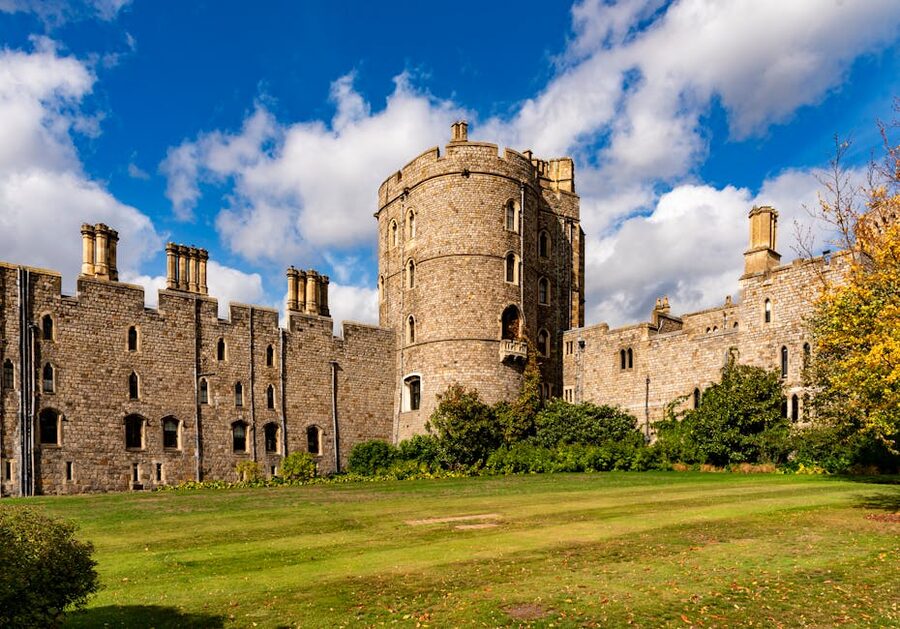
The train from Paddington takes about thirty minutes, which makes Windsor an easy half-day from central London on your own, or a guided round-trip if you’d rather not deal with Slough connections and Castle Hill queues. This guide walks through the ticket types, what’s actually open in summer versus winter, how St George’s Chapel works after the late Queen’s interment, and which tour combo makes sense for your trip length.
Short version up front. If you’re staying in London for a week and you only have one royal residence in your plan, pick Windsor over Buckingham. You can actually get inside it in February, March, October, or any month you choose. The State Apartments alone are worth the trip, and St George’s Chapel adds a layer of history that the Buckingham State Rooms simply don’t have.
- In a Hurry? Three Picks
- Why Windsor beats Buckingham for most visitors
- The four-headline visit: State Apartments, Semi-State, Drawings Gallery, Doll’s House
- St George’s Chapel: where Queen Elizabeth II is buried
- The Round Tower and the rest of the grounds
- How to actually get there from London
- The Buckingham combo: only worth it in summer
- Three Windsor tour picks worth booking
- 1. Windsor Castle Admission Ticket: from
- 2. Windsor Castle Half-Day Trip from London: round-trip from central London
- 3. Buckingham Palace and Windsor Castle Day Trip: summer only
- How long to give it, and when to actually go
- What you actually see in the State Apartments, room by useful room
- A thousand years of context, in plain English
- Practical tips that nobody tells you
- Pairing Windsor with the rest of your London week
- Royal residences worth comparing
In a Hurry? Three Picks
Best entry-only ticket: the Windsor Castle Admission Ticket from $39. State Apartments, St George’s Chapel, Queen Mary’s Dolls’ House, multimedia guide, free cancellation 24 hours out.
Best half-day from London: a round-trip coach with admission if you’d rather not deal with the train and the Castle Hill walk yourself.
Best Buckingham combo: the Buckingham Palace plus Windsor Castle day trip, only worth it during the summer State Rooms window.
Why Windsor beats Buckingham for most visitors
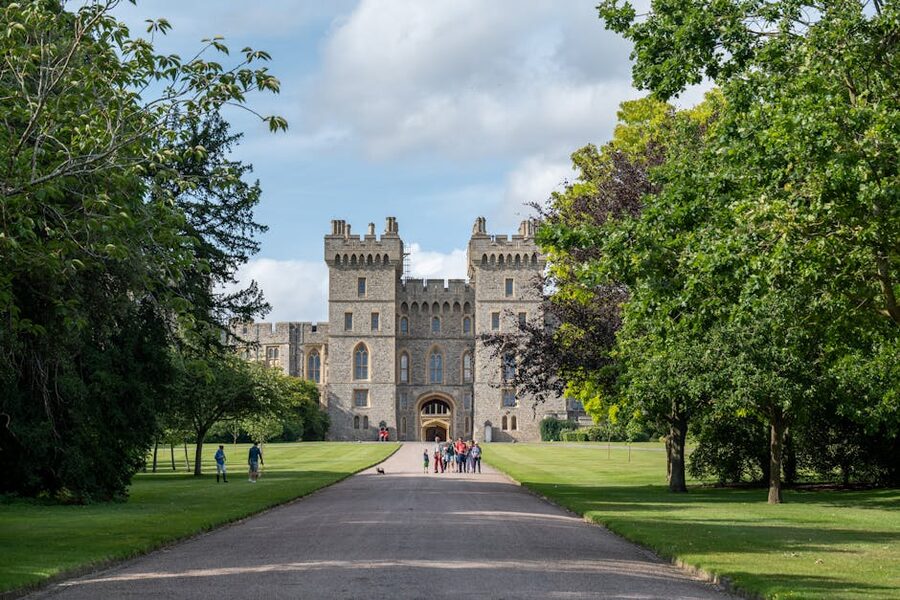
This is the bit nobody on the Buckingham Palace booking page tells you. The State Rooms at Buckingham open for roughly ten weeks a year, mid-July to late September, and they sell out hard. If you’re in London any other month, you can stand outside the gates and that’s it. The Buckingham State Rooms guide covers the summer-only logic in full.
Windsor doesn’t have that problem. The State Apartments are open most days of the year, with the only big closures being Tuesdays and Wednesdays in some seasons and the rare day when the King is hosting a state visit or Garter ceremony. Charles III moved his weekday base here in 2022 and the public access didn’t change. He works in the private apartments. You walk through the public State Apartments. The two routes don’t overlap.
The other practical advantage: Windsor lets you actually walk inside the building. Buckingham does too, but only in summer. The Kensington Palace State Apartments are open year-round in the same way, but Kensington is a much smaller, lower-key palace. Windsor sits in a category of its own. It’s the residence the working royal family treats as home, and the public route through it is genuinely substantial.
The four-headline visit: State Apartments, Semi-State, Drawings Gallery, Doll’s House
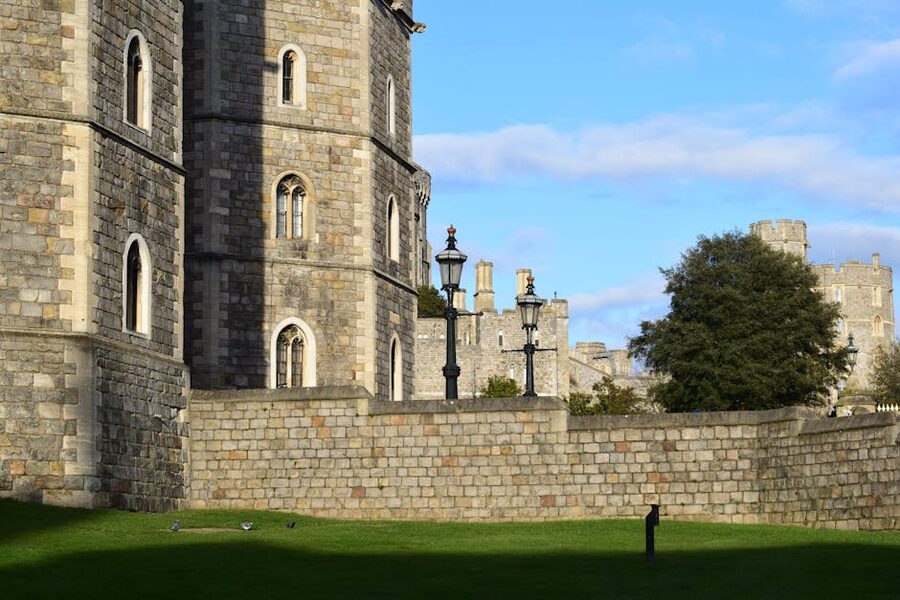
The standard Windsor Castle admission ticket covers four main attractions, and three of them are open year-round.
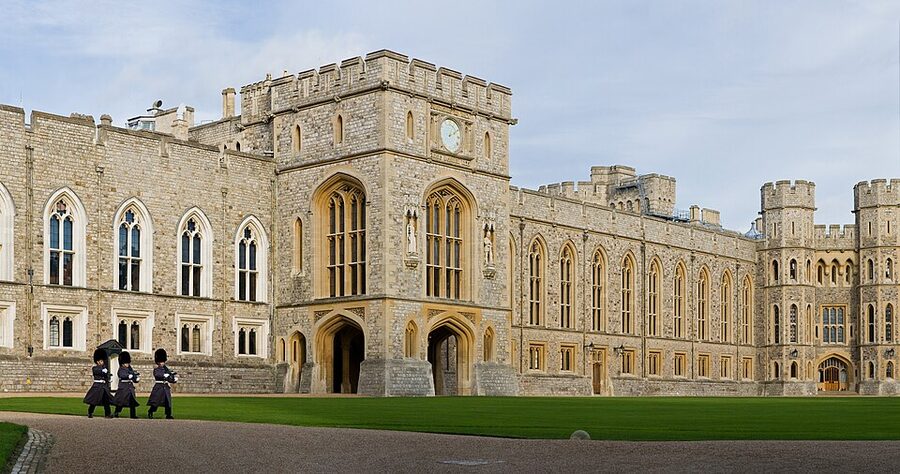
The State Apartments are the headline. You walk through about a dozen rooms used for state banquets, investitures, and royal receptions. The Grand Staircase, the Grand Vestibule with its display of military trophies, the Waterloo Chamber (built specifically to hang the portraits of the leaders who defeated Napoleon), the Garter Throne Room, the King’s Drawing Room, the Queen’s Audience Chamber. The route is one-way and the audio guide is genuinely good. Allow ninety minutes minimum.
The Semi-State Rooms are different. They open only in autumn and winter, roughly late September to late March. These were George IV’s private apartments and they’re more intimate: the Crimson Drawing Room, the Green Drawing Room, the State Dining Room. If you’re visiting in October, November, January, or February, you get them as a bonus on the same admission ticket. If you’re visiting in May or June, you don’t. This is the single biggest reason to time a Windsor visit toward the cooler months if you have flexibility.
The Drawings Gallery is the other rotating exhibition. The Royal Collection holds about 600 drawings by Leonardo da Vinci, plus major works by Holbein, Michelangelo, and Raphael. Only a small number can be displayed at any one time because of light damage, so the Drawings Gallery rotates roughly every six months. Check what’s on the day you book. The Leonardo anatomical studies are the obvious draw. The Holbein portraits of the Tudor court are quieter and arguably more rewarding if you’ve got the patience to read the labels.
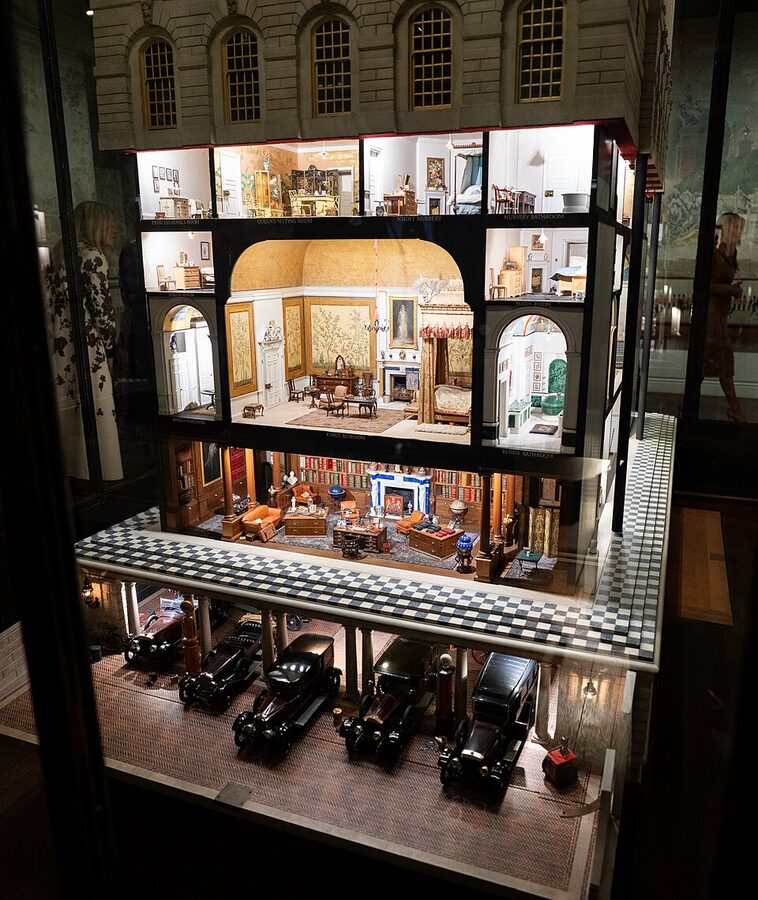
Queen Mary’s Dolls’ House is the surprise hit of every visit. It was built in the 1920s by the architect Edwin Lutyens at a 1:12 scale, with running water, working electricity, miniature paintings by genuine artists, and a tiny library with miniature first editions written by the actual authors of the day. Children love it. So do most adults, once they realise what they’re looking at.
St George’s Chapel: where Queen Elizabeth II is buried
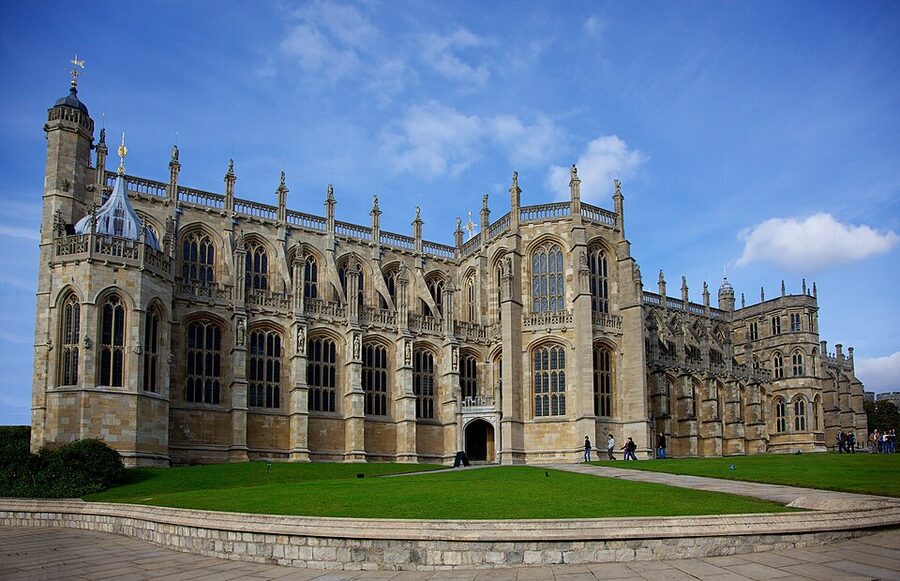
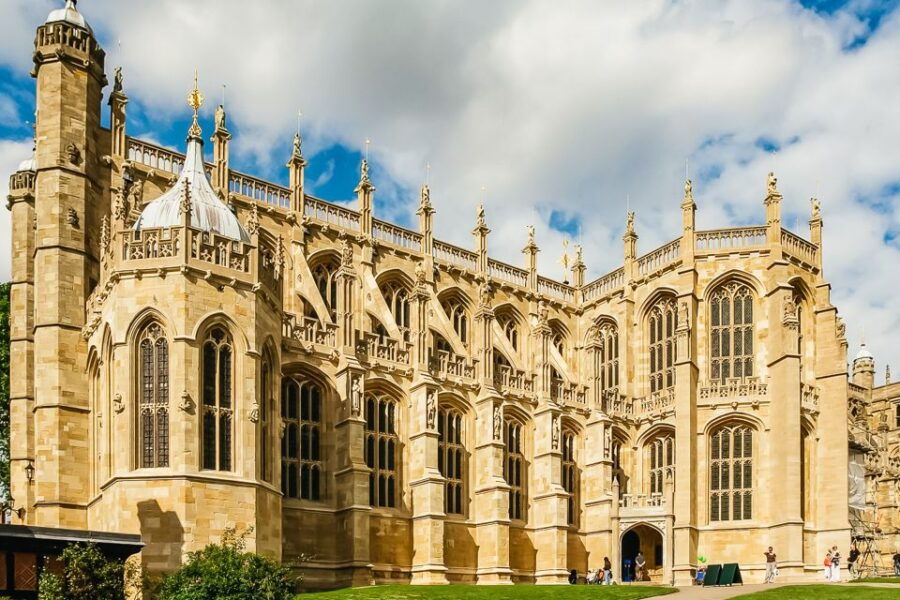
St George’s Chapel is included in the standard admission ticket and it’s the part of Windsor with the strongest pull right now. Queen Elizabeth II was interred here in September 2022, alongside Prince Philip, her parents George VI and Queen Elizabeth The Queen Mother, and her sister Princess Margaret. The chapel is also the burial place of ten earlier monarchs, including Henry VIII, Charles I, and Edward IV.
The late Queen and Philip rest in the King George VI Memorial Chapel, a small side chapel off the north quire aisle. There’s a plain ledger stone with five names: George VI, Elizabeth, Margaret, Philip, Elizabeth II. No statue, no elaborate marker, no queue management. You walk past, you read the names, you keep moving. It’s much quieter than people expect, which is part of why it works.
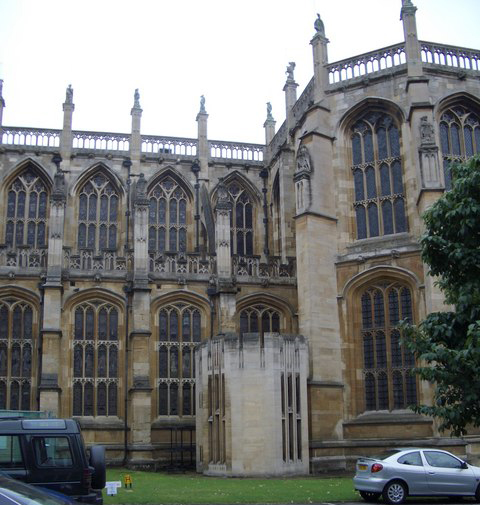
One scheduling note. St George’s Chapel is closed to tourists on Sundays because it functions as a working parish church and holds services for residents and royal household staff. Sunday admission tickets to Windsor are sold at a slightly reduced price because of this. If the chapel is the main reason you’re coming, do not book a Sunday.
The chapel is also the venue for Order of the Garter ceremonies in mid-June each year. On Garter Day itself the public route through the castle is restricted, and the chapel closes for the formal service. If you see “limited access” on a June date, that’s why. The Royal Collection Trust posts the closure dates a year in advance.
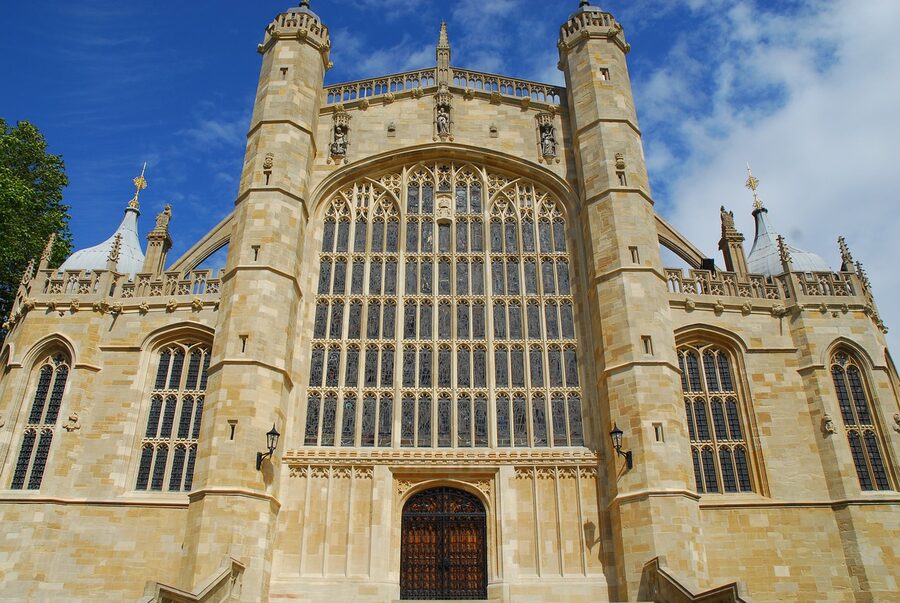
The Round Tower and the rest of the grounds
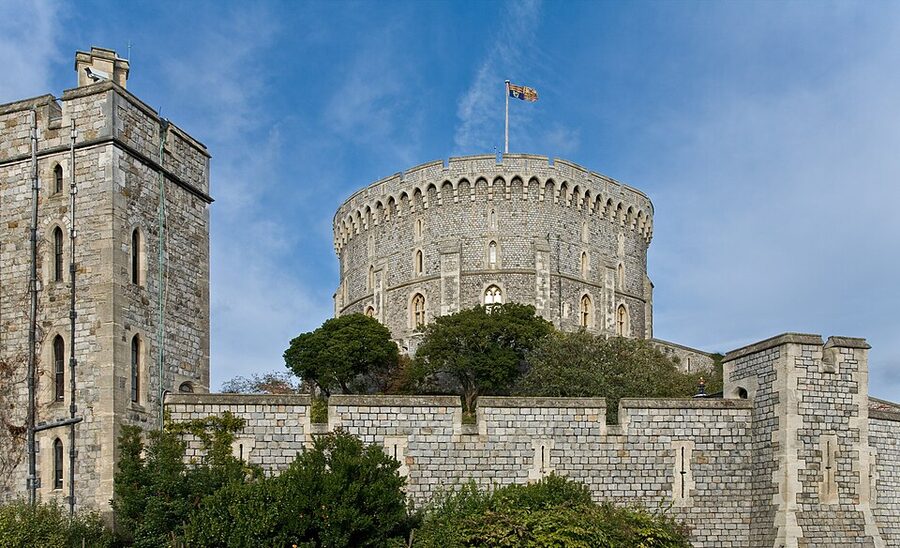
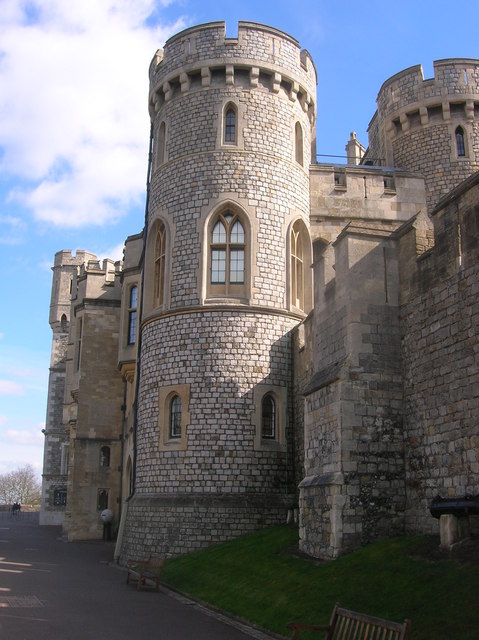
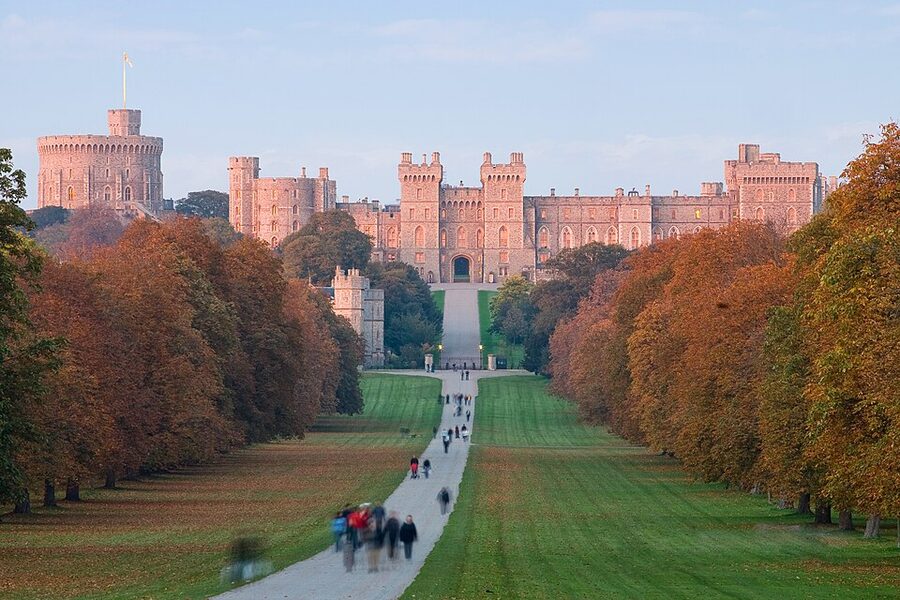
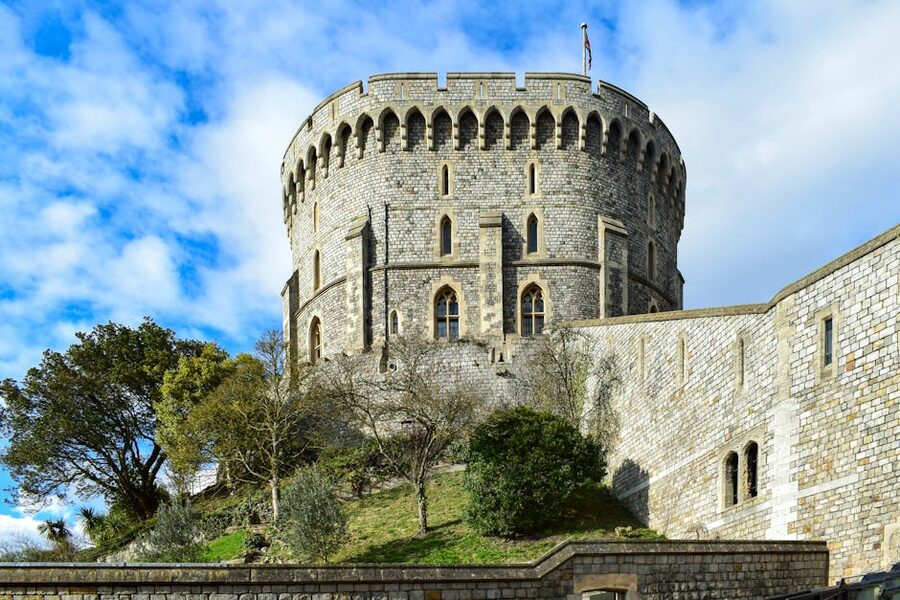
The Round Tower dominates the silhouette and is the easiest way to tell at a glance whether the King is in. If the Royal Standard is flying, he’s there. If the Union Jack is up instead, he isn’t. Since 2022 the Standard is up far more often than it used to be, because Charles III treats Windsor as his weekday base and only goes back to Buckingham for state events.
The Round Tower itself isn’t routinely open to the public, but you’ll walk around its base, and the views from the Upper Ward give you the best photographs of the day. On a clear afternoon you can see the spires of Eton across the Thames and, on really clear days, the silhouette of central London on the eastern horizon.
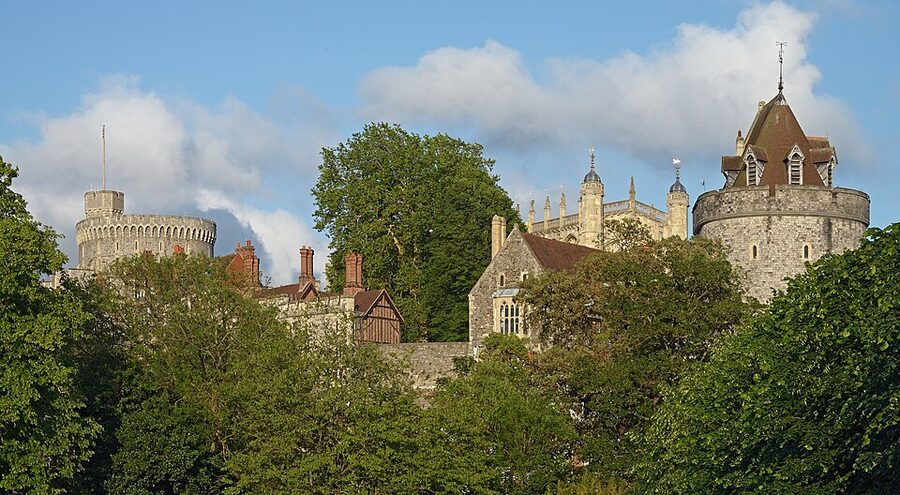
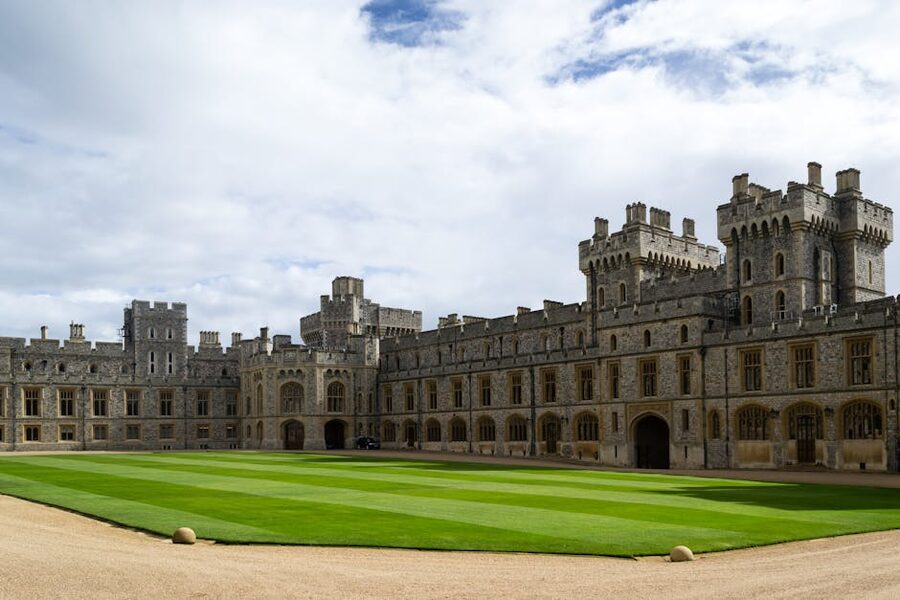
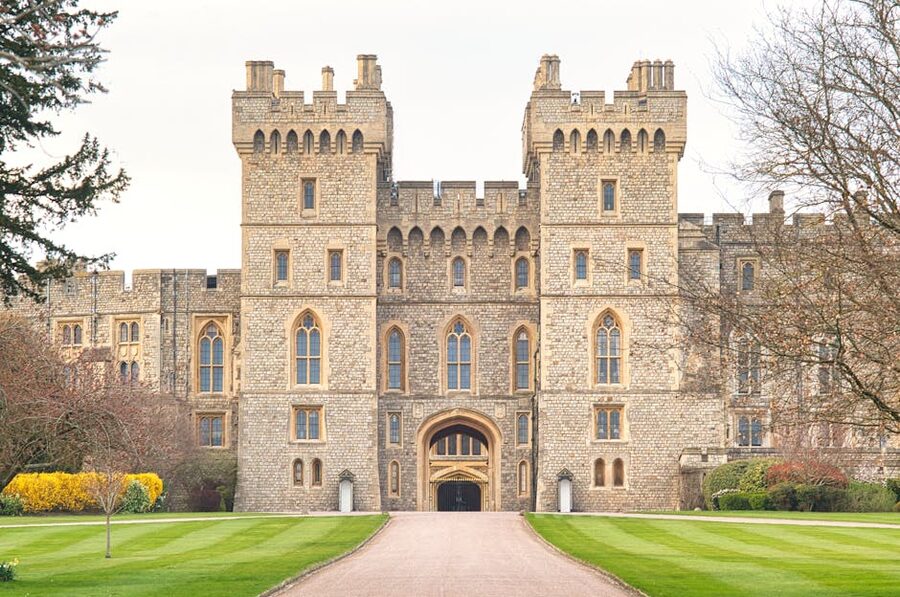
The grounds themselves cover thirteen acres and are split into three wards. The Lower Ward is where you enter and where St George’s Chapel and the Albert Memorial Chapel sit. The Middle Ward contains the Round Tower and the moat garden. The Upper Ward holds the State Apartments, the quadrangle, and the private apartments where the King actually lives. Public access stops at the line between Upper Ward public route and the private rooms. You won’t see Charles. You will walk corridors that he used the morning before.
How to actually get there from London

There are two ways to do it. The DIY train option, or a guided round-trip with a coach.
The train is straightforward. From Paddington, take any service to Slough, change for the shuttle to Windsor and Eton Central. Total journey time about thirty to forty minutes depending on connection. Off-peak return is roughly £15 to £20 if you book ahead. The alternative is South Western Railway from Waterloo direct to Windsor and Eton Riverside, which takes closer to an hour but doesn’t need a change. Both stations are about a five-minute walk from the castle entrance.
If you’ve already got a London travel pass, the train is cheaper, faster, and gives you the freedom to leave when you want. You buy your Windsor admission ticket separately for a timed entry slot, and you turn up about fifteen minutes before that slot to clear security. There’s a real airport-style screening at the entrance, so don’t bring large bags.
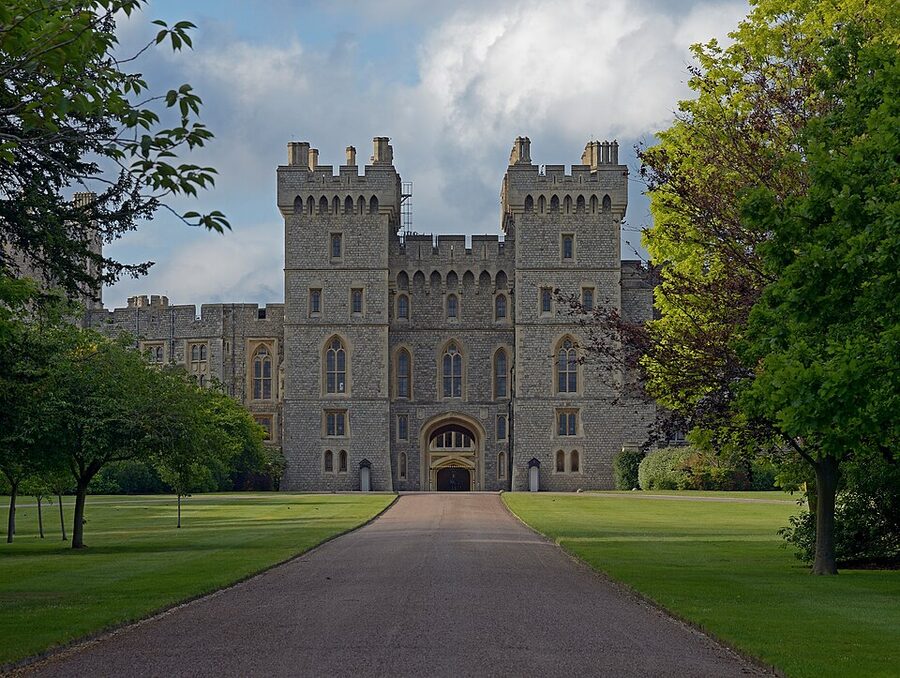
The guided round-trip is for visitors who’d rather not deal with timed slots, train changes, and security queues. A typical half-day Windsor coach picks up in central London, drives out, drops you at the gates with admission already arranged, gives you about two hours inside, and brings you back. Total trip about five to six hours. The trade-off is less time at the castle and a fixed return slot, but you skip the logistics entirely.
For visitors who want a bit more colour, the Royal Afternoon Sightseeing tour bolts on a guided commentary on the drive out and a longer time on the grounds. It runs in the afternoon, which suits jet-lagged arrivals from North America who can’t get themselves out of bed for a 7am Paddington train.
The Buckingham combo: only worth it in summer
The Buckingham Palace plus Windsor Castle combo is one of the most-asked-about day trips in our inbox, and the answer depends entirely on the date. Buckingham State Rooms only open mid-July to late September. So a combined Buckingham and Windsor day is genuinely worth it during those ten weeks, because you get both palaces in one go and the timed-entry sequencing is handled for you.
Outside that window, the Buckingham half of the combo is just an outside-the-gates experience plus maybe the Royal Mews or the Queen’s Gallery. That’s still a respectable add-on, but you’re paying for the day trip mostly to see Windsor. In that case, book Windsor on its own and treat Buckingham as a separate two-hour stop on the morning of your departure.
If you want the audio-guide-led version that handles the transport and admission together but doesn’t require summer-only windows, the simply Windsor with transport and audio guides option works year-round and ends up being the most popular pick for first-time visitors who don’t want to plan logistics.
Three Windsor tour picks worth booking
The three options below cover the main use cases: entry-only on your own, half-day round-trip from London, and the summer Buckingham combo.
1. Windsor Castle Admission Ticket: from $39
This is the headline product, and the one most independent visitors should book. You buy a timed entry slot, you turn up, you walk in. Multimedia guide included, the Semi-State Rooms are added free in autumn and winter, and the price is roughly half what most guided round-trips cost. Our full review covers the slot timings and which window tends to be quietest.
2. Windsor Castle Half-Day Trip from London: round-trip from central London

Pick this if you’d rather not deal with the Paddington-to-Slough connection or the timed-entry security queue. The coach gets you to the gate with admission pre-loaded, and you skip the morning logistics. The half-day trip review walks through what gets cut for the time saving, mostly the Long Walk and the riverside town stroll.
3. Buckingham Palace and Windsor Castle Day Trip: summer only
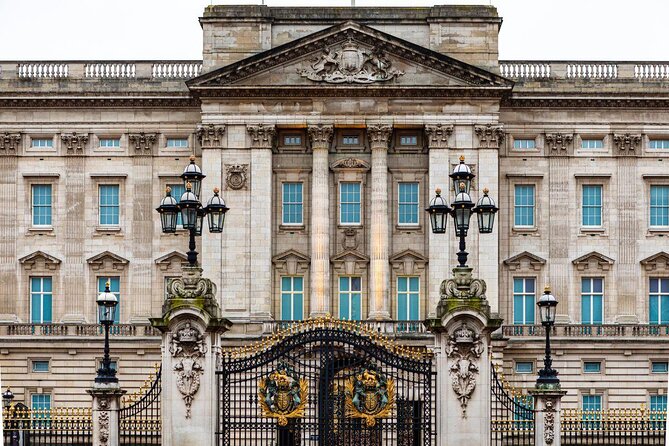
Only book this between mid-July and late September, when Buckingham State Rooms are open. Inside that window, you get both palaces in a single coordinated day with the timed entries arranged for you, which is genuinely useful. Our combo day trip review covers what gets sacrificed at each end (mostly the Royal Mews) for the time savings.
How long to give it, and when to actually go
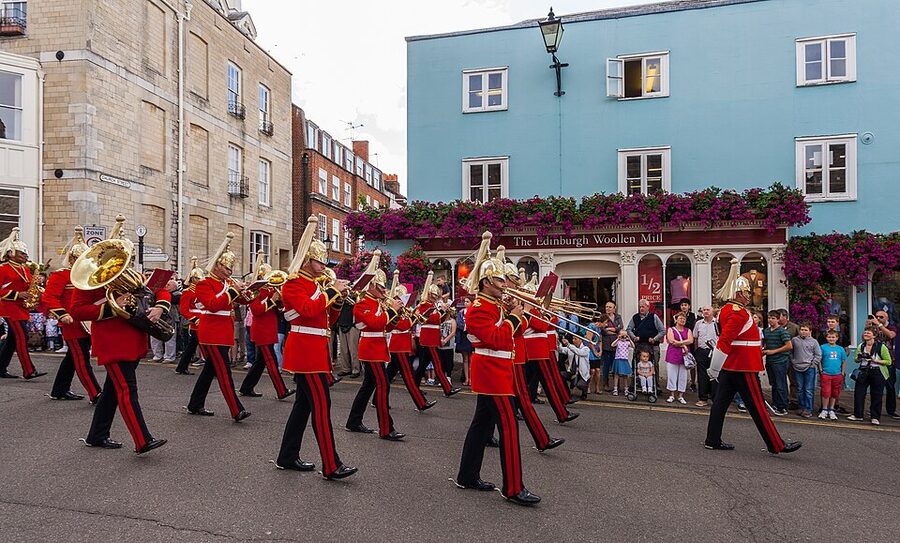
Plan four hours minimum at the castle itself. That’s enough time for the State Apartments, St George’s Chapel, the Doll’s House, and a wander through the wards. If you’re adding the Long Walk and a cup of tea in town afterwards, you want six hours on the ground, plus the train each way. Eight hours door to door is the realistic London-to-London budget.
For best timing, target a weekday in October, November, February, or March. The Semi-State Rooms are open. The crowds are about half what they are in July. The chapel feels reverent rather than rushed. School holidays (mid-July to early September, plus Easter) are the worst weeks. Sundays are weak because of the chapel closure.
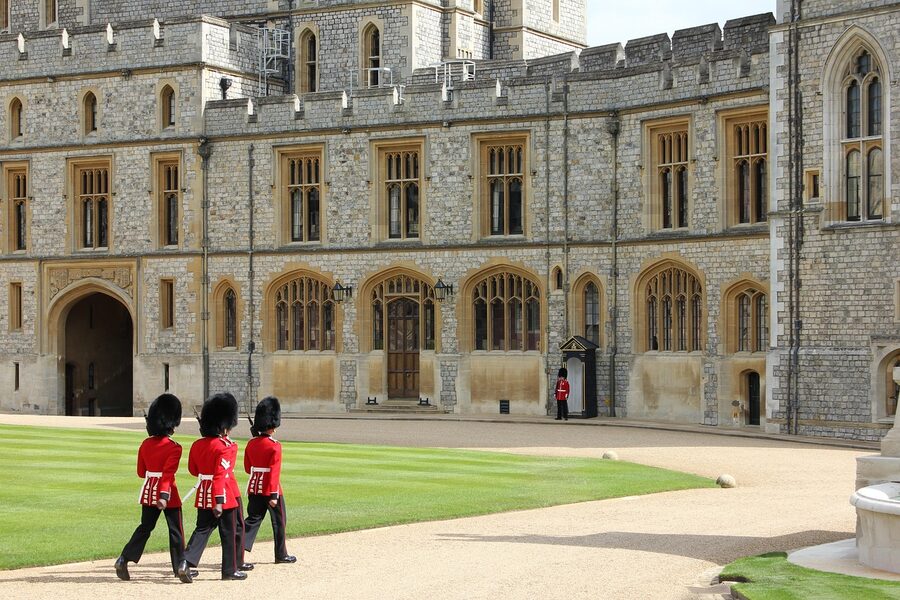
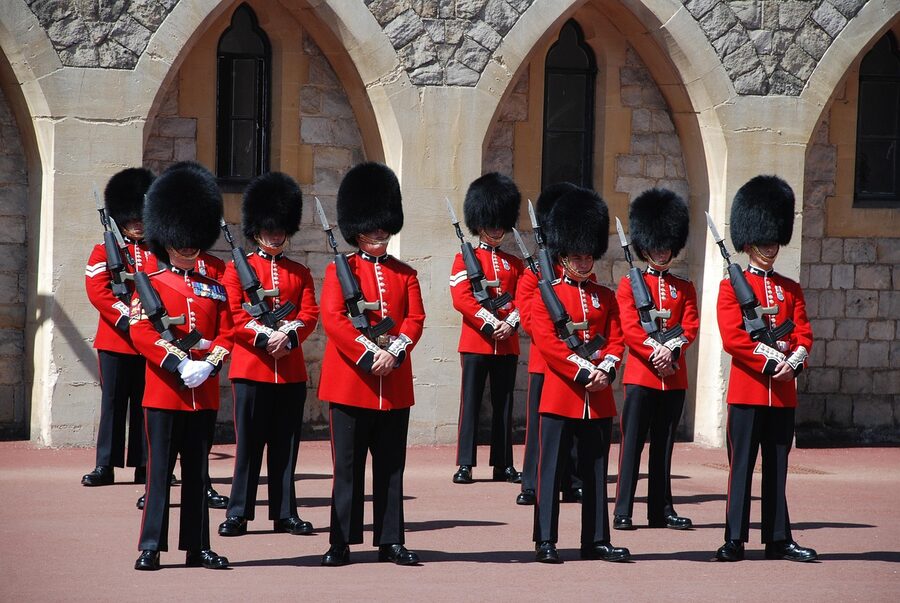
If you want the changing of the guard, time your day for a Monday, Wednesday, Friday, or Saturday between April and July, or any Saturday between August and March. The ceremony is at 11am sharp and finishes by 11:30. Buy your castle ticket for a 12:00 or 12:30 entry slot so you can watch the guards first, then go through security with everyone else who timed it the same way.
What you actually see in the State Apartments, room by useful room
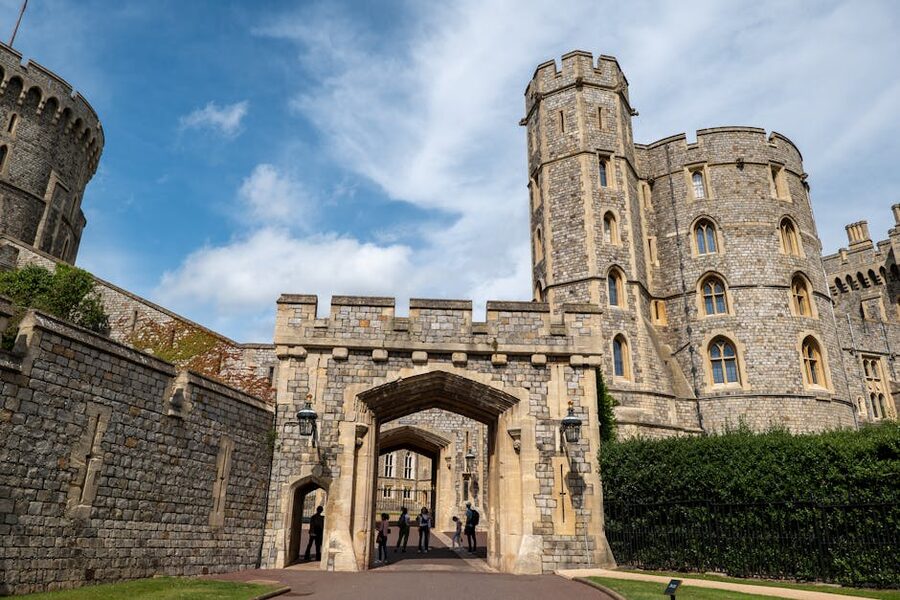
The standard route takes you through these in order. The Grand Staircase, where you climb a flight up past suits of armour and a statue of Queen Victoria. The Grand Vestibule, the entrance hall with vaulted ceiling and military trophies, including the bullet that killed Nelson at Trafalgar. The Waterloo Chamber, custom-built to display the Sir Thomas Lawrence portraits of every leader who beat Napoleon, with a single 80-foot Indian carpet that the audio guide will bang on about (justifiably).
The Garter Throne Room, the smaller ceremonial space where new Knights of the Garter are invested every June. The King’s Drawing Room, the King’s Bed Chamber (state bed, not actually slept in), the King’s Dressing Room, the King’s Closet, the Queen’s Drawing Room, the Queen’s Ballroom, the Queen’s Audience Chamber, the Queen’s Presence Chamber, the Queen’s Guard Chamber, and the enormous St George’s Hall.
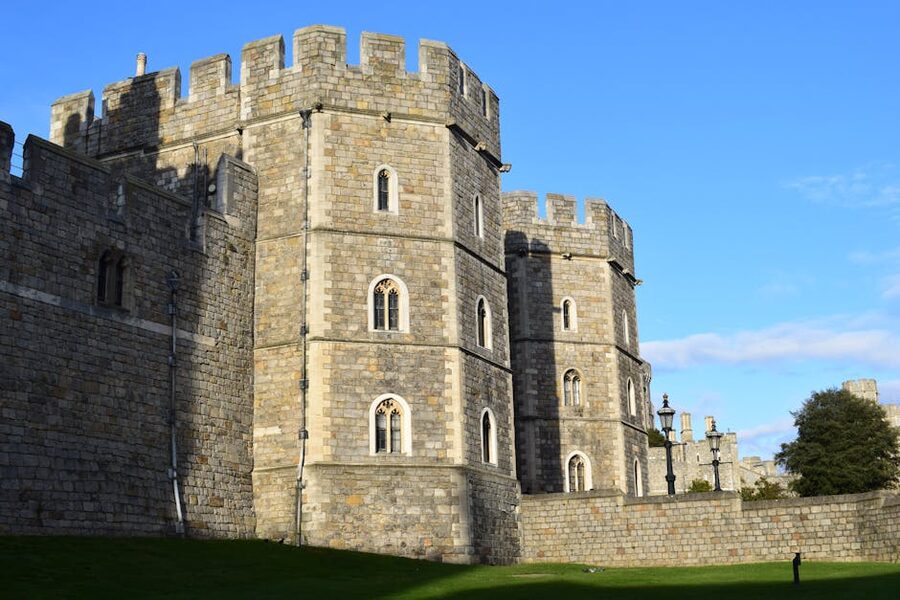
St George’s Hall is the longest room in the castle at 56 metres, and it’s where state banquets happen. The 1992 fire destroyed the original interior, and the current hammerbeam roof is post-fire reconstruction in green oak. The Garter shields hanging along both sides represent every Knight of the Garter back to 1348. Look for the blank shields. Those are the dishonoured knights whose arms were removed after they fell from royal favour.
Last on the route is the Lantern Lobby, a small octagonal room built where the 1992 fire started. Then back down via the China Museum and out into the courtyard.
A thousand years of context, in plain English
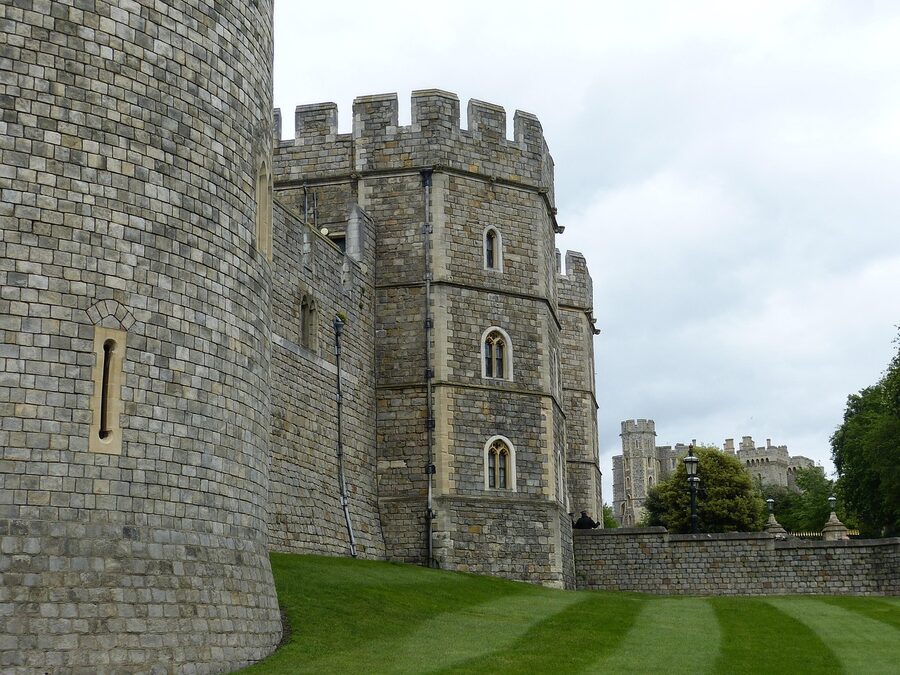
William the Conqueror chose the site in 1070 for two reasons: a chalk bluff above the Thames that you can defend, and a position roughly a day’s ride from the Tower of London. Both still apply. The original castle was timber, replaced by Henry II in stone, then expanded by every monarch through the medieval period.
The Round Tower marks the top of the original Norman motte. Edward III rebuilt the upper ward and founded the Order of the Garter here in 1348, which is why St George’s Chapel is the spiritual home of the order. Edward IV started the present chapel in 1475. Henry VIII finished it. Charles II remodelled the State Apartments in the Baroque style in the 1670s. George IV did another major remodel in the 1820s, which is most of what you see today in the Semi-State Rooms.
The 1992 fire is the modern context worth knowing about. It started in the Queen’s Private Chapel and destroyed about a fifth of the castle, including St George’s Hall, the State Dining Room, and the Crimson Drawing Room. The reconstruction took five years and was funded partly by opening Buckingham Palace to the public for the first time, which is the entire reason Buckingham summer openings exist. Without the Windsor fire, you wouldn’t be able to walk into Buckingham at all. That’s a piece of context the Buckingham audio guide skips over.
The other modern context is the September 2022 funeral. Queen Elizabeth II’s interment in St George’s Chapel formally returned Windsor to its medieval role as the burial church of the English crown. Ten of the previous monarchs are also buried there, including Henry VIII (in the choir, under a plain ledger stone shared with Charles I and Jane Seymour). It’s the largest concentration of royal burials in England outside Westminster Abbey, and after 2022 it’s the active one.
Practical tips that nobody tells you
A few things worth knowing before you book.
Book at least a week ahead in summer. Walk-ups are not impossible but you’ll lose two hours of your day waiting in the same-day queue. In winter you can usually walk up an hour ahead and get in.
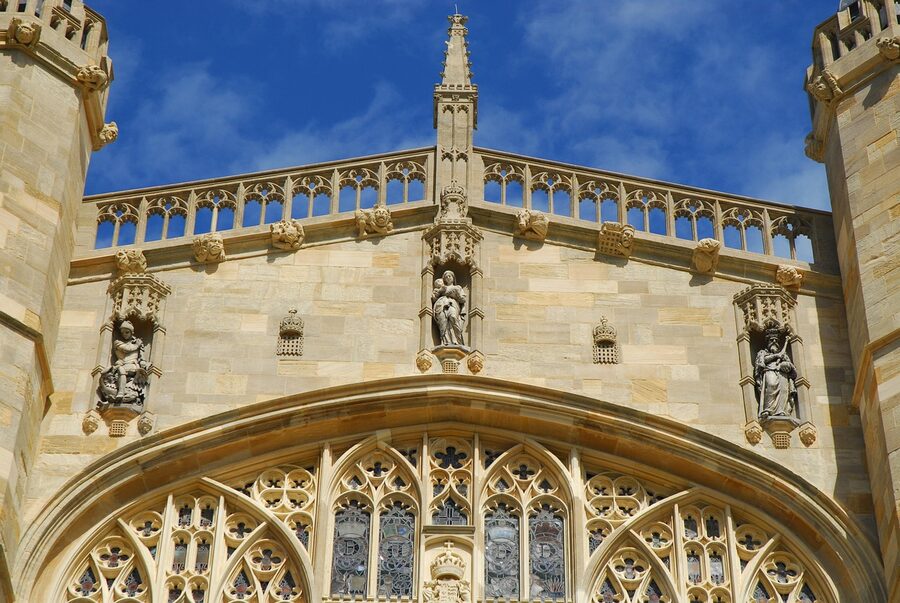
Photography is allowed in the State Apartments but not in St George’s Chapel. Phones go away the moment you step inside the chapel. The vergers will tell you. Just put it in your bag at the door.
The multimedia guide is included. You don’t need to pay extra. There’s no upsell for a “premium” version. Take the standard one and listen to all of it.
Security is airport-style. Bags get screened, large bags don’t fit in the lockers. Travel light. If you’ve come from the Tower of London the morning before, you’ll know the drill.
Allow time for security on weekends. Saturday mornings in summer can mean a 30-minute wait at the gate even with a timed ticket. Build it into your slot timing.
Re-entry isn’t allowed. Once you leave the castle, your ticket is done. So don’t pop out for a sandwich and expect to come back in.
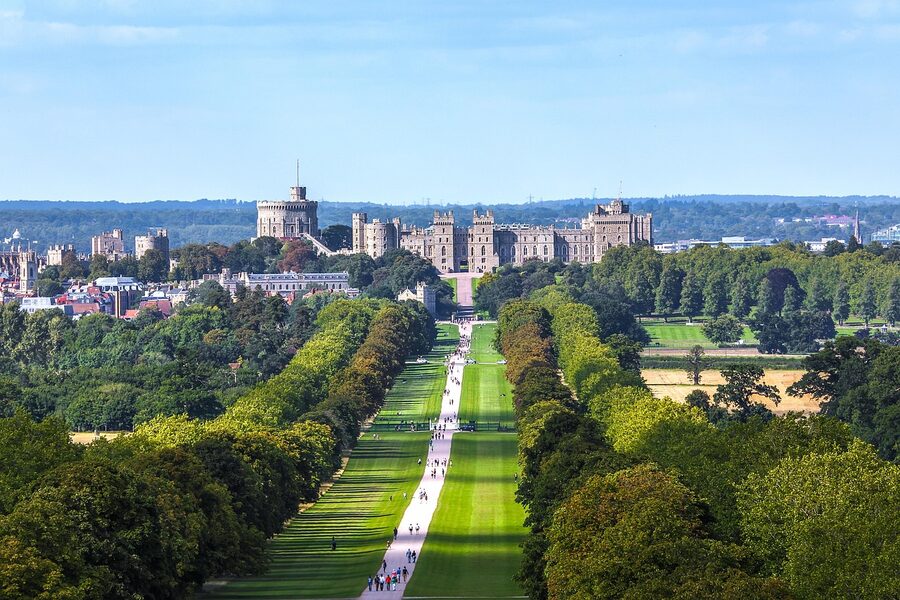
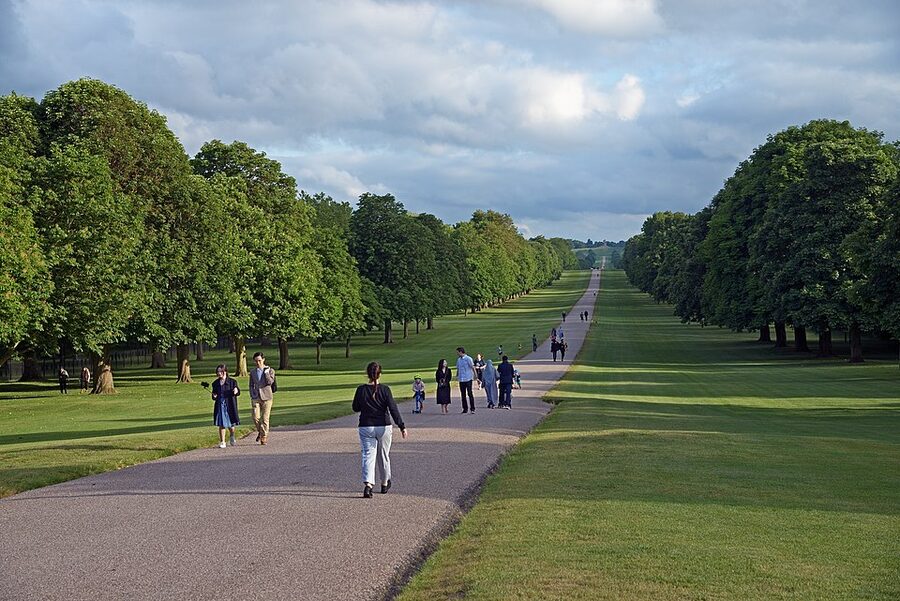
The Long Walk is free. If you’ve got an extra hour after the castle, walk south through the Cambridge Gate down the Long Walk. It’s a 2.6-mile straight avenue ending at the Copper Horse statue of George III. Half an hour out, half an hour back. The view back at the castle from the halfway point is the one most postcards use.
Pairing Windsor with the rest of your London week
If you’re treating Windsor as one stop in a London royal-residence sweep, the obvious sequence is Tower of London on day one, Westminster Abbey on day two for the coronation church, Windsor on day three for the burial church, and Buckingham State Rooms on day four if you’re visiting in summer. Kensington Palace slots in as a half-day morning before any of the others.
For visitors with only one full day-trip slot in their London plan, Windsor competes with Stonehenge, an Oxford walking tour, and a Cotswolds day trip. Windsor is the shortest of those at half a day, which means you can pair it with a London afternoon, like a Thames cruise or the London Eye on the same return.
The Windsor-Stonehenge-Oxford triple-loop tours that some operators run are too rushed for what they ask of you. You spend more time on the coach than at any of the three sites. If you can’t pick one, pick two. The Stonehenge plus Windsor plus Bath combos work because they’re three short visits and a long drive, but you’ll be tired by 8pm.
Royal residences worth comparing
If Windsor is your only royal stop in London, you’ll get the lot. If you’re stacking palaces, the natural pairing is Buckingham in summer when both are open, or Kensington any time of year for the smaller-scale royal-apartment experience. Beyond London, the European royal-palace family stretches to the Madrid Royal Palace for Spanish Bourbon excess and the Alhambra in Granada for the Moorish-Christian crossover, but Windsor sits in a category of its own. The comparison is what makes the visit register.