
A woman in front of me stops in Poets’ Corner with a battered Penguin copy of Tess of the d’Urbervilles sticking out of her tote, looks down, and goes very still. Cut into the flagstones at her feet are the dates: Chaucer, 1400. Dickens, 1870. Hardy, 1928. And cut into a fresher slab a few steps along, Stephen Hawking, 2018. She doesn’t say anything. She just stands there for about a minute, like the floor itself is the reason she came.
Westminster Abbey does that to people. It’s a thousand-year-old gothic working church, the coronation site of every English and British monarch since 1066, and the burial ground of more than thirty kings and queens. You can also walk in, in trainers, on a Tuesday morning, with a ticket on your phone. The hard part is choosing which ticket.
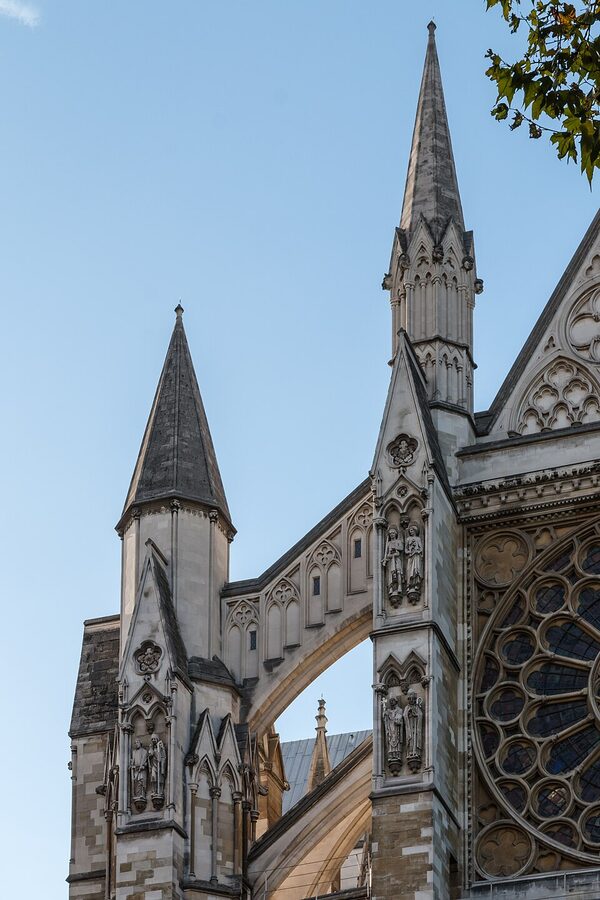
I’ve been in for the standard self-guided ticket, for a Big Ben combo with a guide, and once on a quiet weekday afternoon when the place was nearly empty. The ticket you pick changes the visit more than you’d think. Below is what each option actually gets you, and the three I’d book first.
- In a Hurry? My Three Picks
- Westminster Abbey Entrance Ticket: about
- Abbey + Big Ben + Buckingham Guided Tour: about
- Westminster Abbey + Audio Guide (Viator): about
- What You’re Actually Buying
- Standard Ticket vs Guided Combo: Which One
- Poets’ Corner: Why People Linger
- The Coronation Chair: Older Than You Think
- The Lady Chapel and the Royal Tombs
- The 2023 Coronation: What Changed Inside
- The Cloisters and the Forgotten Bits
- How to Book and What to Watch For
- Standard Ticket vs Audio-Guide Ticket
- Pairing the Abbey with Parliament
- The Three Tours I’d Book
- 1. Westminster Abbey Entrance Ticket: about
- 2. Abbey + Big Ben + Buckingham Guided Tour: about
- 3. Westminster Abbey + Audio Guide (Viator): about
- Practical Bits Worth Knowing
- Going Further in Royal London
In a Hurry? My Three Picks
Westminster Abbey Entrance Ticket: about $41
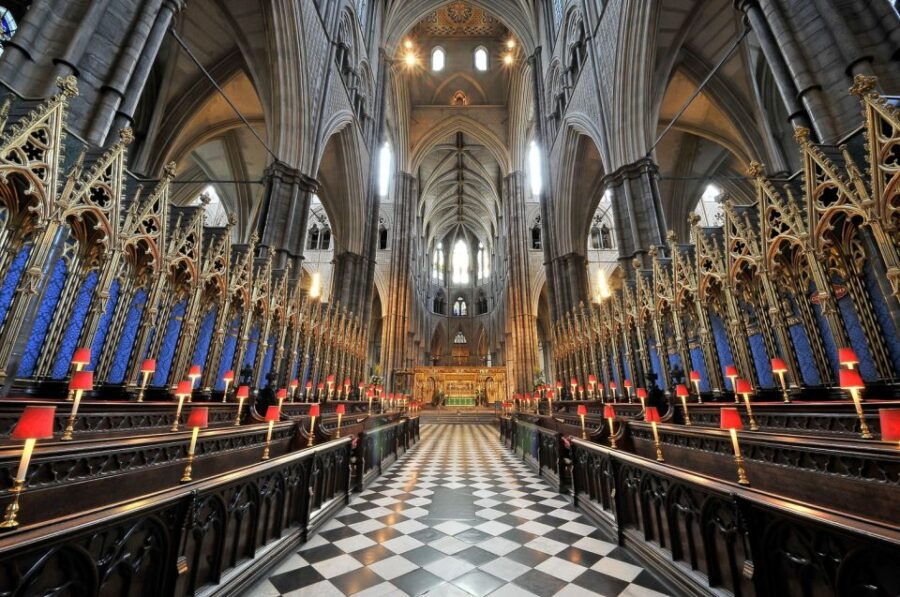
The official Abbey-sold ticket. Includes the multimedia guide and access to everything inside the walls, including Poets’ Corner, the Coronation Chair, and the Lady Chapel. This is the one to book if you only do one thing.
Abbey + Big Ben + Buckingham Guided Tour: about $55
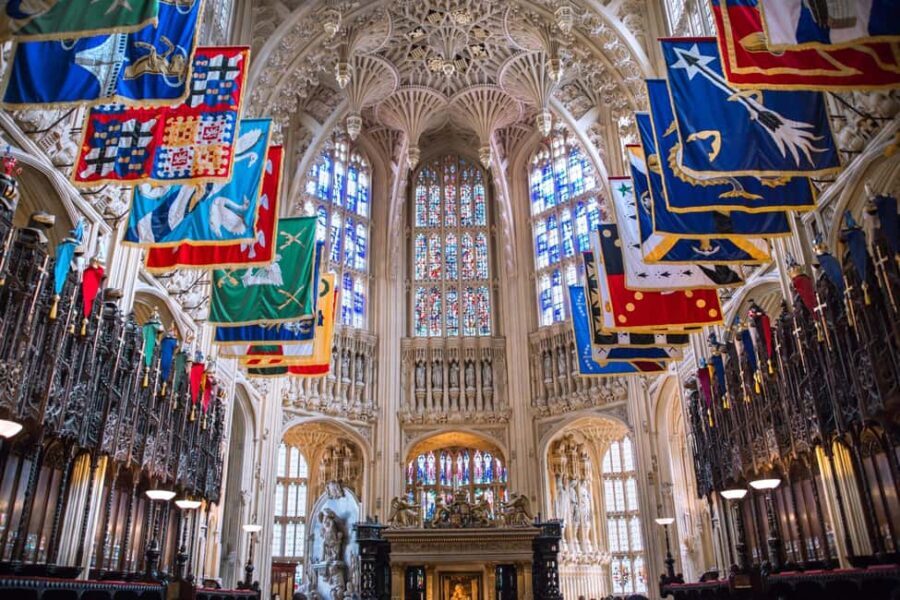
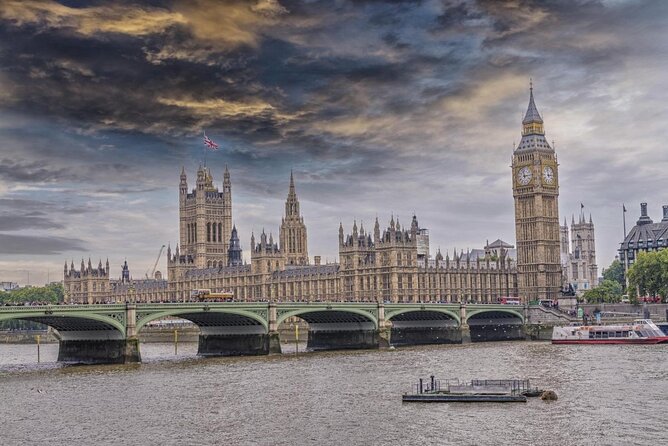
A guided three-stop walk that ends inside the Abbey with timed entry. Probably the best history-density per pound on this list. Read our take on this Westminster Abbey + Big Ben + Buckingham guided tour for who exactly it suits.
Westminster Abbey + Audio Guide (Viator): about $41
Same access, sold through Viator with the audio guide bundled in writing. Useful if you’re already booking other London tours on Viator and want the receipts in one app.
What You’re Actually Buying
This trips up first-timers. The Abbey is run as a Royal Peculiar, which means it’s directly under the monarch, not the Church of England diocese. Tourist tickets fund the upkeep, because no government money does.
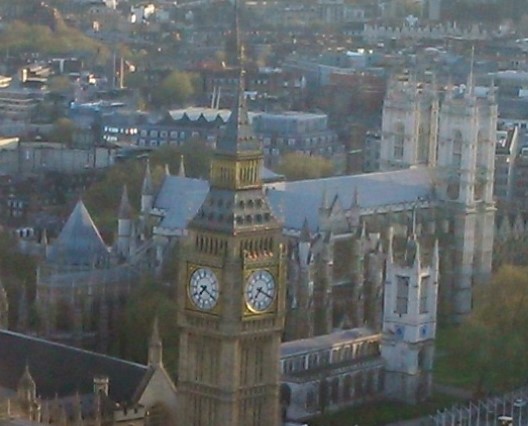
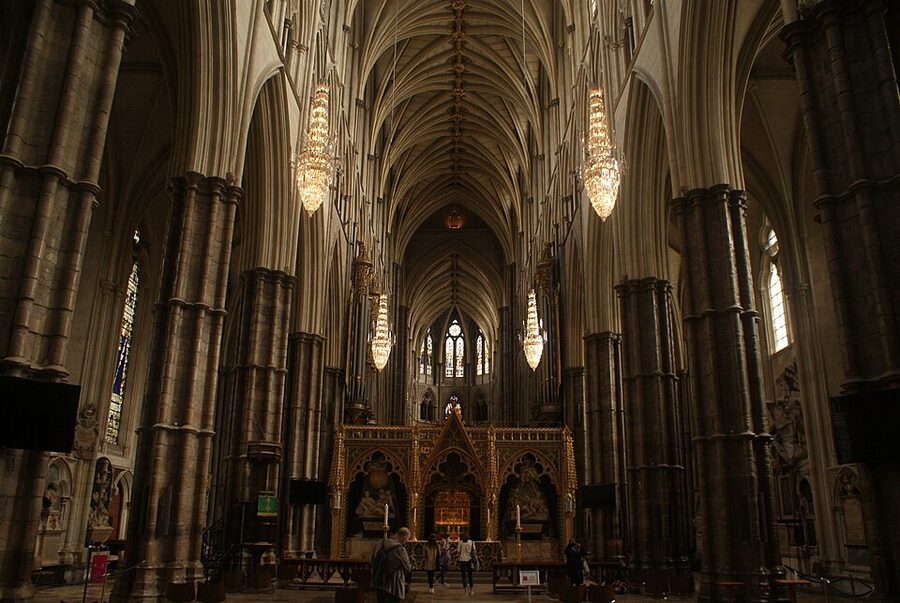
A standard entry ticket gets you the full sightseeing route through the building. That’s the nave, the quire, the High Altar area, the chapels at the east end (including Henry VII’s Lady Chapel), the south transept (which is Poets’ Corner), the Coronation Chair, the cloisters, the Pyx Chamber, the Chapter House, and the new Queen’s Diamond Jubilee Galleries up in the medieval triforium. The multimedia guide is included now, in twelve languages.
What it doesn’t get you is the College Garden in winter (it’s open Tuesday to Thursday in summer only), the working bits behind the scenes, or any of the Houses of Parliament next door. Re-entry is not allowed. Once you walk out, that’s the end of your ticket. So eat lunch first.
Worship services are free without a ticket, by the way. Evensong at 5pm on weekdays is one of the most underrated things in London, sung by the Abbey choir, and you don’t pay anything for it. You just can’t sightsee during a service. If your travel days are tight on cash and tight on schedule, that’s the move. There’s a sibling guide on the Tower of London that’s also worth reading because the two sites are often paired up by visitors and the ticket logic is completely different. For a working religious site that handles tourist crowds in a different cultural register, the Córdoba Mezquita guide covers a building that’s been a mosque, a cathedral, and a mosque-cathedral over twelve centuries.
Standard Ticket vs Guided Combo: Which One
This is the choice most people end up making, so let me be direct about it.
Book the standard self-guided ticket if you’ve read about the Abbey before, you want to move at your own pace, and you’d rather sit in a chapel for ten minutes than be shepherded along by a guide. The multimedia handset is genuinely good. It does a deep dive on every chapel and most of the named tombs, and you can skip ahead or go back as you like. Two hours is a comfortable visit. Three is plausible if you’re a history reader.
Book the guided combo with Big Ben and Buckingham if this is your first London trip, you’ve got one packed day, and you want a guide turning facts into stories before your eyes glaze over. You won’t go inside Big Ben or the palace state rooms (those are separate tickets when they open at all), but you’ll get the exterior context and a guided run through the Abbey itself with timed entry. I’ve recommended this one plenty for couples doing London in 48 hours.
One honest note: the guided combo version is busy. You’re in a small group with a guide, but inside the Abbey itself you’re sharing space with hundreds of self-guided visitors at the same time. If silence and reflection are what you’re after, book the standard ticket and pick the latest afternoon slot of the day instead. The Abbey closes at 3.30pm on weekdays so a 2pm entry usually empties out fast.
If you’re stacking London icons across one trip, my Shard tickets guide covers the height-experience family on the south bank, and the Tower Bridge tickets guide is the one to read if you want to walk a glass-floor walkway 42 metres above the Thames. They pair well with an Abbey morning.
Poets’ Corner: Why People Linger
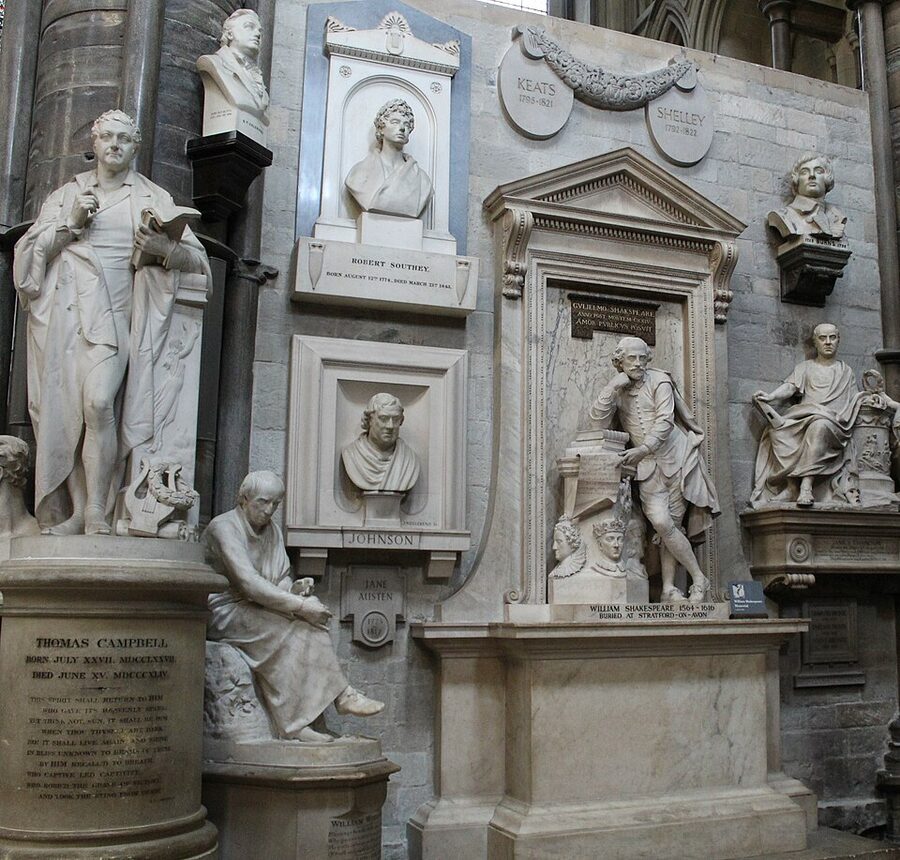
Poets’ Corner started by accident. Geoffrey Chaucer was buried in the south transept in 1400 because he had lived nearby and held a lease from the Abbey, not because anyone had decided that was the place for English writers. Two hundred years later Edmund Spenser asked to be buried near him. The pattern took, and now the whole transept is a writers’ graveyard and memorial.
About thirty are actually buried here. The list of memorialised authors runs to over a hundred. The names you’ll know on the floor or on the walls include Chaucer, Spenser, Dryden, Tennyson, Browning, Dickens (1870), Kipling, Hardy (1928), Eliot, Auden, and Hawking, who joined them in 2018 as the most recent addition. There are memorials to Shakespeare and Jane Austen too, though both are buried elsewhere.
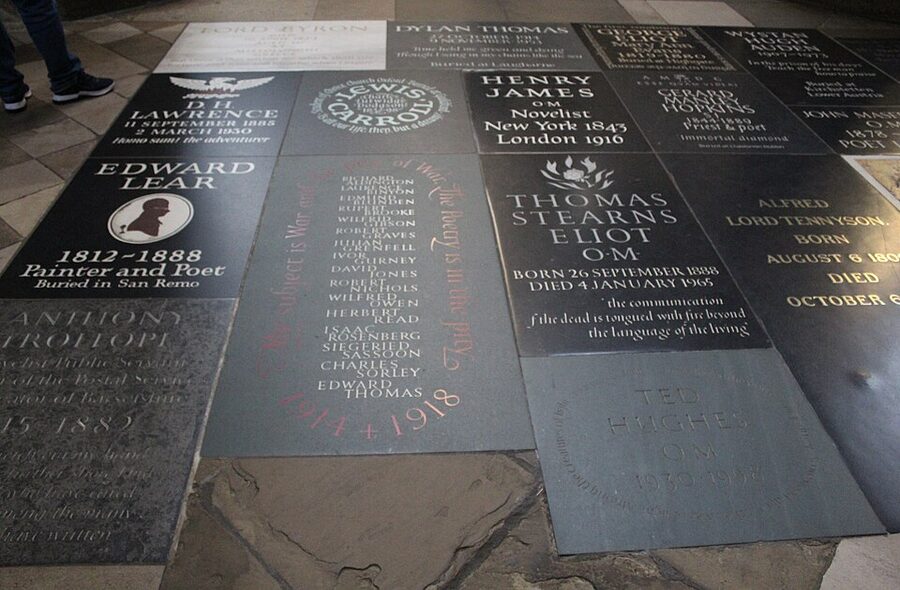
Hardy is a strange case worth knowing before you stand there. He died in 1928 and asked to be buried in his Dorset parish near Stinsford, where his first wife was. The literary establishment overruled the will. They cut out his heart, sent it to Stinsford in a biscuit tin, and put the rest of him in Poets’ Corner. So if you’re standing on his slab with a copy of Tess in your bag like the woman in front of me, the man whose words you’re reading is in two places, and most of him is here.
Practical tip: a guide will not stop here for long. The Abbey’s roped route through Poets’ Corner moves you. If this is the bit you came for, book the standard self-guided ticket and add a Saturday morning slot, when the through-flow is slower than weekday lunchtime. You can also use the multimedia handset to pull up specific writers and listen while you stand on the slab.
The Coronation Chair: Older Than You Think
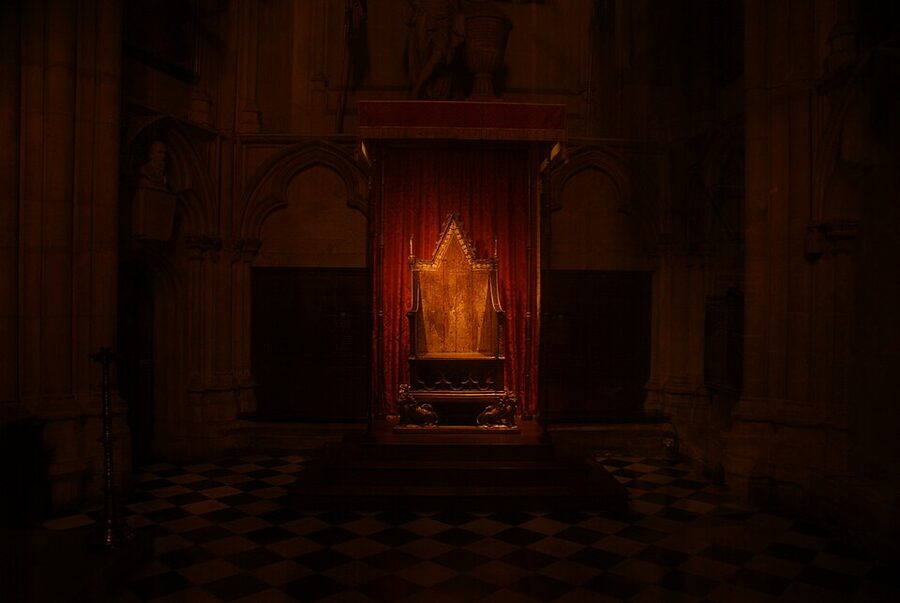
The Coronation Chair was made for Edward I in 1296 to 1300. It has been used at every coronation since 1308. That’s seven hundred years of monarchs, including Charles III in May 2023. The same chair. Not a replica.
It was built to hold the Stone of Scone, which Edward had taken from Scotland. The stone went home in 1996 and now lives at Edinburgh Castle. It still travels back to Westminster for coronations, including the 2023 one. The chair stays put.
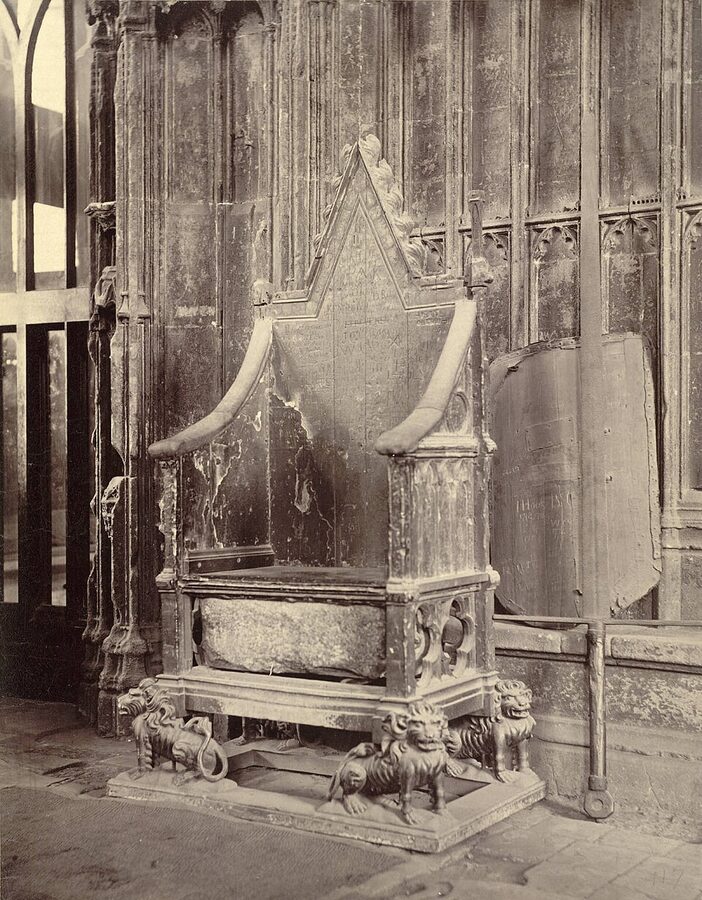
It’s small. That’s what surprises people. You’ve seen it on TV at coronations and you expect a throne. It’s actually a wooden chair about the size of a kitchen seat, originally gilded, now bare oak with carved graffiti from centuries of choirboys who couldn’t help themselves. The handset audio explains the whole 1296 backstory while you stand in front of it.
One small thing the multimedia guide doesn’t mention: the chair was damaged by a bomb in 1914, almost certainly placed by a suffragette. The split in the seat plate is still visible if you look at the right angle. Your guide on a guided tour will probably point this out, the audio handset doesn’t.
The Lady Chapel and the Royal Tombs
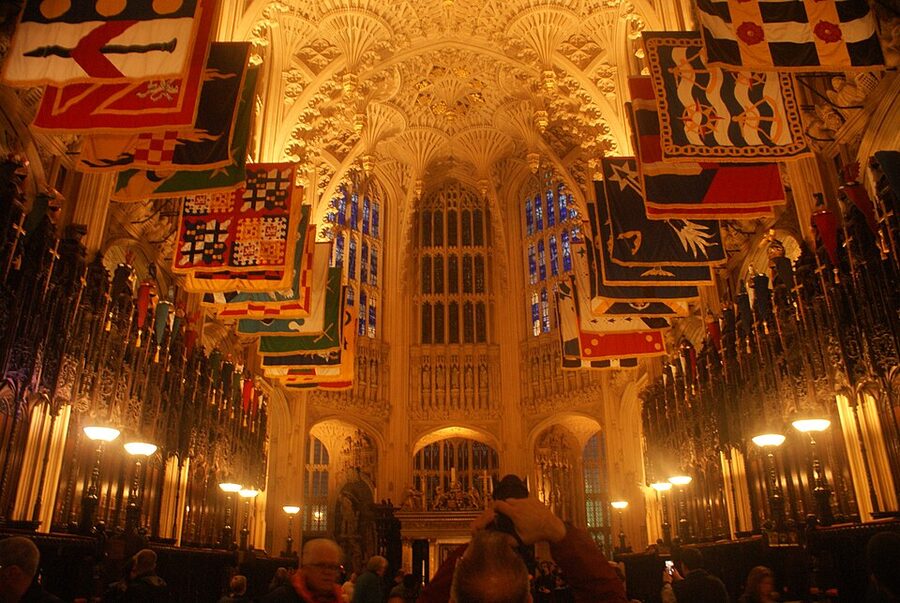
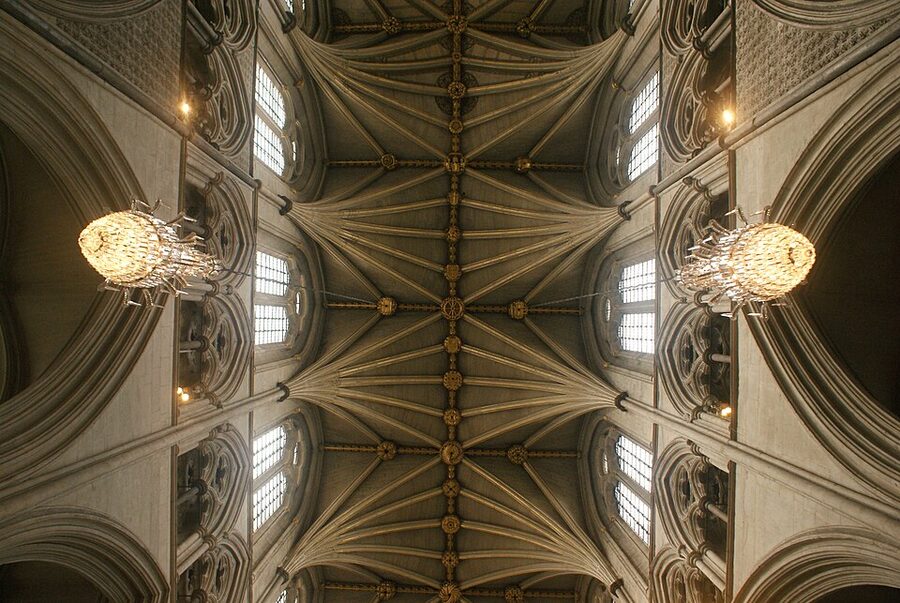
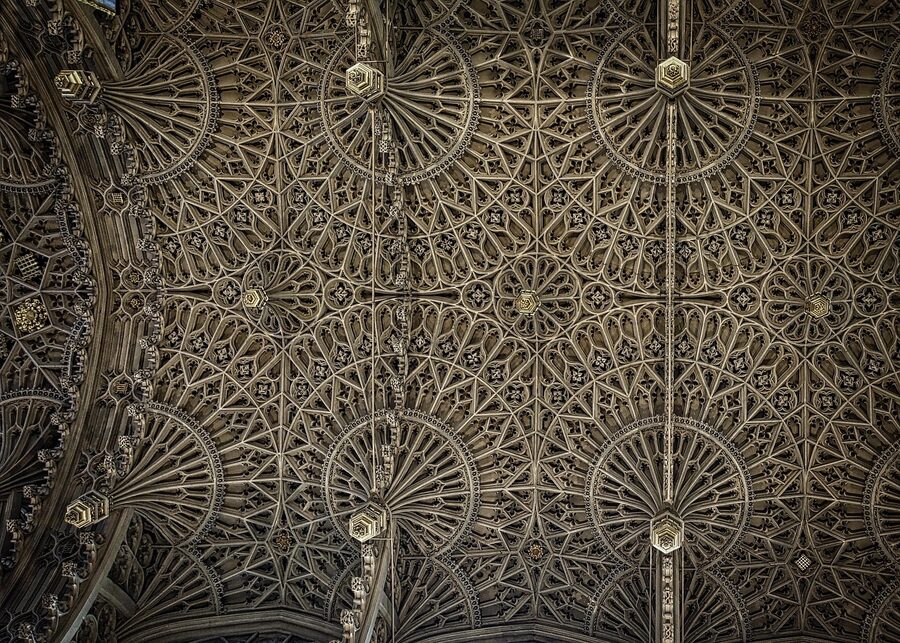
The east end of the Abbey is where the royal tombs cluster. Henry VII’s Lady Chapel was added to the existing church between 1503 and 1519, and architectural historians regularly call its fan vault the most beautiful in Europe. Even if you don’t care about late perpendicular gothic, you’ll find yourself standing under it for a while. (For perspective on how Iberian gothic handled the same century, the Seville Cathedral and Jerónimos Monastery in Lisbon guides cover the parallel late-medieval boom on the other end of the Atlantic trade routes.)
The chapels around it hold Elizabeth I and her half-sister Mary I (in the same tomb, on opposite sides of a coronation rivalry that defined the 1550s), Mary Queen of Scots (placed here by her son James I after he became king), Edward the Confessor (whose shrine is the spiritual heart of the Abbey, behind the High Altar and only sometimes accessible), Henry V, Edward III, Richard II, and several others.
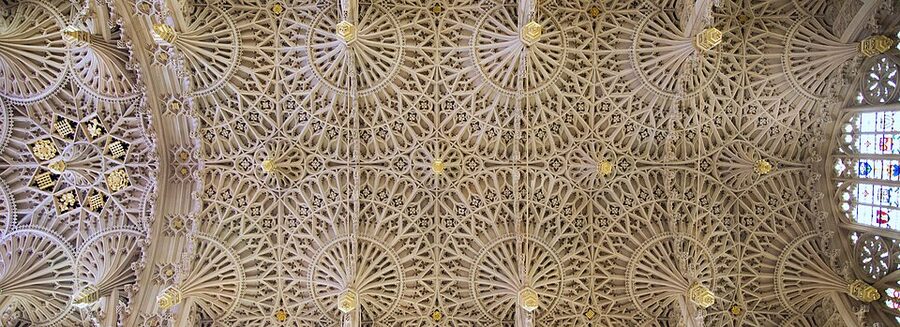
Practical: the Lady Chapel and the surrounding chapels have a one-way circulation route. You enter from the north ambulatory, work your way around the apse, and exit south. Don’t double back, you’ll annoy people behind you. If you missed something, just keep going and pick it up on a different visit, the Abbey is not the place to fight a queue.
The 2023 Coronation: What Changed Inside
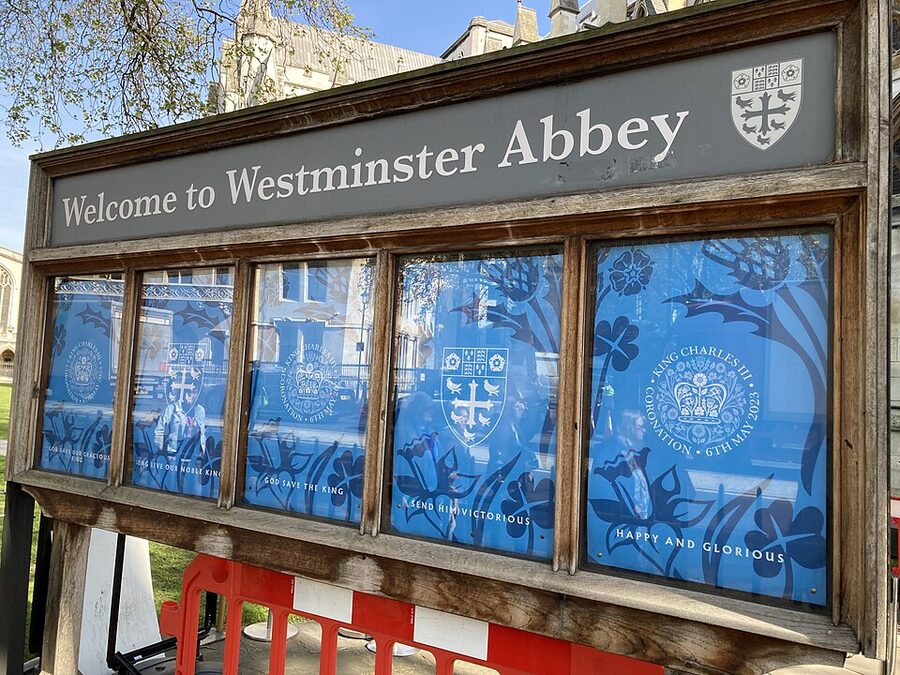
If you visited the Abbey before May 2023, you saw it set up for tourism. If you visit now, you’ll notice a few small additions. The Stone of Scone was reinstalled under the Coronation Chair for Charles III’s ceremony and then taken back to Edinburgh. The chair itself was conserved before the coronation and the conservation work is now visible in the wood and the gilding repairs.
One detail your guide will probably mention: Charles III sat in the same chair Edward I commissioned in the 1290s. Same physical chair, 717 years apart. Most coronations in European history happen on replacements. England’s doesn’t.
If your wider Europe trip includes royal-residence stops, the Madrid Royal Palace guide is the Spanish counterpart for ceremonial monarchy and chair-and-throne rituals. For the family-side day-trip context, the Warner Bros. Studio Tour guide is for the Harry Potter side of the trip, and the Westminster to Greenwich Thames cruise covers the river side of the Abbey-Parliament bank from the water.
The Cloisters and the Forgotten Bits
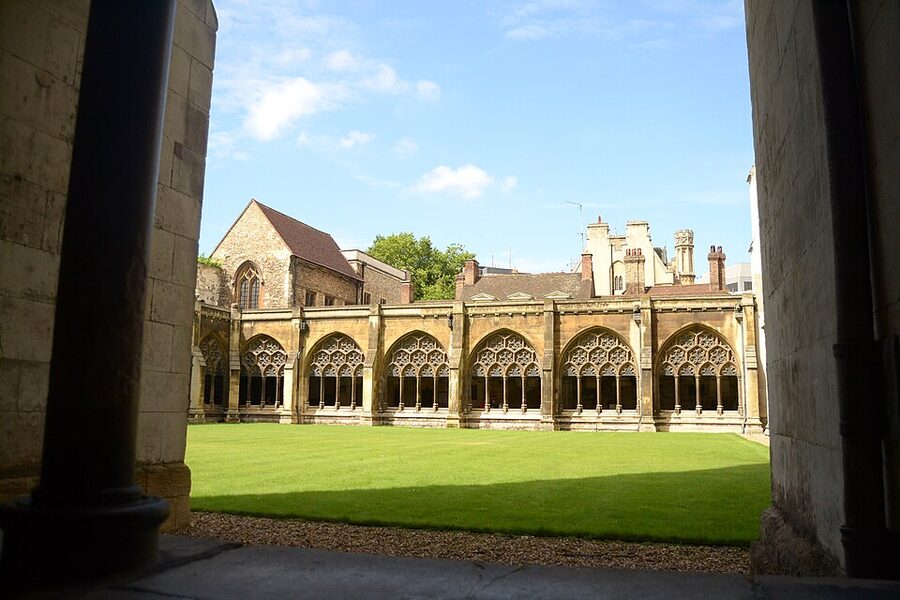
Most visitors do the church and leave. The cloisters, the Pyx Chamber, the Chapter House, and the Diamond Jubilee Galleries are all included in your ticket and most people skip all four.
The Chapter House was where parliament met from the 1250s before they moved to St Stephen’s Chapel in the Palace of Westminster next door. Its tiled floor is mostly original 13th century. The Pyx Chamber is even older, late 11th century, and used to be a royal treasury. The Galleries up in the medieval triforium opened in 2018 and changed everything: you’re suddenly looking down on the nave from 16 metres up, with the high vaulting at eye level. The lift up costs nothing extra if you’ve got the standard ticket.
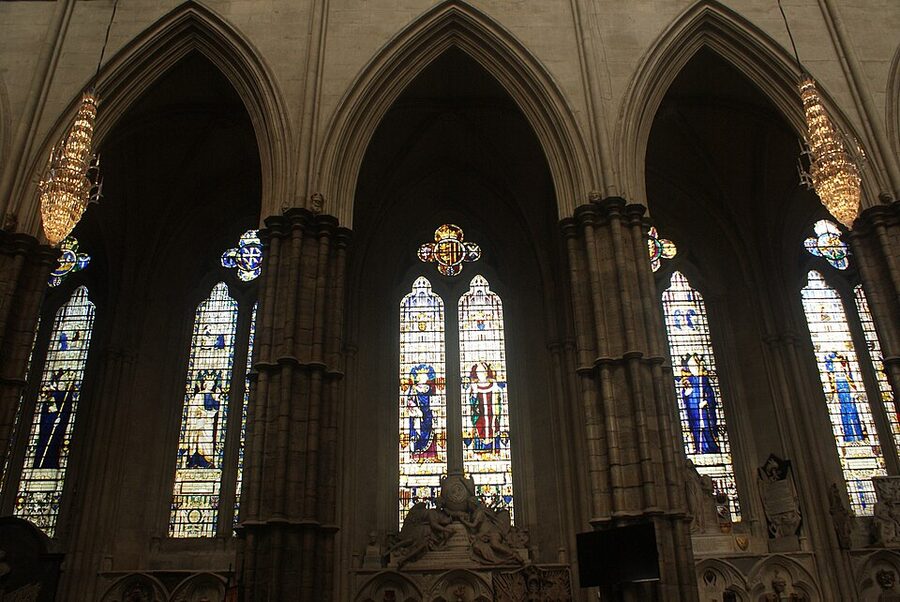
If your visit is the standard hour and a half, you’ll do the church and miss everything above. If it’s two and a half hours, you’ll get the Galleries too. I’d budget 2 hours minimum and 3 hours if you actually like medieval architecture.
How to Book and What to Watch For
You can buy tickets three ways. Direct from the Abbey on its own ticketing webstore, through GetYourGuide, or through Viator. The price is roughly the same across all three, around £31 to £33 official, sometimes a few pounds higher on resellers, sometimes the same. The reseller advantage is the cancellation policy and the fact that your other London tours are usually in the same app.
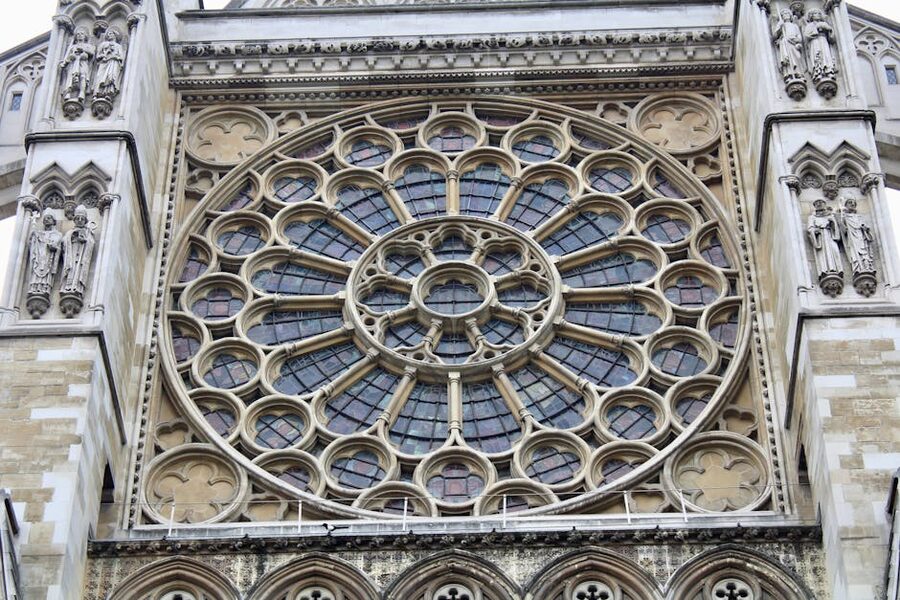
What to watch for. Single entry only. No re-entry. If you walk out for lunch the ticket is done. Closed on Sundays for tourism (services only). Half-term and weekends are the worst. Saturday opening is from 9am, weekday opening is 9.30am, and the first 90 minutes of the day are markedly quieter than midday. The official site sells timed slots and the rest of the resellers also work in slots, you can’t just walk up and queue any more.
Big ceremonies will close the Abbey to tourists for days. Funerals, weddings, and (in 2023) the coronation itself shut it for several weeks. If your London trip lands on a major royal occasion, check the closure list before you book.
Standard Ticket vs Audio-Guide Ticket
One more booking question that comes up. The standard Abbey ticket already includes the multimedia guide. Some Viator and resellers list a separate “audio guide” ticket which is the same thing under a different label. Don’t pay twice. If your ticket says “multimedia guide included” you have it. If it doesn’t, you can pick up a paper map at the entrance and use the QR-code-based mobile site that the Abbey now publishes for free. There’s also a useful Viator audio-guide entrance ticket review on the site that breaks the booking flow down step by step.
Pairing the Abbey with Parliament
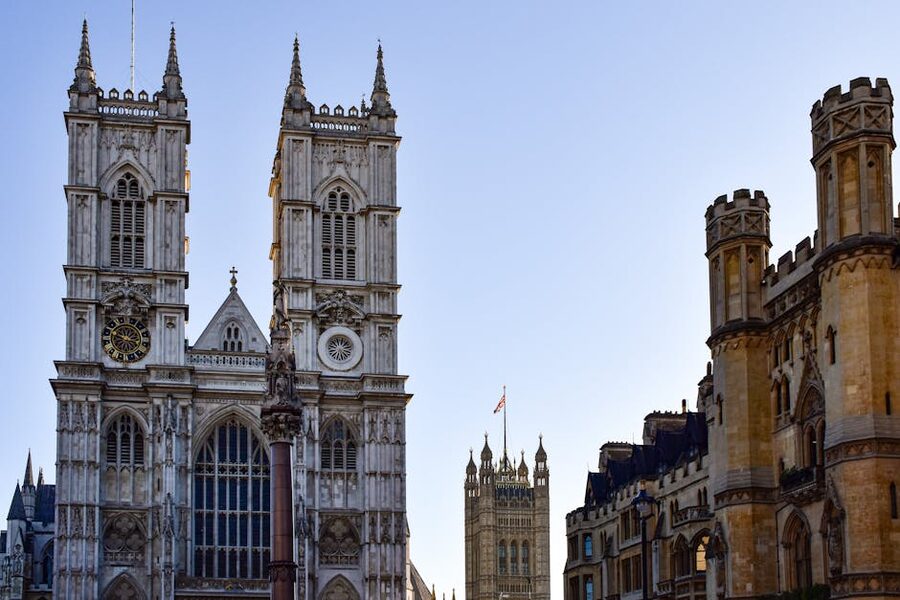
If you specifically want to see Parliament’s interior on the same trip, there are two ways. One is the Abbey tour with optional Houses of Parliament add-on, which gives you a guided Abbey morning and a Parliament audio-guided afternoon in one booking. The other is to book Parliament directly through the UK Parliament website, which is cheaper but doesn’t include the Abbey ticket.
Parliament tours pause when the House is sitting, which on weekdays is most afternoons during the parliamentary calendar. Weekends and recesses are the simpler windows. Saturday is the cleanest day to do both Abbey and Parliament in 24 hours, with the Abbey from 9am and Parliament after 1pm. There’s another tour-of-Westminster-Abbey-with-Big-Ben-and-Buckingham option that covers a similar geography on a shorter loop if Parliament is not in your plan.
The Three Tours I’d Book
Three picks below in the order I’d consider them. Sorted by what they actually do for the visit, not by review count.
1. Westminster Abbey Entrance Ticket: about $41
The default and the right call for most people. Sold by the Abbey itself, full multimedia guide bundled, free cancellation up to 24 hours before. You can read our take on this flagship Westminster Abbey ticket and what it includes in detail.
2. Abbey + Big Ben + Buckingham Guided Tour: about $55
The best dollar-per-fact tour on this list. The guide stitches the geography together in a way the audio guide can’t, and the Abbey timed entry at the end means no separate booking. Worth reading our full review of the Westminster + Big Ben + Buckingham guided tour for what’s included on the walk.
3. Westminster Abbey + Audio Guide (Viator): about $41
Pick this if Viator is the platform you’re already using for the rest of your London bookings, like the Viator Abbey + audio guide ticket that bundles the receipt with the rest of your tour app. Same building, same multimedia guide, slightly different cancellation rules.
Practical Bits Worth Knowing
Bag policy: Small bags only. There’s no cloakroom inside, so leave the daypack at your hotel or use a station locker. Photography is allowed in most of the Abbey now, but no flash, and the Coronation Chair area has signs asking for no photos right at it. Phones on silent inside, this is still a working church.
Visiting the Galleries: The lift up to the Diamond Jubilee Galleries is in the south transept, near Poets’ Corner. There’s a separate timed access if it’s busy, ask a steward for the next slot.
Toilets and food: There are toilets in the cloisters and a small Cellarium Café on-site if you need coffee mid-visit. The College Garden (summer only, Tuesday-Thursday) is the quietest spot in the whole complex.
Combination passes: The London Pass and the London Explorer Pass both include Abbey entry. If you’re planning four or five paid attractions in a few days the maths usually tips in favour of a pass. Check the day rates against your shortlist before buying. (For Spain trip planners doing the equivalent palace-and-fortress maths, the Alhambra ticket guide is the same kind of timed-slot logic problem on a much sunnier hilltop.)
Schools and group rates: Children aged 6 to 17 are about £8, under-6 are free. Family ticket bundles save a bit. Education group tickets are different and you book those through the Abbey’s learning department, not GetYourGuide.
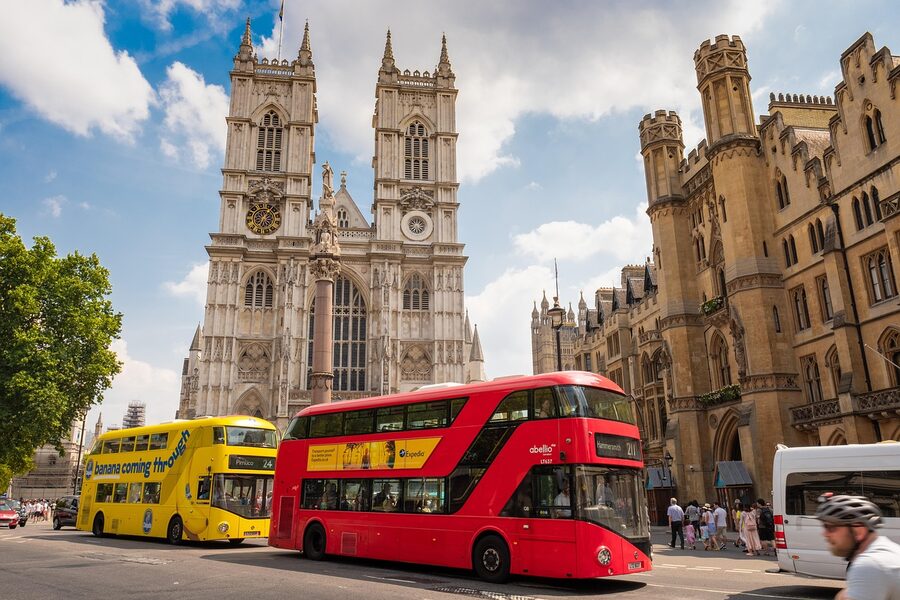
When to skip: If you’re in London for less than 36 hours and you’re not religious or historically inclined, the Abbey can be a hard sell at £33 a head. Walk past the west front, take the photo, save the entry fee for the Tower of London instead, where the Crown Jewels and the Yeoman tour give you more obvious bang per pound on a tight schedule.
Going Further in Royal London
If the Abbey hooked you on coronation history, the natural pairing is the Tower of London for the Crown Jewels and the Yeoman storytelling, and a Thames cruise from Westminster Pier ties the geography together without changing your shoes. The Madame Tussauds tickets guide is the sister piece for the wax-and-celebrity side of London if the kids need a contrast.