
The coach pulls up to the Henry VIII Gate at Windsor at five to nine. You step off into thin morning sun on Castle Hill, and across the courtyard the changing of the Castle Guard is already forming up on the gravel. By 10am you’ll be back on the M3, by midday standing on the chalk grass at Stonehenge, and by 4pm walking into Bath while the Pump Room organist plays inside the colonnade. That is the rhythm of this trip, and it is the most punishing day-trip you can do from London, in the best possible way.
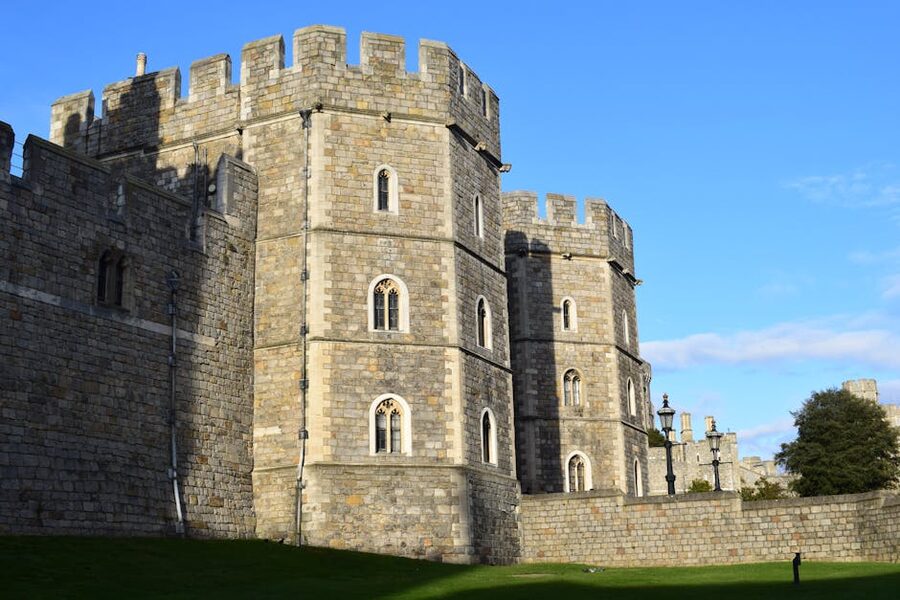
This is the three-stop combo. Windsor Castle, Stonehenge, Bath. About 11 hours door-to-door from central London and back. It costs more than a two-stop and demands a bit more discipline, but you get the King’s official residence outside London plus two UNESCO sites in a single day, which is hard to beat if your trip is short.
- In a Hurry? My Three Picks
- Why This Combo, and Why In This Order
- The Day, Hour by Hour
- Windsor Castle: What Two Hours Actually Buys You
- Stonehenge: Why 90 Minutes Is Plenty
- Bath: The Two-Hour Version
- The Three Tours I’d Actually Book
- 1. London: Windsor, Stonehenge, Bath, and Roman Baths Day Trip, from 0
- 2. Windsor Castle, Stonehenge & Bath Full-Day Tour, from 8
- 3. Stonehenge, Windsor Castle, Bath, Lacock & Pub Lunch, from 8
- Lacock: Worth the 30-Minute Stop?
- What to Bring, What Not to Bother With
- Pickup Logistics, Without the Stress
- When to Go (And When Not To)
- Common Worries
- What’s Included, What’s Extra
- How This Compares to Other London Day Trips I’ve Run
- Other UK Day Trips Worth a Look
In a Hurry? My Three Picks
1. London: Windsor, Stonehenge, Bath, and Roman Baths Day Trip (from $120). The flagship. Castle entry, Stonehenge audio guide, Roman Baths tickets, return coach from Victoria. About 11 to 12 hours.
2. Windsor Castle, Stonehenge & Bath Full-Day Tour (from $108). Same three stops, slightly cheaper. Live guide on board for the full 11.5 hours. The most-booked of the value-priced options.
3. Stonehenge, Windsor Castle, Bath, Lacock & Pub Lunch (from $128). Adds Lacock village and a sit-down pub lunch. You lose 30 minutes at Bath but gain a Cotswold-stone cameo. My pick if you want the slow-down lunch.
Why This Combo, and Why In This Order
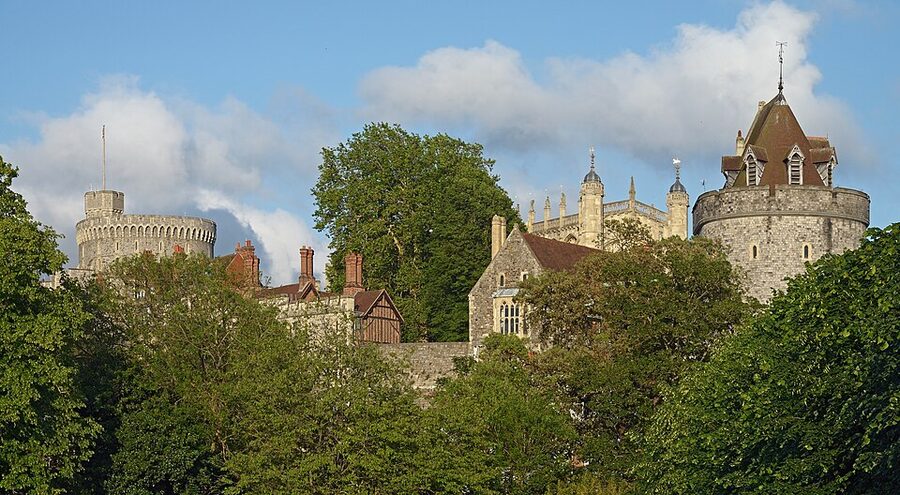
Most operators run the route in the same sequence: Windsor first, Stonehenge in the middle, Bath last. There’s a reason. Windsor opens at 10am and is the closest of the three to London, about 40 minutes from Victoria coach park if traffic behaves. Hitting it early gets you the morning light on the south side of the castle (the photogenic side) and clears the queue before the day-tripper crowd arrives. Stonehenge is the fixed midday anchor because Salisbury Plain is the longest single drive of the day. Bath last makes sense because the Roman Baths stay open until 5pm or 6pm depending on season, which gives you a buffer if the M4 backs up around Reading.
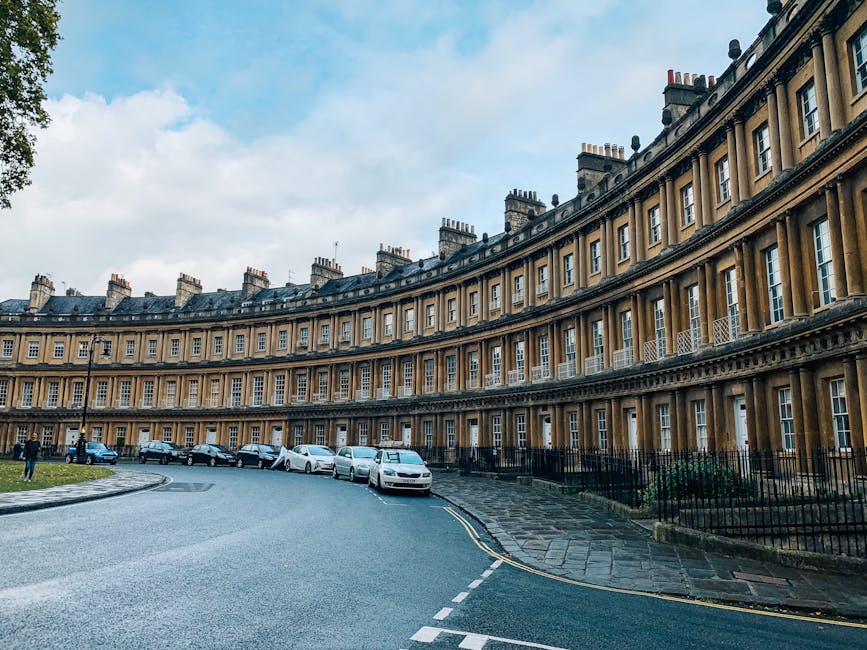
If you only have a day and you’re trying to decide between this, a two-stop Stonehenge and Bath day, and a Windsor, Oxford, and Stonehenge run, the question really comes down to what kind of finale you want. Bath gives you Roman ruins plus Georgian crescents. Oxford gives you medieval colleges. They are very different cities. This article is the right one for you if you want the Bath finale and you want Windsor in the morning.
The Day, Hour by Hour
Here is what an average 11-hour day looks like. Times are typical, not promises. Traffic on the M3 and M4 can blow the schedule by 30 minutes either way.
7:15 to 7:45am, pickup. Most operators meet outside Victoria coach station or at a nearby central London hotel pickup point. Get there 15 minutes early. You want a window seat on the left side of the coach for Stonehenge views as you approach.
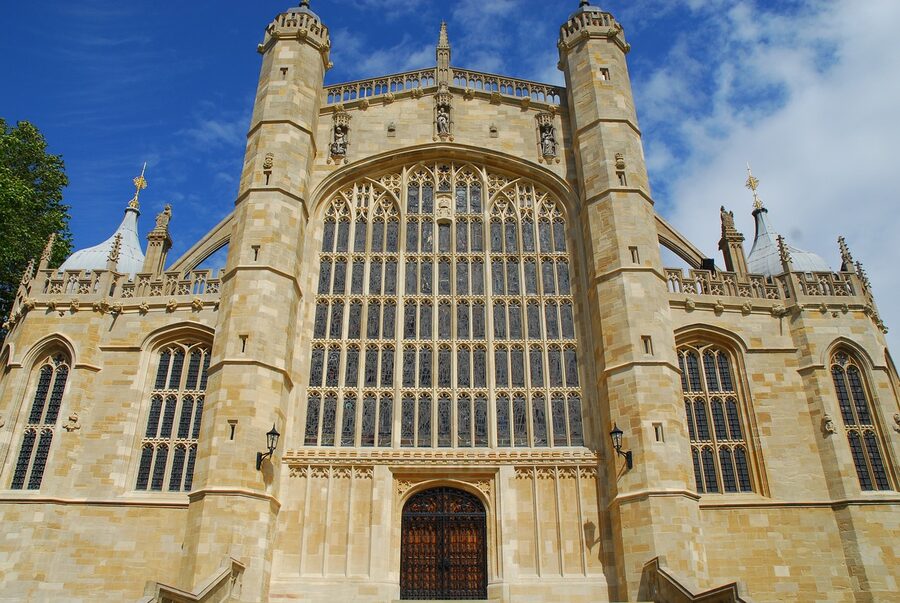
9:00am, arrive Windsor. The coach drops at the Henry VIII Gate. Quick toilet stop in the Castle visitor centre, then through security and into the State Apartments. You have around two hours here. That is enough to do the Apartments, St George’s Chapel, and a fast lap of the courtyard. It is not enough to also do the State Drawing Rooms in detail or the doll’s house with any care. Pick one focus.
11:00am, back on the coach. About 90 minutes to Stonehenge with a comfort stop on the A303.
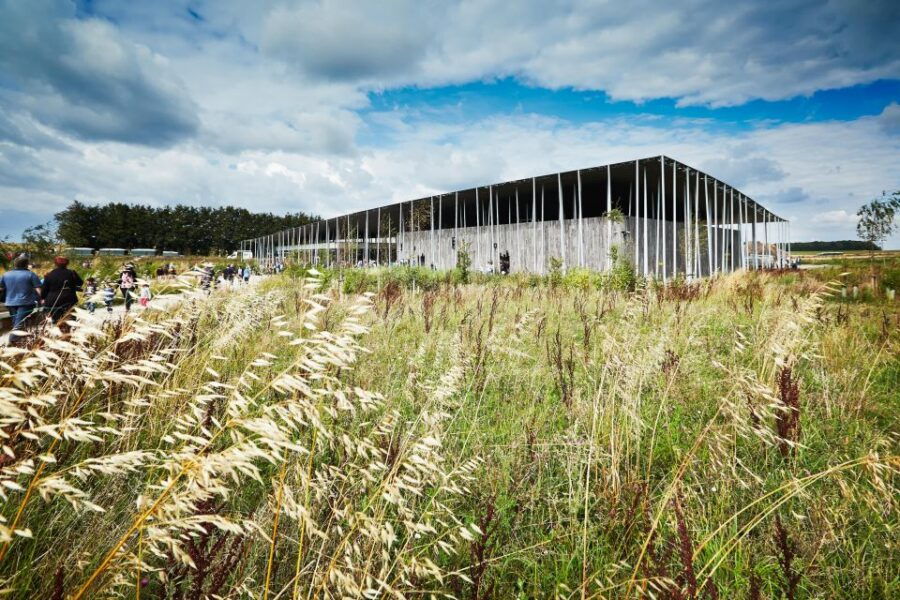
12:30pm, Stonehenge. A free shuttle takes you from the visitor centre out to the stones. Around 75 to 90 minutes total here, including the museum exhibit and audio guide. Bring layers. The wind on Salisbury Plain is real, even in July.
2:00pm, drive to Bath. About 75 minutes through Wiltshire farmland. If your tour includes Lacock village, the coach stops here for 30 to 45 minutes for photos and a coffee.
3:30 to 4:00pm, Bath. Roman Baths first (allow 90 minutes minimum), then a half-hour to wander Bath Abbey and the Pulteney Bridge area. Tea at the Pump Room is bookable on some upgraded tours.
6:00pm, depart Bath. Around 2.5 hours back into central London, depending on M4 evening traffic. Most coaches drop at Victoria.
Windsor Castle: What Two Hours Actually Buys You
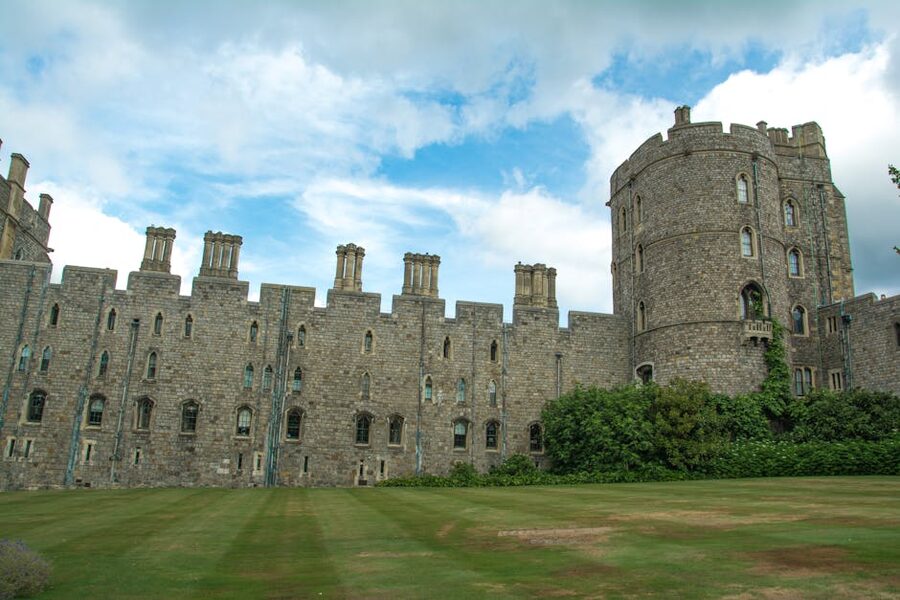
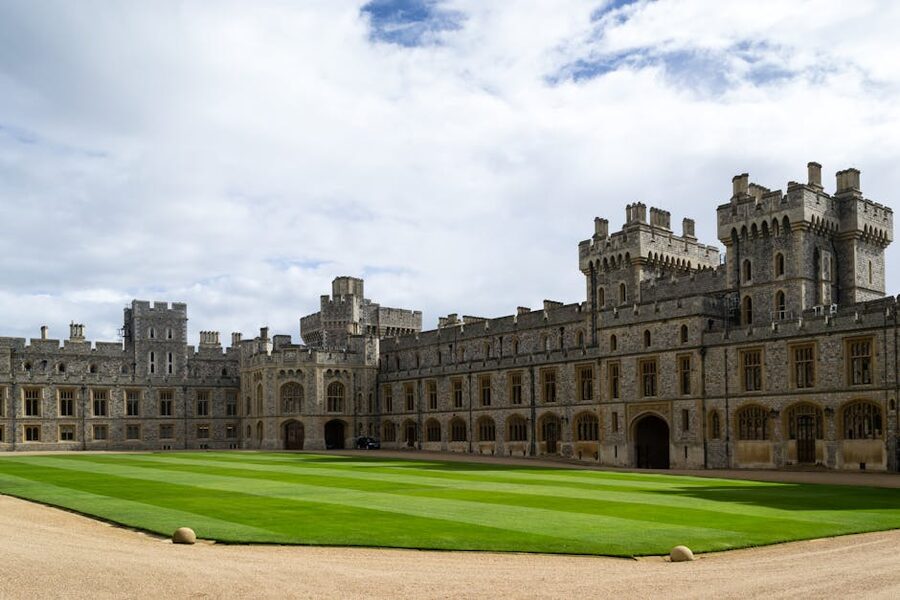
Two hours sounds like a lot. It isn’t, not at Windsor. The castle covers 13 acres and has been continuously inhabited for nearly a thousand years, since William the Conqueror raised the original wooden motte in the 1070s. King Charles still uses it as an official residence outside London, which is why some sections close on royal-ceremonial days. Always check the Royal Collection Trust calendar before you book.
What I’d prioritise inside the gate: the State Apartments first, while the queue is shortest. Then St George’s Chapel, where the late Queen Elizabeth II was buried in September 2022 alongside Prince Philip in the King George VI Memorial Chapel. The chapel also holds the tombs of Henry VIII and Charles I. Skip the doll’s house if you’re tight on time. It is a beautiful piece of craft, but you can spend 25 minutes queueing for a 5-minute peek and lose the chapel as a result.
The Changing of the Guard happens at 11am on Mondays, Wednesdays, Fridays, and Saturdays in summer (alternate days in winter), and is included with castle admission. Most coach tours arrive at 9am specifically so you get a chance to see at least the formation-up before you push on. Don’t miss it.
Stonehenge: Why 90 Minutes Is Plenty
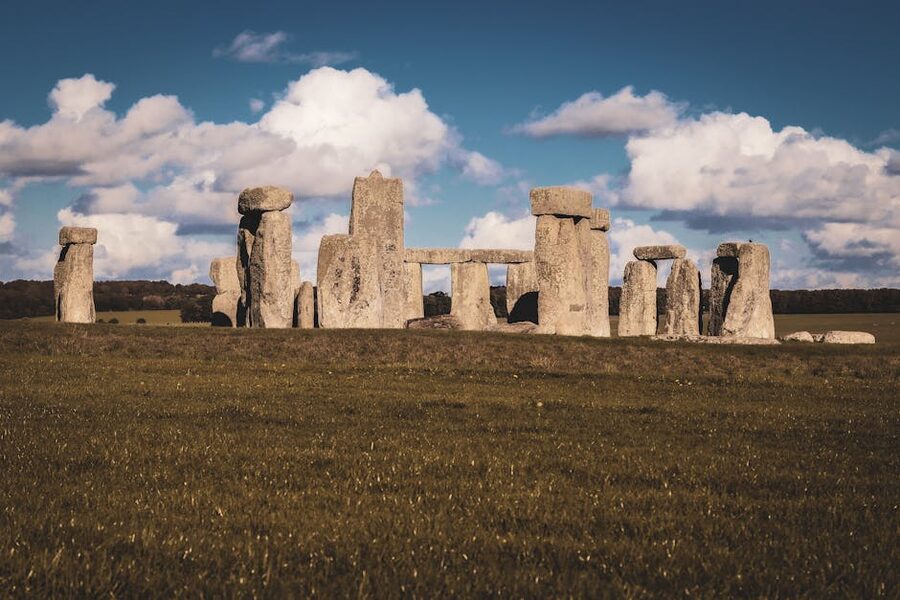
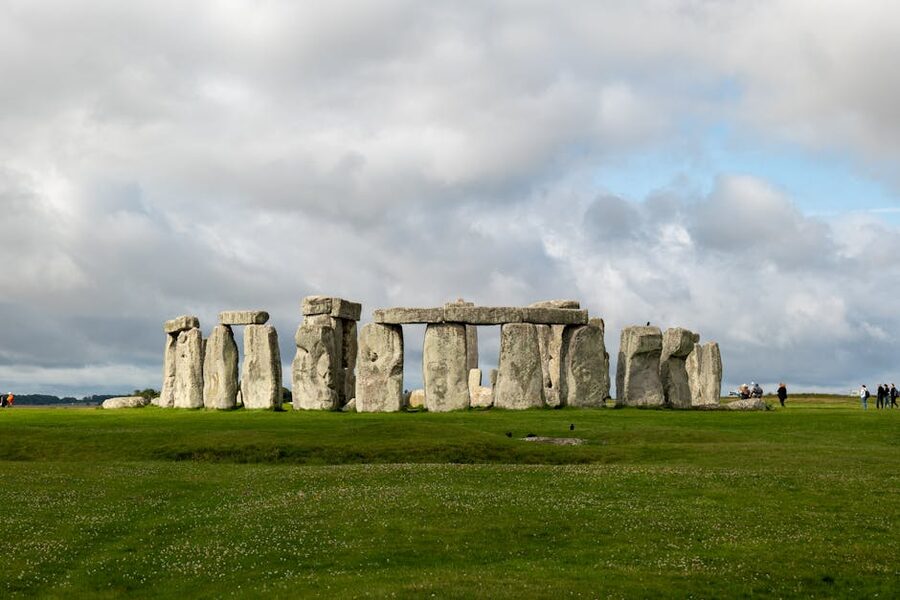
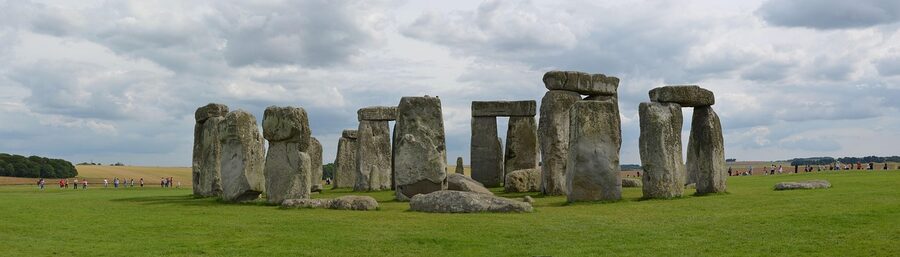
I know, I know. It feels wrong saying it. But here’s the truth: Stonehenge is a 90-minute attraction, not a half-day one, and the day-trip combo gets that right. The visitor centre exhibit is genuinely good (a recreated Neolithic house, a real human skeleton from a nearby barrow) and the audio guide as you walk the loop is well done. Then you stand and look at the stones for ten minutes, take photos, and you’re ready to go.
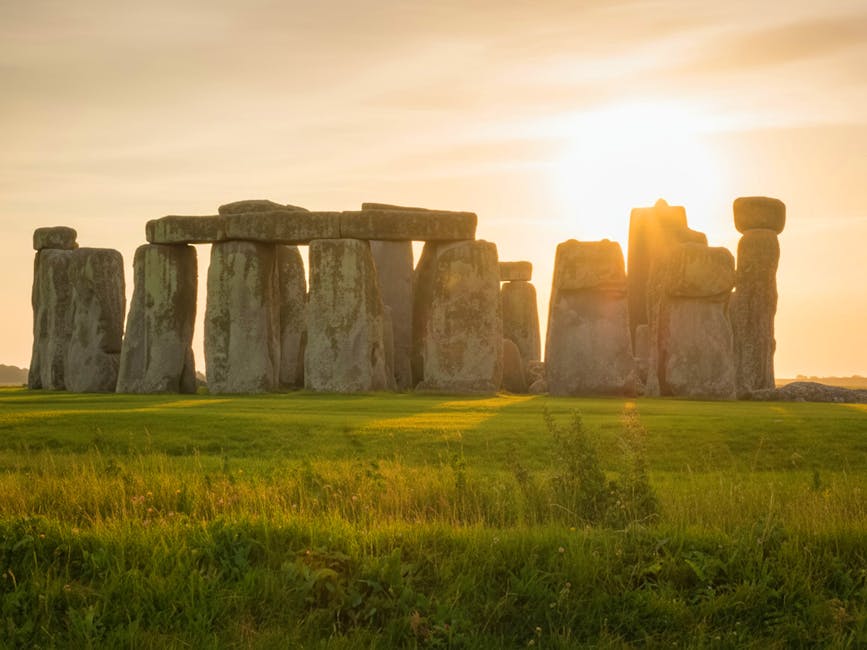
The site is roughly 5,000 years old. The earliest henge earthwork was raised around 3000 BCE, the bluestones came from the Preseli Hills in Wales (about 240km away) sometime between 2900 and 2400 BCE, and the larger sarsens (the ones that form the iconic trilithons) were dragged in from about 25km north around 2500 BCE. That movement of stone, by people without metal tools, is the part that genuinely lands when you’re standing there.
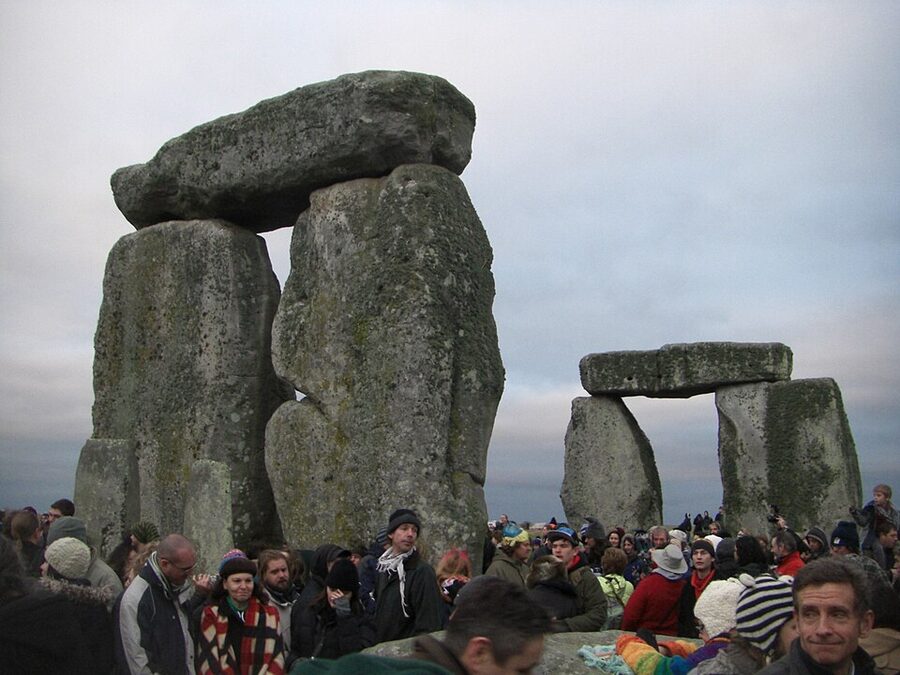
One practical note. The standard ticket gets you to the visitor centre and the outer path. It does NOT get you inside the stone circle. If you want the inner-circle experience (sunrise or sunset, no day crowds, you can touch the stones), you need a separate Stone Circle Access tour, which runs at very limited times. Some specialty day-trips bundle it. Most don’t.
Bath: The Two-Hour Version
Bath needs three days, really. You’re going to give it two hours. Here’s how I’d spend them.
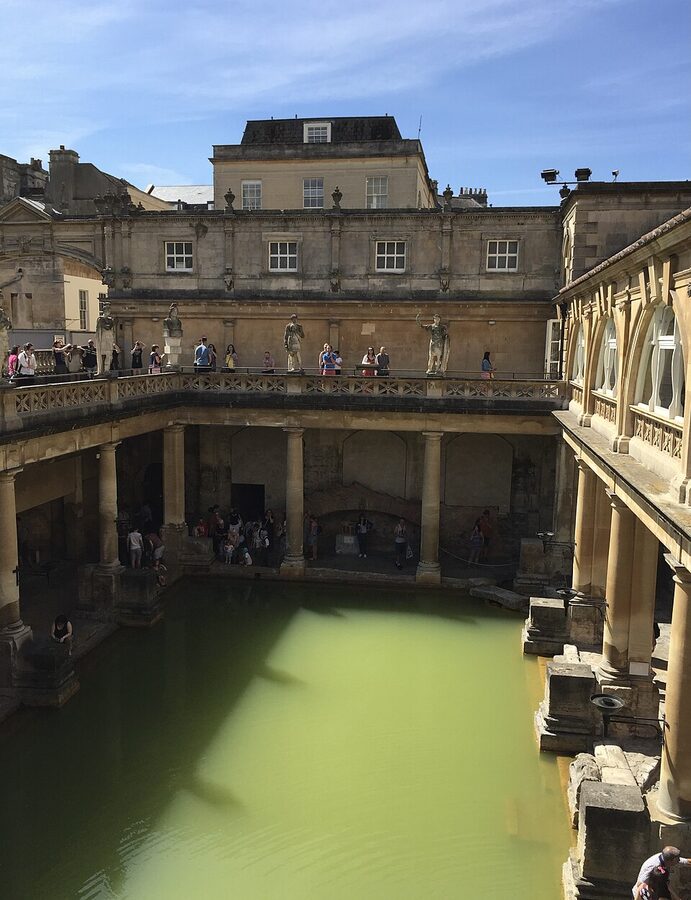
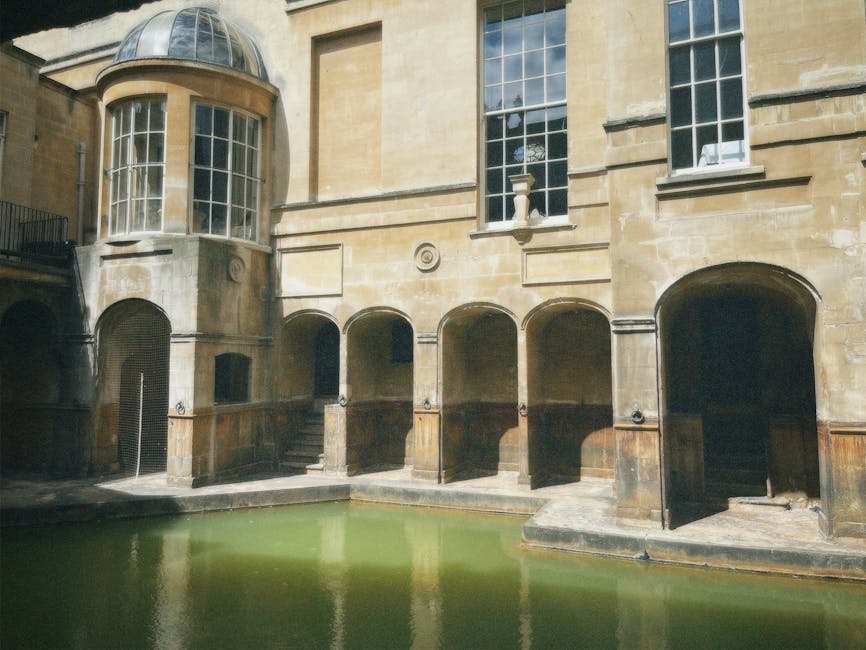
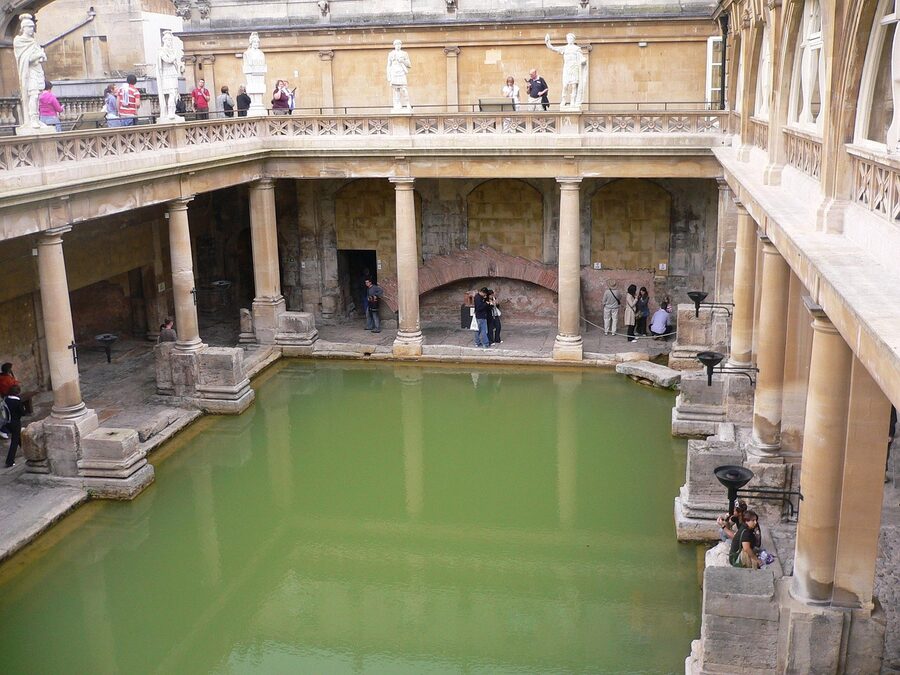
Roman Baths first, no exceptions. The site has been in continuous use since the 70s CE, when Roman engineers built a temple complex over Britain’s only natural hot spring, which still pumps out around 1.17 million litres a day at roughly 46 degrees Celsius. The audio guide (free, narrated by Bill Bryson among others) is one of the best in any UK museum, and the route takes you down through the temple courtyard, the East Baths, the King’s Bath above ground, and the Great Bath itself with its Victorian colonnade. About 90 minutes if you stop to read panels, an hour if you walk through briskly.
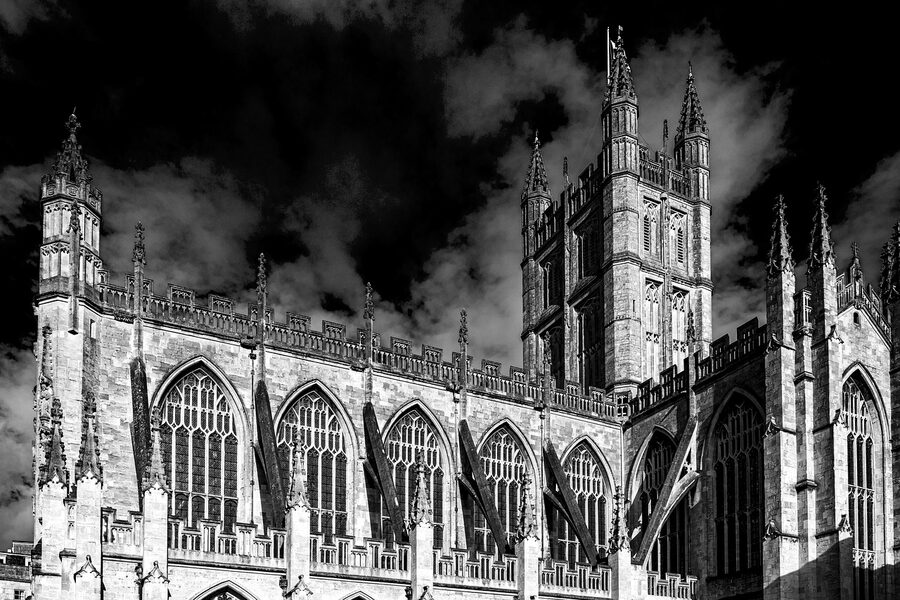
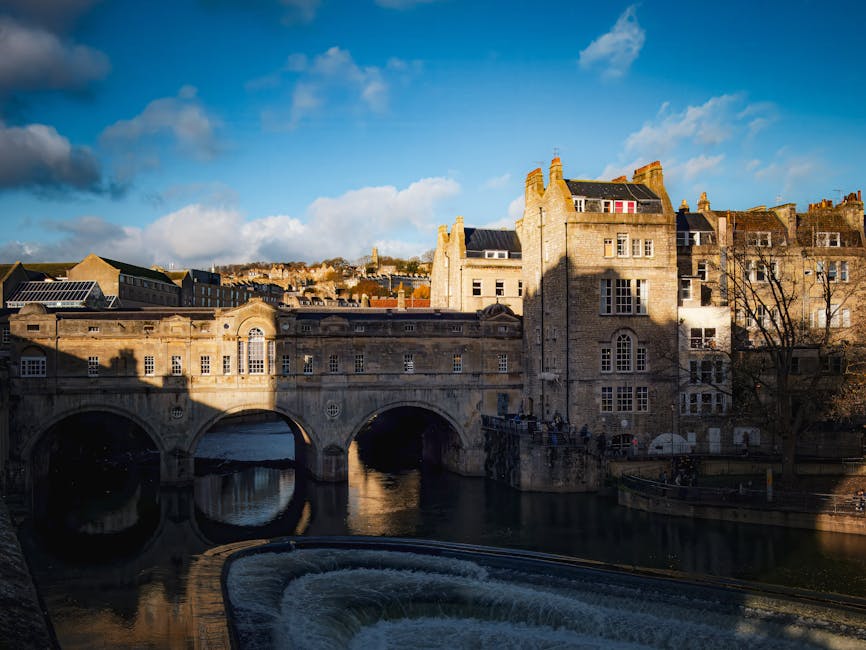
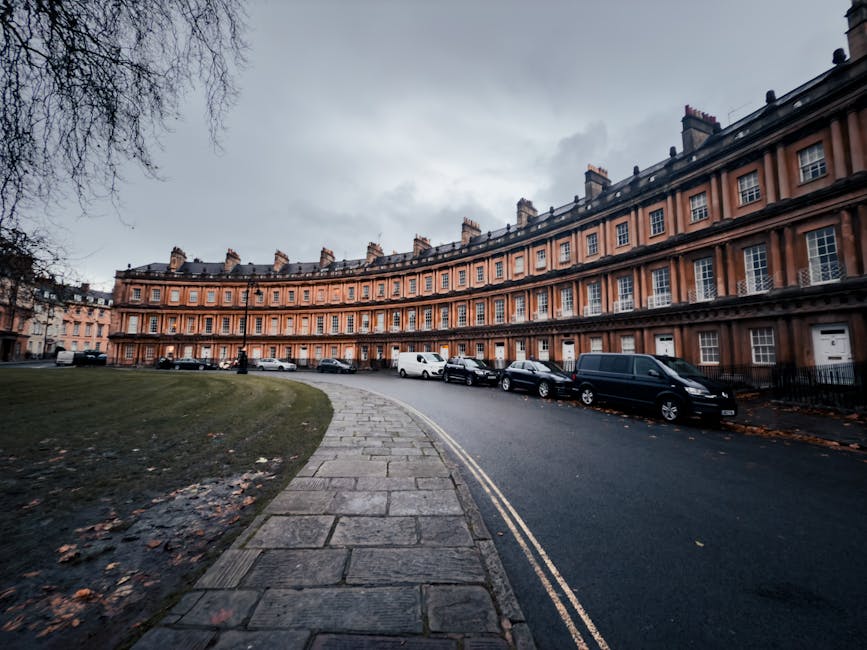
Then Bath Abbey next door, which only takes 15 minutes if you don’t climb the tower. Then a fast loop past the Pulteney Bridge (Robert Adam, 1774, one of only four bridges in the world with shops on both sides) and back to the coach. If you have any time left, the Pump Room above the Roman Baths does an old-fashioned afternoon tea with a string trio playing in the colonnade. It’s touristy and it’s lovely, and on the upgraded tours it’s bookable in advance.
The Three Tours I’d Actually Book
The day-trip market for this combo is crowded. Here are the three I keep coming back to, ranked by how well they balance what you see, how much time you get at each stop, and what is actually included in the ticket.
1. London: Windsor, Stonehenge, Bath, and Roman Baths Day Trip, from $120
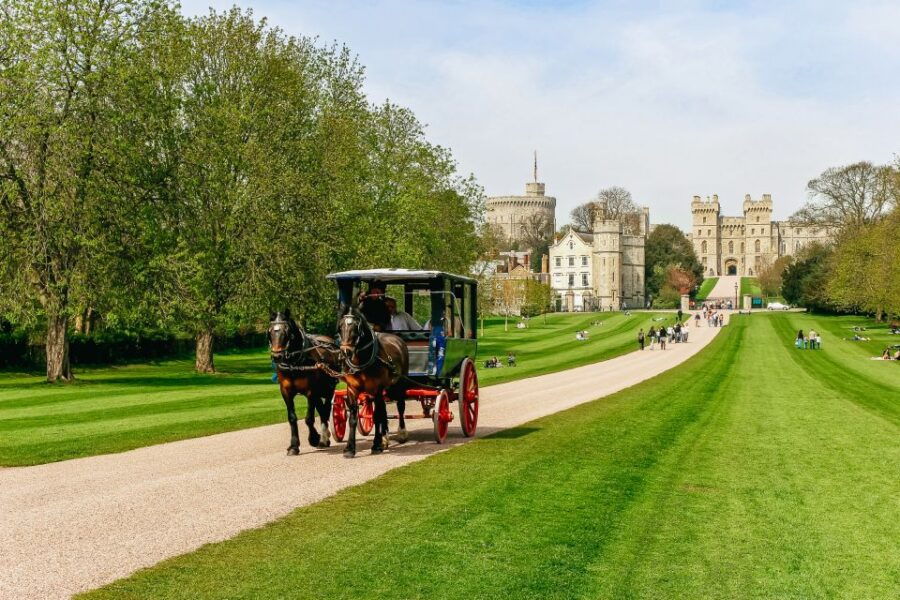
This is the most-booked of all the three-stop combos and it earns it. You get Castle entry, Stonehenge with audio, the Roman Baths, and a stop at the Pump Room above. The coach is air-conditioned with Wi-Fi, the live guide commentary on the road is genuinely useful (history, what to look for), and the timing at each stop is generous. Our full review covers the wheelchair access notes and the small-group upgrade option.
2. Windsor Castle, Stonehenge & Bath Full-Day Tour, from $108

Twelve dollars cheaper than option one and it covers the same three sites with a live guide on the coach for the whole day. You don’t get the Pump Room afternoon tea included, and the Roman Baths ticket is the standard adult one rather than the priority option. If you’re coming as a couple or a family of four, those small differences add up. Our full review walks through what is and isn’t included.
3. Stonehenge, Windsor Castle, Bath, Lacock & Pub Lunch, from $128
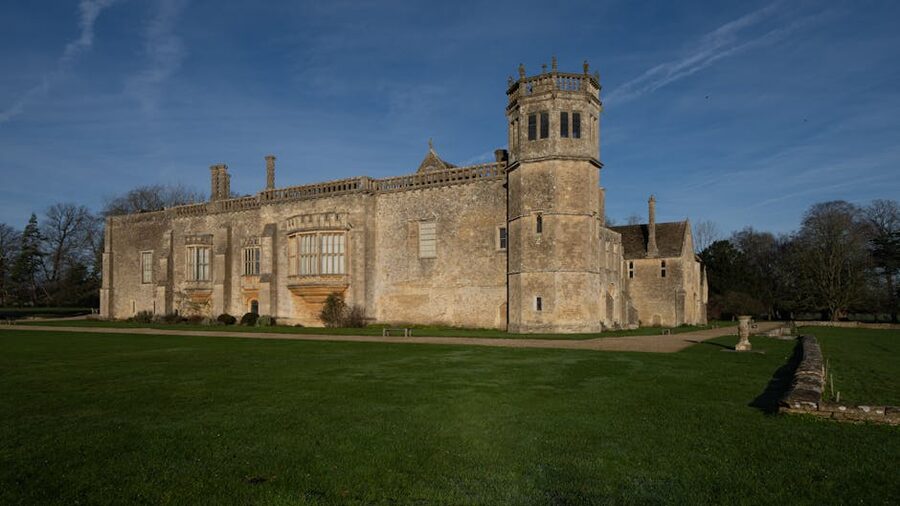
This one swaps speed for atmosphere. You get a proper pub lunch in Lacock, a 30-minute photo stop in the village (which doubled as Meryton in Pride and Prejudice and Godric’s Hollow in the Harry Potter films), and a Pump Room afternoon tea slot at the end. You lose 30 minutes at Bath to make the time. The lunch hour is worth it on a long day. Our full review goes deeper on the Lacock filming-location list.
Lacock: Worth the 30-Minute Stop?
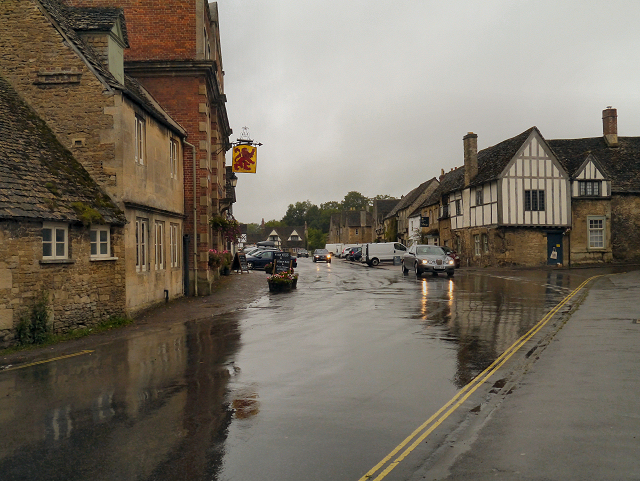
If you’re picking the Lacock variant, you’re getting a genuinely lovely 15th-century village that the National Trust has owned and maintained since 1944. Lacock Abbey was the home of William Henry Fox Talbot, who took what is widely considered the world’s first photographic negative there in 1835. The village has no satellite dishes, no overhead wires, and no modern shopfronts, which is why film crews keep using it. The High Street has appeared in Pride and Prejudice, Cranford, Downton Abbey, and the Harry Potter films (Godric’s Hollow exteriors, the entrance to Slughorn’s classroom).
If your tour bundles it, do the pub lunch at the George Inn or the Red Lion. Both are inside the village and 15th-century timber. If your tour doesn’t bundle Lacock, you’re not really missing it; the other two-stop options give you more time at the bigger sights. It’s a question of texture, not of must-see.
What to Bring, What Not to Bother With
Layers. The forecast on Salisbury Plain is wrong half the time, and Windsor’s exposed terraces catch wind from the Thames Valley. A rain shell is more useful than an umbrella because there’s nowhere to put a wet umbrella on a coach.
Comfortable shoes that you can stand in for two hours straight. Castle floors are stone, Stonehenge’s loop is gravel, and Bath’s pavements are uneven Georgian flag.
A small day pack with a water bottle, a phone charger, and snacks. The coach makes one comfort stop on the A303 with a Costa or Greggs, and the Stonehenge cafe is fine but pricey. Otherwise you’re paying tourist rates.
What you don’t need. A tripod (no time to use it). A heavy SLR (a phone camera handles all three sites just as well at the distances you’ll get). Multiple memory cards. A guide book to the Roman Baths (the audio guide is better).
Pickup Logistics, Without the Stress
Most three-stop tours collect at one of three points: Victoria Coach Station (the most common), Gloucester Road, or a hotel pickup window in Kensington and Bayswater. Read your booking confirmation carefully because the pickup point determines which side of London you should be staying on the night before.
If you’re outside central London, the Victoria coach park is a 10-minute walk from Victoria mainline station. Allow 15 to 20 minutes from the Tube exit because the coach park is on the far side of the bus station and hard to find at first. I always arrive 15 minutes early and find the operator’s check-in board, which is usually a clipboard at a numbered bay.
For comparison, the related St Paul’s Cathedral guide covers the central-London afternoon you might pair with a Westminster walk on a different day, and the two-stop Stonehenge and Bath option uses the same Victoria pickup if you want to drop Windsor and gain time at the other two sites.
When to Go (And When Not To)
April through June is the sweet spot. Long daylight, the chestnuts on the Long Walk are out, and the crowd is heavy but not insane. July and August are the peak. Coaches sell out two weeks in advance and the Stonehenge visitor centre runs at capacity from 11am to 3pm, which is exactly when most day-trips arrive. If you can shift to early September, do.
October and November are underrated. The light at Stonehenge in autumn is the best of the year (low sun raking across the trilithons in late afternoon), the crowds are gone, and Bath’s Christmas Market opens in late November. Layer up; the wind on Salisbury Plain in November bites.
December and January are dead time. Windsor’s State Apartments often close for royal events, the Roman Baths run shorter hours, and you lose daylight entirely on the M4 home. Skip these months unless you’re specifically going for the Stonehenge winter solstice (December 21st), which is a separate dawn-only ticket.
Common Worries
Is 11 hours too long? It’s a lot. Eat a real breakfast before pickup, take 30-minute coach naps between sites if you can, and accept that your feet will hurt by 6pm. The trade-off (three properly different sights in one day) is the deal.
Can you do this without a tour? Yes, just barely, and only if you’re driving yourself. Public transport from London to Stonehenge is a coach to Salisbury and then a separate Stonehenge Tour bus. Windsor and Bath are easy by train but you can’t reach Stonehenge from Bath in time to make it back to London the same day on rail. If you want all three, you need a tour or a car.
Is Windsor Castle worth the time on a packed day? If you’ve never been, yes. The State Apartments and St George’s Chapel are unique. If you’ve already done Windsor on a previous trip, swap to the two-stop Stonehenge and Bath option and use the saved 90 minutes for a longer Bath afternoon. The Pump Room afternoon tea becomes possible.
What if you want Oxford instead of Bath? See the Windsor, Oxford, and Stonehenge guide. Oxford gives you medieval colleges, the Bodleian, Christ Church, and the Radcliffe Camera. It’s a different finale and worth choosing on its own merits.
What’s Included, What’s Extra
The base price on most three-stop tours covers: the coach (return), live guide commentary, Windsor Castle entry, Stonehenge entry with audio guide, and Roman Baths entry. Lunch is almost never included unless you book the Lacock pub-lunch variant.
What gets sold as extra: priority queue lanes at the Roman Baths (£10-15, sometimes worth it on summer days when the wait stretches past 30 minutes), the Pump Room afternoon tea (around £30, a sit-down with finger sandwiches and cakes), and small-group upgrades that cap the coach at around 16 people instead of 50. The small-group versions are noticeably calmer and the guide gets to know your name. They cost roughly double.
For a different shape of day, our St Paul’s Cathedral booking guide walks through the Whispering Gallery climbs and dome-top tickets, which makes a strong contrast with this rural three-stop. It’s a city-centre cathedral day, not a 11-hour coach run.
How This Compares to Other London Day Trips I’ve Run
I’ve done a lot of these. The Stonehenge-Windsor-Bath three-stop is the most efficient one in the catalogue if you only have a single day to give to “outside London.” The Stonehenge and Bath two-stop is gentler and gives you longer at each site. The Windsor-Oxford-Stonehenge run is the best for first-time UK visitors who want the academic college angle.
And if you have two days to give to day-trip-style outings, the play I usually recommend is this three-stop on day one and a focused central-London cathedral or museum day on day two. That’s where the St Paul’s guide earns its place. You alternate big rural with deep central, and you don’t burn out.
Other UK Day Trips Worth a Look
If this combo lands well for you, the natural next step is the Windsor, Oxford and Stonehenge variant, which trades Bath’s Roman ruins for Oxford’s medieval colleges. The two-stop Stonehenge and Bath day is the slower-paced sibling if you want longer at each site. Travellers comparing three-city day formats abroad sometimes run the Toledo and Segovia day from Madrid or the Lisbon to Sintra trip; the rhythm is similar across all three.