
Kensington Palace is doing two jobs at once and most visitors only know about one of them. Behind the brick facade you’ve seen on postcards, the State Apartments are open to the public Wednesday through Sunday, year-round, no King-in-residence shutdown. Behind the wing the public never sees, William and Kate live with George, Charlotte, and Louis in Apartment 1A. You can walk through the front door of a working royal household for £20.60, then have lunch in the cafe knowing the future king’s kids might be doing homework on the other side of a courtyard wall.
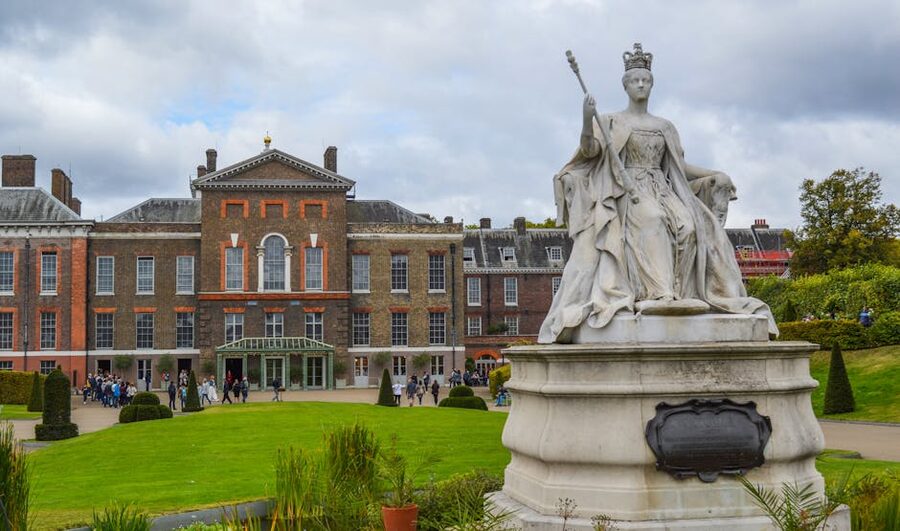
This is also the palace where Queen Victoria was born in 1819 and where she lived until she became queen at 18. It’s where William of Orange and Mary II moved in 1689 because central London air was making William’s asthma unbearable, and where Princess Diana lived from her separation in 1992 until her death in 1997. Five hundred years of personal royal history, in one building, currently lived in by the next generation. Buckingham Palace is grander and more famous, but Kensington is the one that feels like a home that happens to be open to visitors.
This guide explains what your Kensington Palace ticket actually gets you, when to book, how to dodge the busy slots, and why this is the easiest royal palace ticket in London if you only have one afternoon to spare.
- In a Hurry? Three Picks
- What you actually get for £20.60
- Why this is open year-round and Buckingham Palace isn’t
- The Sunken Garden and the Diana statue
- Queen Victoria’s Story: the bit nobody books for and everyone leaves talking about
- The history: 1689, William and Mary, and a suburban escape
- Top picks for booking right now
- 1. Kensington Palace Sightseeing Entrance Ticket: £20.60
- 2. Kensington Palace Gardens Royal High Tea: £109
- 3. Kensington Palace Afternoon Tea and Guided Walk: 9
- Inside the State Apartments: room by useful room
- The 1A apartment: where the working royals actually live
- Princess Diana, 1981 to 1997
- Getting there, parking, and the Tube logic
- What to eat and where to sit down nearby
- What else to do in Kensington while you’re here
- How Kensington compares to Buckingham, the Tower, and the rest
- Booking traps and quirks worth knowing
- Best times to go: hour by hour, season by season
- Accessibility, kids, and a few practical bits
- What to do nearby on a half-day plan
- The Studios add-on for the truly committed Royal completists
- Where to head from here
In a Hurry? Three Picks
Best overall ticket: Kensington Palace Sightseeing Entrance Ticket from £20.60. State Apartments, Sunken Garden, all temporary exhibitions, free cancellation 24 hours out.
Best for an afternoon out, not just a tour: Kensington Palace Gardens Royal High Tea from £109. Garden walk plus a sit-down high tea in the Orangery, which is the only way to eat where Queen Anne hosted her court.
Best for a guided experience with food included: Kensington Palace Afternoon Tea and Guided Walk from $169. A guided walk through Kensington Gardens followed by a traditional afternoon tea in the Orangery.
What you actually get for £20.60
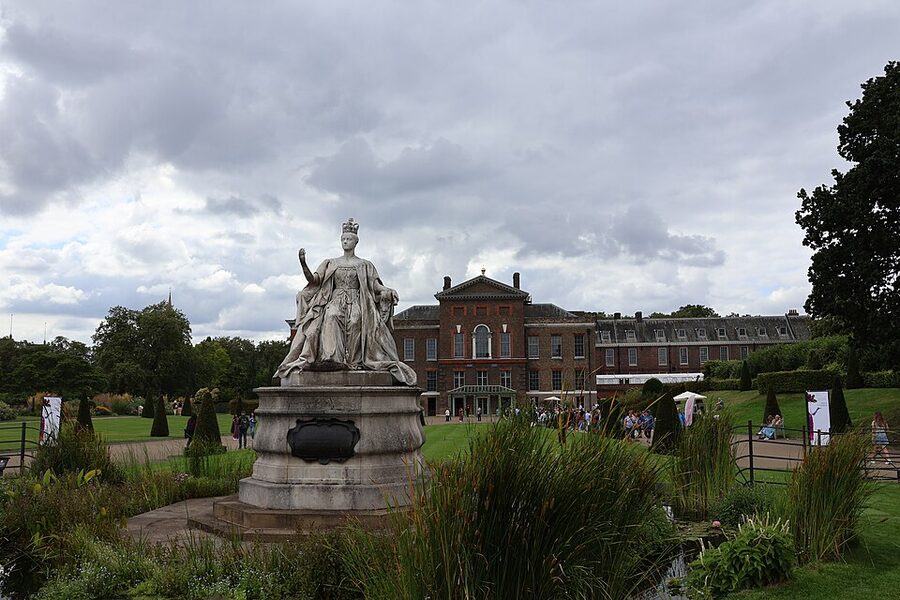
Three things, all included in the standard adult ticket. First, the Kings State Apartments: a sequence of rooms where George I and George II lived and held court, including the Cupola Room (where Queen Victoria was christened) and the Kings Grand Staircase. Second, the Queens State Apartments: the smaller, more private rooms used by Mary II and later Queen Anne. Third, the Sunken Garden with its Princess Diana statue, plus whatever temporary exhibition is running in the Pigott Galleries.
Children under 5 are free. Children 5 to 17 pay around £10.30. There’s a £1 ticket scheme for visitors on Universal Credit and a few other benefits, which the palace runs as one of the more progressive access programs of any major London attraction. Members of Historic Royal Palaces get in free, which is a quiet thing worth knowing if you’ve already done the Tower of London and bought membership for that.
Standard opening hours are Wednesday to Sunday, 10am to 6pm, last admission 5pm. Closed Monday and Tuesday. The closure days catch first-time visitors out, especially anyone trying to fit Kensington into a weekend trip. A Tuesday plan needs to be a different palace plan. Westminster Abbey is open Tuesdays, so flip your itinerary around if you have to.
Why this is open year-round and Buckingham Palace isn’t
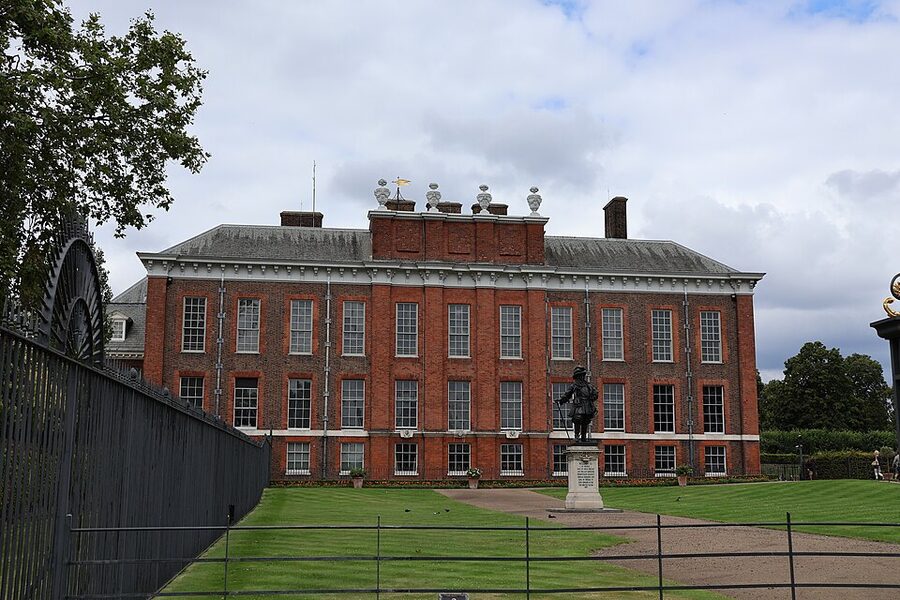
The Royal Collection Trust treats Kensington and Buckingham very differently because they’re used very differently. Buckingham Palace is the working ceremonial residence of the King; the State Rooms can only open when he’s at Balmoral, which is roughly mid-July to late September. Outside that window, you stand at the gates and look. Kensington is a multi-residence palace where the working royal apartments are physically separate from the public route. So the public bit can stay open while William and Kate’s bit stays private.
If you want the simple version: Buckingham is one big house, the King uses it ten months a year, the public gets two months. Kensington is a complex of apartments around a courtyard, the working royals use one corner, the public uses another corner, and the two never overlap. It’s the same reason Madrid’s Royal Palace is open year-round despite still being technically the Spanish royal household, and why Seville’s Royal Alcázar works the same way (the upper floor is private, everything else stays open).
Practical takeaway: if you’re in London in October, November, or any winter month, Kensington is the only major royal palace ticket on the table. Buckingham is shut. Kensington isn’t.
The Sunken Garden and the Diana statue
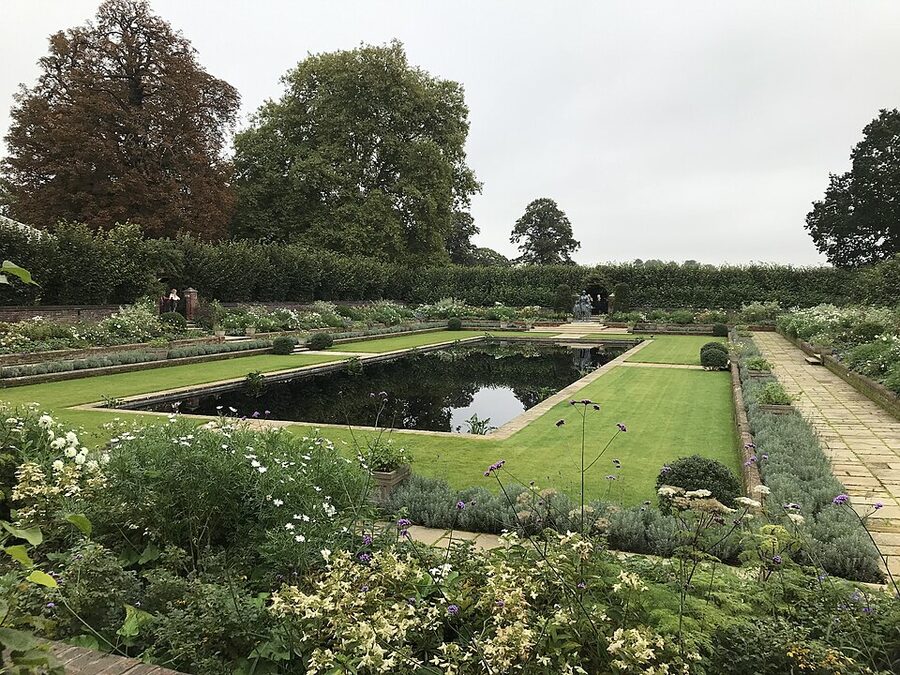
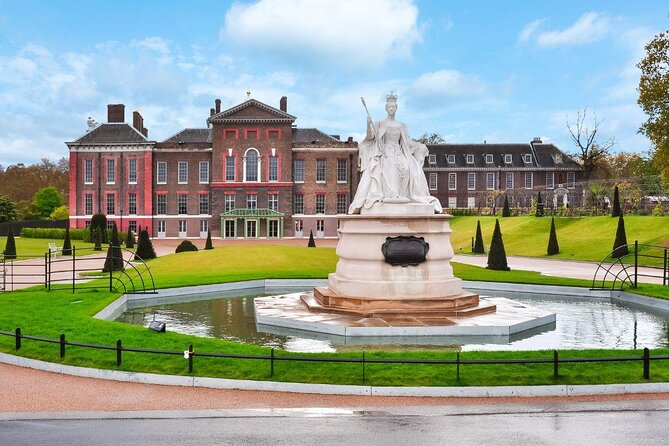
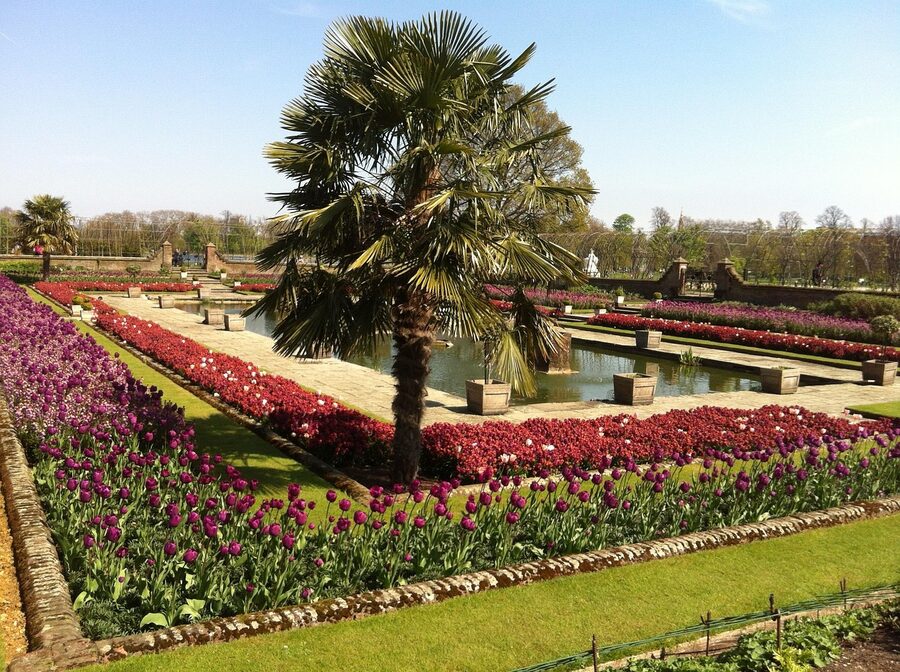
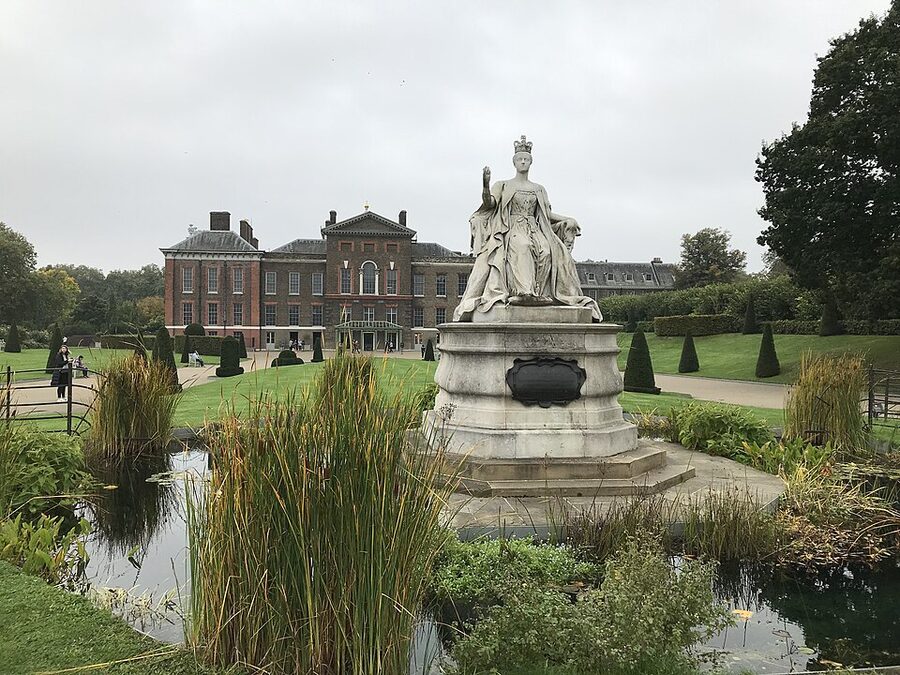
The Sunken Garden was laid out in 1908 by Edward VII and is the prettiest single corner of the palace grounds. It sits below path level on the north side of the building, so you look down into a square of formal beds with a long pond in the middle. Diana was photographed here often. It was her favourite spot on the grounds.
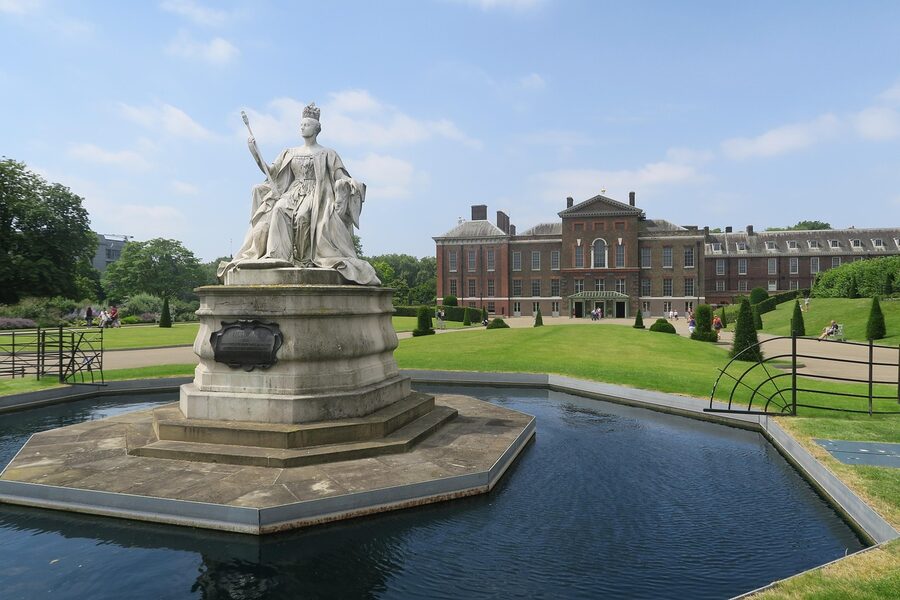
The Princess Diana statue was unveiled on 1 July 2021 by William and Harry on what would have been her 60th birthday. It’s the last thing the brothers did publicly together before the well-documented falling out, and the statue itself shows Diana with three children, which the brothers said in a joint statement represents the legacy she left to the next generation. The statue stands at the top of the Sunken Garden looking down, and you can walk right up to it. There’s no rope, no glass case, no queue.
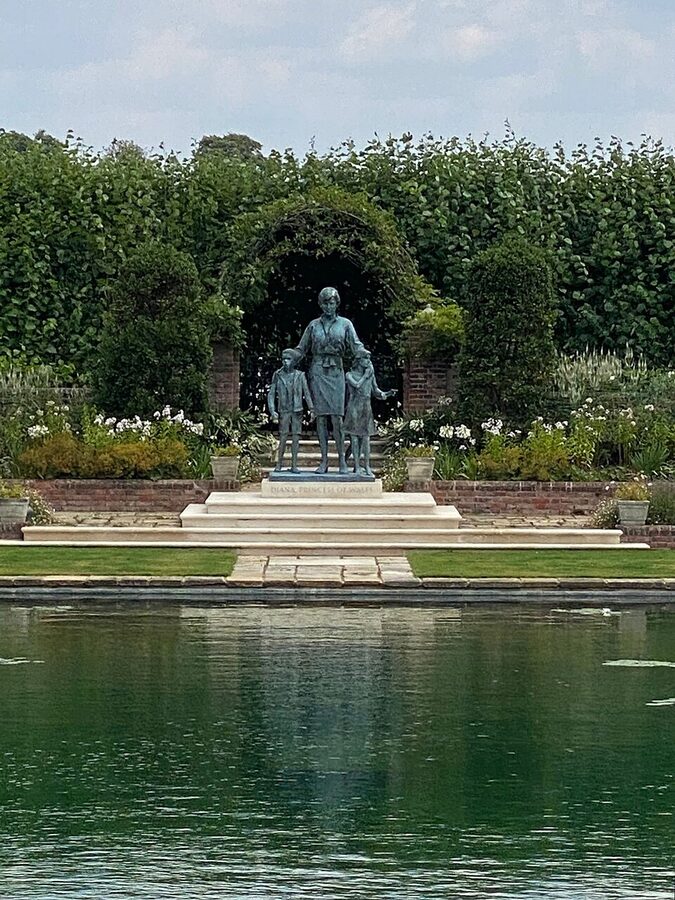
One quirk most guides skip: the statue is included in your standard palace ticket, but the surrounding gardens (Kensington Gardens proper) are free to enter year-round. So if you only want to see the statue and don’t care about the State Apartments, you can technically walk in for free, find the Sunken Garden, and look at the statue from the railing without paying. Most people don’t realise this. The official line is that the statue is “in the palace grounds,” but the railing view is genuinely free and gets you about 80% of the experience.
Queen Victoria’s Story: the bit nobody books for and everyone leaves talking about
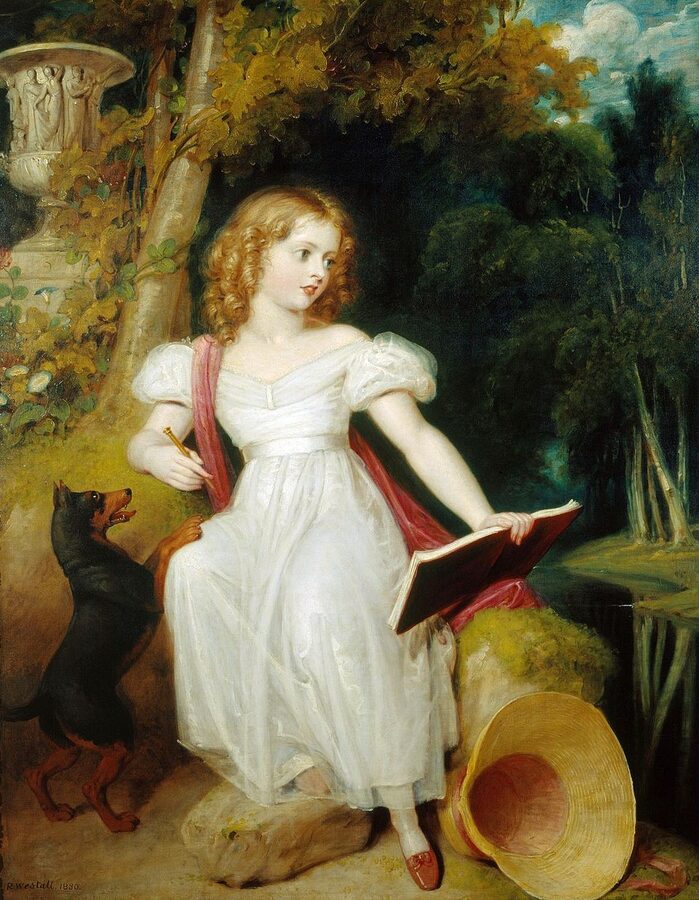
The standalone exhibition called Victoria: A Royal Childhood (sometimes shown as Queen Victoria’s Story; the Royal Collection Trust rebrands it every few years) covers the rooms where Princess Victoria was born and raised. The bedroom where she was born on 24 May 1819 is reconstructed with period furnishings. The dolls she played with are on display. The diary she started keeping at age 13, kept up daily until her death in 1901, sits in a glass case open at a page from her teenage years.
The exhibition’s emotional core is what’s called the “Kensington System,” the controlling regime imposed by her mother the Duchess of Kent and her advisor Sir John Conroy. Victoria was forbidden from sleeping in her own room until she was queen. Forbidden from walking down stairs without an adult holding her hand. Made to share a bedroom with her mother into her teens. The exhibition shows the actual rooms where this happened, with the original furniture in some cases. It’s claustrophobic in a way the State Apartments aren’t.
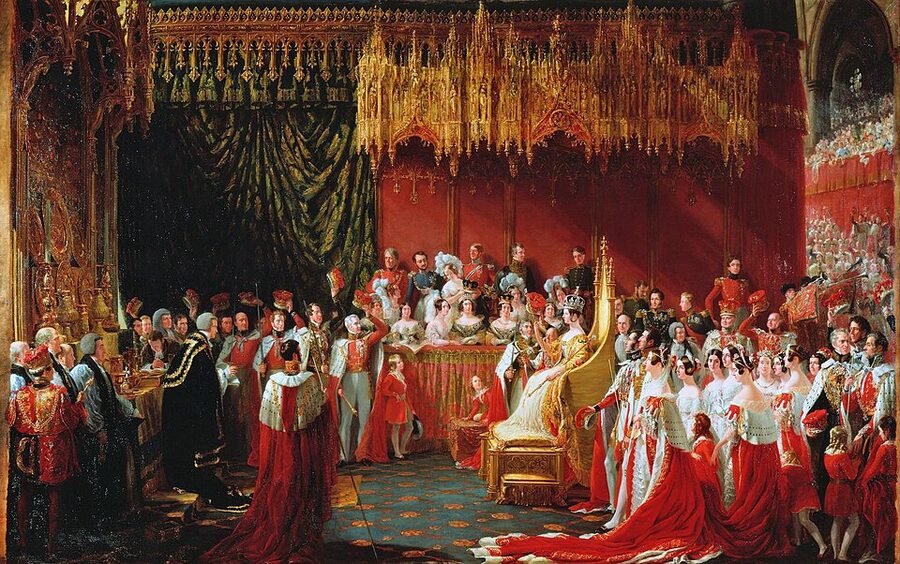
The morning Victoria became queen is reconstructed in one of the smaller rooms. She was 18, woken at 6am by her mother, met the Archbishop of Canterbury and the Lord Chamberlain in her dressing gown, and held her first Privy Council meeting at 11:30am the same day. Twenty-three days later, she moved out of Kensington and into Buckingham Palace. She never lived at Kensington again. The room she’d shared with her mother for 18 years was sealed up.
This is the part of the visit that surprises people. Most book Kensington for the Diana statue or for “the royal palace experience” generally. The Victoria exhibition is the one they leave talking about over dinner. It’s also the bit that runs the longest queue inside, mostly because the rooms are smaller and you can’t move as fast.
The history: 1689, William and Mary, and a suburban escape
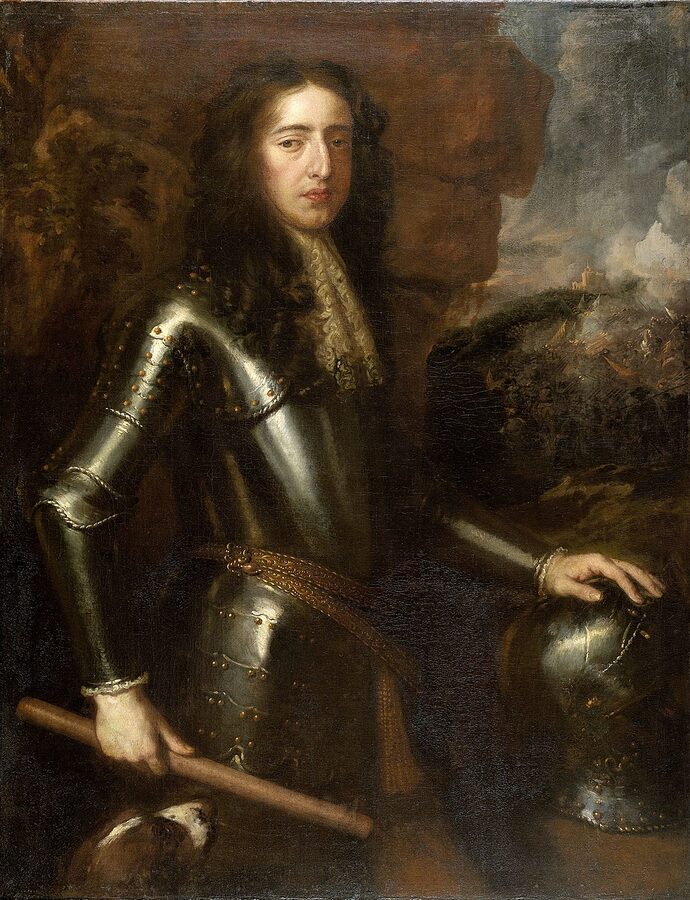
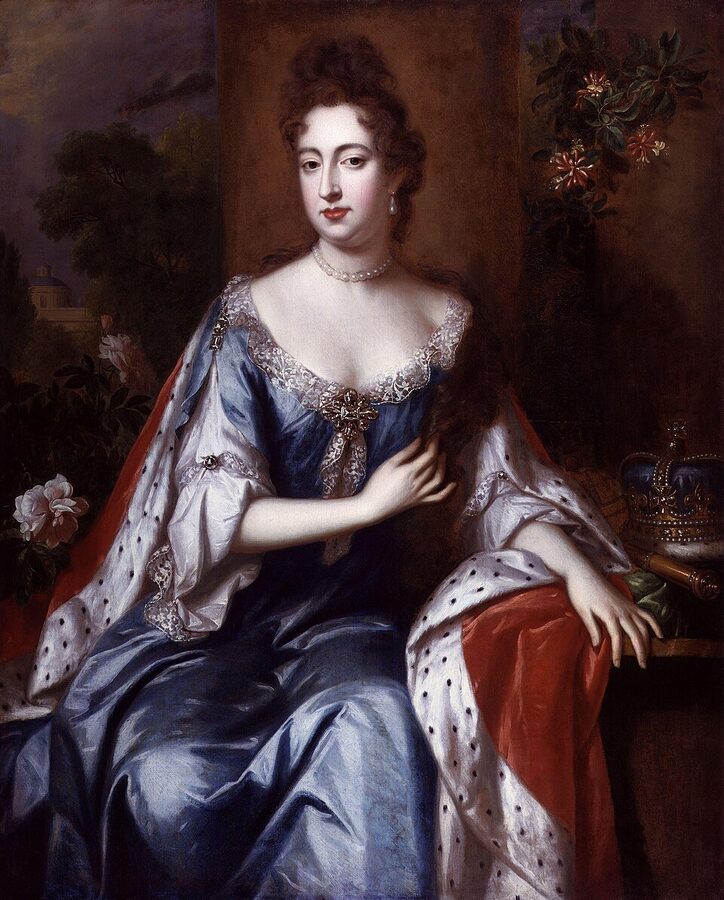
Here’s the bit that throws everyone. In 1689, when William of Orange and Mary II bought Kensington House, this was a country retreat outside London. Kensington was a village. There were gravel pits to the south and farmland to the north. The road from the City was a muddy track. The reason William wanted it was that the air at Whitehall Palace, his official residence in central London, was so thick with coal smoke that he couldn’t breathe properly through the night. He had asthma. Whitehall was killing him.
So he paid the Earl of Nottingham £20,000 for the existing Jacobean house and hired Christopher Wren to expand it. Mary II died in 1694, leaving William alone in the palace they’d planned together. He lived there until his death in 1702 (after his horse stumbled on a molehill in Hampton Court Park, which is a story in itself). Queen Anne moved in, then George I, then George II, who died here in 1760. Then the palace was downgraded.
George III preferred Buckingham House (later Buckingham Palace) and basically abandoned Kensington for the senior royals. From the late 1700s onwards, the palace became a kind of overflow housing for junior royals and their families. The Duke of Kent and his pregnant wife were granted a set of apartments in 1818, and their daughter, Princess Alexandrina Victoria, was born there in May 1819. That’s how the future Queen Victoria ended up here. Her parents weren’t important enough for Buckingham, so they got Kensington.
What’s now central London grew up around the palace gradually. The 1851 Great Exhibition in Hyde Park (a five-minute walk away) turned this whole zone into a cultural quarter, the museums quarter that South Kensington is now. The palace became a backwater within a fashionable district. By 1899 Queen Victoria gave permission for parts of it to open to the public, in time for her diamond jubilee. The current opening setup, with the State Apartments running year-round and the working apartments private, took its modern shape in the 1990s.
Top picks for booking right now
I’ve narrowed the pool down to three. The first is the basic palace ticket, the one most visitors actually need. The second is the high-tea-in-the-Orangery option for visitors who want a sit-down experience to bookend the visit. The third is a guided afternoon tea walk for visitors who’d rather have a guide than do it self-paced.
1. Kensington Palace Sightseeing Entrance Ticket: £20.60
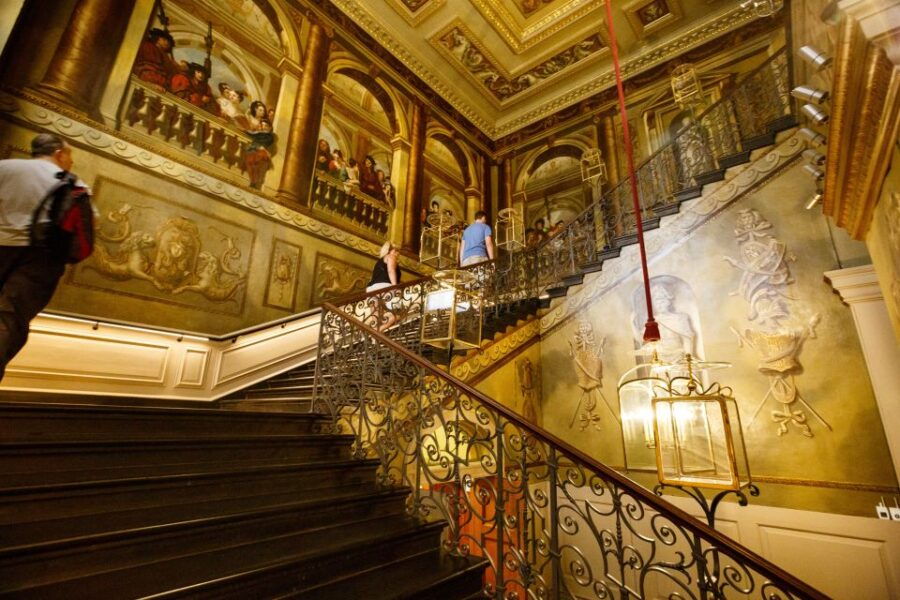
This is the headline ticket and the one you should book unless you’ve got a specific reason for a tea or guided add-on. Free cancellation up to 24 hours, valid for any 30-minute time slot on the day you choose, and it covers everything inside the public route including the rotating exhibitions in the Pigott Galleries. Our full review covers which time slot tends to be quietest and how to time your arrival around the morning rush.
2. Kensington Palace Gardens Royal High Tea: £109
This is the option for visitors making a half-day of it rather than just a tour. The Orangery sits inside the palace gardens and the food is genuinely good (vegetarian and gluten-free options available, and they don’t make a fuss about either). The price is a step up, but it’s a sit-down event with garden access, not a turnstile ticket. Our full review walks through what’s on the menu and which seasons are best for the garden component.
3. Kensington Palace Afternoon Tea and Guided Walk: $169
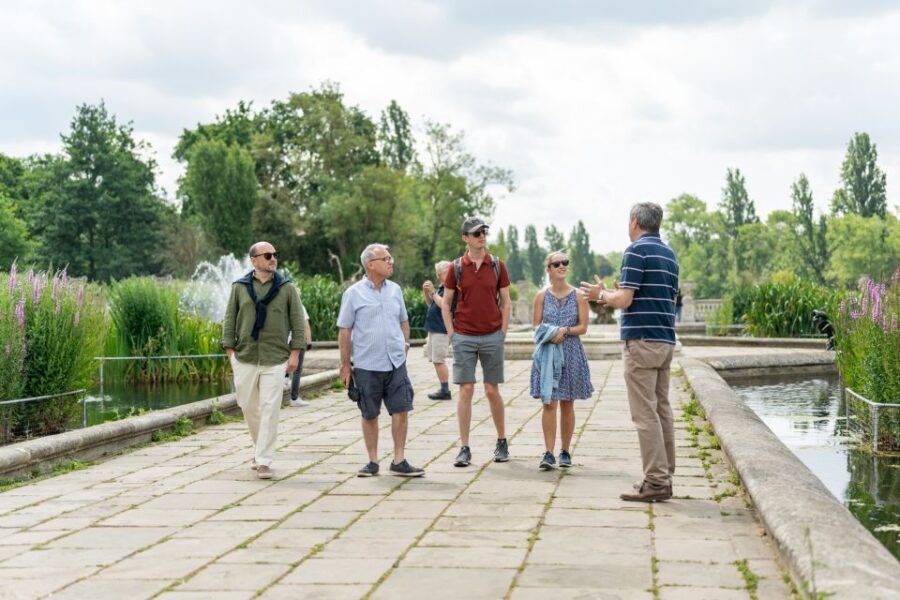
This is the picked option if you want context rather than self-guided wandering. The walk covers the Sunken Garden, the Round Pond, the Diana statue, and the surrounding gardens with royal-history commentary, and the tea is the same Queen Anne Orangery setup as the Royal High Tea option. Worth it if your group includes someone who wants more storytelling and less reading captions. Our full review covers the guides and what’s actually included.
Inside the State Apartments: room by useful room
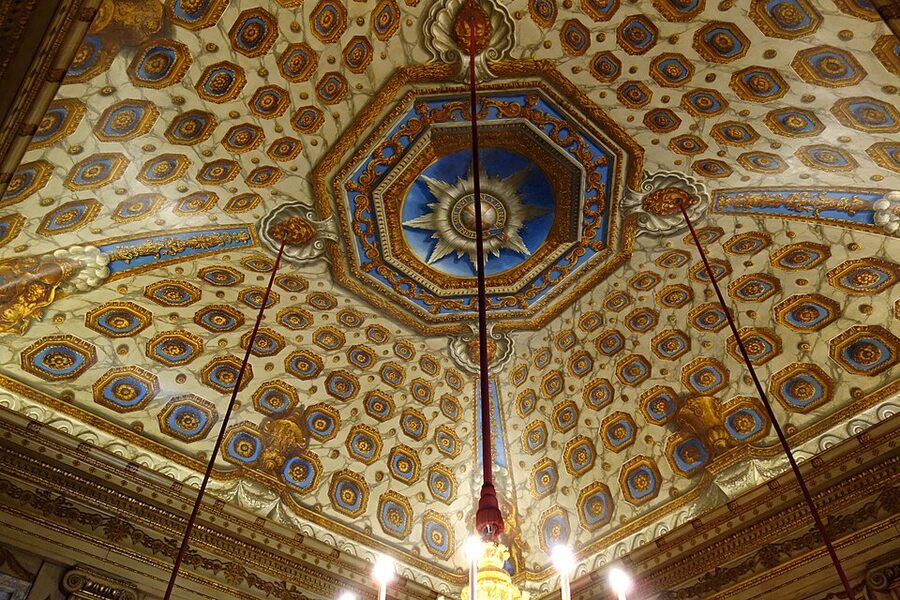
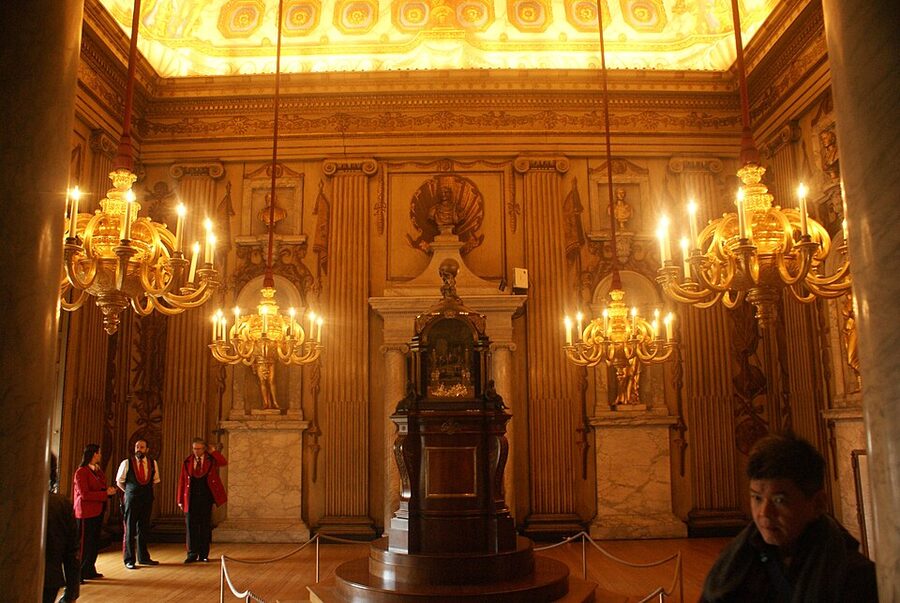
The route through the Kings State Apartments runs roughly fifteen rooms with painted ceilings, royal portraits, and period furniture. The Kings Grand Staircase is the first showstopper. William Kent painted the walls and ceiling in 1725 with hundreds of figures from George I’s court, including Peter the Wild Boy (a feral child found in Germany, brought to court as an oddity, and eventually pensioned off). You can spot him on the wall on the way up.
The Cupola Room sits halfway through the route. Painted ceiling that looks domed but isn’t. This is where Queen Victoria was christened on 24 June 1819. The font is still in the corner. The audio guide times its narration so the moment you stand in front of the font is when it tells you the story; if you walk through too fast, you miss the synchronisation.
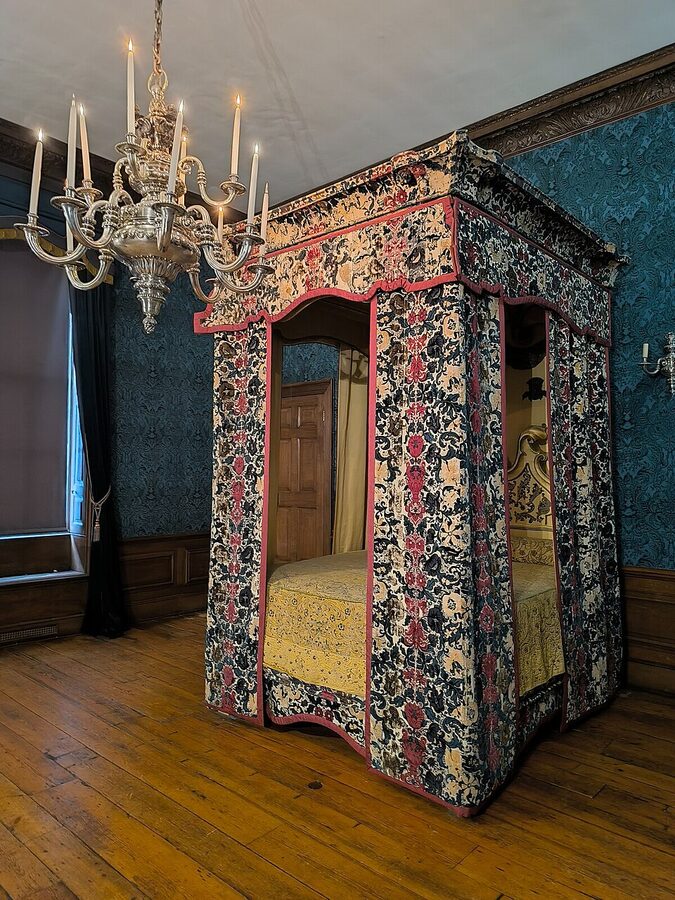
The Queens Apartments on the opposite side of the building are a different mood entirely. Mary II’s taste was Dutch and domestic; rooms with low ceilings, dark panelling, smaller fireplaces. The Queens Gallery is hung with portraits of female members of the royal family, including a young Queen Anne who lived here after Mary’s death and went through 17 pregnancies in this building (only one of her children survived past infancy, and even he died at 11). The rooms are heavy with that history if you read the captions.
The Privy Chamber is the room where William III did his most important business. The painted ceiling shows Mars and Minerva, war and wisdom, which was William’s preferred self-image. The ceiling was finished in 1718, sixteen years after his death.
The Kings Drawing Room is the largest formal space and was used for state receptions through the Hanoverian period. The view from the windows looks west toward the gardens. On a clear morning the light here is the best in the palace, which is why the audio guide tells you to slow down. Most visitors blow through in three minutes; the room rewards ten.
The 1A apartment: where the working royals actually live
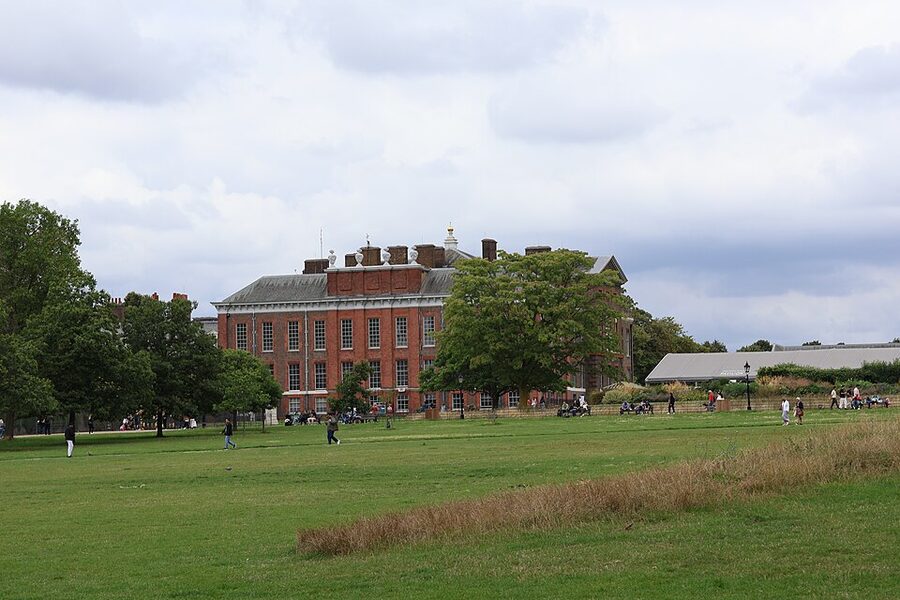
Apartment 1A is the home of the Prince and Princess of Wales and their three children. It’s a 20-room apartment in the north range of the palace, originally Princess Margaret’s residence from 1960 until her death in 2002, then renovated and modernised before William and Kate moved in. They live there full-time when they’re not at Anmer Hall in Norfolk. The apartment is not part of the public route. You will not see it. Security looks light from a visitor’s perspective but it’s there.
You can see the windows of 1A from the gardens if you walk around to the north side of the palace. There’s no marker. The apartment doesn’t have a separate entrance from the public courtyard; the family use a private gate on the Kensington Palace Gardens side, which is a separate fenced-off road that runs along the western edge of the grounds. That road has its own diplomatic status and is closed to public traffic, which is why you can’t drive past 1A even if you knew which window was theirs.
The other apartments: Prince and Princess Michael of Kent live at Apartment 10. The Duke and Duchess of Gloucester are at Apartment 1. Princess Eugenie’s family had Apartment 1 (now used by the Gloucesters). The whole north and west sides of the palace function as a small block of flats for senior and minor royals. None of these are on the public route either.
The split is deliberate and works well. You can see why the Royal Family treats Kensington as their preferred London base. Compared to Buckingham Palace, which is more or less a giant ceremonial machine where you can’t relax, Kensington is more like a tasteful historic apartment block in the middle of a park.
Princess Diana, 1981 to 1997
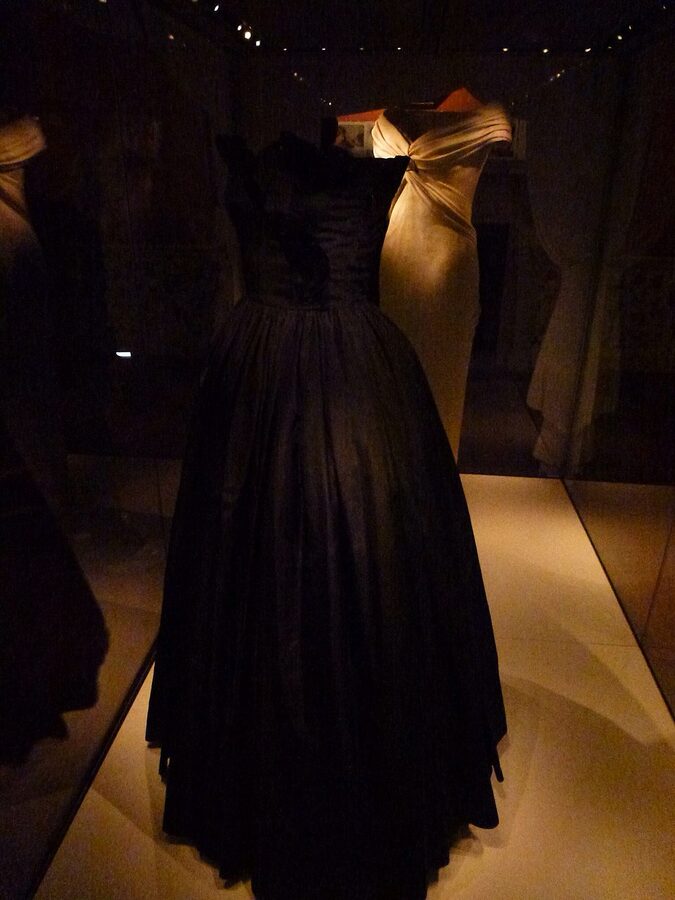
Diana lived at Kensington Palace from her 1981 marriage to Charles until her death on 31 August 1997. After the separation in 1992, she stayed on at Apartment 8 and 9 (a combined apartment), which she’d occupied since 1981. The apartment is closed to the public and has been mostly unchanged since 1997. Her sons were raised there. After her death, hundreds of thousands of bouquets piled up against the palace gates; the photographs of those gates banked with flowers became one of the iconic images of the late 1990s.
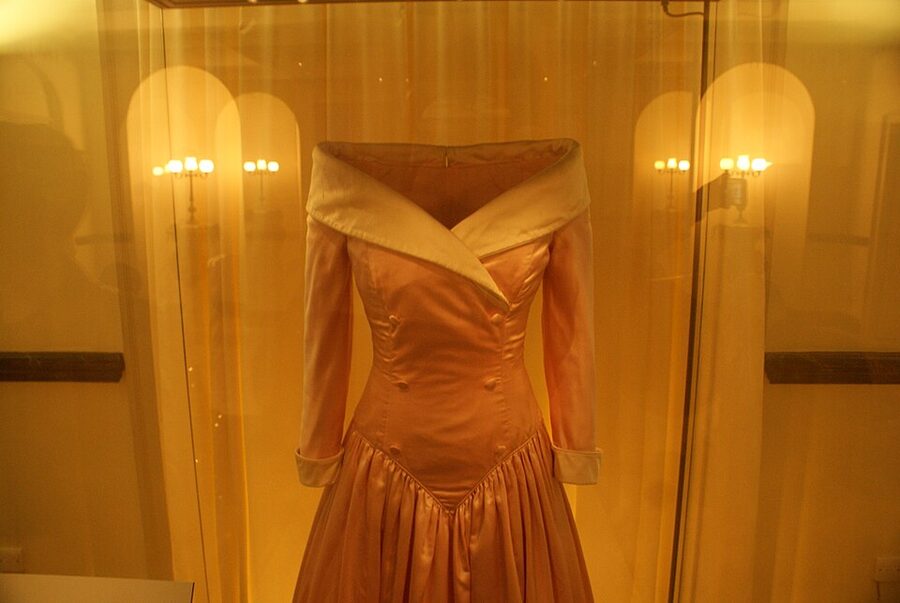
What you’ll see related to Diana on the standard ticket: the Sunken Garden where she was photographed often, the Diana statue, and whatever current rotating exhibition is running in the Pigott Galleries (which has been Diana-themed several times since 2017). What you won’t see: her actual apartment, which remains closed and is in any case directly above 1A where William and Kate now live. The Royal Family treats the Diana apartment as a private memorial and there are no plans to open it.
If you’re a Diana-focused visitor, the standard ticket is enough. The Sunken Garden plus the statue plus whatever the current exhibition shows is, in practice, the full Diana experience available to the public. Adding tea or guided tours doesn’t add additional Diana content; it just layers a meal or commentary on top of the same route.
Getting there, parking, and the Tube logic
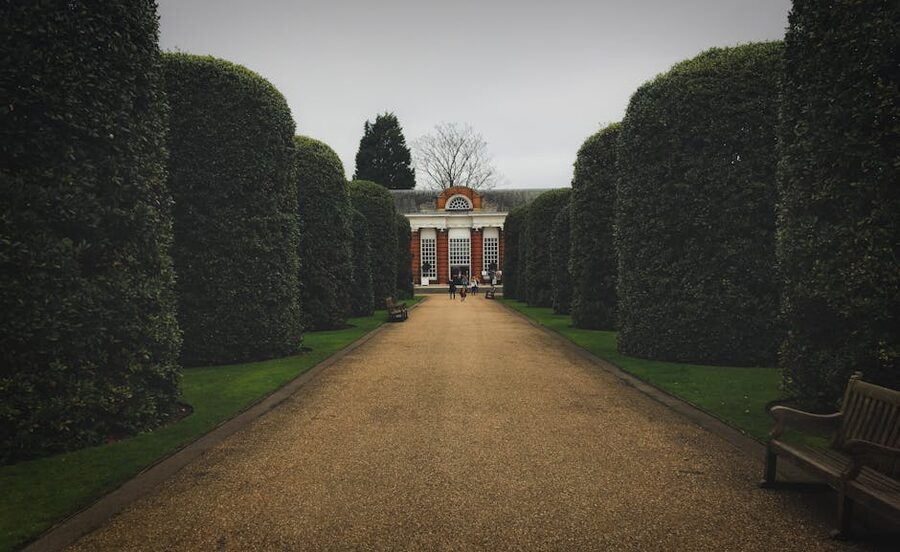
The closest tube stations are Queensway (Central line) and High Street Kensington (District and Circle lines), both about 12 minutes’ walk. Notting Hill Gate (Central, Circle, District) is about 15 minutes from the palace gates, with the bonus of walking through Kensington Gardens to get there.
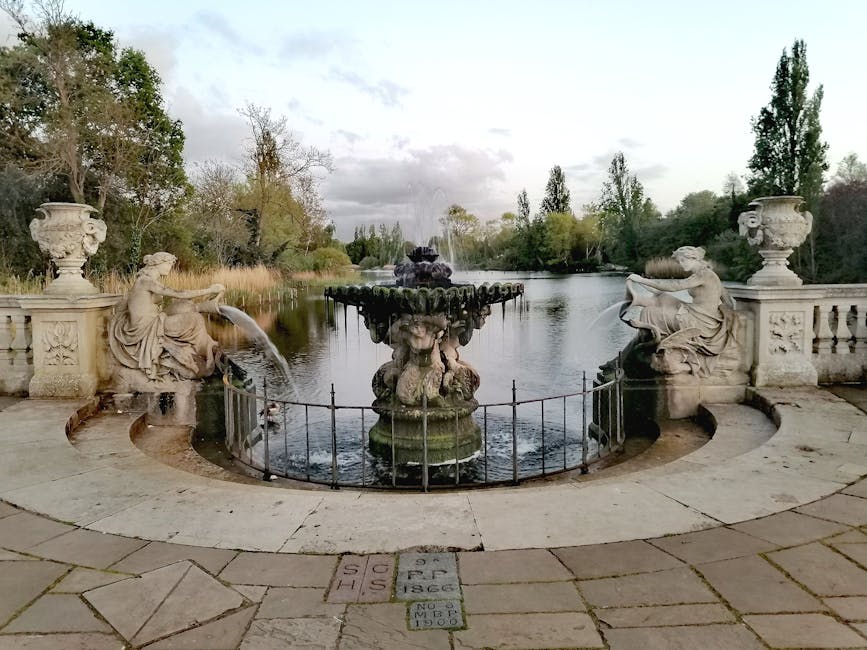
The Queensway approach is the one I’d pick if it’s a nice day. You enter Kensington Gardens at the Bayswater Road end, walk diagonally south-west through the gardens past the Italian Fountains, the Round Pond, and the gardens proper. The palace appears at the far end. About 15 minutes if you don’t stop, longer if you do.
The High Street Kensington approach is faster if it’s raining. Twelve minutes flat, mostly along Palace Avenue, no garden detour. Bus 9, 49, 70 stop near High Street Kensington station.
There’s no parking at the palace itself. Westfield London has a paid garage about 15 minutes’ drive away. Most visitors arrive by tube and that’s the right call. London traffic around the palace is a slog and the tube is genuinely faster.
What to eat and where to sit down nearby
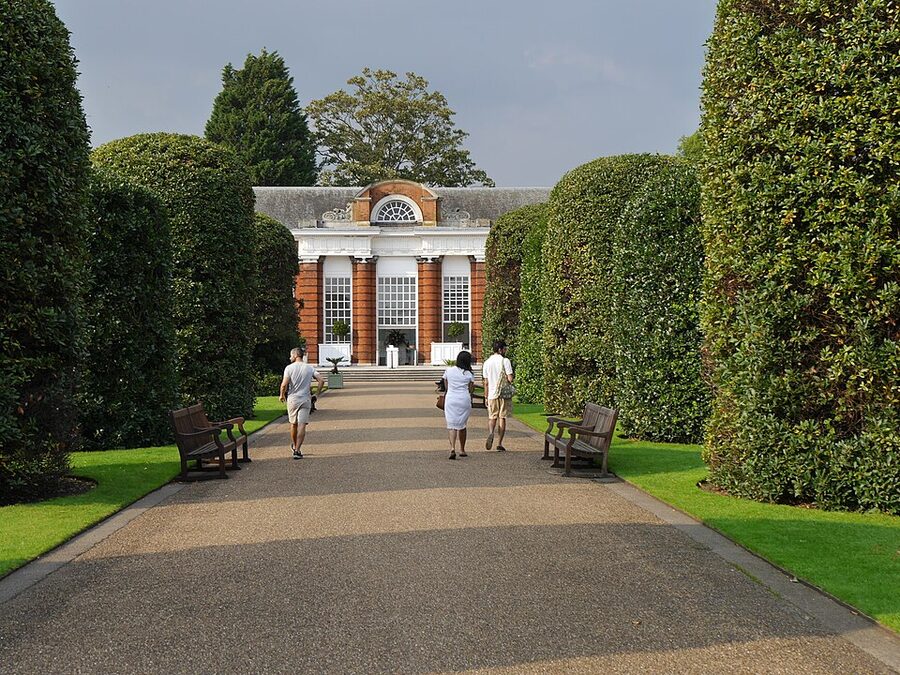
The Pavilion Cafe on the south lawn does standard cafe food (sandwiches around £8, soup and roll £7, hot drinks £3-4). Nothing memorable, but it’s right there and saves a walk. If you’ve booked the high tea, you’ll go to the Orangery instead, which is a different setup entirely.
For lunch outside the palace, walk five minutes south to High Street Kensington. The high street has the usual chains plus a few good independent options. If you want a proper sit-down lunch with a view, the cafe at the Royal Albert Hall a 10-minute walk south is a quiet, slightly grand option that almost no tourists use because they don’t think to look for it.
For tea or a snack with the gardens as your backdrop, the Italian Gardens at the north end of Kensington Gardens have a small kiosk, and the benches around the fountains are some of the prettiest free seating in central London. If you’ve already done the palace and you’re back-to-back with another attraction like a Thames cruise from Westminster or a stop at the Eye, this is where I’d put the half-hour pause to actually sit down.
What else to do in Kensington while you’re here
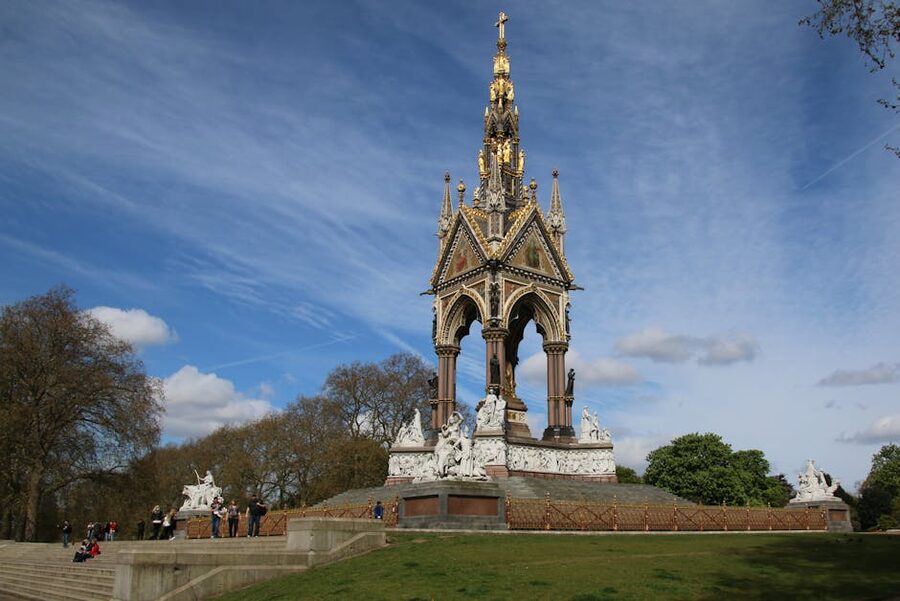
The neighbourhood around Kensington Palace is one of the best free attractions in London. The Albert Memorial is five minutes south. The Royal Albert Hall is across the road from the Memorial. The museums quarter (Natural History, V&A, Science Museum) is a 15-minute walk. None of these need booking.
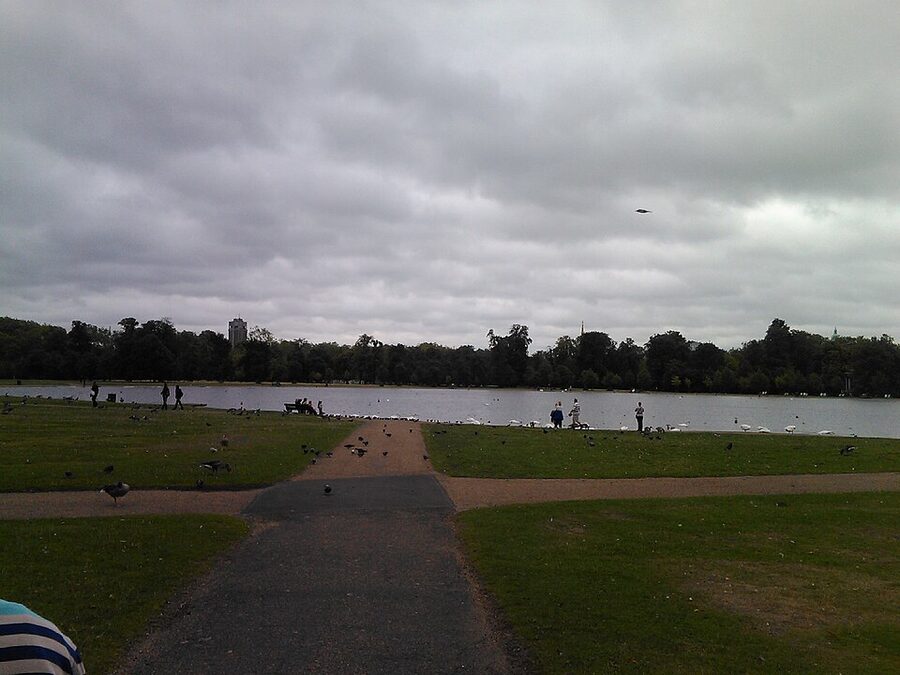
Kensington Gardens itself is 270 acres of green space, free, open from 6am to dusk year-round. The Round Pond is the centre of the gardens and a five-minute walk west of the palace. The Italian Gardens at the north end have ornamental ponds and statues. The Diana Memorial Playground (a separate Diana memorial, not the statue) is in the north-west corner, themed around Peter Pan, who was famously created by J M Barrie based on his observations of children playing in these gardens. Hyde Park is the eastern continuation of Kensington Gardens, separated by the Long Water and the Serpentine. The two parks function as one big green corridor.
If you’ve got a full day in this corner of London, the natural sequence is: Kensington Palace in the morning, lunch at the Albert Hall cafe, then the museums quarter in the afternoon. That’s a 9am-to-5pm itinerary that doesn’t involve the tube or any taxi rides. For something completely different at the end of the day, you can hop on the tube to Camden, Greenwich, or back to central London for a night bus tour that puts the lights on the city for you while you sit and watch.
How Kensington compares to Buckingham, the Tower, and the rest
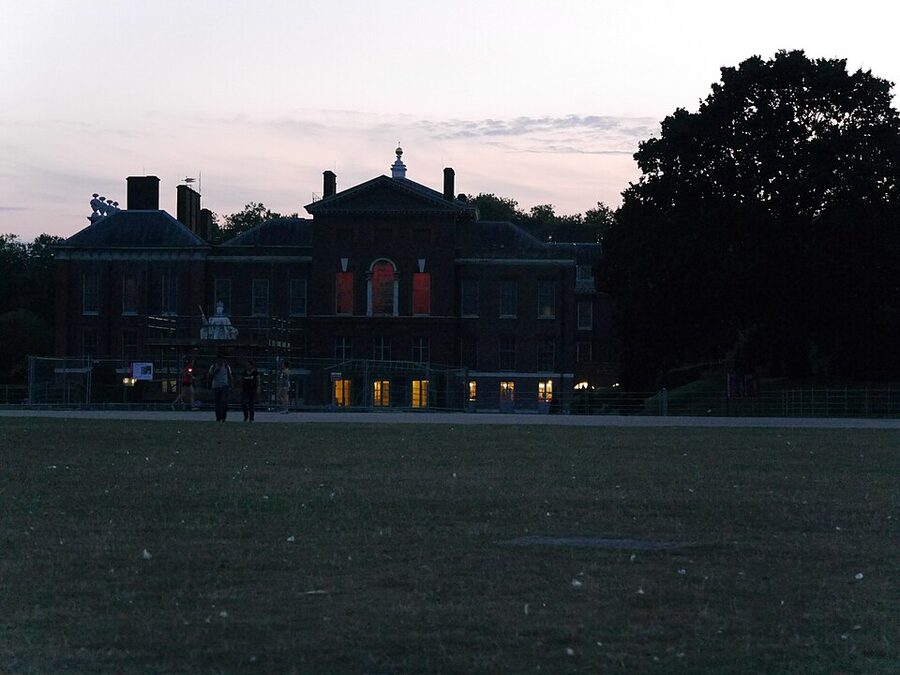
Quick honest comparison. Buckingham Palace is grander, much more famous, and the sentries are doing their thing outside. But the State Rooms only open ten weeks a year, the queues are brutal, and the building is huge in a way that makes it feel impersonal. Kensington is open year-round, smaller, more intimate. You’ll often have rooms close to yourself if you go on a Wednesday morning.
The Tower of London is a different category entirely (medieval fortress, not a palace), and the queues for the Crown Jewels can hit two hours in summer. Kensington in summer is busy but not punishing; even on a peak August Saturday you’ll wait 10-15 minutes at most rooms. Westminster Abbey handles much higher volumes than Kensington but feels more like a cathedral tour than a domestic visit.
For comparison with Europe’s other royal palaces: Madrid’s Royal Palace is roughly five times the size of Kensington, with a State Apartments tour twice as long, but the exterior is grander while the interiors at Kensington feel more lived-in. The Alhambra in Granada is a different category (Moorish citadel) but worth pairing in a multi-country trip if you’re collecting palace experiences. Seville’s Royal Alcázar works in a similar way to Kensington (working royal residence, public route, private upper floor) and is the closest stylistic comparison in Europe. If you’ve done Jerónimos in Lisbon as your equivalent royal-architecture experience in Portugal, Kensington feels noticeably smaller but more personal.
Kensington’s selling point isn’t size or grandeur. It’s that you’re walking through rooms where Princess Victoria was raised, where William and Mary actually lived as a couple, and where Diana spent her last fifteen years. That’s a different kind of visit.
Booking traps and quirks worth knowing
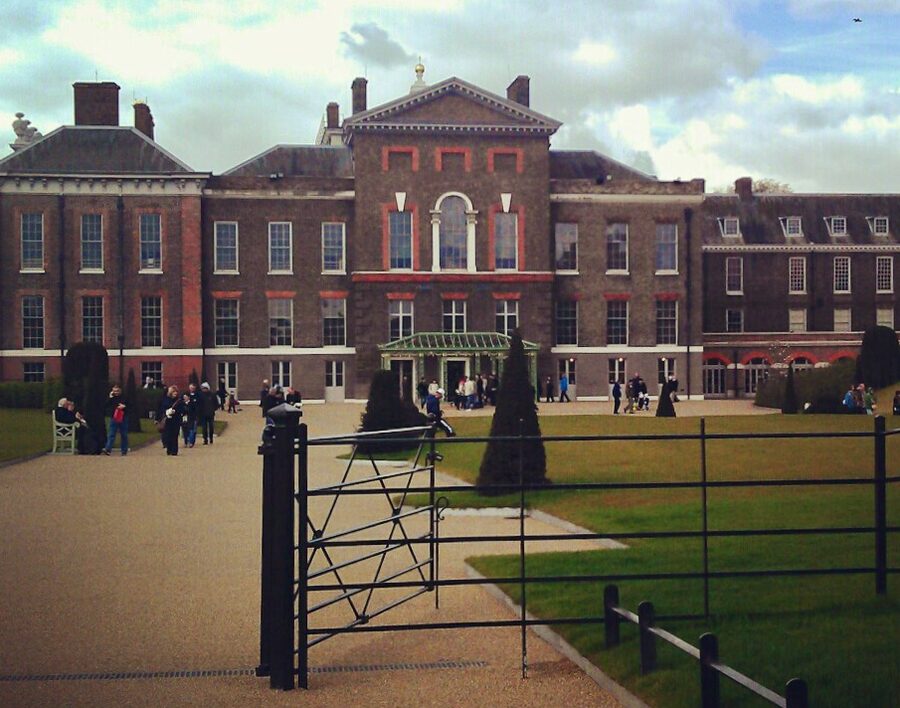
Things to know before you book. First, “skip the line” tickets are basically the standard ticket. Kensington doesn’t have a serious physical queue most of the year because the entry is timed-slot. Anything sold at a premium for skip-the-line privileges is mostly marketing. The standard entrance ticket already gets you in fast.
Second, combo packages with Tower of London or Hampton Court can be good value but watch the timing. Kensington takes 90 minutes to two hours on the standard ticket. The Tower needs three hours minimum. Combining both into one day is doable but exhausting. I’d split them across two days if at all possible.
Third, members of Historic Royal Palaces get free entry. Annual membership is around £60 for adults and includes Kensington, the Tower, Hampton Court, Kew Palace, and the Banqueting House. If you’re doing two of those on a single trip, the membership pays for itself. This is the single biggest money-saver and barely advertised by the booking platforms because they don’t get a cut.
Fourth, combined Kensington + Westminster walking tours are an option some operators run, like the Kensington Palace plus Westminster walking tour. The Kensington portion is usually a self-guided ticket bundled with a guided walk in central London. The bundle works best if your priority is the walking tour and Kensington is the bonus, not the other way round.
Fifth, photography is allowed inside with no flash, no tripods. This is unusual for a major royal palace; Buckingham bans interior photography entirely. Kensington’s permissive policy is one of the small reasons it gets recommended on photographer travel forums.
Best times to go: hour by hour, season by season
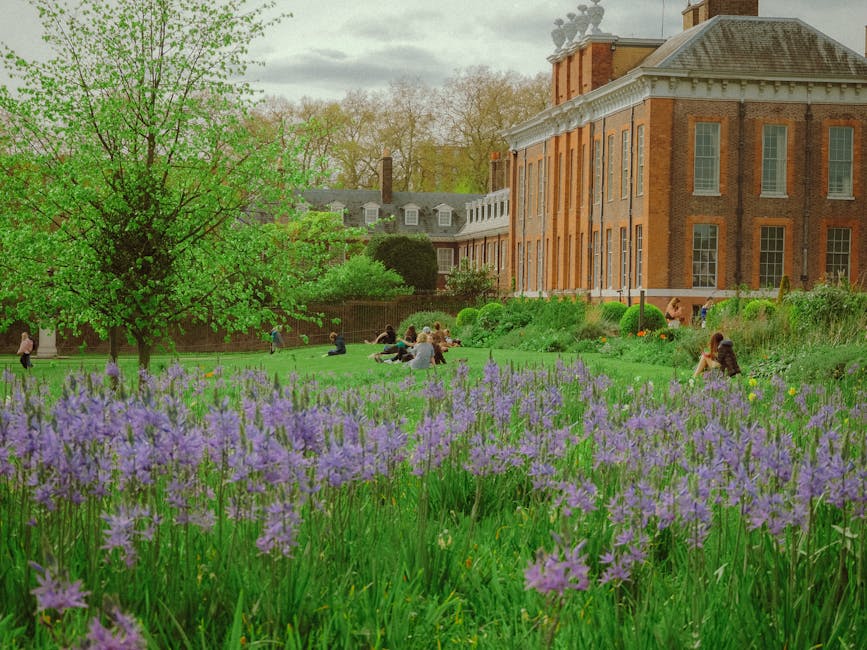
By hour: the palace opens at 10am, last entry at 5pm. The first 30 minutes after opening are quietest, generally. The mid-morning window (11am to 1pm) is busiest because it’s the standard tour-bus arrival time and the post-breakfast self-guided crowd. Things ease up after 2pm and the last hour from 4pm to 5pm is usually the second-quietest after opening.
By day: weekends are busier than weekdays, predictably. Saturday is the worst. Wednesday and Thursday are the best, especially in the morning. Schools-closed periods (UK half-term, Easter, summer holidays) bring families in numbers; pre-book if you’re going during those windows.
By season: late spring through early autumn is the best for the gardens, which is half the experience. Winter visits are perfectly fine for the State Apartments but the Sunken Garden looks bare from November through March. If you’re choosing dates, May or September strike the best balance between weather and crowds. December has Christmas decorations in the Cupola Room, which is its own minor attraction if you’re around for the holidays.
Skip the audio guide on a second visit. On a first visit, take it. The audio guide is genuinely good (the script is dense with historical detail) but if you’ve been once and you remember the highlights, walking the route without audio gives you a faster, more atmospheric visit. Total time for second-visit no-audio: about 60 minutes for the State Apartments only.
Accessibility, kids, and a few practical bits
The State Apartments are wheelchair accessible across most of the route, with a lift between the ground floor and the first floor. A couple of original step transitions are handled by ramps. Royal Collection Trust publishes a full access guide as a PDF download from the booking page; they also run a free companion ticket scheme for visitors who need a carer to accompany them.
Kids: the palace has been deliberately designed to work for younger visitors. There’s a children’s audio guide track (separate from the adult one), interactive kids’ stations in three of the rooms, and a family trail you can pick up at reception. Under-5s are free; 5-17 pay around £10.30. The Diana Memorial Playground in north-west Kensington Gardens is a 15-minute walk and worth pairing with the palace if you’re with kids; the playground is themed around Peter Pan and is one of the best free child-focused spots in central London.
Toilets are inside the palace just past the ticket desk and again near the end of the State Apartments route. Bag policy: small bags fine, large rucksacks have to be cloakroomed (free, included in your ticket). Phones and small cameras are fine inside. No drones, no tripods, no commercial photography without prior permission.
Dogs: not allowed inside the palace. Allowed in Kensington Gardens itself. The palace cafe has a small outdoor seating area where dogs are tolerated, but most visitors leave dogs at the hotel.
What to do nearby on a half-day plan
If you’ve finished the palace and you’ve got an afternoon ahead, here are the options I’d actually take. Walk south to the Albert Memorial and the Royal Albert Hall, then continue another 10 minutes to Hyde Park and walk along the Serpentine. From there it’s a tube ride to anywhere. The Eye is the obvious next stop if you want a London skyline payoff. The Shard is the alternative for a higher, quieter view.
If your kids are bored and need a wax-figure royal-family fix, Madame Tussauds at Marylebone is a 20-minute tube ride and works as the obvious child-friendly follow-up. For a more age-appropriate cultural pivot, the Natural History Museum and the V&A are within 15 minutes’ walk and free.
If you’re staying nearby and you want a different mood after dinner, two solid evening options are an historic pubs walking tour in central London or one of the after-dark walking tours like the Jack the Ripper tour in Whitechapel. Both run in the evening and give you a completely different register from the daytime palace visit.
The Studios add-on for the truly committed Royal completists
If you’re a serious royal-history visitor and you’ve already done Kensington and Buckingham, two further day-trip add-ons round out the set. Kew Palace in Kew Gardens is the smallest of the Royal Palaces (Historic Royal Palaces membership covers it). Hampton Court is the big one, Henry VIII’s palace, an hour by train and a full day on its own. For a different angle entirely, the Warner Bros studio tour in Watford has the Hogwarts sets, which are unrelated to royals but are the runaway-hit out-of-town tour for visiting families.
For an aerial look at the whole palace district, the Shard at sunset gives you a clear view across to Kensington and Hyde Park. The light at golden hour catches the palace facade if you’ve got a long lens. Nobody else does this; the photographers all stay south of the river.
Where to head from here
If you’re stitching this into a wider London plan, the easy follow-ups are pretty obvious. Buckingham Palace is the natural pairing if you’re in town during the summer State Rooms window, and the contrast between the two buildings makes more sense if you do them on separate days rather than both at once. For evening, an historic pub walking tour through the older corners of the city or a London by Night bus tour putting the major landmarks in floodlight is the right kind of low-effort wind-down after a palace afternoon. Keep Westminster Abbey for a separate day; the back-to-back royal-and-religious visit is a lot in one go.