
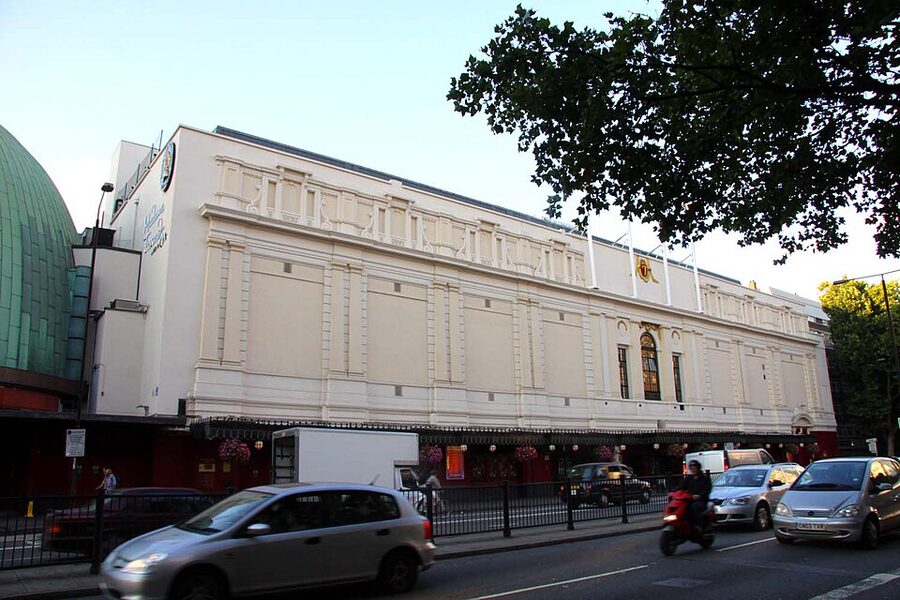
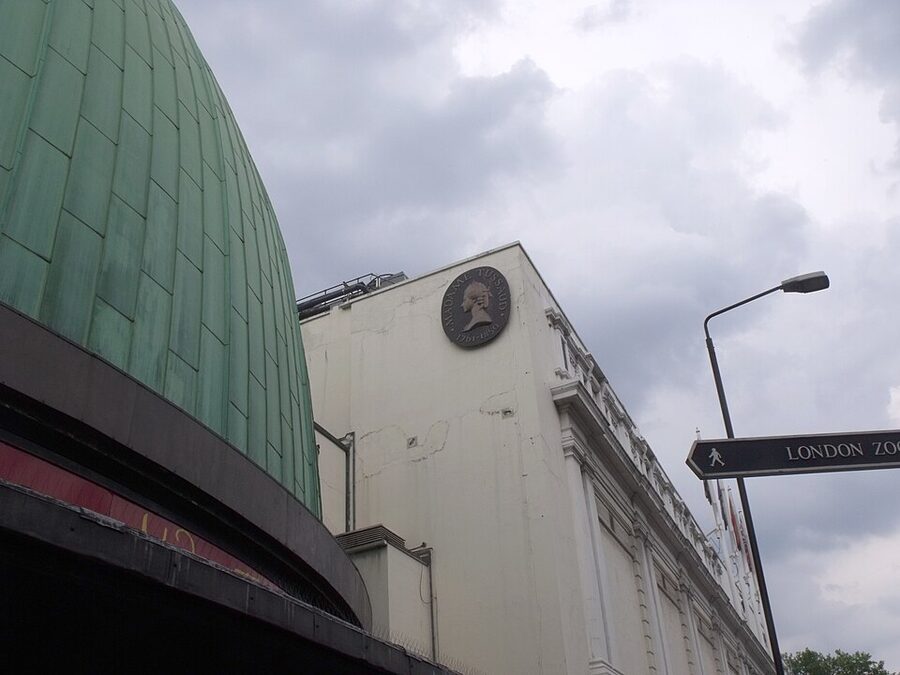
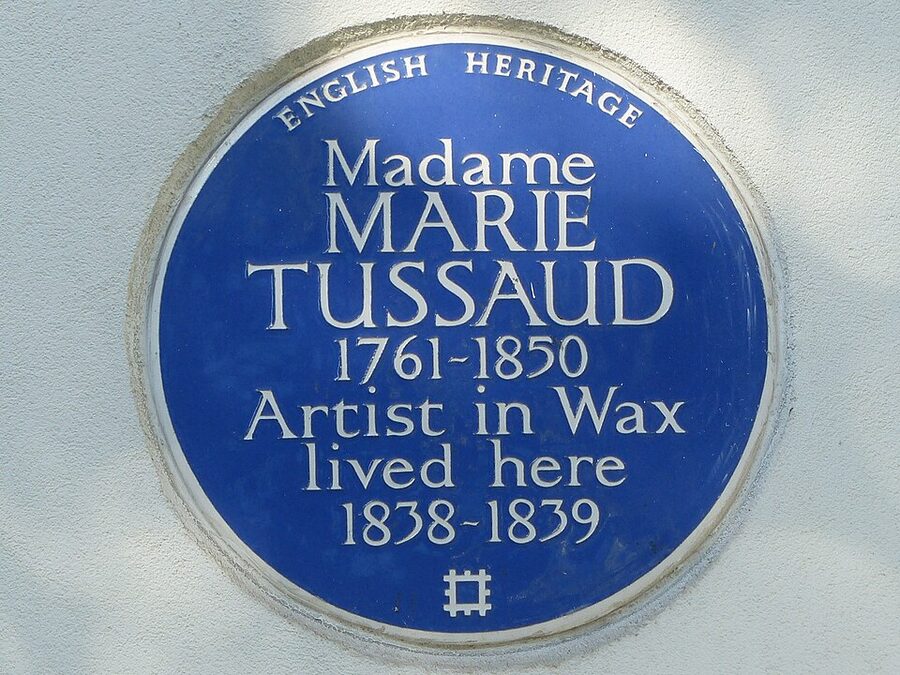
Madame Tussaud was a real person. Marie Tussaud, born Marie Grosholtz in Strasbourg in 1761, was a French wax artist who learned the craft from her mother’s employer and ended up making death masks of guillotined revolutionaries during the French Revolution. Marie Antoinette, Robespierre, Marat in his bath. She knew the queen personally before the Terror, then was forced to cast her severed head for the new authorities. That’s the woman whose name is on the door at Marylebone Road.
She brought the exhibition to London in 1802 to escape the Napoleonic Wars and never went home. The first permanent venue opened on Baker Street in 1835, then the museum moved to its current Marylebone Road address in 1884. Most visitors think it’s named after a brand. It’s named after the artist who waited in the prison cells for the heads to come down.
If you’ve never booked it before, the ticket situation is layered. Standard entry, fast-track, combos with the London Eye and SEA LIFE and the Dungeon, the five-attraction Merlin pass. Each one swings the price differently for a family of four, and the right answer depends on how much else of London you’re doing. I’ll walk through what each option actually gets you, and which three I’d book first.
- In a Hurry? My Three Picks
- Madame Tussauds London Entry: about
- London Eye and Madame Tussauds Combo: roughly 40 percent off
- 5 Top Attractions Pass with Madame Tussauds: best multi-stop value
- What a Standard Ticket Actually Gets You
- The Marie Tussaud Backstory Most People Miss
- The Chamber of Horrors and Why It’s Still There
- The Marvel and Star Wars Zones
- Three Tickets I’d Book First
- 1. Madame Tussauds London Entry: about
- 2. London Eye and Madame Tussauds Combo: roughly 40 percent saving
- 3. 5 Top Attractions Pass with Madame Tussauds: best multi-stop value
- The Combo Maths for a Family of Four
- Triple Combo or Dungeon Combo?
- Fast Track and How to Use It
- Getting to Marylebone Road
- When to Go
- Photos, Phones, and the Selfie Question
- What I’d Skip and What I’d Linger Over
- Booking Direct vs Marketplace
- One Last Note Before You Click Book
- More UK Reading
In a Hurry? My Three Picks
Madame Tussauds London Entry: about $36
Standard same-day timed entry. All the wax figures, the Marvel 4D film, the Chamber, the Star Wars zone, the Spirit of London ride. Book this one if you’re only doing the Tussauds and nothing else.
London Eye and Madame Tussauds Combo: roughly 40 percent off
One ticket, both attractions, ninety days to use them. The price comes out well under the two separate tickets bought on the day. Best if you were doing both anyway.
5 Top Attractions Pass with Madame Tussauds: best multi-stop value
Tussauds, the Eye, SEA LIFE, the London Dungeon, and Shrek’s Adventure on a single 90-day pass. If you have kids and three days, this works out cheaper than four separate tickets.
What a Standard Ticket Actually Gets You
This is where most first-timers underestimate the place. It isn’t a single-room museum of celebrity wax. It’s a series of themed zones across two floors plus a basement, and you walk through them on a one-way circuit that takes about two hours if you don’t rush.
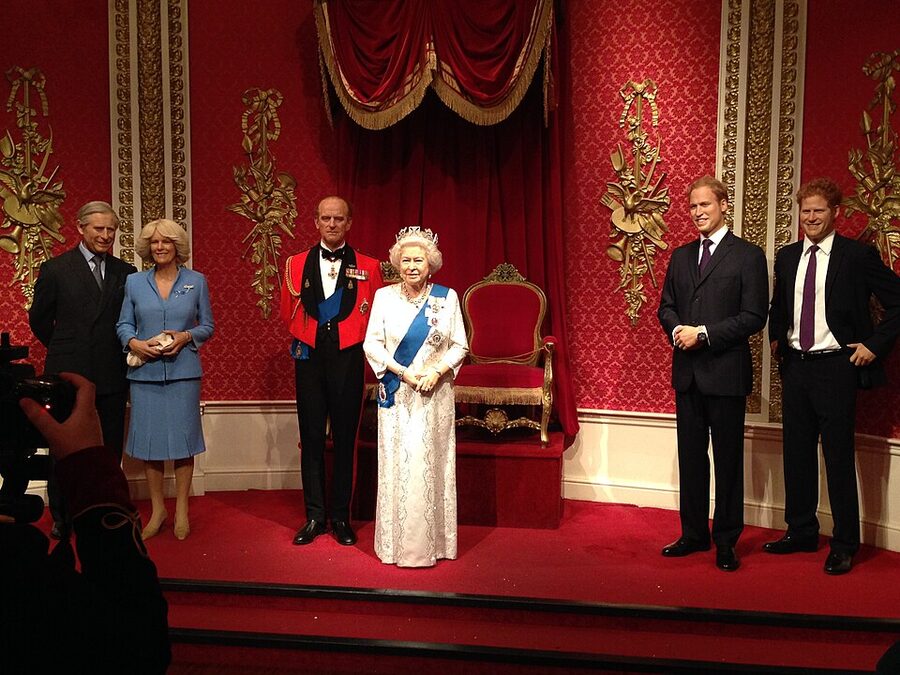
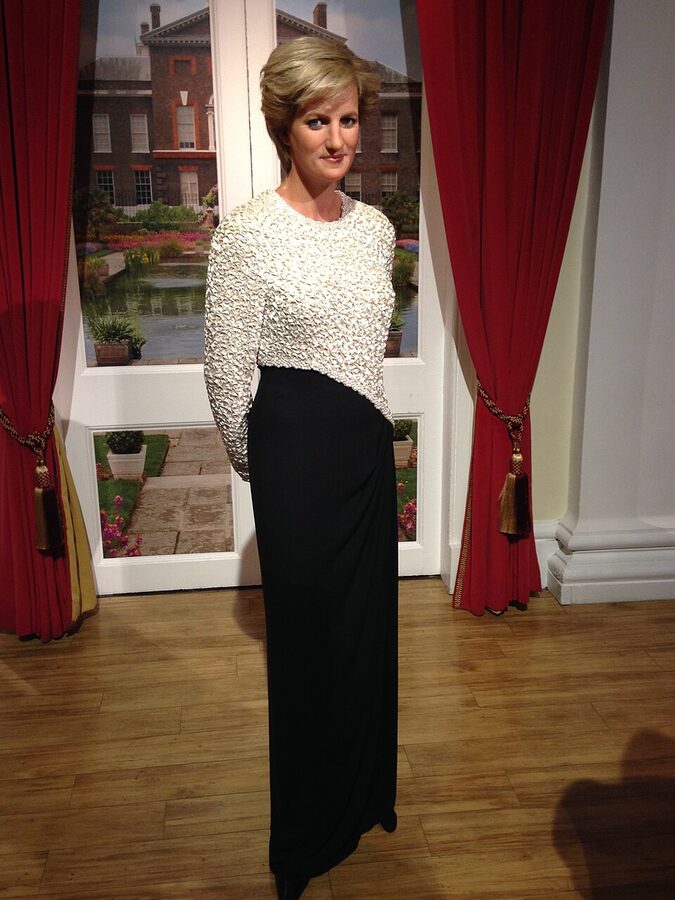
The zones, roughly in order: A-list (Hollywood), Music, Bollywood, Sport, World Leaders, Royals, Culture, Marvel 4D cinema, Star Wars, Spirit of London ride, and the Chamber. The standard ticket gets you all of them. There’s no upgrade ticket that adds extra rooms, although fast-track entry does exist as a separate paid option that just skips the queue at the door. If you’re in any rush, that one’s worth it.
The Spirit of London ride sits in the basement and people often miss it. Black taxi-shaped pods, audio-only, takes you through a five-minute potted history of the city from the Great Fire to the Beatles. It’s slow and a bit dated and I’d absolutely do it. It’s been here since 1993 and queues are usually shorter than the photo lines upstairs.
The Marie Tussaud Backstory Most People Miss
This is the bit nobody puts on the brochure, and it’s why I think the place is more interesting than its reputation. Marie Grosholtz grew up in the household of a wax-modelling doctor in Bern and Paris, learned to cast faces from life and from death, and ended up running a small cabinet of wax curiosities at the Palais Royal in pre-revolutionary Paris.
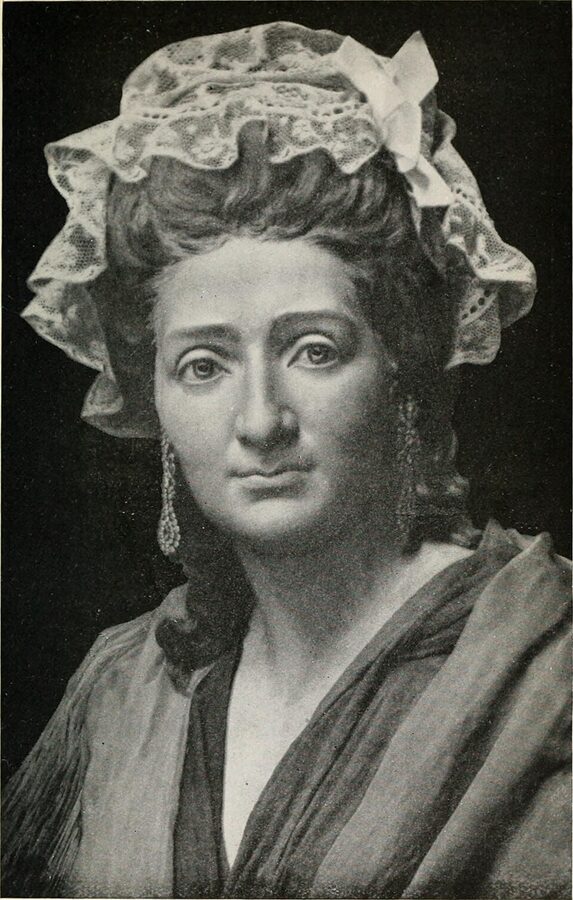
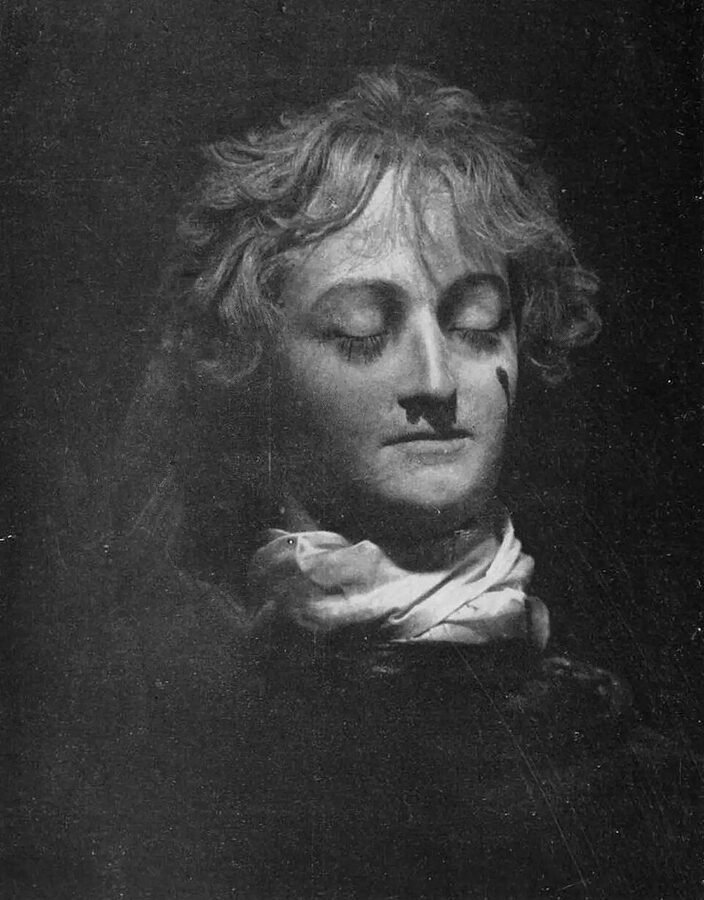
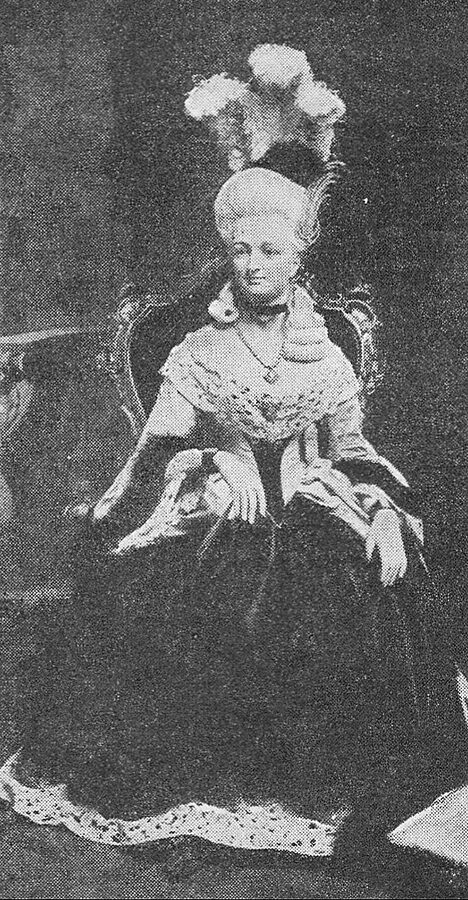
When the Revolution came, the new authorities ordered her to make death masks of the executed. She had no choice. She knew Marie Antoinette personally. She was rumoured to have tutored the king’s sister in wax modelling at Versailles, and she was briefly imprisoned in 1794 with Joséphine de Beauharnais before being pulled out to do work for the state. The masks she cast in those months, taken from severed heads at the foot of the guillotine, are still part of the collection today.
In 1802 she crossed to England with her older son and a few crates of figures. The Napoleonic Wars closed Europe behind her, and the exhibition spent decades touring British towns by horse and rail before settling permanently in London in 1835. The Baker Street venue ran for 49 years before the move to Marylebone Road.
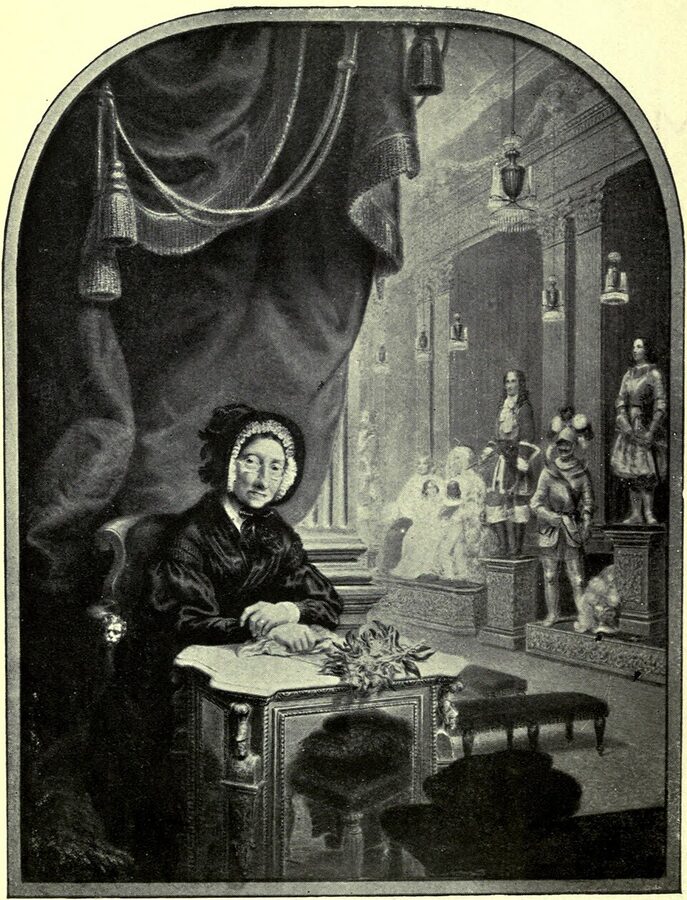
If you walk the place once knowing all of this, the figures upstairs read differently. The history isn’t a side room. It’s the founding business model.
The Chamber of Horrors and Why It’s Still There
The Chamber of Horrors isn’t a marketing gimmick bolted onto a celebrity museum. It’s the original Tussauds. The Revolution death masks, the guillotine blade, the murderers and executed criminals from the 19th century onward. It was called the Separate Room when Marie ran it, and Punch magazine renamed it the Chamber of Horrors in 1846. The name stuck for nearly two hundred years.
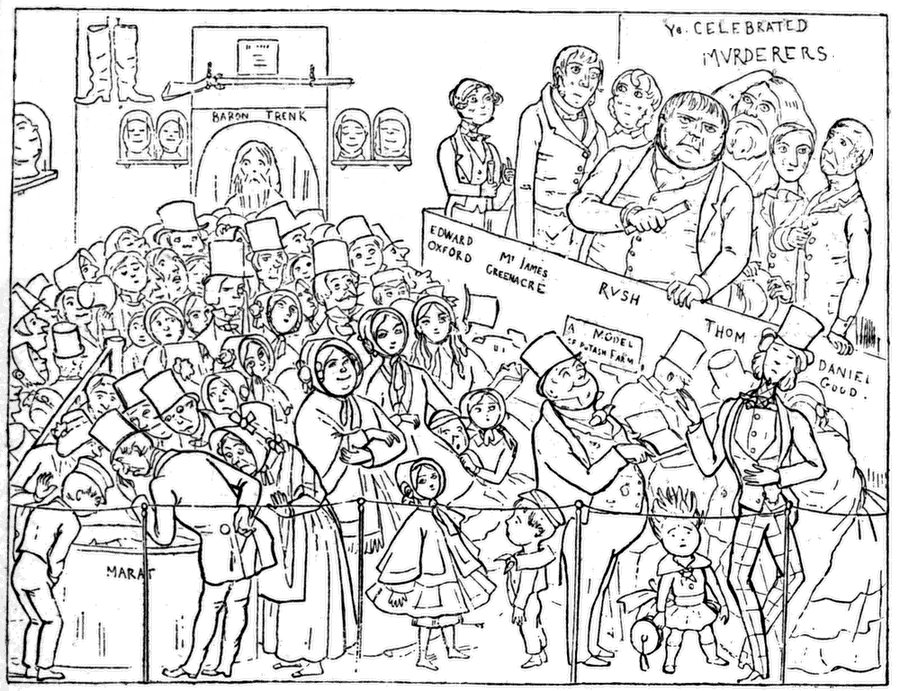
What you’ll see today is a milder version than the Victorian original. The Tussauds family ran the Chamber as a serious historical exhibit for decades, with actual death masks of guillotined revolutionaries and the bloodstained shirt of Henri IV. The 1925 fire destroyed a chunk of it. The 2016 redesign softened the rest into more of a horror-themed walkthrough with actors in some seasons. The original Marat-in-the-bath figure, modelled by Marie herself from his real death mask, is still in the collection and rotates onto display.

Children under twelve aren’t really the target audience for the Chamber. The figures aren’t graphic, but the lighting, the audio, and the occasional live actor can spook younger kids. There’s an alternative route that bypasses it for families with smaller children. Ask at the desk if you want it.
The Marvel and Star Wars Zones
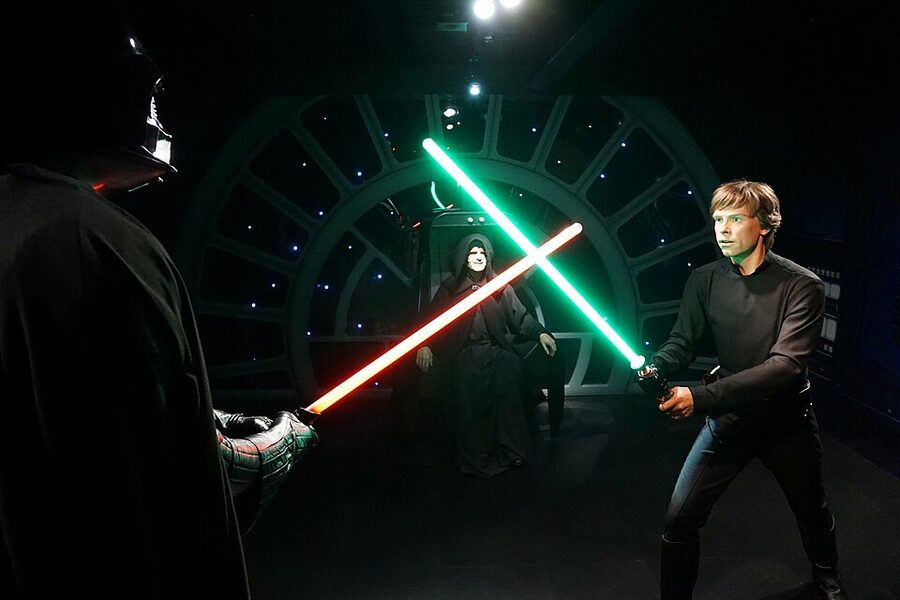
These are the two zones that pull the families. The Marvel 4D film is a short cinema experience with seat motion and water spray, included with the standard ticket, and it usually runs every fifteen minutes or so. The Star Wars zone is across both Original and Sequel trilogy sets, with Vader, Yoda, the Falcon cockpit, Rey, and a Hoth-themed photo opportunity that kids will spend twenty minutes on if you let them.
The DC characters used to be here too, in a separate room with Wonder Woman, Batman, Superman. That zone has cycled in and out depending on licensing. Check on the day if a specific superhero matters to your kid before you book. The Marvel side has been the steadier presence in recent years.

Three Tickets I’d Book First
Three options ranked by who they actually fit, not by price. Tussauds-only for couples and adult solo visitors, the Eye combo for first-time London tourists who want both London skyline icons in one ticket, and the five-attraction pass for families staying long enough to use it.
1. Madame Tussauds London Entry: about $36
This is the option I default to for anyone doing Tussauds and nothing else. It’s the most-booked Tussauds product on the market, the cancellation policy is flexible, and the $36 price puts it well under the on-the-door rate at peak times. Our full Madame Tussauds London review covers what visitors say about the Marvel 4D and which zones tend to feel most crowded.
2. London Eye and Madame Tussauds Combo: roughly 40 percent saving

This is the better-value pick for first-time London visitors who’d be doing both anyway. The combined saving is well into double digits compared with two separate tickets, and the 90-day window means you don’t need to fit them into a single day. Our full review of the Eye and Tussauds combo covers the timing trick most people miss.
3. 5 Top Attractions Pass with Madame Tussauds: best multi-stop value

I’d pick this one for any family of four planning a long London weekend. Even if you skip one of the five attractions on the day, the pass usually still beats buying the four you actually use as separate tickets. Our 5-attractions Merlin pass review walks through the family-of-4 maths and which attractions are worth the time.
The Combo Maths for a Family of Four
This is where the ticket logic gets actually useful. If you’re a family of four and you’ve got two-and-a-half days in London, the standard maths shifts. A standalone Tussauds ticket at £42 on the door times four is £168. The Eye on the door is similar. SEA LIFE is similar. The Dungeon is similar. Add Shrek’s Adventure and you’re looking at five separate ticket purchases that can run well over £700 across the trip.
The five-attraction Merlin pass at the GetYourGuide price for a family of four works out under half of that. You don’t need to use all five to break even. Three is usually enough. Four makes it a clear win. If your kids are the right age for SEA LIFE and the Eye and you’d already pay for Tussauds, that’s three of the five right there. My London Eye guide covers the wheel-side ticket logic in more detail, and the Thames cruise guide sorts out the river side if you want a fourth icon-attraction in the same trip without paying separately.
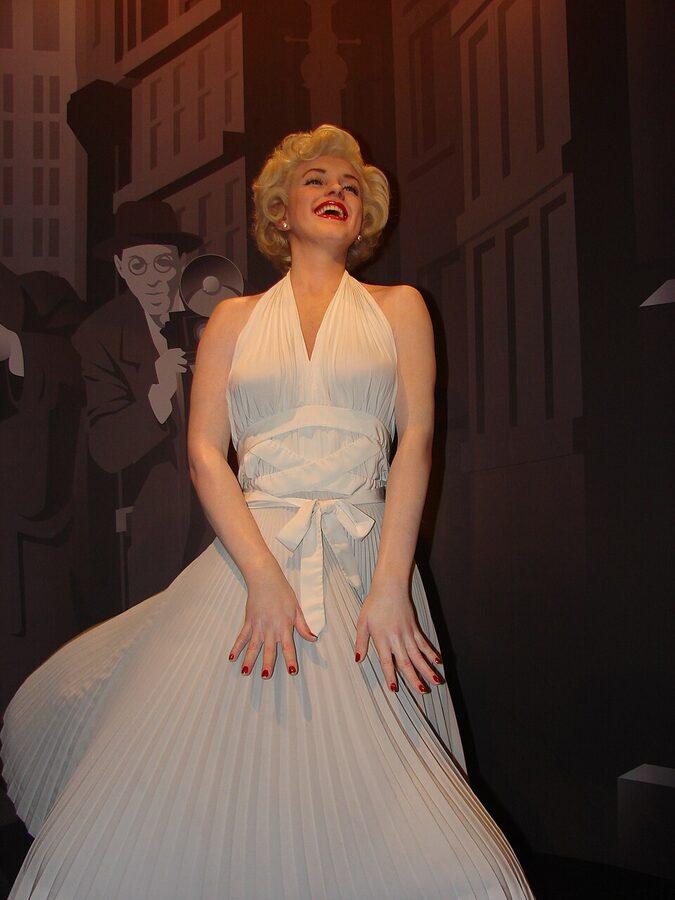
For couples or solo visitors, the maths is simpler. Buy the standalone Tussauds entry, or the Eye combo if you also want the wheel. The five-pass only earns its keep when there are four of you splitting it across multiple attractions.
Triple Combo or Dungeon Combo?
There’s a middle ground between the two-attraction combo and the five-pass: the triple combo with the Eye and SEA LIFE, and a separate Dungeon-Eye-Tussauds combo. Both are useful in specific situations.
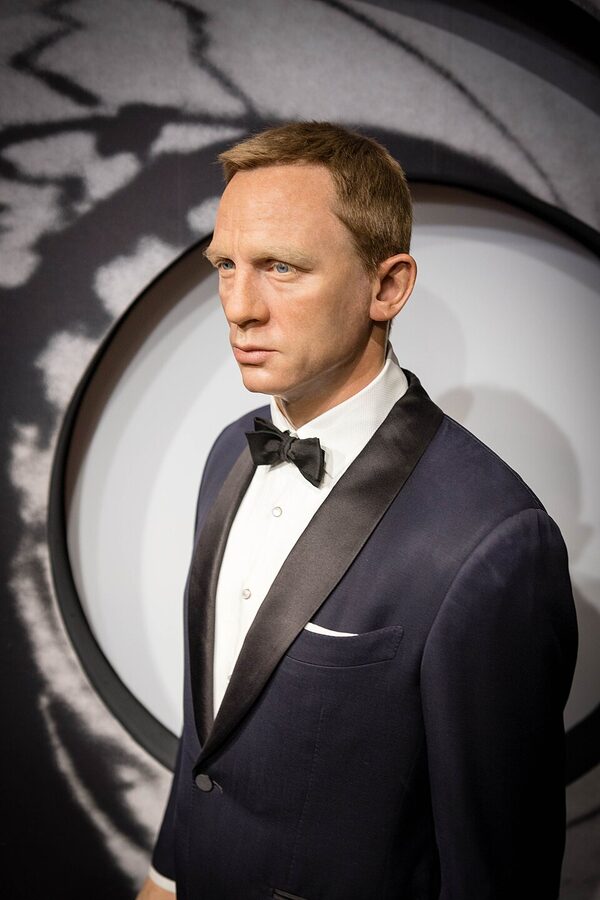
The triple combo with SEA LIFE adds the South Bank aquarium to the Eye-and-Tussauds package. It’s worth doing if you’ve got young kids, since the aquarium is set up for under-tens and the location next to the Eye saves a tube ride. The full notes on what’s included sit in our triple-combo review, and the price gap over the two-attraction Eye-and-Tussauds combo is small enough that the SEA LIFE add is usually worth it for families.
The Dungeon combo skips SEA LIFE and adds the London Dungeon instead. The Dungeon is much darker, has live actors, and is rated 12-plus by most parents. If your kids are teenagers and your kids actively asked for it, this is the one. If they’re younger, stick with the SEA LIFE combo or the five-attraction pass. The Dungeon combo review walks through the age guidance and the Dungeon’s specific tone.
Fast Track and How to Use It
Fast-track is a separate paid upgrade. It doesn’t get you anything inside that the standard ticket doesn’t. It just bypasses the queue at the front door, which in school holidays and Saturdays in summer can run forty-five minutes from joining to entry. It’s worth it on a peak day. It is not worth it on a Tuesday morning in February.
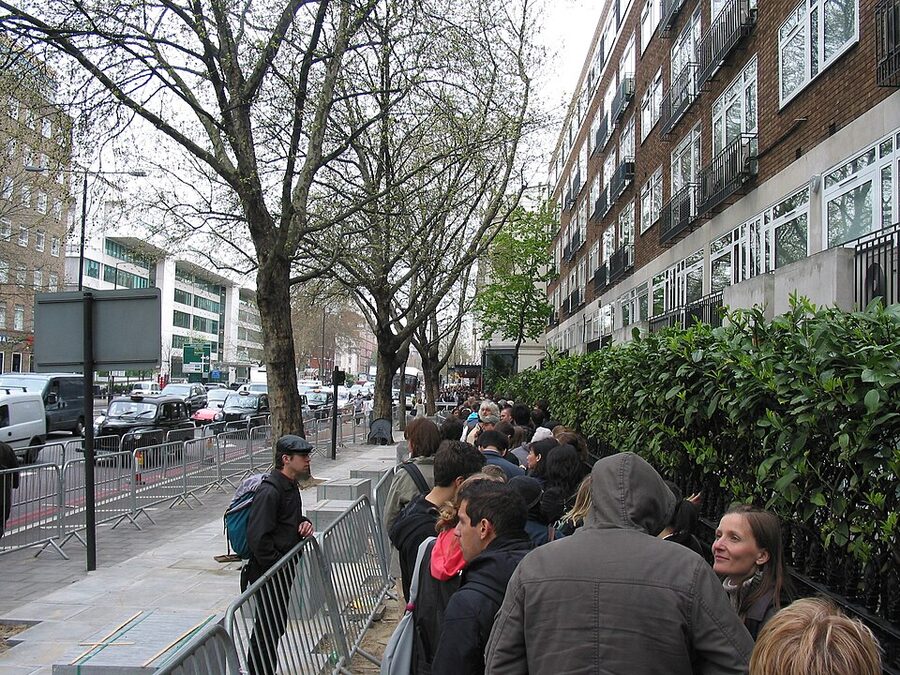
The trick is timing. If you book a 10:30 slot on a weekday in term-time, the queue at the door is short and the standard ticket is fine. If you book a 13:00 slot on a Saturday in August, fast-track will save you most of an hour. The marketplace versions of fast-track are usually cheaper than the on-the-door upgrade, so book it before you arrive if you’re going to want it.
Getting to Marylebone Road
Tussauds sits about three minutes’ walk from Baker Street tube station, on the Bakerloo, Circle, Hammersmith and City, Jubilee, and Metropolitan lines. That’s five lines into one station, which makes it one of the easier London icon attractions to reach from anywhere in the city.
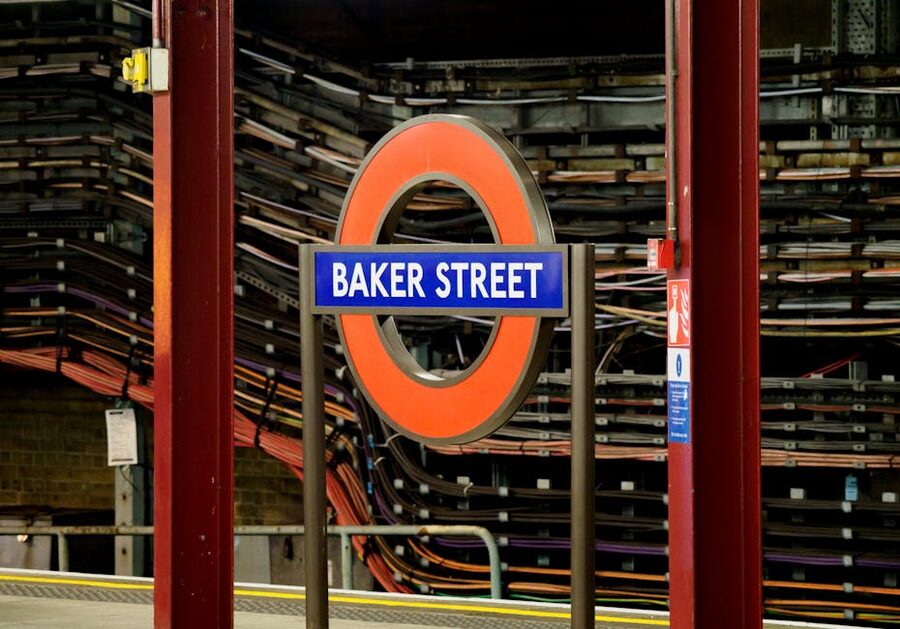
Regent’s Park tube on the Bakerloo line is also walkable, about ten minutes from the south side of the park. Bond Street is a 15-minute walk if you’re already in Mayfair. By bus, the 18, 27, 30, 205, and 453 all stop on Marylebone Road within a minute of the entrance. Black cabs and Ubers are easy enough but Marylebone Road traffic can be slow at school run hours, so the tube is faster between roughly 8 and 10 in the morning and 4 and 7 in the evening.
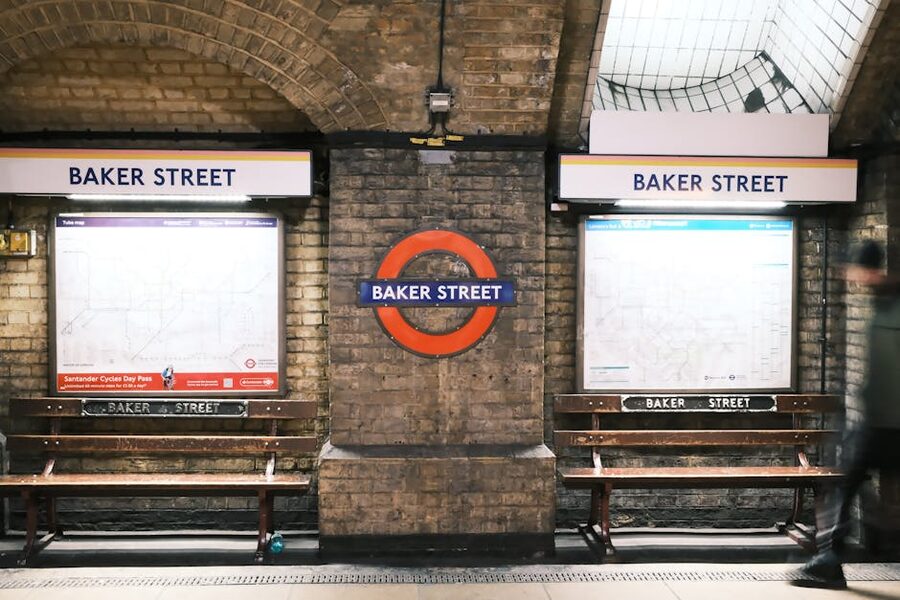
If you’re coming straight from the Tower of London or Tower Bridge, the Circle line runs direct between Tower Hill and Baker Street and takes about 25 minutes. My Tower of London tickets guide covers that side of the city, and the Tower Bridge guide handles the bridge ticket logic if you’re stacking icons in one day.
When to Go
Tuesday and Wednesday mornings in term-time are the quietest. Saturday afternoons in summer are the busiest. The peak crowd window is half-term week and the school holidays, plus Saturday and Sunday afternoons year-round. If you have any flexibility on dates, a 10:00 or 10:30 timed slot on a weekday in October or November is a different museum than a 14:00 slot on a Saturday in August.
Late afternoon slots get quieter from about 16:00, but the museum closes at 18:00 most of the year and you’ll get rushed through. I wouldn’t book later than 15:30 unless you really know you can do it in 90 minutes. The two-and-a-half-hour estimate assumes you stop for photos and watch the Marvel 4D and do the Spirit of London ride. Skip those and you can move through in 75 minutes, but you’ll have spent £40 to walk past 200 wax figures at speed, which isn’t really the point.

Christmas and February half-term are the worst weeks. Not because the museum is bad those weeks, but because every other family in London is also there, and the queue at the door can run beyond an hour even with timed entry. If you’re traveling in those windows, fast-track is close to compulsory.
Photos, Phones, and the Selfie Question
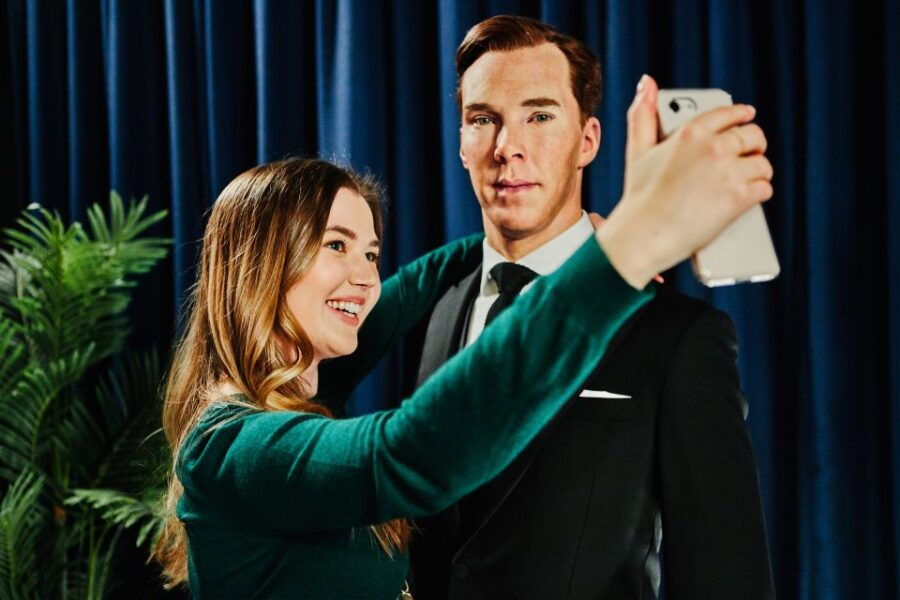
Phones are fine everywhere except the Chamber, where photography is restricted in the live-actor sections. Flash is technically discouraged because of the wax surface, but in practice nobody enforces it. The figures are positioned so that there’s space to stand next to most of them at arm’s length. The lighting is set for phone cameras, not for fine art.

The selfie sticks rule changes from time to time. As of the last update, hand-held sticks are allowed but tripods aren’t. Don’t bring a ring light. Staff will ask you to put it away. Most figures have a small queue around them and the etiquette is to take your shot and step back, not stage a full photoshoot.

What I’d Skip and What I’d Linger Over
Skip: the gift shop’s branded mugs at £18, the photographer’s package they sell on entry (you can do the same shot on your own phone), the pre-booked food package which is just a sandwich and a soft drink for £14.
Linger: the Royals room, the Marie Antoinette and Marat figures in the historical area, the Spirit of London ride, the Marvel 4D film if you’ve got kids. The dome ceiling above the main gallery is worth a look up. Most people don’t notice it.
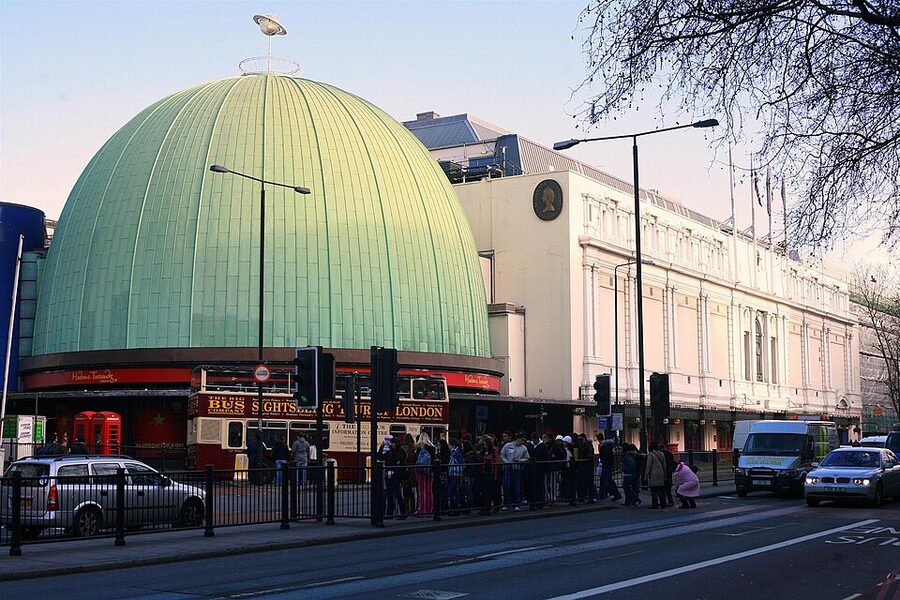
If you’re picking one zone to spend extra time in, make it the Royals or the historical Marie Tussaud area, not the A-list. The A-list is what everyone photographs, but the Royals room and the Marie Tussaud cabinet are what you’ll actually remember a year later.
Booking Direct vs Marketplace
The Tussauds website sells the standard ticket and the fast-track upgrade. GetYourGuide and Viator sell the same standard ticket plus all the combos. The price difference is usually a pound or two, which doesn’t matter. What does matter is the cancellation policy.
Direct from Tussauds, the cancellation policy is strict and the refunds are slow. The marketplace versions through GetYourGuide are usually free cancellation up to 24 hours before, which is the rule that earns its keep when London weather changes plans on you. For a fixed-time-slot indoor museum where the slot doesn’t really matter to you weeks in advance, that flexibility is worth the marketplace markup. The combos are almost always cheaper through marketplaces too, since GetYourGuide negotiates Merlin pass pricing in bulk.
What I’d avoid is buying at the door without a booking. The on-the-door price is the highest of any option, the queue without a timed slot is much longer, and on busy days the museum can sell out for the day before you’ve even reached the desk.
One Last Note Before You Click Book
Madame Tussauds is the kind of museum that some travel writers sneer at and most travelers really like. It’s got a clear function. It’s a two-and-a-half-hour photo opportunity with celebrities, historical figures, royals, and a 230-year-old institutional history that almost nobody knows about. If you go in expecting an art museum, you’ll come out disappointed. If you go in expecting an entertainment venue with a surprisingly serious origin story, you’ll have a good time.
For Londoners doing a one-off visit with kids, the Merlin pass with the five attractions is the right call. For first-time tourists wanting both London skyline icons in one ticket, it’s the Eye-and-Tussauds combo. For everybody else, the standalone entry is fine. Book ahead by at least a week for weekday slots and three weeks for weekend slots in summer, and don’t pay for fast-track unless you’re going on a peak day.
More UK Reading
If Tussauds is on your London list, the rest of the icons probably are too. My London Eye guide handles the wheel side of that combo, the Shard tickets guide covers the city’s other tall-building viewpoint when you’ve had enough of crowded indoor museums, and the Westminster Abbey tickets guide sorts out the coronation church if you’re filling out a longer itinerary. If you’re traveling further, the Prado in Madrid sits at the more serious end of the museum scale for the same trip pricing logic.