
Here is the thing nobody tells you before you book this tour. Vinho Verde isn’t a grape, and the word verde doesn’t actually mean green. It means young. Vinho Verde wines are bottled within three to six months of harvest, kept low in alcohol, and left with a faint fizz from natural malolactic fermentation. They are also produced in the single largest demarcated wine region in Portugal, a region bigger than the Douro and almost no foreign visitor has heard of it.
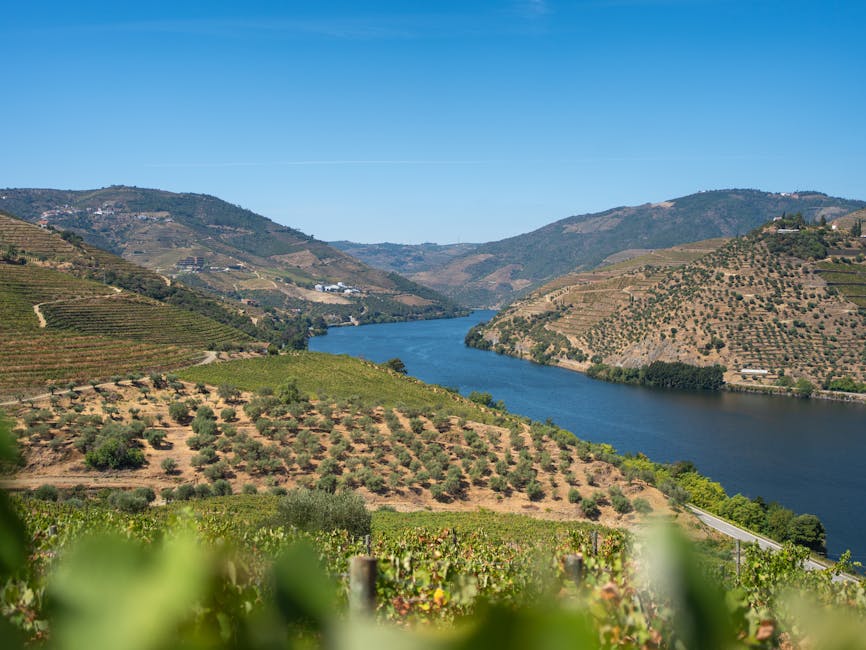
This article is for the tour that stitches both wine regions into a single day from Porto. You leave around 8am, you visit one Vinho Verde quinta, you cross over into the Douro Valley for the second quinta, you eat a long farm-to-table lunch, and you finish on a boat on the Douro before driving back. About nine hours door to door, two regions, two estates, eleven or so tastings, one cooked meal, one cruise. I’ll cover what’s included, what isn’t, why this format works (and where it bites), and how to pick the right operator. If you’re choosing between this and a single-region Douro Valley day trip from Porto, the comparison section halfway down is the bit you want.
In a hurry? My three picks:
- From Porto: 2 Wine Regions, Farm-to-Table Lunch and Boat, around $94. The flagship. Eleven tastings across two family estates, a chef’s lunch with river views, a private boat cruise. The most-booked version of this tour by a wide margin.
- Tour to the Douro Valley from Porto: 2 Wineries, Lunch and Boat, around $89. The Viator alternative. Same shape of day, slightly different operator, lighter on the deeper sommelier commentary if that matters to you.
- Porto Tapas and Vinho Verde Tour, around $96. The half-day version. Skips the Douro entirely, focuses on tapas pairings with Vinho Verde inside Porto. Pick this if you only have a morning or you’re combining it with something else.
- The thing about Vinho Verde that everybody gets wrong
- What you actually do in nine hours
- Why one quinta in each region (and not two in the Douro)
- What’s included, what’s not
- How this differs from a single-region Douro day trip
- The food is the part that gets undersold
- How drunk you actually get (and how to manage it)
- The boat segment, in plain terms
- Picking the operator: small group vs flagship vs private
- The three I’d actually pick
- 1. From Porto: 2 Wine Regions, Farm-to-Table Lunch and Boat,
- 2. From Porto: 2 Wine Regions, Farm-to-Table Lunch and Boat (Viator),
- 3. Porto Tapas and Vinho Verde Tour,
- When to go (the timing nobody mentions)
- What to bring (and what not to)
- If you’re combining this with the rest of Porto
- Things that go wrong (and how to handle them)
- The honest verdict
- Where to go from here in the Porto wine cluster
The thing about Vinho Verde that everybody gets wrong
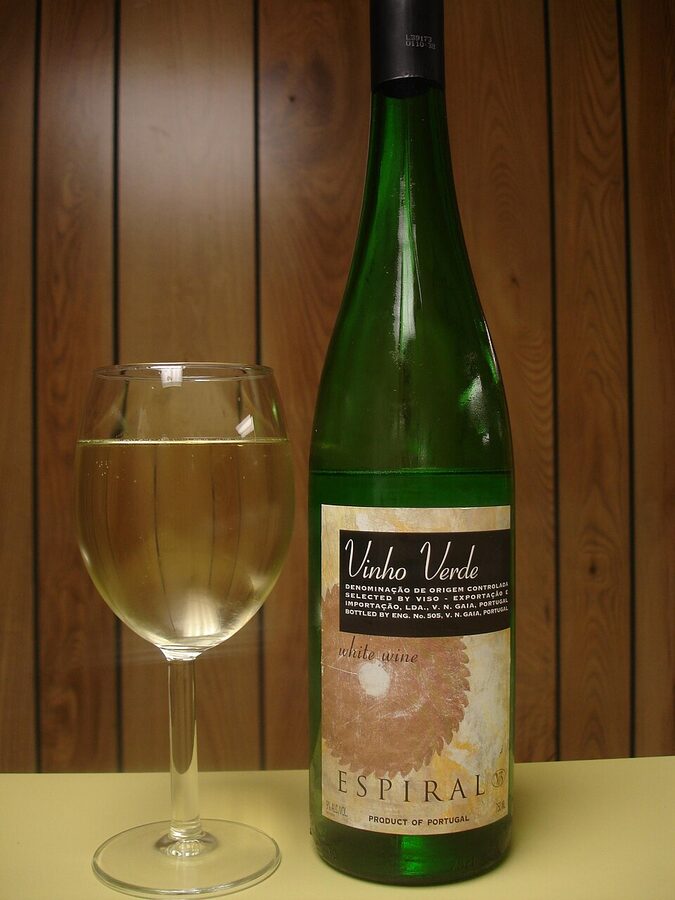
Walk into any wine bar in London or New York and ask for a Vinho Verde and you’ll get handed a green bottle of something young, slightly fizzy, low in alcohol, often slightly sweet, often used as a hot-day porch wine. That’s true as far as it goes, but it’s also why Vinho Verde gets dismissed. People assume verde means green, that the wine is unfinished, that it’s a cheap mass-produced thing meant to be drunk and forgotten.
It isn’t. Here is what the name actually means.
Verde in this context translates as young or fresh. The wines are bottled within three to six months of the harvest. They are not aged. That’s deliberate. The faint sparkle most Vinho Verde whites carry is not added carbonation. It comes from natural malolactic fermentation finishing inside the bottle, which throws off CO2. The result is a wine that’s bright, low alcohol (usually 9% to 11.5%), high acidity, and food-friendly to a degree that almost no other white-wine style can touch. Drink it next to grilled sardines or salt cod and the fish stops being fish and starts being a meal.
The geography is the second surprise. The Vinho Verde DOC covers the Minho in the far northwest of Portugal, between the Douro River to the south and the Spanish border to the north. By demarcated area it is the largest wine region in the country. Bigger than the Douro. Bigger than the Alentejo. Most travellers who come to Porto and book a “wine day trip” go to the Douro and never realise they’ve passed through the Vinho Verde region on the way.
This tour is the one that fixes that. You stop in both. You taste the contrast. The Vinho Verde wines come first in the morning, when your palate is fresh and you can actually taste the high acidity. The Douro wines come after lunch, when your tongue has settled and you’re ready for something heavier and more tannic.
What you actually do in nine hours
The standard format is more or less the same regardless of operator. Pickup from your Porto hotel between 8am and 8:30am, a small minibus (typically eight to sixteen people, depending on if you booked the small-group or the bigger shared option), and a guide who is also the driver and, on the better tours, a qualified sommelier.
You drive north out of Porto. The first hour is mostly motorway. By around 9:30 or 10am you’re parked at a small Vinho Verde estate somewhere in the Minho, often in the Lima or Vez subregions where the Loureiro and Trajadura grapes do best. The visit lasts about ninety minutes. You walk the vineyard, you go into the cellar, you taste five or six wines paired with a small plate of cured meats and cheese to settle your stomach for what’s coming.
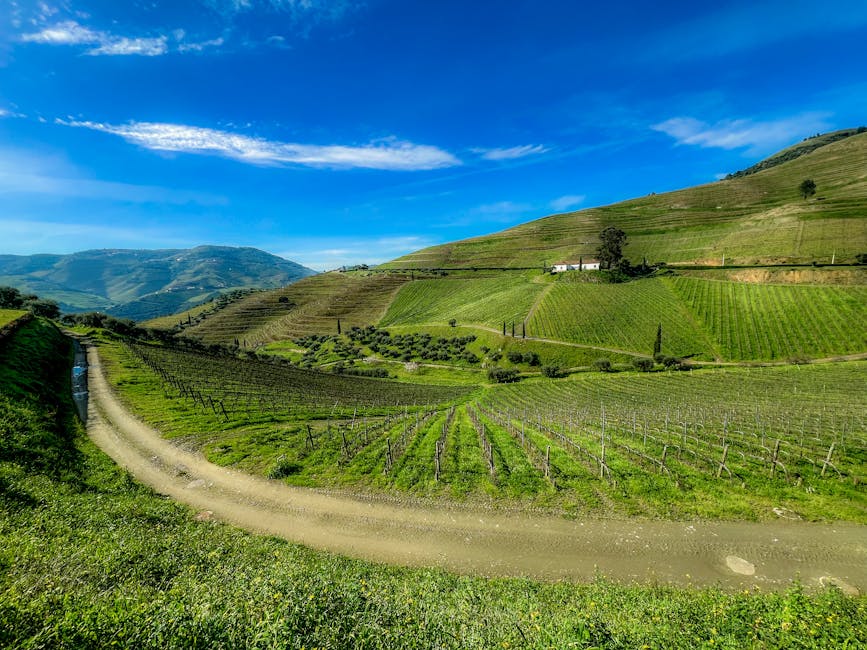
From there it’s about an hour and a quarter east into the Douro. The drive itself is good. You climb out of the Minho lowlands, cross over the Marão mountain range, and drop down into the Douro Valley near Mesão Frio. The first viewpoint of the river will probably hit before lunch. Most guides will pull over at the Miradouro de São Leonardo de Galafura or another lookout for ten minutes of photos.
You arrive at the Douro quinta around 12:30 or 1pm. The lunch happens here. Three or four courses, all local, mostly cooked on site, served at a long shared table with everyone else on your tour. After lunch (about an hour and a half) you do the second tasting, this time of the heavier Douro wines and a port or two. By then it’s around 4pm.
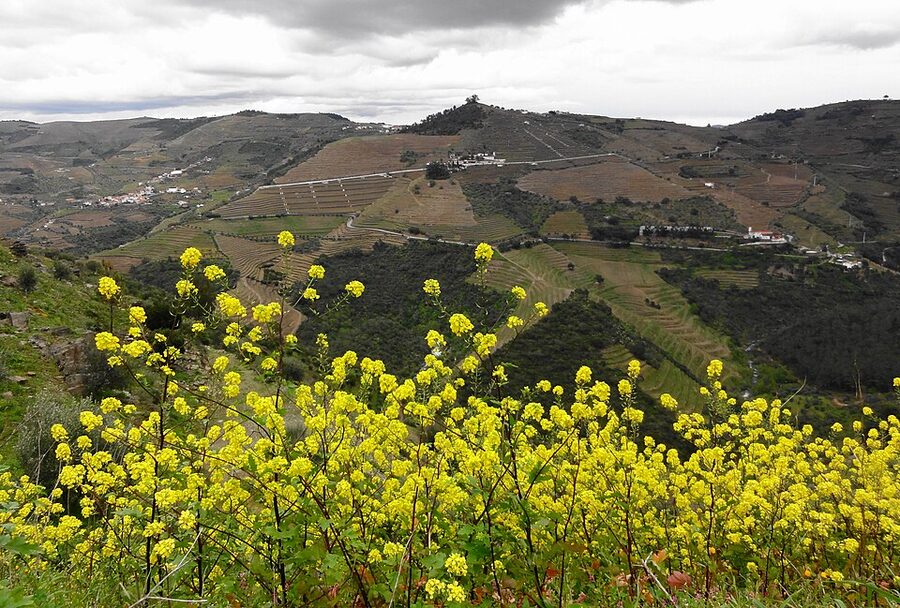
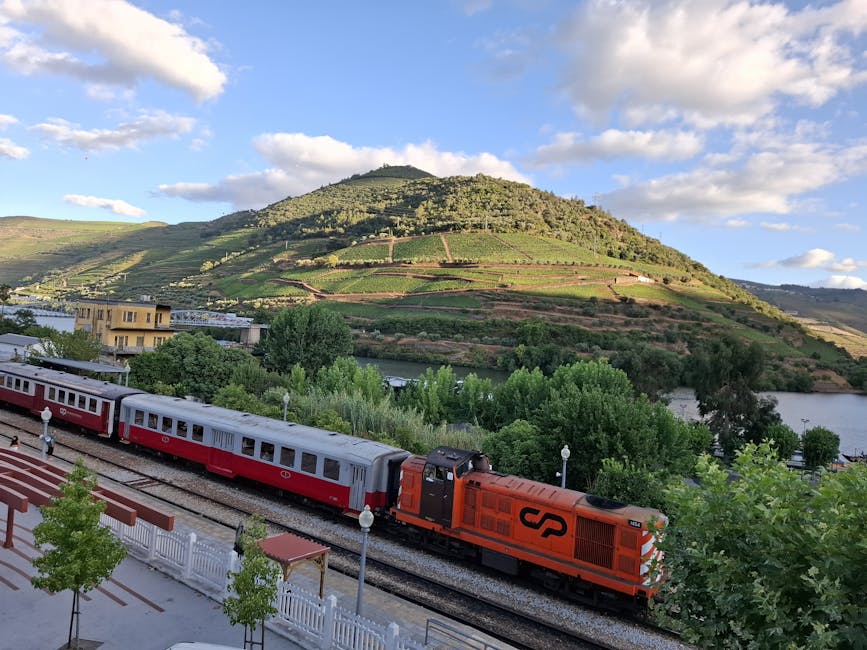
The boat is the last stop. Most operators put you on a small private cruiser (not a big tourist barge) for an hour, slipping along the river just east or west of the quinta. Late afternoon light, vines on both banks, almost no other boats. By 5pm you’re back in the van and driving toward Porto. You’ll be dropped at your hotel between 6:30 and 7:30pm, depending on traffic on the A4 motorway back into the city.
Why one quinta in each region (and not two in the Douro)
You might wonder why this tour bothers with the Vinho Verde stop at all. Why not do two Douro quintas, double up on port and DOC Douro wines, eat lunch on the river? That’s the format the standard Douro Valley day trip uses, and it’s a perfectly good day.
The two-region operators have a specific argument for splitting the day. Vinho Verde and Douro are not just different wines. They are different climates, different soils, different grape varieties, different production philosophies. Drinking them back to back is the only way most travellers will ever taste the contrast. After you’ve done one of these tours you can walk into a wine shop anywhere and pick a bottle from either region with some idea of what you’re getting.
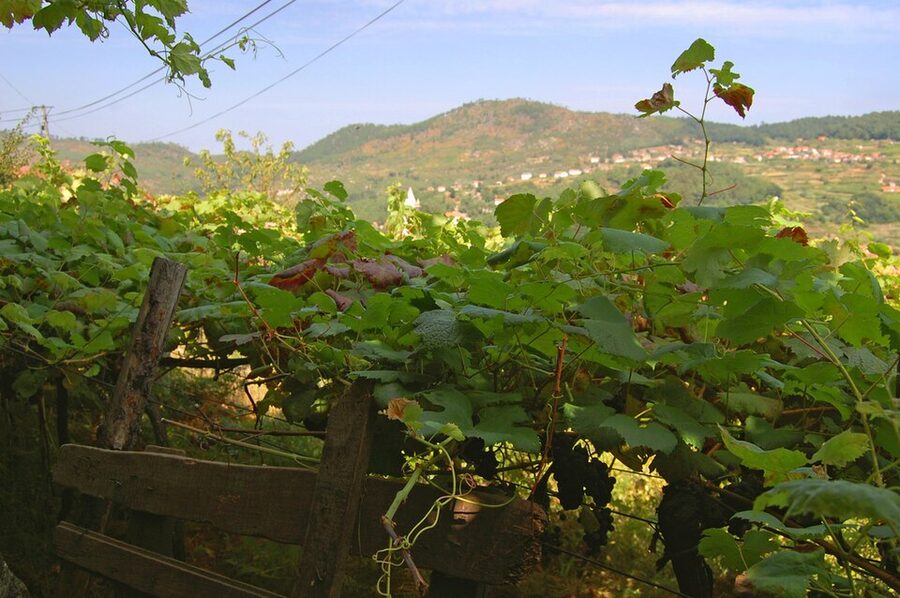
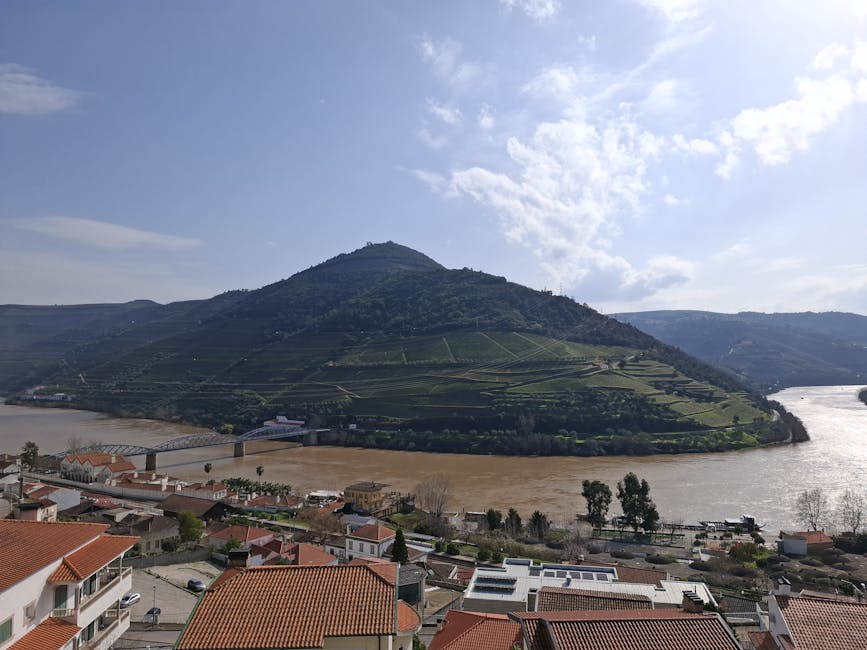
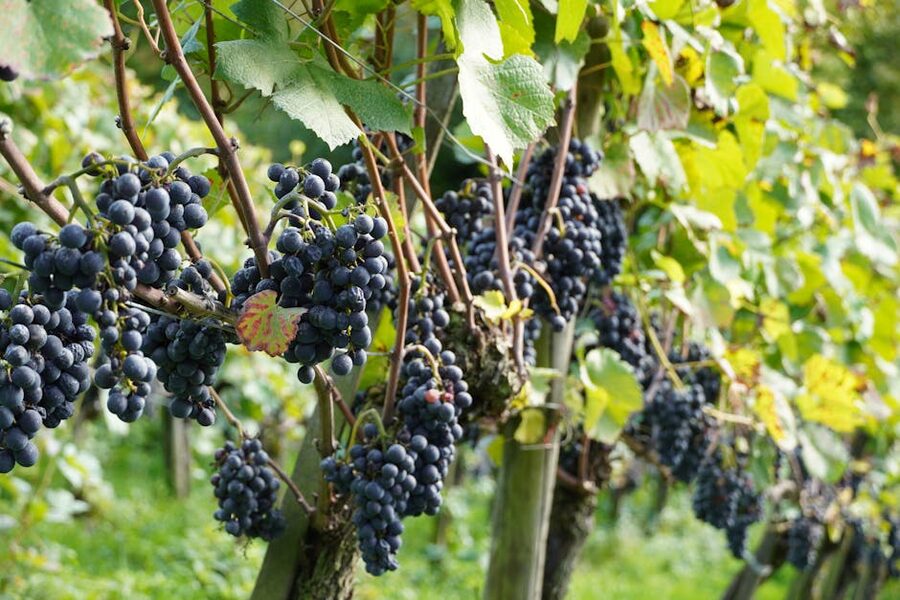
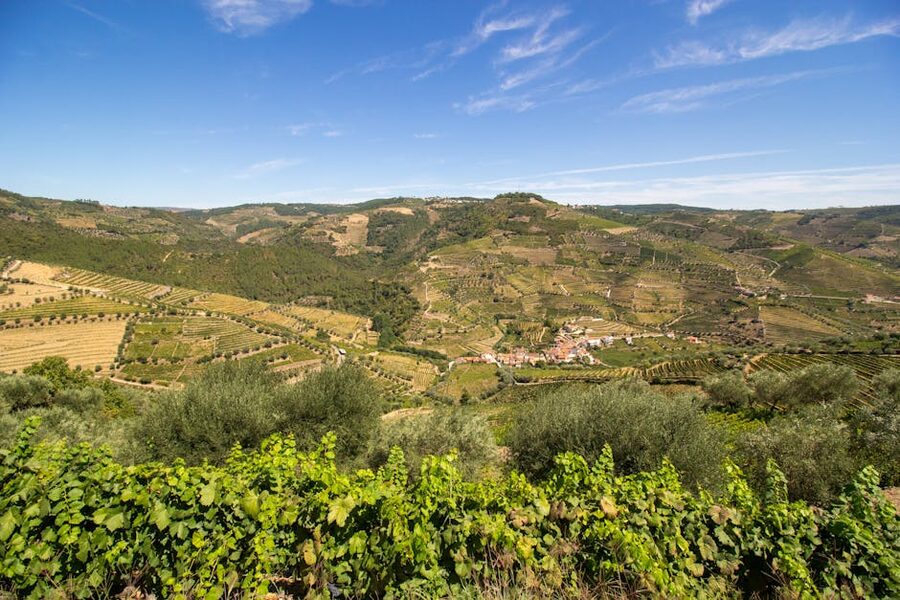
The geography that produces this contrast is striking. Vinho Verde sits in the wettest part of Iberia. Around 1,500mm of rain a year, granite-and-clay soils, vines often trained high off the ground (the old enforcado system) so they don’t rot in the damp grass. The wines are made for that climate. Lean, acidic, low alcohol because the sun never quite cooks the grapes the way it does further south.
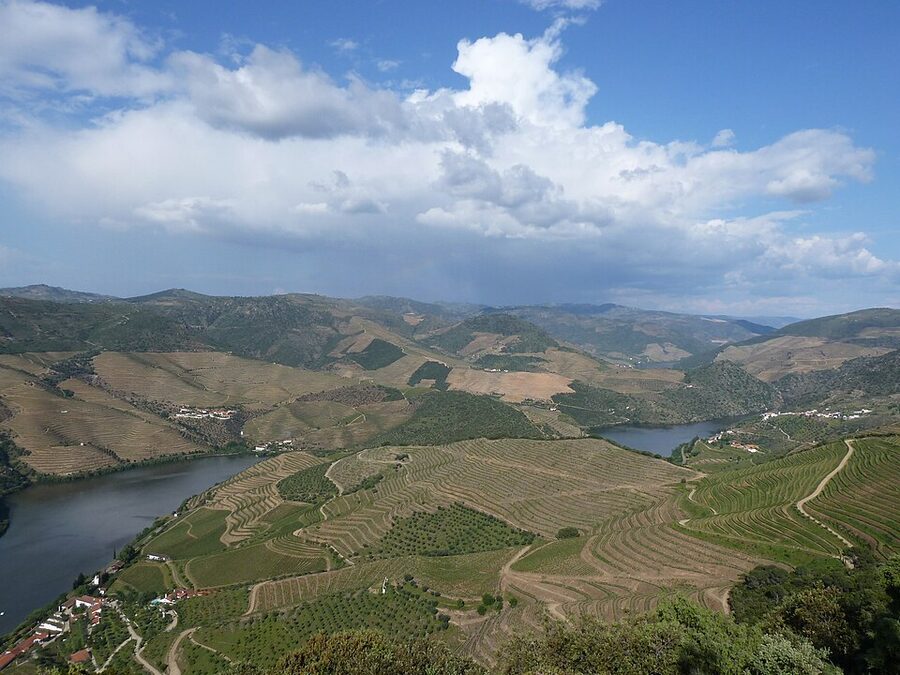
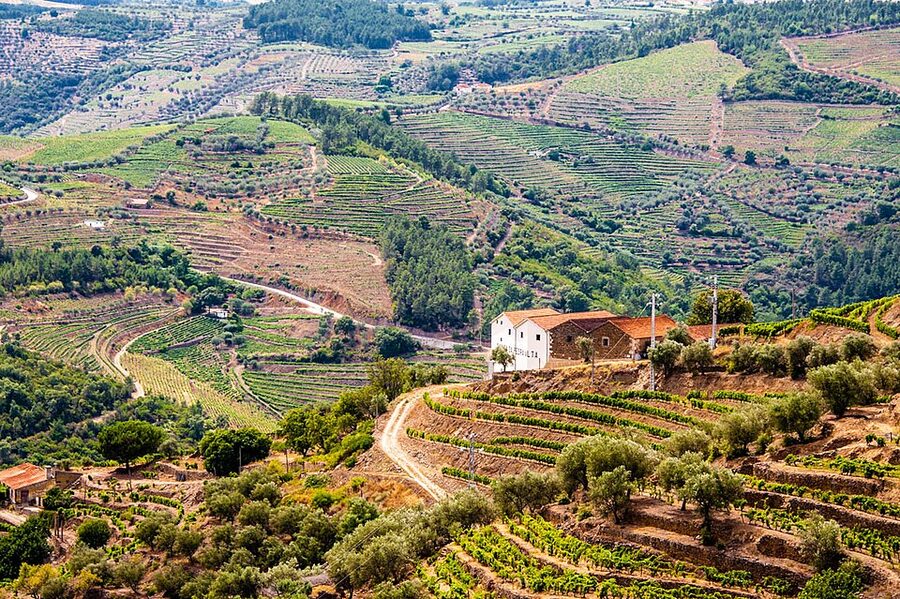
The Douro is the opposite. South-facing slopes, schist soil that holds heat into the night, summer temperatures regularly into the high 30s Celsius. The vines are planted in narrow horizontal terraces (socalcos) cut by hand into the schist over four hundred years. The wines are dense, dark, alcoholic, the foundation of the entire port wine trade. Driving from one region into the other in a single morning, you cross from cool damp Atlantic Iberia into hot dry Mediterranean Iberia in about ninety minutes.
And the food matches. Lunch on this tour leans into Douro hill country: roasted local meats, slow-cooked stews, dense breads. The Vinho Verde tasting earlier in the day comes with light cured meats and fresh cheese, which is what locals actually eat with the wine. So you taste the geography on the plate as much as in the glass.
What’s included, what’s not
The price you’ll see online (around $89 to $96 on the standard versions, more for private) covers the whole package. You don’t pay for tastings, lunch, the boat, or transport on top of that.
Specifically, the included list:
Pickup and drop-off at your Porto hotel inside the city loop. If you’re staying in Vila Nova de Gaia across the river or in Foz do Douro at the coast, ask in advance because some operators don’t go that far without a small surcharge.
All transport for the day in an air-conditioned minibus. Eight to sixteen seats. Usually with a guide who doubles as the driver.
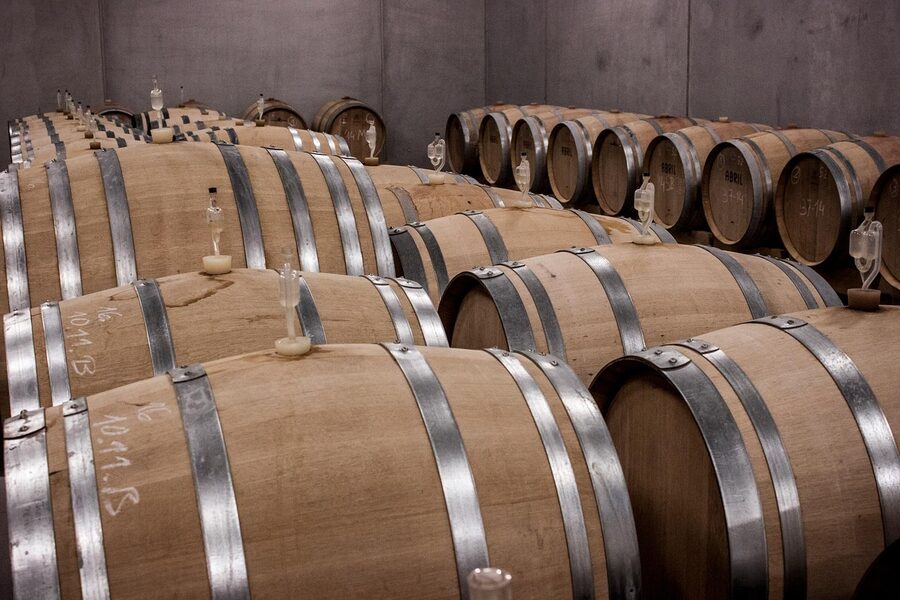
Two estate visits, one in Vinho Verde, one in the Douro. Vineyard walks, cellar tours, and the tastings themselves. Eleven different wines is a common count, sometimes more on the higher-end private versions.
The farm-to-table lunch. Three or four courses, vegetarian options on request. Wine with the meal is included on most operators (count three or four glasses). Bread, olives, water, coffee at the end.
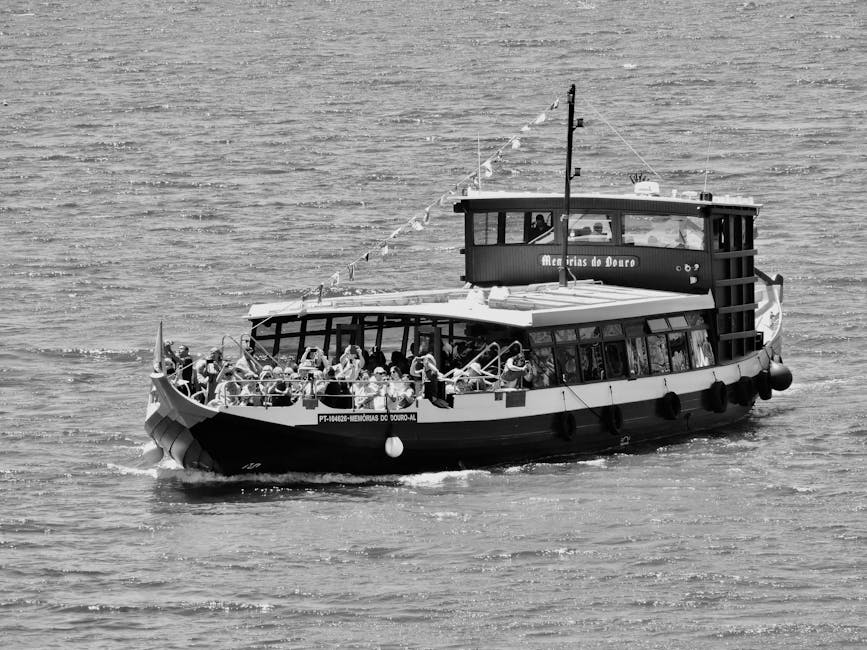
The boat cruise. About an hour. On a small private boat or a group day-cruise, depending on the operator. Bring a hat. The river is in a canyon and the late-afternoon sun reflects off the water.
And what’s not included:
Tips for the guide and quinta hosts. Five to ten euros per person for the guide is normal. The cellar host at each quinta usually gets a couple of euros from the tour separately. None of this is mandatory but it’s expected.
Bottles to take home. The wines you taste are available for purchase at the quinta. They’re priced at the cellar door rate (€8 to €25 for table wines, €30 plus for the better ports). The bus has space for boxes if you go heavy.
Travel insurance, drinks outside the included list, anything you decide to add. If you want a fancier port at lunch, that’s on you.
Anything for kids. The tour is built around drinking. There’s a non-alcoholic option for any minors who come along but the day is genuinely not designed for them. If you’re travelling as a family with younger children, the Porto tuk-tuk tour or a six bridges Douro cruise in the city itself works much better.
How this differs from a single-region Douro day trip
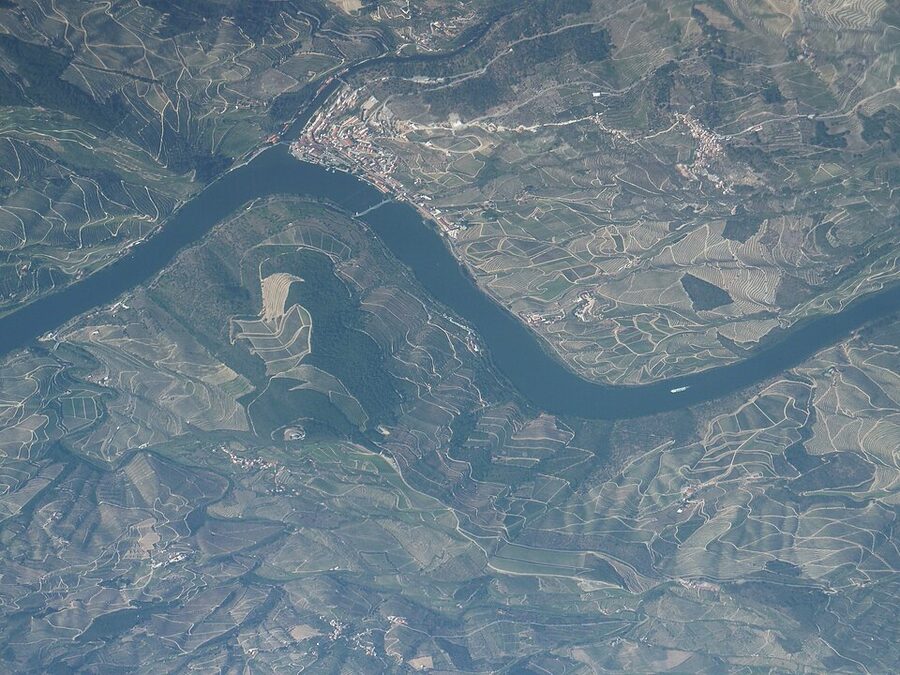
This is the comparison that matters. There is a perfectly good Douro Valley wine tour from Porto that stays in the Douro the whole day. Same boat ride, same lunch, two quintas instead of one Douro and one Vinho Verde, and you typically go deeper into the valley (often as far as Pinhão or beyond). It’s a more unified day, you go further east, and you taste two different Douro estates back to back.
So when does the two-region version win? When does the single-region win? The honest split is this:
Pick the two-region tour if: you’ve never been to Portugal before, you want a wine education rather than a wine binge, you want to understand why Portuguese wine is different from French or Spanish wine, and you don’t mind that the Douro half is shorter than on the dedicated Douro tours. The two-region day is a wider snapshot.
Pick the single-region Douro tour if: you’ve already done Vinho Verde elsewhere (any decent Lisbon food tour will get you a Vinho Verde glass), you specifically want port wine and Douro reds, you want to go deeper into the valley as far as Pinhão, and you’d rather two quintas in the same region than a region per stop. The Douro tour is a deeper drill.
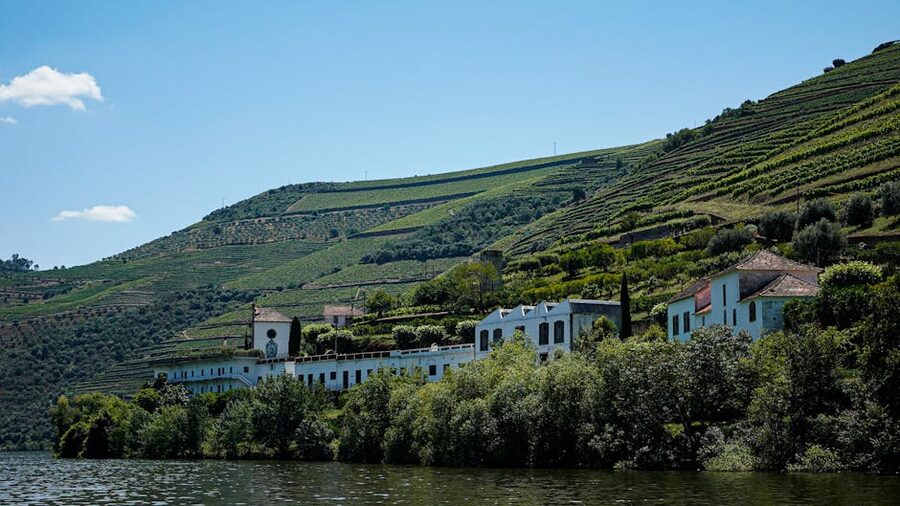
If you’re not sure, default to the two-region day. It’s the better introduction. Once you’ve done it, you’ll know if you want to go back deeper into the Douro on a second visit. I have friends who have done the two-region day on a first Porto trip, then come back the following spring and done the single-region Douro further east. Both worked.
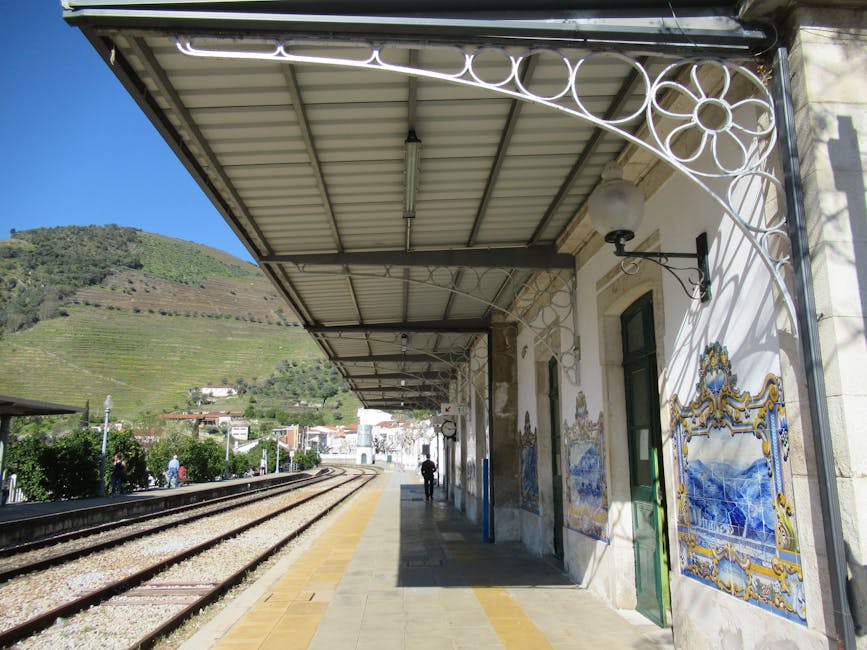
One thing the two-region tour will not give you that the single-region might: a stop in the town of Pinhão itself. The famous tiled azulejo train station, the river curve at the head of the upper Douro, the small old wineshops. If those are on your list, the dedicated Douro tour is the one. Or you can take the train from São Bento up to Pinhão another day independently and skip the tour entirely for that bit.
The food is the part that gets undersold
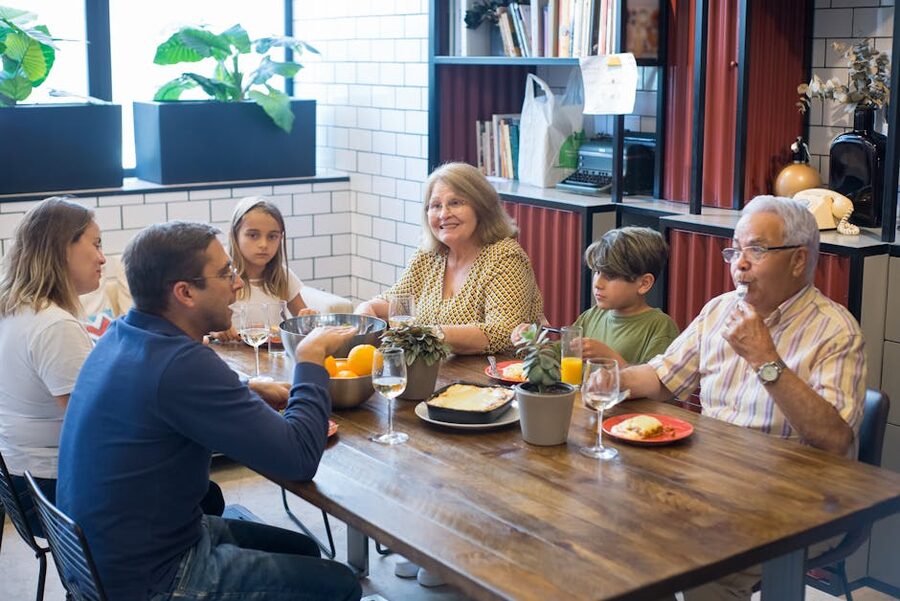
The lunch is the moment most people remember and the one the website doesn’t quite capture. Farm-to-table here means cooked on the property, mostly with ingredients from within forty kilometres. It’s not a tasting menu. It’s the kind of long, plodding, unhurried lunch the Portuguese north does well.
You’ll typically get a soup to start. Caldo verde is the famous one (kale, potato, chouriço sausage), or a vegetable broth depending on the season. Then bread, olives, butter, and small plates of cured meats: chouriço, presunto (Portuguese cured ham), the local sheep’s milk cheeses. The mains are usually two options. Posta mirandesa is the showpiece up here, a thick slab of beef from the Mirandese cattle of the high northeast, grilled on charcoal. The other main is often pork. Cabrito assado (roast kid) shows up in the right season, late winter into spring.
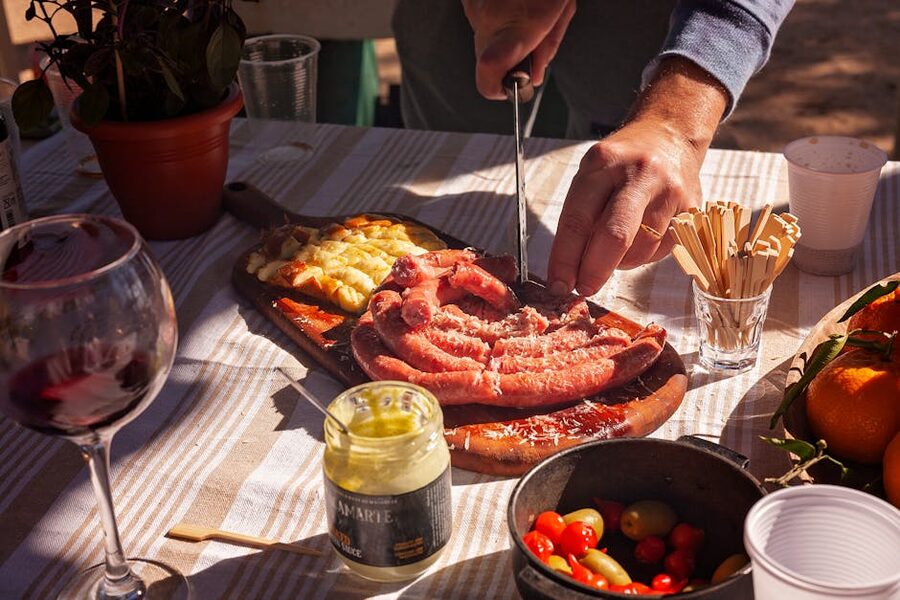
The dessert is almost always something local: doce de abóbora (pumpkin jam) on bread, arroz doce (Portuguese rice pudding with cinnamon), or seasonal fruit. Coffee comes after. The whole lunch runs about ninety minutes, longer if your guide isn’t pushing the schedule.
Vegetarian and vegan options exist if you flag them when booking. Most quintas can manage a meat-free version of the soup, the cheese plates, plus a vegetable-based main. They are not pulling miracles, but they will feed you. Coeliac and gluten-free is harder. Bread is everywhere on this kind of meal and the substitutes are limited. If you’re strict about it, message the operator before you pay.
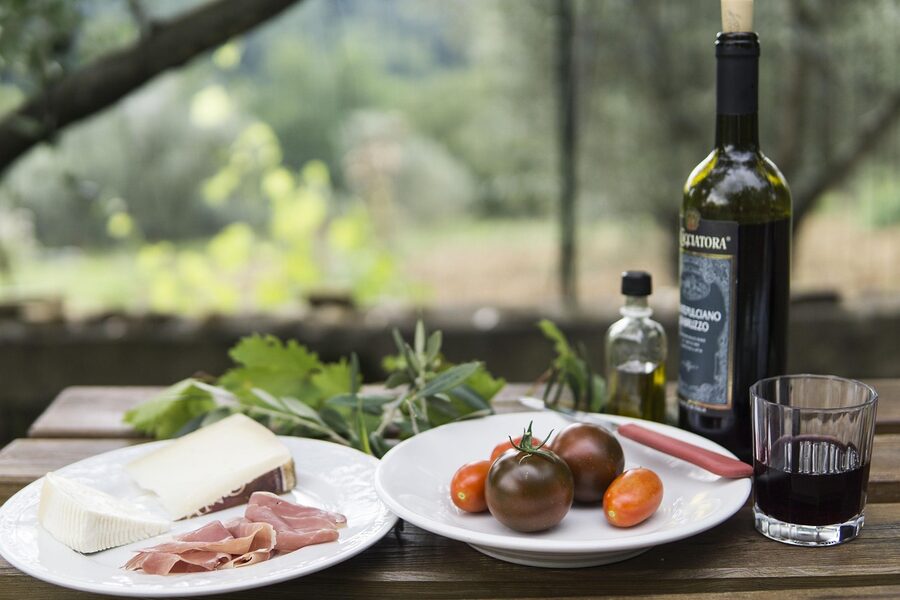
The wine pairings during lunch are the part where the better operators stand out. On the flagship versions of this tour the lunch wine isn’t just whatever’s open. It’s matched to each course by a sommelier, and you’ll often get a Vinho Verde-style white with the soup or fish, a Douro red with the meat, and a tawny port with the dessert. That’s three or four different wines just at lunch, which puts your day count at twelve or thirteen wines tasted. Pace accordingly.
How drunk you actually get (and how to manage it)
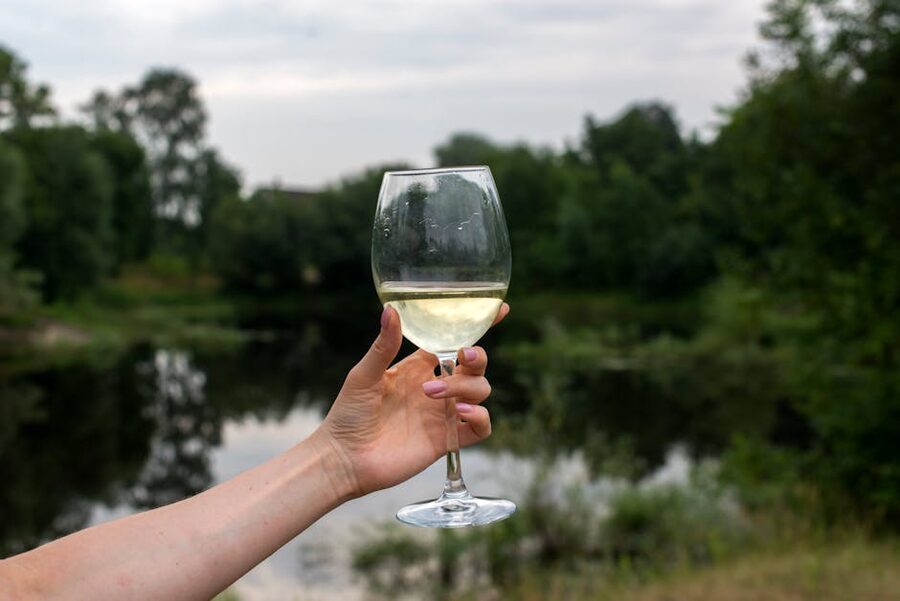
Eleven tastings sounds like a lot. It is, on paper. In practice the pours at the cellar tastings are around 30 millilitres each, which is half a normal restaurant pour. Lunch wines are bigger (50 to 80ml). If you finish every glass, you’re drinking the equivalent of about four normal glasses spread over six hours, with food. That’s manageable for most adults, especially with the lunch in the middle.
What catches people out is the combination of wine, sun, and the long drive back. A few practical things to know:
Pace yourself in the morning. The temptation is to finish each Vinho Verde tasting because the wines are light and easy. Don’t. Sip, taste, move on. You have hours to go.
Eat the cured meat plate. The cheese and chouriço at the morning tasting isn’t a courtesy. It’s structural. The fat and salt slow alcohol absorption.
Drink water at lunch. Usually pre-poured and topped up. Use it.
Pace the port at the end. Tawny port is 19 to 20% alcohol. One small glass is enough. Two will catch up to you on the drive home.
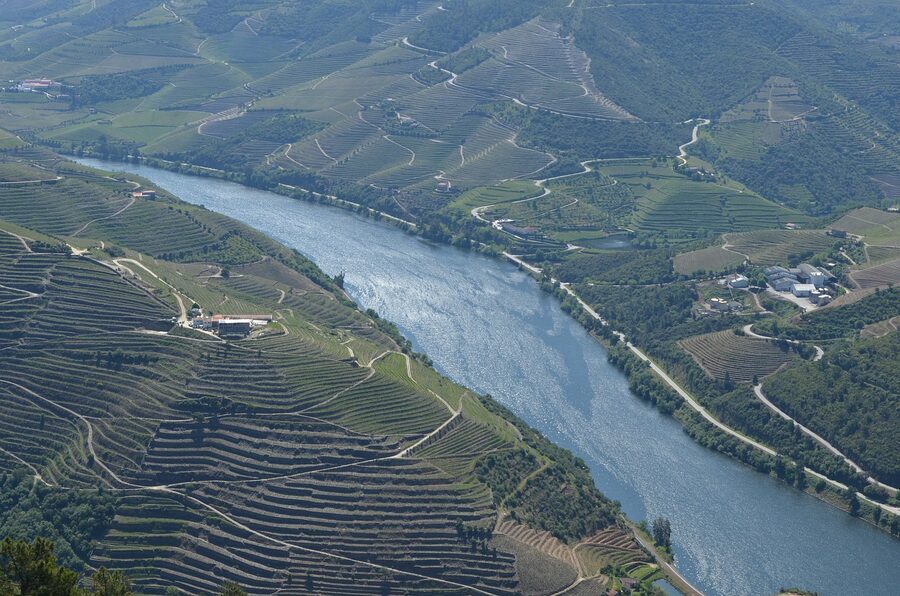
The drive back is when most people doze off. That’s fine. The minibus is comfortable, the road is winding, and you’ve earned it. Just don’t book a separate dinner for the night you do this tour. Order something quiet at your hotel and call it a day.
The boat segment, in plain terms
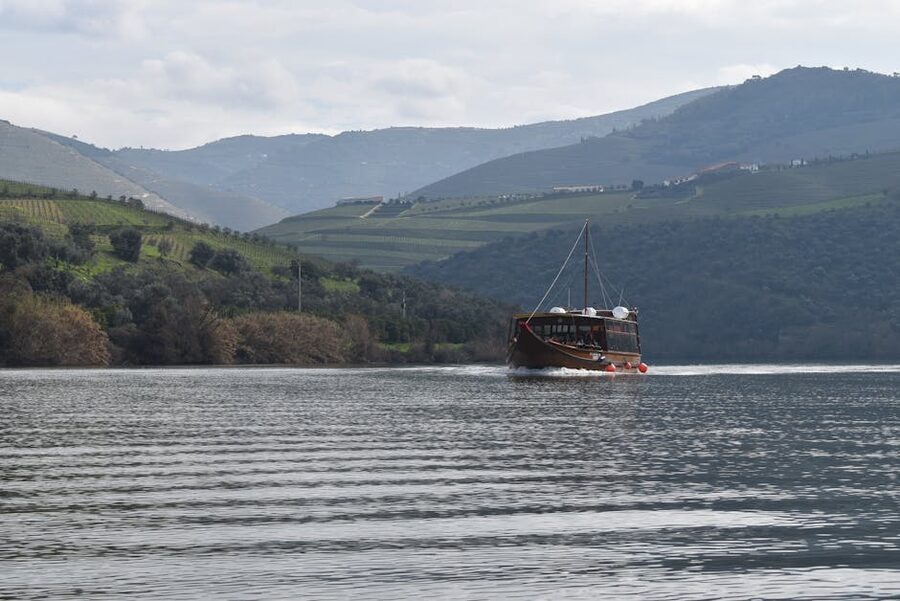
The boat ride is shorter than people expect. About an hour, sometimes ninety minutes if the weather is good. It’s not a transfer back to Porto. You’re put on a small riverboat near the second quinta, you drift one bend up and one bend down, you photograph the vineyards from the water, and then you’re back in the van.
The pace is the point. By 4pm you’ve been driving and walking and tasting for eight hours. The boat is the section where everyone sits down and shuts up for a while. You can take photos, you can chat with the people you’ve shared lunch with, you can just stare at the schist hillsides above the water. Most operators serve a small glass of port on board.
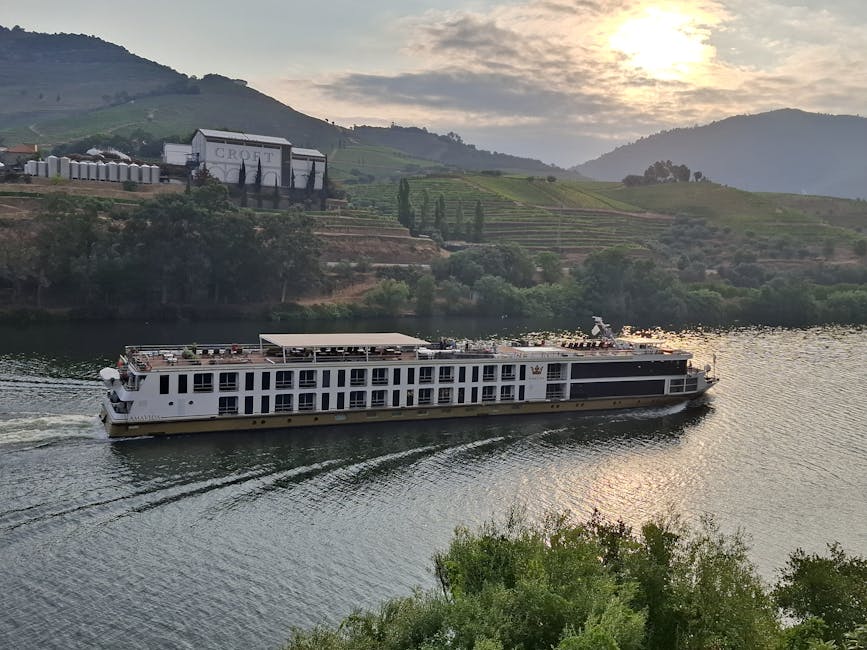
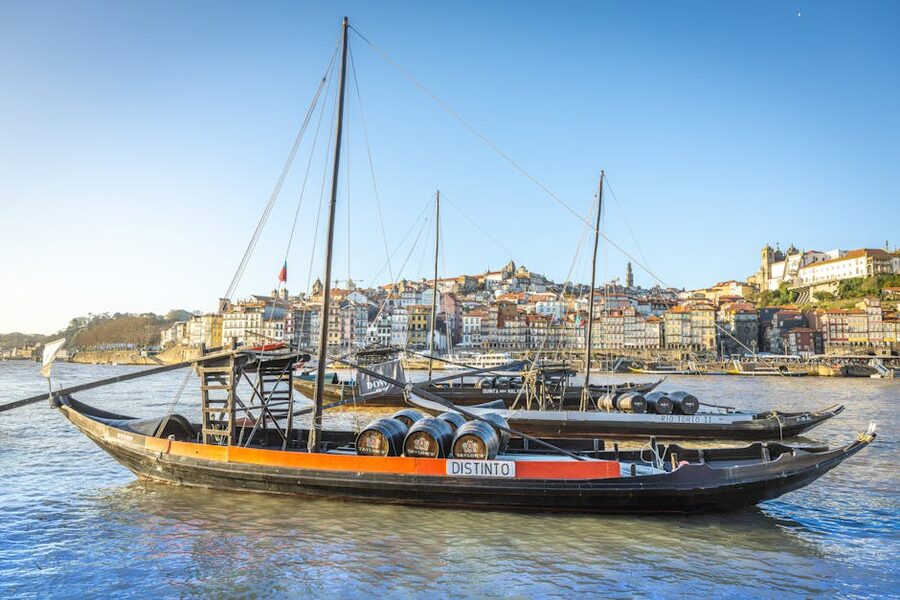
If you’ve already done the six bridges Douro cruise from Ribeira in central Porto, this boat is a different experience. The Porto cruise is urban, lots of bridges and Vila Nova de Gaia waterfront and historic boat replicas. The upper-Douro boat is rural, vineyards on both banks, almost no bridges, hardly any other boats. You can do both on different days and they don’t repeat.
Picking the operator: small group vs flagship vs private
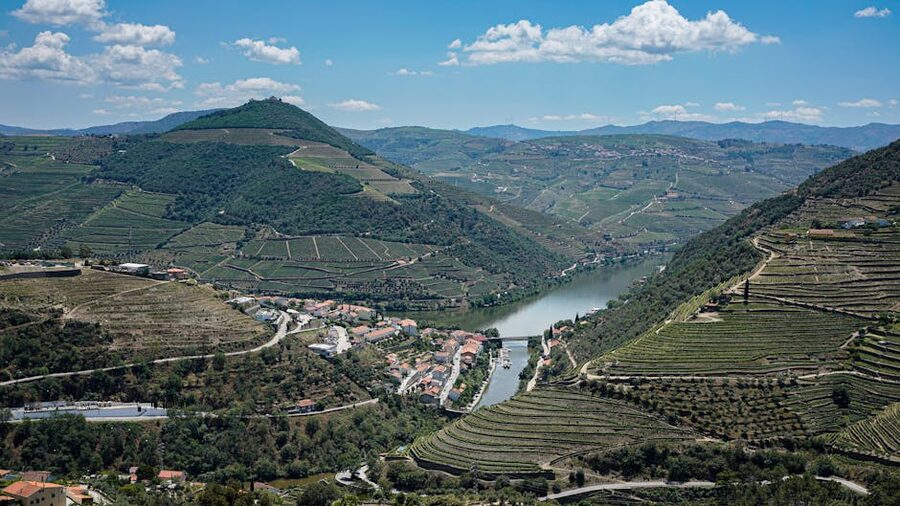
The market for two-region day trips from Porto has consolidated around a handful of operators. The supplier behind the most-booked tour, aDayinDouro, runs the GetYourGuide listing and is the one you’ll see in most search results. They’ve built the format that everyone else copies: small group of around fourteen people, two quintas, sommelier-led tastings, the chef’s lunch, the private cruiser at the end. That’s the flagship.
The Viator alternative runs a slightly different shape. Group size of similar order, often a different lead quinta, sometimes a less-deep sommelier element if that matters to you. Same format, looser execution, slightly cheaper.
Then the private options exist for two to four people who want their own driver and their own pace. They cost roughly two to three times the per-person rate of the shared, and they include flexibility (you pick your pace, you can spend more or less time at each stop, you can request a specific quinta). They’re the right call if you’re celebrating an anniversary, if you have mobility constraints that don’t fit a shared minibus, or if you want a deeper conversation with the guide. Otherwise, the flagship shared tour is the better value.
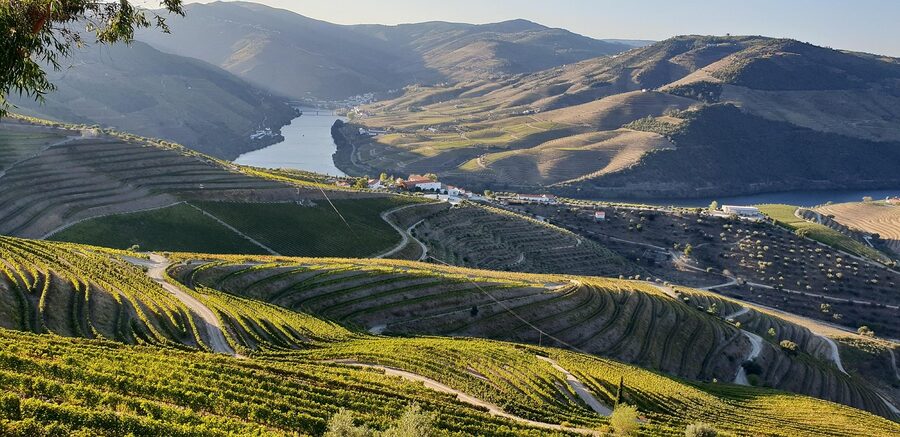
One thing all three flavours share: they’re all small enough that you’ll get a real conversation with the guide. None of these are coach tours with sixty people and a microphone. You’ll be on a first-name basis with everyone in your van by lunchtime. That part of the experience is consistent regardless of operator.
The three I’d actually pick
These are the ones I’d point a friend toward, in order. Different shapes of day for different travellers. Read the cards, decide which fits, click through.
1. From Porto: 2 Wine Regions, Farm-to-Table Lunch and Boat, $94
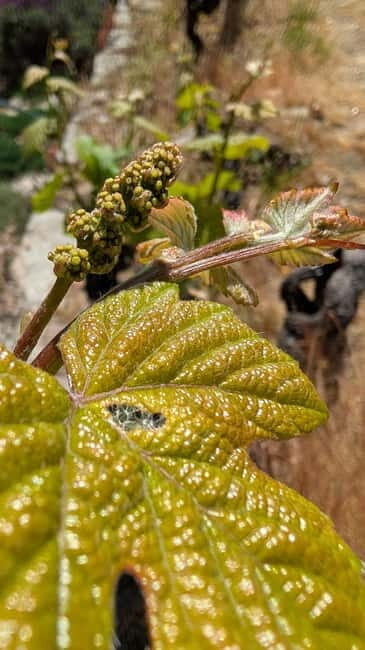
This is the tour that defined the format. Run by aDayinDouro. Our review of the flagship version covers the sommelier element and where the lunch course slows down. Pick this one if it’s your first crack at Portuguese wine country and you want the full education with no compromises. The wine pairings at lunch are the bit where this operator stands out.
2. From Porto: 2 Wine Regions, Farm-to-Table Lunch and Boat (Viator), $89
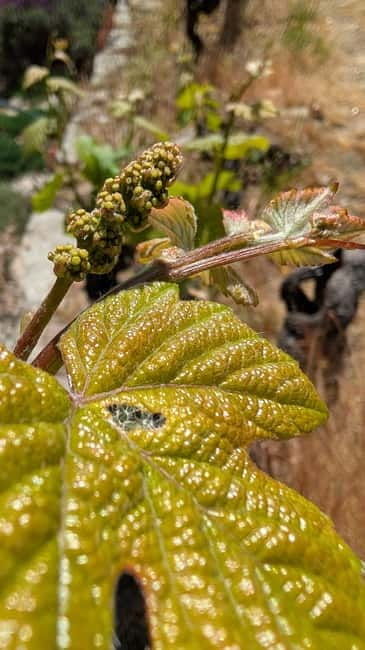
This is the alternative listing. Same overall day, same nine-hour shape, same Vinho Verde-then-Douro-then-boat sequence. Our review of this alternative walks through where it edges ahead and where it doesn’t. Pick this if the flagship slot you wanted is sold out (common in summer), or if you’d rather book on Viator with their cancellation terms than on GetYourGuide.
3. Porto Tapas and Vinho Verde Tour, $96
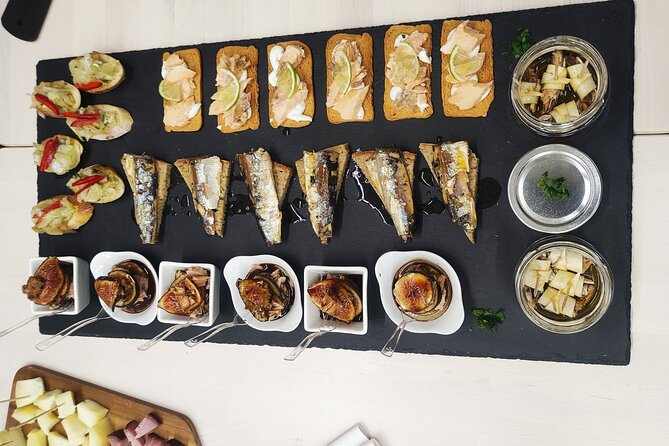
This is the short-format option for travellers who can’t commit a full day. Three and a half to four hours, walking inside Porto, six or seven Vinho Verde tastings paired with codfish cakes, presunto, fresh sheep cheese, and other small plates. Our review of the tapas tour covers which neighbourhoods you walk and where the food stops sit. Pick this if you’ve only got an afternoon free, or if you’ve already booked a separate dedicated Douro Valley day and you want to taste Vinho Verde without driving north for it.
When to go (the timing nobody mentions)
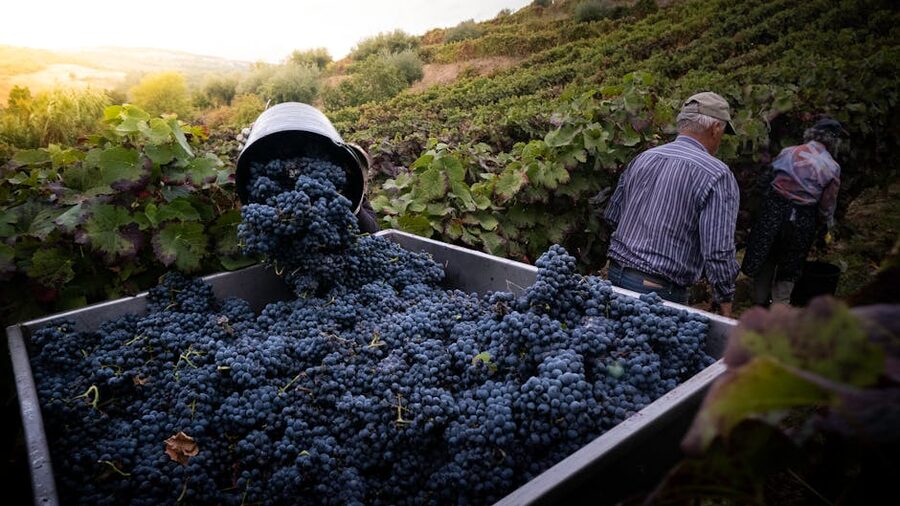
The seasonal calendar shapes the experience more than people expect.
Spring (April to early June) is the prettiest. Vines green, hills full of wildflowers, mild temperatures, fewer tourists. Some quintas haven’t released the previous year’s whites yet, so the tasting list is leaner. Bring a light jacket, the upper Douro can still be cool by 5pm.
Summer (mid June to August) is the busy season. Hot, dry, the Douro can hit 35 degrees Celsius by 2pm and the schist throws back heat all afternoon. The boat is genuinely refreshing. Lunch will probably be moved indoors. Book at least two weeks ahead, three in July and August, because the small-group tours sell out.
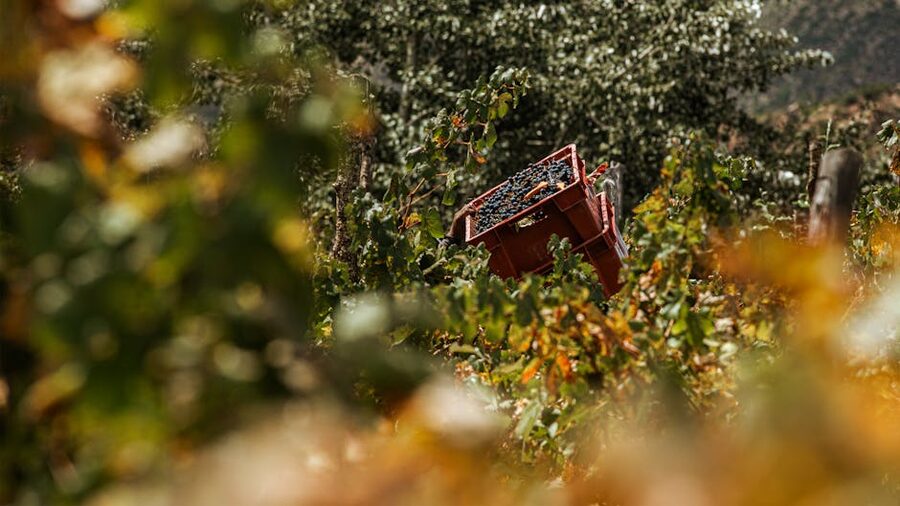
Harvest (late August to early October) is the most interesting season. The cellar is alive, the floor is sticky, the smell is fermenting grape must. Some quintas let you watch the foot-treading in the lagares. The trade-off: book ahead, eat the harvest lunch (which will be slightly different to the regular menu), and accept that the small-group tours fill up earliest in September.
Autumn (October into November) is the slept-on season. The leaves on the vines turn red and gold, the crowds thin, the prices come back. Cooler temperatures mean lunch on the terrace is genuinely pleasant. The Douro looks the way it does in those autumn Instagram shots. This is when I’d go if I had a choice.
Winter (December to March) is the cheapest and the quietest. The vines are bare, the river can be high, and a few of the smaller quintas close for January. The bigger ones stay open. If you’re already in Porto in winter (the city is genuinely good year-round, especially with a Porto Card for the museums), this tour still runs. The lunch moves indoors, the boat ride is shorter, and you’ll likely have the cellar to yourselves.
What to bring (and what not to)
Layered clothing. The Vinho Verde region is cooler and damper than the Douro. By 11am at the first quinta you might want a light jacket. By 2pm at the Douro you’re in shade only and you’ll regret long sleeves.
Closed-toe shoes for the vineyard walk. Granite gravel in Vinho Verde, schist underfoot in the Douro. Sandals are workable but not ideal. Real walking shoes or trainers are better.
Sunscreen and a hat. Especially for the boat ride. The Douro canyon throws sun off the water and the back of your neck will burn faster than you think.
A reusable water bottle. The bigger quintas usually have a water station. The smaller ones rely on bottled water at lunch only. If you’re a heavy-water-drinker, bring your own.
What you don’t need: snacks (you will be fed), tons of cash (almost everything pays by card now, including the cellar shops), or a separate suitcase for wine bottles (most guides will manage one or two boxes per booking, but if you’re buying a full case talk to the operator beforehand). Don’t bring a hangover from the previous night either, the morning Vinho Verde tasting is unforgiving on a tired stomach.
If you’re combining this with the rest of Porto
This tour eats a full day. So plan around it. Most people doing a long weekend in Porto give it day two, after a day in the city itself.
If you’re using the city days well, the natural shape is something like this. Day one: the historic centre on foot, with a Porto walking tour in the morning, Torre dos Clérigos for the rooftop view, lunch on Praça dos Leões, then Livraria Lello in the afternoon and a Porto fado evening. Day two: this two-region tour. Heavy day, you don’t want anything on top. Day three: a recovery morning, then a Cálem cellar visit in Vila Nova de Gaia in the afternoon to round out the port-wine education with a Porto-side cellar.
If you’ve got four or five days and the energy, the active option is to add an e-bike tour through Porto on a separate morning, which gives you the riverside neighbourhoods and Foz do Douro at your own pace. The Spiritus multimedia show at the Igreja dos Clérigos is the right Friday or Saturday evening if you want something cultural that isn’t more food. And if you’ve still got days, the Braga and Guimarães day trip is the historical counterpart to this wine day.
One swap to consider. If you’re already booked on this tour and you’ve got someone in your group who genuinely doesn’t drink, the six bridges Douro cruise in central Porto is a one-hour, lower-commitment alternative. They can do that on the morning everyone else does the wine day, then you all meet for dinner.
Things that go wrong (and how to handle them)
I have done this tour twice and watched friends do it three or four more times. The same handful of issues come up. Avoid them.
Booking the wrong day. The two-region tour and the Douro-only tour have nearly identical names on the listing pages. Read the inclusions: if it says “two regions” or “Vinho Verde and Douro” it’s this tour. If it says “Douro Valley” only and lists two Douro estates, it’s the single-region. Both are good, but they’re different days.
Underestimating the drive. Nine hours sounds like a lot but only about three are actual driving. You’ll be sitting still much more than you’d think. People who book a 7am start because “they want to be back early” then realise the tours all start at 8 or 8:30. There’s no early-start option.
Trying to add a separate evening dinner. Don’t. You’ll be wine-drunk and full from the harvest lunch. Eat light at the hotel and call it.
Not asking about pickup location. The included pickup is from a list of central Porto streets. If your hotel is in Vila Nova de Gaia or up at Boavista, you might not be on the route. Either confirm in advance or get a taxi to the central pickup point and back.
Buying too much wine to bring home. The cellar door rates are real, but international flight liquid limits aren’t your problem. The bottles need to go in checked luggage, wrapped well, and most airlines limit it to twelve bottles per case. Don’t go heavier than that without a shipping arrangement (some quintas do international shipping for a fee).
Booking the day after a long flight. Jet lag and eleven tastings don’t mix. Give yourself a recovery day in Porto first. Take that walking tour, eat properly, sleep eight hours, then do the wine day on day two or three.
The honest verdict
The two-region tour is the right way for most first-time Porto visitors to see Portuguese wine country. You get the breadth that a Douro-only tour doesn’t, you get a proper food day in the bargain, and you’ll come away knowing why those Vinho Verde bottles in your hometown wine shop are not the cheap thing the label suggests.
Where it bites: you don’t go as deep into the Douro as the dedicated Douro tour does. You won’t see Pinhão. You’ll spend half the day in a region most foreign visitors don’t recognise the name of, which means the photos won’t be as Instagram-friendly. And you’ll be on the road for nine hours, which is heavy after the long previous day in Porto.
If those trade-offs sound fine, book the flagship version, pick a Tuesday or Wednesday slot (weekends are busier), pack water and sunscreen, and don’t plan dinner that night. You’ll come home with a tongue full of wines you didn’t know existed and an answer to the next dinner-party question about Portuguese wine.
Where to go from here in the Porto wine cluster
If this article sold you on the day, the natural follow-on the night before is a quick port-wine cellar visit on the Vila Nova de Gaia side, which is where a Cálem cellar tour sits perfectly. The morning after, take it slow with a Porto walking tour through the historic centre, finishing on the riverbank for a one-hour six bridges Douro cruise to round out the river experience without leaving the city. And if your Iberian trip carries on south, the Jerez Andalusian horses show pairs the wine-region day in Portugal with the sherry equivalent in Spain.