
Most people show up to Livraria Lello on Rua das Carmelitas, see the queue snaking back toward Praça de Lisboa, and join it. Ninety minutes later they’re inside, frazzled, racing the clock to find a book before their slot ends. The mistake is not the queue. The mistake is treating Lello as a walk-in attraction. Tickets are timed, they sell out, and the line you can avoid for an extra euro is the difference between a relaxed visit and one of the worst tourist traps in Porto.
This is your guide to booking Livraria Lello tickets in Porto. I’ll cover the two ticket types, why the timed-entry system exists, the J.K. Rowling story (which is more complicated than you’ve been told), what photography is allowed, the best times to go, and the walking-tour combos that bundle Lello with the rest of central Porto. I’ll also tell you when to skip it.
In a hurry? My three picks:
- Livraria Lello Entry Ticket and Foundation Option, around $18. The standard timed entry. Pick this if you only want to see the bookshop and you book early enough to land a quiet slot.
- Porto Walking Tour with Lello, River Cruise and Cable Car, around $73. The all-in-one. Four hours, walk plus boat plus funicular plus Lello.
- Porto Guided Walking Tour and Lello Bookshop, around $70. The three-hour walk that pairs central Porto with Lello in one ticket.
- The mistake people make at Lello
- Lello in 1906, before there was a Hogwarts to inspire
- The Rowling story, what’s actually documented
- How the ticket actually works
- The skylight, the staircase, and the things people miss
- When to go and when to skip it
- The three Lello bookings I’d actually pick
- 1. Livraria Lello Entry Ticket and Foundation Option,
- 2. Porto Walking Tour, Lello Bookshop, River Cruise and Cable Car,
- 3. Porto Guided Walking Tour and Lello Bookshop,
- Photography rules and what’s allowed
- Getting there from where you’re staying
- What to combine Lello with
- Buying a book, redeeming the credit, leaving without one
- Common booking mistakes
- Accessibility, kids, and other practical bits
- The final honest verdict
- More Porto guides worth a look
The mistake people make at Lello

Lello is not a free public bookshop you wander into. It hasn’t been since 2015. The owners moved to a paid timed-entry system because the place was being mobbed by Hogwarts pilgrims taking selfies on the staircase and never buying a book. Now you reserve a slot. You show up. You go in.
The mistake I see again and again: travellers walk to Rua das Carmelitas without a ticket, see the queue, and either join the wrong line or leave defeated. There are usually two queues outside. The longer one is for people with the standard silver ticket. The shorter one (often empty) is for people who paid extra for the gold skip-the-line variant. If you didn’t book online and you didn’t buy a ticket from the kiosk across the street, you cannot get in. Full stop.
Book the ticket online. Pick a slot. Arrive ten minutes before. That’s it. The whole drama of “how do I get in” disappears.
Lello in 1906, before there was a Hogwarts to inspire
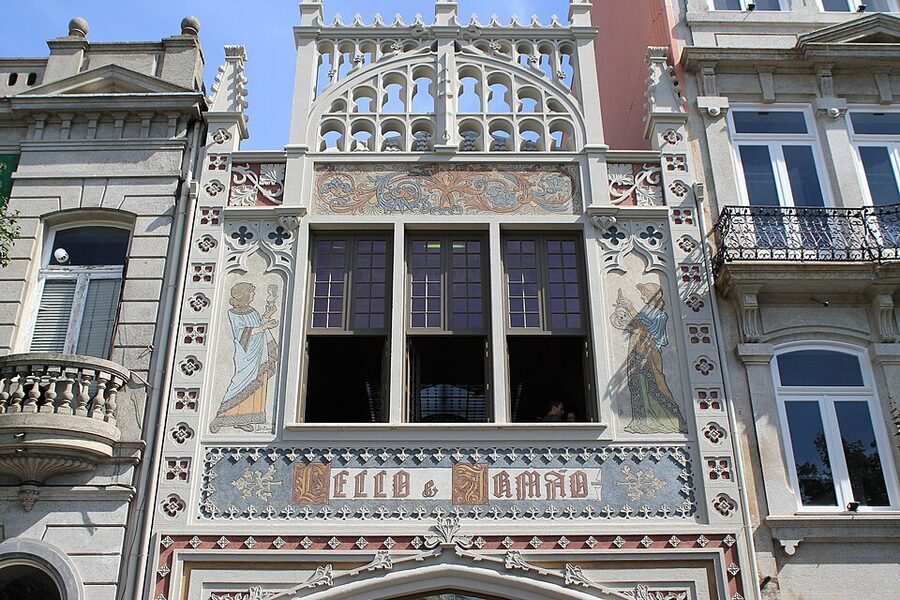
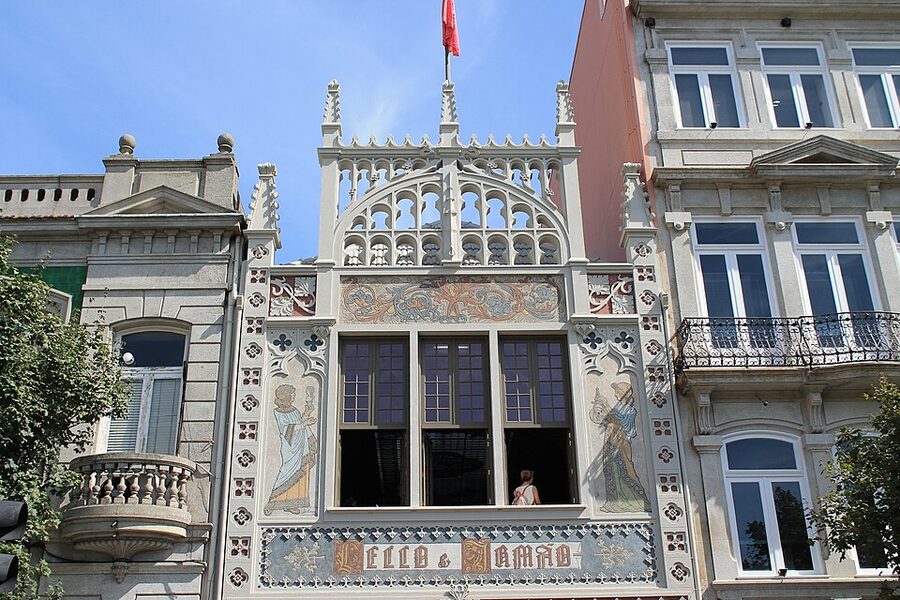
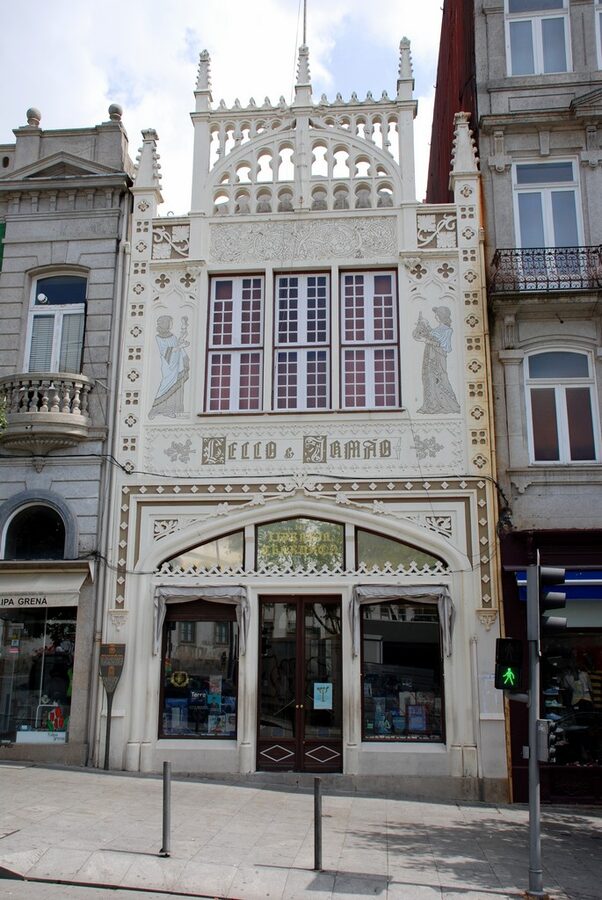
Here is the part that gets buried under the Hogwarts marketing. Livraria Lello opened on 13 January 1906. It was commissioned by the brothers José and António Lello, who had been running a bookshop business in Porto since the 1880s. They bought out the older Chardron book trade, hired engineer Francisco Xavier Esteves to design the new building, and unveiled the result on Rua das Carmelitas. The building is 85 years older than J.K. Rowling’s stay in Porto, and 91 years older than the first Harry Potter book.
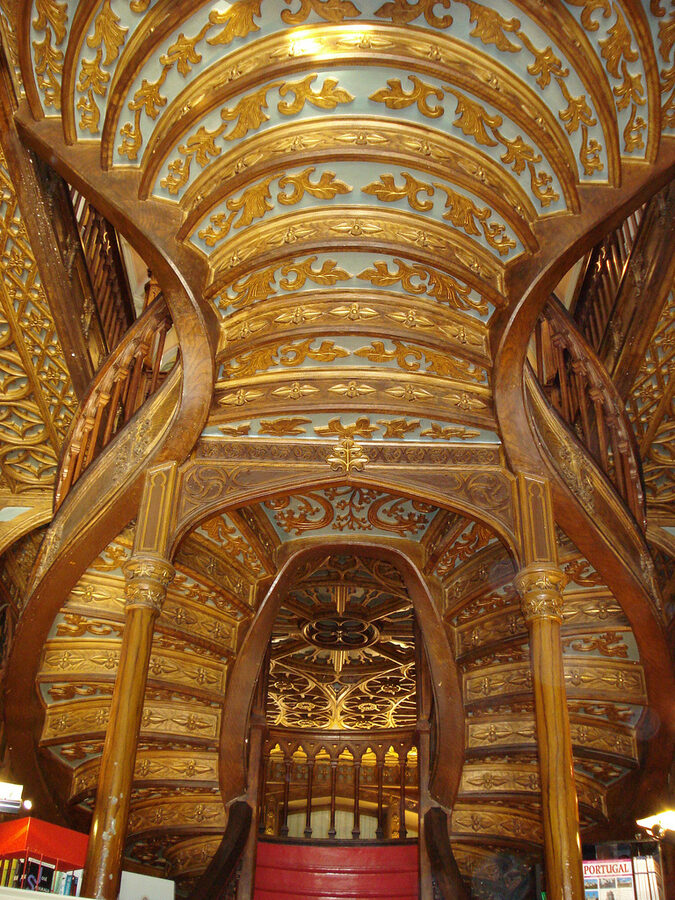
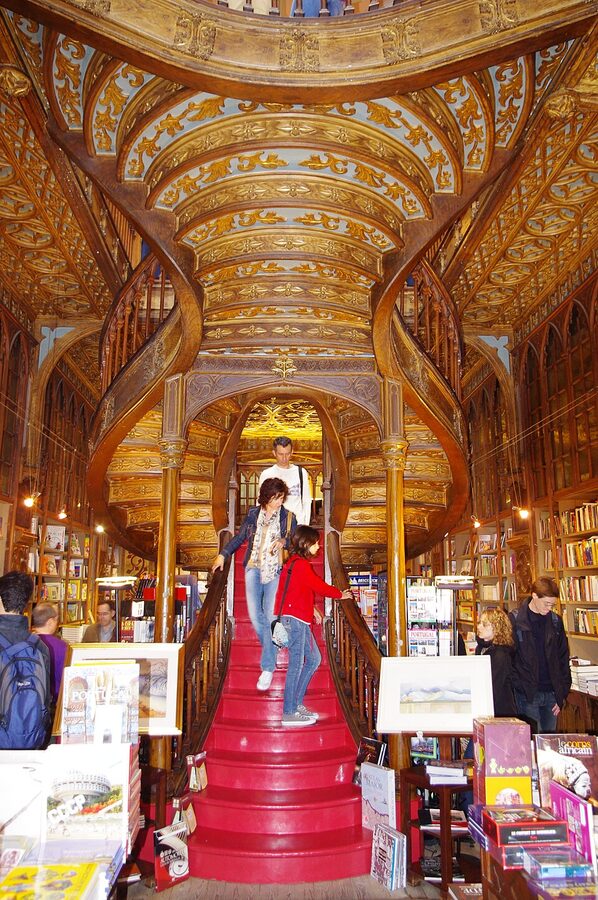
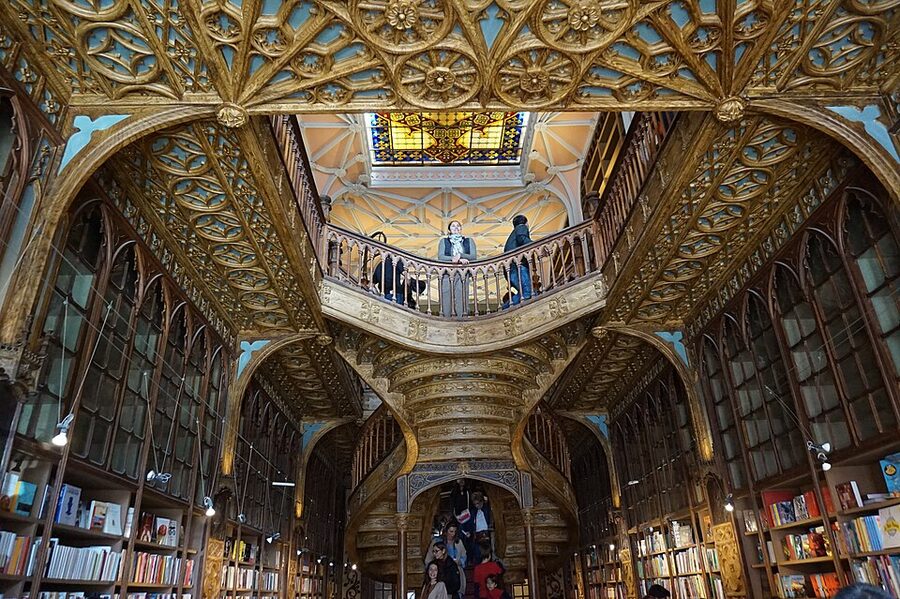
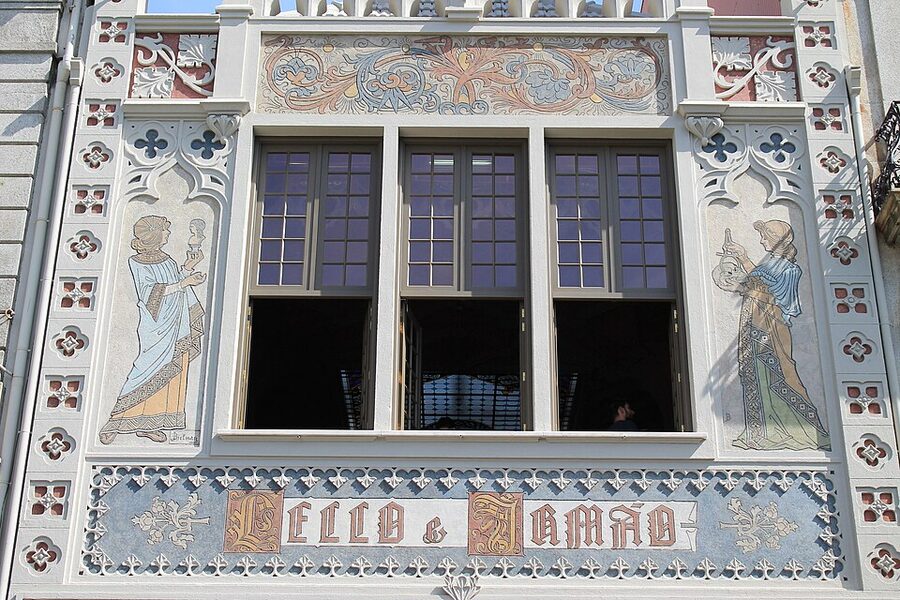
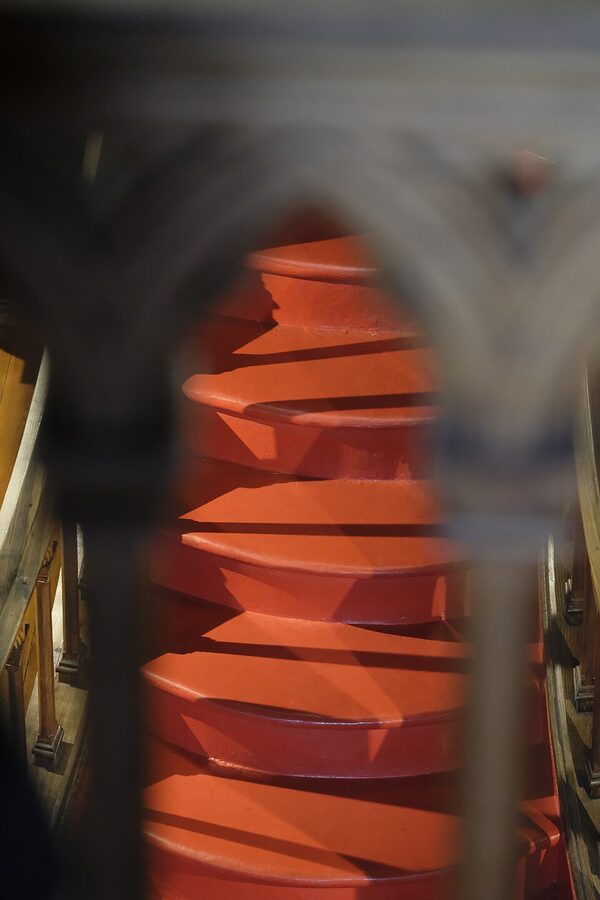
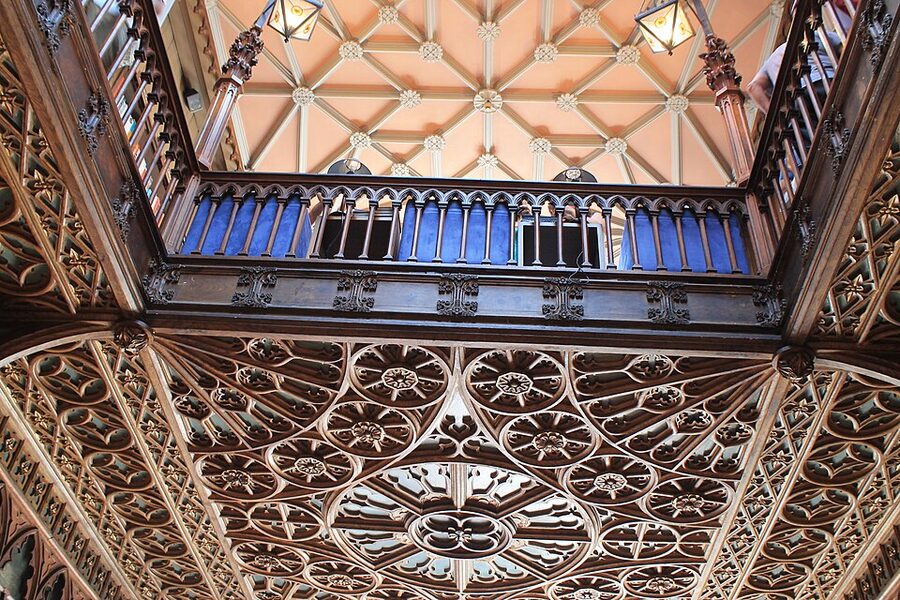
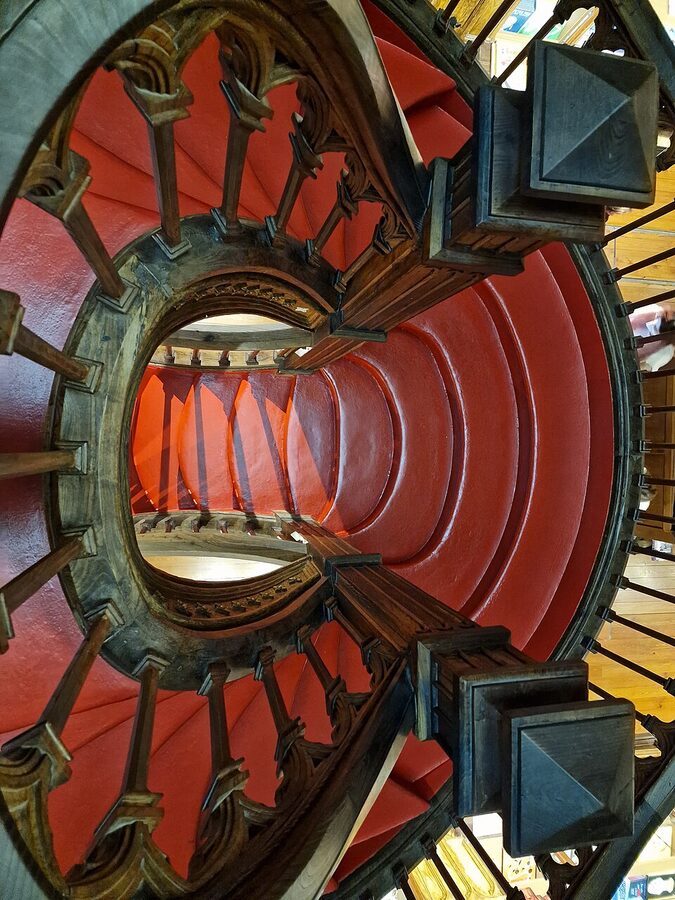
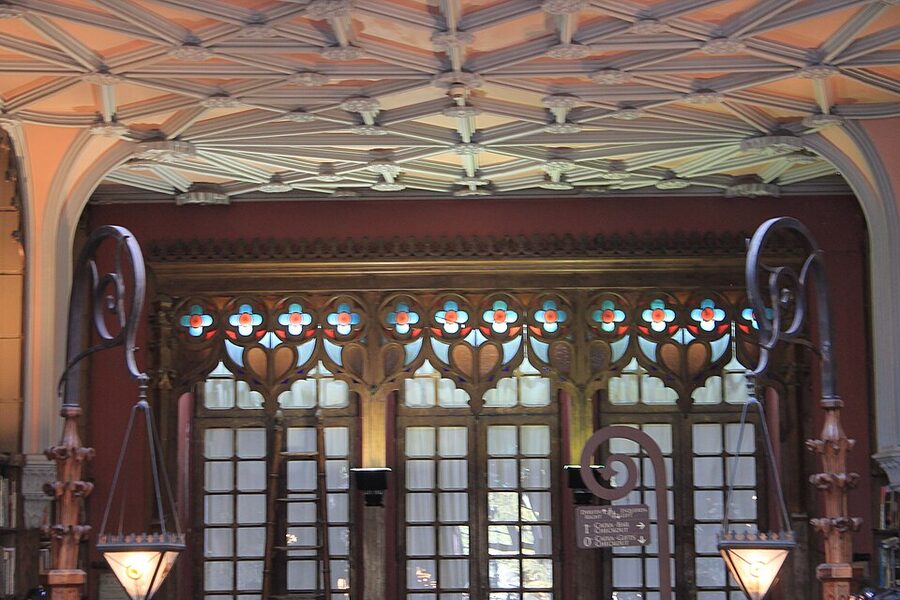
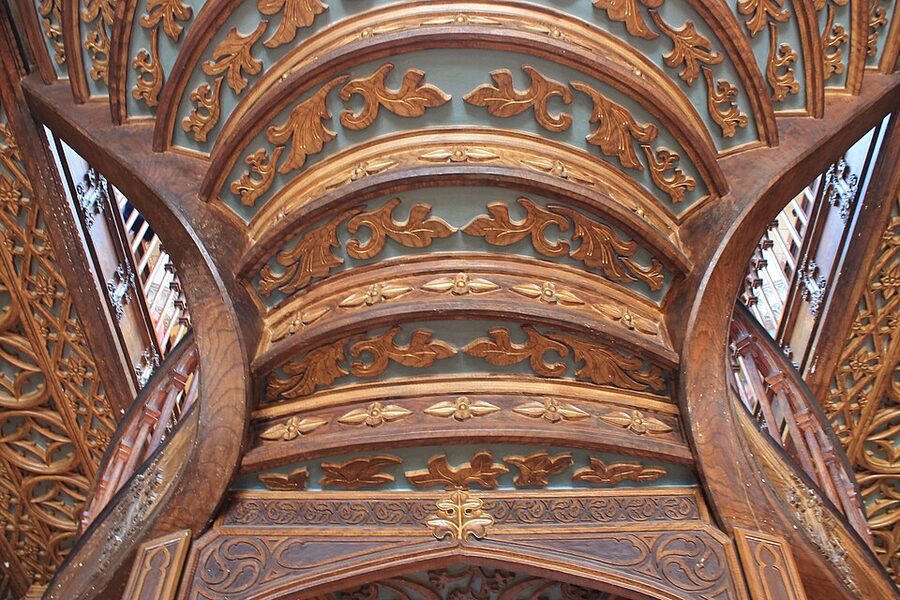
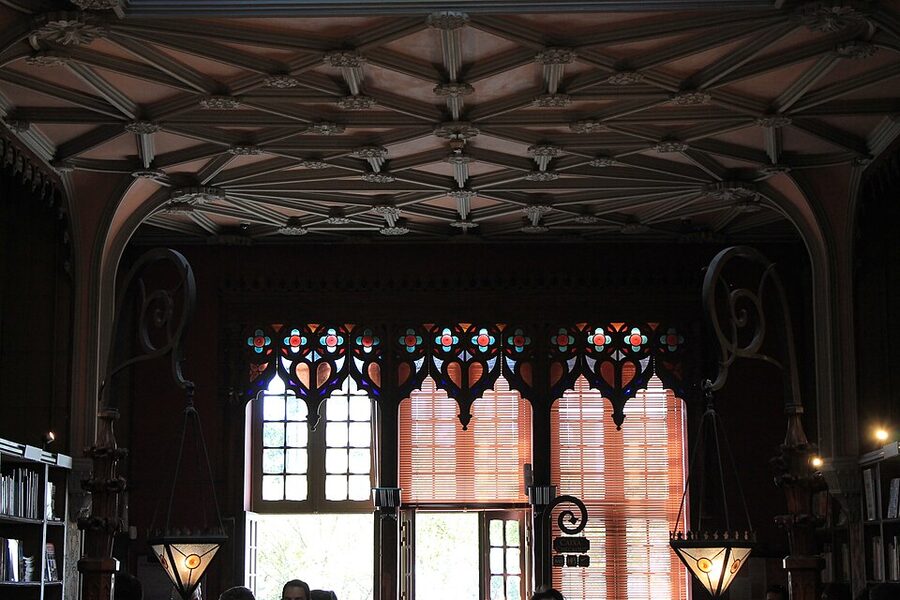
The exterior is neo-gothic with art-nouveau flourishes. The interior is full art-nouveau. Carved wood. A stained-glass skylight running the length of the ceiling. The famous red staircase, double-curved, splitting in two as it rises. Two painted figures on the front facade represent Art and Science. The whole place was an architectural statement: a bookshop should look like a temple to literature, not a corner shop with shelves. They wanted Porto to know they took books seriously.
It worked. By the 1920s Lello was where Porto’s literary scene actually met. Writers, journalists, university lecturers from the Faculdade de Letras up the hill. The bookshop ran its own publishing arm. It still does. They print Portuguese-language editions of Tolstoy, Dostoyevsky, Stendhal, Camões, and they print them in custom hardback bindings designed to match the shop’s style. Buy one of those editions and you’ve taken home a piece of Porto, not a Hogwarts souvenir.
The Rowling story, what’s actually documented
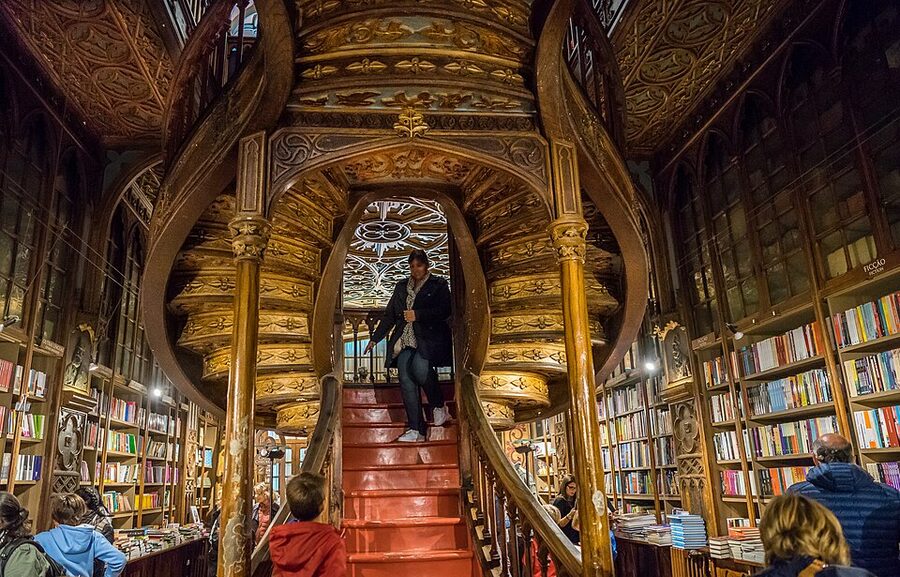
The story you’ve heard goes like this: J.K. Rowling lived in Porto, taught English, wandered into Lello, fell in love with the staircase, and based Hogwarts on it.
The first part is true. Rowling moved to Porto in late 1991 and stayed until 1993, teaching English at the Encounter English School on Rua de Cedofeita, about ten minutes’ walk from Lello. She wrote significant chunks of the first Philosopher’s Stone manuscript during that period. She married a Portuguese television journalist, Jorge Arantes, in 1992. Their daughter Jessica was born in Porto in 1993. The Porto link is genuine.
The second part is a maybe. Rowling has never officially confirmed that Lello was the inspiration for Hogwarts. In several interviews she’s actually distanced herself from the claim, saying she didn’t visit Lello regularly when she lived there. The Lello-as-Hogwarts story took off in the 2010s as a tourism narrative, and the bookshop’s owners have leaned into it. The merchandise around the corner doubles down. None of which is to say Rowling didn’t see the building. She probably did, walking past it from her teaching school. But “she set foot inside once” is a long way from “this was the architectural model for Hogwarts.”
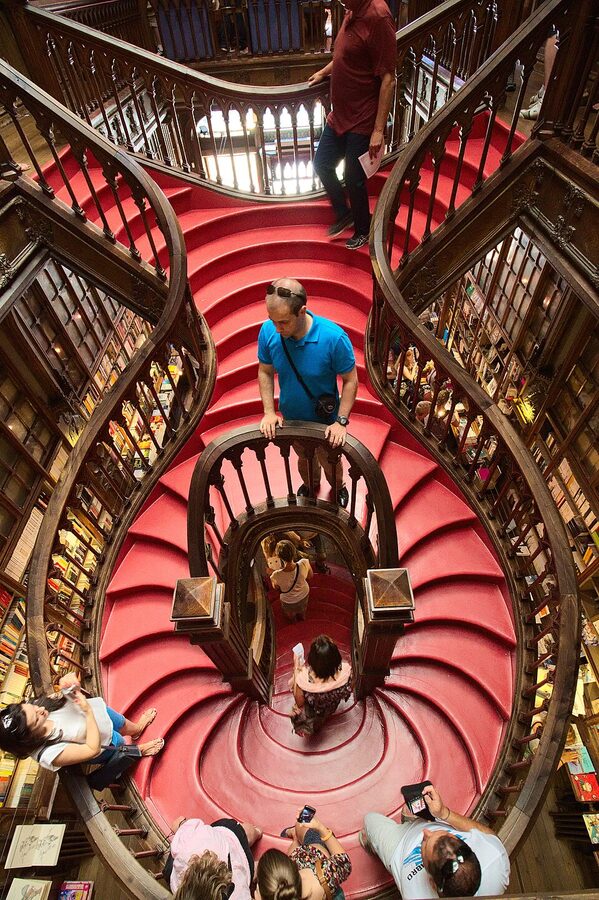
The honest take: visit Lello as an architecture buff. The art-nouveau staircase, the carved wood, the stained-glass ceiling, those are real. They’re worth the price of the ticket. Don’t visit because you think you’re stepping into Hogwarts, because you’ll be disappointed when you see the moving staircase doesn’t move and is much smaller than the films suggest.
How the ticket actually works
There are two tickets:
Silver, around €5 for the regular slot. Timed entry. You queue with everyone else who has the silver tier. The €5 you pay is redeemable against any book you buy inside the shop. So if you walk out with a hardback that costs €18, you actually pay €13 because the entry credit is taken off. If you don’t buy a book, you’ve paid €5 and that’s that.
Gold (the foundation premium), around €15.99. Skip-the-line. You walk past the silver queue, hand in your ticket, and you’re in. Same redemption rule applies, only now the credit is bigger. The gold ticket also gets you into the Foundation level (a small mezzanine exhibit that rotates).
If you can spare the difference, the gold ticket is worth it. I’ve watched people in the silver queue stand outside for the full hour they had to be inside, and then they get rushed through. The gold queue is usually empty. You walk in. The clock starts when you walk in, not when your slot started. Half an hour inside is plenty if you’re not browsing.
Tip on the book purchase. Lello prints its own classic editions and they price quite a few of them at exactly the price of the gold ticket. So you walk in with a €15.99 entry, you grab a hardback, and you walk out having paid effectively zero for the entry. The shop knows what it’s doing. Their own editions of Tolstoy, Dostoyevsky, and Pessoa are also genuinely beautiful objects, so it’s not a sympathy purchase.
The skylight, the staircase, and the things people miss
Most visitors photograph the staircase, glance up at the skylight, and miss everything else. Don’t. Lello rewards close looking.
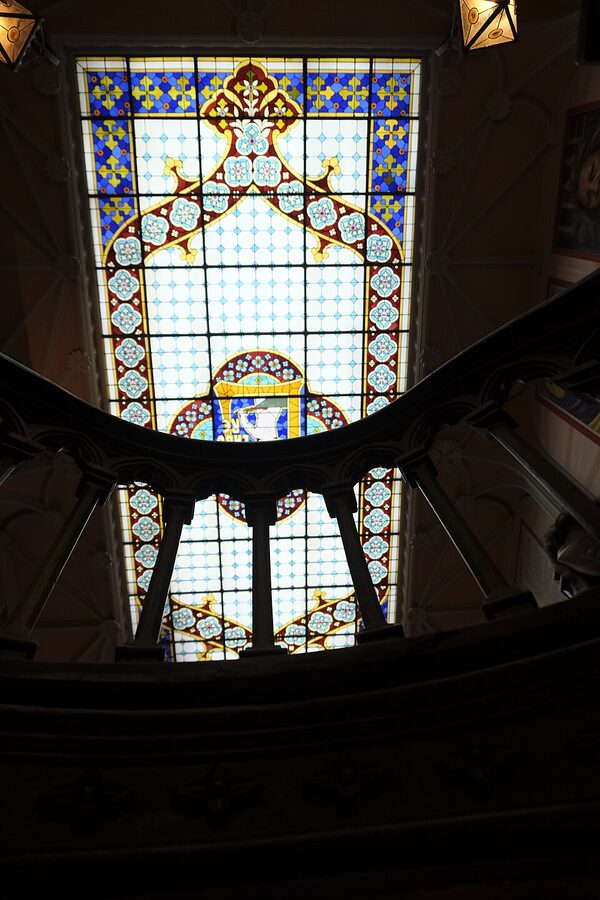
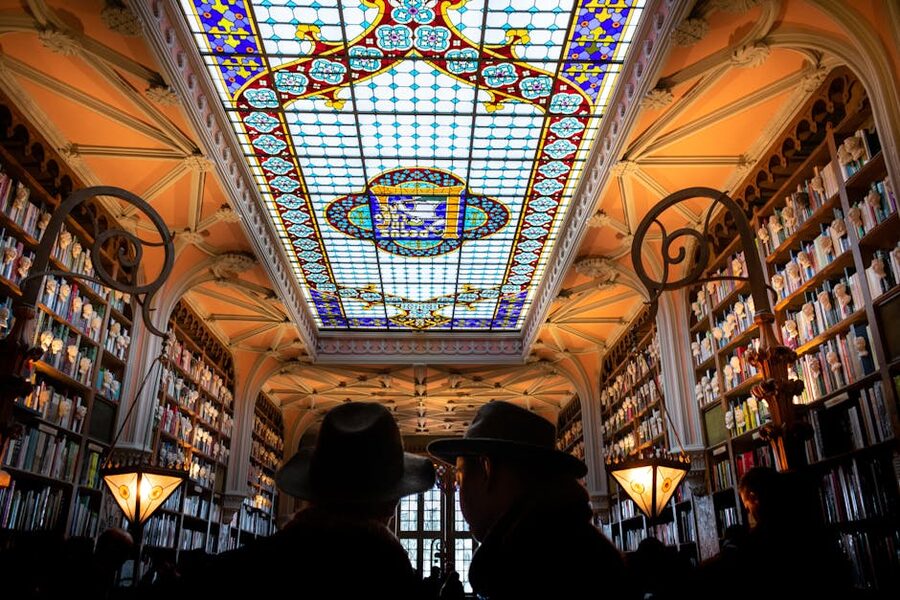
The skylight runs the length of the central hall and the panel reads Decus in Labore. That’s Latin. The phrase translates as “Honour in Work” or “Dignity in Work” depending on whose translation you use. It’s the bookshop’s founding motto and it threads through the building’s design. Floral and geometric art-nouveau patterns flank the lettering. On a sunny afternoon the colours throw onto the wood below and the staircase glows.
The bookshelves are lined with carved wooden portrait reliefs of Portuguese literary figures. Camões. Eça de Queirós. Almeida Garrett. Júlio Diniz. Antero de Quental. Look at the panels above eye level on either side as you walk in and you’ll see five or six of them carved into the woodwork. Most tourists never notice. Stop, take a few minutes on the lower floor before going up, and you’ll find them.
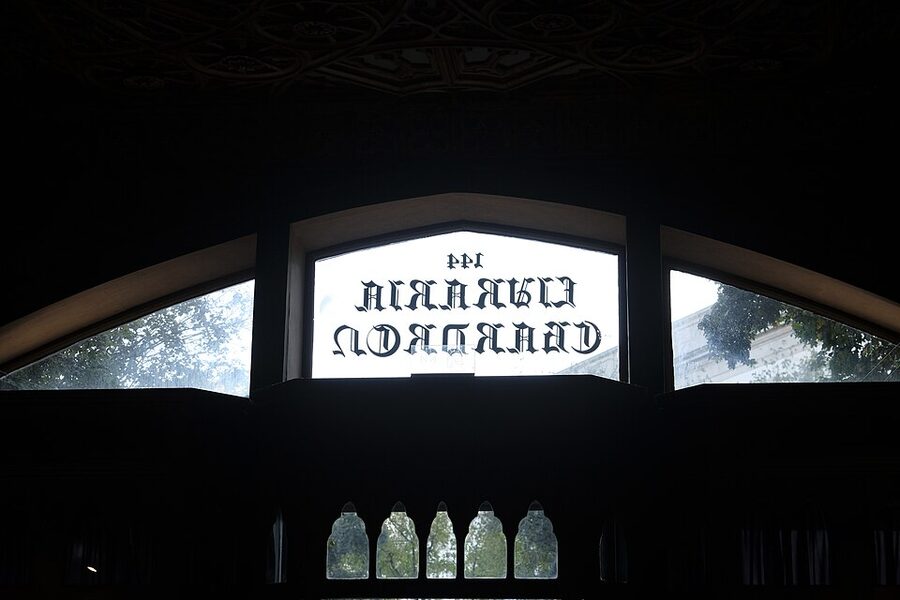
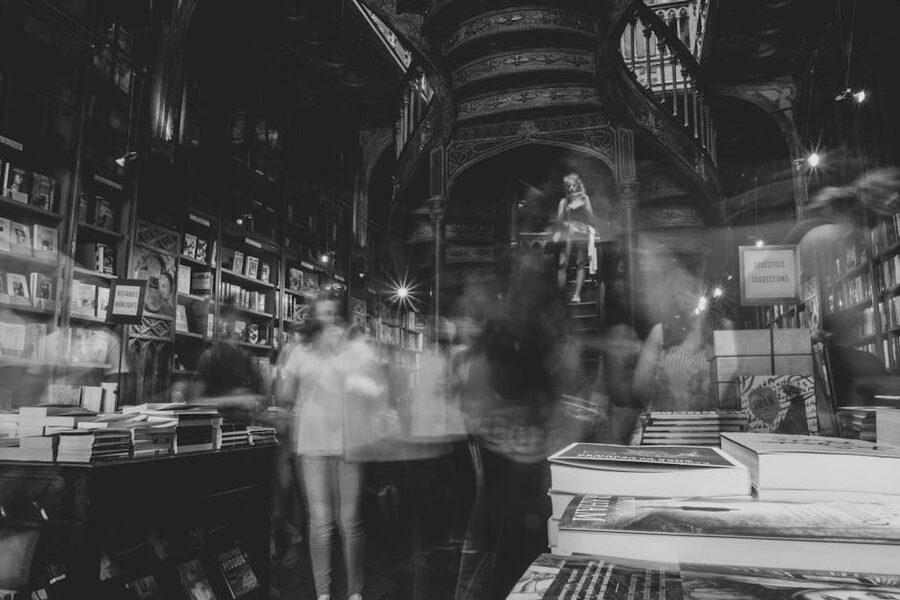
The mirrors. There are mirrors set high on the walls that catch the skylight reflection and make the space feel longer than it is. Stand in the middle of the staircase and look at the mirror angled at the back wall. You’ll see the skylight and the staircase compressed into a single image, which is more or less the photograph everyone sees on Pinterest.
The upper gallery is also where the photo opportunities improve. Climb the staircase, walk to the railing on either side, and look down. You’ll see the lower floor, the central staircase from above, the bookcases lining both walls. This is the angle most articles and Pinterest posts crop, but you have to be up there to find it.
When to go and when to skip it
Peak hours at Lello run roughly 11am to 4pm every day in high season (June through September). That’s when cruise-ship passengers show up, when the Hogwarts buses arrive, when the entry slots are fully booked, and when the staircase has fifteen people queueing for one photo angle.
The slots that are still pleasant:
The first slot of the day, 9:30am. The shop is empty. The light coming through the skylight is at its softest. Staff are still setting up. Most cruise-ship groups don’t get organised until 10:30. This is the slot to book if you can.
The last hour, around 6:30pm. Lello stays open until 7:30pm most days, and the last slot before close is usually quiet. Light is warmer through the skylight in late afternoon, the cruise crowds have gone back to their ships, and you can take photos without people in them. I’ve heard several visitors say this was their favourite slot.
Lunchtime, 1pm to 2pm. Almost as quiet as the morning slot in shoulder season. People are eating and the bookshop empties out. Less reliable in July and August, when peak demand pushes through lunchtime.
Skip Lello if: you’re in Porto for less than 24 hours and the rest of the city is unseen, you’re travelling with kids under five (the staircase is steep and the crowds are tight), you really dislike crowds and you’re visiting in July or August when even the quiet slots are not that quiet, or you’re indifferent to art-nouveau interiors. Lello is a beautiful interior. It is not a museum, it is not historical in the way the Jerónimos Monastery in Lisbon is, and it doesn’t reward casual interest the way a working tour like the Douro Valley wine tour does. You either love bookshops and architecture or you don’t.
The three Lello bookings I’d actually pick
The Lello listings on GetYourGuide and Viator come in two shapes. Standalone entry tickets, and walking tours that bundle Lello with other things (river cruise, cable car, central Porto walk). Below are the three picks. Read them and decide which fits your day.
1. Livraria Lello Entry Ticket and Foundation Option, $18
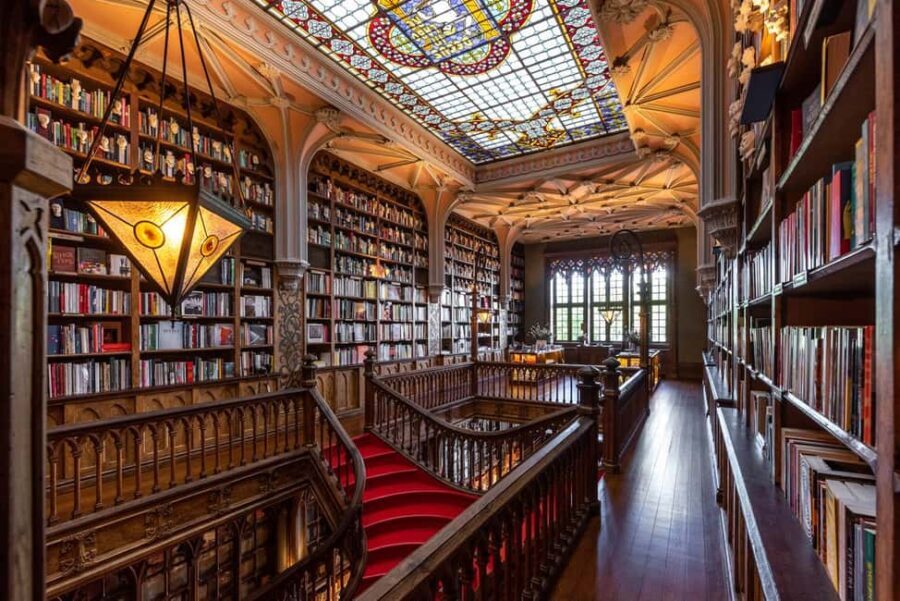
This is the no-fluff option. You’re paying for timed entry to Lello, the credit redeemable against books inside, and (with the foundation upgrade) access to the small Lello Foundation mezzanine exhibit. Pick the time slot that suits your day, show up ten minutes before, and you’re in. Our review of this entry ticket has the slot-by-slot breakdown and the foundation-upgrade verdict. Book this one if you want the bookshop and nothing else.
2. Porto Walking Tour, Lello Bookshop, River Cruise and Cable Car, $73
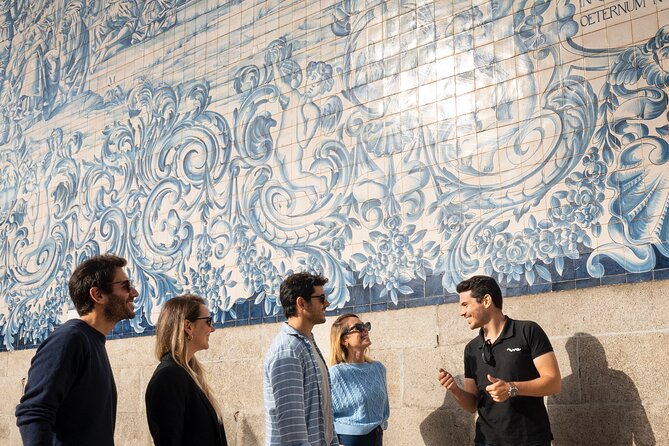
This is the four-hour Porto walk that uses your Lello slot as one stop in a bigger loop. You start in the historic centre, walk past the Sé cathedral and São Bento, cross to Vila Nova de Gaia by foot, take the cable car up, ride a Douro boat under the six bridges, and finish at Lello with the timed entry pre-booked for you. Our review of this combo covers the timing pitfalls and the cable-car wait. Pick this one if you’ve got a single day in Porto and you want most of the city solved in one booking.
3. Porto Guided Walking Tour and Lello Bookshop, $70
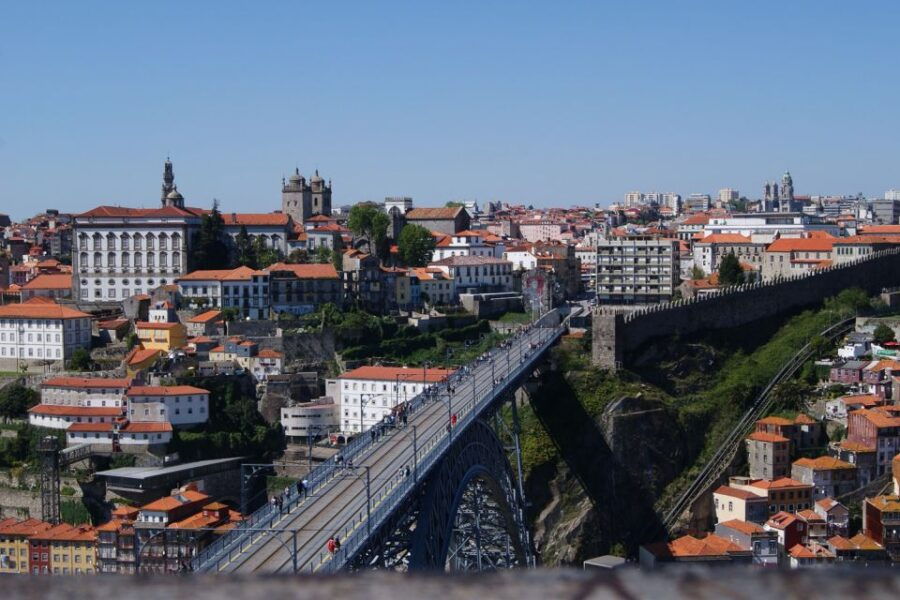
This is the focused-walk option. Three hours, all on foot, your guide threads through Clérigos, Lello, the Sé, São Bento railway station, and the Ribeira before finishing on the riverbank. Skip-the-line entry to Lello is built in. Our review of this walking tour has the route map and the guide notes. Book this one if you’d rather walk than ride and you want the historic centre explained as you go.
Photography rules and what’s allowed
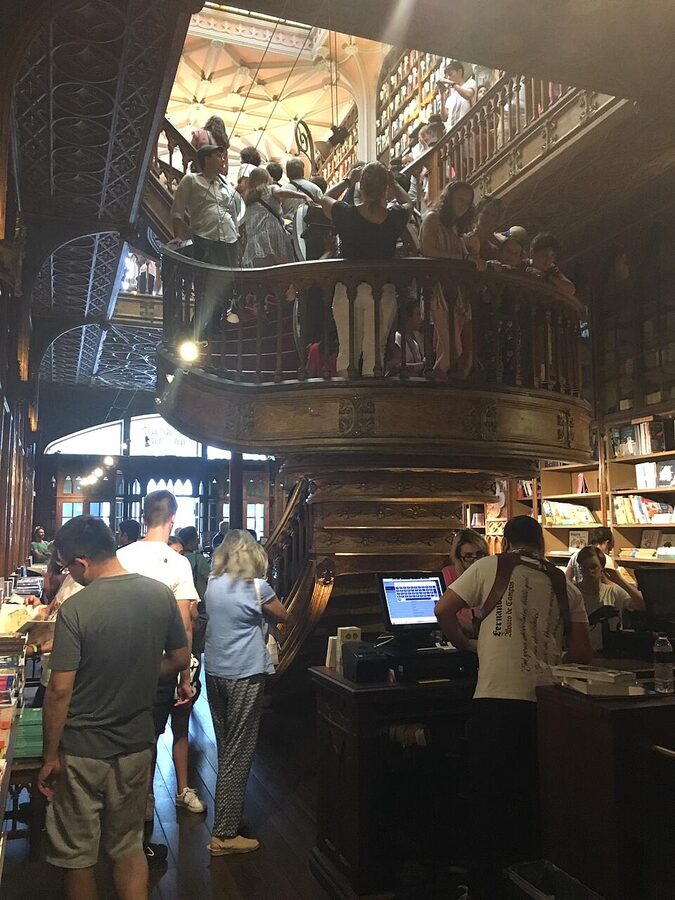
Phone photography is allowed and encouraged. There are no rules about photographing the staircase, the skylight, or the bookcases. Flash is technically not banned but is rude (the place is small and the people next to you are paying customers).
Tripods are not allowed. Neither are full-frame DSLRs on the staircase if you’re blocking traffic. The shop staff will gently move you on if you camp out for a perfect frame. Take your shot and step aside.
Filming for commercial purposes (Instagram reels with branded content, tour vlogs, anything with a tripod or extra lighting) needs prior arrangement with the Lello Foundation. Most influencer-grade content you see online was either filmed off-hours or arranged in advance. You won’t be doing that on a regular slot.
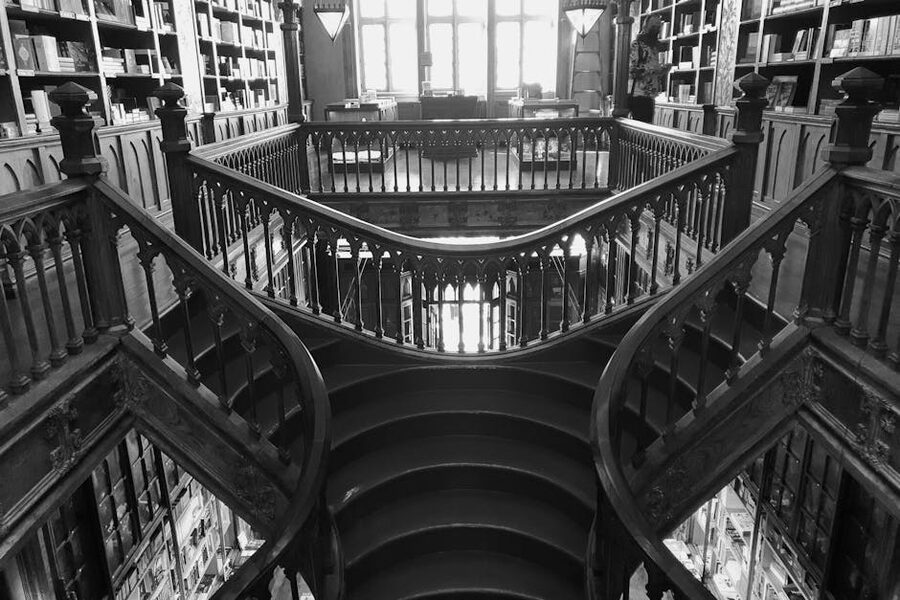
The honest pro tip: phone photos at Lello are better than DSLR photos for one reason. The space is tight, the lighting is uneven (skylight from above, low ambient at the floor), and you don’t have time to set up. Phones with computational HDR handle that better than a manual camera. You’ll be happier with what you walk away with.
Getting there from where you’re staying
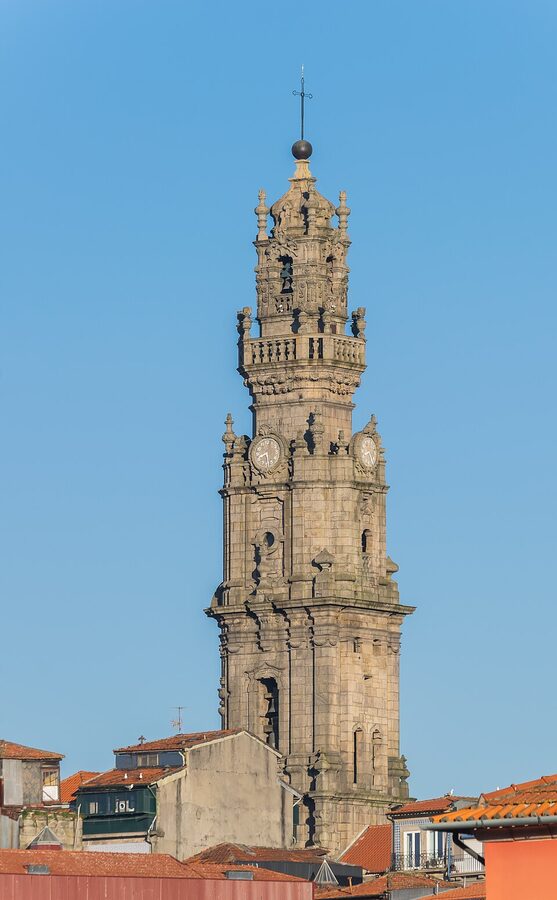
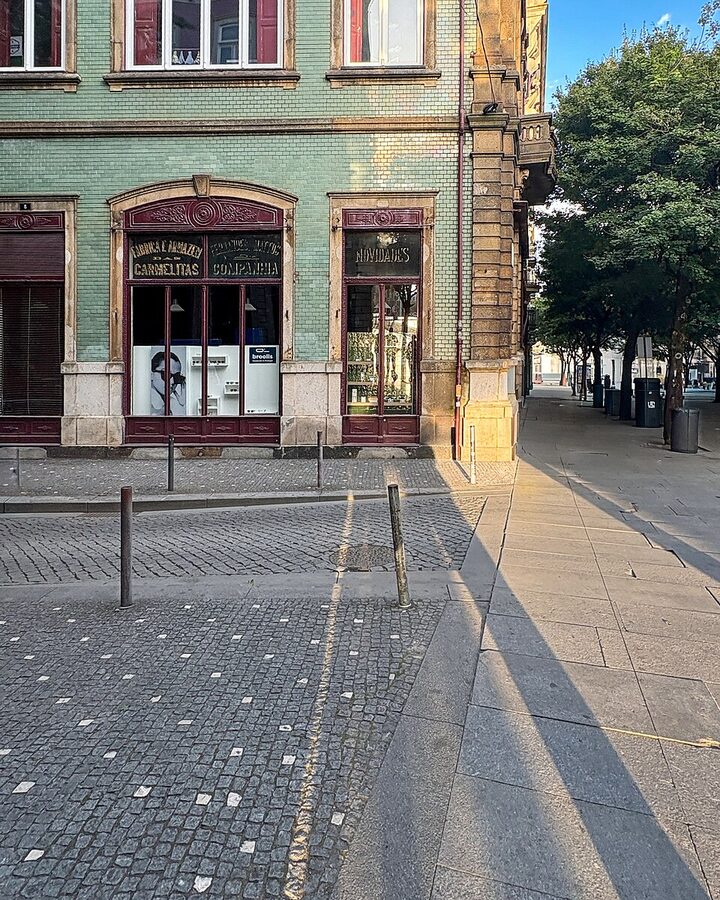
The address is Rua das Carmelitas 144, 4050-161 Porto. It’s in the historic centre, two minutes’ walk from Torre dos Clérigos, four minutes from Praça da Liberdade, six minutes from São Bento railway station.
By metro, the closest station is Aliados (lines D and yellow) on Avenida dos Aliados. Walk three minutes uphill on Rua dos Clérigos, past the tower, turn right onto Rua das Carmelitas, you’re there. From Trindade (the central transfer hub) it’s a five-minute walk down the slope. Both are covered by the Porto Card with transit, which makes sense if you’re hitting two or three other museums on the same day.
By foot from Ribeira (the riverbank), it’s about fifteen minutes uphill. Steep cobblestones. If your knees are wonky after a Porto wine tasting, take the funicular dos Guindais up to the top and walk five minutes from there.
By taxi or Bolt, you’ll get dropped on Praça de Lisboa or Praça dos Leões because Rua das Carmelitas is pedestrian-restricted in places. Around 5 to 7 euros from anywhere central. Don’t ask the driver to get you to the door, they can’t.
What to combine Lello with
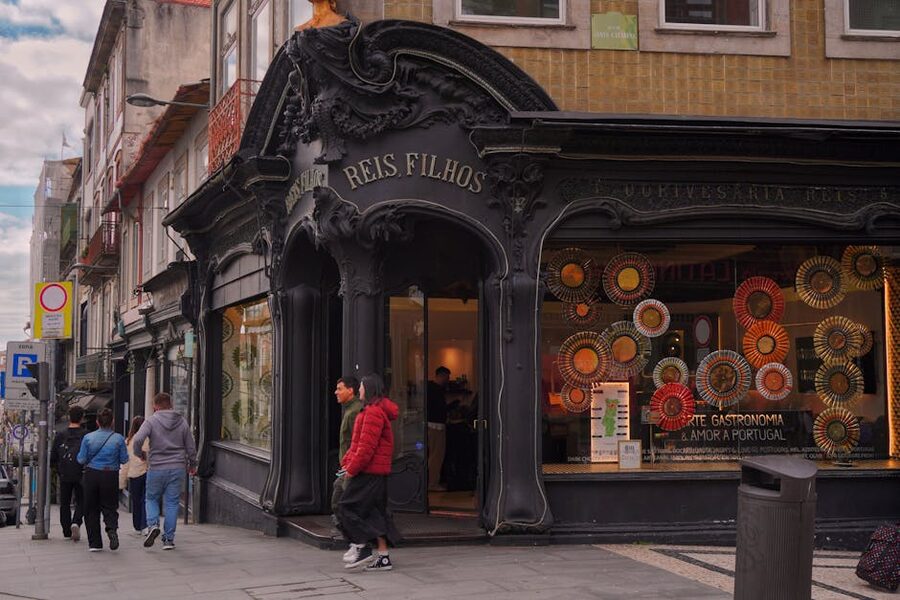
Lello takes 30 to 60 minutes inside. You will not want to spend longer. Plan to combine it with at least one other thing on the same morning or afternoon.
The natural pair is Torre dos Clérigos, two minutes away. Climb the 240 steps, get the rooftop view of Porto, then walk down the hill to Lello for the 11am or noon slot. Total time about two hours. The two together cover the most photogenic central block of the city.
The next-best pair is a central Porto city tour that ends at Lello. Several walking tours do this, including the four-hour walk-plus-cruise combo and the three-hour guided walk. The guide handles the Lello timing, you don’t have to think about it. This is the simplest version of “see Porto in a day”.
If you’ve got the afternoon free after Lello, the Six Bridges Douro cruise launches from Ribeira and runs about an hour. Beautiful at golden hour. Then a Cálem cellar tour with port tasting across the river in Vila Nova de Gaia. That’s a full day from one Lello morning slot.
For laid-back Porto: do Lello in the morning, take a tuk-tuk tour through the Ribeira and Foz neighbourhoods in the afternoon, finish with a Porto fado show after dinner. The fado tradition is more intimate in Porto than in Lisbon, smaller venues, less polished. Worth catching.
For day-trip extension: do Lello on day one, the Douro Valley wine country on day two. Lello is the architectural highlight, the Douro is the regional one. The two together are most of why people come to Porto.
Buying a book, redeeming the credit, leaving without one
The redemption mechanic is simple but worth being clear on. You pay €5 for silver or about €15.99 for gold. When you reach the till with a book, the cashier scans your ticket QR code. The price of the book is reduced by the entry value, with a maximum of one redemption per ticket.
If the book costs more than the entry, you pay the difference. If the book costs the same as the entry, you pay nothing on top. If the book costs less than the entry, the credit is forfeit (you don’t get cash back).
Lello’s own editions are mostly priced at exactly the gold ticket value, around €15.99. They publish their own hardback editions of:
Eça de Queirós (the Portuguese 19th-century novelist, the local hero). Tolstoy in Portuguese translation. Dostoyevsky in Portuguese. Camões. Pessoa (the Lisbon poet, but his works are sold here too). Some translated international classics. The bindings are designed in-house and the covers are quite beautiful as objects, even if you don’t read Portuguese.
If you want a book in English, Lello carries a small selection upstairs. Travel writing on Portugal, Penguin Classics, some literary fiction. The selection is hand-picked rather than wide, which is fair, the place is a working bookshop with limited shelf space and most of its trade is Portuguese-language. Don’t go expecting a London-sized English section.
If you don’t want a book, that’s fine too. The €5 silver ticket is genuinely cheap by attraction standards. The €15.99 gold is more painful to leave on the table, but if you’re not a book person, just accept it as the price of skip-the-line and don’t force a purchase you won’t read.
Common booking mistakes
I’ve seen the same handful of mistakes made over and over. Avoid them.
Booking the day before in summer. Slots sell out in June, July, August, September. If you’re going in those months, book at least a week ahead. Two weeks is safer.
Picking a midday slot for photos. The peak crowd hours are 11am to 3pm. If you want photos without people, the 9:30am or 6:30pm slot is the only realistic option. Don’t book noon and expect empty stairs.
Buying tickets at the kiosk only after seeing the queue. By the time you decide you want one, the next available slot might be three hours away. The kiosk does sell same-day tickets, but you’re at the mercy of what’s left.
Buying silver and then standing in the wrong queue. Read your ticket before you go. The silver and gold queues are in different physical spots outside the building. Silver is to the left of the entry, gold to the right (or vice versa depending on the day, signage is bilingual).
Treating Lello as the main event. It’s a 30-minute interior. If you go in expecting a full afternoon’s entertainment you’ll leave underwhelmed. It’s a stop on a Porto day, not the destination of one.
Forgetting to book the foundation upgrade if you’re an architecture buff. The foundation mezzanine has rotating exhibits on the building’s history, the Lello brothers, the architect. It’s small but it’s where the actual context lives. Worth the extra few euros if you care.
Accessibility, kids, and other practical bits
Wheelchair access is partial. The lower floor is accessible from the street (one shallow step at the door). The upper floor, the gallery, and the staircase itself are not. The staff are helpful but the building is from 1906 and was never going to be retrofitted with a lift. If you can manage the lower level only, you’ll still see the staircase, the skylight, and the bookshelves around the perimeter.
Kids under five usually get bored. The space is too crowded for them to run, and they don’t care about art-nouveau detailing. The staircase is steep enough that you’ll be holding their hand the whole way up. Six and over, fine. Harry Potter age (eight to twelve), surprisingly engaged.
Bags. Big rucksacks have to go in lockers at the entry. The shop is too tight for them on the staircase and they tend to clip people. Small day-bags are fine.
Toilets. No customer toilets at Lello. The closest are at Café Majestic (six minutes’ walk) or at any of the cafés on Praça dos Leões.
Time inside. 30 minutes is the working minimum. 60 if you’re browsing books, taking photos slowly, looking at the carved portraits. The shop won’t kick you out at the end of your slot, but it gets visibly more crowded as the next batch comes in.
The final honest verdict
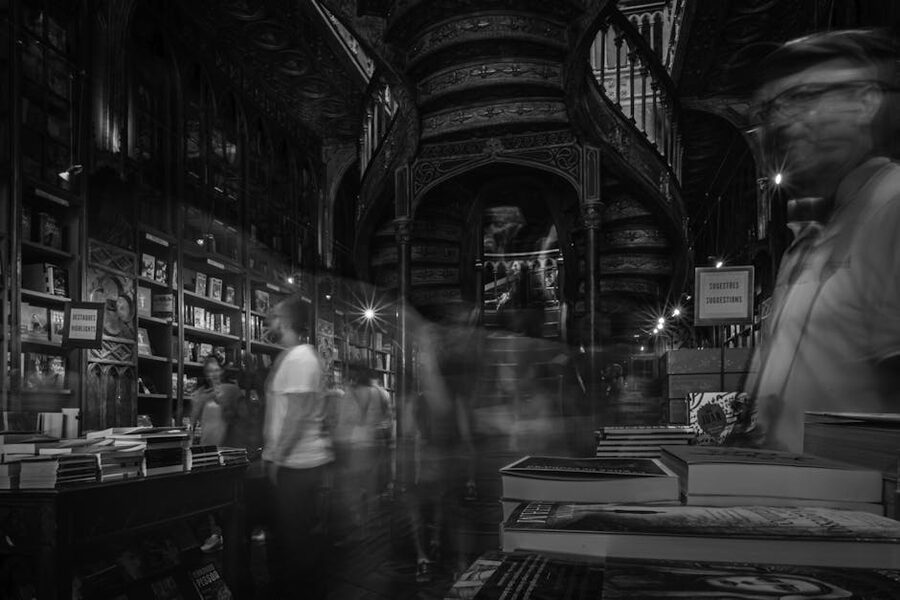
Lello is one of the most beautiful interiors in Porto. It’s also a tourist machine that processes about a million visitors a year through a small art-nouveau bookshop. Both things are true at once.
If you book a quiet slot, treat it as a 45-minute architecture stop, redeem the entry credit on a Lello hardback, and pair it with Clérigos and a Douro lunch, you’ll come away feeling you’ve spent the day well. If you treat it as a Hogwarts shrine, queue at midday in August, and try to take perfect photos with eight people on the staircase, you’ll come away annoyed.
Book the gold ticket. Pick the 9:30 or 6:30 slot. Buy a Lello edition. Walk out the door. Climb Clérigos. Have lunch on Praça dos Leões. That’s the right day.
More Porto guides worth a look
If Lello has you sold on Porto, the natural follow-ons are Torre dos Clérigos for the rooftop view two minutes away, a Porto Card if you’re hitting Lello plus three or four other paid attractions, or a Porto fado evening to round out the day. Lisbon-bound travellers should also look at the Seville Cathedral guide if Iberia is on the broader trip.