
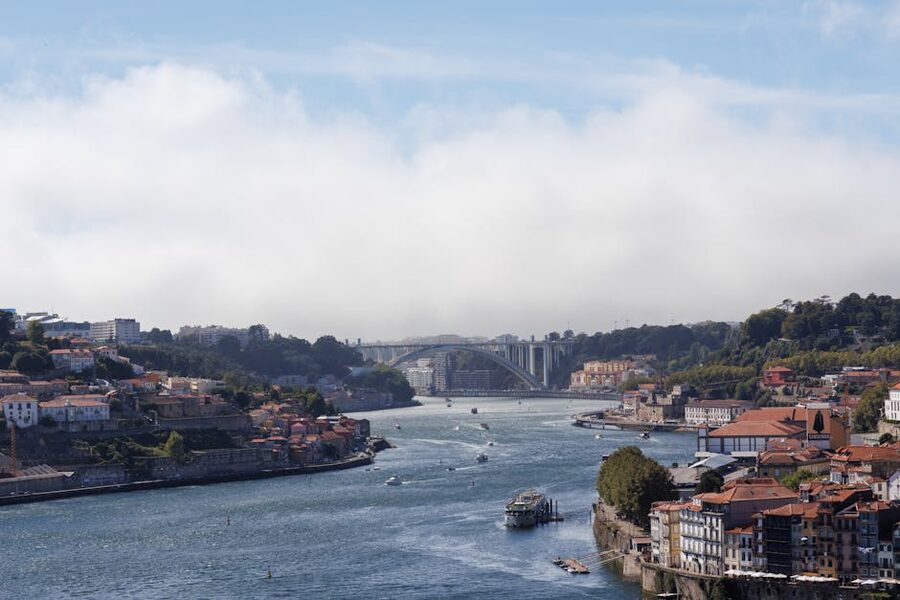
Here is the strange thing about the Porto 6 Bridges Cruise. You sit on a flat-bottomed boat for fifty minutes, you take roughly eighty photographs, and somewhere in the middle of it you realise you have just been escorted through a hundred and fifty years of structural-engineering history without anyone explicitly telling you. Ponte Maria Pia opened in 1877. Théophile Seyrig, Gustave Eiffel’s pupil, drew it. Eiffel’s own firm signed off on Ponte Dom Luís I in 1886. And then at the western end of the river you slide under Ponte da Arrábida, which in 1963 was the largest concrete-arch bridge anywhere on the planet. All six of them, visible from one boat ride.
That is the pitch. Below is how to actually book it, where to board, which variant to pick, and where the cruise ranks against the bigger Douro Valley day trip if you only have time for one boat day.
- In a Hurry? Three Cruises That Cover the Six Bridges Properly
- What the Six Bridges Actually Are
- 1. Ponte da Arrábida (1963)
- 2. Ponte Dom Luís I (1886)
- 3. Ponte do Infante (2003)
- 4. Ponte Maria Pia (1877)
- 5. Ponte de São João (1991)
- 6. Ponte do Freixo (1995)
- Where the Boats Actually Leave From
- Cais da Ribeira (north bank)
- Vila Nova de Gaia (south bank)
- Three Picks Worth Booking
- 1. Porto Six Bridges Cruise:
- 2. Porto Bridges Cruise with Wine Cellar Tour or Sunset Option:
- 3. Porto Bridges Cruise with Sunset Option:
- How the Cruise Actually Runs
- Which Boat to Pick: Modern Catamaran or Wooden Rabelo
- Cruise vs Douro Valley Day Trip
- Best Time of Day, Best Time of Year
- What’s Actually Included in the Ticket
- Cost Comparisons and What You Actually Pay
- Combining the Cruise with Other Porto Things
- Practical Booking Notes
- Where the Cruise Falls Short
- Sample Half-Day Schedule
- More Portugal Guides
In a Hurry? Three Cruises That Cover the Six Bridges Properly
Standard 6 Bridges Cruise, around $21. Fifty minutes, audio-guide on board, departures roughly every 30-45 minutes from Cais da Ribeira and Vila Nova de Gaia. The default. Check availability and times.
Bridges Cruise + Wine Cellar Combo, around $21. Same 50-minute boat trip but bundled with a port-wine cellar visit on the Vila Nova de Gaia side. Good for travellers tight on schedule. See the combo listing.
Bridges Cruise with Sunset Option, around $20. Same six bridges, the late slot times the boat to be on the water as the sun drops behind Arrábida. Book at least a day ahead in summer. Check sunset slot times.
What the Six Bridges Actually Are
This is the section the operators skip in their marketing copy and the tourist information leaflets gloss over with one line each. If you are paying for a 50-minute boat trip whose entire premise is “you will see six bridges,” you should know what you are looking at. Here they are in the order most cruises hit them, west to east and back.
1. Ponte da Arrábida (1963)
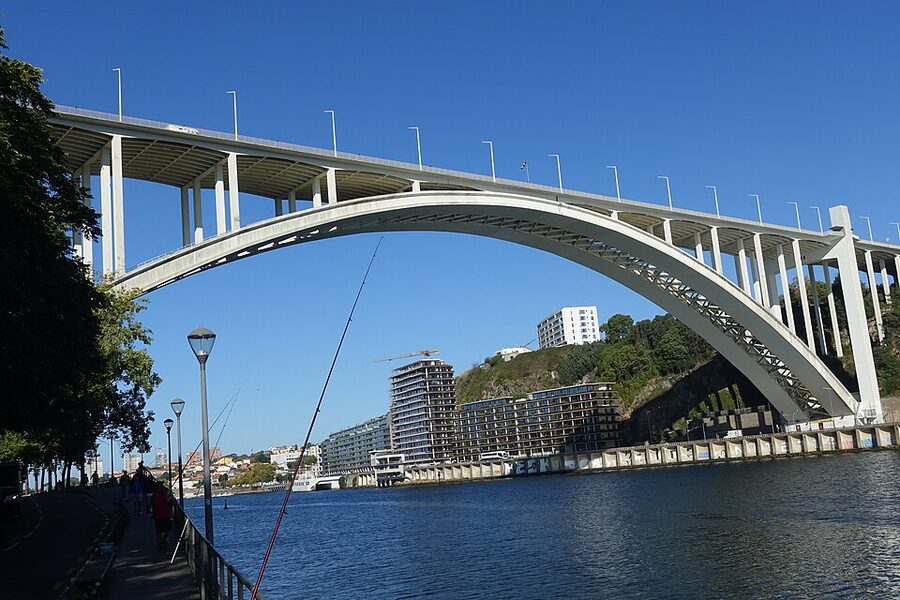
This is the western turnaround for almost every standard 6 Bridges Cruise. You will not pass under it on most boats, because the boats turn around just before. The arch is the headline statistic: Edgar Cardoso designed it, and for a while in the early 1960s it was the world record for a concrete-arch span. The motorway you can see crossing it is the A1 heading down to Lisbon. It still carries the bulk of Porto’s outbound traffic.
2. Ponte Dom Luís I (1886)
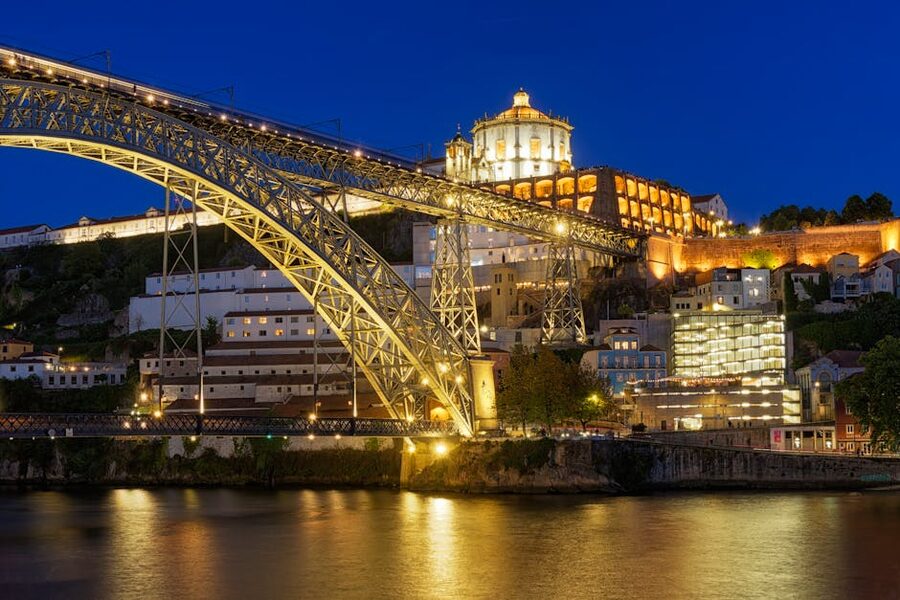
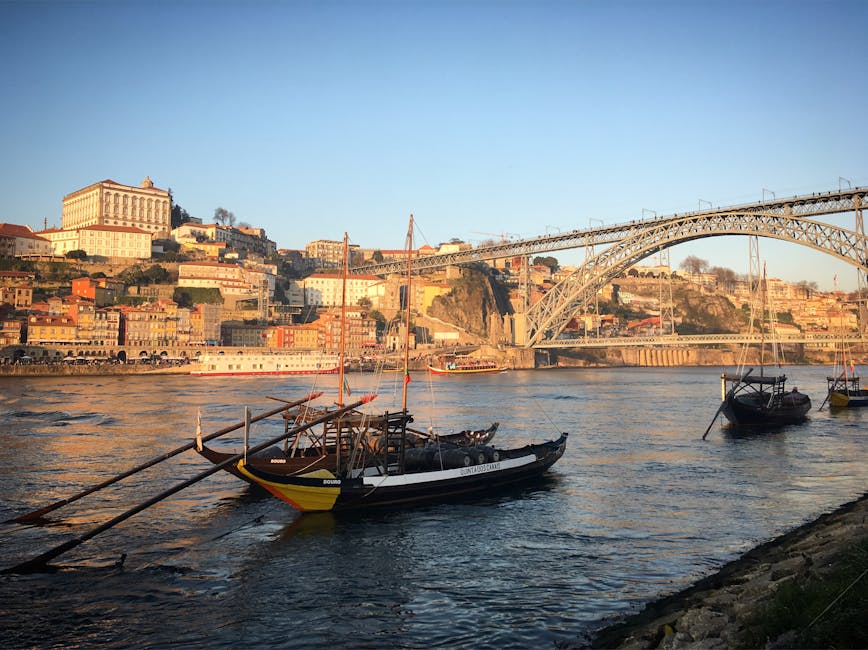
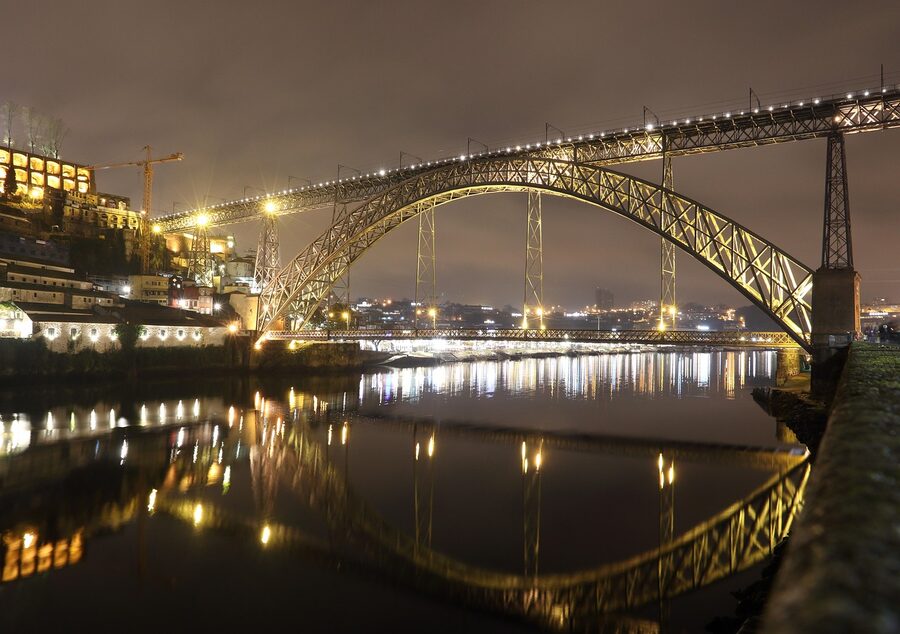
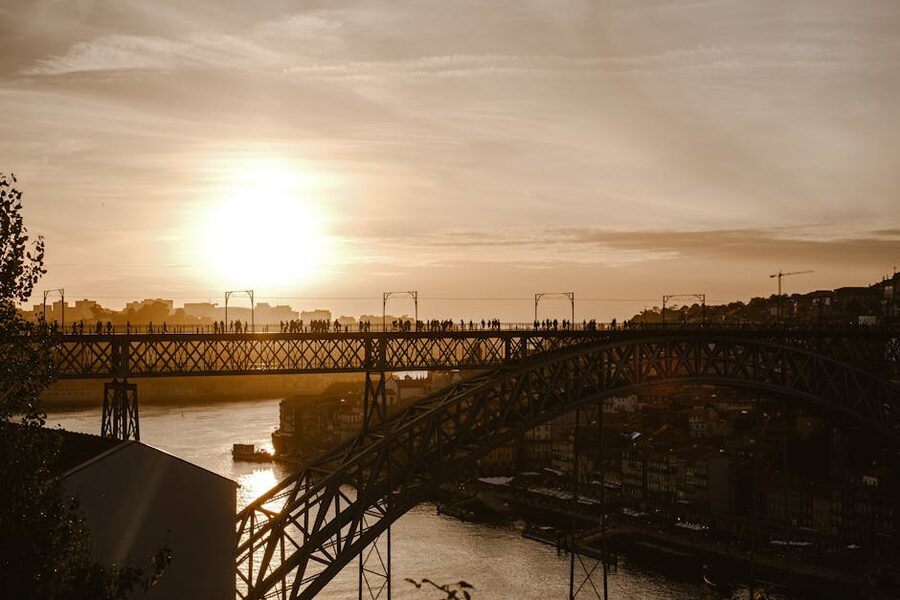
The two-deck iron one. The icon. Designed by Théophile Seyrig (yes, the same man who did Maria Pia next door) for the firm Société de Willebroeck, with structural sign-off involvement from Gustave Eiffel’s circle. Opened in 1886. The upper deck carries Porto’s Metro Line D and pedestrians; the lower deck carries cars and pedestrians. Both decks give you the bridge’s best view from below as you slip under it on the cruise.
3. Ponte do Infante (2003)
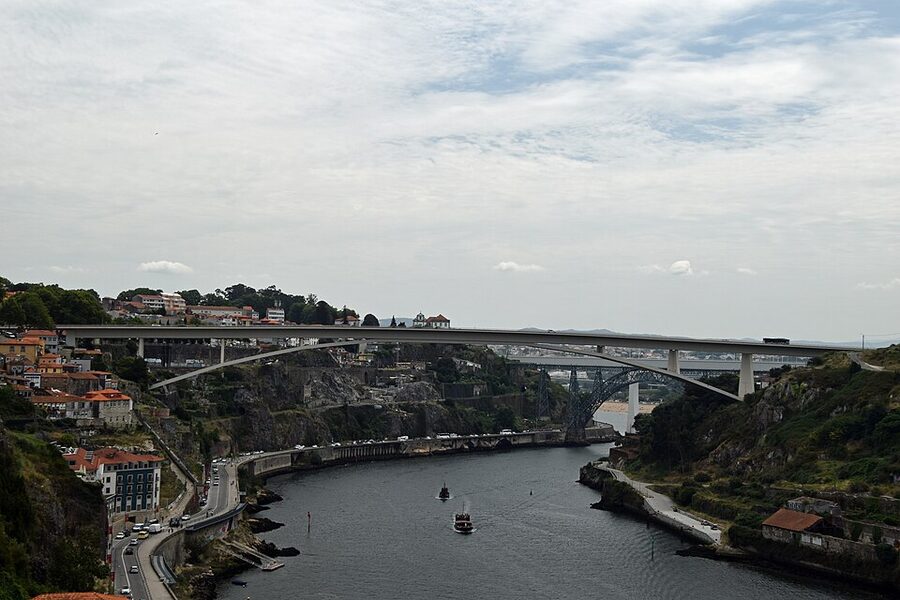
Sits just upstream of Dom Luís. People often confuse the two from the boat because they overlap in the photos. Infante is the lower, newer concrete arch with a single flat road deck. It opened in 2003 and was, for a moment, the longest concrete arch road bridge in the world before being eclipsed in China.
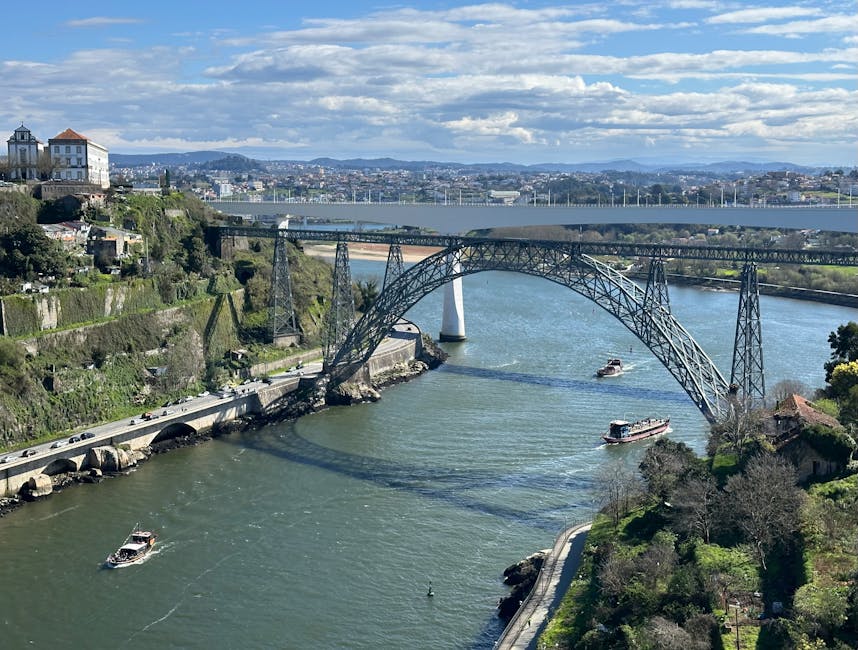
4. Ponte Maria Pia (1877)
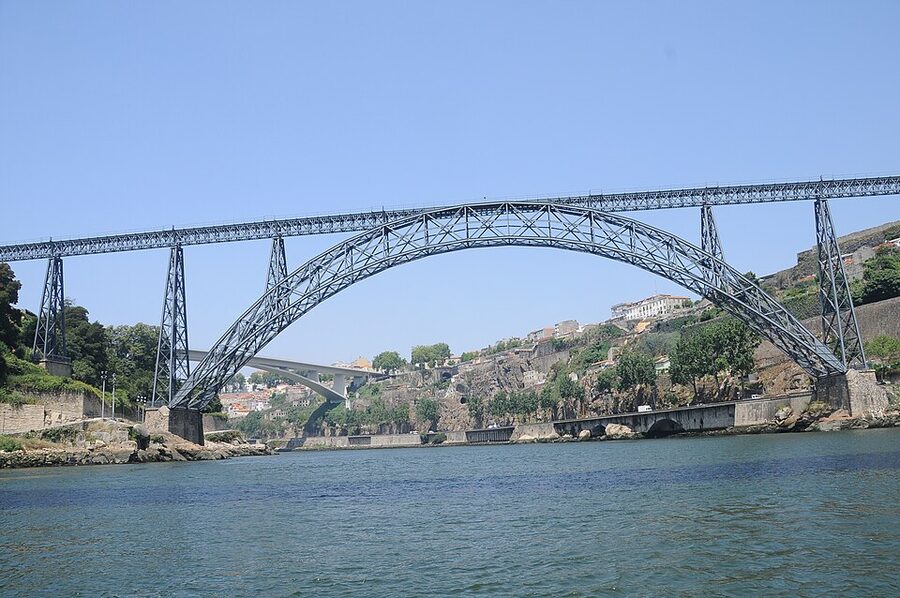
The proto-Eiffel. Théophile Seyrig drew the original plans in 1875, working in Eiffel’s circle. It opened in 1877 as a single-track railway bridge connecting Porto to Lisbon, and it stayed in service for 114 years. The arch span was 160 metres, which in 1877 made it the longest single-arch iron bridge anywhere. The cruise passes underneath. Look up at the rivets if your boat has glass-roofed sections; you can pick out the riveting pattern that Seyrig later repurposed for Eiffel’s other bridges around Europe.
5. Ponte de São João (1991)
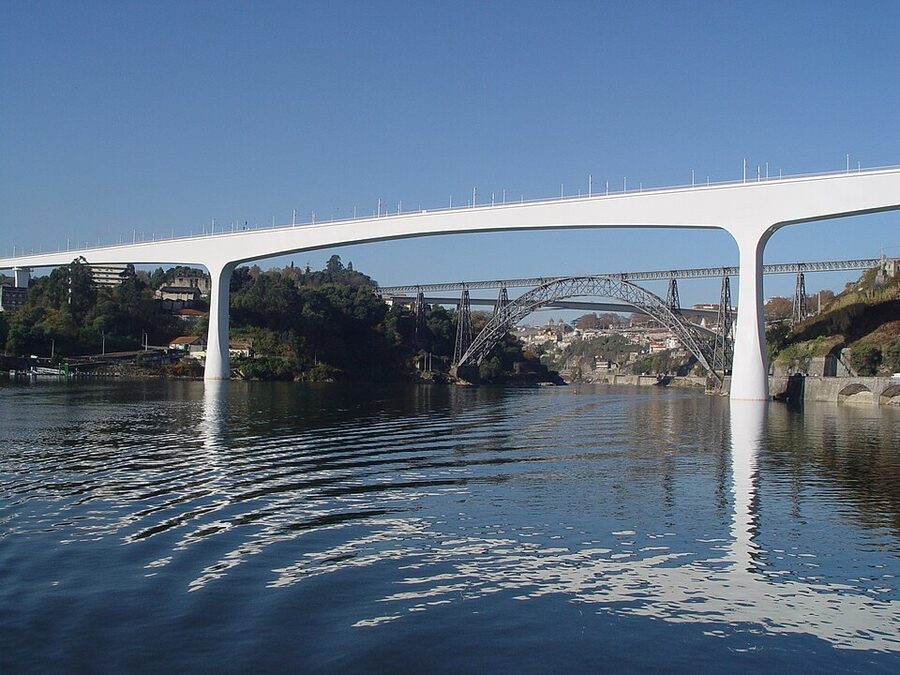
The modern rail bridge. Three concrete spans. It opened in 1991 and quietly retired its older neighbour Maria Pia from active service. Designed by Edgar Cardoso (yes, the same engineer who did Arrábida 28 years earlier; Cardoso is everywhere on this cruise). The Lisbon-bound trains still cross here several times a day. If you are on a sunset cruise you might catch the high-speed Alfa Pendular running over the top, which is a strangely satisfying photograph.
6. Ponte do Freixo (1995)
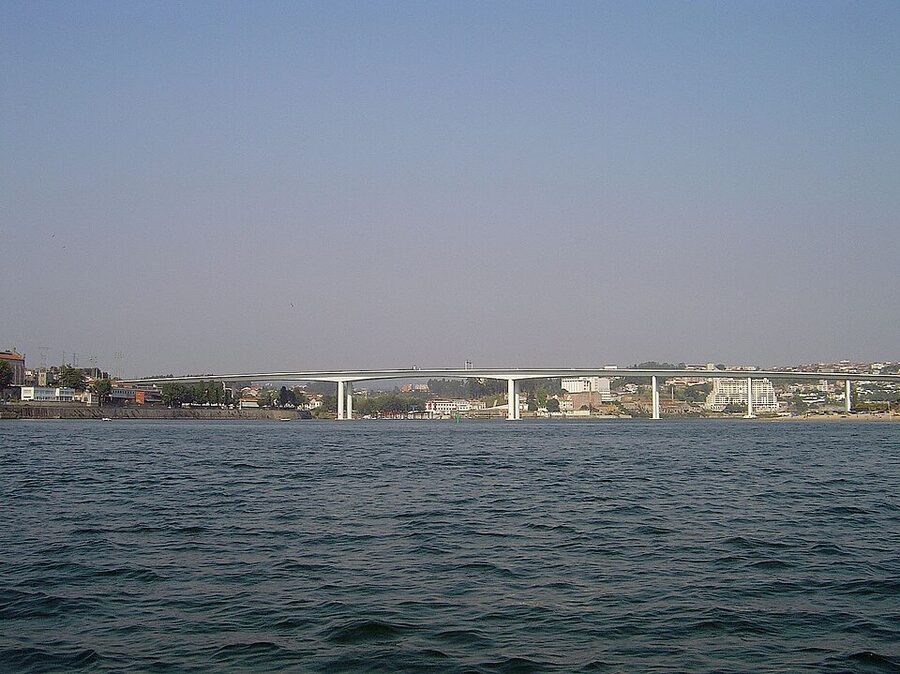
Opened in 1995. Two parallel concrete decks, each carrying one direction of the A20 ring road. Functional more than beautiful. The boat reaches Freixo and turns. That is your moment to switch sides on the deck if you want to see different bridges on the return trip.
Where the Boats Actually Leave From
Two banks. Pick wisely. The Cais da Ribeira on the north side is where most of the photography on Pinterest comes from, and where most walk-up tickets are sold. The Vila Nova de Gaia south bank is where the port-wine cellars are, and where the cruise-plus-cellar combos start. The boat itself does the same loop either way.
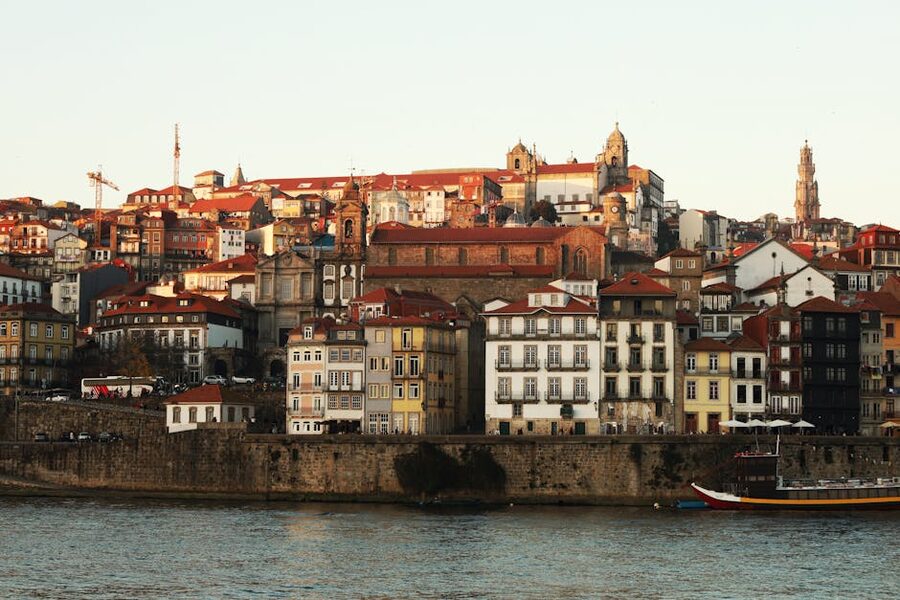
Cais da Ribeira (north bank)
Walk down from the cathedral or the São Bento station and you end up here. Touts will approach you within a minute of arriving in tourist season; the going rate is the same across most operators, so do not feel pressured. The advantage of boarding on this side is that the photo-icon of Porto (the rainbow-coloured Ribeira facades) is what you see after the cruise when you walk back to your hotel. The disadvantage is that everybody else has had the same idea and the queues from 11am to 3pm are real.
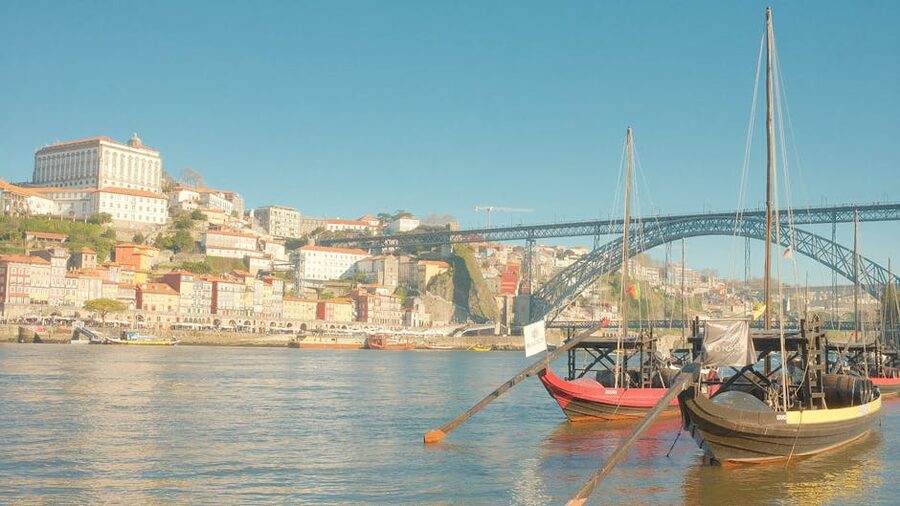
Vila Nova de Gaia (south bank)
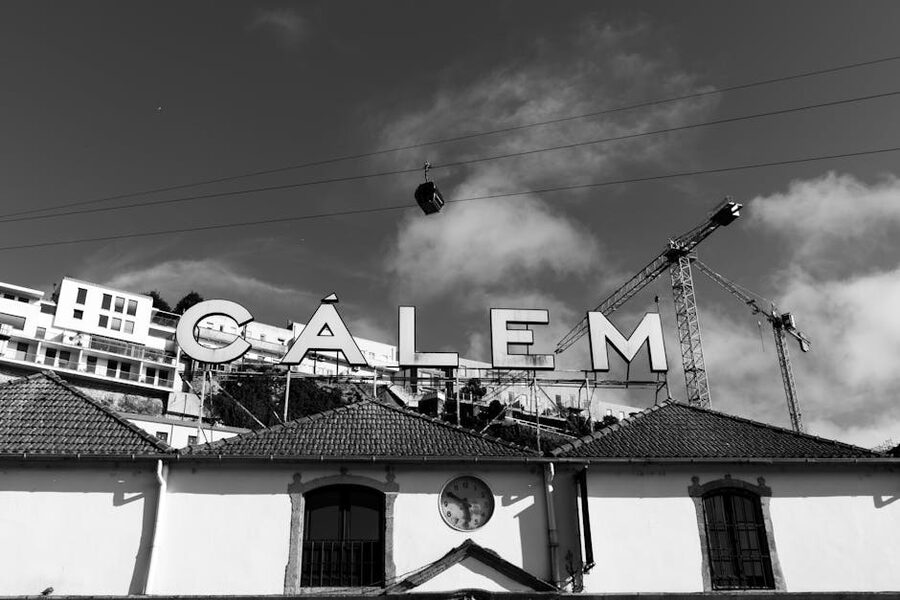
This is where the port-wine cellars are. Sandeman, Cálem, Graham’s, Taylor’s. If you are doing the cruise as part of a wine-cellar visit, you will board here, do the cellar, and the cruise within a couple of hours. Walking from one to the other is two minutes. The Gaia waterfront is also less crowded than Ribeira and easier to find a seat on the boat.
Three Picks Worth Booking
Plenty of operators run the same 50-minute loop. The boats are nearly identical and they all cover the same six bridges. What differs is what is bundled with the ticket, the audio-guide quality, and how busy the boat is. Here are the three I would actually book.
1. Porto Six Bridges Cruise: $21

This is the standard, no-frills pick and the most-booked Porto cruise on the market by a wide margin. Fifty minutes flat, around twenty euros, and a flexible 24-hour cancellation policy that is genuinely useful given Porto’s weather. Our full review of this cruise goes into which side of the boat to grab and what to skip if the weather turns.
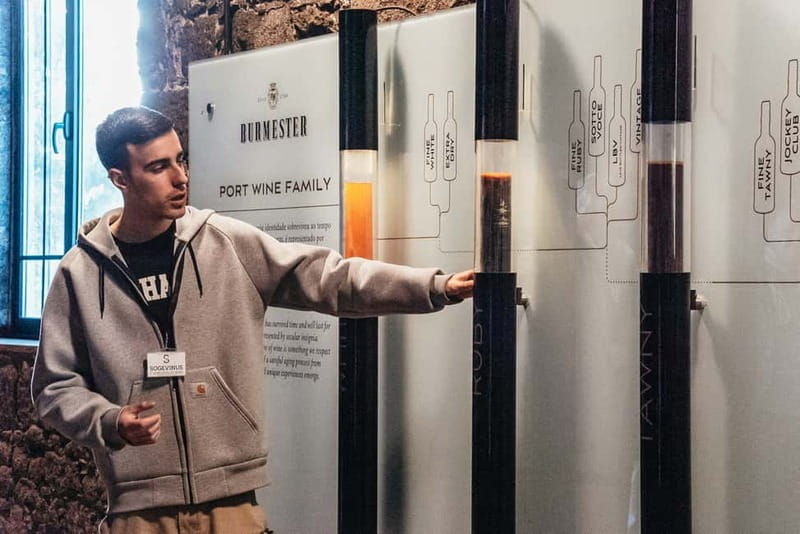
2. Porto Bridges Cruise with Wine Cellar Tour or Sunset Option: $21
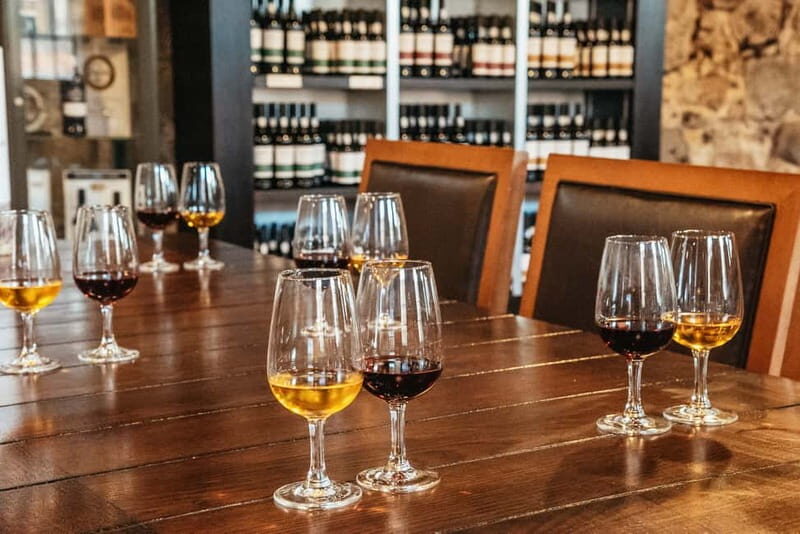
The combo I push first if you have only one afternoon for cruise plus port-wine. The cellar visit on the Gaia side is roughly 45 minutes including a tasting, and you can book it back-to-back with a cruise slot. Our combo write-up covers which cellar partner you actually visit and how the timing works.
3. Porto Bridges Cruise with Sunset Option: $20
The cheapest of the three picks and the one I would book if I had to choose only one slot. Late-afternoon and early-evening departures get you the bridges in the warm light, the boat is less crowded than midday, and the photos genuinely come out better. Our sunset cruise breakdown details which months get the best light angle and when the slot fills up.
How the Cruise Actually Runs
You buy a ticket, you queue at the boarding gate ten minutes before departure, you board, and the boat sits at the dock for another five minutes loading the rest. It pulls away. Forty seconds later you are under Dom Luís. The audio-guide kicks in over the speakers in your chosen language. Most operators offer English, Portuguese, Spanish, French, German, sometimes Italian and Mandarin.
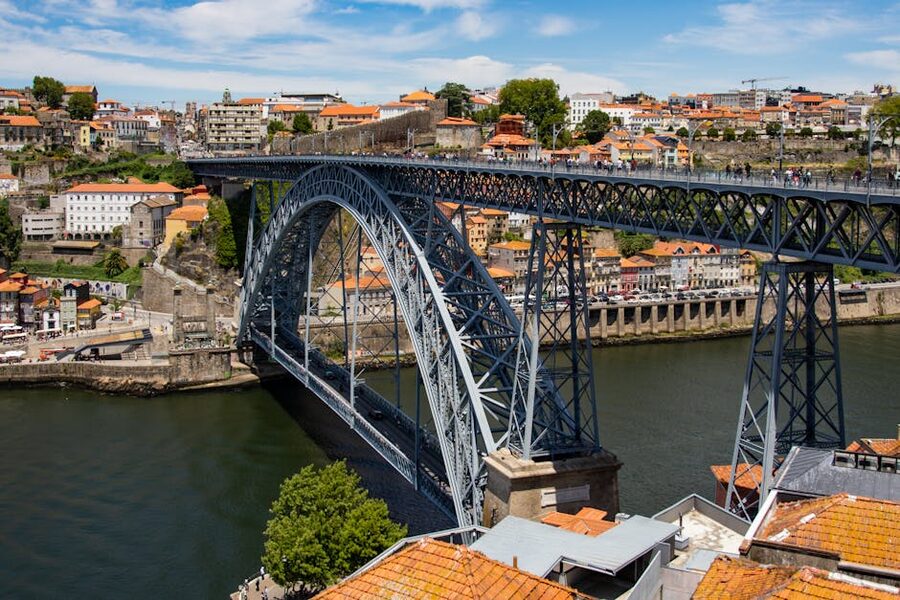
The boat heads west. You pass under Dom Luís first, then Infante alongside, then a brief stretch of open river. The boat reaches the turnaround point near Arrábida. Some operators include a wider U-turn that takes you under Arrábida itself; others stop short. Worth asking when you book if it matters to you.
Then back east. You re-pass Infante and Dom Luís, then under Maria Pia, then São João sits behind it. The boat continues to Freixo, the eastern turnaround, and idles for thirty seconds. Then it heads back to where you started. The total loop is almost always 50 to 55 minutes. There are a couple of operators selling a 60-minute version. Whatever they have added is roughly 5 minutes of slow river-front near the Ribeira docks; not really worth a price premium.
Which Boat to Pick: Modern Catamaran or Wooden Rabelo
Mostly the boats are modern, flat-bottomed, twin-deck things that have been styled with wooden trim to look like rabelos. Genuine antique rabelos exist (the wooden cargo boats that carried the wine barrels down from the Douro Valley before the railway opened in 1872), but they are mostly displayed at the docks, not actively used for tourist cruising. The cruise boats are designed to look the part for photos.
A few small operators run smaller, properly traditional wooden boats. They cost a touch more, hold maybe twenty people, and feel less like a bus on water. If you are claustrophobic on a packed deck, look for one of these. The trade-off is fewer departure times and no audio-guide; the captain often does it himself.
For traditional sailing alternatives, Porto also has a small fleet of sailboat cruise operators that run sunset slots with port-wine on board. They cover roughly the same bridge list at a slower pace. Worth considering if you want fewer people and more atmosphere.
Cruise vs Douro Valley Day Trip
This is the question every Porto-bound traveller asks me, so here is the short answer. Do both if you have three full days. Do the cruise if you have only one or two.
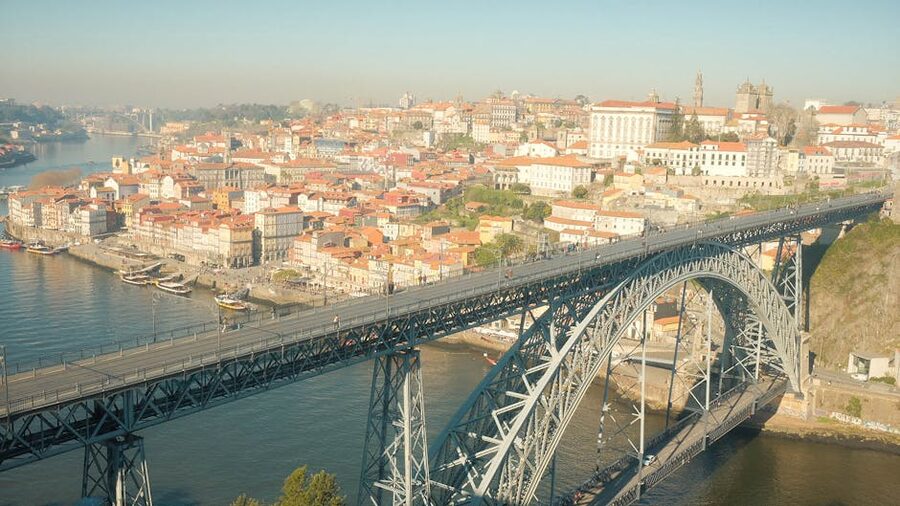
The 6 Bridges Cruise is a 50-minute exercise in central Porto. You stay within the city limits. The bridges are the show. It costs around twenty euros and you can fit it into half a morning.
The Douro Valley day trip, by contrast, is an 11- or 12-hour proposition that takes you 100km upstream into the demarcated wine region. Different river, different scenery, different price tier (around ten times more expensive). The cruise on a Douro Valley day trip is on a different stretch of the river, near Pinhão, and lasts about an hour. If you want both wines and bridges, do the cruise on day one and the Douro Valley wine tour on day two. They are not interchangeable.
If you only have one day in Porto, do the city cruise. The valley deserves a full day or it is wasted.
Best Time of Day, Best Time of Year
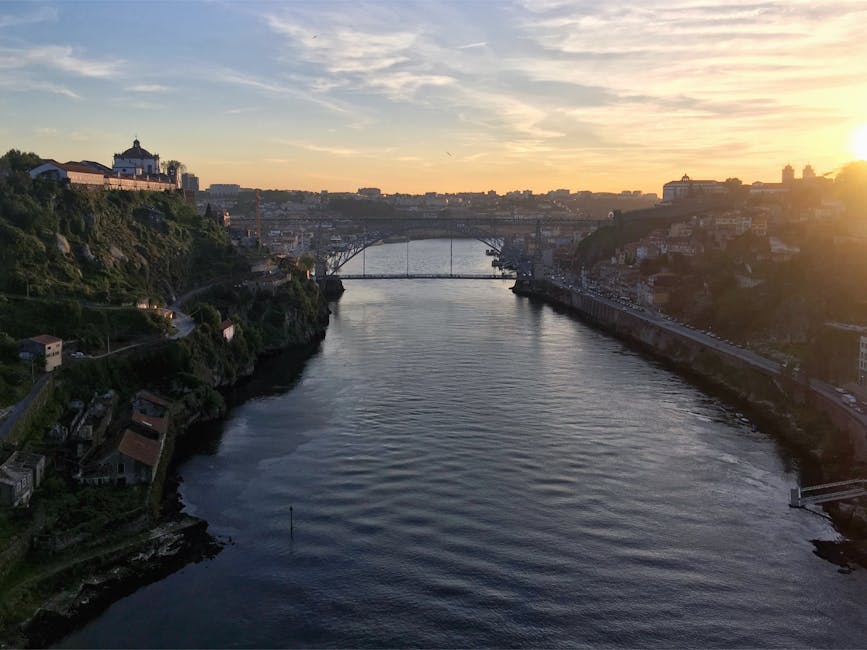
If you only book one slot, pick the late afternoon. The 5-6pm departures in summer give you the best light without the late-evening crowds, and you avoid the rolling shadow that hits the Gaia waterfront in the morning.
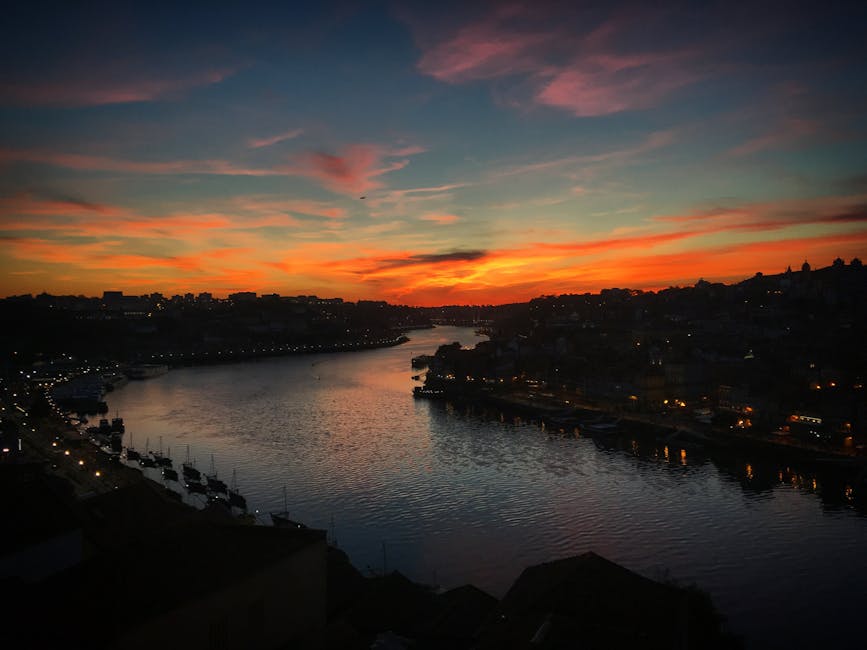
If you want the sunset shot specifically, book the slot that starts 90 minutes before sunset. In Porto, sunset times are roughly:
- April: around 8:15pm
- May-June: 9-9:30pm
- July-August: 9-9:15pm
- September: 8pm
- October: 7pm
The morning departures (10am to noon) are the calmest and the cheapest to walk-up. The midday departures (12pm to 3pm) are the most crowded. The evening ones often sell out a day in advance in summer. Book online if you are arriving in July or August. Walk-up is fine in May, September, October, and most of the shoulder season.
Winter cruising is operational year-round, just on reduced timetables. Most companies run two or three departures a day from December through February. The boats have sheltered seating and the bridges are still all there.
What’s Actually Included in the Ticket
The basic 50-minute cruise ticket includes:
- Boat travel from one of the docks (Cais da Ribeira or Vila Nova de Gaia)
- Multilingual audio-guide piped over deck speakers (English, Portuguese, Spanish, French, German typical)
- A paper map of the bridges handed out at boarding
- Open and covered seating on the deck
- Restrooms on board on most modern operators
- Step-free boarding from the dock (most boats)
What is not included: drinks, snacks, port-wine tastings, hotel pickup, transfers. A few operators sell port-wine on board for around 4 euros a glass. Bring a jacket in shoulder season; the river breeze is always a few degrees colder than the city.
Cost Comparisons and What You Actually Pay
Standard 50-minute cruise: around 20 to 22 euros (in dollars, $21-$22 at current rates). The pricing has held remarkably steady across operators. There is little to gain from shopping around on price; the differences come down to which time slot you can grab and what is bundled.
Cruise plus wine cellar combo: same as standalone cruise (around $21) when bundled with operators like Douro Azul, because the wine houses absorb the joint-ticket discount. Standalone cellar visits at houses like Cálem run about 25 euros, so the combo at $21 is the better deal if you were going to do both anyway.
Sunset variants: same price as standard ($20-$21). No surcharge for the late slot, just earlier sell-out times.
Children: most operators run free for under-3, half-price for 4-12, full price from 13. Confirm at booking.
Group discounts: limited. Operators sometimes offer 10% off for groups of 10+, but it is a phone-call negotiation rather than something on the booking platform.
Combining the Cruise with Other Porto Things
The cruise is short enough that it slots into almost any half-day in Porto. The most efficient pairing is with a port-wine cellar visit on the Gaia side; you walk from the dock to the cellar in two minutes. Cálem and Sandeman are the easiest combos, and a guided Porto tuk-tuk tour often bundles a cruise into a 3-hour combo at a single price.
If you are doing a city walking tour the same day, do the walking tour in the morning and the cruise in the late afternoon. The walking-tour fatigue actually helps: by 5pm you are happy to sit on a boat and let it move you for 50 minutes. A guided Porto city tour finishes most days around 1-2pm, which lines up with a 4-5pm cruise slot.
If your trip is a wider Iberian one, the Porto cruise is the most central-city of all the Iberian boat options. The Lisbon sunset cruise covers a much broader estuary, the Seville Guadalquivir cruise is more historical-monuments-from-the-water, and the Palma catamaran cruise is open-sea sailing. Porto’s is the most architecture-dense of the lot.
Practical Booking Notes
Book online if you are visiting in July, August, or any holiday weekend. Book walk-up if you are visiting in October through April outside school holidays. The flexibility online is the bigger win: most operators offer free cancellation up to 24 hours before, which matters in a city where rain showers can hit suddenly.
Bring cash. The boat-side kiosks accept cards but the queue moves twice as fast for cash buyers. Around 25 euros covers a ticket and a port-wine glass.
Show up 20 minutes before your boat slot in summer; 10 minutes is fine in shoulder season. The boats run on schedule and they will not wait for you. There is a board at each dock with the next three departures.
If the boat is fully booked, walk down the riverfront five minutes either direction. There are at least four operators within a 200-metre stretch on the Ribeira side, and another four on the Gaia side. One of them will have a slot leaving in the next half-hour.
Where the Cruise Falls Short
The audio-guide is uneven across operators. Some are a bit too jokey, some are dry to the point of putting you to sleep, and most fall in the middle. There is no realistic way to preview them, so do not spend too much energy researching.
The boat decks get crowded at peak. If you are booked on a 1pm summer Saturday slot, you will not get the rail-side seat you wanted unless you board early. The 4pm and after slots, and the morning slots before 11am, are visibly less crowded.
Freixo at the eastern end is, frankly, not the most photogenic bridge. By the time you hit the eastern turnaround, fifteen minutes into the cruise, you are looking at a 1995 motorway bridge. Some travellers find this anticlimactic. It is what it is; the cruise is named six bridges for a reason and Freixo is one of them.
Weather is binary. On a clear day the cruise is excellent. In drizzle it is dull, and the covered seats fill up fastest. Cancellation up to 24 hours in advance is the safer move if a rainy stretch is forecast.
Sample Half-Day Schedule
Here is the most efficient half-day in Porto if you have one afternoon and want to combine cruise plus cellar plus a meal.
3:30pm. Cross Dom Luís upper deck on foot from Sé side to Gaia side. Twelve minutes, plus stops for photos.
3:50pm. Arrive on the Gaia waterfront. Pick up cruise tickets at the booth for the 5pm slot.
4pm. Cellar visit at Cálem (or whatever house you booked). Around 45 minutes including a short film, the barrel walk, and two tastings.
4:50pm. Walk one minute to the cruise dock. Board.
5pm. Cruise departs. Six bridges in 50 minutes.
5:55pm. Step off on the Gaia side. Walk back across the lower deck of Dom Luís.
6:15pm. Drinks at one of the rooftop terraces with bridge views. The Yeatman or Vinum are the obvious ones.
Total cost for cruise plus cellar: around $42 plus drinks. Total time: 2.5 hours of activity, plus the walk back.
More Portugal Guides
The cruise pairs naturally with the rest of a Porto stay. Plan a full day for the Douro Valley wine trip, slot in a Cálem cellar visit on the Gaia waterfront after the boat, and add a tuk-tuk loop if your legs are tired of the hills. Heading south to Lisbon next, the format works just as well there.