
Here is something to chew on before you book anything. Portugal was named for Porto, not the other way around. The Roman trading post that became this city was called Portus Cale, and over the centuries that name stretched outward to cover an entire country. The city kept the name and quietly handed Portugal its identity.
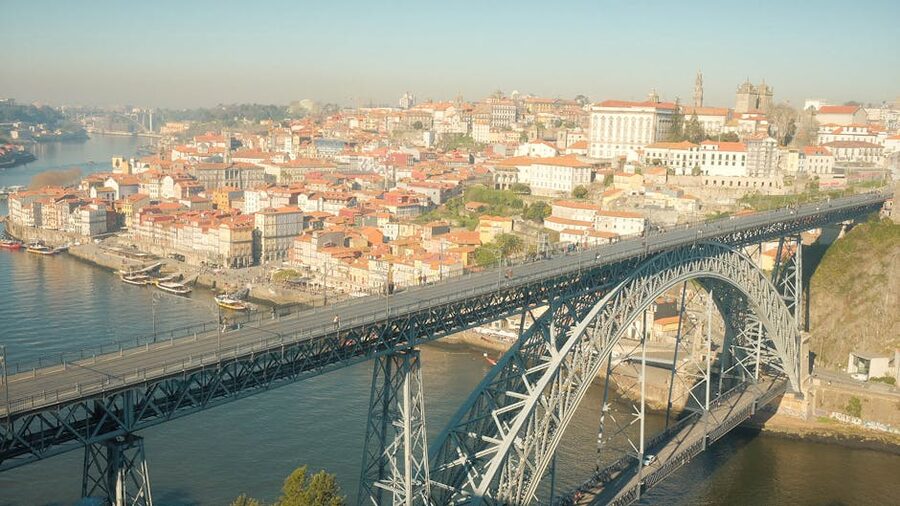
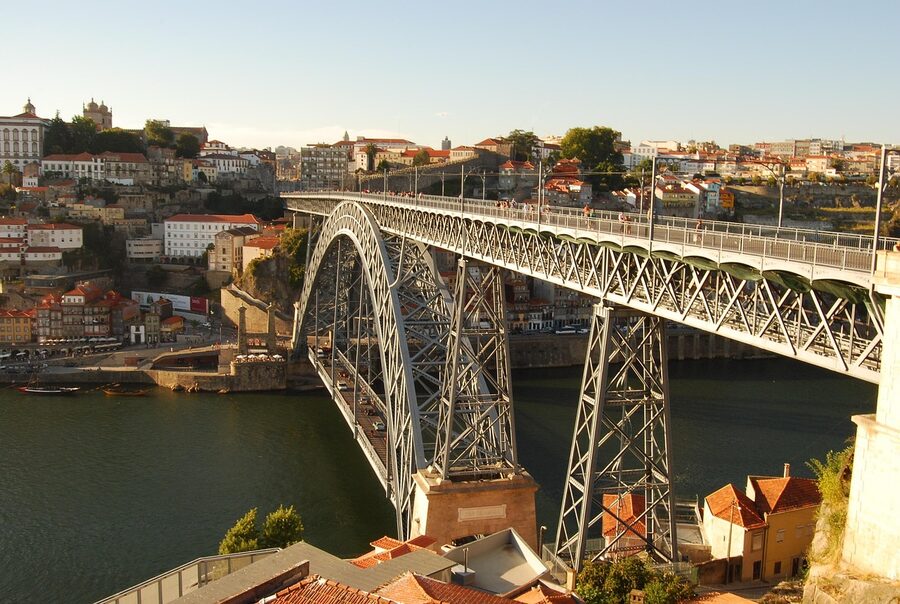
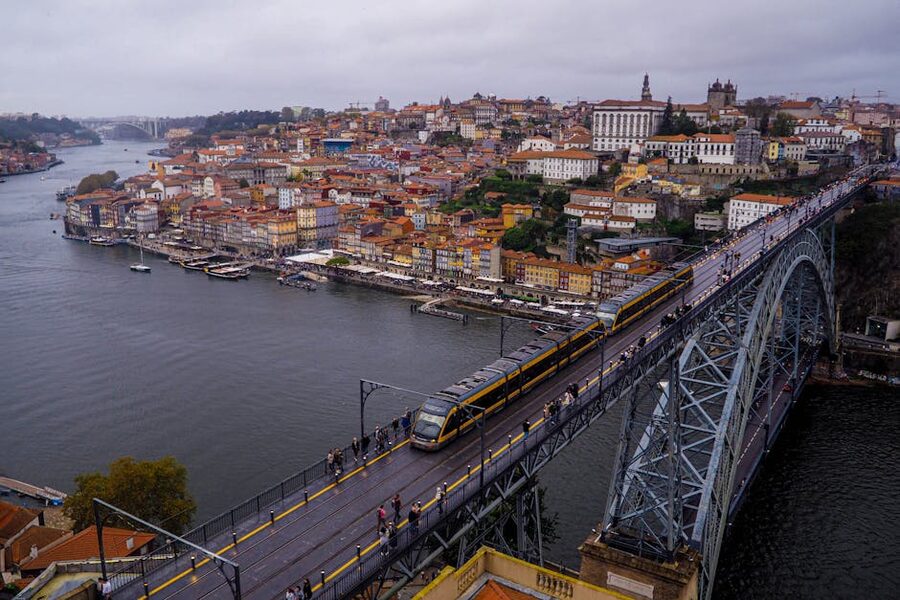
That kind of weight under the surface is what makes a Porto city tour different from a quick walking tour anywhere else. The other thing worth knowing up front: there are six iron bridges over the Douro, and two of the most famous have Eiffel fingerprints on them. Gustave Eiffel’s pupil Théophile Seyrig designed Ponte Maria Pia in 1877. Eiffel himself signed off on Ponte Dom Luís I in 1886. You walk across the upper deck of Dom Luís most mornings and forget you are basically standing on a Tower-of-Pisa-era piece of structural engineering.
Below is the version of this guide I wish I had on day one. Three picks I’d actually book, what to expect from each format, and where Porto’s city tours rank against the wider Lisbon walking circuit further south.
- In a Hurry? Three Picks That Cover Porto Properly
- Why Porto Demands a Tour, Even If You Hate Tours
- The Four Tour Formats and Which One Fits You
- Walking Tours, Two to Three Hours
- Hop-on Hop-off Bus, 24 or 48 Hours
- E-Bike Tours, Three Hours
- Vintage Ford T or Tuk-Tuk Tours
- The Stops Every Decent Porto Tour Hits
- Livraria Lello
- Clérigos Tower
- São Bento Station
- Sé Cathedral
- Ribeira Waterfront
- The Three Tours I Would Actually Book
- 1. Porto Highlights 3-Hour Electric Bike Tour:
- 2. Porto 3-Hour Guided City Highlights Walking Tour:
- 3. Porto Guided Walking Tour and Lello Bookshop:
- The Six Bridges, In One Photo
- How to Book and What to Pay
- What a Porto City Tour Won’t Cover
- A Quick Detour Through the Roman Trading Post
- Azulejos: The Tile Story Most Guides Rush
- Food Stops Most Tours Bolt On
- Practical Things I Wish Someone Had Told Me
- How Porto Compares to the Rest of Iberia
- Lisbon vs Porto, If You’re Choosing One
- Where to Start
- Beyond the City Tour
In a Hurry? Three Picks That Cover Porto Properly
E-Bike Highlights, around $51. Three hours, motor-assisted up the hills, you cover Ribeira plus Foz in one go. The format that defeats Porto’s geography. Check availability and times.
3-Hour Classic Walking Tour, around $34. Cheapest serious option, runs morning and afternoon, hits Lello, Clérigos, Sé and Ribeira at a pace that lets you stop and look. See dates and price.
Walking Tour with Lello Bookshop Entry, around $70. Skips the Lello queue and bundles three hours of guided walking. Worth the premium if you came for the bookshop. Check the listing.
Why Porto Demands a Tour, Even If You Hate Tours
I usually argue against booking a city tour. Walk a place, get lost, find lunch. That is the formula. Porto breaks it.
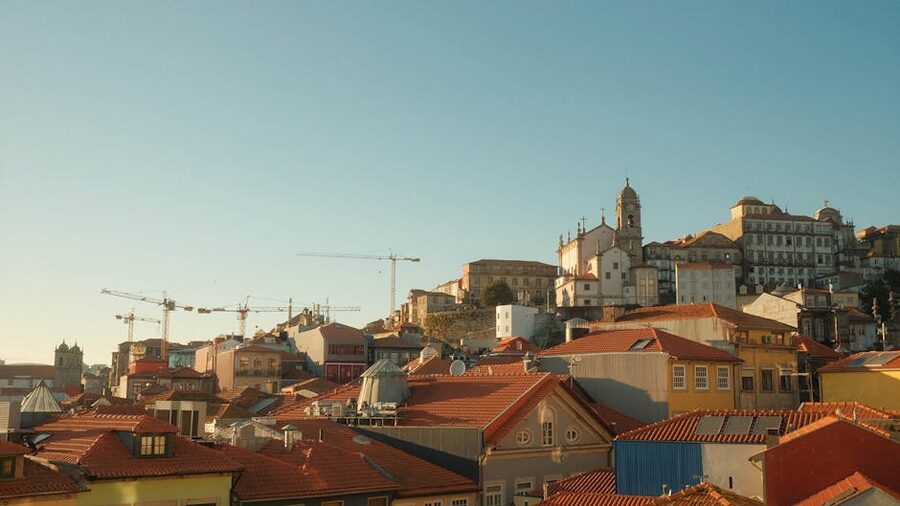
The historic centre is built on hills that drop straight into the river. The streets are short, twisted, and largely unsigned. Google Maps gets confused inside the granite canyons because the GPS bounces. Add the fact that the most interesting buildings are not labelled, and you can walk for two hours without realising you passed three sites worth photographing.
A guide solves all of this in about fifteen minutes. They point at a granite wall, say “that is older than England’s parliament,” and the city suddenly opens up. You also save your knees by knowing which staircases to skip and which deliver. Porto has a lot of staircases. Some are charming. Some will end you.
If you are deciding between Porto and Lisbon as your only Portugal city, I usually push people toward Porto for two or three days and Lisbon for four. The classic Portugal trip uses both, with a Sintra day trip wedged in. Porto’s city tour scene is smaller but tighter, which I prefer.
The Four Tour Formats and Which One Fits You
Every Porto city tour falls into one of four buckets. Pick by your knees and your patience, not by price.
Walking Tours, Two to Three Hours
This is the default. Small group, English-speaking guide, leaves from somewhere central like Praça da Liberdade or Igreja dos Clérigos. You cover roughly Liberdade, Aliados, Clérigos, Lello, Carmo, Sé, and finish on the Ribeira. Pace is gentle. Lots of standing still and listening, which I weirdly prefer to constant trudging.
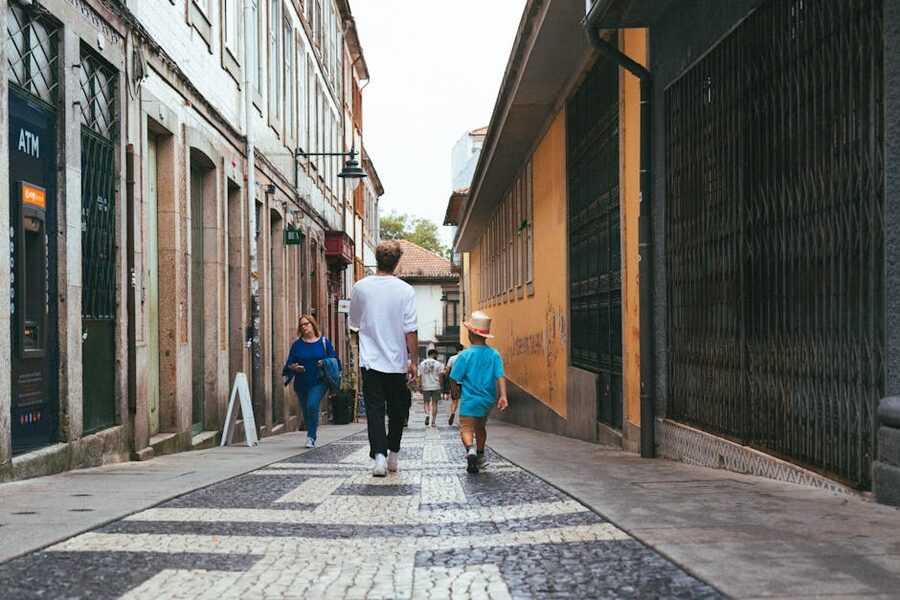
The downside of walking is the climb. Porto sits on two big slopes. From Ribeira at sea level to Clérigos at the top is about a 70-metre rise over a few hundred metres of cobblestone. I did the 3-hour classic walking tour in July at 11am and was fairly cooked by the time we hit Sé. Book a morning slot in summer.
Hop-on Hop-off Bus, 24 or 48 Hours
The HOHO is unfashionable but quietly useful in Porto. Two routes, red and blue, that loop through the historic centre, Boavista, Foz, and Vila Nova de Gaia across the bridge. Audio commentary in about a dozen languages. You sit on the top deck, the city rolls past, and your legs get a break.
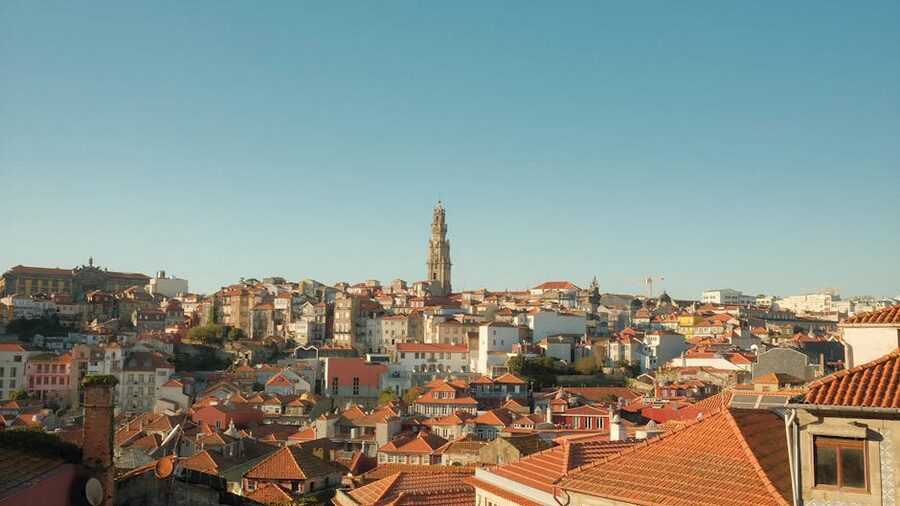
I rate the HOHO higher in Porto than I do in Lisbon. The Foz loop down to the Atlantic coast is genuinely scenic, and the Gaia side gives you river views you can’t get on foot in the same time. Skip it if you only have one day. Useful as a half-day add-on if you have three.
E-Bike Tours, Three Hours
The format I’d pick first if I had not done it before. The motor flattens the hills. You cover ground a walker can’t, including the long Ribeira-to-Foz route along the river. Helmet, intercom for guide narration, and stops every fifteen minutes or so for photos. Group sizes are usually six to ten.
The e-bike highlights tour is the most-booked Porto experience full stop, and that’s not by accident. People come off it grinning in a way they don’t off walking tours. Mild caveat: you do need basic bike confidence, and Porto cobbles are jarring. Anyone who hasn’t been on a bike in five years should choose walking.
Vintage Ford T or Tuk-Tuk Tours
The Ford T tours run a fleet of restored 1920s cars with open sides. The tuk-tuks are Indian-style three-wheelers with a Portuguese guide. Both cover the same core route but with the gimmick of the vehicle. They are short, expensive per minute, and frankly I’d save them for a second visit. The exception: families with kids who would rather be in a car than walking. The novelty buys you about two extra hours of cooperation.
For something faster and motorised but cheaper than a Ford T, look at the Lisbon tuk-tuk format, which now has direct equivalents in Porto’s old quarter. Same idea, more horsepower, no charm of a 1928 dashboard.
The Stops Every Decent Porto Tour Hits
If a tour skips any of these, ask why. There are reasons (private events, restoration work) but a generic Porto city tour without these is not really one.
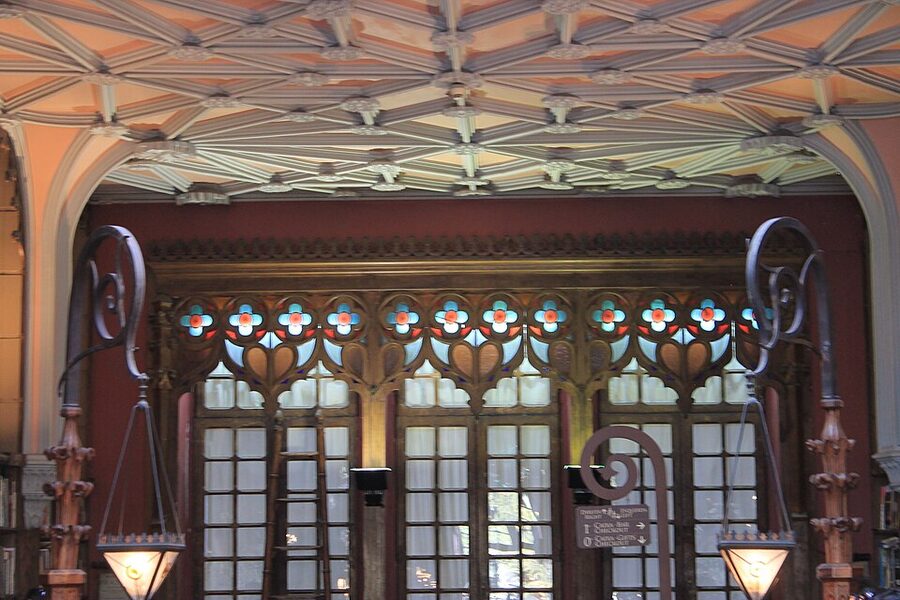
Livraria Lello
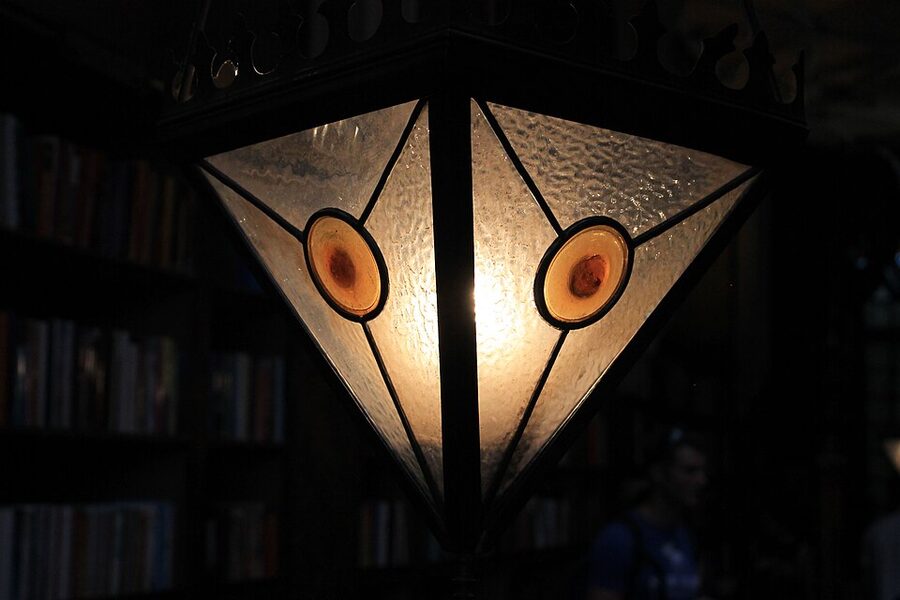
Built in 1906, Lello is the bookshop people queue ninety minutes for. The wooden staircase, the stained glass ceiling, and the Hogwarts rumour (J.K. Rowling lived in Porto in the early 90s and used to write here, though she has gently denied direct inspiration) all combine into a hype monster.
Worth it? Yes, but only on a tour that skips the queue. Standalone, you pay around €8 for entry which gets refunded if you buy a book. On a guided tour with priority access, the same visit takes ten minutes instead of ninety. The Lello combo walking tour bundles it cleanly.
Clérigos Tower
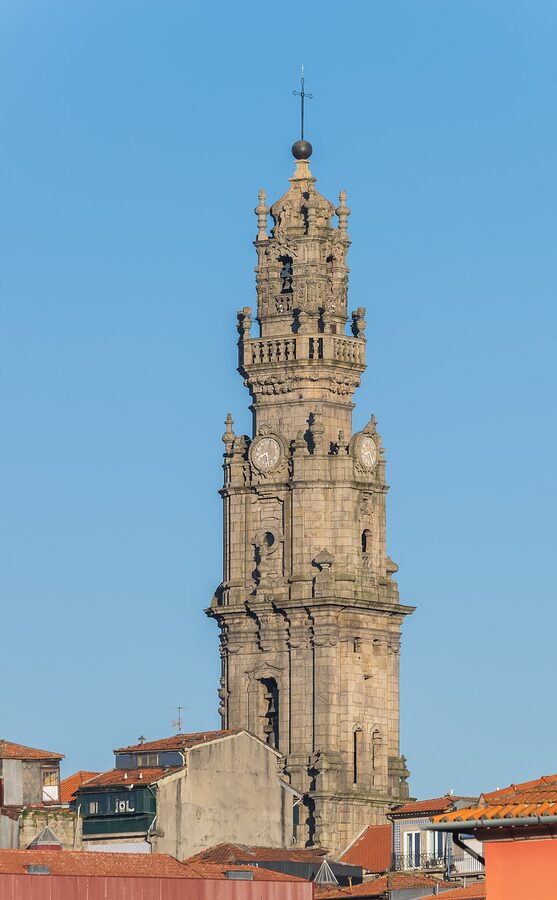
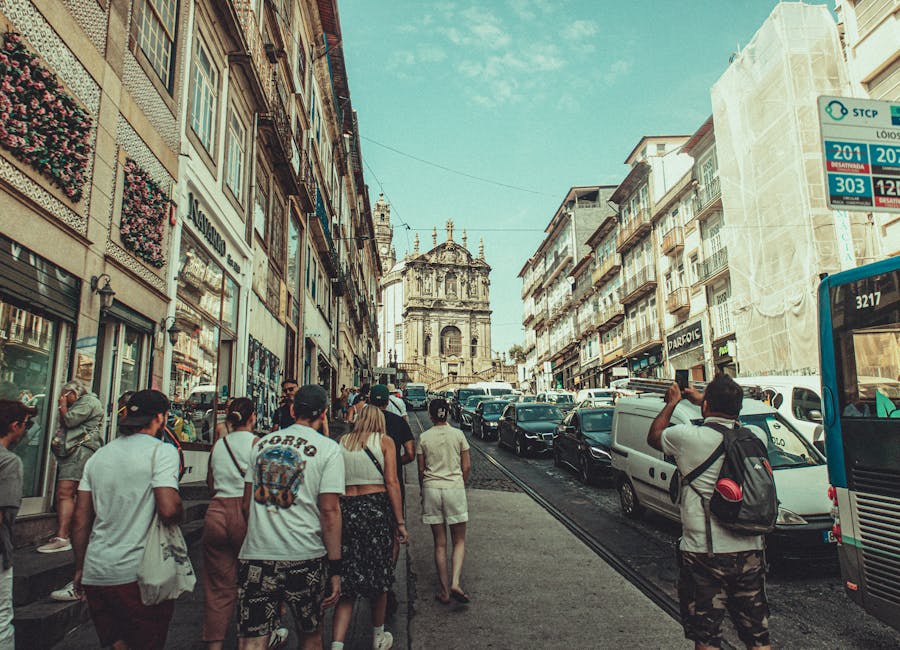
225 steps to the top, narrow spiral, no air conditioning. The view from the bell platform is the best free-standing view in central Porto. Most walking tours stop outside and explain the church, then leave you to climb on your own afterward if you want. Tickets to climb are bought separately, around €6, and worth it on a clear day.
São Bento Station
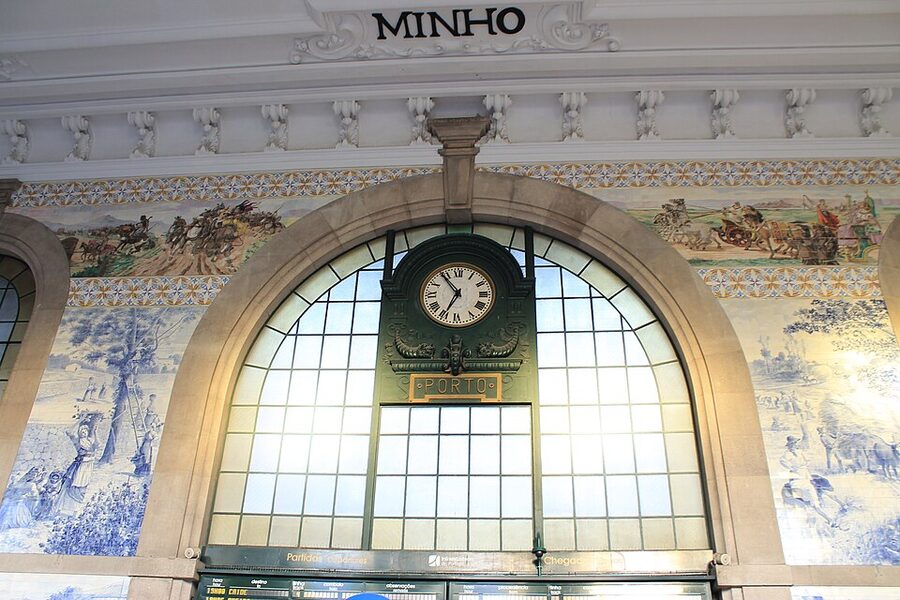
The single best free thing in Porto. The atrium is wallpapered in 20,000 azulejo tiles depicting Portuguese history. Battles, royal weddings, peasant scenes, all in cobalt blue and white. Most tours allow ten minutes inside, which is roughly half what you actually need. If you have spare time, come back without the group.
Tip: arrive a few minutes early before your group meets if Praça da Liberdade is your starting point. São Bento is one block away and you’ll have the hall mostly to yourself before 9.30am.
Sé Cathedral
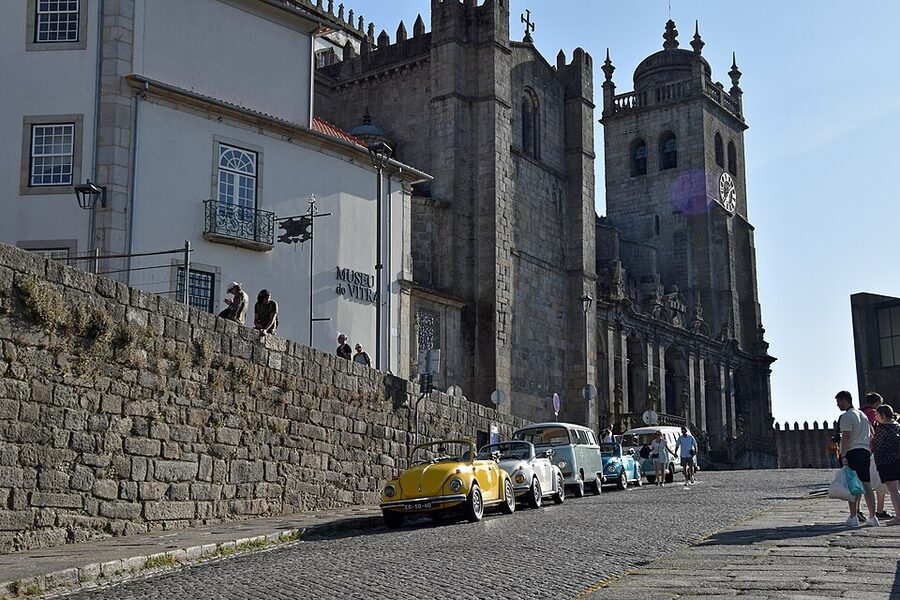
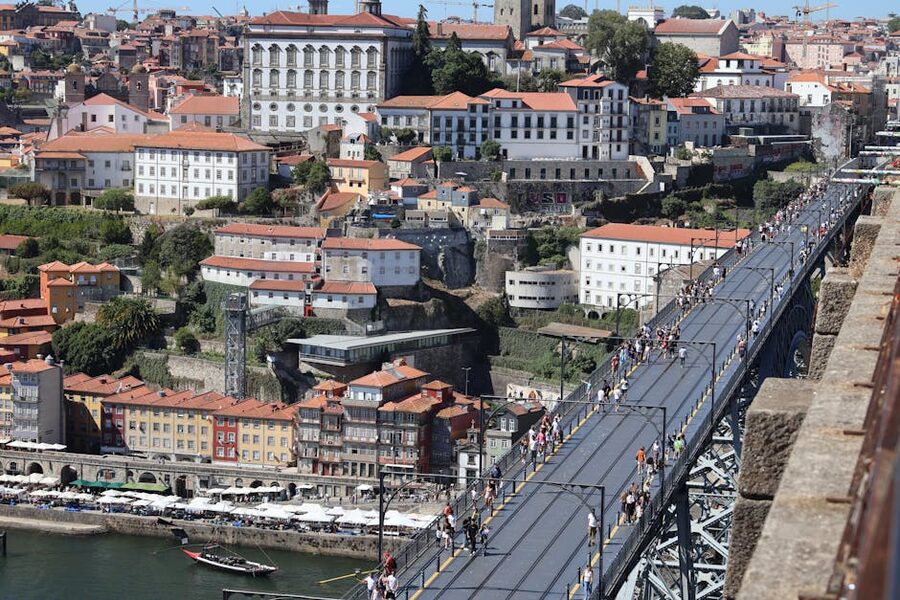
Romanesque, built around 1110, perched on the hill above the river. Free to enter the main nave. Cloister access is around €3 separately. The cathedral terrace gives you the best free panorama of Ribeira and the Dom Luís bridge, which is the photo most people end up using on their feed.
Ribeira Waterfront
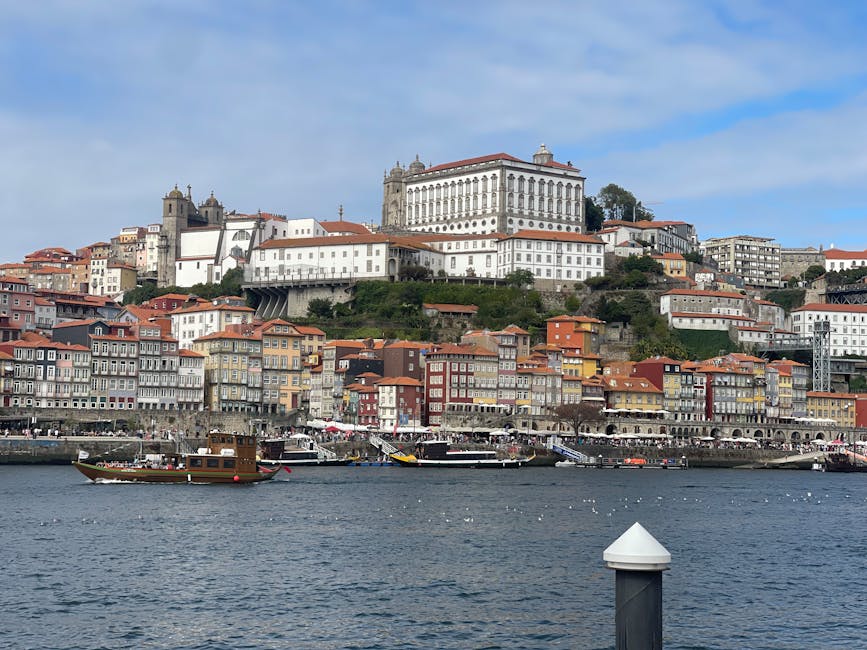
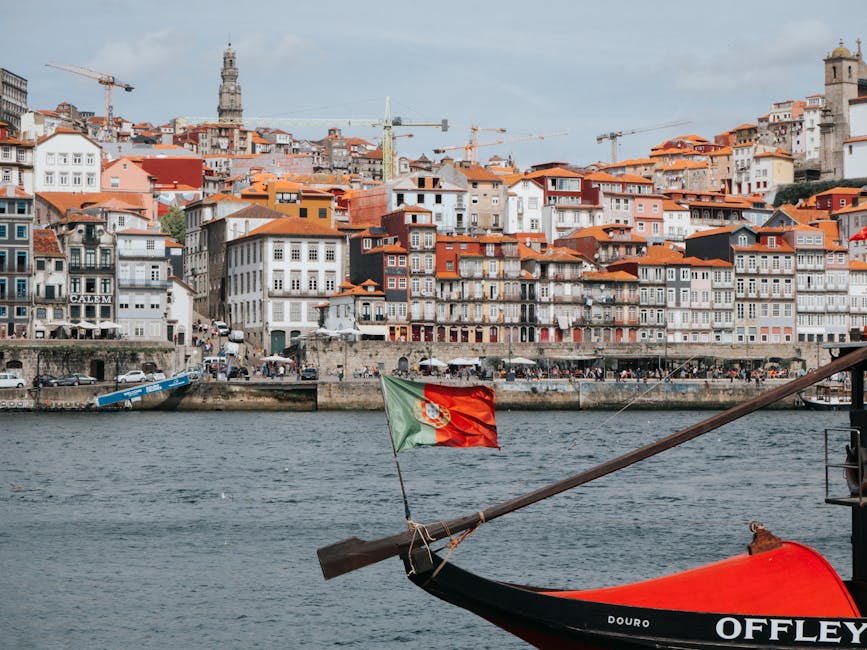
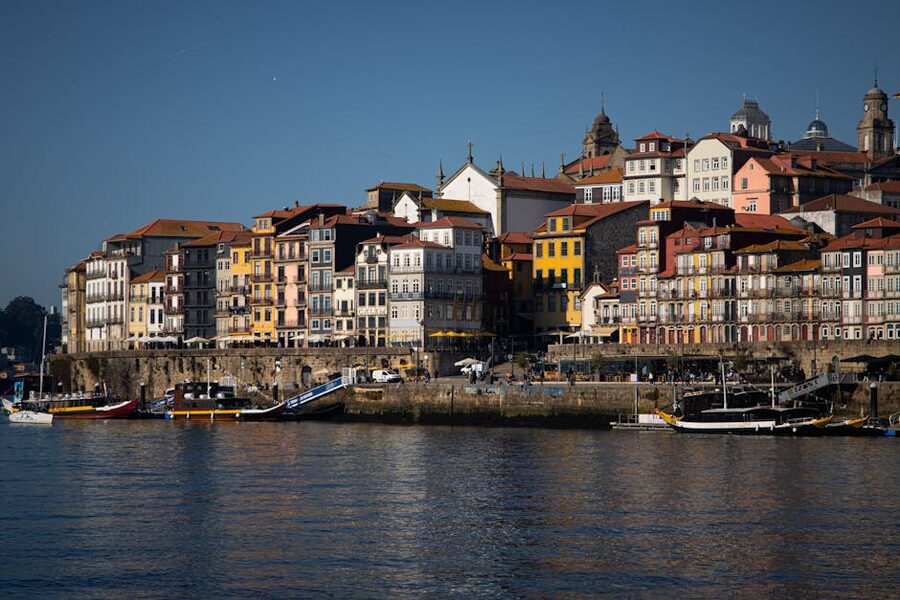
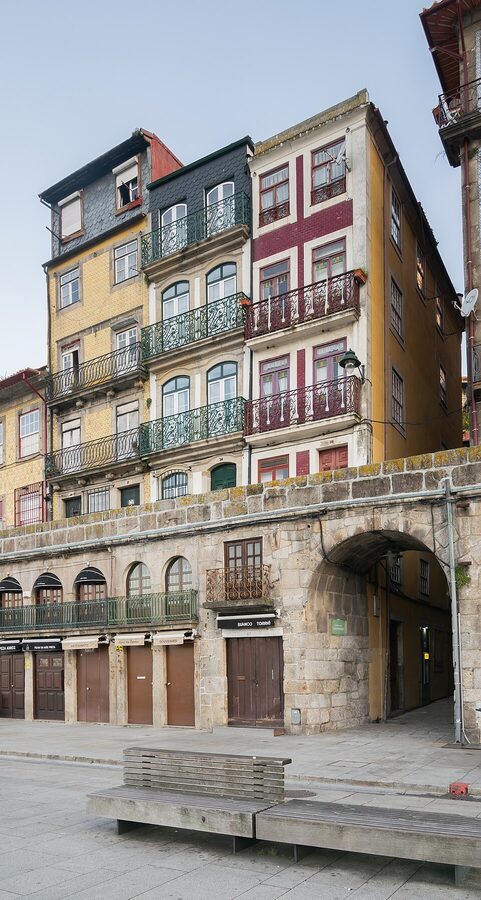
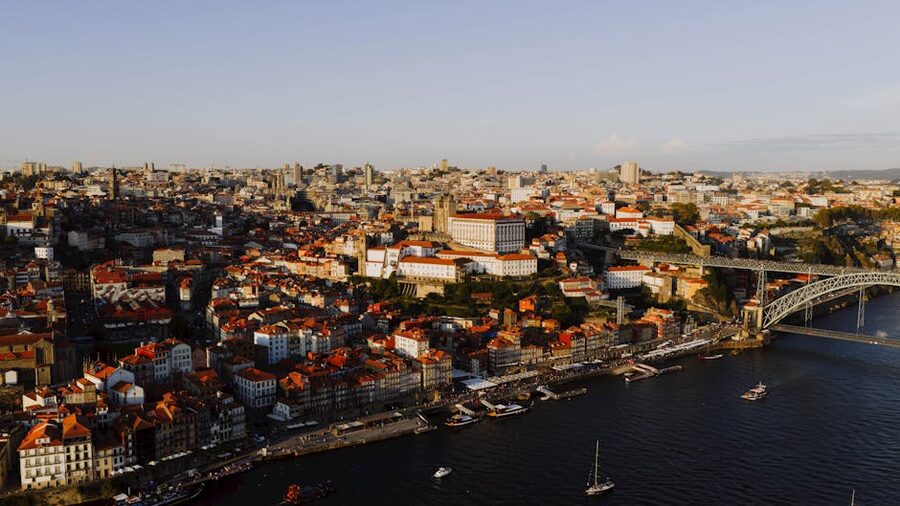
UNESCO World Heritage since 1996. The waterfront strip below the cathedral is where every Porto postcard gets photographed. It is also where every Porto tour ends, because tours end at the river and start the climb back up via funicular or cable car or stiff little staircase, depending on the format.
The walk along Cais da Ribeira from the Dom Luís bridge to the Casa do Infante museum takes about fifteen minutes if you stroll. There are decent restaurants here but they are tourist-priced. Eat one block back, on Rua da Reboleira, where the locals do.
The Three Tours I Would Actually Book
Three tours, three different reasons. The shortlist below covers the formats most travellers will choose between, and the prices and review counts are the most current pulled from our database. None of these will disappoint, the choice is about what you want from your few hours.
1. Porto Highlights 3-Hour Electric Bike Tour: $51

The most-booked Porto tour by a wide margin, and the one I’d push first-time visitors toward. The motor handles Porto’s brutal hills and you cover roughly twice the ground a walking tour does in the same three hours. Our full review covers the route, the rest stops, and what to wear because the river breeze fools first-timers.
2. Porto 3-Hour Guided City Highlights Walking Tour: $34
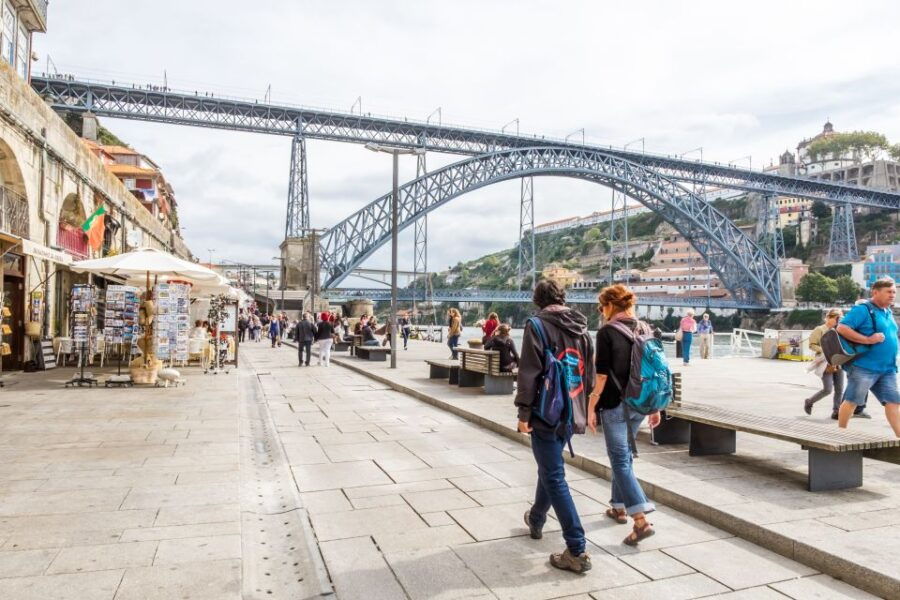
The cheapest serious city tour in Porto, and easily the best value at this price point. Three hours, small group, hits Lello, Clérigos, Sé, São Bento, and Ribeira at a pace that lets you ask follow-up questions. Our walking tour write-up goes into the start-point logistics and which slot of the day to book.
3. Porto Guided Walking Tour and Lello Bookshop: $70
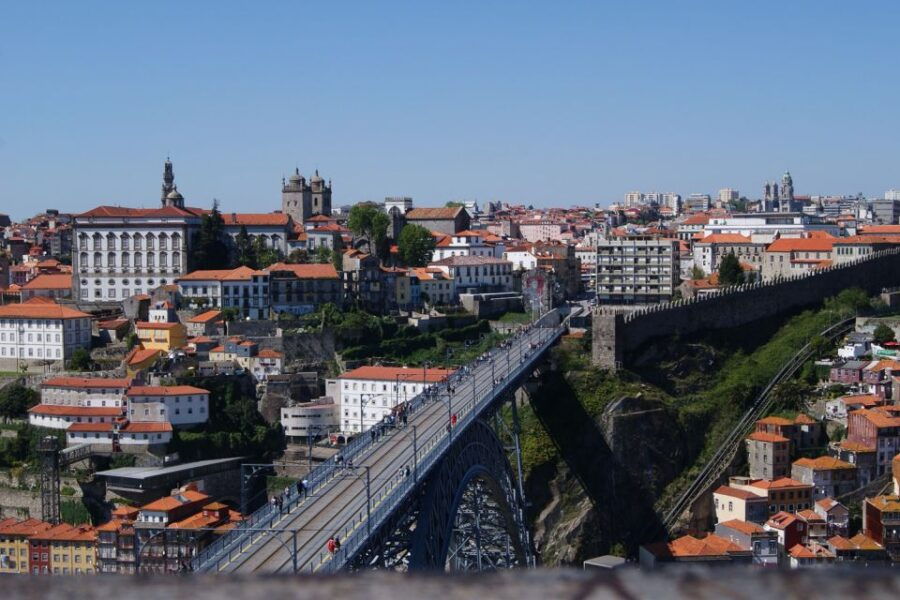
The pick if Lello is the reason you came to Porto. Three hours of guided walking, but the bookshop entry is bundled and queue-skipped. We dig into how the priority access works and if you should still buy a book in our Lello combo review.
The Six Bridges, In One Photo
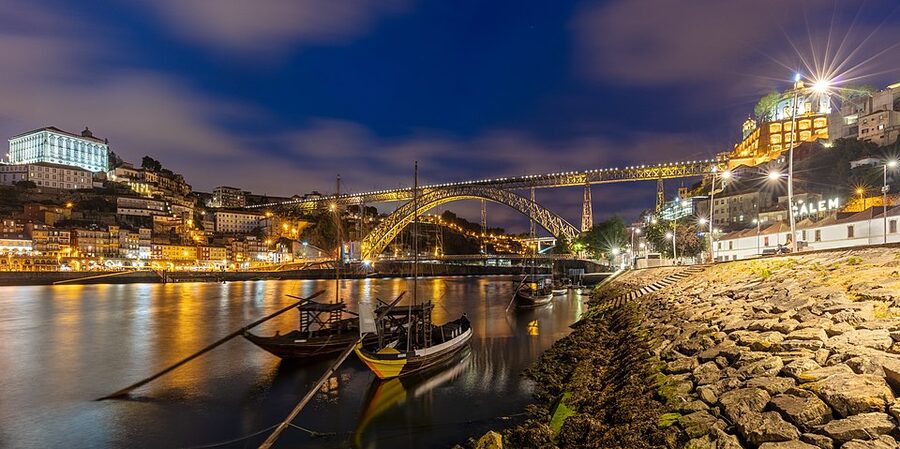
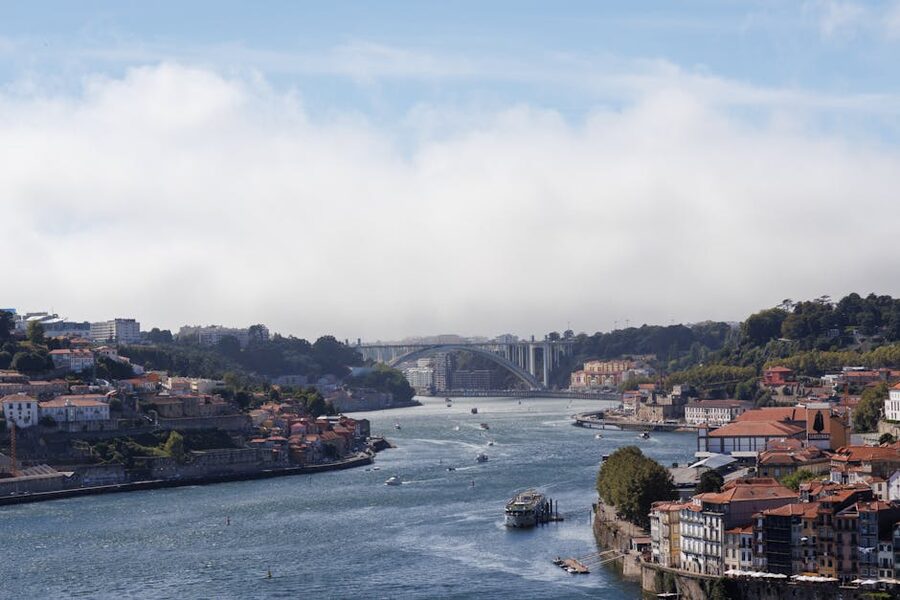
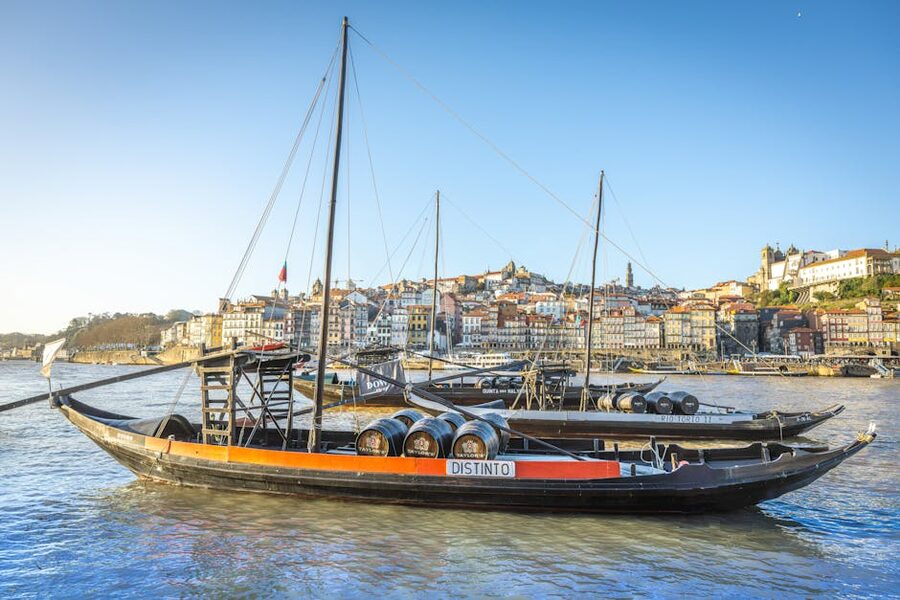
People talk about the Dom Luís bridge as if it’s the only one. There are six. From upstream to the sea, in order: Ponte de São João (1991, modern concrete), Ponte do Infante (2003), Ponte Dom Luís I (1886, the famous one), Ponte Maria Pia (1877, the older Eiffel-school one), Ponte da Arrábida (1963), and Ponte do Freixo (1995).
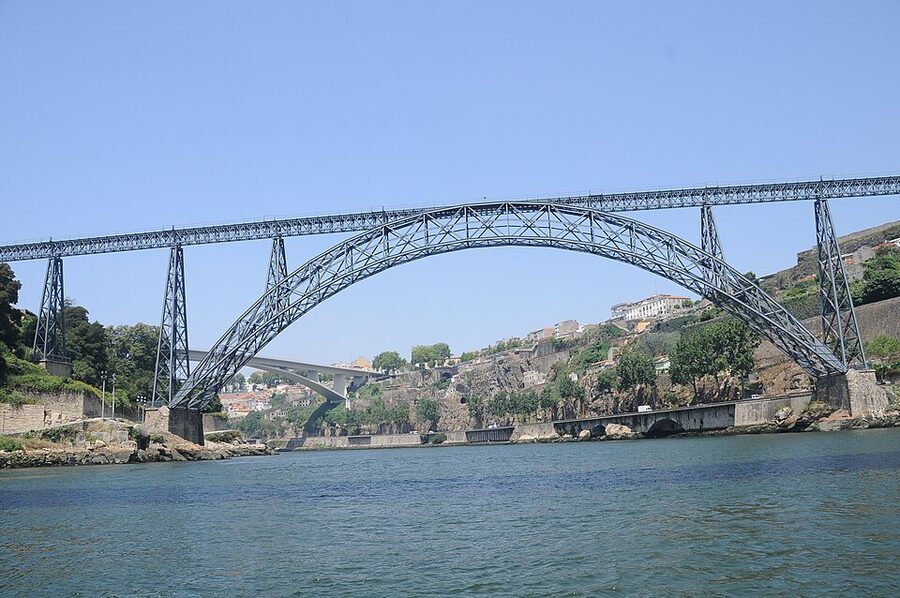
The two iron ones are the heritage pair. Maria Pia, designed by Théophile Seyrig under the Eiffel firm, was at the time the longest single-span arch in the world. Dom Luís came nine years later and one-upped it. Stand on the upper deck of Dom Luís at sunset and you can see Maria Pia upstream as a smaller, dustier ghost. Most city tours don’t walk you over to Maria Pia, but a Six Bridges Cruise will, which is a separate thing worth booking on a different day.
How to Book and What to Pay
Most Porto city tours are bookable on GetYourGuide or Viator. Both run cancellation policies of 24 hours full refund as standard. Pay attention to a few things:
Time of day matters more than the date. Morning slots (9am, 9.30am, 10am) are cooler and the light on Ribeira is better. Afternoon slots fight the heat in summer. November to March, slots are flexible because crowds drop off.
Group size cap. Anything advertising “max 8” or “max 12” is worth the extra few euros over the bigger groups. With 25 people you can’t hear the guide and Lello becomes claustrophobic.
What’s actually included. Lello entry, Clérigos climb, funicular ride, port wine tasting in Gaia. Some tours bundle one or two of these, others charge separately. Read the fine print, then add the standalone prices to compare. The €70 Lello combo wins on value if you would have done Lello anyway.
Free walking tours. They exist, they are tip-based, and they are usually run by university students. Quality is fine, but you won’t get Lello access or any priority entry. Treat them as an extra hour, not a replacement for a paid tour. Lisbon has the same setup if you are pairing your trip and want to compare; see our Lisbon walking tour guide for that scene.
What a Porto City Tour Won’t Cover
This is the part most guides skip. A standard three-hour city tour gets you the historic centre. It does not cover:
- The port wine cellars across the river in Vila Nova de Gaia. That is a dedicated half-day, and Cálem, Sandeman, Taylor’s, and Graham’s all run their own tastings.
- The Douro Valley itself, which is a full-day trip out of Porto.
- The Atlantic coast at Foz, which only e-bike tours and the HOHO bus reach in any depth.
- A river cruise. The classic six-bridges cruise is its own thing, separate from a city tour.
If you have three or four full days in Porto, the right combination is one city tour, one Gaia/wine tour, and one river or coastal addition. Two days is enough for the city tour plus a wine cellar, no more. One day is genuinely tight for what’s on offer.
A Quick Detour Through the Roman Trading Post
Porto’s name is older than Portugal by about a thousand years. The Romans built a settlement called Portus Cale here on the north bank of the Douro by the 2nd century BC. The name combined the Latin “portus” (port) with “Cale,” the older Celtic name for the river mouth.
By the 5th century, after the Roman empire collapsed, the Suebi and then the Visigoths took over. The Moors arrived in the 8th century, then Christian forces clawed it back during the Reconquista. By the 11th century, “Portucale” had stretched to mean the whole region between the Douro and the Minho, and by 1139 it was the name of an independent kingdom.
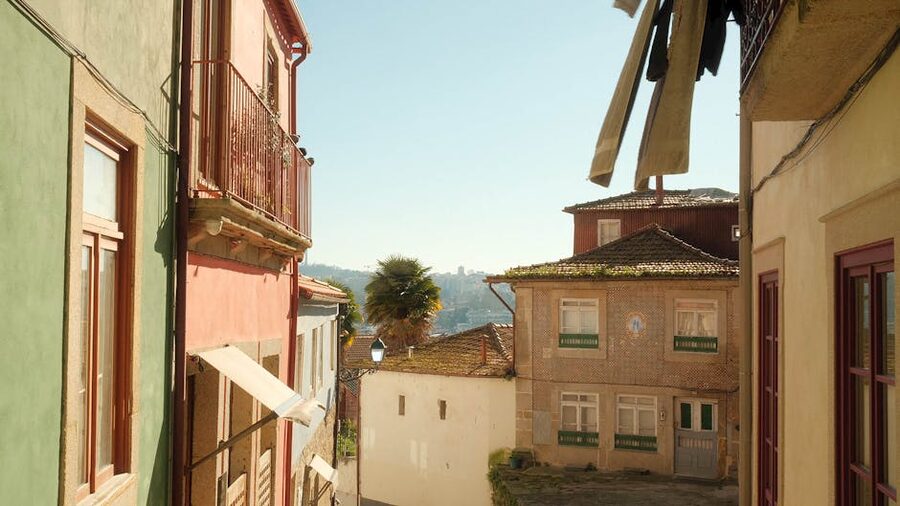
So when you stand on Cais da Ribeira looking up at the Sé, you are actually looking at the spot where Portugal’s name was born. Every guide I’ve had in Porto leads with this fact and they’re right to, because it reframes the whole city. This is not a regional capital that grew into a country’s identity. The country grew out of it.
Azulejos: The Tile Story Most Guides Rush
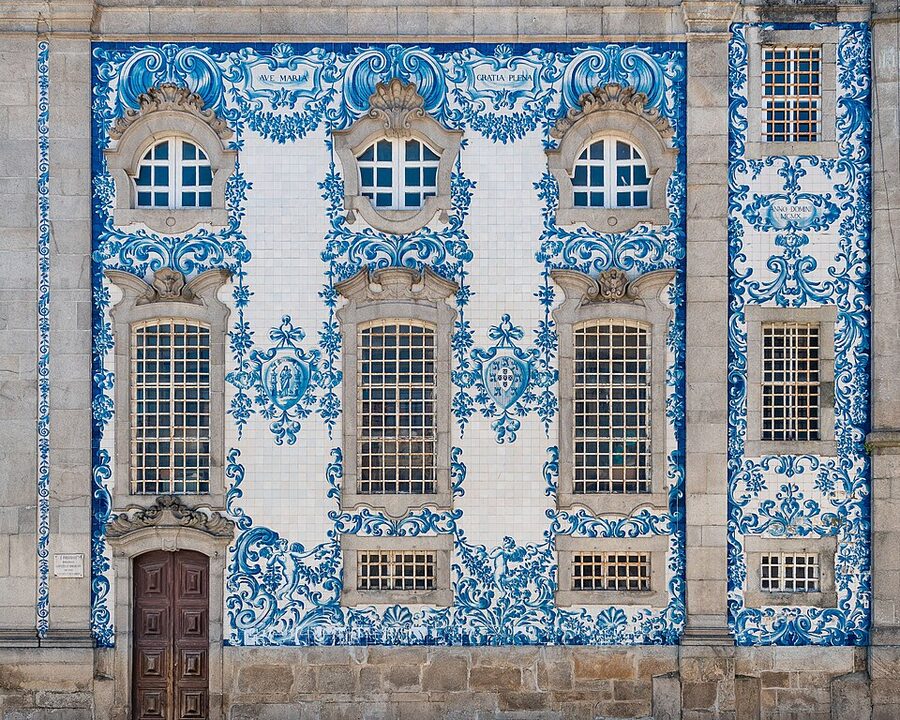
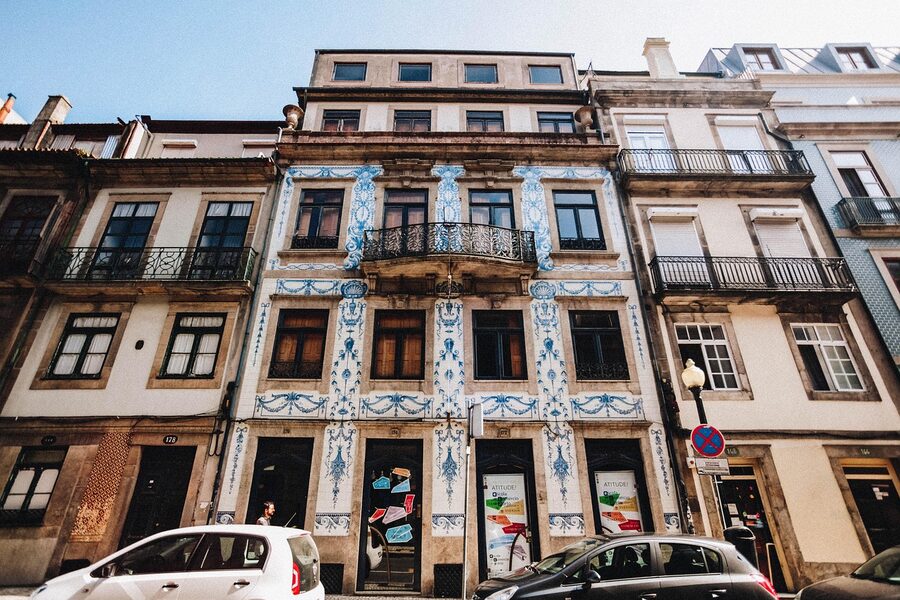
The tiles are not just decoration. Every blue-and-white azulejo on a Porto facade was painted by hand, fired in a kiln, and installed as practical insulation. They keep buildings cool in summer and dry in winter. The decorative aspect was a bonus.
The Igreja do Carmo and Igreja dos Carmelitas stand wall-to-wall, separated by what is officially the narrowest house in Porto, about a metre wide, and the Carmo’s tiled side wall is the most photographed in the city after São Bento. Most walking tours stop here for two minutes. Worth lingering for ten if you can sneak away from the group.
Food Stops Most Tours Bolt On
Walking tours and e-bike tours don’t usually feed you. They mention food. Some bundle a port tasting at the end. If you want food embedded in the tour, look for the wine-and-tapas hybrids or the dedicated food-tour format, which Porto runs in similar shape to Lisbon.

If you only have time for one snack stop after a tour, francesinha is the Porto answer. Bread, ham, sausage, steak, melted cheese, and a beer-and-tomato sauce. Calorie-dense, regional, and only really done well in two or three places. Café Santiago on Rua de Passos Manuel is the consensus pick.
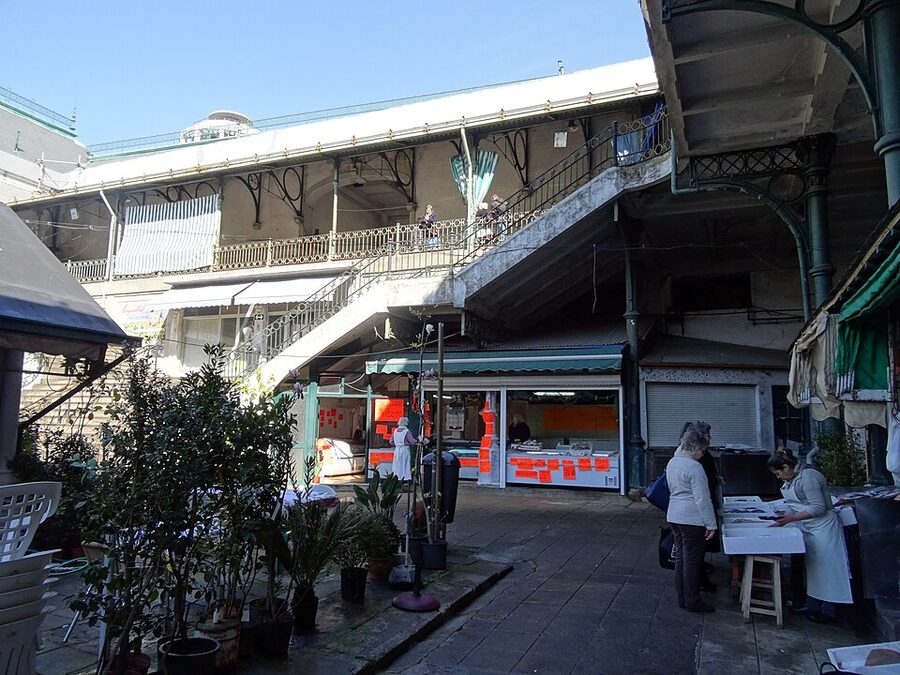
For market food during a tour, Mercado do Bolhão reopened in 2022 after a long renovation. It is now half traditional market, half upmarket food hall. Most walking tours pass it but don’t stop. Push your guide to give you ten minutes if Bolhão is on your route, especially in the morning.
Practical Things I Wish Someone Had Told Me
Walking tours leave on time. Five minutes late and the group has gone. Aim to be ten minutes early at the meeting point.
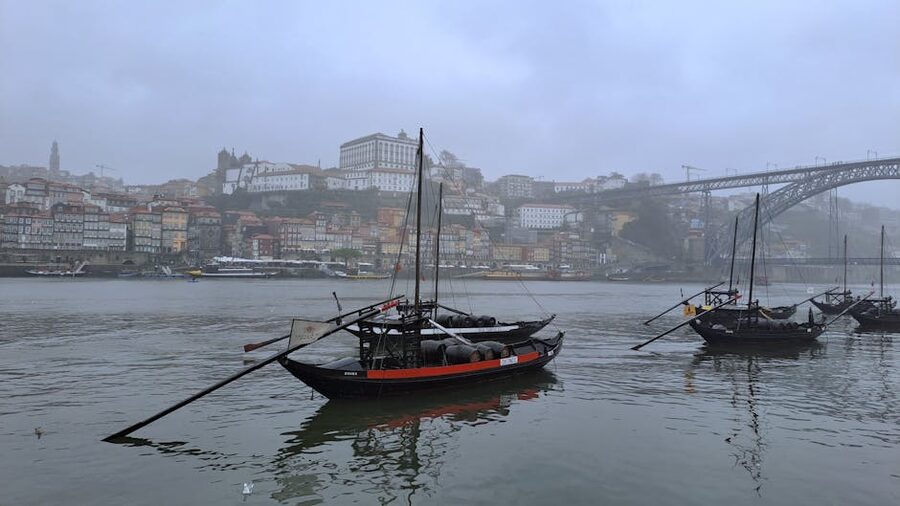
Rain in Porto comes in sideways from the Atlantic. October to April, bring a proper jacket, not an umbrella. Tours run regardless of weather. Refunds for rain are not a thing.
Lello is closed on some Sundays and on a handful of Catholic holidays. If your tour bundles Lello entry, double-check the operator’s calendar before you book.
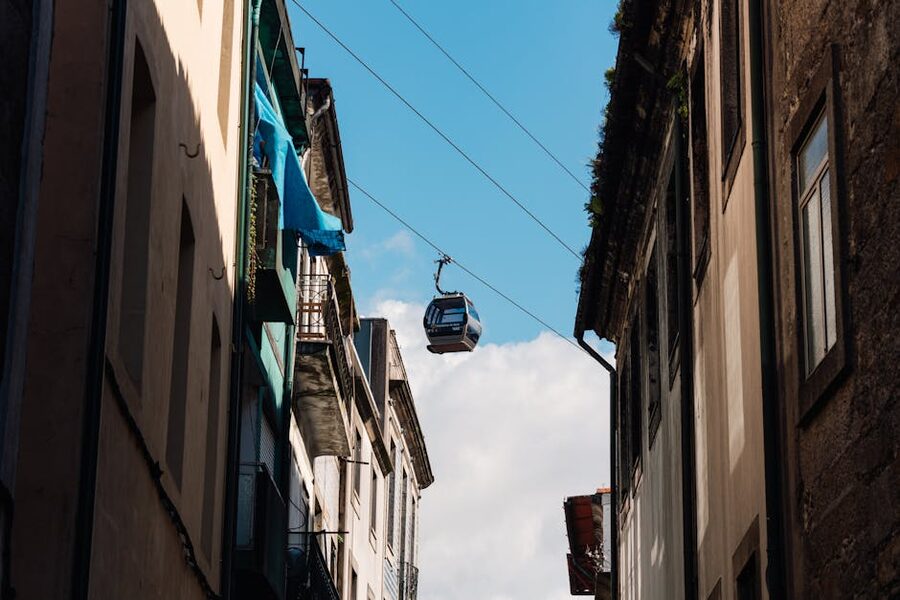
The cable car at Vila Nova de Gaia (Teleférico de Gaia) costs €7 one-way and takes about five minutes. Some tours include it. Worth riding once. After that, the funicular dos Guindais on the Porto side is faster and cheaper for going up the hill.
Tipping guides is normal. €5 to €10 per person on a paid tour, more if the group was small and the guide was good. On free walking tours, €10 to €15 is the going rate.
The cobblestones are slippery when wet, vicious in heels. Even men’s leather-soled shoes will skate. Anything rubber-soled is fine.
How Porto Compares to the Rest of Iberia
People ask me which Iberian city tour is the most worth doing. Real answer is they’re all different. Porto is the densest, you cover the least ground but pack in the most history per kilometre. Seville and Granada in Spain run on the same scale, intimate cores you can walk in two hours; if you’ve done one, my Seville cathedral guide and Alhambra walkthrough set up the contrast nicely. Madrid is more like Lisbon, big-city distances that benefit from a bus or e-bike format like the Madrid panoramic city tour. And further east, the Athens Acropolis walk is the closest comparison to Porto in feel: a steep, history-heavy old town that punishes shoes.
Lisbon vs Porto, If You’re Choosing One
This is the question I get most. The short answer: do both if you can, but if you can’t, the choice depends on what you want.
Lisbon is bigger, with a stronger food scene, better day trips (Sintra, Cascais, Évora), and more layers. The classic Lisbon-Sintra-Cascais combination is unbeatable for a four-day base, and the Pena Palace excursion is one of those once-in-a-trip set pieces. Porto is more compact, more atmospheric, easier to walk in two days, and more intimate. The architecture is denser and older-looking.
If you have to choose, Porto for two-and-a-half days plus a Douro Valley day, or Lisbon for three days plus Sintra. Both work. Don’t try to cram both into a long weekend.
Where to Start
If this is your first time, the e-bike tour. The hills are the thing that derails most first-day Porto plans, and the motor solves them in three hours. Book it for your second morning so your legs are fresh.
If your knees are good and your wallet is tight, the 3-hour walking tour. If Lello is the reason you came, the Lello combo. After that, there are river cruises, port cellars, and Douro Valley day trips, but those are stories for separate articles.
Beyond the City Tour
A city tour is the foundation. Once it’s done, Porto opens out. Cross the bridge for a port cellar visit at Cálem or Sandeman. Take a Six Bridges Cruise from the Ribeira to see Maria Pia and Arrábida from the water. Spend a full day in the Douro Valley with vineyard stops and a farmhouse lunch. If you want a sense of the wider Portugal cluster you’ll naturally pair this with, our Lisbon fado guide and the Lisbon sunset cruise piece map out the southern half. The Alfama walking tour is the closest cousin to what a Porto historic walk delivers, though Alfama is older and Porto is steeper. For the Porto side specifically, my 3-hour walking tour write-up goes deeper on logistics than this overview can.