
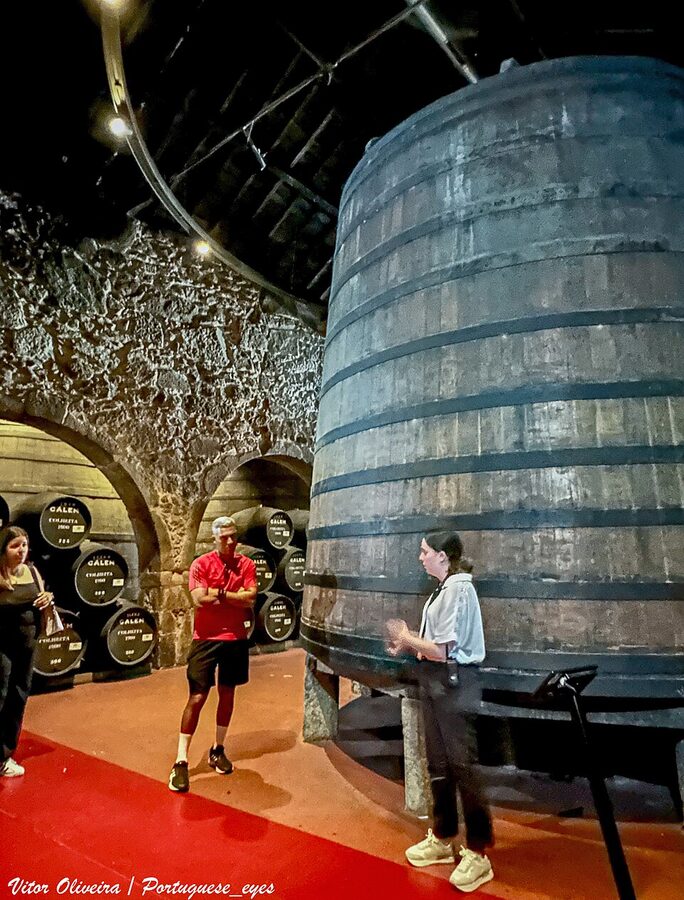
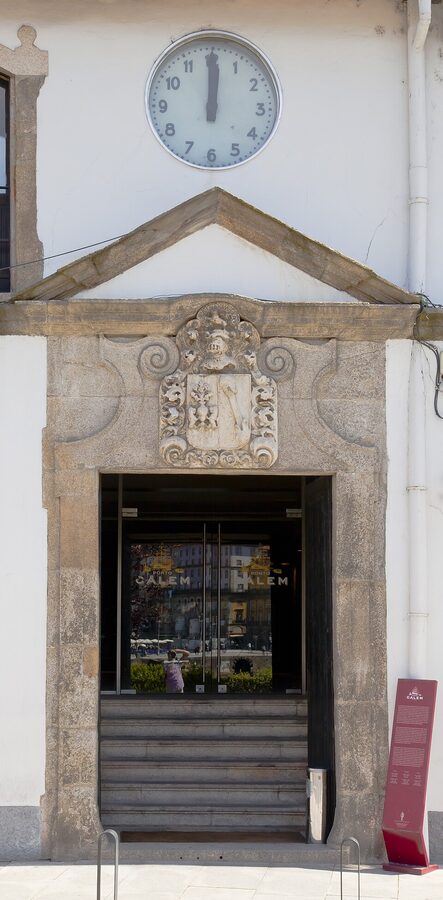
My guide stopped beside a barrel that was older than most countries. He told us about Antonio Alves Cálem, a young Portuguese wine merchant who set up shop in 1859 to ship port across the Atlantic to Brazil. Then, in 1894, the family registered the Cálem trademark, the same one stamped on every bottle in the cellar around us, and the room went quiet for a second while we all looked at the wood and the chalk markings and tried to do the maths.
This is a complete booking guide for a Cálem cellar tour in Porto’s Vila Nova de Gaia. I’ll cover the standard 60 to 90 minute museum-and-tasting, the premium fado-show evening, and how Cálem stacks up against neighbours like Sandeman, Taylor’s and Graham’s. Skip ahead with the picks below if you’re already sold.
In a hurry? My top three Cálem picks
Best all-rounder, around $23: the standard Cálem Cellar Tour, Interactive Museum and Wine Tasting. Museum, cellar walk, two ports.
Best evening option, around $33: the Cálem Cellar Tour, Fado Show and Wine Tasting. Same cellar, fado in the barrel hall.
Best for food lovers, around $53: the Cálem Cellar with Chocolate, Cheese and Wine. Three pours plus pairings.
- In a hurry? My top three Cálem picks
- Why Cálem and not one of the other Gaia cellars
- The 1859 founding story (and why 1894 matters)
- How port wine is actually made (the museum bit)
- The cellar tour itself
- The tasting (and why two ports is not enough)
- The fado-show option, in full
- Tour comparison: Cálem vs Sandeman, Taylor’s, Graham’s
- How to actually book the tour
- My top three Cálem tours, ranked
- 1. Cálem Cellar Tour, Interactive Museum and Wine Tasting:
- 2. Cálem Cellar Tour, Fado Show and Wine Tasting:
- 3. Cálem Cellar with Chocolate, Cheese and Wine Tasting:
- Getting to Cálem and what to do around it
- Practical bits I wish I’d known
- How a cellar visit fits into a longer Porto trip
- Where Porto port wine sits in the bigger Iberian story
- Common booking questions
- Final take
- More Porto and Portugal reading
Why Cálem and not one of the other Gaia cellars
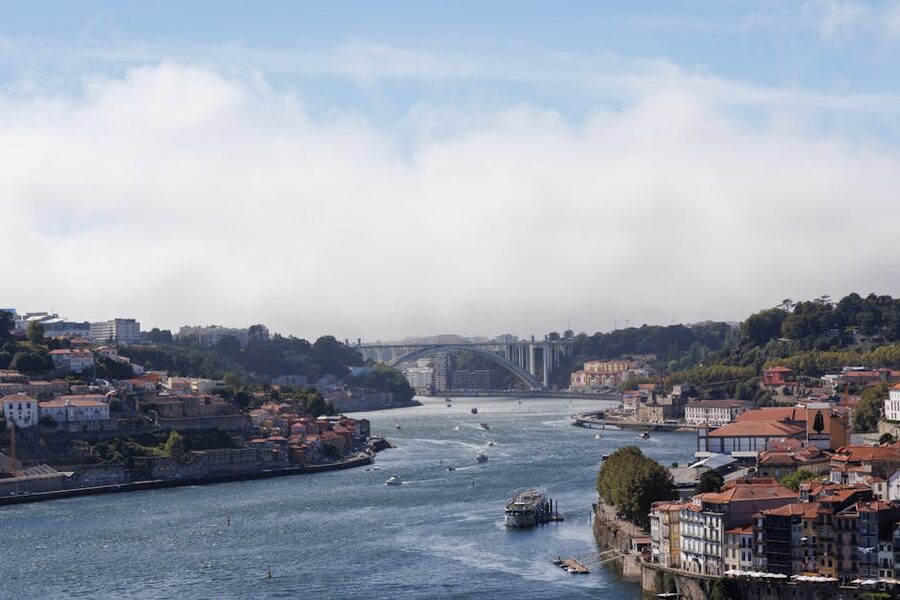
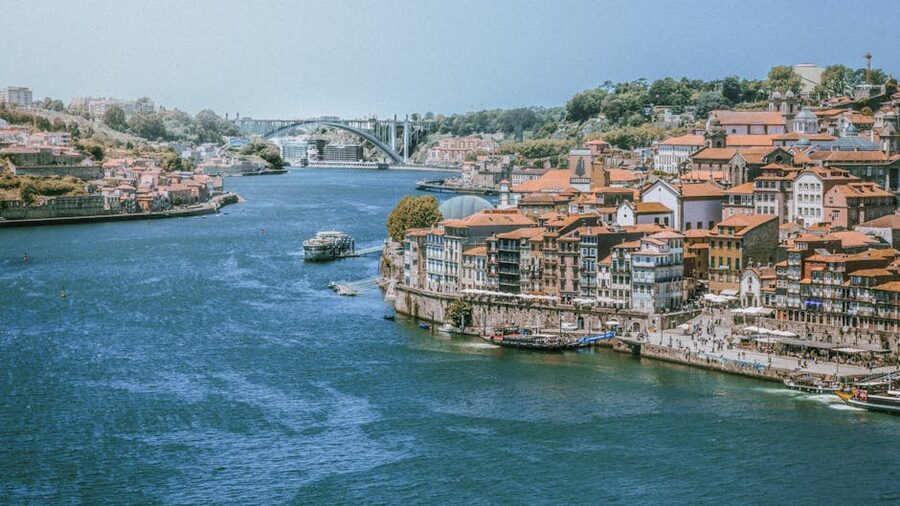
Vila Nova de Gaia is the south bank of the Douro, directly opposite Porto’s old town. Until the 1980s, Portuguese law required every port-wine producer in the Douro Valley to age and ship from this strip of riverside cellars. Walk along the waterfront and you’ll see the names painted across the rooftops: Sandeman, Taylor’s, Graham’s, Cockburn’s, Croft, Ferreira, and Cálem. Around two dozen of them. Most run public tours.
So why pick Cálem? Three reasons, in my order of importance.
First, the museum. Cálem is the only Gaia cellar with a proper interactive exhibit on port-wine production, from the schist soil of the Douro Valley up to bottling. You wander it on your own before the guided cellar walk. Other houses just walk you straight into the barrel hall.
Second, the location. Cálem sits at the foot of the lower Luís I deck, so you can cross the bridge from the Ribeira side and be at the door in about five minutes. Taylor’s and Graham’s are both up the hill behind Gaia, which is a sweat in summer. If you’ve got an afternoon split between Porto and a cellar tour, Cálem is the easiest add-on. The same logic applies if you’re piecing together the river-and-city version of a Porto city tour; the bridge crossing is the connector.
Third, the fado. Cálem hosts a live Portuguese fado performance in the cellar most evenings. It’s the one Gaia tour where you actually hear traditional music inside the barrel hall, not in a separate venue. More on that below.
The 1859 founding story (and why 1894 matters)
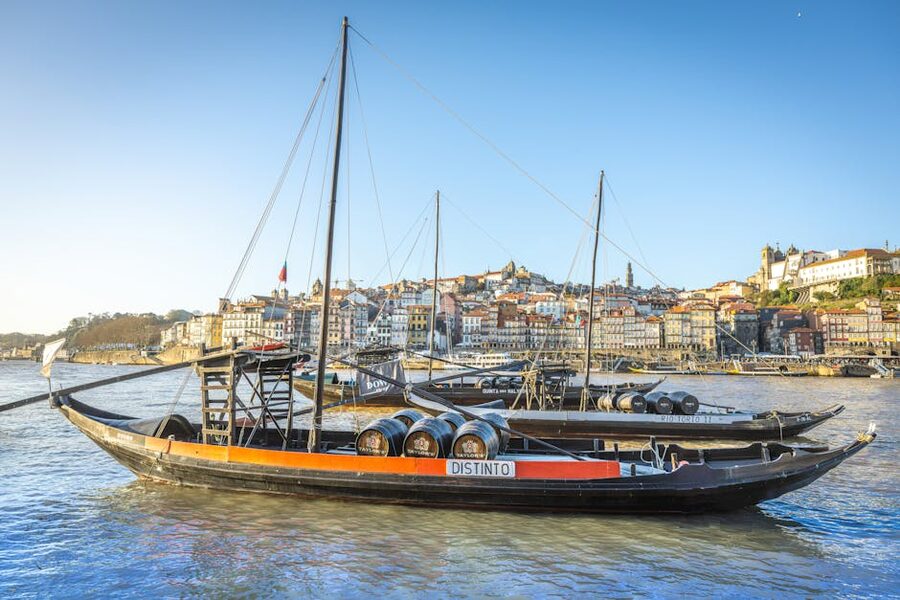
Antonio Alves Cálem started the company in 1859 by buying wine from small Douro Valley growers and shipping it down the river on rabelo boats, the flat-bottomed sail-and-oar craft built specifically to handle the rapids. His first market was Brazil. Portugal had close trade ties with its former colony, and Brazilians had developed a serious taste for sweet fortified wine.
The business grew. In 1894, the family registered the Cálem trademark, the cursive C that’s still on the labels today. That mark made it one of the oldest continuously trading Portuguese-owned port houses. Most of the famous names you see across the Gaia rooftops, Taylor’s, Graham’s, Sandeman, Cockburn’s, were founded by British or Scottish merchants. Cálem stayed Portuguese, which the guides will mention with quiet pride.
By the 1920s the company had bought its own quintas in the Douro Valley and built the Vila Nova de Gaia cellar that you’ll walk through on the tour. The barrel hall hasn’t changed structurally since. They added the museum and a 5D cinema in the 2010s, but the actual ageing rooms are doing the same job they did a hundred years ago. If you’re a fan of slow industries, that’s the appeal.
How port wine is actually made (the museum bit)
The first stop on every Cálem tour is the interactive museum. You’re given roughly 20 minutes to wander it on your own. I’d actually give it 30 if you can; the exhibits are better than I expected.
The story it tells, in order:
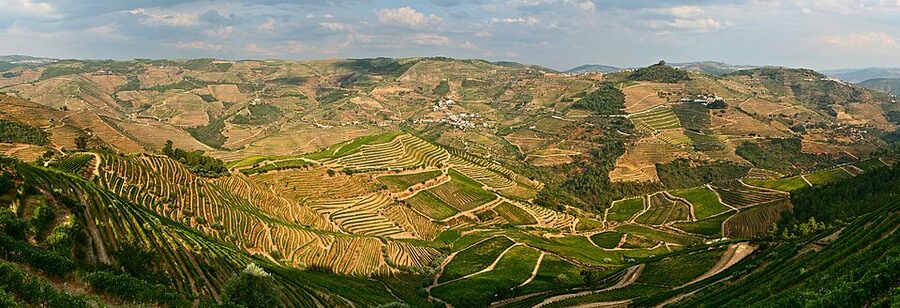
- Schist soil. The Douro Valley sits on weathered slate-like rock that the vines push their roots through. The slabs hold heat after sundown and force the roots deep, both of which matter for grape concentration.
- Five grapes. Touriga Nacional, Touriga Franca, Tinta Roriz, Tinta Barroca, Tinto Cão. There are technically more authorised varieties, but those five do most of the heavy lifting in a typical port blend.
- The harvest. September. Hand-picked because the terraces are too steep for machines. Some quintas still tread grapes by foot in granite lagares.
- Fortification. Halfway through fermentation they add grape spirit, which kills the yeast and locks in the residual sugar. That’s why port is sweet and stronger than table wine, around 19% ABV.
- Ageing in Gaia. Until 1986, every port that wanted to be called port had to age in Vila Nova de Gaia. The cooler, more humid climate here on the river slows oxidation. Up the Douro Valley it’s hot and dry, which would push the wine in the wrong direction.
Time-saving tip: the museum can get crowded right when a new group enters. If you walk to the back panels first and then loop forward, you’ll go against the flow and never wait behind another reader.
The cellar tour itself
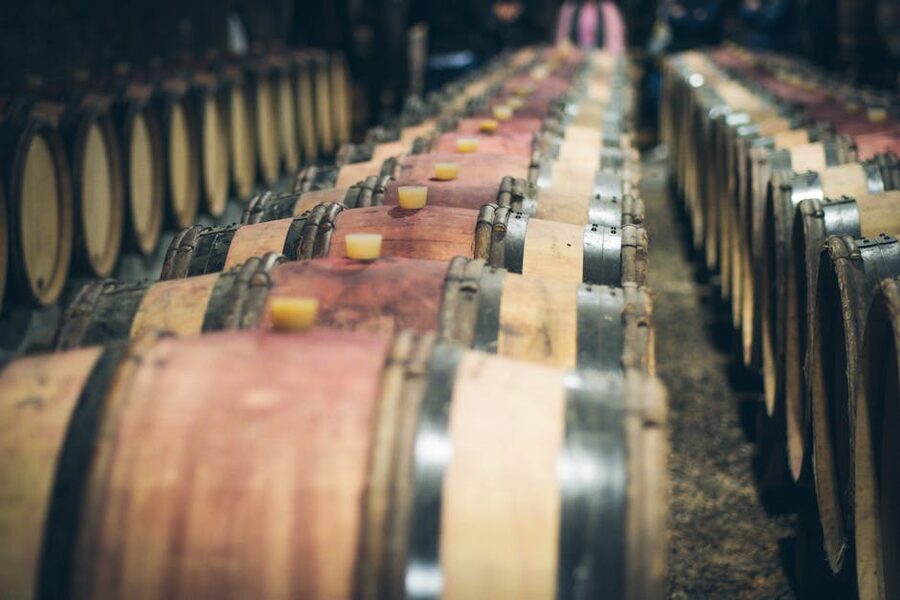
After the museum, a guide collects everyone speaking your language and you head into the barrel hall. The temperature drops a few degrees as soon as you pass through the doors. The walls are a pale lime, the floor is stone, and the smell is wood and slightly sweet old wine. It’s a sensory thing more than a visual thing.
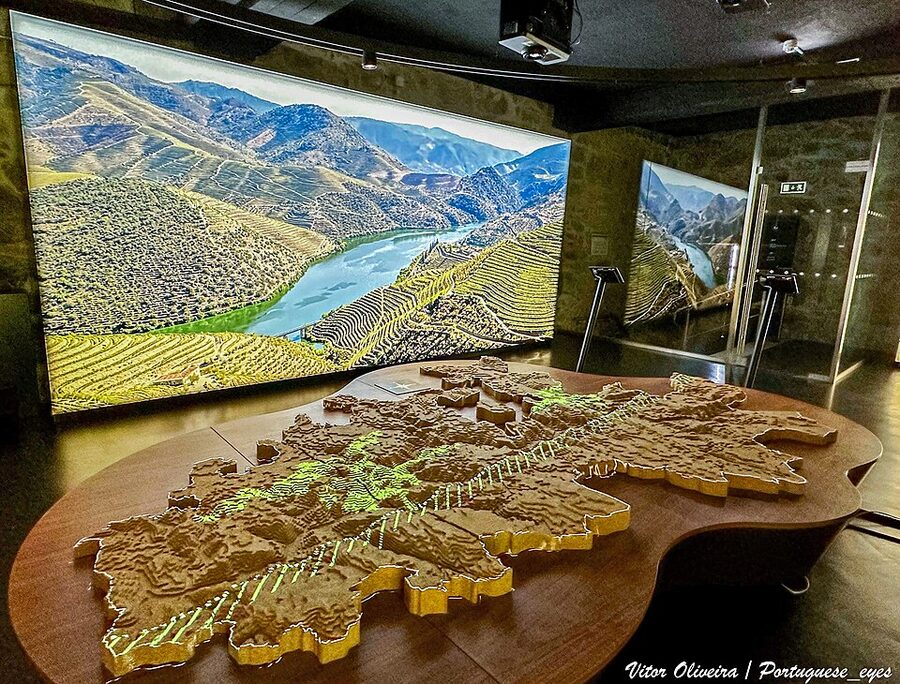
The walk takes about 30 minutes. Your guide explains the four core port styles as you pass barrels of each:
- White port. Made from white grapes, lighter, often served chilled with tonic.
- Tawny. Aged in small oak casks for 10, 20, 30, even 40 years. Goes from ruby-red to nutty amber as it oxidises slowly.
- Ruby. Aged in larger vats to limit oxidation, kept fruity and red.
- Vintage. Made only in declared years (about three per decade), bottle-aged, the pricey one.
The thing the guides drive home, and that genuinely surprised me first time, is how much aging happens below the Douro waterline. The cellar floor is roughly at river level. Outside the windows, on the other side of the wall, is moving water. That’s the real reason the producers were forced down to Gaia in the first place: the river-level humidity and the steady mid-teens temperature year round.
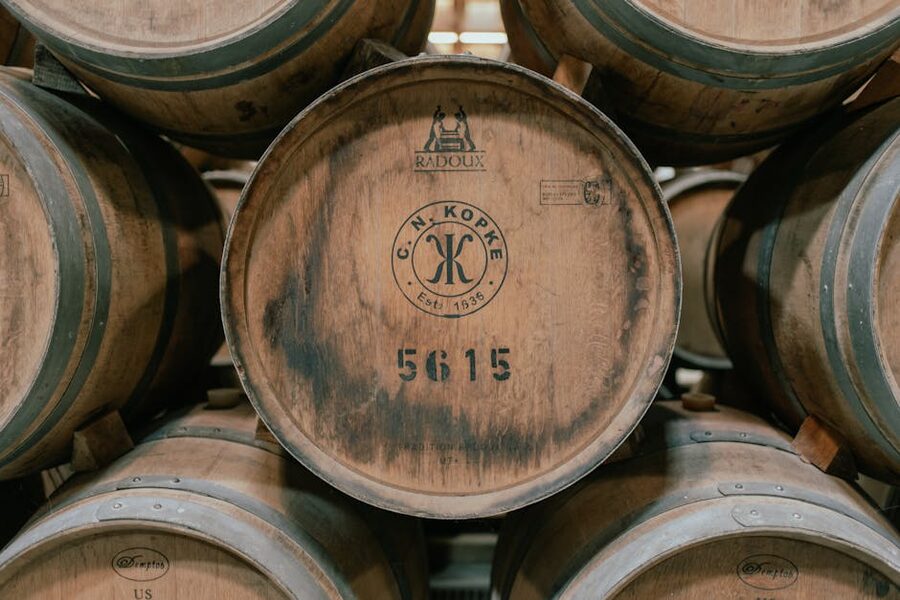
You’re allowed to step away briefly to take photos as long as you stay with the group. I overheard a French couple ask if they could find a barrel from the year they were born; the guide shrugged and said the dates on the chalk are stock-rotation marks, not vintages, and most of the bottle is younger than it looks. So don’t go barrel-hunting for a 1972; it’s not that kind of cellar.
The tasting (and why two ports is not enough)
After the cellar walk, you go upstairs to the tasting room. Cálem splits the room by ticket type: standard tickets get the small-table area, premium tickets get the larger pairing tables, and the fado-show ticket goes to the upper hall.
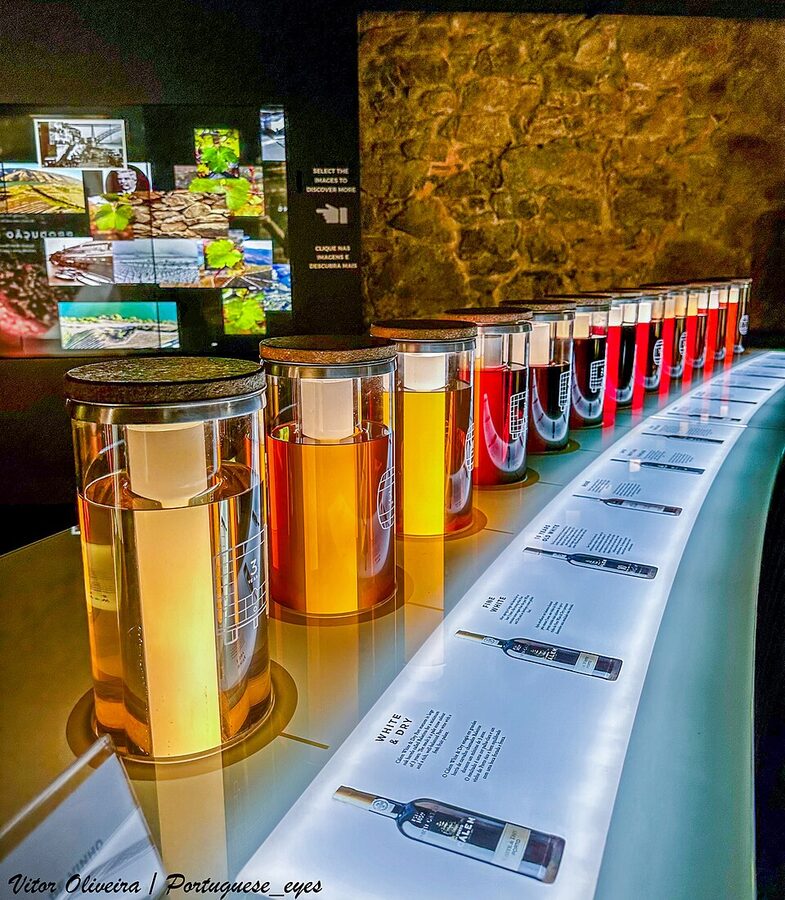
My take: book at least three pours, not two. The standard ticket is fine if you only want a quick taste, but the jump in price between two and three is small, and the third glass is usually the older tawny that actually shows what slow ageing does. With only two glasses you compare a white and a young red, which is interesting but not really the point of being in a cellar.
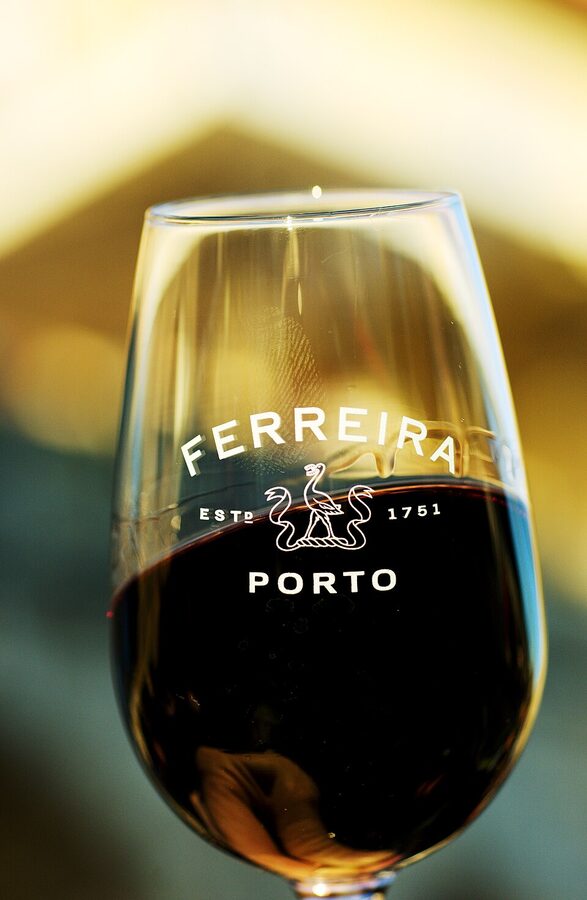
Order matters: white first, then ruby (younger), then tawny (older). Going the other way will dull your palate to the lighter wines. Each pour is roughly 40ml, which sounds small, but at 19% it adds up fast. Eat lunch first if you’re doing a morning slot.
The fado-show option, in full
If you’ve got an evening free, this is the version of the Cálem tour I’d book. The fado show runs around 6pm most days, and the format is the same museum and cellar walk plus four pours instead of two, finishing with a 30 to 40 minute live fado set in the cellar itself.
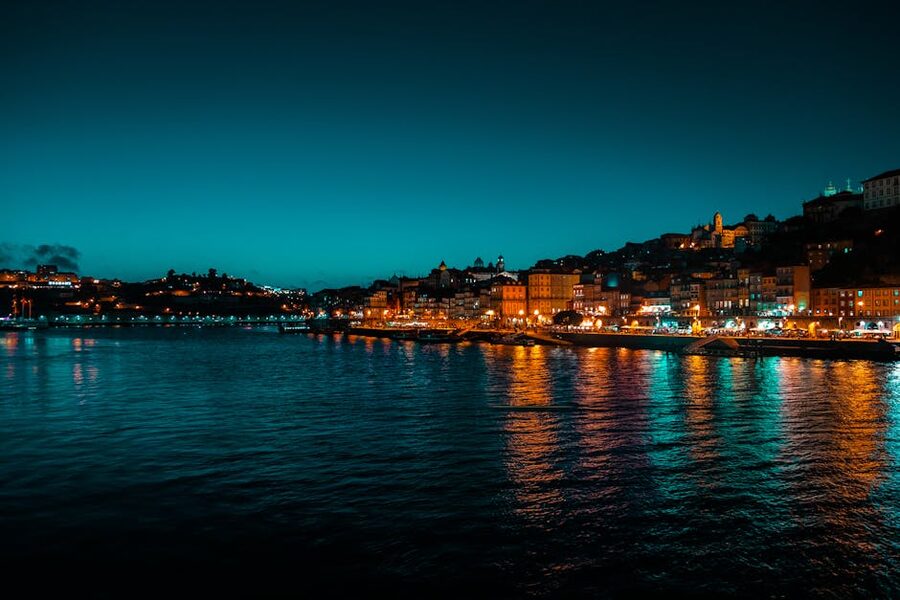
The musicians are usually a Portuguese guitar player, a classical guitar player, and a singer (sometimes two, who alternate songs and then duet at the end). The acoustics in the barrel hall are unexpectedly good. Wood walls, low ceiling, no PA system needed. You sit at long tables with your tasting glasses already poured.
One thing to know: fado is not background music. It’s mournful, theatrical, sung at full voice. The guides ask you not to talk during the songs, and they mean it. If you’re after a chatty wine evening, book the chocolate-and-cheese pairing instead. The fado is for sitting still and listening.
For comparison, Lisbon has more fado venues per square mile than Porto and a slightly different vocal tradition (Lisboa fado is older and rougher; Coimbra fado is academic and male-only). I covered the Lisbon side in my Lisbon fado booking guide, but if you only have one fado night in Portugal, doing it inside the Cálem cellar is a strong choice purely because of where you are when it’s happening.
Tour comparison: Cálem vs Sandeman, Taylor’s, Graham’s
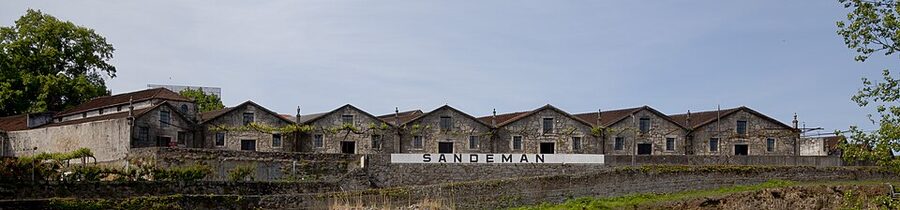
Quick rundown, since this is the question that actually matters when you’re standing on the Gaia waterfront with a free afternoon:
Sandeman. Bigger production scale, very slick tour with guides in the iconic cape and hat. Aimed at the cruise crowd. Solid wine, but the tour is more about the brand than the process. Pick this if you want a photo with the don.
Taylor’s. Up the hill behind Gaia, about 15 minutes uphill from the riverfront. Tour is excellent and audio-guided so you go at your own pace, ending in a beautiful tasting terrace with views back over the Douro. Best for a quiet, slower visit. Wine is some of the best in Gaia, especially the 20-year tawny.
Graham’s. Also up the hill, even further west. Premium tasting room, big-name vintage focus, the most expensive tasting flights in Gaia. Worth it if you already love port and want the pricey stuff.
Cálem. Best for a first port-cellar visit. Closest to the bridge, the only one with a real museum, fado in the cellar, and standard tickets that are cheaper than Taylor’s or Graham’s. The 60-90 minute window also fits neatly into a half-day; the others are easier to lose two-plus hours to.
If port-wine cellars are your only thing in Porto, and you’ve got most of a day, you can actually do two: book Cálem for an early slot and Taylor’s for late afternoon. Just leave at least three hours between them for lunch and the climb. I’d skip a third.
How to actually book the tour
Book in advance, especially for English-language slots and especially for the fado-show evenings. Cálem’s main tours sell out a few days ahead in summer, sometimes longer over Easter and around Christmas markets. I’d aim for at least 48 hours’ notice in shoulder season and a week in July or August.
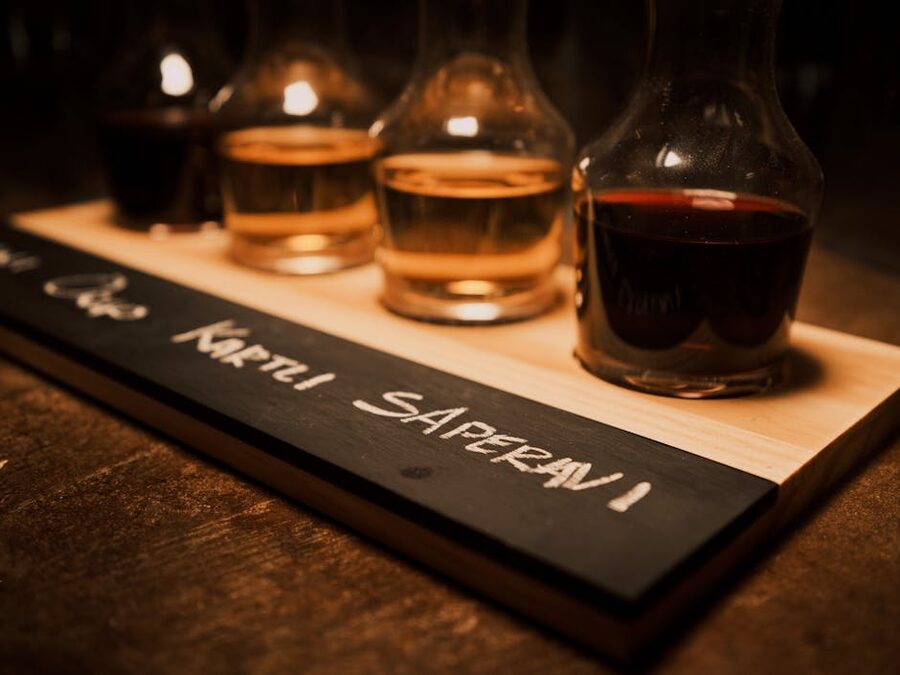
Ticket types you’ll see:
- Standard, around $23. Museum, cellar walk, two ports (white + ruby or tawny). 60 minutes. Fine for a first visit.
- Premium 3-pour, around $30. Same plus a 10-year-old tawny. The one I recommend if you’re choosing one ticket.
- Fado show, around $33. Museum, cellar, four pours, fado set. About 75 minutes. Evenings only.
- Chocolate and cheese pairing, around $53. Museum, cellar, three pours plus four pairings. 60 minutes.
You arrive about five to ten minutes before your slot. Earlier doesn’t help; they don’t let you in until the time on the ticket. Bring ID for the standard online tickets just in case. Tours run in English, French, Spanish, Italian, and Portuguese, with the English ones being the first to sell out.
My top three Cálem tours, ranked
These are the three I’d actually book, in order, based on what most travellers want from an hour or so in Vila Nova de Gaia. Featured images and details below come from our review database.
1. Cálem Cellar Tour, Interactive Museum and Wine Tasting: $23
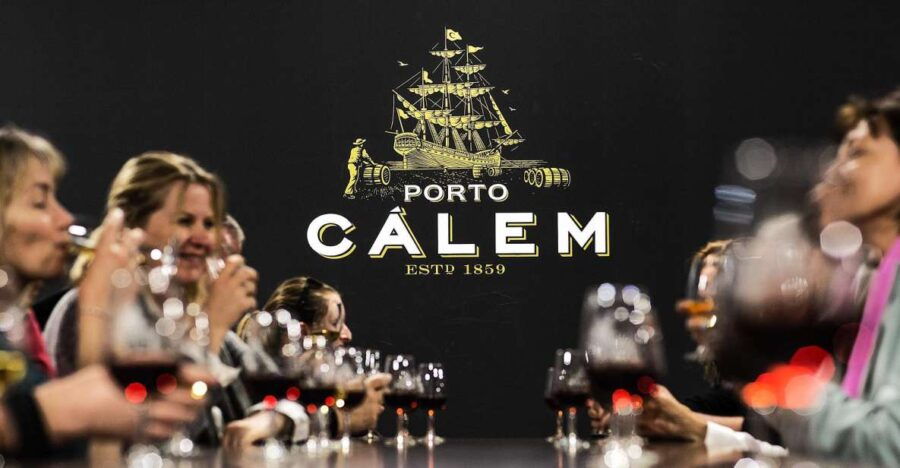
This is the standard tour, and the one I recommend for anyone doing port for the first time. Our full review of the flagship Cálem cellar ticket goes into the language slots and which time of day has the smallest groups. Book the late-morning English slot if you can.
2. Cálem Cellar Tour, Fado Show and Wine Tasting: $33
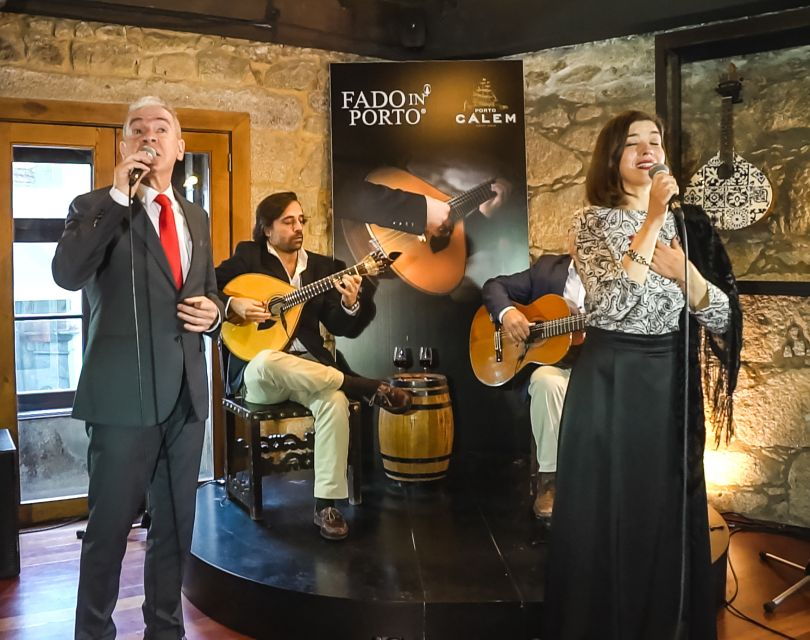
The combo I’d book if you’ve only got one Porto evening to spare. Our deep dive on the fado-show version covers seating, what the singers actually perform, and which night of the week tends to draw the biggest crowd.
3. Cálem Cellar with Chocolate, Cheese and Wine Tasting: $53
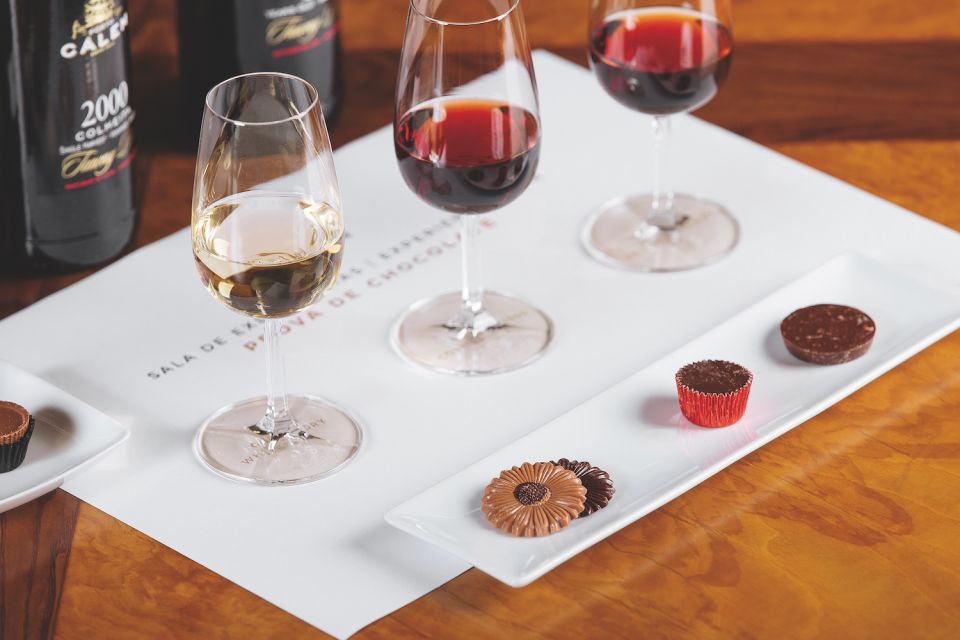
Pricier than the standard but my pick if you want the tour to feel like a small meal rather than a quick visit. The full pairing-tour review walks through which cheese goes with which port and whether the dark chocolate is worth ordering on top of the included pours.
Getting to Cálem and what to do around it
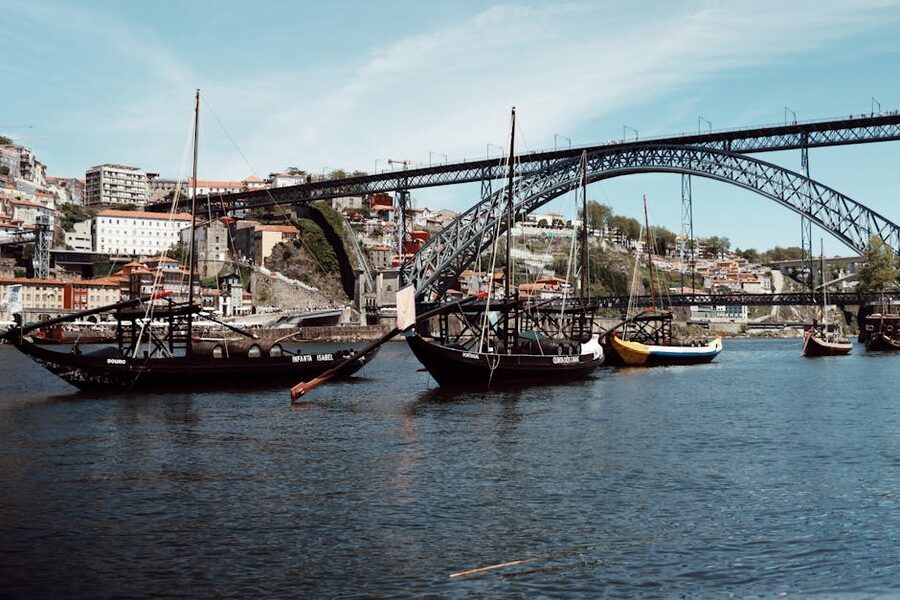
The address is Avenida Diogo Leite 344, Vila Nova de Gaia. Three ways to get there from central Porto:
- On foot across the Luís I bridge. Lower deck for the easy version, upper deck if you want the high view. About five to seven minutes from the Ribeira side.
- Metro yellow line, Jardim do Morro stop. Then walk down the hill to the riverfront, around 10 minutes. Useful if you’re staying further out.
- Tuk-tuk, Uber or taxi. Cheap from the Porto side, about €5 to €8. Same logic if you’ve already booked a Porto tuk-tuk tour earlier in the day; just ask the driver to drop you at Cálem after the historic-centre loop.
Around Cálem itself, the riverfront has a string of restaurants with terraces (the prices are a touch high; you’re paying for the view) and the cable car (Teleférico de Gaia) that climbs from the riverside up to the upper Luís I deck. The cable car is a 5-minute ride for around €7, and the views are good but I’d skip it if you’re already planning to walk the upper deck either direction.
If you want to combine the cellar with a river trip, the Porto 6 Bridges cruise docks just a couple of hundred metres downstream from Cálem. A common pattern is the cruise at noon, lunch on the Gaia waterfront, then a 3pm Cálem tour.
Practical bits I wish I’d known
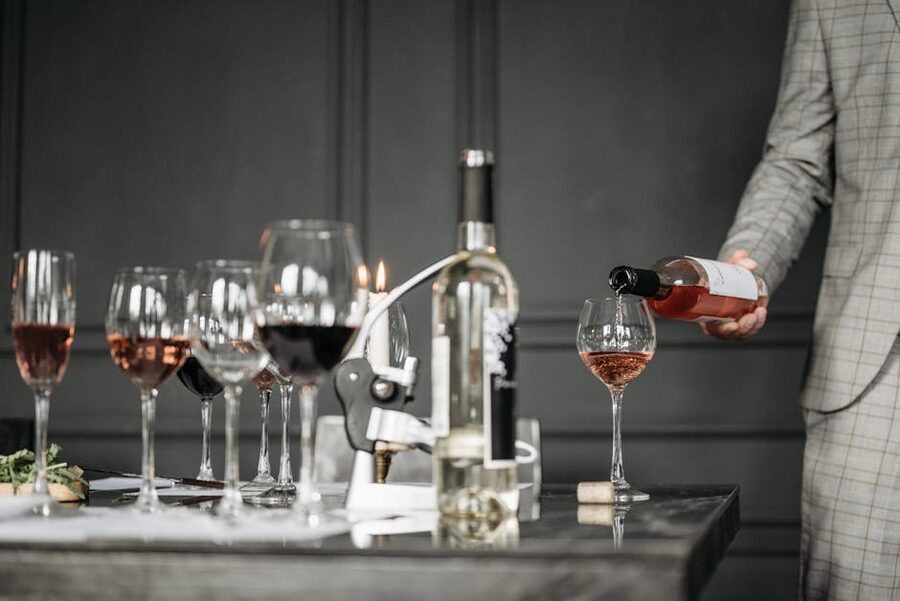
A handful of small things that aren’t on the booking page:
- The cellar is around 15-16°C all year. Bring a light layer in summer, a proper jumper in winter.
- Photos are fine in the cellar, but flash is not. The guides will ask you to switch it off.
- The shop sells full bottles and small 50ml gift sets. Prices are similar to a Continente supermarket, but the selection is much wider, especially older tawnies.
- Kids are technically allowed but get bored fast during the tasting, fairly. The 5D cinema helps. The fado evening is not really aimed at children.
- Toilets are on the way out, after the gift shop. Use them before you leave; the riverfront café toilets get busy.
- Tipping the guide is not standard, but a couple of euros at the end is appreciated for the longer English groups.
How a cellar visit fits into a longer Porto trip
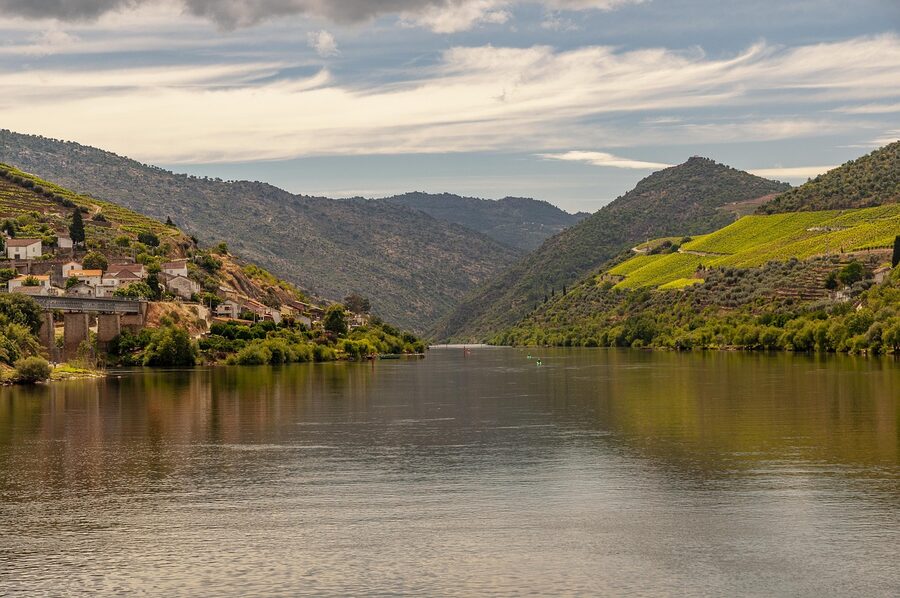
If you’ve got two full days in Porto, a cellar tour belongs on day one, not day two. Here’s the logic. The cellar gives you the framework: how port is made, what the styles taste like, why the river matters. Then on day two you head up the Douro Valley to see the actual vineyards, treading floors, and quintas. Doing it the other way around (Douro first, cellar after) means the cellar feels like a recap rather than a setup.
If you only have one day in Porto, just do the cellar. The Douro Valley needs a proper 12-hour run to make sense; trying to squeeze it into a half-day is the kind of thing that lands you on a coach with a watered-down lunch.
For three days plus, mix in the river. The 6 Bridges Cruise is short enough to fit anywhere; pair it with a sunset cellar tour for a clean evening. If you don’t already have a city overview, slot in a Porto city tour for half a day. And if Porto is a side trip from Lisbon, the Lisbon-Sintra day trip stays the better one-day pick out of Lisbon, since Sintra packs in more variety than a single Porto cellar can.

Where Porto port wine sits in the bigger Iberian story
Port is one of three big Iberian fortified-wine traditions. Sherry comes out of Jerez in southern Spain, where the chalky albariza soil and solera ageing system produce a totally different style. Madeira, the third, is heated rather than cooled during ageing. They share the fortification trick (adding spirit mid-fermentation) but differ in everything else.
If you’re touring Iberia and care about wine, Porto is the easy starter. Jerez is the next step. The lipizzaner-and-flamenco circuit through Andalusia covers the cultural side, and the Royal Andalusian School horse show in Jerez sits naturally inside a sherry trip. Flamenco in Seville rounds it out. Different country, different drink, but very much the same southern-Europe thread of slow trades that haven’t been industrialised.
The Cálem cellar is also where I’d point anyone curious about Lisbon’s older drinking traditions. It’s a fortified-wine cellar with live music, which is roughly the format a small Alfama tasca pulls off on a smaller scale.
Common booking questions
Do I need to be 18? For the tasting yes. Under-18s can do the museum and cellar walk on a child ticket; they just don’t get pours.
Can I just turn up? Sometimes, off-season midweek, but I wouldn’t risk it in summer or weekends. The English slots especially will be full.
How long does the tour run? Standard is 60 minutes. Fado show is 75 minutes. Chocolate and cheese is 60 minutes. The 5D cinema adds 5 to 10 minutes if you choose to watch it before the cellar walk.
Is the cellar accessible? Mostly. There’s a short flight of steps into the museum and a small step into the barrel hall. Staff will help with wheelchair access; email ahead if it matters.
Can I refuse a pour? Yes. Tell the staff at the door before you sit down and they’ll bring water or grape juice instead.
Will I leave drunk? Two 40ml pours of 19% wine over 30 minutes is roughly equivalent to one large glass of table wine. Three pours is two glasses. Don’t drive after the fado-show ticket.
Final take
Cálem is the Gaia cellar I’d send a first-time Porto visitor to without thinking. The museum is the differentiator, the location at the foot of the Luís I bridge makes it the easiest cellar to slot into a short trip, and the fado-show variant is the closest thing in Porto to a properly atmospheric port-and-music evening. It is not the most exclusive cellar (that’s Graham’s) and not the most photogenic from the outside (that’s Sandeman, with the cape painted across the roof), but it is the one that makes the rest of the Douro story click.
Pick the three-pour ticket if you’re going once. Pick the fado-show if you have an evening. Pick the chocolate-and-cheese option if you want a small meal rather than a quick taste. Then go up to the Douro Valley the following day and watch how the soil, vines, and river you just learned about turn into wine.
More Porto and Portugal reading
If a port-cellar afternoon is your starting point, the natural next step is the source of the wine itself, and the easiest way to do that is a full Douro Valley wine day from Porto. For something shorter on the same river, the Eiffel-era 6 Bridges cruise covers Porto’s engineering history in under an hour. And if you’re heading south to Lisbon afterwards, Pena Palace at Sintra is the day-trip I’d build the rest of the week around.