
Step seventy of the climb is when most people start audibly counting. The stone is cool against your palm where you brace it on the way up, the staircase narrows to one person wide, and a slim window cuts a frame onto the first red roof you’ve seen all morning. Then you keep going.
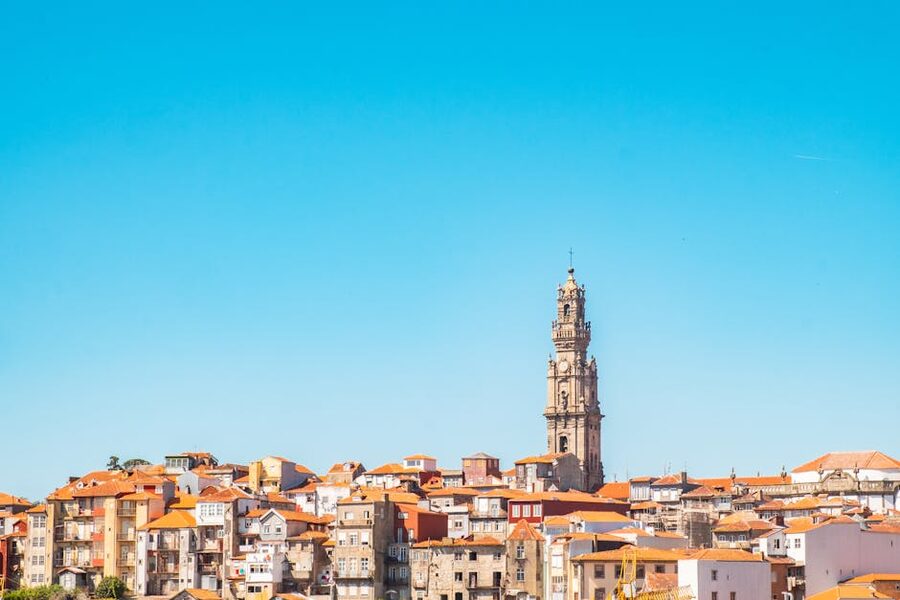
This is the booking guide I wish I’d had before I queued the wrong way at the wrong door at the wrong time of day. I’ll cover the standard daytime ticket, the Spiritus videomapping show in the church, the summer night ticket, and how to actually plan the climb so you’re not stuck on a stair behind 30 people.
In a hurry? My top three Clérigos picks
Best for first-timers, around $11: the standard Torre dos Clérigos Entrance Ticket. Tower, church, museum, all in one combo.
Best evening pick, around $12: the Spiritus videomapping show. Same church, projected light show, no climb.
Best for sunset photos, summer only: the Clérigos Tower at Night ticket. Tower-only, last entry around 22:30.
- In a hurry? My top three Clérigos picks
- What you actually get with a Clérigos ticket
- How to actually book it (and which version is which)
- My top three Clérigos tickets
- 1. Porto: Torre dos Clérigos Entrance Ticket:
- 2. Spiritus: Videomapping Immersive Show at Clérigos Church:
- 3. Porto: Ticket for the Clérigos Tower at Night
- The 240-step climb, in real terms
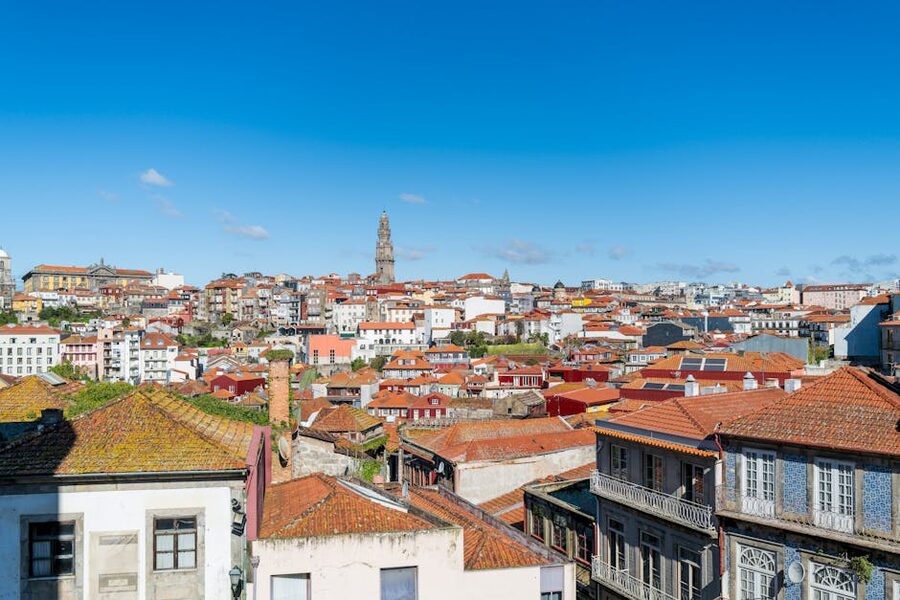
- The view from the top, what you actually see
- When to climb (and when to stop trying)
- Spiritus, the videomapping show in the church
- Getting to the tower
- What’s around the tower
- Skipping the climb (and what to do with the museum)
- Common booking questions
- Final take
- More Porto and Portugal reading
What you actually get with a Clérigos ticket
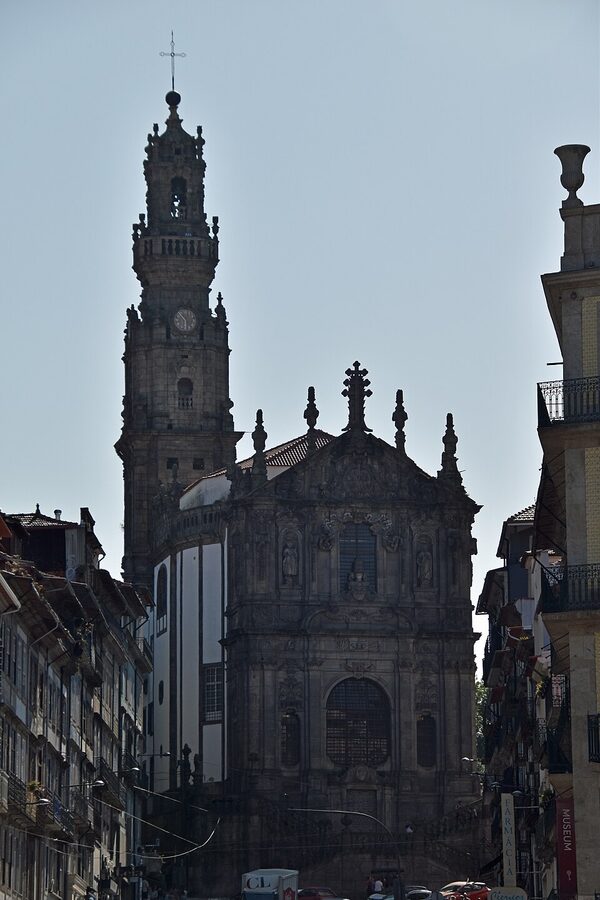
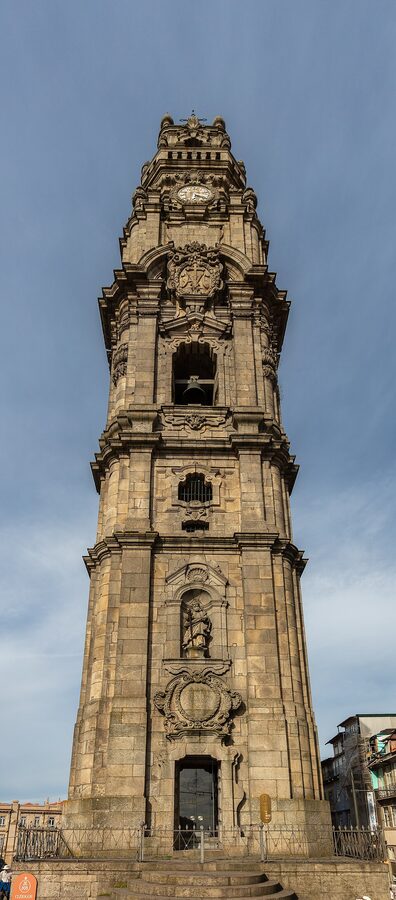
Three things, sold as a single combo. The 76-metre baroque tower with the climb to the top. The Igreja dos Clérigos church next door, with its oval nave. And a small Clérigos museum across a connecting hallway, mostly religious paintings and silverware from the brotherhood that built the place.
The standard ticket runs around 10 euros at the door (the GetYourGuide version comes out a touch cheaper after currency conversion). Students 11-18 pay 7 euros. Children under 10 are free. The same ticket works for all three sights and is good for the whole day, so you can climb the tower in the morning and circle back to the church in the afternoon if you want to break it up.
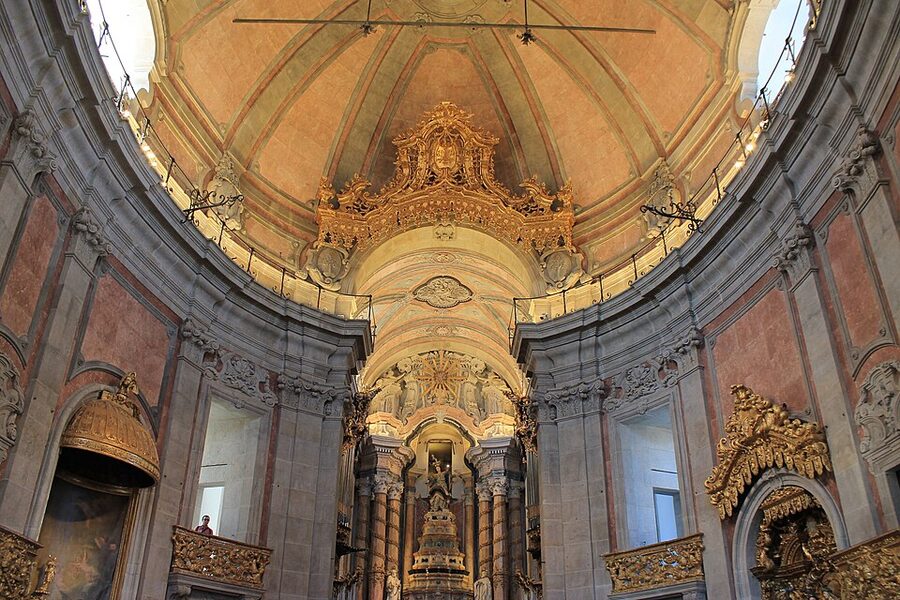
One useful thing the website doesn’t shout about: entry to the church on its own is free. If you only want to see the oval nave and skip the climb, you can do that without buying anything. The paid ticket adds the high-level gallery (a balcony that loops around the church above the pews), the museum, and the tower.
The full climb is 240 stone steps in a tight spiral. There is no lift. The lower stretch is a normal-width spiral, gets steeper around the halfway mark, and pinches to a single-person passage near the top. If close spaces bother you, that final section is the one you need to know about. More on that below.
How to actually book it (and which version is which)
Three booking routes work. Each has a use.
- Direct at the door. Cash and card both. Works fine off-season midweek. In high summer the queue can run 30-45 minutes by mid-morning.
- The official website (torredosclerigos.pt). No mark-up but the booking flow is in Portuguese first, the time-slot calendar is fiddly, and you can’t pay in your home currency.
- GetYourGuide or Viator. Slight convenience layer, in English, cancellable up to 24 hours before, and you skip the on-site queue with a QR ticket. Worth the negligible extra for an English-speaking visitor.
If you’ve already got a Porto Card in hand, that knocks 50 percent off the door price at the ticket window. Same trick works with a same-day Casa da Música or Serralves Museum ticket; you can flash either one at the desk for the discount, though you have to ask in person, not online.
One footnote on the Spiritus videomapping show. That is a separate ticket, not part of the combo, and it runs in the church only, not the tower. I’ll cover it properly further down.
My top three Clérigos tickets
Three picks, in order of who they suit. I’ve spent a fair chunk of time studying which Clérigos ticket actually works for which kind of trip, and these three between them cover most of what people want.
1. Porto: Torre dos Clérigos Entrance Ticket: $11

This is the booking I’d start with for a first Porto visit. Our full review of the Clérigos entrance ticket goes deeper on slot times, the queue patterns we tracked through the season, and the small museum people often skip. Book the first or last hour for thinner crowds on the stairs.
2. Spiritus: Videomapping Immersive Show at Clérigos Church: $12
A 30-minute videomapping piece by the OCUBO studio, projected onto the inside of the Igreja dos Clérigos. No climb, no tower. Our full Spiritus show review covers what the soundscape is like, where to sit, and whether it’s worth the slot if you’ve already done the standard tower visit. Consider it a different experience at the same venue rather than a substitute for the climb.
3. Porto: Ticket for the Clérigos Tower at Night
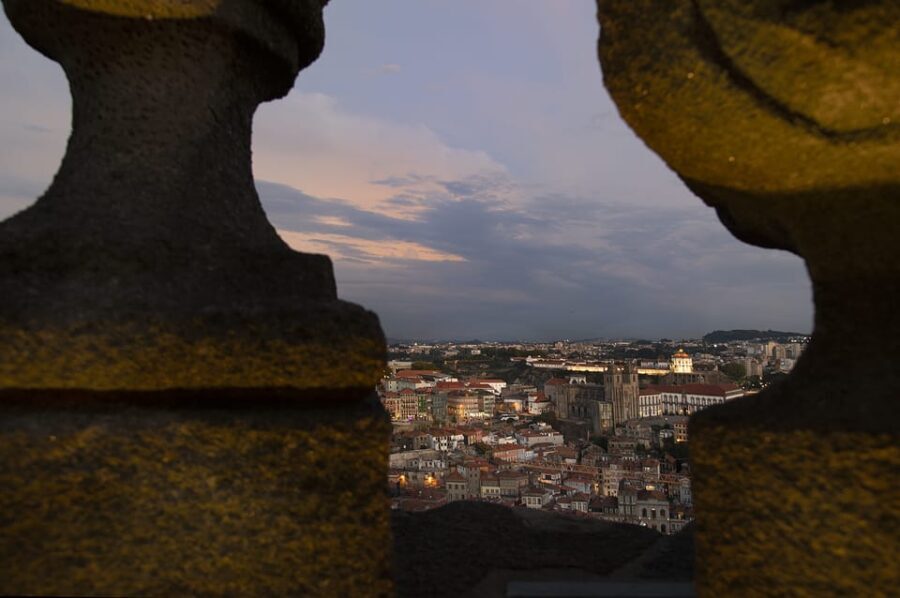
The summer night version of the tower ticket, available roughly Easter through October between 19:00 and 23:00. Our deep dive on the night-tower ticket covers what’s actually open after dark (just the tower, not the church or museum) and the sunset window that turns the climb into the best photo of the trip. A different angle on the same building.
The 240-step climb, in real terms
Here’s what the marketing copy doesn’t tell you. The number 240 sounds doable on the ground. Doing it is a different feeling. Stone steps, no lift, narrow railing, and you share the staircase with everyone going down at the same time. The going-down traffic is what makes it feel cramped, not the going-up part.
The climb breaks into three distinct sections, and knowing them ahead of time makes the whole thing easier:
- Steps 1 to 80, the warm-up. Wide stone spiral, two people can pass each other. Gentle gradient. You can breeze it.
- Steps 80 to 180, the middle. Stairs steepen, ceiling drops, the spiral tightens. Single-file most of the way. Stone gets visibly worn down the middle from 250 years of feet.
- Steps 180 to 240, the squeeze. The last stretch into the dome viewing platform. Properly narrow. If two people meet on this section, one has to back up. This is the bit to skip if claustrophobia is a real thing for you.
None of it is dangerous. The handrail is solid the whole way, the lighting is good enough (warm, not bright, mostly small windows), and the steps are even. But pace yourself, especially if Porto’s hills have already done a number on your legs that morning. Every interior landing has a bench and a window onto the city, and there is zero shame in sitting down.
One specific warning for tall visitors: the inner doorway as you exit onto the viewing platform is low. I’m not especially tall and I still ducked. Anyone over about six foot will want to mind it.
The view from the top, what you actually see
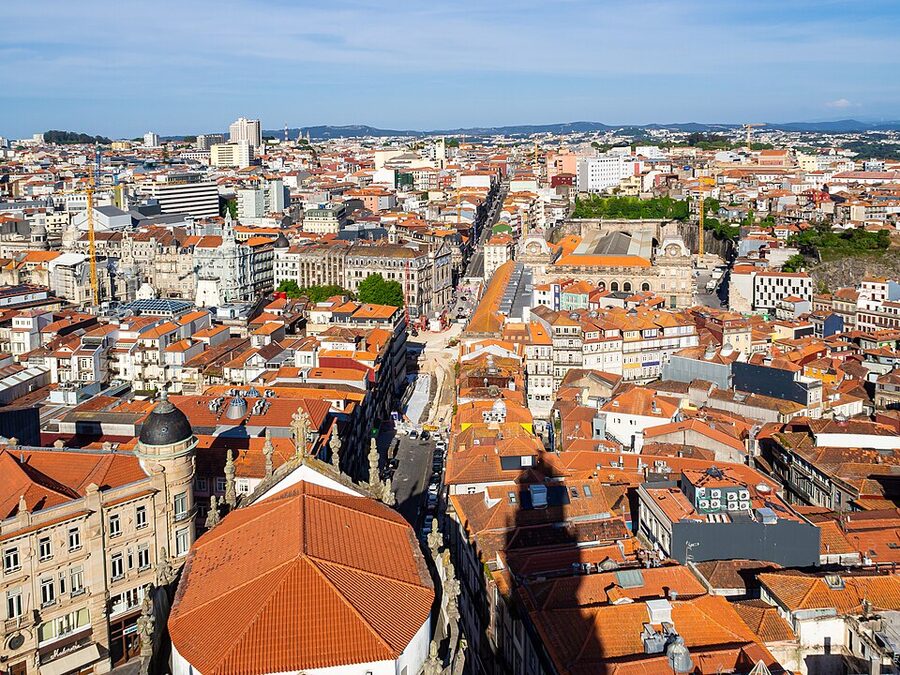
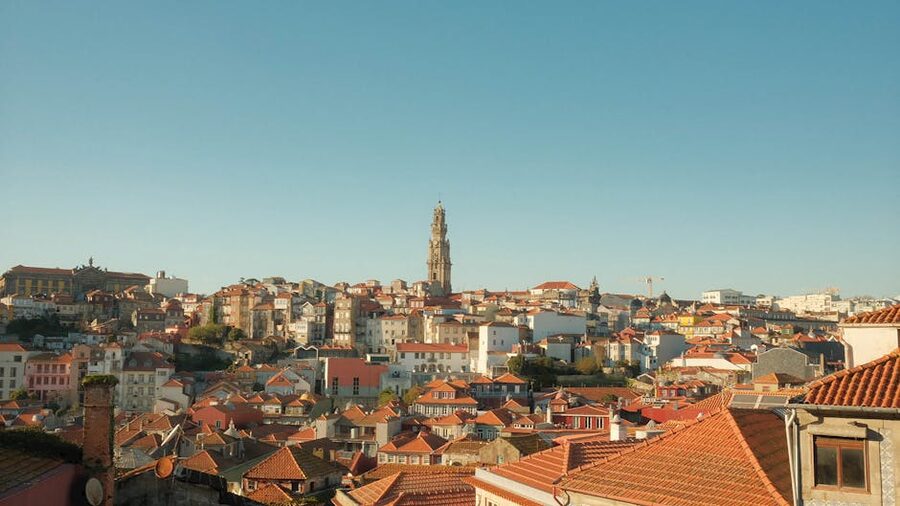
The reward is a 360-degree platform circling the dome. Walk a full lap around it, because each side faces a completely different bit of Porto.
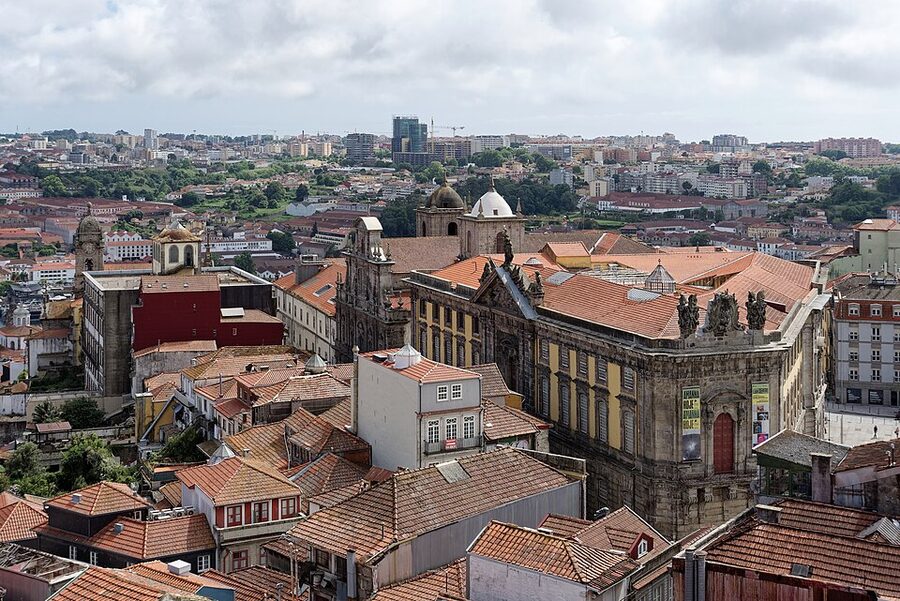
The four cardinal directions are roughly:
- South: the Douro, Vila Nova de Gaia, and the Luís I bridge. This is the postcard view. If you’ve already booked the 6 bridges cruise, this is the high-up version of the same scenery.
- West: on a clear afternoon you can see all the way to the Atlantic past the rooftops. About 5 kilometres as the crow flies; the haze decides whether it shows up.
- North: the Trindade church and the higher ground above the city. Less photogenic, more geographic.
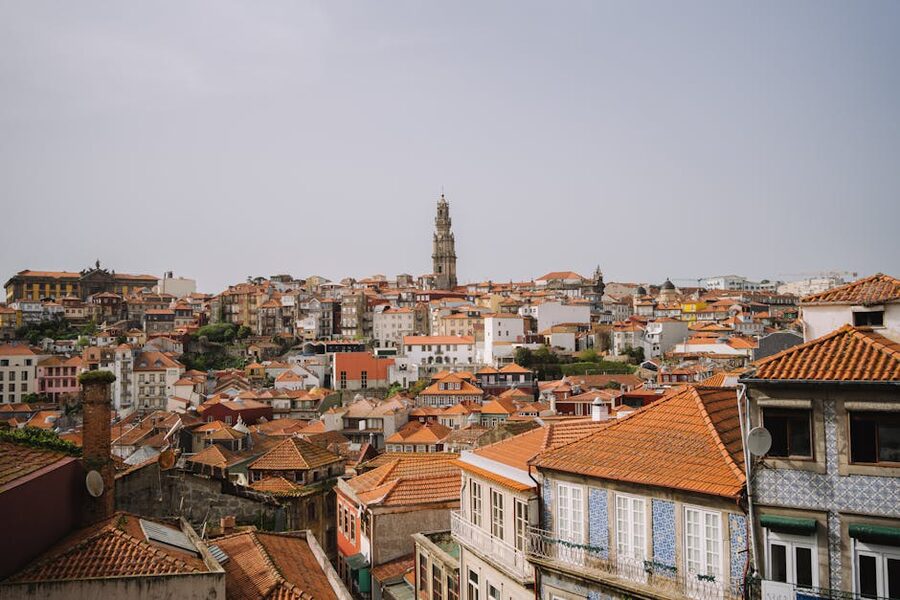
- East: over the historic centre toward São Bento station and the high tiled walls of Porto’s azulejos district. The terracotta carpet is at its most dramatic from this side.
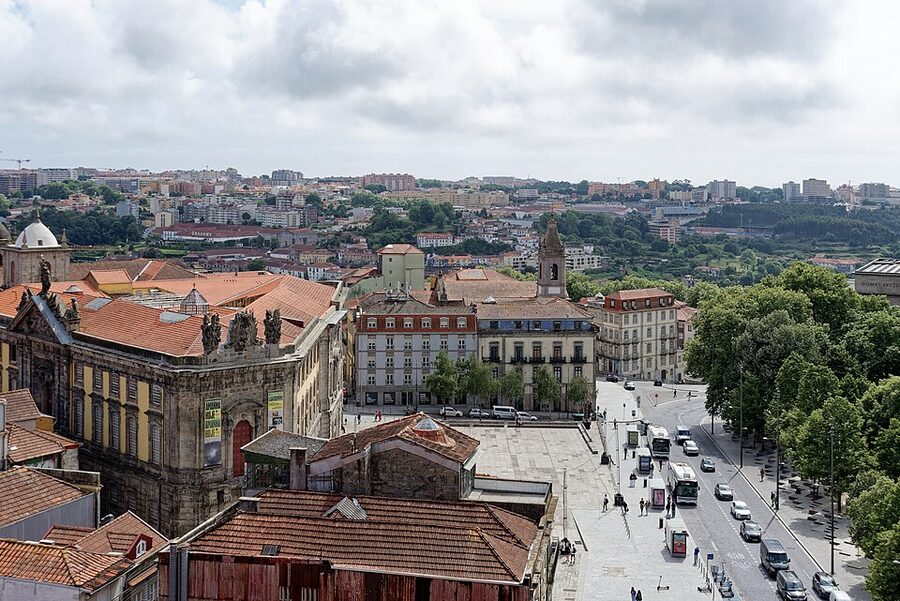
The platform itself is narrow. Two adults can pass with a polite shuffle. There’s a chest-height railing the whole way around, and the rail is solid stone, not flimsy. Phone photos are easy. Tripod photographers are going to struggle in peak hours, and there is nowhere to set a backpack down without it sliding into someone’s shins, so wear it on rather than swing it off.
When to climb (and when to stop trying)
This is the bit most blogs skip. Time of day decides if your tower visit is a 20-minute breeze or a 75-minute slog with a queue at the bottom and another queue on the stairs.
The opening hours are 9:00 to 19:00 daily, with last entry 30 minutes before closing. In summer (roughly Easter to October) there’s an extra evening session 19:00 to 23:00, sold as a separate, cheaper night ticket.
The crowd pattern over a normal day:
- 9:00 to 10:00: the quietest window of the whole day. Almost nobody on the stairs. Light is soft.
- 10:00 to 12:00: the first wave hits as cruise day-trippers arrive. Stairs start to back up.
- 12:00 to 14:00: peak crush. Avoid this slot if at all possible. Lunch hour for some, but the stairs do not empty out.
- 14:00 to 16:00: the second wave. Same crowd as morning but with the heat now stacked on top.
- 17:00 to 18:30: the late-afternoon dip. Light is golden, queue is half what it was at noon. My personal pick for daytime visits.
- 19:30 to 22:30: summer night ticket only. Coolest air, sunset window, smallest crowds of the night.
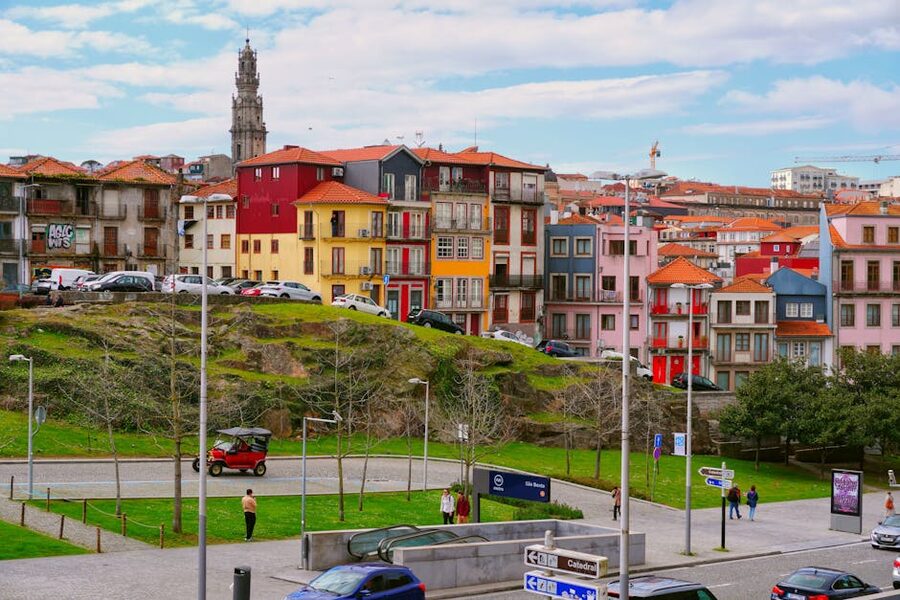
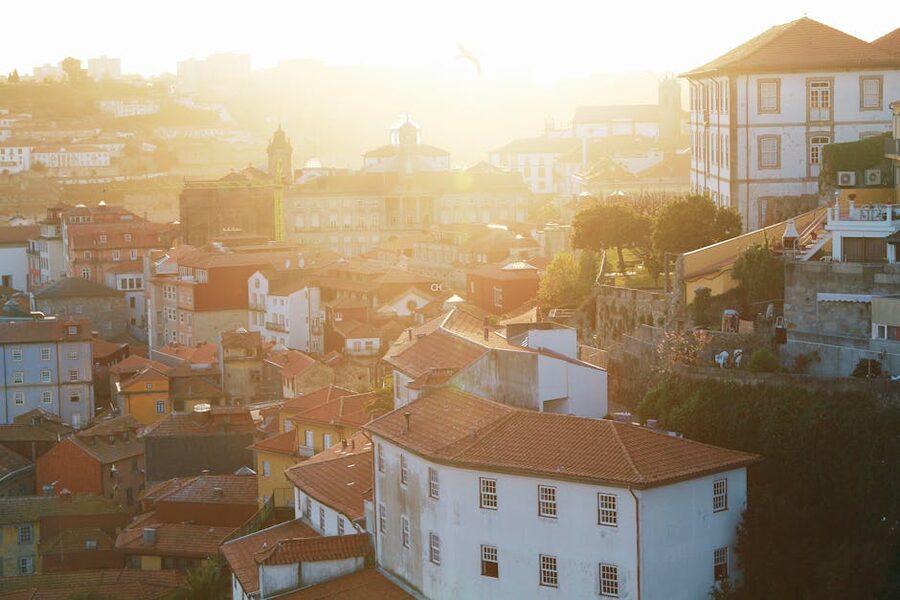
If you only have one slot to spare, take 17:00 in low season or 9:00 in peak summer. The 17:00 slot in winter gives you the same low-angle light without the heat, and the queue rarely runs more than 15 minutes.
Closures: the church closes briefly during Mass times. Sunday Mass runs at 21:30, and there is an English-language Mass on Saturday afternoons at 17:00. The tower itself stays open through both.
Spiritus, the videomapping show in the church
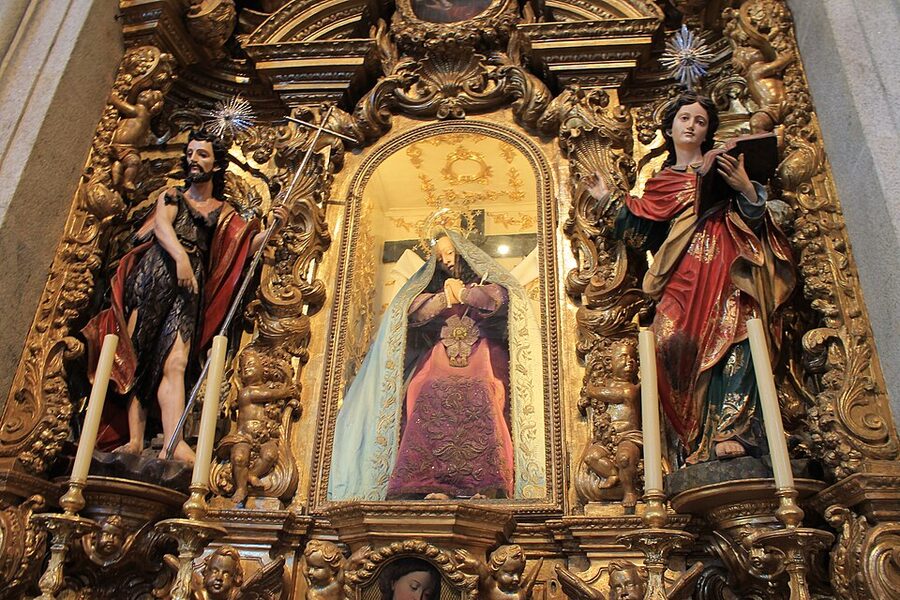
A different beast entirely. Spiritus is a 30-minute multimedia piece projected across the inside walls and ceiling of the Igreja dos Clérigos, designed by the studio OCUBO. It draws on a poem by the Portuguese modernist Fernando Pessoa (writing as Álvaro de Campos), the line being roughly “after all, the best way to travel is to feel.”
What you actually get: a darkened church, a soundscape running through speakers above the nave, projected light moving across the gilt and stone. It is not a religious service. It is an art piece in a religious building, and the building’s geometry is the canvas.
How this lands varies wildly. Some people walk out moved. Some find the pacing slow. The 30 minutes feel longer than 30 minutes if the soundscape and the visuals don’t grab you, and they don’t grab everyone. If you have only one Clérigos slot in your day, the standard combo and the climb is the call. Spiritus is a complement, not a replacement.
Tickets are sold separately, around 10 to 12 euros, evening sessions only. The Porto Card discount applies. Booking ahead is a good idea on weekends because the church seats are limited.
Getting to the tower
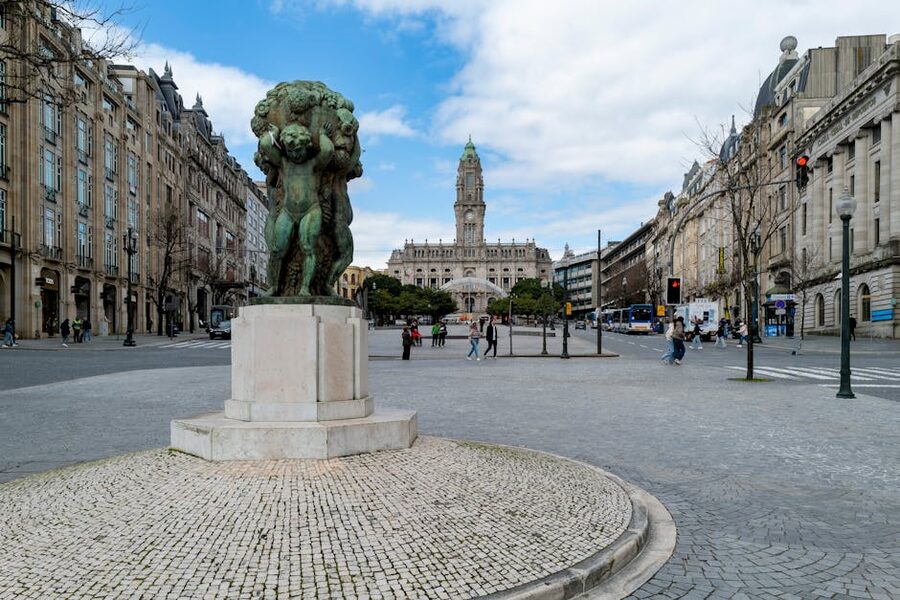
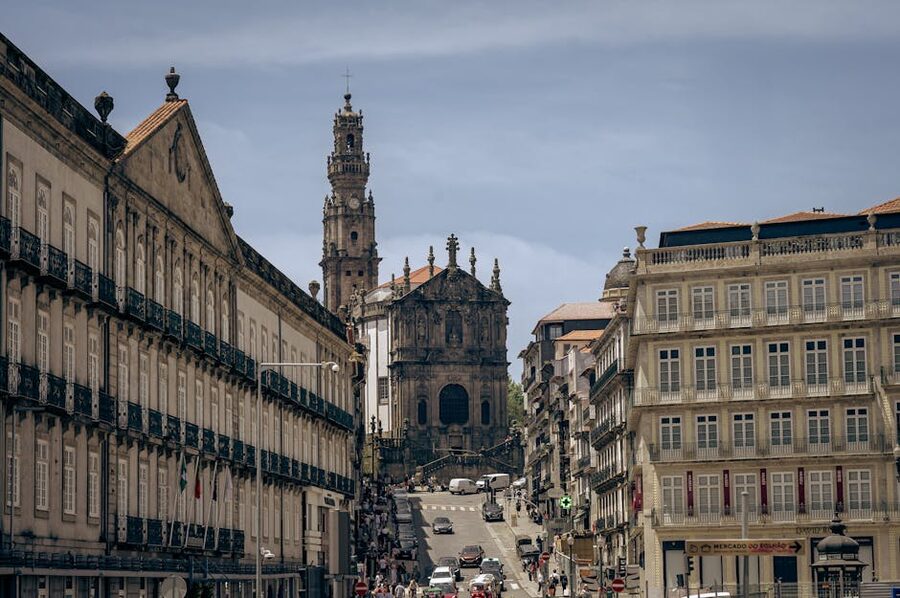
Address: Rua de São Filipe de Nery, in the centre of Porto. There’s no street number; the church and tower are an obvious landmark on the corner of the Praça de Lisboa.
Three sensible ways to get there from elsewhere in Porto:
- On foot from the Avenida dos Aliados. About seven minutes uphill. This is how most people arrive. The street widens at the top of the rise and the tower comes fully into view.
- Metro to Aliados or São Bento, then walk. Either station drops you about 8 minutes away. São Bento is the more atmospheric arrival because of the tiled station hall.
- Bus 6, 20, 37 or 52 from various points around the centre. Cheaper than a taxi if you’re already at the right end of one of these routes.
If you’re working through the historic centre on foot anyway, a Porto city walking tour almost always passes the tower as part of the loop, even if it doesn’t include the climb. That’s the easiest way to see Clérigos in context. A Porto tuk-tuk tour stops at the base too, with the bonus that the driver does the uphill bit for you. The Porto Card covers some of the metro fares too if you’re moving around between sights, which makes the day cheaper than ticket-by-ticket.
What’s around the tower
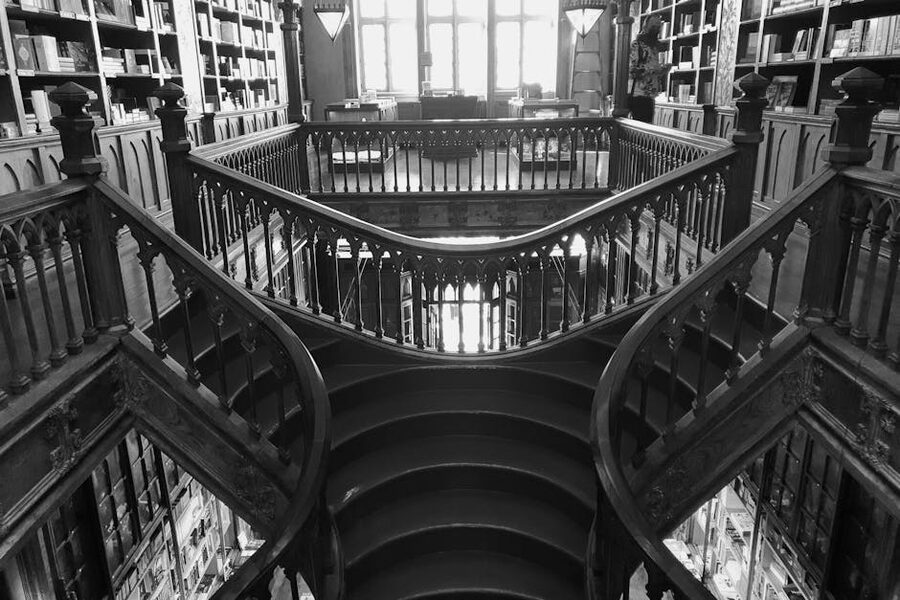
Don’t fly in and fly out. The streets around Clérigos are some of the densest in Porto for things to do, and you can string a half-day together without walking more than 400 metres in any direction.
- Livraria Lello is roughly 200 metres downhill, a literal three-minute walk. The most photographed bookshop in Portugal, which makes the staircase a queue, and you need a timed ticket. If you’re not pre-booked, do the tower first while the line for Lello sorts itself.
- The Cordoaria gardens sit at the foot of the tower’s hill on the west side. A small park with sleeping cats and a few benches. Useful for a sit after the climb.
- The Porto Museum of Photography is across the gardens. Housed in a former prison. Free entry, temporary exhibitions, and the building itself is interesting.
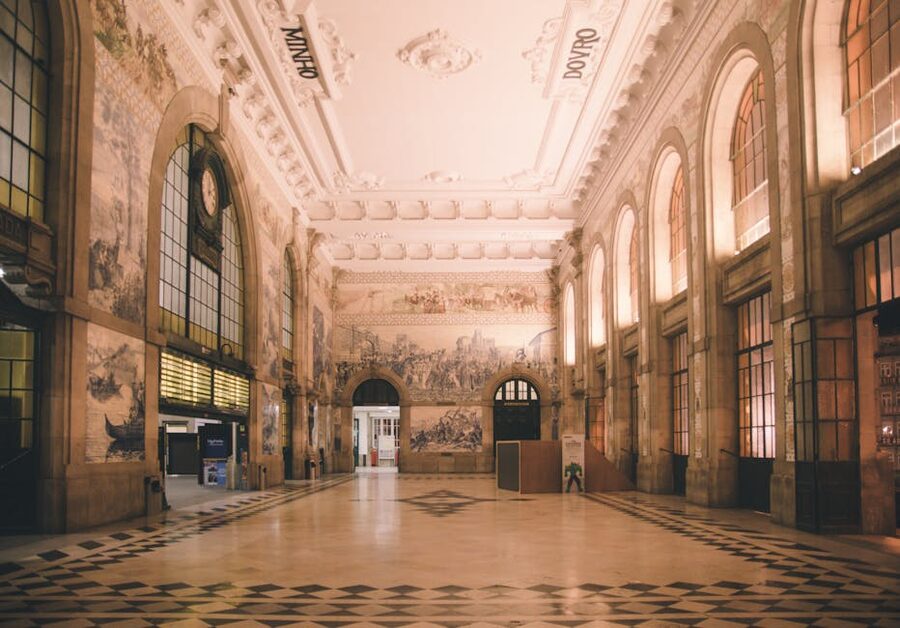
- São Bento railway station is five minutes downhill east. Even if you’re not catching a train, walk through the entrance hall to see the 20,000 azulejo tiles on the walls.
One more sight worth a slot if you have the time: Café Majestic on Rua de Santa Catarina is 15 minutes east, and probably the most over-photographed café in Porto. Worth the walk if you like art-nouveau interiors and don’t mind paying café-tourist prices for an espresso.
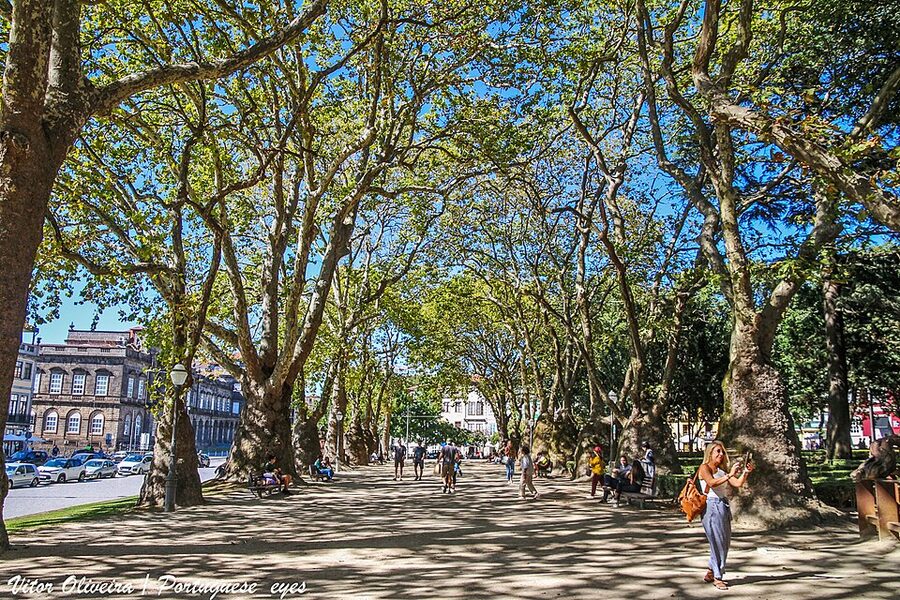
The whole loop, tower plus Lello plus Cordoaria plus São Bento, runs about three hours at a relaxed pace including stops. That’s how I’d structure a first morning in Porto.
Skipping the climb (and what to do with the museum)
Sometimes the climb just isn’t on. Bad knees, recent surgery, narrow-spaces phobia, or you’re already at step-fatigue from a long Porto walking day. There are still ways to enjoy the building.
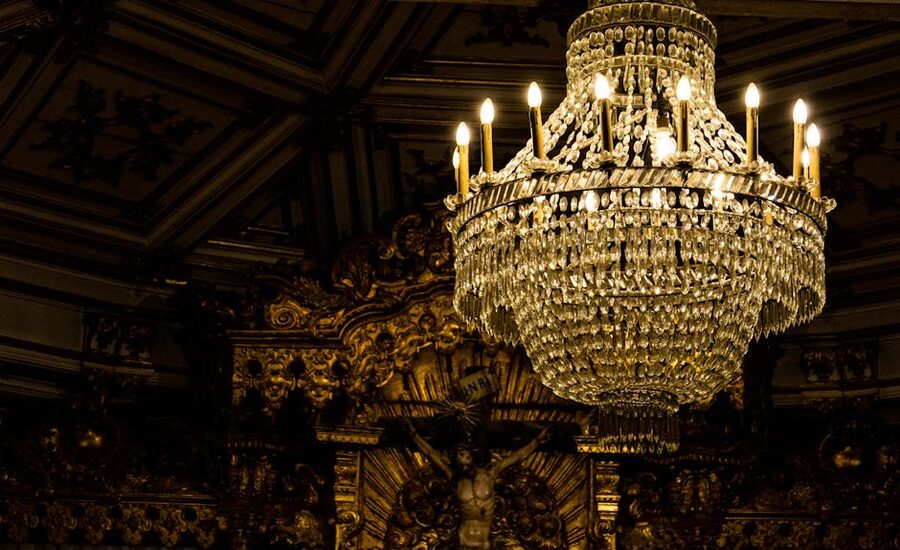
Buy the church-and-museum-only option (the regular ticket without the tower portion) or just walk into the church for free. The oval nave and the high gallery, with its painted ceiling, are arguably the most artistic parts of the whole site. The museum is small but contains a properly elaborate silver custodia (a kind of ceremonial chalice stand) from the 18th century, plus paintings of past brotherhood members in their robes.
The high gallery loops the entire church above the pew level. Best photographs of the oval nave come from up there, looking down. It’s one set of stairs, not two hundred and forty.
If you want a Porto overlook without the Clérigos climb at all, there are three credible alternatives. The roof terrace at the Vitória church is free and gives you a different angle. The Miradouro da Vitória viewpoint a few streets west is also free. The cable car across the Douro at Gaia gives you a glide rather than a climb, and the view from the upper deck of the Luís I bridge (just walk on, no ticket) covers the south river view that you’d see from the tower’s south side.
If panoramic city towers are your thing more generally, the closest cousins of Clérigos elsewhere on the Iberian peninsula are the Setas viewpoint in Seville (a wooden mushroom-roof at parasol height instead of a baroque bell tower) and a Madrid panoramic city bus tour, which scratches the same overview itch from ground level. Different cities, same instinct: see the place from above before you see it from inside.
Common booking questions
Is there an age or fitness limit? No formal limit, but the climb is genuinely steep. Children under 5 will struggle on the upper stretch. People with heart conditions should consider the elevation gain (tower top is at about 76 m of vertical climb) before booking.
Are the steps slippery in the rain? Slightly, near the lower entry where rain blows in, but the upper interior is dry. The bigger issue in winter is that condensation can build up on the steps from breath and body heat in a packed crowd.
Can I bring a backpack? Yes. There’s no bag check. But the staircase is tight enough that you’ll want a small daypack rather than a full hiking bag. Wear it on, not over the shoulder.
Can I take photos inside the church during a Mass? No. Photography is fine outside service times. Flash is asked-against in the main nave during normal hours too.
Is there an audio guide? Multilingual audio guide is included with the standard combo ticket on a small device they hand you at the door. Portuguese, English, Spanish, French.
Can I exit and re-enter on the same day? Yes. The combo ticket works as a day pass, so you can do the church in the morning and the tower at sunset on the same QR code. Useful if you want to split the climb out.
How long does the whole visit take? Plan an hour minimum. Twenty minutes for the church and gallery, fifteen for the museum, and twenty for the tower (including the climb up and down and a few minutes at the top). Add another fifteen if it’s busy and the staircase queues.
Final take
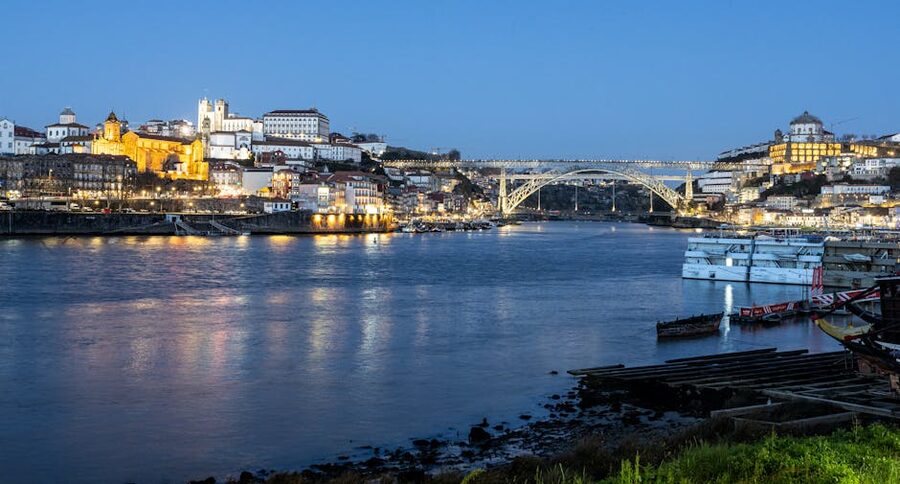
Clérigos is the climb I’d pick over any other in Porto on a first visit, and it’s not close. The price is fair, the combo squeezes three sights into one ticket, and the view at the top is genuinely the best bird’s-eye angle on the historic city without committing to a paid tower elsewhere. The catch is that the climb is harder than the leaflet suggests and the upper stretch is properly tight.
Book a 9:00 slot or a 17:00 slot. Take the standard combo ticket the first time. If you go back to Porto, do the night ticket in summer, when the city’s lights are spread out below and the air is finally cool. Save Spiritus for an evening when you’ve already done the climb and you want a slower, stranger encounter with the same building. The natural sequel to a tower climb is a slow evening down by the river, and that usually means a Porto fado show in one of the small old-quarter taverns, or a Cálem cellar tasting across the Luís I bridge in Vila Nova de Gaia.
More Porto and Portugal reading
If a Clérigos morning is your starting point, the natural next step is the bookshop downhill, where a Livraria Lello visit covers the timed-ticket trick that saves the long queue. After lunch, head down to the river: a Douro Valley wine day is the easiest way to put the south-bank view you saw from the top into a glass. And if you’re heading south afterwards, the Jerónimos Monastery in Lisbon is the same baroque-and-then-some scale of architecture, but in a totally different city.