
The motor kicks in halfway up the Vitória ramp, the steep climb that snakes from the riverbank toward Cordoaria, and three pedestrians look up because a fully-loaded bike does not normally pass them silently going uphill. Two riders on standard pedal bikes are already off and pushing. I’m still in the saddle, breathing through my nose, watching the GPS reel off altitude I haven’t actually earned. This is the moment when Porto stops being a place I admire from a viewpoint and starts being a city I can actually move through.
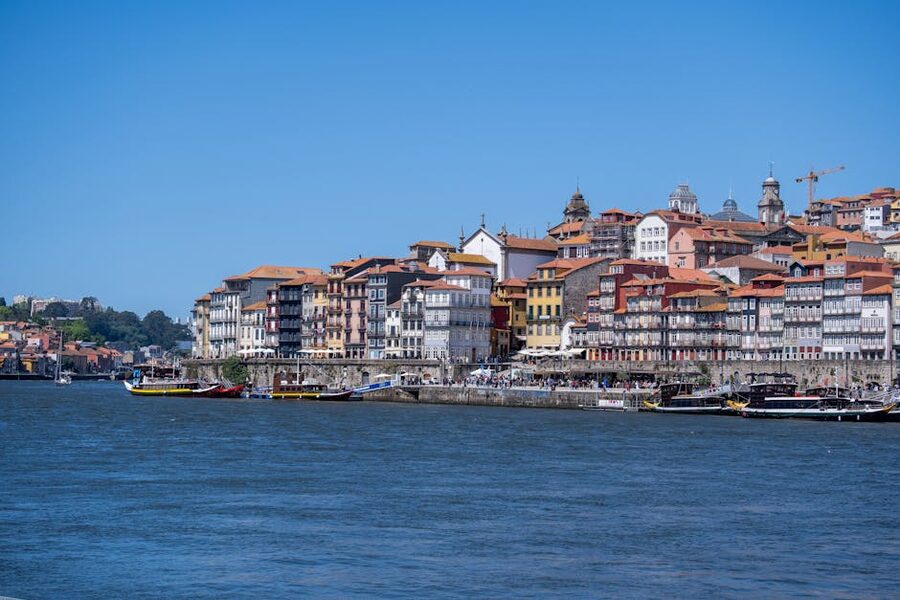
Porto is built on hills the way Lisbon is built on hills, only without the tram-and-funicular cheating. If you’ve already read about the Porto tuk-tuk option, you know the city is brutal on foot. An e-bike is the active counterpart. You’re outside, you’re moving, you’re using your legs, but the gradient stops mattering. That is the entire pitch.
- Short on time? Three e-bike tours worth booking
- Why an e-bike, not a regular bike
- The standard 3-hour route, decoded
- Stop 1: Ribeira and the Cais da Estiva
- Stop 2: The Vitória ramp and Cordoaria
- Stop 3: Clérigos and the Lello vicinity
- Stop 4: Aliados and the City Hall
- Stop 5: Down to the Dom Luís I bridge
- Stop 6: Vila Nova de Gaia and the cellar quarter
- Stop 7: The Foz do Douro stretch
- Riverside Panoramic vs Highlights: which to pick
- Going private if you can spare the budget
- Three Porto e-bike tours to actually book
- 1. Porto: City Highlights 3-Hour Guided Electric Bike Tour,
- 2. Porto: Riverside Panoramic E-Bike Tour,
- 3. Porto Private E-Bike Tour: Douro River, Parks & Beaches,
- Practical things nobody tells you on the booking page
- Morning, afternoon, or sunset: which slot
- How an e-bike tour compares to other Porto formats
- What to do before and after
- Common questions
- More Porto and Portugal worth your time
Short on time? Three e-bike tours worth booking
Flagship 3-hour highlights (~$51): the most-booked Porto e-bike tour by a wide margin. Ribeira, Clérigos, Aliados, Gaia bridge crossing, Foz. Check availability.
Riverside panoramic 3 hours (~$51): same price, different angle. Heavier on viewpoints and river roads, lighter on city centre. Check availability.
Private tour with Foz beaches (~$69): private group, slower pace, longer Atlantic stretch. Best for families or anyone who hates groups of 12. Check availability.
Why an e-bike, not a regular bike
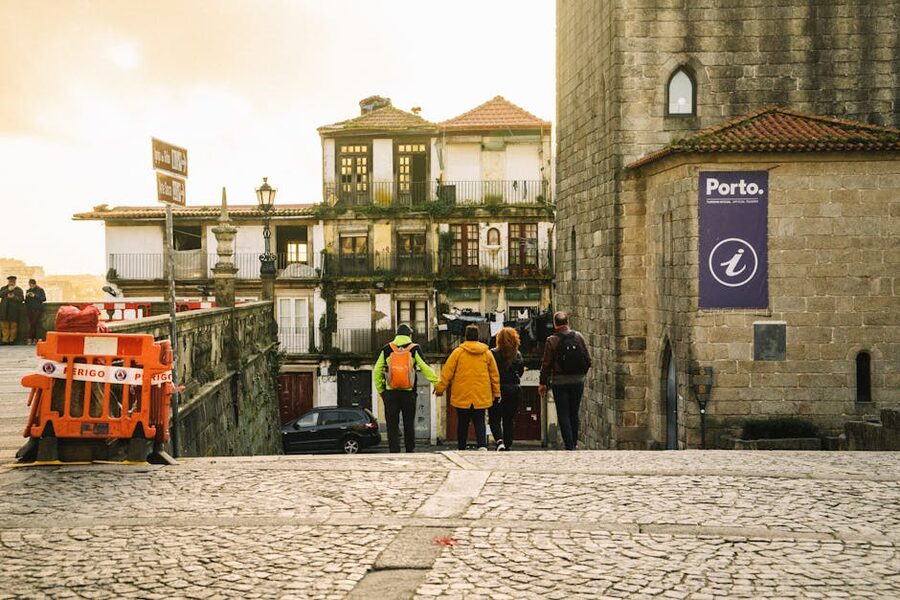
I’ve ridden plenty of European cities on regular bikes. Amsterdam, Berlin, Bologna, Seville. Porto is not those cities. The historic centre sits between roughly 5m above sea level (the Ribeira riverbank) and 80-90m up at Aliados and the Clérigos vicinity. That’s eight to nine flights of stairs you have to climb on a bike, on cobbles, in traffic.
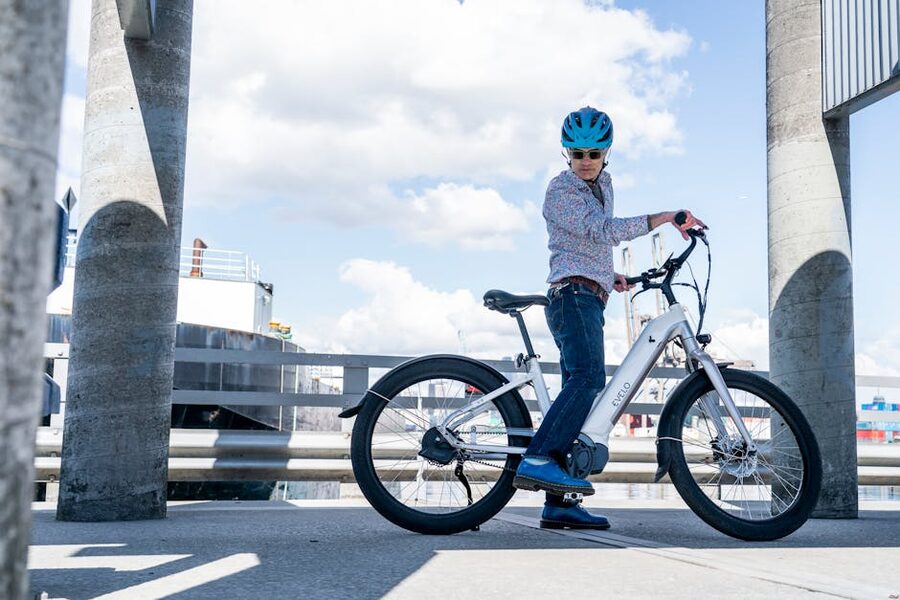
The e-bikes that operators here use are mostly Bosch-motor mid-drive bikes with four assist levels. You still pedal. The motor multiplies your effort by roughly 100-300% depending on the level. On the flat, level 1 is plenty. On the Vitória climb out of Ribeira, you’ll want level 3 or “turbo” and you’ll still be working, just not gasping.
If you’re an experienced cyclist who wants the pure climb, there’s a standard 3-hour old-town riverside bike tour that uses regular bikes. The route is flatter, sticks closer to the river, and skips the worst gradients. For everyone else, e-bikes are the obvious choice. I’ve seen people in their late 70s on these tours and they were fine.
The standard 3-hour route, decoded
Almost every operator in Porto runs a near-identical loop. Once you’ve done one, you can read any tour description and know roughly what’s in it. The variations are which detour they take and how much time they spend at each stop.
Stop 1: Ribeira and the Cais da Estiva
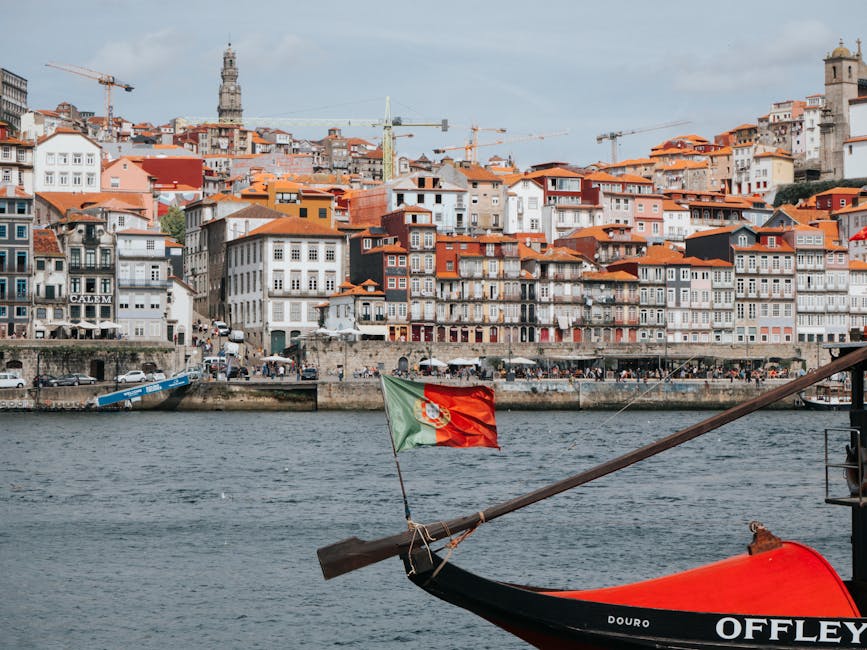
This is your warm-up. Flat, riverside, cobbled but smooth enough. The guide will give you 10 minutes of orientation, helmet fitting, brake-and-shifter explanation, and then the convoy moves out. Pay attention to the brake briefing. E-bikes are heavier than they look (around 22-25kg) and the regenerative braking on some models behaves differently from a standard bike.
Stop 2: The Vitória ramp and Cordoaria
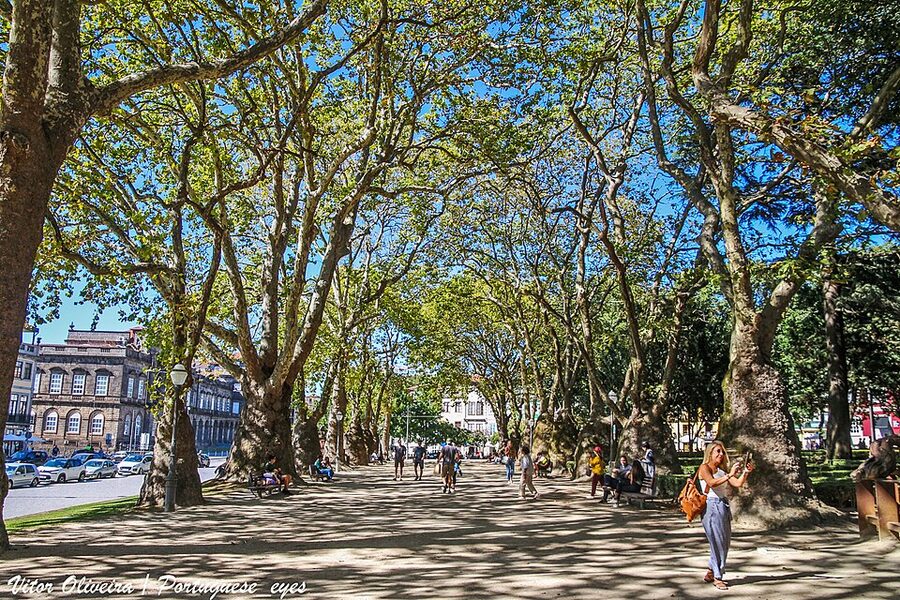
This is the climb where pedal bikes start losing people. The Rua de São Bento da Vitória and the connecting cobbled streets up to Jardim da Cordoaria gain about 50m in roughly 400m of distance. That’s a 12-13% grade in places, on uneven cobbles, sometimes with parked cars narrowing the lane.
On an e-bike in level 3 it’s a moderate effort, like a steep stair-climber session. On a regular bike you’d be off and pushing. The guide usually pauses at the top of Cordoaria specifically to let everyone catch their breath and look at where they just came from.
Stop 3: Clérigos and the Lello vicinity
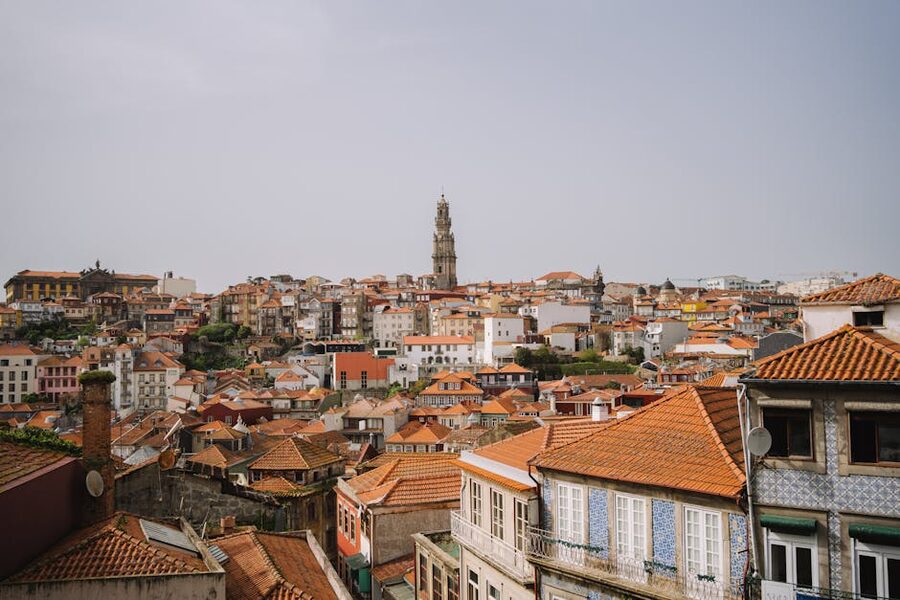
You don’t actually stop at Clérigos Tower for a tour, because climbing 240 steps in cycling shoes is nobody’s idea of efficient. You roll past, the guide explains the baroque architecture and Nasoni’s role, and you take photos from the square. Same with Livraria Lello: the guide points it out, you might roll past the queue, and that’s it.
If you specifically want to enter either landmark, do it on a separate morning. They both need timed tickets and at least 30-45 minutes inside. Trying to combine them with a 3-hour bike tour is how you end up rushing both.

Stop 4: Aliados and the City Hall
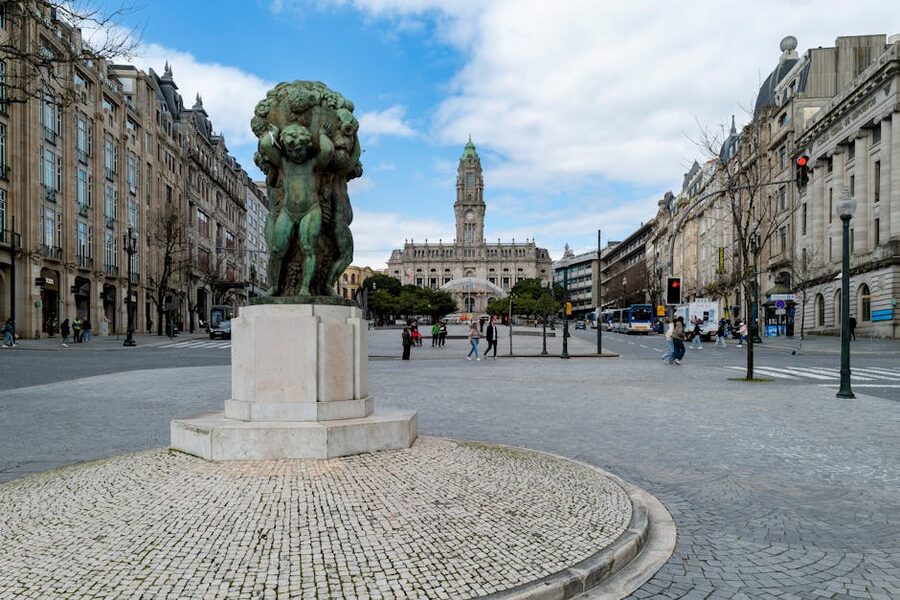
Aliados is where the architecture suddenly switches from medieval-cluttered to early 20th-century planned. It looks more Beaux-Arts Paris than old Porto, and the guide will tell you why: it was carved through the existing centre between 1916 and 1955 as the city’s modern face. Most tours give you 10-15 minutes here, which is enough.
Stop 5: Down to the Dom Luís I bridge
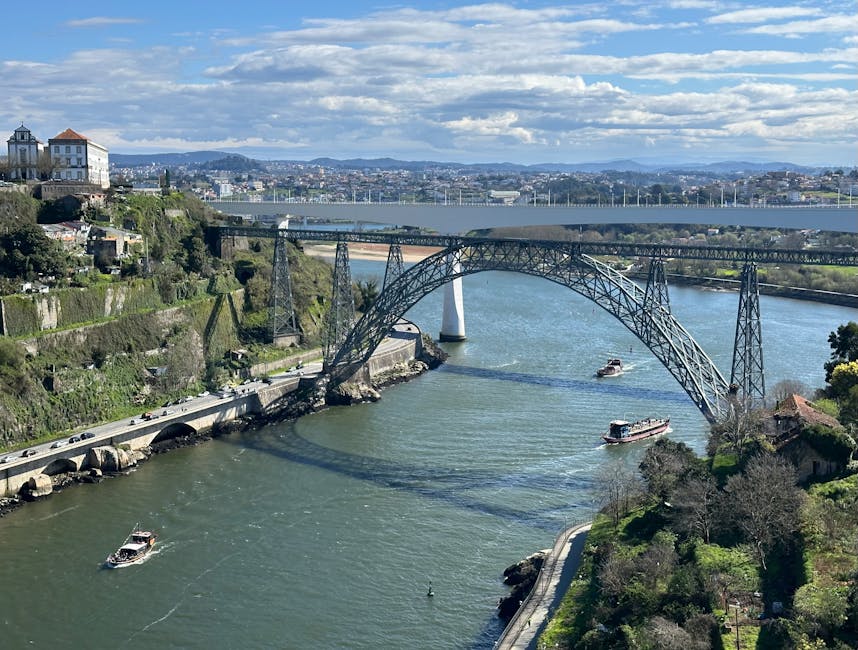
The descent from Aliados back down to bridge level is the one part of the tour where the e-bike’s weight matters in a non-helpful way. You’re descending about 60-70m on cobbles, in traffic, on a bike that is heavier than what you ride at home. Use both brakes, lightly, the whole way. Don’t grab the front. The guide will set the pace; stay in their tail.
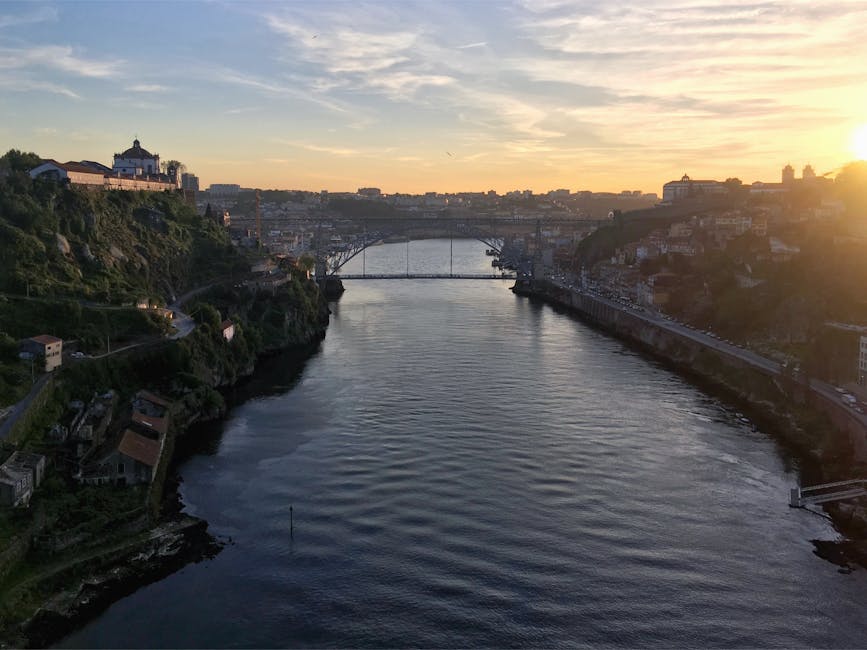
Crossing the bridge is one of those moments that justifies the price by itself. The Douro opens out under you, the south bank rises into Vila Nova de Gaia with all the port-wine cellar signs visible, and the upper deck of the bridge is so high above the lower deck that it almost looks like a separate structure.
Stop 6: Vila Nova de Gaia and the cellar quarter
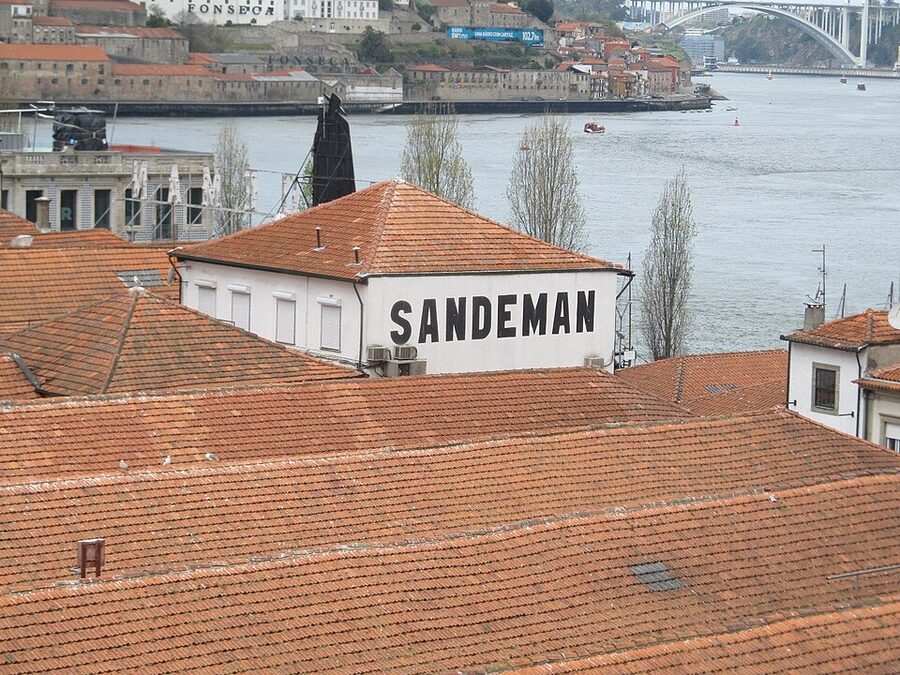
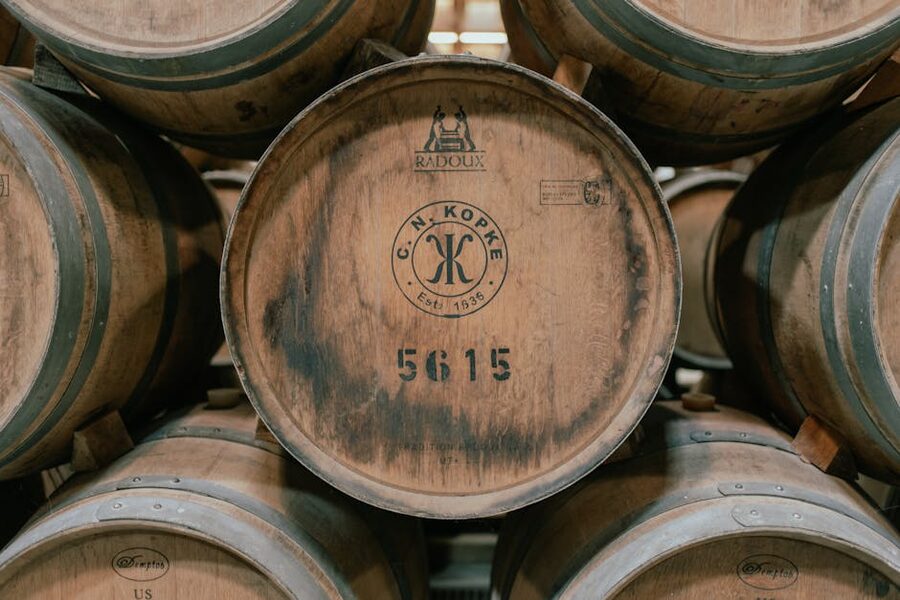
You ride along the Gaia riverfront promenade, past Sandeman, Cálem, Graham’s, Taylor’s, and the rest. The guide will name the big houses and tell you which ones do tours. They will not stop you for a tasting because three hours is already tight. If you want a cellar visit, book the Cálem cellar tour as a separate slot.
Stop 7: The Foz do Douro stretch
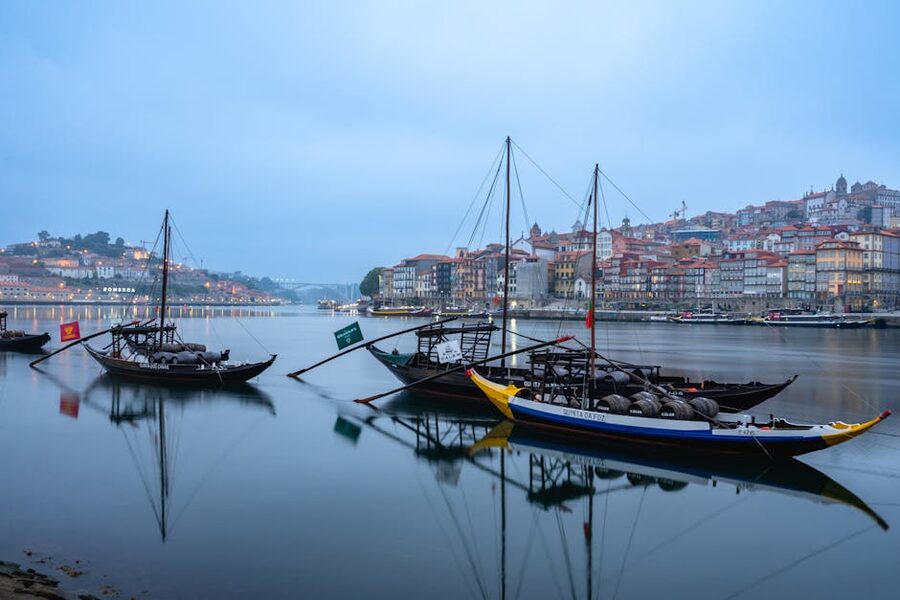
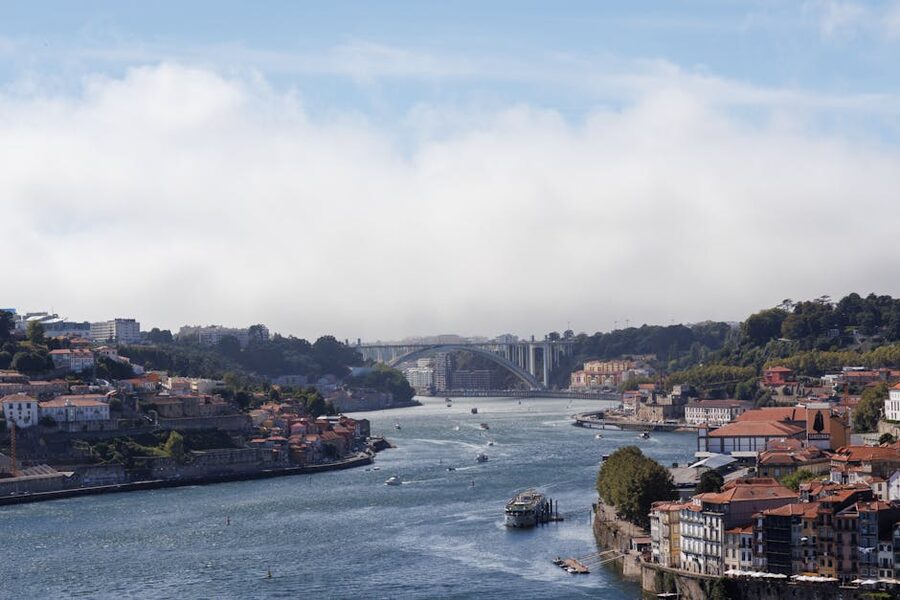
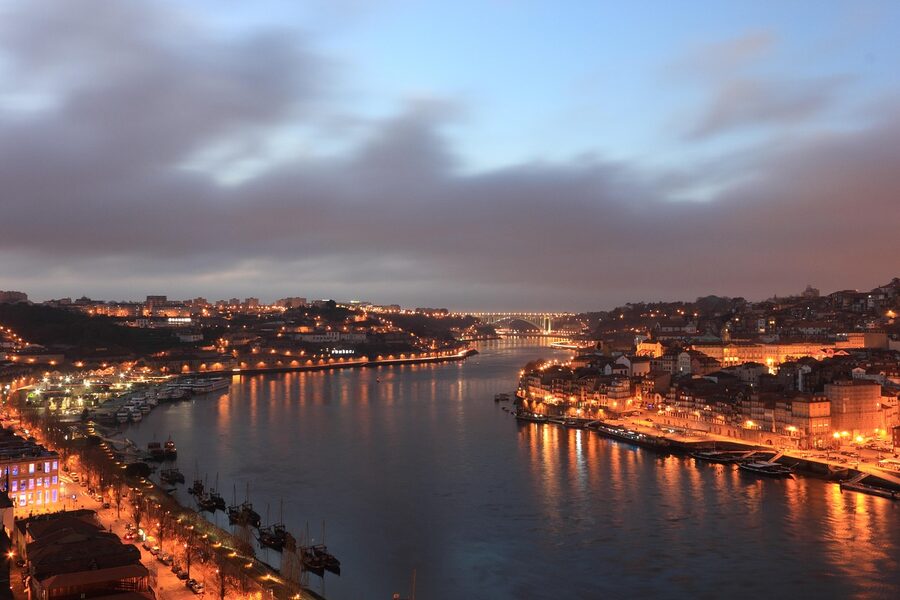
This is the part of the tour I think about afterwards. From Gaia or the Porto side, the route follows the Douro west toward where the river hits the Atlantic. You go past the rabelo boats, under the Arrábida bridge, past industrial harbour edges, and the river slowly widens.
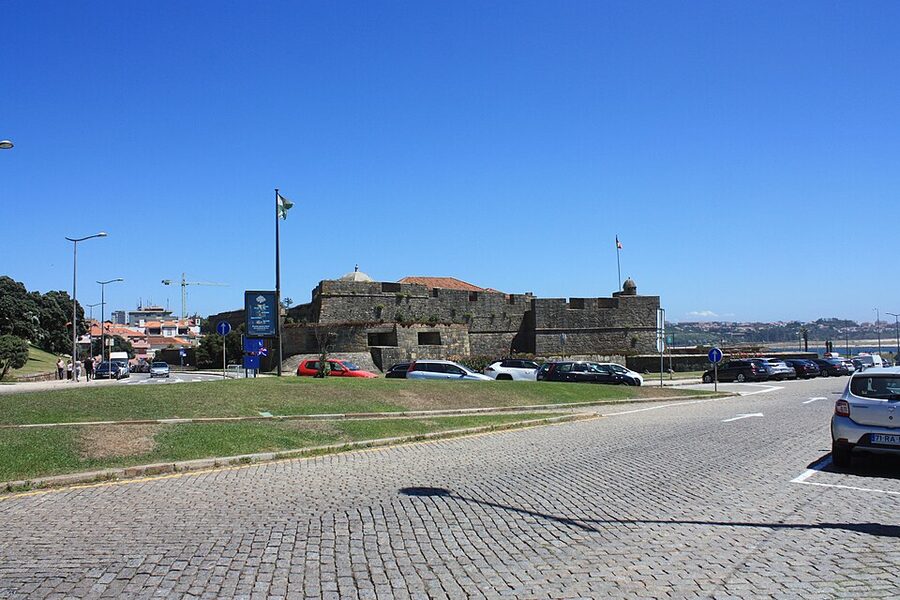
The tour usually turns around somewhere along the Foz boardwalk, near the Felgueiras Lighthouse or the Pergola da Foz. This is the visual payoff of the whole 3 hours. The river opens into the ocean, the Atlantic light is completely different from city light, and the boardwalk pace lets you actually look at the breakers without crashing into the rider in front of you.
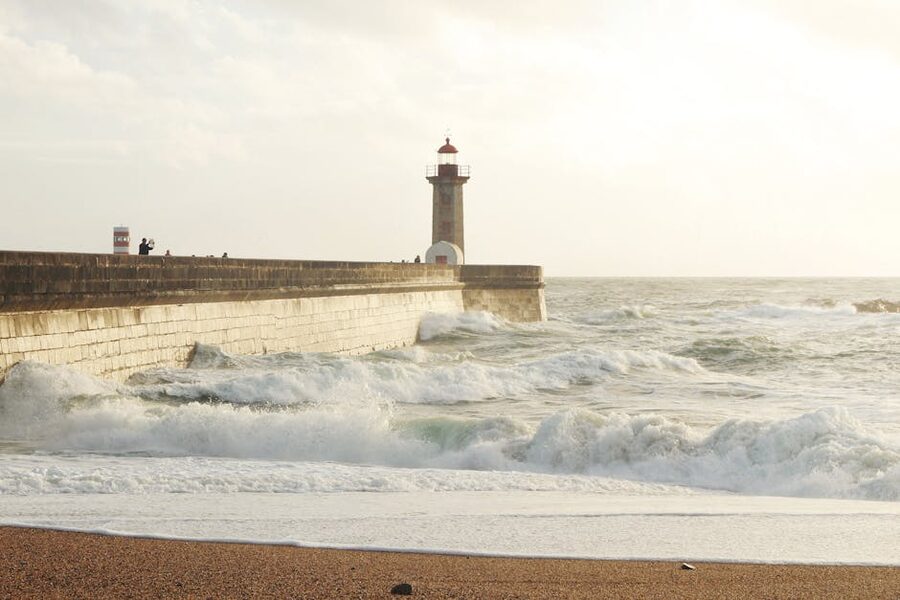
The flagship Porto e-bike route is the 3-hour highlights tour, which has held the top slot in Porto bookings for years. It’s the version that hits all seven stops above. There’s also a shorter alternate 3-hour highlights run by a different operator if the flagship is sold out for your dates.
Riverside Panoramic vs Highlights: which to pick
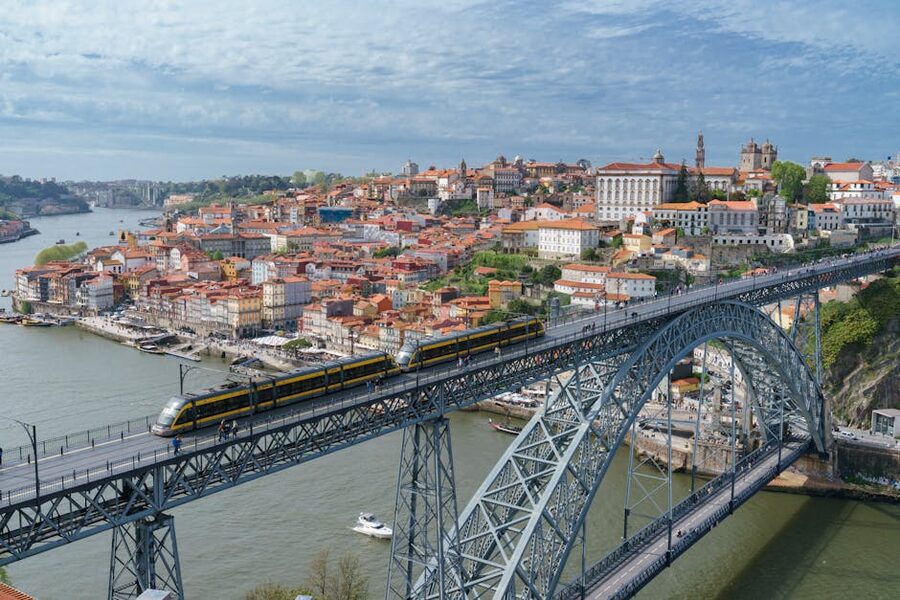
Porto’s e-bike market splits roughly into two formats: the city-heavy “Highlights” tour and the river-heavy “Panoramic” tour. They cost the same. The difference is the ratio of urban centre to viewpoint.
Take the Highlights tour if you’ve never been to Porto and you want the broadest sampler. It mixes Ribeira, Clérigos, Lello area, Aliados, the bridge, Gaia and Foz. You leave knowing the shape of the city. The trade-off is that no single section gets a long stop.
Take the Riverside Panoramic tour if you’ve already walked the centre on a previous day, or if you’ve already booked a separate walking-style city tour that covers the medieval grid. The Panoramic version skews toward the south bank, the high viewpoints, and the river road, which is harder to do solo without a bike.
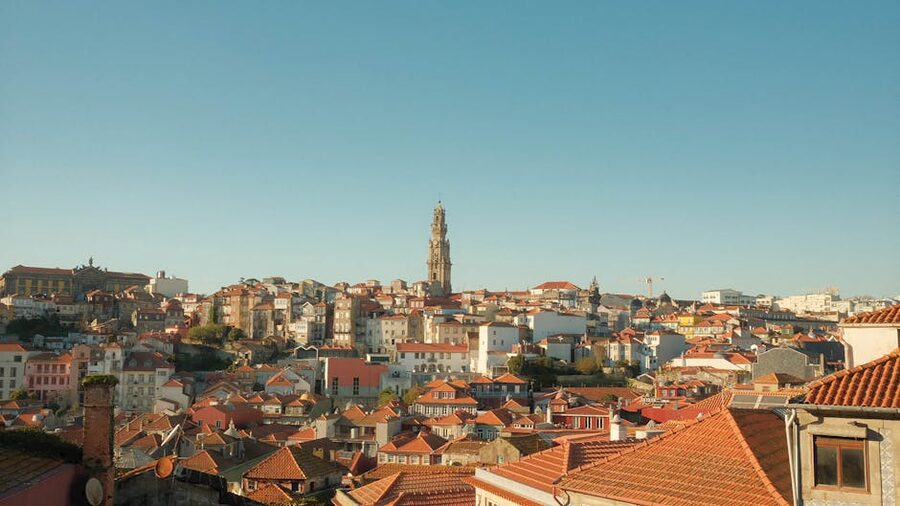
Going private if you can spare the budget
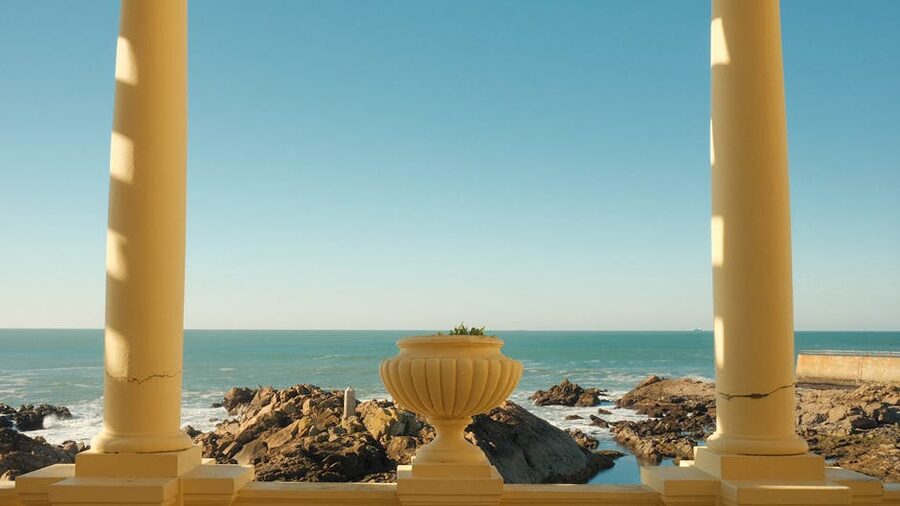
The private e-bike tour with Foz beaches is the upgrade I’d push if you’re travelling with kids, with anyone slower or faster than the group average, or if you just dislike riding in convoy. The price is roughly $69 per person versus $51 for the group, and the difference buys you pace control and longer stops at the beaches.
The private version also stretches further west along the Foz coastline, past the Pergola, and sometimes up to Praia do Ourigo or further. On a group tour you turn around earlier because you have to be back at base by hour three. On the private one, three hours is yours to spend.
Three Porto e-bike tours to actually book
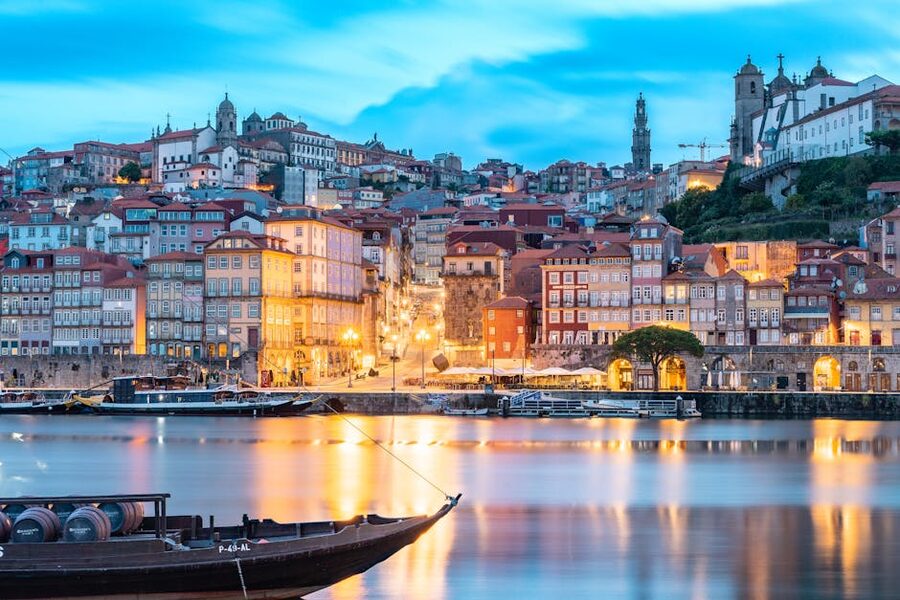
I tested the SERP, cross-checked the booking platforms, and ranked these by review weight and route quality. The top three:
1. Porto: City Highlights 3-Hour Guided Electric Bike Tour, $51

This is the tour that defines the format. Three hours, group size capped (typically 10-12), full route from Ribeira through Clérigos and Aliados, bridge crossing, Gaia cellar quarter, Foz turn-around. Our full review breaks down the meeting point and the bike-quality details. Pick this if you only do one e-bike tour in Porto.
2. Porto: Riverside Panoramic E-Bike Tour, $51
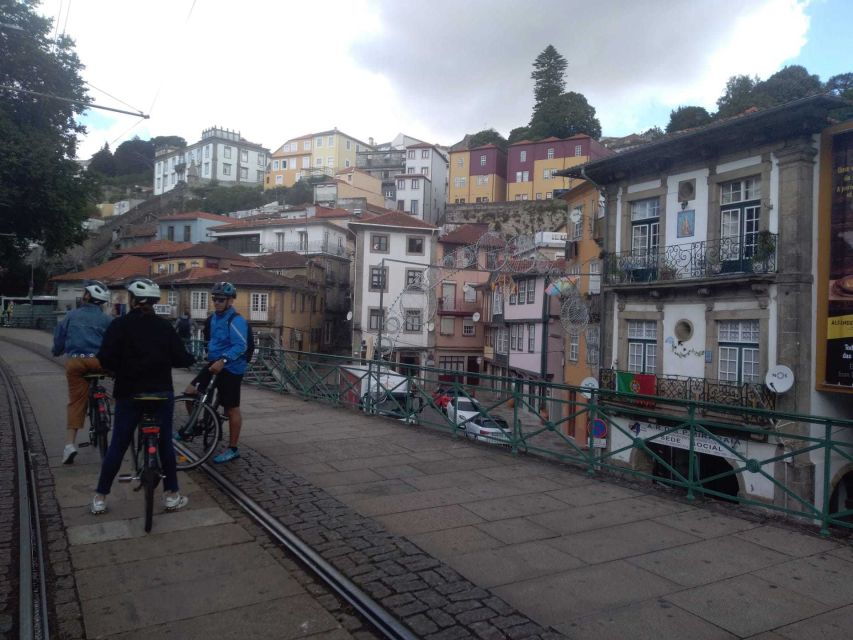
If the Highlights tour is sold out, or if you’ve already done the centre on foot, this is the better pick. Heavier on south-bank viewpoints, lighter on city traffic. Our review of the Panoramic version covers which sections overlap with the Highlights tour and which are unique. Smaller average group size in my experience.
3. Porto Private E-Bike Tour: Douro River, Parks & Beaches, $69
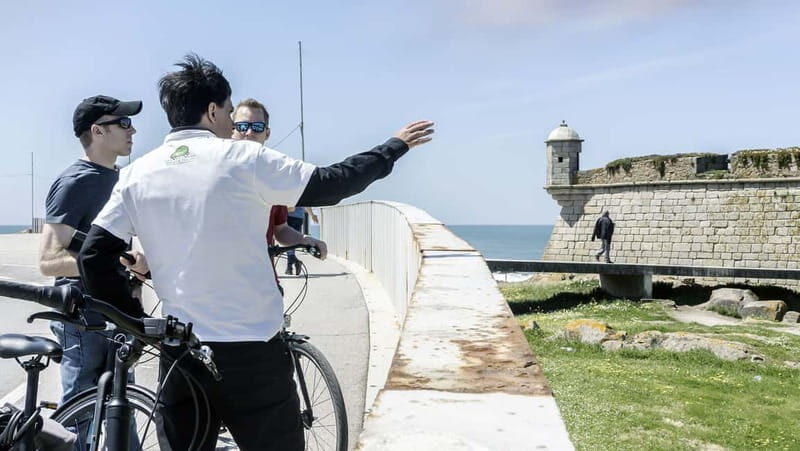
This is the one I’d book for a family with mixed fitness levels, or for two people who want to actually stop for coffee at Foz. Our private tour review goes into the route customisation and the longer Atlantic stretch. The premium over the group tour is about $18 per person and you get the time back in stop length.
Practical things nobody tells you on the booking page
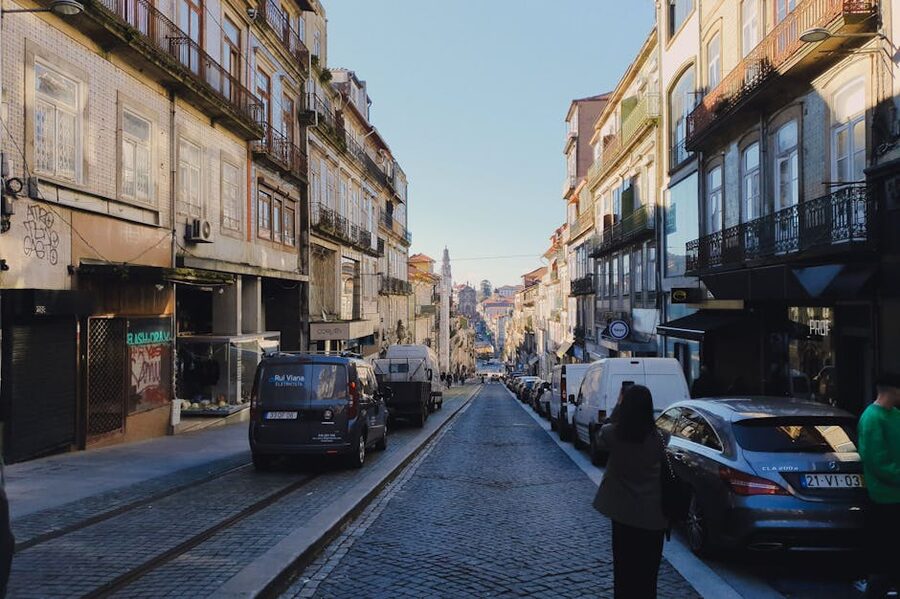
Cobbles are not a flaw, they’re the medium. About 60% of the route is on Porto’s standard granite cobbles. Modern e-bike tyres handle them, but you’ll feel every joint. If you have a bad wrist or back, mention it at booking and ask whether the operator has fatter-tyre bikes.
Helmets are mandatory and provided. Don’t bring your own unless you really care. The tour helmets fit fine and you’ll be wearing one for less than three hours.
Wear closed shoes. Sandals on cobbles is a sprained-ankle waiting to happen. Trainers or any flat closed shoe is correct.
Bring a light jacket. The Foz boardwalk is genuinely 3-5 degrees cooler than the centre once the Atlantic wind kicks up. Even in July afternoons I’ve been glad of a long-sleeve shirt out there.
Cancellation is usually 24 hours. Both major platforms (GetYourGuide and Viator) sell these with 24-hour free cancellation by default. Read the specific listing because it does vary by operator.
Rain runs the tour anyway. Light rain doesn’t cancel. Heavy rain (the kind where you can’t see the bridge from Ribeira) will sometimes cancel and you’ll get rebooked. Ask at confirmation.
Morning, afternoon, or sunset: which slot
Most operators run three slots a day: roughly 09:30, 14:00, and a sunset slot from about 17:30 in summer.
The 09:30 slot is coolest, quietest, and has the cleanest light at Aliados because the avenue runs north-south and morning light gives you the City Hall facade lit. By Foz at noon the sun is high and the boardwalk is empty.
The 14:00 slot is the warmest. In July and August this can be punishing on the climb out of Ribeira. By the time you reach Foz the wind has usually picked up and the boardwalk feels great.
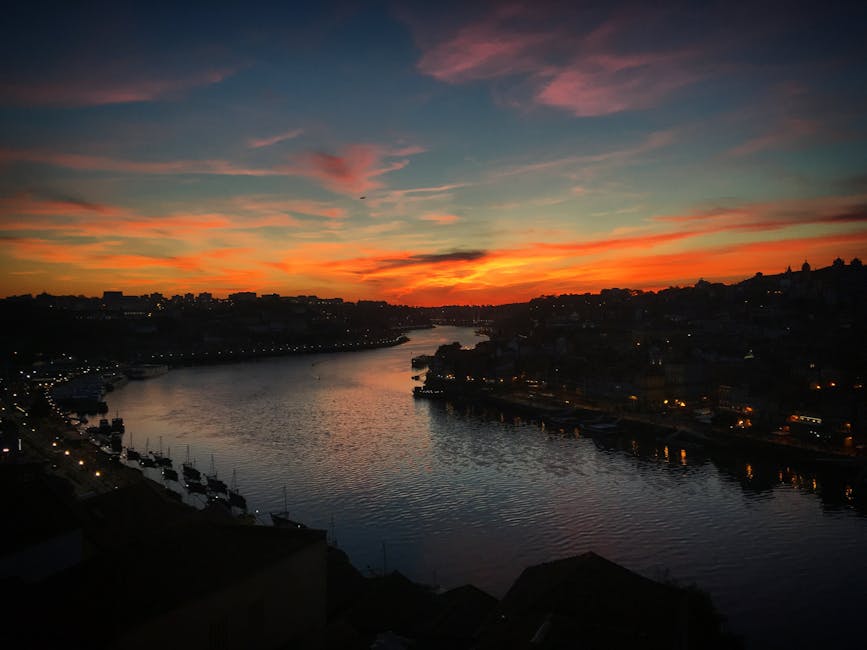
The sunset slot is the photogenic one but the most rushed because you’re racing the light. You also miss the option to stop at any cellar afterwards. I’d take the morning slot if it’s my first time and the afternoon slot if I’ve already seen Porto.
How an e-bike tour compares to other Porto formats
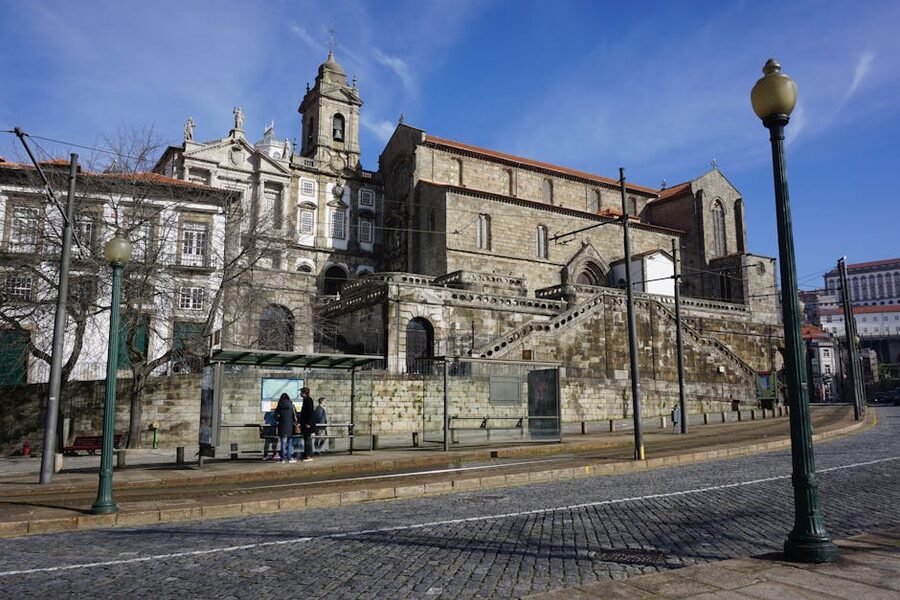
The most common alternative is the Porto tuk-tuk tour, which I covered in a separate guide. Same general route, but you sit and the driver does the work. Better for limited mobility, much worse if you actually want to be in the city rather than passing through it. The e-bike sits in the middle: you’re moving under your own power but you’re not exhausted.
For Douro Valley day trips the e-bike won’t help you, because the Valley is 90 minutes east of the city and you need a coach or boat. See the Douro Valley day-trip guide for that. The e-bike covers Porto and Foz; it doesn’t go upriver into the wine country.
If you want to combine the bridge crossing with a river boat, the six bridges cruise is the boat equivalent and complements the bike well. Bike one day, boat the next. They show you the same river from opposite vantage points.
What to do before and after
The day before, walk Ribeira on foot. Not for the sights, but to figure out the gradient. You’ll appreciate the e-bike more once you’ve climbed those streets without one.
If you’ve got an extra day, save it for either a cellar tour at Cálem or a longer-format experience. The Porto Card is worth it if you’re doing three or more attractions, but it doesn’t cover the e-bike tour itself. The card pays for itself on free Metro rides plus a couple of museum entries.
The day after the e-bike tour, take it easy. Your hands and inner thighs will be sore in places you haven’t been sore since you were a teenager. A walking fado night out is a nice low-impact recovery activity.
Common questions
Do I need to know how to ride a bike? Yes. E-bikes are not a substitute for bike-handling skill. They flatten the climbs, but you still need to balance, brake, and steer in traffic. If you haven’t been on a bike since childhood, do a 10-minute test ride at the bike shop before committing.
Is there a minimum age? Most operators set 14-16 as the minimum because of bike sizing. Younger kids on a private tour usually mean the parent rides a tag-along or a child seat is fitted. Confirm at booking.
What’s the maximum group size? Group tours are typically capped at 10-12 riders. The Highlights flagship runs at full capacity often. If you want a smaller group, the Panoramic version usually has fewer participants per departure, or go private.
Are the bikes new? The major operators in Porto rotate fleets every 2-3 years. The bikes you’ll get are typically Bosch-motor mid-drive models with 400-500Wh batteries. Range is plenty for a 25-30km tour.
What if it rains? Light rain runs. Heavy rain you’ll be offered a reschedule or refund. Bring a light shell jacket regardless; the Foz wind dries you in 10 minutes.
How fit do I need to be? Genuinely, very basic fitness. If you can walk for an hour without sitting down, you can do this on level 3 assist. The motor is doing the climbing work; you’re just keeping the pedals turning.
More Porto and Portugal worth your time
Porto rewards a layered approach. After the e-bike sets the geography in your legs, drop into the Spiritus multimedia show at Igreja dos Clérigos for the city’s history compressed into 40 minutes, then spend a day on the two wine regions tour to see where the wine in those Gaia cellars actually comes from. If your time-budget includes a side trip, the Braga and Guimarães day trip covers the country’s religious capital and the town where Portugal was literally born. And down south, Lisbon’s tuk-tuk circuit is a useful comparison if you’ve already done the Porto sit-and-be-driven version.