
Does the Porto Card actually pay for itself? On some itineraries, easily. On others, you’ll spend forty euros for nothing.
I’ve used it. I’ve also told travellers to skip it. Here’s the real math, the booking process, and the kind of trip where the Card quietly pays you back before lunch on day one.
- In a Hurry? Three Card Picks That Make Sense
- What the Porto Card Actually Is
- Current Prices, Both Versions
- The Math: When the Card Pays For Itself
- When to Buy It
- When to Skip It
- Walker Versus With Transport
- Comparing the Card to the Andante Metro Pass
- Comparing the Card to the Serralves All-Access Pass
- How to Actually Buy It
- Three Card-Friendly Tours and Tickets
- 1. Porto Card with Transportation (1, 2, 3, or 4 Days):
- 2. Porto Card Walker (1, 2, 3, or 4 Days):
- 3. Serralves Foundation All-Access Pass:
- Stacking the Card With a Walking Tour
- What the Card Will Not Do for You at Lello
- Port Cellars and the Card
- FC Porto, the Stadium, and the Card
- How the Card Compares to Other European City Passes
- A Two-Day Itinerary That Actually Uses the Card
- Common Mistakes to Avoid
- Family Math: Is It Worth It For Kids?
- The 96-Hour Version: Who Should Buy It
- The Card and the Andante Together
- What the Reviews Actually Say
- If the Card Is the Wrong Buy For You
- Beyond the Card
In a Hurry? Three Card Picks That Make Sense
1. Porto Card with Transport (1, 2, 3, or 4 days): the proper version, transit plus museum entries. Best if your trip stretches across central Porto and Vila Nova de Gaia. Check availability
2. Porto Card Walker (1, 2, 3, or 4 days): no transit, museums and discounts only. Right call if your hotel is in the centre and you walk everywhere. Check availability
3. Serralves Foundation All Access Pass: what to book instead of the Porto Card if your one cultural splurge is the Serralves villa, gardens, and museum. Check availability
What the Porto Card Actually Is
The Porto Card is the official tourist pass run by Visit Porto. It comes in two flavours and four lengths.
The two flavours are Walker (museums and discounts only) and With Transport (museums, discounts, plus unlimited rides on Porto’s metro, STCP city buses, and the urban CP commuter trains inside the metropolitan zone). The four lengths are 24, 48, 72, and 96 hours. The clock starts when you first scan it, not at midnight.
For attractions, the Card includes free entry to about six city-run museums. The headliners are the Soares dos Reis National Museum, the Romantic Museum at Quinta da Macieirinha, the Porto Tram Museum, the Military Museum, the Casa do Infante, and the Casa-Museu Guerra Junqueiro. That’s it for the free list. Six.
For everything else, you get a discount, not a free pass. Lello bookshop is a discount. Clérigos Tower is a discount. Most of the port-wine cellars across the river give a discount. The big sightseeing operators (six-bridge cruises, hop-on hop-off bus, FC Porto Museum at the Estádio do Dragão) all offer a Card-holder rate, usually 10 to 25 percent off.
The detail people miss: a discount is not a free entry. If you came for Lello, Clérigos, and a port cellar, the Card saves you a few euros on each, not the whole gate price. The math gets thin fast on a discount-only itinerary.
Current Prices, Both Versions
I’ll keep this in euros so it’s clean. Convert as needed for your bank.
Porto Card Walker (no transit):
- 1 day: 7.50 euros
- 2 days: 12 euros
- 3 days: 16 euros
- 4 days: 18 euros
Porto Card with Transport (full version):
- 1 day: 15 euros
- 2 days: 27 euros
- 3 days: 32 euros
- 4 days: 41.50 euros
Children 4 to 12 are roughly half. Under 4 free. Adult prices are what most readers will plug into the math, so that’s what I’ll use below.
The marginal cost of upgrading to transit is the part most people get wrong. On a 1-day Card it’s 7.50 extra. On a 4-day Card it’s 23.50 extra. If you’re going to ride the metro twice a day for four days, the transit upgrade pays back in about three days. If you’re walking everywhere, don’t upgrade.

The Math: When the Card Pays For Itself
Three real itineraries, run end to end. I’ll use the 48-hour With Transport version (27 euros) as the baseline because it’s the most-bought.
Itinerary A. Heavy museums, two days. Day 1: airport metro to centre (the airport line is included on the transit Card if your version covers it; check at booking). Soares dos Reis (saved 8). Romantic Museum (saved 2). Lunch. Tram to Foz, tram back (saved 6.20). Day 2: Casa do Infante (saved 2.50). Lello with Card discount (saved roughly 1.50). Clérigos with Card discount (saved 2). Sandeman cellar tour with Card discount (saved 4). Metro back. Total saved: about 26.20. The Card breaks even.
Itinerary B. Stadium plus the river. Day 1: metro to Estádio do Dragão for the FC Porto Museum tour, Card discount (saved 4). Six-bridge cruise on the Douro, Card discount (saved 4). Half-day in Vila Nova de Gaia with one cellar tour (saved 4). Metro back. Day 2: walking. The Card has saved you about 12 euros against a 27 euro pass. You’ve burned 15 on a Card you barely scanned. Skip it.
Itinerary C. Three full days, mixed. Buy the 72-hour version (32 euros). Day 1 stacks Soares dos Reis, Romantic Museum, Lello, Clérigos. Day 2 goes to Vila Nova de Gaia for two cellar tours and the cable car. Day 3 is a Douro cruise plus FC Porto Museum. Total Card savings, conservatively: 30 to 35 euros. Plus the metro rides, which alone come out to 15 euros minimum across three days. Now it works.

When to Buy It
Buy the Porto Card if any of these apply to your trip:
- You’ll do three or more paid attractions per day. Two free museums plus a discounted Lello entry plus a discounted cellar tour clears the daily price every time.
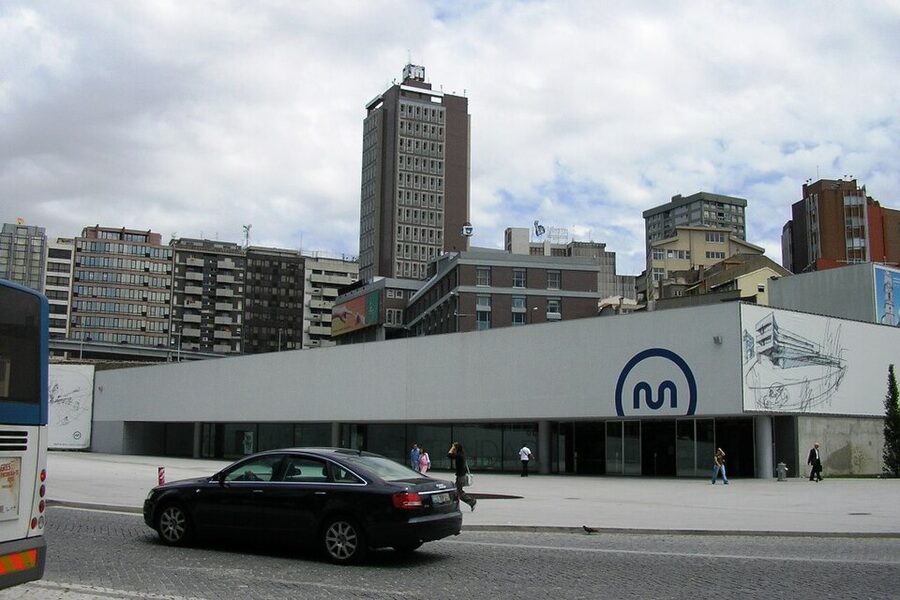
- You’re staying outside the centre and will use the metro every day. Two to four metro rides a day for two days clears the transit upgrade alone.
- Your trip mixes the river side (Vila Nova de Gaia, Douro cruise, port cellars) with the centre. The Card discount stacks across both.
- You’re flying into Porto Airport and the metro Line E to centre. That single ride is included on the transit Card and is one of the fastest airport transfers in Europe.
- You like skip-the-line. The Soares dos Reis weekend queue is real, and Lello’s queue is famous; the Card-discount tickets often have a separate priority line.

When to Skip It

The Porto Card is a poor buy on these trip shapes:
- Douro Valley day-trippers. If your trip is built around a full Douro Valley day, you’ll be on a coach or river cruise out of the city all day. None of that uses the Card. Don’t buy a Card for a day you’ll spend in Pinhão.
- Slow-pace, food-focused trips. If your itinerary is heavy on a cellar visit, a long lunch in Ribeira, sunset on the bridge, and a Fado show in the evening, you’ll hit at most one paid attraction per day. The Card never pays back at that pace.
- Hotel-in-the-centre walkers. If you’re staying within ten minutes of São Bento and the trip is just walking the old town, even the Walker Card has to fight to make sense. Better to pay individual entries for the two or three museums you actually want.
- One-night stopovers. A 24-hour Card needs you to hit the equivalent of three paid attractions plus two metro rides. If you only have an evening and a morning, you’re not realistically going to see that many things.
Walker Versus With Transport
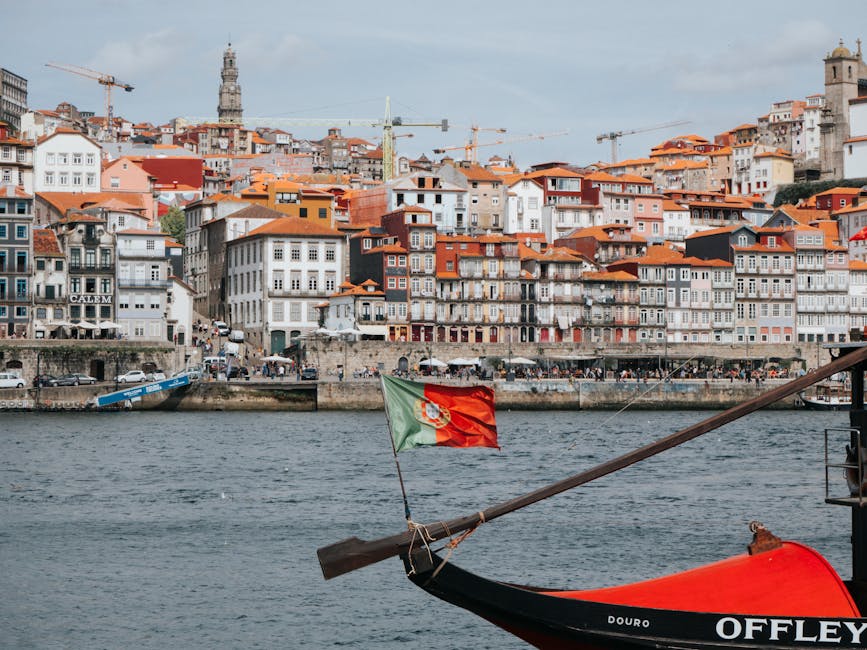
The Walker version exists for a specific traveller. Centre hotel, walks everywhere, just wants the museum freebies and the discount stickers. It’s 7.50 euros for one day, against 15 for the transit version. That’s a real seven-and-a-half-euro saving.
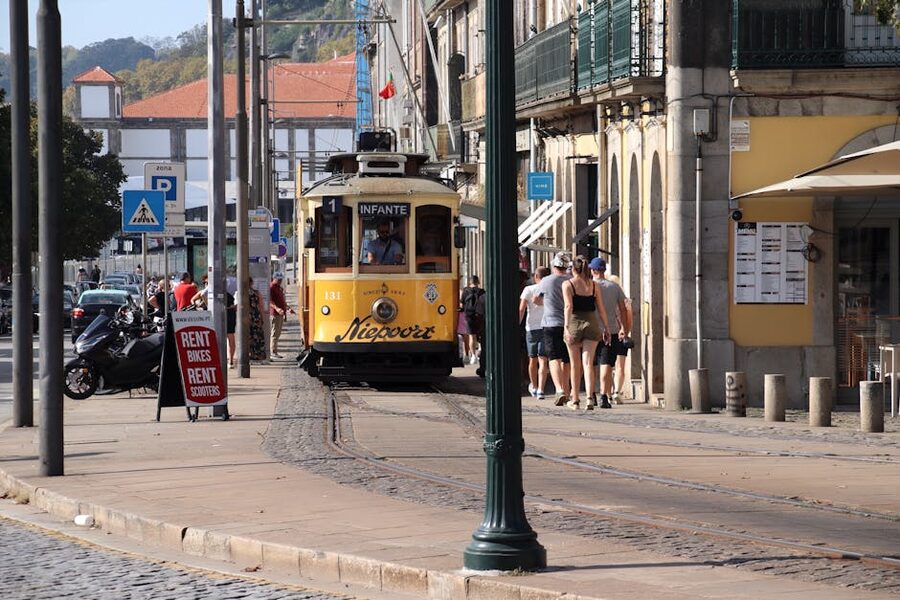
But Porto is genuinely hilly. The climb from Ribeira up to São Bento, or from Cais de Gaia up the Vila Nova side, will eat you alive in summer. The funicular dos Guindais between the bridge and the upper level costs 4 euros round trip. The metro from Trindade to most points is 1.20 to 2.40 each way. If you ride the metro four times across two days, the transit upgrade has paid for itself. That tips most travellers toward the full version.
Pick Walker if all of these are true: your hotel is between Aliados and São Bento, you’re staying for at most two days, you’re under 50, and you’re not going to the airport on the metro. Pick With Transport if any of those break.

Comparing the Card to the Andante Metro Pass
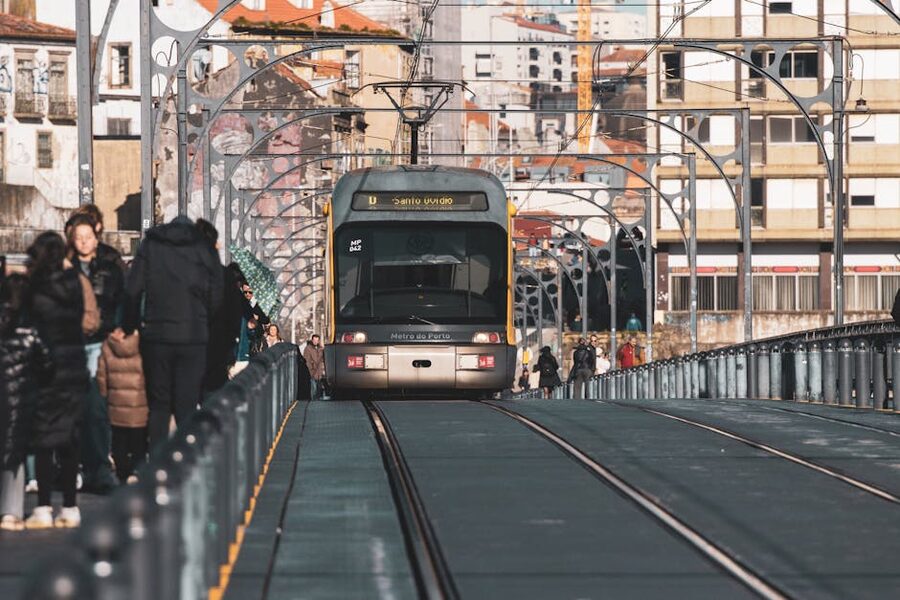
This is the question I get asked the most. If you’re only here for transit and don’t care about museums, do you really need the Porto Card? Probably not.
The local alternative is the Andante, a rechargeable card that you load with credit (Andante zapping) or with day passes (Andante Tour 1, Andante Tour 3). Single rides cost zone-based fares from 1.20 euros. The Andante Tour 1 is 7 euros for 24 hours of unlimited transit on metro, bus, tram, and urban CP trains. The Andante Tour 3 is 15 euros for 72 hours of the same.
So the Andante Tour 1 day pass at 7 euros versus the Porto Card with Transport at 15 euros looks like a no-brainer for transit-only travellers. It is. If you don’t intend to enter a single museum and you don’t care about Lello discounts, just buy an Andante. The metro machines at every station sell it. Tap, ride, done.
Where the Porto Card pulls ahead is when you stack two free museum entries plus the metro rides. At that point the 15 euro Card beats the 7 euro Andante even before you count discounts on cellars or Clérigos. So the question isn’t really Card versus Andante; it’s are you going to use the museums? If yes, the Card. If no, the Andante.

Comparing the Card to the Serralves All-Access Pass

If your one cultural splurge in Porto is Serralves, the Porto Card is the wrong product. The right product is the dedicated Serralves Foundation All-Access Pass, which bundles the contemporary art museum, the pink Casa de Serralves villa, the 18 hectares of formal gardens with the treetop walk, and rotating exhibitions in one ticket.
The All-Access Pass costs roughly the same as a 24-hour Porto Card with Transport, but the value is concentrated in one place rather than spread across six small museums. If you’re an art and architecture person here for the Álvaro Siza buildings, this is your day.
Realistically, most travellers don’t need both. Pick the Card for a multi-day itinerary that uses transit and stacks small entries. Pick the Serralves pass for a focused cultural day in the western part of the city.
How to Actually Buy It
Three options, in order of how I’d recommend them.
1. Online via GetYourGuide before you arrive. This is what most readers should do. You buy the standard Card with Transport or the Walker version, get a voucher emailed within minutes, and pick up the physical Card at one of the official Visit Porto offices on arrival. Free cancellation if your plans change. The official Visit Porto offices are at the airport (arrivals level), São Bento Station, the Sé cathedral, and the city tourism office on Rua Clube dos Fenianos.
2. On the official Visit Porto website. Same product, same price, no GetYourGuide intermediary. The booking flow is fine but slower, and you still need to pick the Card up in person. Worth it only if you specifically want to buy direct.
3. At an arrivals desk. The airport booth and São Bento desk both sell the Card on the spot. Useful as a fallback if you forgot to pre-book. Not useful if there’s a queue, which there usually is in summer.
One detail. Until 2024 the Card was a paper ticket. Now it’s a hybrid: paper voucher plus a QR-coded plastic card you pick up. Don’t try to scan an emailed PDF straight into a metro gate; you need the plastic Card in hand.

Three Card-Friendly Tours and Tickets
The actual products you buy. These are the three I’d send a first-timer toward, ranked by what most travellers will get value from.
1. Porto Card with Transportation (1, 2, 3, or 4 Days): $17
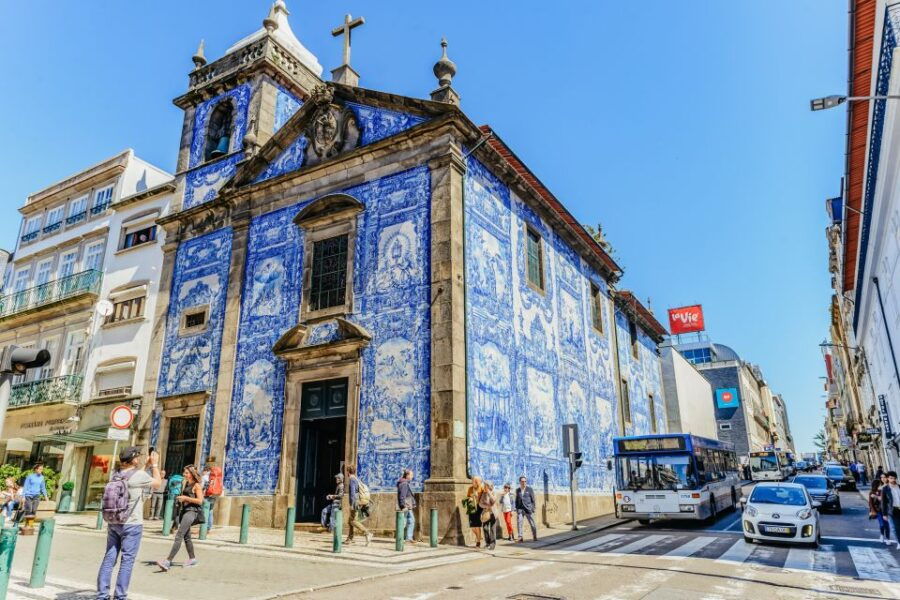
The default Porto Card and the one most readers should buy. Comes in 1, 2, 3, and 4 day versions, priced from 15 euros up. Includes free entry to about six city museums, discounts at 130-plus partner attractions, and unlimited rides on Porto’s metro, urban buses, and short-haul CP trains. Our full review of the transport-included Card goes deeper on which days actually return the math.
2. Porto Card Walker (1, 2, 3, or 4 Days): $8

The lighter sister Card. Same six free entries, same discount network, no metro or bus. From 7.50 euros for one day. Best for centre-stay walkers on short trips. The full Walker version review covers exactly which trip shapes still pay back without the transit element.
3. Serralves Foundation All-Access Pass: $28
The right product if Serralves is the actual reason you came to Porto. Bundles villa, gardens, museum, and rotating exhibitions in one ticket, priced around 28 euros. Better value than trying to use the Porto Card discount alone. The Serralves all-access pass review walks through which buildings to visit in which order to avoid the midday tour groups.
Stacking the Card With a Walking Tour

One pattern that works well: Card on day one, guided walking tour on day two. The Card frontloads the museum entries you’ll burn fast, and the walking tour gives you the history that the museums alone don’t quite stitch together.
The other order also works: walking tour first to learn the city, then a Card-day to revisit the places that hooked you. Either way, both formats stack. They aren’t redundant if you pick a tour that doesn’t already include the same museums. Our Porto city tour booking guide goes through which formats genuinely complement the Card and which double-charge you for ground you’ve already covered.
For a fuller riverside-and-bridges day, look at the six-bridges cruise, which is one of the discounted partners on the Card. For a hill-friendlier intro that skips the worst climbs, the Porto tuk-tuk tour is the go-to.
What the Card Will Not Do for You at Lello

This is the single biggest source of confusion I see. People assume the Porto Card means free Lello. It does not. The Card gives a small discount on the Lello timed-entry ticket. You still need to book a slot, you still need to queue for the slot, and the discount is roughly a euro or two off the standard price.
If Lello is a priority, read our full Lello booking guide first. It explains the timed-entry system, the redeemable-against-book trick, and which slots actually walk through fastest. The Card does not change any of that. It just trims a few euros off the gate price.
Port Cellars and the Card

The cellar circuit on the Vila Nova de Gaia side is where the Card discounts compound. If you’re doing two cellar tours in one afternoon, the Card-holder rate at each plus the metro rides to and from clears the daily Card price by itself. This is a fast way to make the math work on day three of a 72-hour pass.
For the Cálem tour specifically, our Cálem cellar tour review covers which slot has the smallest English-language groups and how the Fado-show option stacks with the standard tasting. The Card discount applies to the standard tour, not the Fado-add version.

FC Porto, the Stadium, and the Card
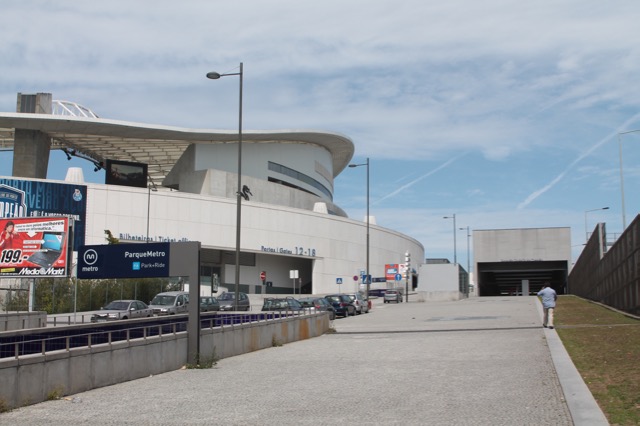
The FC Porto Museum and Stadium tour is on the Card discount list and is one of the better-value uses of it. Standard adult ticket is around 18 euros, Card discount drops it to about 15. Add the metro ride out to Estádio do Dragão (Line A from Trindade, included on the transit Card) and that single visit alone clears the daily Card price.
Worth knowing: match days are different. On match days the museum and stadium tour close early and the Card discount does not apply to actual match tickets, only to the museum tour.
How the Card Compares to Other European City Passes
The Porto Card is the smaller cousin of the Lisbon Card. Same idea, same hybrid transit-plus-museum structure, but a shorter free-entry list and a smaller city to use it in. The Lisbon Card frontloads with Jeronimos Monastery and Belém Tower. The Porto Card has nothing on that scale; the headliners are mid-sized museums.
That changes the strategy. The Lisbon Card can pay for itself in a single Belém morning. The Porto Card needs you to stack across two or three days. So a 24-hour Porto Card is rarely the right buy. The 48 or 72 hour versions are where the math works.
Compared to the Hola BCN transit pass in Barcelona, the Porto Card with Transport is broader (it adds museums, where Hola is transit only) but a touch more expensive on a per-day basis. If you’re comparing across Iberia, that’s the rough framing: Lisbon Card is the strongest entry-pass value, Porto Card is the most balanced, Hola is the cheapest pure-transit option.
A Two-Day Itinerary That Actually Uses the Card
If you’ve decided to buy the 48-hour With Transport Card (27 euros), here’s a route that earns it back.
Day 1, morning: metro from your hotel to Aliados (saved 1.20). Walk to Soares dos Reis Museum, opening time, free entry (saved 8). Walk to Romantic Museum (saved 2). Lunch on Rua Galeria de Paris.
Day 1, afternoon: Lello bookshop with Card discount (saved 1.50). Clérigos Tower with discount (saved 2). Heritage tram down to Foz, return (saved 6.20 if you ride the regular STCP buses or metro). Optional: Casa do Infante on the way back, free entry (saved 2.50).
Day 2, morning: Metro across the river to Vila Nova de Gaia. First cellar tour with Card discount (saved 4). Lunch riverside. Second cellar with Card discount (saved 4). Cable car back up. Metro back across the river (saved 2.40 round trip).
Day 2, afternoon: Six-bridge cruise with Card discount (saved 4). Walk Ribeira at sunset.
Total saved across the 48 hours: roughly 37.80 euros against a 27 euro pass. The Card has paid for itself plus about 11 euros on top. Skip three of those entries and you’re break-even. Skip five and you’ve lost. The math works on this itinerary; it stops working on a slower one.
Common Mistakes to Avoid
Five errors I see often, in order of frequency.
1. Buying a 24-hour Card for a 24-hour stay. A single day in Porto rarely fits three paid attractions plus enough metro to clear 15 euros. Stay two nights or skip the Card.
2. Buying the With Transport version when you’ll never leave the centre. The Walker version is half the price for the same museum content. If your hotel is Aliados-area and you’re walking, save the eight-euro upgrade.
3. Buying a Card for a Douro Valley day. Day-trip coaches and river cruises out to Pinhão are not on the Card. Don’t include that day in your Card window.
4. Picking up the Card late. The clock starts on first scan, not at midnight. If you collect at 6pm and your day starts at 9am the next morning, you’ve burned 15 hours of the pass. Pick up on the morning you’ll start using it.
5. Assuming free means free everywhere. Six museums free, the rest discounted. Lello is discounted, not free. Clérigos is discounted. Most cellars are discounted. Read the partner list before you buy.
Family Math: Is It Worth It For Kids?
Children 4 to 12 are roughly half the adult price on both Card versions. Under 4 are free on transit and most attractions anyway. So the real question is if your kids will actually use the museum entries.
The Tram Museum is genuinely a kids hit. The Romantic Museum and Soares dos Reis are not. The Stadium tour is a hit if you have a football-aware ten-year-old. The cellars are explicitly adult-only on the tasting portion. So a family Card pays back if you have museum-curious children, and not really if you don’t.
One nuance. The transit version pays back faster for families because two adults plus two kids on the metro four times across two days is real money. Even if the museum part doesn’t return its share, the transit part might.

The 96-Hour Version: Who Should Buy It
The four-day Card at 41.50 euros is the longest format. It’s a small saving over buying a 72-hour plus a 24-hour separately, but it only makes sense if you genuinely have four full days in Porto without a Douro Valley day-trip in the middle.
For most travellers, three days in Porto is enough. The 72-hour Card is the right format if you’re stacking museums plus cellars plus a day on the FC Porto side. The 96-hour pass is for slow travellers who want to add a day to revisit favourite spots, or for travellers using Porto as a base for Aveiro, Braga, and Guimarães day-trips on regional CP trains. Note that those day-trip trains are not all included on the transit Card; check before you buy.
The Card and the Andante Together
One small trick. If you buy the With Transport Card and a friend buys the Walker, you can both ride the metro on the With Transport scan, but you’ll need a second Andante zapping for the friend if you split up. Easier solution: both buy the same version. Don’t try to share one Card across two people; the QR scan is single-use per ride.
If your trip is two nights and you only want a single day of full intensity, buy the 24-hour With Transport Card for the heavy day and an Andante zapping with five euros loaded for the slower day. Total spend: about 20 euros. Total flexibility: very high.
What the Reviews Actually Say
I read through hundreds of GetYourGuide reviews on the With Transport version when researching this guide. The recurring themes are simple. The booking flow is consistently called easy. The pickup is consistently called slow when you arrive at peak airport hours. The discount network is consistently called wider than expected. And the math is consistently called underwhelming on slow trips and excellent on heavy ones.
That maps to my own experience. The Card is a good product if you use it properly. It is a small waste of money if you don’t.
If the Card Is the Wrong Buy For You
Three alternative paths if you’ve worked through the math and decided the Card isn’t right.
The first is the Porto tuk-tuk tour, which is what I’d recommend on a one-day stop. Hill-friendly, skips the worst climbs, gives you the geography in 90 minutes. The second is a focused half-day walking tour pegged to one neighbourhood (Ribeira plus Sé, or Bolhão plus Aliados). The third is just an Andante Tour 1 day pass at 7 euros for unlimited transit and pay individual museum entries as you go.
For Lello specifically, you’re better off with the dedicated Lello booking guide and a timed-entry ticket. For Clérigos, the Clérigos Tower booking guide covers the day-versus-night ticket question. And for Fado, the Card discount is small; the Porto Fado show guide goes into which intimate-format venues are actually worth the night.
Beyond the Card
Once you’re past the Card-or-not-Card question, the rest of Porto opens up. A Douro Valley day-trip is the single best out-of-city day from Porto. The six-bridges cruise is the most-booked river activity. And if Lisbon is also on your itinerary, the Lisbon Card guide is the closest sister product and the same math problem in a different city.