
Most people who land at El Prat buy a single airport metro ticket for around 5.50 euros, ride into town, then buy a Hola BCN card the next morning at the hotel. They’ve just paid for one extra trip that the Hola BCN card would have covered. The airport metro line, the one labelled L9 Sud, is included in every Hola BCN tier from the very first tap.
That’s the headline, and it sets the tone for the whole card. The Hola BCN is unlimited public transport for 48, 72, 96 or 120 hours across Zone 1, which is basically all of central Barcelona plus the airport. You buy it once, you tap it whenever you need it, and you forget about Spanish coin slots for the rest of the trip.
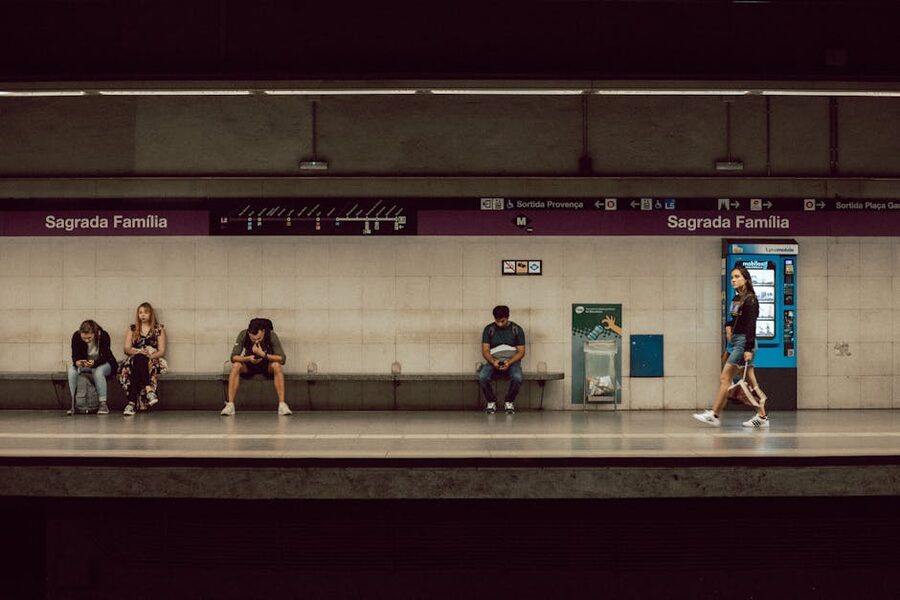

This guide covers what’s actually included, what’s not, how to buy it, when it’s worth it, and the small mistakes that cost people money. I’ll also flag the one alternative that beats it for a specific kind of traveller.
Short on time? Here are my top picks:
The card itself: Hola Barcelona Public Transport Travel Card , from $22. 48 to 120 hours of unlimited metro, bus, tram, and the airport line. The default choice for almost everyone.
If you also want museums: Barcelona Card with 25 Museums , from $69. Same transport coverage plus free entry to 25 museums. Worth it only if you’ll actually visit four or more museums.
Door-to-hotel from the airport: Barcelona Airport Private Arrival Transfer , from $31. A driver waits at arrivals and takes you straight to your accommodation. Useful at 11pm with kids and luggage.
- What the Hola BCN Card Actually Covers
- What the Card Does Not Cover (And This Catches People Out)
- Pricing and How to Pick Your Tier
- How to Buy and Activate the Card
- Top Picks for Booking the Hola BCN and Alternatives
- 1. Hola Barcelona Public Transport Travel Card: from
- 2. Barcelona Card with 25 Museums and Public Transport: from
- 3. Barcelona Airport Private Arrival Transfer: from
- When the Hola BCN Card Is Not the Right Choice
- Where the Card Will Save You the Most Time
- Things People Get Wrong About the Card
- Combining the Card With Other Bookings
- What to Do Next
What the Hola BCN Card Actually Covers
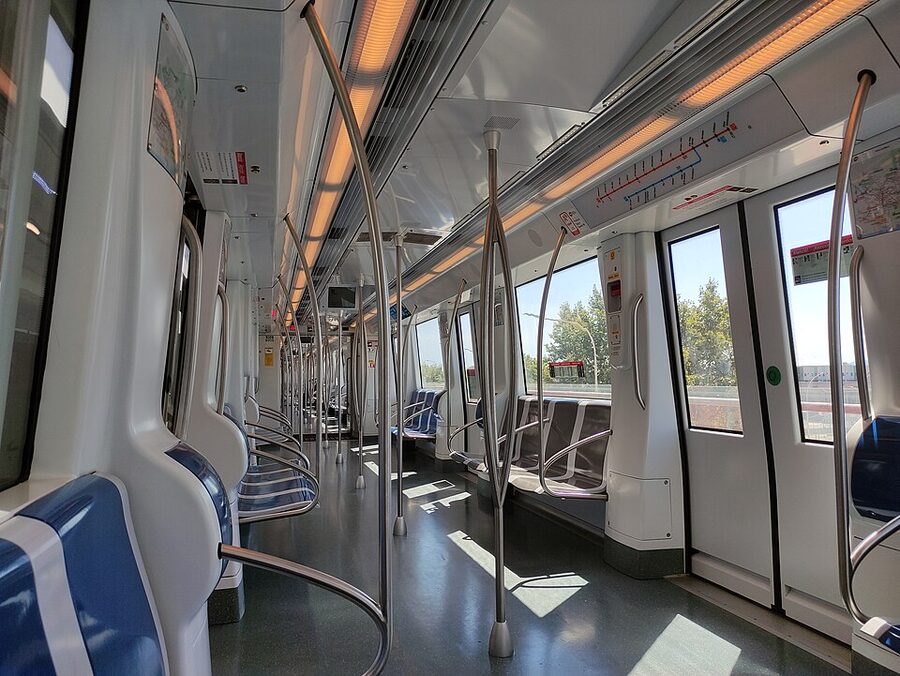
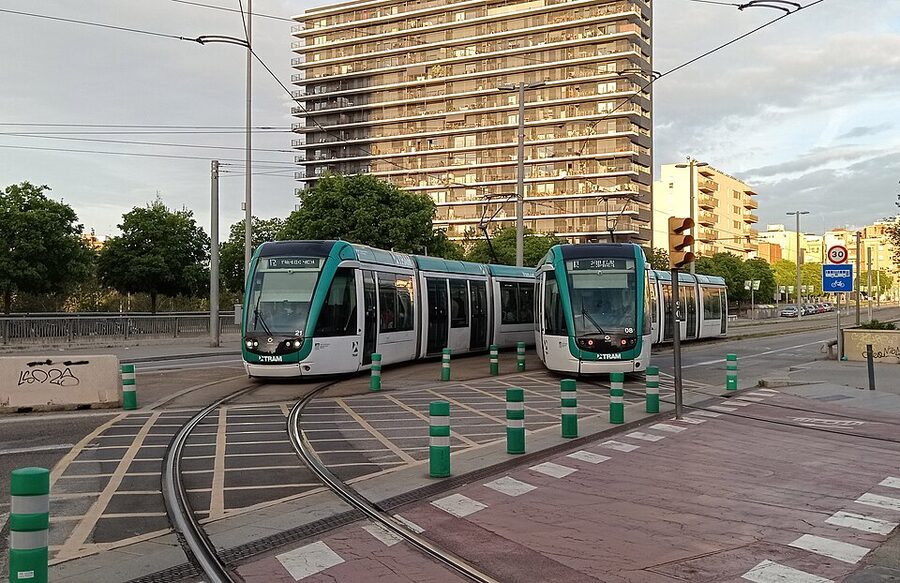
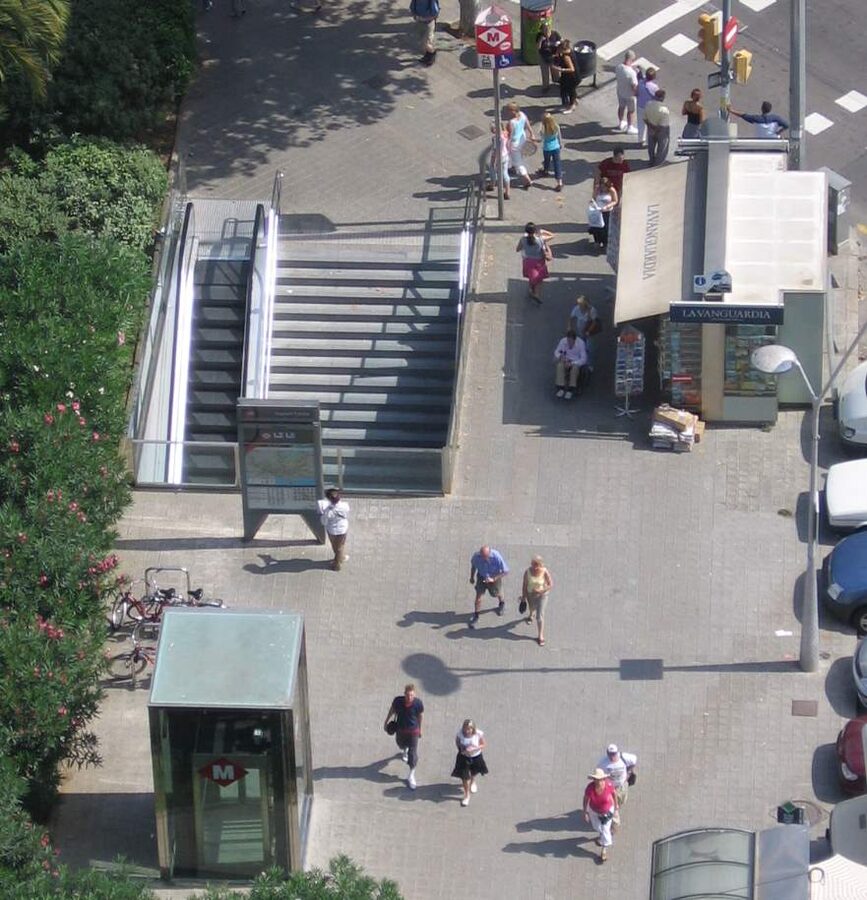
The card is straightforward in scope but the details matter. Inside Zone 1 you get unlimited rides on the metro, the TMB city buses, the trams (Trambaix and Trambesòs), the FGC suburban trains where they run inside the city, and the Rodalies de Catalunya regional trains where they pass through Zone 1 stations. That’s most of central Barcelona.
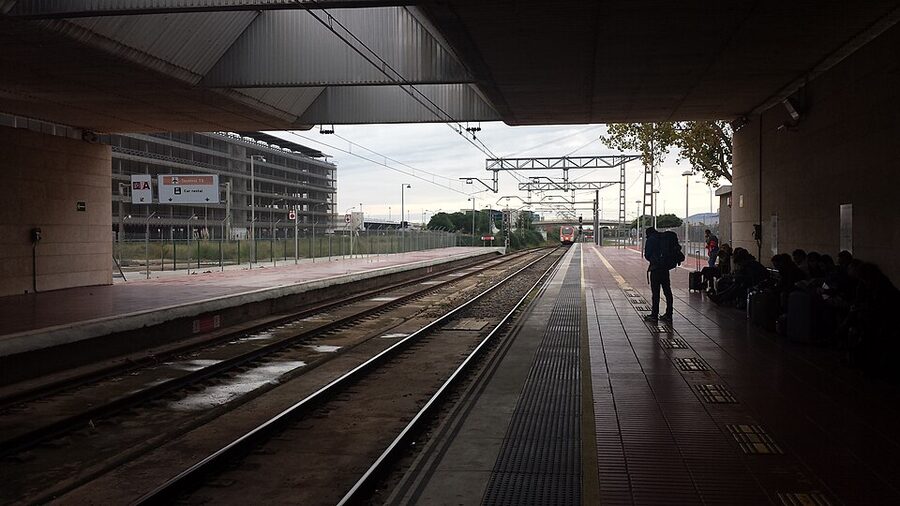
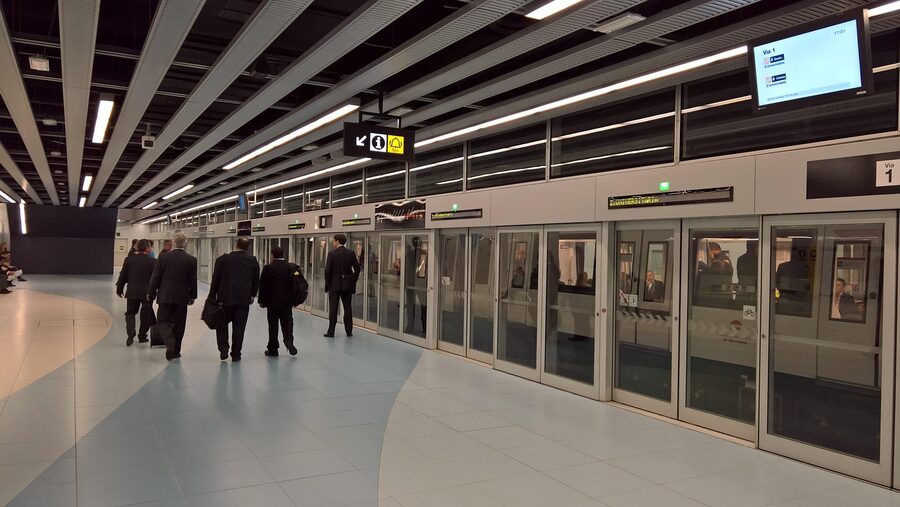
The airport coverage is the bit that surprises people. Both ways. You can take the L9 Sud metro line from the airport into town, or you can take the RENFE R2 Nord train, or you can take the city bus 46 from Plaça Espanya to either airport terminal. All three count as Zone 1 journeys on the Hola BCN card.
What the Card Does Not Cover (And This Catches People Out)
Three things you might assume are included, but aren’t. The Aerobus, the night buses, and the Montjuïc Cable Car. None of them are part of the Hola BCN card.
The Aerobus is the big one. It’s the express coach that runs from the airport to Plaça Catalunya in about 35 minutes, and it’s the most-recommended airport transfer in every old guidebook. It costs around 7.25 euros for a single ticket. The Hola BCN card will not let you on it. If you want to take the Aerobus, you pay separately.
The honest answer is that the Aerobus is no longer worth it for most people. The L9 Sud metro takes 30-40 minutes from the airport to most central stops and costs nothing extra once you have the Hola BCN. The Aerobus only makes sense if your hotel is right next to Plaça Catalunya and you’ve got heavy bags.
Night buses, the NitBus network, run after the metro closes from around midnight. They use a different ticket. If you plan to be out late on a Wednesday or Thursday, factor that in. On Fridays and Saturdays the metro runs all night so you can ignore the night buses entirely.
The Montjuïc Cable Car (the funicular up Montjuïc hill, not the Aeri del Port harbour cable car) takes a separate ticket. The Hola BCN does cover the funicular train that runs partway up the hill from Paral·lel station, which gets you most of the way without paying. Our Montjuïc Cable Car guide explains the difference between the two cable cars, because tourists confuse them constantly.
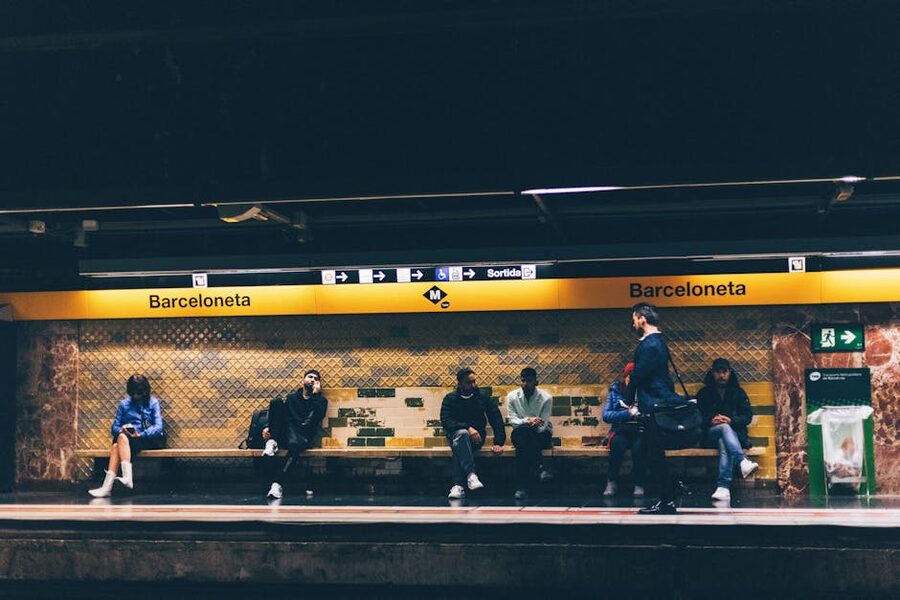
Pricing and How to Pick Your Tier
The card comes in four lengths. 48 hours for around 18 euros, 72 hours for around 26 euros, 96 hours for around 34 euros, and 120 hours (five days) for around 41 euros. Prices drift slightly each season and are slightly lower if you book online in advance.
The break-even is easy to work out. A single Zone 1 ticket costs 2.65 euros if you buy one at a vending machine. Add an airport line journey at around 5.50 euros each way. So a 72-hour visitor who takes the metro from the airport, uses public transport four or five times a day for three days, and rides the metro back to the airport, easily clears 25-30 euros in single fares. The card pays for itself.
The 48-hour card is the awkward one. Most short-trip travellers actually arrive late on day 1 and leave early on day 3, which means the 48 hours starts ticking the moment they tap into the airport metro and runs out before their return airport trip. If your trip is a two-night weekend, look hard at the 72-hour tier instead. The extra eight euros buys you a margin you’ll probably need.
For longer trips, the 96 and 120-hour cards are excellent value. The 120-hour version works out at around eight euros a day for unlimited transport across the whole central area. There’s no daily cap, so on a heavy walking day you can ride the metro twelve times and it costs nothing extra.
How to Buy and Activate the Card
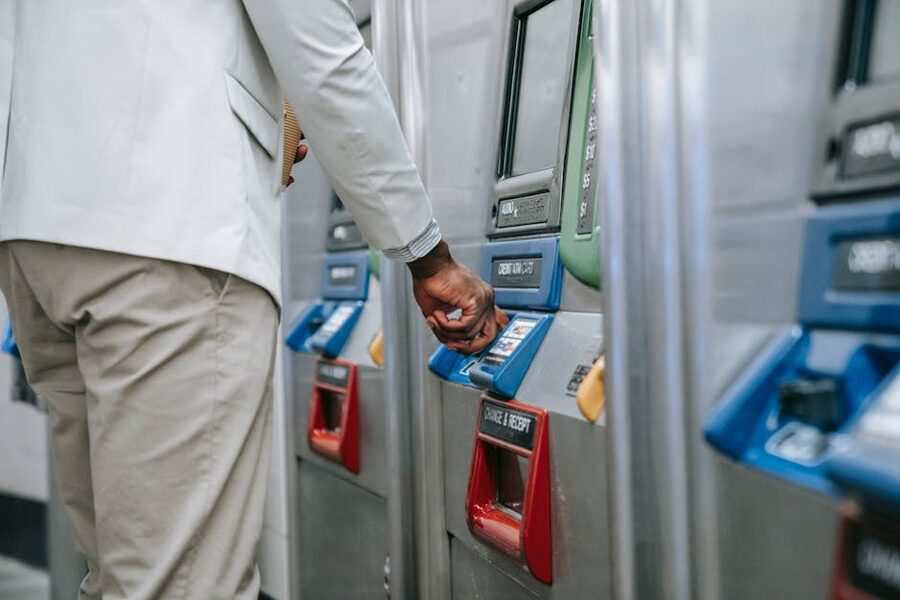
Two routes. You can buy the card online before you fly, or you can buy it at a vending machine when you arrive. Both work. The online route is what I recommend, for one specific reason.
When you buy online, you receive a QR code by email immediately. When you land at the airport, you walk to any metro vending machine, tap the Hola BCN icon on the screen, scan your QR code, and the machine prints the physical card in about 15 seconds. No queue at the ticket counter. No fumbling with euro coins. No need to ask anyone in Spanish what tier you want.
If you buy at the machine instead, you have to navigate the screen menus yourself, choose your tier, and pay by card or cash. It’s not difficult but it’s slower, especially if there’s a queue of newly-arrived travellers in front of you. The price is identical.
The activation rule is the part that genuinely confuses people. The card does not start counting until you tap it for the first time. You can collect your physical card on Monday and not start using it until Wednesday morning. The 72 hours, or 48, or however many you bought, only begin when the gate beeps for the first time.
This means you can safely book the card weeks in advance of your trip. There’s no expiry pressure. It also means if you arrive late at night and your hotel is walking distance from the airport bus, you can save your activation for the morning and squeeze an extra day out of your tier.

Top Picks for Booking the Hola BCN and Alternatives
1. Hola Barcelona Public Transport Travel Card: from $22

This is the default booking for almost every visitor. The 72-hour tier is the most popular for a reason: it covers a typical long weekend and pays for itself the moment you use it for the airport round trip. Our full Hola Barcelona review walks through the activation flow, the QR code redemption, and which station vending machines have the shortest queues at peak arrival times. Pick the tier that matches your trip length plus a buffer of a few hours.
2. Barcelona Card with 25 Museums and Public Transport: from $69
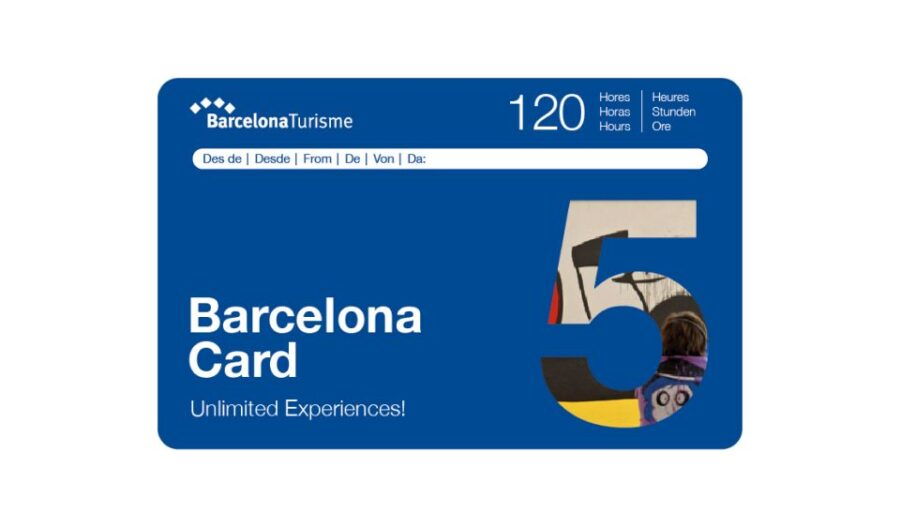
This is the upgrade from a plain Hola BCN. It covers the same public transport network, but adds free entry to 25 museums (MNAC, Picasso Museum, Joan Miró, MACBA and others) plus discounts on others. Available in 72, 96, and 120-hour tiers. Our Barcelona Card review breaks down which museums are included and the realistic break-even count. Roughly: if you’ll visit four or more museums, this card beats buying a Hola BCN plus separate museum tickets.
3. Barcelona Airport Private Arrival Transfer: from $31
This is the exception, not the default. Take it when the metro genuinely doesn’t fit, which is usually a midnight arrival, mobility issues, or a group with serious luggage. Our private transfer review explains the meet-and-greet flow inside Terminal 1. The driver tracks your flight, so a delay doesn’t cost you anything. It’s a Viator product and the price is per vehicle, not per person, which means a family of four pays the same as a solo traveller.
When the Hola BCN Card Is Not the Right Choice
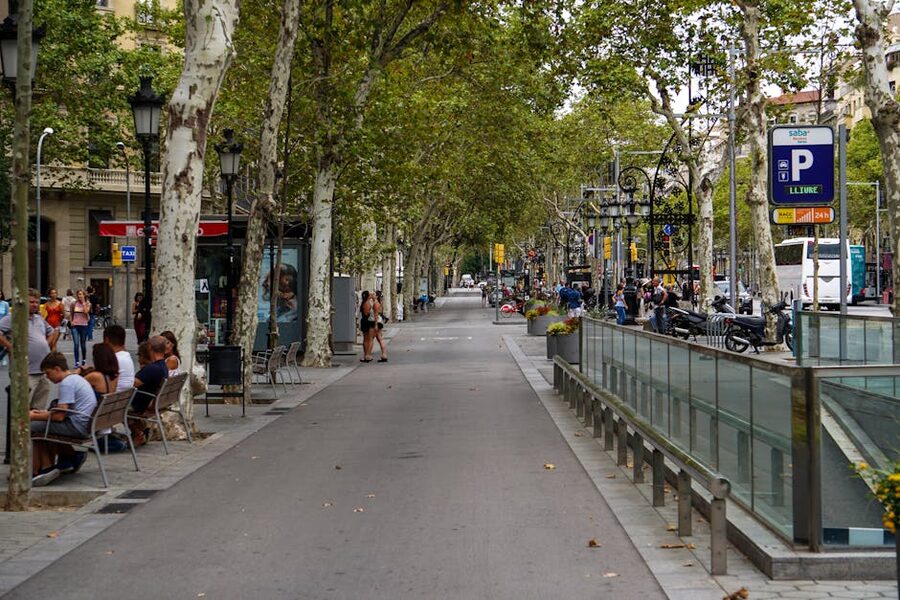
It’s not for everyone. If your hotel is on Las Ramblas and your sightseeing is the Gothic Quarter, La Rambla, the cathedral and the waterfront, you can walk most of it. A 48-hour card might still beat single tickets, but a small T-Casual ticket of 10 single rides for around 12.55 euros could work out cheaper if you’re a strong walker.
For families, the maths shifts because children under four ride free anyway. If you’re travelling with two adults and two kids aged 5 and 7, you need four Hola BCN cards. That’s a serious chunk of money. In that case, the hop-on hop-off bus tour can sometimes work better, because it doubles as transport and as the kids’ first introduction to the city.
For business travellers who only need to get from the airport to one downtown hotel and back, the Aerobus or a private transfer is fine. The Hola BCN’s value comes from heavy use during your stay. If you’re not going to use it, don’t buy it.
And if you’re staying for more than five days, the maths gets uglier. The Hola BCN tops out at 120 hours. For a week-long trip, you’d need to combine a 120-hour card with single tickets for the remaining days, or look at a monthly T-Usual card if you’ll be there 25+ days. Almost no tourist should consider the T-Usual; it’s a residents’ product.
Where the Card Will Save You the Most Time

Sagrada Familia is the obvious one. The basilica is at the L2 and L5 metro stops of the same name. From Plaça Catalunya it’s two stops on the L2. Walking it is 30 minutes through fairly hot, exposed streets. The metro is six minutes including the wait.
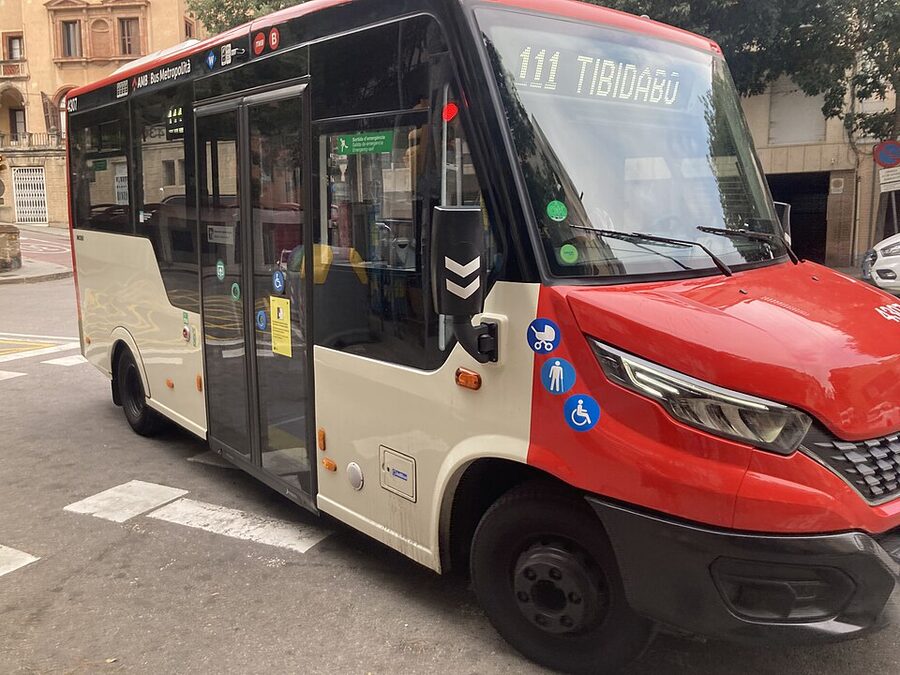
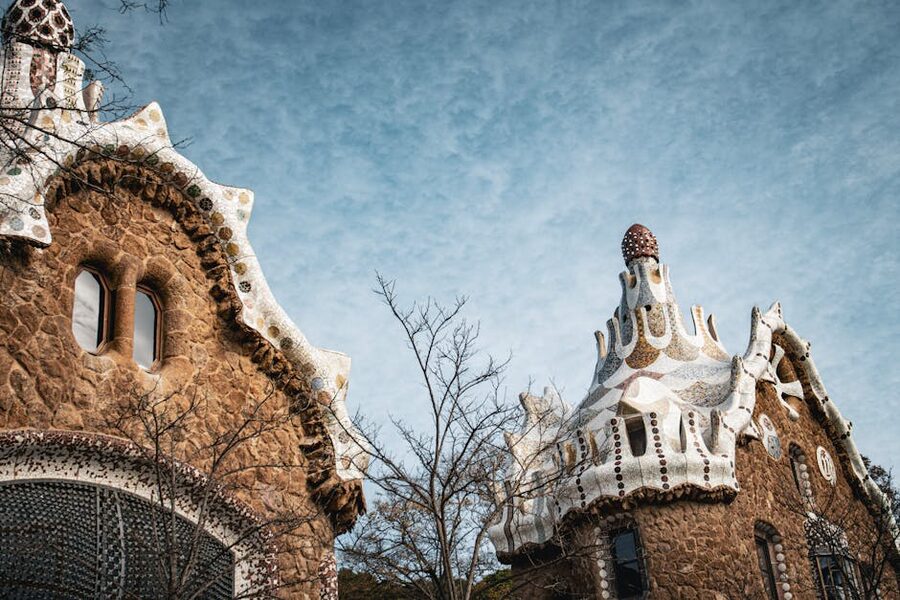
Park Güell is the other big payoff. The park sits up a hill in Gràcia, and the closest metro station, Lesseps on the L3, is still a 15-minute uphill walk from the gate. TMB bus 111 from Lesseps station goes all the way to the park entrance, included in the card. Without it, you’re paying for either a taxi or a long walk in the sun. Our Park Güell guide details which entrance is closest to the bus stop.
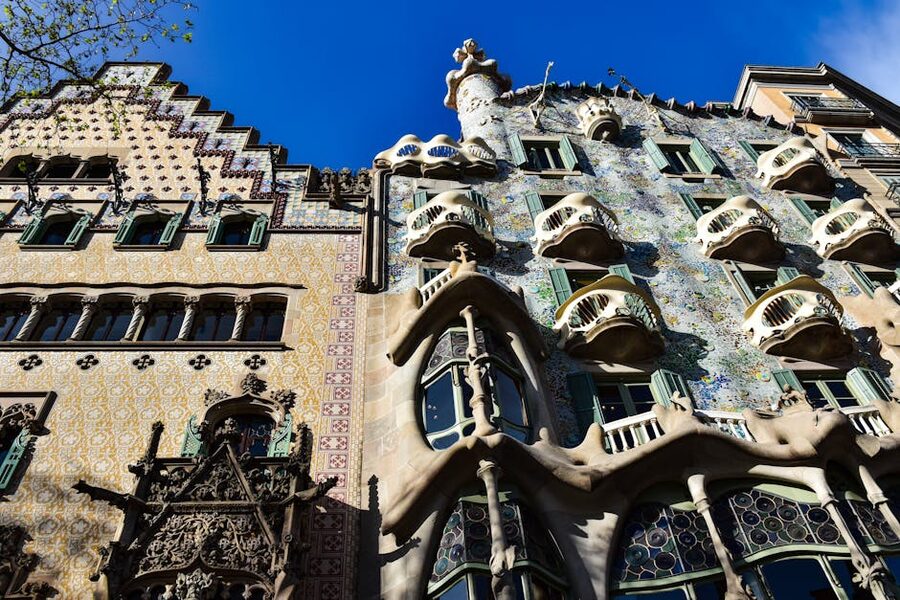
Casa Batlló and La Pedrera are both on Passeig de Gràcia, easily walkable from Plaça Catalunya, but the L3 metro stops outside both buildings. Casa Batlló is right at the Passeig de Gràcia stop. La Pedrera is one stop further at Diagonal. If you’ve got tickets back-to-back for both, the metro saves you ten minutes per leg.
For Casa Vicens, the L3 metro to Fontana drops you about a four-minute walk away. Casa Vicens itself is the least-visited of the major Gaudí buildings and worth the trip exactly because of that.
Things People Get Wrong About the Card
A few patterns that come up over and over.
People share cards. Don’t. Each Hola BCN is single-user. The metro gates record the entry and prevent re-entry within a short window, so passing the card back through the bars to a friend gets the system flagged. Inspectors do check, especially on the airport line, and the fine is around 100 euros on the spot.
People assume the card works on regional trains far outside the city. It doesn’t. Inside Zone 1, yes. To Sitges or Montserrat or Girona, no. Those are different zones or completely different rail networks. For a day trip to Montserrat you need the dedicated Montserrat ticket.
People lose the card and panic. If the card is physically damaged or stops working through no fault of your own, any metro attendant will replace it free of charge with a new card valid for the remaining time. Lost or stolen cards are not refundable, though. Treat it like cash.
People activate it too early. The card validity is in consecutive hours from first tap, not from purchase. If you buy a 72-hour card and tap it at 9am Monday, it expires at 9am Thursday. Not at midnight Wednesday. The hours are precise.
Combining the Card With Other Bookings
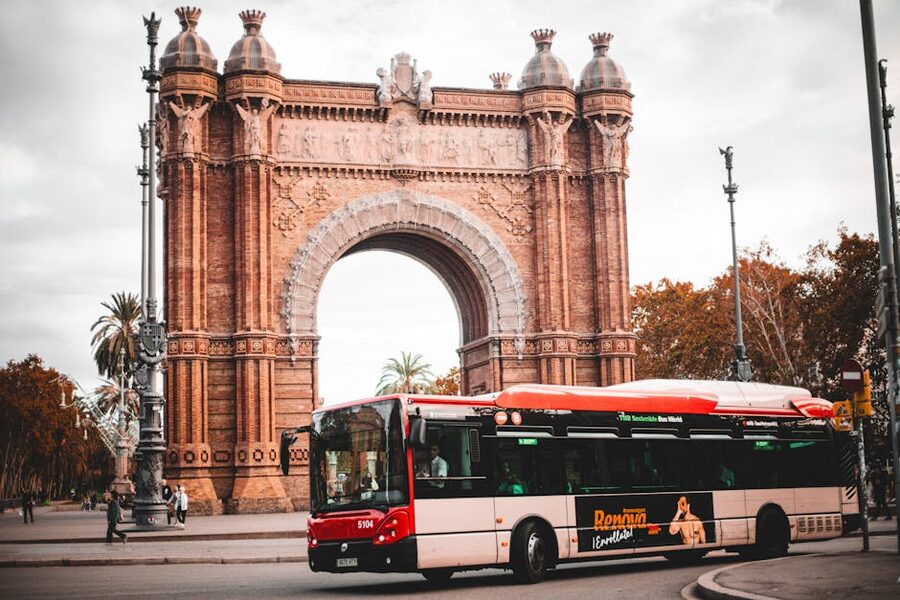
Once you’ve got the Hola BCN sorted, the next thing to plan is which Gaudí buildings you actually want to enter. Every major attraction in Barcelona uses timed entry tickets these days, and they sell out a week or two ahead in summer. The card gets you to the door but it’s a separate ticket inside.
For Sagrada Familia, expect to book at least a week in advance, more in July and August. Our Sagrada Familia guide covers the entry types and which combinations include the towers. The towers are the most likely to sell out.
For Park Güell, the monumental zone is ticketed and capacity-controlled. Our Park Güell guide walks through the time slot system and the early-morning slots that locals favour.
For the seafront, the L’Aquarium at Port Vell is a five-minute walk from the Barceloneta metro stop and works well as a hot-afternoon escape. If you’re already on the metro for the day, the trip is essentially free.
What to Do Next
Once your transport is sorted you’ve got the boring logistics out of the way. The fun planning is the rest of the city. Most travellers pair a Hola BCN with one or two big-ticket Gaudí experiences and a couple of evenings out, which is genuinely all you need.
If you’re working on the rest of your itinerary, our Barcelona tapas walking tour guide covers the best small-group food walks, our Barcelona flamenco show guide compares the main tablaos so you don’t end up at the most touristy one, and our catamaran sunset cruise guide covers the boat trips that leave from Port Olímpic at dusk. All three are easy to reach with your Hola BCN card.