
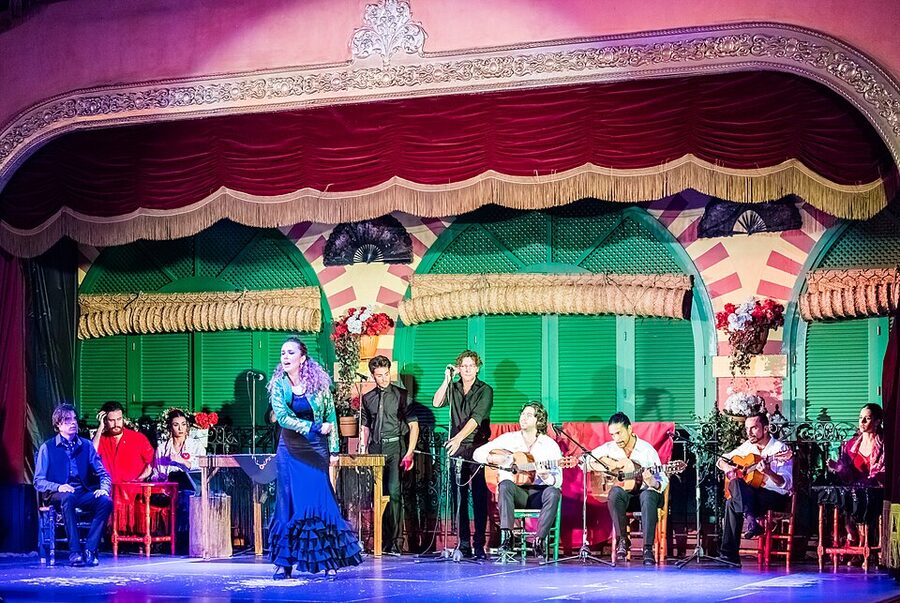
I sat through three flamenco shows in Barcelona over four days. Two were exactly what I expected: lively dancers, decent guitar, the kind of evening you can sell to a tourist with a brochure. The third was at City Hall Theater on a Wednesday, when one of the cantaores started a soleá so quiet you could hear the air conditioner, and a woman two seats down from me started crying. That’s the trick: half the shows in this city are a fine night out, and a small handful are the actual thing.
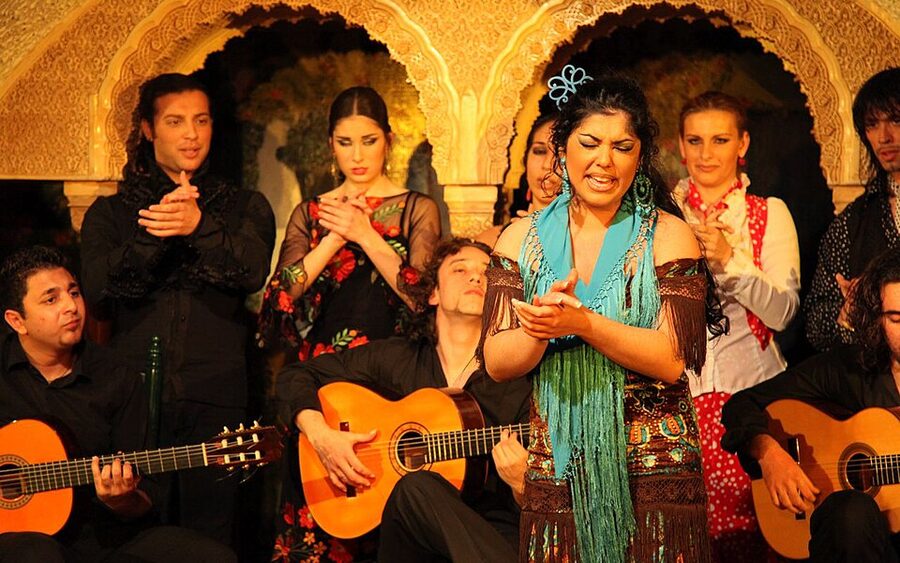
Flamenco isn’t a Catalan art form. It came north with Andalusian migrants in the twentieth century and stayed because Barcelona is where the audiences are. That history matters when you’re booking, because the venues split cleanly into two camps. Tourist tablaos with reliable nightly schedules. And a smaller circuit of theaters and bars where the same artists perform without the dinner upsell.
In a Hurry? Top 3 Picks
- Flamenco Show at the Theater (City Hall Theater), $29. The single best-value 1-hour show in central Barcelona. Drink included if you book the option. Book the theater show
- Tablao Cordobes on La Rambla, around $51. Old-school tablao, strong rotating cast, food is fine but not the reason you’re going. Book Tablao Cordobes
- Los Tarantos in Placa Reial, $29. Half-hour show, no dinner, music-led. The right pick if you’ve got plans after. Book Los Tarantos
- In a Hurry? Top 3 Picks
- What “flamenco show” actually means in Barcelona
- Where the venues actually are
- Tickets, prices, and how to actually book
- What an actual flamenco show contains
- The “palos” you’ll hear
- The three tickets we’d actually book
- 1. Barcelona Flamenco Show at the Theater (City Hall):
- 2. Barcelona Flamenco Show at City Hall Theater:
- 3. Barcelona Los Tarantos Flamenco Show:
- The other big-name venues we considered
- Best night to go (and which to avoid)
- Etiquette so you don’t ruin the show
- Pairing flamenco with the rest of your Barcelona evening
- What to wear (and what not to)
- A short history that explains the city’s flamenco culture
- Quick summary of which show to book for who
- What else to weave into the trip
What “flamenco show” actually means in Barcelona
The word covers three different formats that get marketed almost identically. Knowing which one you’ve booked saves you from the worst mismatch: showing up in your nicest shirt expecting a candlelit dinner and walking into a stand-up jazz club, or vice versa.
Tablao is the most common. A small stage in a venue purpose-built for the art form, usually with food and drink service at numbered tables. Tablao Cordobes on La Rambla and Tablao de Carmen on Montjuic are the classic Barcelona ones. You’ll get four or five performers rotating through dance, song, and guitar over 60 to 75 minutes, often with a dinner option that’s served before the show starts.
Theater format swaps the tables for tiered seats and skips dinner. The show is tighter (usually a flat hour, no service interruption) and the ticket is cheaper because the venue isn’t pretending to be a restaurant. City Hall Theater near Placa Catalunya runs this format four times a day. Palau de la Musica Catalana programs occasional flamenco nights at a much higher production level.
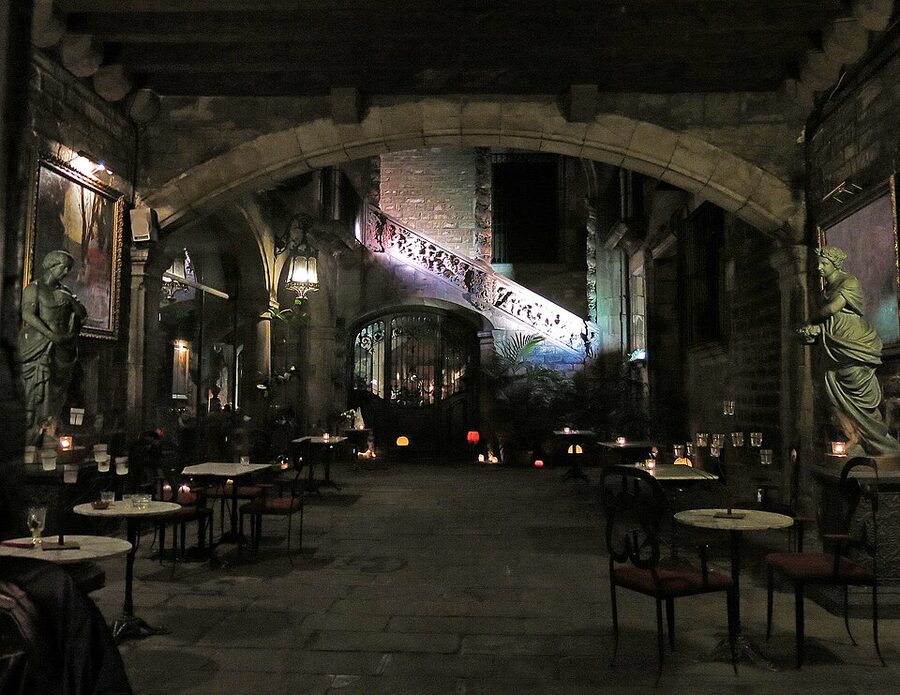
Bar or “intimate” format is the smallest. A back room of a baroque mansion (Palau Dalmases), a converted convent basement (El Paraigua), or a cocktail-bar stage. Sixty to ninety people, no food. Music is the entire focus. If you’ve seen a tablao before and it felt staged, this is the format that fixes it.
Almost everyone reading this should book a theater or a tablao. The intimate format is great if you already know whether you like flamenco. The bigger venues are easier to book, easier to find, and forgive a complete beginner.
Where the venues actually are
Geography matters here because most travelers booking blind end up at whichever show is nearest their hotel. That’s fine for the lazy night. It’s not how the venues actually sort by quality.
City Hall Theater. Around the corner from Placa Catalunya at Rambla Catalunya 2-4. This is the easiest walk-in venue in the city. Shows at 6pm, 7:30, 9pm, and a late one. The building dates to the 1800s and is on the upper Rambla, which means you’re a 90-second walk from the metro at any of three lines.
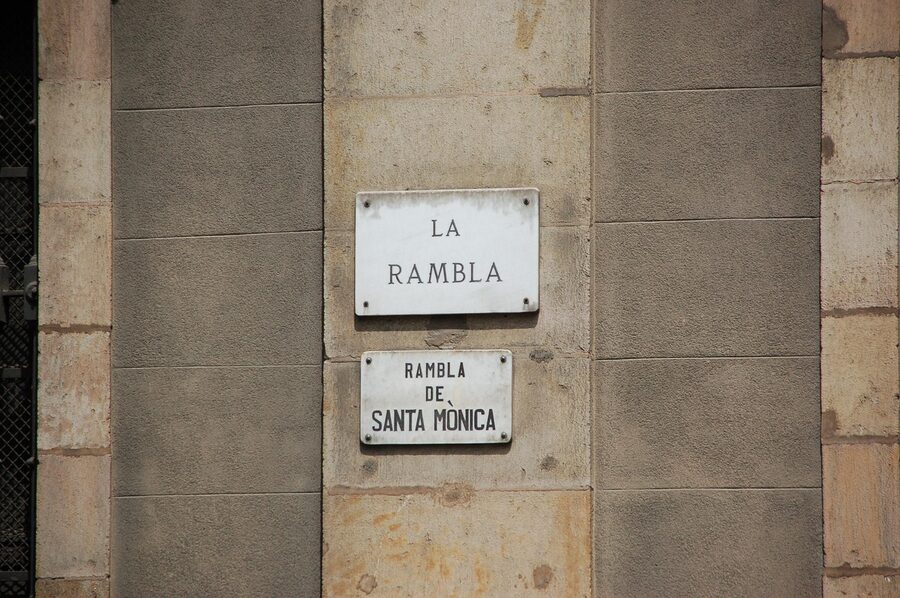
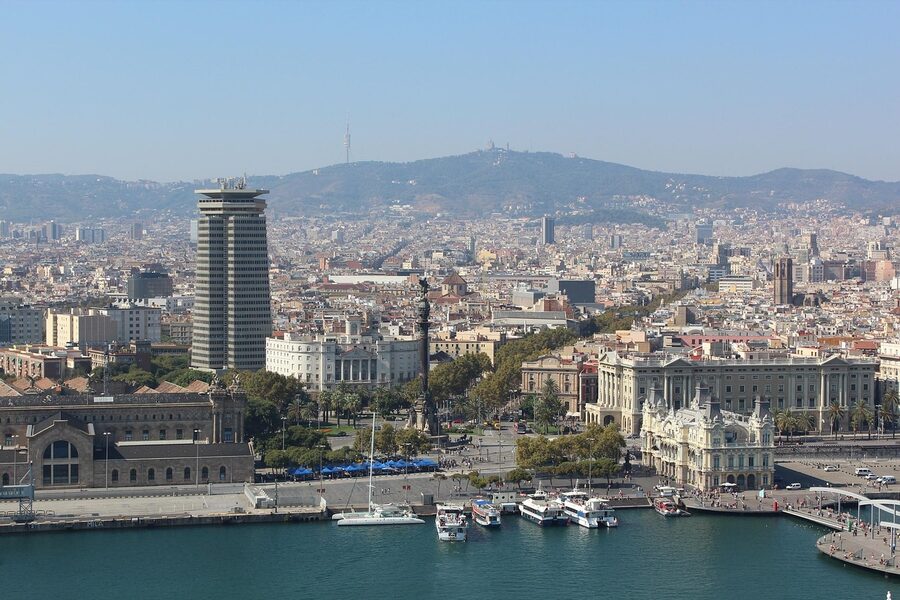
Tablao Cordobes. Bottom end of La Rambla at number 35, a few minutes’ walk from the Columbus monument and Port Vell. The aquarium and Maremagnum are a five-minute stroll away if you’re stacking the day. Our Barcelona Aquarium guide covers the route.
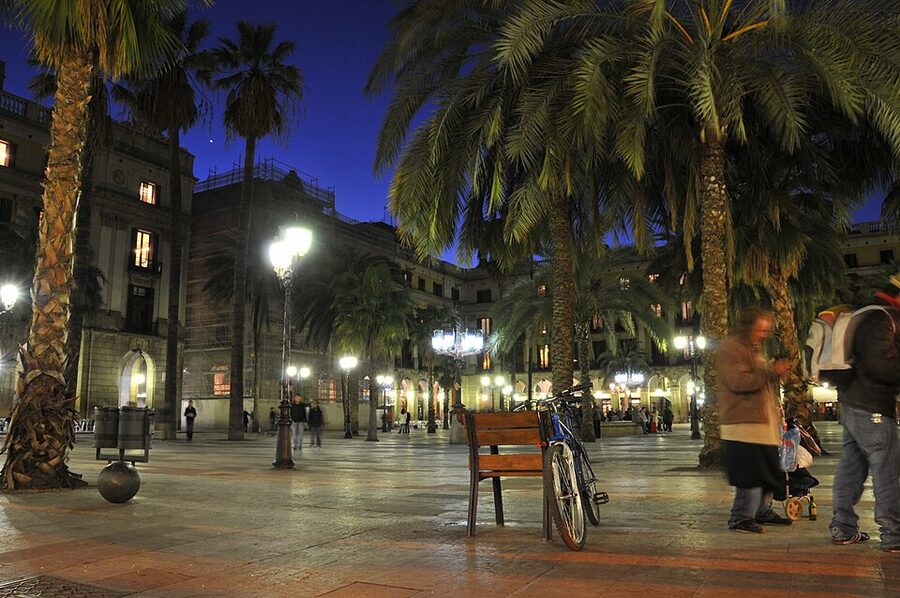
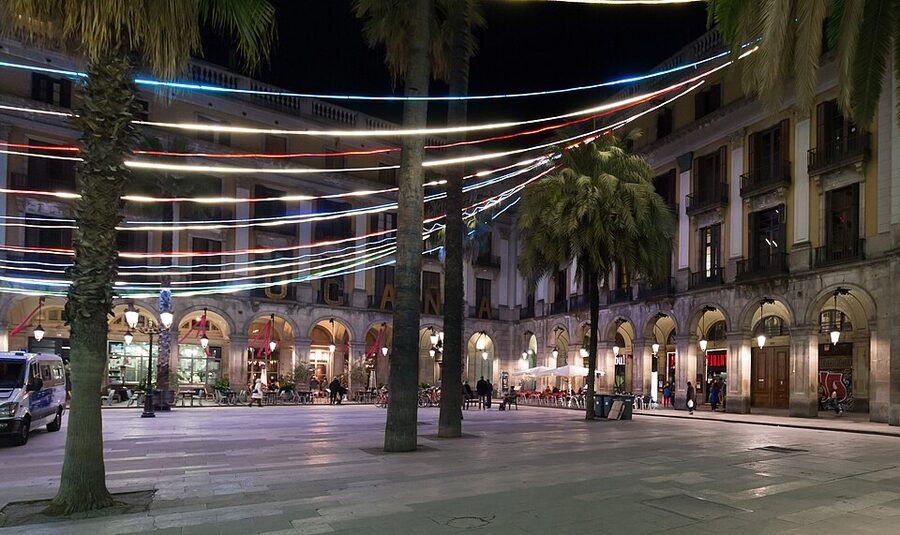
Los Tarantos. Placa Reial, off the lower Rambla through a small archway. Placa Reial is the prettiest square in the lower city and is also where you’ll find Sidecar (a famous music club) and a row of late tapas bars. After the 30-minute show you can walk straight into a bar without changing neighborhoods.
Tablao de Carmen. Inside the Spanish Village (Poble Espanyol) on Montjuic. Furthest from the city center and the only one that needs a taxi or a 25-minute metro plus walk. Your ticket includes free entry to the village, which sounds like a perk and is mostly an excuse to arrive early and look at fake-Andalusian architecture before the show.
Palau Dalmases. Born district, Carrer de Montcada 20, two blocks from the Picasso Museum. If you’re staying in Born or eating at one of the Born tapas places, this is the closest intimate-format option.
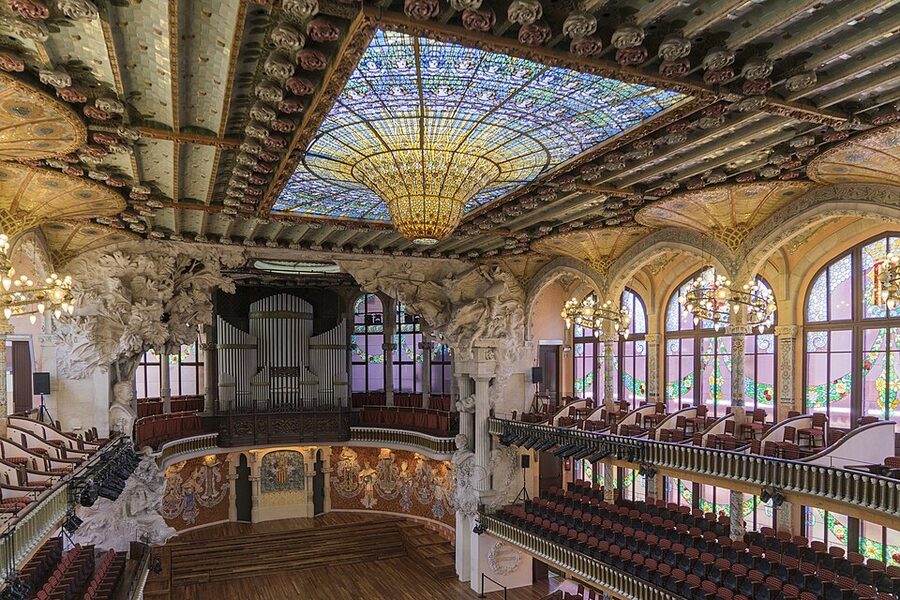
Palau de la Musica Catalana. Near the top of Via Laietana, a 12-minute walk from Placa Catalunya. Spectacular Modernista venue built by Domenech i Montaner. The flamenco programming is sporadic but worth checking against your dates.
Tickets, prices, and how to actually book
The on-paper price spread is wide. The actual decision is narrow: theater format with drink, tablao with show only, or tablao with dinner.
Theater with drink: around 25 to 30 euros (roughly $28 to $34). City Hall Theater is the headline option here. The drink is included; one beer or one glass of cava. Tickets sell out for the 9pm slot in summer about three days ahead, never for the 6pm one.
Tablao show only: 35 to 50 euros at Cordobes or Carmen. You sit at a table, you can buy a drink at the bar, no food included.
Tablao with dinner: 70 to 95 euros. The food is decent but unmemorable in every venue I’ve tried, and the upcharge is mostly buying you a better table closer to the stage. If you’d otherwise eat at a 30-euro tapas restaurant, this can pencil out. If you’d otherwise eat at a 60-euro restaurant, it doesn’t.
Book through GetYourGuide or Viator rather than the venue’s own site. Same ticket, but with free cancellation up to 24 hours before in most cases, plus a phone-friendly QR. The official sites lock you to a date and have shorter refund windows.
Quick tip on weekend pricing: Friday and Saturday nights run 20 to 30 percent more than weekday slots at the tourist tablaos. The City Hall theater holds the same price every night, which makes it the best Saturday booking on a price-per-show basis.
What an actual flamenco show contains
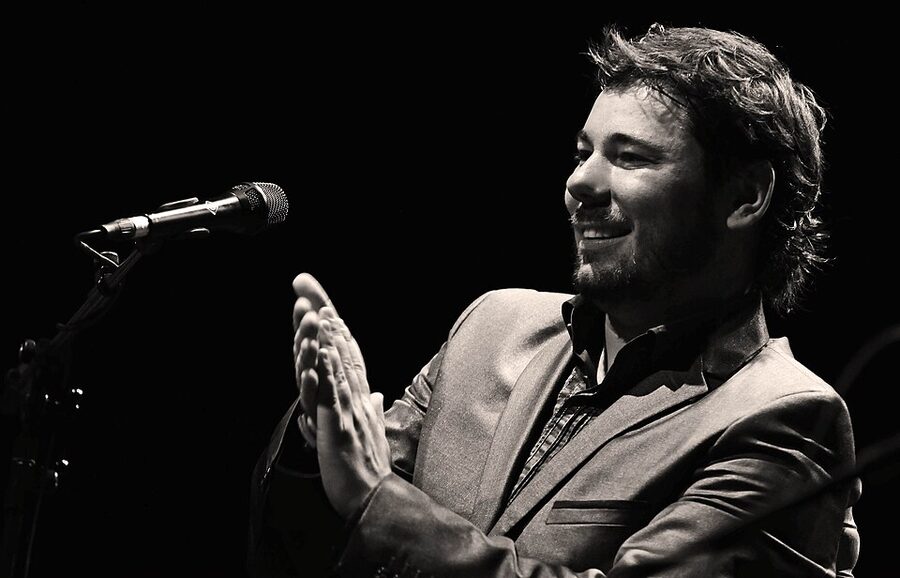
Most travelers book a flamenco show expecting solo dance with guitar. What you actually get is a four-person group, sometimes five, working through a structured set. Knowing the parts helps you watch the right thing.
Cantaor (singer). The center of flamenco. The dancer responds to the song, not the other way around. You’ll know a great cantaor when the room goes still mid-song. UNESCO recognizes flamenco singing as Intangible Cultural Heritage; the dance often gets the credit, the voice is the reason.
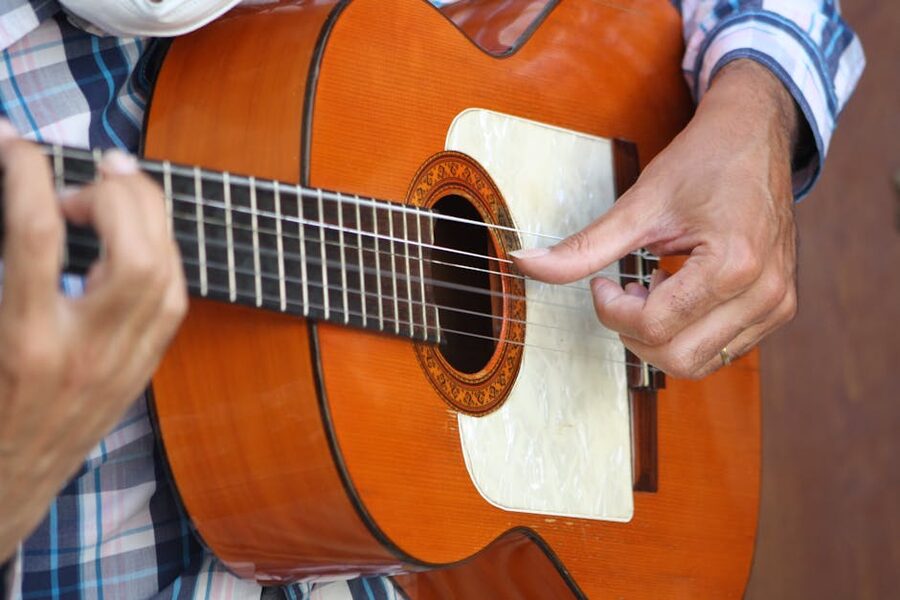
Guitarist. One or two depending on the show. Solo guitar interludes (called “toques”) are usually the technical highlight; the players are working at conservatory level. Watch the right hand for the rasgueado strumming, not just the fretwork.
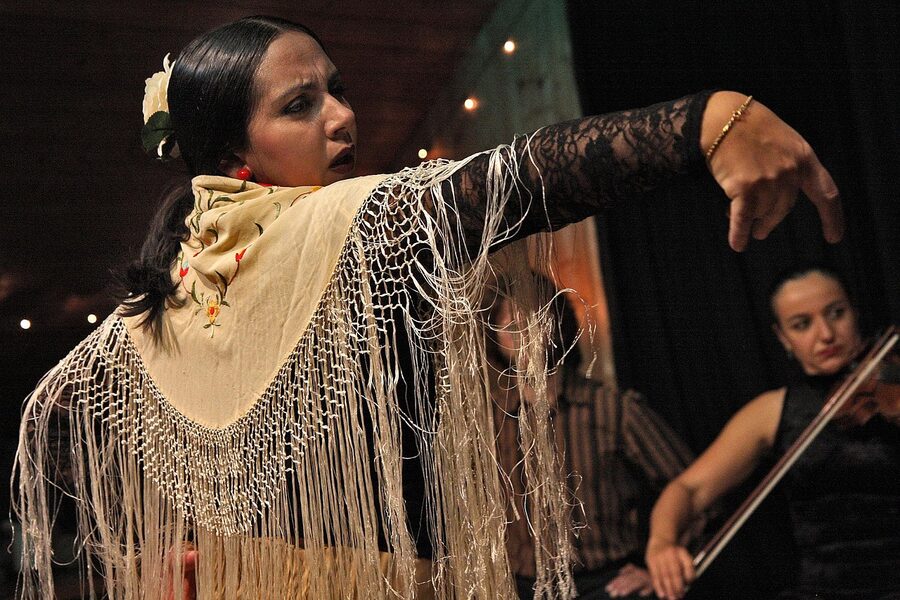
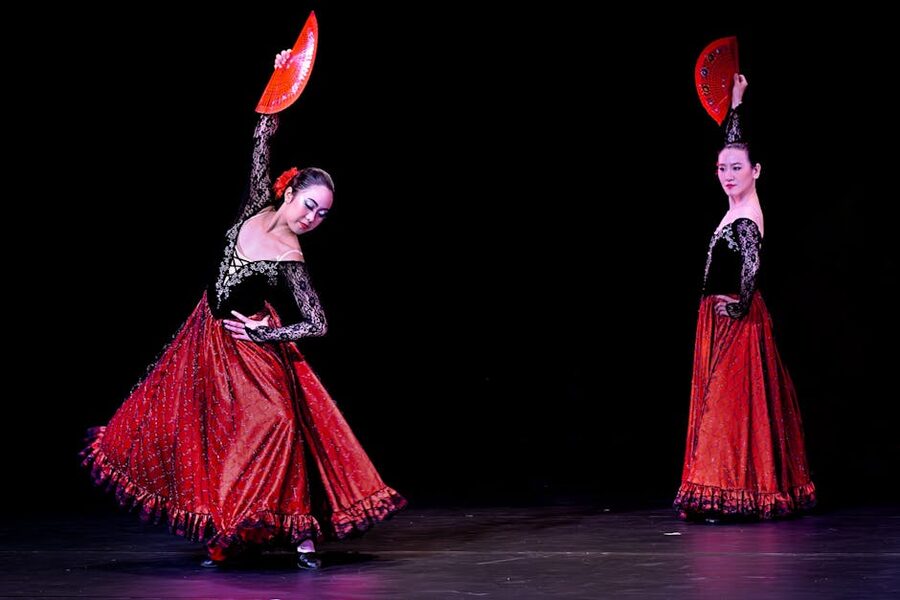
Dancer (bailaor or bailaora). One or two principal dancers, sometimes alternating. The footwork (zapateado) is what tourists film. The arms and the upper body are what an experienced viewer watches.
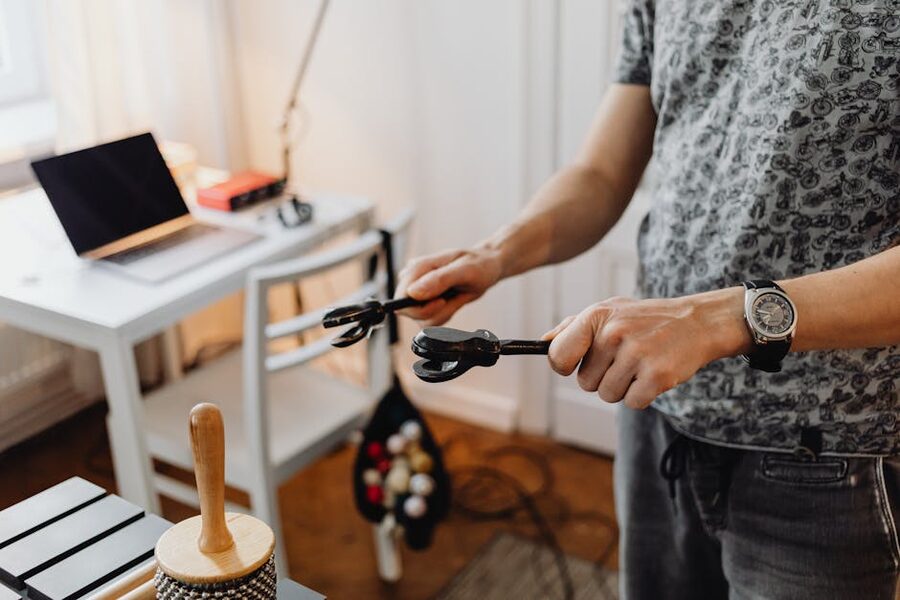
Palmas (clapping). Off-stage members clap complex polyrhythms that lock the time. This isn’t audience clapping; it’s a separate musical instrument. If a show has good palmeros, the energy doubles.
The “palos” you’ll hear
Flamenco isn’t one style. It’s about 50 sub-genres called “palos,” and a typical show samples four or five.
Solea. Slow, heavy, the deepest of the styles. Often opens or closes the serious section. If a show has a solea that quiets the room, you’ve gotten lucky.
Bulerias. Fast, party-energy, the closer at almost every show. This is where the dancer flies. Bulerias is often the moment when off-stage performers get pulled up to dance briefly.
Alegrias. Lighter, brighter; the festive style from Cadiz. Bata de cola (the long-tailed dress) usually appears here.
Tangos and rumbas. The crowd-pleasers. Rumba in particular is the one tourists already half-know from Gypsy Kings tracks; it’s the easiest entry point for a first show.
The three tickets we’d actually book
Sorted by who they’re for, not by ticket price. The City Hall Theater show is right for the majority of first-time flamenco viewers. Cordobes is right if you want the full evening with food. Los Tarantos is right if you’ve got plans after.
1. Barcelona Flamenco Show at the Theater (City Hall): $29
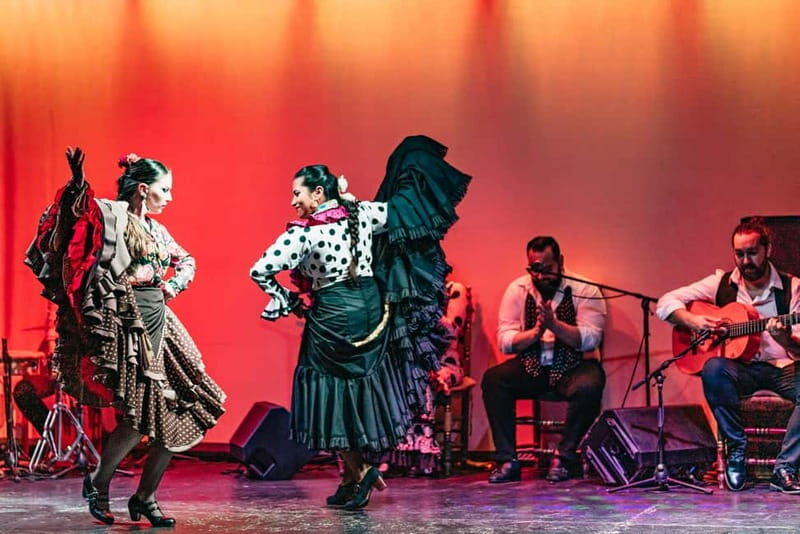
This is the headline-numbers winner in the city for a reason: it’s the easiest hour-long flamenco show to get into and the cheapest one that still books proper artists. The venue near Placa Catalunya makes it walkable from almost any central hotel. Our review of the theater show goes into how the seating tiers work and which row to ask for. Skip the “VIP front row” upsell unless you’re a flamenco hobbyist.
2. Barcelona Flamenco Show at City Hall Theater: $28

This is the same physical show as Pick #1 (the City Hall Theater on Rambla Catalunya, in the converted nineteenth-century theater building) but listed separately on GetYourGuide. The pricing tracks within a euro or two. We’ve broken down why both listings exist and which one usually has better availability in our review. Treat them as interchangeable; book whichever has your time slot.
3. Barcelona Los Tarantos Flamenco Show: $29
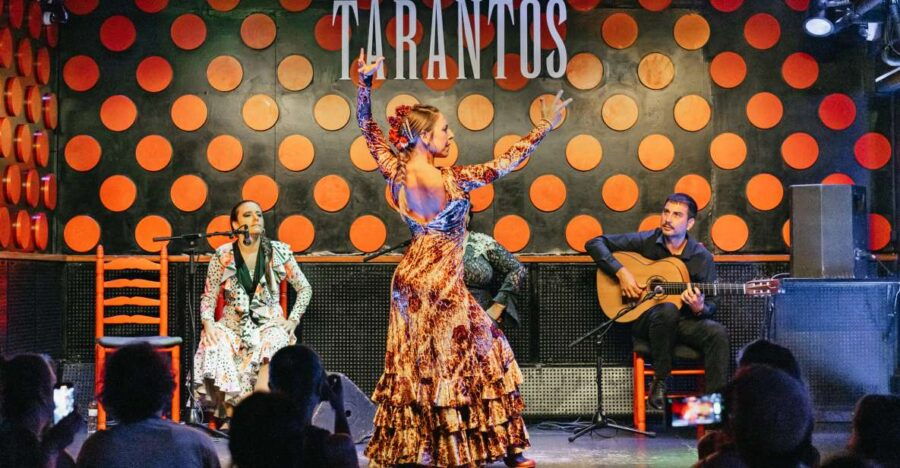
Los Tarantos has been on Placa Reial since 1963 and runs three back-to-back 30-minute shows most evenings. The format is deliberately stripped down: no food service, no long sets, just music and dance with strong improvisation. Our Los Tarantos review explains why the music-leaning approach works as a first flamenco for some people and feels too short for others. Best paired with a tapas dinner before and a Placa Reial bar after.
The other big-name venues we considered
Not every reader wants the easiest booking. If you’ve already got a flamenco show under your belt, or you want something less central, here are the next-best options.
Tablao Cordobes. The polished tourist tablao on lower Rambla. Strong cast, professional lighting, full kitchen. The dinner show is the upsell to skip; the show-only ticket sits you slightly further back but lets you spend your money on the art instead of the salmon. Worth it if you specifically want the old-school tablao atmosphere with chairs and a curtain. We have a separate guide on Tablao Cordobes bookings with the seating layout.
Tablao de Carmen. The 1929 venue in Poble Espanyol on Montjuic. Furthest commute, oldest building, intimate setting (about 100 seats). Picks up in winter when there are fewer tourist buses. Combine with a Montjuic afternoon and the cable car if you’re already heading up the hill; our cable car guide covers the timing. The downside is the taxi back; a Friday-night taxi off Montjuic adds 20 minutes and 12 euros to your evening.
Palau Dalmases. Born district, baroque mansion, around 50 seats. Classical-music-meets-flamenco vibe. Best for someone who’s already seen a tablao and wants the smaller-room experience.
Tablao Flamenco Cordobes on Rambla (Viator listing). A different listing of the same Cordobes venue we mentioned above, sold via Viator instead of GetYourGuide. We compared the two listings; the show is identical, but the Viator inventory sometimes opens up later in the evening when GYG is sold out. Worth a look if your preferred slot is full.
La Rambla flamenco shows with drink. A separate cluster of shows farther up the Rambla, marketed under “flamenco show with drink at La Rambla.” These are smaller venues with a 50-to-60-minute format. Quality varies by night; our writeup on the main listing and the Viator alternative both unpack which night-of-the-week tends to have the stronger cast.
Best night to go (and which to avoid)
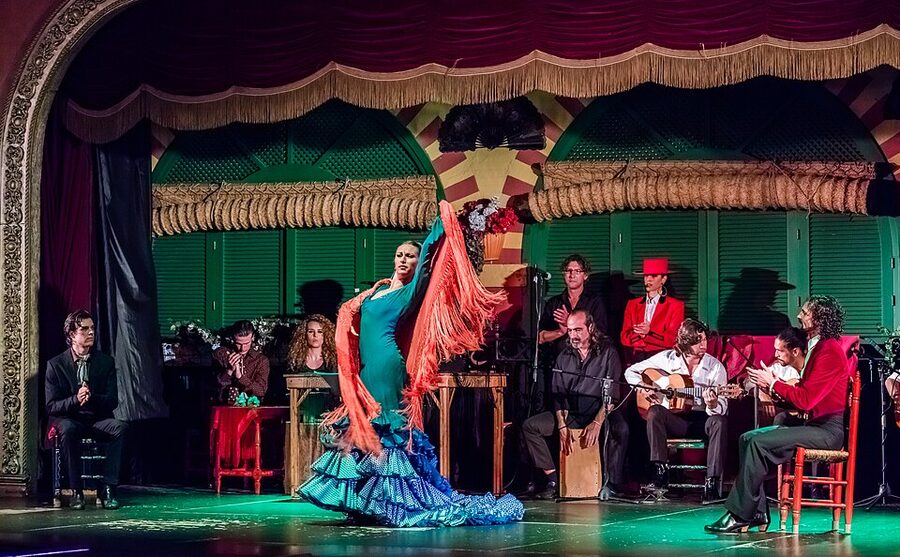
Tuesday through Thursday is the sweet spot. Friday and Saturday at the tourist tablaos can feel rushed because the venues squeeze in extra shows; the same artists are working three sets back-to-back and the third one shows it.
Sunday matinees at Tablao Cordobes and the early City Hall Theater 6pm slot tend to draw an older Spanish audience, which changes the room. The applause is louder, the encores are longer, and the bulleria closer goes for a third repetition. Worth knowing if you can pick your night.
Avoid: the New Year’s Eve and Sant Jordi (April 23) special shows. They’re 60 percent more expensive, the same artists do shorter sets, and the venues pack to standing-room. Cruise-ship night (Saturday in April-October at the Cordobes show) also runs hotter and louder than usual.
Time of year also matters. July and August fill up Wednesday onwards three or four days ahead. October through March, you can usually walk into Tablao Cordobes or City Hall the same day. February is the city’s quietest flamenco month, and counter-intuitively the lineups are often best; local artists are in town between festival circuits.
Etiquette so you don’t ruin the show
Phones. Most venues forbid filming and ignore stills. Flash is the actual problem; it stops the dancer mid-phrase. If you must film one piece, do it during the bulerias closer when the energy covers everything.
“Ole!” Calling out is encouraged but mistimed. The Spanish in the audience will start; follow them. Shouting at the wrong moment in a solea is the flamenco equivalent of clapping during a classical movement: it’ll be tolerated but you’ll see the cantaor flinch.
Talking through the show. Don’t. The dinner-show format makes this hard because waiters are still moving plates during the first piece, but once the lights drop, the conversation stops. The artists can hear you better than you think.
Walking out for the bathroom. Use the changeover between palos. There are usually two clear breaks where the dancer leaves the stage and the cantaor reset. Mid-solea is the worst time to stand up.
Late arrivals. Most tablaos won’t seat you once the show has started. City Hall and the larger theaters will hold you in the back until a clean break. Show up 15 minutes early to avoid a problem.
Pairing flamenco with the rest of your Barcelona evening
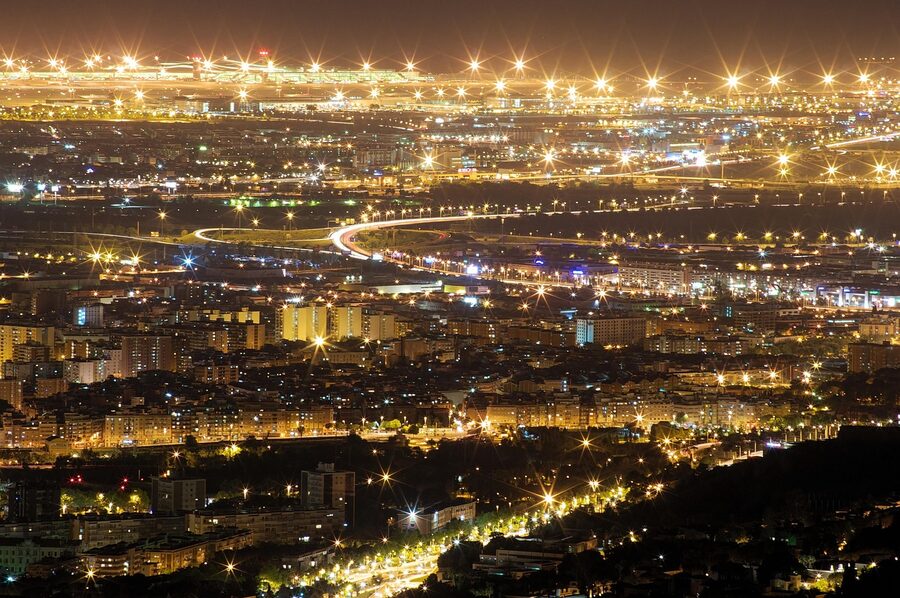
The 9pm show works with Spanish dinner timing. Eat from 7:30 (which is early for locals but fine for restaurants), be at the venue by 8:45, walk out around 10:30 and head to a bar. The 7:30 show requires an earlier dinner or a snack-and-go before; people often skip dinner and just have post-show tapas.
If you want a full themed evening, several tour operators sell tapas-walking-plus-flamenco bundles. The food is decent rather than great. Our tapas walking guide covers whether the bundle saves you money compared to booking each separately. In most cases the math doesn’t quite work; you’re paying a 15 to 20 percent convenience premium.
For pre-show tapas near the venues, the lower Rambla and the Born district both have decent options. Skip the obvious La Boqueria stalls in the evening; they’re tourist traps after dark. Walk two blocks east into Born or up Carrer de l’Hospital instead. Our small-group tapas walking review goes into which Born streets are worth the detour.
If your evening is going late, Placa Reial keeps moving until 2am even on weekdays. Los Tarantos drops you straight into that scene. Tablao Cordobes is the closer to Maremagnum, which has its own late-night cluster but skews more touristy.
Want a pre-show light dose of Gaudi? Casa Batllo’s after-dark tour wraps around 8:30pm and the building is a 12-minute walk from City Hall Theater. The pacing works almost too well for a Friday.
For getting between venues, especially if you’re staying out near Montjuic for a Tablao de Carmen night, the Hola BCN transport card covers metro and buses for 48 to 120 hours. Worth it if you’re riding transit five or more times. The flagship transport card review has the per-trip math against single tickets.
What to wear (and what not to)
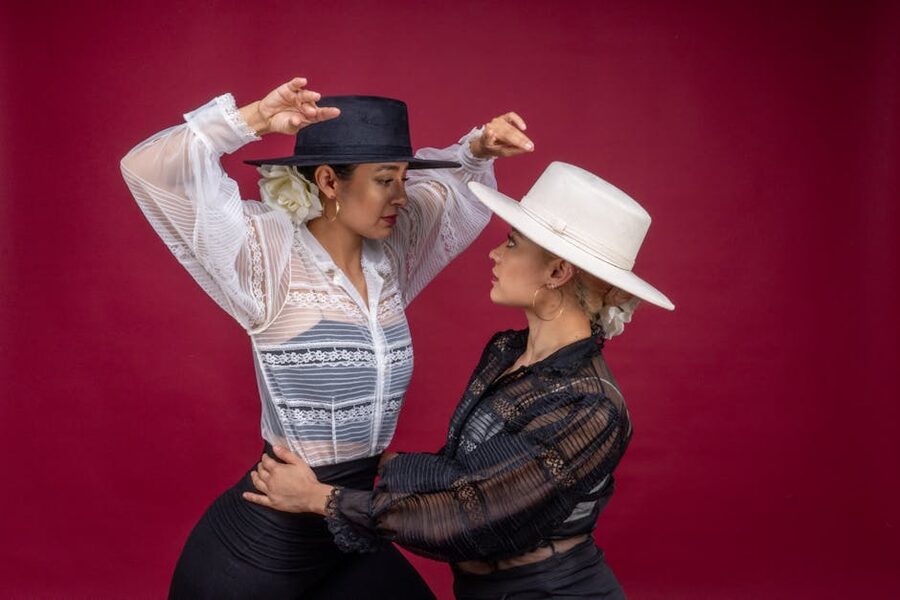
Smart casual is correct everywhere. Jeans are fine. Shorts in summer are tolerated at the tablaos but feel out of place at Palau Dalmases or Palau de la Musica. Closed-toe shoes for the historic venues; some have stone floors that get slippery if you spilled a drink.
The venues run cold. Air conditioning in summer, decent heating in winter, but stage-side seats are often colder because of the venue layout. A light layer for summer is the right move.
A short history that explains the city’s flamenco culture
Most travelers don’t know that Barcelona has produced one of flamenco’s biggest stars. Carmen Amaya, born in the Somorrostro shanty-town near Barceloneta beach in 1913, redefined what a flamenco dancer could do. She was the first major bailaora to wear trousers on stage and dance the men’s footwork repertoire. By 1944 she was performing at Carnegie Hall.
The Tablao de Carmen is named after her. Some of Barcelona’s older flamenco audience members still saw her perform; the city’s flamenco scene has a direct line back to her, which is why the venues here punch above their geographic weight.
UNESCO inscribed flamenco on the Representative List of the Intangible Cultural Heritage of Humanity in 2010. The recognition covers the song, the dance, and the guitar together as a single living art form, which matters when you’re watching a show. The cantaor’s role isn’t backup; it’s the foundation. Knowing this changes which performer you watch.
Quick summary of which show to book for who
First flamenco show ever, traveling with a partner or family: City Hall Theater, 7:30pm or 9pm slot, with-drink option.
Want a full night with food included: Tablao Cordobes, dinner show package, 7:15pm dinner / 8:15pm show. Lower the upcharge if your dinner budget would otherwise be at a 30-euro tapas restaurant.
Squeezing flamenco into a busy night: Los Tarantos at Placa Reial, 30-minute set, 8:30pm or 10pm. Eat before, drink after.
Already seen a tablao, want something quieter: Palau Dalmases evening show in the baroque mansion, or watch for a Palau de la Musica flamenco night if your dates align.
Solo traveler: Theater format wins. Tablaos seat you at a four-top with strangers, which is fine but adds friction. The theater seating is normal “buy a seat” individual.
What else to weave into the trip
The natural daytime pairing is a Modernista morning. Sagrada Familia first thing, Park Guell midday, then a slow afternoon and a 9pm show. If you’ve got a day to fill before the flamenco, a Costa Brava trip wraps in time, and so does a Montserrat morning if you’re efficient with lunch.
For a quieter evening on a different night, a sunset boat is the easy pivot from a flamenco-heavy week. Our catamaran sunset cruise guide covers the options that don’t require commitment past 9:30pm.