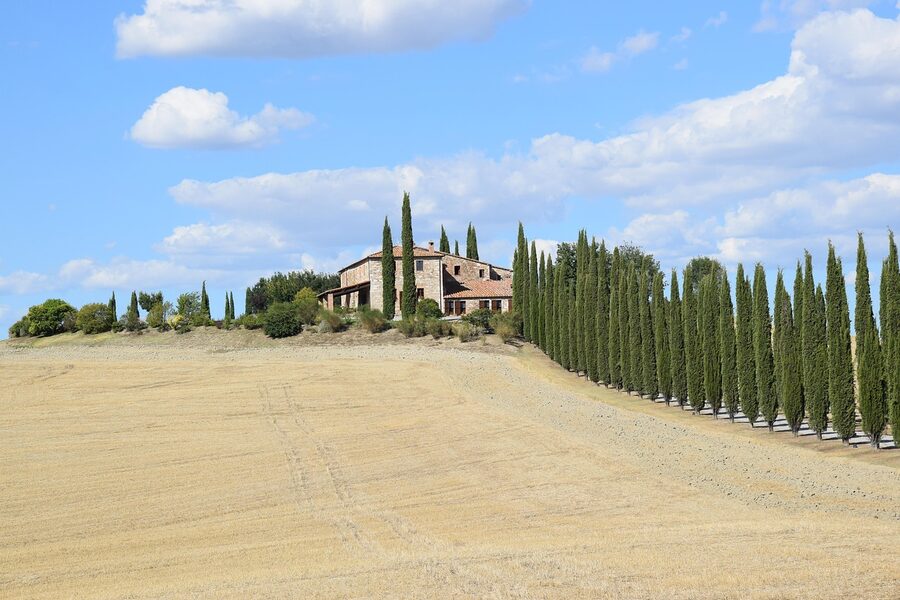
The minibus slows on a gravel track between two cypress hedges, and the driver kills the engine. Somewhere ahead is a winery. Somewhere behind is Florence, two hours and a different century away.
That stretch, the bit where you’re already deep in Tuscany but still can’t quite see the next stop, is what every Florence-based day trip is really selling. Below is how to book one without overpaying or getting stuck on the wrong bus.
- In a Hurry? Top 3 Tuscany Day Trips from Florence
- What “Tuscany Day Trip” actually means
- Where the bus actually leaves from
- How to pick the right format
- Top Tuscany Day Trip Picks
- 1. Tuscany Day Trip from Florence: Siena, San Gimignano, Pisa and Lunch at a Winery: 4.88
- 2. Pisa, Siena and San Gimignano Day Trip With Lunch and Wine Pairing: .60
- 3. San Gimignano, Siena, Monteriggioni and Chianti Day Trip with Lunch and Wine Tasting: .27
- How much it costs and what’s actually included
- Siena: what you get for ~90 minutes
- San Gimignano: how to use the free time well
- The Chianti winery lunch
- Pisa: 30 to 45 minutes, and that’s enough
- Best time of year to do this
- Booking timing and which platform to use
- What to wear and bring
- Skipping the four-stop format
- Quick history note
- Common mistakes
- Combining the day trip with the rest of Florence
- Other Tuscany formats
- Worth Doing or Skip?
- If you’ve got more time in Tuscany
- Day-Tripping Tuscany Beyond This Loop
In a Hurry? Top 3 Tuscany Day Trips from Florence
- Classic Tuscany in One Day (Siena, San Gimignano, Pisa, Winery Lunch): $114.88. The four-stop combo with the longest track record. Book this if it’s your first time.
- Pisa, Siena and San Gimignano with Wine Pairing: $78.60. Same three towns, paired wines, lower price. The value pick.
- San Gimignano, Siena, Monteriggioni and Chianti: $83.27. Skips Pisa, adds the walled village of Monteriggioni. Better if you’ve already been up the Leaning Tower.
What “Tuscany Day Trip” actually means
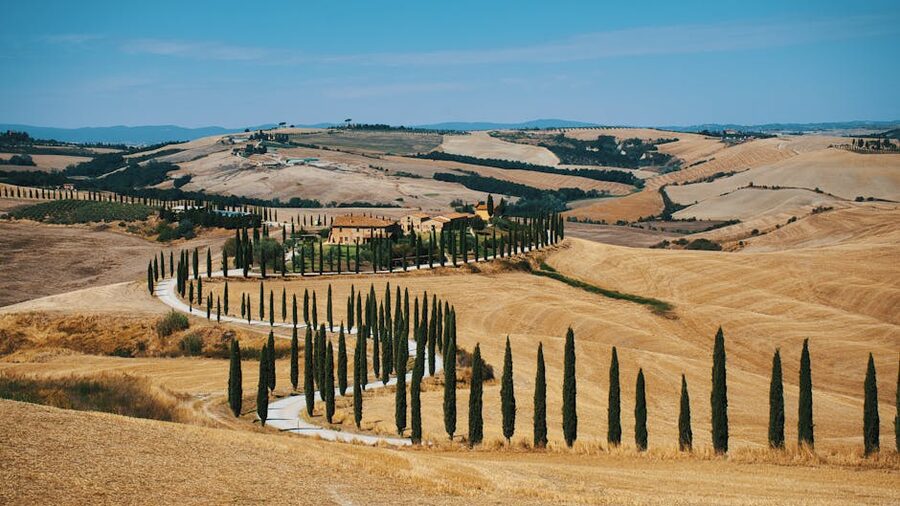
It’s a vague label and the operators know it. In practice, almost every trip sold from Florence under that title hits some combination of Siena, San Gimignano, Pisa, Monteriggioni, and a Chianti winery for lunch. Pick two of those and you’ve covered the hilltop town and the wine. Pick four and you’ve signed up for an 11 to 12 hour day with a packed lunch break.
The standard route, and the one with by far the most reviews on the market, is the four-stop loop: Siena, a Chianti winery, San Gimignano, then Pisa on the way back. That’s about 250km of driving for ~5 hours of stops. You will not “see” any of these towns. You’ll get a taste, a guided walk in two of them, and free time in another. If you want depth, pick a different format. If you want the headline shots and a real lunch, this is it.
Where the bus actually leaves from
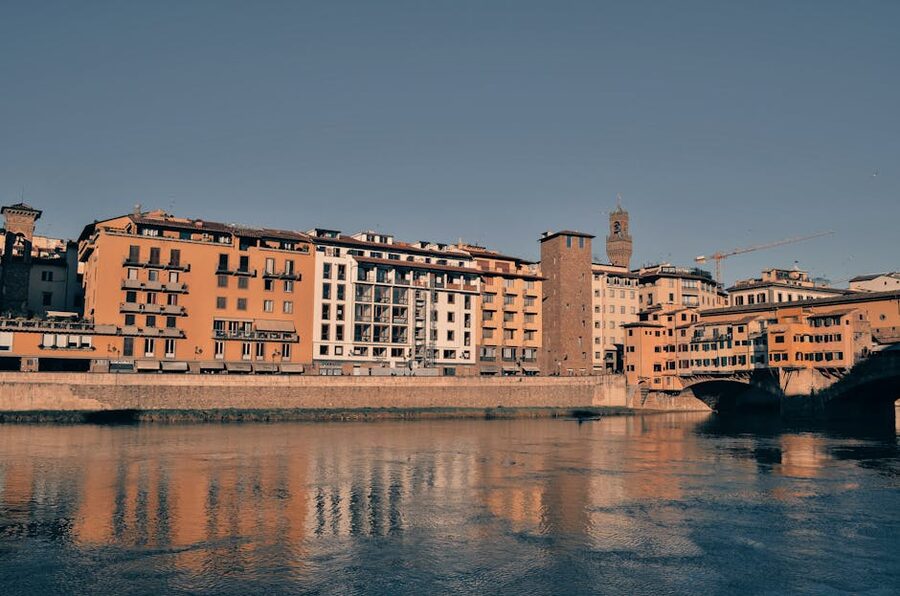
Almost every group tour boards near Santa Maria Novella station, but the exact spot is rarely the address printed on your voucher. Confirmation emails usually say “meet at Piazza della Stazione” or “near the taxi rank.” That’s a wide piazza with a lot of vans. The operator’s sign is the only reliable marker. Show up 20 minutes early, walk the kerb until you see the company name, then check in.
If your tour is run by Walkabout Tours, Mybus, or any of the bigger Florence operators, the meet point is the rank just east of the main station entrance, on Piazza Adua. Smaller outfits sometimes use Piazza dell’Unità Italiana a block south. Both are a five minute walk from the Duomo, ten from Ponte Vecchio.
How to pick the right format
There are four different shapes of this trip and they’re not interchangeable. Get this wrong and the day will feel either rushed or padded.
Big coach, four stops. 50 to 60 people, microphones on the bus, scheduled walks in Siena and San Gimignano, sit-down winery lunch, photo stop in Pisa. This is the format I’d point a first timer towards. The flagship Tuscany Day Trip from Florence with lunch at a winery sells out daily and that’s not marketing. It’s because the route works.
Small group, three stops. 8 to 16 people, minibus, more time in each town, often with proper wine pairing. Costs about the same as a coach tour because the per-head economics get worse at smaller numbers. Worth it if you hate group buses. The Pisa, Siena and San Gimignano with wine pairing sits in this slot and the lunch is genuinely better.
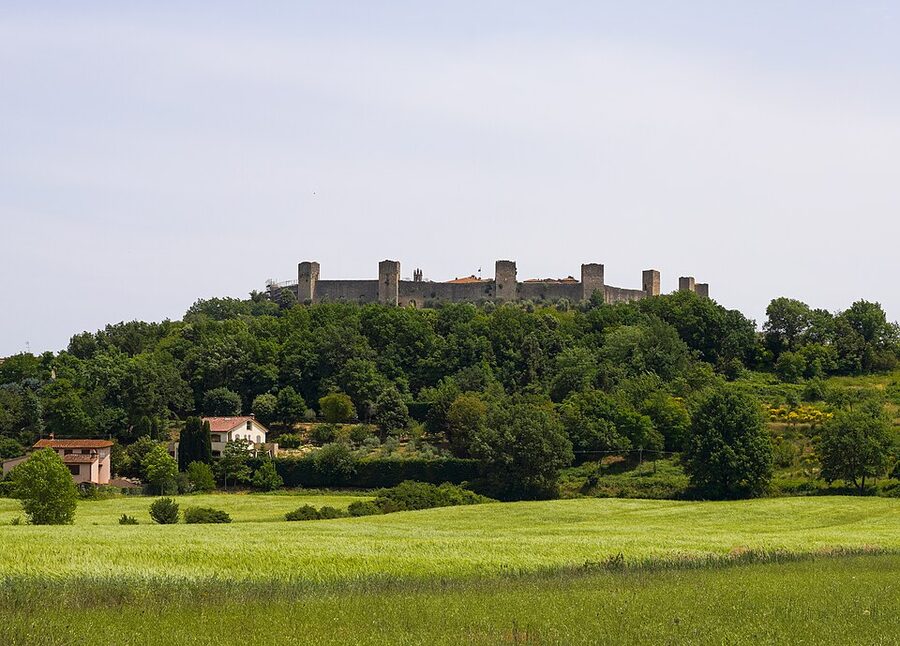
Skip Pisa. If you’ve already been to Pisa, or you’ve read about it and decided you don’t need a 30 minute photo stop, swap in Monteriggioni instead. It’s a complete walled town you can circle in 20 minutes, and most coach tours skip it because there’s no parking close enough. The San Gimignano, Siena, Monteriggioni and Chianti day trip uses this format and it feels less rushed than the four-stop loop.
Private tour. 3 to 7 people, your own driver, custom timing. Costs roughly $200-300 a head once you split it. Useful if you’ve got a group and care about leaving Florence at 9am instead of 8am, or you want one specific winery. Not necessary for most travellers.
Top Tuscany Day Trip Picks
1. Tuscany Day Trip from Florence: Siena, San Gimignano, Pisa and Lunch at a Winery: $114.88
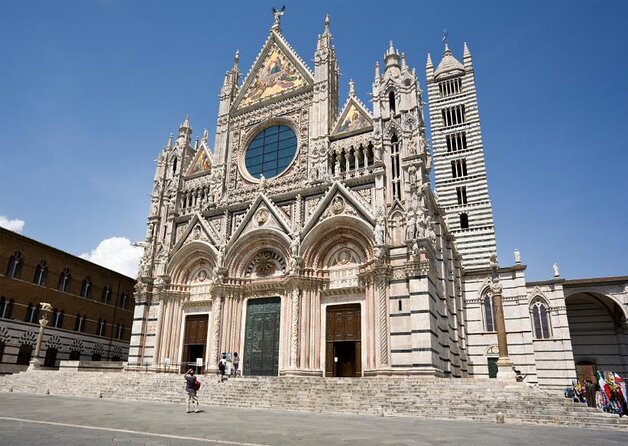
This is the one to book if you’ve never done a Tuscany day trip before. Our full review covers the pickup quirks and which seats on the coach are worth grabbing. The walking tour of Siena’s Duomo is the strongest moment, and the family winery lunch in Chianti runs about 90 minutes with three or four wines and a proper meal. Pisa is squeezed in at the end and feels rushed, which is honest.
2. Pisa, Siena and San Gimignano Day Trip With Lunch and Wine Pairing: $78.60
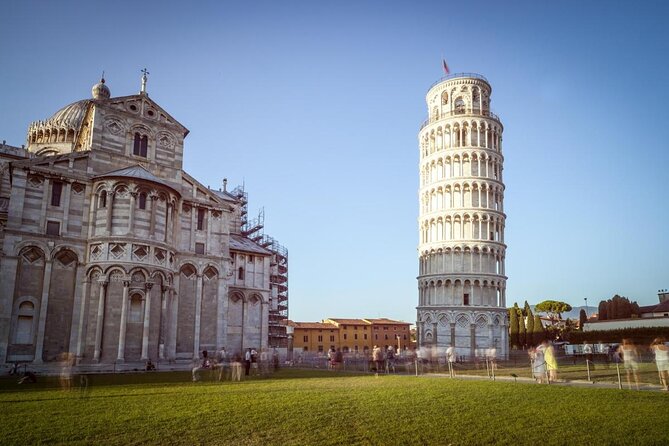
The value pick. Same three towns as the flagship, but the lunch is run more like a proper paired tasting and the bus tends to be smaller. Our review goes into how the pairing works and which courses get which wines. Be ready for a tighter schedule in San Gimignano, which is the trade off for the lower price. The driver leaves on time. If you’re late back to the bus they will go without you.
3. San Gimignano, Siena, Monteriggioni and Chianti Day Trip with Lunch and Wine Tasting: $83.27
If you’ve already done Pisa or you don’t care about ticking the Leaning Tower box, this is the better tour. Monteriggioni is small enough to walk in 20 minutes and quiet enough that you’ll hear your own footsteps on the cobblestones. Our review explains the day’s pacing and why the lunch slot here lands at the right time. Group sizes run small. Guides on this route tend to be very good.
How much it costs and what’s actually included
Group tours sit between $75 and $125. Anything below that is suspicious. Lunch and wine are usually included on the higher end of that range, sometimes optional on the lower end. Check the inclusions line on the booking page before paying. The Florence to Pisa, Siena and San Gimignano day trip with lunch is one of the better-priced four-stop options if budget matters.
What’s almost never included: entrance to the Siena Duomo (about €8 if you walk in independently, often skipped on the basic tour), the climb up the Leaning Tower (€20 and you need to book a slot weeks ahead, separate from the day trip), and any drinks beyond the wine poured at lunch. Bring a card. Bring some euros for tips and gelato.
Siena: what you get for ~90 minutes
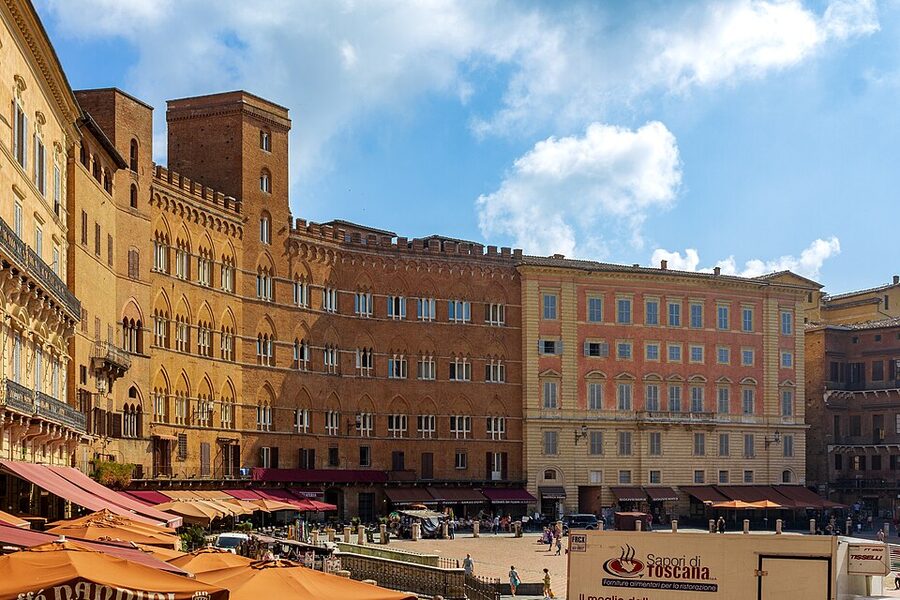
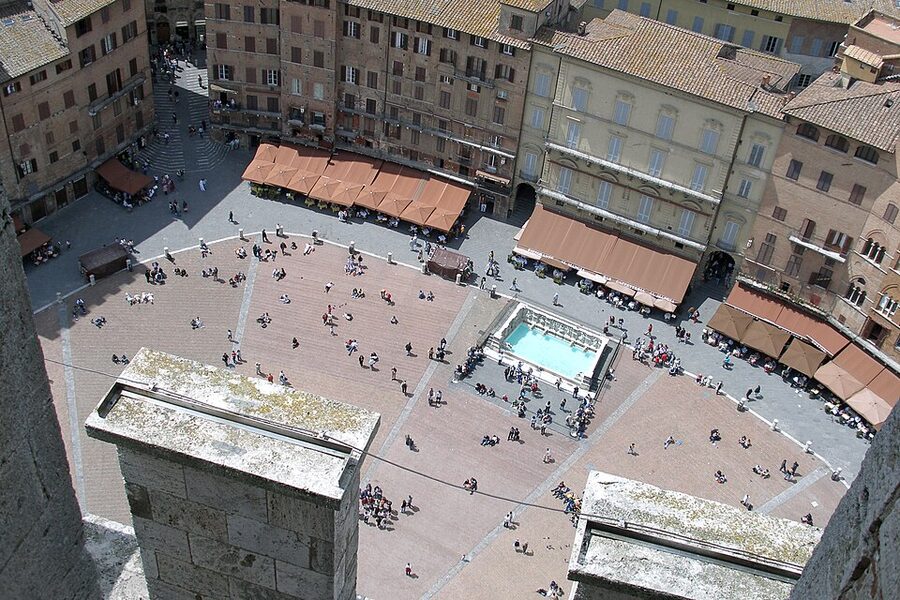
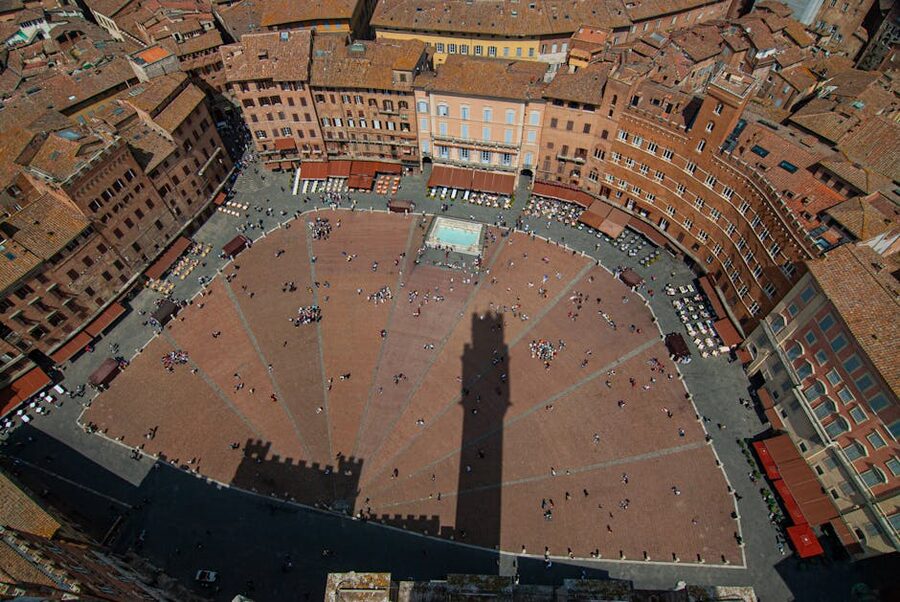
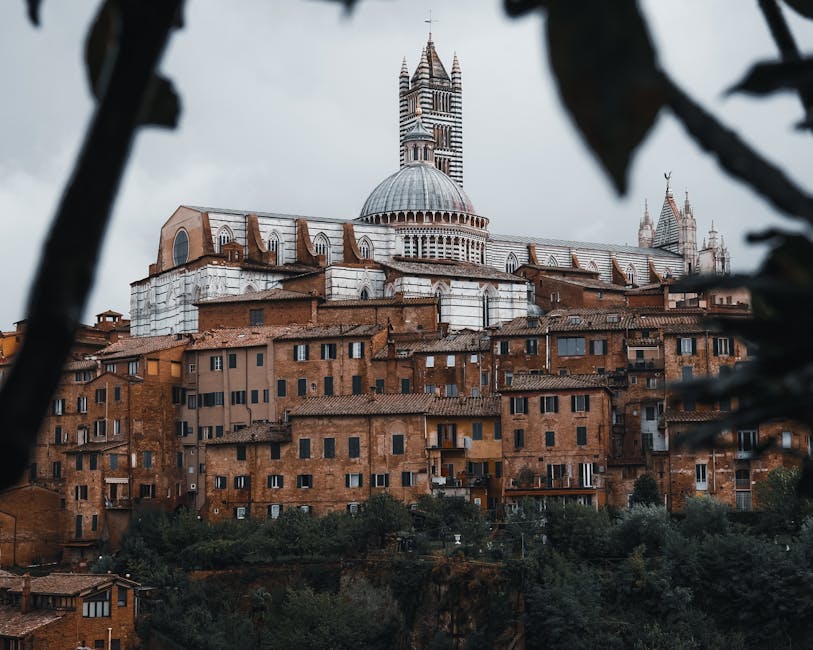
The standard tour gives you a guided walk through the Duomo neighbourhood, a quick story about the Palio horse race in Piazza del Campo, and roughly 30-45 minutes of free time. That’s enough to climb the cathedral steps, peek inside if it’s open, grab a panforte from a bakery near Via di Città, and pose in the Piazza. It’s not enough to do the museum or the Torre del Mangia.
If Siena is the stop you care about most, consider a Siena-specific tour from Florence instead, or a Chianti day trip that drops you in Siena last with a long free slot.
San Gimignano: how to use the free time well
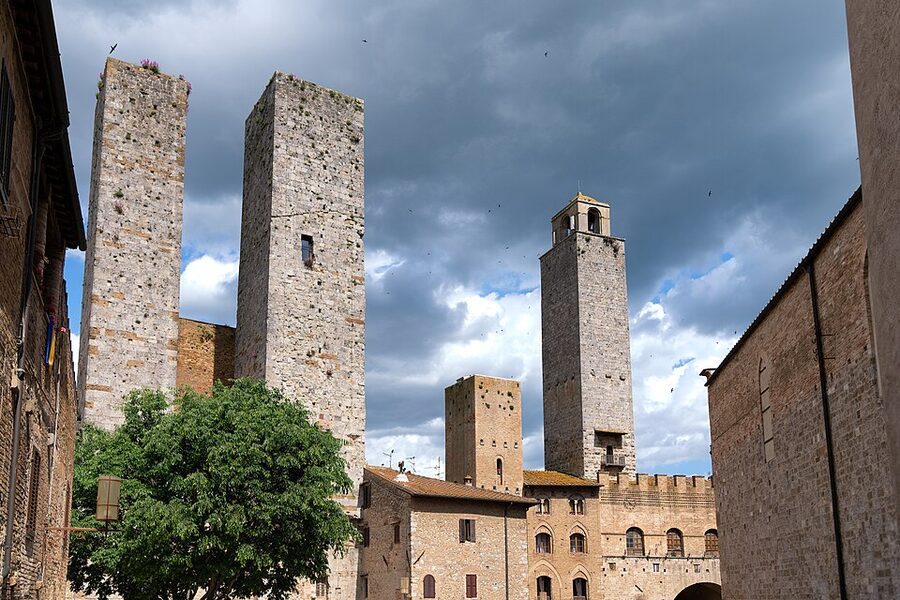
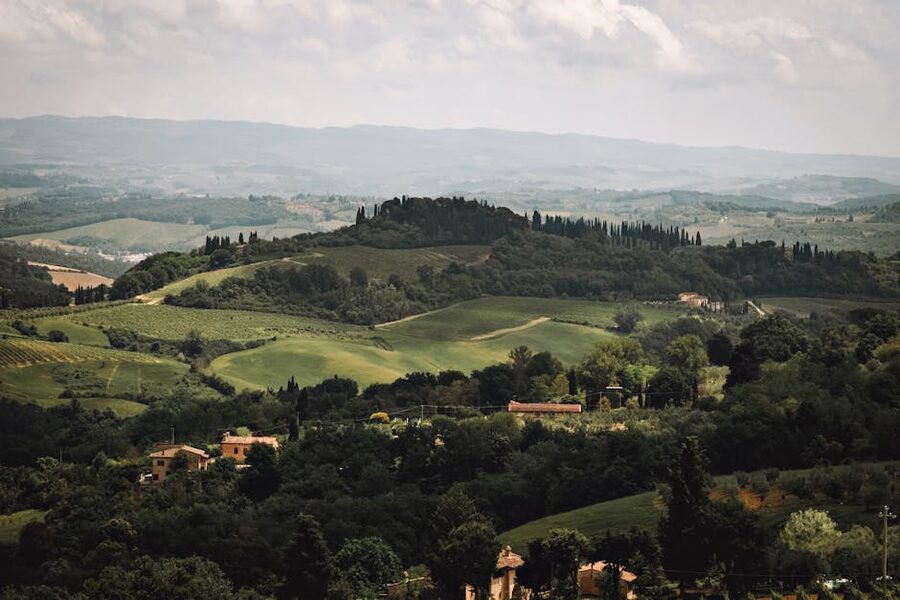
You’ll get about an hour. The first urge is to walk all the way to the top of the town and back. Don’t. Walk straight up Via San Giovanni for 10 minutes, take the right fork into Piazza della Cisterna, then drift left into Piazza del Duomo. That’s the classic two-square heart and it’s enough.
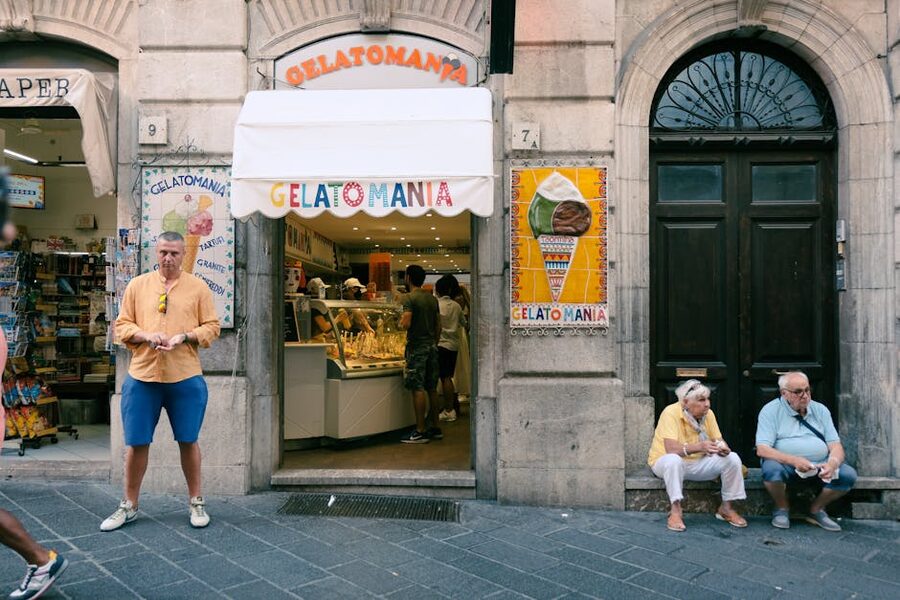
The gelato shop on Piazza della Cisterna, Gelateria Dondoli, has won at the World Ice Cream championships several times. Yes, the queue is long. It moves fast. Get the saffron and pinenut Crema di Santa Fina if you want something you won’t find elsewhere. The standard chocolate is fine but skip the pistachio. It’s good but not better than what you can get in Florence.
The Chianti winery lunch
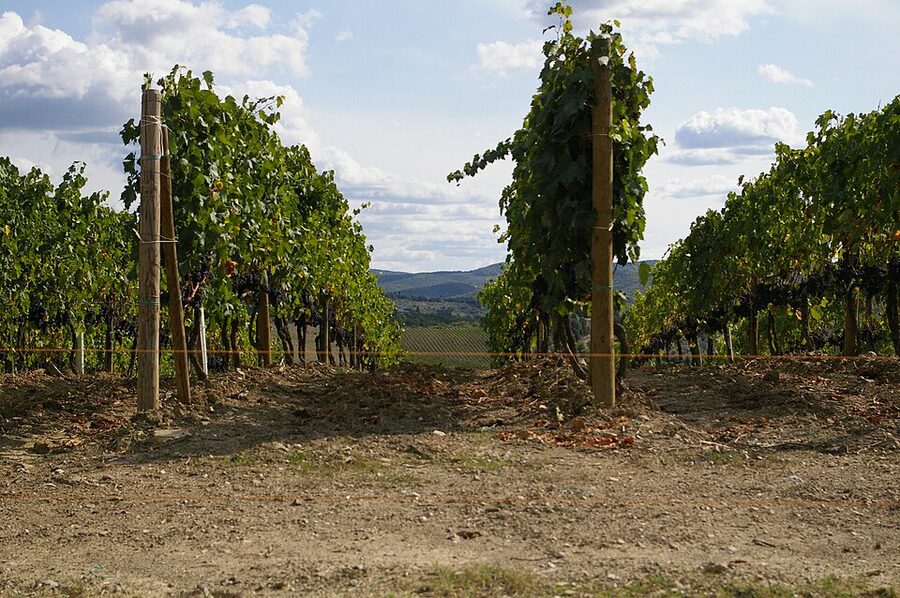
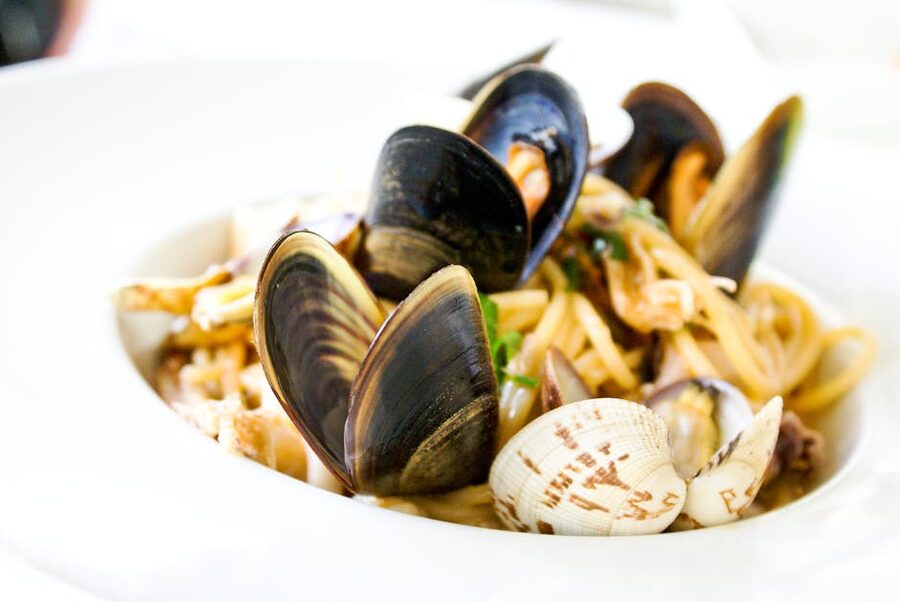
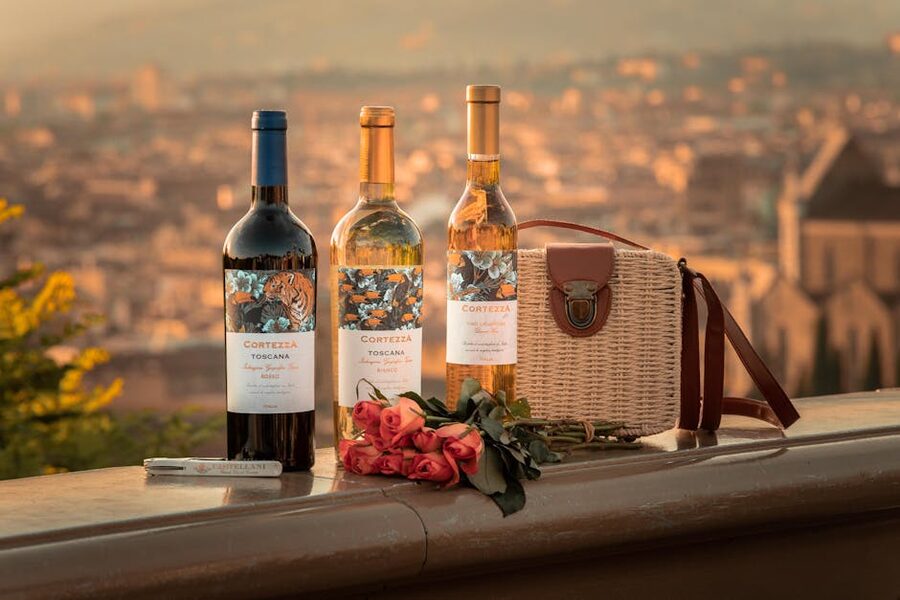
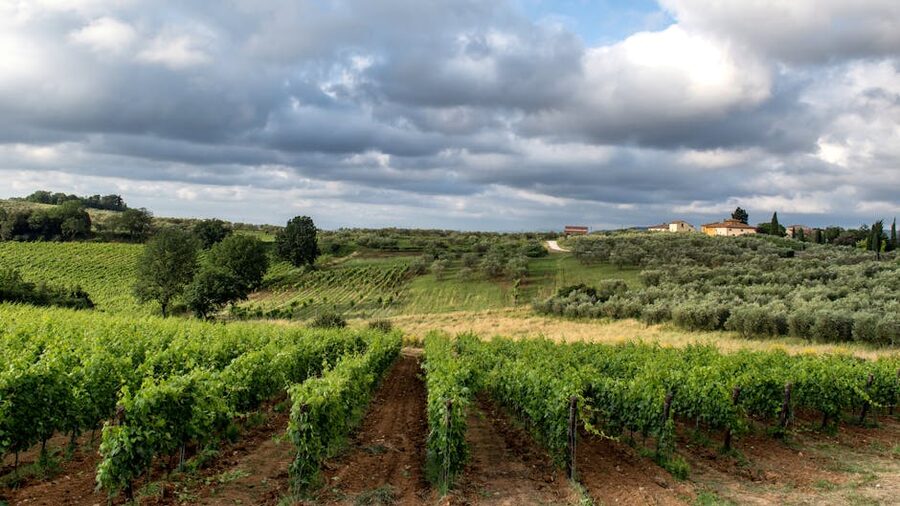
This is the part of the day most people remember. The format is consistent across operators: 90 to 120 minutes at a family-run vineyard about 30 minutes outside Siena, four to five courses, three to four wines, sometimes a vineyard walk and an olive oil tasting tacked on.
What you eat is broadly the same set: bruschetta with tomato, a pasta course (usually pici with ragù or wild boar), pecorino and salumi, sometimes a piece of grilled meat, and cantucci with vin santo to close. Vegetarian is always possible if you flagged it at booking. Vegan is harder. Dairy and pork are baked into Tuscan cooking.
The wine is Chianti. Sometimes Chianti Classico. Occasionally a Vin Santo or a Super Tuscan as the closer. If you care about exact estates, the Florence Pisa Siena San Gimignano and Chianti Experience spends longer at the winery than the standard four-stop tours.
Pisa: 30 to 45 minutes, and that’s enough
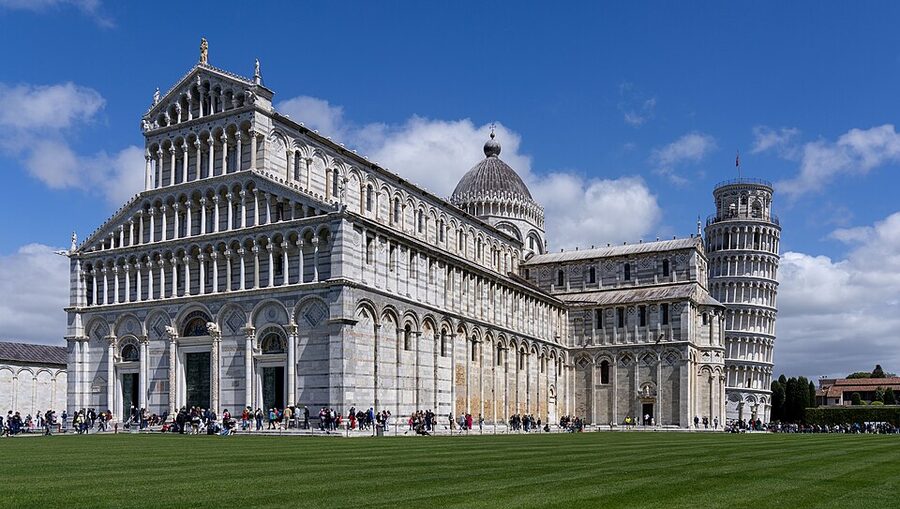
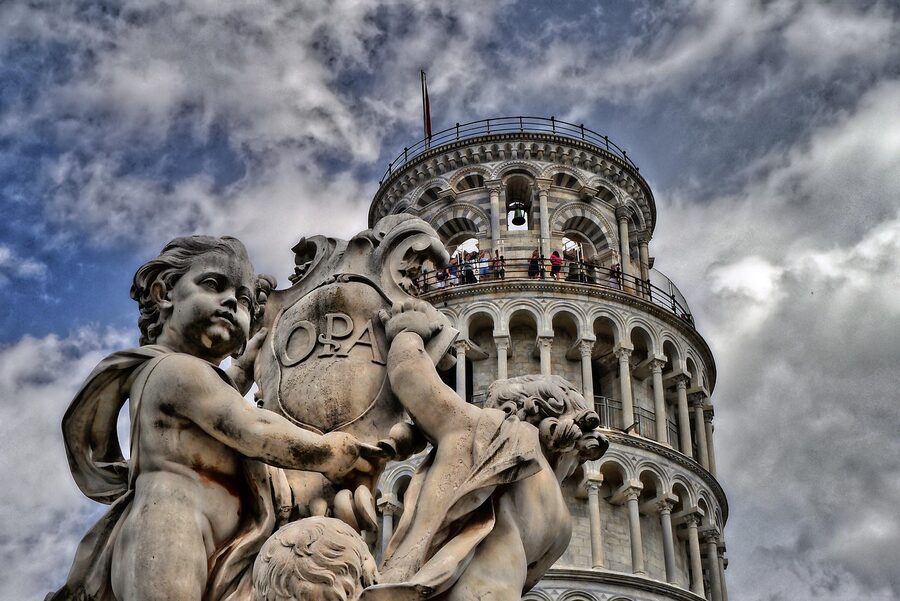
The four-stop tours fit Pisa in at the end of the day. You’ll get dropped in a parking area near the Piazza dei Miracoli, walk five minutes to the cathedral and tower, take photos for half an hour, and walk back. The guide rarely enters the cathedral with the group. The Leaning Tower climb is not included and you can’t add it on the day. Slots get booked weeks ahead.
That’s fine. Pisa as a 30 minute photo stop is exactly what most people need. If you want the climb, do a separate Pisa trip on a different day, or use the guide for visiting the Leaning Tower of Pisa on its own. Trying to combine the climb with a four-stop Tuscany tour is a recipe for being late to the bus.
Best time of year to do this
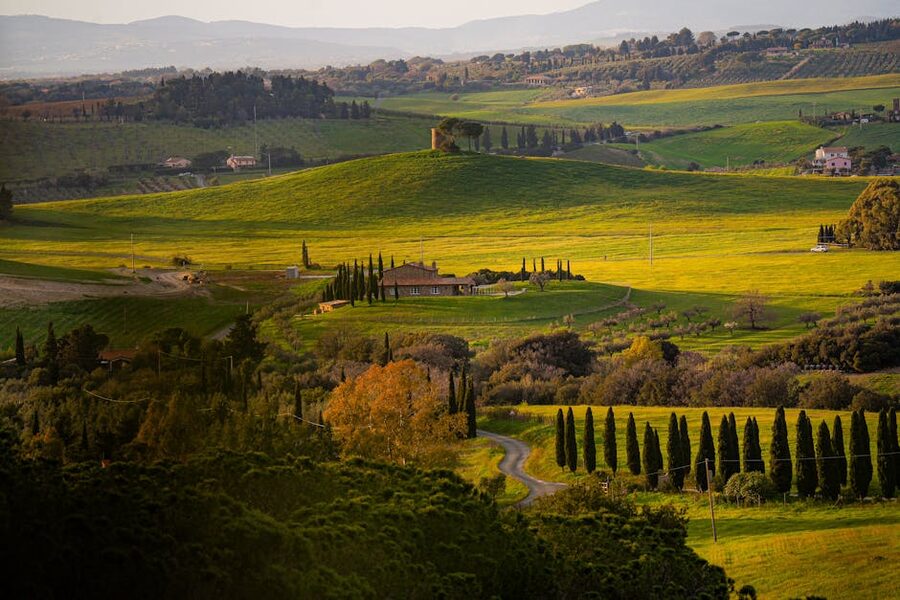
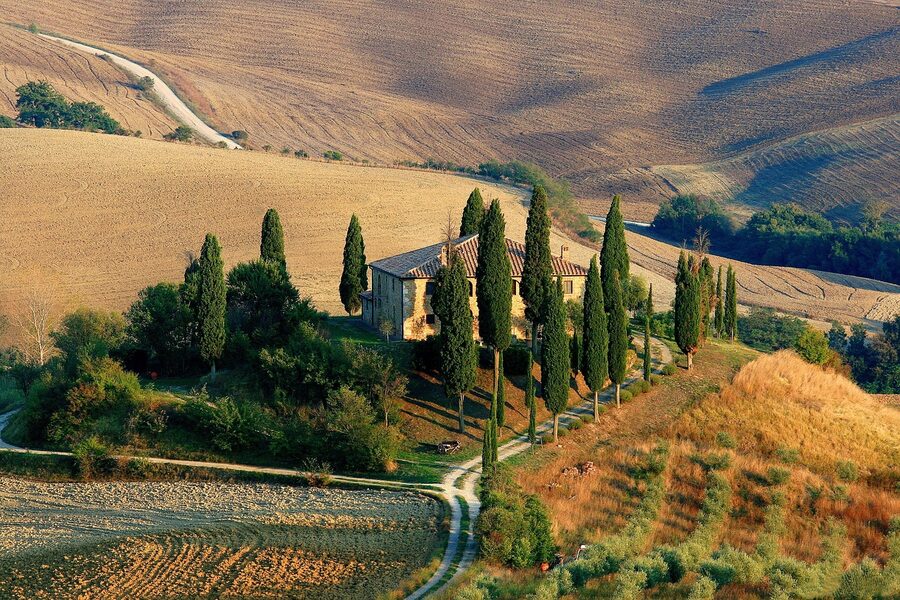
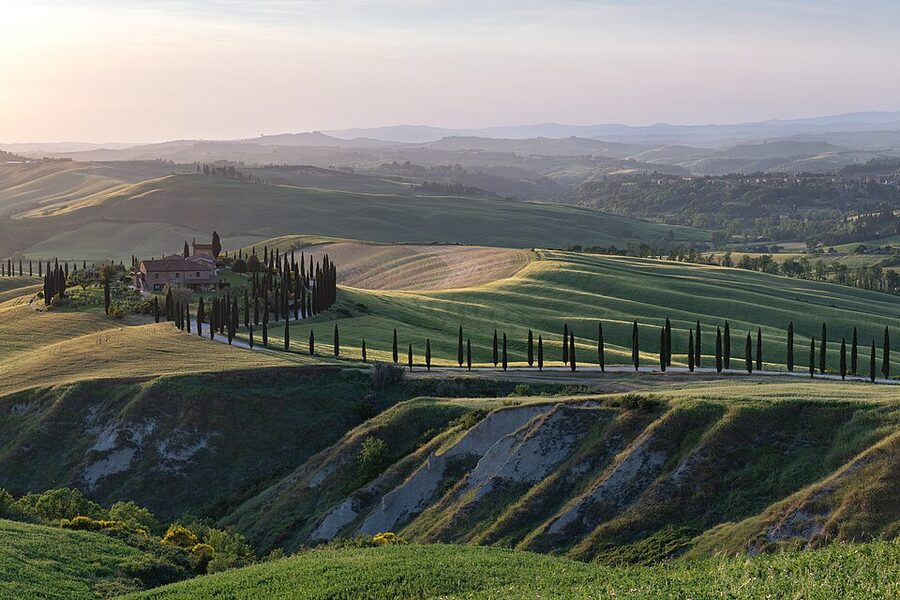
April to June and September to October are the obvious windows. The vines are full or in harvest, the heat isn’t punishing, and the cypress hills look the way they look in every Italian Vogue spread. July and August work but Siena and San Gimignano get crowded by 11am and the bus AC is the difference between a good day and a sweaty one.
Winter gets you cheaper tours, almost no crowds in San Gimignano, and a closed gelato shop. Some operators run a slimmed down winter schedule with three departures a week instead of daily. Check the calendar before booking flights around it.
Booking timing and which platform to use
The flagship tours sell out daily in summer. Book at least a week ahead from May through September, two weeks for July and August. Off-season you can usually walk up the morning of, but I wouldn’t.
Viator and GetYourGuide list almost identical inventory because the operators put the same departures on both platforms. Prices match within a dollar or two. Pick whichever you’ve already used. The difference that matters is the cancellation window: most listings give you a full refund up to 24 hours before departure, but some smaller operators have a 48 or 72 hour window. Read that line.
What to wear and bring
Layers. Even in July the bus AC and a stone-floored cathedral run cold. Walking shoes that handle cobblestones. The streets in Siena and San Gimignano are old, uneven, and slippery when wet. Sandals are fine in summer if they have proper soles. Flip flops are not.
Bring a small daypack with water (the winery lunch wine is plentiful and dehydrating), a card for any extras, sunglasses, and a phone charger if you’re using it for photos. The bus usually has USB ports but not always.
Skip the camera bag. Phone cameras handle this trip fine. Save the weight for the bottle of wine you’ll probably buy at the winery.
Skipping the four-stop format
If you’ve read this far and the idea of 11 hours on a coach with 50 strangers makes you want to lie down, the alternatives are:
A train to Siena (1.5 hours, run by regional rail, leaves often) plus a self-walked tour of the city. You miss the wine and the towers but you get a full day in one place. The Florence Medici walking tour is a better fit if you want context-heavy storytelling and only have a half day.
A dedicated Chianti day with no Pisa, no Siena, just three wineries. The Chianti wineries from Florence guide goes into this format in detail. It’s the right pick if you’re a wine person and the Tuscany hits aren’t a priority.
A private driver. Expensive but the only way to genuinely customise. Most Florence-based tour operators offer a private upgrade for around $150-200 per person on top of the group price.
Quick history note
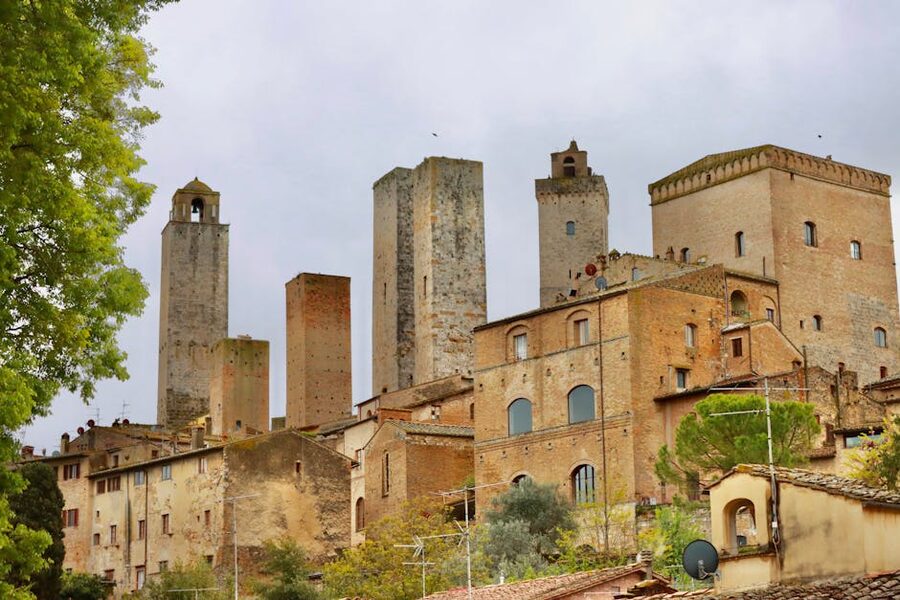
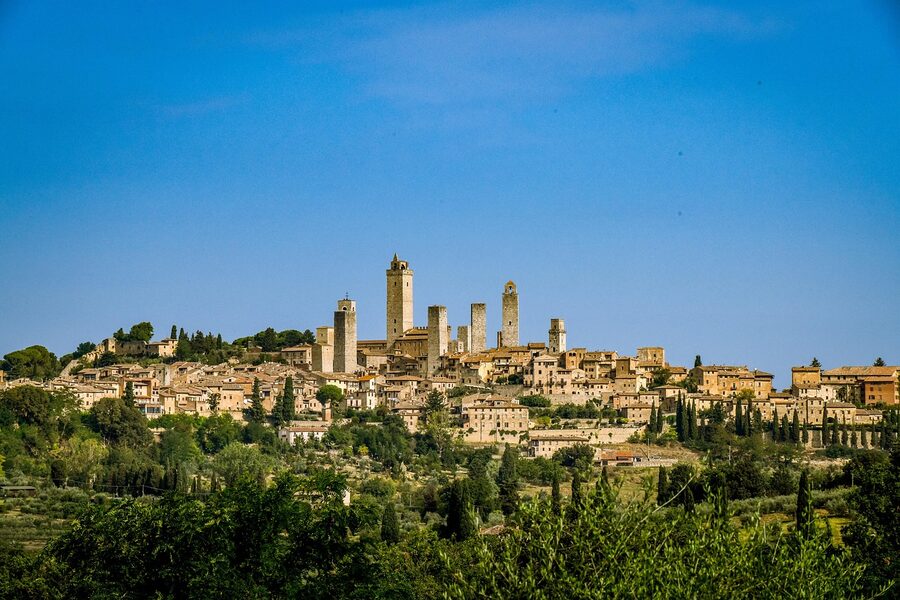
San Gimignano’s towers, Siena’s cathedral, and Monteriggioni’s walls all exist because of medieval rivalry between Italian city-states. San Gimignano had 72 family towers as visible status displays. Siena was Florence’s main rival until the plague gutted it in 1348 and the population never recovered. Monteriggioni was a Sienese garrison built specifically to watch the road from Florence. The day trip you’re booking is essentially a tour of medieval Florence’s enemies, with lunch.
That context turns a generic day out into something more interesting if you’re paying attention. Most guides will mention bits of it. The good guides will tell you which 14th-century pope intervened where and why. The mediocre guides will make a joke about the Leaning Tower for the third time.
Common mistakes
Booking the wrong format. The four-stop tour is exhausting if you don’t like coach travel. Read the inclusions before paying.
Trying to climb the Leaning Tower on a day-trip stop. It can’t be done. The slots are timed entries that need to be booked separately. Don’t ruin Pisa for yourself by trying.
Showing up late to the meet point. The bus leaves on time. The driver is not waiting for one stragglers and refunds are not given for missed pickups.
Skipping the gelato in San Gimignano. You’re at the gelateria that has won the World Championships. Stand in the queue.
Wearing flip flops. Cobblestones. Hills. Wine.
Combining the day trip with the rest of Florence
A Tuscany day trip eats one full day of your Florence trip. If you’re in town for three days, that’s a third of your time. Pace it carefully.
The morning before, ease in with one big interior. The Uffizi gallery takes about three hours done well, or the David at the Accademia takes 90 minutes if you’re efficient. Both are timed-entry, both need pre-booking. Don’t try to add either onto the same day as the Tuscany trip.
The morning after, your legs will be tired. Use it for the Duomo and the climb up Brunelleschi’s dome, which is harder than it looks but rewarding, or for a slower walking pace through the Boboli Gardens. If you want to rotate around the city without thinking, the Florence hop-on hop-off bus is fine for a half-day.
Other Tuscany formats
Some alternative angles people don’t always think about:
The Monteriggioni-focused trip with a wine tasting at a smaller estate. The San Gimignano, Siena and Monteriggioni tour from Florence does this with a tighter group and a longer Monteriggioni stop than the bigger combo tours.
The Tuscany plus Chianti winery hybrid. The Tuscany day trip with lunch at a Chianti winery spends more lunch time at the winery and less in town. Useful if you came for the wine.
A Vespa or vintage Fiat 500 self-drive day. Smaller, slower, way more memorable. Doesn’t fit the four-stop format. Different article.
Worth Doing or Skip?
Worth doing for: anyone visiting Florence for three or more days, anyone who wants the four iconic Tuscan hits in one day without renting a car, anyone who likes wine.
Skip for: travellers staying only two nights in Florence (you’ll lose half the city), anyone who doesn’t tolerate group coach travel, and anyone who specifically wants to climb the Leaning Tower on the same day. Pick a different format for those cases.
The four-stop tour is honest about what it is. It gets you the photos, the wine, the towers, and a real lunch. It does not get you depth in any one place. Knowing that going in is the difference between a great day and a complaint.
If you’ve got more time in Tuscany
Most people doing this trip have three or four days in Florence and one of them is the Tuscany day. If your trip is longer, the natural extensions are: a Chianti-only day for the wine geek among you, a Pisa-only morning if the Leaning Tower climb is non-negotiable, and a Siena overnight if you want to see the city after the day-trippers leave. Each of those is a different article and a different decision.
The Florence Vespa tour is also worth a half-day if you want a smaller, weirder Tuscany experience without the coach commitment. Not for everyone, but the people who do it remember it.
Day-Tripping Tuscany Beyond This Loop
If a Tuscany day trip is the top of your Florence list, the rest of the city is worth a look afterwards. The Uffizi gallery and the David at the Accademia are the two interiors you can’t skip, and both deserve their own time slots, not a rushed afternoon. For evening pacing, the Florence sunset walking tour works well after a long day on the road. If you’ve still got energy and a wine-tasting craving, dedicate a separate day to Chianti wineries from Florence instead of squeezing the wine into a multi-stop day. And if you want one more big-ticket experience after Tuscany, a separate visit to the Leaning Tower of Pisa with the actual climb booked ahead is the one that’s hardest to fit on a group day trip.