
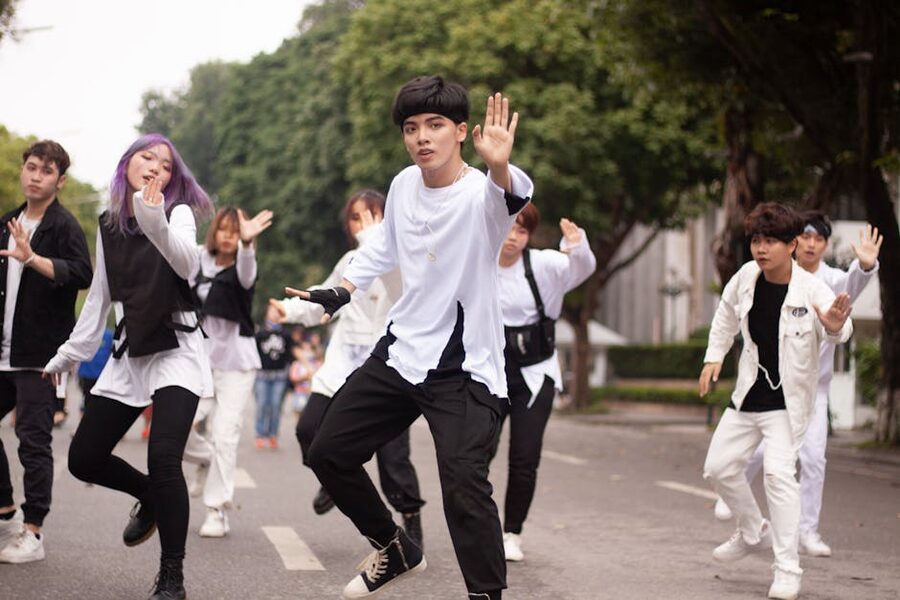
The studio smells faintly of shoe rubber and the mint-cold blast of industrial air-con. There is a wall of mirrors, a speaker the size of a small fridge, and an instructor in an oversized hoodie counting “five-six-seven-eight” over the opening synths of a song you have absolutely heard before. This is your first ninety seconds inside a K-pop dance lesson in Seoul.
I was terrified the first time. I had been watching the class clock, certain I would make a fool of myself. By the chorus I had forgotten the clock existed.
- In a Hurry? The Quick Picks
- The Three Flavours of K-Pop Dance Lesson
- My Top Three Tourist-Friendly Classes
- 1. K-Pop Dance Lesson with Free Video Shooting — about
- 2. K-Pop Dance Lesson in Seoul (Free Video Shooting Incl.) — around
- 3. K-Pop Dance Class for Beginners + HiKR Ground Video Shoot — around
- How the Tourist Booking System Actually Works
- Gangnam vs Hongdae: Which Area to Book In
- What to Wear and Bring
- Who These Classes Actually Suit
- A Word on the Proper Academies
- What the Video Actually Looks Like
- Timing and When to Book
- What a Typical Class Actually Feels Like
- Post-Class: Where to Go Next
- Questions I Wish I Had Asked Before Booking
- Related Seoul Booking Guides
In a Hurry? The Quick Picks
- Best overall: K-Pop Dance Lesson with Free Video Shooting — about $48, 1.5 hours. The YN Company class in Gangnam with the most momentum behind it.
- Best budget pick: K-Pop Dance Lesson in Seoul (Free Video Shooting Incl.) — around $54, 1.5 hours. Same class format, booked through Viator if that is your preferred platform.
- Best for the full idol-day treatment: K-Pop Dance Class for Beginners + HiKR Ground Video Shoot — about $60, half a day. Private studio then themed filming rooms.
The Three Flavours of K-Pop Dance Lesson
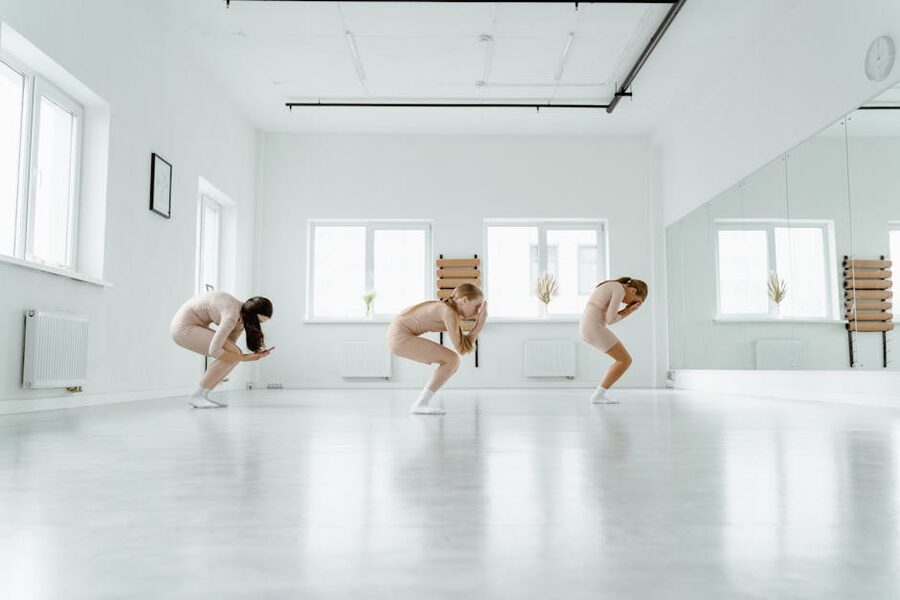
Before you book anything, know which bucket you want. “K-pop dance lesson in Seoul” can mean three quite different things on the booking platforms, and the difference matters.
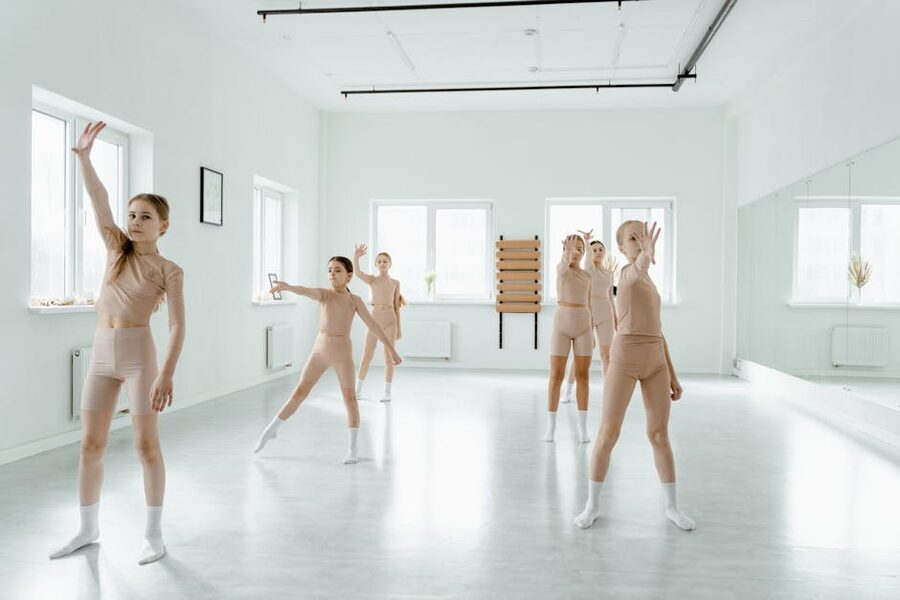
1. Tourist experience classes. 1 to 1.5 hours, usually in Gangnam or Hongdae, taught in English, run by dance companies that specialise in short workshops for travellers. You learn a section of one song, often record a video at the end, and walk out with a clip you can post. This is what most people mean when they search for “K-pop dance class Seoul.”
2. Full idol-for-a-day experiences. Half-day packages that bundle hair and make-up styling, a private lesson, and a proper filmed music-video moment in a themed studio. Pricier, far more theatrical, and the photos and video become the souvenir. HiKR Ground, SM Town experiences, and private producer-led packages fall here.
3. Proper academies. The places that actually train future trainees — LP Dance, DEF Company, 1Million, Dance Joa — run hobby classes and short courses too. Most are pay-per-class in Korean won (around 20,000 to 35,000 per drop-in), taught mostly in Korean, and the choreography is often harder. Worth it if you can read a weekly timetable and commit to a routine.
Once you know which bucket, picking a specific class is straightforward.
My Top Three Tourist-Friendly Classes
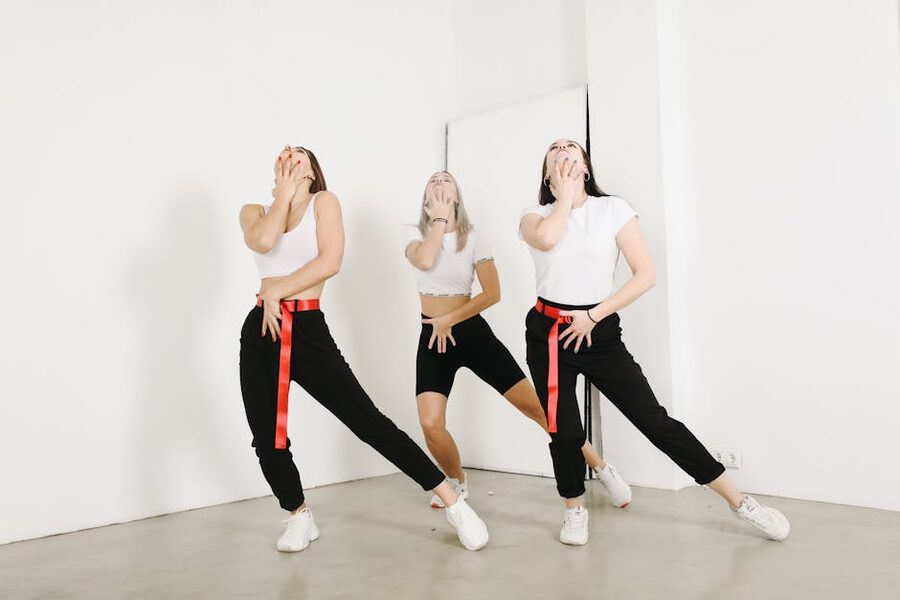
These three dominate the K-pop lesson market for English-speaking visitors in Seoul. I have gone through the video-shoot format, the basic group class, and the full styling package, and I would book them in this order.
1. K-Pop Dance Lesson with Free Video Shooting — about $48

This is the one I would pick first if you only have time for a single dance experience. It is 1.5 hours, all in English, taught by active dancers rather than hired-in entertainers, and the filmed section at the end gives you a shareable souvenir. Our full review walks through the exact meeting point and what the “free video” actually looks like.
2. K-Pop Dance Lesson in Seoul (Free Video Shooting Incl.) — around $54

This is functionally the same YN Company experience booked through a different platform. Same 90 minutes, same Gangnam studio, same video shoot. Our breakdown of this listing explains the small price difference and when one platform is worth picking over the other.
3. K-Pop Dance Class for Beginners + HiKR Ground Video Shoot — around $60
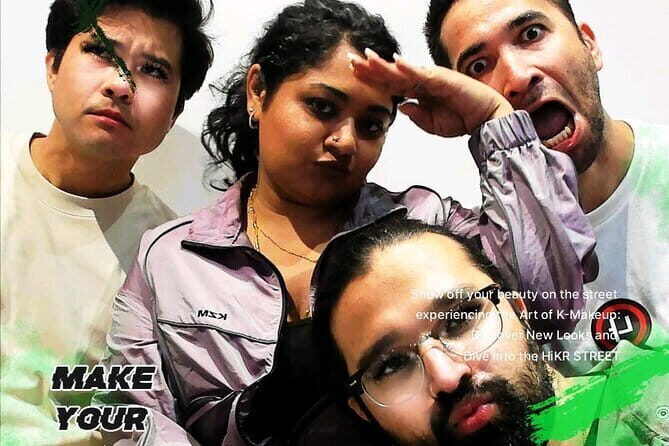
This one gives you a private studio session then moves you to HiKR Ground — the government-run K-pop experience centre with themed filming rooms — for the video part. Pricier, longer, and significantly more fun if you want proper footage rather than a group clip. Our review covers what the HiKR rooms actually look like and why the private lesson makes the footage noticeably better.
How the Tourist Booking System Actually Works
A few things nobody tells you before you click the booking button.
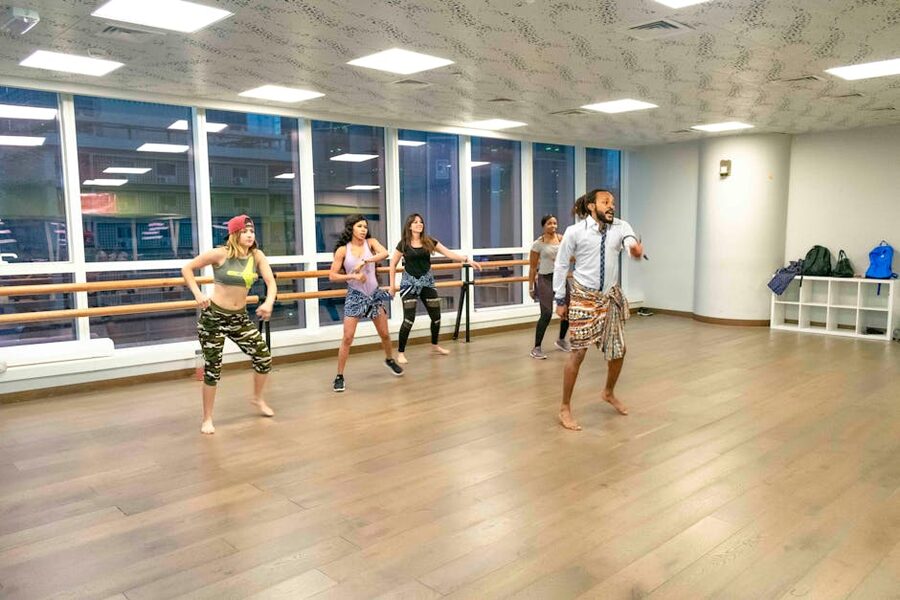
The song is chosen for you. Most tourist classes run a rolling schedule of one or two songs per week. You do not pick — the studio does, usually based on what is topping the chart or what has been requested most often. If you have strong preferences (say, girl group only, or BTS specifically) message the provider before you pay. A few operators allow song selection for small fees.
Instruction is in English, counts are in Korean. Every tourist-friendly class I have done uses English for cues and corrections, but the count itself often flips to Korean (하나, 둘, 셋, 넷 — hana, dul, set, net). It is not a problem, it just throws you the first time.
You book a slot, not a seat. Capacity is typically two to eight people per session. If it is empty at your time slot, it is cancelled — so flexibility helps in low season. If it is full you can often find the same studio running it an hour later.
The free video has rules. “Free video shooting” usually means one filmed run-through, edited down to 30 to 60 seconds, sent to you via KakaoTalk or email within a day or two. You can often pay a small upgrade (10,000 to 30,000 won) for the full-length version or a better edit.
Private lessons are genuinely private. Upgrading to a solo or couple’s class means a real one-on-one or two-on-one session with the instructor. Worth it if the idea of dancing in front of strangers makes your stomach drop. My partner and I did a private once and the shift in confidence in the space of 90 minutes was ridiculous.
Gangnam vs Hongdae: Which Area to Book In
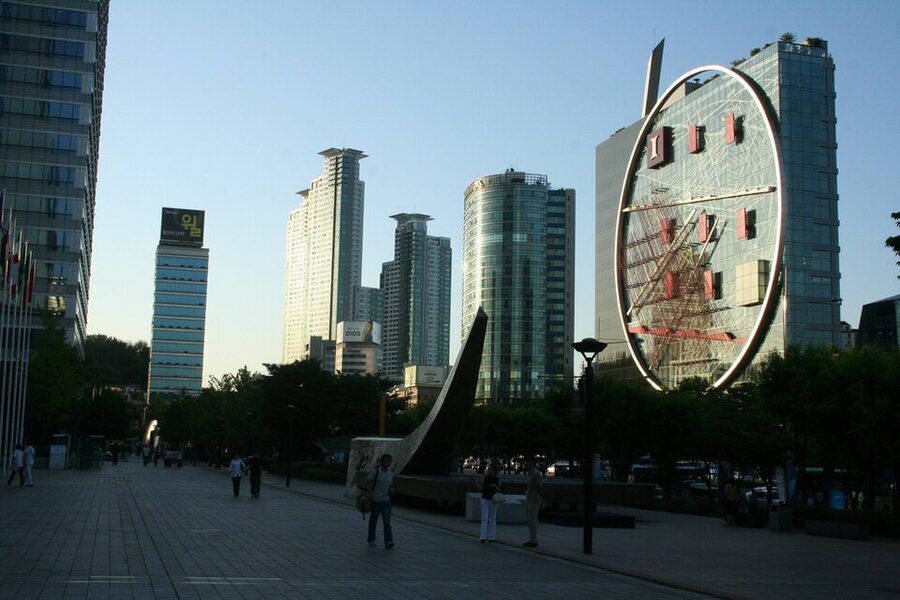
Almost every class you will see listed is in either Gangnam or Hongdae. They feel different.
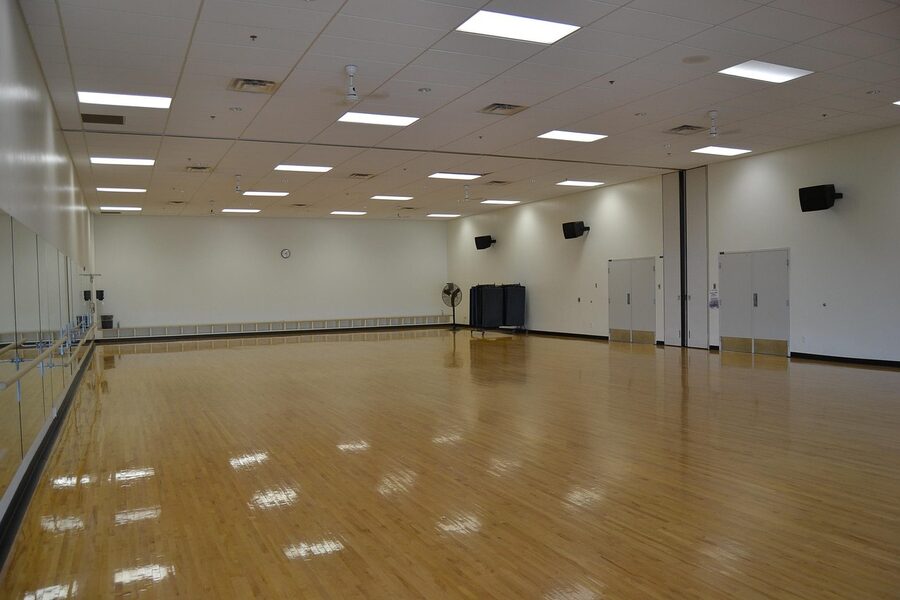
Gangnam is glossier. Studios tend to be polished, often inside commercial buildings with lift access, and they cater to tourists and idol trainees in roughly equal measure. Reception staff speak English, schedules are posted in English, and the studio photos tend to match reality. LP Dance, DEF Company, YN Company, and most of the main tourist-facing studios sit here. If you are staying near Myeongdong, Itaewon, or the southern side of the city, this is the convenient option.
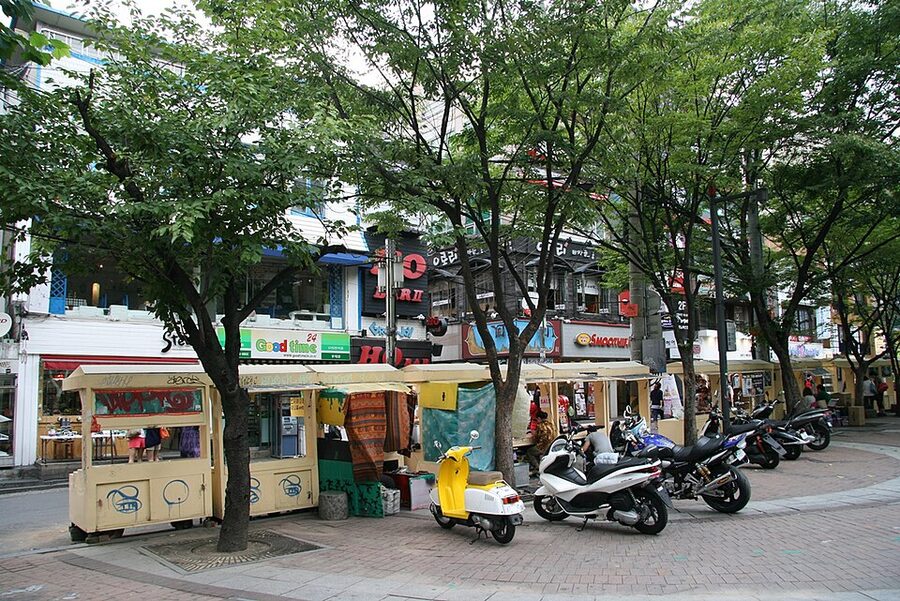
Hongdae feels like a younger cousin who hangs out in warehouses. This is the actual creative heart of Seoul’s dance scene — street performances on weekends at Hongdae Playground, studios tucked above cafes, and a strong “real scene” energy that Gangnam does not have. Real Kpop Dance is based over here. Classes tend to be a bit smaller and scrappier, in a good way, and you can walk out of a lesson straight into the live street dance crews on the playground.
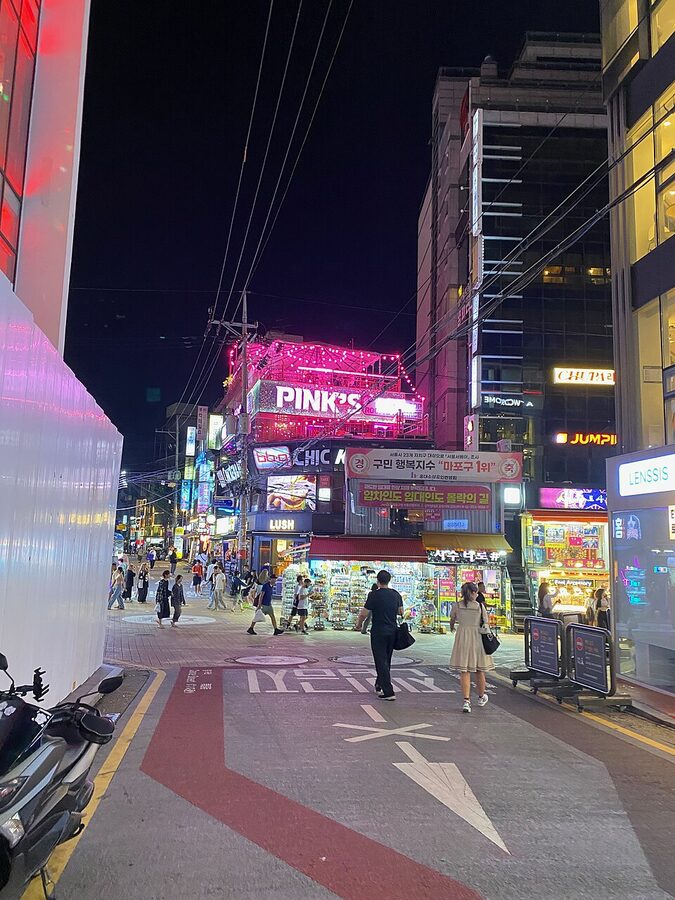
My personal call: first-timers do Gangnam because the onboarding is easier and the video output is usually tidier. Repeat visitors or people who already have some dance confidence should try Hongdae because the atmosphere is unmatched.
What to Wear and Bring
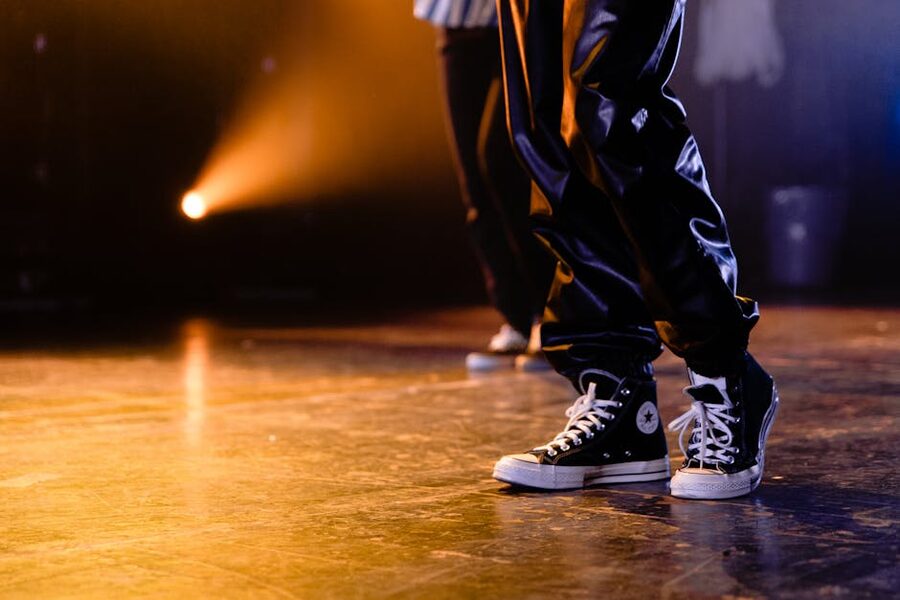
The gear question comes up so often it deserves its own section. Here is what actually matters.
Shoes. Clean indoor sneakers, nothing heavy. Most studios require you swap into them at the entrance — outdoor shoes stay off the dance floor. If you have only got chunky outdoor runners, any cheap pair from Olive Young or Daiso will do for the day.
Clothes. Joggers or leggings, a loose top. Avoid jeans — you cannot do a proper body wave in denim. Avoid anything that will ride up when you lift your arms. If you are filming, bring a second top to swap into if the first gets sweat-soaked.
Hair. Tie it up if it is long enough. Every class I have been in has had at least one person eating their own ponytail on a head turn.
Water and sports drink. Most studios provide water but a cold Pocari Sweat from the convenience store next door is genuinely helpful. You will sweat.
Phone. Fully charged, in silent mode, and ideally in a landscape-friendly case. Your instructor may film a behind-the-scenes clip for your own keepsake separate from the “free video.”
Who These Classes Actually Suit
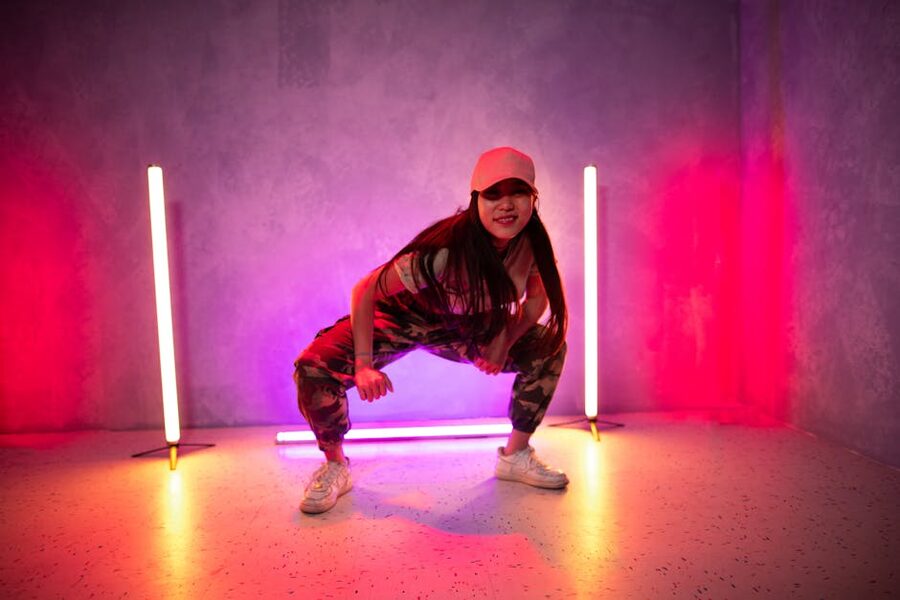
A straightforward filter. If you are any of the following, you will enjoy it.
You like K-pop and have never danced formally. This is the biggest group. The choreography is broken into small eight-counts, the pace is slow-fast-slow, and the instructor physically demonstrates rather than just calling. You do not need a dance background.
You have some dance background and want the specific vocabulary. K-pop choreography has its own texture — the hits, the point moves, the coordinated group formations. Even an experienced dancer will learn new patterns. Book a 1Million or Dance Joa drop-in if that is you.
You are travelling with kids. Most tourist classes accept children from around 8 up, with a parent or guardian. It is also one of the few Seoul activities where the younger person in the group ends up coaching the older one.
You want a group activity for a hen, bachelor, or stag weekend. Seoul hen parties genuinely do this and they are a riot. Book a private session rather than a shared one.
If you actively dislike mirrors or feel truly awful being watched, this might not be the one for you. The instructors are gentle but the room is basically all reflective surface. A hanbok photoshoot or a kimbap-making class will serve you better.
A Word on the Proper Academies
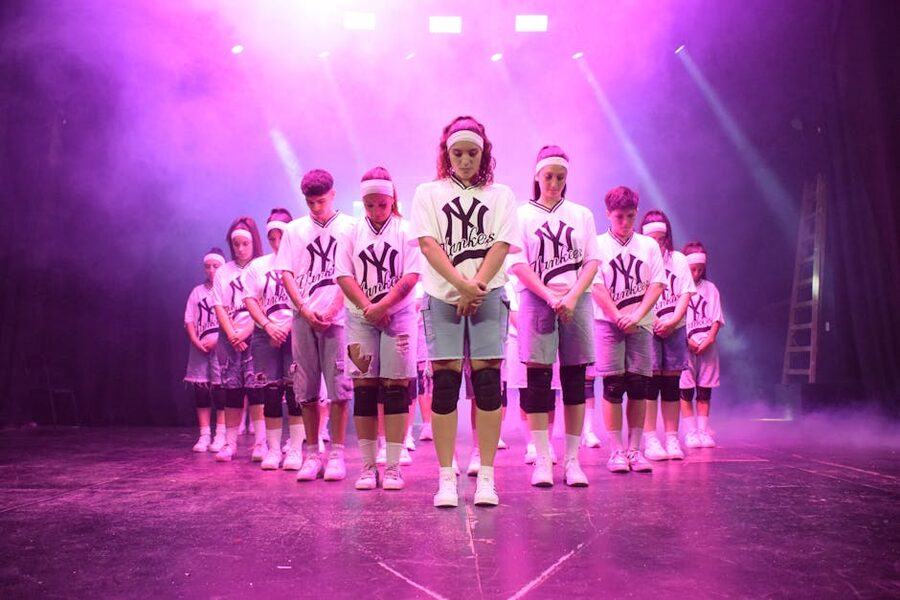
If you want the real thing — the studios that have trained actual trainees who got into SM, JYP, or YG — you have got options. They just take more work to book.
LP Dance Multiplex (Gangnam). Hobby classes are open to anyone. Around 25,000 to 35,000 won per drop-in, schedules posted weekly, most instructors have close to a decade of experience. English varies by teacher but the dance vocabulary is universal.
DEF Company (Gangnam, Yongdeungpo, Nowon). Three branches across Seoul, K-pop dance classes split into Newest K-pop Basic, Girl K-pop, and Idol Master Class. Schedules are on their site. This one is explicit about training people toward auditions.
1Million Dance Studio (Seongsu). The famous one. You will recognise the studio from a thousand YouTube videos. Drop-ins exist but the best instructors sell out fast — book a week ahead, pay in cash at reception.
Dance Joa (Gangnam and Guro). The studio that appeared on the Korean variety show “It’s Your First Time in Korea, Right?” Their tourist-friendly classes are around 20,000 to 35,000 won and they are one of the few Korean academies with an LA branch.
The common warning: these are real dance studios. Arrive ten minutes early, pay in cash, understand that choreography moves faster than in a tourist session, and be fine with getting corrected.
What the Video Actually Looks Like
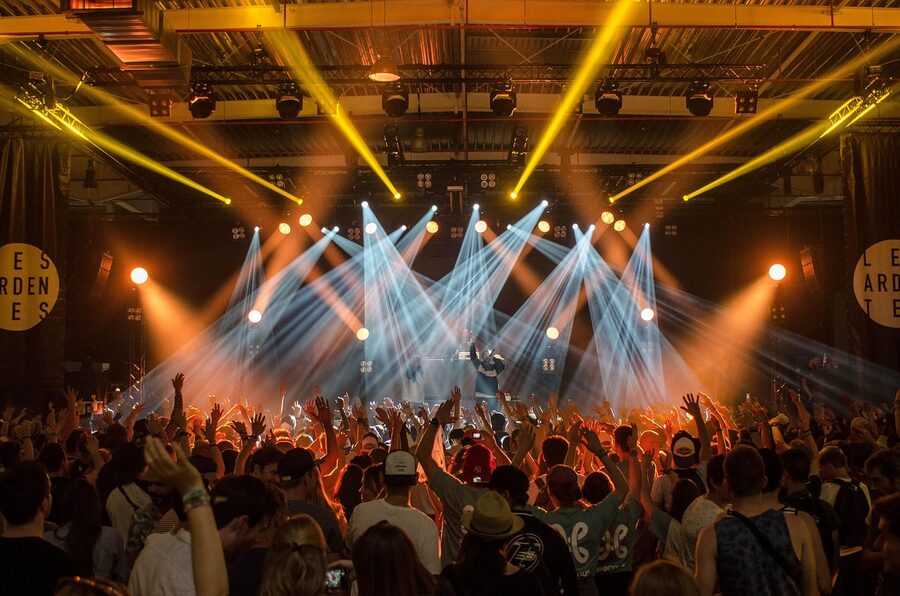
The “free video” is the part most people fixate on, and the most likely to disappoint if you do not manage expectations.
A standard tourist class video is 30 to 60 seconds, shot on a tripod at the front of the studio or with the instructor holding a phone. It is a one-take end-of-class clip with basic lighting and the studio’s own logo tagged on at the start. It does the job for Instagram and it is lovely to watch later, but it is not a polished music video.
For that, you want the HiKR Ground option or one of the full idol-for-a-day packages. Those use multiple angles, themed backgrounds, and proper edits, and the final video is several minutes long. The trade is price and time — you are looking at half a day and roughly double the money.
If you just want a nice keepsake, the free version is genuinely enough. I have shown mine to my mother more times than I would like to admit.
Timing and When to Book
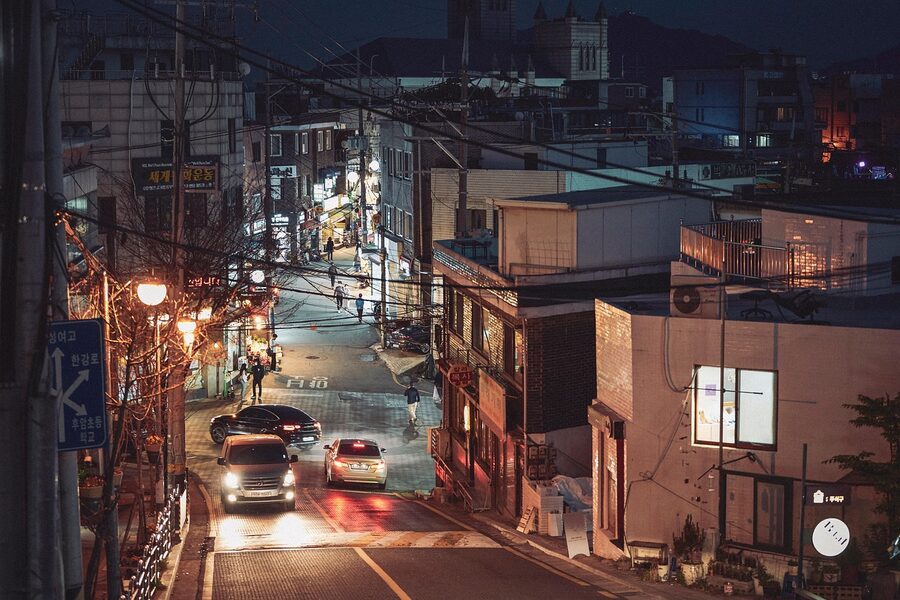
Classes run year-round and demand is fairly even. A few patterns worth knowing.
Mid-week is easier. Weekends (especially Saturday afternoon) sell out a week ahead. A Tuesday or Wednesday slot usually has space even 24 hours out.
Afternoons flow better with the rest of Seoul. A 2pm class finishes by 3:30 or 4, which gives you time to shower at your hotel and be at a Hongdae bar or a Myeongdong food street by dinner. Morning classes exist but you are paying Seoul commuter tax on top.
Book 3 to 7 days out. This gives you flexibility if your travel plans shift, and almost all platforms allow free cancellation up to 24 hours before the class.
Festival weekends need more notice. If you are in Seoul during KCON, BTS comeback weekends, or major industry events, dance studios get flooded with fans. Book a fortnight ahead at minimum.
What a Typical Class Actually Feels Like
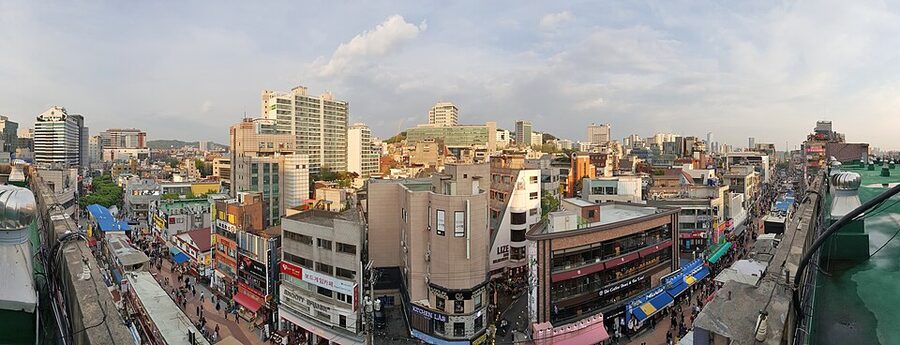
Here is the rhythm of a standard 90-minute tourist class. Knowing it ahead of time takes a lot of the first-time nerves away.
Minutes 0 to 10: arrival and warm-up. You arrive, swap shoes at the door, fill out a quick form, meet the instructor. A short warm-up — neck rolls, shoulder rolls, a few light cardio moves.
Minutes 10 to 25: full song play-through. The instructor plays the full song once then demonstrates the choreography section you will learn. You just watch. This is where it looks impossible.
Minutes 25 to 70: eight-count breakdown. The real teaching. Choreography is broken into eight-count chunks, repeated slowly, then at half speed, then tempo. You drill each chunk until you have got it, then link them.
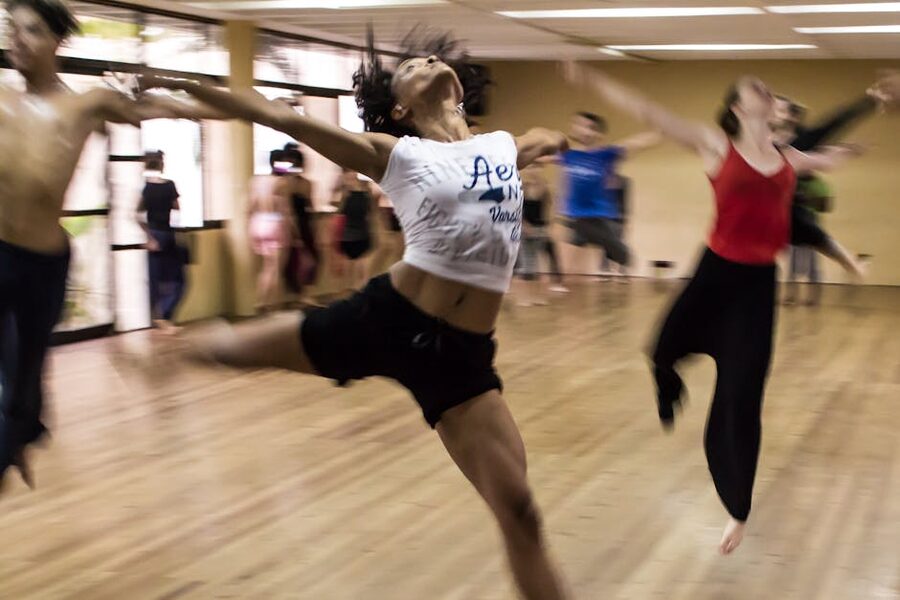
Minutes 70 to 80: full run-throughs. Several run-throughs of the full learned section, lights up, music loud. The moment you stop thinking about individual moves and just dance.
Minutes 80 to 90: filmed run and wrap. The camera goes up, one or two filmed takes happen, the class claps, bows, and photos get taken. You leave slightly sweaty and weirdly buzzing.
Post-Class: Where to Go Next

Finishing a dance class in Seoul gives you a peculiar high. You do not want to just go back to the hotel.
If you booked in Hongdae, walk straight to Hongdae Playground to catch the live street dance crews that gather on weekend evenings. The energy carries directly over from your class. From there, grilled meat on Eoulmadang-ro 146-gil is ten minutes away.
If you booked in Gangnam, the K-Star Road walk to COEX and Starfield Library is a natural next hour. There is also the SMTOWN coexartium if you want more K-pop content back-to-back with the class. Gangnam at night is about the rooftop bars — try 257 Cafe or the upper floors of Parnas Tower.
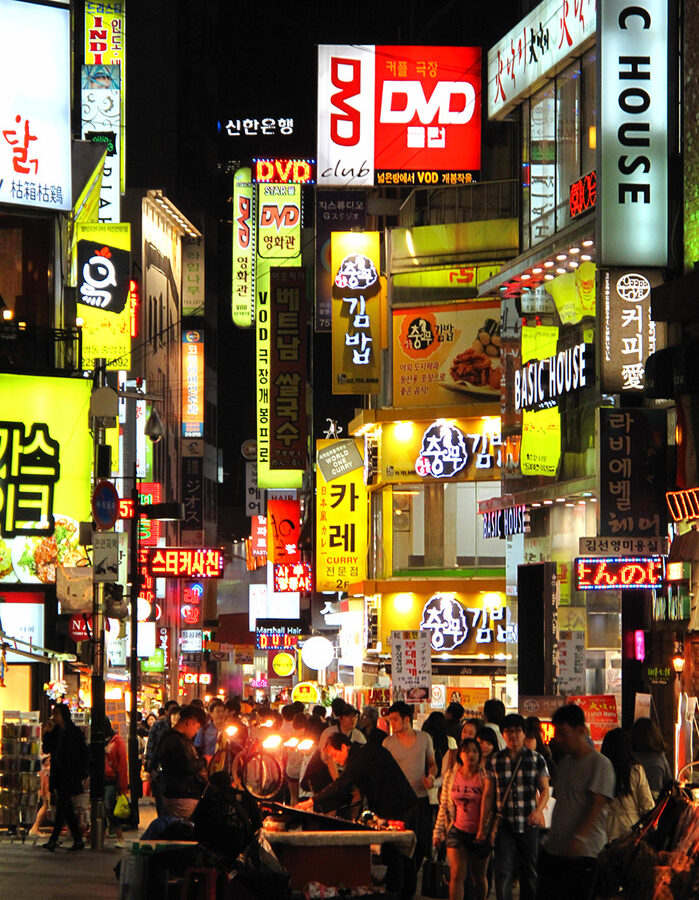
If you are craving food before anything else — which, fair — Myeongdong is a 20-minute taxi from either Gangnam or Hongdae, and the night market there is where most of my post-class meals happen.
Questions I Wish I Had Asked Before Booking
A handful of smart questions to message the provider before you pay. Most reputable studios reply within a few hours on KakaoTalk or email.
Which song is this week’s choreography? Saves the awkwardness of arriving expecting BLACKPINK and getting SEVENTEEN. Some studios confirm per week, others per day.
What is the age range of the group usually? Tourist classes can be anything from teenagers to retired dance enthusiasts. Honest answer from the studio helps you gauge fit.
Is the video sent within 24 hours, same day, or 3 to 5 days? This varies wildly. If you are on a short trip and want to share it before you fly home, you need to know.
Is private an option for the same slot? Many studios will quietly upgrade you to private if nobody else books your session. Worth asking 24 hours before.
Is there a filmed version of the warm-up I can see first? Studios with active Instagrams will happily send you recent clips. If the clips look like fun, the class will be fun.
Related Seoul Booking Guides
K-pop dance pairs beautifully with a few other Seoul experiences that live in the same cultural-immersion bucket. If you are building a Seoul day around it, I would pair the dance lesson with a hanbok rental for a palace walk in the morning, the dance class in the early afternoon, and dinner or a pub crawl through Hongdae by night — the neighbourhood flow works. For a fuller day, our Gangnam tour guide explains which version of Gangnam you will want to see, which matters more than most people realise. If you want to dress up and commit to the visual, a Seoul hanbok photoshoot is the photography equivalent of the dance class, and the K-beauty personal colour analysis fills the other side of the K-pop aesthetic equation. Food-first travellers should look at a Busan cooking class if you are crossing the country, or the Seoul night market food tour for the same evening. For K-pop immersion beyond dance, the Painters and cultural show guide is the one I would recommend, and the night walking tour is the easiest way to see how Hongdae and Gangnam feel different after dark. If you are heading south, the Busan city tour and Busan night tour fill the Korea-wide picture nicely.