
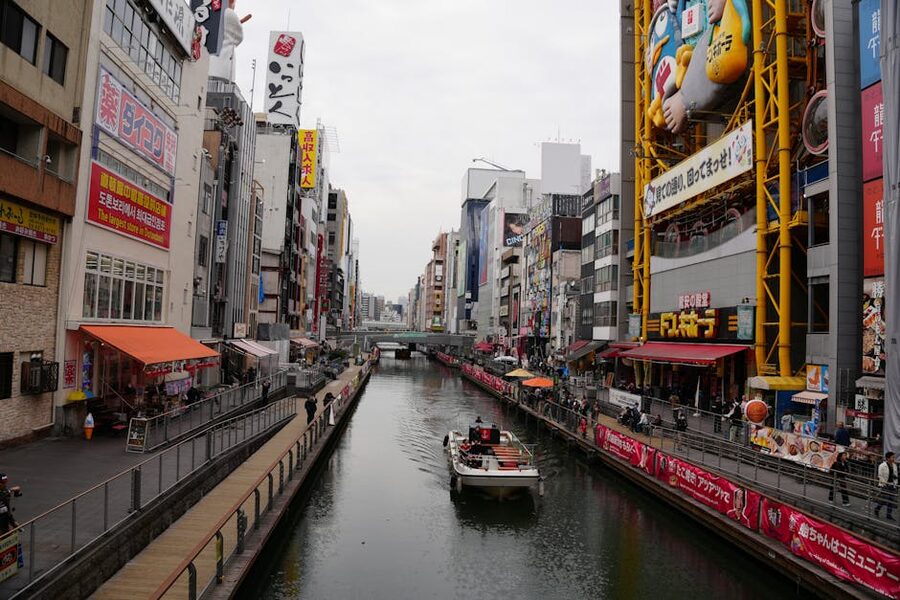
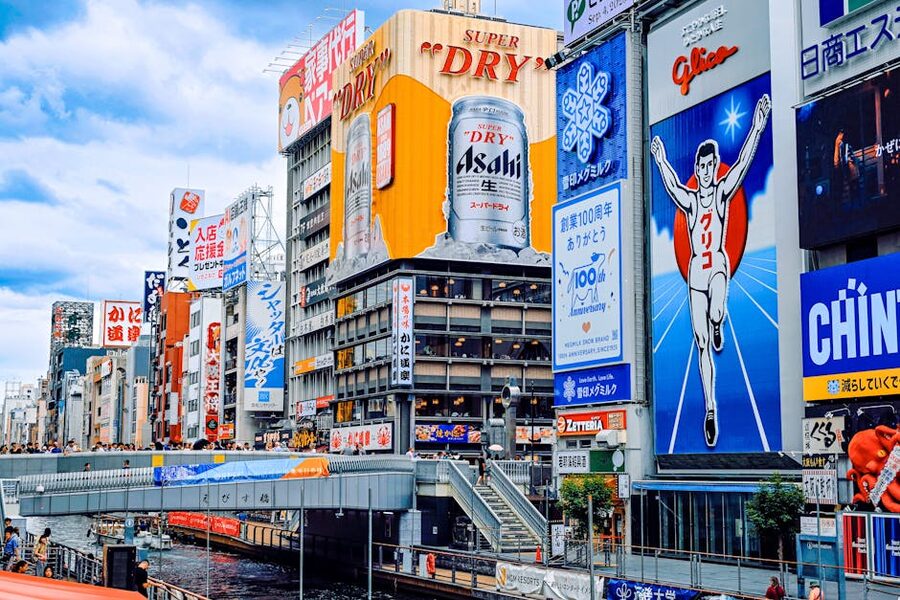
Book a private tour in Tokyo and you are paying for a guide who will walk you past 23 wards of world-class landmarks. Book one in Osaka and you are paying for a different thing entirely — somebody who will sit you down at a four-stool takoyaki counter, explain what the octopus-shaped sign over Kani Doraku actually means, and ask whether you would rather spend the afternoon inside Osaka Castle or wandering Shinsekai for a second bowl of kushikatsu. Same country, same price bracket, different job description.
This guide covers how Osaka private tours actually work, what they cost, which three are worth booking from the review database, and the one licensing quirk that trips up travellers who just pick the cheapest listing.
In a Hurry? Top 3 Private Osaka Tours
- Osaka Kickstart: Hotspots & Hidden Gems — $32 — the walk-everything-in-half-a-day option, private or group rates. Check availability on Viator
- Private Osaka Tour With a Local — $81 — fully personalised, guide builds the day around what you actually want to eat and see. Check availability on Viator
- Osaka 4-Hour Private, Government-Licensed — $109 — the properly-licensed guide if you want the cultural depth on temples and castle history. Check availability on Viator
- In a Hurry? Top 3 Private Osaka Tours
- Why Osaka private tours are a different animal
- The licensing angle most travellers miss
- What a typical Osaka private day actually looks like
- Our three top private Osaka tour picks
- 1. Osaka Kickstart: Hotspots & Hidden Gems —
- 2. Private Osaka Tour With a Local —
- 3. Osaka 4-Hour Private Tour With Government-Licensed Guide — 9
- Booking mechanics: the bits that actually matter
- Food you should ask the guide to build the day around
- A brief history of why Osaka feels different
- What private does not get you that you might expect
- When a private tour is not the right call
- More Osaka and nearby booking guides
Why Osaka private tours are a different animal
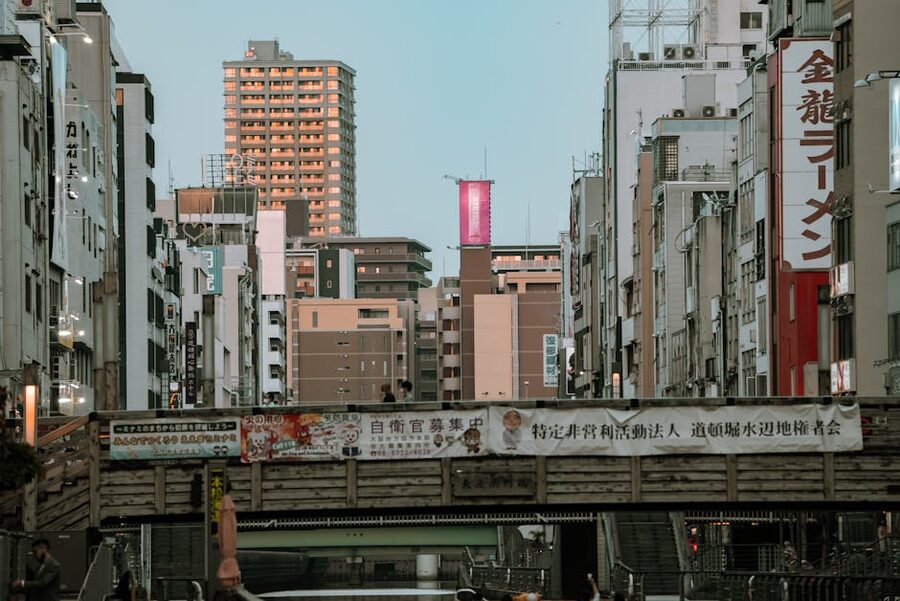
Kyoto private tours are priced against the logistics problem — Kyoto is sprawled out, the temples are far apart, and you are paying a guide to navigate you between them. Tokyo private tours are priced against the scale problem — the city is so big a guide earns their fee just by choosing which wards you actually visit. Osaka is neither of those. The central sightseeing zone is tiny. You can walk from Osaka Castle to Dotonbori in under an hour.
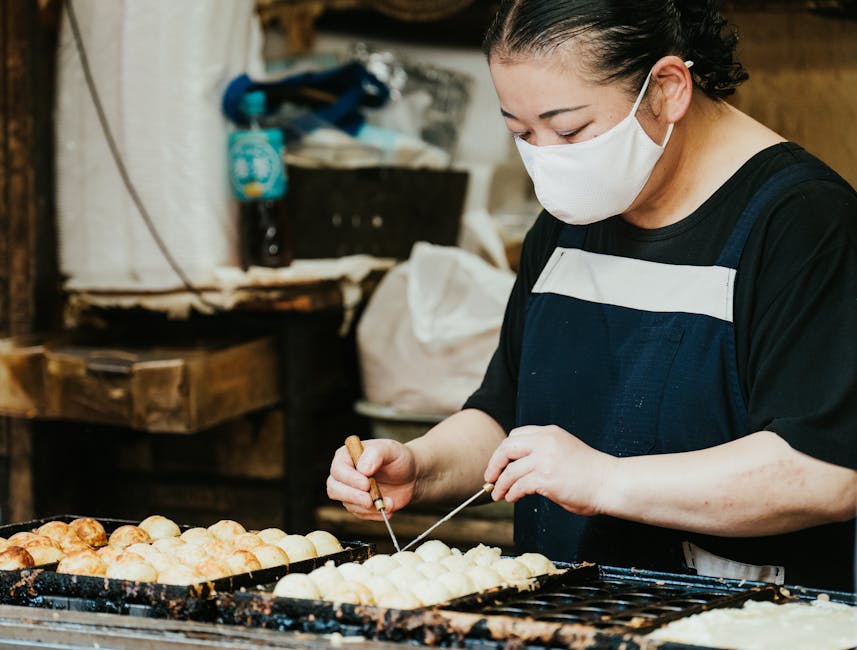
So what are you paying the guide for? Mostly, language and food. Osaka has a reputation as Japan’s kitchen that is not marketing — it genuinely is a city where the cultural heart is a counter seat at a stall whose menu is handwritten in kanji and whose owner speaks zero English. A guide turns that from “looks good, let’s just walk past” into a 40-minute conversation with a stall owner who has been frying takoyaki since 1987.
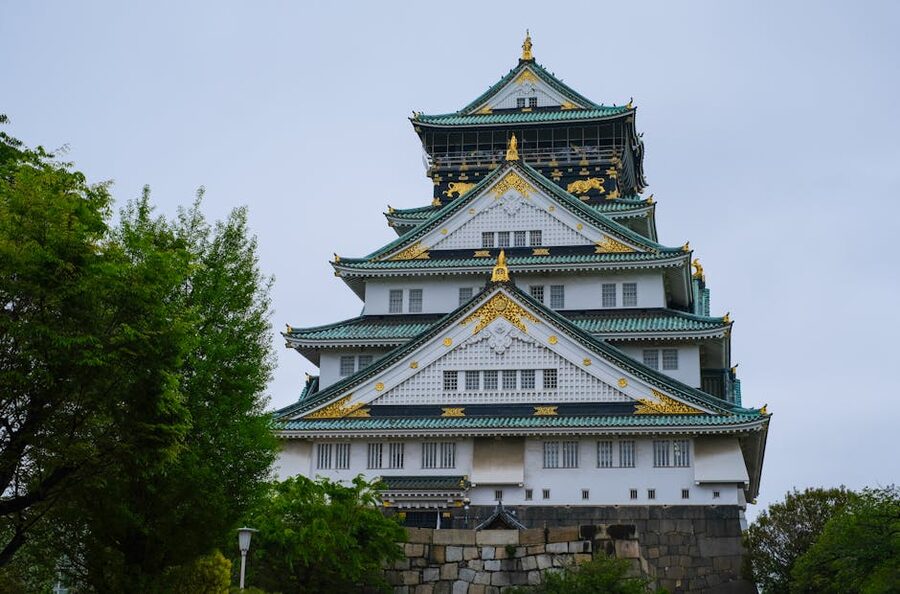
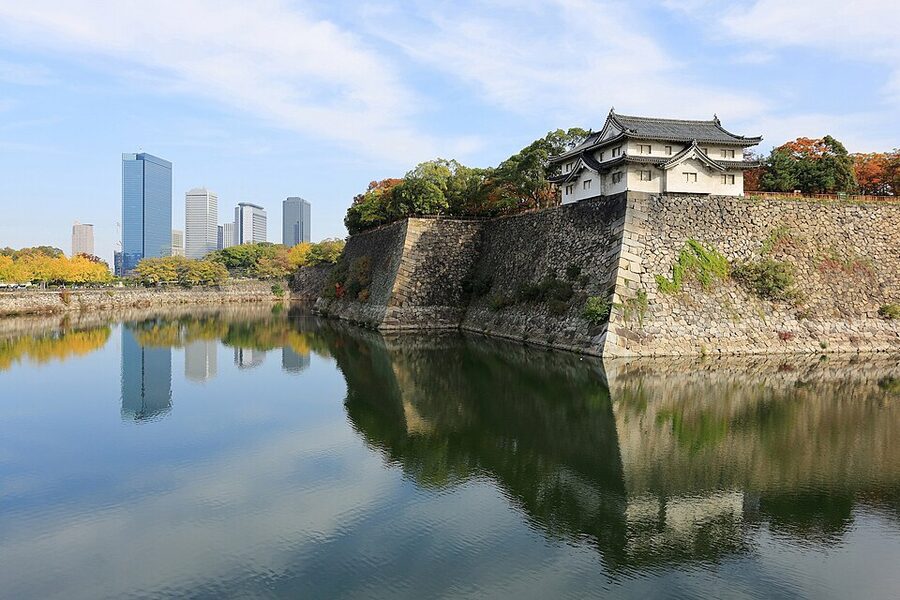
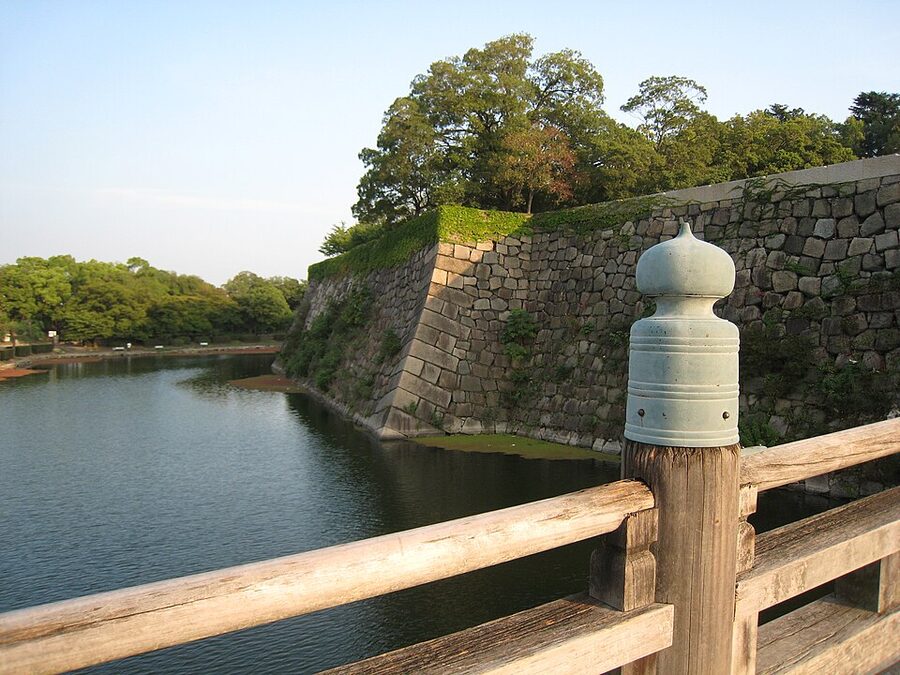
The second thing you are paying for is local judgement on what to skip. Osaka has a famous Universal Studios Japan, a famous aquarium, a famous observation deck, and plenty of travellers who come home saying the castle was a letdown because the inside is a modern concrete museum. A decent Osaka guide will steer you. The castle exterior from the moat bridge is fantastic. The inside, for a first-time visitor on a tight day, is often not worth the queue.
The licensing angle most travellers miss
Japan has a national guide qualification — the Tsuyaku Annai-shi, or National Government Licensed Guide-Interpreter. It is an actual exam. You study Japanese history, culture, geography, and at least one foreign language at professional working level. Pass it, and you can legally charge for guiding services.
Japan tightened enforcement a few years back after a long stretch where unlicensed tour guides were operating openly. The crackdown mostly hit freelance operators listing privately on social media, not the bigger marketplaces. But it means if you go off-platform and book through a personal Instagram account or a small Japanese-language-only site, you may be booking someone who is technically guiding illegally — and if something goes wrong (injury, lost item, a question of insurance), you are on your own.
The Viator and GetYourGuide listings I will recommend below all use either licensed guides or established tour companies operating legally. It is the main reason I send readers to the platforms rather than to random Fiverr-style sites for this particular city.
What a typical Osaka private day actually looks like
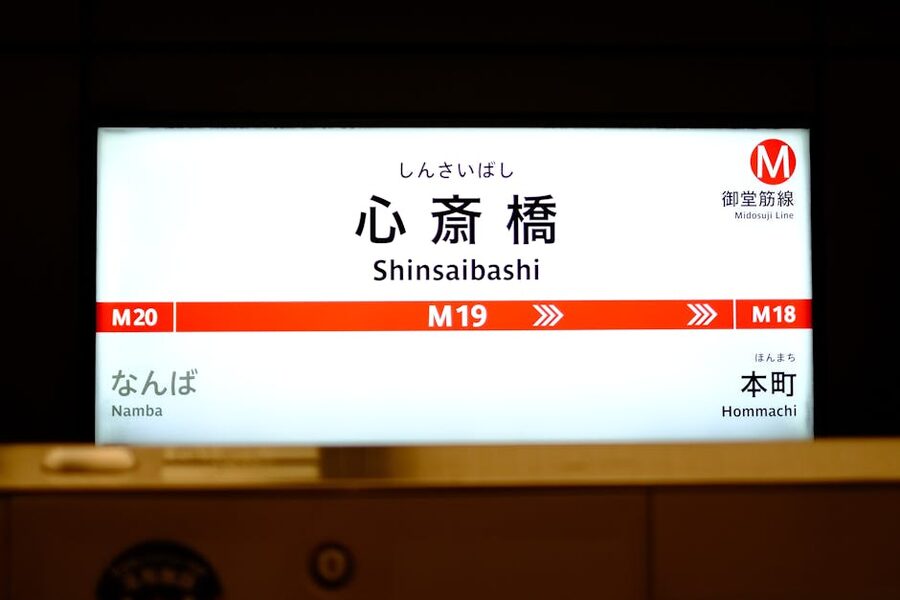
The guide meets you at your hotel lobby. In Osaka this is almost always somewhere in the Namba or Shinsaibashi area if you picked a central hotel, or Umeda if you wanted the business district. They will have done a five-minute intake with you by email the night before — any food allergies, any must-sees, any mobility considerations.
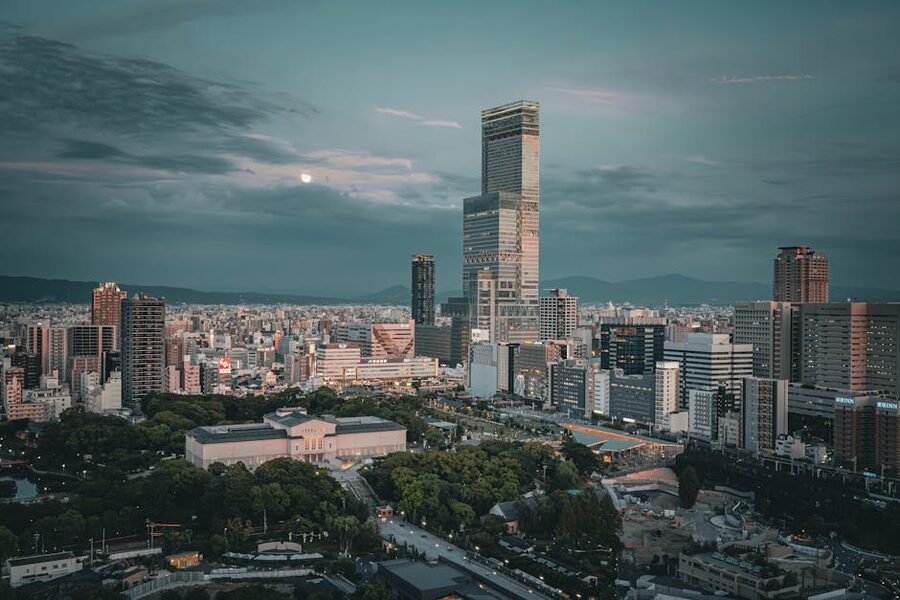
Morning block is usually the big sight. Osaka Castle if you have decided to do it, Shitennoji if you want the older temple that most visitors skip, or straight to Abeno Harukas for the observation deck if the day is clear. The guide picks transit and keeps pace.
Lunch is where Osaka earns its reputation. A licensed guide will take you to an okonomiyaki counter where you cook at the griddle in front of you, or to a Kuromon Ichiba stall for sashimi. This is the part most travellers cannot replicate solo because the good places are ordering-in-Japanese-only and they fill up by 12:15.
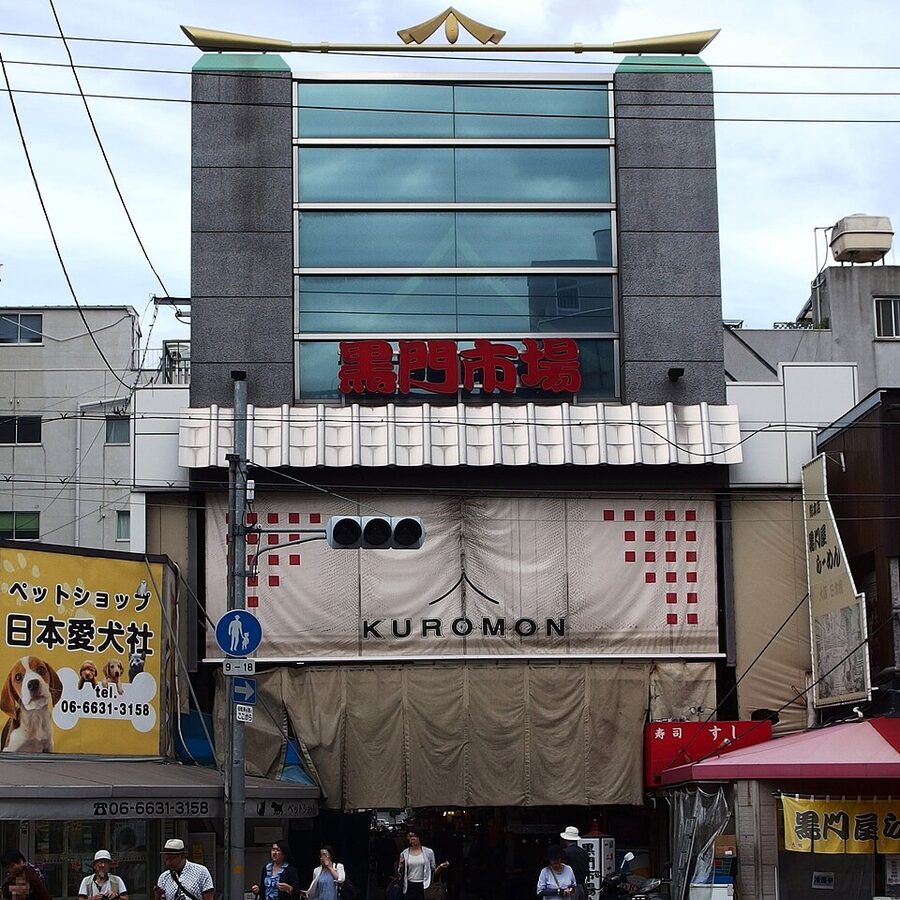
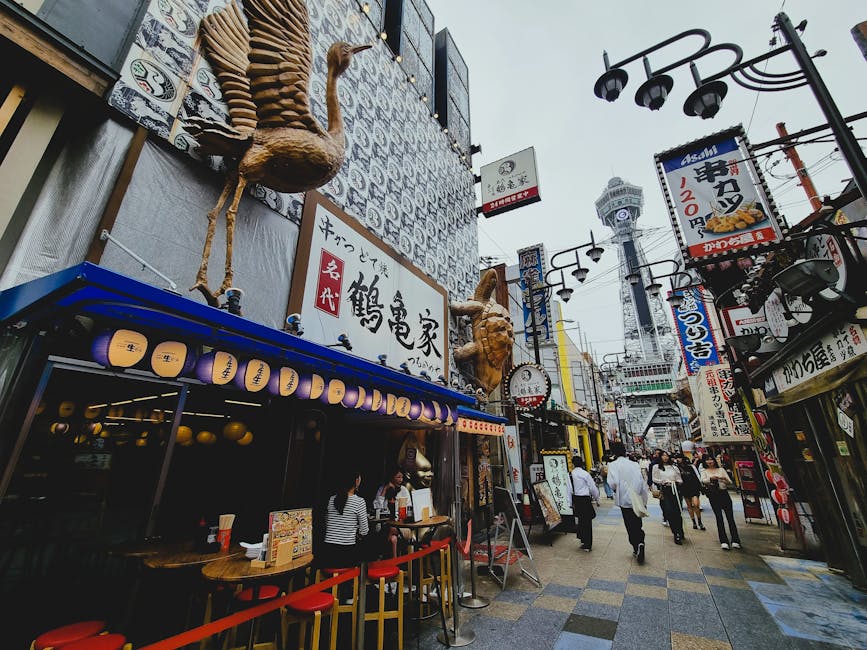
Afternoon is the flex block. Dotonbori, Shinsekai, America-mura for the vintage shops and street art, or a hop across to Namba Yasaka Shrine with the giant lion-head stage. A good guide reads the group’s energy at lunch and adjusts. If the kids hit the wall, you end earlier and the guide walks you back to the hotel. If the group is buzzing, they might stretch to a Shitennoji stop you had not planned.
Our three top private Osaka tour picks
These are the three I would actually book, drawn from thousands of reviews in our database. They cover the three main use cases: affordable walking highlights, a flexible all-day local host, and the licensed-guide depth option. Pick based on what you are really after.
1. Osaka Kickstart: Hotspots & Hidden Gems — $32
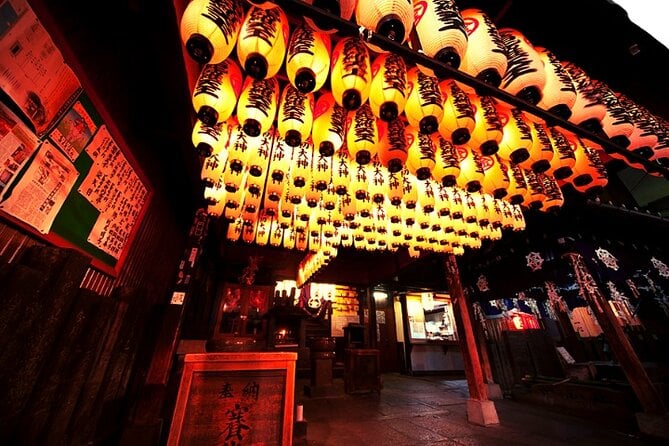
This is the one I would book first for a half-day visit or a first-night-in-Osaka orientation. The itinerary covers more ground than most listed four-hour tours and includes a drink and a small dish on the guide’s call. Our full review covers the private-vs-group pricing split — the group rate drops the per-person cost sharply if you are two or more. Private booking is worth it for the flexibility to linger at any one stop.
2. Private Osaka Tour With a Local — $81
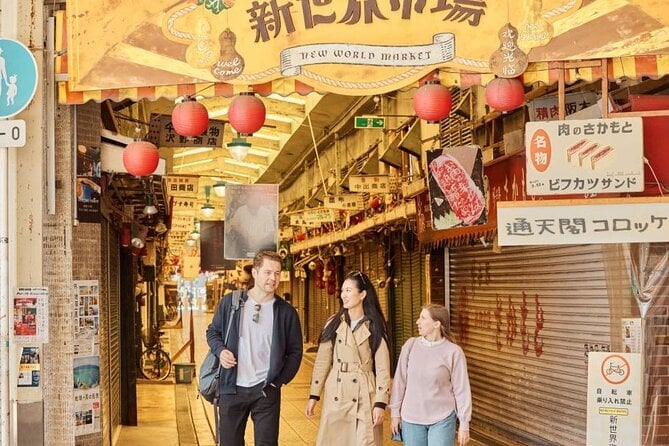
This is the second-visit answer, or the right pick if you already know Osaka’s name brands and want someone who will take you somewhere you have not heard of. The guide structures the day around you rather than a template. Our full review breaks down how the matching process works — you fill in a short form and the platform pairs you with a guide based on interests, not availability.
3. Osaka 4-Hour Private Tour With Government-Licensed Guide — $109

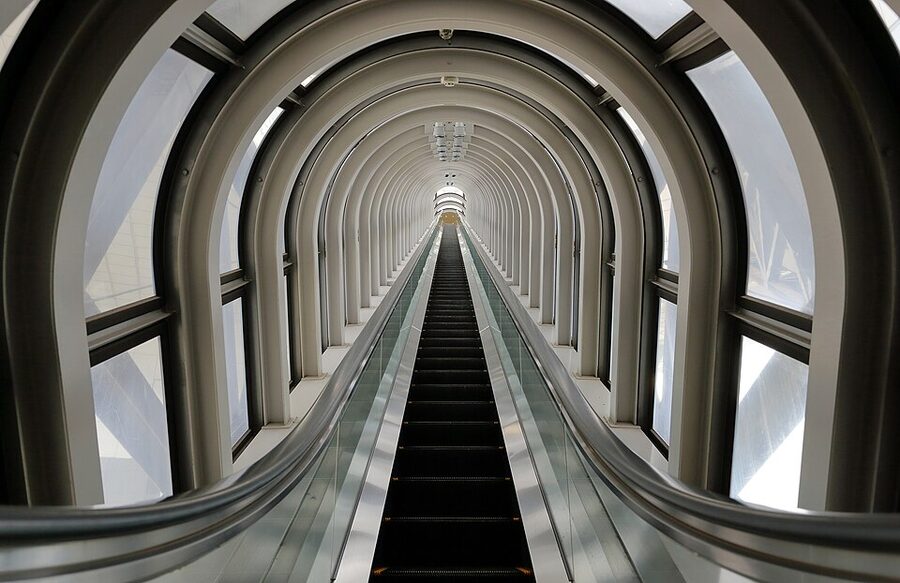
Pick this one if you are a history-first traveller, or if the cultural depth on temples and the castle is what you are paying a guide for. The four-hour format suits a focused morning — castle, Umeda Sky Building, Dotombori walk — with public transit between sites and the guide’s suggested lunch spot. Our full review explains why the licensing exam actually matters here — it is not a rubber stamp, and the extra knowledge comes through on the castle section specifically.
Booking mechanics: the bits that actually matter
Private tours in Osaka book with about 48 hours of lead time on the major platforms. Busy weekends in cherry-blossom season and the November leaf-peep fill up earlier — two weeks out is safer.
Most listings quote a per-group rate up to a certain group size, not per-person. A four-hour tour at $109 is often $109 total for up to three or four people, not $109 per head. Read the fine print — the per-person framing on the platform header is usually a marketing artefact of how the listing is categorised, and the actual invoice is a flat group fee.
Meeting point flexibility. Almost every Osaka private tour I have booked meets at your hotel lobby inside a roughly 2-kilometre radius of central Namba or Umeda. If you are staying further out, the guide will usually propose a subway station as the meet point instead. Confirm this at booking rather than on the day.
Payment and tipping. Japan has no tipping culture and the platform fee already includes the guide’s payment. Licensed guides sometimes mention they are not allowed to accept tips. A written thank-you note or a small gift from your home country is more meaningful and within the norm.
Cancellation. The big platforms (Viator, GetYourGuide) offer free cancellation 24 hours ahead on almost all private listings. Read the line, though — a handful of licensed-guide listings push that to 72 hours because the guide is paid regardless.
Food you should ask the guide to build the day around
Osaka is a food city first and a sightseeing city second. The best private guides lean into this; the weakest ones run you around Osaka Castle and Abeno Harukas like it is a Tokyo-style landmark tour. Here is the list I would use as a filter question when you are picking between guides on the platform.
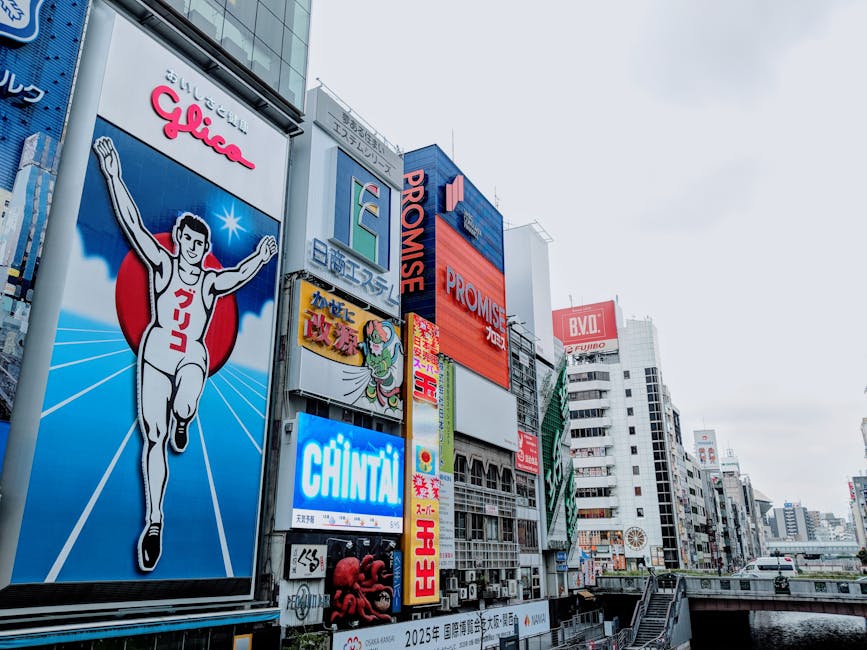
Takoyaki. The ball-shaped octopus fritter is Osaka’s handwriting. Every stall claims to be the original. The honest truth is that Dotonbori has about twelve credible contenders. A guide will pick one based on whether you want yaki-crisp (Wanaka) or creamy-inside (Aizuya), and explain the distinction.
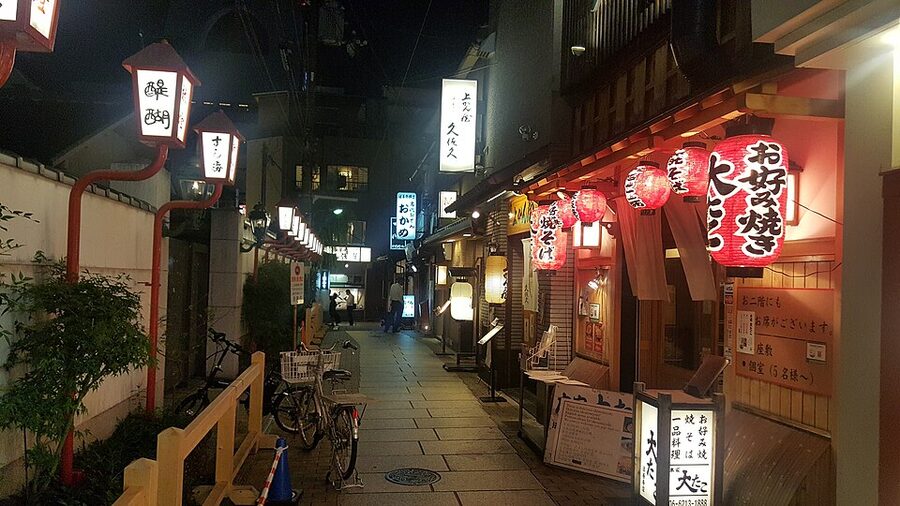
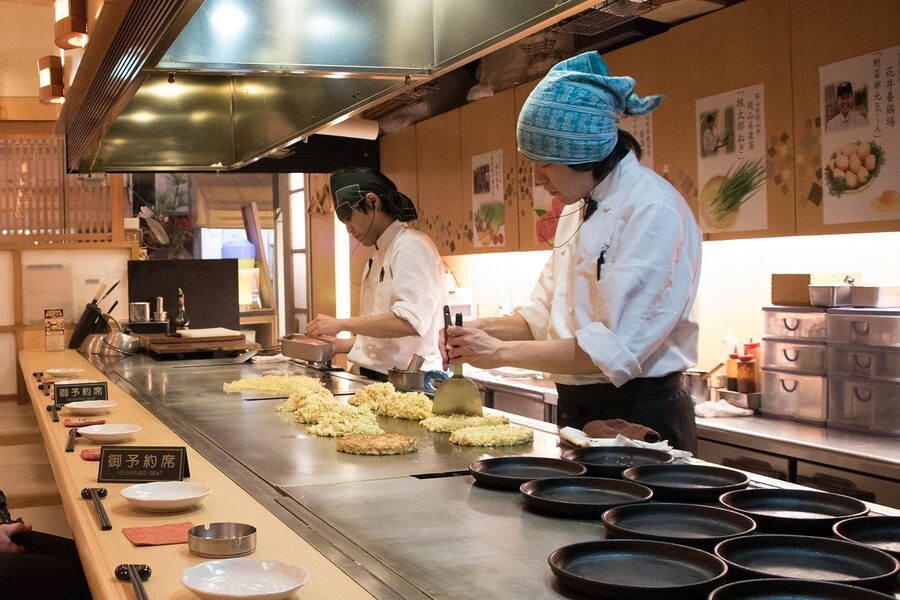
Okonomiyaki. The flat savoury pancake with cabbage, pork, and mayo. The good version is cooked on the teppan counter in front of you. Fukutaro and Botejyu are household names. A guide knows which branches still do it well and which are tourist traps.
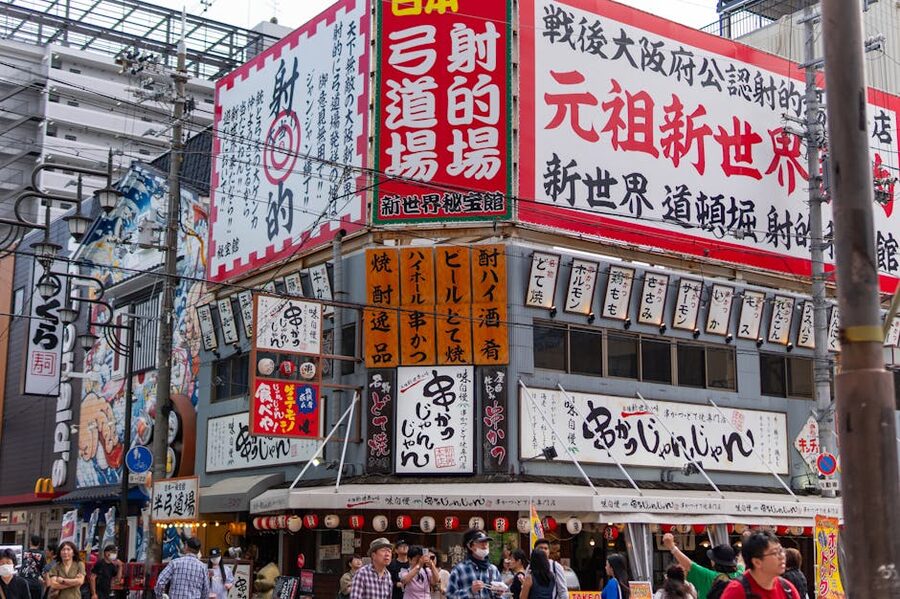
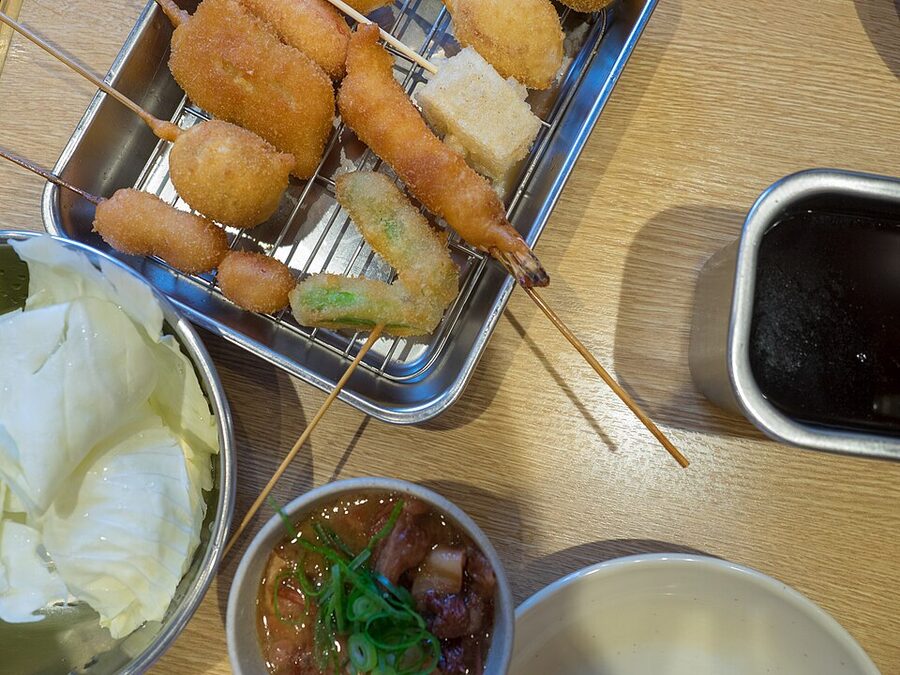
Kushikatsu. Deep-fried skewers, twin-dipped in sauce. The Shinsekai neighbourhood is the cultural home of this dish. The rule nobody explains until you break it: no double-dipping. You dip the skewer once before eating, then if you want more sauce you use the shredded cabbage on the table to scoop and pour.
Tecchiri. Fugu (pufferfish) hot pot. A licensed specialist chef is legally required to prepare fugu — the poison in the liver can kill. Osaka has more fugu-licensed restaurants than the rest of Japan combined. A guide can book you into a properly-licensed place if you want to try it.
A brief history of why Osaka feels different
Osaka spent most of its history as a merchant city, not an aristocratic or warrior city. Kyoto had the emperor. Tokyo (Edo) had the shogun. Osaka had the rice market — the Dojima Rice Exchange, founded in 1697, was arguably the world’s first futures market and set the price of rice for all of Japan. This is the reason the local character skews practical, hospitable, funny, and food-obsessed. The Osaka dialect has words for haggling that Tokyo dialect does not need.
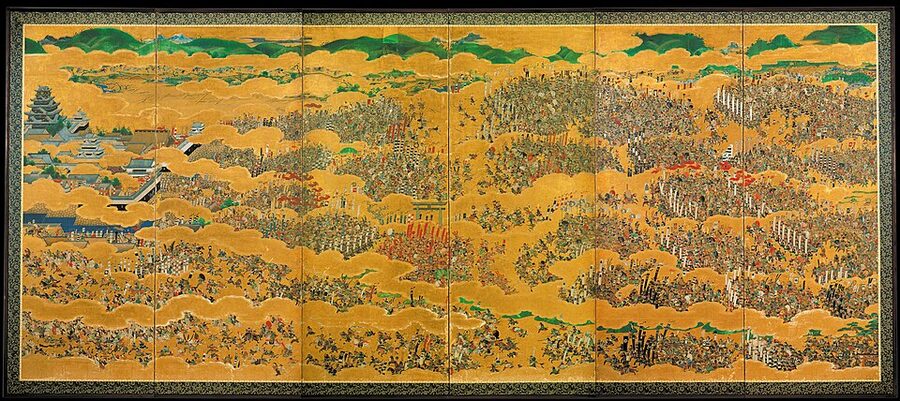
The castle itself was commissioned by Toyotomi Hideyoshi, the peasant-turned-warlord who reunified Japan in the 16th century. When Tokugawa Ieyasu won the siege, the castle’s political importance ended and Osaka’s role as a commercial city cemented. A good licensed guide explains this on the castle section and it genuinely changes how you see the rest of the day. Shinsekai starts to make sense. Kuromon Ichiba as an institution makes sense. The stall owner at the takoyaki counter chatting with you for twenty minutes stops being a surprise and starts being an expression of the same merchant-city culture that has been here for four hundred years.
What private does not get you that you might expect
Private tours in Osaka do not usually include entry fees. The castle, Umeda Sky Building, Abeno Harukas observation deck, Shitennoji temple hall — all extra, usually 600 to 1,800 yen per person. The guide fee covers the guide’s time and their transit passes, not your tickets.
Private tours also do not usually include vehicle transport. Osaka’s sightseeing zone is walkable and the subway is genuinely good, so the default is on-foot-plus-subway. If you want a private car or van for mobility reasons or because you are doing a Kyoto-Osaka day combined, the vehicle-inclusive listings exist but run about double the walking-tour price.
And private tours do not normally include a full sit-down lunch as a tour inclusion. You buy your own lunch at wherever the guide takes you. A few listings (Osaka Kickstart being one) include a small dish and a drink. The rest assume lunch is a shared-table affair that is part of the experience but not the pricing.
When a private tour is not the right call
If you are in Osaka for a single day as a Kyoto-based day trip, the Kansai area half-day licensed-guide tours are usually better than a full private Osaka tour — you will feel rushed either way, and the focused Kuromon-Dotonbori walk costs less.
If you speak reasonable Japanese or have a travel companion who does, the case for a private guide weakens significantly. Osaka rewards the independent walker more than Kyoto does because the city is smaller and the food culture is counter-based rather than temple-based.
And if you are an experienced traveller who is happy reading signs and ordering by pointing, you can do Dotonbori, Kuromon, Shinsekai, and the castle exterior in a single self-guided day for the cost of a subway day pass. The guide is paying off on language depth and local judgement. If you do not value those two things specifically, save the money.
More Osaka and nearby booking guides
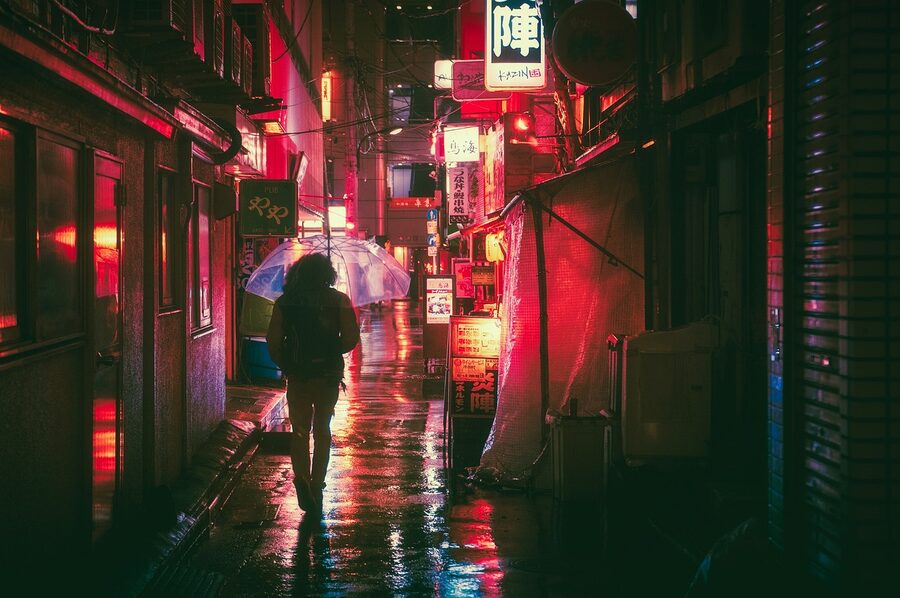
If you are pairing a private tour with other Osaka bookings, the Osaka Castle ticketing guide is the companion piece for the castle visit — it covers the museum skip-versus-climb decision and the tower-vs-grounds distinction. For an evening that runs late, our Osaka backstreet night tours breakdown is a cleaner fit than stretching a private day into the evening. The Shinsekai food tour guide is the better call if your Osaka interest is almost entirely kushikatsu and the retro post-war neighbourhood. On the food side, the general Osaka walking-tour guide covers the non-private group options where a private tour would be overkill. If Kyoto is on your itinerary, the sibling Kyoto private tour guide explains why the calculus is genuinely different there. Tokyo visitors crossing over can use the Tokyo private tour guide as the counterpart. For adding a cultural deep-dive to the Osaka private day, the Osaka tea ceremony guide is the tidiest 90-minute add-on. If you want to also do a go-kart afternoon, the sibling Osaka go-kart tour guide covers the licensing quirk specific to that one. Crossing to Tokyo for a tea session? The sibling Tokyo tea ceremony guide is the equivalent. And for a Kyoto cultural deep-dive pairing, the sibling Kyoto samurai experience guide is the one to book alongside.