I booked the wrong kind of samurai experience first. It was a cheap thirty-minute armor-dress-up at a place that called itself a museum, and I walked out knowing nothing more than I walked in. The right kind of samurai experience in Kyoto is two hours minimum, uses real katana, and takes place inside an actual dojo or historic machiya. Here is how to tell them apart before you spend a yen.
In a hurry? My top Kyoto samurai picks
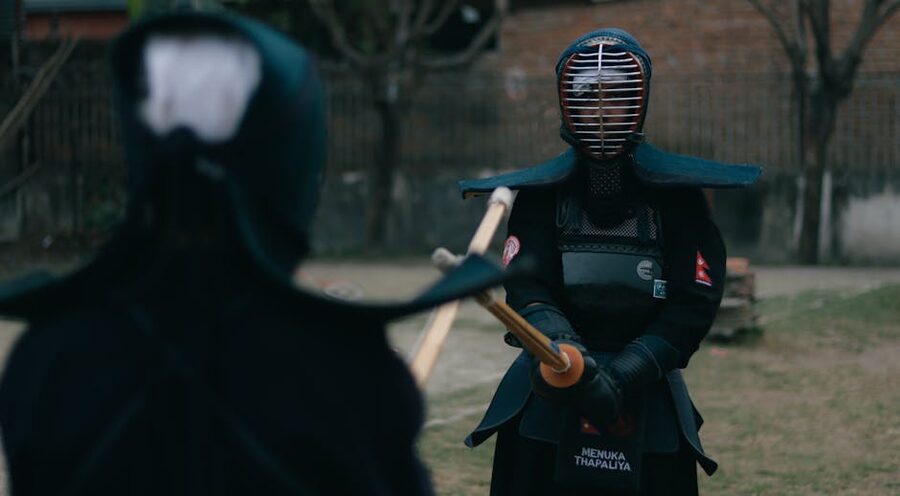
- Kendo and Samurai Experience with Uniform and Gear — from $103. Two hours in a historic dojo with full kit and live instruction. This is the one I would book first.
- Samurai Sword Class by Experts — from $64. The best value if you just want real katana handling without the kendo armor layer.
- Become a Samurai Warrior class — from $70. Small group of ten, heavy on personal instruction, good for nervous beginners.
- In a hurry? My top Kyoto samurai picks
- The mistake most people make when booking
- Booking windows and when to reserve
- What the price actually includes
- Three Kyoto samurai experiences worth booking
- 1. Kyoto: Kendo and Samurai Experience With Uniform and Gear — from 3
- 2. Kyoto: Samurai Sword Class by Experts in Traditional Arts — from
- 3. Kyoto: Samurai Class, Become a Samurai Warrior — from
- What a good samurai class actually looks like
- The meditation at the end is not filler
- A short history of why this exists in Kyoto
- Where the classes sit in Kyoto, and what to do after
- Best time of day to book
- What to wear and bring
- Cancellation, refunds, and common gotchas
- What the reviews don’t tell you
- Who this is (and isn’t) for
- If you have time for two sessions
- Quick facts cheat sheet
- Before you book, consider these nearby classes too
The mistake most people make when booking
Search Google for “Kyoto samurai experience” and the results blur together. There are armor photo shoots where you put on a helmet and pose for fifteen minutes. There are ninja museums that tack on a token sword swing. There are real classes where a kendo master walks you through Iaido drills and hands you a hundred-year-old katana to cut tatami with. All four will come up on the same search page. All four will have good reviews. Only one of them is what you actually want.
The shortcut I use now: ignore anything under ninety minutes. Anything shorter is a costume session. A proper samurai class needs time for the safety talk, the movement drills with a wooden bokken, the demonstration by the instructor, and your individual turn with a real blade. That is not happening in forty-five minutes.
The second shortcut: look for the word dojo or machiya in the listing. Both mean the class is held in a proper space, not a rented commercial room above a souvenir shop. Kyoto still has working dojos and preserved merchant townhouses from the Edo period, and several samurai-experience operators run out of them. The room matters. A tatami-floored training hall changes the whole feel versus fluorescent lights and a rubber mat.
Booking windows and when to reserve
The top-rated Kyoto samurai classes earn consistently enthusiastic feedback and book up fast. Viator’s own data says the most popular option is booked thirty-one days ahead on average. From my own stumbles: if you’re travelling in cherry blossom season or the first two weeks of November, reserve at least three weeks ahead. Off-peak you can often find a slot two or three days out, but the best afternoon and weekend times still go quick.
A useful pattern: book your samurai class for late morning or early afternoon, then pair it with something nearby in the same slot. If the class is in the Nakagyo or Nijo area, Nijo Castle is a natural afternoon add. If it’s closer to Gion, a tea ceremony or a walk through Higashiyama fits after.
What the price actually includes
The cheapest “samurai experiences” in Kyoto are under forty dollars and are mostly armor dress-up. Real classes with a katana start around sixty-four dollars and climb to around a hundred and twenty. At that bracket you should get: a full hakama and kimono top to wear, instruction from a certified martial arts teacher, wooden sword drills, a live demonstration, your own turn cutting tatami with a real katana, and photos sent afterwards. If any of those are missing from the listing, it is not a full samurai class.
One extra worth checking: whether the class is held in English. Most Kyoto-based operators list their classes in English and the instructor speaks well enough to explain the technique clearly. A couple of the older dojos run Japanese-only sessions that still accept foreigners but rely on a translator. Read the listing carefully or ask.
Three Kyoto samurai experiences worth booking
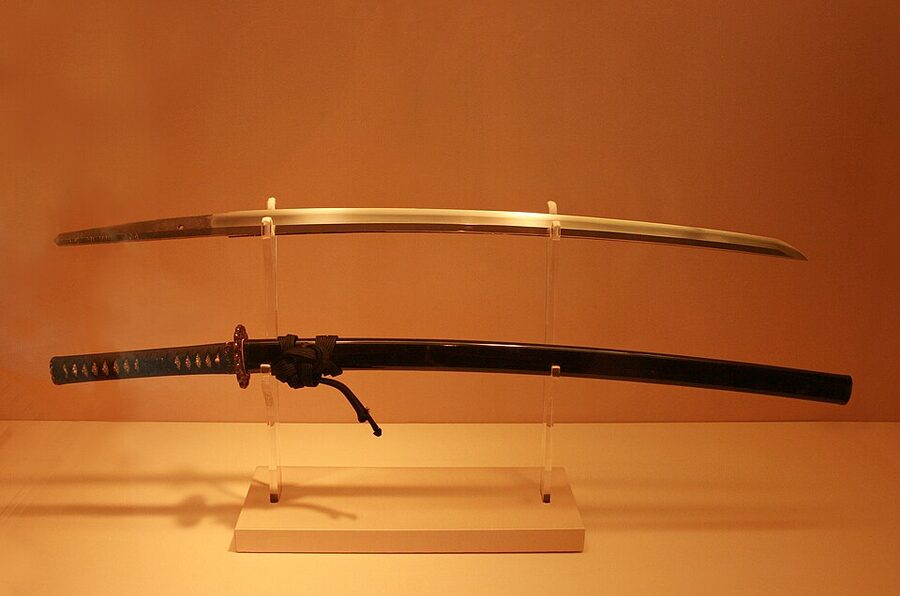
1. Kyoto: Kendo and Samurai Experience With Uniform and Gear — from $103
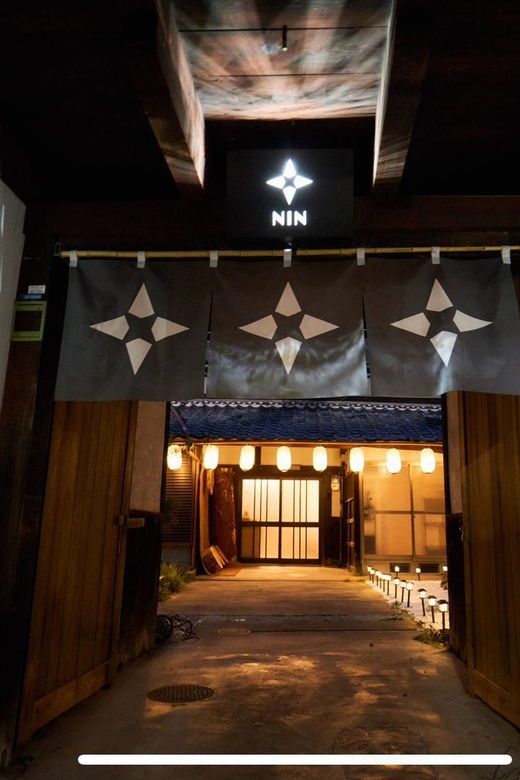
This is the one I’d pick if you only have time for one class. It combines kendo sparring drills in full armor with a separate Iaido sword section, and the instructor is a working kendo master. Our full review goes into the two-room setup and what to expect from the tatami-cutting round. Two hours, small group, held in a 100-year-old traditional house.
2. Kyoto: Samurai Sword Class by Experts in Traditional Arts — from $64
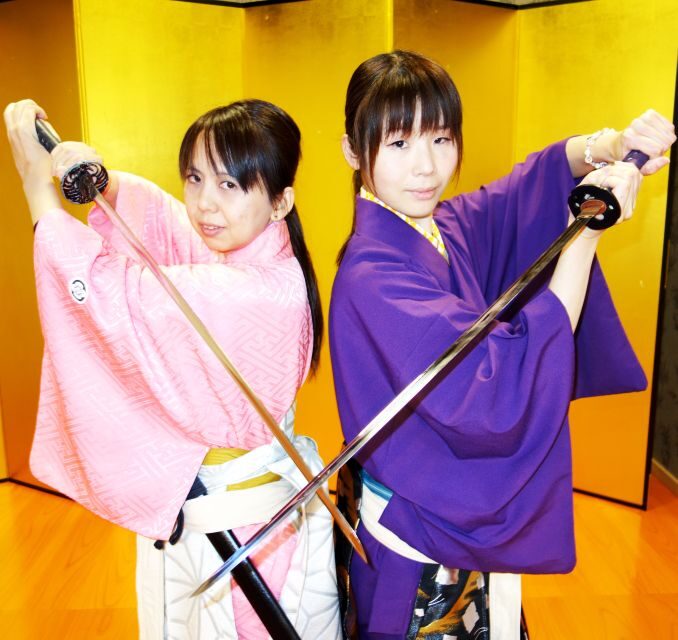
If the kendo-armor layer sounds intimidating or you just want to focus on sword technique, this is the one. Ninety minutes to two hours, often private or near-private, and the instructors run it as a traditional arts workshop rather than an activity. Our review covers who the instructors are and what the flow looks like. For the price, the value is harder to beat in Kyoto.
3. Kyoto: Samurai Class, Become a Samurai Warrior — from $70
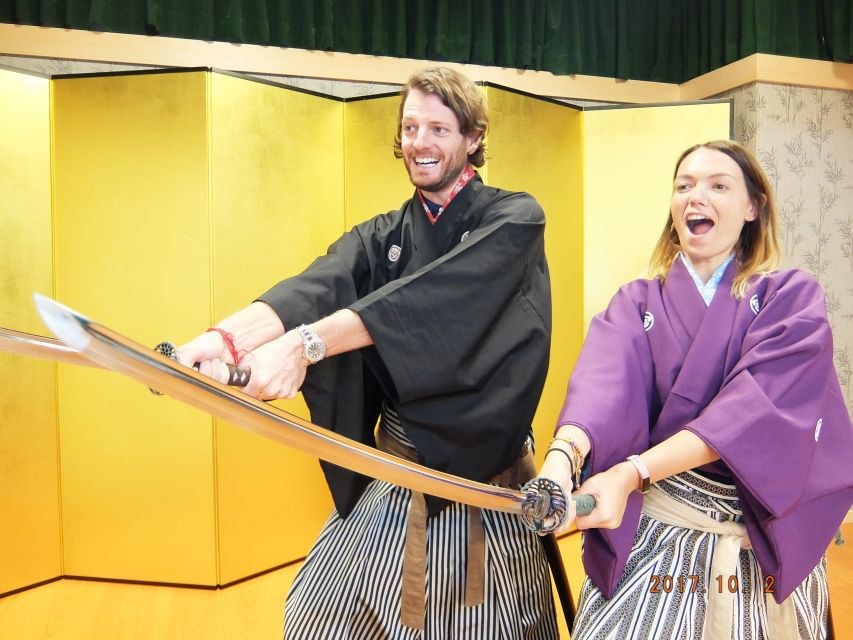
Groups cap at ten, and the class is structured around bowing, drawing, and striking drills before anyone touches a blade. Our review flags that the instructors lean into the culture and history as much as the technique, which makes this the softest start for people who aren’t sure they’re “sporty enough” for a samurai class.
What a good samurai class actually looks like
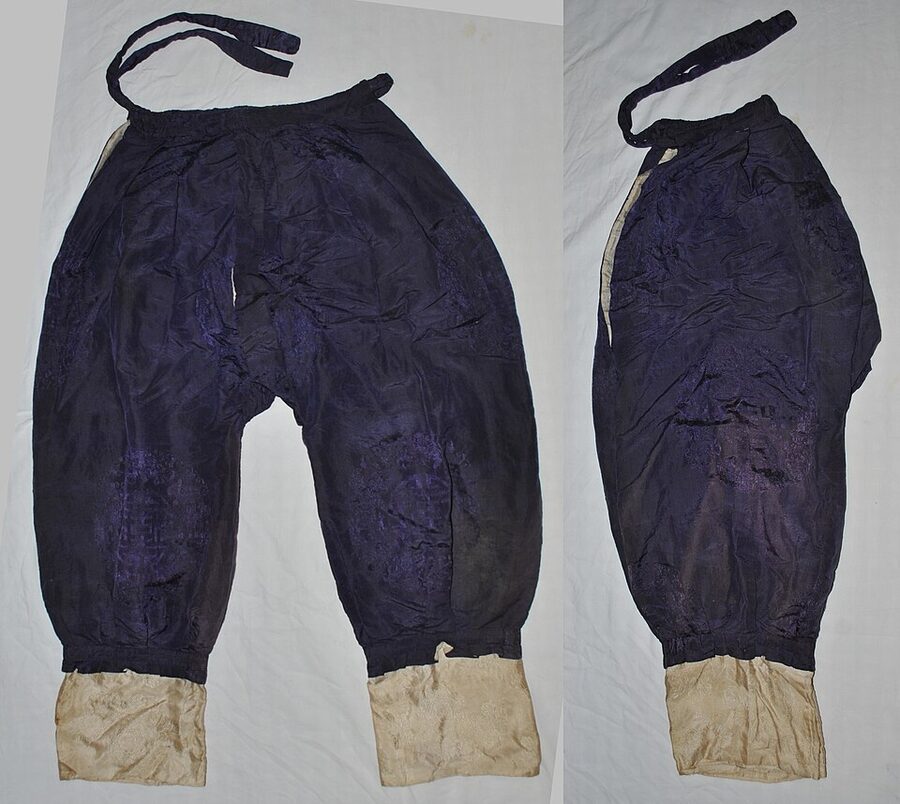
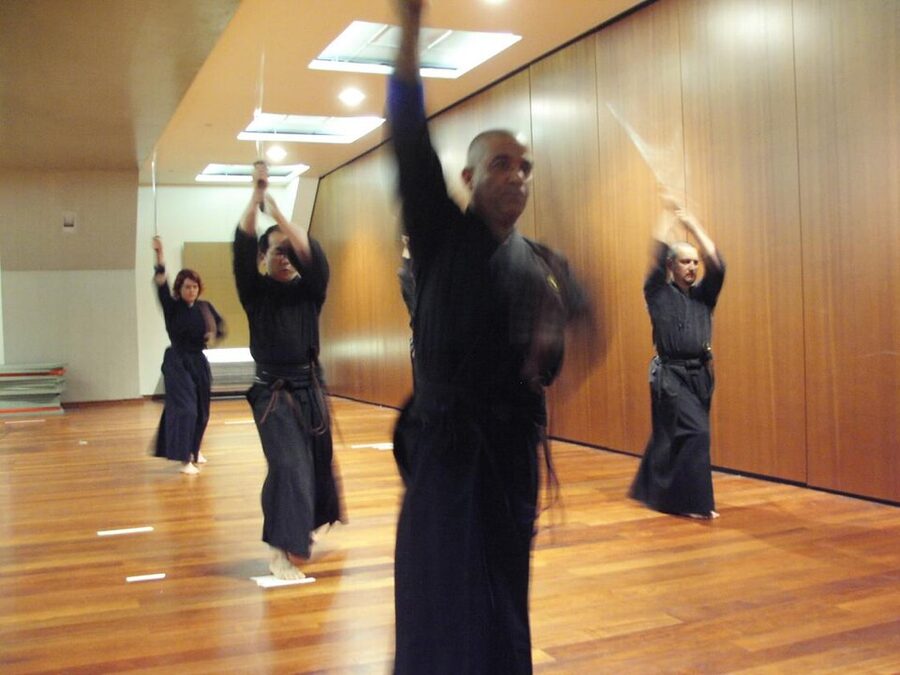
A proper class tends to follow the same arc. You arrive, take your shoes off at the genkan, and get dressed in a hakama and kimono top over your own clothes. The instructor gives a short talk on who the samurai actually were and where the sword fits into that. Then a live demonstration — the instructor draws, cuts, and sheathes in one flowing movement. It looks dance-like when it’s done well, and the tatami target splits as if it were made of wet sand.
After the demo, you practice the basics with a wooden bokken. Stance, grip, the four main cuts, how to turn the blade over on the draw. The first time you try it you feel like you have two left feet and a sword that weighs fourteen kilos — it doesn’t, but the awareness of the tip makes everything heavier. The good instructors are patient about this. Mine corrected my grip four separate times before I stopped flinching.
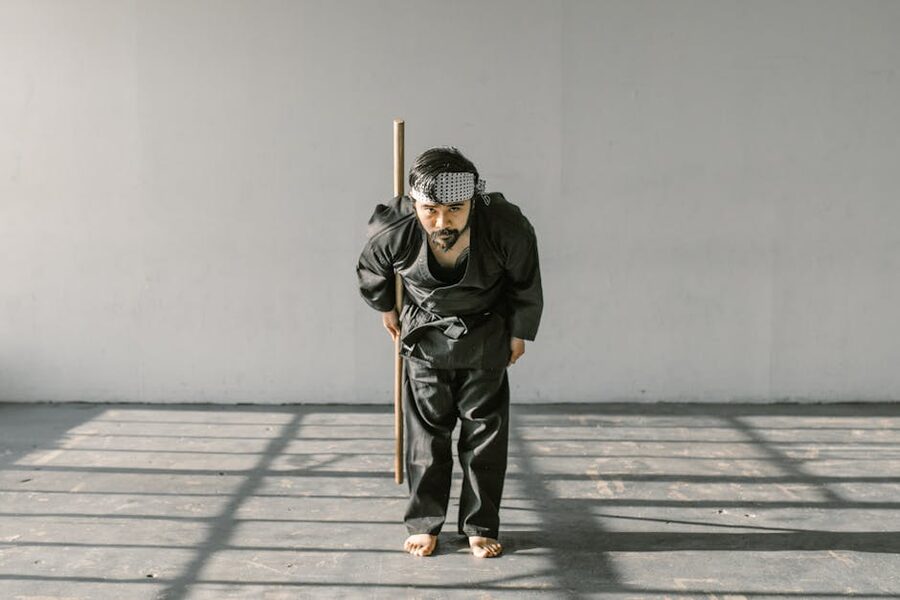
The last part is the real katana. You swap the bokken for a hundred-year-old blade, repeat the drills slowly under close supervision, and then take your turn slicing a rolled tatami mat in two. Some classes give you two or three attempts; the better ones go for a second round with the cut-down stub, which is physically harder to slice because there’s less mass to work against. Nobody has ever lost a finger in these classes as far as I can find — the instruction is careful and the swords are treated like the heritage objects they are — but you are handling a live blade, and the class pays attention accordingly.
The meditation at the end is not filler
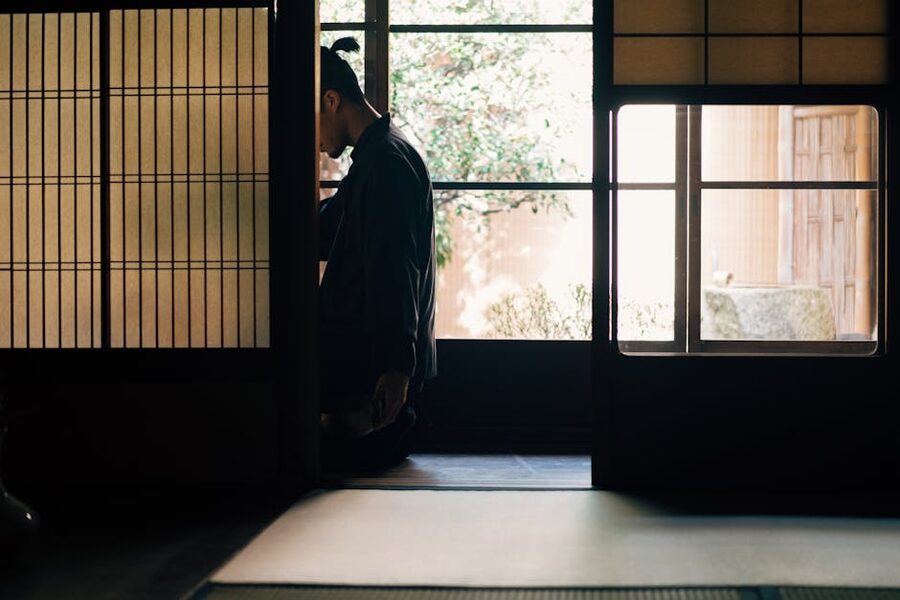
Most of the classes end with a short zen meditation, usually led with a singing bowl. I rolled my eyes at this before my first one. It turns out that when you’ve just spent ninety minutes focused on the specific path of a sword, sitting still with your eyes closed for five minutes actually works on you. The samurai used zen to steady the mind before combat, and you can feel why. Don’t skip it even if meditation is not your thing — it’s the cleanest come-down from the adrenaline of the tatami cut. If the meditation part hooks you, a dedicated zen session at a Kyoto temple is the obvious next step.
A short history of why this exists in Kyoto
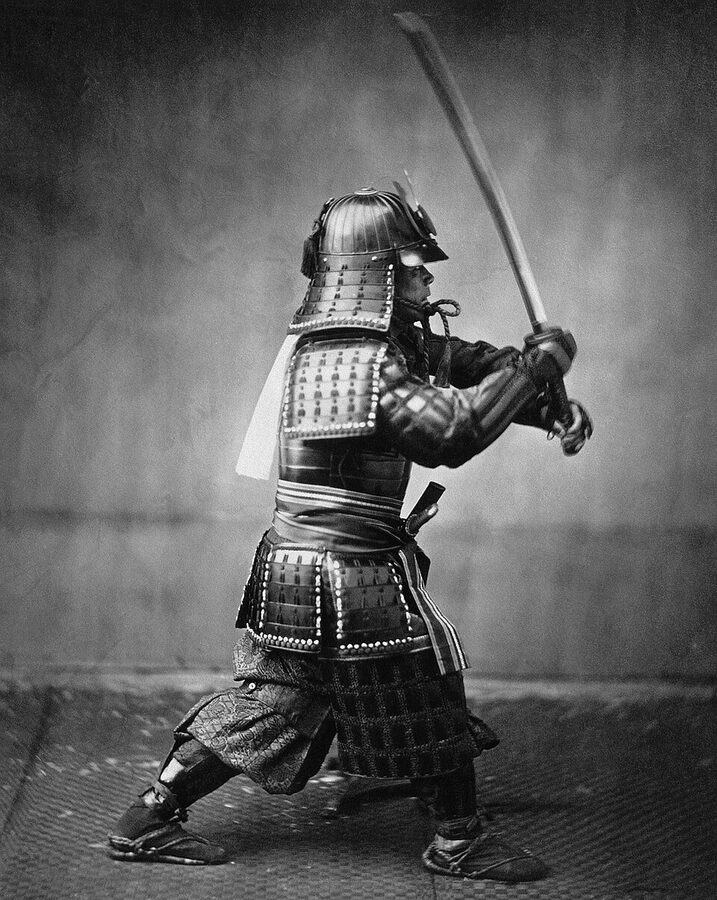
Kyoto was the imperial capital for more than a thousand years, from 794 until the Meiji Restoration in 1868. The samurai class rose, peaked, and then abruptly ended while Kyoto was still the centre of gravity. That history is not abstract in this city. Several of the dojos that run today’s classes are lineal descendants of schools that trained actual retainers. A few of the machiya townhouses used for the more upmarket experiences belonged to high-ranking samurai families before the Meiji abolition stripped the class of its swords and stipends in 1876.
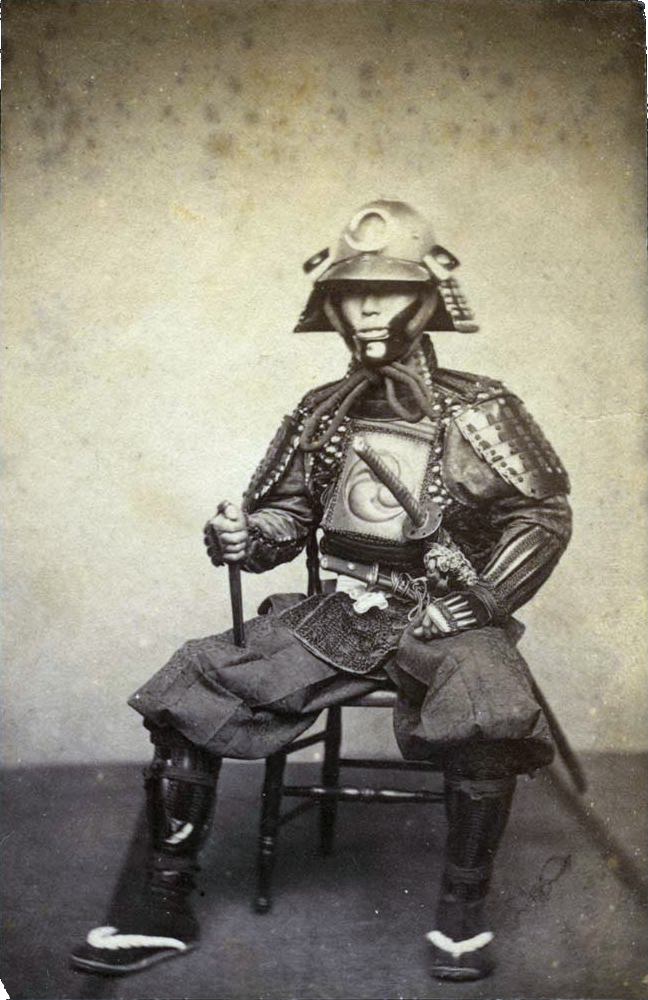
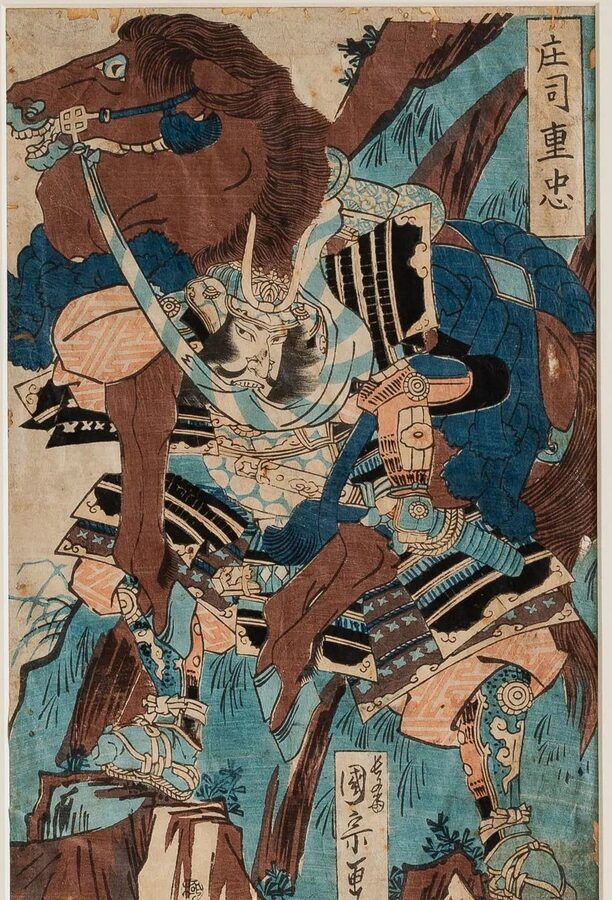
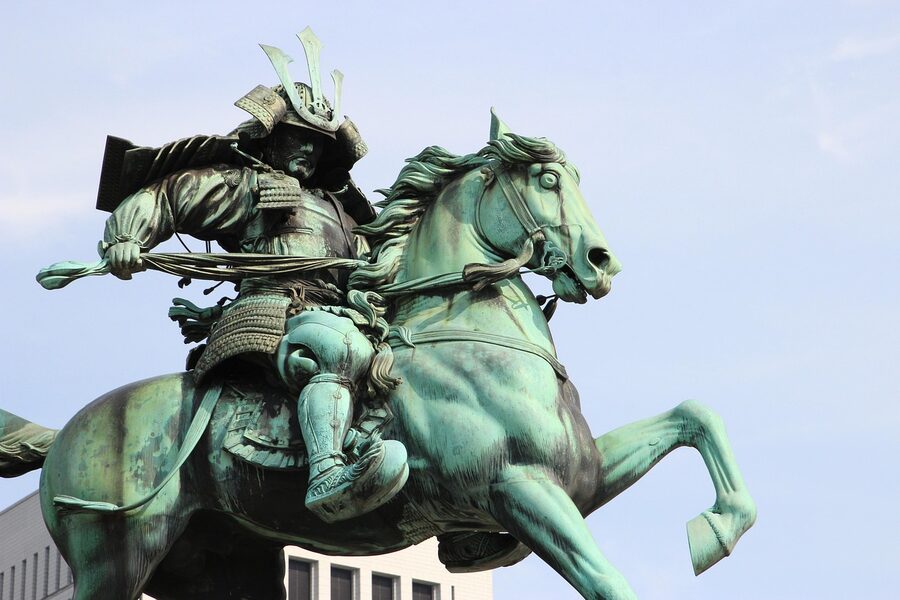
One piece of context most classes mention — and it’s worth knowing before you go — is that samurai in battle didn’t mostly fight with katana. The katana was a status symbol and a sidearm. In actual battles, mounted samurai used bows first and then long spears. The katana came out for close work, duels, and symbolic moments. The Kyoto instructors usually tell you this in the first ten minutes, and it reframes what you’re doing. You are not learning a battlefield weapon; you are learning the craft that the samurai class attached its identity to.
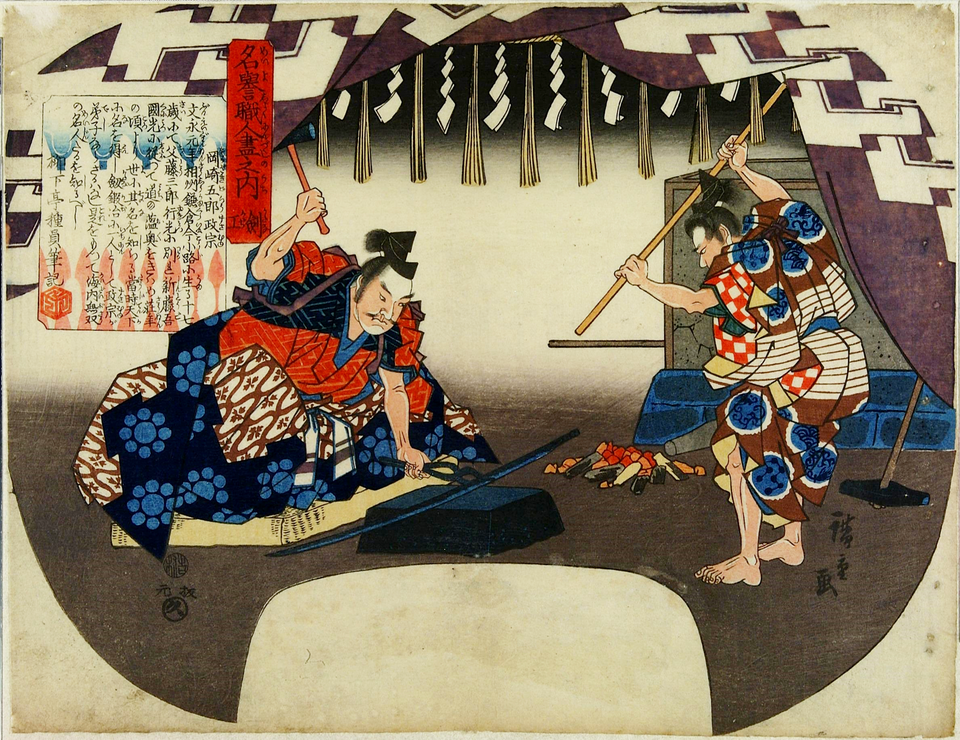
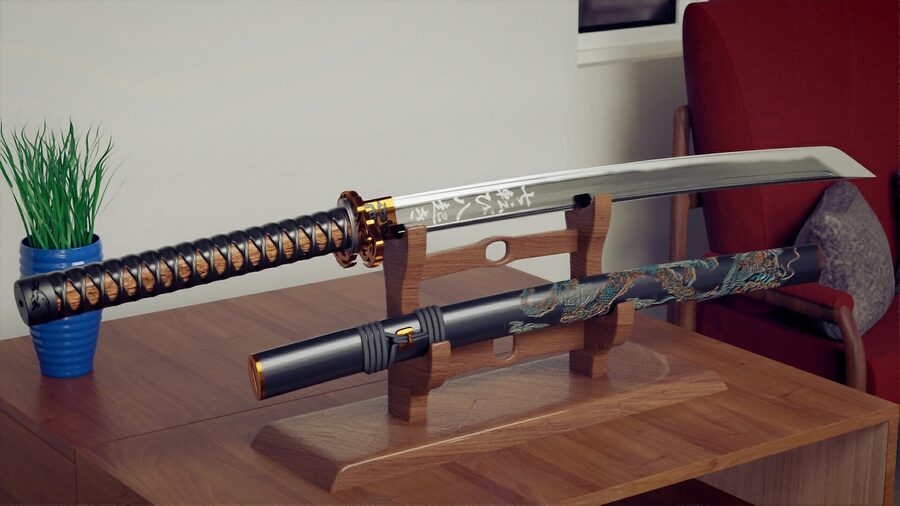
The swords themselves are worth ten minutes of your attention. The blades used in Kyoto classes tend to be 80 to 120 years old, Taisho or early Showa era, not antique museum pieces but not modern replicas either. A good instructor will point out the curve (sori), the tempering line (hamon) you can see running along the edge, and the weight distribution. These details are what make a katana feel alive in the hand in a way a stage prop never does.
Where the classes sit in Kyoto, and what to do after
Most of the top-rated samurai classes are in the Nakagyo or Shimogyo wards — central Kyoto, roughly between Kyoto Station and Nijo Castle. Some are right in the Gion area, which is more geisha-district than samurai-district but has good evening slots. The ones held in traditional machiya tend to be on quiet side streets, and the hosts often walk you to the nearest main road afterwards because the alleys are a maze.
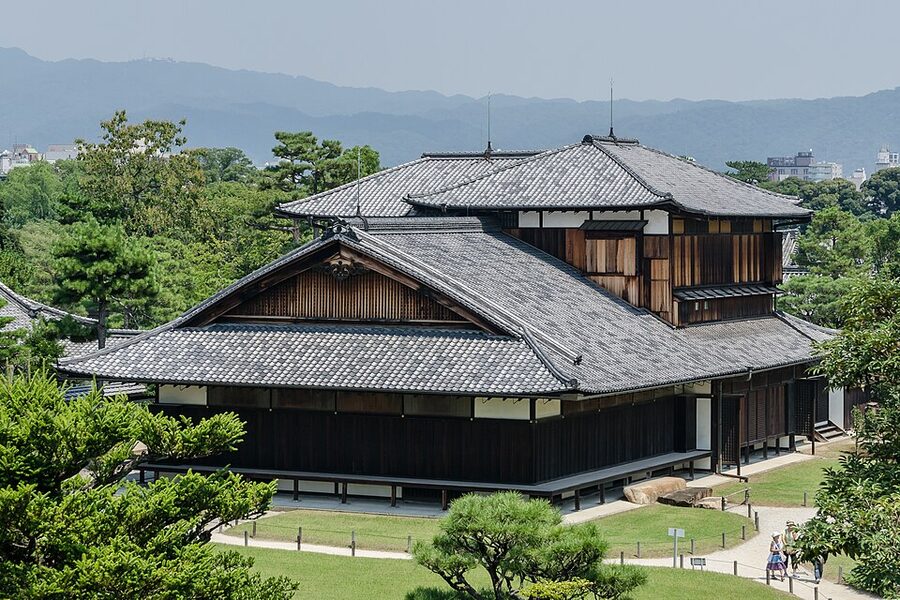
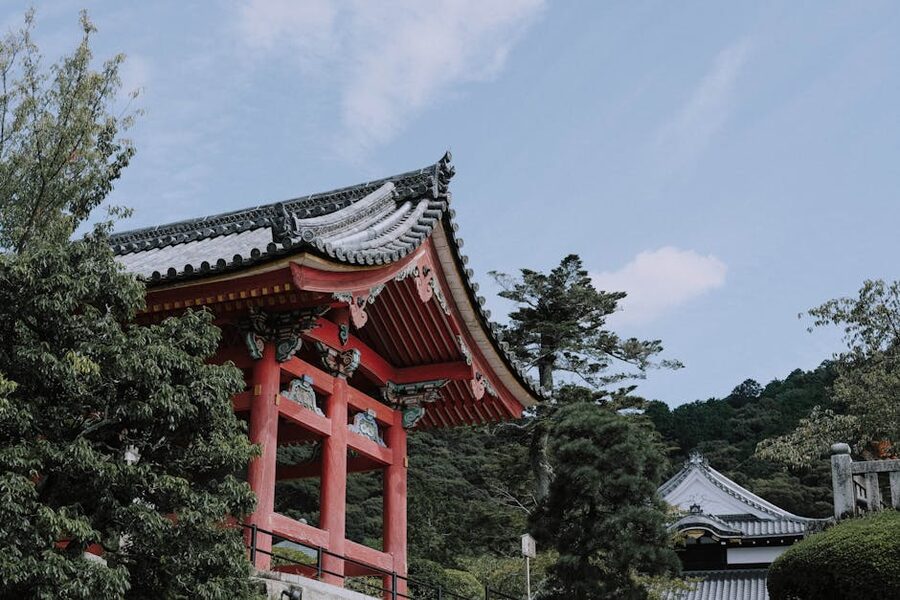
If you finish your class around midday, Nijo Castle is the obvious pairing. It was the Kyoto residence of the Tokugawa shoguns and was built specifically to project samurai power — the nightingale floors that squeak when walked on were a samurai-era security feature. The Honmaru and Ninomaru palaces give you the architecture and garden side of what the sword class taught you the martial side of.
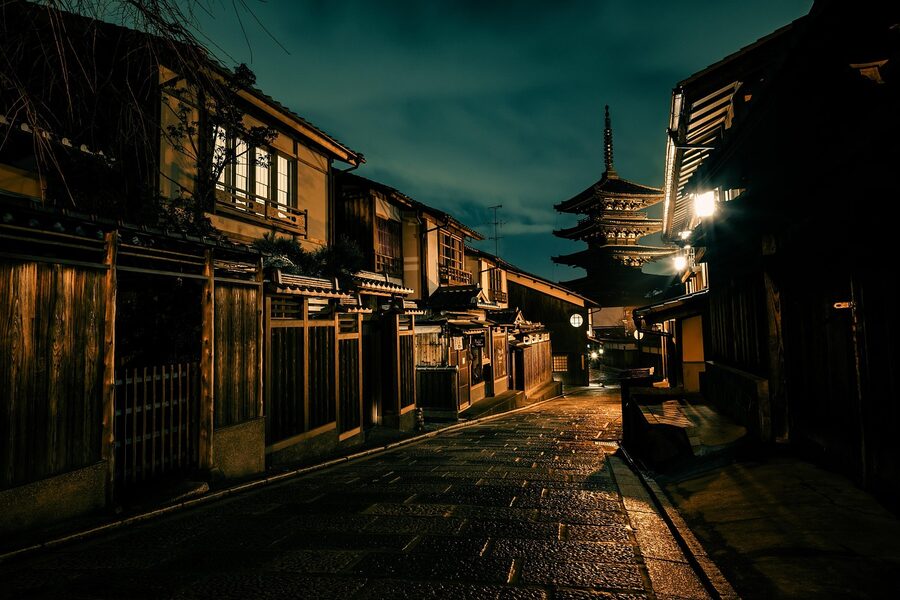
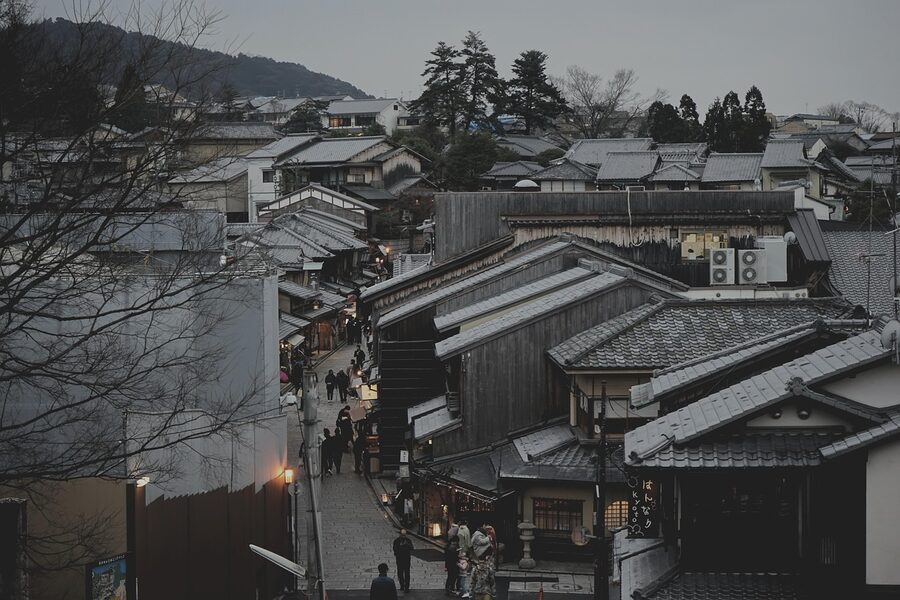
Evening options after the class are easier than they look. Kyoto’s best food area, Pontocho alley, runs ten minutes from many of the central dojos. A walk through Gion catches the old wooden machiya at their prettiest under the lantern light, and you’ll have fresh context for why the architecture looks the way it does. If you want to string a full day together, an authentic tea ceremony is the gentlest counterweight to the morning adrenaline.
Best time of day to book
Morning is best. Most dojos start sessions at 9 or 10 am, and your instructor is sharper at that time than they are at the end of a fourth-class day. You also get better natural light for the photos — the courtyards where the tatami cutting happens are outdoors where possible, and the sun angle in late morning flatters the shot.
Afternoon slots (1 to 3 pm) work well if you’re trying to fit the class between a Fushimi Inari morning and a Gion evening. Avoid the last slot of the day unless there’s nothing else — you and the instructor will both be tired.
What to wear and bring
The hakama goes over your normal clothes, so this is not as restrictive as it sounds. The only real rules:
- Trousers or leggings, not a long dress. The hakama sits over your waist; anything bulky underneath makes it uncomfortable.
- Socks, not bare feet. You’ll spend a lot of time on tatami, and house rules include covered feet.
- Shoes that come off easily. You’ll take them off and put them back on at least twice. Lace-up boots are a pain.
- Hair tied back if it’s long. Not strictly required but the instructors appreciate it during the cutting round.
The class provides the hakama, kimono top, and swords. You don’t need to bring anything except water and a camera-enabled phone. Most classes take photos for you and send them by email or a shared folder afterwards, so you don’t have to spend the session trying to take your own.
Cancellation, refunds, and common gotchas
GetYourGuide and Viator both offer free cancellation up to 24 hours ahead on the top-rated Kyoto samurai classes. Direct booking through the dojo websites is usually cheaper by five to ten dollars but sometimes non-refundable or only partly refundable after 48 hours. If your Kyoto plans are firm, direct-book and save. If you’re still moving dates around, book via the platforms for the flexibility.
A few gotchas worth flagging:
- Minimum age varies. Most classes accept age six and up, but a few require 12 or higher because of the blade handling. Check before booking if you have kids.
- Photography rules differ. Some classes let you film the entire thing; others only allow stills during specific portions. The instructor will tell you at the start. No flash is a universal rule.
- The dress-up-only “samurai museums” market themselves hard. If the listing emphasises photo ops and costumes over instruction, it’s not what you want. Look for the words cutting, katana, Iaido, kendo.
- Group size changes the experience. A class with ten people and a single instructor means you’ll wait a fair bit between turns. A class with six people and two instructors is significantly better value even if it costs a little more.
What the reviews don’t tell you
Reviews on GetYourGuide and Viator skew positive because the people who actually turn up are already invested. The two things I wish someone had told me before I booked:
First, the cutting round is brief. You’ll do two or three strikes, total, with the real blade. If you’re imagining a long session of blade work, recalibrate — most of the class is drills and instruction, and the real katana moment is the payoff at the end, not the bulk of the time.
Second, it’s more emotional than physical. You won’t be exhausted; these classes aren’t a workout. But the focus required is unusual for a holiday activity. I came out of mine quieter than I went in, which was not what I expected. Plan something gentle for after, not a crowded afternoon at Kiyomizu-dera.
Who this is (and isn’t) for
Go if you’ve ever been curious about Japanese martial tradition, if you like handling objects with history, or if you want an hour of your Kyoto trip that isn’t photographing the same shrine everyone else is photographing. Go if you want to feel what a katana actually weighs.
Skip it if you’re expecting Hollywood sword-fighting, if you hate structured instruction, or if the idea of bowing and listening quietly to a teacher for twenty minutes makes you restless. The classes are slow-paced by design. That’s the whole point.
If you have time for two sessions
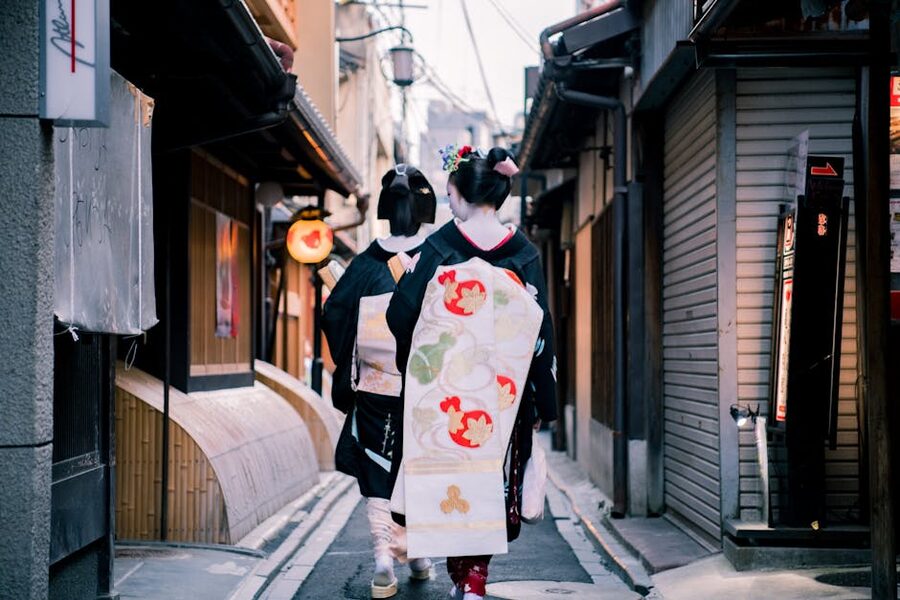
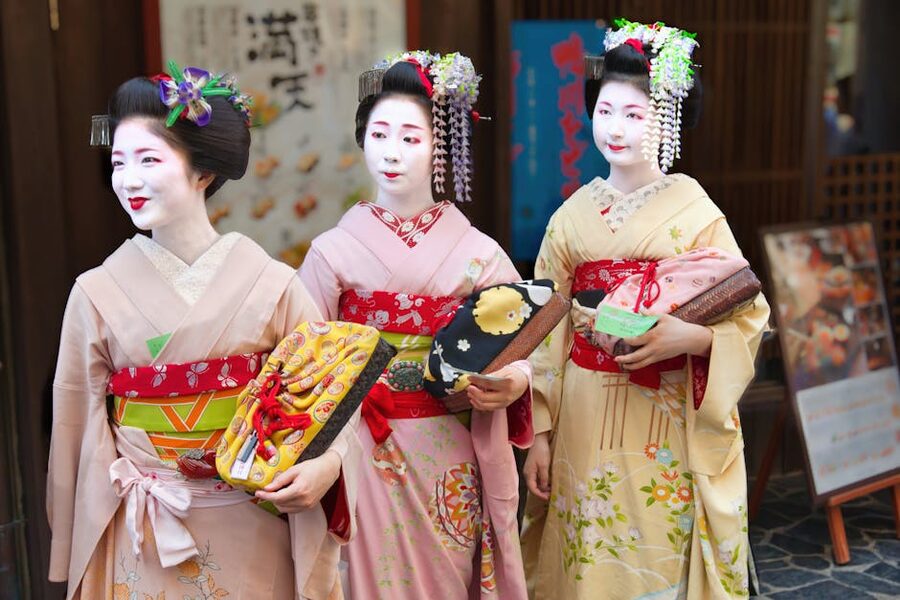
A setup I’ve seen work well: morning kendo-and-samurai experience, afternoon walk through Gion in a rented kimono. The two halves together give you the warrior side and the court side of Kyoto’s tradition, and they sit in the same part of the city. Rental kimono places in Kyoto run from about $30 for a couple of hours and most are within walking distance of the dojos.
Quick facts cheat sheet
- Duration: 90 minutes to 2 hours for a full class. Avoid anything shorter.
- Price range: $64 to $120 for a proper class with real katana work.
- Advance booking: 3-4 weeks ahead during cherry blossom and autumn colour seasons. 3-4 days off-peak is usually enough.
- Group size: 6-10 people maximum. Smaller is better.
- Age minimum: Usually 6, sometimes 12 for the katana portion. Always check the listing.
- What’s included: Hakama, kimono top, wooden sword, real katana, tatami for cutting, photo package.
- What to bring: Water, socks, covered hair tie. That’s it.
Before you book, consider these nearby classes too
If Kyoto is one stop on a longer Japan trip, the samurai experience is best paired with something on the cultural-craft side of the country rather than another martial class. A Tokyo tea ceremony the day before your flight home is the counterweight that lets the samurai session sit in your memory. For Osaka days, a private Osaka tour with a local guide digs into the merchant-culture side of the Kansai region — the commercial world that the samurai class ran on top of. And if you want something more high-adrenaline and modern, the Osaka go-kart tour is the opposite end of the Japan-experience spectrum: no history, pure dumb fun, two cities, same country.
Stay in Kyoto long enough and a pattern emerges: every tradition-based experience in this city either prepares you for or unwinds you from the samurai class. That’s not a coincidence. It’s why Kyoto is still the right place to book this particular two hours. If the sword class leaves you wanting more of the martial-heritage side of Kyoto, a kenbu sword-dance show is the theatrical counterpart, and the ninja experience covers the other half of Japan’s warrior tradition.