I couldn’t stop my brain from thinking. That was the whole problem.
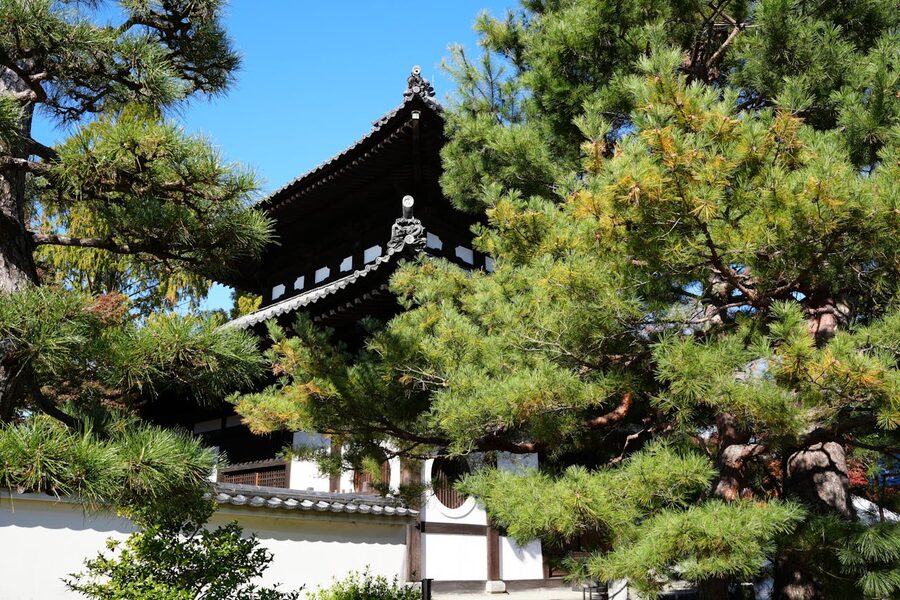
I was sitting cross-legged on a cushion in a 400-year-old zen temple in Kyoto. The monk had told us to focus on our breathing. Inhale. Exhale. Nothing else. My mind lasted about 11 seconds before it started thinking about what to have for lunch.
Then the monk walked behind me and I heard a crack. Someone got hit with the keisaku — the flat wooden stick used in zazen to correct posture (or, more accurately, to snap you out of your daydream). The sound was sharp and loud in the silent room. I focused on my breathing very quickly after that.
Zen meditation (zazen) in Kyoto isn’t a spa treatment or a mindfulness app come to life. It’s the real thing — practiced in actual Buddhist temples by actual monks using methods that haven’t changed in centuries. The sessions are structured, sometimes strict, and genuinely transformative if you let them be.
The experiences available to visitors range from one-hour introductions to full-day programs that include meditation, a garden tour, calligraphy, and a zen lunch. Both of Kyoto’s best options are listed below.
Short on time? Here are my top picks:
Best hidden temple: Kyoto Zen Experience in a Hidden Temple — a 90-minute session in a private temple that most visitors never see. Guided by a resident monk. Includes zazen meditation and a garden tour.
Best full day: Zen Meditation & Garden Tour with Lunch — a comprehensive 4-hour experience with meditation, garden tour, zen calligraphy, and a traditional shojin ryori (Buddhist vegetarian) lunch. The complete Kyoto zen day.
- What Is Zazen?
- The 2 Best Kyoto Zen Experiences
- 1. Kyoto Zen Experience in a Hidden Temple — 9
- 2. Zen Meditation & Garden Tour at a Zen Temple with Lunch — 0
- What a Zazen Session Feels Like
- The Zen Gardens — Why They Exist
- The History — How Zen Came to Kyoto
- The Famous Zen Temples of Kyoto
- Practical Tips
- Shojin Ryori — Zen Food
- The Zen Approach to Travel
- More Kyoto and Japan Experiences
What Is Zazen?
Zazen literally means “seated meditation.” It’s the core practice of Zen Buddhism. You sit, usually on a round cushion (zafu) on top of a flat mat (zabuton), face the wall, and focus on your breathing. The goal isn’t to “empty your mind” — that’s a Western misunderstanding. The goal is to notice your thoughts without following them. You observe them like clouds passing. Eventually, the spaces between thoughts get longer.
That sounds simple. It’s not.
Your legs will hurt. Your back will ache. Your mind will wander to breakfast, email, that argument from three years ago. The practice is in returning your attention to the breath each time it wanders. Over and over. That returning IS the meditation.
The keisaku (wooden stick) is used in some temples — the monk walks behind seated meditators and gives a light strike to the shoulders of anyone whose posture is slumping or who appears to be falling asleep. It’s not punishment. It’s considered a form of encouragement. You can usually opt out by declining when the monk approaches.
The 2 Best Kyoto Zen Experiences
1. Kyoto Zen Experience in a Hidden Temple — $109
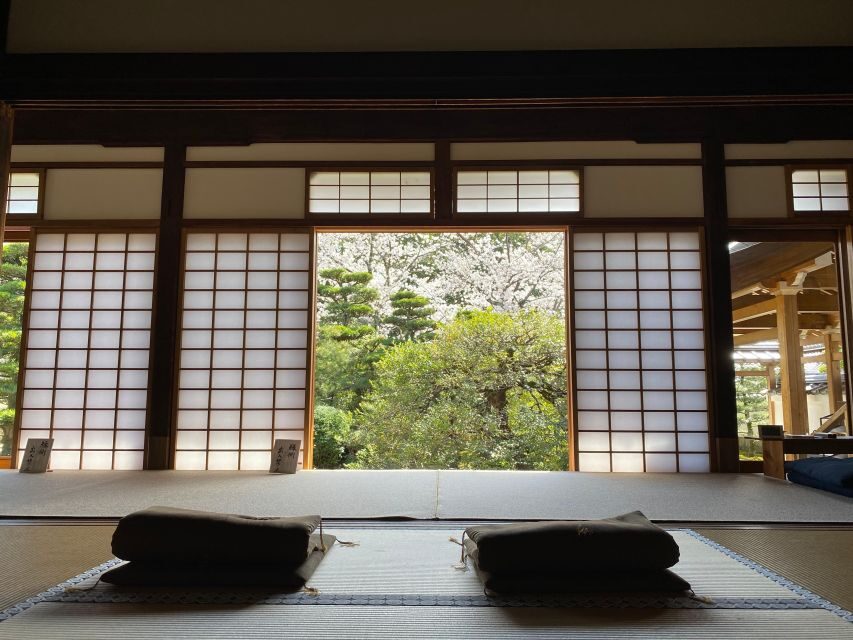
This is the more popular option for first-timers. You’re taken to a private temple that’s not on the usual tourist circuit — the location is only revealed after booking (it changes seasonally). A resident monk guides you through 30-40 minutes of zazen meditation, explains zen philosophy in accessible English, and then walks you through the temple’s garden. The setting is authentic — this is a working temple, not a tourist venue. The small group size (max 8-10) means you get personal instruction on posture and breathing. Our review covers what to expect and how to prepare.
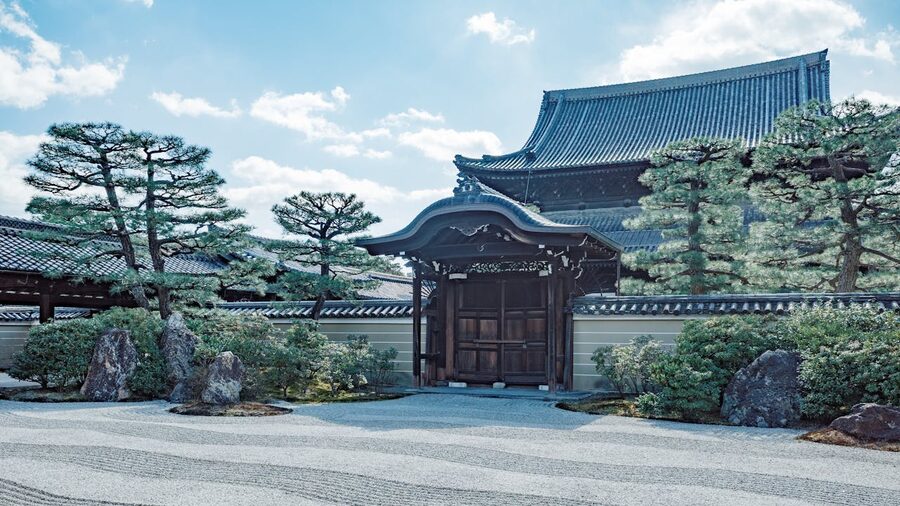
2. Zen Meditation & Garden Tour at a Zen Temple with Lunch — $110
The comprehensive option. This is a 4-hour program that includes zazen meditation, a guided tour of the temple and its zen garden, zen calligraphy practice (you’ll write kanji with a brush), and a shojin ryori lunch — the traditional vegetarian cuisine eaten by Buddhist monks. The lunch alone is worth the price — multiple small dishes prepared according to Buddhist dietary rules, served in silence or with quiet explanation. This is the experience for people who want to understand zen as a complete system of living, not just a meditation technique. Our review walks through the full 4-hour program.
What a Zazen Session Feels Like
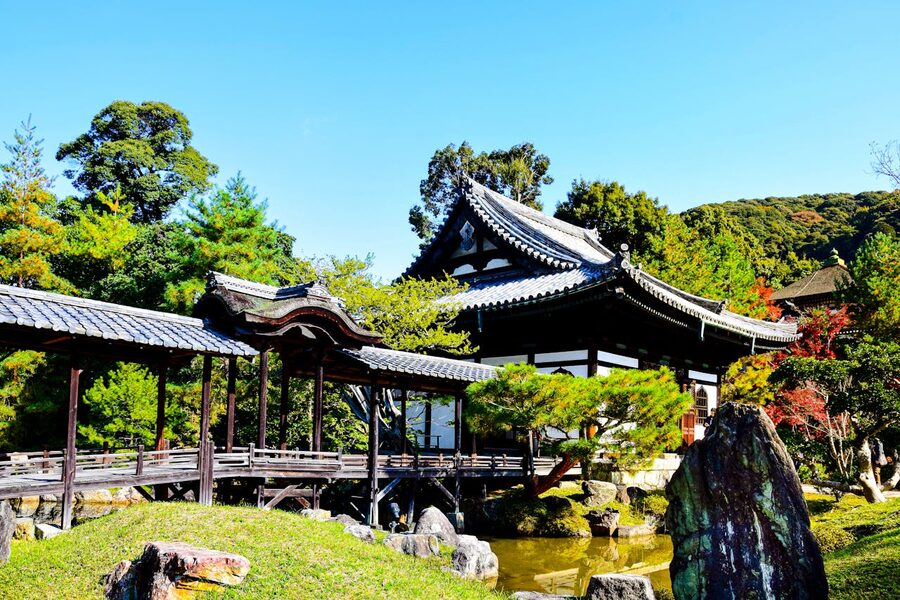
You arrive at the temple and leave your shoes at the entrance. The floors are polished wood. The air smells faintly of incense and old timber.
The monk greets you and leads you to the meditation hall (zendo). You’re shown your cushion and taught the sitting position: cross-legged (half-lotus is recommended, but regular cross-legged is fine), back straight, hands in a specific mudra (left hand resting in right, thumbs touching to form an oval).
The session begins with a bell. One clear, resonant note that fades into silence.
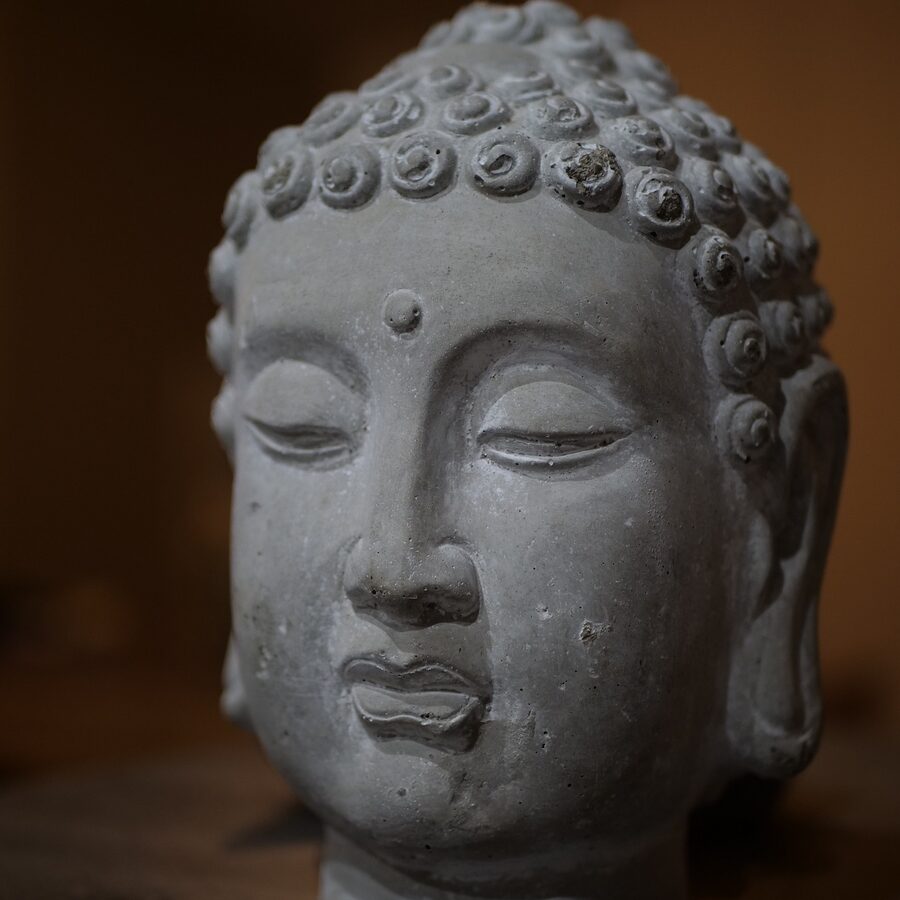
For the next 20-40 minutes, you sit. You breathe. You notice your thoughts. You let them go. You notice more thoughts. You let those go too. Your left knee starts hurting. You notice that. You let it go (or try to). A crow caws outside. A car passes. The incense smoke curls.
When the bell rings again, the session is over. You’ll feel strange — slightly altered, like someone adjusted the contrast on your vision. Colours seem more vivid. Sounds seem clearer. The garden outside the zendo looks different than it did 30 minutes ago.
That shift in perception is what zazen is for. It’s not mystical. It’s just the result of sitting still long enough to actually notice the world around you.
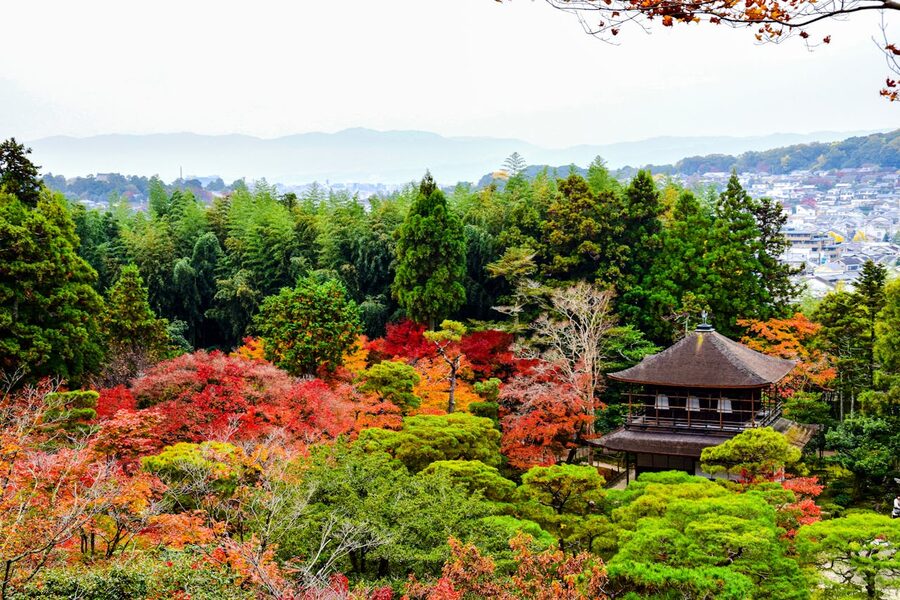
The Zen Gardens — Why They Exist
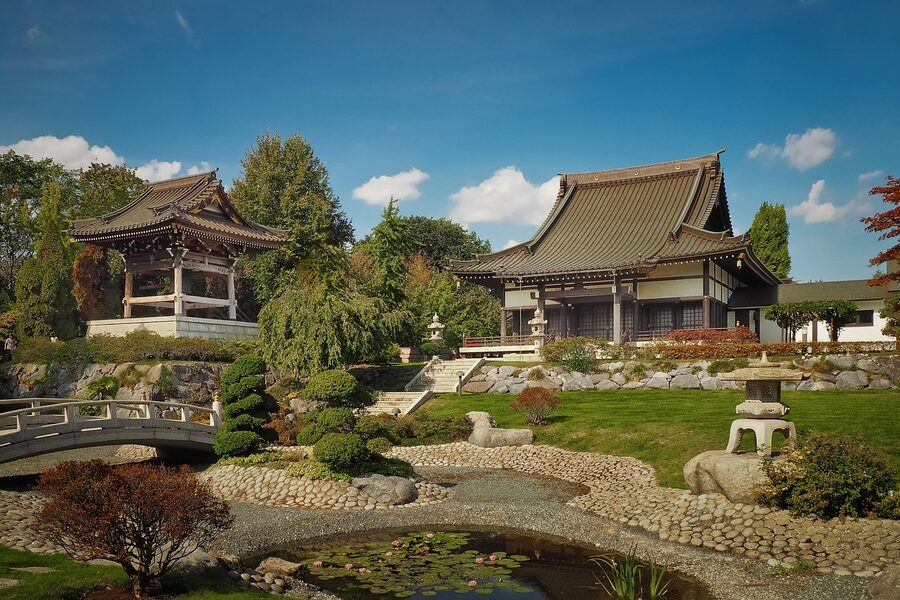
Zen gardens aren’t just pretty landscaping. They’re tools.
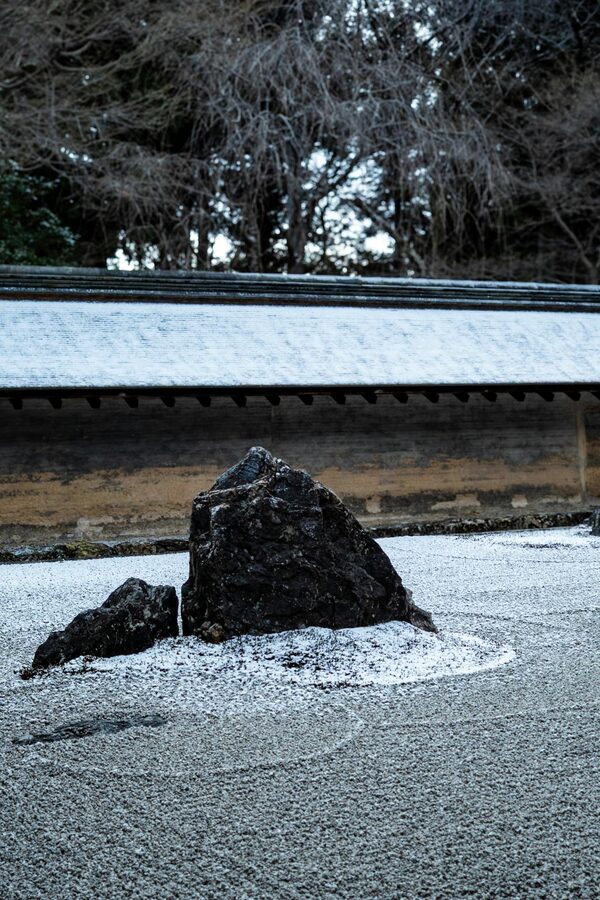
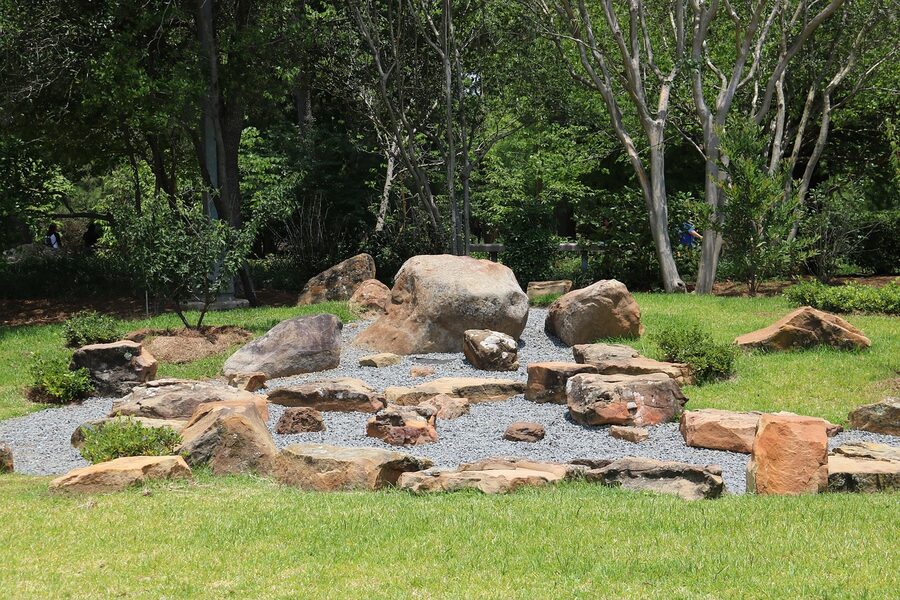
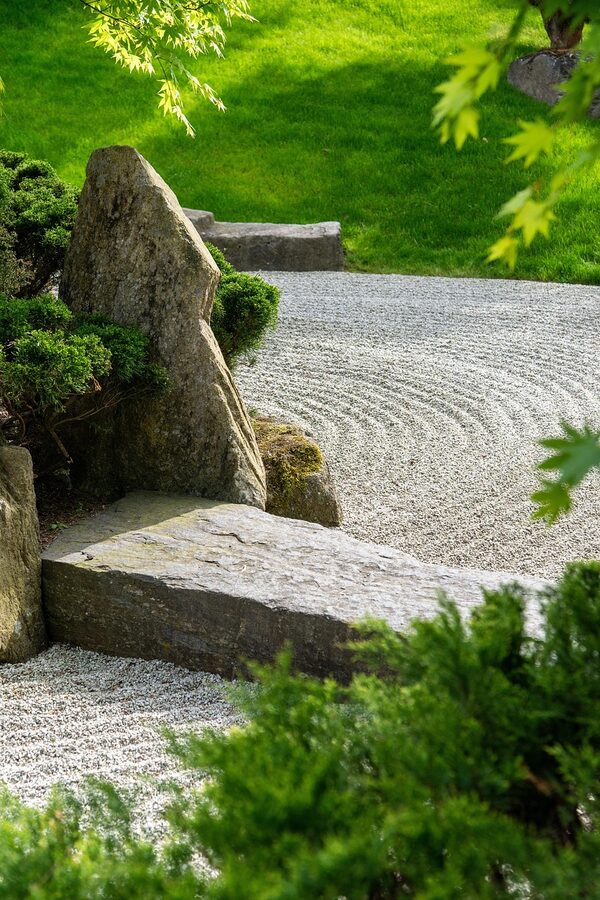
The karesansui (dry landscape) garden — the famous style with raked white gravel and carefully placed rocks — was designed specifically to support meditation. You sit on the edge of the garden, facing inward, and the abstract landscape becomes a focus for contemplation. The absence of water (represented by gravel) and the minimal elements force your mind to fill in the gaps. That act of mental completion is itself a form of meditation.
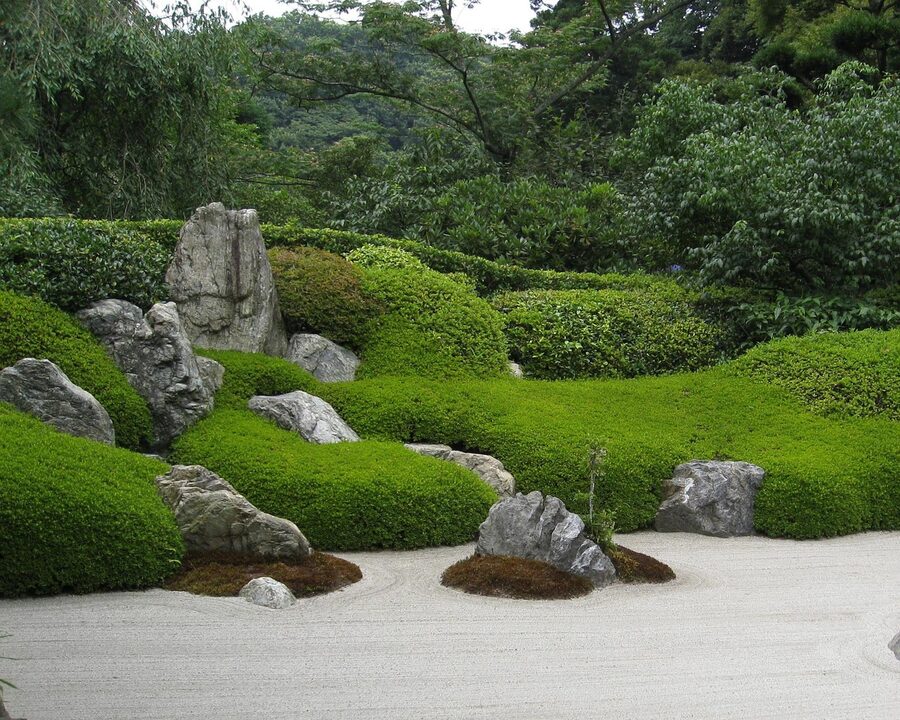
The most famous zen garden in Kyoto is at Ryoan-ji — 15 rocks arranged on white gravel inside a walled rectangle. It was created around 1499. No one knows who designed it or what the arrangement means. That uncertainty is considered part of the point.
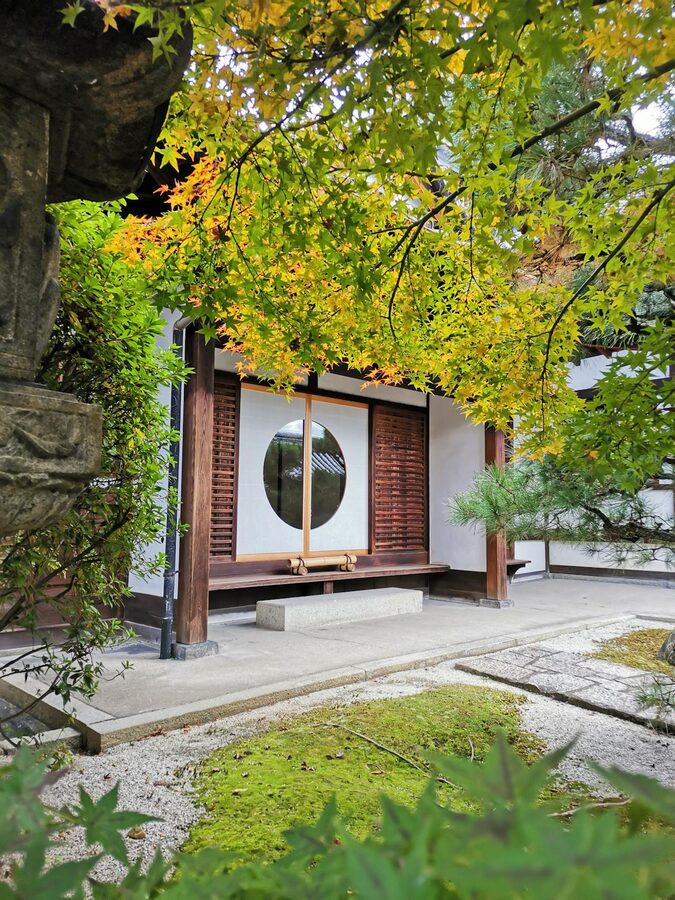
Both of the tour experiences include time in the temple’s garden after the meditation session. The combination of zazen followed by garden contemplation is how zen monks have structured their days for 800 years. You’re doing the same thing, just in a compressed version.
The History — How Zen Came to Kyoto
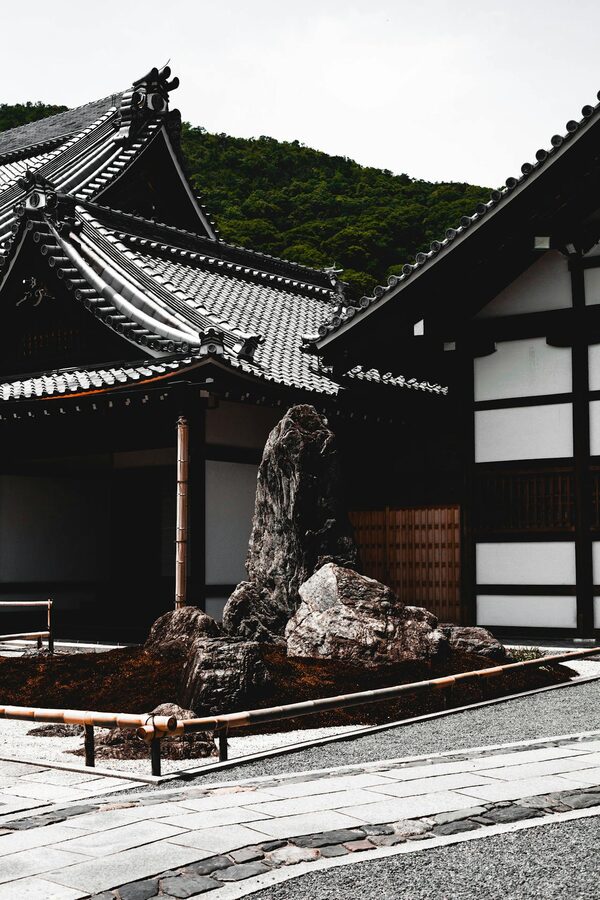
Zen Buddhism arrived in Japan from China in the 12th and 13th centuries. The monk Eisai brought the Rinzai school in 1191. Dogen brought the Soto school in 1227. Both schools established major temples in Kyoto, and the city became (and remains) the heart of Japanese zen.
Zen appealed to the samurai class because it valued discipline, simplicity, and direct experience over intellectual study. The ruling shoguns in Kyoto became major patrons of zen temples, funding the construction of the massive temple complexes you can visit today — Nanzen-ji, Daitoku-ji, Myoshin-ji, Tenryu-ji, and others.
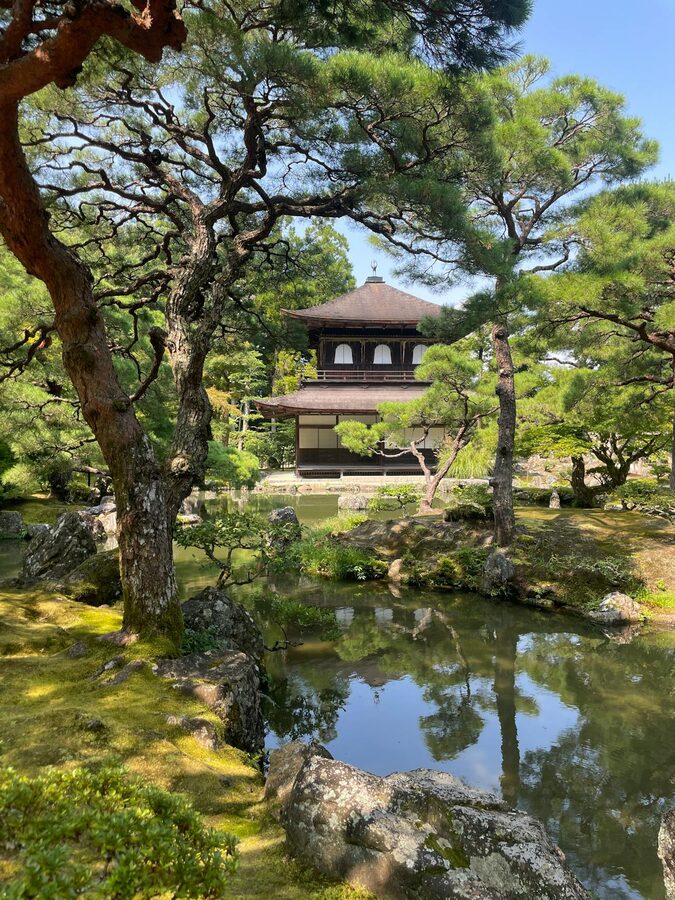
When you visit one of these temples for meditation, you’re sitting in a building that was designed from the ground up for this purpose. The proportions of the room, the quality of the silence, the view from the window — all of it was engineered by monks who spent their lives studying how environment affects consciousness. They had 800 years to get it right. They did.
The Famous Zen Temples of Kyoto
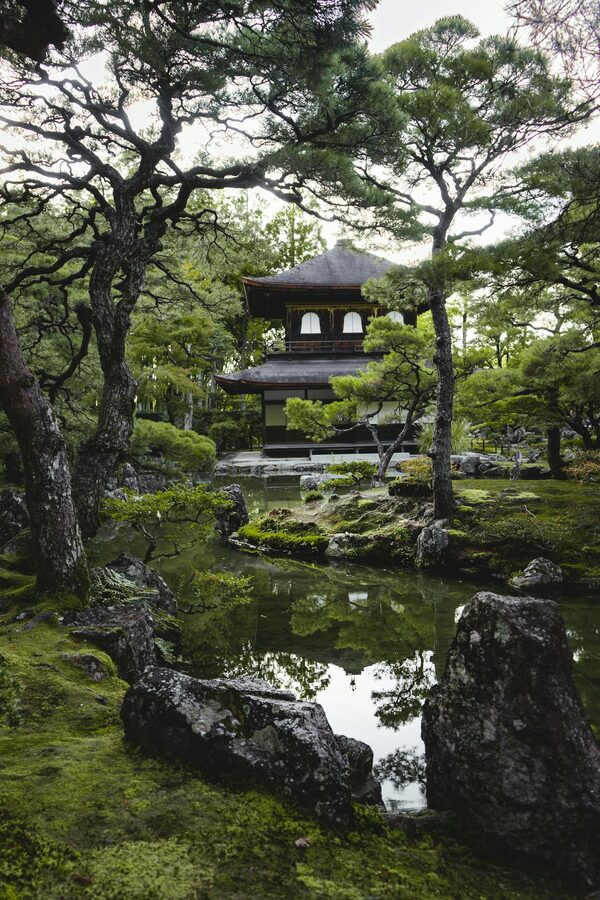
While the tour experiences take you to less-visited temples (which is part of their appeal), here are Kyoto’s major zen temple complexes worth visiting on your own:
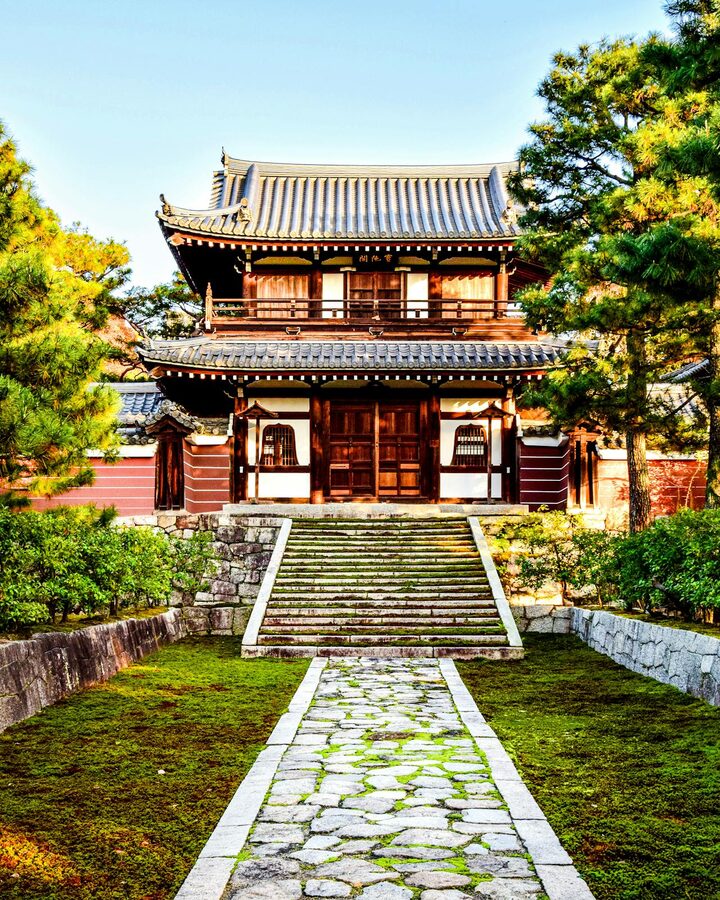
Nanzen-ji: One of the most important zen temples in Japan. The massive sanmon gate gives views over Kyoto. The sub-temple Tenju-an has a beautiful moss and stone garden.
Ryoan-ji: Home of the famous 15-rock garden. Worth visiting even if you don’t meditate — just sit on the veranda and stare at the rocks for 20 minutes. Something happens.
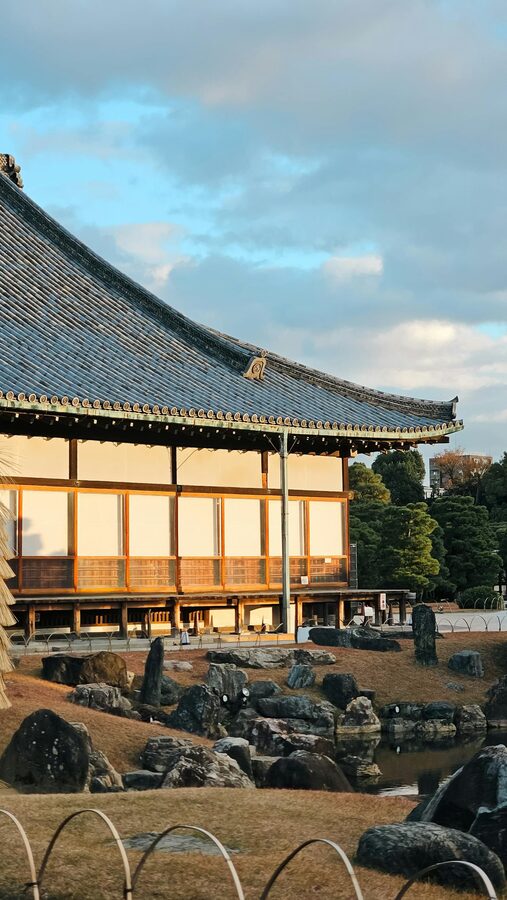
Daitoku-ji: A massive complex with over 20 sub-temples. Several offer zazen sessions for visitors. The sub-temple Daisen-in has one of the finest zen rock gardens in existence.
Myoshin-ji: The largest zen temple complex in Japan — 46 sub-temples within its walls. The main hall has a famous ceiling painting of a dragon. The sub-temple Taizo-in offers meditation and has a gorgeous garden.
Tenryu-ji: In Arashiyama, at the entrance to the famous bamboo grove. The garden (designed by zen master Muso Soseki in 1339) was the first Japanese site to be listed as a UNESCO Special Place of Scenic Beauty.
Practical Tips
When to book: Sessions run 2-4 times per week, usually mornings. Book 5-7 days ahead, more during peak seasons (cherry blossom, autumn foliage). Weekend sessions fill first.
What to wear: Loose, comfortable clothing. You’ll be sitting cross-legged on a cushion. Tight jeans are a bad idea. Socks only inside the temple (no shoes). Dark or muted colours are respectful.
Physical requirements: You need to be able to sit on the floor for 20-40 minutes. If you have knee or hip issues, tell the guide — most temples have chairs or benches as alternatives.
Photography: Usually not allowed during the meditation session itself. Garden photos are typically fine. Always ask.
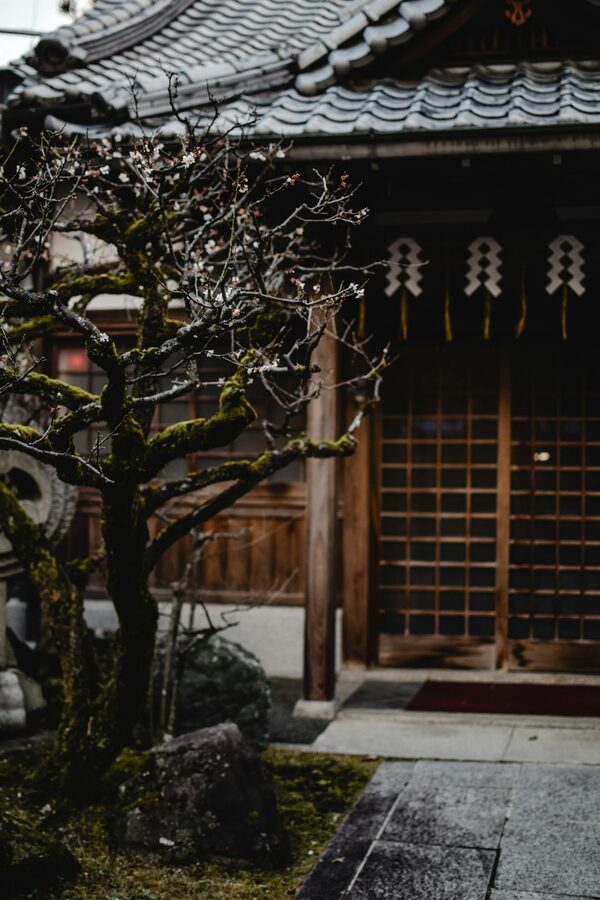
Best time to visit: Early morning sessions are the most atmospheric. Autumn (November) and cherry blossom season (April) are visually the most beautiful in the temple gardens, but winter has its own appeal — meditation in a quiet temple while rain or snow falls outside is deeply calming.
Mental preparation: Don’t expect to achieve enlightenment. Don’t expect to “feel zen.” Expect to sit, struggle with your thoughts, and learn something about how your mind works. That’s enough. That’s more than most people get in a month of normal life.
The keisaku: If the temple uses the wooden stick, you’ll be told in advance. You can opt out. If you opt in, it’s a sharp tap on the shoulders — surprising but not painful. Many people find it helpful.
Shojin Ryori — Zen Food
If you book the full-day experience (Tour 2), you’ll eat shojin ryori — the traditional vegetarian cuisine of Buddhist monks. It’s not like Western vegetarian food. There’s no cheese, no dairy, no eggs, and no strong flavours like garlic or onion. What you get instead is extraordinary subtlety.
A typical shojin ryori meal includes: tofu (prepared multiple ways — silken, grilled, fried, freeze-dried), seasonal vegetables (whatever’s growing that month), pickled items, miso soup, rice, and sometimes yuba (tofu skin). Everything is presented beautifully on small plates and bowls. The aesthetic matters as much as the flavour.
The meal is eaten slowly, in relative silence. In zen monasteries, eating is considered a form of meditation — you focus on each bite, each texture, each temperature. The monks eat the same food year-round. Visitors get a more elaborate version, but the principles are the same: simplicity, seasonality, and gratitude.
Several Kyoto restaurants serve shojin ryori to non-temple visitors as well. The most famous is Shigetsu at Tenryu-ji temple in Arashiyama, where you eat overlooking the garden. But the in-temple version during the tour experience feels more authentic — you’re eating in the same room where monks have eaten for centuries.
The Zen Approach to Travel
Here’s something nobody tells you about zazen in Kyoto: it changes how you experience the rest of your trip.
After a meditation session, you walk differently. You notice the shape of a tree. You hear the sound of water over stones. You taste your food more carefully. The shift lasts about a day, sometimes longer. It’s not spiritual — it’s neurological. You’ve trained your attention for 30 minutes and the effects carry over.
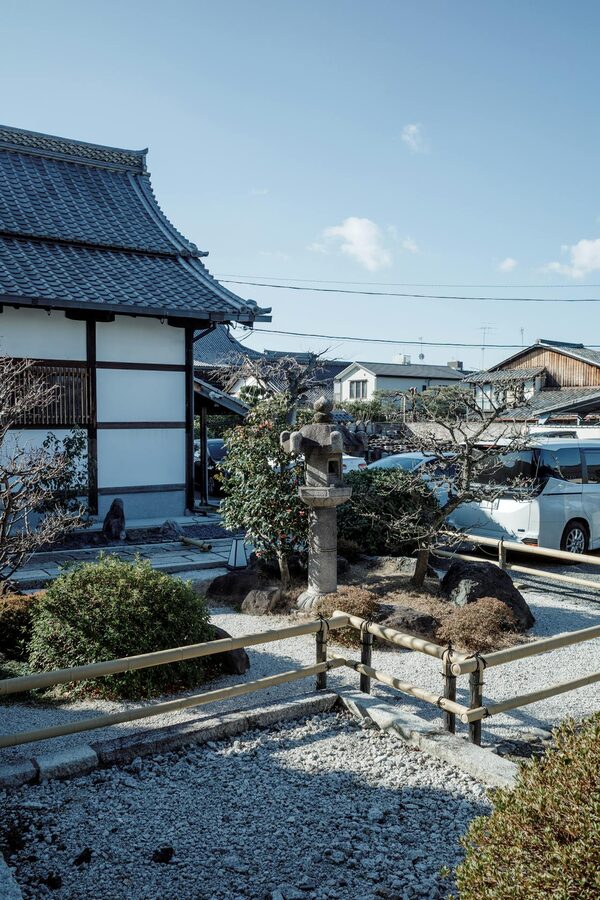
This is why many experienced Japan travellers put the zen meditation session at the beginning of their Kyoto itinerary, not the end. It recalibrates your attention for everything that follows. The Arashiyama bamboo forest after zazen is a completely different experience than the bamboo forest before it. Same trees. Different mind.
More Kyoto and Japan Experiences
A zen meditation session pairs naturally with Kyoto’s other traditional experiences. Our matcha tea museum guide is the next logical step — tea ceremony and zen meditation share the same philosophical roots. The Kyoto geisha show shows you the artistic tradition that grew alongside zen. For the martial counterpart, our samurai kenbu sword dance brings zen philosophy into movement. The early morning tour is perfect the day after meditation — you’ll see the temples differently. Our Nijo Castle guide covers the political side of Kyoto’s history. For a quieter Kyoto walk, the Nishiki Market food tour is meditative in its own way, and our Kyoto Gion food tour guide covers the evening food counterpart — a small-group, sit-down walk through Gion’s old wooden restaurants. And if you’re visiting Kanazawa as well, our Kanazawa tea ceremony at Kenrokuen is the garden companion to this temple experience. Rent a kimono and visit a temple — the combination of traditional clothing and a zen garden is Kyoto at its best. The Kyoto ghost night tour is the complete opposite of zazen — but both will make you see the city differently.